Visit Nanukamachi and Tsurugajo, stay at Higashiyama Onsen, then see Iimoriyama and Sazaedo. Plan around the ¥700 loop-bus day pass, midday skipped stops, local food, accommodation areas and seasonal changes for blossom, autumn leaves, rain and snow.
- Region & Focus
- TohokuItinerary planning
- Reading Scope
- 30 min read · 17 chapters · 5 Q&As
- Official Verification
- 18 official sources checkedUpdated 27 October 2026
- Key Topics
- ItinerariesNeighbourhoodsHot springs
Chapter Route Map (tap any stop)
- Choose your base first: Higashiyama for baths, the station for an early train
- Fix the parts of the two days that need punctual arrival
- From Tokyo via Koriyama: deal with bags on arrival
- Haikara-san goes to Nanukamachi first; Akabe goes to Iimoriyama first
- Some buses skip Higashiyama Onsen: use an afternoon connection
- Walk Nanukamachi’s old shops in daylight
- Add Kaeigura, but check brewery and café closure days separately
- Visit Tsurugajo keep first, then loop past walls and gates
- Oyakuen is optional: trade some shopping for a garden
- One night at Higashiyama: dinner, a riverside walk and a morning bath
- Mukaitaki or Takinoyu: do not use old day-bathing information
- Iimoriyama on day two: worship before Sazaedo
- Sazaedo: follow the wooden double-helix route
- Split sauce katsudon and wappa-meshi between two lunches
- Compare the time costs of station, Nanukamachi and Higashiyama stays
- Seasonal choices: more castle time in spring and autumn, shorter walks in heat and winter
- Reduce these sections in rain, after delays or with children
- Quick Q&A
Give Aizu-Wakamatsu a night. Visit Nanukamachi’s old shops and Tsurugajo in daylight on day one, then take the bus to Higashiyama Onsen for dinner and a bath. Visit Iimoriyama and Sazaedo the next day. Without a car, read the loop-bus stop columns first: some midday services skip Higashiyama Onsen-eki. Fix the inn’s dinner time and your return train, then leave the rest for castle gates, wooden ramps and a hot meal.
Choose your base first: Higashiyama for baths, the station for an early train
For one night in Aizu-Wakamatsu, a comfortable split is Nanukamachi and Tsurugajo on day one, followed by Higashiyama Onsen in the afternoon. After leaving the inn on day two, visit Iimoriyama and return to Aizu-Wakamatsu Station. This separates shopping, the castle climb and the hill, and gives a dinner-inclusive inn a full evening. With one day, make Tsurugajo and Nanukamachi the core, adding either Iimoriyama or bathing. Fitting all four into a day usually costs you meal and waiting time first.
Before booking, consider where you are going on day two. A station hotel makes an early Ban-etsu West Line departure easiest. It also suits heavy luggage, children or a late arrival. Choose Higashiyama if wooden inns, dinner and bathing are central to the trip. Nanukamachi suits shopping, lunch and a stay around the old street, but choose an evening restaurant in advance: lively daytime shopfronts do not make it a late-night dining district.
I would give the night to Higashiyama if I could reach the inn that afternoon. If the train reaches Aizu-Wakamatsu near dinner time, a station stay is more practical, leaving the following morning for the castle town.
Visit Nanukamachi and Tsurugajo, stay at Higashiyama Onsen, then see Iimoriyama and Sazaedo. Plan around the ¥700 loop-bus day pass, midday skipped stops, local food, accommodation areas and seasonal changes for blossom, autumn leaves, rain and snow.
Fix the parts of the two days that need punctual arrival
The times below allocate the day. First anchor them to your booked trains and the inn’s meal times. If you arrive in the morning, allow around two hours for Nanukamachi and visit Tsurugajo after lunch. With a midday arrival, eat and see the castle first, moving Nanukamachi to day two. Following a table should not reduce every stop to a photograph.
Aim to reach the inn between 15:30 and 16:30 rather than finishing one more exhibition. With dinner and breakfast included, write the inn’s dinner start into your plan and allow time between bus arrival, the walk and entry. If going out after dinner, ask at check-in how to return. In the hot-spring area, you can simply spend the evening inside.
Leave after breakfast on day two and visit Iimoriyama in daylight. Sazaedo closes at 16:00 in winter. A late start followed by checkout, luggage storage and lunch can leave little visiting time. If changing to a Shinkansen at Koriyama, choose your train out of Aizu-Wakamatsu first, then work backwards to the hill descent and bus wait.
| Time | Route | Adjustments |
|---|---|---|
| Day one morning | Store bags at Aizu-Wakamatsu Station → Nanukamachi and Amidaji | For a midday train arrival, move Nanukamachi to day two |
| Day one midday to afternoon | Lunch in the centre → Tsurugajo keep and castle grounds | Reduce Nanukamachi shopping if adding Oyakuen |
| Day one late afternoon | Take a service stopping at Higashiyama Onsen-eki → inn | Work backwards from the booked dinner time |
| Day two morning | Breakfast and checkout → Iimoriyama and Sazaedo | Shorten hill detours in winter or with limited stamina |
| Day two afternoon | Lunch in town, collect bags → Aizu-Wakamatsu Station | Allow waiting and travel time before the Koriyama connection |
From Tokyo via Koriyama: deal with bags on arrival
The basic rail route from Tokyo takes the Tohoku Shinkansen to Koriyama, then the JR Ban-etsu West Line to Aizu-Wakamatsu. Aizu-Wakamatsu Station is the city loop-bus starting point. Aizu is a whole region; check the destination “Aizu-Wakamatsu” when booking. Count day-one sightseeing time from your actual arrival there, not from the Shinkansen’s arrival at Koriyama.
The station, Nanukamachi, Tsurugajo and Higashiyama Onsen are in different locations. Leave large bags at your accommodation or storage near the station and carry a bag suitable for the hill and castle. If visiting Iimoriyama after checkout on day two, store luggage where you will return last. Going back to the hot-spring area for one bag can add another wait for transport.
Check long-distance trains and city buses separately. Allow time to arrive, store bags, buy tickets and find the stop. Do not make a bus a few minutes after the scheduled train arrival your only option. Buy a day pass near the station if taking at least three bus journeys; pay single fares for just two. Save the two or three bus times you need before sightseeing so that you do not have to reread the full route map at the roadside that afternoon.
Haikara-san goes to Nanukamachi first; Akabe goes to Iimoriyama first
Aizu Bus’s Haikara-san runs from the station towards Nanukamachi and Tsurugajo, then via Oyakuen, the samurai residence area and Iimoriyama back to the station. Akabe runs in the opposite direction, reaching Iimoriyama first, then Higashiyama, the castle and Nanukamachi. Both are Machinaka Shuyu city loop buses. A day pass covers both: choose by your next destination rather than following one mascot all day.
Haikara-san is convenient from the station to Nanukamachi on day one; Akabe is more direct from the station to Iimoriyama on day two. The official 1 April 2026 timetable gives an Akabe departure at 09:15 from Aizu-Wakamatsu Station, reaching Iimoriyama-shita at 09:20. Haikara-san leaves at 09:00 and reaches Nanukamachi-ekimae at 09:09. These examples explain the directions. Add the walk into each sight after alighting.
A single fare costs ¥250 for adults and ¥130 for children. A day pass costs ¥700 and ¥350 respectively, valid that day. Two adult journeys cost ¥500; three cost ¥750, so the pass saves ¥50 at three rides. Three child journeys cost ¥390, saving ¥40 with the pass. For a simple station–castle return, single fares cost less. Calculate each day separately even on a two-night stay: the ticket is not a rolling 24-hour pass.
Buy tickets at the station-front information office, Wakamatsu station-front bus terminal or officially listed attraction ticket counters. Digital tickets are available through RYDE PASS and Samurai.MaaS. The official list gives information-office hours of 07:50–16:30 and bus-terminal counter hours of 06:20–18:30. Buy and prepare digital tickets where you have internet access. Families can organise adult and child quantities together for easier boarding.
Some buses skip Higashiyama Onsen: use an afternoon connection
The midday Higashiyama branch is the easiest part of the loop timetable to misread. In the 1 April 2026 timetable, Haikara-san departures from the station between 11:00 and 14:00 have asterisks in the Higashiyama Onsen-eki column. Akabe departures between 10:45 and 13:45 also skip it. Buses pass through the samurai residence area, but guests staying in the hot-spring street need a service that stops at their actual stop.
From Tsurugajo to the inn, use an afternoon Haikara-san service entering Higashiyama. For example, board at Tsurugajo Iriguchi at 14:47 and reach Higashiyama Onsen-eki at 15:04, or board at 15:17 and arrive at 15:34. The earlier service leaves a more relaxed hotel evening; the later one allows a longer lunch or castle visit. There is still a walk from stop to hotel. For properties on the edge of the area, use the stop or shuttle meeting point specified on their access page.
Higashiyama Onsen-eki is a bus stop, not a JR railway station. Do not read “eki” on the map as direct train access. The 18:05 Haikara-san departure from Aizu-Wakamatsu Station also follows a different route through other city stops. Do not extend daytime intervals into the evening. If returning to the city for dinner after bathing, note the return service first. If no suitable bus remains, include a taxi in the journey budget.
Walk Nanukamachi’s old shops in daylight
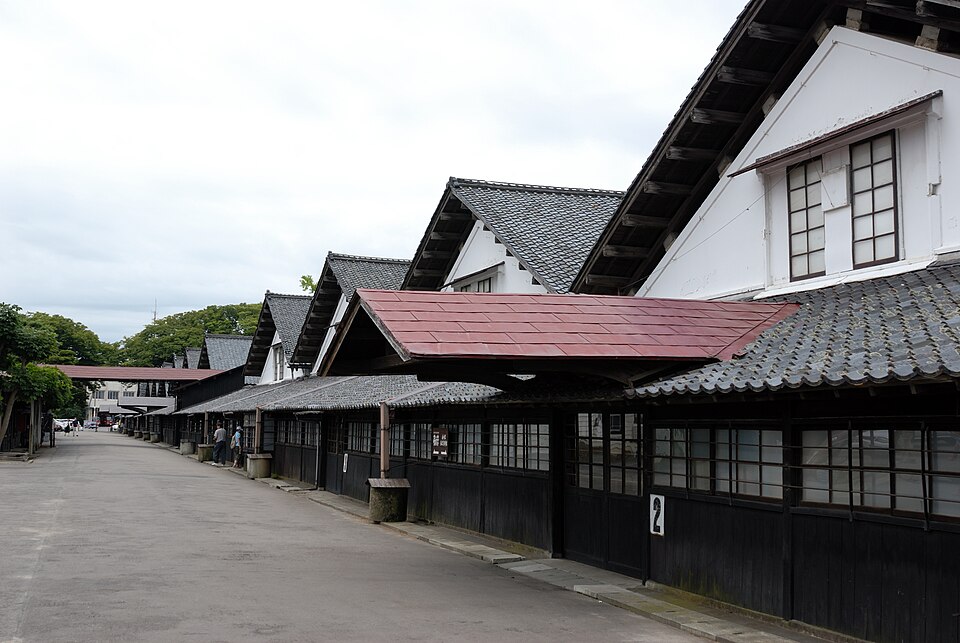
Nanukamachi rewards a slow walk: start with the station building, visit Amidaji and follow Nanukamachi Street towards the city centre. To shop first, alight at Nanukamachi Shirokiya-mae or Nanukamachi Chuo and browse towards the station. For lunch in the centre, walk east from the station instead to avoid doubling back. Following one direction is more useful than collecting every bus stop.
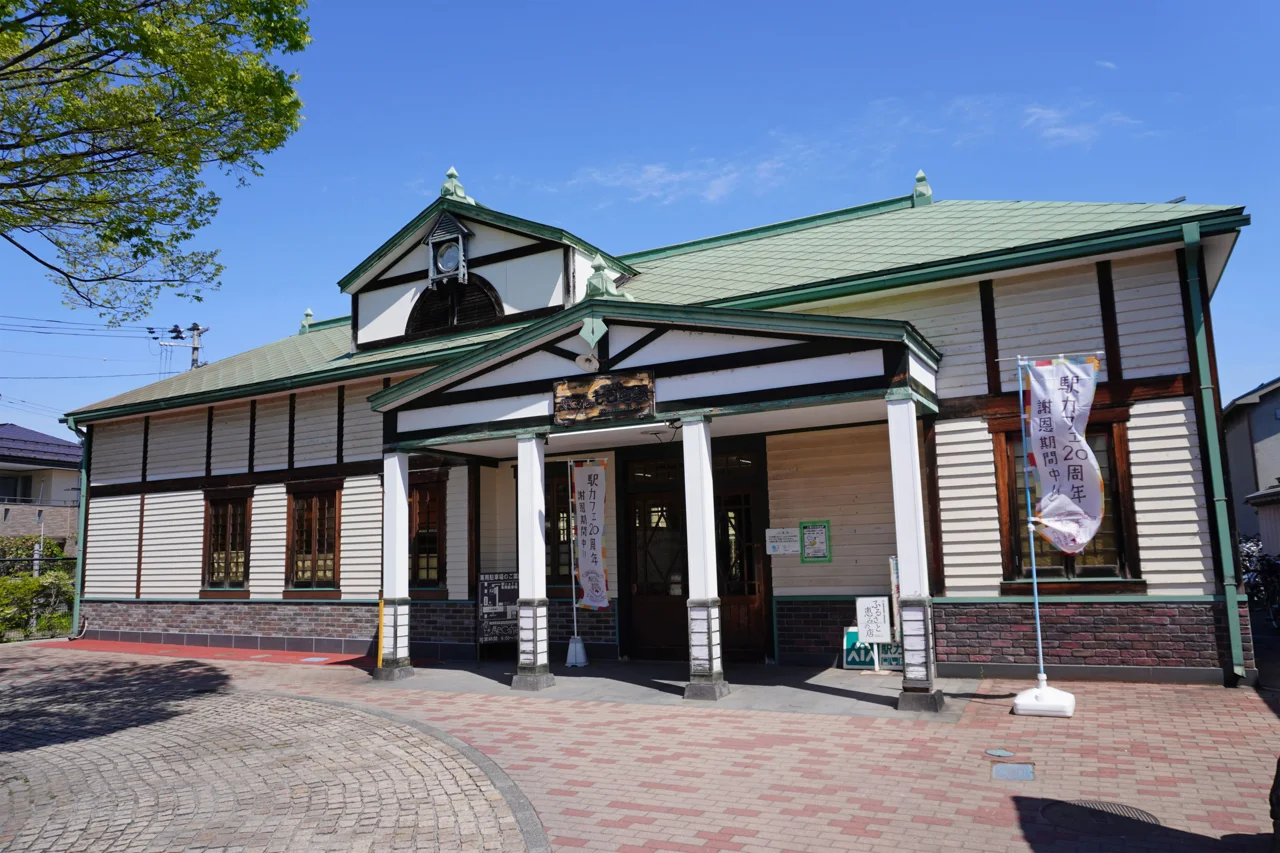
Shops and buildings alternate along the street. Lacquerware, local sweets, cafés and everyday goods have different opening times. Put your favourite one or two shops first and choose the rest as you walk, rather than scheduling every doorway. The shopping-street website lists shops closed that day. If your main target is shut, give the time to the brewery or castle instead of filling it with a photograph outside.
Amidaji is near Nanukamachi Station. Its grounds include Saito Hajime’s grave and other links to Aizu history. Slow down from shopping to worship and read the signs, keeping quiet in the cemetery. Even without a strong interest in late-Edo history, it makes a peaceful stop on the old-street walk. You need not master every historical relationship before visiting.
Trains also serve Nanukamachi Station, but a short neighbourhood walk need not depend on Tadami Line departures. With a loop-bus pass, combine buses and walking. If you want a train ride, choose the service before deciding your direction. Grouping the station building and nearby temple avoids a return walk. Pack fragile purchases safely before leaving the area.
Add Kaeigura, but check brewery and café closure days separately
Extend the Nanukamachi walk to Suehiro Brewery’s Kaeigura for more than shopping. The official address is 12-38 Nisshinmachi, Aizu-Wakamatsu. Select Kaeigura as the visit location: the separate Hakasegura does not offer brewery tours. Finding the wrong site can use an afternoon that was meant for the castle.
Kaeigura tours take about 30 minutes. Individuals need no reservation; groups do. It closes on the second Wednesday. March–November starts are 10:00, 11:00, 13:00, 14:00, 15:00 and 16:00. December–February has only 11:00, 13:00 and 15:00. If putting the brewery after Iimoriyama in winter, choose one of these three times rather than expecting the summer frequency.
The brewery shop opens 09:30–16:30 and closes on the second Wednesday. Kura Kissa An café opens 11:00–16:30, with last orders at 16:00. It closes Wednesdays and the first and third Thursdays, but opens on public holidays. Tour and café closure days differ. If you want dessert, read the café’s schedule before leaving. You can choose only a tour, sake shopping or coffee. Do not let waiting for a tour consume lunch time.
Visit Tsurugajo keep first, then loop past walls and gates
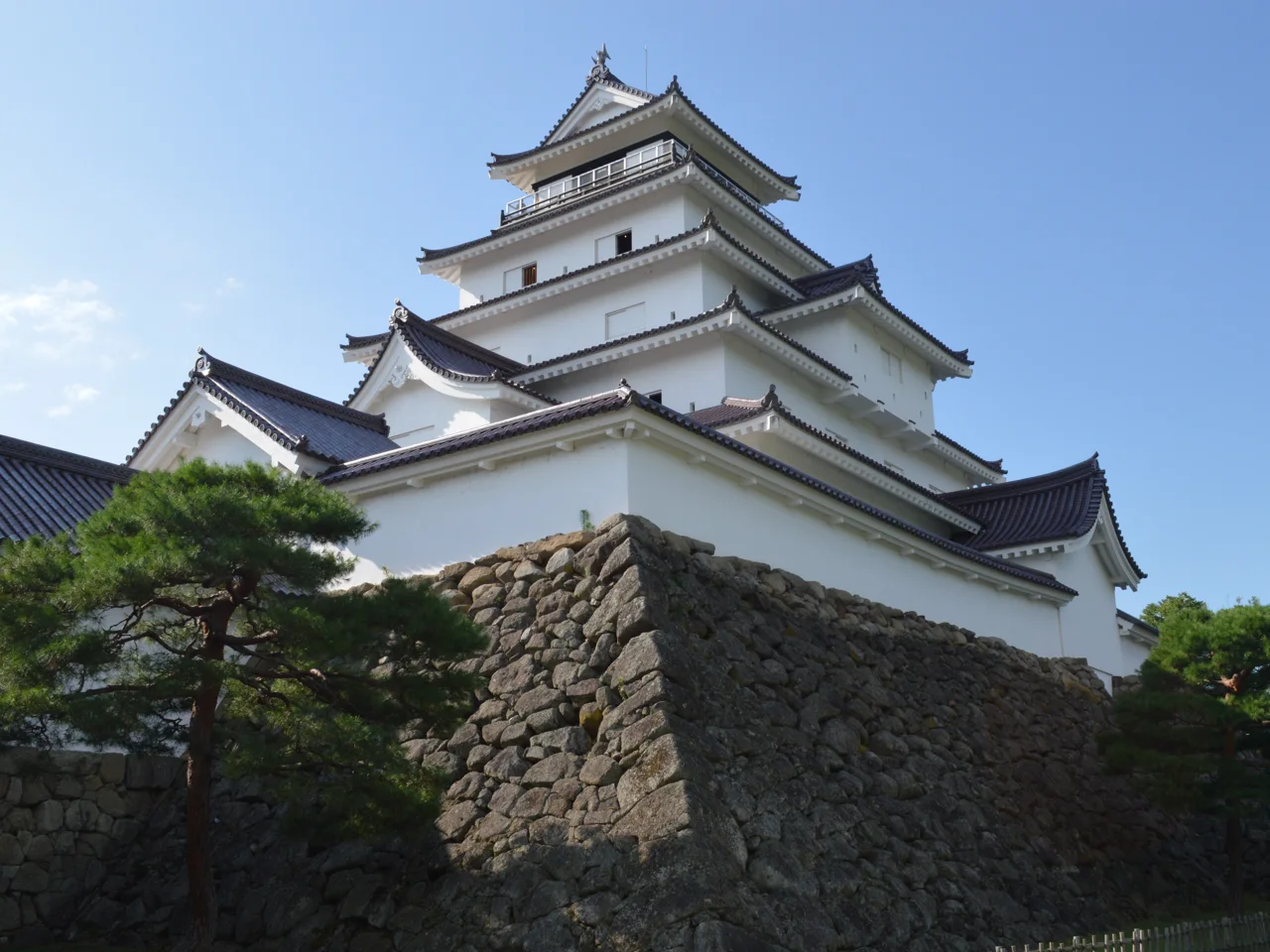
Tsurugajo, also called Aizu-Wakamatsu Castle, is the most concentrated introduction to the castle town. From Tsurugajo Iriguchi bus stop, you still need to walk into the grounds. Include alighting, crossing the park, buying tickets and climbing the keep in the visit. Writing “castle: one hour” while expecting displays, a climb, exterior photographs and tea can leave you missing the planned bus.
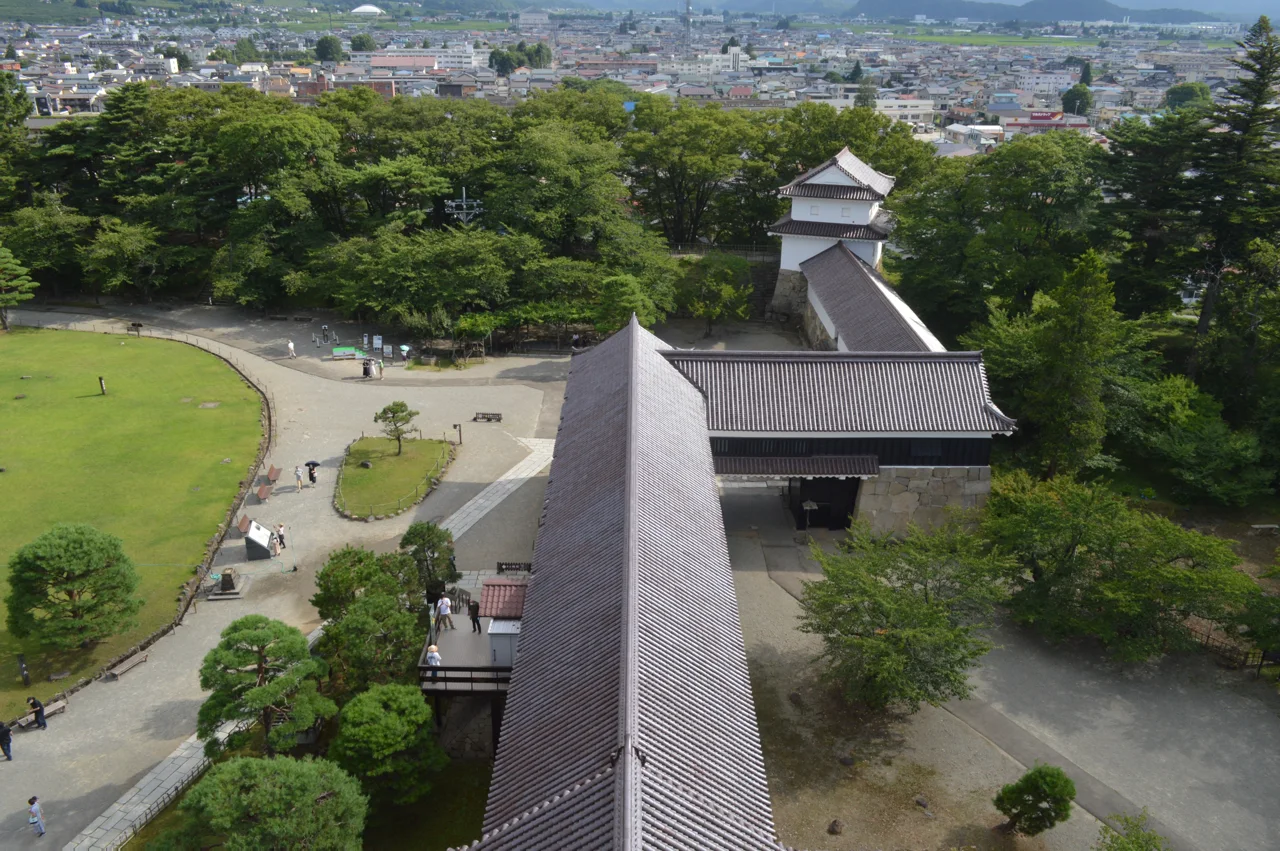
The keep opens 08:30–17:00, with last entry at 16:30. Admission is ¥410 for adults and ¥150 for primary and junior high school pupils. A combined keep and Rinkaku tea-house ticket costs ¥520 for adults and ¥150 for pupils. Buy keep-only admission if that is all you want, and the combined ticket when definitely entering Rinkaku. Matcha and other refreshments are separate from admission; a garden ticket does not pay for a full tea service.
I would climb the keep first, leaving displays and the view for when energy is highest, then walk the gates, stone walls and moat at ground level. Seeing the layout from above makes the turns below easier to understand than starting with a tiring full outer loop. Allow around two hours if exhibitions interest you. Those wanting just the exterior and park can take longer outside without matching the keep visitors’ pace.
Tsurugajo is known for its red roof tiles, but light can make them look grey or brown in photographs. Frame the keep, stone walls and trees rather than trying to produce the same red in every image. In spring, walk the moat and cherry trees together; in autumn, leave time for castle areas such as Kita-demaru. In winter, shorten the wind-exposed outer walk and save energy for Iimoriyama the next day.
Tsurugajo’s official guide explains stone-wall construction methods, giving you details to look for in the stonework around the gates and moat.
Oyakuen is optional: trade some shopping for a garden
Oyakuen suits visitors wanting a pond garden between castle and hot springs. It opens 08:30–17:00, with last admission at 16:30. Admission costs ¥330 for adults, ¥270 for senior high school students and ¥160 for primary and junior high school pupils. The website states that the garden has no lighting. With early winter sunsets, visit while it is light rather than treating it as an extra after Tsurugajo closes.
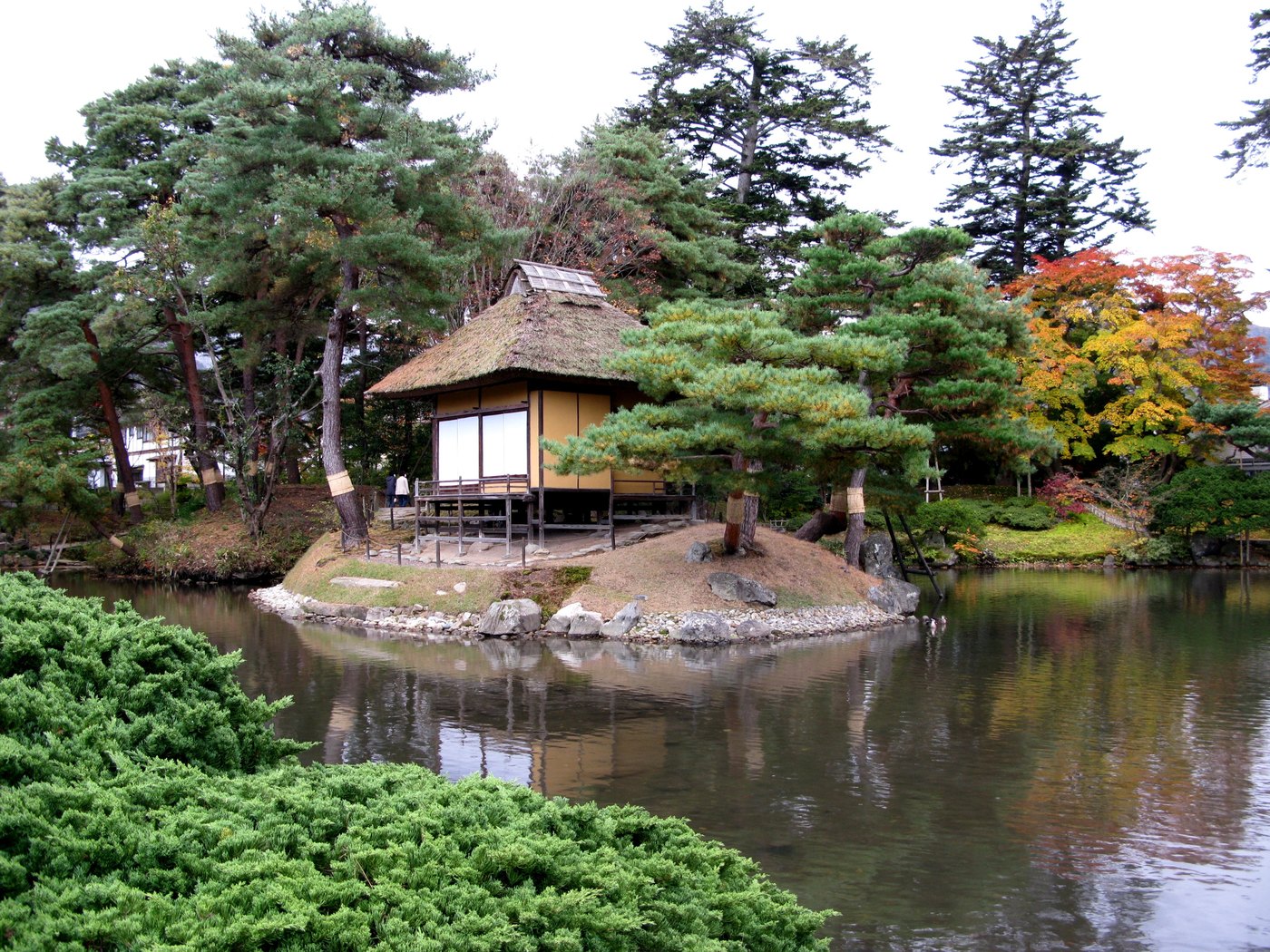
Add it according to your interests. For gardens and medicinal plants, shorten Nanukamachi shopping, visit the castle after lunch and leave time for Oyakuen. For two unhurried baths at the inn, go straight from the castle to Higashiyama. Space for a preference often makes a two-day guide more useful than another place name.
For companions with less stamina, Oyakuen can replace Iimoriyama rather than adding both. It still has outdoor paths. Wear grippy footwear in rain or snow and avoid a rushed bus connection. If definitely visiting the garden and keep, compare combination tickets available at the counter that day. If it is only a possible detour, do not buy a package that forces every facility into the day.
One night at Higashiyama: dinner, a riverside walk and a morning bath
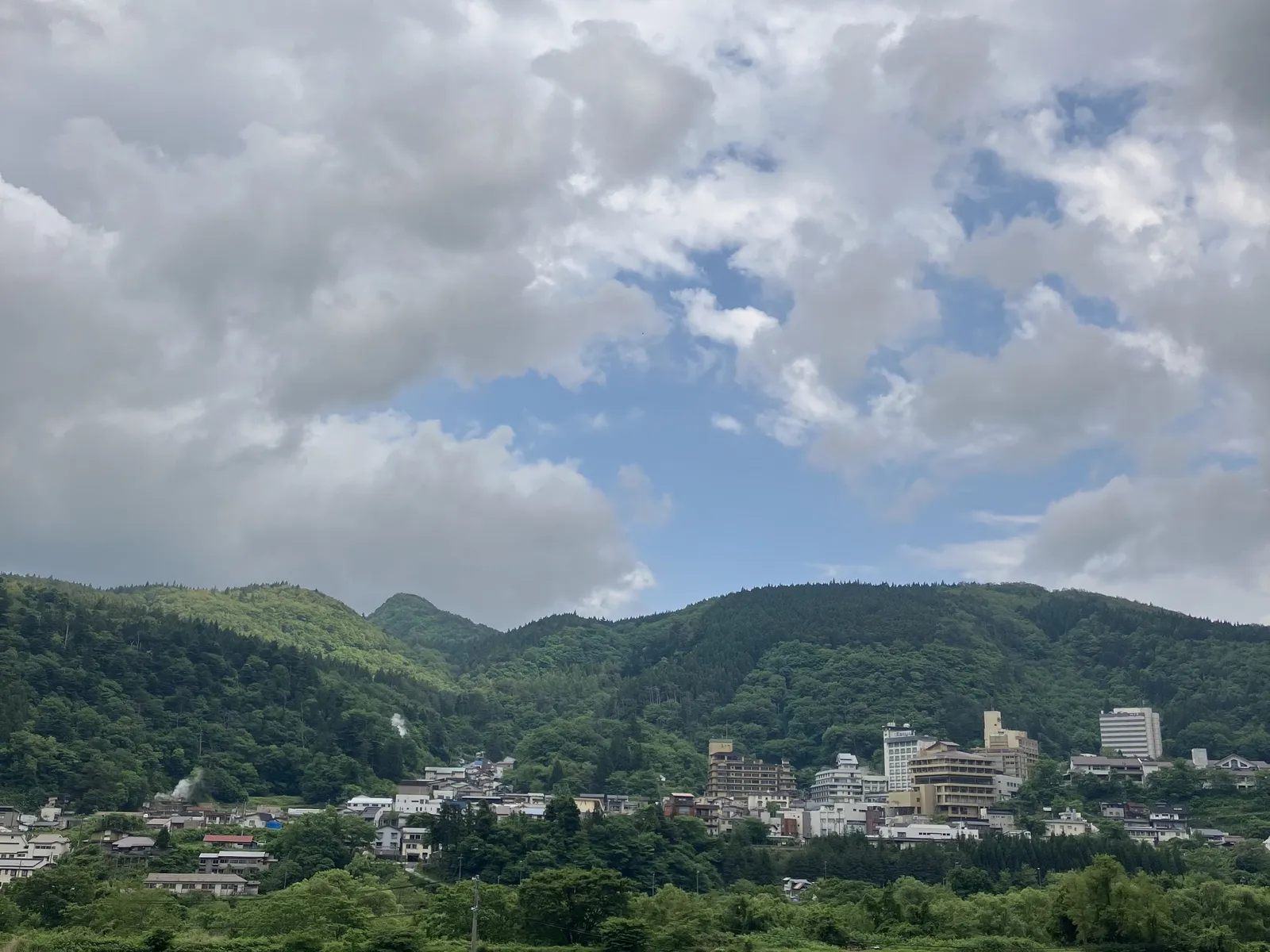
Higashiyama Onsen lies east of the city, with inns along the Yukawa River adding a different pace to a castle-town visit. Dinner and breakfast included, afternoon arrival, bathing and departure after breakfast make good use of the stay. Chasing sights until dark turns the inn into little more than a bedroom and may leave you rushing dinner.
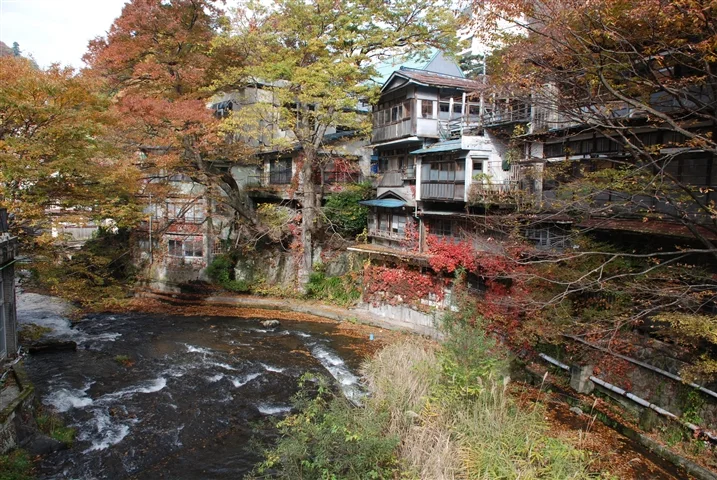
Check transport location before room type. A property near Higashiyama Onsen-eki or Takinoyu-mae feels different with luggage from one reached by an uphill walk. Follow any inn shuttle’s reservation and meeting instructions. Enter dining location, bed type, bathroom, children’s meals and guest numbers when booking. For three guests, select a room sold for three rather than forcing a third person into a two-person plan.
The easiest time for a hot-spring street walk is daylight around check-in. Look at riverside buildings, cross a bridge and return to change. A short walk is enough: dinner and the inn’s baths take most of the evening. Shorten outdoor time in rain or snow rather than walking every riverside section simply because you are staying there.
Compare the whole cost for the same night, guests and meals, adding transport and separately charged fees. Set an acceptable total before choosing an in-room bath, private-use bath or communal bath. Cancelling a non-refundable plan to move the itinerary incurs the corresponding loss. Decide this alongside train plans before booking.
Mukaitaki or Takinoyu: do not use old day-bathing information
For a wooden cultural-property building, start with Mukaitaki. Its website says each room has a different layout, meals focus on Aizu ingredients, and dinner and breakfast are served in rooms, with a separate dining space for groups. Three family baths can be used privately without an extra charge or reserved time slot. Include this in the comparison if bathing together matters, then choose a suitable room.
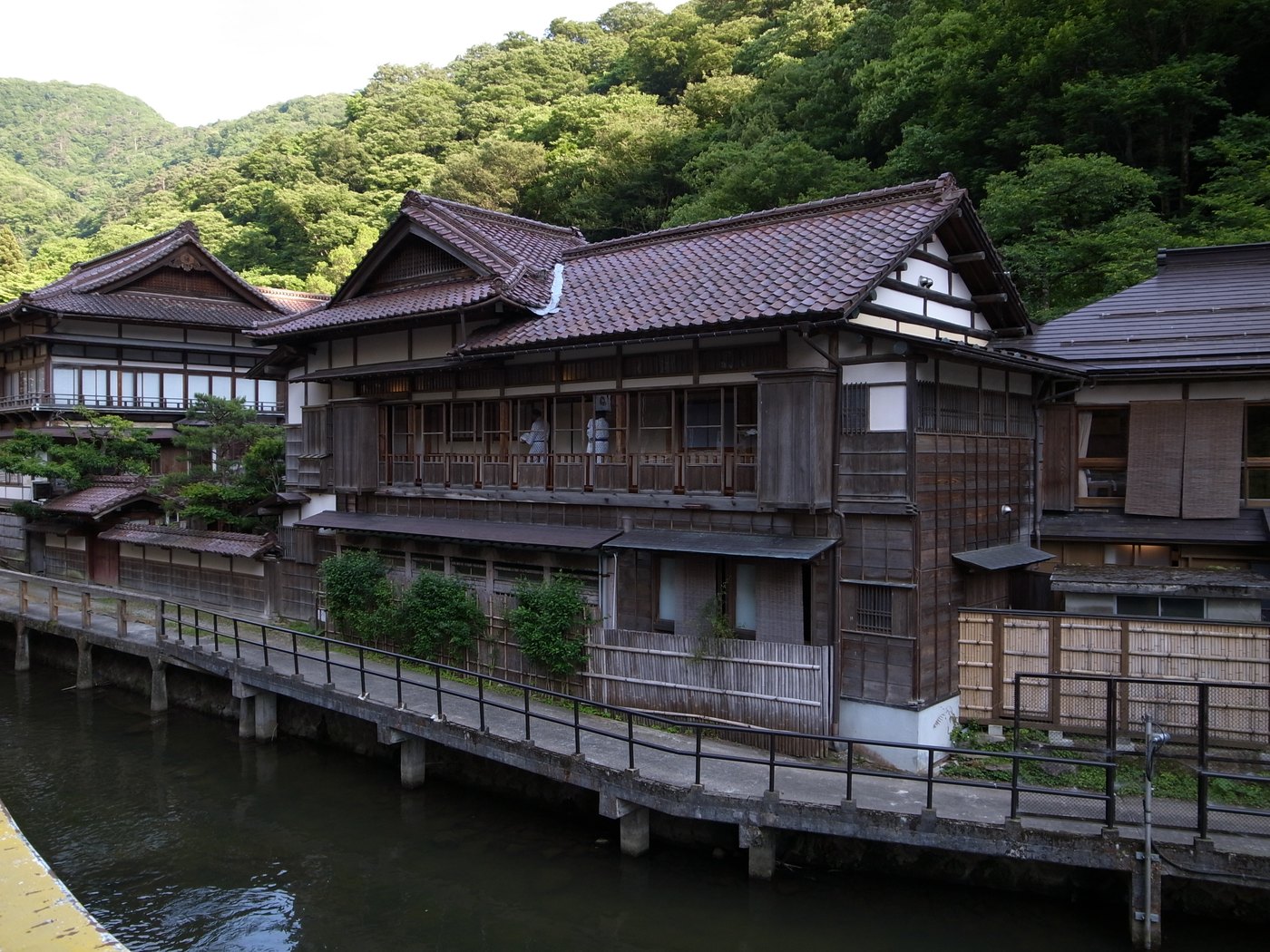
Mukaitaki changes the water daily. Its website lists 09:30–14:30 as the period waiting for the baths to refill. For a one-night stay, plan main baths after check-in and before breakfast so that a final bath does not collide with cleaning and refilling before checkout. Entry is for overnight guests only; there is no day bathing. View the exterior from public roads, and book accommodation for time inside.
Shosuke no Yado Takinoyu can be compared for stream views and its baths. Its official website announced the end of individual day bathing and the online lunch-and-hot-spring day plan on 31 August 2026. Overnight accommodation continues. Lunch day visits for groups of ten or more have separate telephone booking and specified-date conditions. Two or three people finishing Tsurugajo cannot simply follow an old article and walk in for a bath.
For daytime bathing only, filter by actual access for non-residents that day, bathing hours and final admission. Find a day plan currently on sale before arranging transport. Once staying overnight, return to meals, baths, room type and distance from the bus stop when choosing.
Iimoriyama on day two: worship before Sazaedo
Iimoriyama is easier to place after Tsurugajo. Having seen the castle, look towards the city from the hill and read the Byakkotai information to understand the locations without first memorising a list of names. Combine the graves of the nineteen Byakkotai members, the area around the suicide site and Sazaedo according to your energy. The graves are a memorial space: lower your voice and avoid photographing people at worship.
The bus stop is Iimoriyama-shita. Slopes and steps remain from the stop to the hilltop. For older relatives or children, treat the climb as the day’s main walking effort. A paid uphill transport facility is available at the foot, but you still walk around the hill and back down. Save energy even if using it. Grip matters more than appearance in shoes. In winter ice, a shorter route is safer than completing every branch.
Decide whether history or architecture is the priority. For the Byakkotai, leave longer for graves and signs. If Sazaedo matters most, fit its hours first and arrange other stops around it. Winter afternoons darken early. Start in the morning for both, then return to town for lunch rather than working out an uphill visit after eating.
If you stayed at Higashiyama and want to store bags at the station first, count that return trip in the morning. For a direct inn-to-Iimoriyama journey, choose a loop service that actually stops in the hot-spring area and check its direction towards Iimoriyama. Their shared position east of town does not make walking an easy bus substitute, especially in winter or with luggage.
Sazaedo: follow the wooden double-helix route
Save the name Aizu Sazaedo (会津さざえ堂) on your phone for searches or directions. The wooden double-helix building is best understood by walking its interior: up a ramp, around a turn and down by another path. Look at the layered timber exterior before entering and again afterwards to connect the route you walked with its shape.
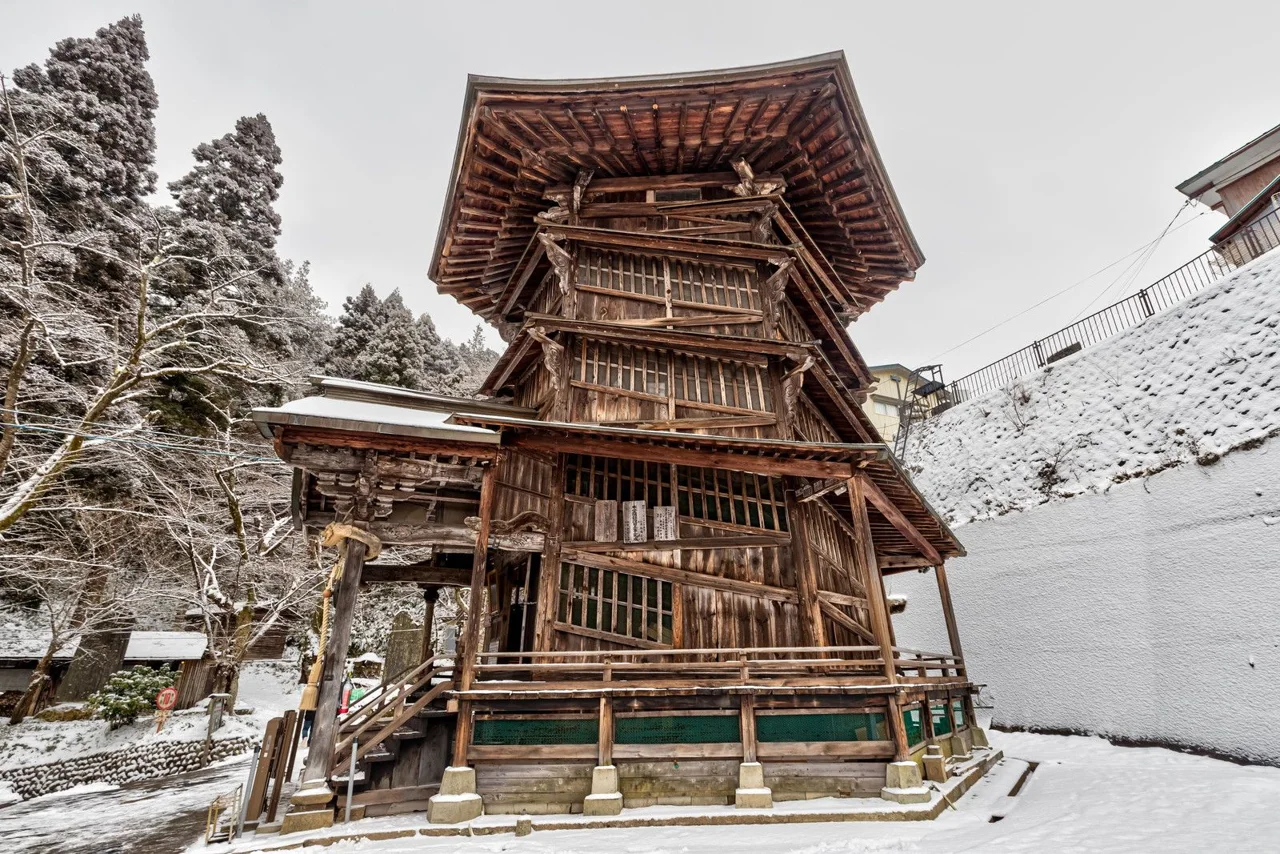
Official admission is ¥400 for adults, ¥300 for university and senior high school students and ¥200 for primary and junior high school pupils. April–November hours are 08:15 to sunset; December–March hours are 09:00–16:00. The official access guidance gives about seven minutes on foot from Iimoriyama-shita. This covers only reaching the hall. Add time for graves and city views.
Take the wooden ramps slowly. Wear walking shoes and leave space ahead. When photographing details, let people behind pass. Include ramp strain in the decision if your knees hurt. Families with pushchairs can take turns visiting, with one adult outside caring for the child, rather than bringing a pushchair into the narrow route.
Check the return stop again before leaving Iimoriyama. For a long-distance train, choose an earlier bus that connects, leaving space for a meal and bag collection. If the hill visit runs long, drop the next shopping stop. Eat and collect luggage after descending, then go to the station.
Split sauce katsudon and wappa-meshi between two lunches
Aizu sauce katsudon puts a sauce-coated pork cutlet on rice and cabbage, making a substantial seated meal between walks. A simple plan is a city-centre cutlet lunch on day one before the castle. With a generous inn dinner ahead, skip an extra fried dish or snack at lunch to keep an appetite for Aizu cooking. Let different appetites choose separate meals rather than ordering the same large bowl for a photograph.
Nakajima in the centre also serves nikomi sauce katsudon, with the cutlet simmered in sauce, a different choice from the cabbage-topped version. Read the menu name before choosing simmered or regular sauce style rather than remembering them both simply as cutlet rice. The official website posts opening-day notices. Choose a lunch time before visiting; if closed, eat elsewhere rather than circling the castle town for the same door.
For the other meal, choose wappa-meshi, rice and toppings served in a bentwood vessel, after returning to town on day two. Takino is at 5-31 Sakaemachi, in Kanetsukido Koji. Its notice of 23 October 2026 adjusts hours through 3 November 2026 to 11:00–19:00, with last orders at 17:30. During that period, enter and order before 17:30 for dinner. Day-two lunch is easier to connect with a return train.
Kozuyu is an Aizu local soup, often made with scallop stock and vegetables, and part of local banquet meals. Look for it on a dinner-inclusive inn menu, or order it with a main dish where restaurants serve it. It fills a different role from cutlet rice and wappa-meshi. These three names need not become three main meals. Add the soup to one meal to taste the difference without ordering too much.
Compare the time costs of station, Nanukamachi and Higashiyama stays
A station stay makes it easy to leave bags on arrival and catch the next day’s train. The trade-off is transport or walking to the castle and neighbourhoods during the day. It suits an early departure or a one-night link in a Fukushima trip. For dinner in the centre, plan the bus or taxi back to the station hotel as well.
Nanukamachi suits those putting a neighbourhood walk after breakfast first. Returning to pack purchases is convenient for lacquerware and sweet shops, but Tsurugajo, Iimoriyama and Higashiyama still need separate transport. Check the address and entrance. Even a property named after Nanukamachi needs a map check for distance to the station, bus stop and the shops you want.
Higashiyama Onsen brings dinner, baths and rest into one inn, suiting people who want time there. Visiting town in the morning and returning for bags adds a journey. Take them at checkout or arrange storage first. The choice depends on which movement you want to save: the station for an early train, Higashiyama for an evening of bathing.
For mobility needs, ask about the route from entrance to room, restaurant and baths before choosing a room. State how many steps you can manage and whether you need a lift or bed. Specific needs get more useful answers than “Is it convenient?” Enter children’s ages, meal numbers and bedding on dinner-inclusive orders, and retain the inn’s reply with the booking.
Seasonal choices: more castle time in spring and autumn, shorter walks in heat and winter
In spring, focus on Tsurugajo Park. Official general guidance places cherry viewing in mid- to late April. Use that year’s flowering announcements and your accommodation dates rather than copying last year’s peak into the next year. For daylight and night views, stay in town and reduce other sights. With dinner included at a Higashiyama inn, prioritise daytime blossom and returning for dinner.
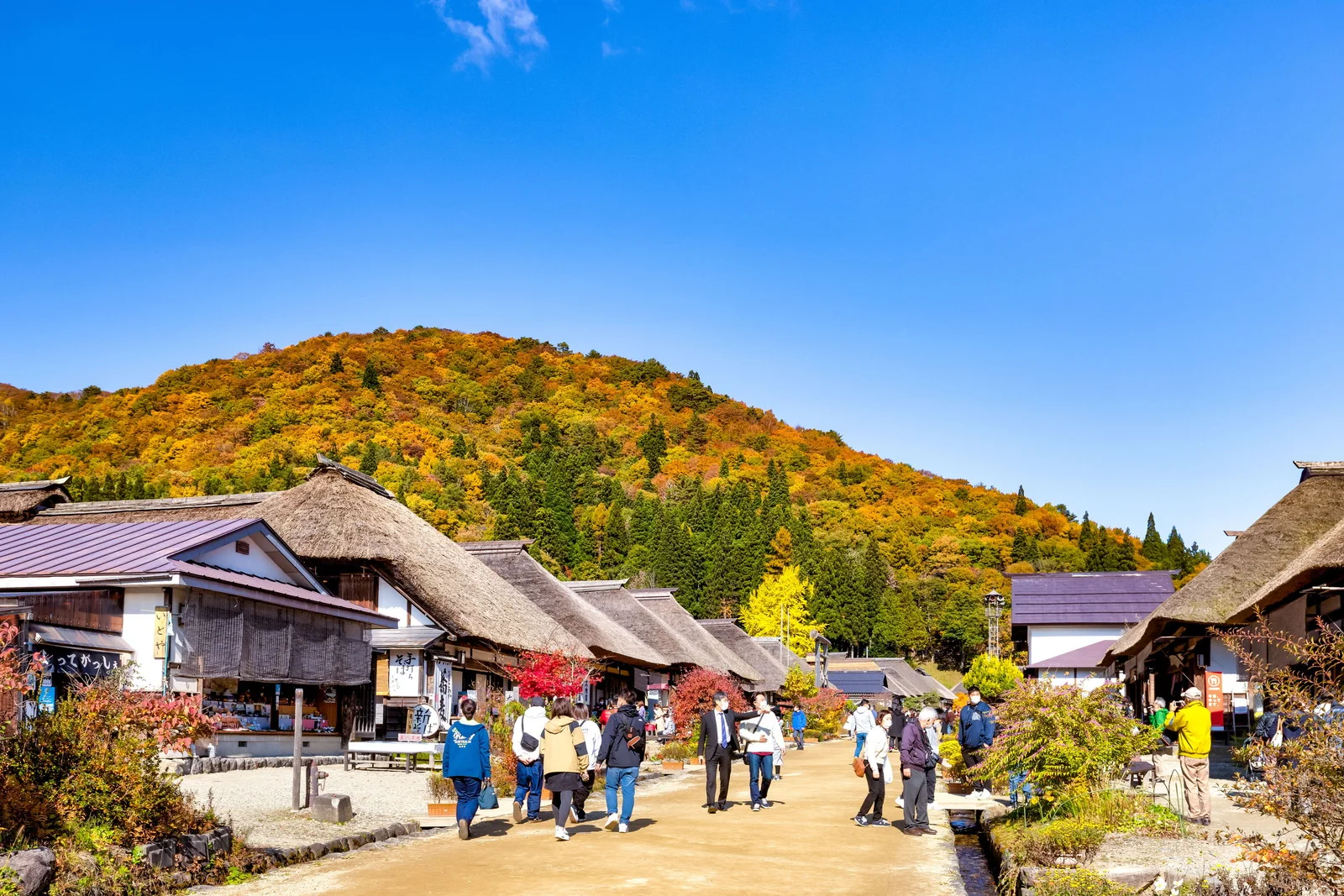
Autumn colour around Tsurugajo generally centres on late October to early November. Choose two of the castle grounds, Oyakuen and Higashiyama riverside for a deeper visit. Aizu’s city and the Bandai mountains differ in elevation; the date on a mountain photograph does not describe the castle that day. Without a car, using the loop bus for castle and garden is an easier use of daylight than adding mountain transfers on impulse.
In summer, split Nanukamachi and castle walks with lunch, coffee or indoor displays. Avoid walking from street to castle and then uphill continuously at midday. Carry water and sun protection, and rest in a shop with seats. With an inn dinner booked, avoid another large afternoon snack. Earlier check-in gives more bath time.
Shorten both winter days. Iimoriyama steps, Sazaedo ramps and outdoor bus waits bring cold and ice. Choose grippy shoes, gloves and rain/snow gear that can be packed away before deciding the distance. A morning hill visit and an afternoon in town or at the inn are more dependable than a final uphill slot before 16:00. Sazaedo closes at 16:00 in winter and Oyakuen has no lighting; neither can use summer’s long twilight.
Reduce these sections in rain, after delays or with children
In rain, keep the castle’s indoor visit and select only favourite Nanukamachi shops and a seated restaurant. You still walk outdoors from bus stops to buildings. Umbrellas, coats and shoes help more than squeezing in another indoor attraction. If rain affects walking, drop Oyakuen and Iimoriyama detours and reach the inn earlier. Time to bathe and change into dry clothes improves comfort.
With children, choose one main walk each day. After a longer castle visit on day one, use buses to shorten both ends of Nanukamachi. After Iimoriyama on day two, avoid a long shopping walk after lunch. Pushchairs suit streets; split the group for narrow mountain and wooden-building sections. Eat a little earlier so hungry children are not starting another bus wait.
For a train delay or late arrival, first remove optional shopping and the garden, keeping booked dinner and main sights. If day one fits only the castle, put Nanukamachi before lunch on day two. If Iimoriyama still matters that morning, accept fewer shops. A later hill descent means shortening shopping so that meals and bag collection still fit before the train.
Before leaving, pack food, lacquerware and sake separately, collect everything stored and return to Aizu-Wakamatsu Station. The city bus and the train from Aizu-Wakamatsu to Koriyama are separate legs. Save each time on your phone so that the final meal can be eaten sitting down.
A few useful answers
How many rides make the Aizu loop-bus day pass worthwhile?
Adult singles cost ¥250 and the day pass ¥700; child singles cost ¥130 and the pass ¥350. Both become cheaper from three rides. The pass covers Haikara-san and Akabe on that day only.
Does every loop bus call at Higashiyama Onsen?
In the 1 April 2026 timetable, Haikara-san station departures from 11:00 to 14:00 and Akabe departures from 10:45 to 13:45 skip Higashiyama Onsen-eki. From the castle, use an afternoon service such as Haikara-san from Tsurugajo Iriguchi at 14:47 to Higashiyama Onsen-eki at 15:04.
When does Sazaedo close in winter?
December–March hours are 09:00–16:00; April–November hours are 08:15 to sunset. Admission is ¥400 for adults, ¥300 for university and senior high school students, and ¥200 for primary and junior high school pupils.
Can individuals still use day bathing at Shosuke no Yado Takinoyu?
Individual day bathing ended on 31 August 2026. Overnight stays continue. Lunch day visits for groups of ten or more require telephone booking and are limited to dates specified by the inn.
Should I stay near Aizu-Wakamatsu Station or at Higashiyama Onsen?
Choose the station for an early train, late day-one arrival or heavy luggage. Choose Higashiyama if you can arrive in the afternoon and want dinner and bathing time. Nanukamachi suits daytime shop browsing.
Official information and references
Sources used in this guide.
- Aizu Bus: loop-bus fares, ticket outlets and current routes
- Haikara-san timetable, 1 April 2026
- Akabe timetable, 1 April 2026
- Official Tsurugajo keep hours, admission and castle information
- Official Oyakuen hours and admission
- Official Aizu Sazaedo hours and admission
- Nanukamachi shopping street: area information and daily shop closures
- Nanukamachi shopping street: Amidaji
- Suehiro Kaeigura: tours, shop and café hours
- Official Mukaitaki: rooms, meals, family baths and bath maintenance
- Shosuke no Yado Takinoyu: end of day-bathing notice
- Higashiyama Onsen Tourism Association: rail and city transport
- Official Takino: wappa-meshi and opening hours
- Official Nakajima: simmered sauce katsudon and opening notices
- Onyado Toho: Aizu sauce katsudon and kozuyu
- Aizu Higashiyama Onsen Ryokan Cooperative
- Fukushima tourism: usual Tsurugajo cherry-blossom season
- Takino: adjusted hours through 3 November 2026