The JR East Pass costs ¥35,000 for 5 days and ¥50,000 for 10 days. Compare revised fares from Tokyo to Sendai, Shin-Aomori, and Akita, plus seat bookings, ticket collection, and winter buses.
- Region & Focus
- TohokuTransport and passes
- Reading Scope
- 21 min read · 8 chapters · 7 Q&As
- Official Verification
- 25 official sources checkedUpdated 22 November 2026
- Key Topics
- Rail travelBookingTravel budget
Chapter Route Map (tap any stop)
- Choosing Between the 5-Day and 10-Day Pass
- Calculating Value Based on Your Actual Trains
- Where the Pass Takes You (and Where It Stops)
- Buying, Collecting and Reserving Seats: Key Deadlines
- A 5-Day Northbound Route: Basing Yourself at Transfer Hubs
- 2026–2027 Winter Connections That Reshape Your Route
- Cross-Regional Routes That Make Sense With 10 Days
- Changing Trains, Refunds and Return Buffers
- Quick Q&A
The adult JR East Pass costs ¥35,000 for 5 days or ¥50,000 for 10 days, valid on consecutive calendar days from your chosen start date. A return trip in an ordinary reserved seat from Tokyo to Sendai costs ¥23,260 at standard single fares, whereas Tokyo to Shin-Aomori and back comes to ¥36,220—already more than the 5-day pass. Only when you map your arrival from Narita, your Tohoku stays, your return leg, and any side trips onto one calendar does it become clear which pass makes sense.
Choosing Between the 5-Day and 10-Day Pass
JR East introduced the current pass structure on 14 March 2026. The older Tohoku and Nagano-Niigata passes went off sale on 13 March, and both new durations now share a single coverage map. Adult fares are ¥35,000 for 5 days and ¥50,000 for 10 days, while children aged 6 to 11 pay ¥17,500 and ¥25,000 respectively. Travellers aged 12 and over pay the adult fare, based on their age on the date of purchase.
Start by listing your earliest and latest long-distance rail days. If you travel from Ueno to Sendai on Tuesday and return from Shin-Aomori to Tokyo on Saturday, Tuesday is Day 1 and Saturday is Day 5. A full day spent sightseeing on foot in Sendai still uses up one calendar day. If your return falls on Sunday instead, weigh a 5-day pass plus one single ticket against buying the 10-day pass from the outset—calculate the out-of-window leg first and check whether the extra ¥15,000 pays for itself.
Even on a ten-day trip to Japan, a 5-day pass may be all you need. If you spend the first two nights in Tokyo, continue to Sendai and Aomori, and finish with three nights back in Tokyo, start the pass on the day you head north and use Day 5 for the return. If both Narita Airport transfers fall outside the pass window, price them using the N'EX Tokyo Round Trip Ticket at ¥5,200 for adults (valid for one outbound and one return journey within 14 days). When only one airport trip sits outside the pass, compare against a single N'EX ordinary-car benchmark fare of ¥3,140 between Narita Airport and Tokyo Station.
Stepping up from 5 days to 10 adds ¥15,000 for an adult and ¥7,500 for a child. If you plan two nights at a Yamagata hot spring, a breather in Tokyo, and then a trip to Niigata, map out both options to see how many separate tickets move inside the validity window. If the extra days only pick up a weekend local train to Kamakura, the added value is minimal; if they cover a Hayabusa ride back from Shin-Aomori to Tokyo at the regular-season adult single benchmark of ¥18,110, that single journey can tip the choice.
| Pass Type | Adult (12+) | Child (6–11) | Validity |
|---|---|---|---|
| 5-Day Pass | ¥35,000 | ¥17,500 | 5 consecutive days |
| 10-Day Pass | ¥50,000 | ¥25,000 | 10 consecutive days |
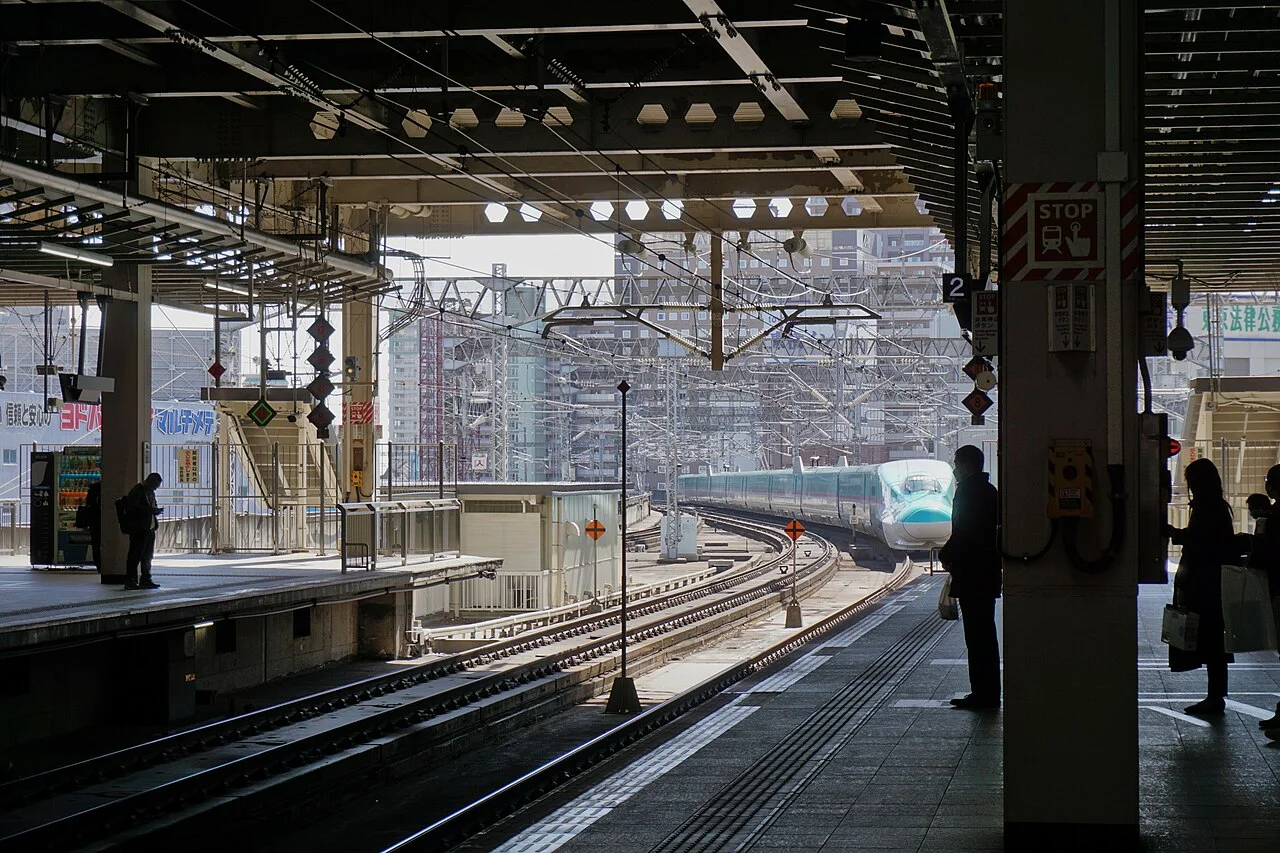
The JR East Pass costs ¥35,000 for 5 days and ¥50,000 for 10 days. Compare revised fares from Tokyo to Sendai, Shin-Aomori, and Akita, plus seat bookings, ticket collection, and winter buses.
Calculating Value Based on Your Actual Trains
Always compare like for like in the same carriage class. JR East's fare revision sheet sets out regular-season adult ordinary reserved-seat single benchmarks from Tokyo: ¥11,630 to Sendai on the Hayabusa, ¥18,110 to Shin-Aomori, and ¥18,460 to Akita on the Komachi, each combining the base fare and Shinkansen express supplement. If you intend to use online advance discounts, different train types, alternative stations, or travel during seasonal peak or off-peak pricing, swap those benchmarks for the fares you can actually book.
A Tokyo–Sendai return totals ¥23,260, leaving you ¥11,740 shy of the 5-day pass. Adding two Narita Express journeys between Tokyo and Narita at ¥3,140 each brings the sum to ¥29,540, meaning point-to-point tickets usually win if those four rides plus a few city hops are all you take. Only once you add another Shinkansen leg to a different city does the equation shift—and before pricing two separate Tokyo round trips, see whether an overnight stop in Tohoku removes the duplicate journey out of Tokyo.
A Tokyo–Shin-Aomori return totals ¥36,220, just ¥1,220 above the 5-day pass, while Tokyo–Akita comes to ¥36,920, a ¥1,920 margin. Both corridors are sensitive to discounted fares: if you secure promotional tickets for a simple return trip, buying individually can still work out cheaper at checkout. Once you tack on local branches to Aomori city, Hirosaki, or Lake Tazawa, add those exact fares in—and remember that the ability to catch an earlier Shinkansen to meet a hotel shuttle can matter more than a narrow nominal fare gap.
If your itinerary pairs a Sendai return with day trips around Tokyo, tally the complete plan properly. A Sendai return at ¥23,260 plus a ¥16,000 JR Tokyo Wide Pass totals ¥39,260, though if Nikko is your only day trip, price that excursion on its own first. If Lake Kawaguchi is on the list, note that the JR East Pass only takes you on JR tracks as far as Otsuki, leaving the Fujikyu Railway fare on top of ¥35,000, whereas the Tokyo Wide Pass includes Fujikyu—list the uncovered legs for both before deciding.
Family budgets need to be totalled separately as well. For two adults and one child aged 6 to 11, three 5-day passes cost ¥87,500 and three 10-day passes cost ¥125,000, a difference of ¥37,500. Check child single fares in ordinary reserved seats leg by leg on the booking screen. Under pass rules, children under 6 travel free when not occupying a separate seat; if you want a dedicated seat for them on an all-reserved train, factor in a child ticket or child pass.
Running two columns side by side beats mental arithmetic. In the single-tickets column, log travel date, departure and arrival stations, train name, and the ordinary reserved-seat fare; in the pass column, log validity dates, any out-of-area base fares and supplements, and private buses or non-covered transit. Strip out fixed expenses you will pay either way—sightseeing boats, ski hire, hotels—and isolate only what changes with your pass choice, especially airport transport on your final day.
| Route | Train | Single | Two Same-Fare Journeys |
|---|---|---|---|
| Tokyo – Sendai | Hayabusa | ¥11,630 | ¥23,260 |
| Tokyo – Shin-Aomori | Hayabusa | ¥18,110 | ¥36,220 |
| Tokyo – Akita | Komachi | ¥18,460 | ¥36,920 |
Where the Pass Takes You (and Where It Stops)
From Tokyo, the five core routes are the JR East sections of the Tohoku, Akita, Yamagata, Joetsu, and Hokuriku Shinkansen. Ordinary reserved seats are covered north to Shin-Aomori (plus the Akita and Yamagata branches) and northwest to Niigata, Echigo-Yuzawa, or Nagano. On the Hokuriku Shinkansen, coverage ends at Joetsumyoko—if you plan to alight at Toyama or Kanazawa, confirm the add-on base fare and express supplement west of Joetsumyoko before reserving. For routes continuing from Tokyo via Hokuriku to Kansai, see the Hokuriku Arch Pass guide from Tokyo to Osaka.
The Tokaido Shinkansen out of Tokyo towards Nagoya, Kyoto, and Shin-Osaka belongs to JR Central and requires a separate ticket. A similar boundary sits in the north: certain Hayabusa trains continue past Shin-Aomori to Shin-Hakodate-Hokuto on the Hokkaido Shinkansen, where separate fares apply north of Shin-Aomori. If you are travelling all the way from Tokyo to Hakodate, Sapporo, or Otaru, compare point-to-point tickets against the 6-day JR East-South Hokkaido Rail Pass at ¥40,000 for adults, rather than pricing only to Shin-Aomori.
Several key partner railways operated by other companies are also included. You can ride the Tokyo Monorail to Haneda and the Sendai Airport Access Line to Sendai Airport, plus the full networks of the Aoimori Railway, Iwate Galaxy Railway (IGR), Sanriku Railway, and Hokuetsu Express. On the Echigo Tokimeki Railway, only the section between Naoetsu and Arai (which includes Joetsumyoko) is covered; trains heading towards Itoigawa must be priced separately from Naoetsu—for instance, the Limited Express Shirayuki from Niigata runs via Naoetsu to Joetsumyoko for Hokuriku Shinkansen connections, with distinct coverage rules on each leg.
Standard pass pricing covers ordinary carriages only. Choosing a Green Car or GranClass on a Shinkansen requires paying the relevant carriage and express supplements in full under the conditions of carriage—ask a ticket office for the exact top-up when comparing tiers. Families wanting to sit together should check adjacent standard seats on their preferred departure and neighbouring trains; some services carry quiet TRAIN DESK carriages for reading or work, so pick another ordinary carriage if your group intends to talk.
Narita Airport is served by two separate rail operators. Look for the JR Narita Express (N'EX) to Tokyo and Shinjuku, or JR conventional lines within the covered zone; the Keisei Skyliner to Nippori and Keisei-Ueno requires a separate ticket. At Haneda Airport, Keikyu trains via Shinagawa are excluded, whereas the Tokyo Monorail via Hamamatsucho is covered. For Tokyo Metro, the Toei Subway, and the Sendai Subway, tap an IC card or buy local tickets—cities offer plenty of parallel lines, so take whichever gets you to your hotel quickest rather than hauling bags through two extra changes just to stay on JR.
Nikko has two routes that are easy to confuse. Direct JR–Tobu limited express services—the Nikko, Kinugawa, and SPACIA Kinugawa from JR stations such as Shinjuku—are covered in ordinary reserved seats in both directions, provided at least one end of the trip is a JR station. Tobu's own limited expresses from Asakusa require separate Tobu tickets. Local trains between Shimo-Imaichi and Tobu-Nikko or Kinugawa-Onsen are covered, while the Kurihashi to Shimo-Imaichi link applies only to those designated JR–Tobu through limited expresses. If you miss a direct train, ride via Utsunomiya on the JR Nikko Line to JR Nikko Station or buy a Tobu ticket according to your hotel location and opening hours.
Whenever you see JR Bus mentioned, check the exact route name. The pass covers JR East BRT lines and selected JR local buses, while highway buses and listed exceptions are paid separately. Along the Sanriku coast, both the JR Kesennuma and Ofunato Line BRTs and the Sanriku Railway can appear in the same itinerary, so verify exact stops before transferring. For Oirase Gorge, check the bus company's summer and winter timetables for boarding points and operating dates, as detailed in the winter section below.
Buying, Collecting and Reserving Seats: Key Deadlines
Any traveller holding a valid non-Japanese passport can buy the JR East Pass, which JR East lists as exempt from requiring a Temporary Visitor entry stamp—meaning foreign students and residents living in Japan are eligible too. Carry your original passport when collecting and travelling, as each pass is strictly for the named holder. When buying at a counter in Japan, every user—including children—must present their own valid original passport in person.
Before leaving home, select "Purchase a pass" on JR-EAST Train Reservation and enter your start date and passenger details, or buy an e-exchange voucher through an overseas travel agency to swap with your passport in Japan. If you decide after arriving, buy at a designated Travel Service Center or at a Reserved Seat Ticket Vending Machine fitted with a passport reader. To collect an official online order at a machine, have the traveller's chip-enabled passport ready along with the pick-up QR code, collection code, or payment card; at a staffed counter, bring the original passport plus the collection code or original credit card.
Pass sales and seat reservations open on separate clocks. According to JR East's booking site, passes normally go on sale at 10:00 JST one month before your start date, while seat reservations open at 10:00 JST one month before each individual journey. For a trip heading north on 10 January 2027 and returning on 14 January, your booking dates are 10 December 2026 and 14 December 2026 at 10:00 JST—convert 10:00 JST to your local time zone before setting a calendar alert. Where the preceding month lacks a matching date (such as 31 March), bookings generally open on 1 March.
If you bought your pass directly on JR-EAST Train Reservation, you can reserve seats via the "Seat reservation" portal up to 6 minutes before departure. If your pass came from an external vendor, online seat reservations close at 23:50 JST two days before travel—and since that is only the online cut-off, still allow margin to collect paper tickets and reach the platform. Closer to departure, use your pass at a JR East station's Reserved Seat Ticket Vending Machine or ticket office to claim remaining seats.
Reserve the hardest-to-replace trains first: year-end returns to Tokyo, early-morning departures tied to a hotel shuttle, or long-distance legs where a family wants adjacent seats. Hayabusa, Komachi, Hayate, and Tsubasa services are all-reserved. On the Yamabiko to Sendai, timetable carriage notes show which departures carry unreserved seating. Trains to Morioka and Akita frequently run coupled together, so queue at the exact train and carriage number on your ticket and check both train names on platform indicators, as the sets split en route for different destinations.
You can collect your pass ahead of its start date. If picking up in Sendai, the JR EAST Travel Service Center on the 3rd floor next to the Midori-no-madoguchi ticket office is open daily from 08:30 to 19:00 for purchases and online collections. If your first Shinkansen leaves before opening time, pick up the day before or use an eligible ticket machine while it is operating. Once printed, double-check the date, departure station, and carriage number on your first seat ticket. Keep both items when riding: insert the pass at JR ticket gates and hold onto the seat ticket for seat checks and inspection, using staffed gates on covered non-JR lines.
Narita Airport's JR EAST Travel Service Centers sit near the B1 railway gates. The Terminal 1 counter opens daily 08:30–19:00, while Terminal 2 & 3 opens until 20:00. From Terminal 2 Arrivals Zone A, head downstairs and turn left to find the centre on your left; from Zone B, turn right first, then look to your left. On late arrivals, note eligible ticket machines or city counters for the next morning—especially if you plan an early departure. If your pass begins the following day, buy a single ticket into Tokyo and still collect the pass that evening if counters are open.
A single Reserved Seat Ticket Vending Machine can book seats for up to four pass holders in one transaction: feed each pass in turn, then pick your train and seats. Groups of six can ask a ticket counter to view the full seating plan together, or check availability in the same carriage on a machine and split into two bookings. Parents can pair one adult with a child in each group, or move to an adjacent departure if a popular train only has scattered single seats left.
When changing trains at major Tokyo stations, follow signs for "Shinkansen" and your direction. After riding the N'EX into Tokyo Station's underground platforms, allow time to haul luggage up to the Tohoku Shinkansen transfer concourse and locate the gates. Separate flight arrival, baggage reclaim, pass collection, and station transfers when checking connections—after an international flight, book a later northbound Shinkansen to absorb immigration queues. If you stay near Ueno or Omiya, board Shinkansen trains that call there directly and skip the detour to Tokyo Station.
A 5-Day Northbound Route: Basing Yourself at Transfer Hubs
For a first Tohoku trip, spending two nights in Sendai from Tokyo or Ueno before moving north to Iwate or Aomori on Day 3 makes side trips far easier than commuting out of Tokyo every morning. Since Day 1 already involves pass pick-up and a reserved Shinkansen, keep plans light with dinner in central Sendai. On Day 2, take the JR Senseki Line to Matsushima-Kaigan Station, close to the bay cruise pier and temples; searching simply for "Matsushima" returns Matsushima Station on the Tohoku Main Line, which leaves a much longer walk to the main sights.
To visit Hiraizumi on Day 3, check the booking page for a Shinkansen stopping at Ichinoseki and change to the JR Tohoku Main Line—about 8 minutes according to the Hiraizumi Tourism Association, plus waiting time between trains. If pausing at Hiraizumi on your way north from Sendai, split the Shinkansen into Sendai–Ichinoseki and Ichinoseki–onward station, covering Hiraizumi by local train in between. If your next hotel is in Morioka, return to Ichinoseki for a rapid Shinkansen or catch the next northbound local train, rather than assuming fast non-stop Shinkansen stop at Ichinoseki.
Continuing to Aomori on Day 4 means riding the Tohoku Shinkansen from Morioka to Shin-Aomori, then the Ou Main Line to Aomori or Hirosaki Station. Staying around Aomori Station keeps the fish market, waterfront, and city dining in one compact area; staying in Hirosaki saves a late-evening train back to Aomori if you stay in Hirosaki Park until dusk; staying near Shin-Aomori suits an early Shinkansen the next morning. Check hotel addresses and exact station names on a map before booking, guided by whether your first leg next day is Shinkansen, local rail, or bus.
If Day 5 is your return to Tokyo, book both origin and return together and build in Ou Main Line transfer time when starting from Aomori Station. If touring Hirosaki in the afternoon before heading south, tally travel from town to Hirosaki Station, Hirosaki to Shin-Aomori, and platform transfer time at the Shinkansen gates. With only three nights in Tohoku, splitting between Sendai and Aomori as two bases works well—between two itineraries of similar fare, the one with fewer hotel changes and less luggage hauling is almost always smoother.
Arriving via Sendai Airport lets you run the loop in reverse: visit Matsushima or Yamagata first, continue north to Aomori, and fly home from Tokyo, using JR airport links at both ends. Inside Sendai Station, head down a level from the Shinkansen to conventional platforms and look for the Sendai Airport Access Line and its departure track. Basing near Sendai Station lets you drop bags at your hotel before riding local trains; to weigh dining and stays on either side of the station, see Sendai Station and neighbourhood walks.
Families can separate arrival night from the long-haul Shinkansen altogether. Stay in Tokyo on flight day, then catch a pre-booked morning Shinkansen from Ueno or Tokyo with plenty of margin to eat on board and handle transfers. With heavy bags or slower walkers, favour hotels within easy walking distance of Sendai or Morioka stations, and record exact shuttle pick-up points and times for hot-spring inns—if instructions specify the East Exit, follow East Exit signs before leaving the concourse. A single screenshot on each person's phone showing train numbers, seat assignments, and hotel addresses makes regrouping effortless after snack or toilet breaks.
2026–2027 Winter Connections That Reshape Your Route
The Mizuumi bus connecting Aomori City with Oirase and Lake Towada enters winter suspension from 12 November 2026. Running alongside that period through 31 March 2027, the Hakkoda bus links Aomori and Sukayu, requiring advance reservations on outbound departures from Aomori or Shin-Aomori. Timetable Bus No. 2 leaves Aomori Station at 08:10 and skips Shin-Aomori, while Nos. 4 and 6 stop at Shin-Aomori Station—staying near Aomori Station makes the early departure far easier, whereas travellers coming up from Tokyo that morning are better off pairing Hakkoda with a separate half-day in town.
To reach Oirase Gorge Onsen or Lake Towada directly in winter, build around the Oirase bus from Hachinohe Station West Exit. Outbound services run on selected dates from 25 December 2026 to 28 February 2027, with inbound returns on selected dates from 26 December to 1 March. Bus No. 29 departs Hachinohe Station West Exit Stop 1 at 13:20 and reaches Oirase Gorge Onsen at 14:40. Match operating dates to your return or overnight booking in advance, as asymmetric outbound and inbound schedules leave little scope for improvised same-day round trips.
JR Bus Tohoku states that eligible regular routes accept the JR East Pass for the base fare, with a separate ¥300 per-seat reservation fee each way. Pass holders must still book reserved services in advance and show their pass to cover the fare. All stops on the winter Oirase bus require reservations, while the Hakkoda bus returning from Sukayu to Aomori requires none. If your group simply wants snow scenery without reaching the gorge, pick one destination with guaranteed return buses rather than forcing a long snowy walk between two routes.
When heavy snow triggers road detours or ropeway closures, basing near Aomori Station lets you pivot indoors to the Nebuta Museum Wa Rasse on the waterfront, and Hirosaki also lends itself to swapping long outdoor walks for town sights. Check the JR East train status page for rail updates, bus operators for mountain routes, and station boards on arrival. If you have an international flight the same day, drop mountain or cross-prefecture branches and stick to mainline rail with an airport buffer.
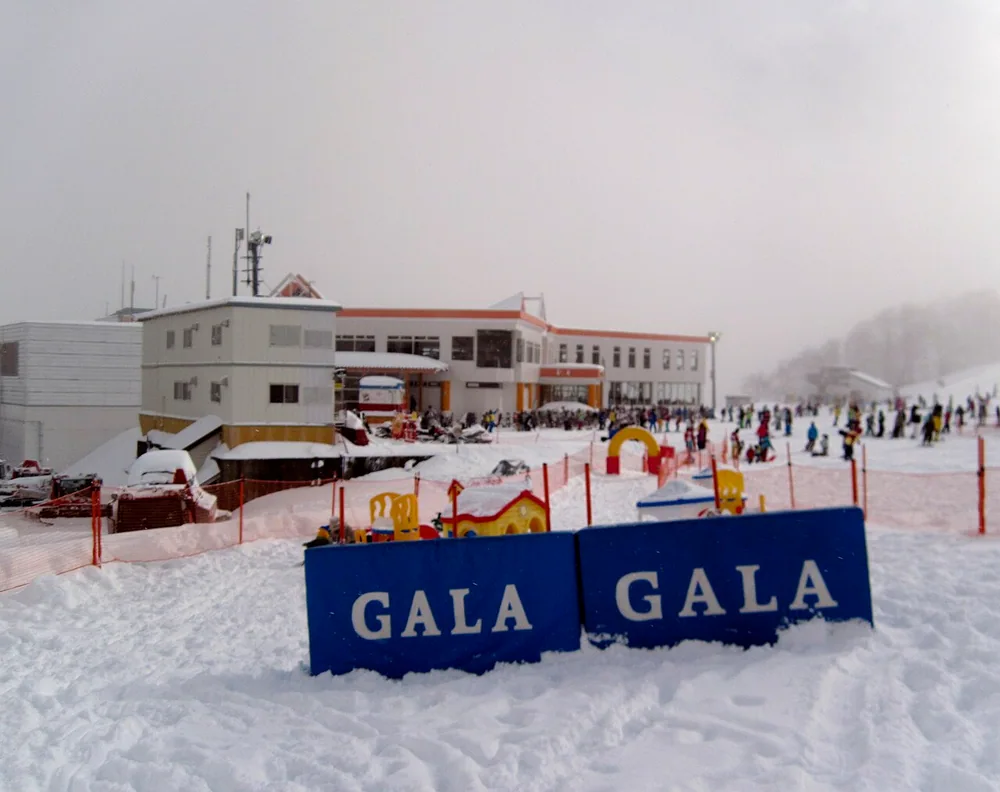
On the Joetsu corridor, GALA Yuzawa opens for sightseeing from 12 to 18 December 2026, running its gondola and sightseeing lifts while ski runs remain closed. Official ski operations run from 19 December 2026 to 5 May 2027, with the South Area closed this season and activity concentrated in the Central and North Areas. Distinguish temporary GALA Yuzawa Station from Echigo-Yuzawa when searching seats and pick departures confirmed to run to the resort that day; basing in Echigo-Yuzawa onsen town also leaves an easy fallback route to Tokyo if bad weather shortens resort hours.
Skiers should check luggage measurements before choosing trains. JR East's standard allowance is up to two items per passenger, each within 250 cm combined length, width, and height, up to 2 m long and 30 kg. Oversized sports gear exceeding the standard length limit is permitted if packed in a dedicated bag or case and stored upright inside the carriage. Selected Shinkansen carriages and door vestibules have shared luggage spaces that require no advance booking on JR East trains—never force heavy gear into overhead racks or obstruct doors and aisles. Beginners can weigh resort ski hire against carrying boards off the train, and anyone forwarding luggage to a later hotel must factor delivery and collection dates into the plan.
Cross-Regional Routes That Make Sense With 10 Days
A 10-day pass comes into its own when pairing several nights in Tohoku with Niigata or Nagano. One clean flow runs: Day 1 N'EX to Tokyo and local JR to Ueno; Day 2 north to Sendai, stepping through Hiraizumi, Morioka, and Aomori; Day 7 south to Omiya to join the Joetsu or Hokuriku Shinkansen; Day 8 around Niigata or Nagano; and Day 9 or 10 back to Tokyo. Anchoring long rides at both ends with a quieter day in the middle makes the 5-day comparison straightforward once Day 7 and later trunk lines move into the out-of-pass column.
Moving from Tohoku to Niigata or Nagano does not mean riding back to Tokyo Station first—Omiya is the direct junction between the Tohoku line and the Joetsu and Hokuriku routes. Reserve with Omiya as your changeover and check actual stops on both trains; aiming for a morning or midday connection leaves slack to rebook the second leg if a delay hits. Leaving Aomori on Day 7 and expecting to ski the same day eats half the day by Omiya before gear rental and getting onto the slopes, so split travel and skiing across two days—drop bags in Echigo-Yuzawa on arrival and ski fresh the next morning.
Echigo-Yuzawa and Niigata along the Joetsu Shinkansen, or Karuizawa and Nagano along the Hokuriku Shinkansen, each work as a distinct second base. For snow and hot springs alone, settle in Echigo-Yuzawa with a half-day weather buffer; if part of your group prefers shopping or visiting Zenko-ji Temple, Nagano City makes it easy to split up. Local town buses and hotel shuttles to temples, slopes, or onsen require separate booking and payment. Packing Sendai, Aomori, Niigata, and Nagano into one itinerary burns daylight on hotel check-ins—cutting one city is almost always easier than squeezing in an extra one-night stop.
Linking Tohoku with southern Hokkaido changes the order of pass checks. If you travel one-way from Tokyo across the Tsugaru Strait to fly out of Hakodate or New Chitose, price the legs beyond Shin-Aomori first and compare the 6-day JR East-South Hokkaido pass—it costs ¥5,000 more than the 5-day JR East Pass, though it covers a different set of partner lines and buses. Conversely, staying south of the strait to ride the Sanriku Railway or Oirase JR buses favours the JR East Pass's included add-on routes. Tally total covered mileage once your overnight stops are fixed, and sort out shared local transit after that.
Changing Trains, Refunds and Return Buffers
If you need to change a reserved seat before printing paper tickets, amend it directly in your online booking account. Once printed, take both your pass and the original seat ticket to a JR East ticket office to rebook onto an un-departed train subject to seat availability. Cancel unneeded reservations as soon as plans change; if you miss a departure, ask station staff to reissue your ticket rather than stepping into an all-reserved carriage to look for an empty seat.
Lock in your pass start date before collection—once issued, a 5-day pass cannot be switched to 10 days, nor can the start date be pushed back. Uncollected passes bought on the JR East website can be refunded free online until 23:50 JST the day before the start date; after that deadline up to 23:50 JST on the final day of validity, an online refund carries a fee, and uncollected online orders must be refunded on the original site. Unused collected passes can generally be refunded within the validity period at the place of issue minus a 10% handling fee (¥3,500 on an adult 5-day pass, ¥5,000 on a 10-day pass), while unexchanged agency vouchers go back through the issuing agency. Cancel any booked seats before departure—failing to cancel an unused seat reservation before train departure forfeits the right to refund the pass.
Under pass terms, service suspensions or delays do not extend validity or qualify for refunds once the pass is activated. Build a later fallback train into your Day 5 or Day 10 return, especially ahead of an early flight from Haneda or Narita. When flying out the same day you return from Niigata or Shin-Aomori, write down earlier backup departures from your hotel and ask ticket staff about alternative routes before exiting the gates. If a delay threatens a hot-spring ryokan check-in or ski lesson, contact that venue first, then switch onto whichever train gets you there safely.
A few useful answers
Can I still buy the old Tohoku or Nagano, Niigata Area JR EAST PASS in 2026?
Both older passes were discontinued on 13 March 2026. The current pass, launched on 14 March, gives you 5 or 10 consecutive days across the entire JR East network and designated partner lines.
Can I pick five separate non-consecutive days with the 5-day pass?
No. If you start on a Tuesday, it runs consecutively through Saturday. Even a day spent walking around town or riding only local underground lines still counts towards those five calendar days.
Can non-Japanese passport holders studying or living in Japan buy this pass?
Yes, eligibility is based on holding a valid non-Japanese passport. Temporary Visitor status is not required for this pass, though you must present your original passport when buying, collecting, and travelling.
Once I have the pass, can I just step straight onto a Hayabusa Shinkansen?
For Hayabusa services from Tokyo to Sendai or Shin-Aomori, you need an ordinary reserved-seat ticket beforehand. Book seats on JR-EAST Train Reservation, or at eligible ticket machines, ticket offices, and Travel Service Centers.
Does the JR East Pass cover trains to Kyoto or Shin-Hakodate-Hokuto?
No. The Tokaido Shinkansen to Kyoto requires a separate ticket, as does the Hokkaido Shinkansen section north of Shin-Aomori to Shin-Hakodate-Hokuto. To cover southern Hokkaido on one regional pass, compare the JR East-South Hokkaido Rail Pass.
Which station should I choose when travelling from Sendai to Matsushima?
Take the JR Senseki Line from Sendai to Matsushima-Kaigan Station for the main waterfront sights. Make sure you search for "Matsushima-Kaigan", as there is a separate Matsushima Station on the Tohoku Main Line.
Do I still pay extra for the winter Oirase bus from Hachinohe if I hold the pass?
Valid JR East Passes cover the base fare on eligible regular services, though seat reservations cost an extra ¥300 per person each way. Winter services from Hachinohe West Exit run on selected dates only and require advance booking.
Official information and references
Sources used in this guide.
- JR East | JR East Pass Current Fares, Validity and Coverage Area
- JR East | March 2026 Inbound Rail Pass Revision and Fare Announcement
- JR East | Fare Revision Supplement: Regular-Season Medium and Long-Distance Reserved-Seat Benchmarks from Tokyo
- JR East | Pass Terms of Carriage and Refund Fees
- JR East | Purchasing, Collection, Usage and Refund Guide
- JR-EAST Train Reservation | Pass and Reserved-Seat Booking Hours
- JR-EAST Train Reservation | Collecting Passes and Reserved-Seat Tickets
- JR East | Reserved-Seat Ticket Vending Machine and Group Seat Booking Guide
- JR East | Narita Airport Terminal 1 Travel Service Center
- JR East | Narita Airport Terminal 2 & 3 Travel Service Center
- JR East | JR Tokyo Wide Pass and Covered Private Railways
- JR East | JR East-South Hokkaido Rail Pass Coverage Area
- JR East | Narita Express (N'EX) Single and Round-Trip Tickets
- JR East | Sendai Station Travel Service Center Location and Opening Hours
- JR East | JR Sendai Station Map and Step-Free Access
- Japan National Tourism Organization (JNTO) | Senseki Line Matsushima-Kaigan Station and Matsushima Bay Access
- Hiraizumi Tourism Association | Ichinoseki to Hiraizumi Transfer Guide
- Aomori Tourism Information | Shin-Aomori Station and the Ou Main Line
- JR Bus Tohoku | 2026–2027 Oirase, Lake Towada and Hakkoda Winter Timetable, Reservations and Tickets
- GALA Yuzawa | 2026–2027 Sightseeing and Ski Season Dates
- GALA Yuzawa | 2026–2027 Winter South Area Closure Notice
- JR East | Oversized Luggage and Sports Equipment Rules
- JR East | Tohoku Shinkansen Trains, Carriages and Stops
- JR East | Shinkansen and Conventional Line Service Status
- JR East | Limited Express Shirayuki Stops (Niigata, Naoetsu, Joetsumyoko)