The 3-day JR TOKYO Wide Pass costs ¥16,000 for adults. Compare eligible trains to Nikko, GALA Yuzawa, Lake Kawaguchi, Karuizawa and Narita, plus fare maths, collection, seat reservations and refund rules.
- Region & Focus
- TokyoTransport and passes
- Reading Scope
- 21 min read · 11 chapters · 8 Q&As
- Official Verification
- 15 official sources checkedUpdated 22 November 2026
Chapter Route Map (tap any stop)
- Circle three dates first, then add up the fares
- The four legs behind JR East's ¥21,500 sample itinerary
- Check the operator, stations and train types in the coverage area
- Nikko: direct JR–Tobu trains from Shinjuku or routes via Asakusa
- GALA Yuzawa: confirm ski operating dates before picking your station
- Lake Kawaguchi via Otsuki when direct seats sell out, and navigating Karuizawa
- When to include the Narita Express in your pass maths
- Online bookings are orders only—you need the paper pass for the gates
- Which seats to reserve first, and how to handle sold-out trains
- Changing travel dates: check whether you have collected the paper pass
- How to fit airport transfers, day trips and longer rides into three days
- Quick Q&A
The JR TOKYO Wide Pass costs ¥16,000 for adults and ¥8,000 for children, covering three consecutive days from your chosen start date. If you are staying in Tokyo and plan to take the Joetsu Shinkansen to GALA Yuzawa and a limited express to Nikko within three days, it is well worth running the numbers. If you are only taking one day trip, or staying closer to Asakusa or a coach terminal than a JR station, point-to-point tickets may work out cheaper. Before buying, check the hardest-to-book leg first, such as the morning train before a ski lesson or the direct train back from Nikko to Shinjuku.
Circle three dates first, then add up the fares
For passes used from 14 March 2026 onwards, the JR TOKYO Wide Pass adult fare rises from ¥15,000 to ¥16,000, while children aged 6 to 11 pay ¥8,000. Adult fares apply from age 12, and JR East determines eligibility by the traveller's age on the date of purchase. Children under 6 who do not occupy a seat travel free without a pass. If a child's birthday falls around your trip, use the purchase date and passport details when buying the rail pass, then check the ski resort's own school-age rules when buying lift tickets.
The three days are counted by calendar day. If you first tap through the JR ticket gates at Narita Airport on Friday evening, Friday counts as day one, leaving Saturday and Sunday. If you want to visit Lake Kawaguchi on Saturday and Karuizawa on Monday, you can set the pass for Saturday to Monday and still stay in Tokyo on Sunday—that simply leaves Friday's airport train outside the pass. Writing out the options side by side as Friday–Sunday and Saturday–Monday quickly shows which window covers more of the journeys you already plan to take.
For a break-even check, list your actual departure station, destination, direction of travel, and whether you plan to ride local trains or reserved-seat limited expresses. When pricing point-to-point limited express paper tickets, remember to combine the base fare and the limited express surcharge; some search tools display only the surcharge portion. If your alternative would be a highway coach or a different return ticket, plug in that real-world price rather than inflating the savings with expensive trains you would never otherwise board.
Keep costs that apply under either option—such as buses from Nikko Station to Lake Chuzenji, ski hire or hotel shuttles—out of the rail pass maths. Only add transfers where the two routes diverge: for instance, if the pass option starts on JR from Shinjuku while the alternative takes the underground to Asakusa to join Tobu Railway, factor in that metro leg. When a family is split across two hotels or meeting at different stations, calculate each person's outbound leg separately before totalling adult and child fares.
The 3-day JR TOKYO Wide Pass costs ¥16,000 for adults. Compare eligible trains to Nikko, GALA Yuzawa, Lake Kawaguchi, Karuizawa and Narita, plus fare maths, collection, seat reservations and refund rules.
The four legs behind JR East's ¥21,500 sample itinerary
JR East benchmarks the pass against standard ordinary-car reserved-seat fares across four legs: Tokyo Station to GALA Yuzawa on the Joetsu Shinkansen, GALA Yuzawa back to Omiya, Omiya to Tobu-Nikko on the Nikko limited express, and Tobu-Nikko back to Shinjuku. Bought individually, those four adult tickets total around ¥21,500—roughly ¥5,500 more than the ¥16,000 pass. Because that sample uses Omiya and Shinjuku as intermediate hubs, it is best treated as a gauge of what two out-of-town limited express trips cost.
If you want to keep one hotel base in central Tokyo throughout, you can ride back to Tokyo Station after skiing and do the Nikko return trip from Shinjuku the next day. Just include the late-evening hop from Tokyo Station back to your hotel and the early-morning ride to Shinjuku in your tally. Conversely, if you are already staying near Omiya, base your comparison on Omiya to avoid unnecessary detours into central Tokyo.
For a single day trip to GALA Yuzawa, compare the ¥16,000 pass against a return Shinkansen fare on the same date from the same starting station. If buying separately is cheaper, weigh that shortfall against whatever trains you are certain to take over the other two days. A Narita Express ride falling inside the window, or a next-day trip to Karuizawa, can easily tip the balance; if the other two days are spent walking around one Tokyo neighbourhood, leave those columns blank.
Time has a price too. If using the pass saves only a few hundred yen but forces a dawn departure, splits the family across separate seats or leaves a slower traveller waiting at an interchange for the next train, paying for the simpler point-to-point route makes more sense. Whenever the two totals are close, line up the exact train times before buying and make sure you can secure decent seats both ways before booking ski lessons or dinner reservations tied to the timetable.
Check the operator, stations and train types in the coverage area
JR East's coverage map defines the exact valid sections. You can ride eligible Joetsu Shinkansen trains to Echigo-Yuzawa and GALA Yuzawa, Hokuriku Shinkansen services as far as Karuizawa or Sakudaira, and Tohoku Shinkansen trains within the pass area up to Utsunomiya or Nasushiobara. Nagano and Niigata stations lie outside the zone. To travel straight from Tokyo to Nagano, JR East instructs passengers to buy the Sakudaira–Nagano leg at a station ticket office beforehand so they can stay on the same train; the online pass booking system cannot reserve cross-boundary journeys, so sort out the full trip at a counter before departure.
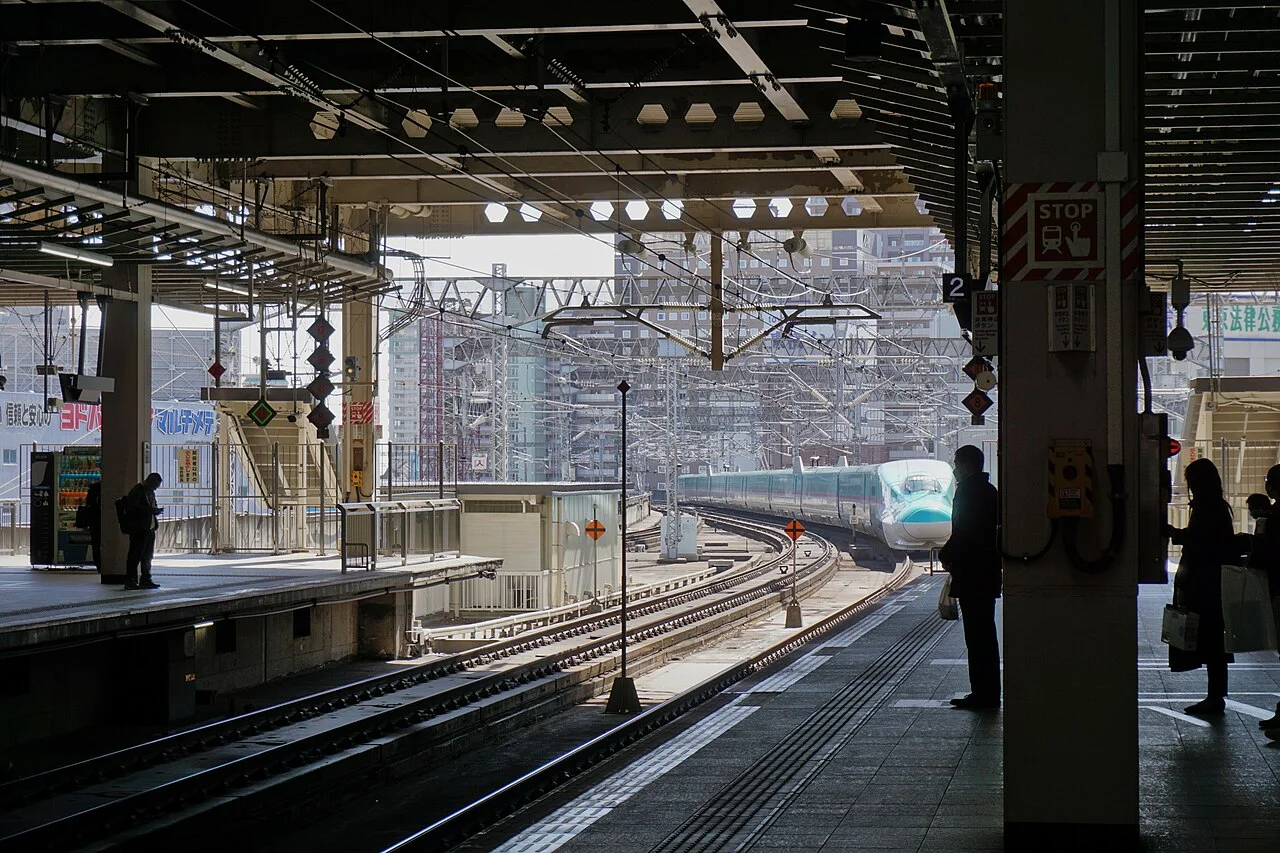
Inside the valid area, the pass covers ordinary cars on eligible JR East Shinkansen, limited express, rapid and local trains. Under JR East's terms of use, riding the Tohoku Shinkansen's Hayabusa or Komachi services incurs additional limited express charges even within the pass zone. When searching trains to Utsunomiya, look first at Yamabiko or Nasuno services that stop there, checking both the station name and train type. Green Car, GranClass and sleeper berths also cost extra.
Several non-JR lines are covered in full: the Tokyo Monorail, Rinkai Line, Fujikyuko Line, Izukyu Line and Joshin Dentetsu Line. On Saitama New Urban Transit's New Shuttle, the pass covers Omiya to Tetsudo-Hakubutsukan (The Railway Museum) Station, though museum admission is separate. Tokyo Metro, Toei buses, Keisei, Keikyu, Odakyu and JR buses are excluded, so always check which company runs your next leg before tapping through a ticket gate.
Atami shows how much train choice matters. From Tokyo, you can reach Atami—and continue to Ito or Izukyu-Shimoda—using JR East's Tokaido Line local trains or eligible Odoriko ordinary-car services. However, the Tokaido Shinkansen leaving Tokyo Station for Atami belongs to JR Central and requires a separate ticket. For Hakone, the pass takes you on JR conventional lines to Odawara, after which the Hakone Tozan Railway, buses and ropeways are paid separately; if your whole day is spent up in the Hakone mountains, compare the door-to-door cost against a Hakone regional pass.
Coverage goes beyond the headline limited expresses. You can ride JR East trains within the zone down to Tateyama on the Boso Peninsula, paying separately for local buses, car hire or taxis on arrival. If you are staying near Narita Airport with spare time, you can also take a JR train into Narita Station for a stroll—just be careful to enter 'Narita' and 'Narita Airport' separately when searching, as they are different stations. Short hops like this are handy extras if already on your route, though they will not justify a ¥16,000 pass on their own.
Nikko: direct JR–Tobu trains from Shinjuku or routes via Asakusa
To reach Tobu-Nikko directly with the pass, board the JR East–Tobu through limited express Nikko from Shinjuku or Omiya. Direct through trains to Kinugawa, such as the Kinugawa and SPACIA Kinugawa, are also covered depending on the timetable and stopping pattern. Because the two destinations sit on separate branches, check that your train shows 'Tobu-Nikko' as its terminus when visiting Toshogu Shrine. If you are staying overnight in Kinugawa-Onsen, search the return journey from whichever station is practical that day rather than doubling back to Tobu-Nikko just to match an earlier seat reservation.
Two rules govern the JR–Tobu through services. First, when using the pass on these limited expresses, either your boarding or alighting station must be on the JR side. Tobu's own SPACIA X and Revaty services from Asakusa operate on a separate route and require separate tickets. Second, Tobu local trains are only covered between Shimo-Imaichi and Tobu-Nikko or Kinugawa-Onsen; between Kurihashi and Shimo-Imaichi, you must take an eligible JR–Tobu through limited express, as riding a Tobu local train on that stretch incurs a separate fare.
Ordinary cars on the through limited expresses are all-reserved. On busy dates, check the return train from Nikko to Tokyo first: taking an earlier outbound train is easy enough, whereas waiting until after dinner for a seat back is awkward if you still have luggage to collect or a hotel change. An alternative covered by the pass is to take the Tohoku Shinkansen to Utsunomiya and transfer to the JR Nikko Line, which terminates at JR Nikko Station. When catching a bus back from the World Heritage area, double-check whether it goes to JR Nikko or Tobu-Nikko so it matches your reserved ticket.
If Nikko is your only out-of-town trip and Asakusa is an easy start, compare Tobu's NIKKO PASS World Heritage Area first. Priced by Tobu at ¥3,000 for adults and ¥1,500 for children, it covers two consecutive days including one return trip between Asakusa and Shimo-Imaichi plus local transport in the designated zone, including Tobu buses around the World Heritage shrines and temples (limited express surcharges are extra). If you plan to continue up to Lake Chuzenji, check Tobu's all-area pass or pay the bus fares as you go; with the JR TOKYO Wide Pass, buses to the World Heritage area and the lake are always paid separately once you step off the train.
For a first-time day trip, visit Toshogu Shrine and Rinno-ji in the morning, then decide in the afternoon whether your reserved return time leaves room for another area. If you want to explore the lake properly, lock in your downhill bus before your train time—especially in autumn foliage season, when you should never schedule a bus arrival right up against your train departure. For sightseeing order, lake connections and overnight stays in Kinugawa, see our Nikko route and regional pass guide.
GALA Yuzawa: confirm ski operating dates before picking your station
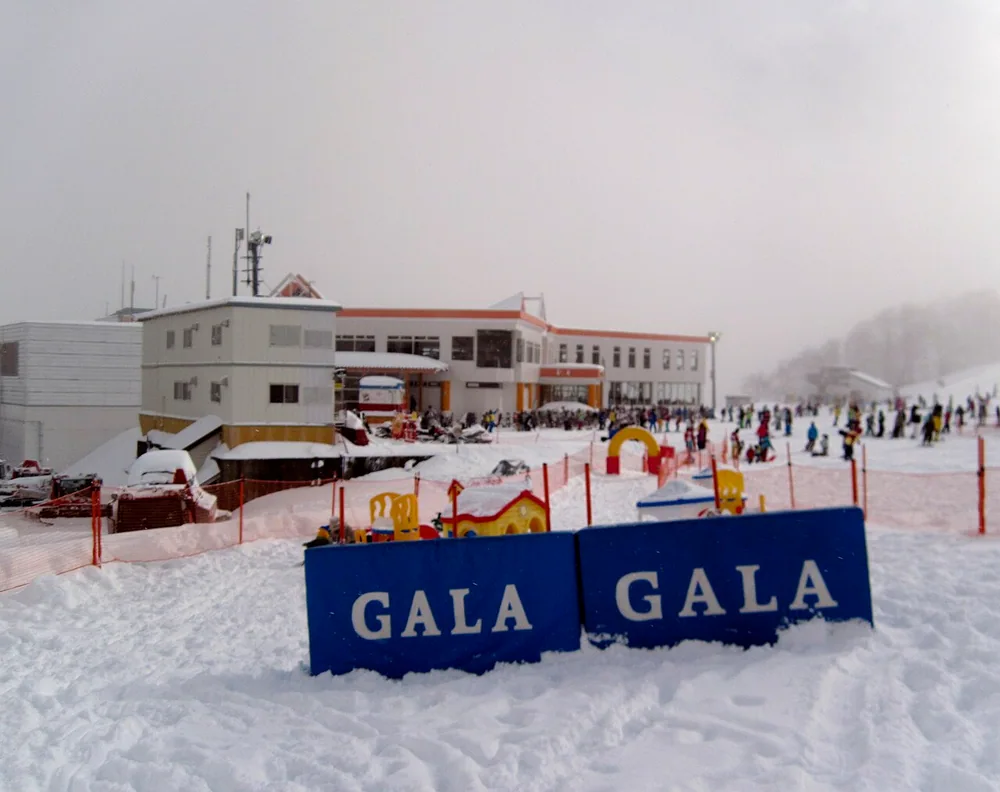
For a winter day trip from Tokyo, search for GALA Yuzawa Station when booking, as the station connects directly to the ski centre. When direct trains are unavailable or awkwardly timed, search for Echigo-Yuzawa Station instead, which is also covered on the Joetsu Shinkansen. The resort lists a free shuttle bus from Echigo-Yuzawa taking roughly 10 minutes; when timing a ski lesson check-in, add walking through the station and waiting for the bus. If you are staying outside Echigo-Yuzawa Station, plan around your hotel's shuttle, and check dedicated bus options separately if heading on to Naeba.
GALA Yuzawa has announced that from 12 to 18 December 2026 only the sightseeing gondola and sightseeing chairlift will operate—even if snow has fallen, skiing and snowboarding will not be open. The ski slopes are scheduled to run from 19 December 2026 to 5 May 2027. If your dates straddle the season opening, decide upfront whether a sightseeing-only visit is worthwhile or whether to save that long-distance day on your pass for Nikko or Karuizawa, and book ski lessons strictly within the slope operating window. Always check resort operating dates and Shinkansen timetables separately to ensure your chosen train stops at GALA Yuzawa.
For the 2026–27 winter season, GALA's South Area is closed and the Landau ropeway linking to Yuzawa Kogen is suspended, with shuttle buses connecting the two resorts instead. If you plan to ski GALA in the morning and move over to Yuzawa Kogen in the afternoon, build your schedule around the winter shuttle timetable and allow extra time for changing boots, carrying gear and waiting. Beginners taking lessons on their first day will have an easier return journey if they stay at a single resort.
Your pass covers the rail fare only. GALA's adult one-day gondola and lift pass is listed at ¥8,000 on site or ¥7,500 online, and ¥4,000 or ¥3,500 for primary-school children, with gear hire and lessons extra. Non-skiing companions can compare sightseeing-only tickets separately, so everyone riding the same Shinkansen can buy the resort ticket that fits their plans. To weigh up station-direct convenience, staying in Echigo-Yuzawa or taking shuttles to Naeba, read our Tokyo ski day trips and Yuzawa stays guide.
When choosing your return train, work backwards from departure time to leave enough margin for returning hire gear, changing back into street shoes and clearing lockers. Transfers via Echigo-Yuzawa require an extra shuttle buffer on top. If the whole group is booked onto the same train, agree on one meeting spot near the rental drop-off or lockers so any children finishing early can wait by the shuttle stop or concourse without everyone hunting for each other at the last minute.
Lake Kawaguchi via Otsuki when direct seats sell out, and navigating Karuizawa
To reach Lake Kawaguchi from Tokyo, take the FUJI EXCURSION limited express from Shinjuku, which runs seamlessly across JR East and the Fujikyuko Line and is covered in ordinary cars. Choose Kawaguchiko, Fujisan or Shimoyoshida as your outbound stop depending on where your day starts: Shimoyoshida is convenient for Arakurayama Sengen Park, whereas lakeside hotels and local buses connect from Kawaguchiko Station. You can book different outbound and return stations to avoid backtracking.
When FUJI EXCURSION seats are full, JR East recommends taking a Kaiji or Azusa limited express from Shinjuku to Otsuki—picking a service scheduled to stop there—and changing onto a Fujikyuko local train. Both legs are covered by the pass, and Fujikyuko local trains do not require seat reservations. Note that the Fujisan Express, Fujisan View Express reserved seats and the Fuji Tozan Densha tourist train cost extra, so check the platform departure board before stepping onto an unfamiliar train.
Once you leave Kawaguchiko Station, sightseeing loop buses, the ropeway and buses up to the Mt Fuji 5th Station require separate fares. If your first stop is Fuji-Q Highland or somewhere near a coach stop and you want a direct ride from Shinjuku, compare departure times against highway coaches from Tokyo to Mt Fuji. If you already know you have a second long-distance rail day planned, weigh the coach fare against the pass plus the Otsuki rail route.
Karuizawa is served by Hokuriku Shinkansen trains from Tokyo, Ueno or Omiya—just confirm your chosen service stops at Karuizawa. From the station, the south-side shopping outlets, Prince Snow Resort, Old Karuizawa and Naka-Karuizawa spread out in different directions. If you are staying near Hoshino or transferring to your hotel after skiing, check the exact shuttle connection in advance, as local buses and the Shinano Railway are not covered by the pass. Once your trains are picked, see our guide to Karuizawa stays and route planning to see how differently the day can unfold from the same Shinkansen stop.
Both Mt Fuji and Karuizawa work as Tokyo day trips, though cramming both onto a single day means shuttling back and forth between Otsuki, Shinjuku, Tokyo or Omiya. Splitting them across two days lets you follow the weather and pacing: save the clearest forecast for Lake Kawaguchi if mountain views are the priority, and put Karuizawa on the other day. If you need to swap an already-issued reserved seat, check availability on both legs first before modifying the booking at a machine or ticket office.
When to include the Narita Express in your pass maths
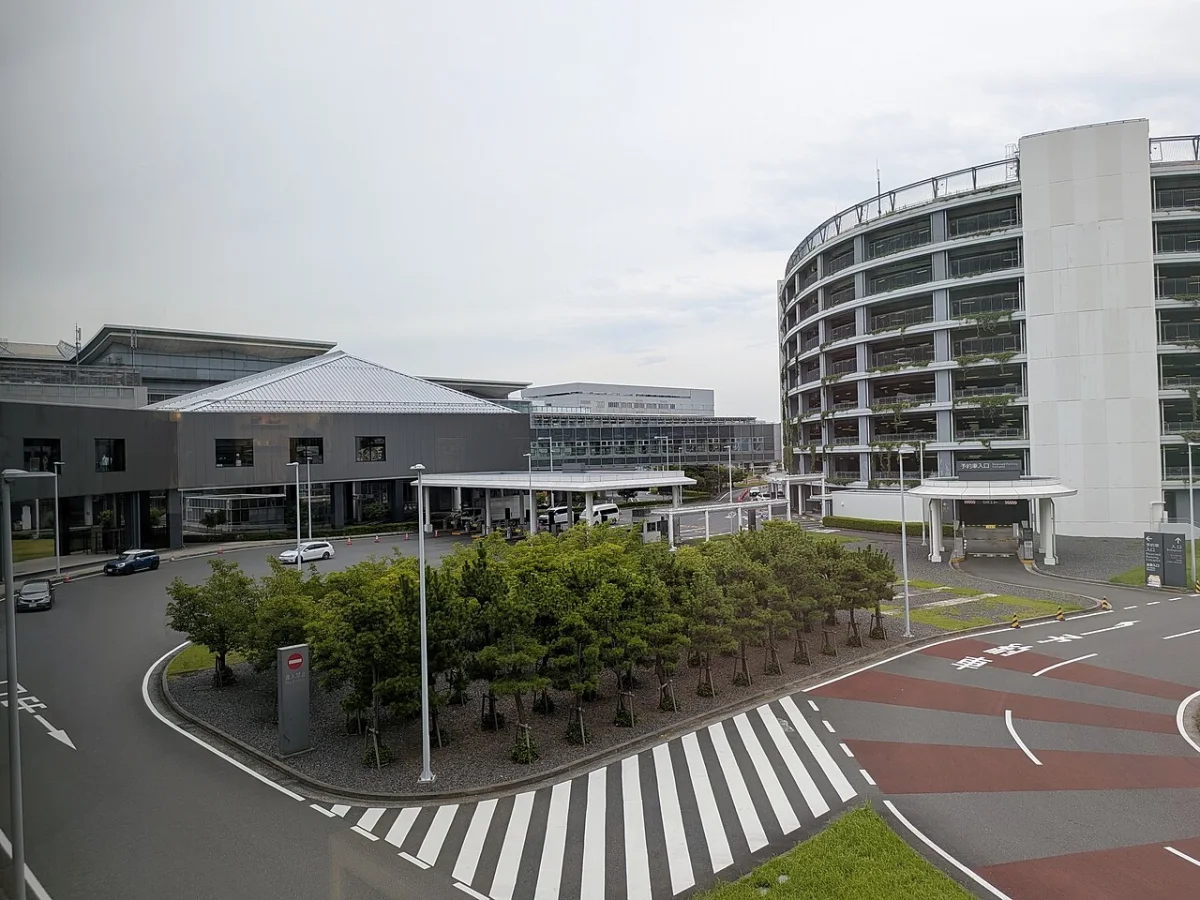
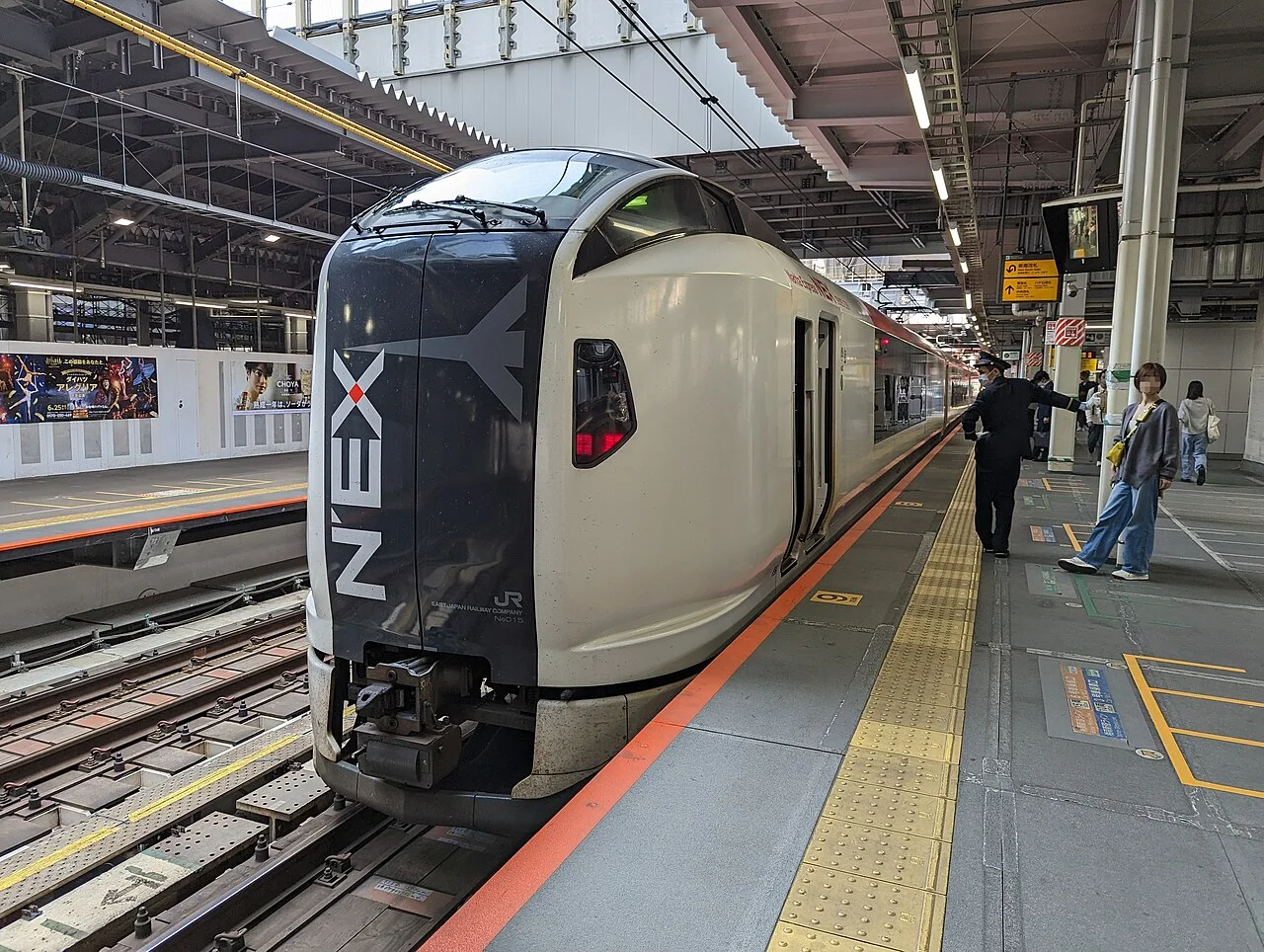
Narita Terminal 1 uses Narita Airport Station, while Terminals 2 and 3 use Airport Terminal 2 Station. With the pass, you can reserve ordinary-car seats on JR East's Narita Express (N'EX) to stations such as Tokyo, Shinagawa and Shinjuku—pick trains going out and coming back that stop near your hotel. When heading downstairs at the terminal, walk past signs for Keisei and the Skyliner until you reach the JR ticket gates, as the two networks use separate entrances. If you are staying in Nippori or Ueno and would naturally take Keisei anyway, do not pad your pass calculation with an N'EX fare you would not have paid.
If you fly into and out of Narita more than three days apart, a single pass can cover at most one airport transfer. Suppose you land on Thursday and fly out on Monday, visiting Lake Kawaguchi on Friday and Nikko on Saturday: a Thursday–Saturday pass leaves Monday's N'EX outside the window, whereas a Friday–Sunday pass excludes both airport rides. If you only need airport transfers into central Tokyo, JR East's N'EX TOKYO Round Trip Ticket costs ¥5,200 for adults and ¥2,600 for children, valid for one journey in each direction within 14 days—compare that round-trip ticket plus two days of point-to-point rail against a pass plus one single airport fare.
If you land on a Friday evening and plan day trips on Saturday and Sunday, the Friday airport leg hinges on one practical check: clearing immigration and baggage reclaim while ticket counters are still open to issue your paper pass and catch a suitable train. Travellers starting their pass on Saturday can collect it at a designated counter first and ride into town on a separate ticket on Friday. Conversely, if Monday's flight departure anchors your schedule, count backwards from the train you need for the airport, slot your two day trips into Saturday and Sunday, and check which three-day window captures the most value.
From Haneda Airport, the pass covers the Tokyo Monorail to Hamamatsucho for onward JR city trains. If you would normally take Keikyu straight to Shinagawa, use the Keikyu fare in your comparison instead. When ticket offices are closed at landing, or when bulky luggage or pushchairs make transfers awkward, check our Tokyo airport arrivals and rail pass guide for direct options to your hotel. Any day spent solely on Tokyo's underground, private railways or on foot adds zero value to the pass calculation.
Online bookings are orders only—you need the paper pass for the gates
The JR TOKYO Wide Pass is open to anyone holding a valid passport issued outside Japan; JR East waives the Temporary Visitor entry status check, so eligible international travellers—including foreign residents in Japan—can buy it. The pass holder must present their original passport when purchasing or collecting the pass, as photocopies are not accepted. Paper passes cannot be transferred to family members, and you should carry your passport while travelling in case of inspection. When booking for a group, list every traveller and fare category upfront—if a young child wants their own seat, handle both their pass and seat reservation.
On JR-EAST Train Reservation, choose 'Purchase a pass', select the JR TOKYO Wide Pass and pick your start date. One online order can include up to six people, so place separate orders if members of your group will take different trains, as seat reservations on a single order are booked together. In Japan, collect the paper pass at a designated service centre or at a reserved-seat ticket machine fitted with a passport reader. The machines require an IC-chip passport along with your collection QR code, pick-up code or the credit card used to pay; at a staffed counter, bring your original passport plus your pick-up code or payment card.
If you bought an exchange order or e-voucher through a travel agency, take it with your original passport to a designated exchange counter that accepts that voucher. Keep clear on the difference between four separate items: your JR online order, a travel agency voucher, the physical paper pass and each leg's individual seat reservation ticket. If you prefer to buy after landing in Japan, bring your passport to an eligible service centre or passport-reader ticket machine—filter JR East's 'Ticket Pickup Locations' page by JR TOKYO Wide Pass and check each office's opening hours before arriving.
To avoid rushing before an early Shinkansen, collect your paper pass and any pre-booked seat tickets at a designated station the afternoon before. If collecting on the morning of travel, build in buffer time for finding the office, queuing and walking from the conventional lines concourse to the Shinkansen platforms. Check the printed start and end dates as soon as you receive the pass. At the gates, insert the pass into the automatic ticket barrier and remember to retrieve it on the other side, keeping your seat reservation slip handy to find your carriage and seat. Where automatic gates are not supported—such as the New Shuttle from Omiya to The Railway Museum—show the paper pass to station staff.
Which seats to reserve first, and how to handle sold-out trains
According to JR-EAST Train Reservation, seat reservations for pass holders generally open at 10:00 JST one month before the travel date, with each leg opening individually by departure date. Around New Year, public holidays or peak ski weekends, check the latest viable outbound train and ideal return train beforehand so you are ready when bookings open. Because managing multiple journeys on screen makes date mix-ups easy, keep a shared note of station names, dates, train numbers and seat assignments for the whole group.
Passes bought through JR East's official website allow you to reserve seats within the same order and collect all tickets together at the station. Once you have the paper pass in hand, you can also reserve seats at station ticket machines or counters. If you bought your pass elsewhere and use JR-EAST Train Reservation solely to book seats, online seat bookings close at 23:50 JST two days before travel and must be collected at a designated location by 21:00 JST the day before departure—uncollected seats are cancelled automatically, so travellers setting off early the next morning should pick up their seat tickets upon arriving in Tokyo.
On eligible trains with unreserved carriages, your pass lets you sit in non-reserved seats on a first-come, first-served basis. All-reserved trains such as the Nikko, Kinugawa and SPACIA Kinugawa require a seat ticket before boarding. On trains like the Narita Express, FUJI EXCURSION and Odoriko, all ordinary-car seats are bookable: JR East's rules allow pass holders without a reservation to occupy an empty seat, provided they give it up if the ticketed passenger boards. To keep a family together or guarantee a seat for the full journey, reserve ahead—or adjust your departure time or route when a train fills up.
When timetables are sparse, secure or adjust the return leg first. If direct GALA Yuzawa trains are sold out, search Echigo-Yuzawa instead and build the free shuttle into your ski check-in time. If direct Nikko trains are full, switch to the Tohoku Shinkansen to Utsunomiya and transfer onto an afternoon JR Nikko Line train that still connects cleanly. When only scattered seats remain, pair young children or travellers needing assistance next to a carer first, then place others nearby. Always cancel unwanted reservations before departure, particularly if there is any chance you will need to refund the pass.
Changing travel dates: check whether you have collected the paper pass
Even before collecting your paper pass, changing your start date on an official online booking requires refunding the original order and placing a new one. You can cancel online free of charge until 23:50 JST the day before your pass start date; after that, paid online refunds remain available until 23:50 JST on the final day of validity, provided any reserved seats are cancelled before the train departs. Vouchers bought through a travel agency before exchange must be handled through that agency under its own fees and deadlines.
Once you have collected the paper pass—and provided it remains completely unused—you can apply for a refund within its validity period at a designated issuing office. JR East's conditions list a handling fee of 10% of the pass price (¥1,600 for adults, ¥800 for children). If a reserved train has already departed, the pass cannot be refunded even if you never boarded. If you only want to change a single train rather than the three-day window itself, modify that individual seat reservation instead and double-check both outbound and return dates.
Once the pass has been used for a single trip, its validity cannot be extended or refunded for train delays, cancellations or itinerary changes, and lost or stolen paper passes are never reissued. If weather threatens to wipe out your main trip the evening before and the pass is still unused, weigh whether the remaining two days still justify keeping it. Once the pass is active, you can switch to other running trains within the coverage area, though extra shuttles or hotel changes come out of your own pocket—a risk worth noting for early-season ski bookings where train tickets, lift passes, lessons and hotels each carry separate cancellation rules.
How to fit airport transfers, day trips and longer rides into three days
On a five-day Tokyo stay—landing at Narita on Wednesday, visiting Lake Kawaguchi on Thursday, Nikko on Friday, staying in Tokyo on Saturday and flying out on Sunday—setting the pass for Wednesday to Friday covers one airport N'EX ride and both day trips, leaving Sunday's airport ticket separate. If your Wednesday flight lands late or your hotel suits the Keisei line better, recalculate using only Thursday and Friday to see whether the pass still beats point-to-point fares based on realistic arrival times.
If you are spending two nights in Echigo-Yuzawa, you can ride the Shinkansen up from Tokyo on Friday, ski locally on Saturday and return on Sunday. That puts the pass mainly towards the return Shinkansen while you rely on local ski shuttles and pay for gear hire separately. If someone in your group wants to visit The Railway Museum in Omiya on the way back, you can break the Shinkansen journey there, take the covered New Shuttle to Tetsudo-Hakubutsukan Station and continue to Tokyo later—just check locker convenience at Omiya and how much museum time the extra stop leaves.
Trips extending to Sendai, Morioka, Nagano City or Niigata City call for comparing point-to-point tickets against the JR EAST PASS. Under the revised JR EAST PASS structure introduced in March 2026, adult passes cover 5 consecutive days for ¥35,000 or 10 consecutive days for ¥50,000, making it the right benchmark for wider Tohoku or Shinetsu itineraries. Even if trains start on the same line out of Tokyo, the TOKYO Wide Pass stops at boundaries like Sakudaira and Echigo-Yuzawa with considerable distance still ahead—and note that non-JR lines covered by the TOKYO Wide Pass, such as Fujikyuko and Izukyu, must be rechecked against the JR EAST PASS map if you switch passes.
When combining Tokyo with Kansai, price up the long-distance intercity tickets and local day trips separately. The Tokaido Shinkansen between Tokyo, Kyoto and Osaka is never covered and requires separate tickets; if your route loops through Nagano, Kanazawa and Tsuruga towards Kansai, compare Hokuriku-area passes instead. For a family heading from Tokyo to Osaka the following day, only that single preceding day in Kanto can use the TOKYO Wide Pass—compare that one day's return rail fare against point-to-point tickets rather than rearranging hotels to force three days of use.
A few useful answers
How much is the JR TOKYO Wide Pass, and can I use it on non-consecutive days?
It costs ¥16,000 for adults and ¥8,000 for children aged 6 to 11. It is valid for three consecutive calendar days from your chosen start date; you can take a rest day in between, but the expiry date does not shift.
Can foreign passport holders buy it without a Temporary Visitor stamp?
Yes. Anyone holding a valid passport issued outside Japan can buy it. JR East waives the Temporary Visitor entry status check for the JR TOKYO Wide Pass, though each traveller must present their original passport when purchasing, collecting and travelling.
Does it cover the Narita Express (N'EX) or the Keisei Skyliner?
Ordinary cars on JR East's Narita Express (N'EX) are covered, including seat reservations. The Keisei Skyliner is operated by Keisei Electric Railway and requires a separate ticket.
Can I ride Tobu's SPACIA X from Asakusa to Nikko with the pass?
No. SPACIA X trains departing Asakusa are Tobu-only limited expresses and require a separate ticket. The pass covers designated JR–Tobu through limited expresses such as the Nikko from Shinjuku, provided your trip starts or ends at a JR station.
Does the JR TOKYO Wide Pass get me to Lake Kawaguchi?
Yes. You can ride the direct FUJI EXCURSION limited express or change at Otsuki onto a Fujikyuko local train. Seat surcharges on the Fujisan Express, Fujisan View Express and Fuji Tozan Densha are extra, as are lakeside buses.
Can I take the Shinkansen from Tokyo to Atami with this pass?
No. The Tokaido Shinkansen is operated by JR Central and requires a separate Shinkansen ticket. To reach Atami with the pass, take a JR East Tokaido Line local train or an eligible Odoriko ordinary-car service.
Do I still need to collect a seat reservation ticket if I hold the pass?
Yes, if you want a reserved seat—ordinary-car reservations on covered routes are included at no extra charge, and you must hold the seat ticket. On trains with non-reserved cars, you can ride in those carriages with just the pass; all-reserved trains such as the Nikko require a reservation before boarding.
Can I get a refund if snow cancels trains after I have used one day of the pass?
No. Once a pass has been used, it cannot be extended or refunded due to delays or service suspensions. If your paper pass is completely unused, cancel any reserved seats you cannot take and apply for a refund within the validity period at a designated office for a 10% handling fee.
Official information and references
Sources used in this guide.
- JR East | JR TOKYO Wide Pass Fares, Coverage and Route Calculator
- JR East | JR TOKYO Wide Pass Conditions of Use
- JR East | How to Buy, Collect, Reserve Seats and Request Refunds
- JR East | Pass and Ticket Pickup Locations
- JR East | 2026 Revisions to Rail Passes for Overseas Visitors
- JR-EAST Train Reservation | Reservation and Refund Deadlines
- JR-EAST Train Reservation | Purchasing Passes and Changing Travel Dates
- JR-EAST Train Reservation | Required Documents, Collection Methods and Deadlines
- JR East | Riding Beyond the Pass Coverage Area
- JR East | Transferring at Otsuki When FUJI EXCURSION Is Full
- JR East | N'EX TOKYO Round Trip Ticket
- Tobu Railway | NIKKO PASS World Heritage Area
- GALA Yuzawa | Resort Access and Echigo-Yuzawa Shuttle Bus
- GALA Yuzawa | 2026–27 Season Dates and Lift Ticket Prices
- GALA Yuzawa | 2026–27 Winter Season South Area Closure Notice