The JR TOKYO Wide Pass costs ¥16,000 for adults over 3 days. Compare covered trains to Nikko, GALA Yuzawa, Kawaguchiko, Karuizawa, and Narita, plus break-even math, pickup, seat booking, and refunds.
- Region & Focus
- TokyoTransportation and passes
- Reading Scope
- 21 min read · 11 chapters · 8 Q&As
- Official Verification
- 15 official sources checkedUpdated November 22, 2026
Chapter Route Map (tap any stop)
- Pick Your Three Dates First, Then Add Up the Fares
- What Four Rides Make Up JR East's ¥21,500 Example
- Coverage Depends on the Operator, Station, and Train Type
- Nikko: Direct from Shinjuku or Starting from Asakusa
- GALA Yuzawa: Check the Ski Dates Before Picking Your Stop
- Use Otsuki if Kawaguchiko Trains Sell Out, and Pick the Right Karuizawa Stop
- When the Narita Express Counts Toward Your Pass Math
- Online Purchases Are Orders--You Still Need a Paper Pass for the Gates
- Which Reserved Seats to Book First and How to Pivot if Sold Out
- Changing Travel Dates Starts with Whether You Have Picked Up the Pass
- Sample 3-Day Layouts Mixing Airport Transfers, Day Trips, and Overnight Stays
- Quick Q&A
The JR TOKYO Wide Pass costs ¥16,000 for adults and ¥8,000 for children, covering 3 consecutive calendar days from your chosen start date. If you are staying in Tokyo and plan to ride the Joetsu Shinkansen to GALA Yuzawa and a Limited Express to Nikko within three days, the pass is worth pricing out. If you are only taking one day trip--or your hotel is closer to Asakusa or a highway bus terminal than a JR station--buying point-to-point tickets may cost less. Before buying, check availability on your tightest leg first, such as a morning train before a ski lesson or the direct train from Nikko back to Shinjuku.
Pick Your Three Dates First, Then Add Up the Fares
Effective March 14, 2026, the JR TOKYO Wide Pass adult fare rises from ¥15,000 to ¥16,000, while the child fare for ages 6 to 11 is ¥8,000. Adult pricing starts at age 12, and JR East determines child eligibility by the traveler's age on the date of purchase. Children under 6 who do not occupy a seat do not need a pass. If a child in your group has a birthday right around the trip, check their age on the purchase date against their passport when buying the rail pass, then use the ski resort's own grade or age rules when buying lift tickets.
The three-day validity runs by calendar day, not 72-hour blocks. If you tap your pass through a JR gate at Narita Airport on Friday evening, Friday counts as day one, leaving Saturday and Sunday. If you want to visit Kawaguchiko on Saturday and Karuizawa on Monday, you can set the pass for Saturday through Monday and still spend Sunday in Tokyo. That simply leaves Friday's airport train outside the pass. Writing out both Friday-Sunday and Saturday-Monday schedules side by side makes it immediately clear which window covers more of the rides you actually plan to take.
Start your cost comparison by noting your actual departure station, destination, round-trip routing, and whether you plan to ride local trains or Limited Express reserved seats. When pricing point-to-point Limited Express tickets, remember that a full fare combines both the base fare and the Limited Express surcharge--if a search result only shows the express supplement, a chunk of the price is missing. If you would otherwise take a highway bus or a different round-trip ticket, enter what you would actually pay for that option rather than inflating your savings with expensive trains you would never otherwise book.
Leave shared costs that apply either way--such as the bus from Nikko Station to Lake Chuzenji, ski rentals, or hotel shuttles--out of the rail pass math. Only add local transit differences back in when the two routes require different transfers. For instance, if the pass itinerary starts on JR from Shinjuku while the alternative requires taking the subway to Asakusa to board Tobu Railway, factor in that opening subway fare. If your group is split across two hotels and meeting at different stations, calculate each person's outbound leg separately before totaling adult and child passes.
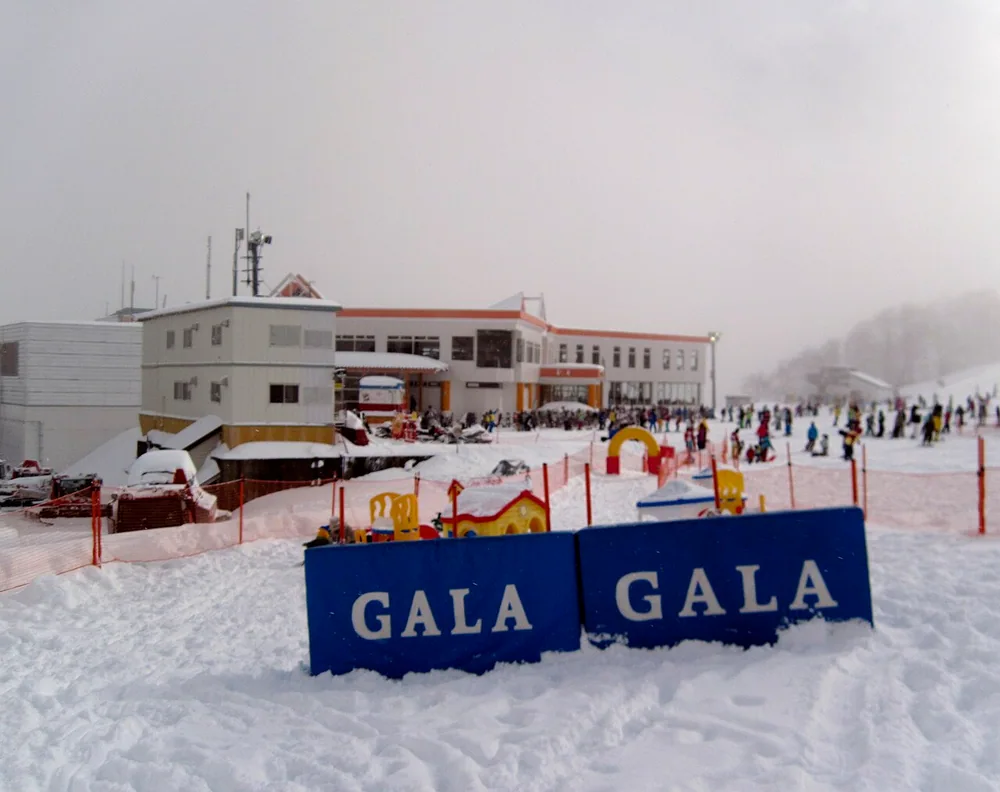
The JR TOKYO Wide Pass costs ¥16,000 for adults over 3 days. Compare covered trains to Nikko, GALA Yuzawa, Kawaguchiko, Karuizawa, and Narita, plus break-even math, pickup, seat booking, and refunds.
What Four Rides Make Up JR East's ¥21,500 Example
JR East's official break-even example uses standard-car reserved-seat fares on regular days: leg one from Tokyo Station to GALA Yuzawa on the Joetsu Shinkansen, leg two from GALA Yuzawa back to Omiya, leg three from Omiya to Tobu-Nikko on the Nikko Limited Express, and leg four from Tobu-Nikko back to Shinjuku. Bought individually, those four adult rides total roughly ¥21,500--about ¥5,500 more than the ¥16,000 pass. Because the example routes through Omiya and Shinjuku, it serves best as a rough benchmark for taking two medium-distance Limited Express round trips.
If you want to keep one hotel base in Tokyo the whole time, you can ride back to Tokyo Station after skiing and do the Nikko round trip from Shinjuku the next day. That creates a slightly different four-leg total--just remember to include your evening ride back to your hotel from Tokyo Station and your morning trip from the hotel to Shinjuku. Conversely, if you are already staying near Omiya, run the math straight from Omiya so you do not price in unnecessary backtracking into central Tokyo.
If you are only going to GALA Yuzawa for a single day, compare the round-trip Shinkansen fare from your exact departure station on your travel date against ¥16,000. If individual tickets are cheaper, weigh that gap against whatever paid rides you are certain to take over the other two days. Having the Narita Express fall inside the same three-day window--or adding a trip to Karuizawa the next day--can flip the math. If your first and last days are strictly walking days in one Tokyo neighborhood, leave those days at zero in your tally.
Convenience carries a price too. If the pass saves only a few hundred yen but forces an early-morning transfer, splits up your family's seats, or leaves a slower walker waiting at a transfer station for the next train, buying direct point-to-point tickets on your preferred route makes more sense. When the two totals are far apart, line up the actual train departures before buying so you know both outbound and return seats work together before booking time-sensitive ski lessons or dinner reservations.
Coverage Depends on the Operator, Station, and Train Type
JR East's coverage map defines the exact valid sections. You can ride the Joetsu Shinkansen to Echigo-Yuzawa and GALA Yuzawa, the Hokuriku Shinkansen as far as Karuizawa or Sakudaira, and the Tohoku Shinkansen as far as Utsunomiya or Nasushiobara. Nagano and Niigata stations sit outside the zone. If you are riding straight from Tokyo to Nagano, JR East instructs passengers to buy a separate ticket covering Sakudaira to Nagano at a station ticket counter beforehand so you can stay on the same train. The online pass reservation system cannot book cross-boundary seats like that, so handle the full itinerary at a counter before boarding.
Within the coverage area, the pass covers ordinary cars on eligible JR East Shinkansen, Limited Express, rapid, and local trains. Under JR East's terms, riding the Tohoku Shinkansen Hayabusa or Komachi within the pass area requires paying separate Limited Express charges. When checking trains toward Utsunomiya, look for stopping Yamabiko or Nasuno services instead, and always verify both the station name and train name when comparing timetables. Green Cars, GranClass, and sleeper cars also require extra fees.
Several non-JR lines are covered in full: the Tokyo Monorail, Rinkai Line, Fujikyu Railway, Izukyu Line, and Joshin Dentetsu. On the Saitama New Shuttle, the pass covers the stretch between Omiya and Tetsudo-Hakubutsukan (Railway Museum) Station, though museum admission is separate. Subways, Toei buses, Keisei, Keikyu, Odakyu, and JR buses are all excluded. After stepping off a train, check which company operates your next leg before deciding which ticket goes through the gate.
Atami shows how much the exact train choice matters. From Tokyo, you can reach Atami on JR East's Tokaido Line local trains or in ordinary cars on eligible Odoriko Limited Express trains, and you can also continue down to Ito or Izukyu-Shimoda on the pass. However, the Tokaido Shinkansen leaving Tokyo Station for Atami is operated by JR Central and requires a separate ticket. For Hakone, the pass takes you on JR conventional lines to Odawara, after which you pay separately for the Hakone Tozan Railway, buses, or local passes--so if your day centers on Hakone's mountain loop, compare the full door-to-door cost against a dedicated Hakone pass.
Coverage goes beyond marquee Limited Express routes. You can ride JR East trains within the zone down to Tateyama on the Boso Peninsula, paying separately for buses, rental cars, or taxis once you arrive. If you are staying near Narita Airport with spare time, you can also take JR into Narita Station for a walk--just enter "Narita" and "Narita Airport" separately when searching schedules, as they are different stations. Short hops like these help pad the pass if they are already on your route, though they will not justify a ¥16,000 pass on their own.
Nikko: Direct from Shinjuku or Starting from Asakusa
To reach Tobu-Nikko directly with the pass, board the JR East-Tobu through-service Nikko Limited Express from Shinjuku or Omiya. Direct Limited Express trains to Kinugawa--such as the Kinugawa and SPACIA Kinugawa--are also covered; pick your train based on your departure station, stops, and terminal. Because the two destinations sit on different branches, make sure your train for Toshogu Shrine shows "Tobu-Nikko" as its destination. If you are staying in Kinugawa Onsen, plan your return trip from whichever station is easiest to reach from your hotel that day rather than backtracking to Tobu-Nikko just for a pre-booked seat.
Two key rules govern the Tobu through-services. When riding these Limited Express trains on the pass, either your boarding station or your destination station must be on the JR side. Tobu's own SPACIA X and Revaty trains departing from Asakusa run on a separate Tobu-operated route and require separate tickets. On Tobu local trains, the pass only covers the segments from Shimo-Imaichi to Tobu-Nikko or Kinugawa-Onsen. Between Kurihashi and Shimo-Imaichi, you must ride an eligible JR-Tobu direct Limited Express; riding a Tobu local train along that stretch incurs an extra fare.
Ordinary cars on the direct Limited Express trains are 100% reserved seating. On busy days, lock in your return train from Nikko to Tokyo first--taking an earlier morning departure is easy enough, whereas getting stuck waiting until after dinner for a return seat is a headache if you have luggage or are switching hotels. Your alternative with the pass is riding the Shinkansen to Utsunomiya and transferring to the JR Nikko Line, which terminates at "JR Nikko" Station. When catching a bus back from the World Heritage area, check whether it heads to JR Nikko Station or Tobu-Nikko Station so it matches your reserved train ticket.
If you are only visiting Nikko once on your trip and staying near Asakusa, price out Tobu Railway's NIKKO PASS World Heritage Area first. Listed at ¥3,000 for adults and ¥1,500 for children, it covers two consecutive days including one round trip between Asakusa and Shimo-Imaichi plus designated local transit, including Tobu buses in the World Heritage area (Limited Express trains still require a separate express surcharge). If you plan to continue up to Lake Chuzenji, check Tobu's all-area pass or pay bus fares as you go; even with the JR TOKYO Wide Pass, buses in the World Heritage area and around the lake are paid separately after you arrive at Nikko Station.
For a first-time day trip, tour Toshogu Shrine and Rinnoji Temple in the morning, then decide in the afternoon whether you have enough buffer before your reserved return train to head farther out. If you want to explore the lake area properly, lock in your downhill bus before your train departure--especially during autumn foliage season, when you should never schedule a bus arrival right up against a train departure. For sightseeing order, lake transit, and overnight tips in Kinugawa, see our Nikko route and regional pass guide.
GALA Yuzawa: Check the Ski Dates Before Picking Your Stop
For a winter day trip from Tokyo, search for GALA Yuzawa Station when booking seats, as the station connects straight into the ski center. If no direct train fits your schedule, search for Echigo-Yuzawa Station instead--it is also covered on the Joetsu Shinkansen. The resort's website lists a free shuttle bus from Echigo-Yuzawa Station taking about 10 minutes; just add time to exit the station and wait for the shuttle when calculating ski lesson check-in. If you are staying near Echigo-Yuzawa Station, catch the shuttle from your lodging area, and check dedicated buses separately if you are heading to Naeba.
GALA Yuzawa has announced that from December 12 to 18, 2026, only its sightseeing gondola and sightseeing chairlift will operate--meaning no skiing or snowboarding even if snow is on the ground. Ski slopes are scheduled to run from December 19, 2026 through May 5, 2027. If your trip straddles opening week, decide ahead of time whether a sightseeing-only visit is still worth it, or shift your pass's other long-distance day to Nikko or Karuizawa. Only book ski lessons during the official slope season, and verify both resort operating dates and Shinkansen schedules separately to confirm your train stops at GALA Yuzawa Station.
For the 2026–27 winter season, GALA's South Area is closed, and the Landau ropeway linking to Yuzawa Kogen is also suspended; a shuttle bus connects the two resorts instead. If you plan to ski GALA in the morning and move to Yuzawa Kogen in the afternoon, build your schedule around the winter shuttle timetable and allow extra time for changing, carrying gear, and waiting for buses. Beginners taking a first-day lesson will have an easier time catching their return train if they stay at one resort.
Your rail pass only covers the train. GALA's resort page lists a standard adult one-day gondola and lift pass at ¥8,000 on-site or ¥7,500 online, and elementary school children at ¥4,000 on-site or ¥3,500 online, with rentals and lessons priced separately. Non-skiers tagging along to see the snow can compare sightseeing tickets instead--even if everyone rides the same Shinkansen, each person can buy the resort ticket that fits their plans. To compare station-connected convenience, staying in Echigo-Yuzawa, and Naeba shuttles, check our Tokyo ski day trips and Yuzawa stay guide.
When picking a return train, work backward from departure time to leave plenty of cushion for returning rental gear, changing back into street shoes, and grabbing bags from lockers. Transferring via Echigo-Yuzawa adds one more shuttle leg. If your whole group is booked on the same train, pick one meeting point at the rental return or locker area; if kids finish on the slopes early, they can head to the shuttle stop or waiting lounge ahead of time instead of everyone scrambling to find each other right before boarding.
Use Otsuki if Kawaguchiko Trains Sell Out, and Pick the Right Karuizawa Stop
Direct access from Tokyo to Lake Kawaguchiko runs on the FUJI EXCURSION out of Shinjuku, crossing both JR East and Fujikyu Railway tracks with ordinary cars covered by the pass. Choose Kawaguchiko, Mt. Fuji, or Shimoyoshida Station for your arrival depending on where your day starts: Shimoyoshida is the standard jump-off for Arakurayama Sengen Park, while Kawaguchiko Station connects directly to lakeside hotels and buses. You can even select different arrival and return stations when booking to cut out backtracking.
If seats on the FUJI EXCURSION are sold out, JR East's standard workaround is taking a Kaiji or Azusa Limited Express from Shinjuku to Otsuki--be sure to pick a departure that stops at Otsuki--and transferring to a Fujikyu Railway local train. Both legs are covered by the pass, and Fujikyu local trains do not require seat reservations. However, reserved seats on the Fujisan Express, Fujisan View Express, and the Fuji Mountain Train require extra charges, so double-check the train name on platform signs before boarding if an unfamiliar train pulls in.
Once you step off at Kawaguchiko Station, sightseeing loop buses, the ropeway, and buses to the 5th Station require separate fares. If your first stop is Fuji-Q Highland or near a highway bus stop and you want a direct ride from Shinjuku, compare departure times against highway buses from Tokyo to Mt. Fuji. If you already plan to take another long-distance train the next day, compare that bus option against the combined value of the pass plus the Otsuki transfer route.
Karuizawa sits on the Hokuriku Shinkansen, with eligible trains stopping at Karuizawa from Tokyo, Ueno, or Omiya. Outside Karuizawa Station, the south-side shopping outlets, Prince Snow Resort, Old Karuizawa, and Naka-Karuizawa fan out in different directions. If you are staying near Hoshino Resorts or heading to a hotel after skiing, verify which shuttle or local transit connects from the station, as local buses and the Shinano Railway are not covered. Once your train times are set, look over Karuizawa stay and activity logistics--the exact same Shinkansen ride can anchor completely different itineraries.
Both Mt. Fuji and Karuizawa work as day trips from Tokyo, whereas chaining them together on the same day means bouncing across Otsuki, Shinjuku, Tokyo, and Omiya. Spreading them across two separate days lets you adjust to the weather and pacing. If photographing Mt. Fuji is a priority at Kawaguchiko, save the lakeside trip for whichever day has clearer visibility and put Karuizawa on the other day. To change an already-issued reserved seat ticket, check seat availability on both ends first, then process the swap at a ticket machine or counter.
When the Narita Express Counts Toward Your Pass Math
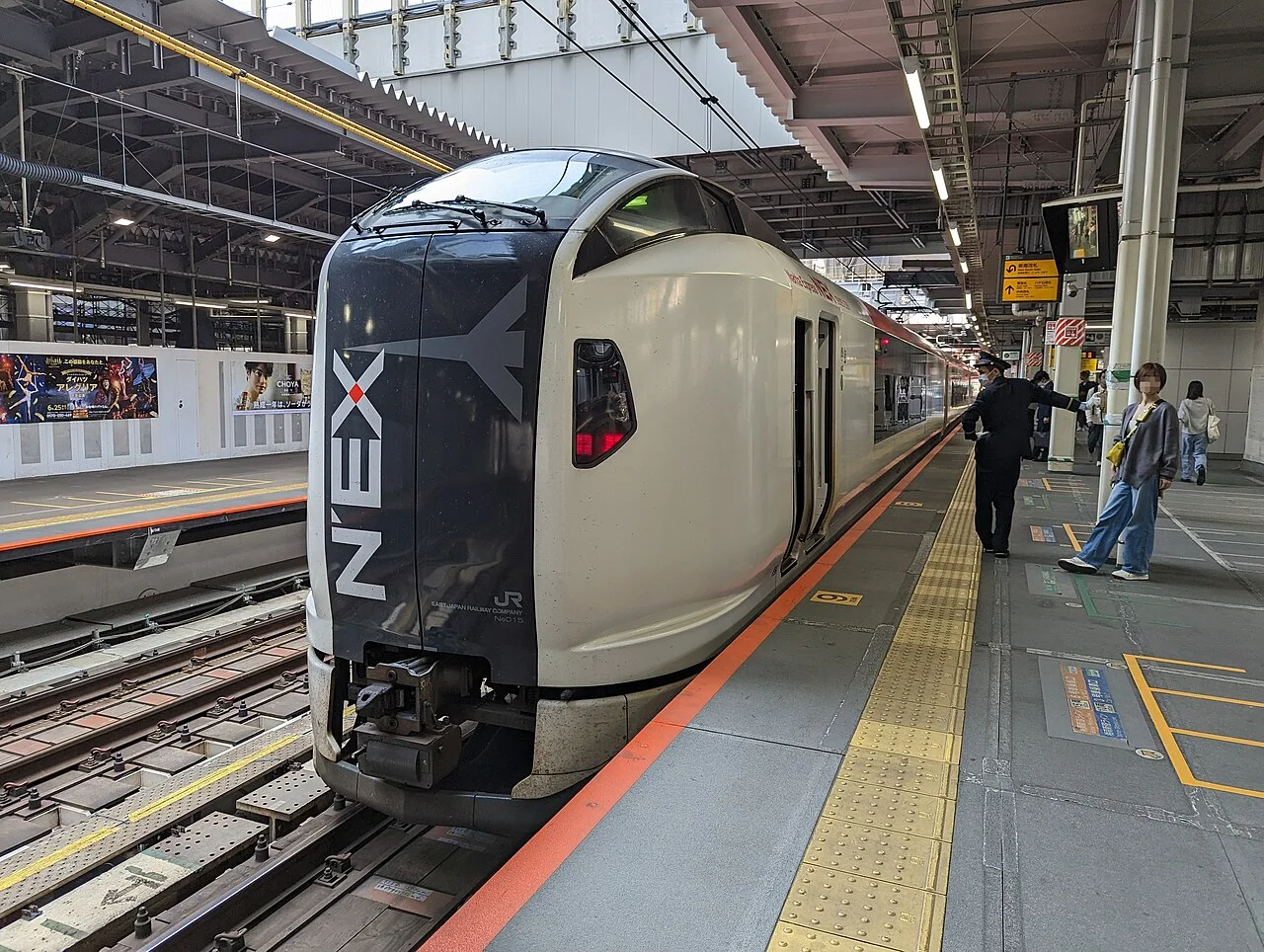
Narita Terminal 1 uses Narita Airport Station, while Terminals 2 and 3 share Airport Terminal 2 Station. With the pass, you can reserve ordinary-car seats on JR East's Narita Express (N'EX) to major hubs like Tokyo, Shinagawa, and Shinjuku--pick outbound and return trains that stop near your hotel. When you head downstairs in the terminal and spot signs for "Keisei" or the Skyliner, keep looking for the JR signs, as the two railways operate separate ticket gates. If you are staying in Nippori or Ueno and would naturally take Keisei anyway, do not pad your break-even math with a N'EX fare you would not otherwise pay.
If you fly into Narita and depart from Narita a few days later, the pass can only cover one airport leg unless both flights fall inside the same three consecutive calendar days. Say you land Thursday and fly out Monday, visiting Kawaguchiko Friday and Nikko Saturday: a Thursday-Saturday pass leaves Monday's N'EX out of pocket, while a Friday-Sunday pass excludes both airport rides. If you only need round-trip airport transit, JR East sells a N'EX TOKYO Round Trip Ticket for ¥5,200 (adults) and ¥2,600 (children), valid for one trip in each direction within 14 days--compare that round-trip ticket plus your two day trips against a pass plus a one-way departure ticket.
If you land at Narita on a Friday evening and plan day trips for Saturday and Sunday, using the pass on Friday hinges on one practical check: clearing immigration and baggage claim early enough to pick up the physical pass and catch a viable train. If you prefer to start the pass on Saturday, you can still pick up your pass at a designated office beforehand and pay separately for Friday's ride into town. Conversely, if a Monday flight departure dictates your schedule, work backward from Monday's airport train, place your big day trips on Saturday and Sunday, and check which three-day window saves more.
From Haneda Airport, the pass covers the Tokyo Monorail to Hamamatsucho for connecting JR city trains. If you plan to take Keikyu straight to Shinagawa instead, use the Keikyu fare in your comparison so the math reflects your real route. If airport pickup counters will be closed when you land, or transferring with bulky luggage and strollers feels too steep, start with our Tokyo airport arrival and transit card guide for direct options to your hotel. Any day spent strictly on Tokyo subways, private railways, or on foot does not belong in your pass savings tally.
Online Purchases Are Orders--You Still Need a Paper Pass for the Gates
Eligibility requires a valid passport issued outside Japan; JR East does not check for a Temporary Visitor status stamp, making the pass open to non-Japanese passport holders regardless of visa type. Each traveler must present their own original physical passport at purchase or pickup--photocopies cannot be used to issue a pass. Paper passes are non-transferable, even among family members, and you should carry your passport while traveling for inspection. Before ordering for a group, list every traveler, passenger type, and whether any young children need their own paid seat and pass.
On JR-EAST Train Reservation, select "Purchase a pass," choose the JR TOKYO Wide Pass, and pick your start date. One online order covers up to six passengers; if part of your group is taking different trains, split them into separate orders since seat reservations on one order are booked together. After arriving in Japan, collect your paper pass with your original passport at a designated Travel Service Center or at a Reserved Seat Ticket Vending Machine equipped with a passport reader. The machines require an IC-chip passport along with your pickup QR code, pickup code, or payment credit card, while counters require your original passport and either the pickup code or payment card.
If you bought an exchange order or e-voucher through a travel agency, bring it along with your original passport to an authorized exchange location. Keep straight the four separate items in this process: your official website booking, an agency voucher, the physical paper pass, and individual seat reservation tickets for each train leg. If you prefer to buy after landing, bring your passport directly to a selling service center or passport-reading ticket machine--just filter JR East's ticket office locator for the JR TOKYO Wide Pass and verify counter hours for your arrival terminal or station.
Before an early-morning Shinkansen departure, try to pick up your pass and any pre-booked seat tickets the afternoon before when passing through a designated station. If you have to pick them up the morning of travel, build in extra time for finding the counter, issuing tickets, and walking from conventional JR concourses to Shinkansen platforms. Check the printed start and end dates as soon as you receive the pass. At stations, feed the pass through compatible automatic ticket gates and retrieve it on the other side, keeping your seat ticket handy to find your car and seat. At stations without pass-compatible automatic gates--such as the New Shuttle from Omiya to the Railway Museum--show the paper pass to station staff.
Which Reserved Seats to Book First and How to Pivot if Sold Out
According to JR-EAST Train Reservation, seat reservations for the pass open one month before the travel date at 10:00 AM JST, with each travel day opening individually. Around New Year's, public holidays, or peak ski weekends, check your latest viable outbound train and preferred return train first, then book right when the window opens. Because plotting multiple days on a screen makes it easy to mix up dates, save one shared note listing station names, dates, train numbers, and seat assignments for the whole group.
If you buy the pass on JR East's official website, you can reserve seats inside the same order and pick up everything together at the station. Once you hold the physical paper pass, you can also reserve seats at station ticket machines or counters. If you buy the pass elsewhere and use JR-EAST Train Reservation solely for seat bookings, online reservations close at 11:50 PM JST two days before travel, and those reserved seat tickets must be picked up at a designated location by 9:00 PM JST the day before boarding or they cancel automatically. If you plan to depart early the morning after landing, pick up your seat tickets at the airport before heading into the city.
On eligible trains that offer non-reserved cars, your pass lets you ride non-reserved seating first-come, first-served. Trains like the Nikko, Kinugawa, and SPACIA Kinugawa require a reserved seat ticket before boarding. On services where ordinary cars are fully reservable--such as the Narita Express, FUJI EXCURSION, and Odoriko--JR East's rules allow unreserved pass holders to sit in vacant seats, provided you yield the seat immediately if a ticketed passenger boards. To keep a family together or guarantee a seat for someone who cannot stand, reserve ahead--or switch departures or routes when a train is full.
When trains run infrequently, prioritize securing your return seat first. If direct GALA Yuzawa trains are sold out, search Echigo-Yuzawa instead and build the shuttle ride into your ski check-in buffer. If direct Nikko trains are full, transfer at Utsunomiya via the JR Nikko Line--just choose a return departure that still makes your afternoon Shinkansen connection. If only scattered single seats remain, seat young children or travelers needing assistance next to a caregiver first, then fill in the rest of the group. Whenever you know you will not make a booked train, cancel the seat reservation before departure--especially if you might still need to refund the pass.
Changing Travel Dates Starts with Whether You Have Picked Up the Pass
Even if you have not yet picked up the paper pass, changing your start date on an official online purchase requires canceling the original order and placing a new one. Online refunds are free until 11:50 PM JST the day before your start date; after that cutoff, paid online refunds remain available until 11:50 PM JST on the final day of validity, provided any reserved seats are handled before their trains depart. Passes bought through travel agencies that have not yet been exchanged must be refunded through the original seller under their stated fees and deadlines.
If you have already picked up the paper pass and have not used it, bring it to a designated sales office within its validity period to request a refund. JR East's conditions list a 10% refund fee--¥1,600 for adults and ¥800 for children. Once any train tied to an issued seat reservation passes its departure time, that pass cannot be refunded even if you never boarded. If you only want to switch one train without changing your three-day window, modify just that seat reservation and double-check both your outbound and return dates.
Once a pass has been used to enter a station, validity cannot be extended and refunds are not issued for train delays, weather suspensions, or itinerary changes, nor are lost or stolen paper passes reissued. If you see the night before that bad weather may wipe out your main excursion and your pass is still unused, weigh whether the remaining trips still justify keeping it. Once the pass is active, you are limited to switching to other operating trains within the coverage area, with any replacement shuttles or extra lodging paid out of pocket--a risk worth keeping in mind if you book two early-season ski days where train tickets, lift passes, lessons, and hotels all carry separate cancellation rules.
Sample 3-Day Layouts Mixing Airport Transfers, Day Trips, and Overnight Stays
Say you are based in Tokyo for five days: arriving at Narita on Wednesday, visiting Kawaguchiko Thursday, Nikko Friday, staying in Tokyo Saturday, and flying out of Narita Sunday. Setting the pass for Wednesday-Friday covers one airport transfer plus both day trips, leaving Sunday's airport ticket separate. However, if Wednesday's flight lands late or your hotel sits closer to Keisei lines, drop Wednesday from the calculation and compare the pass strictly against Thursday and Friday's excursions--always plan around your real arrival time.
If you spend two nights in Echigo-Yuzawa--taking the Shinkansen from Tokyo on Friday, skiing locally Saturday, and returning Sunday--the pass mainly covers your round-trip Shinkansen, while local resort shuttles and gear rentals are separate. If someone in your group wants to stop in Omiya on the way back, you can hop off the Shinkansen at Omiya, visit the Railway Museum within the pass zone, and catch a later train to Tokyo. Factor in locker placement at Omiya Station and how much museum time remains to decide if the extra stop is worth unloading luggage.
If your route extends to Sendai, Morioka, Nagano City, or Niigata City, compare point-to-point tickets against a broader JR EAST PASS instead. Under JR East's revised pass lineup launching in March 2026, the new JR EAST PASS runs ¥35,000 for 5 consecutive days and ¥50,000 for 10 days for adults, built for longer reaches across eastern Japan. Even on the same Shinkansen lines, the JR TOKYO Wide Pass stops at border stations like Sakudaira and Echigo-Yuzawa with long stretches beyond them--and remember that Fujikyu Railway and Izukyu Line are covered by the Wide Pass, so recalculate those private-line fares if you switch passes.
On trips combining Tokyo and Kansai, price your cross-region travel and local day trips separately. The Tokaido Shinkansen between Tokyo and Kyoto or Osaka is not covered and must be bought apart. If your itinerary naturally loops through Nagano, Kanazawa, and Tsuruga toward Kansai, look at Hokuriku-route passes instead. For families heading to Osaka the next morning, only the preceding day in Tokyo can use the Wide Pass for a day trip--so compare that single day against point-to-point tickets rather than rearranging hotels just to squeeze in three days.
A few useful answers
How much does the JR TOKYO Wide Pass cost, and can I skip a day between trips?
It costs ¥16,000 for adults and ¥8,000 for children ages 6 to 11. The pass is valid for 3 consecutive calendar days from your chosen start date; you can take a rest day in Tokyo in the middle, but the expiration date does not shift.
Can I buy the pass without a Temporary Visitor stamp in my passport?
Yes, as long as you hold a valid passport issued outside Japan. JR East does not check for a Temporary Visitor status stamp for this pass, though the pass holder must present their original physical passport at purchase, pickup, and when riding.
Does it cover the Narita Express (N'EX) or Keisei Skyliner?
Ordinary cars on JR East's Narita Express (N'EX) are covered, and you can reserve seats for free. The Keisei Skyliner is operated by Keisei Electric Railway and requires a separate ticket.
Can I ride the SPACIA X from Asakusa to Nikko with this pass?
No. SPACIA X trains departing Asakusa are operated solely by Tobu Railway and require separate tickets. The pass only covers eligible JR-Tobu direct Limited Express trains where either your boarding or arrival station is on the JR network, such as the Nikko Limited Express from Shinjuku.
Can I use the JR TOKYO Wide Pass to get to Lake Kawaguchiko?
Yes--you can ride the FUJI EXCURSION direct, or transfer at Otsuki to a Fujikyu Railway local train. Reserved seats on the Fujisan Express, Fujisan View Express, and the Fuji Mountain Train cost extra, as do lakeside local buses.
Can I take the Shinkansen from Tokyo to Atami on this pass?
No. The Tokaido Shinkansen is operated by JR Central and requires a separate Shinkansen ticket. To reach Atami with the pass, take JR East's Tokaido Line local/rapid trains or ordinary cars on eligible Odoriko Limited Express trains.
If I have the pass, do I still need to pick up reserved seat tickets?
Yes, if you want a reserved seat--ordinary-car seat reservations within the covered area are included at no extra charge, and you need the physical seat ticket for that train. On trains with non-reserved cars, you can ride non-reserved seating with just the pass. All-reserved trains like the Nikko Limited Express require a seat reservation before boarding.
If I used the pass for one day and snow cancels my trains, can I get a refund?
No. Once a pass has been used, it cannot be extended or refunded for weather cancellations or delays. If your pass is completely unused (even if already picked up), cancel any unused seat reservations before departure and bring the paper pass to a designated sales office within the validity period for a refund minus a 10% handling fee.
Official information and references
Sources used in this guide.
- JR East | JR TOKYO Wide Pass Fares, Coverage, and Savings Examples
- JR East | JR TOKYO Wide Pass Conditions of Carriage
- JR East | How to Purchase, Pick Up, Reserve Seats, and Refund Passes
- JR East | Pass and Ticket Pickup Locations
- JR East | 2026 Inbound Rail Pass Revision Announcement
- JR-EAST Train Reservation | Booking and Refund Service Hours
- JR-EAST Train Reservation | Pass Purchase and Change Rules
- JR-EAST Train Reservation | Ticket Pickup Requirements, Methods, and Deadlines
- JR East | Traveling Beyond Pass Coverage Boundaries
- JR East | Transferring at Otsuki When FUJI EXCURSION Is Sold Out
- JR East | N'EX TOKYO Round Trip Ticket
- Tobu Railway | NIKKO PASS World Heritage Area
- GALA Yuzawa | Resort Access and Echigo-Yuzawa Shuttle Bus
- GALA Yuzawa | 2026–27 Operating Dates and Lift Ticket Prices
- GALA Yuzawa | 2026–27 Winter Season South Area Closure Notice