Which Suica should you get for Japan? Compare standard Suica, Welcome Suica, and mobile versions, with Narita and Haneda pickup spots, child cards, top-ups, refunds, and express transfers.
- Region & Focus
- TokyoTransportation and passes
- Reading Scope
- 19 min read · 12 chapters · 7 Q&As
- Official Verification
- 32 official sources checkedUpdated November 22, 2026
- Key Topics
- Rail travelFirst tripAirport transfers
Chapter Route Map (tap any stop)
- Choose Your Card Based on Your Phone and Departure Airport
- Standard Suica's ¥500 Deposit vs. Welcome Suica's 28-Day Limit
- Where to Buy Suica at Narita and Haneda Airports
- Adding Suica to iPhone, Transferring to Apple Watch, and Overseas Android
- Where to Top Up and How Much to Load
- Gate Etiquette and Troubleshooting Mistakes
- Child Cards, Strollers, and Passing Gates Together
- Narita Express, Shinkansen, and Local Train Green Cars
- Pairing a Tokyo Subway Pass With Suica
- Crossing to Osaka, Shizuoka, or Hakuba: Where to Buy Paper Tickets
- Cashing Out Your Balance After Your Final Ride
- 2027 Announcements That Actually Change How You Tap
- Quick Q&A
If you have an iPhone that supports Apple Wallet, try setting up Suica before you leave home. Choose a physical card if you use an overseas Android phone, need a child card, or prefer topping up with cash. Repeat visitors to Japan are better off with a standard Suica, while travelers staying 28 days or less who can spend down their balance can opt for the deposit-free Welcome Suica. If your first leg from the airport is the Narita Express or Keisei Skyliner, sort out your limited express ticket first before deciding whether to buy a Suica at the airport.
Choose Your Card Based on Your Phone and Departure Airport
When riding JR lines, Tokyo Metro, or Toei Subway in Tokyo with a Suica, your entry is recorded when you tap in, and the fare is deducted when you tap out. At everyday ticket gates, every version works roughly the same way. The real differences come before you buy and before you fly home: whether there is a ¥500 deposit, when the balance expires, and whether your departure station has a refund counter operated by the card's original issuer. If you are flying into Tokyo and departing from Kansai, it pays to decide on day one whether you want to keep the card for a future trip.
Standard green Suica cards come as an unregistered regular card or a registered My Suica. If you plan to save the card for another trip, tuck it in with your passport so you can check the balance as soon as you return to Japan. Travelers who tend to shove cards into pockets, mix them up with hotel keycards, or load larger amounts onto their card should consider a registered My Suica, which can be suspended and reissued if lost. Sightseeing visitors do not need a commuter pass--just ask at the counter for a regular Suica or a Child Suica.
If you already own a PASMO, ICOCA, or another nationwide interoperable IC card from an earlier trip, check its balance at a station machine first. Old cards usually work fine for everyday rides in Tokyo, including Keisei trains from Narita, JR lines, and the subway, though refunds still have to go through the original issuing company. If you already have another Japanese transit card on your phone, check which card holds your balance and which one is set to Express Transit mode. Adding an extra card creates another balance to manage and makes it easier to link the wrong card when booking Shinkansen tickets for a group.
On days when you plan to both ride trains and make small purchases, keep enough on your card for the ride back to your hotel. Only tap Suica at convenience stores and vending machines that display the nationwide IC logo. If lines are long at major airport stations when you land, use your phone card or an existing IC card to head into the city first, then pick up cards for the rest of your group at a JR station near your hotel--or simply buy a single-ride paper ticket for the airport leg.
| Card Type | Where to Get It | Deposit and Balance Rules |
|---|---|---|
| Standard Suica / My Suica | JR East ticket machines or service counters | ¥500 deposit, refundable under JR East return rules |
| Physical Welcome Suica | Dedicated airport machines and designated travel service centers | No deposit, valid for 28 days, remaining balance non-refundable |
| Standard Suica in Apple Wallet | Apple Wallet on a compatible iPhone or Apple Watch | No deposit, ideal if your device can already add transit cards |
| Welcome Suica Mobile | JR East travel app on compatible Apple devices | No deposit, valid for 180 days from issue, remaining balance non-refundable |
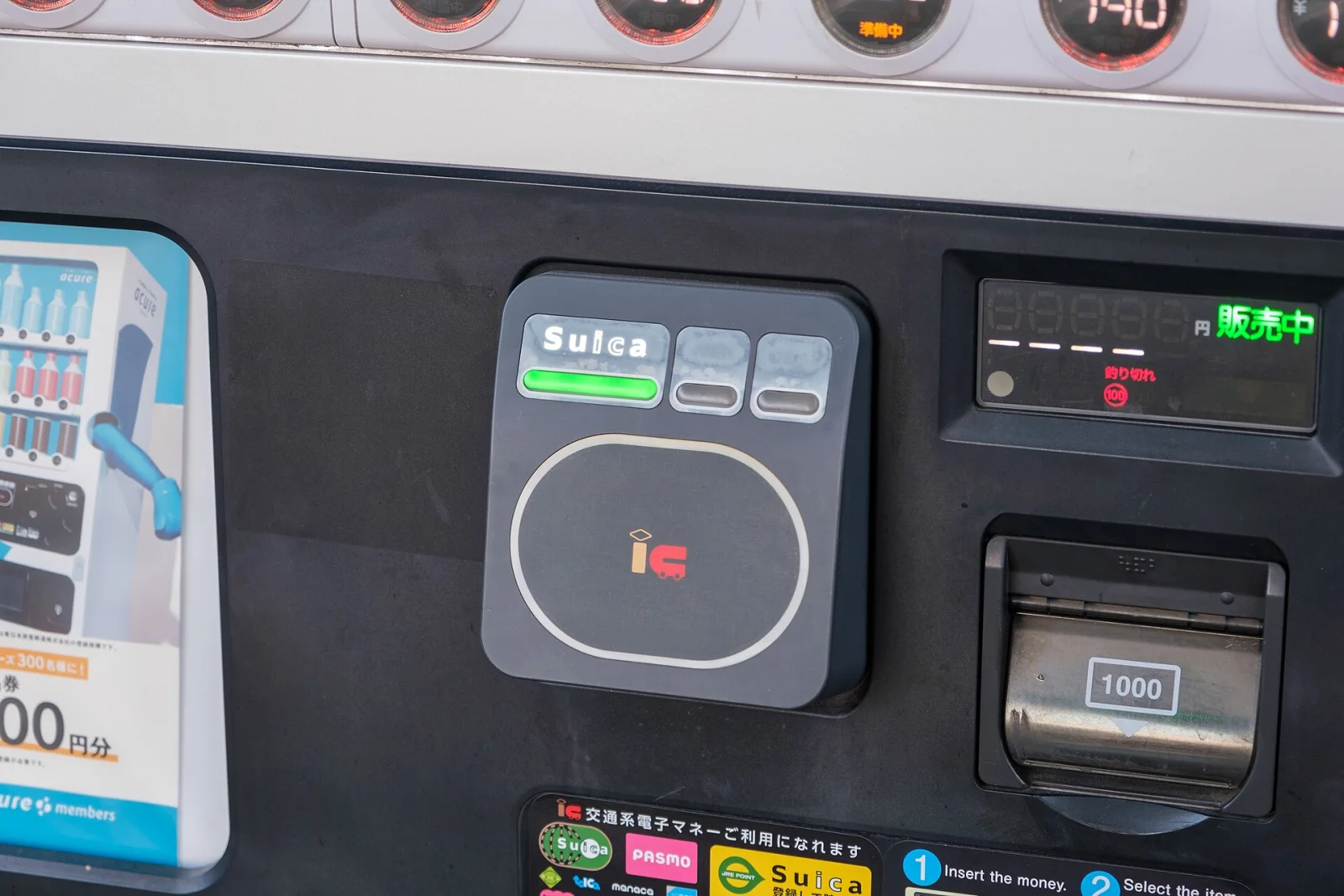
Which Suica should you get for Japan? Compare standard Suica, Welcome Suica, and mobile versions, with Narita and Haneda pickup spots, child cards, top-ups, refunds, and express transfers.
Standard Suica's ¥500 Deposit vs. Welcome Suica's 28-Day Limit
JR East sells physical standard Suica cards for both adults and children in six fixed amounts: ¥1,000, ¥2,000, ¥3,000, ¥4,000, ¥5,000, and ¥10,000, each including a ¥500 refundable deposit. Select ¥2,000 at a machine and you start with ¥1,500 in usable credit; select ¥1,000 and you get ¥500 to spend. The ¥500 deposit only comes back when you return the card. If your first train fare is close to the starting balance, pick one tier higher at purchase, especially if you plan to pay the base airport fare with your IC card.
The physical Welcome Suica comes in the same six price tiers, with the entire purchase price going straight into your usable balance. Pay ¥1,000 and you get ¥1,000 to spend, valid for 28 days starting on the purchase date, typically limited to one card per person, with no refunds on leftover funds. Keep the printed Reference Paper you receive with the card whenever you ride--it lists the card category (adult or child) and expiration date, neither of which appears on the card itself. If you lose that slip, you can reprint it at a multifunction ticket machine within the Suica area or ask station staff for help.
If you spend a few days in Tokyo before continuing to Kansai or Kyushu, the 28-day clock keeps ticking from day one. On trips longer than 28 days, or when you want one card from start to finish with no expiration worry, a standard Suica makes more sense. Conversely, if you are only flying in for a concert and taking a handful of train rides, Welcome Suica saves you a trip to return a deposit. If you plan to take a taxi back to your hotel after a late show, avoid preloading transit fare you will not use--start with a lower tier.
Decide which card you want before getting in line. For the 28-day Welcome Suica, look for dedicated Welcome Suica machines or a JR East Travel Service Center; for a standard green Suica, use a JR East multifunction ticket machine with card-issuing capability or a designated counter. Under JR East rules, standard Suica purchases at machines take cash or eligible View Cards, so carrying Japanese yen banknotes if you only have an overseas credit card saves you an extra trip to the ATM. Check the available balance on screen right after buying so you do not accidentally count the ¥500 deposit toward your airport train fare.
Where to Buy Suica at Narita and Haneda Airports
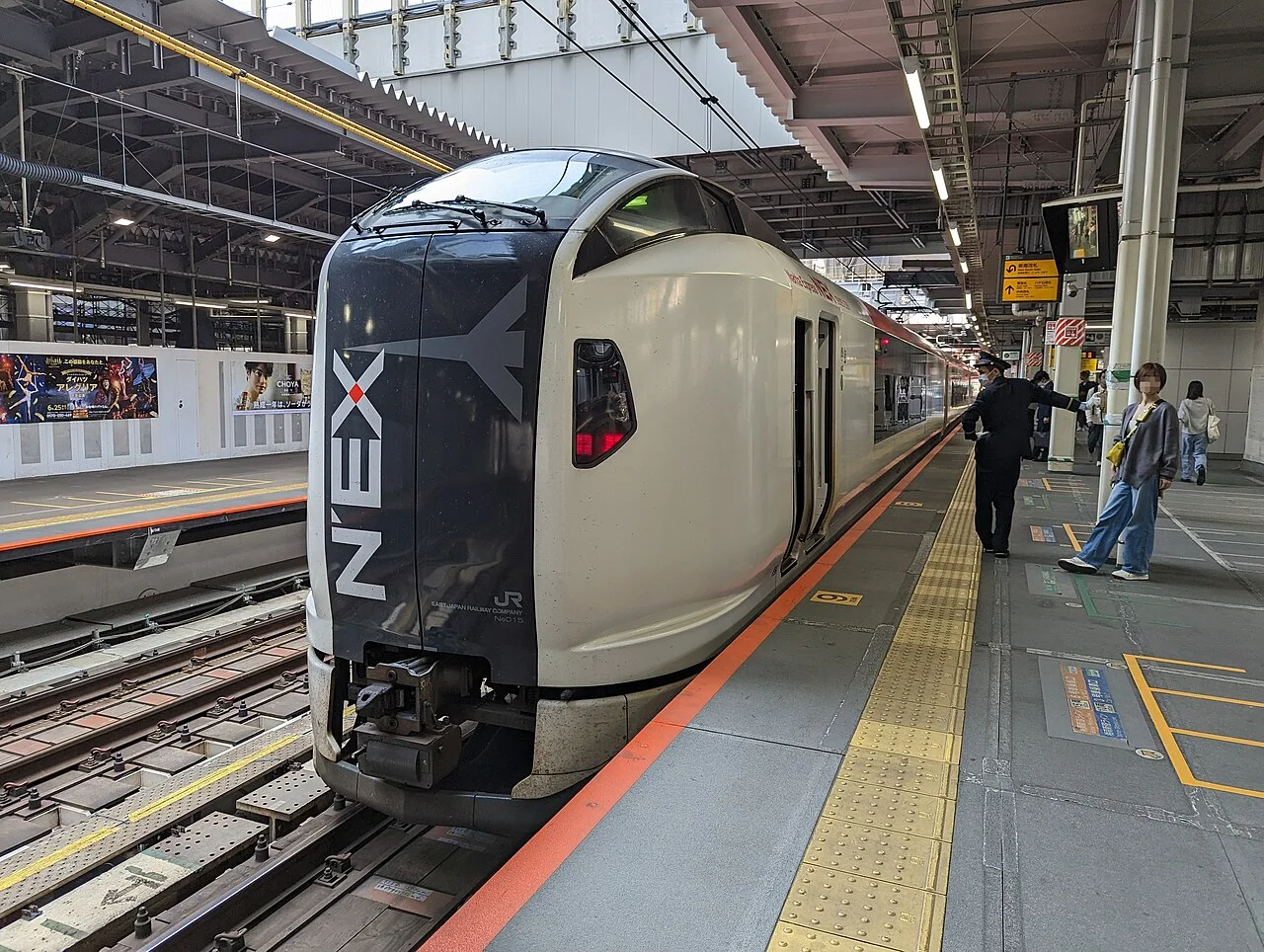
At Narita Terminal 1, collect your bags in the 1F arrivals lobby and follow the rail signs down to B1. JR and Keisei ticket gates share the same floor, where the JR East Travel Service Center sits in the ticketing area (open 8:30-19:00) alongside dedicated Welcome Suica vending machines at Narita Airport Station. Head toward the JR side for the Narita Express (N'EX), or follow Keisei signs if you already hold a Skyliner reservation. If your family needs a Child Welcome Suica, keep everyone's passports in an easy-to-reach pouch while another adult watches the luggage.
At Narita Terminal 2, head down from the 1F arrivals area to Airport Terminal 2 Station on B1, where the JR East Travel Service Center operates from 8:30-20:00. Terminal 3 arrivals use this same station for rail access--do not follow signs for Terminal 1. While waiting in line, check which terminal your return flight leaves from. If you have an early morning departure before the airport service center opens, plan to return a standard card at a JR East counter in central Tokyo and use a single ticket for your final ride to the airport.
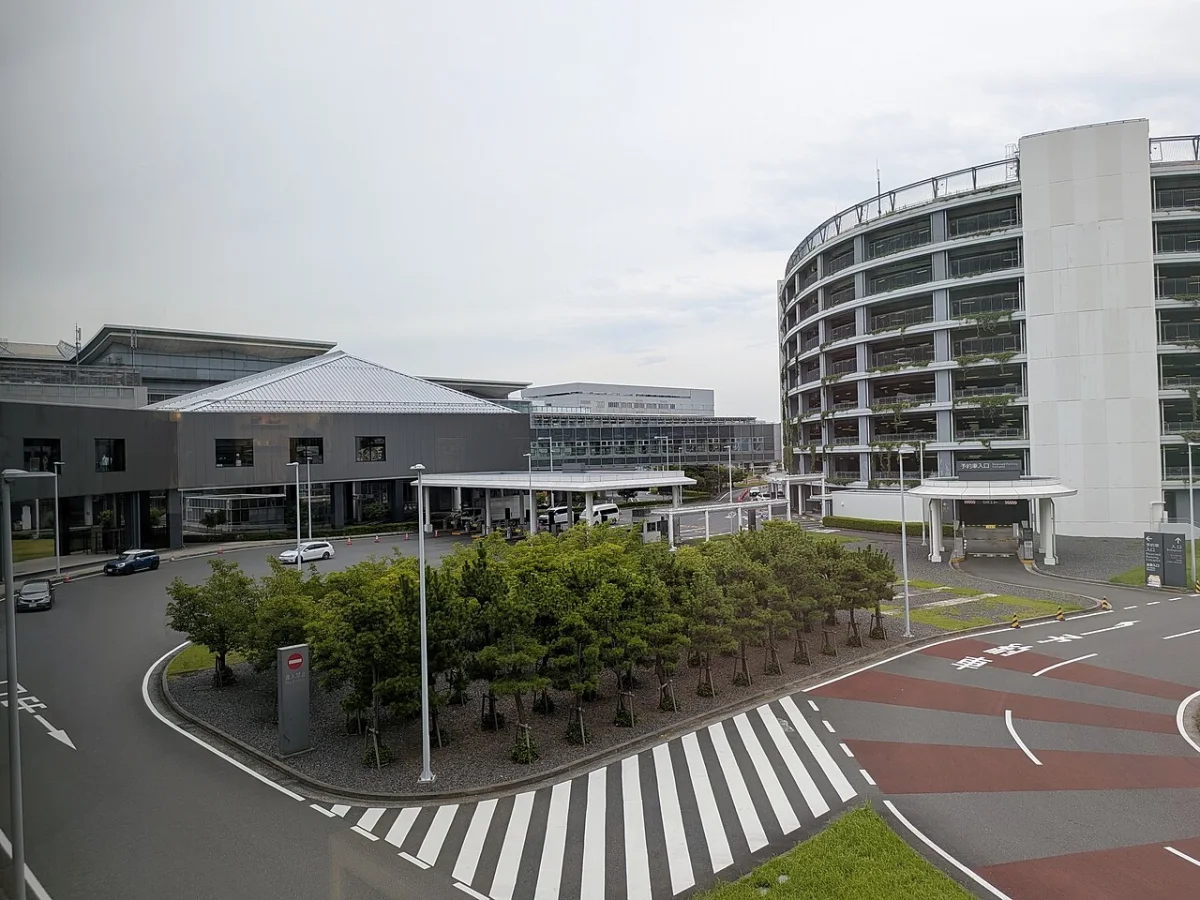
At Haneda Terminal 3, the JR East Travel Service Center sits in the 2F arrivals lobby next to the Tokyo Monorail gates and is open 6:45-20:00. That side is right on the way if you are taking the Monorail to Hamamatsucho to transfer to JR. If you plan to take the Keikyu Line toward Shinagawa or board a through-train onto the Toei Asakusa Line, look for the separate Keikyu Line and Tokyo Monorail signs; dedicated card vending machines are located on the Tokyo Monorail Terminal 3 Station side. If you land at Terminal 1 or Terminal 2 and already have a working IC card, you can head straight for the trains.
When landing at Haneda and transferring at Hamamatsucho to the JR Yamanote Line, Tokyo Monorail also offers a same-day discounted one-way ticket. Published valid dates run on weekends, Japanese national holidays, and designated extra periods through March 31, 2027, including the year-end window from December 26, 2026 to January 3, 2027. Fares are ¥590 for adults and ¥290 for children, sold at Tokyo Monorail ticket machines across all three Haneda terminals, with no stopovers allowed along the way. If you are staying in Ikebukuro and arrive on an eligible date, you can ride into the city on that paper ticket and save buying a Suica for later.
City travel service centers also stock Welcome Suica, including JR East's listed locations at Tokyo, Shinjuku, Ikebukuro, Ueno, Shibuya, and Yokohama stations. The Ikebukuro center is on the West Exit side and opens 10:00-17:00, so if you land late and are staying in Ikebukuro, buying a single-ride ticket on arrival night and picking up cards locally the next morning is often easier. Saving the nearest station and counter hours near your hotel before you fly is more practical than insisting on buying every ticket and card for the whole family at a single Narita counter. If you already booked seats on an airport train, prioritize making your departure time.
Adding Suica to iPhone, Transferring to Apple Watch, and Overseas Android
To create a standard Suica on an iPhone, open Apple Wallet, tap the add button, choose Transit Card and then Suica, pick an amount, and pay with an eligible card already in Wallet. Apple requires your device to be signed in to an Apple Account with two-factor authentication enabled. Once added, open the card's details to check the balance and Express Mode; with Express Transit turned on, you can hold your phone near compatible gates without waking it for Face ID. Adding a credit card to Wallet and successfully loading a transit card are two separate steps, so test a small top-up before departure and confirm the balance updates.
JR East also offers Welcome Suica Mobile for visitors on compatible iOS devices aged 13 and older who meet Apple Pay requirements. The card stays valid for 180 days from issue, after which any remaining funds expire without standard balance refunds. You can issue the card in the app, load it via Apple Pay, and access JR East reservation flows for select tickets; issuance and in-app top-ups pause daily from 2:00 AM-4:00 AM JST. JR East supports overseas issuance across eligible countries and regions outside Japan, though if location services are on and the app still blocks creation abroad, try launching it again after landing in Japan or buy a paper ticket for your first ride.
You can move a single Suica between an iPhone and an Apple Watch using Apple's transit card transfer feature. Each card can only live on one device at a time--if you tap in with your watch, tap out with your watch. If you transfer an eligible physical green Suica into Apple Wallet, the plastic card becomes permanently unusable and its ¥500 deposit is added to your digital balance; physical Welcome Suica cards cannot be moved into Apple Pay this way. Always transfer your card to a new device before erasing or sending an old phone in for repair, and do transfers outside station gates so you do not leave an open entry record stranded on the old device.
With an Android phone bought outside Japan, do not assume an NFC chip on the spec sheet means Mobile Suica will work. In 2026, using the official Mobile Suica app on standard Android devices requires JR East-supported hardware, including compatible Osaifu-Keitai models sold for Japan. JR East has announced plans to roll out Welcome Suica Mobile for select overseas Samsung Galaxy models in the first half of 2027, though that program covers different devices and exact models and sales regions have not yet been finalized. If you currently travel with an overseas Android phone, plan on one physical card per person and switch only after official support launches for your model.
Where to Top Up and How Much to Load
At station ticket machines, look for the Charge option and the nationwide transit IC logo. For cash top-ups on a green Suica at JR East machines, you can choose ¥500, ¥1,000, ¥2,000, ¥3,000, ¥5,000, or ¥10,000 per transaction--a slightly different menu from initial card purchase tiers--up to a maximum balance of ¥20,000. Keep a few ¥1,000 bills handy, insert your card or place it on the reader tray as prompted, pick the amount, feed in your cash, and wait for both your card and change. If you discover a low balance at the gate, ticket machines usually sit right outside the barrier--step out of the queue, top up, and tap again.
To load cash onto a mobile Suica, use a machine with a flat reader tray labeled for smartphone use, since slot-only plastic card machines cannot accept phones. At convenience stores with supported registers, tell the cashier "Suica, charge," state the amount, and pay in yen; at Seven Bank ATMs that support transit e-money top-ups, select Charge and Transportation E-Money, place your card or phone on the reader, choose an amount in ¥1,000 increments, and insert banknotes. Wait until the screen confirms completion before lifting your device and taking any change. If a clerk asks you to tap, glance at the display amount first so you do not confuse paying for a drink with loading your card.
Using one card for both subway rides and breakfast drains your balance faster than transit-only math suggests. A short Tokyo Metro ride under 6 km costs ¥178 each way for adults on an IC card, or ¥356 round-trip. If you bought a ¥1,000 standard Suica, only ¥500 is usable after the ¥500 deposit, leaving ¥144 after one round-trip. Grab a ¥150 bottle of water after getting off the train on the outbound leg and your balance drops to ¥172--not enough to tap in for the return ride without topping up first. If you plan to pay the base fare on the Narita Express with your card the next morning, load it near your hotel the night before rather than juggling luggage at the airport gate.
In your last two days, count backward from your remaining rides. List which legs you still need before the airport and which segments are already covered by separate tickets before adding more money. There is no reason to top up every time your balance dips below ¥1,000: if you have ¥90 left and already hold your airport train ticket, ask at a convenience store checkout if you can pay part with IC and the rest in cash. Keep enough for your next train ride before buying higher-priced items, and if you carry both a plastic card and a phone card, remember each holds a separate balance.
Gate Etiquette and Troubleshooting Mistakes
Before tapping in on urban rail, check the operator and line name above the gate, then hold a single card steady against the illuminated reader until it beeps or flashes green. Always tap out with the same card you used to enter so the system can calculate the fare from your origin station. If your wallet holds a Suica alongside hotel keycards and credit cards, pull the Suica out first; if both your watch and phone carry transit cards, only bring one near the pad. Wait until the passenger ahead of you clears the gate before tapping so you are not stuck fishing for a card in front of half-open flaps.
If an error triggers at a major station, read the gate screen first and step aside out of foot traffic. When you have a valid entry record but not enough credit to exit, look inside the paid area for a Fare Adjustment machine or an IC charge machine. If you walked into the wrong rail company's gates, forgot to tap out at a previous station, or accidentally mixed devices, head straight to the staffed window and tell the attendant where you boarded and which line you rode. You can also write your entry station name down or open the card's transaction and balance screen on your phone so staff can see which card was used.
Some subway lines run through-services directly onto private railways. For instance, on Toei Asakusa Line trains continuing straight onto Keikyu tracks toward Haneda, you normally stay on board without tapping again until your destination settles the combined fare. When you change lines mid-trip and pass through a dedicated transfer gate between operators, follow station signs and tap at that transfer gate as instructed. If you only want to visit shops inside Tokyo Station's paid area or see someone off, participating JR East stations offer Touch de Ekinaka, which deducts a platform admission fee when entering and exiting the same station within two hours; otherwise, look for shops and restrooms outside the ticket gates.
One station name often covers several completely separate gate areas. When meeting travel companions at Ueno, specify JR Ueno, Tokyo Metro Ueno, or Keisei Ueno--and whether you are inside or outside the ticket gates. If a reader is under maintenance, keeps flashing red, or misfires through a crowded card case, step out of line and hand just the bare Suica to the station attendant. On buses, check the boarding icons at the front or rear door: some charge a flat fare when you board, while others require tapping both on and off. Follow the signs on each bus rather than assuming train rules apply.
Child Cards, Strollers, and Passing Gates Together
School-age children who will ride trains regularly can get a registered standard Child Suica at a JR East Midori-no-madoguchi ticket office or a Reserved Seat Ticket Vending Machine with remote operator assistance. For a short-term Child Welcome Suica, apply at a travel service center or dedicated vending machine; under JR East rules, you will need the child's passport to verify age, and machines ask you to enter the date of birth. A parent or guardian can handle the purchase with the child's ID. Child Welcome Suica cards expire under whichever comes first: 28 days from purchase or the first March 31 after the child turns 12, so double-check the Reference Paper expiration date if traveling around the Japanese school-year transition.
JR's child fare eligibility does not automatically flip on a child's sixth birthday: children aged 6 who have not yet started elementary school still count as infants, and 12-year-olds still in elementary school qualify for child fares. Each fare-paying adult or child may bring up to two eligible infants free of charge, while a third infant onward requires a child fare plus applicable surcharges; any infant occupying their own reserved seat also needs a child ticket. When booking a family ride on the Skyliner or Shinkansen, count how many seats you need first, then buy tickets matching each passenger's age category. Whether a child rides free on local trains and whether they need a ticket for a reserved seat are two separate rules.
Give every cardholding family member their own card so kids tap their card while parents tap their own phone or card. If a family is using mobile e-tickets, pull up each traveler's QR code or assigned IC card from the reservation at the hotel before heading out rather than sorting them out in front of a busy gate. With a stroller, use the wide accessible gate: let older kids walk through first with another adult, then wheel the stroller and younger children through. One adult traveling alone with multiple kids should use the staffed lane and tell the attendant how many are in the party rather than splitting up across automated gates.
Attach a short anti-loss lanyard to a child's card holder and use distinct sleeve colors for adult and child cards so you do not have to pull every card out when checking balances or claiming refunds. After buying the cards, point out the Suica reader logo to everyone and agree on a simple rule--if the gate turns red, wait right beside that lane--plus save your hotel map and meeting spot on everyone's phone. Letting a child double-tap a parent's phone or card creates mismatched entry records, and when reserving seats, link each child ticket to the matching child card.
Narita Express, Shinkansen, and Local Train Green Cars
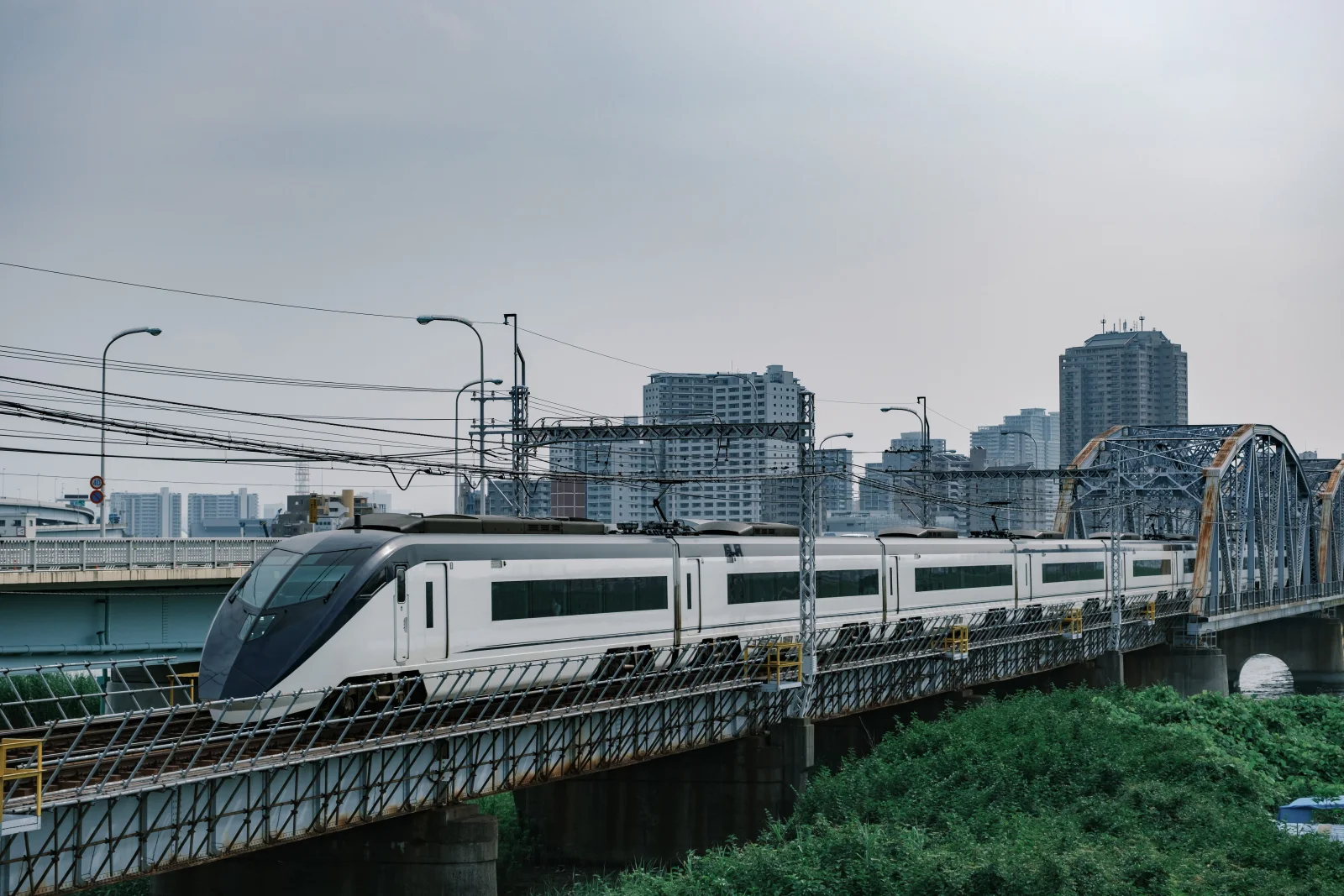
Keisei Skyliner trains from Narita are all-reserved limited express services. You can buy a combined ticket covering both the base fare and Skyliner surcharge, or buy the limited express surcharge ticket separately and pay the base fare by tapping your Suica. Check what your booking actually includes before reaching the gate. If your ticket covers the base fare, use that ticket at the gates; if you only bought the surcharge ticket, load enough base fare onto your Suica, keep your seat details handy, and follow transfer gate prompts when changing to JR at Nippori. If you ride the Keisei Access Express instead, only the regular fare applies with no Skyliner surcharge needed, and through-trains onto the Asakusa Line or toward Oshiage let you pick a direct ride based on where you are staying.
JR's Narita Express (N'EX) also requires both a base fare and a limited express ticket. On JR-EAST Train Reservation, conventional limited express e-tickets marked "basic fare required" cover only the express surcharge, meaning you still need an IC card balance or a paper base-fare ticket to pass the gates. If you bought a bundled package that includes the base fare or hold a rail pass covering that route, follow the boarding rules for that product instead. When traveling with heavy bags to Tokyo or Shinjuku on a direct train, skipping an extra transfer matters more than getting your IC card at the airport. For a full comparison of airport routes, see getting into Tokyo from Narita and Haneda.
For the Shinkansen, start by checking which booking system you used. Shinkansen e-tickets purchased through JR East can be linked to your transit IC card so you simply tap through the gates against your paid reservation. JR East's Touch de Go! Shinkansen lets you pay directly from your IC balance on eligible routes and non-reserved or designated seating, but requires prior registration before riding. On the Tokaido Shinkansen from Tokyo to Nagoya or Kyoto, travelers commonly use a separate platform such as Smart EX. Assign a unique IC card to each traveler's seat--linking the same card number to multiple passengers blocks them from passing the gate individually.
Local and rapid trains on lines like the Tokaido and Yokosuka lines feature double-decker Green Cars; to sit in one, purchase a Suica Green Car Ticket at a supported machine or in the app before boarding. Since March 2026, Welcome Suica Mobile has also supported purchasing eligible local Green Car tickets. Tap into the station as usual with your card, then tap the card or phone holding the Green Car ticket against the reader above your seat once aboard. Because local train Green Cars use non-reserved seating, families wanting guaranteed adjacent seats on a Friday evening are better off on a reserved limited express--the Green Car surcharge covers that segment's upgrade only, with seats claimed first-come, first-served.
Pairing a Tokyo Subway Pass With Suica
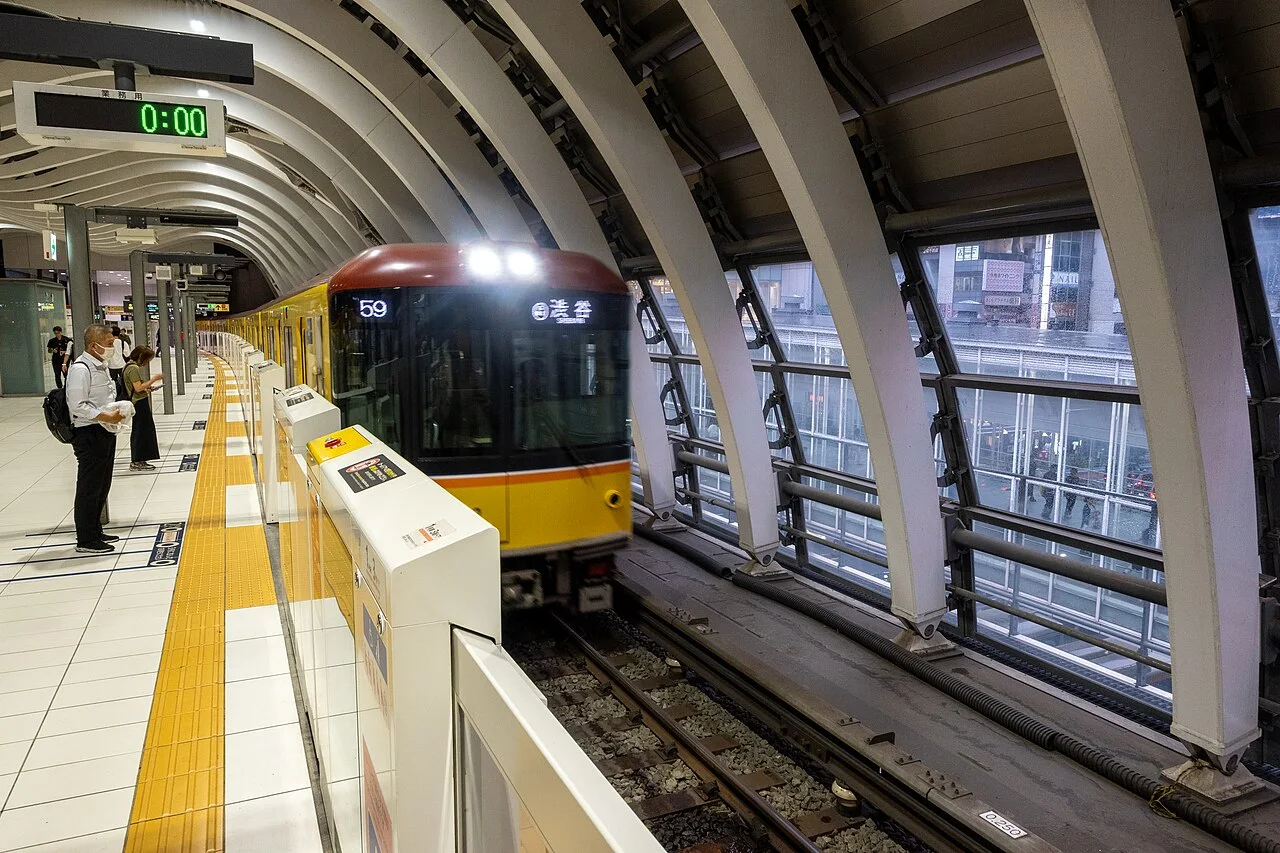
The Tokyo Subway Ticket covers both Tokyo Metro and Toei Subway lines. Following the March 14, 2026 fare update, 24-, 48-, and 72-hour adult passes cost ¥1,000, ¥1,500, and ¥2,000, and child passes cost ¥500, ¥750, and ¥1,000. Paper and QR versions start their clock from first activation and run across midnight for the full hour block; select IC-loaded passes listed on Tokyo Metro's site start from the time of purchase and carry specific sales rules, so calculate value based on the exact version you plan to buy. JR Yamanote Line, Tokyo Monorail, and through-running private railway segments beyond the subway are billed separately.
Suppose you stay in Asakusa, take the Ginza Line to Ueno for a museum exhibition, and return to Asakusa for dinner: two ¥178 trips a day come to ¥712 over two days, well below the ¥1,500 48-hour pass. On a day packed with spaced-out stops like Ginza, Omotesando, Shinjuku, and Roppongi, add up each point-to-point fare in a route planner first. Do not factor in a weekend JR ride from Shinjuku to Kichijoji when estimating pass savings, since you will pay that fare separately anyway--a pass only pays off against the subway fares it actually replaces.
Rainy weather often turns short walks into one-stop rides, yet if your hotel, department store, and dinner spot sit near the same station, you might still only ride back once. Wait until you head out for the day to activate a pass so you can save it for a day with heavy subway use. Once a QR pass is active, use gates equipped with QR scanners and keep your phone's Apple Wallet IC card away from the reader. If Wallet triggers first and accidentally deducts a Suica entry while you are scanning a QR ticket, stay at that gate and ask the attendant to clear the entry record.
Rail fares also vary across operators on the same corridor. After JR East's March 14, 2026 fare revision, the adult fare between Tokyo and Shinjuku is ¥253 by IC card and ¥260 by paper ticket, while Tokyo Metro's ¥178 tier covers its shortest distance bracket. Check station names and operators on a map before choosing routes--some hotels require a long underground walk to reach JR gates while a Metro entrance sits right across the street. On a two-night stay, pricing out your closest exits and actual late-night rides beats copying someone else's day-pass itinerary.
Crossing to Osaka, Shizuoka, or Hakuba: Where to Buy Paper Tickets
Your Tokyo Suica works at stations across Osaka, Nagoya, Fukuoka, and Sapporo wherever nationwide IC cards are accepted. On conventional JR lines, however, each tap-in and tap-out trip must begin and end within the same IC service zone. A classic trap is riding the Tokaido Main Line from Tokyo to Numazu via Atami, which crosses from JR East's Tokyo Suica area into JR Central's TOICA area: even though both stations have IC readers, buy a paper ordinary ticket all the way to Numazu before boarding. If you genuinely plan to stop in Atami to sightsee, tap out there to settle the Tokyo leg, then tap in again for a fresh ride to Numazu.
On regional mountain lines, check both your boarding and arrival stations explicitly. Starting March 14, 2026, JR East enabled Suica at Shinano-Omachi and Hakuba stations on the Oito Line, yet intermediate stations on the same line--such as Shinano-Matsukawa and Iimori--remain excluded. If your lodge pickup is at one of those smaller stops, you cannot assume Hakuba's Suica rules apply. JR East also announced in November 2026 that 19 additional stations in Nagano Prefecture, covering parts of the Oito and Koumi lines, are planned to join Suica from fall 2027 onward; travelers visiting in winter 2026 through early 2027 should plan on paper or pre-purchased tickets at non-enabled stops rather than treating a future rollout announcement as active service.
For long-distance intercity rail, break your ticketing into three clear legs: urban IC card from your Tokyo hotel to Tokyo Station, reserved or paper Shinkansen ticket for the bullet train, and IC card again once you arrive in Osaka. Keep screenshots or notes showing the boarding station, train number, and connecting operator for each segment. When transferring at Shin-Osaka to JR local lines, the subway, or a private railway, your transfer method depends on your Shinkansen ticket type and onward line; whenever a gate asks for an IC tap, use the specific card linked to your Shinkansen booking rather than testing group members' cards one by one. See our guide to Japan train reservations and IC cards for common ticket pairings.
Regional buses, ferries, and resort shuttles set their own payment rules independently. Check the local operator's route page for the transportation IC logo next to fare tables before deciding whether to load your card or break bills for cash. Carrying small change and ¥1,000 notes is especially smart when catching a last bus in snow or rain with luggage. At rural stations with only standalone pole readers, confirm the screen registers your tap; if a reader is out of order, notify the conductor or station staff right away so an incomplete entry record does not lock your card the next morning in another city.
Cashing Out Your Balance After Your Final Ride
Standard JR East Suica cards must be returned at designated JR East stations, while cards issued by other operators follow their own refund channels. On a standard Suica refund, JR East deducts a handling fee of up to ¥220 from your remaining balance and returns the ¥500 deposit in full. A card with ¥1,000 left pays out ¥1,280; a card with ¥100 or ¥0 left still pays out the ¥500 deposit. With a physical Welcome Suica, simply keep the card as a souvenir, as unused funds cannot be refunded as cash. If you plan to use your standard Suica for your final ride to the airport, do not return it early at a departure station in the city.
On a Tokyo-arrival, Osaka-departure itinerary, you can refund a standard Suica before leaving Tokyo and switch to paper tickets for your intercity train, or keep the card active to spend down in Osaka until you fly home. A standard JR East Suica stops working directly if left unused for 10 years after its last tap, though standard cards can still be taken to JR East for replacement or balance transfer inquiries. Short-term cards run on a hard expiration cycle, so if you plan to return to Japan within a year or two, keeping a standard card beats buying a fresh Welcome Suica each trip.
Lost unregistered Suica cards and lost physical Welcome Suica cards cannot be reissued. If you lose a registered My Suica, bring your photo ID to an eligible JR East station to suspend the card and request a replacement for a ¥520 handling fee plus a new ¥500 deposit; because reissuance takes at least until the next day, travelers flying out the same day should buy a cash ticket or switch to another personal IC card. If you lose your phone, use Apple's Lost Mode to suspend Apple Pay immediately and follow the reissue steps for your specific Suica product. Welcome Suica Mobile uses its own account and secret keyword--signing in or verifying details with support is what allows a transfer to a replacement device. If a physical Welcome Suica stops working due to a card defect during its 28-day validity period and the serial number on the back remains legible, take it to an eligible JR East counter for a defect certificate; from the following day until 14 days after expiration, you can bring the faulty card and certificate to a JR East Midori-no-madoguchi ticket office in the Suica area to refund the remaining balance.
If your phone battery is running low before heading to the station, pull up your reservation details ahead of time or keep a backup payment method ready. On days when one phone holds your train passes, shopping balance, and hotel details, carry a power bank, some yen cash, and your hotel address for after you exit. If your phone dies after tapping in, go straight to the staffed gate at your destination and give the attendant your origin station, approximate boarding time, and device status. If you notice a dead battery before entering the station, buy a paper ticket instead to skip the hassle.
2027 Announcements That Actually Change How You Tap
In November 2026, JR East announced a walk-through, tap-free ticket gate trial at 14 Greater Tokyo stations starting in April 2027, ahead of a planned full rollout across 40 stations--including Yamanote Line stops and select Narita and Haneda stations--in spring 2028. During the trial phase, both your entry and exit gates must be equipped with the test system; JR East cites entering at Tokyo Station and exiting at Hamamatsucho Station as an example. For trips to other stations or transfers onto subway lines, continue tapping at regular gates as usual.
If your Shinkansen seats are linked to a transit IC card, check all active reservations before switching phones and heading to the station. Whenever you create a new mobile Suica with a different card number, update the linked IC number on your booking page. On your flight day, if you still have one final Tokyo rail ride left on a card tied to a seat reservation, finish your trip with the existing card before setting up a replacement.
A few useful answers
Does Narita Terminal 3 have its own separate Suica train station?
Rail passengers from Terminal 3 use Airport Terminal 2 Station beneath Terminal 2. The JR East Travel Service Center is on B1 and is open 8:30-20:00.
Can I top up a standard Suica with an overseas credit card?
Physical standard Suica cards are topped up with Japanese yen cash at station machines. A standard Suica in Apple Wallet can be loaded with an eligible payment card in Wallet, or with cash at machines equipped with a smartphone reader tray.
Can a child share one Suica card with an adult?
Every passenger who needs a fare must tap their own card. A Child Suica automatically deducts child fares; bring the child's passport to verify age when purchasing one.
Can I keep using the same Tokyo Suica when I travel to Osaka?
Yes, at Osaka stations that accept nationwide interoperable IC cards. For the Shinkansen between Tokyo and Osaka, buy or reserve your bullet train ticket separately and either collect your ticket or link an eligible IC card depending on the booking system.
Why did the ticket gate still charge my card when I already had a reserved Skyliner seat?
If your reservation covered only the Skyliner limited express surcharge, the base rail fare is still charged separately. When tapping in and out with Suica, that base fare is deducted from your IC balance; if you bought a bundled ticket including the base fare, use that ticket at the gates instead.
Can I tap in with my iPhone and tap out with my Apple Watch?
No--you must complete each trip using the same transit card on the same device. If you accidentally tap different cards or devices, go to the staffed ticket gate to settle the entry record.
If my standard Suica only has a few dozen yen left, will the refund fee eat into the ¥500 deposit?
No. The handling fee of up to ¥220 is deducted only from your remaining e-money balance, so when your balance is under ¥220, JR East still returns the full ¥500 deposit.
Official information and references
Sources used in this guide.
- JR East: Standard Suica Purchase, Usage, and Refunds
- JR East: Registered My Suica and Child Suica
- JR East: Physical Welcome Suica Purchase Guide
- JR East Travel Service Center: Narita Airport Terminal 1
- JR East Travel Service Center: Narita Airport Terminals 2 & 3
- JR East Travel Service Center: Haneda Airport Terminal 3
- JR East: Station Travel Service Centers and Hours
- Apple Support: Add and Transfer Transit Cards in Apple Wallet
- JR East: Welcome Suica Mobile
- JR East: Welcome Suica Mobile November 2026 Usage Notice
- JR East: Child, Infant, and Baby Fare Rules
- Keisei Electric Railway: Skyliner Ticket Purchase Guide
- JR East: Shinkansen e-ticket and Limited Express e-ticket
- JR East: Touch de Go! Shinkansen Usage Guide
- Tokyo Metro: Tokyo Subway Ticket Fares, Coverage, and Versions
- Tokyo Metro: Paper and IC Regular Fare Table
- JR East: 2026 Major Route Fare Revision
- JR East: Suica Usable Areas
- JR Central: TOICA Nationwide Interoperability and Area Limits
- JR East: 2026 Nagano Suica Station Expansion
- JR East: Nagano Suica Expansion Notice for Fall 2027 Onward
- JR East: Lost Card and Mobile Suica Reissuance Guide
- JR East: 2027 Samsung Galaxy Support Plan
- JR East: Walk-Through Ticket Gate Trial and Rollout Announcement
- Seven Bank: Cash Top-Ups for Transportation E-Money
- JR East: Welcome Suica Mobile Terms of Use and Reissuance Rules
- JR East FAQ: Touch de Ekinaka Station Entry Service
- Smart EX: Boarding with a Transit IC Card
- JR East: Suica Conditions of Carriage (Registered Card Reissuance)
- Tokyo Monorail & Yamanote Line Discount One-Way Ticket
- JR East: Countries and Regions Supporting Overseas Welcome Suica Mobile Issuance
- Tokyo Metro: IC Card Entry and Exit Rules