Updated 2026 Tokyo Subway Ticket fares for 24, 48, and 72 hours, QR boarding vs. paper ticket exchange, IC card comparisons on real routes, and airport through-train boundaries.
- Region & Focus
- TokyoTransportation and passes
- Reading Scope
- 19 min read · 11 chapters · 10 Q&As
- Official Verification
- 17 official sources checkedUpdated November 22, 2026
- Key Topics
- Rail travelFirst tripTravel budget
Chapter Route Map (tap any stop)
- 2026 Fares and the Break-Even Point
- 13 Lines Across Two Networks; JR and Buses Cost Extra
- Two Single-Day Itineraries: ¥565 vs. ¥1,005
- Structuring a 48-Hour Window and When Day 3 Justifies Another ¥500
- Hours Run Consecutively; Paper, QR, and PASMO Start Differently
- QR Boarding Tickets vs. Exchange QR Codes at the Gate
- Where Overseas Visitors Can Buy Tickets and Counter Hours
- Picking Up the Narita Skyliner Combo and Paying for Haneda Through-Trains
- Comparing the Tokyo Metro 24-Hour Ticket, Toei One-Day Pass, and IC Cards
- Count Walking Segments Before Tallying Your Next Ride
- Age Rules and Ticket Math for Families
- Quick Q&A
The Tokyo Subway Ticket raised its fares in March 2026. Adult 24-, 48-, and 72-hour passes now cost ¥1,000, ¥1,500, and ¥2,000, covering all Tokyo Metro and Toei Subway lines. A simple three-leg loop between Ueno, Asakusa, and Ginza costs just ¥565 on an IC card, so the 48-hour pass only starts paying off when you cross multiple neighborhoods over two days using Toei lines as well. Map out your route from your hotel to your first stop and back from your last stop before choosing a pass.
2026 Fares and the Break-Even Point
You may still see older guides citing ¥800, ¥1,200, and ¥1,500 for adult passes. Starting March 14, 2026, those 24-, 48-, and 72-hour fares increased to ¥1,000, ¥1,500, and ¥2,000. Tokyo Metro's official site lists paper tickets and QR tickets separately, though both cost the same. Third-party booking platforms sometimes bundle attraction admission or airport trains, so match the included items, validity hours, and redemption steps when comparing prices.
Using the standard ¥178 adult IC card fare for a short central Tokyo ride, five rides total ¥890 and six total ¥1,068—meaning the 24-hour pass only saves money on the sixth ride. The 48-hour pass needs to beat eight rides (¥1,424) and pulls ahead on the ninth (¥1,602). The 72-hour pass needs to top 11 rides (¥1,958), breaking even on the 12th ride at ¥2,136. These thresholds assume short hops; plug in actual fares for longer cross-town trips.
For adults, most short Tokyo Metro rides cost ¥178 with an IC card or ¥180 for a paper ticket, stepping up to ¥209 and ¥210 in the next distance tier. Toei Subway short hops start at the same ¥178/¥180 and step up to ¥220/¥220. If your transit app shows both paper and IC fares, stick to one column when tallying your day. If you plan to tap a Suica or PASMO, compare against IC fares.
Remember to count eligible transfers as a single combined fare. When transferring between Tokyo Metro and Toei Subway under qualifying conditions, adults receive a ¥70 discount applied automatically to the same IC card—turning two ¥178 legs into a ¥286 single trip. If you plan to exit the gates at a transfer station to eat or shop before boarding again, tally those legs separately. Paper-ticket riders can buy a joint transfer ticket at the departure station.
Once you tally each leg, look for the day with the biggest gap. Box in the hours with the heaviest subway riding and see if an adjacent half-day fits inside the same window. Rewriting your itinerary after buying a pass often leaves you walking extra underground corridors or turning a direct JR ride into two transfers just to save a few hundred yen. Price out the trip you already plan to take, and the right choice usually stands out.
| Pass Duration | Adult | Child | Adult Break-Even at ¥178/Ride |
|---|---|---|---|
| 24 Hours | ¥1,000 | ¥500 | 6 rides (¥1,068) |
| 48 Hours | ¥1,500 | ¥750 | 9 rides (¥1,602) |
| 72 Hours | ¥2,000 | ¥1,000 | 12 rides (¥2,136) |
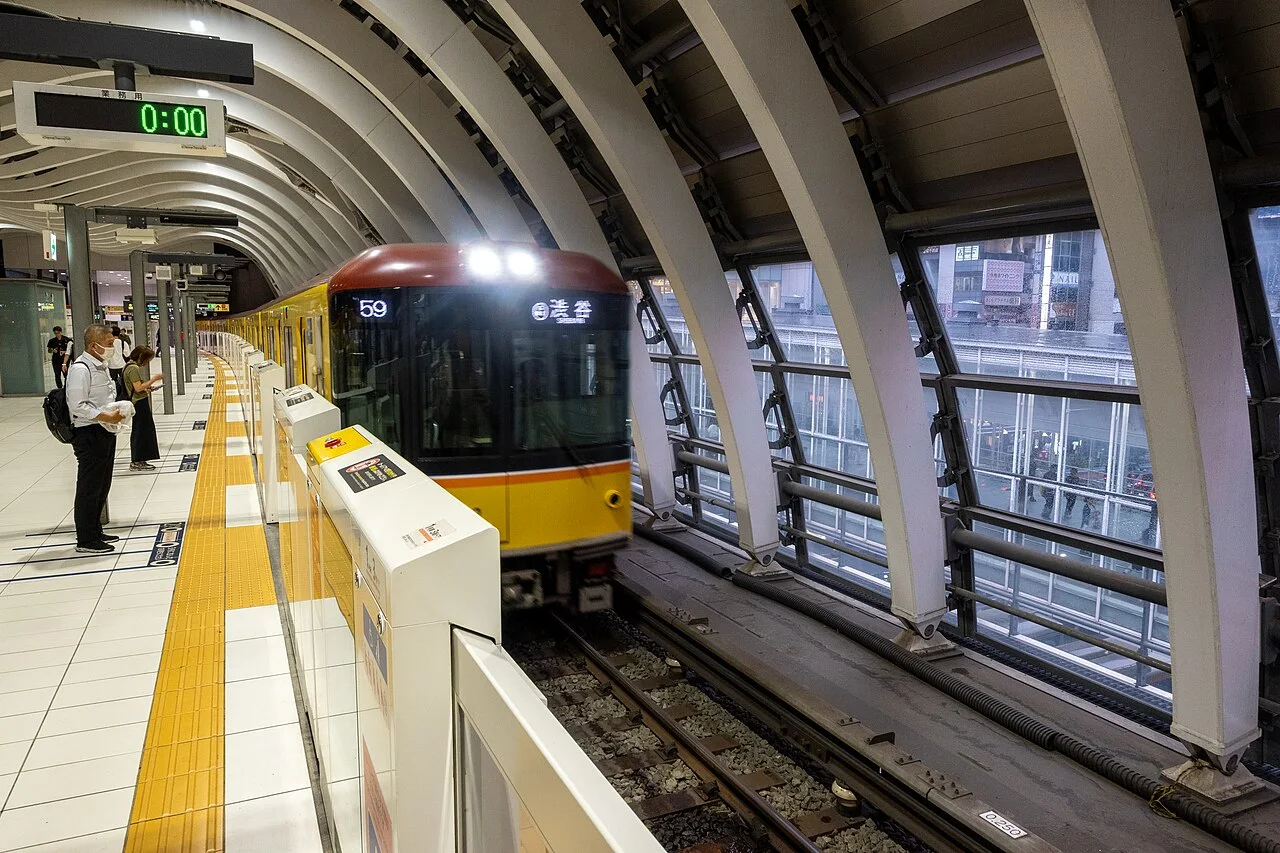
Updated 2026 Tokyo Subway Ticket fares for 24, 48, and 72 hours, QR boarding vs. paper ticket exchange, IC card comparisons on real routes, and airport through-train boundaries.
13 Lines Across Two Networks; JR and Buses Cost Extra
The pass covers 13 lines in total: Tokyo Metro's 9 lines (Ginza, Marunouchi, Hibiya, Tozai, Chiyoda, Yurakucho, Hanzomon, Namboku, and Fukutoshin) plus Toei Subway's 4 lines (Asakusa, Mita, Shinjuku, and Oedo). When reading maps, check both the destination and the line letter next to the station name—such as G for Ginza, A for Asakusa, Z for Hanzomon, and E for Oedo.
Even a single destination like Asakusa has several different approaches. From Ueno, the Tokyo Metro Ginza Line goes direct; from Nihombashi or Higashi-ginza, you can take the Toei Asakusa Line. To continue to Tokyo Skytree, ride the Toei Asakusa Line from Toei Asakusa Station to Oshiage, or take the Hanzomon Line straight to Oshiage from Shibuya. Note that taking the Tobu Railway from Tobu Asakusa Station to Tokyo Skytree Station incurs a separate Tobu fare. If you are exploring the temple grounds on foot, pick your entry point using our Senso-ji Temple visiting route.
Read full station names carefully around Shinjuku, too. Coming from Shibuya on the Tokyo Metro Fukutoshin Line, you arrive at Shinjuku-sanchome. To reach Roppongi from Shinjuku, you take the Toei Oedo Line from Shinjuku Station—a separate station from Shinjuku-nishiguchi. If you are meeting for dinner on a specific side of the district or connecting to JR or a bus, pick the station entrance that matches your plan. Pass validity always depends on which operator's ticket gate you walk through.
The pass does not cover the JR Yamanote, Chuo, or Keiyo lines, nor private railways like Tokyu, Tobu, Odakyu, Keio, Keisei, and Keikyu, or the Yurikamome, Rinkai Line, and Tokyo Monorail. A Toei Subway pass also excludes Toei Buses, the Tokyo Sakura Tram (Toden Arakawa Line), and the Nippori-Toneri Liner. You can ride the subway to Shimbashi, then budget extra from there for the Yurikamome to Odaiba. Heading to Tokyo Disneyland? The final JR Keiyo Line leg to Maihama is paid separately.
When picking a hotel, work backward from each morning's first train. Staying near a Fukutoshin Line entrance in Ikebukuro gives you a straight shot to Shinjuku-sanchome and Shibuya, while staying on the Ueno Park side can make JR Ueno Station more convenient than walking over to the subway gates. When meeting travel companions at hubs like Asakusa, Ueno, Shimbashi, or Shinjuku, include the operator, line, station code, and exit number so no one ends up at the wrong company's gates.
Two Single-Day Itineraries: ¥565 vs. ¥1,005
Suppose you stay in Ueno, ride the Ginza Line to Asakusa in the morning for Senso-ji, stop in Ginza on the way back around midday, and return to Ueno at night. An IC card deducts ¥178, ¥209, and ¥178 for a total of ¥565—or ¥570 if you buy three single paper tickets. Because every stop sits on one line, paying per ride with an IC card wins easily and leaves you free to head elsewhere after Ginza without forcing extra rides.
Now take a wider loop from Shibuya: Fukutoshin Line to Ikebukuro and then Shinjuku-sanchome, walking to the Oedo Line's Shinjuku Station for Roppongi, riding the Oedo Line to Shiodome in the evening, dining around Shimbashi, and taking the Ginza Line back to Shibuya. Those five legs cost ¥209, ¥178, ¥220, ¥220, and ¥178—totalling ¥1,005. Stopping in Roppongi and re-entering for Shiodome counts as a new fare. Here, a 24-hour pass saves ¥5 over an IC card, so choose whichever is easier to pick up.
However, if you linger in Roppongi and take the Hibiya Line straight back to your hotel instead of heading to Shiodome and Shimbashi, those final two evening fares drop off your tally. When the difference is in the single digits, squeezing in a fifth ride just to break even vanishes the moment your plans shift. Only count the Shiodome and Shimbashi return legs if dinner there is already locked in.
Half-day loops on the west side are also easy to miscalculate if you count a walk as a train ride. Riding the Fukutoshin Line from Shibuya to Meiji-jingumae, walking down Omotesando to shop, and boarding the subway back from Omotesando Station involves only two paid legs. Choosing your entry and exit stations around Meiji Shrine's approaches and your meeting spot lets you cover Harajuku and Omotesando on foot—a case where IC card flexibility beats committing to a pass.
| Itinerary | Adult IC Fare | 24-Hour Pass |
|---|---|---|
| Ueno -> Asakusa -> Ginza -> Ueno | ¥565 | ¥1,000 (+¥435 more) |
| Shibuya -> Ikebukuro -> Shinjuku-sanchome (walk to Shinjuku) -> Roppongi -> Shiodome (walk to Shimbashi) -> Shibuya | ¥1,005 | ¥1,000 (saves ¥5) |
Structuring a 48-Hour Window and When Day 3 Justifies Another ¥500
Anchor your stay in Shibuya. On Friday at 9:00 AM, take the Ginza Line to Asakusa, continue along the same line to Ueno and Ginza, and return to Shibuya after dinner. Those four IC legs run ¥252, ¥178, ¥178, and ¥209 for ¥817. On Saturday at 9:30 AM, run the five-leg loop through Ikebukuro, Shinjuku, Roppongi, and Shiodome for ¥1,005. Together, two days on an IC card cost ¥1,822, while a 48-hour pass at ¥1,500 saves ¥322.
Split across single-day passes, Day 1 on Tokyo Metro's ¥700 24-hour ticket plus Day 2 on the ¥1,000 joint pass would total ¥1,700. Shift Friday's first ride to 2:30 PM, though, and that single-operator Tokyo Metro 24-hour ticket also covers Saturday morning's rides to Ikebukuro and Shinjuku-sanchome. Switching to an IC card from Shinjuku on the Oedo Line leaves three rides totaling ¥618, bringing the two-day cost down to ¥1,318. Moving just your start time can flip which ticket wins.
A 48-hour pass activated at 2:30 PM on Friday remains valid until just before 2:30 PM on Sunday. If you take a round-trip subway ride from Shibuya to Ginza for lunch on Day 3 and enter the gates both ways before expiration, both legs fall under the same pass. Start that 48-hour pass at 9:00 AM Friday instead, and it expires around 9:00 AM Sunday—leaving lunch transit out of pocket.
Deciding whether to upgrade to 72 hours comes down to how much riding remains after hour 48. If you reach Ginza before expiration and only pay ¥209 back to Shibuya at night, tap an IC card. If you wait until after expiration to visit Ginza, Tokyo Station, and Ikebukuro before returning to Shibuya, the Marunouchi, Fukutoshin, and initial Ginza Line legs run ¥209, ¥178, ¥209, and ¥209—¥805 total. Upgrading from 48 to 72 hours costs ¥500 extra, beating a separate ¥700 Tokyo Metro 24-hour ticket. Across all three days, IC fares total ¥2,627, saving ¥627 with the 72-hour pass; if only two ¥209 legs remain, ¥418 on an IC card is cheaper.
Day trips outside Tokyo still burn down your clock. If you activate a 48-hour pass Friday afternoon, spend all of Saturday in Kamakura, and only return to Tokyo sightseeing Sunday evening, Sunday night's rides fall outside the window. When two city days mostly use one operator each, buying separate single-operator passes or paying per ride often works better. If your second city day wraps up by Sunday afternoon, plug your exact gate entry times into the 48-hour check.
Changing hotels mid-trip shifts the numbers as well. Moving from Shibuya to Ueno cuts a return trip to Shibuya while adding a luggage transfer to your new hotel, and the walk to the nearest subway entrance changes which lines you prefer. If you are looking at hotels around Keisei-Ueno, check our guide to choosing where to stay in Ueno, Keisei-Ueno, and Okachimachi before totaling fares from your daily starting gate.
Hours Run Consecutively; Paper, QR, and PASMO Start Differently
Paper passes have two dates to watch. After exchanging or buying your ticket, check the valid-from/until window printed on the back. Your 24-, 48-, or 72-hour countdown only starts on your first ticket-gate entry within that window—so a 24-hour paper pass first tapped at 5:40 PM Friday runs until roughly 5:40 PM Saturday. Arriving at Narita on the Skyliner and walking from Keisei-Ueno to Tokyo Metro Ueno Station? Your clock starts when you insert the paper pass at the Metro gate.
QR tickets are valid to begin within 90 days of purchase. On the day you want to ride, tap "Start Use" on the mobile ticket page and pass through a subway gate that same day; the 24-, 48-, or 72-hour clock starts at that first gate tap. To stretch an evening ride past dinner the next day, check your actual entry time against the digital ticket screen rather than counting calendar days. If a companion arrives later, each distributed QR ticket starts on its own first gate scan.
Passes loaded onto a physical PASMO at designated counters start the moment you buy them. Buying at 8:00 AM at a Toei Tourist Information Center and boarding at noon still leaves a 24-hour pass expiring around 8:00 AM the next day. If you do not plan to ride until midday, ask about availability in the morning and wait to purchase until right before boarding, or choose a paper or QR ticket instead.
Pre-purchased paper exchange vouchers give you an order confirmation or redemption code first. Tokyo Metro notes that redemption deadlines vary by sales channel, so keep track of the voucher's expiration date on your receipt and check the printed dates once exchanged. When buying separately for family members, label each order by traveler name or travel date so you do not open the wrong QR code at the ticket machine.
| Ticket Format | How to Activate | When the Clock Starts |
|---|---|---|
| Paper Ticket | Buy or redeem within the printed validity window | First gate entry |
| QR Ticket | Tap "Start Use" within 90 days of purchase and enter a gate that day | First gate entry |
| Loaded on PASMO | Issued at designated counters; active immediately at purchase | Time of purchase |
QR Boarding Tickets vs. Exchange QR Codes at the Gate
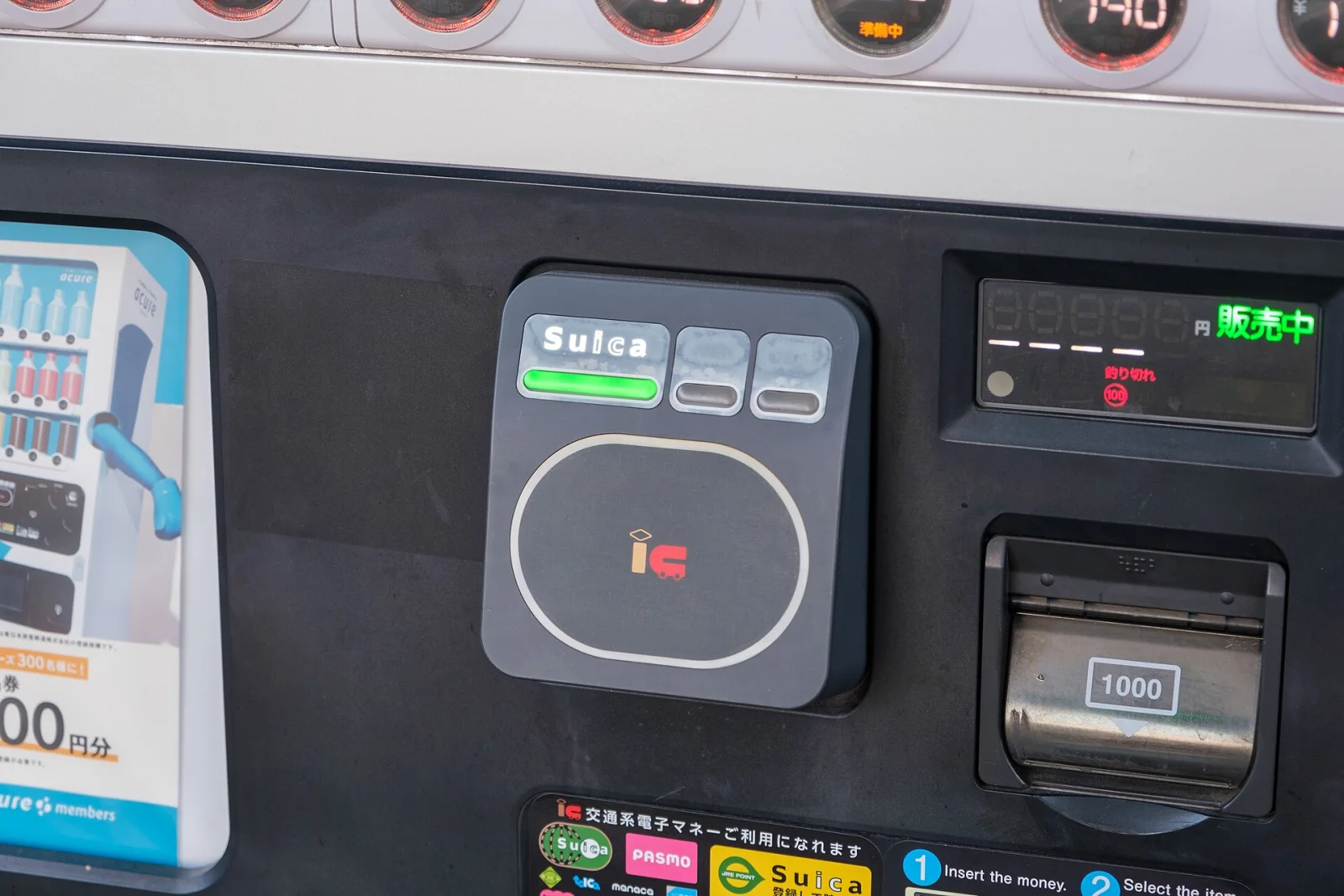
Check the exact product name before checkout. A digital ticket labeled "Tokyo Subway Ticket (QR)" lets you ride directly: open your order or member page, select the pass, tap "Start Use," and hold the QR code up to the gate scanner. Use that same ticket screen for both entry and exit. Because QR tickets log entry and exit records, tapping a Suica on the way out triggers a mismatch—switch back to your active QR screen or ask a station attendant to reset it.
QR exchange vouchers work differently. Take the redemption code from your confirmation email to a QR-capable ticket vending machine or the seller's designated counter to print a physical paper ticket—that paper ticket is what opens the gates. Use the Toei Subway QR exchange machine map to find machines near your hotel and check where they sit inside the station. If you have an early departure, exchanging the afternoon before beats hunting for a machine while hauling luggage.
Tokyo Metropolitan Bureau of Transportation's QR launch notice lists specific gates without built-in QR readers, including the Toei Asakusa Line gates at Oshiage and the Hanzomon and Fukutoshin Line gates at Shibuya. At gates without a scanner, speak to the station attendant and tap "QR Scan" on your ticket screen to scan the entry/exit code they present. If the booth is unstaffed, use the intercom instructions posted next to the gate.
Mobile QR tickets require a live webpage—screenshots and paper printouts are not accepted, and if your phone dies or cannot load the pass, you will need to buy a separate fare for that ride. Confirm your login, ticket distribution, and mobile data connection before leaving the hotel. If two adults split up during the day, send each person their own pass. For children without phones, paper tickets avoid juggling multiple passes on one screen at every gate.
Keep paper passes handy for both entry and exit. At dual-purpose gates with both an IC reader and a ticket slot, insert the paper ticket into the slot and take it back as you walk through. When traveling with older relatives, confirm everyone has their own ticket ready before entering. If a gate rejects a pass, keep the ticket and ask an attendant to check its validity window or entry record rather than tapping a different IC card.
Where Overseas Visitors Can Buy Tickets and Counter Hours
International visitors can access official paper and QR sales links directly from Tokyo Metro's tourist ticket page. Online orders for paper passes or airport combos usually specify your pickup location. If you land at night and won't ride the subway until reaching central Tokyo, buying a QR boarding ticket in advance lets you drop your bags and walk straight to the gates. If you prefer a paper ticket and are staying next to a subway station, pick a pickup station on the official map that lies along your first route.
In central Tokyo, you can buy passes in person at the Tourist Information Centers in Toei Asakusa Line Shimbashi Station, Oedo Line Shinjuku-nishiguchi Station, and Ueno-okachimachi Station, all open daily from 8:00 AM to 8:00 PM. Toei staff verify eligibility by checking foreign passports at these counters. Toei also lists Minowabashi Omoidekan, open 10:00 AM to 6:00 PM (closed Tuesdays and Wednesdays unless a Japanese national holiday falls on those days, plus December 29 to January 3). If you want the pass loaded onto a PASMO, ask for the physical PASMO service at a Tourist Information Center—Mobile PASMO is not supported.
Beyond overseas visitors, Tokyo Metro also sells passes to domestic travelers visiting from outside Tokyo, Kanagawa, Saitama, Chiba, Ibaraki, Tochigi, Gunma, and Yamanashi. If you are meeting friends or relatives who live in the Greater Tokyo area, each person must buy a pass suited to their residency status. Tokyo Metro also lists attraction-bundled passes with no residency restrictions; if you already plan to visit that attraction, compare the bundle price against buying both separately.
Unused paper tickets purchased at Tokyo Metro commuter pass offices or tourist information centers can be refunded at the original place of purchase within their validity period. Tokyo Metro lists a ¥220 handling fee per ticket, and you must bring the special envelope showing the issuing location and date. Passes bought through other agencies or online platforms follow each seller's refund rules, which differ across digital tickets, attraction combos, and airport packages. Double-check your headcount in the cart before paying so you don't have to process a return.
The Tokyo Metropolitan Bureau of Transportation also partners with participating hotels and travel desks. If your hotel front desk sells the pass, buying right before you check out is often the easiest option. If your hotel area or city-day count isn't finalized yet, start on an IC card and buy a pass once your schedule settles. Should you need a refund on a paper pass, check your receipt to locate the issuing counter or booking platform.
Picking Up the Narita Skyliner Combo and Paying for Haneda Through-Trains
The Keisei Skyliner & Tokyo Subway Ticket bundles the Narita Airport express train with a subway pass. Toei lists adult one-way bundles at ¥3,100, ¥3,600, and ¥4,100 depending on subway hours, and round-trip bundles at ¥5,100, ¥5,600, and ¥6,100. Start by deciding whether you plan to ride the Skyliner anyway and which subway pass duration you need. If you only need transit to Ueno and one light subway day, comparing a regular Skyliner ticket plus pay-as-you-go subway fares is often clearer than looking at bundle discounts alone.
Both Narita Terminal 1 and the shared Terminal 2/3 station offer Keisei bundle sales and redemptions. The SKYLINER & KEISEI INFORMATION CENTER is open 7:00 AM to 9:00 PM with multilingual support including English and Chinese, while the Skyliner Ticket Counters at both stations operate 7:00 AM to 11:30 PM and handle redemptions after the information center closes. Pre-orders from Keisei's website are collected at the Narita Airport stations using your confirmation number or QR code plus your passport—these vouchers cannot be redeemed at Nippori or Keisei-Ueno. Per Keisei's FAQ, the included subway pass must be started within six months of exchange, so you can save it for a later day. Keep in mind that while counters stay open until 11:30 PM, your actual train depends on landing, immigration, and the evening timetable.
When transferring from Keisei-Ueno to Tokyo Metro, exit the Keisei ticket gates first and walk to the Ginza or Hibiya Line gates at Metro Ueno Station. If your hotel is within walking distance of Ueno, tuck the paper subway pass away after pickup and save your first tap for the next morning's ride to Asakusa instead of burning hours on your arrival night. For alternative train types, JR transfers at Nippori, or late-night arrivals, see our Tokyo airport arrivals and city transit guide.
From Haneda, Keikyu trains run directly onto the Toei Asakusa Line toward Asakusa or Oshiage, with the operator boundary at Sengakuji Station. Under QR ticket rules, crossing between operators requires exiting the gates at the boundary station and re-entering with the next ticket—so QR pass holders pay the Keikyu fare from Haneda to Sengakuji, exit at Sengakuji, and enter again on the Toei segment. Paper-pass riders who want to stay on the same train across the boundary should show their ticket and destination to station staff before boarding and pay the non-covered segment as instructed.
If you are rolling luggage straight to Higashi-ginza or Asakusa and want to stay seated the whole way, paying the entire airport ride with a compatible IC card and saving your paper or QR pass for your next subway entry is simpler. For Keisei through-trains from Narita onto the Toei Asakusa Line, the eastern boundary station is Oshiage. Standalone Tokyo Subway Tickets never cover the Tokyo Monorail, Skyliner, Narita Express (N'EX), or airport limousine buses. On your return trip, budget the ride to your transfer station separately from the airport leg so airport fares don't skew your pass break-even math.
Comparing the Tokyo Metro 24-Hour Ticket, Toei One-Day Pass, and IC Cards
When you see "24-Hour Ticket" on a Tokyo Metro vending machine, check the operator name carefully. The Tokyo Metro 24-Hour Ticket costs ¥700 for adults and ¥350 for children and works only on Tokyo Metro lines. Four short IC rides cost ¥712, so this single-operator pass pays off quickly—even adding one ¥178 Toei ride brings the total to ¥878, still under the ¥1,000 joint pass. On west-side days riding mostly the Fukutoshin Line between Shibuya, Ikebukuro, and Shinjuku-sanchome, price out the ¥700 pass first.
Both operators also sell a joint Tokyo Metro & Toei Subway One-Day Economy Pass (¥1,100 adult, ¥550 child) covering the same 13 subway lines, but valid only for one calendar operating day. Travelers doing a single-day round trip or ineligible for the tourist pass can compare it against single fares. If your rides span tonight and tomorrow morning and you qualify for the tourist version, the rolling 24-hour Tokyo Subway Ticket makes overnight splits much easier.
Planning to ride the Oedo Line along with Toei Buses or the Tokyo Sakura Tram? Look at Toei's One-Day Pass (Toei Marugoto Kippu) at ¥700 for adults and ¥350 for children. It covers the Toei Subway, regular Toei Buses, the Tokyo Sakura Tram, and the Nippori-Toneri Liner for one calendar day. Add any Tokyo Metro fares separately if you cross networks, or just pay per ride if you only need a short bus hop around Yanaka or Sugamo.
Suica and PASMO are stored-value IC cards that work across operators and deduct the exact fare when you tap in and out. On days mixing JR lines, subways, and Odaiba transit, paying non-subway segments with an IC card keeps things seamless. When carrying a pass, keep paper, QR, and IC cards strictly matched to their segments: pick one payment method before entering a gate, use that same method to exit, and follow station signs when switching at shared transfer gates.
If a single calendar day mixes JR lines within central Tokyo's 23 wards, both subways, and Toei Buses, compare against the Tokyo Combination Ticket (Tokyo Free Kippu) at ¥1,720 for adults. It covers designated JR zones within central Tokyo plus Toei transit and Tokyo Metro lines for the selected date. Check the map boundaries before heading toward Maihama or Narita, since long inter-zone fares are not covered in full.
Count Walking Segments Before Tallying Your Next Ride
Take Ginza as an example. Underground walkways connect all the way to Hibiya and Yurakucho, so choosing between the Hibiya Line and Ginza Line often comes down to which entrance is closest to your hotel. Walking from Ginza over to Hibiya to catch the Chiyoda Line to Meiji-jingumae also saves an extra transfer. On rainy days, mark malls, galleries, and connected exits on your map so you count sheltered underground walks as walking rather than rides—and only add a short subway hop back into your tally if a downpour forces you underground.
Around Ueno, keep track of each operator's distinct station entrances. Tokyo Metro Ueno, JR Ueno, and Keisei-Ueno serve different lines. Coming from Asakusa to the Tokyo National Museum, you can ride the Ginza Line to Ueno and walk into Ueno Park. If you head to Ameyoko or Okachimachi afterward, walk between the two areas and re-enter the subway at whichever station sits closest to your next stop.
At Toei's Kuramae Station, transferring between the Asakusa Line and the Oedo Line requires exiting to street level and following the "Kuramae" and Oedo Line signs to a separate entrance. If anyone in your group struggles with stairs, check elevator locations in advance along with how far you have to walk outside. Hauling suitcases up and down street-level transfers rarely feels worth saving a couple of minutes on a map—even with a pass, tapping an IC card for a direct train or boarding from a different station can be the smarter call.
During rush hour at major hubs, agree on a clear meeting spot—such as a staffed ticket gate or a line-lettered entrance—when traveling with kids or older family members. Always double-check last-train times for late-night plans, especially on two-leg trips like the Hibiya Line to the Oedo Line; catching the first train does not guarantee the final connection is still running. Remember that a pass's expiration time only governs ticket validity at the gate, not train operating hours.
Age Rules and Ticket Math for Families
Tokyo Metro classifies passengers 12 and older as adults, though 12-year-olds still in elementary school qualify for child fares. Ages 6 to 11 pay child fares, while 6-year-olds not yet enrolled in elementary school count as young children. Each fare-paying adult or child may bring up to two young children for free; a third young child or more pays the child fare. Infants under age 1 ride regular subways free. Rules differ between ordinary subway rides and reserved express seats, so factor in seat fees if your family buys a Skyliner bundle.
On that three-leg loop linking Ueno, Asakusa, and Ginza, a school-age child pays ¥89 + ¥104 + ¥89 = ¥282 on a child IC card, compared with ¥500 for a 24-hour child pass. For two adults and one ticketed school-age child, paying per ride totals ¥1,412 versus ¥2,500 for three passes. If your child qualifies to ride free as a young child, only tally the adults' fares. Even when a bundle advertises half-price child tickets, compare that figure against single child fares.
For families on multi-day trips, evening rides are the ones most likely to change. Kids get tired and head back early, or lunch shifts from Ginza to Asakusa, knocking two rides off the day's total. Tally your non-negotiable legs first—usually the first ride out and the ride back to your hotel—and treat optional energy-dependent stops separately. Only treat a pass as a convenience upgrade against buying single tickets once your core rides already surpass the pass price; if the gap is slim, buy only for your heaviest transit days.
If your group splits up during the day, decide beforehand who holds which paper tickets or send individual QR tickets to each phone. Every rider needs their own pass, and activation times can differ—so if one parent takes the kids to Ueno early while the other heads out at noon, their pass expiration times the next day will be hours apart. Keep track of each person's cutoff time if you plan to travel separately on the return trip.
A few useful answers
How much does the Tokyo Subway Ticket cost in 2026?
The 24-hour pass is ¥1,000 for adults and ¥500 for children; the 48-hour pass is ¥1,500 for adults and ¥750 for children; and the 72-hour pass is ¥2,000 for adults and ¥1,000 for children. These fares took effect on March 14, 2026.
How many rides does it take to break even on the Tokyo Subway Ticket?
Add up the subway fares you would actually pay within the pass window. Using a standard ¥178 adult IC ride, the 24-, 48-, and 72-hour passes save money on the 6th, 9th, and 12th rides respectively. If you spend a whole day only on Tokyo Metro lines, compare against the ¥700 Tokyo Metro 24-Hour Ticket as well.
Can I use the Tokyo Subway Ticket on the JR Yamanote Line or Toei Buses?
No, JR Yamanote Line trains and Toei Buses require separate fares. The pass covers only Tokyo Metro's 9 lines and Toei Subway's 4 lines. For a single day relying heavily on Toei Buses and Toei Subway lines, check the ¥700 Toei One-Day Pass.
Does the clock start at purchase or on my first ride?
Paper tickets start on your first gate entry within the printed validity window. QR tickets let you tap "Start Use" on a chosen day within 90 days of purchase and start the clock on your first gate scan that day. Passes loaded onto a physical PASMO at designated counters start immediately at the time of purchase.
If I buy online, do I always have to exchange for a paper ticket?
If your order is labeled "Tokyo Subway Ticket (QR)," you can open and use the digital ticket directly on your phone's browser. If you bought a paper-ticket exchange voucher, take the order's QR code to a designated ticket machine or counter listed in your confirmation to pick up a physical pass before entering the gates.
Where can I buy or pick up passes right after landing?
Narita Skyliner bundles can be purchased or redeemed at designated Keisei counters at Narita Airport. Standalone QR tickets can be bought online ahead of time and activated once you reach Tokyo. In central Tokyo, Toei Tourist Information Centers at Shimbashi, Shinjuku-nishiguchi, and Ueno-okachimachi stations sell passes daily from 8:00 AM to 8:00 PM; foreign visitors must show a passport.
Does the pass cover the entire ride on direct airport trains from Narita or Haneda to Asakusa?
The Toei Asakusa Line portion covers Sengakuji to Oshiage, while Keikyu and Keisei segments cost extra. QR ticket riders must exit at the boundary station and re-enter using the next ticket. If you want to stay on the same train without exiting at the boundary, pay the whole ride with a supported IC card.
Can I split a 72-hour pass across three non-consecutive days?
No, the 72 hours run consecutively. If you have a full-day trip outside Tokyo in the middle, compare paying per ride on your two city days, buying two separate 24-hour passes, or fitting both city segments into one 48-hour window.
At what age do children need a ticket?
Child fares generally apply to ages 6 to 11, as well as 12-year-olds still attending elementary school; 6-year-olds not yet in elementary school count as young children. One fare-paying adult or child can bring up to two young children free, with the child fare applying from the third young child onward.
What if I can't find a QR scanner gate at Oshiage or Shibuya?
Go to a staffed ticket gate and follow the attendant's instructions to open the QR Scan function on your mobile ticket page. Shibuya has separate gates for the Ginza Line and the Hanzomon/Fukutoshin lines, so verify which line you are boarding first.
Official information and references
Sources used in this guide.
- Tokyo Metro Inbound Visitor Tickets: Current Fares, Paper, and QR Purchase Portal
- Tokyo Metro Value Tickets: Activation and Refund Rules for Paper, PASMO, and QR Passes
- Tokyo Metropolitan Bureau of Transportation: Tokyo Subway Ticket Sales Counters and Pickup Map
- Toei & Tokyo Metro Joint Announcement: March 14, 2026 Fare Revision
- Toei & Tokyo Metro: QR Ticket Launch, Boundary Stations, and Gate Operations
- Tokyo Metro: 2026 IC and Paper Fare Table Between Major Stations
- Tokyo Metro: Regular Tickets and Out-of-Gate Transfer Rules
- Tokyo Metro: ¥70 Transfer Discount Between Designated Subway Operators
- Tokyo Metropolitan Bureau of Transportation: Toei Subway Regular Fares
- Tokyo Metropolitan Bureau of Transportation: Toei Subway Station Distances and Fare Chart
- Tokyo Metro: Fare Rules for Children, Young Children, and Infants
- Tokyo Metropolitan Bureau of Transportation: Skyliner & Tokyo Subway Ticket Bundle Prices
- Keisei Electric Railway: Narita Skyliner Ticket and Exchange Counter Hours
- Keisei Electric Railway: Skyliner E-Ticket and Bundle Redemption FAQ
- Tokyo Metro: Airport Access Bundles and Haneda Keikyu Coverage
- Tokyo Metro: Tokyo Metro 24-Hour Ticket, Common 1-Day Pass, and Tokyo Combination Ticket
- Tokyo Metropolitan Bureau of Transportation: Toei One-Day Pass and Covered Lines