Skyliner fares, one-way and round-trip discounts, Tokyo Subway Ticket bundles, and Narita pickup rules, plus Nippori JR transfers, Keisei Ueno arrivals, early flights, and the planned 2027 fare hike.
- Region & Focus
- TokyoTransportation and passes
- Reading Scope
- 20 min read · 9 chapters · 7 Q&As
- Official Verification
- 27 official sources checkedUpdated November 22, 2026
- Key Topics
- Airport transfersRail travelBooking
Chapter Route Map (tap any stop)
- How Skyliner Fares Work
- Reserve Ahead, Buy a Voucher, or Pay at the Station
- How Face Check in Go Issues Paper Tickets
- Choosing Between 24-, 48-, and 72-Hour Subway Bundles
- Which Narita Station to Board & Where to Exchange Tickets
- Transferring to JR at Nippori vs. Exiting at Keisei Ueno
- Comparing Full Door-to-Door Routes for Asakusa, Shinagawa & Shinjuku
- Late-Night Narita Arrivals: Time to the Platform First
- Working Backward for Early Departures & Return Flights
- Quick Q&A
The Keisei Skyliner connects Narita Airport with Nippori and Keisei Ueno in reserved-seat comfort, with standard one-way paper tickets priced at ¥2,580 for adults and ¥1,290 for children. The fastest trips between Airport Terminal 2 Station and Nippori take 36 minutes. Stay on to the Keisei Ueno terminus for hotels near Ueno Park or Shinobazu Pond, or transfer at Nippori to the JR Yamanote Line toward Ikebukuro. If your landing time is hard to predict, buy a discounted voucher before you fly and exchange it after landing, or pick the next available departure once you clear customs. For your flight home, work backward from airline check-in deadlines before locking in a departure.
How Skyliner Fares Work
Keisei breaks its fare into a base fare and a Skyliner limited express surcharge. Between either Narita Airport station and Keisei Ueno or Nippori, an adult paper ticket costs ¥1,280 for the base fare plus ¥1,300 for a reserved limited express seat, totaling ¥2,580. Paying the base fare with a Suica or PASMO IC card drops it to ¥1,267, bringing the total with a separate limited express ticket to ¥2,567. Tap the same IC card at both Keisei entry and exit gates, and keep the limited express ticket handy to check your train, car, and seat number. If you buy a combined paper ticket at a vending machine, feed that paper ticket straight into the Keisei gate; if you tap in with an IC card, buy the limited express surcharge on its own.
A child paper ticket costs ¥1,290, or ¥1,283 when pairing a child IC card with a limited express ticket. Keisei classifies passengers aged 6 to 11 (and 12-year-olds still in elementary school) as children, while 6-year-olds who have not started elementary school still count as infants or toddlers. Any infant or toddler occupying their own reserved Skyliner seat requires a child ticket. Two adults traveling with a preschooler who needs a separate seat pay ¥6,450 total for paper tickets. Add all adults, children, and seat-occupying toddlers into a single booking before paying so you can check for adjacent seats or ask a ticket counter to group you together.
Fares also change depending on your boarding and alighting stations. Select Skyliner trains stop at Aoto and Shin-Kamagaya. From Aoto to either airport station, an adult paper ticket is ¥1,150 plus a ¥1,050 surcharge (¥2,200 total); from Shin-Kamagaya, it is ¥930 plus ¥800 (¥1,730 total). Travelers staying in Katsushika or transferring from the Tobu Noda Line should compare those options against backtracking to Nippori. If you plan to use either station, check the timetable for departures that explicitly list a stop there, as some Skyliner trains pass through without stopping.
A November 2026 Keisei filing outlines a limited express surcharge increase taking effect on March 13, 2027, adding ¥200 per adult segment and ¥100 per child segment. Based on current paper base fares, one-way paper tickets between Narita Airport and Keisei Ueno or Nippori would rise to ¥2,780 for adults and ¥1,390 for children. That adjustment applies only to the Skyliner limited express surcharge; Keisei has separately applied for a base-fare revision slated for March 2028. If your round-trip spans March 13, 2027, budget each direction according to its actual travel date.
| Payment Method / Ticket Type | Adult | Child |
|---|---|---|
| Standard paper ticket (base fare + surcharge) | ¥2,580 | ¥1,290 |
| IC card base fare + separate surcharge ticket | ¥2,567 | ¥1,283 |
| Keisei discounted one-way ticket | ¥2,310 | ¥1,150 |
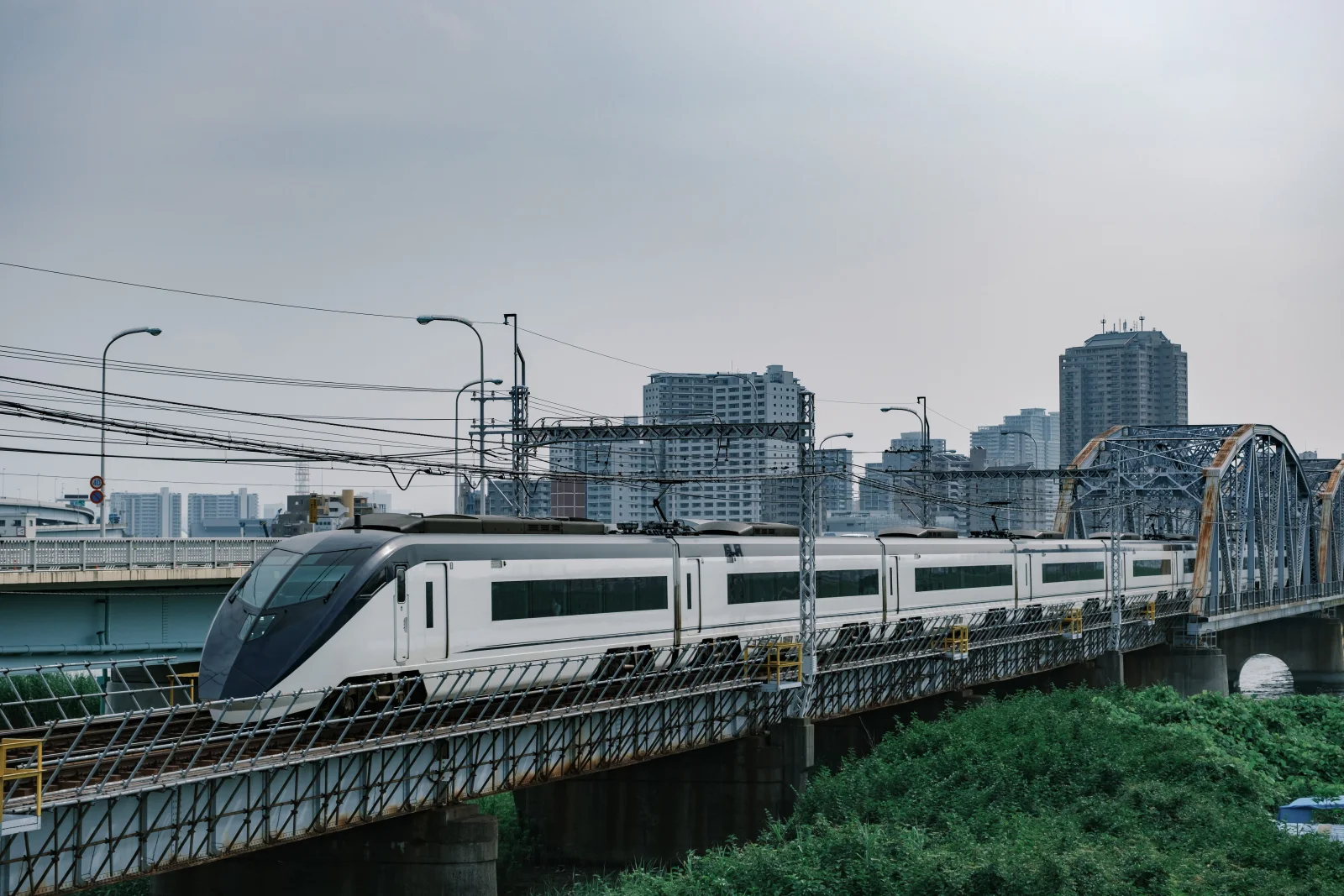
Skyliner fares, one-way and round-trip discounts, Tokyo Subway Ticket bundles, and Narita pickup rules, plus Nippori JR transfers, Keisei Ueno arrivals, early flights, and the planned 2027 fare hike.
Reserve Ahead, Buy a Voucher, or Pay at the Station
You can buy tickets for the exact same train in several ways. Keisei station counters and limited express ticket machines sell seats for specific departures, with regular Skyliner tickets going on sale one month before the travel date. Because checked-baggage wait times are unpredictable after landing, the simplest approach for arrival is walking up to the Keisei ticket area after customs and picking the next departure you can comfortably make. If your family wants seats together, asking for the next train with an open row works better than squeezing onto an almost-full departure. Remember that if you buy only the limited express surcharge at a machine, you still need a base-fare ticket or an IC card to enter the gates.
Travelers with a fixed station arrival time can book a specific train online via the Keisei Skyliner Ticketless Service. Online limited express tickets open at 9:00 a.m. JST one month ahead and remain available up to 5 minutes before departure, with up to 8 seats per booking. Your confirmation screen displays the train, car, and seat numbers, and the base fare is paid separately if you only purchase the ticketless surcharge. Keisei announced on November 18, 2026, that this ticketless reservation service, which had previously been suspended, resumed at 4:30 a.m. JST on November 19, 2026. Locking in seats ahead of time matters most for early-morning airport departures, rather than guessing your inbound train while still in transit.
Another official channel is the Skyliner e-ticket for international visitors. Keisei's discount ticket page lists adult one-way fares at ¥2,310 and child fares at ¥1,150, both including the base fare and limited express surcharge. After paying, you receive a redemption code or QR code to exchange for a specific train and seat at designated counters or eligible ticket machines; counter redemptions require showing your passport. Download your voucher details to your phone before leaving home, or share copies with everyone in your group. If one person buys four tickets on a single phone, hand out the printed paper tickets after exchanging them so each traveler can pass through the ticket gates on their own.
Keisei also offers an online-exclusive discounted round-trip ticket at ¥4,500 for adults and ¥2,240 for children, with initial redemption required at either Narita Airport station. You receive your inbound reserved seat during that first exchange along with an exchange voucher for the return trip, which you redeem for a specific departure on your way back. Travelers who fly into Narita and might later switch their departure flight to Haneda Airport are better off buying a one-way inbound ticket instead. If you are staying in Ueno and know for sure you are flying out of Narita, pick up your return exchange voucher right after clearing customs on arrival.
For airport-bound trips bought in central Tokyo, Keisei also lists the Skyliner Value Ticket, sold at the Tobu Tourist Information Center in Asakusa (7:20 a.m. to 5:00 p.m.) and the Seibu Tourist Information Center in Ikebukuro (8:00 a.m. to 3:00 p.m.). This covers a one-way ride from Keisei Ueno or Nippori to Narita and issues an unreserved voucher that still needs seat assignment. Stopping by makes sense if you are already sightseeing near Tobu Asakusa Station, whereas if you are already standing outside Keisei Ueno, buying directly inside the station saves a detour.
Regular Skyliner limited express tickets can be refunded before the original train departs, or changed once for free if seats are available; ticketless online reservations follow their own booking system rules. Visitor e-tickets bought directly from Keisei can be canceled via your purchase history before redemption, while redeemed tickets canceled before departure incur a ¥240 fee per ticket under official terms. Official e-ticket rules require same-day counter exchanges to be completed at least 5 minutes before your chosen train departs. If your flight arrives late and you have not exchanged your voucher yet, you can still pick a later same-day train with open seats; if your flight shifts to the next day, update both your travel date and flight date through your booking details.
How Face Check in Go Issues Paper Tickets
Face Check in Go works with Keisei's one-way e-tickets. After paying, the lead passenger registers a facial photo via camera and scans at a supported station gate. Once verified, a machine just past the gate prints paper tickets for everyone on the booking: the lead traveler scans first, and companions walk through together. The system automatically assigns seats on the next available departure, or a later train if you are within 2 minutes of departure, so check your printed tickets for car and seat numbers and use a staffed gate when exiting. At Nippori, only North Ticket Gate A supports this feature.
If you want an aisle seat, need to wait for companions arriving separately, or plan to split your group across two trains into the city, stick to standard ticket redemption. Keisei's own instructions direct anyone who wants seat selection or a later train to a counter or ticket machine. This matters even more when transferring from JR at Nippori: if you are already at the connecting Transfer Gate B, walking out to Gate A for facial recognition adds unnecessary steps, whereas standard tickets or the transfer counter keep your path direct.
Choosing Between 24-, 48-, and 72-Hour Subway Bundles
The Keisei Skyliner & Tokyo Subway Ticket comes in both airport one-way and round-trip versions, each paired with a 24-, 48-, or 72-hour subway pass. Following the March 14, 2026 price revision, adult one-way bundles cost ¥3,100, ¥3,600, and ¥4,100, while adult round-trip bundles cost ¥5,100, ¥5,600, and ¥6,100, with child pricing for every tier. The Skyliner leg in a one-way bundle works in either direction. If you plan to ride the Skyliner both ways and only need one subway pass, compare the round-trip bundle directly against the ¥4,500 standalone round-trip discount ticket.
Take the adult 24-hour one-way bundle at ¥3,100: subtracting the ¥2,310 online one-way Skyliner discount puts the subway pass portion at ¥790. Since Tokyo Metro base IC fares start at ¥178 per ride, four short hops come to ¥712 and five hops reach ¥890. Compared against a full-price ¥2,580 paper ticket, the bundle adds only ¥520, which three minimum-fare rides (¥534) already beat. Always measure the break-even point against the airport ticket you would actually buy, then add up your planned subway rides, since longer trips or transfers between Tokyo Metro and Toei Subway cost more per ride at standard fares.
On the round-trip bundles, the 24-hour pass adds just ¥600 over the ¥4,500 Skyliner round-trip discount, less than four minimum Tokyo Metro fares. The 48-hour pass adds ¥1,100, and the 72-hour pass adds ¥1,600. If your first evening is just a single trip from Ueno to Ginza followed by a JR day out to Maihama, the pass will not cover many rides. On days packed with stops like Asakusa, Ginza, Roppongi, and Kiyosumi-shirakawa from a hotel near a subway station, mapping out each day's station entries makes picking the right pass duration straightforward.
The included Tokyo Subway Ticket covers all Tokyo Metro and Toei Subway lines, but JR lines, the Yurikamome line, and private railway segments beyond the subway network require separate fares. That rule also applies to through-running trains: if a Toei Asakusa Line train continues past Oshiage onto Keisei tracks, you pay separately for the section beyond Oshiage. Check the operating company shown on your route map, since a train can cross out of the pass zone without you changing cars.
The subway pass counts consecutive hours from your very first tap through a subway gate, and its start date does not have to match your Skyliner travel date. If you tap into the Ginza Line at 4:30 p.m. on Monday, a 24-hour pass expires at 4:30 p.m. on Tuesday, so your ride back to the hotel Tuesday night is paid separately. When walking from Keisei Ueno to your hotel on Monday afternoon, save the subway pass until Tuesday morning when your heavier sightseeing starts. Note the expiration date printed on each pass, as inflight vouchers and online vouchers follow separate redemption deadlines.
International visitors can buy bundles via the Keisei Skyliner e-ticket site or at Keisei's Narita ticket counters. Inflight sales are limited to partner airlines—Keisei's Japanese site lists Spring Japan (noting Peach sales are suspended), and flights arriving at Narita at or after 10:00 p.m. do not offer onboard sales—while domestic airport vending machines are also installed at New Chitose, Kansai, Fukuoka, and Naha airports. Onboard purchases issue an exchange voucher that Keisei's visitor guide says must be redeemed on the same day of purchase. For online bundles and discounted round-trip tickets, initial pickup takes place at Narita: Narita Airport Station for Terminal 1, and Airport Terminal 2 Station for Terminals 2 and 3.
| Subway Validity | One-Way Adult | One-Way Child | Round-Trip Adult | Round-Trip Child |
|---|---|---|---|---|
| 24 hours | ¥3,100 | ¥1,550 | ¥5,100 | ¥2,540 |
| 48 hours | ¥3,600 | ¥1,800 | ¥5,600 | ¥2,790 |
| 72 hours | ¥4,100 | ¥2,050 | ¥6,100 | ¥3,040 |
Which Narita Station to Board & Where to Exchange Tickets
Terminal 1 uses Narita Airport Station, while Terminal 2 uses Airport Terminal 2 Station. Terminal 3 passengers also board at Airport Terminal 2 Station. Narita Airport's access guide estimates a 13-minute walk via the connecting walkway from the Terminal 3 first-floor arrivals information desk to the train gates, and about 13 minutes in reverse to the second-floor departures information desk. With heavy luggage, weigh that walk against the free inter-terminal shuttle bus after factoring in wait times and loading bags on and off.
Follow the railway signs down to the train concourse first, then look for Keisei branding. Both Narita Airport stations house JR and Keisei side by side, so following arrows for the JR Narita Express leads to the wrong gates. Keisei's ticket area also sells multiple services; confirm after buying that your ticket reads "Skyliner" and shows the correct departure station for your terminal. Wall signs marked "Narita Sky Access" refer to the rail line, while "Access Express" on departure boards is a separate commuter-style service with different stops and fares.
The SKYLINER & KEISEI INFORMATION CENTER at both airport stations offers multilingual support (including English and Chinese) and lists hours from 7:00 a.m. to 9:00 p.m. Skyliner ticket counters at both stations stay open until 11:30 p.m., handling one-way, round-trip, and subway bundle e-ticket exchanges after the information center closes at 9:00 p.m. If you are aiming for the last train of the night, check the departure board first to decide whether you have time to line up for a bundle exchange or should buy a reserved seat straight from a machine. Holders of third-party vouchers should head strictly to the counters or machines specified on their voucher to avoid queuing twice, and keep passports tucked away and tickets accessible before approaching the gates.
On your return trip to Terminal 3, separate your airport terminal from your train stop when searching routes. For arrivals, set your terminal as the starting point so walking or shuttle times are included; for departures, route yourself to Airport Terminal 2 Station first and add the terminal walk afterward. Check the destination sign before boarding any inter-terminal shuttle bus, since riding the loop in the wrong direction wastes time. In rain, or when traveling with a stroller or multiple suitcases, compare the walk versus shuttle wait times right as you exit arrivals.
Transferring to JR at Nippori vs. Exiting at Keisei Ueno
To connect toward the northern half of the Yamanote Line, Nippori has Transfer Gate B linking Keisei directly with JR. Step off the airport train, head upstairs, and follow signs for JR Line transfers. If you hold a Keisei paper ticket and a JR IC card, insert the paper ticket into the transfer gate first and tap your IC card right after; top-up machines are available on the transfer concourse if your card balance is low. Passengers with special passes should use the staffed lane. If you want to exit to the street for Yanaka, Nippori Fabric Town, or a JR ticket office, leave via Gate A or Gate C; for the JR ticket counter, turn left immediately after exiting Gate A.
Heading toward Ikebukuro, Otsuka, or Sugamo, changing to the Yamanote Line at Nippori trims one Keisei stop and avoids walking outdoors between stations at Ueno. Check the platform monitors before boarding the Yamanote Line so you catch the loop heading the right way, as the opposite track runs toward Ueno, Akihabara, and Tokyo Station. If you transfer at Nippori and later decide to stop elsewhere for dinner, your IC card simply calculates the fare to your actual exit. Families with strollers or two large suitcases should follow elevator icons, and if anyone in your party takes the escalator ahead, agree to meet on the transfer concourse level.
If your hotel is near Shinobazu Pond, the southern end of Ueno Park, or Ueno-hirokoji, ride to the Keisei Ueno terminus for a direct walk. Keisei Ueno is an underground station whose Ikenohata Exit opens right onto the Shinobazu Pond side. For hotels near Ameyoko or Okachimachi, compare your hotel entrance against Keisei's exits before choosing a street route; pushing luggage past daytime holiday crowds along Ameyoko's market stalls is slow going, so walking along the main avenue to the nearest cross street is much easier. First-time Ueno visitors can review Keisei Ueno and Okachimachi hotel area comparisons before booking.
Keisei Ueno, JR Ueno, and the Tokyo Metro Ueno stations sit close together on a map, yet each has separate ticket gates—you exit Keisei completely before transferring. Stay along the Ginza Line by walking from Keisei Ueno to Tokyo Metro Ueno Station before boarding. When catching a Tohoku Shinkansen, set your route destination to JR Ueno's Shinkansen gates and leave extra buffer for stairs and platform navigation. If you are booked on the Tokaido Shinkansen out of Tokyo Station, compare transferring to JR at Nippori against riding the Narita Express straight to Tokyo Station right from the airport.
For hotels in Asakusa, the classic comparison is taking the Skyliner to Keisei Ueno and switching to the Ginza Line versus riding a direct Access Express train onto the Toei Asakusa Line. Plug your hotel's exact name and address into a map to check final walking distances, since areas around Kaminarimon, Tawaramachi, or Oshiage east of the Sumida River favor different stations and elevator exits often sit across the intersection. Late at night or in heavy rain, skipping a transfer usually beats shaving a few minutes off your arrival at the first Tokyo hub.
Comparing Full Door-to-Door Routes for Asakusa, Shinagawa & Shinjuku
When a direct Access Express train to Asakusa matches your schedule, tapping an IC card from the airport costs ¥1,276 to Asakusa or ¥1,162 to Oshiage with no Skyliner surcharge required. These are standard commuter-style trains with unreserved bench seating on a first-come, first-served basis. Set your destination to Toei Asakusa Station or Oshiage and check departure boards for trains stopping there. Junctions like Aoto serve multiple city-bound branches, so verify the train's destination display: Keisei Ueno trains split onto a different track from trains entering the Oshiage Line.
To keep the airport ride just above ¥1,000, look at Rapid Limited Express or Limited Express trains via the Keisei Main Line. Keisei lists adult fares between Nippori or Keisei Ueno and both airport stations at ¥1,025 by IC card or ¥1,030 by paper ticket. Because these make far more local stops, check actual journey and transfer times on a schedule app. On early-morning airport returns via this line, double-check whether the destination reads "Narita Airport" or "Keisei-Narita," as both appear on the same departure boards; ending up at Keisei-Narita means waiting for another train to reach the terminals.
Staying near Tokyo Station, Shinagawa, Shibuya, or Shinjuku makes JR's direct Narita Express (N'EX) worth checking first. JR East lists adult reserved ordinary-car one-way fares at ¥3,140 to Tokyo Station and ¥3,330 to Shinjuku. Whether those extra few hundred yen pay off all the way to your hotel lobby depends on factors like catching a hotel shuttle, pushing a stroller in the rain, or landing near the final trains of the night. Near Shinagawa's Takanawa Exit, compare the N'EX walk against an Access Express train running through onto Toei and Keikyu tracks, making sure the specific departure stops at Shinagawa, which Keisei prices at ¥1,502 by IC card.
If you spend your first few nights in Ueno and move to Shinjuku at the end of your trip, split your airport transit by direction. Take the Skyliner into Keisei Ueno on arrival, then catch a direct N'EX or airport limousine bus from Shinjuku back to Narita. Using the Skyliner both ways means adding the walk to JR platforms, transfer time, and seat booking at Nippori from your new hotel. If an airport bus stops right outside your hotel, compare fares, reservation rules, baggage limits, and scheduled terminal arrival times—and see our Tokyo airport arrivals guide for full route comparisons.
Late-Night Narita Arrivals: Time to the Platform First
On Keisei's timetable, the last city-bound train is Skyliner 188, departing Narita Airport Station at 11:00 p.m. and Airport Terminal 2 Station at 11:03 p.m., reaching Nippori at 11:43 p.m. and Keisei Ueno at 11:48 p.m. (all times JST). If your flight is scheduled to touch down at Terminal 3 at 10:10 p.m., you still need to taxi to the gate, clear immigration, claim checked bags, and reach Airport Terminal 2 Station. Even with reserved seats on Skyliner 188, you must hit the platform before departure, so have an airport hotel or official late-night bus backup ready before you clear customs.
Making the last Skyliner only solves half the trip if your onward JR or subway connection stops running before 11:43 p.m. at Nippori, leaving any subway pass unusable until morning. For late arrivals, book a hotel within walking distance of Keisei Ueno that accepts late check-in, or plan on taking a taxi from the station stand for the final stretch. Confirm your hotel's front-desk cutoff time and notify them of your estimated arrival window, and if a delayed flight pushes you past midnight, verify your check-in date and total nights carefully.
Late-night and early-morning searches also surface the Keisei Main Line's Morning Liner and Evening Liner. Both require their own reserved seat tickets, follow different stopping patterns from the Skyliner, and several evening departures terminate at Keisei-Narita rather than the airport. Always set Narita Airport or Airport Terminal 2 as your final stop when searching alternatives, and keep in mind that Skyliner discount tickets and bundles are valid only on the Skyliner—switching to another Liner requires buying that service's ticket.
During winter snow, high winds, or service suspensions, check Keisei's live operations page alongside remaining JR and airport bus departures. Both rail operators serve both airport stations through separate gates and ticket counters, so switching companies means buying a fresh ticket for the new route. Save two backup pins on your phone before leaving Terminal 3: one for an overnight hotel nearby and one for Airport Terminal 2 Station for the next morning. If you end up staying near the airport overnight, hold onto your prepaid discount vouchers and purchase emails and follow their stated validity and change rules.
Working Backward for Early Departures & Return Flights
Following the November 2026 timetable update, Keisei added an early airport-bound departure leaving Keisei Ueno at 5:20 a.m. and Nippori at 5:25 a.m., arriving at Airport Terminal 2 Station at 6:01 a.m. and Narita Airport Station at 6:03 a.m. The weekend and holiday schedule took effect on November 21, 2026, and the weekday schedule on November 24, 2026. On Saturdays and holidays, Skyliner 77 also departs Keisei Ueno at 6:00 p.m., reaching Terminal 2 at 6:41 p.m. and Terminal 1 at 6:43 p.m. Always check the airport-bound timetable for your exact travel date, keeping in mind that Japanese national holidays can fall on weekdays.
Work backward from your airline's check-in and bag-drop cutoff. For example, if you want to reach the Terminal 3 departures hall by 6:45 a.m., a train arriving at Airport Terminal 2 Station at 6:01 a.m. leaves enough room for exiting the train, clearing the gates, and making the 13-minute walk. If your counter closes at 6:05 a.m., that train arrives too late—stay near the airport or arrange earlier transit instead. When catching a pre-dawn train in winter, ask your hotel which entrance stays open early morning and leave plenty of margin to locate the station entrance and gates.
For very early flights, staying within walking distance of Keisei Ueno lets you reserve your return seats the night before. Keisei Ueno's e-ticket exchange counter opens at 5:10 a.m., just 10 minutes before the first train, while Nippori's JR transfer counter opens at 5:00 a.m. If you plan to board at Nippori from another neighborhood, verify that your local first JR train actually connects in time; even tight paper connections leave little room to reach Keisei's gates, and using Face Check in Go from Transfer Gate B adds extra walking time to Gate A. Families with kids or strollers using elevators are better off avoiding tight early-morning transfers altogether.
Returning with a discounted round-trip ticket or subway bundle, take your return exchange voucher to reserve your Skyliner seat before entering the gates. At Nippori from JR, stop at the transfer ticket office; at Keisei Ueno, use the Skyliner counter or the appropriate ticket machine for your voucher type. If your family has a set departure time and wants to pick up last-minute souvenirs nearby, reserve your seats early and come straight back to the platform before boarding. Double-check which terminal your airline uses before boarding—the ride between Airport Terminal 2 and Terminal 1 only takes a couple of minutes, whereas backtracking between terminals after getting off at the wrong stop takes far longer.
Keep your paper ticket until you pass the exit gates. Line up at your car number marked on the platform floor or overhead signs, store large suitcases on the onboard luggage racks, and keep crossbody bags, passports, and phones with you. If adjacent seats are sold out, pair each child with an adult in the same row rather than splitting a young child away from parents. On the ride out, remember that Terminal 2 and Terminal 3 passengers exit first before the train continues to Narita Airport Station for Terminal 1, and if your group is flying out of different terminals, sort out tickets and checked bags before the first stop so luggage does not ride on without its owner.
Wheelchair users booking through the ticketless online seat map can open Car 5 and select seats marked with a wheelchair icon; Keisei's train diagram also places two wheelchair spaces in Car 5. A universal restroom equipped with a baby changing table is located onboard as well. Passengers needing a boarding ramp should ask station staff at their departure station and specify their train and destination stop. When arriving at Narita with a stroller or older travelers who need elevators, allow extra platform time and double-check your car number before boarding.
A few useful answers
How much is a one-way adult Skyliner ticket?
Between Keisei Ueno or Nippori and either Narita Airport station, a standard paper ticket costs ¥2,580. Paying the base fare with an IC card plus a separate limited express ticket totals ¥2,567, while Keisei's discounted visitor one-way ticket is ¥2,310.
Can I ride the Skyliner just by tapping a Suica or PASMO card?
An IC card covers only the base rail fare. Every Skyliner passenger must also hold a limited express surcharge ticket with an assigned seat for that specific train.
Which Tokyo station is fastest from Narita Airport?
Airport Terminal 2 Station to Nippori takes as little as 36 minutes, while Keisei Ueno takes as little as 41 minutes. Terminal 3 passengers should add extra time for walking or taking the inter-terminal shuttle.
Can I buy the Skyliner & Tokyo Subway Ticket bundle at Narita Airport?
Yes. Keisei sells bundles at its ticket counters and information centers in both Narita Airport stations, and you can also purchase online or through partner channels beforehand and exchange your voucher upon arrival.
Do I have to use the Tokyo Subway Ticket on the same day as my Skyliner ride?
No, the two legs can be used on different days. As long as you activate the subway pass before its printed expiration date, the 24-, 48-, or 72-hour clock starts from your first tap through a subway gate.
How do I buy a separate seat for a preschooler on the Skyliner?
Any infant or toddler occupying their own reserved Skyliner seat requires a child ticket. Include the child fare in your booking so you can reserve an adjacent seat together.
Can I catch the Skyliner if my flight lands at Narita after midnight?
No. The last scheduled city-bound departure is Skyliner 188, leaving Narita Airport Station at 11:00 p.m. and Airport Terminal 2 Station at 11:03 p.m. Late-night arrivals require overnight airport lodging or night bus options.
Official information and references
Sources used in this guide.
- Keisei Electric Railway - Skyliner Tickets & Fare Breakdown
- Keisei Electric Railway - Age Categories & Limited Express Ticket Rules
- Keisei Electric Railway - Skyliner Discount One-Way, Round-Trip & Tokyo Sales Counters
- Keisei Electric Railway - Keisei Skyliner & Tokyo Subway Ticket
- Keisei Electric Railway - Airline & Domestic Airport Sales for Subway Bundles
- Keisei Electric Railway - March 2026 Subway Bundle Fare Revision Notice
- Tokyo Metro - Visitor Pass Coverage & Validity Start Rules
- Tokyo Metro - Regular Ticket & IC Card Fares
- Keisei Electric Railway - Tickets & Ticketless Limited Express FAQ
- Keisei Electric Railway - November 2026 Ticketless Reservation Resumption Notice
- Keisei Skyliner e-ticket - Redemption & Face Check in Go Guide
- Keisei Skyliner e-ticket - Passport, Pickup & Booking Modification FAQ
- Keisei Skyliner - Ticket Counters & Information Centers
- Narita International Airport - Terminal 3 to Rail Station Walking Route
- Keisei Electric Railway - Nippori Station JR Transfer Guide
- Keisei Ueno Station - Station Layout Map
- Keisei Electric Railway - Access Express Line Fares
- Keisei Electric Railway - Keisei Main Line Rapid Limited Express & Limited Express Fares
- JR East - Narita Express (N'EX) Ordinary Car Reserved Seat Fares
- Keisei Skyliner - Official Timetable
- Keisei Electric Railway - November 2026 Timetable Revision Notice
- Keisei Electric Railway - Fare Filing Annex on 2027 Skyliner Surcharge Adjustment
- Keisei Electric Railway - Morning Liner & Evening Liner
- Keisei Electric Railway - Skyliner Onboard Facilities
- Keisei Visitor e-ticket - Refunds, Changes & Redemption Deadlines
- Keisei Face Check in Go - Eligible Tickets & Pre-Departure Pickup Rules
- Keisei Ticketless Service - Seat Selection & Wheelchair Seat Guide