Take the Airport Limousine Bus from Narita Airport to Tokyo hotels. Check stops in Shinjuku, Shibuya, T-CAT, and Disney, one-way fares, terminal boarding, and luggage rules.
- Region & Focus
- TokyoTransportation and passes
- Reading Scope
- 18 min read · 9 chapters · 9 Q&As
- Official Verification
- 27 official sources checkedUpdated November 22, 2026
- Key Topics
- Airport transfersBookingFirst trip
Chapter Route Map (tap any stop)
- Start With Your Hotel Address to Pick a Drop-Off Stop
- One-Way Fares for Tokyo Station, T-CAT, and Shinjuku
- Where to Board and Alight in Shibuya, Ikebukuro, and Maihama
- Finding Your Bus Stop Across Narita's Three Terminals
- Online Booking, Buying at the Airport, and Flight Delays
- Two-Bag Limits, Strollers, and Wheelchair Boarding
- Catching Your Return Flight: Work Backward From Check-In
- Limousine Bus vs. N'EX, Skyliner, and Low-Cost Buses
- Three Sample Itineraries: Mixing Outbound and Return
- Quick Q&A
The Narita Airport Limousine Bus makes the most sense when it stops right outside your hotel and you are traveling with large suitcases. One-way adult fares to Tokyo City Air Terminal (T-CAT) are ¥3,100. Rides to Hotel Century Southern Tower in Shinjuku, Tokyu Kabukicho Tower, or designated stops in Shibuya cost ¥3,600. Start by searching your exact hotel name to find the closest stop, then confirm which departures actually serve it. If you are staying near Keisei-Ueno or Nippori, check the Keisei Skyliner first. On your return trip, work backward from your airline's check-in cutoff to pick a bus that arrives early at your exact departure terminal.
Start With Your Hotel Address to Pick a Drop-Off Stop
Open your booking confirmation and copy your hotel's full name in English or Japanese. On Airport Transport Service's route lookup page, you can search by stop name or area; once you find your hotel, set Narita Airport as your origin and match your arrival terminal, travel date, and departure time. Map pins labeled "near Shinjuku Station" only help you narrow down the neighborhood. Shinjuku Station has separate bus stops at the South Exit, West Exit, and Kabukicho, and wheeling suitcases between them can mean crossing wide avenues, navigating underground passages, or detouring for elevator exits.
If your hotel's full name does not show up in the search, pull up both the hotel entrance and the nearest bus stops on a map. Check pedestrian crossings and elevator exits before looking at raw distance. Two points separated by train tracks can look close on a map yet require a long detour around the station if you are pushing a stroller. When booking an apartment-style stay, check the actual check-in address as well, since some properties require picking up keys at a separate building first. Pick your initial drop-off stop using that address so you have somewhere to set your bags down.
Even after confirming your hotel has a stop, check that specific departure's column or row on the timetable. Operators often group several stops in the same district into one schedule, and blank cells mean that bus skips that stop. On the Narita-bound timetable for T-CAT and Tokyo Station, for example, some departures terminate at T-CAT while others continue to the Tekko Building at Tokyo Station's Yaesu North Exit. Tickets only list your actual boarding and drop-off points. If an earlier bus goes to another stop in the same neighborhood, factor in the post-arrival walk or taxi ride before deciding whether to wait for the next direct bus to your hotel.
Having a stop right outside your hotel door is usually the easiest option. It saves you from hunting for station elevators, cutting through shopping complexes, and hauling bags to the front desk. If a direct bus arrives after your hotel's reception hours, notify the property ahead of time as requested. For early-morning arrivals in Tokyo, ask in advance whether the front desk can hold your bags. When you have half a day between landing and check-in, having a reliable place to drop your luggage matters more than shaving ten minutes off the bus ride.
Take the Airport Limousine Bus from Narita Airport to Tokyo hotels. Check stops in Shinjuku, Shibuya, T-CAT, and Disney, one-way fares, terminal boarding, and luggage rules.
One-Way Fares for Tokyo Station, T-CAT, and Shinjuku
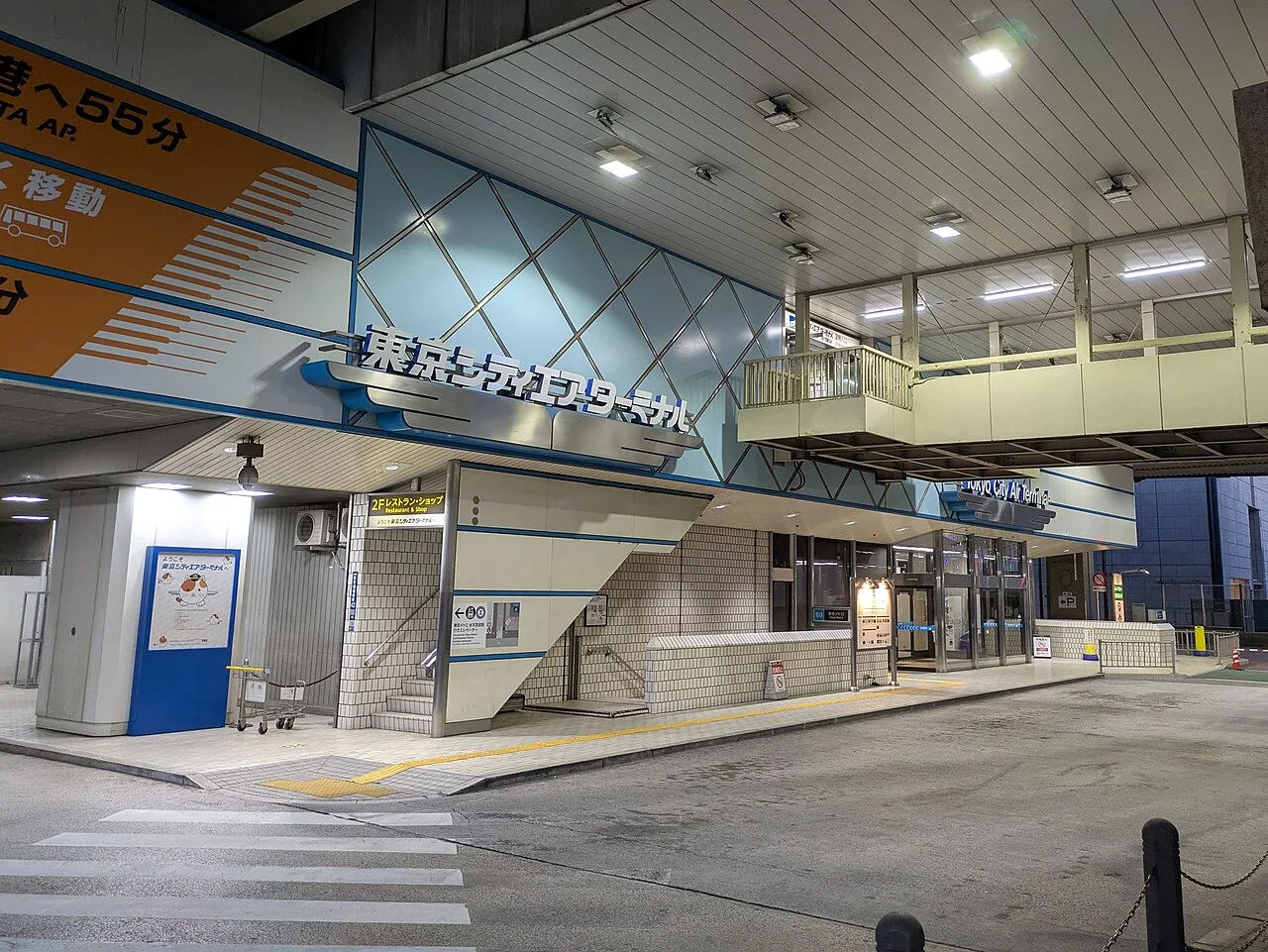
T-CAT sits in Nihonbashi-Hakozaki in Chuo Ward and connects directly to Suitengumae Station on the Hanzomon Line. If you are staying in Hakozaki, near Suitengumae, or just a short walk or ride from Ningyocho, check T-CAT departures first. T-CAT lists a special zone fare between Narita and T-CAT of ¥3,100 for adults and ¥1,550 for elementary school children, with a posted travel time of about 55 minutes. Heading back to the airport from T-CAT, buy your ticket online in advance or at the Limousine Bus ticket counter on the first floor of the main building, then walk to the Narita boarding area on the same floor. If you are transferring to a Shinkansen at Tokyo Station, confirm your bus stops at the Yaesu North Exit Tekko Building and leave enough buffer to walk to the Shinkansen gates.
On the south side of Shinjuku, you have two straightforward choices. Tickets marked "Busta Shinjuku" go to the Shinjuku Expressway Bus Terminal, connected to JR Shinjuku Station's New South Gate. Guests at Hotel Century Southern Tower have Narita Limousine Bus service picking up and dropping off right outside the first-floor main entrance for ¥3,600 per adult and ¥1,800 per child, with a standard travel time of 100 to 135 minutes. The hotel is about a 3-minute walk from Busta Shinjuku, so if the gap between hotel-door buses is too long, rolling your bags over to the terminal opens up more departures—just remember to select the terminal as your actual boarding stop when buying tickets.
If you are staying in Kabukicho, look at Tokyu Kabukicho Tower. This route is jointly operated by Airport Transport Service and Tokyu Bus, at ¥3,600 for adults and ¥1,800 for children one way. Returning to Narita, board at Stop 1 outside the tower and select the official stop name "Tokyu Kabukicho Tower" on the booking screen. If your hotel is in Nishi-Shinjuku and you plan to depart from Kabukicho, budget time for the walk to the tower and waiting at the stop. If you are staying right next to the tower or on the east side, using this stop spares you from dragging suitcases down to Shinjuku's south side.
Fares add up quickly when estimating total cash or card spending for a group. For two adults and one child ticket, a one-way trip to T-CAT totals ¥7,750, while a Shinjuku or Shibuya route at ¥3,600 per adult and ¥1,800 per child comes to ¥9,000. Factor in any short taxi rides from the bus stop to your hotel. Around Tokyo Station, if you only have one suitcase and do not need hotel-door drop-off, check the TYO-NRT low-cost bus as well: regular daytime adult fares are ¥1,500 one way, with higher rates on select early-morning and late-night runs. Compare the operator name and luggage limits on the ticket before deciding between the two services.
| Route or Stop | Adult / Child | What to Check When Picking a Stop |
|---|---|---|
| Nihonbashi-Hakozaki T-CAT | ¥3,100 / ¥1,550 | Right next to Suitengumae Station; listed in a separate column from Tokyo Station |
| Hotel Century Southern Tower | ¥3,600 / ¥1,800 | Drops off and picks up right outside the 1F main entrance |
| Tokyu Kabukicho Tower | ¥3,600 / ¥1,800 | Return buses to Narita depart from Stop 1 outside the tower |
| Shibuya Area (Standard Limousine Bus) | ¥3,600 / ¥1,800 | Check stops at Mark City, Fukuras, or Cerulean Tower Tokyu Hotel |
Where to Board and Alight in Shibuya, Ikebukuro, and Maihama
Jointly operated Tokyu Bus routes in Shibuya serve Shibuya Mark City (Shibuya Excel Hotel Tokyu), Shibuya Fukuras, and Cerulean Tower Tokyu Hotel. For departures from the city, Mark City boards at Stop 92 on the 5th floor, Fukuras at Stop 9, and Cerulean Tower on B1. All three are in the same district, yet each uses a different floor and entrance. Pinning the building on a map is not enough: if you are staying inside Mark City, ask the front desk how to reach the 5th-floor bus terminal before heading out with bags. Arriving from Narita and getting off at Fukuras, check which side of Shibuya Station your hotel sits on before exiting—avoiding a street-level elevation change can save you an extra elevator detour.
Airport Transport Service announced timetable changes for Shibuya-to-Narita departures starting December 16, 2026. On one sample morning run in the updated schedule, departures from Shibuya Excel Hotel Tokyu, Fukuras, and Cerulean Tower shift from 10:30, 10:35, and 10:40 to 10:40, 10:45, and 10:50. If you are leaving Shibuya around New Year's or in early 2027, search the updated timetable by your exact travel date. Keep in mind that the same schedule table often lists both standard Limousine Buses and low-cost buses marked LCB, which use separate fares and do not accept standard Limousine Bus tickets or luggage allowances.
In Ikebukuro, distinguish between the Sunshine City Bus Terminal and Ikebukuro Station West Exit. Sunshine City sits on the east side of the station, while Ikebukuro West Exit has low-cost bus options; if you are staying in Higashi-Ikebukuro, there is no need to haul heavy bags across to the west side just to catch a bus. Note that on November 30, 2026, a fire drill at Sunshine City Bus Terminal means select Narita Terminal 3 departures at 07:45 and 09:45, as well as the 13:05 Narita-bound departure from Sunshine City, will skip the Sunshine City stop. If you are traveling on that date, book another departure that stops there or use an alternative stop.
If your first night is in Maihama, decide whether you are heading to the theme park gates, a Disney hotel, or Shin-Urayasu. Tokyo Disney Resort lists travel times of roughly 65 to 90 minutes from Narita to both parks. Tokyo Disneyland Hotel also has buses stopping right at its main entrance—listed at about 80 minutes—with return buses departing from the same entrance and requiring advance online reservation and payment. Tokyo Disney Resort's bus info page lists other partner hotels as well, though Tokyo Disney Celebration Hotel has no direct bus from Narita. If you are staying there, check your onward transfer options first before choosing a Maihama or Shin-Urayasu arrival stop. Note also that starting October 1, 2026, airport-bound Limousine Buses from Shin-Urayasu Station moved to Stop J at the North Exit, replacing the former Stop H on Symbol Road.
Finding Your Bus Stop Across Narita's Three Terminals
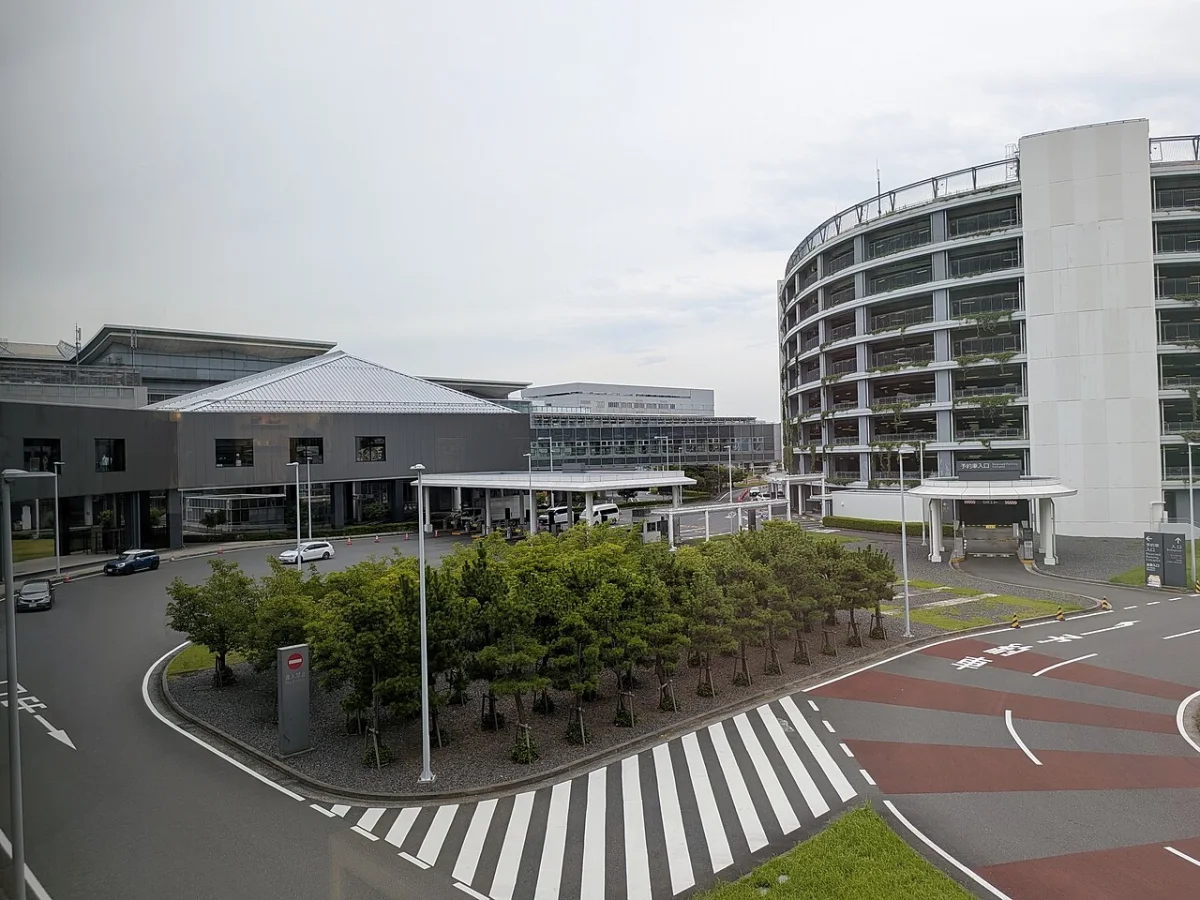
Once you clear immigration, baggage claim, and customs, step into the public arrivals lobby and follow signs for "Bus" or "Airport Limousine Bus." Narita separates the ticket counters for Limousine Buses from those for LCB low-cost buses—double-check the operator, stop name, and departure time especially when heading to Shibuya, Ikebukuro, or Tokyo Station. When buying at a counter, show the attendant your hotel's full English or Japanese name and ask them to point out the boarding stop number printed on your ticket. If you already paid online and hold a Limousine Bus e-ticket, you can head straight to the designated bus stop.
Stop numbers change by terminal and route. For Tokyu Bus's standard Shibuya routes and the Kabukicho Tower line, boarding is at Stop 10 in Terminal 1, Stop 17 in Terminal 2, and Stop 9 in Terminal 3. Shinjuku routes also split by path: Narita Airport lists Shinjuku buses running via T-CAT at Stop 10 in Terminal 1, while other Shinjuku departures leave from Stop 11. When you see several Shinjuku-bound buses lined up at Terminal 1, match your ticket's stop number and destination list first, then check the departure time. If two buses leave within minutes of each other, show your ticket to the platform attendant to confirm.
On the Tokyu Kabukicho Tower line, the same coach stops at Terminal 3 first, then Terminal 2, and finally Terminal 1. On the November 2026 timetable's evening departure, for example, Terminal 3 is listed at 19:30, Terminal 2 at 19:35, and Terminal 1 at 19:40. Passengers at Terminal 3 line up for 19:30, while those at Terminal 2 board at 19:35. Those few minutes between terminals are built into the timetable, so check the column for your exact terminal before heading out. On your return to the airport, watch for your own terminal's arrival time as well so you do not get off early at the first airport stop.
If you selected the wrong terminal when booking, log into your reservation account or check your confirmation email first to see if you can modify it; if you are already at the airport, ask the counter staff whether you can board the same departure from your current terminal. Only switch terminals if necessary, following signs for the free terminal shuttle bus. Terminals 2 and 3 are connected by both a pedestrian walkway and a shuttle bus. If walking, factor in rolling big suitcases, your walking pace, and baggage-loading time before departure. Travelers landing at Terminal 3 who decide last-minute to take a train also have to transfer to Airport Terminal 2 Station first.
If people in your group arrive on different flights, pick a meeting terminal and a specific spot in the public arrivals hall before deciding whether to ride together or meet at the hotel. When some arrive at Terminal 1 and others at Terminal 3, you can also buy tickets for the same bus from your respective terminals. Share the full destination stop name and each person's boarding time—meeting up at the hotel often saves everyone from hauling bags between terminals just to wait together.
Online Booking, Buying at the Airport, and Flight Delays
If your inbound flight lands during the day, your route has frequent departures, and only one or two people are traveling, buying a same-day ticket at an airport counter or machine after customs works fine. If you are in a larger group, rely on an infrequent direct hotel bus, or arrive near the last couple of departures, booking online ahead of time is safer. Airport Transport Service's booking calendar shows available dates in advance—for example, searching Narita departures on November 22 opens dates through December 22. The Tokyu Kabukicho Tower joint route likewise opens bookings one month before travel and stays open until 5 minutes before departure. If you want to book as soon as seats release, verify your travel date falls inside the active booking window on the calendar.
You can check out as a guest on the official site, which verifies your email address during checkout. Once payment clears, you receive an e-ticket with a QR code to scan when boarding. If you choose the pay-on-travel-day reservation option available on select routes, you receive a booking QR code instead and must verify, pay, and collect your paper ticket at a counter or ticket machine at least 5 minutes before departure. Open your ticket before stepping into the boarding line, and if your phone battery is running low, make sure a travel companion has a copy of the booking details. Anyone switching SIM cards or turning off roaming on arrival should save the confirmation email for offline viewing before flying.
When picking a departure time, work from your scheduled landing time through immigration, baggage claim, and the walk to the bus stop. Checking bags, keeping an entire family on one reservation, or exchanging currency after landing all stretch that timeline. Pick two acceptable buses from the timetable: a primary one if arrivals move quickly, and a backup in case queues run long. First-day plans like hotel check-in cutoffs, ticket pickups, or fixed dinner reservations also narrow your options—push flexible or late-risk bookings back so you have more bus departures to choose from.
According to Airport Transport Service's homepage, reservations made on the official website can be changed up to 5 minutes before the originally booked departure. If you get a delay notice before takeoff, check seat availability on later buses while you still have Wi-Fi and update your booking via the reservation page or the link in your confirmation email. If you bought a voucher through a third-party travel platform, follow that platform's change and refund rules—and check whether you hold a fixed-departure ticket or an unreserved voucher that still needs seat assignment. If you reach the counter after your scheduled bus has already left, show your original ticket to ask about options while checking which on-the-spot buses still serve your hotel area.
Once ticketed, send the travel date, origin, drop-off stop, and passenger count to everyone in your group, with all times in Japan Standard Time (JST). Flights arriving around midnight make it easy to misread the calendar date—especially on a return trip if an airline shifts your flight date or departure terminal. Check your flight itinerary and count backward from your flight's local departure date to confirm the city pickup date before buying your bus ticket. Some timetables display schedules two months out, though actual ticket sales follow the booking calendar's active range.
Two-Bag Limits, Strollers, and Wheelchair Boarding
Airport Transport Service's standard baggage policy allows up to two checked bags per passenger, with the website listing a limit of 50 × 60 × 120 cm and 30 kg per piece, while the illustrated baggage guide cites 0.36 cubic meters alongside those reference dimensions. Because the final page of that guide also states a 30 kg total checked-baggage limit per passenger, contact the operator ahead of time with your bag count, individual weights, and intended departure if two bags will exceed 30 kg combined. Standard allowances differ from Shibuya LCB low-cost buses, which cap luggage at one bag per passenger. On jointly operated routes, follow the luggage rules of the operating company listed on your ticket—especially if your group is loading several large suitcases.
Add a bright luggage strap or distinct tag to your bags before handing them to the loaders. Tell the baggage attendant your drop-off stop when boarding, and hold onto the claim stub they hand back. At your stop, verify your claim tag or bag details before walking away with a suitcase. Groups with ten or more bags can split roles: one person steps off first to count and claim luggage while another stays with the kids and carry-ons. Keep power banks in the cabin with you, along with passports, cameras, laptops, glassware, and fragile souvenirs inside your personal bag rather than the underfloor bay.
Certain sporting gear and oversized items require separate checks. The baggage guide notes that golf bags, skis or snowboards in dedicated cases, and fishing rods in hard cases can be carried if cargo space allows. Folding or disassembled bicycles in dedicated travel bags and surfboards up to 2 meters long (including protective covers) require contacting the operator for approval before riding. If you are bringing ski or snowboard gear and also taking a Shinkansen the same day, map out a backup route at both the hotel and airport ends that can accommodate board bags so a schedule change does not derail your whole transfer.
The official guide exempts strollers, child car seats, wheelchairs, and walkers from the two-bag count limit, though size and weight limits still apply. Remove bags hanging from stroller handlebars before boarding and keep your hands free to fold the frame. Standard coaches require climbing boarding steps. If older travelers can manage a few steps, booking a stop right outside the hotel door cuts down on group separation and station transfers. Passengers who need to remain seated in a wheelchair must look up specific lift-equipped departures in advance and report their terminal, wheelchair weight, and battery type to the operator. For electric wheelchairs, notify the operator no later than the day before travel rather than booking a standard coach first.
When booking for families, include toddlers who need their own seat and enter adult and child counts according to the operating carrier's booking page. If you need one hand free to hold a young child, have another adult hand the folded stroller to the attendant and bring both tickets to the door before boarding together. If bringing your own child car seat, Airport Transport Service notes that seat belt designs vary by vehicle, and a seat cannot be used in the passenger cabin if it cannot be secured properly. Before buying tickets, weigh car-seat compatibility, stairs between the bus stop and your hotel entrance, and how easily you can fold and load the stroller.
If you notice you grabbed the wrong suitcase after leaving the stop, gather your ticket, baggage claim tag, and a description of your bag first. When reporting it, provide your travel date, departure time, boarding and drop-off stops, and the operating company printed on your ticket. For Airport Transport Service-operated buses, use the Lost and Found web form on their official site—submissions are open 24 hours a day, with inquiries sent after 21:00 JST answered the following day. If another carrier ran your trip—such as Tokyu Bus on the Kabukicho line—contact that operating company directly. If you are still at the bus bay, flag down a platform attendant right away while you still have your ticket and claim stub in hand.
Catching Your Return Flight: Work Backward From Check-In
Check your ticket for your airline's check-in or bag-drop cutoff, aim to arrive earlier than that deadline, and work backward to pick your city bus departure. If you want to be at Narita Terminal 1 check-in by 10:30, look directly at the Terminal 1 arrival column, add walking and queuing time inside the terminal, and leave a buffer for highway traffic. If the first hotel-door bus does not reach Terminal 1 until 10:20, skip it even if it shows up on the schedule—take a pre-checked train or an earlier reserved bus instead. Whenever you read a timetable starting from the first airport stop, remember to add the extra minutes it takes to reach your specific terminal.
Return buses are easier to book in advance because you already control your starting point in the city. If you are catching an early-morning bus from a hotel, ask the front desk the night before where the bus stops, whether held luggage can be retrieved early, and how long checkout takes. When departing from a major station terminal, send the building name and floor number to everyone in your group—such as the 5th floor at Shibuya Mark City, or Stop J at the North Exit for Shin-Urayasu. Leaving from your hotel entrance is easiest, though if the first departure there is too late, consider heading to a major hub with earlier buses or switching to an early train.
If you plan to fit in lunch on your final day, lock in the latest time you must leave the restaurant before deciding where to store your bags. Leaving suitcases at a hotel while eating in another neighborhood adds an extra pickup leg and potential front-desk wait. When departing from T-CAT, the Tekko Building, or your hotel, pick a lunch spot within walking distance of the bus stop so you can check out and move your bags before sitting down to eat. Put both the restaurant departure cutoff and the bus departure time on the same shared itinerary so everyone stays on schedule.
On national holidays, long weekends, big weekend event days, or during heavy rain, check live traffic and operator service alerts before leaving. If a highway delay pops up, compare the bus's updated ETA against taking the train, including the walk and wait time to reach the platform. If your hotel or apartment is far from a station, note the route to the nearest elevator exit ahead of time so switching to rail on short notice does not cost extra wandering time. When neither the earliest bus nor the first train gets you to check-in safely, stay near Narita Airport the night before or book an earlier departure with room to spare.
For late-night arrivals at Narita, plan in the opposite direction. Check the last direct bus to your hotel first, then check the final trains, low-cost buses, and last-mile connections serving that area. Reaching Tokyo Station near midnight is one thing; actually getting inside your hotel or apartment is another. Confirm whether connecting subway lines are still running—otherwise budget for a taxi or stay near the airport for the night. If you know you have a late self-check-in, save your host's entrance instructions and key-pickup codes offline on your phone right after booking so you are not searching for messages on the sidewalk.
Limousine Bus vs. N'EX, Skyliner, and Low-Cost Buses
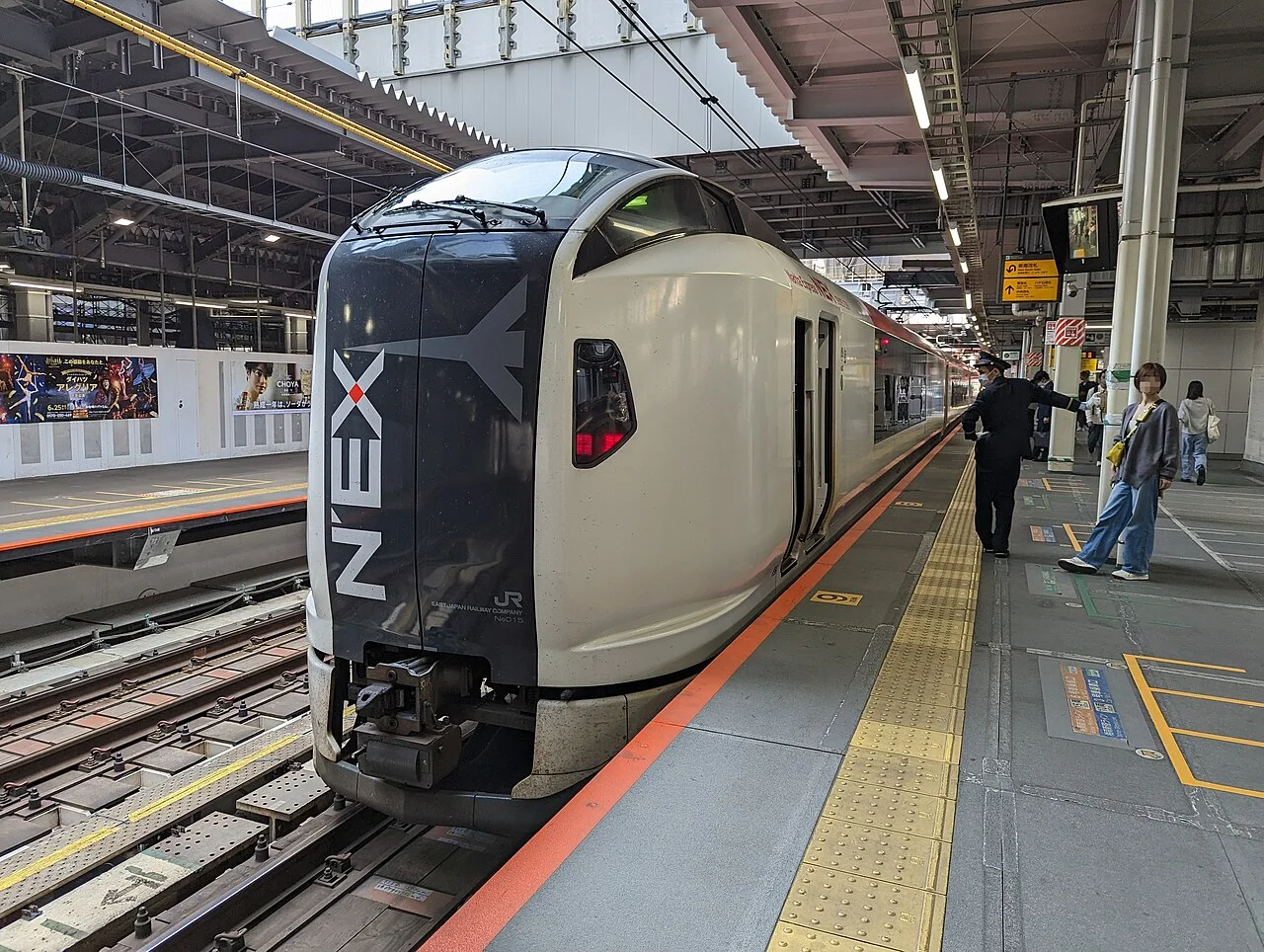
Weigh how many times you will have to lift your bags against how strictly you need an exact arrival time. If you are staying right next to a Narita Express (N'EX) stop such as Tokyo or Shinjuku, have a clear path from platform to hotel, and need to make a timed commitment on day one, JR trains are hard to beat for predictability. Just verify that your specific Narita-to-Shinjuku N'EX train actually stops at Shinjuku rather than assuming every train shares the same stops. If part of your group is meeting near the station while others drop bags at a hotel elsewhere, split up by destination and regroup at the hotel later.
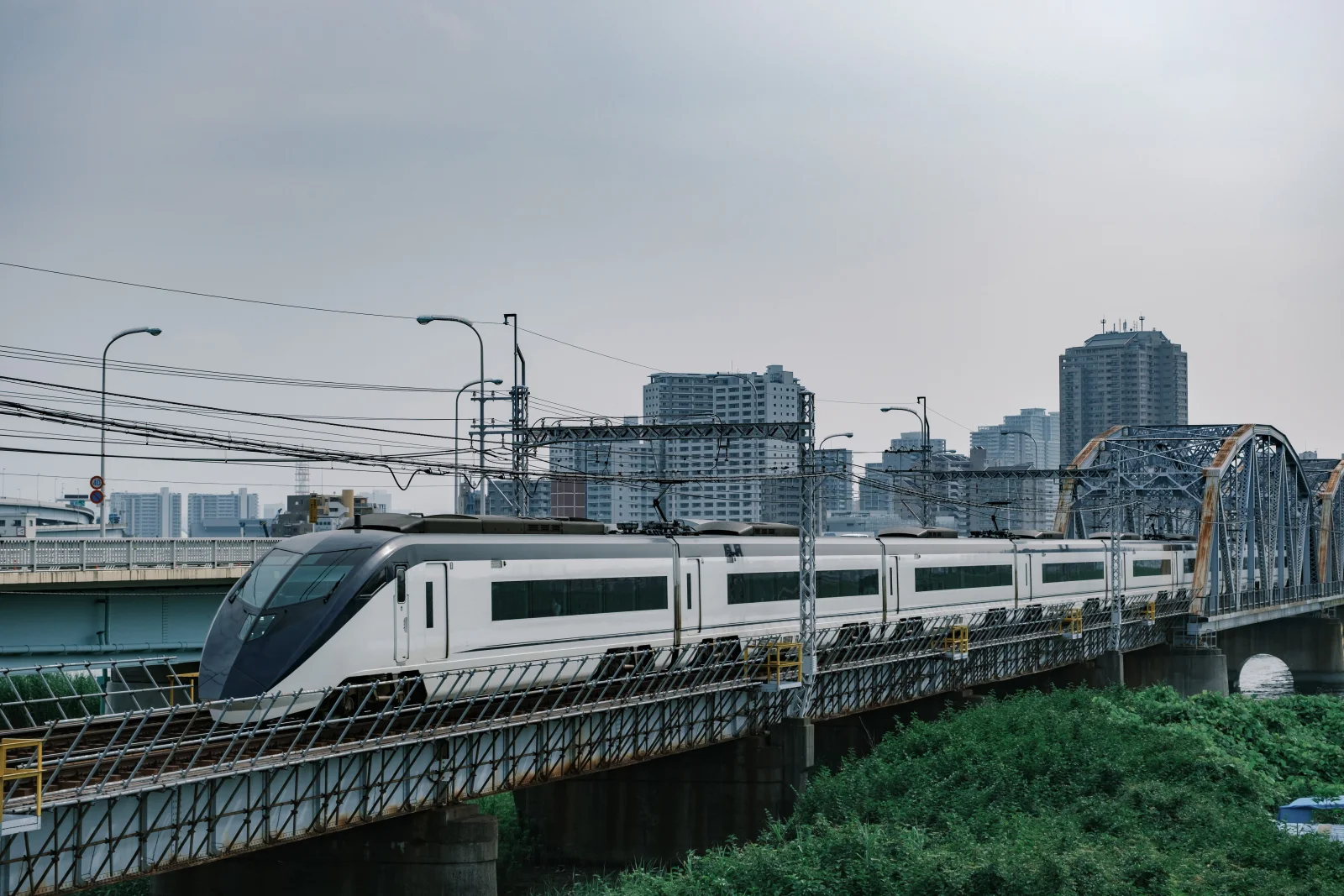
If you are staying near Keisei-Ueno or transferring to JR at Nippori, the Keisei Skyliner runs from the shared Airport Terminal 2 and 3 Station to Nippori in as little as 36 minutes. That figure covers track time only, so add the walk from your arrival terminal to the station, ticket or boarding time, and the walk after getting off. For errands near Ueno Station's Park Exit or hotels around Okachimachi, map out the walk from Keisei-Ueno Station first to see which elevator exit makes the most sense. Staying in Ueno with kids, a single street-level walk from the station often beats transferring at another bus terminal and doubling back.
If you are traveling with just one suitcase and staying around Tokyo Station or Ginza, look into the TYO-NRT low-cost bus. Around Yaesu, where your hotel is a short walk away, the fare savings are easiest to keep. TYO-NRT limits checked luggage to one suitcase per person with combined dimensions (length + width + height) around 158 cm, and prohibits items like snowboards, golf bags, and cardboard boxes. With one standard suitcase each way, the low-cost bus usually saves money; if you pick up an extra box of souvenirs for the return trip, check the two-bag rules before booking the same bus back. If riding to Tokyo Station only means transferring to the Keiyo Line for Maihama or heading to another ward late at night, balance the ticket savings against station transfers, extra fares, and hauling bags. Buy Narita-departing tickets at the designated counter, though Narita Airport notes that LCB departures from 23:00 JST onward sell tickets at the bus stop from staff directly.
Families often do best taking a direct hotel bus on arrival to land the stroller and suitcases at the hotel in one shot. By departure day, once you already know where the station elevators are, switching to rail can help lock in a tighter airport check-in window. If you plan to shop in the morning and fly out of Narita that evening, pick whichever option gives you more late-day departure slack. Consolidating daily essentials into one carry-on and sending heavy suitcases ahead via airport luggage delivery also opens up more transit choices—just check delivery cutoffs, arrival dates, and pickup counters first, and keep that night's medications, a change of clothes, passports, and chargers with you.
Three Sample Itineraries: Mixing Outbound and Return
A family landing at Terminal 3 in the afternoon and staying near Shinjuku South Exit should search their hotel name for direct buses first. If a departure stops right outside Hotel Century Southern Tower, book from Terminal 3—on arrival, one adult can collect the bags while the other takes the kids straight into the lobby. If the schedule only offers Tokyu Kabukicho Tower, add the walk with bags from that drop-off point. If you plan to buy SIM cards and grab food for the kids right after landing, buying tickets after clearing customs gives you more breathing room; on a holiday weekend when you need five seats together, booking a later bus in advance and moving it earlier once you clear customs also works well.
A small group arriving at Terminal 2 in the early evening for a stay in Nihonbashi-Ningyocho can check T-CAT buses first, then decide on foot or by short taxi from there. If your hotel name says "Nihonbashi" but the street address actually sits closer to Tokyo Station, compare the T-CAT and Tekko Building columns side by side on the timetable. Taking a bus 20 minutes later that serves Tokyo Station can save a bridge crossing or subway transfer—a worthwhile trade with two suitcases each. Share a pin of the exact drop-off stop with everyone before buying tickets so anyone delayed at customs knows which later bus brings them to the same spot.
A family starting at Tokyo Disney Resort before moving into central Tokyo for the last few nights only needs a direct hotel bus for the Narita-to-Maihama leg. On departure day, plan from your final hotel's address—departing from T-CAT, Shibuya, Shinjuku, or a major rail station. Save the separate booking confirmations and stop maps for each leg on everyone's phones so you are not forced to haul bags across Tokyo just to use a round-trip bus ticket. And if you fly into Narita but depart out of Haneda (HND), switch to the Haneda route on the return booking page, since stops and fares follow a separate schedule.
A few useful answers
How much does the Narita Airport Limousine Bus cost to Tokyo?
One-way fares to T-CAT are ¥3,100 for adults and ¥1,550 for children. Standard Limousine Bus routes to Shibuya, Tokyu Kabukicho Tower, and Hotel Century Southern Tower in Shinjuku cost ¥3,600 for adults and ¥1,800 for children. Check the route lookup page for fares to other stops.
Do I need to reserve the Narita Limousine Bus in advance?
If your arrival timing is hard to predict, you can buy same-day seats at an airport counter or ticket machine after clearing customs. Book online in advance when traveling in a large group, relying on an infrequent hotel-door bus, or heading from the city to catch a flight.
Where do I board the Limousine Bus at Narita Terminal 3?
Standard Shibuya Limousine Buses and the Tokyu Kabukicho Tower route depart from Stop 9 at Terminal 3. For other routes, follow the stop number on your ticket and terminal signage.
Can I bring two suitcases on the Narita Airport Limousine Bus?
Standard Airport Transport Service coaches allow up to two checked bags per person, with the website listing a limit of 50 × 60 × 120 cm and 30 kg per piece. Because the final page of the official baggage guide also lists a 30 kg total limit per person, contact the operating carrier in advance if two bags exceed 30 kg combined. Shibuya LCB low-cost buses allow one bag per person.
Are Tokyo Station and T-CAT the same stop?
No. T-CAT is in Nihonbashi-Hakozaki and connects to Suitengumae Station, while the Tokyo Station Limousine Bus stop is at the Tekko Building outside the Yaesu North Exit. Some departures from Narita terminate at T-CAT without continuing to Tokyo Station.
What can I do if my flight is delayed and I miss my booked bus?
Bookings made on the official website can be changed to another available departure up to 5 minutes before the original bus leaves. If you booked through a third-party platform, check your order details for change deadlines and rebooking rules.
Which timetable should I check for Shibuya to Narita in early 2027?
Airport Transport Service is updating Shibuya-to-Narita departure times starting December 16, 2026. Enter your exact travel date and city boarding stop on the reservation page to pull up the active schedule.
Does the Narita bus drop off right at Tokyo Disney hotels?
Buses stop at the main entrance of Tokyo Disneyland Hotel, with the hotel listing about an 80-minute ride one way. Search other partner hotels by their official name; Tokyo Disney Celebration Hotel has no direct bus from Narita.
Does a stroller count toward my baggage allowance?
Airport Transport Service exempts strollers, child car seats, and select mobility aids from the two-bag count limit, though size and weight restrictions still apply. Fold your stroller before boarding and carry personal items into the cabin with you.
Official information and references
Sources used in this guide.
- Airport Transport Service | Routes and Stop Lookup
- Airport Transport Service | Narita Airport to T-CAT & Tokyo Station Timetable
- Tokyo City Air Terminal (T-CAT) | Narita Route, Fares, and Boarding Stops
- Hotel Century Southern Tower | Limousine Bus Timetable
- Tokyu Bus | Tokyu Kabukicho Tower to/from Narita Airport
- Tokyu Bus | Shibuya to/from Narita Airport Fares, Stops, and Schedule
- Airport Transport Service | December 16, 2026 Timetable Revision Notice
- Airport Transport Service | November 30 Ikebukuro Sunshine City Fire Drill Notice
- Airport Transport Service | Shin-Urayasu Station Airport-Bound Bus Stop Relocation
- Narita International Airport | Bus Boarding Stops by Terminal
- Narita International Airport | Bus Ticket Counters and Low-Cost Bus Tickets
- Narita International Airport | Inter-Terminal Shuttle Bus and Walkway
- Airport Transport Service | Reservations, Tickets, and Ticket Pickup Guide
- Airport Transport Service | Official Narita Route Booking & Availability Calendar
- Airport Transport Service | Boarding Guide, Booking Changes, and Service Status
- Airport Transport Service | Baggage Dimensions and Piece Limits
- Airport Transport Service | Illustrated Baggage Guide & Special Item Rules
- Airport Transport Service | Wheelchair Access and Lift-Equipped Buses
- Tokyo Disney Resort | Airport Bus for Tokyo Disneyland Hotel
- Tokyo Disney Resort | Airport Bus Guide and Theme Park Stops
- Tokyo Disney Resort | Hotel Bus Reservations & Celebration Hotel Access
- TYO-NRT | Regular and Late-Night Fares
- JR East | Narita Express (N'EX)
- Keisei Electric Railway | Skyliner Travel Time from Airport Terminal 2 and 3 to Nippori
- Airport Transport Service | Updated Shibuya Line Timetable Effective December 16, 2026
- Airport Transport Service | Lost & Found and Jointly Operated Route Contacts
- TYO-NRT | Luggage Size, Piece Limits, and Boarding Rules