Take the Airport Limousine Bus from Narita Airport to Tokyo hotels. Check Shinjuku, Shibuya, T-CAT and Disney stops, single fares, terminal boarding points and luggage limits.
- Region & Focus
- TokyoTransport and passes
- Reading Scope
- 18 min read · 9 chapters · 9 Q&As
- Official Verification
- 27 official sources checkedUpdated 22 November 2026
- Key Topics
- Airport transfersBookingFirst trip
Chapter Route Map (tap any stop)
- Pick Your Drop-Off Stop Using Your Hotel Address
- Single Fares for Tokyo Station, T-CAT and Shinjuku
- Where to Board and Alight in Shibuya, Ikebukuro and Maihama
- Finding Limousine Bus Stops Across Narita's Three Terminals
- Online Booking, Buying at the Airport and Flight Delays
- Two-Bag Allowance, Pushchairs and Wheelchair Access
- Working Backwards from Check-In for Your Return Flight
- Choosing Between the Limousine Bus, N'EX, Skyliner and Low-Cost Buses
- Matching Inbound and Return Routes to Three Trip Setups
- Quick Q&A
The Narita Airport Limousine Bus is ideal for travellers carrying large suitcases whose hotel has a stop right outside the door. A single adult fare to Tokyo City Air Terminal (T-CAT) costs ¥3,100, while designated stops at Shinjuku's Hotel Century Southern Tower, Tokyu Kabukicho Tower and Shibuya cost ¥3,600. Start by searching with your hotel's full name, then verify which scheduled services stop there. If you are staying near Keisei-Ueno or Nippori, check the Keisei Skyliner first. For your return flight, work backwards from your airline's check-in deadline to pick a departure that reaches the correct terminal with time to spare.
Pick Your Drop-Off Stop Using Your Hotel Address
Open your booking confirmation and copy your hotel's full Japanese or English name. On Tokyo Airport Transport's Route Information page, you can search routes by stop name or district. Once you find your hotel, set Narita Airport as the departure point and cross-check your arrival terminal, travel date and timetable. Booking-site labels like "near Shinjuku Station" only narrow down the area. Shinjuku's South Exit, West Exit and Kabukicho each have separate bus stops, and hauling suitcases from one to another can mean crossing busy main roads, navigating station passages or hunting for exits with lifts.
If a search for your hotel's full name brings up no results, pin both the hotel entrance and the nearest bus stop on a map. Look for pedestrian crossings and step-free lift exits before measuring distance. Two points separated by railway tracks may look close on screen yet require a long detour with a pushchair. For serviced apartments or self-catering stays, check the actual check-in address as well, as some properties require picking up keys at a different building first. Choose your first stop based on that address so you can drop your bags right away.
Once you confirm your hotel has a stop, inspect the individual columns on the timetable. Operators frequently group several stops in one district into a single table, where blank cells mean that particular coach does not stop there. On the Narita to T-CAT and Tokyo Station timetable, for instance, some coaches terminate at T-CAT while others continue to Tekko Building at Tokyo Station's Yaesu North Exit. Only your actual origin and destination appear on the ticket. If an earlier coach serves another stop nearby, weigh the onward walk or taxi ride against waiting for the next direct service to your hotel.
Stepping off right outside your hotel entrance is usually the easiest option, saving you the hassle of finding station lifts, cutting through shopping arcades and wheeling bags to reception. If a direct bus arrives after your accommodation's front-desk hours, notify the property in advance as requested for late arrivals. Arriving in Tokyo early in the morning? Ask ahead whether you can leave your luggage. When there is half a day between landing and check-in, having somewhere to store your bags matters far more than shaving ten minutes off the coach journey.
Take the Airport Limousine Bus from Narita Airport to Tokyo hotels. Check Shinjuku, Shibuya, T-CAT and Disney stops, single fares, terminal boarding points and luggage limits.
Single Fares for Tokyo Station, T-CAT and Shinjuku
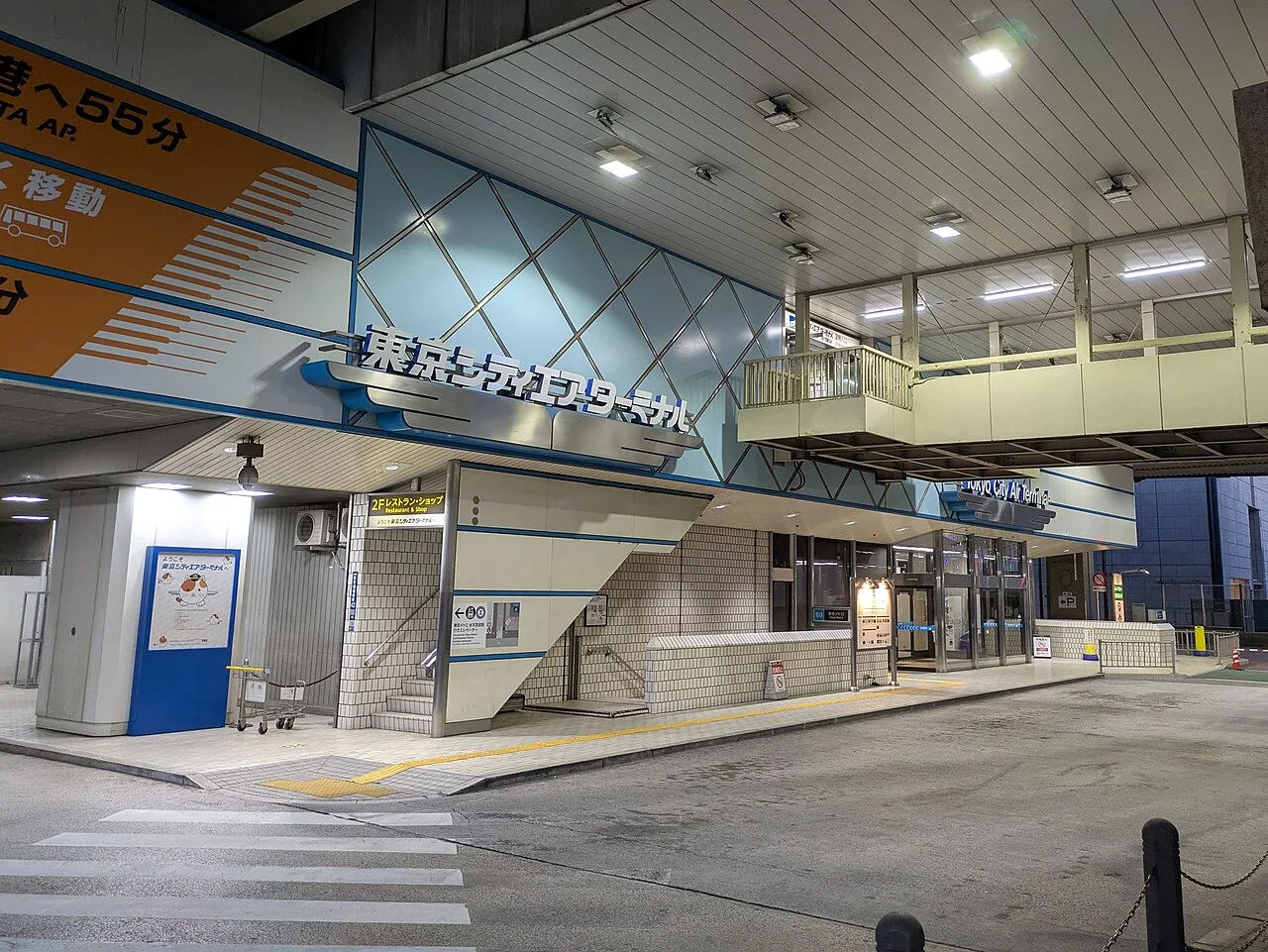
T-CAT sits in Nihonbashi-Hakozaki in Chuo Ward and connects directly to Suitengumae Station on the Hanzomon Line. If you are staying in Hakozaki, around Suitengumae or just a short hop from Ningyocho, look for T-CAT services first. The terminal lists a special promotional single fare between Narita and T-CAT at ¥3,100 for adults and ¥1,550 for primary-school children, with a published journey time of roughly 55 minutes. For the return trip from T-CAT to the airport, buy tickets in advance on the official website or at the Limousine Bus counter on the ground floor of the main building, then head to the Narita boarding zone on the same level. If you are transferring to the Shinkansen at Tokyo Station, confirm your coach stops at Tekko Building (Yaesu North Exit) and allow extra time to walk to the Shinkansen ticket gates.
On the south side of Shinjuku, there are two straightforward options. Tickets marked "Busta Shinjuku" refer to the Shinjuku Expressway Bus Terminal, which links directly to JR Shinjuku Station's New South Gate. Guests at Hotel Century Southern Tower can board and alight right outside the hotel's ground-floor main entrance, with single fares of ¥3,600 for adults and ¥1,800 for children and a standard travel time of around 100 to 135 minutes. The hotel is roughly a three-minute walk from Busta Shinjuku, so if the gap between door-to-door coaches is too long, wheeling your bags that short distance opens up more departures—just make sure your ticket matches your actual boarding stop.
Staying in Kabukicho? Look at Tokyu Kabukicho Tower. Jointly operated by Tokyo Airport Transport and Tokyu Bus, this service costs ¥3,600 one-way for adults and ¥1,800 for children. Return coaches to Narita depart from Stop 1 outside the tower; on booking screens, search for the official stop name "Tokyu Kabukicho Tower". If you are based in Nishi-Shinjuku and plan to board in Kabukicho, factor in the walk to the tower and waiting time. For hotels next to the tower or on the east side, however, this stop saves you dragging suitcases all the way down to Shinjuku's South Exit.
Fares quickly add up across a group, so calculate your total spend upfront. For two adults and one child travelling on a child fare, a single journey to T-CAT comes to ¥7,750, whereas the Shinjuku or Shibuya routes at ¥3,600 per adult and ¥1,800 per child total ¥9,000. Remember to add any onward taxi fare from your drop-off stop. If you are bound for the Tokyo Station area with just one suitcase and no need for a hotel doorstep drop, also check TYO-NRT, which charges ¥1,500 one-way for adults on standard daytime services (with higher fares on certain early-morning and late-night coaches). Compare the operator name and luggage rules on each ticket before choosing between the two.
| Route or Stop | Adult / Child Fare | What to Check When Choosing |
|---|---|---|
| Nihonbashi-Hakozaki T-CAT | ¥3,100 / ¥1,550 | Connected to Suitengumae Station; listed in a separate timetable column from Tokyo Station |
| Hotel Century Southern Tower | ¥3,600 / ¥1,800 | Drops off and picks up outside the ground-floor main entrance |
| Tokyu Kabukicho Tower | ¥3,600 / ¥1,800 | Airport-bound coaches depart from Stop 1 in front of the tower |
| Shibuya Standard Limousine Bus | ¥3,600 / ¥1,800 | Check Shibuya Mark City, Fukuras or Cerulean Tower Tokyu Hotel |
Where to Board and Alight in Shibuya, Ikebukuro and Maihama
Joint Tokyu Bus services in Shibuya serve Shibuya Mark City (Shibuya Excel Hotel Tokyu), Shibuya Station (Fukuras) and Cerulean Tower Tokyu Hotel. For airport-bound departures, Mark City boards at Stop 92 on the 5th floor, Fukuras at Stop 9 and Cerulean Tower Tokyu at B1F. Although all three sit in the same neighbourhood, each uses a different floor and entrance. Spotting the building on a map is not enough: if you are staying at Mark City, ask reception before leaving how to reach the 5th-floor bus terminal. Arriving from Narita at Fukuras, check which side of Shibuya Station your hotel lies on before stepping outside; avoiding one unnecessary level change can spare you an extra queue for the lift.
Tokyo Airport Transport has announced a timetable revision for Shibuya-area services heading to Narita starting 16 December 2026. On one sample morning departure in the revised schedule, Excel Hotel Tokyu, Fukuras and Cerulean Tower Tokyu shift from 10:30, 10:35 and 10:40 JST to 10:40, 10:45 and 10:50 JST respectively. If you are travelling from Shibuya over the New Year or in early 2027, check the updated timetable for your exact travel date. Note that the same sheet lists both standard Limousine Bus coaches and LCB (Low Cost Bus) services—LCB routes have separate pricing, and standard Limousine Bus tickets and luggage allowances do not carry over.
In Ikebukuro, distinguish between Sunshine City Bus Terminal and Ikebukuro Station West Exit. Sunshine City sits on the east side of the station, while the West Exit handles low-cost bus services; if you are staying in Higashi-Ikebukuro, there is no need to wheel large bags across to the west side just to catch a coach. Note also that on 30 November 2026, Sunshine City Bus Terminal is scheduled to hold a fire drill: specified Narita Terminal 3 departures at 07:45 and 09:45 JST, along with the 13:05 JST service from Sunshine City to Narita, will bypass Sunshine City on that day. If you are travelling on that date, pick another coach scheduled to stop at Sunshine City or board from an alternative stop.
Spending your first night in Maihama? Separate the theme park entrances, official Disney hotels and Shin-Urayasu before booking. Tokyo Disney Resort lists travel times of roughly 65 to 90 minutes from Narita to the two parks. Tokyo Disneyland Hotel has dedicated services stopping right at its main entrance, taking around 80 minutes, with return coaches also departing from the main entrance (online booking requires upfront payment). Other participating hotels appear in Tokyo Disney Resort's bus guide, whereas Tokyo Disney Celebration Hotel has no direct Narita coach—if you are staying there, confirm your onward transfer first before picking a drop-off in Maihama or Shin-Urayasu. For airport-bound Limousine Buses from Shin-Urayasu Station, boarding moved on 1 October 2026 to Stop J at Shin-Urayasu Station North Exit, replacing the former Stop H on Symbol Road.
Finding Limousine Bus Stops Across Narita's Three Terminals
Once your flight lands, clear immigration, collect your bags and pass through customs, then follow the "Bus" or "Airport Limousine Bus" signs in the public arrivals hall. Narita keeps standard Limousine Bus ticket counters separate from LCB low-cost bus counters, so pay close attention to the operator name, stop and service when heading to Shibuya, Ikebukuro or Tokyo Station. If buying a ticket on the spot, show the hotel's full Japanese or English name to the counter staff and ask them to point out the boarding stop number on your ticket. Passengers who have already paid and hold an electronic Limousine Bus ticket can head straight to the stop shown on their pass.
Stop numbers vary by terminal and route. For joint Tokyu Bus services to Shibuya (standard Limousine Bus) and Tokyu Kabukicho Tower, coaches depart from Stop 10 at Terminal 1, Stop 17 at Terminal 2 and Stop 9 at Terminal 3. Shinjuku routes also split by routing: Narita Airport lists Stop 10 at Terminal 1 for Shinjuku coaches running via T-CAT, and Stop 11 for other Shinjuku services. When several Shinjuku-bound coaches appear at Terminal 1, match your ticket's stop number and route stops first, then check the departure time. If two coaches depart within minutes of each other, show your ticket to the kerbside attendant to confirm.
A single coach on the Tokyu Kabukicho Tower line picks up at Terminal 3 first, then Terminal 2 and finally Terminal 1. Taking an evening departure from the November 2026 timetable as an example, the same coach is timed at 19:30 JST from Terminal 3, 19:35 JST from Terminal 2 and 19:40 JST from Terminal 1. Passengers at Terminal 3 should be ready for 19:30, while those at Terminal 2 follow 19:35. Those few minutes between terminals are already built into the timetable, so always read the column for your own terminal. On the return journey to Narita, check the arrival time listed for your departure terminal so you do not get off at the first terminal stop by mistake.
If you selected the wrong terminal when booking, log in to your reservation account or check your confirmation email to see whether the ticket can be amended; if you are already at the airport, ask the counter whether you can board the same coach from your current terminal. Only switch terminals if you must, following signs for the free terminal shuttle bus. Terminals 2 and 3 are linked by both a pedestrian walkway and an inter-terminal shuttle bus—if walking, factor in large suitcases, your pace and the baggage drop deadline before departure. Anyone at Terminal 3 switching last-minute to the train will likewise need to make their way to Airport Terminal 2 Station at Terminal 2.
When companions arrive on separate flights, agree on a meeting terminal and a specific spot in the public arrivals hall before deciding whether to share one coach or travel separately to the hotel. If one person lands at Terminal 1 and another at Terminal 3, you can also buy separate tickets for the same coach boarding at each respective terminal. Share the full destination name and each person's departure time, then meet up at the hotel to save dragging luggage between terminals just to rendezvous.
Online Booking, Buying at the Airport and Flight Delays
If your outbound flight lands during the day with plenty of departures on your route and only one or two people in your party, buying a same-day ticket at the airport counter or ticket machine after customs keeps things flexible. For larger groups, routes with infrequent direct hotel coaches or late arrivals with only one or two services remaining, booking online in advance gives far more peace of mind. Tokyo Airport Transport's booking page displays the open sales window—for instance, checking Narita departures on 22 November opens the calendar up to 22 December. The joint Tokyu Kabukicho Tower route similarly opens bookings one month before travel and accepts reservations until five minutes before departure. To catch seats as soon as they go on sale, check that the booking calendar already covers your travel date.
You can check out as a guest on the official website, which verifies your email address during purchase. Once payment clears, an electronic ticket arrives by email with a QR code for staff to scan at boarding. On routes that support reserving first and paying on the day of travel, you receive a booking QR code instead; the operator requires you to verify, pay and collect your paper ticket at a counter or machine at least five minutes before departure. Have your ticket open before reaching the stop, and send a copy to a travel companion in case your phone battery runs low. If you plan to swap SIM cards or turn off roaming on arrival, save your confirmation email offline before flying.
When choosing a coach time, estimate how long it will take from scheduled touchdown to clear immigration, collect checked bags and walk to the bus stop—plus extra time if you are travelling as a family on one booking or changing currency at the airport. Pick two acceptable departures from the timetable: a first choice if arrivals are smooth, and a backup if queues run long. Many travellers also schedule hotel check-in, ticket pickups or dinner reservations on their first evening, which narrows your options. Leave wiggle room around any time-sensitive bookings so you have more coaches to choose from.
According to Tokyo Airport Transport's homepage, bookings made on the official website can be changed to another departure up to five minutes before the original bus leaves. If you hear of a flight delay before takeoff, check seat availability on later coaches while you still have mobile data and amend your booking via the reservation page or the management link in your confirmation email. For vouchers bought through third-party booking platforms, follow that platform's rules for changes or refunds, checking first whether you hold a fixed-departure ticket or an unreserved voucher awaiting seat assignment. If you reach the counter after your scheduled bus has gone, show your original ticket to ask what options remain and check the next available departures to your accommodation.
Once booked, share the travel date, origin, drop-off stop and passenger count with everyone in your group, with all times in Japan Standard Time (JST). Flights arriving around midnight frequently cause a one-day mix-up on tickets, especially on return journeys if an airline adjusts your flight date or terminal. Open your airline itinerary and work backwards from the flight's local departure date to confirm the correct date to board in Tokyo before checking bus tickets. Some schedules can be previewed two months ahead, though ticket sales follow the reservation calendar.
Two-Bag Allowance, Pushchairs and Wheelchair Access
Tokyo Airport Transport's standard checked luggage allowance is up to two pieces per passenger, with the website listing maximum dimensions of 50 × 60 × 120 cm and up to 30 kg per piece, while the illustrated baggage guide cites a volume of 0.36 cubic metres alongside those same dimensions. However, the final page of the guide also states a limit of 30 kg per passenger for checked baggage, so if two bags together exceed 30 kg, contact the operator ahead of travel with your bag count, individual weights and intended service for confirmation. Standard Limousine Bus allowances also differ from Shibuya LCB low-cost coaches, which restrict passengers to one bag each. Jointly operated routes apply the baggage rules of the operating carrier named on your ticket—especially important when a group has several large suitcases to stow.
Attach a distinctive luggage strap or tag to each case before handing it over. Tell the kerbside attendant your drop-off stop as you board and keep the baggage claim stub safe. When collecting bags, match the claim number or distinctive features before wheeling anything away. With a dozen suitcases across a big group, split the job between two adults: one steps off first to count bags as they come out of the hold, while the other minds children and hand luggage. Keep power banks with you in the cabin, along with passports, cameras, laptops, glassware and fragile souvenirs rather than putting them in the underfloor hold.
Certain sports and bulky items may be accommodated by prior arrangement. The operator's guide lists golf bags, snowboards or skis in dedicated protective bags and fishing rods inside hard cases as acceptable subject to hold space. Folding or dismantled bicycles in dedicated bags and surfboards up to 2 metres long (including their cover) require contacting the operator and getting approval before you travel. If you are travelling with ski or snowboard gear and connecting to the Shinkansen the same day, map out an alternative route from both the hotel and airport ends that can accommodate board bags, so switching one leg does not derail your entire day.
The baggage guide notes that pushchairs, child car seats, wheelchairs and walking frames do not count towards the two-piece limit, though size and weight limits still apply. Remove any bags hanging from pushchair handles before boarding so you have both hands free to fold the frame. Standard coaches have steps up into the cabin; if older relatives can manage a few steps, booking a stop outside the hotel entrance reduces walking and station transfers. Passengers who need to travel seated in a wheelchair must check in advance for specific lift-equipped coaches and give the operator their terminal, wheelchair weight and battery type. Electric wheelchairs require notice at least one day ahead—never buy a standard ticket first and try to arrange access afterwards.
When booking as a family, include every young child who needs their own seat and enter the adult and child counts on the relevant operator's booking page. If you are carrying a baby in one arm, ask a companion to hand the folded pushchair to staff and take both tickets to the coach door so you can board together. Bringing your own child car seat? Tokyo Airport Transport's guide notes that seatbelt configurations vary by coach, meaning a seat cannot be used if it does not fasten securely. Factor that in alongside step access at stops and folding your pushchair before you buy.
If you realise you picked up the wrong suitcase after leaving the bus stop, gather your ticket, baggage claim stub and a full description of your bag right away. When contacting the operator, provide your travel date, departure time, boarding and drop-off stops, and the operating company printed on your ticket. For Tokyo Airport Transport's own coaches, submit an enquiry via the "Lost and Found" page on the official website—the online form operates 24 hours a day, with reports submitted after 21:00 JST answered the following day. If another company operated that departure—such as "Tokyu" on the Kabukicho line timetable—contact the joint operator that actually ran your coach. If you are still at the stop area, speak to staff in person immediately while your ticket details are to hand.
Working Backwards from Check-In for Your Return Flight
Start by checking your airline's check-in and bag-drop cut-off times on your e-ticket, aim to arrive well before they close, and only then look backwards for a city departure. If you need to check in at Narita Terminal 1 by 10:30 JST, read the Terminal 1 arrival column directly, then add time to walk into the terminal, reach your airline desk and queue, plus a buffer for road traffic. Even if the day's first hotel coach is scheduled to reach Terminal 1 at 10:20 JST, switch to an earlier rail option you have checked in advance or book an earlier coach from a larger hub. If you check the arrival time at the airport's first terminal stop, remember to add the extra minutes it takes to reach your own terminal.
Return coaches are much easier to book ahead because you control your starting point in Tokyo. Taking an early-morning bus from your hotel? Ask reception the night before where to wait, whether stored luggage can be collected early and how long checkout takes. If departing from a major station hub, send the exact building name and floor to everyone in your group—Shibuya Mark City is on the 5th floor, for instance, while Shin-Urayasu airport buses now use Stop J at the North Exit. Leaving from your hotel lobby is effortless, but if its first morning coach runs too late, head to a hub with earlier departures or take an early train with your luggage.
Planning a sit-down lunch on your final day? Lock in the latest time you must leave the restaurant before deciding where to store your bags. Leaving suitcases at your hotel while dining in a completely different shopping district adds an extra round trip and a possible wait at the concierge desk. If you depart from T-CAT, Tekko Building or your hotel, pick a lunch spot within walking distance of the bus stop and retrieve your bags straight after checkout, before sitting down to eat. Put both the restaurant cut-off and the bus departure on the same shared itinerary so everyone keeps track.
Before heading out on bank holidays, long weekends, major weekend events or in heavy rain, check the operator's live service updates and current journey times. If road delays are flagged along the route, add up the walk and waiting time for an alternative train and compare the total against the bus's estimated arrival. When staying far from a station, save the walking route to the nearest lift-equipped entrance beforehand so switching to rail does not waste time getting your bearings. If neither the earliest bus nor the earliest train reaches the airport in time for check-in, consider staying near Narita Airport on your final night or booking an earlier coach.
For late-night arrivals into Narita, work the process in reverse. Check the final direct coach to your hotel first, then look up the last train serving the same district, low-cost buses and any last-mile connections from your stop. Reaching Tokyo Station around midnight is not the same as getting through your accommodation's front door. Anyone relying on an onward underground connection needs to check whether the last Metro or Toei train still runs; if not, budget for a taxi or an airport hotel. Where late-night self-check-in applies, save the host's building entry and key-collection instructions on your phone right after booking rather than searching for messages on the pavement.
Choosing Between the Limousine Bus, N'EX, Skyliner and Low-Cost Buses
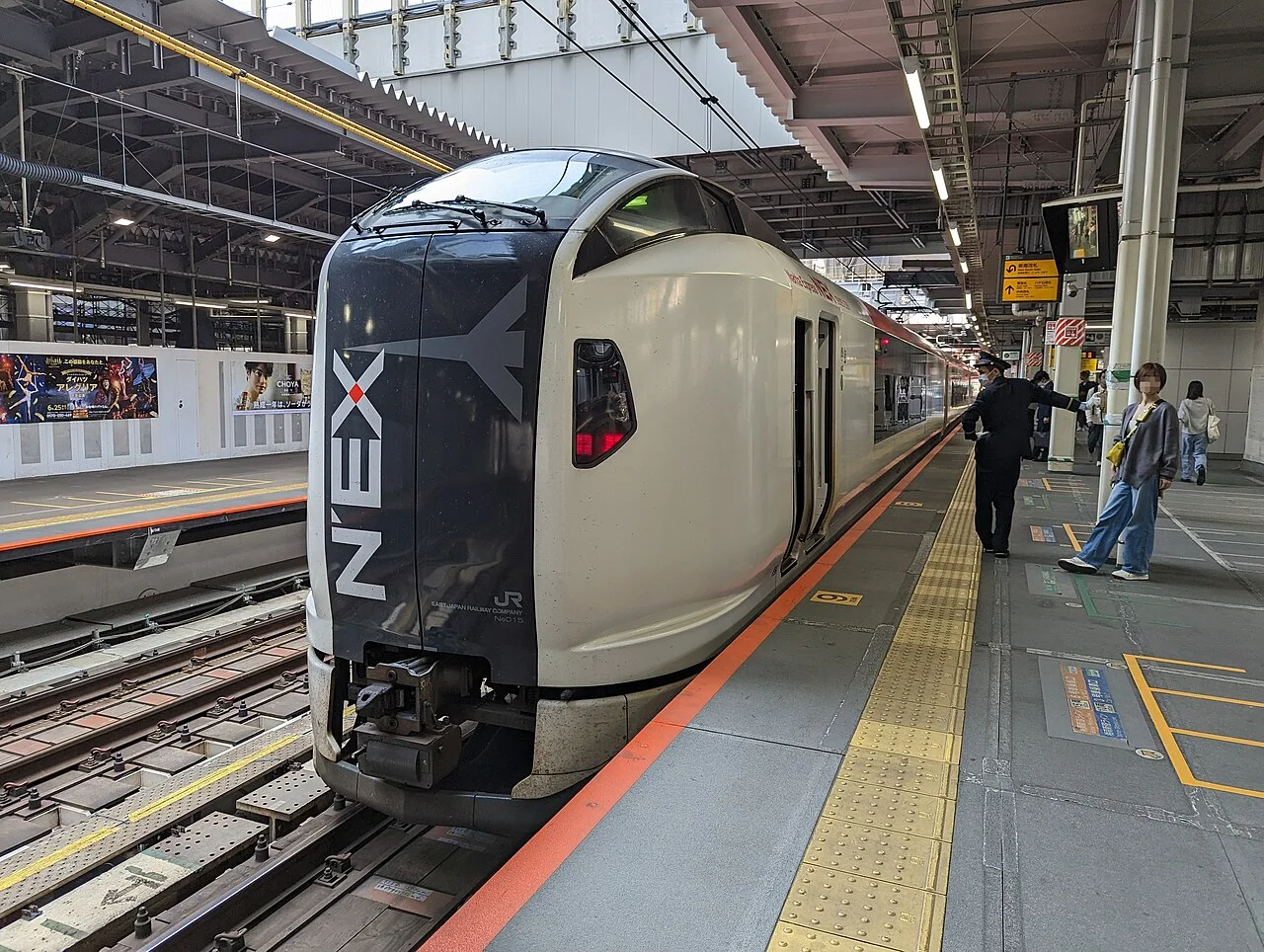
Count how many times you will have to lift your bags, then check how tight your schedule is on arrival. If your hotel sits right beside a Narita Express (N'EX) stop such as Tokyo or Shinjuku with a straightforward route from platform to lobby, and you have timed plans on day one, JR rail timetables are often the safer bet. When booking N'EX from Narita to Shinjuku, double-check that your specific train stops at Shinjuku rather than assuming every N'EX service does. If part of your group is meeting near the station while others go straight to drop bags at the hotel, you can split routes by destination and meet up later.
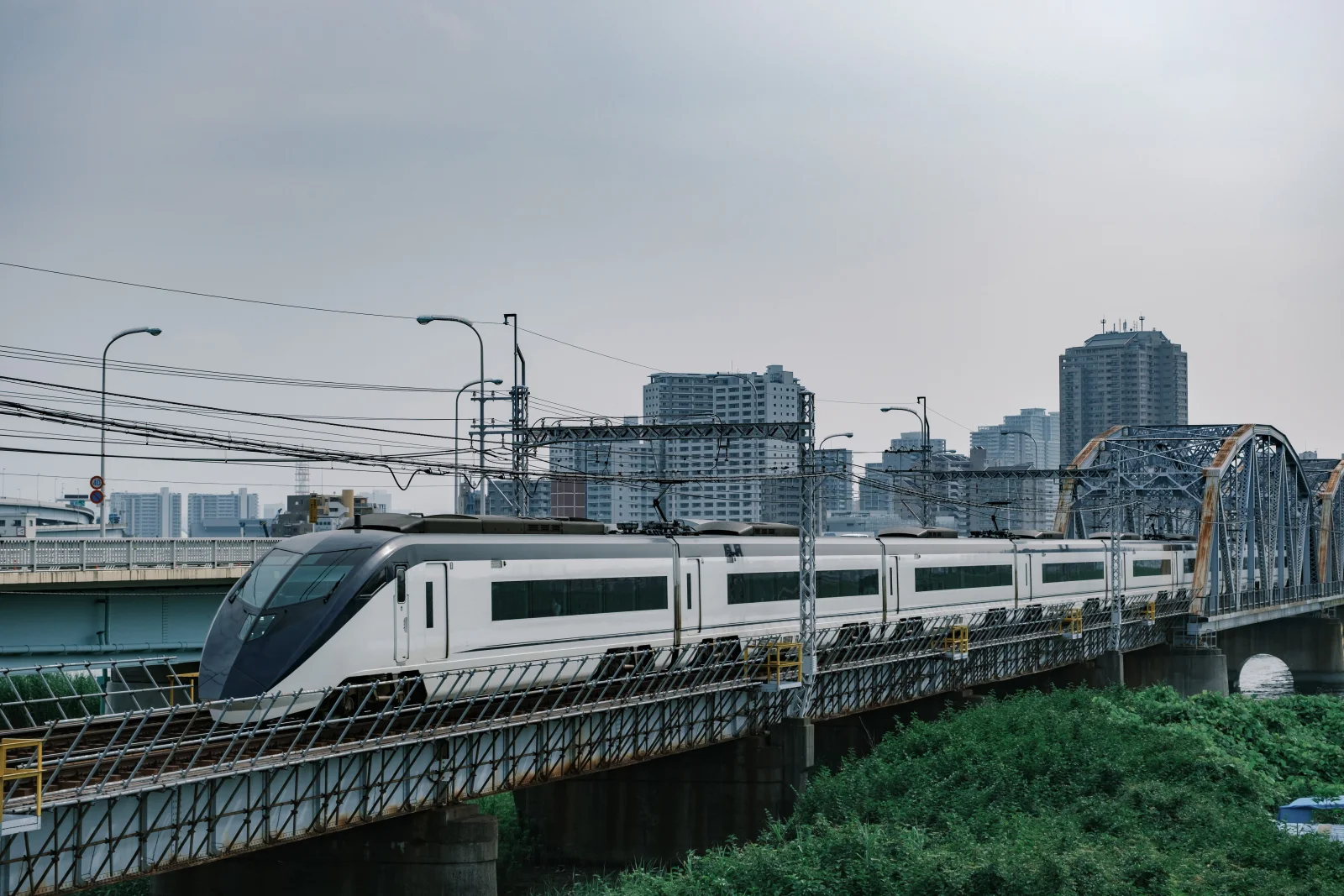
Staying near Keisei-Ueno or transferring to JR lines at Nippori? The Keisei Skyliner runs from the shared Airport Terminal 2·3 Station to Nippori in as little as 36 minutes. Bear in mind that figure covers train time only—add the walk from your arrivals gate to the station, platform waiting time and the stroll after you exit. If you have errands near Ueno Station's Park Exit or a hotel towards Okachimachi, check the walking route from Keisei-Ueno Station first to see whether you will need a lift exit. Even with young children, a short street-level walk in Ueno often beats detouring via another bus terminal.
Travellers bound for Tokyo Station or Ginza with a single suitcase should also look at TYO-NRT. For hotels within walking distance around Yaesu, the fare savings on a low-cost coach add up quickly. TYO-NRT restricts underfloor luggage to one suitcase per passenger with combined length, width and height up to around 158 cm, and prohibits snowboards, golf bags and cardboard boxes. With one standard bag both ways, the budget coach is usually cheaper; if you pick up an extra case of souvenirs for the flight home, check the two-bag rules before booking the same service back. And if arriving at Tokyo Station still means transferring to the Keiyo Line for Maihama or crossing town late at night, weigh any ticket savings against station transfers, extra fares and hauling bags. Remember to buy tickets at the designated Narita counter—though for LCB services departing from 23:00 JST onwards, Narita Airport notes that tickets are sold directly by staff at the boarding stop.
Families can easily mix and match: take the direct hotel Limousine Bus on arrival to land pushchairs and suitcases straight in the lobby, then switch to rail for the return trip once you already know where the hotel's nearest station lift is, giving you tighter control over check-in times. If you plan to shop in the morning before an evening flight from Narita, compare both options and pick whichever keeps comfortable late departures open. Packing essentials into one daypack and sending larger cases ahead via airport luggage delivery also widens your transport choices—just check cut-off times, delivery dates and collection counters beforehand, and keep overnight medication, spare clothes, passports and chargers with you.
Matching Inbound and Return Routes to Three Trip Setups
A family landing at Terminal 3 in the afternoon and staying near Shinjuku's South Exit can start by searching their hotel name for a direct coach. If a service drops right outside Hotel Century Southern Tower, book from Terminal 3: on arrival, one adult can collect the bags while the other takes the children straight into the lobby. If the available coach terminates at Kabukicho Tower instead, allow extra time for wheeling cases across. Planning to buy SIM cards and feed the kids after landing? Buying tickets after clearing customs gives you breathing room. Over busy bank holidays when you need five seats together, booking a slightly later departure upfront and moving to an earlier bus after customs—if seats are free—works well too.
A small group touching down at Terminal 2 in the early evening for a stay in Nihonbashi-Ningyocho should check T-CAT coaches first, then walk or take a quick cab from the terminal. If your hotel lists "Nihonbashi" in its name but actually sits closer to Tokyo Station, compare the T-CAT and Tekko Building columns side by side on the same timetable. Occasionally a coach leaving 20 minutes later stops at Tokyo Station as well, saving you a river crossing or an extra Metro change with two bags apiece. Share a map pin of the drop-off stop with everyone before buying tickets so anyone delayed at immigration knows which later coach serves the exact same stop.
A family starting at Tokyo Disney Resort before moving into central Tokyo for the final few nights only needs a direct hotel coach on the Narita-to-Maihama leg. On departure day, plan backwards from your final hotel's address, leaving from T-CAT, Shibuya, Shinjuku or a main railway hub instead. Save the booking reference and boarding point for each leg on everyone's phone so you are not forced to haul bags across Tokyo just to use matching return tickets. Flying into Narita and home from Haneda? Make sure you select the Haneda (HND) route on the return booking page, as stops and fares follow a completely different timetable.
A few useful answers
How much is the Narita Airport Limousine Bus to Tokyo?
A single fare to T-CAT is ¥3,100 for adults and ¥1,550 for children. Standard Limousine Bus services to Shibuya, Tokyu Kabukicho Tower and Hotel Century Southern Tower in Shinjuku cost ¥3,600 for adults and ¥1,800 for children. Check the route finder for fares to other stops.
Do I need to book the Narita Limousine Bus in advance?
If your arrival time is hard to predict, you can buy a same-day ticket for an available departure at an airport counter or ticket machine after customs. Booking ahead on the official website is best for larger groups, hotels with infrequent direct coaches or city-to-airport trips with a flight to catch.
Where do I catch the Limousine Bus at Narita Terminal 3?
Standard Shibuya Limousine Buses and the Tokyu Kabukicho Tower line depart from Stop 9 at Terminal 3. For other routes, follow the stop number printed on your ticket and terminal signage on the day.
Can I take two suitcases on the Narita Airport Limousine Bus?
Standard Tokyo Airport Transport coaches allow up to two checked bags per person, with the website listing up to 50 × 60 × 120 cm and 30 kg per piece. Because the back page of the official baggage guide also lists 30 kg per passenger, check with the route operator in advance if two bags combined exceed 30 kg. Shibuya LCB services allow only one bag per person.
Are Tokyo Station and T-CAT the same stop?
No. T-CAT is in Nihonbashi-Hakozaki and connects to Suitengumae Station, whereas the Tokyo Station Limousine Bus stop is Tekko Building at the Yaesu North Exit. Some departures from Narita terminate at T-CAT without continuing to Tokyo Station.
What can I do if a flight delay makes me miss my bus?
Reservations made through the official website can be changed to another available departure up to five minutes before the original bus leaves. If you bought via another platform, check your booking confirmation for deadlines and amendment rules.
Which timetable should I check for Shibuya to Narita in early 2027?
Tokyo Airport Transport revises its Shibuya-area departures to Narita from 16 December 2026. Enter your travel date and city stop on the booking page to display the departures in effect for that day.
Do Narita buses stop right outside Tokyo Disney Resort hotels?
Tokyo Disneyland Hotel has direct services stopping at its main entrance, taking roughly 80 minutes one-way. Check stops for other hotels using their official names; Tokyo Disney Celebration Hotel has no direct Narita bus.
Does a pushchair count towards my baggage allowance?
Tokyo Airport Transport excludes pushchairs, child car seats and certain mobility aids from the two-piece count, though size and weight restrictions still apply. Fold your pushchair before boarding and take small personal items into the cabin.
Official information and references
Sources used in this guide.
- Tokyo Airport Transport | Route and Stop Finder
- Tokyo Airport Transport | Narita Airport to T-CAT and Tokyo Station Timetable
- Tokyo City Air Terminal | Narita Route, Fares and Boarding Stops
- Hotel Century Southern Tower | Airport Limousine Bus Timetable
- Tokyu Bus | Tokyu Kabukicho Tower to and from Narita Airport
- Tokyu Bus | Shibuya to and from Narita Airport Fares, Stops and Timetable
- Tokyo Airport Transport | Timetable Revision from 16 December 2026
- Tokyo Airport Transport | Ikebukuro Sunshine City Fire Drill on 30 November
- Tokyo Airport Transport | Relocation of Airport-Bound Stop at Shin-Urayasu Station
- Narita International Airport | Bus Stops by Terminal for Departing Buses
- Narita International Airport | Ticket Counters and Low-Cost Bus Tickets
- Narita International Airport | Inter-Terminal Shuttle Bus and Walkway
- Tokyo Airport Transport | How to Book, Tickets and Ticket Collection
- Tokyo Airport Transport | Official Narita Line Booking and Sales Calendar
- Tokyo Airport Transport | Boarding, Changing Bookings and Service Updates
- Tokyo Airport Transport | Luggage Dimensions and Piece Limits
- Tokyo Airport Transport | Illustrated Luggage Guide and Special Baggage Rules
- Tokyo Airport Transport | Wheelchair Access and Lift-Equipped Coaches
- Tokyo Disney Resort | Airport Limousine Bus for Tokyo Disneyland Hotel
- Tokyo Disney Resort | Airport Bus and Boarding Stops at Both Parks
- Tokyo Disney Resort | Hotel Bus Reservations and Celebration Hotel Access
- TYO-NRT | Standard and Late-Night Fares
- JR East | Narita Express (N'EX)
- Keisei Electric Railway | Skyliner Travel Time from Airport Terminal 2·3 Station to Nippori
- Tokyo Airport Transport | Revised Shibuya Line Timetable from 16 December 2026
- Tokyo Airport Transport | Lost Property and Jointly Operated Routes
- TYO-NRT | Luggage Dimensions, Bag Limits and Boarding Rules