Compare Haneda and Narita flat-rate taxi fares and private charter prices into Tokyo, plus terminal pick-up points, child seats, luggage capacity, flight delays and early-morning departures.
- Region & Focus
- Tokyo
- Reading Scope
- 18 min read · 11 chapters · 6 Q&As
- Official Verification
- 18 official sources checkedUpdated 22 November 2026
- Key Topics
- Airport transfersBookingTravel budget
Chapter Route Map (tap any stop)
- Deciding between the terminal rank and pre-booking
- Haneda's three pick-up areas are in different locations
- Landing at Narita Terminal 3: you can take a car directly from there
- Where flat-rate taxi price differences come from
- What you are paying for with a Tokyo MK private charter
- When does a private car pay off? Start with these two sums
- How to report child seats, wheelchairs and oversized luggage
- What to include in your quote request and pick-up notes
- Timing late-night arrivals and early-morning departures
- Getting full-route quotes for Urayasu, Yokohama and airport transfers
- Adding convenience store, hotel or sightseeing stops along the way
- Quick Q&A
Flying into Haneda for a hotel in Shinjuku, a daytime taxi from the official rank runs on a ¥9,000 flat fare plus tolls. From Narita to the same hotel, the flat fare rises to ¥31,500 or ¥32,500 depending on the expressway used. At Haneda, travellers with large suitcases can head straight to the taxi rank; from Narita, check direct trains first if you are staying near a major station. If your group needs two child seats, a folding wheelchair or several oversized cases, use that exact luggage list to request quotes for a pre-booked private car.
Deciding between the terminal rank and pre-booking
If you are landing at Haneda with one or two bags, you can decide after clearing customs. Hotels close to a Keikyu Line or Tokyo Monorail stop cost far less by rail. If the walk from the station takes more than ten minutes, it is raining, or your cases are awkward to wheel, follow signs to the official taxi rank and ask for the flat fare using your hotel's address. Paying at the rank also avoids waiting-time surcharges that can build up on a pre-booked car during long immigration queues.
Pre-booking makes the most sense when you need specific vehicle layouts or meet-and-greet support. Families who want help from baggage claim to kerbside can confirm child seats, meeting instructions, wheelchair dimensions and the exact hotel entrance with the operator in advance. Japanese operators offer pre-booked versions of the airport flat-rate taxi (kuko teigaku taxi) priced by destination zone, alongside pre-booked private hire cars (kuko sogei hire) that can also quote a fixed one-way rate. Always check the booking page for the actual operating company, vehicle model, pick-up point and full fare breakdown.
When part of your group arrives on a later flight, pick one accessible spot to gather before joining the taxi queue or setting a pick-up time. Shared shuttles typically charge per person, so check whether your voucher drops off at the hotel door, a nearby station or only within designated zones. If you have a fixed check-in or meeting time, factor in stops for other passengers and the final walk from the drop-off point, and compare direct airport coaches alongside private cars.
How hard it is to haul bags through stations often matters more than saving a few minutes on a timetable. Around Tokyo Station, treat the platform-to-hotel walk as a separate leg when weighing options. Save your hotel's main entrance on your map before flying so you can head straight for the trains, coach bay or taxi rank on arrival. If you only need door-to-door help on the last mile, taking a train from Narita into central Tokyo and switching to a short local taxi accomplishes the same thing.
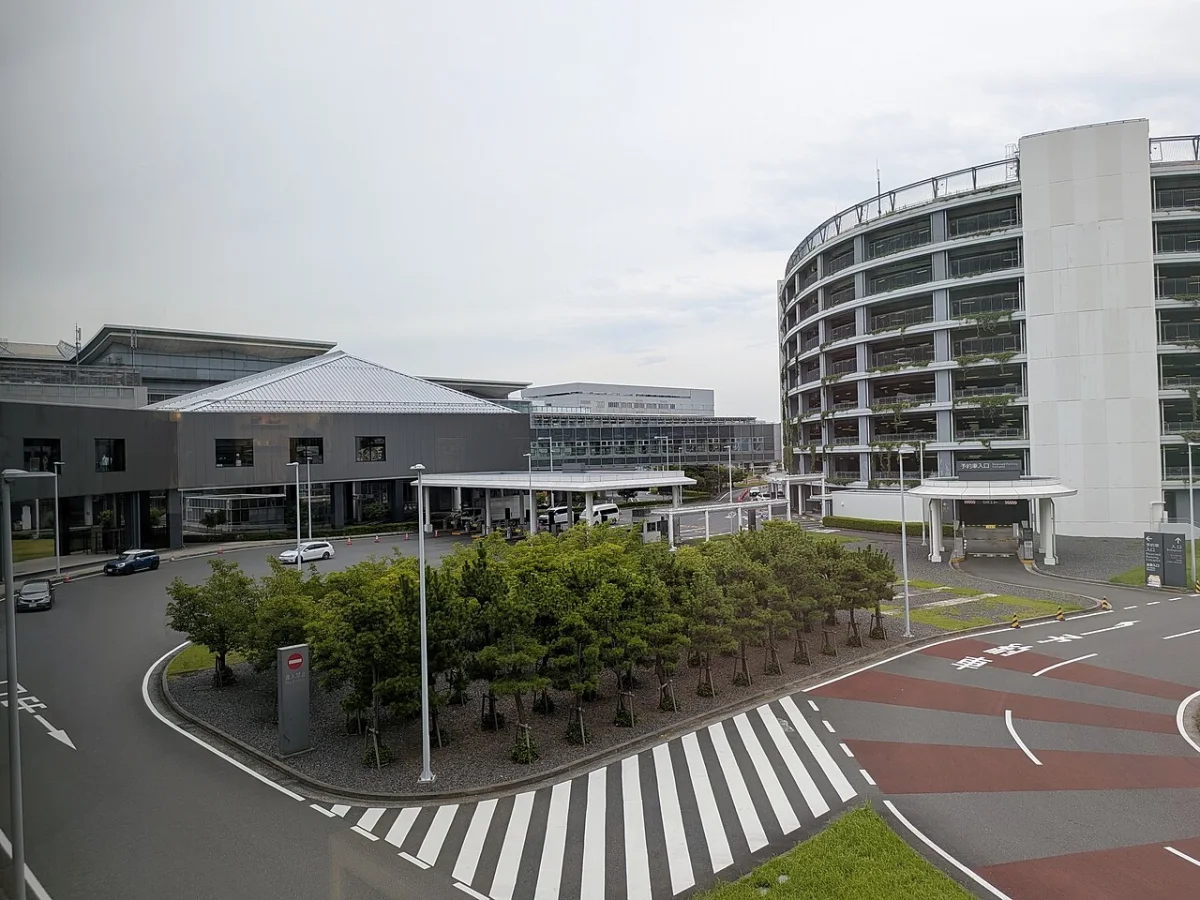
Compare Haneda and Narita flat-rate taxi fares and private charter prices into Tokyo, plus terminal pick-up points, child seats, luggage capacity, flight delays and early-morning departures.
Haneda's three pick-up areas are in different locations
Haneda's airport code is HND. Terminal 1 handles domestic flights, Terminal 2 handles domestic flights plus selected ANA international arrivals, and Terminal 3 is the main international terminal. If you are flying on a codeshare, give the operator both the operating airline and flight number, and follow the airline or airport arrivals board on the day. Terminal 2's international arrivals hall is on the 2nd floor, south side; check your confirmation to see whether you are meeting a greeter inside or walking out to a pick-up bay.
At Haneda Terminal 3, regular taxis board on the 1st floor at Lane 2, Stand 21. App-hailing pick-ups and pre-booked taxis are listed on the 8th floor of the P5 car park, though pick-up points can shift during congestion, so follow live instructions inside your app. Regular taxi stands at Terminals 1 and 2 are on the 1st floor, while app-hailing and pre-booked taxi pick-ups for both terminals are on the 2nd-floor departures level near Exit 7 (Terminal 1) and Exit 2 (Terminal 2). Check the destination signs in the rank before boarding, as routes towards Yokohama and Kawasaki use dedicated lanes.
If you booked a name-board meet-and-greet, stay in the designated arrivals hall listed on your confirmation after customs and wait for the greeter to escort you to the vehicle. On airport maps, 'Taxi' marks ranked cabs while 'Hire' refers to pre-booked private cars. If a voucher simply says 'Arrival', ask beforehand which floor, information desk or exit door is meant. Terminal 2 separates domestic and international arrivals, so messaging 'Terminal 2 International, 2F South' is far clearer than sending a close-up photo with no landmarks.
Wait at a numbered pillar or information counter until your driver or greeter replies before moving the whole group. Wandering to another level to look for the car often means missing a greeter walking in from the car park. If you are ordering via an app, confirm that a car has actually been dispatched and check whether the pin has updated while the rest of your group waits somewhere with space for luggage trolleys.
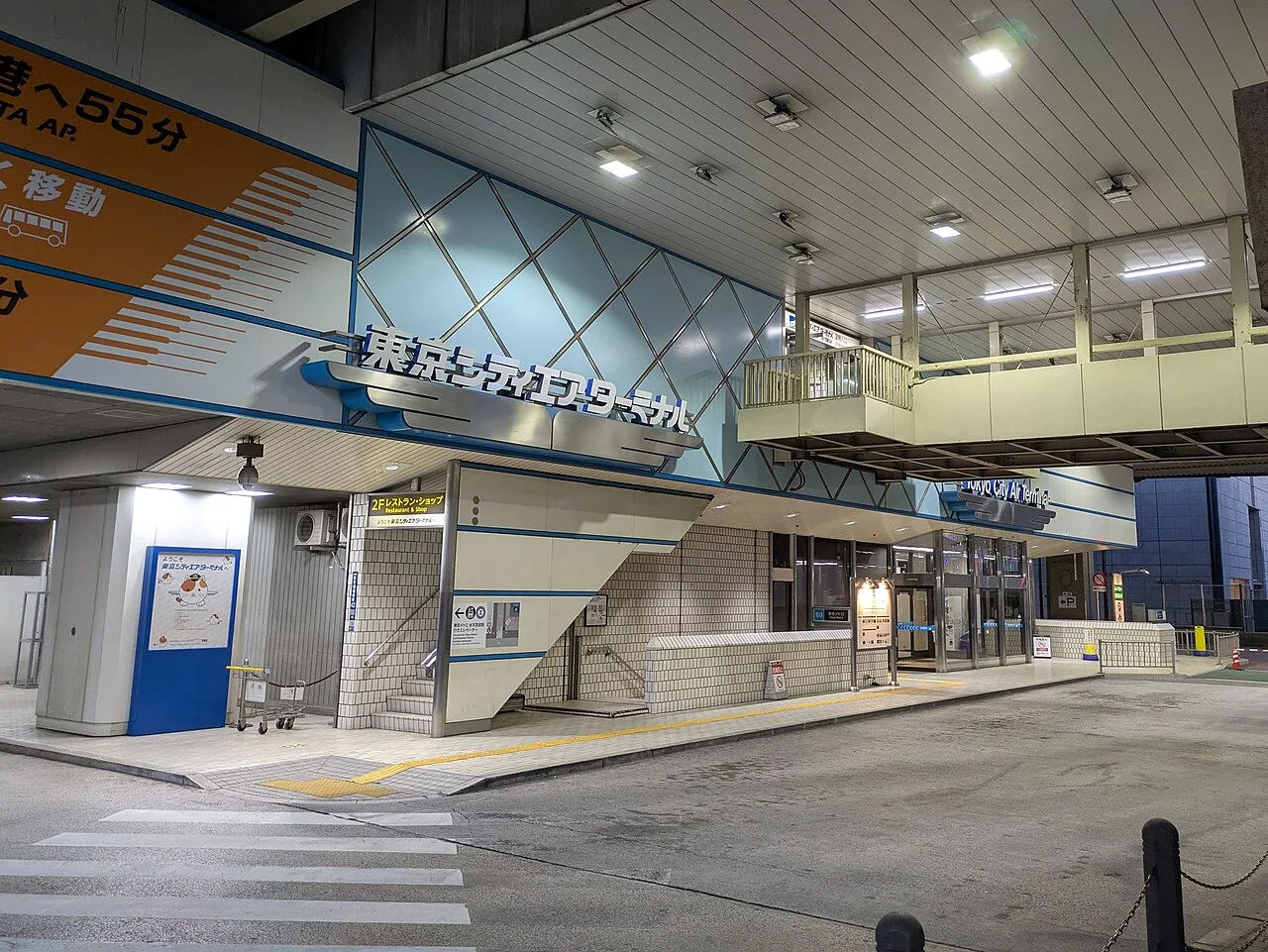
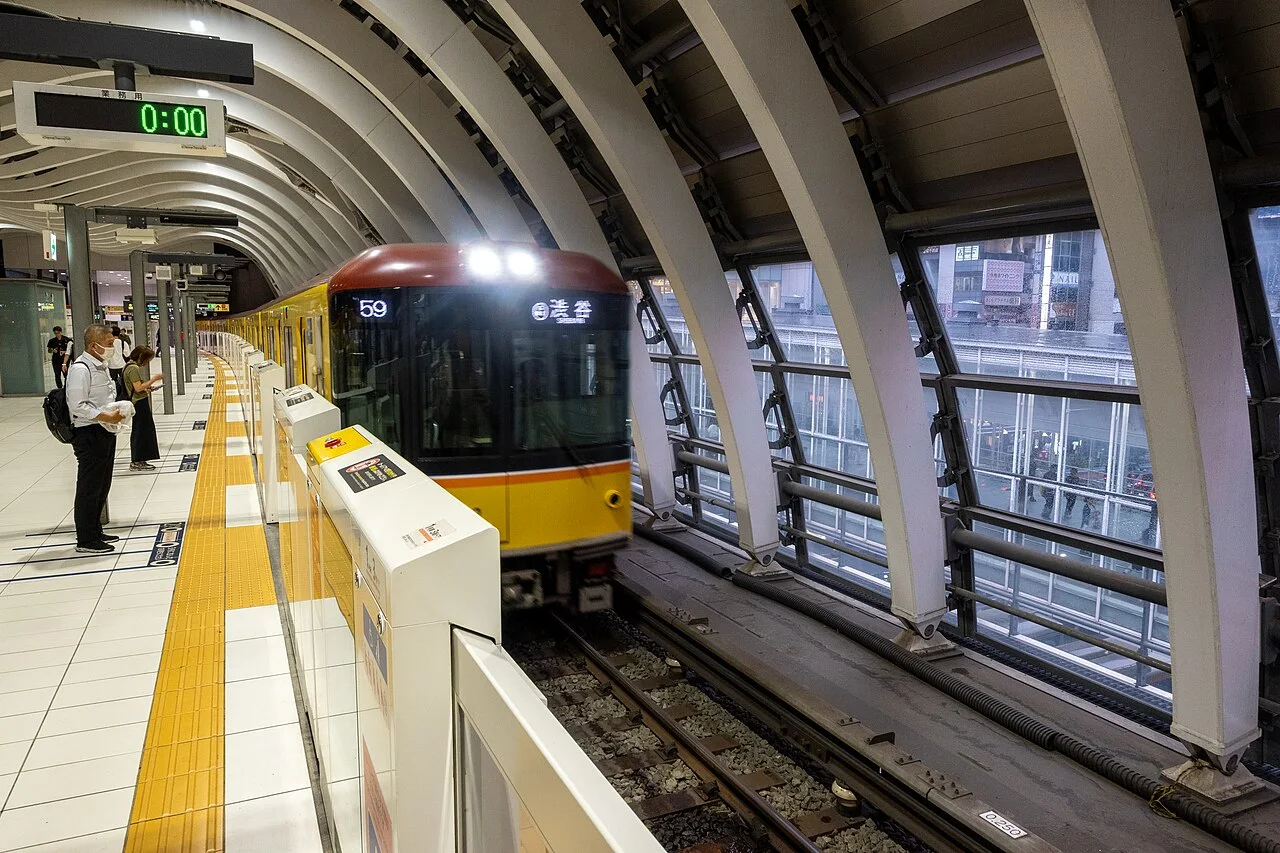
For central Tokyo by rail from Haneda, take the Keikyu Line towards Shinagawa or through-trains onto the Toei Asakusa Line, or ride the Tokyo Monorail to Hamamatsucho for JR connections. Heading to Shimbashi, Higashi-Ginza or Asakusa, check train stopping patterns for direct Keikyu through-services. If a hotel near Shinagawa sits uphill or on the far side of the station after a late landing, a short local taxi easily covers that last stretch. Travellers bound for Shinjuku can also check Limousine Bus stops at specific hotels and compare the remaining walk.
Landing at Narita Terminal 3: you can take a car directly from there
Narita's airport code is NRT. Official taxi ranks are at Stand 15 for Terminal 1, Stands 28 and 31-A for Terminal 2, and via the signed pedestrian walkway to the taxi stand for Terminal 3. At Terminal 1, international arrivals split into North and South Wings. When booking a private car, have the operator write a specific, identifiable meeting point on the voucher so you do not walk out to the public taxi lane while your driver waits at another exit.
To take JR or Keisei trains from Terminal 3, you must transfer to Airport Terminal 2·3 Station (Kuko Dai-2 Biru) at Terminal 2 using either the pedestrian walkway or the terminal shuttle bus, which boards at Stand 1 when travelling from Terminal 2 to Terminal 3. If members of your group are splitting between rail and a private car, agree to meet at the hotel before departure so nobody walks back and forth between terminals unnecessarily. For hotels right next to Ueno or Nippori stations, the terminal transfer on foot is still far cheaper than a long-distance private car. Where a private car earns its keep is sparing travellers with folding wheelchairs and heavy cases that inter-terminal trek, station exits and final street walk—just make sure your booking specifies Terminal 3 as the pick-up terminal.
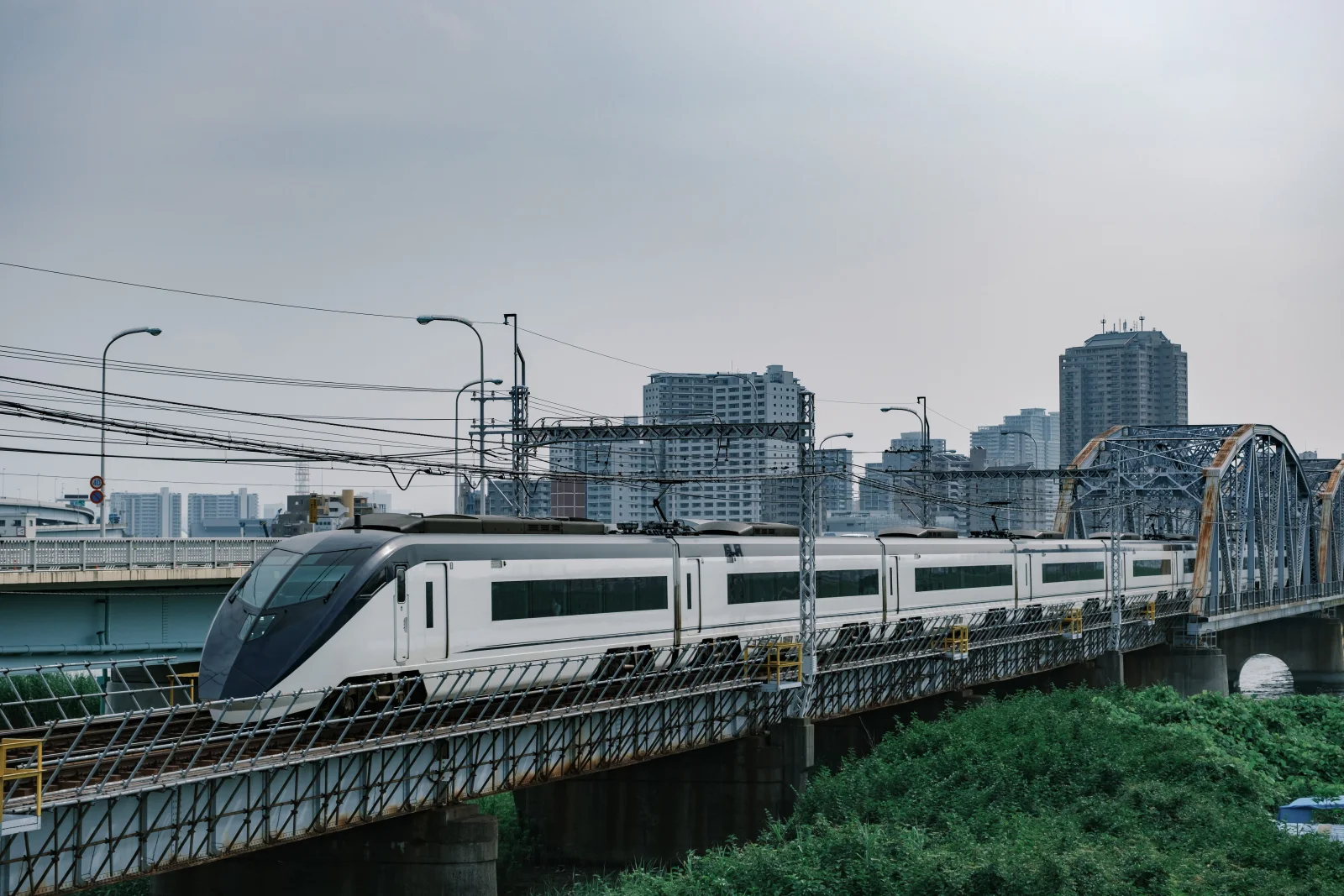
Combining rail with a short cab works well with large luggage too. The Narita Express (N'EX) runs to Tokyo, Shinagawa, Shibuya and Shinjuku, while the Keisei Skyliner serves Nippori and Keisei-Ueno. For large hotels around Shinjuku West Exit, compare direct Limousine Bus frequencies and stop locations. For Asakusa, look for Keisei Access Express trains running directly onto the Toei Asakusa Line, or use the Skyliner with a transfer at Nippori or Ueno. For a fuller comparison of rail and coach links from both airports, see our guide to getting from Tokyo's airports into the city.
If two parts of your group clear customs at different Narita terminals, regrouping at one terminal before boarding avoids paying for a second pick-up stop. Where mobility needs or pushchairs require collecting passengers at two separate terminals, include the pick-up order and likely wait time for the second group when requesting quotes, and ask for multi-stop pick-up to be written into the booking. Factor in the walkway or shuttle transfer time for anyone coming across from Terminal 3.
Where flat-rate taxi price differences come from
Flat fares are determined by the Tokyo ward listed in your hotel's street address. The Marunouchi side of Tokyo Station sits in Chiyoda Ward, whereas streets deeper into the Yaesu shopping district can cross into Chuo Ward. Narita groups Chiyoda and Chuo into the same fare zone, while Haneda lists fares ward by ward. Because hotels around Tokyo Station often share the same station name on booking sites, give the full street address so your driver enters the correct zone and approaches the right entrance.
In the table below, the Haneda column uses the Tokyo Taxi Association daytime flat fares introduced on 20 April 2026. The two Narita columns show Narita Airport's published flat fares to Tokyo, split between the Keiyo Road and Shuto Expressway Bayshore Route. All figures are one-way base fares excluding expressway tolls. From Narita to Taito Ward, the base fare is ¥29,000 via the Keiyo Road or ¥31,000 via the Bayshore Route, plus tolls in both cases—ask your driver which route they plan to take if you want an estimate of the total.
Two Narita zone boundaries catch travellers out by address. Odaiba in Minato Ward and Higashi-Yashio in Shinagawa Ward fall under Zone B alongside Koto and Sumida wards, whereas the rest of Minato and Shinagawa wards sit in Zone D—always quote by street address even if 'Odaiba' is in the hotel name. Both Haneda and Narita flat-rate tariffs assume expressway use; if a passenger explicitly asks to stay on surface roads the entire way, the fare switches to the standard meter.
Night rates apply between 22:00 and 05:00 JST. On the Tokyo Taxi Association's Haneda flat-rate schedule, the late-night fare rises to ¥10,700 for Shinjuku Ward and ¥10,800 for Taito Ward. Narita Airport also publishes late-night and early-morning surcharges for the same hours, plus separate fees when routing via the Tokyo Bay Aqua-Line. If your flight lands close to midnight, request quotes based on the time you expect to step into the car rather than scheduled touchdown time.
For departures back to Haneda, ask your hotel to arrange a flat-rate taxi through a participating operator. Tokyo Taxi Association rules require booking at least one hour before pick-up; hailing a cab on the street still runs on the meter even if the car carries a Haneda flat-rate sticker. Ask separately about large wagon taxis if you want to compare one larger vehicle against two standard saloon cabs.
Tokyo-based operators also offer pre-booked flat rates for Narita. The association lists a ¥28,000 daytime flat rate (¥33,000 late-night/early-morning) between Narita Airport and Shinjuku Ward, excluding tolls and subject to advance reservation. If you choose this option, check availability in both directions with a participating company and confirm the exact airport meeting point. For unbooked departures from Narita's ranks, Narita's zoned flat-rate schedule applies. When booking a pick-up from Shinjuku back to Narita, specify whether the car should stop at the main entrance or the vehicle driveway so the driver does not wait on the wrong side of the block.
If you need to pick up another passenger on the way to Haneda, the association's flat rate generally covers a single urban pick-up or drop-off point, with exceptions allowed only for stops along the same route within the same ward; detours trigger metered charges on the relevant stretch. Going from one hotel to Haneda where passengers need different terminals, however, the rules allow drop-offs through to the final passenger's terminal. Order your flights and terminals by drop-off sequence when booking so you are not sorting through boarding passes inside the cab.
| Destination ward | Haneda | Narita (Keiyo Road) | Narita (Shuto Expwy Bayshore Route) |
|---|---|---|---|
| Chiyoda Ward (Marunouchi, etc.) | ¥7,600 | ¥29,000 | ¥31,000 |
| Taito Ward (Ueno, Asakusa, etc.) | ¥9,100 | ¥29,000 | ¥31,000 |
| Sumida Ward (Oshiage, etc.) | ¥9,100 | ¥28,000 | ¥28,000 |
| Shinjuku Ward | ¥9,000 | ¥31,500 | ¥32,500 |
| Shibuya Ward | ¥8,500 | ¥31,500 | ¥32,500 |
What you are paying for with a Tokyo MK private charter
Take Tokyo MK's pre-booked private hire rates as a benchmark. Effective 21 May 2026, the vehicle class covering the Toyota Alphard, GranAce and Mercedes-Benz V-Class is listed at ¥31,000 one way between Haneda and Shinjuku Ward, ¥53,000 from Narita into Tokyo's 23 wards, and ¥45,000 from the 23 wards out to Narita. These fares include tax, name-board meet-and-greet and airport parking, with expressway tolls billed separately. The gap over a ranked flat-rate taxi pays for guaranteed dispatch, an inside-terminal greeter and a named vehicle tier.
Under this MK plan, Haneda arrivals allow two hours from actual flight touchdown to final drop-off, and Narita arrivals allow three hours, with overtime billed in 30-minute increments. That window covers immigration, baggage claim and the drive into town. If clearing Narita takes 1 hour 40 minutes and the drive takes 1 hour 30 minutes—3 hours 10 minutes in total—you enter the first 30-minute extension bracket, which adds ¥4,000 for the vehicle tier above. Because this works differently from operators that count free waiting time from an agreed post-customs hour, check exactly when the overtime clock starts on your booking.
Services advertising 'flight tracking' adjust to your actual landing time, though you must still contact the dispatcher yourself if your flight number changes, diverts or cancels. On this Tokyo MK plan, if the transfer starts or finishes between 22:00 and 05:00 JST, a 1.25x late-night multiplier applies. If your flight is scheduled into Haneda around 21:00 JST and your hotel is across town, ask for a quote that accounts for the journey crossing 22:00.
When booking online, you can also add a language-designated driver for a fee. MK's Haneda tariff charges ¥2,000 per hour (minimum ¥4,000) for a Chinese- or English-speaking driver, counted from waiting start to drop-off, while Narita arrivals list ¥6,000 for up to three hours including waiting time. Once you find your greeter in the arrivals hall, online customer support plus a written hotel address is often enough; pay extra for a bilingual driver mainly if you want to coordinate stops en route or need hands-on boarding help for older relatives.
Whenever an aggregator or operator advertises 'all-inclusive' pricing, break it down line by line. Base fare, expressway tolls, parking, night surcharges, child seats and waiting extensions should all appear on the same quote. Check the cancellation cut-off in Japan Standard Time (JST), which entity processes the card charge, and how a last-minute vehicle swap is communicated on the day. Paying in yen on an overseas card makes it worth separating foreign-exchange and card fees from cash or local charges paid in Japan so everyone in the group can split the bill accurately.
When does a private car pay off? Start with these two sums
For four adults travelling from Narita to Shinjuku with luggage that fits in one saloon taxi, the airport flat rate works out to ¥7,875 per person via the Keiyo Road or ¥8,125 via the Bayshore Route before tolls. By comparison, JR East lists standard reserved seats on the Narita Express at ¥3,330 per adult one way, or ¥13,320 for four. Use those figures as your baseline: the extra spend buys door-to-door convenience straight after customs, which makes a real difference if anyone in your party struggles with long walks. If your hotel is only a short distance from JR Shinjuku Station, pairing the train with a local cab keeps costs down.
From Haneda to Shinjuku, splitting the ¥9,000 daytime flat rate four ways comes to ¥2,250 per person plus a share of the tolls. It is only when your bags force you into two separate cabs—doubling both the base fare and tolls—that hiring a single people carrier to take everyone together starts making financial sense. If your group is staying at two different hotels, splitting into two vehicles from the airport avoids hunting for a large van permitted to make double kerbside stops; if you are all checking into the same hotel, one shared vehicle is tidier.
Compare door-to-door totals rather than headline fares: rail tickets plus the last-mile cab, coach tickets plus the walk from the bus stop, or taxi base fares multiplied by vehicle count plus tolls. Include child fares according to each rail or coach operator's rules rather than multiplying everything by adult prices. If you only want to splurge once, ride the train in on a daytime arrival and save the private car budget for your departure when you are carrying extra shopping.
One cost rarely shows up on a fare calculator: station transfers. Some travellers can lift cases up to a platform effortlessly, while children, older relatives and wheelchair users cannot carry a share of the bags. Map out who handles what before booking—if one adult is supervising children and another is juggling multiple suitcases, consider how many trips it would take to clear a station exit. Avoiding fragmented transfers is where a single vehicle delivers its real value.
How to report child seats, wheelchairs and oversized luggage
A booking listing 'seats X passengers' only tells you the seat count. Using the rearmost row shrinks usable boot depth, and a child seat can eat into the width of the neighbouring seat. Fold your pushchair, measure its length, width and height, and list it separately from large cases, cabin bags and long equipment. If two vehicle types advertise the same passenger capacity, ask the operator to confirm both seating and boot space together and note the assigned vehicle class or capacity on your confirmation.
For four adults with four large hard-shell suitcases, check with the rank attendant before squeezing into a standard four-seat saloon taxi. With a people carrier, ask if one side of the back row can stay folded for long items while leaving seatbelts for every passenger. For ski bags or camera cases, quote the exact length of the longest item so it does not end up jutting between seats. Re-confirm your bag count for the return leg, as extra suitcases bought for shopping change what fits.
In Japan, private passenger vehicles are legally required to use child restraints for children under six, though the Road Traffic Act Enforcement Order grants an exemption for licensed passenger transport such as taxis. Families can still request child seats in advance by giving each child's age, height and weight, and specifying if a baby needs a rear-facing seat. When booking two child seats, ask how many the vehicle can fit, who installs them and how many adult seats remain usable. If bringing your own seat, verify the mounting system against the booked vehicle.
For a folding wheelchair stowed in the boot, send the folded dimensions, weight and whether the passenger can transfer to a standard car seat. If the traveller needs to remain seated in the wheelchair during transit, book a wheelchair-accessible vehicle (WAV), providing the chair's dimensions and whether it is powered so the operator assigns an appropriate ramp or lift and tie-down points. Agree on a spacious meeting spot after customs with room to manoeuvre, and tell the driver or greeter what assistance is needed. For older travellers who can manage a few steps, a low step-in height and wide sliding door often help more than a tall, oversized SUV.
For transfers from Narita to Urayasu, state explicitly on the booking whether you are going to Tokyo Disneyland, Tokyo DisneySea, a Disney hotel or a nearby Maihama property. If you are heading straight to a hotel, include all child-seat and pushchair details on the airport transfer and arrange the next morning's park hop separately. On evening arrivals, confirm late check-in procedures with the hotel beforehand so you do not have to change drop-off addresses after landing.
What to include in your quote request and pick-up notes
Put every essential detail into one message when requesting a quote: local Japanese arrival date, NRT or HND, flight number, scheduled landing time, arrival terminal and full destination address, followed by passenger and luggage counts. For departure transfers, give your hotel pick-up time and check-in terminal. If a hotel brand has multiple branches with similar names, include the Japanese property name, postcode and telephone number from your booking confirmation. For self-check-in apartments, send the nearest kerbside stopping point or a photo of the entrance so the driver finds it before entering one-way lanes.
Confirm all service terms on one voucher before paying. Check whose name appears on the welcome board, which messaging app the driver uses and how many minutes pass before a no-show is declared. For flight-tracked pick-ups, clarify both when overtime charges begin and the cut-off time after which the driver leaves. If one group arrives on two separate flights, ask for a quote timed around the later landing while the first group waits at an agreed lounge or café, rather than starting the waiting clock on the first touchdown.
Save your booking confirmation, the operator's phone number and a terminal map to your phone before leaving home so you can message as soon as you connect to airport Wi-Fi or mobile data. If you are delayed by bathroom stops with children, oversized baggage reclaim or filing a delayed-baggage report, message your current location and estimated time out. Once you receive a reply, you can weigh paying an extra waiting bracket against cancelling and taking two ranked taxis. Ignore strangers soliciting rides inside the public arrivals hall; Japan's Ministry of Land, Infrastructure, Transport and Tourism states that licensed private hire cars must be pre-booked with an operator and may not tout for walk-up fares at the airport.
When you meet your driver, double-check the booking name, operating company and drop-off address. If the vehicle or driver changes at short notice, verify the new number plate through the booking platform or the operator's official support line. Should a large group split into two cars, assign one person in each car to hold the driver's contact details and payment receipt, and load each passenger's luggage into the car they are riding in. Keep hotel keycards, medication and passports in your cabin bag before the cases go into the boot.
Keep two Japanese phrases handy on your phone. At a taxi rank, show the hotel address and ask: 'Kono jusho made, teigaku unchin de ikemasu ka?' ('Can we go to this address on the flat-rate fare?'). If you are waiting outside an exit at Terminal 3, message: 'Dai-san terminal no tochaku lobby ni imasu' ('I am in the Terminal 3 arrivals lobby'), adding the exit or pillar number in front of you. Once you send your exact spot, stay put for a reply so the greeter can find you.
Timing late-night arrivals and early-morning departures
To work out whether you can catch the last train, count from your estimated customs exit rather than your landing time. After a 22:30 JST touchdown at Haneda, factor in immigration, baggage claim and the walk to the station before checking that day's final Keikyu or Monorail departures. If your route requires a change, verify whether the last connecting train is still running. Even if trains only get you as far as Shinagawa or Hamamatsucho, a short taxi from there still works. Groups with two child seats, a wheelchair vehicle or two separate hotels are better off pre-booking a late-night transfer.
For late arrivals into Narita, check the final train departure from your arrival terminal, adding transfer time to Terminal 2 if you land at Terminal 3. If even a station-side hotel means arriving around midnight, confirm that the front desk can check you in at that hour and keep their direct contact number handy. If you do not need to be in central Tokyo until the next morning, compare the cost of an airport hotel plus daytime train tickets against a late-night private transfer—and check when the last hotel shuttle bus runs, plus how to reach the property if you miss it.
For departures, work backwards from your airline's check-in cut-off, subtracting driving time, traffic buffers and loading time at the hotel. An 08:00 JST flight calls for a very different pick-up time than arriving at the airport at 08:00 JST. Completing hotel keycard drop-off, retrieving stored bags or unlocking apartment entrances a few minutes early keeps early-morning waiting charges down.
On departure day, keep rail options from Tokyo Station, Shinagawa or Shinjuku in mind as a backup in case of Shuto Expressway roadworks, snow or holiday congestion. If you already have a car booked, contact the dispatcher to check rerouting options and cancellation fees before switching to the train. When several people share one car to the airport, list everyone's departure terminal on the booking and agree the drop-off order and luggage split before setting off.
Getting full-route quotes for Urayasu, Yokohama and airport transfers
Urayasu sits in Chiba Prefecture and Yokohama in Kanagawa Prefecture. Even when booking platforms group their hotels under Tokyo sightseeing areas, fares are calculated by the actual prefecture and city. Ask for a fixed fare plus toll quote using the exact street address—especially between Narita and Tokyo Bay waterfront hotels, where Tokyo MK's 23-ward table rate does not apply. Haneda's official website also lists direct buses to Tokyo Disney Resort and Yokohama; if you have heavy bags or passengers who struggle with steps, check how far the bus stop sits from your hotel entrance.
When transferring directly between Haneda and Narita, the critical number is your next flight's check-in deadline. Haneda Airport lists the direct Limousine Bus between the two airports at roughly 65 to 85 minutes for ¥3,600 one way, while rail connections run via linked Keikyu, Toei and Keisei through-services. Remember that those timings only cover the airport-to-airport leg: on separate tickets with checked bags, you must add immigration, baggage reclaim, finding the bus bay or platform, re-checking in and clearing security at the second airport. Only book a private car if coach or train times do not align, and let the operator coordinate both terminal ends.
Put both flight numbers, the scheduled arrival of your first flight and the check-in deadline of your second flight on one note when requesting a quote. State clearly that it is a same-day inter-airport transfer so the operator can judge feasibility. Because both airports are connected by surface roads, leaving a generous connection buffer helps far more than cutting timings fine. If you arrive on a red-eye and stay near the second airport for a next-day flight, double-check late-night pick-up points between the terminal and your hotel.
Adding convenience store, hotel or sightseeing stops along the way
If you want to stop at a convenience store on arrival, drop off one passenger at a second hotel or pick up parcels along the way, include that in your initial enquiry. Flat one-way services like the Tokyo MK rates above cover airport-to-single-address trips, meaning even a quick convenience store detour is usually priced as an hourly charter. For hourly bookings, ask whether the clock starts when the driver meets you, at the booked pick-up time or at touchdown, and confirm whether driving, waiting, attraction parking and cross-ward tolls are all included or billed separately.
When combining arrival with sightseeing, route stops in the same direction as your hotel. Landing at Narita for a hotel in Ueno, you could arrange a drop-off and pick-up point around Asakusa before continuing to check in. Landing at Haneda for Shinagawa or Minato Ward, keep any stop along your inbound corridor so the driver can easily drop you at the hotel afterwards. If parts of your group split up to shop, set a fixed meeting time and spot to keep hourly charges under control. On departure day, work backwards from airport arrival and limit yourself to one optional stop that can be skipped if traffic builds.
Before leaving suitcases inside the car during a stop, take passports, medication, cash and valuables with you, and confirm where the driver will wait and whether the vehicle has to leave the drop-off bay. Short-stay parking near markets or shopping streets is often one street over, so save the pick-up pin before walking away and agree to regroup on a kerb where stopping is allowed. If you finish a half-day charter early, check whether unused hours are refundable before deciding between heading straight back to the hotel or adding another stop.
A few useful answers
How much is a Tokyo airport transfer to Shinjuku?
A daytime flat-rate taxi from Haneda to Shinjuku Ward is ¥9,000. From Narita to Shinjuku Ward, the flat rate is ¥31,500 via the Keiyo Road or ¥32,500 via the Shuto Expressway Bayshore Route, with expressway tolls added on top for all three. Pre-booked private cars are priced by vehicle class and service inclusions.
Where are the taxi rank and app pick-up points at Haneda Terminal 3?
Regular taxis board on the 1st floor at Lane 2, Stand 21. Haneda Airport lists app-hailing and pre-booked taxi pick-ups on the 8th floor of the P5 car park, though congestion may shift you to the spot shown in your app. Name-board meet-and-greets take place in the arrivals hall as stated on your confirmation.
Can you take a taxi directly from Narita Terminal 3?
Yes. Follow the terminal signs across the pedestrian walkway to the Terminal 3 taxi stand. If you decide to take JR or Keisei trains instead, walk or take the shuttle over to Airport Terminal 2·3 Station at Terminal 2.
Do airport private cars wait for free if my flight is delayed?
Check whether your booking counts from scheduled or actual touchdown and how much total time is included. On Tokyo MK's standard plan, timing starts from actual touchdown and covers two hours total to drop-off from Haneda or three hours from Narita, with 30-minute overtime increments after that. Always contact the dispatcher directly if your flight number changes.
How should I book child seats for an airport transfer?
Send each child's age, height and weight along with the number of seats needed, and ask the operator to confirm the seat type, count and fee in writing on your voucher. If bringing your own car seat, verify the mounting method against the assigned vehicle beforehand.
Can I hail a flat-rate taxi on the street from my Tokyo hotel to Haneda?
Under Tokyo Taxi Association rules, outbound flat-rate taxis to Haneda must be pre-booked with a participating operator or dispatch centre at least one hour before pick-up. Hailing a cab on the street runs on the meter, whereas airport-to-city flat rates can be taken directly from the terminal rank.
Official information and references
Sources used in this guide.
- Haneda Airport: Taxi, App-Hailing and Pre-Booked Car Pick-Up Points
- Haneda Airport: Terminals, Operating Airlines and Flight Procedures FAQ
- Haneda Airport: Terminal 2 Floor Guide
- Haneda Airport: Keikyu Line and Tokyo Monorail
- Haneda Airport: Bus Routes and Boarding Stops
- Haneda Airport: Direct Rail and Bus Connections to Narita
- Narita International Airport: Flat-Rate Taxi Zones and Terminal Stands
- Narita International Airport: Terminal Shuttle Bus and Terminal 2-3 Walkway
- Narita International Airport: Limousine Bus and Airport Coach Routes
- Tokyo Taxi Association: 2026 Haneda and Narita Flat-Rate Taxi Fare Table
- Tokyo Taxi Association: Haneda Flat-Rate Taxi Booking, Tolls and En-Route Stops
- Tokyo MK: Haneda and Narita Airport Transfer Fares and Terms
- JR East: Narita Express (N'EX) Fares and Tickets
- Keisei Electric Railway: Skyliner Route Information
- Keisei Electric Railway: Rail Access from Narita Airport to Asakusa
- National Police Agency of Japan: Child Seat Regulations
- Japan e-Gov Law Search: Enforcement Order of the Road Traffic Act, Article 26-3-2
- Ministry of Land, Infrastructure, Transport and Tourism (MLIT): Licensed Private Hire Cars vs Illegal Touted Rides