Keisei Skyliner fares, single and return discounts, Tokyo Subway Ticket bundles, and Narita Airport collection. Covers Nippori JR transfers, Keisei Ueno arrivals, early-morning departures, and the March 2027 surcharge increase.
- Region & Focus
- TokyoTransport and passes
- Reading Scope
- 20 min read · 9 chapters · 7 Q&As
- Official Verification
- 27 official sources checkedUpdated 22 November 2026
- Key Topics
- Airport transfersRail travelBooking
Chapter Route Map (tap any stop)
- How Skyliner Fares Work
- Reserve Ahead, Buy a Voucher, or Pay at the Station
- When Facial-Recognition Gates Issue Paper Tickets
- Choosing a 24-, 48-, or 72-Hour Tokyo Subway Ticket Bundle
- Which Narita Station to Use and Where to Collect Tickets
- Changing to JR at Nippori or Walking from Keisei Ueno
- Comparing Routes for Asakusa, Shinagawa, and Shinjuku
- Catching the Late-Night Train from Narita
- Timing an Early-Morning Return to the Airport
- Quick Q&A
Between Narita Airport and Nippori or Keisei Ueno, the Keisei Skyliner costs ¥2,580 for a standard adult paper single and ¥1,290 for a child, with reserved seating throughout. The fastest trains cover the stretch between Narita Airport Terminal 2 and Nippori in 36 minutes. Stay aboard to the terminus for Ueno Park and Shinobazu Pond, or change at Nippori for the JR Yamanote Line towards Ikebukuro. If your landing time is hard to predict, buy an exchange voucher before you fly or pick a departure with open seats once you clear customs. For the journey back to the airport, work backwards from your airline check-in deadline before locking in a seat.
How Skyliner Fares Work
Keisei's fare table splits the total price into a base fare and a Skyliner Limited Express surcharge. Between either Narita Airport station and Keisei Ueno or Nippori, the adult base fare on a paper ticket is ¥1,280 plus a ¥1,300 reserved-seat surcharge, making ¥2,580 in total. Tap a Suica or PASMO card for the base fare and it drops to ¥1,267, bringing the combined total with a separately purchased Limited Express ticket to ¥2,567. Use the same IC card to tap both in and out of Keisei gates, keeping the paper Limited Express ticket handy to check your train, carriage, and seat number. If you buy a combined paper ticket from a vending machine, pass through the Keisei gates with that paper ticket alone; if you tap in with an IC card, select the Limited Express-only option so you pay the two parts separately.
Child paper tickets cost ¥1,290, or ¥1,283 when combining a child IC card with a Limited Express ticket. Keisei classifies children as aged 6 to 11 (plus 12-year-olds still in primary school), whilst six-year-olds who have not yet started school still count as infants. However, any infant or toddler who occupies their own reserved seat on the Skyliner must have a child ticket. Two adults travelling with one pre-schooler who needs their own seat will pay ¥6,450 for standard paper tickets. Include all adults, children, and seat-occupying infants in a single booking before paying so you can check for adjacent seats or ask the counter staff to group you together.
Fares also vary by boarding and alighting station. Selected services call at Aoto and Shin-Kamagaya: from Aoto to either airport station, an adult paper ticket is ¥1,150 plus a ¥1,050 surcharge (¥2,200 total); from Shin-Kamagaya it is ¥930 plus ¥800 (¥1,730 total). Travellers staying in Katsushika or connecting from the Tobu Noda Line should compare those routes against doubling back via Nippori. If you pick either intermediate station, make sure you book a service with a published departure time there, as many Skyliner trains pass straight through without stopping.
In a November 2026 filing, Keisei set out plans to raise the Skyliner Limited Express surcharge from 13 March 2027 by ¥200 per adult journey and ¥100 per child journey. Combined with the current paper base fare, trips between Narita Airport and Keisei Ueno or Nippori would rise to ¥2,780 for adults and ¥1,390 for children. That increase covers only the Limited Express surcharge; Keisei has also filed a separate base-fare revision scheduled for March 2028. If your outbound and return journeys straddle 13 March 2027, budget each leg under its respective travel date.
| Payment method or ticket type | Adult | Child |
|---|---|---|
| Standard paper ticket (base fare + surcharge) | 2,580 | 1,290 |
| IC card base fare + separate Limited Express ticket | 2,567 | 1,283 |
| Keisei discounted visitor single | 2,310 | 1,150 |
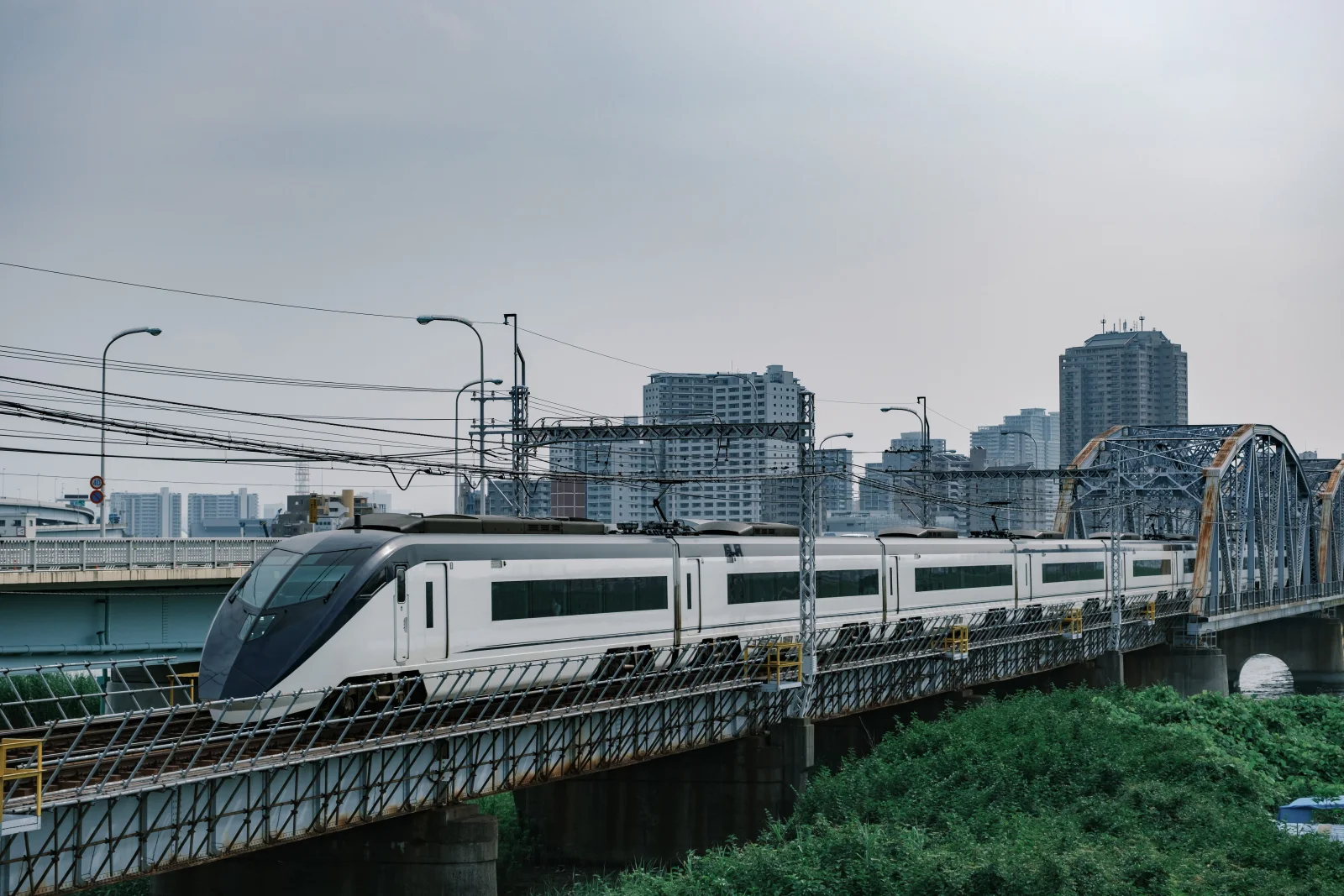
Keisei Skyliner fares, single and return discounts, Tokyo Subway Ticket bundles, and Narita Airport collection. Covers Nippori JR transfers, Keisei Ueno arrivals, early-morning departures, and the March 2027 surcharge increase.
Reserve Ahead, Buy a Voucher, or Pay at the Station
You can buy tickets for the exact same train in several ways. Keisei station counters and Limited Express ticket machines sell seats for specific departures, with standard Skyliner tickets going on sale one month before the travel date. Because it is impossible to know how long baggage reclaim will take after landing, the simplest airport strategy is to clear customs, walk to the Keisei ticket area, and pick the next departure you can comfortably catch. Families wanting to sit together are often better off asking for adjacent seats on the following train rather than squeezing onto an imminent departure. Remember that if you buy only a Limited Express ticket at a machine, you still need a base-fare ticket or an IC card to pass the ticket gates.
If your arrival time at the station is predictable, you can reserve a specific train through the Keisei Skyliner Ticketless Service. Online Limited Express tickets open at 09:00 JST one month ahead and remain available until five minutes before departure, with up to eight seats per booking. Your confirmation screen displays the train, carriage, and seat numbers, though the base fare must be paid separately if you only book the Limited Express portion online. On 18 November 2026, Keisei announced that its previously suspended ticketless reservation service resumed at 04:30 JST on 19 November 2026. For early-morning flights out of Tokyo, locking in a return departure ahead of time is far more useful than trying to pre-book your inbound train upon arrival.
Keisei's other official online portal is the Skyliner e-ticket for international visitors. Keisei's discount page lists adult singles at ¥2,310 and child singles at ¥1,150, inclusive of both base fare and Limited Express surcharge. Once paid, you receive a voucher number or QR code to exchange at an eligible counter or Limited Express ticket machine for your specific train and seat. Counter exchanges require your passport. Download your voucher details to your phone before leaving home, or give each companion a copy. If one person buys four tickets on a single phone, hand out the individual paper tickets after exchanging them at the station so everyone can pass through the gates independently.
Keisei also offers an online-only discounted return ticket at ¥4,500 for adults and ¥2,240 for children, which must be exchanged for the first time at one of the two Narita Airport stations. You receive your reserved inbound seat during that first exchange, along with a return exchange voucher to redeem for a specific departure on your way back. Travellers who decide after arriving in Tokyo to fly home from Haneda are better off buying only the inbound single. If you are staying in Ueno and know for certain you will depart from Narita, pick up your return voucher as soon as you clear customs on arrival.
For airport-bound journeys bought in central Tokyo, there is also the Skyliner Value Ticket. Keisei lists the Tobu Tourist Information Center in Asakusa (07:20-17:00) and the Seibu Tourist Information Center in Ikebukuro (08:00-15:00) as sales outlets. This is a single ticket from Keisei Ueno or Nippori to Narita that must still be exchanged for a reserved seat. Picking one up makes sense if you happen to pass Tobu Asakusa Station while sightseeing, whereas if you are already outside Keisei Ueno Station it is quicker to buy straight inside the concourse.
Standard Keisei Limited Express tickets can be refunded prior to the booked train's departure and exchanged free of charge once for another departure with open seats, whilst ticketless bookings follow the online reservation system's rules. Visitor e-tickets bought directly from Keisei can be cancelled via your purchase details before exchange; once exchanged, they must be refunded before the booked train departs and incur a ¥240 fee per ticket under the terms of use. Official e-ticket terms specify that same-day counter exchanges for reserved seats must be completed at least five minutes before departure. If your flight lands late and you have not yet exchanged your voucher, you can simply take a later train with available seats on the same day; if your flight slips to the next day, open your purchase details to update both your travel date and flight date together.
When Facial-Recognition Gates Issue Paper Tickets
Face Check in Go works with Keisei's single e-ticket. After paying online, the lead passenger registers a facial photo via camera and scans at a compatible gate at an eligible station. Once verified, a machine just past the gate prints paper tickets for everyone in the booking. The lead passenger passes through first, followed by companions. The system automatically assigns seats on the next available departure, rolling over to the subsequent train if you scan within two minutes of departure. Check your carriage and seat numbers on the printed tickets, and use the staffed gate when exiting at your destination. At Nippori, only North Ticket Gate A supports this feature.
The standard exchange process is smoother if you want aisle seats, need to wait for companions arriving separately, or plan to split your group across two trains. Keisei's own guidance directs passengers who want to choose specific seats or take a later departure to the ticket counters or vending machines. In particular, when transferring from JR lines at Nippori, you arrive right beside the connecting Ticket Gate B, so walking round to Gate A for facial recognition adds unnecessary distance. Anyone prioritising a direct JR-to-Keisei connection will find a cleaner station route using standard tickets or the transfer ticket office.
Choosing a 24-, 48-, or 72-Hour Tokyo Subway Ticket Bundle
The Keisei Skyliner & Tokyo Subway Ticket comes in single and return versions, each paired with a 24-, 48-, or 72-hour Tokyo Subway Ticket. Following the 14 March 2026 fare adjustment, adult single bundles cost ¥3,100, ¥3,600, and ¥4,100, whilst return bundles cost ¥5,100, ¥5,600, and ¥6,100, with child rates across every tier. On single bundles, the Skyliner leg works in either direction. If you plan to ride the Skyliner both to and from the airport and need just one subway pass, compare the return bundle directly against the ¥4,500 discounted return ticket.
Take the adult 24-hour single bundle at ¥3,100: subtracting the ¥2,310 online discounted single puts the subway pass portion at ¥790. Short Tokyo Metro rides on an IC card start at ¥178 for adults, so four short hops come to ¥712 and five reach ¥890. If you would otherwise have bought a ¥2,580 paper ticket, the bundle adds ¥520, which is covered by just three minimum-fare rides (¥534). To measure the true saving, compare against the airport ticket you would actually buy, then tot up your underground journeys. Longer trips or transfers spanning both Tokyo Metro and Toei Subway lines cost more on standard fares and should be priced by actual distance.
The 24-hour return bundle costs only ¥600 more than the ¥4,500 Skyliner discounted return ticket, an amount eclipsed by four minimum-fare Tokyo Metro rides. The 48-hour version adds ¥1,100 and the 72-hour adds ¥1,600. If your first evening involves only one hop from Ueno to Ginza and the next day is mostly spent on JR trains out to Maihama, a subway pass covers very little. By contrast, if you are hopping between Asakusa, Ginza, Roppongi, and Kiyosumi-Shirakawa from a hotel beside a metro station, tallying two days of station entries and exits will show which duration fits best.
The bundled Tokyo Subway Ticket covers all Tokyo Metro and Toei Subway lines, whereas JR lines, the Yurikamome, and private railway sections beyond the underground network must be paid for separately. That applies even on through-running trains. Riding a Toei Asakusa Line service past Oshiage onto the Keisei network means paying separately for the stretch beyond Oshiage. Watch the operator name on route maps, as a train can leave the pass's valid zone without you ever changing carriages.
The subway pass counts consecutive hours from the moment you first tap through an underground gate, and its activation day does not have to match your Skyliner travel date. Tap into the Ginza Line at 16:30 on Monday and a 24-hour pass runs until 16:30 on Tuesday, meaning Tuesday evening's ride back to the hotel requires separate payment. If you can walk from Keisei Ueno to your hotel on Monday, hold onto the pass and activate it the next morning when your sightseeing begins. Every pass carries a printed expiry deadline, and vouchers bought onboard flights have separate exchange rules from online purchases.
International visitors can buy bundles via the Keisei Skyliner e-ticket site or at Keisei's ticket counters at Narita Airport. Inflight sales are limited to partner airlines: Keisei's Japanese site lists Spring Japan, notes that Peach sales are suspended, and excludes flights arriving at Narita from 22:00 onwards. Domestic airport vending machines are also installed at New Chitose, Kansai, Fukuoka, and Naha airports. Inflight purchases issue a voucher that, according to Keisei's visitor page, must be exchanged on the day of purchase. Online bundles and discounted return tickets must always be collected for the first time at Narita: Terminal 1 uses Narita Airport Station, whilst Terminals 2 and 3 use Airport Terminal 2 Station.
| Subway pass validity | Single (Adult) | Single (Child) | Return (Adult) | Return (Child) |
|---|---|---|---|---|
| 24 hours | 3,100 | 1,550 | 5,100 | 2,540 |
| 48 hours | 3,600 | 1,800 | 5,600 | 2,790 |
| 72 hours | 4,100 | 2,050 | 6,100 | 3,040 |
Which Narita Station to Use and Where to Collect Tickets
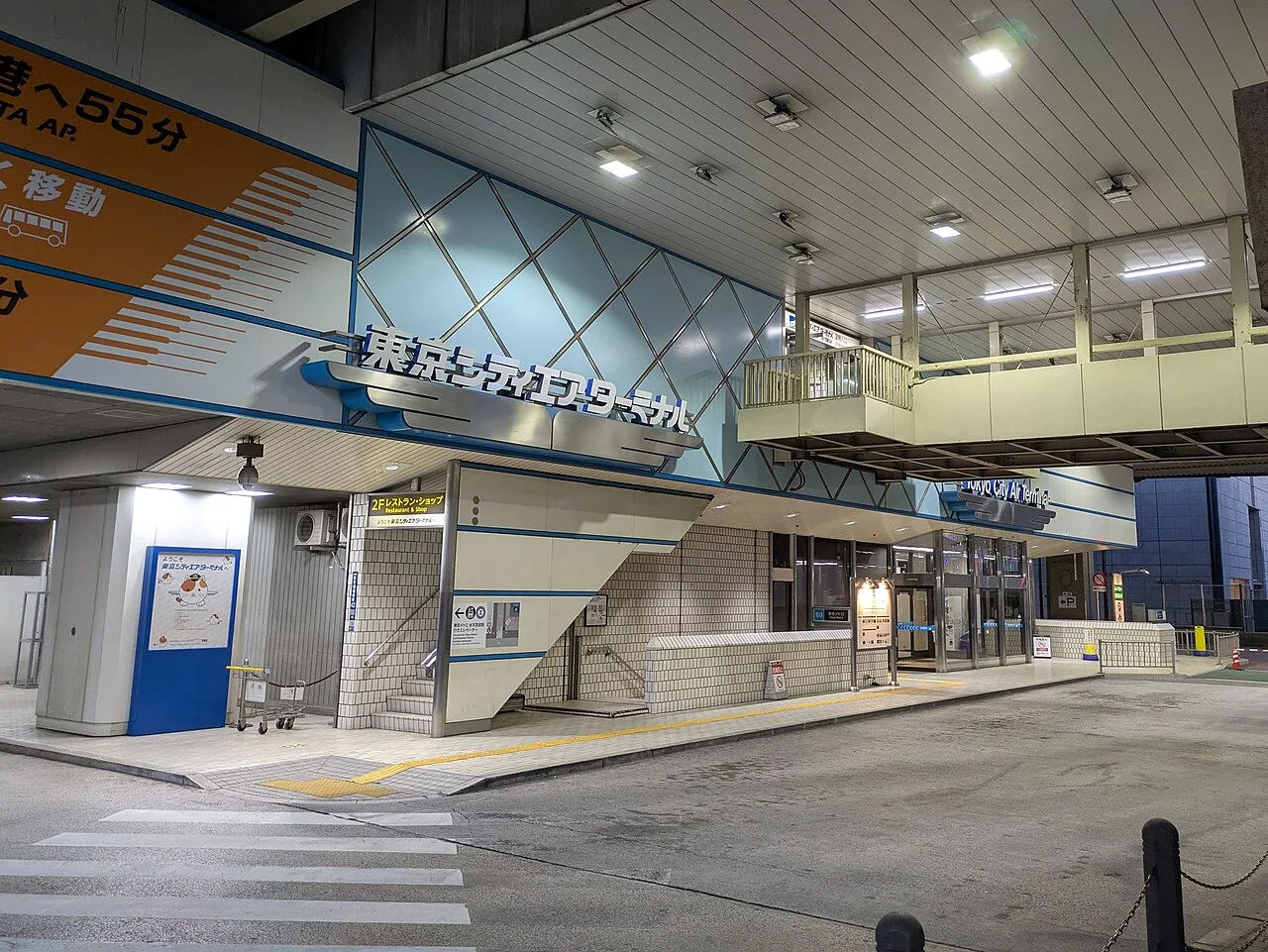
Terminal 1 connects to Narita Airport Station, whilst Terminal 2 connects to Airport Terminal 2 Station, which also serves Terminal 3. Narita Airport's access guide estimates roughly 13 minutes on foot via the walkway from the Terminal 3 first-floor arrivals information desk to the railway gates, and around 13 minutes back from the gates to the second-floor departures information desk. Travellers with heavy luggage can weigh that walk against the free terminal shuttle bus, factoring in waiting time and loading bags on and off the bus.
Follow the train symbols down to the railway concourse first, then look specifically for Keisei signage. Both Narita Airport stations serve JR and Keisei side by side, and following signs for the JR Narita Express will lead you to the wrong ticket gates. The Keisei counter area also sells tickets for other Keisei services, so check that your issued ticket says Skyliner and departs from the station matching your terminal. Overhead signs reading "Narita Sky Access" refer to the railway line itself, whereas departure boards showing "Access Express" indicate a different stopping pattern and fare structure.
The SKYLINER & KEISEI INFORMATION CENTER at both airport stations offers multilingual support including English and Chinese, operating from 07:00 to 21:00. Both stations' regular Skyliner ticket counters stay open until 23:30, handling single, return, and subway-bundle e-ticket exchanges after the information centre closes at 21:00, provided you complete the exchange before the last train departs. If you are aiming for the final departure of the night, check the departure board on arrival before deciding whether to queue for a bundle exchange or buy a reserved seat straight from a machine. Holders of third-party vouchers should follow the specific counters and machines listed on their voucher to avoid queuing at the wrong window. Keep your passport handy until you pass the gates, and tuck your ticket into an accessible pocket.
When walking the Terminal 3 link corridor on your departure day, distinguish between your airline terminal and your train station. For inbound journeys, set your route planner's origin to your arrival terminal so walking or shuttle times are included; for outbound trips, search to Airport Terminal 2 Station first and add the internal airport walk. If taking the inter-terminal bus, double-check the route direction on the stop sign, as boarding in the wrong loop order adds a slow detour. In wet weather or when travelling with a pushchair or multiple suitcases, decide between walking and the shuttle once you see the queue outside arrivals.
Changing to JR at Nippori or Walking from Keisei Ueno
To reach northern stops on the Yamanote Line, Nippori has a direct Keisei-to-JR transfer gate (Ticket Gate B). Stepping off the train from the airport, head upstairs from the platform and follow signs for JR Lines. If you are holding a Keisei paper ticket and using an IC card for JR, insert the paper ticket into the transfer gate first and then tap your IC card; top-up machines are available on the transfer concourse if your card balance is low. Holders of special passes should pass through the staffed window. If you are exiting for Yanaka, Nippori Fabric Town, or the JR ticket office, leave via Gate A or Gate C; turn left outside Gate A for the JR ticket office.
For hotels around Ikebukuro, Otsuka, or Sugamo, changing to the Yamanote Line at Nippori saves one stop on the Skyliner and avoids the street-level walk required between Keisei Ueno and JR Ueno. Check the platform direction before boarding the Yamanote Line, as the opposite track heads towards Ueno, Akihabara, and Tokyo. Once inside the JR network at Nippori, changing your mind to stop somewhere else for dinner simply adjusts the IC fare automatically to your exit station. With a pushchair or two large suitcases, follow the lift icons; if part of your group takes the escalators ahead, agree to regroup by the transfer gate on the same concourse level.
If your hotel sits near Shinobazu Pond, the southern end of Ueno Park, or Ueno-Hirokoji, Keisei Ueno is the terminus and puts you straight onto street level. The station lies underground, with the Ikenohata Exit opening directly onto the Shinobazu Pond side. Heading towards Ameyoko or Okachimachi, check your hotel entrance against Keisei's exits before picking a surface route. Dragging wheeled suitcases past Ameyoko market stalls on a busy weekend afternoon is slow going, so if your hotel lies on the far side of the market, stick to the main road until the nearest cross street. First-time visitors comparing the neighbourhood can check our Where to Stay Around Keisei Ueno and Okachimachi guide.
Keisei Ueno, JR Ueno, and Tokyo Metro Ueno sit close together on a map, but each sits behind separate ticket gates, requiring you to exit Keisei before transferring. Staying along the Ginza Line means walking underground or at street level from Keisei Ueno to Tokyo Metro Ueno. If you are catching a Tohoku Shinkansen, set your route planner's destination specifically to the JR Ueno Shinkansen gate and build in extra minutes to navigate down to the deep bullet-train platforms. For a Tokaido Shinkansen departure from Tokyo Station, compare changing to JR at Nippori against taking the JR Narita Express directly from the airport to Tokyo Station.
Travellers bound for Asakusa usually weigh taking the Skyliner to Keisei Ueno plus the Ginza Line against riding a direct Access Express train onto the Toei Asakusa Line. Compare the final walking distance using your hotel's exact address, as stays near Kaminarimon, Tawaramachi, or across the Sumida River in Oshiage favour different stations and lift exits can sit on the opposite side of a junction. In heavy rain or late in the evening, skipping a transfer is often worth more than shaving a few minutes off the ride into the city.
Comparing Routes for Asakusa, Shinagawa, and Shinjuku
When a direct Access Express service to Asakusa is running, tapping an IC card from the airport costs ¥1,276 to Asakusa or ¥1,162 to Oshiage, with no Skyliner surcharge required. These run with commuter-style bench seating on a first-come, first-served basis. Set your destination to Toei Asakusa Station or Oshiage and board only a train showing that stop on the departure board. Junctions such as Aoto split services between Keisei Ueno and the Oshiage Line, so always check the train's final destination before stepping on.
To keep the airport leg just over ¥1,000, look at Limited Express or Rapid Limited Express trains via the Keisei Main Line. Keisei's fare table lists Nippori and Keisei Ueno at ¥1,025 by IC card or ¥1,030 on a paper ticket from either airport station. They make far more stops, so check the full journey time including any transfers. If you use this line for an early-morning flight, verify whether the train's destination board reads "Narita Airport" or "Keisei-Narita", as both appear side by side on concourse displays—alighting at Keisei-Narita requires changing and waiting for a train that continues into the airport terminals.
For stays around Tokyo Station, Shinagawa, Shibuya, or Shinjuku, check the JR Narita Express (N'EX) for a direct seat. JR East lists ordinary reserved-seat adult singles at ¥3,140 to Tokyo Station and ¥3,330 to Shinjuku. Weighing a few hundred yen extra makes sense if you are catching a hotel shuttle, pushing a pram in the rain, or clearing immigration near the end of service—judge the cost door to door. For hotels near Shinagawa's Takanawa Exit, compare the N'EX arrival against taking an Access Express train running through onto the Toei and Keikyu lines (¥1,502 by IC card per Keisei's fare table), making sure the specific service stops at Shinagawa.
If your trip splits between Ueno on arrival and Shinjuku for your final nights, there is no reason to buy a round-trip on the same railway. Take the Skyliner into Keisei Ueno at the start, then catch a direct N'EX or airport coach from Shinjuku on the way home. Should you still want to use the Skyliner both ways, factor in the walk to a JR platform, the transfer at Nippori, and seat reservation time. Where an airport limousine bus stops right outside your hotel, weigh its fare, booking rules, luggage limits, and terminal drop-off time. More transfer options and arrival logistics are covered in our Tokyo Airport Arrivals Guide.
Catching the Late-Night Train from Narita
On Keisei's timetable, the last citybound Skyliner 188 departs Narita Airport Terminal 1 at 23:00 and Airport Terminal 2 at 23:03, reaching Nippori at 23:43 and Keisei Ueno at 23:48 (all times local). On a flight scheduled to land at Terminal 3 at 22:10, you still have to taxi, walk to immigration, clear passport control, collect checked bags, and reach Airport Terminal 2 Station. Even if you hold a reserved seat for Skyliner 188, you must reach the platform before departure. For tight late arrivals, line up a backup airport hotel or official late-night bus option before you fly, then decide once you exit customs.
Even if you catch the last Skyliner, check whether connecting trains are still running when it reaches Nippori at 23:43. If the last JR or underground services have already gone, a subway pass in your pocket will not get you to your hotel. Consider booking a hotel within walking distance of Keisei Ueno that accepts late check-ins, or taking a taxi from the station rank for the final stretch. Confirm your hotel's check-in cut-off and send your estimated arrival time in advance; if a delayed flight pushes arrival past midnight, double-check that your booking covers the right calendar night.
Early morning and late evening searches also bring up Keisei Main Line Morning Liner and Evening Liner services. These use separate reserved-seat tickets, serve different intermediate stops from the Skyliner, and several evening departures terminate at Keisei-Narita rather than the airport. When searching for late alternatives from central Tokyo, set your destination specifically to Narita Airport Terminal 1 or Airport Terminal 2. Skyliner discount tickets and subway bundles are valid only on the Skyliner, so switching to another Liner requires buying its respective fare.
If winter snow, high winds, or operational incidents disrupt services, check Keisei's live service status alongside remaining JR or coach departures. Both railways serve the two airport stations with separate gates and counters, so switching operators means buying a new ticket for that route. Leaving Terminal 3 late at night, pin two backup destinations in your map app: a place to sleep near the airport and Airport Terminal 2 Station for the following morning. If you end up staying the night at Narita, keep your original purchase email and exchange voucher safe, as unused tickets remain governed by your booking's travel date and change rules.
Timing an Early-Morning Return to the Airport
Following Keisei's November 2026 timetable revision, a new early-morning departure leaves Keisei Ueno at 05:20 and Nippori at 05:25, arriving at Airport Terminal 2 at 06:01 and Terminal 1 at 06:03. The revised weekend and public holiday schedule took effect on 21 November 2026, and the weekday schedule on 24 November 2026. On Saturdays and public holidays, Skyliner 77 also departs Keisei Ueno at 18:00, reaching Terminal 2 at 18:41 and Terminal 1 at 18:43. Always select your exact travel date and the airport-bound timetable when checking early or late trains, especially as Japanese public holidays often fall on weekdays.
Work backwards from your airline's check-in and bag-drop cut-off. If you want to reach the Terminal 3 departures hall by 06:45, the train arriving at Airport Terminal 2 at 06:01 plus the 13-minute walk leaves comfortable time to disembark, clear the gates, and cross to Terminal 3. If check-in closes at 06:05, however, that first train arrives too late and you should stay near the airport or arrange earlier road transport. On winter mornings before dawn, ask your hotel which entrance opens early and allow extra margin to reach the station concourse and find the right gates.
For very early flights, staying within walking distance of Keisei Ueno lets you walk straight to the station, and you can reserve your seats the evening before. The e-ticket exchange counter at Keisei Ueno opens at 05:10, leaving just 10 minutes before the 05:20 first train, whereas Nippori's JR transfer counter opens at 05:00. If you plan to board at Nippori from elsewhere in Tokyo, check that your local first JR train arrives in time—even a tight connection on paper still requires walking across to the Keisei gates. Factor in extra minutes if using Face Check in Go and routing via Gate A; families with young children or luggage needing lifts will find a direct start near Keisei Ueno far less stressful than chasing a 05:25 transfer.
With a discounted return ticket or subway bundle, exchange your return voucher for a reserved Skyliner seat before passing through the gates. Travellers arriving on JR at Nippori can head to the transfer ticket office, whilst those at Keisei Ueno can use the Skyliner counter or an eligible ticket machine. If your group has fixed its departure time and wants to pick up last-minute souvenirs near the station, reserve your seats first so you can head straight to the platform later. Check your airline's terminal before boarding—Terminal 1 is only a couple of minutes beyond Terminal 2 on the train, but getting off at the wrong stop adds a much longer trek across the airport.
Keep your ticket until you exit the destination gates. Line up by the carriage numbers marked on the platform floor or overhead signs, stow large suitcases in the luggage racks, and keep crossbody bags, passports, and phones at your seat. If adjacent seats are sold out, pair each child with an accompanying adult and let other adults sit separately. On the train, check your stop—Terminal 2 and Terminal 3 passengers alight first at Airport Terminal 2, whilst Terminal 1 passengers stay aboard to the end. If members of your group are flying from different terminals, sort out tickets and checked bags before the first stop so no one's suitcase rides onto the wrong terminal.
Wheelchair users can select Carriage 5 on the online Limited Express seat map and choose seats marked with the wheelchair icon; Keisei's carriage diagram also places two wheelchair spaces in Carriage 5. The train includes an accessible multipurpose toilet fitted with a baby-changing table. Anyone requiring a boarding ramp should speak to station staff before boarding and confirm both their intended train and alighting station. When landing at Narita with a pushchair or older travellers who need lifts, leave plenty of time to reach the platform and double-check the carriage number beside the doors before boarding.
A few useful answers
How much is an adult single ticket on the Skyliner?
Between Keisei Ueno or Nippori and either Narita Airport station, a standard paper ticket costs ¥2,580. Paying the base fare by IC card plus a separate Limited Express ticket comes to ¥2,567, whilst the discounted visitor single is ¥2,310.
Can I ride the Skyliner just by tapping in with a Suica or PASMO card?
An IC card covers only the base railway fare. Every Skyliner passenger also needs a Limited Express ticket with a reserved seat for that specific train.
Which station in Tokyo is quickest from Narita?
Nippori is the fastest stop from Narita Airport Terminal 2 (36 minutes at fastest), whilst Keisei Ueno takes as little as 41 minutes. Add walking or shuttle bus time if you are using Terminal 3.
Can I buy a Skyliner and Tokyo Subway Ticket bundle at Narita Airport?
Yes. Keisei lists ticket counters and information centres at both Narita Airport stations, or you can buy online or through partner channels in advance and exchange your voucher at the airport.
Does the Tokyo Subway Ticket have to be used on the same day as my Skyliner journey?
No, they can be used on different days. The subway pass runs for 24, 48, or 72 consecutive hours from the moment you first tap through an underground ticket gate, provided it is activated within the validity date printed on the ticket.
How do I buy a ticket if I want my pre-school child to have their own seat?
If a pre-school child or infant occupies their own reserved seat on the Skyliner, they require a child ticket. Book all seats together so the system allocates an individual seat for them.
Can I catch the Skyliner if I arrive at Narita after midnight?
The last citybound service on the timetable is Skyliner 188, departing Narita Airport Terminal 1 at 23:00 and Terminal 2 at 23:03. If your flight lands in the small hours, you will need overnight airport accommodation or late-night road transport.
Official information and references
Sources used in this guide.
- Keisei Electric Railway: Skyliner Tickets and Section Fares
- Keisei Electric Railway: Age Categories and Limited Express Ticket Rules
- Keisei Electric Railway: Skyliner Discount Single, Return, and Tokyo Sales Locations
- Keisei Electric Railway: Keisei Skyliner & Tokyo Subway Ticket
- Keisei Electric Railway: Airline and Airport Sales Points for Subway Bundles
- Keisei Electric Railway: Notice on March 2026 Tokyo Subway Bundle Fare Revision
- Tokyo Metro: Tokyo Subway Ticket Coverage and Validity Rules
- Tokyo Metro: Regular Paper Tickets and IC Card Fares
- Keisei Electric Railway: Skyliner and Ticketless Service FAQs
- Keisei Electric Railway: November 2026 Notice on Resumption of Ticketless Reservations
- Keisei Skyliner e-ticket: Redemption and Face Check in Go Guide
- Keisei Skyliner e-ticket: Passport, Collection, and Booking Changes FAQ
- Keisei Skyliner Ticket Counters and Information Centres
- Narita International Airport: Walking Route Between Terminal 3 and Railway Stations
- Keisei Electric Railway: Nippori Station JR Transfer Guide
- Keisei Electric Railway: Keisei Ueno Station Map
- Keisei Electric Railway: Access Express Fares
- Keisei Electric Railway: Keisei Main Line Rapid Limited Express and Limited Express Fares
- JR East: Narita Express Ordinary Reserved-Seat Fares
- Keisei Skyliner Timetable
- Keisei Electric Railway: November 2026 Timetable Revision Notice
- Keisei Electric Railway: Planned 2027 Skyliner Limited Express Surcharge Revision Filing
- Keisei Electric Railway: Morning Liner and Evening Liner Guide
- Keisei Electric Railway: Skyliner Onboard Facilities and Seat Map
- Keisei Skyliner e-ticket: Refunds, Changes, and Redemption Deadlines
- Keisei Skyliner e-ticket: Face Check in Go Eligible Tickets and Boarding Rules
- Keisei Ticketless Service: Seat Selection and Wheelchair Space Guide