Compare five Ueno hotels by arrival exit: APA near Keisei, RESOL twins, &Here kitchens and baths, Dormy Inn Okachimachi, and NOHGA extra beds and dining. Plan naps, late arrivals and luggage storage.
- Region & Focus
- TokyoAccommodation
- Reading Scope
- 38 min read · 15 chapters · 6 Q&As
- Official Verification
- 19 official sources checkedUpdated 28 October 2026
- Key Topics
- Where to stayRail travelNeighbourhoods
Chapter Route Map (tap any stop)
- Before booking in Ueno, put your arrival station and beds on the same line
- Keisei Ikenohata, JR Asakusa and Iriya, and Okachimachi lead in different directions
- You carry luggage once, but walk home for several days
- APA Hotel Keisei Ueno Ekimae: close to Keisei, with 11 m² and one bed to consider first
- RESOL Ueno: separate beds for two on the JR side
- At &Here, choose the actual beds for three or four before the room style
- Keep a usable bathroom for the whole family, even with public baths upstairs
- Daily travel on the Yushima side: measure JR and Keisei routes separately for &Here
- Dormy Inn Ueno Okachimachi: a shared bed and baths for an evening rest
- NOHGA Ueno: choose twins, an extra bed for three and bathing facilities separately
- Clothes, rubbish and luggage determine how well a longer stay works
- Two people, four nights: separate beds, a shared bed or evening baths
- Children’s naps: make the room work for sleep and washing first
- Late arrival at Narita: allow time for the train, walk and first check-in
- Compare cancellation and breakfast together to compare like-for-like prices
- Quick Q&A
Hotels described as near Ueno Station can face quite different neighbourhoods: Keisei Ueno for the Skyliner, JR’s Asakusa and Iriya exits, or Okachimachi’s North Exit. Choose a side by your train and sleeping needs first: a compact shared-bed room near Keisei, proper twins on the JR side, a kitchen room for several people towards Yushima, or a double with public baths towards Okachimachi. Then compare midday returns, late arrival and cleaning during longer stays.
Before booking in Ueno, put your arrival station and beds on the same line
Two adults arriving by Skyliner with one suitcase can start on the Ikenohata side of Keisei Ueno. Two friends who need separate beds should make a twin room essential, then compare RESOL on the JR Ueno side. Groups of three or more who want to cook and use the bath and toilet separately can start with named room types at &Here towards Yushima. If you want a public bath every day and are happy to share a bed, compare Dormy Inn towards Okachimachi. This first filter usually leaves far fewer candidates than opening every hotel in a ranking.
Write down the number of adults, each child’s age, how many people need their own bed, and who can climb into an upper bunk. On the next line, add your actual arrival train and station. A room for two might have one 140 cm bed or two 110 cm beds; a triple might include an upper bunk. Similar room names can conceal different sleeping arrangements. Adults may notice the window view in a photograph first. For children and older relatives, getting into bed, reaching the toilet at night and having space to stand while washing often matter more each day.
If you have chosen Ueno, keep the comparison within these neighbourhoods. If you are still deciding between Shinjuku, Tokyo Station and Ueno, use the Tokyo neighbourhood and room guide to choose a base; it also covers four single beds and connecting rooms at MIMARU Ueno EAST. Here, the alternatives are compact doubles near Keisei, twins on the JR side, and rooms for two or more with public baths, so different travellers can use the same Ueno base.
Compare five Ueno hotels by arrival exit: APA near Keisei, RESOL twins, &Here kitchens and baths, Dormy Inn Okachimachi, and NOHGA extra beds and dining. Plan naps, late arrivals and luggage storage.
Keisei Ikenohata, JR Asakusa and Iriya, and Okachimachi lead in different directions
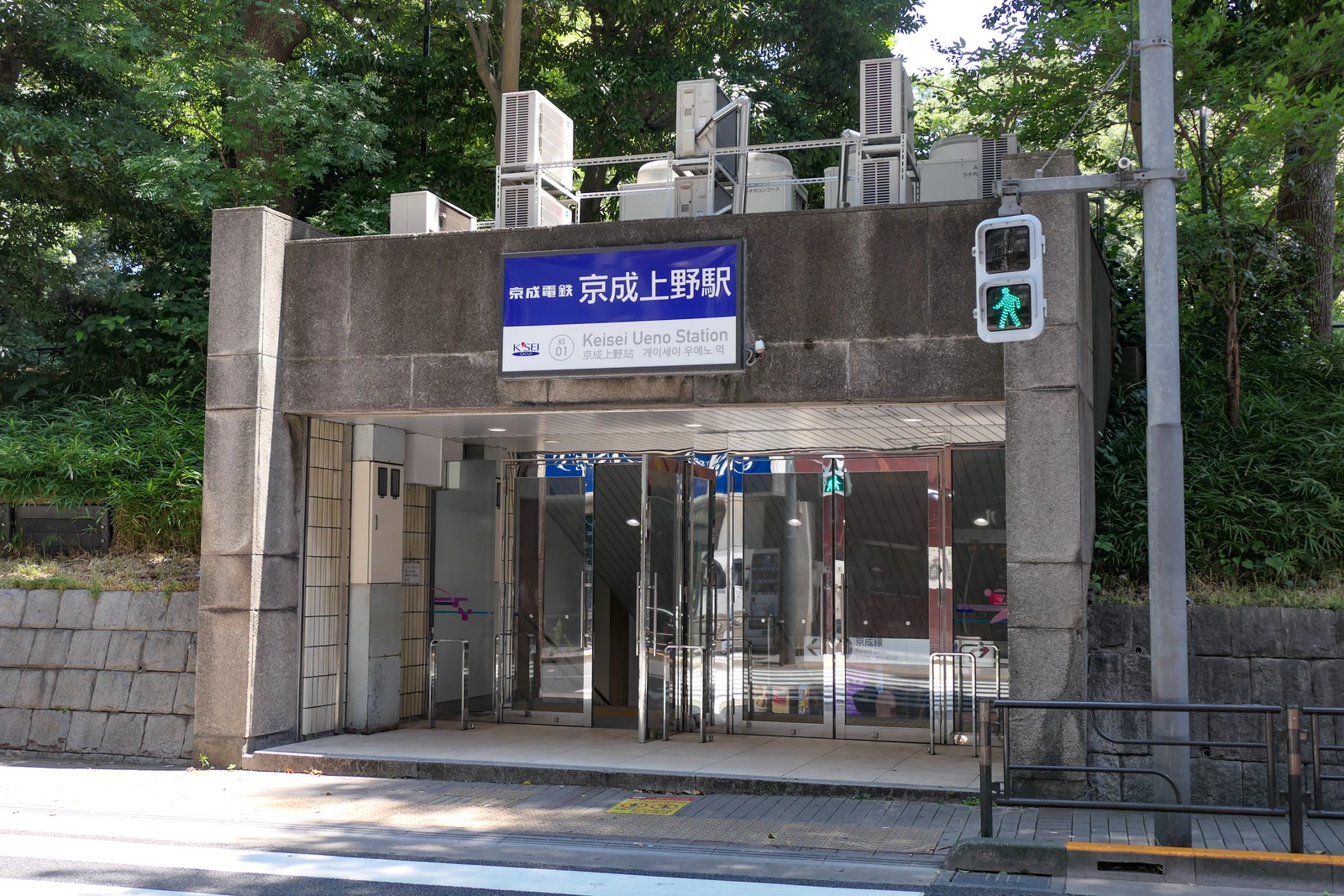
Keisei Ueno’s platforms are underground. Leave through the Keisei ticket gates, then choose the street exit on your hotel’s side. APA Hotel Keisei Ueno Ekimae specifies the Ikenohata Exit. RESOL’s one-minute walk starts at JR Ueno’s Asakusa or Iriya Exit. If you arrive from Narita at Keisei Ueno, you still need to walk from Keisei to the east side of the JR station. When you see “Ueno Station front”, identify the railway operator and exit before relying on the station icon on a map.
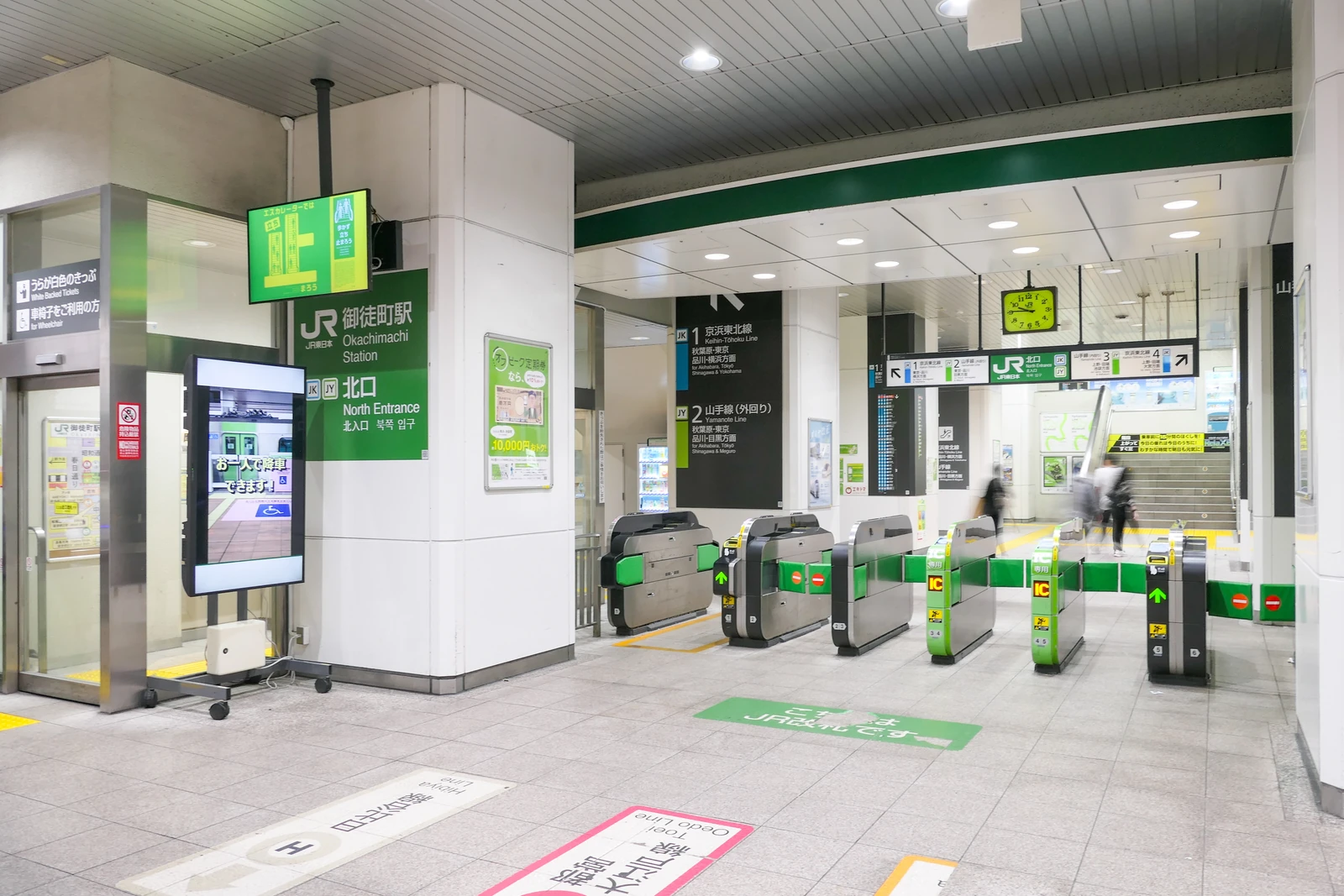
Distinguish JR Ueno’s ticket gates from its street exits. Iriya, Central and Park are ticket gates; Asakusa, Iriya and Shinobazu on hotel access pages indicate different directions at street level. If you stay east of the JR station, you do not need to leave by the Park Exit just because Ueno Park is nearby. Use the route suited to your museum on the day you visit. With luggage, find lifts on the JR Ueno station and accessibility maps. A stair route that works when you travel light may not work with a pushchair or large suitcase.
Towards Okachimachi, there are also Ueno-hirokoji on the Ginza Line, Ueno-okachimachi on the Toei Oedo Line, and Yushima further west on the Chiyoda Line. Each name refers to a particular line. If you return by underground, you may not need to walk back to JR Ueno before heading to your hotel. Set the hotel entrance as your destination and save separate routes for arrival day and everyday returns. Arrange to meet at a named exit and use the hotel’s full name, rather than just “outside Ueno Station”.
| Arrival or usual entrance | First candidate to compare | Trade-off with luggage |
|---|---|---|
| Keisei Ueno Ikenohata Exit | APA Hotel Keisei Ueno Ekimae | Prioritise Keisei arrival and departure; choose bed numbers separately |
| JR Ueno Asakusa or Iriya Exit | HOTEL RESOL UENO | Near JR’s east side; a further walk from Keisei |
| Okachimachi North Exit; Ueno-okachimachi A8 | Dormy Inn Ueno Okachimachi | Compare daily underground and JR returns as well as the airport trip |
| Yushima Exit 2; Keisei Ueno side | &Here TOKYO UENO | Rooms for several guests and kitchens; longer JR walks |
You carry luggage once, but walk home for several days
On a four- or five-night stay, you walk the airport route once on arrival and once on departure, but repeat the route out and back each day. If you arrive very late and leave early the next morning, proximity to the Keisei exit can come first. For a longer stay with daily JR journeys, consider both the JR exit and the room layout. Two friends who choose an unfamiliar narrow double bed to save a few minutes’ walking may feel that choice more each night than they would feel the walk.
Identify both ends when checking a route: the exact station exit and the hotel’s street entrance. A route ending at the centre of a building can still lead to the wrong street. In rain or if you need step-free access, compare the hotel’s official route with the railway lift locations; where a lift reaches the street can change your final turn. If you need a taxi, save the Japanese hotel name and full address offline. Go straight to the right property rather than searching again at the roadside.
APA Hotel Keisei Ueno Ekimae: close to Keisei, with 11 m² and one bed to consider first
The reason to choose it is straightforward. The hotel lists a one-minute walk from Keisei Ueno’s Ikenohata Exit and three minutes from JR Ueno’s Shinobazu Exit. Its address is 2-14-26 Ueno. Non-smoking single/double rooms are 11 m² with one 140 cm bed. For separate beds, look for the Deluxe Twin: 22 m² with two 122 cm beds. Standard check-in is 15:00 and check-out is 10:00.
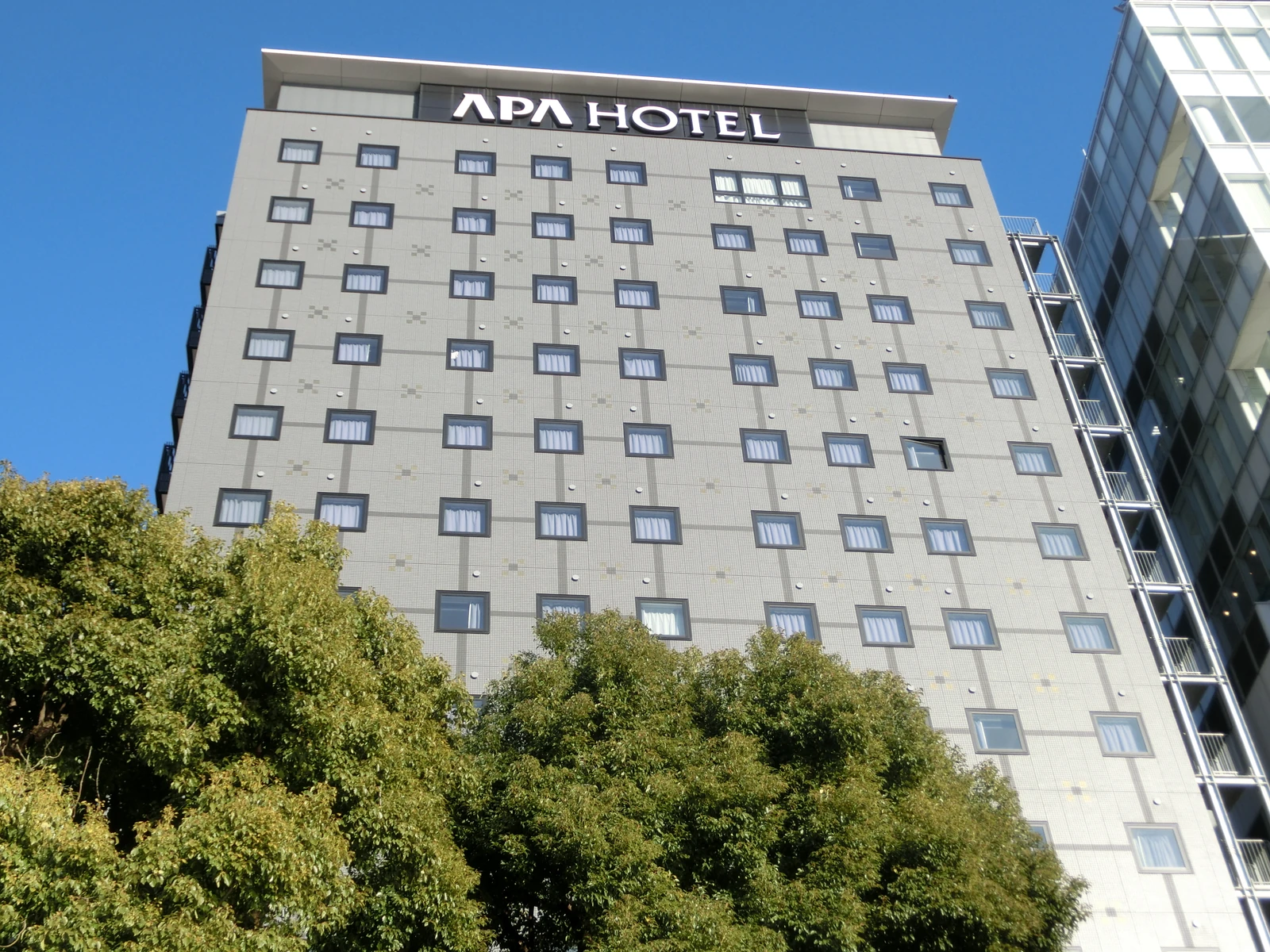
This compact room is a candidate for two people happy to share a bed who spend most of the day out. With two large suitcases or daily shopping to sort in the room, compare the usable floor space too. If you need two beds, search for the complete Deluxe Twin product. Distinguish this property from the branch with “Minami” in its name. Navigation, your booking and parcel deliveries should all use 2-14-26.
RESOL Ueno: separate beds for two on the JR side
The HOTEL RESOL UENO rooms page clearly separates the standard Modaret and Twin. The former is 15 m² with one 140 cm bed for one or two guests; the latter is 20 m² with two 110 cm beds, also for one or two. Two friends, or one adult and one child who each want a bed, can start with the Twin. If you share comfortably and want to save on the room, compare the Modaret for the same dates before getting distracted by photographs of different decorative themes.
The address is 7-2-9 Ueno. The hotel lists about one minute from JR’s Asakusa and Iriya exits and underground Ueno Exit 9, and about six minutes from Keisei Ueno. On arrival by Keisei, the six-minute figure is more relevant than “one minute from JR”. For daily JR travel afterwards, the east-side location becomes useful repeatedly. If you leave Ueno for another destination the next day, save your departure platform and hotel entrance together so you do not have to find your way through the large station that morning.
The room facilities include a bathroom, washbasin and bidet toilet. If you want a clearly separate bathing area and toilet, compare &Here’s layout below. RESOL’s appeal lies in its specific beds and station side; it does not have to beat every other hotel on every facility. For guests who mainly sleep in the room and go out by day, the 20 m² Twin meets the need for separate beds. If you return daily to eat or spend time with children, include a dining table and living space in the comparison.
The hotel’s FAQ gives standard check-in at 15:00 and check-out at 11:00, luggage storage before and after the stay, and a coin laundry on the second floor. Preschool children may share an existing bed without separate bedding; cots are not available. Plan sleeping arrangements around the actual bed width. Treating two 110 cm beds as if they automatically provide another child’s bed can leave you with unsuitable sleeping space on arrival. Families who need a cot should start with another candidate that provides one.
At &Here, choose the actual beds for three or four before the room style
&Here TOKYO UENO is at 2-11-18 Ueno. For three people, start with the Superior Triple Bunk. Its detailed room page lists 31–40 m² for three adults, with two 110 × 200 cm beds and one 100 × 200 cm bunk. Allocate this third sleeping place with bunk access in mind. If all three adults want beds at floor level, choose another product that explicitly lists three such beds; “triple” does not mean three identical beds.
For four adults, or four family members who each need a sleeping place, consider the Deluxe Family Bunk: 41 m², two 110 × 200 cm beds and two 100 × 200 cm bunks, with a dining table, kitchen, and separate bathroom, toilet and washbasin. This suits guests who can allocate bunks and want to eat a meal in the room. If a child fears heights or an older relative gets up often at night, settle the bunk allocation first. If nobody can use the upper bunk, compare Japanese-Western rooms or another sleeping arrangement.
When a family shares a room, bed numbers are only part of the problem. One person may boil water early while another sleeps; one may bathe while another waits for the toilet. A dining table and separate bathroom and toilet can make a more noticeable difference than a design theme. The microwave, induction hob, tableware and cookware can reheat takeaway food or make simple meals. If everyone eats out daily and only returns to sleep, compare whether the living space is worth the difference in your chosen rate.
The official room overview gives the Superior Triple as 31 m², while the detailed page lists 31–40 m². Compare the complete product you select and its stated floor area. The four-person Deluxe Family Bunk is listed as 41 m². Saving the room name is more useful than saving only an attractive photograph: Western, Japanese-Western, Bunk and Suite rooms have different layouts. If you add another guest, search again with the correct number of people rather than using a booking note to request another sleeping place.
Give the upper bunk to someone who can climb up and down independently and get up safely at night. When allocating beds, note each person’s height, night-time habits and comfort with heights, then check the ladder and passage on the floor plan. If one of three friends cannot use the upper bunk, one of the other two must be willing to do so. If none will, remove the room from your shortlist even if its area and total price look attractive. The sleeping arrangement must work before the other facilities are worth comparing.
Keep a usable bathroom for the whole family, even with public baths upstairs
&Here’s 14th-floor baths have separate indoor and open-air baths for men and women. Afternoon hours are 15:00–24:00, with last entry at 23:30; morning hours are 06:00–10:00, with last entry at 09:30. Bring towels from your room. If you want to bathe daily, plan dinner and your return before the entry deadline. It is more relaxed to decide after returning than to rush upstairs in the final ten minutes.
The hotel does not allow children under three to accompany adults into the public baths. Its FAQ also directs children still in nappies to the room bathroom. Children aged seven or above, or 120 cm tall or above, must use the appropriate men’s or women’s section. This affects a parent travelling alone with a child of the opposite sex, or families where only one adult can accompany children. Decide who bathes with whom and use the room bathroom where needed. Every &Here room type has a separate bathroom and toilet, with a washing area in the bathroom, which is particularly useful for children who cannot use the shared baths.
On tattoos, the bath page permits entry when covering patches are used. The FAQ says tattoos or body art that cannot be fully covered are not allowed; reception sells covering patches. Include this condition before booking rather than dealing with it just before bathing. Some guests can use the public baths while others wash in their room and still stay at the same hotel. If everyone will use only the room bathroom, compare its bathroom and beds without raising your budget for a shared facility you will not use.
An open-air bath and a private family bath work differently. Here, men and women bathe separately, so each person needs towels, a room key and an agreed meeting time. For an older child’s first shared bath, explain washing, bathing and changing beforehand so the other parent is not left waiting outside. With very young children, study the bathroom photographs and standing washing space. Let adults take turns having a bath break instead of taking the whole family upstairs together.
Daily travel on the Yushima side: measure JR and Keisei routes separately for &Here
The &Here access page lists about two minutes or 160 m from Yushima Exit 2, four minutes or 300 m from the Ueno-hirokoji/Ueno-okachimachi A3 direction, six minutes or 450 m from JR Okachimachi’s North Exit, and seven minutes or 550 m from JR Ueno’s Shinobazu Exit. Daily Chiyoda Line users can use Yushima as their return station. For the Yamanote Line, compare Okachimachi and Ueno according to that day’s direction of travel.
For Keisei, the page overview says three minutes, while the detailed train section says five minutes from the Main Exit; both accompany a distance of about 240 m. For your first arrival, check the complete route from the exit you will use, plan around the five-minute figure, then add time for traffic lights, finding the entrance and sorting luggage. The reasons to choose this neighbourhood are rooms for several people, living space and baths. If you mainly want to put down your suitcase immediately after arrival, the Keisei Ikenohata option above is more direct.
Measure nap-time returns from your actual destination too. Returning to &Here from a museum entrance starts somewhere different from JR Ueno’s Shinobazu Exit. For museums in the north of the park, include the walk through the park. If some family members want to continue seeing exhibitions while others take a child back, arrange to meet at the hotel before dinner. The table, toilet and bathroom then serve as a daytime rest base rather than facilities you only see at night.
Dormy Inn Ueno Okachimachi: a shared bed and baths for an evening rest
The full property name is “徒士の湯 ドーミーイン上野・御徒町”, at 6-7-22 Ueno. The rooms page lists Single rooms of 13.2–15 m² for one, Semi-double rooms of 13.8–14.2 m² for two, and Double rooms of 13.8–14.9 m² for two. If both guests need their own bed, start with RESOL Twin above or another explicit twin product. If a daily bath after returning is part of your plan and you are happy to share a bed, compare this hotel.
The hotel’s access page lists one minute from Ueno-hirokoji/Ueno-okachimachi Exit A8, five minutes from JR Ueno’s Hirokoji Exit or Okachimachi’s North Exit, and six minutes from Keisei Ueno’s Main Exit. If you shop or eat dinner around Okachimachi, you can return directly to this side; JR arrivals also have a named North Exit route. Do not start at any station icon simply because the hotel name contains both Ueno and Okachimachi. Find the correct exit for the railway you use that day.
The main difference is the 12th-floor Kachinoyu baths. They open at 15:00 and remain open until 10:00 the next day; the sauna closes from 01:00 to 05:00. Compared with &Here’s midnight closing time, this gives late diners another bathing window. If you want the sauna, exclude its overnight closure. After a tiring late arrival, check in and unpack first; you can bathe the next morning. Staying at a hotel with baths need not make your first evening crowded.
The men’s and women’s baths differ in outlook and facilities. The website says the men’s semi-open-air bath can have a view of Tokyo Skytree depending on the weather, while screening around the women’s bath leaves sky and city sounds as its main outdoor features. Check the section you will use if a view matters. Companions need not go upstairs together to seek an identical experience. The hotel prohibits guests with tattoos from bathing; judge this separately from &Here’s covering-patch approach.
NOHGA Ueno: choose twins, an extra bed for three and bathing facilities separately
For a stay in Higashi-Ueno with a meal at the hotel, without a kitchen or bunks, compare NOHGA HOTEL UENO TOKYO at 2-21-10 Higashi-Ueno. The current rooms page lists Twin – Shower Only and Twin separately. The first is 24 m² for two guests with two 105 × 200 cm beds. The second is 24–26 m² with two beds of the same size; a three-person rate can include a paid extra bed of 90 × 200 cm. For two guests who only shower, compare Shower Only first. For three, search directly for the complete Twin product that allows an extra bed.
The 90 cm extra bed differs from &Here’s 100 cm bunk for a third guest. Friends who do not want to climb into an upper bunk can compare NOHGA’s Twin with an extra bed. If the third guest wants more width and will use an upper bunk, consider whether &Here’s area and kitchen meet other needs too. Both hotels sleeping three does not make their beds equivalent. The third bed and everyone’s luggage use passage space. Allocate beds before travelling rather than negotiating on the first night.
The hotel’s access instructions give about three minutes from underground Ueno, five from JR Ueno and seven from Keisei Ueno. With large suitcases from the underground, use street lift b between exits 2 and 3 on the Showa-dori side. Walk straight after leaving the lift, turn left at Joyo Bank, then head towards the hotel. This differs from taking the stairs at Exit 3 and turning right at the bank. For JR, the hotel explicitly distinguishes “Iriya ticket gate (Panda Bridge Exit)” from “Iriya Exit”. Follow its route names to avoid a detour through the wrong entrance.
The ground-floor Bistro NOHGA dining page lists breakfast 07:00–10:00, lunch from 11:30, café service 14:00–18:00 and dinner from 18:00. Operating days and hours are announced by month. Breakfast combines a main dish with a semi-buffet; choose a rate with or without it for your dates. For a day of morning exhibitions, afternoon rest and dinner at the hotel, secure a bookable restaurant time before comparing accommodation rates.
The rooms page also lists a shared laundry available 24 hours: ¥400 per wash including detergent, and ¥100 per 30 minutes of drying, plus a free microwave. These suit guests without a kitchen room who still want to wash clothes or heat simple food. Standard check-in is 15:00 and check-out is 11:00. The extra time after breakfast can help with packing. If you have an early train, finish breakfast and laundry arrangements the day before.
An official NOHGA HOTEL short film showing rooms, bathrooms and dining spaces at its Ueno property.
Clothes, rubbish and luggage determine how well a longer stay works
Laundry may be of little use for one night. Over five nights, its location affects when you can rest in the evening. RESOL has a second-floor coin laundry; &Here also has a shared second-floor coin laundry, and Dormy’s bath page lists a laundry area. After starting a shared machine, you still need to return to collect clothes, move them to a dryer or sort them. Even with a kitchen and table in your room, check laundry separately: “apartment-style” does not mean every room has a washing machine.
&Here’s FAQ lists regular cleaning every three days, with daily rubbish collection and towel replacement. For several guests bringing back food daily, the distinction matters. General rubbish can go with the daily collection, but you still need to tidy the table and kitchen after use. If you nap or work remotely, tell reception when you usually stay in the room so the day’s service fits your routine. You need not keep an entire morning free every day while waiting for cleaning.
Luggage storage can reduce backtracking on the first and last days. RESOL lists storage before and after your stay; &Here also offers both, excluding valuables, fragile items and food. Dormy lists post-check-out storage for the same day only. Leave the suitcases and take passports, medicines and daily essentials in a small bag, then head straight to the station after collection. Buy chilled food gifts after collecting luggage and before the next transport leg.
For parcels sent ahead, RESOL requires the guest’s name, phone number and check-in date. &Here requires the check-in date and booker’s name, and excludes temperature-controlled items, dangerous goods and valuables. Match the parcel name to the booking and plan its arrival date before sending. With several branches of a brand in Tokyo, an incomplete address can send it to the wrong property. Use the full Japanese hotel name and street address on your booking rather than only the English brand.
Two people, four nights: separate beds, a shared bed or evening baths
Two friends who each want a bed and do not need shared baths can start with RESOL Twin. It combines 20 m², two 110 cm beds and the JR side of the station. Accept the six-minute walk from Keisei on arrival from Narita in exchange for the JR departure direction on the following days. With little need to eat in the room, there is no reason to pay the current premium for a kitchen or a room for more guests. If you use the underground more than JR, compare the stations you will use daily again.
Two people comfortable sharing a bed who mainly value the Keisei arrival and departure walk can first compare APA’s 11 m² room. If you want floor space for unpacking, include twins or larger rooms on the same dates. Look beyond the nightly difference to what the four-night total buys: separate beds, a living area, separate bathroom and toilet, or simply different decoration. If daily use would be the same, a cheaper refundable rate may suit you better. If you move suitcases in turn every day, extra area gains value over the stay.
Another kind of trip involves plenty of daytime walking and a bath back at the hotel, with two guests happy to share a bed. Consider Dormy’s bath hours and Okachimachi location together. If choosing a twin at &Here, compare the room bathroom and current price too. Light sleepers and early risers can give the hotel specific quiet-time and room-location requests, while choosing a room type they can accept in its own right. Daytime bustle or night-time shops across a neighbourhood do not establish sound insulation in every room.
Children’s naps: make the room work for sleep and washing first
If your family must return at midday, decide what you will do there: sit and eat or sort belongings while a child sleeps, or rest together. &Here’s kitchen, dining table and rooms for several guests let you keep activities inside. Two adults with one child need not automatically book a four-person room; compare the independent beds and bed-sharing arrangement you need first. Put cots, usable tableware and loan items on your requirements list before paying rather than relying on remaining stock on arrival.
If all four need separate beds, those willing to use upper bunks can compare &Here Deluxe Family Bunk. If everyone needs a floor-level single bed, return to explicit layouts such as four single beds at MIMARU Ueno EAST. The difference lies in sleeping arrangements and daily use. The former offers public baths and a separate room bathroom and toilet; for the latter, start with the existing four-single-bed product. With older relatives, give anyone who gets up at night an easy-to-leave bed, then decide whether the room works.
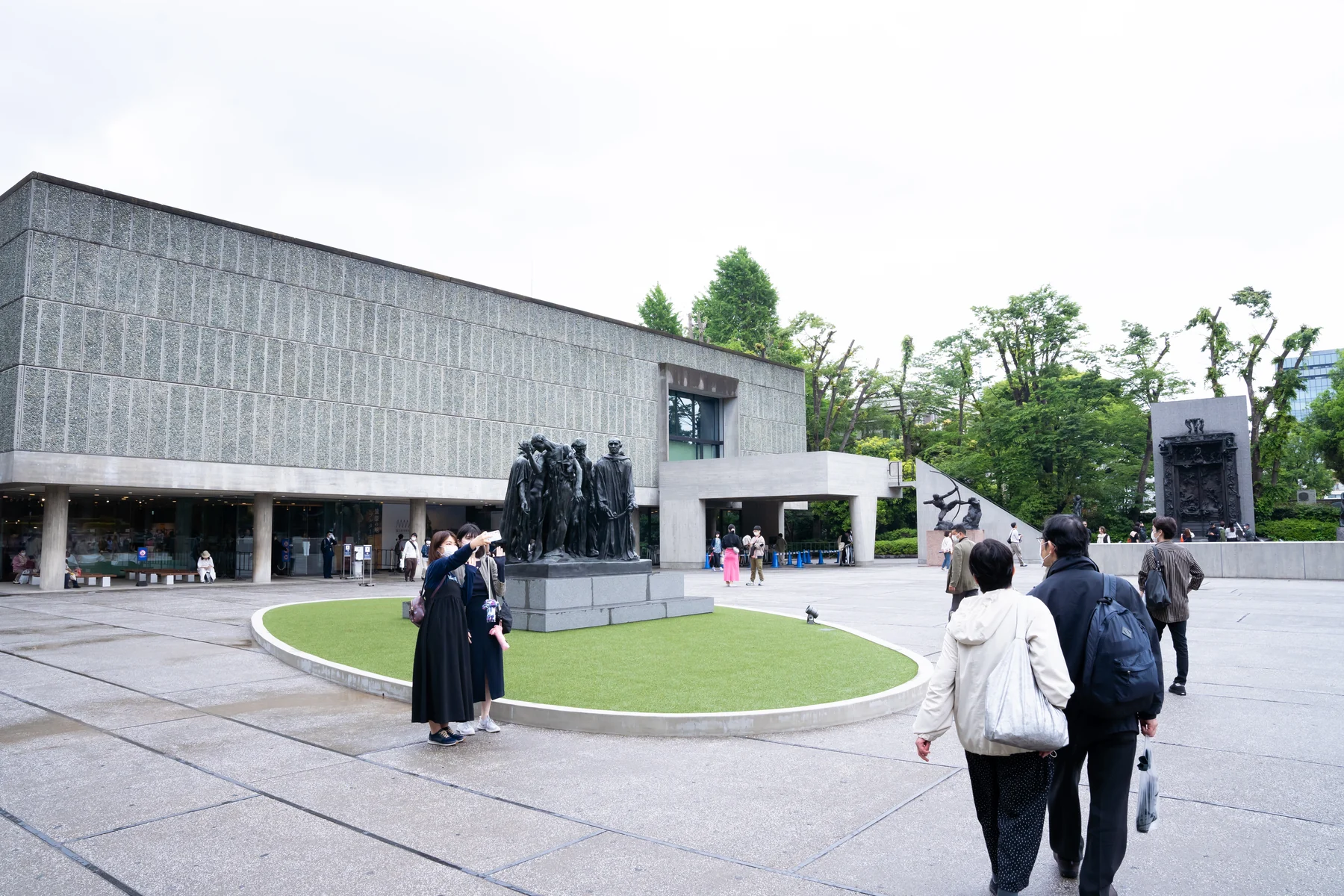
For exhibitions in Ueno Park, set aside a full morning. After lunch, some can return for a nap while others continue according to their energy. For the western art museum, use the National Museum of Western Art tickets and half-day guide to choose one main exhibition area. Staying in Ueno need not mean adding another museum every day. Returning for a rest is the practical benefit of staying several nights; measure door-to-door distance from that day’s museum.
Late arrival at Narita: allow time for the train, walk and first check-in
For a late flight, identify the train you can catch, then allow time to leave it, bring luggage to street level and walk to the hotel. Use the Tokyo airport arrival guide for Skyliner tickets and services. When booking the hotel, separately save its name, phone number, reservation number and expected arrival time. Landing is not arrival at the hotel: immigration queues and waiting for the next train can both delay your original check-in estimate.
&Here’s normal check-in is 15:00–22:00. First arrivals after 22:00 must contact the hotel beforehand. Night staff serve guests from 22:00 to 07:00 the next day, and room keys open the entrance locked late at night. Before first check-in you do not yet have a key, so arrange late arrival before reaching the hotel. The hotel allows a companion to check in first if you provide the booker’s details and explain the arrangement in advance. This gives more flexibility than having everyone wait at the entrance for the same flight.
Dormy’s official property introduction also requires advance contact for check-in after 22:00. If you expected to arrive at 21:30 but learn en route that it will be later, tell the hotel your revised estimate directly. Do not drag suitcases along an unfamiliar shortcut to meet a bath or check-in estimate. You can reduce food or bathing plans after arrival; get into your room first. Even with breakfast booked, get up according to your energy the next morning rather than treating the first night as a full sightseeing day.
Compare cancellation and breakfast together to compare like-for-like prices
Search the four-night total for the same dates, all guests and complete room names. Separate refundable and non-refundable rates. In each row, record the total room price, breakfast guest count, extras payable locally, payment time, free-cancellation deadline and late-cancellation percentage. You do not need ten hotels in one table. Keeping two that genuinely meet your bed requirements makes it easier to see which need the price difference meets.
Changes and cancellations for &Here should go through the original booking channel; consult the rate and channel details for cancellation charges. Save the final screen or confirmation email with the date and time in Japan. If consecutive nights are split into two bookings, ask the hotel whether you can keep the same room: combining different rates may require a room change. If you add a guest after booking, amend the guest count and room type through the original channel, then compare the revised total and cancellation terms.
Choose breakfast by each day’s departure time. You may not use hotel breakfast before an early train; guests who sleep later and walk slowly in the morning can make more use of an inclusive rate. Enter a child’s bed-sharing place, breakfast charges and tableware needs separately, and check the final guest count before paying. A booking that records every guest, usable bed and available meal lets family members plan their days separately.
A few useful answers
Is “one minute from JR Ueno” enough when arriving by Skyliner?
Check the route from Keisei Ueno too. RESOL lists one minute from JR’s Asakusa or Iriya Exit and six from Keisei Ueno; APA Hotel Keisei Ueno Ekimae lists one minute from Ikenohata Exit.
Which Ueno rooms should two friends wanting separate beds consider first?
RESOL Twin is 20 m² with two 110 cm beds. APA’s Deluxe Twin is 22 m² with two 122 cm beds. Enter two guests and select the complete room name.
Does &Here’s triple Bunk have three identical beds?
Superior Triple Bunk has two 110 × 200 cm beds and one 100 × 200 cm bunk. Its detailed page gives 31–40 m². Decide who will use the upper bunk first.
Can a two-year-old use &Here’s public baths?
The hotel prohibits children under three from accompanying adults into the public baths. Children in nappies use the room bathroom, which has a washing area and is separate from the toilet.
How late are the baths at Dormy Inn Ueno Okachimachi open?
The baths run from 15:00 to 10:00 the next day; the sauna closes 01:00–05:00. Hotel rules prohibit guests with tattoos from bathing.
What should I arrange for arrival after 22:00?
Official information from &Here and Dormy requires advance contact for check-in after 22:00. Save the phone number and reservation number; tell the hotel a revised arrival time as soon as you expect to be late. First check-in differs from a late return with a room key.
Official information and references
Sources used in this guide.
- Keisei Ueno Station and layout map
- JR Ueno Station layout and accessibility
- APA Hotel Keisei Ueno Ekimae: official rooms and access
- RESOL Ueno: rooms
- RESOL Ueno: FAQ
- RESOL Ueno: access
- &Here TOKYO UENO: Superior Triple rooms
- &Here TOKYO UENO: Deluxe Family Bunk rooms
- &Here TOKYO UENO: FAQ
- &Here TOKYO UENO: baths
- &Here TOKYO UENO: access
- Dormy Inn Ueno Okachimachi: rooms
- Dormy Inn Ueno Okachimachi: baths
- Dormy Inn Ueno Okachimachi: access
- Dormy Inn Ueno Okachimachi: floors
- Dormy Inn Ueno Okachimachi: property introduction
- NOHGA Ueno: rooms
- NOHGA Ueno: access
- NOHGA Ueno: restaurant