Compare hotels around Roppongi Hills, Tokyo Midtown, Roppongi Crossing and Roppongi-itchome by room type, Tokyo Tower views, step-free lift exits and Tokyo's 2027 accommodation tax.
- Region & Focus
- TokyoAccommodation
- Reading Scope
- 16 min read · 15 chapters · 7 Q&As
- Official Verification
- 22 official sources checkedUpdated 22 November 2026
- Key Topics
- Where to stayNeighbourhoodsTokyo & Kanto
Chapter Route Map (tap any stop)
- Start with four distinct hotel hubs
- Grand Hyatt Tokyo at Roppongi Hills
- The Ritz-Carlton, Tokyo at Tokyo Midtown
- Candeo and Sotetsu Fresa Inn at Roppongi Crossing
- Staying on the Izumi Garden side at Roppongi-itchome
- Translate exit distances into step-free luggage routes
- Choose the final transfer from the airport first
- Separate late-night walks from room noise
- Match beds before comparing rates for two, four or families
- Balancing Tokyo Tower views, high-floor rooms and window dining
- Plan your nights around museum closing days
- Dinner in Azabu-Juban: walk down, ride or stroll back
- Compare final checkout totals for identical dates and guest counts
- Build luggage buffers for early arrivals and late check-ins
- Decide between one night or the whole stay from your fixed bookings
- Quick Q&A
After an evening at the Mori Art Museum, walking back to a hotel in Roppongi Hills beats commuting to another district. If you have an early meeting at Ark Hills the next morning, a hotel next to Roppongi-itchome Station on the Namboku Line is far closer than one near the main crossing, even if both carry 'Roppongi' in their name. When picking where to stay in Roppongi, plot your earliest departure and latest return on the map first, then narrow down by step-free luggage exits, bed configuration and window aspect. English hotel listings often blur station names together, so check the exact line codes before booking: Hibiya Line H04, Oedo Line E23 or Namboku Line N05.
Start with four distinct hotel hubs
If your itinerary centres on Roppongi Hills, zoom your map in on Mori Tower and Keyakizaka-dori. Leaving Roppongi Station via the Nishiazabu-direction Exit 1C on the Hibiya Line puts you right beside Roppongi Hills and the Grand Hyatt Tokyo, so you can drop your bags and spend the rest of the day dining and visiting galleries on the same block. If you plan to stroll through Mohri Garden after dinner or stay for late-night observatory admission, staying on this side lets you pop back to your room to change before heading out again. If you are only passing through Roppongi at midday, that back-and-forth convenience won't add much value.
Tokyo Midtown sits on the opposite side of the crossing, served directly by the Tokyo Midtown-direction ticket gates on the Oedo Line. Base yourself here if you have tickets for Billboard Live Tokyo, exhibitions at 21_21 DESIGN SIGHT, or a high-floor stay at The Ritz-Carlton, Tokyo. Midtown and Roppongi Hills each have their own network of underground entrances and retail levels, so share the full complex name, venue name and floor number with anyone meeting you there—especially if you are arriving separately for the first time.
If you are splitting time between both complexes and prefer more compact rooms, compare options around Roppongi Crossing. Candeo Hotels near Exit 3 and Sotetsu Fresa Inn near Exit 5 face different streets, meaning your final turn back to the lobby late at night will be completely different. Mark your regular station exit and hotel entrance on the map first, then pin your dining or concert venues. If your schedule involves crossing the main junction every day, factor those street crossings into your walking route.
Roppongi-itchome suits travellers making repeated trips around Izumi Garden, Ark Hills and Tameike-Sanno. From Namboku Line N05, it is one stop to Tameike-Sanno, two to Nagatacho, and one stop in the other direction to Azabu-Juban. If you need direct Hibiya Line access to Ginza, staying beside Roppongi Station saves a transfer. Booking purely because an address says Minato-ku, Roppongi often leads to stepping off the train and realising you are following exit signs for the wrong line entirely.
| Area focus | Primary exits | What to check before booking |
|---|---|---|
| Roppongi Hills and Mori Tower | Hibiya Line Exit 1C | Hotel entrance, Mori Tower ticket gate and luggage route |
| Tokyo Midtown and Hinokicho Park | Oedo Line Exit 8 link; street-level lift via Exit 7 | Late-night entrance and room aspect |
| Roppongi Crossing | Exit 3 or 5 depending on hotel; Hibiya Line street-level lift via Exit 4a | Window aspect, bed width and final street approach |
| Izumi Garden and Ark Hills | Namboku Line Roppongi-itchome Exit 2 for Izumi Garden side | Office building entrance and daily commuting line |
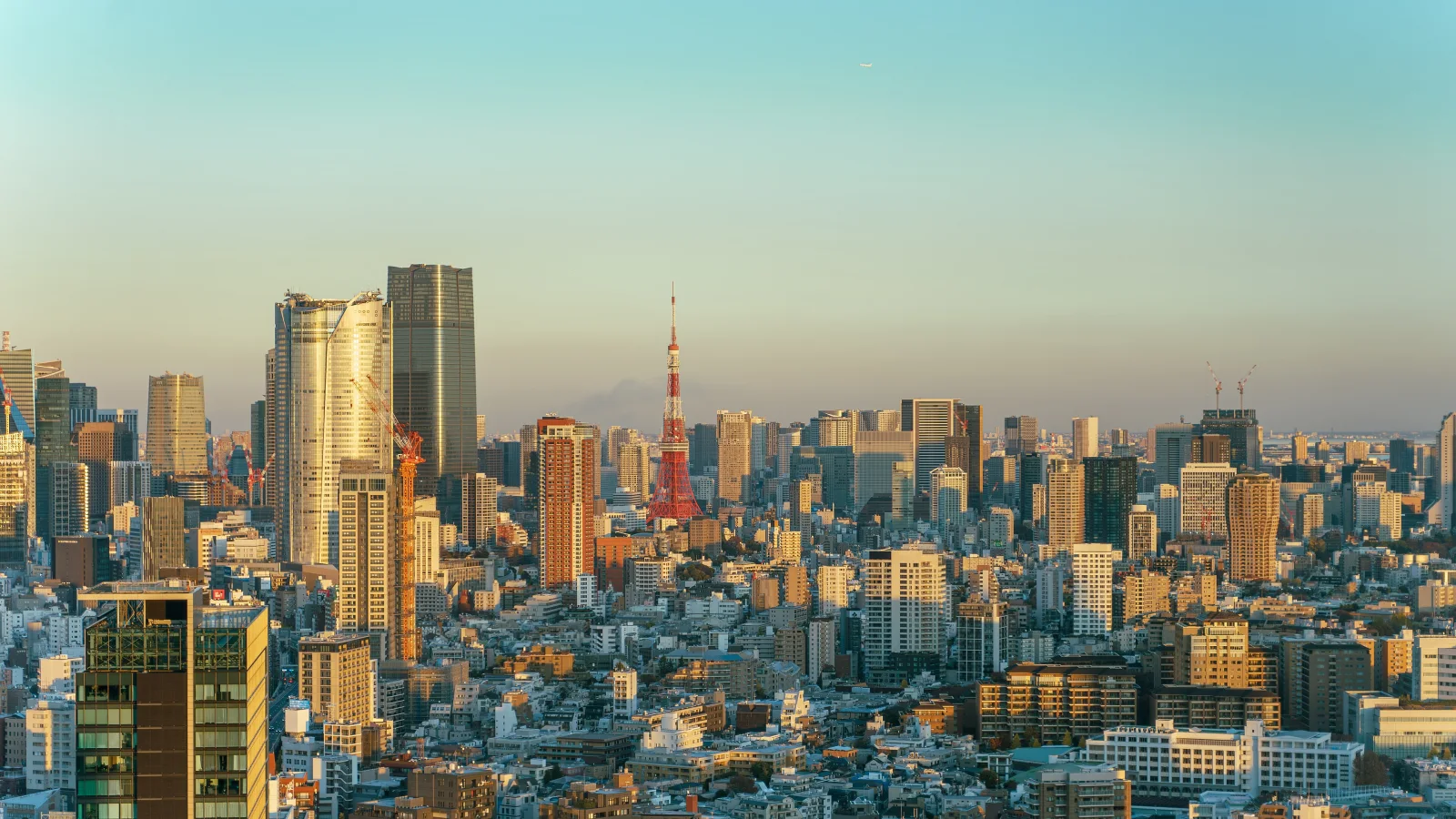
Compare hotels around Roppongi Hills, Tokyo Midtown, Roppongi Crossing and Roppongi-itchome by room type, Tokyo Tower views, step-free lift exits and Tokyo's 2027 accommodation tax.
Grand Hyatt Tokyo at Roppongi Hills
The Grand Hyatt Tokyo sits inside Roppongi Hills, with official directions listing a 3-minute walk from Hibiya Line Exit 1C or about 6 minutes from Oedo Line Exit 3. To reach the observation deck or Mori Art Museum in Mori Tower, head for the 3rd-floor museum and observatory ticket entrance. Save both destinations separately on your phone: navigate to the hotel when arriving with bags, and to Mori Tower when heading out for exhibitions. When part of your group wants an early night while others stay out browsing the shops, this integrated location pays off far better than paying for extra hotel facilities you won't use.
The hotel's official listing for the 42-square-metre City View King places it on floors 11 to 20, overlooking Roppongi or Shibuya with partial views of Tokyo Tower and, on clear days, Mount Fuji. If waking up to Tokyo Tower from your room matters, ask the hotel to confirm which exact bed types and dates guarantee that view on your booking confirmation. Where view requests remain preference-only, compare the price difference against booking a standard room plus a separate observation deck ticket for one dedicated evening.
If you have a hotel dinner booked on the same evening as an exhibition, check the check-in and entry arrangements for each separately. You might take the museum lift from Mori Tower's 3rd floor, meet your companions in the hotel lobby afterwards, and then head up to your table on time. Being able to pop back to your room before dinner to drop off a camera or grab an extra layer for children is the real time-saver of staying in the same complex. Keeping arrival day to a relaxed meal and shifting exhibitions to the next day makes it much easier to enjoy the property itself.
The Ritz-Carlton, Tokyo at Tokyo Midtown
The Ritz-Carlton, Tokyo occupies the upper floors of Tokyo Midtown in Akasaka 9-chome. Even though the street address reads Akasaka, the closest subway hub is still Roppongi Station via the Tokyo Midtown-direction exit. Booking pages separate standard Deluxe rooms from Skyline View categories, alongside suites facing Tokyo Bay, the Imperial Palace Gardens or Shinjuku. Official room descriptions note that the Club Executive Suite looks towards Mount Fuji and the Shinjuku skyline, while the Club Premier Executive Suite faces Tokyo Bay and the Imperial Palace Gardens—both high-altitude, with completely different outlooks.
When deciding between the two luxury properties, work backwards from your final stop each evening. If you are taking family to the Mori Art Museum or walking Keyakizaka-dori for winter illuminations, the Grand Hyatt saves crossing the main junction. If you have evening seats at Billboard Live Tokyo or daytime meetings inside Midtown, The Ritz-Carlton is far smoother. Travellers focused purely on high-floor views should verify the specific outlook on the room category page first, then weigh any Club-level surcharge against the lounge hours you will actually use—if you are out most of the day, set food presentations are easy to miss.
If you plan to linger in the room for a birthday or celebration, checking whether there is window-side seating and which way the sofa faces is more practical than the hero skyline shot. Study the floor plan or virtual tour for that exact room category to see whether the best window sits in the bedroom, living area or bathroom. For catching up with friends over a view, check maximum occupancy alongside suites that offer a separate living room, and budget separately for a restaurant that seats your whole party comfortably.
Candeo and Sotetsu Fresa Inn at Roppongi Crossing
Candeo Hotels Tokyo Roppongi is located at 6-7-11 Roppongi, listed officially as a 2-minute walk from Roppongi Station Exit 3. For step-free lift access to street level, the hotel's alternative routes are a 3-minute walk from Hibiya Line Exit 4a or roughly 5 minutes from Oedo Line Exit 7. Check-in is at 15:00 and check-out at 11:00. If your evenings centre on bars, live venues or restaurants around the crossing, this gives you an easy walk home; if members of your group have different plans, make sure everyone saves the exact street address before splitting up.
Candeo's rooftop Sky Spa is open to staying guests from 15:00 until 11:00 the following morning, featuring both indoor and open-air baths, though the sauna closes between 03:00 and 06:00. Children who still wear nappies are not permitted in the communal baths, and children aged 7 and over must use the bath for their own gender. Families hoping to bathe together should check age cut-offs and accompanying adult pairings beforehand, or book a room with an en-suite bathtub. After a late show, you can always take a quick soak at night and save the sauna for the next morning.
Sotetsu Fresa Inn Tokyo-Roppongi sits at 3-10-1 Roppongi. Following the hotel's photo directions from Exit 5 (about 1 minute on foot), walk alongside the elevated expressway away from Roppongi Crossing, spot SUZUCAFE on the ground floor, and turn into the side lane beside it for the main entrance. Standard double rooms measure around 10.1 to 11.8 square metres with a 140 cm bed. Two travellers each bringing a large suitcase should look straight at the 15.5 to 16.5-square-metre Relax Twin, or inspect the official floor plans for suitcase clearance near the door, bathroom corridor and foot of the bed.
Sotetsu Fresa Inn operates cashless payment on site, and overnight guests need their room keycard to enter the building between 01:00 and 05:00—so remember to take it with you on late-night food runs. The hotel has also announced a scheduled electrical inspection on 7 January 2027 from 11:00 to 16:00, during which lifts, phones, water supply, toilets and Wi-Fi will be suspended. If you plan to drop luggage, work remotely after check-in or rely on the lift that day, schedule those hours outside the building or pick a neighbouring hotel.
Staying on the Izumi Garden side at Roppongi-itchome
Hotel Villa Fontaine Grand Tokyo-Roppongi connects directly to Exit 2 of Roppongi-itchome Station on the Namboku Line. Anyone attending meetings at Izumi Garden or along the Namboku Line can handle check-in, commuting and returning at night through the exact same station. The hotel also notes two street-level walks: roughly 11 minutes from Kamiyacho Station Exit 4b on the Hibiya Line, or about 12 minutes from Roppongi Station Exit 5. If you will ride the Hibiya Line every day across a multi-night stay, weigh that daily walk against the nightly rate difference of booking right beside Roppongi Station.
Proximity to Azabudai Hills is another strong reason to stay on this side. Roppongi-itchome Exit 4 connects towards Azabudai Hills, while Kamiyacho Exit 5 on the Hibiya Line feeds into the opposite end of the complex. Starting from the hotel's Exit 2 side, check in advance whether you are heading to Mori JP Tower, Central Green or Garden Plaza, and send the exact building name to anyone meeting you. Staying around Roppongi Crossing keeps Azabudai Hills within reach too, with official access guides estimating roughly a 10-minute walk from Hibiya Line Exit 3 or Oedo Line Exit 5.
For a two-part itinerary from this base, schedule office meetings or Roppongi-itchome errands on arrival day, then walk through Azabudai Hills towards Kamiyacho the next morning, ride the Hibiya Line one stop to Roppongi for galleries, and choose dinner on whichever side fits your return route. If you are buying timed-entry tickets for teamLab Borderless, check the Azabudai Hills teamLab Borderless guide to tickets and entrances first so you arrive at the right building. When pairing it with sunset at Mori Tower afterwards, book an earlier exhibition slot and save dinner until both timed entries are done.
Translate exit distances into step-free luggage routes
Walking times quoted by hotels usually start at street level outside the station exit, not on the train platform. When wheeling large suitcases, plan the vertical route all the way from your carriage to the pavement. On the Hibiya Line towards Roppongi Hills, follow signs for the Nishiazabu-direction gates and Exit 1C's street-level lift, which Tokyo Metro lists as operating from 06:00 to 24:20. If you are heading to hotels around Roppongi Crossing, use the street-level lift at Exit 4a instead—both ends offer step-free lift access from platform to street, provided you follow the lift signage matching your direction of travel.
The Oedo Line platforms at Roppongi lie deep underground, requiring multiple escalators or lifts between the train doors and street level. For Mori Tower or the Grand Hyatt, standard directions suggest Exit 3, while travellers needing lifts all the way up should aim for Exit 7 and follow their hotel's ground-level approach. Exit 8 links directly into Tokyo Midtown; although the Hibiya Line also has an underground passageway towards Midtown, it includes stairs, so Midtown's official access guide recommends the Oedo Line for wheelchair and pushchair users. If friends are arriving on different lines for a show, agree on a specific floor and landmark inside Midtown so each person can take their own exit.
When travelling with older relatives from Daimon on the Oedo Line for the first time, count how many times bags must be lifted, check the forecast and measure the final street stretch. A slightly longer flat pavement walk on the same side of the road as your hotel is often easier than a shorter route that forces you across a wide junction with umbrellas, pushchairs or ski gear. Save a station exit map alongside your hotel's designated taxi drop-off point so you can pick the smoother option on arrival and departure days.
From 21 to 23 November 2026, Tokyo Midtown has a scheduled temporary closure for maintenance work. Oedo Line Exit 8 will be closed until 13:00 on 23 November, and on 22 November between 20:50 and 21:50 Exit 7 will remain open while its street-level lift pauses service. Anyone needing step-free access to a Midtown hotel during that one-hour window can surface via Hibiya Line Exit 4a or arrive by taxi at the hotel's dedicated drop-off bay, checking Midtown's published pedestrian detour maps for temporary closures.
Choose the final transfer from the airport first
From Haneda Airport, Keikyu trains with through-service onto the Toei Asakusa Line reach Daimon without changing, where you can switch to the Oedo Line for Roppongi. The Grand Hyatt Tokyo also lists riding the Tokyo Monorail to Hamamatsucho and taking a taxi straight to the hotel for the final leg. With light luggage near Roppongi Crossing, tapping through at Daimon is quick and seamless; with older relatives, young children and one large suitcase per person, switching to a cab at Hamamatsucho spares everyone a deep underground transfer. If you are staying in Roppongi-itchome, recalculate the route to your exact hotel entrance rather than copying Roppongi Station directions.
From Narita Airport, you can take the Narita Express to Tokyo Station. For the subway connection from there, official hotel guides list taking the Marunouchi Line to Ginza and transferring to the Hibiya Line towards Roppongi—a smooth step-free ride to Roppongi Hills if you exit at 1C with manageable bags. After a late arrival or a long-haul flight with tired companions, taking a taxi directly from Tokyo Station avoids two subway changes. If you are leaving Japan or catching a Shinkansen from Tokyo Station the following morning, compare the reverse journey too—spending your final night near Tokyo Station may make more sense.
For the return flight, work backwards from your airline check-in deadline. Early departures mean checking first-train times on your specific line and confirming the earliest operating hours for your chosen station lift. If you prefer an airport limousine bus, compare Haneda and Narita coach and rail options in our Tokyo airport arrivals guide before checking live timetables near your hotel. Whenever a hotel page notes a suspended bus route, follow the coach operator's current booking schedule, and keep your hotel's full Japanese name and address handy for reception-booked taxis.
Separate late-night walks from room noise
Two hotels can both claim a two-minute walk from the station while one overlooks a multi-lane arterial road and expressway and the other opens onto ground-floor dining entrances. Trace the hotel's outer walls and entrance lane on a street map before reading recent guest reviews. When sleep quality matters, scan English reviews for 'street noise' or 'road-facing' and use browser translation on Japanese reviews to spot mentions of traffic, road-side rooms or weekend noise—paying closest attention to reviews that state the exact floor, room side and stay dates rather than vague complaints about 'loud nights' that could mean thin interior walls.
Ask specific questions when contacting the hotel. For twin rooms, ask whether that room category has units facing away from the main road, above street-level bar entrances or right beside the guest lifts. Some travellers lose sleep over traffic hum, others over voices outside at closing time; high floors and courtyard-facing rooms solve different problems. If the property only logs room aspect as a non-guaranteed request and you have an early start, prioritise a hotel with clearer floor-plan zoning over chasing a marginal rate saving.
After a late concert or dinner, focus on the brightest route to the lobby door and the nearest pedestrian crossing. If some of your group stay out for another drink while others head back early, share exact walking pins and pick a clear landmark as a fallback meeting point. Before booking, check after-hours building entry rules, arrival-time fields and front-desk contact details if you plan to check in late or retrieve stored luggage. When staying in Roppongi-itchome but dining around Roppongi Crossing, check both the walk and last-train times—especially before an early morning.
Match beds before comparing rates for two, four or families
In Japanese hotels, a 'Double' almost always means one double bed, whereas 'Twin' means two separate beds. When travelling with children, enter their exact ages into the search box before checking bed counts, co-sleeping policies and extra-bed rules. At Sotetsu Fresa Inn Tokyo-Roppongi, for example, the Connecting Room joins two adjacent rooms of 14.2 and 11.5 square metres via an internal door—providing two 120 cm single beds in one room and one 140 cm double bed in the other, capped at four guests total. Four adults will therefore have to share one of the beds; if all four adults want their own bed, compare two separate Twin rooms instead, and choose explicit 'Connecting Room' listings if parents want children next door.
One adult with one child and two adults with one child can fall into different pricing brackets. At Candeo Hotels Tokyo Roppongi, primary school children aged 11 and under may share existing bedding within the room's occupancy cap: pre-schoolers aged 0 to 5 stay free, while children aged 6 to 11 incur a ¥2,200 facility fee per child per night (consumption tax included, accommodation tax excluded), or the adult rate if booked with their own bed. For multi-night stays, also check where a travel cot or folded pushchair can sit without blocking the narrow corridor between the entrance door and bathroom.
Two travellers sharing a compact twin with two large suitcases can pack smarter by keeping everyday clothes in one case and shopping in the other, so only one bag needs opening each night. Wheelchair users should inspect official room floor plans for bathroom door widths, bedside clearance and turning space inside the entrance. Sotetsu Fresa Inn Tokyo-Roppongi lists an 18-square-metre Universal Double on its official room page; if a carer needs a separate bed, filter for accessible twin rooms across all four Roppongi station hubs.
Balancing Tokyo Tower views, high-floor rooms and window dining
If photographing Tokyo Tower from bed is your priority, filter exclusively for room categories that name the landmark in the title, then check how the tower sits within the frame. Hotels often reuse sample images across a room tier, hiding gaps where neighbouring towers or window mullions cut across the view. Ask the hotel whether Tokyo Tower appears straight-on from that room type, whether you see the full silhouette or just the spire, and whether it pairs with your required bed layout. Checking seating for three friends sharing drinks differs completely from checking whether a single traveller can see the skyline from the bath.
If one memorable night view is enough, buy standalone tickets for the Roppongi Hills observation deck and spend your accommodation budget on a larger twin room or an easier station exit instead. Tokyo City View on Mori Tower's 52nd floor wraps around multiple exposures so you can seek out different skyline angles. When combining an exhibition with the view on the same day, verify entry rules and sequencing before deciding whether a joint ticket is worth it—treat hotel bookings and gallery admission as separate line items.
Over a multi-night stay chasing clear weather, a skyline room pays off because you catch both dawn light and late-night views from bed. For a single night in Roppongi where you already have an evening restaurant booked, compare the view-room surcharge against upgrading to a guaranteed window table at dinner. Only assume a window seat if the restaurant's booking tier explicitly reserves one; otherwise plan around standard seating. Protecting an unhurried slot for the exact light you want to see beats rushing between two viewpoints in one evening.
Plan your nights around museum closing days
The Mori Art Museum occupies Mori Tower's 53rd floor and Tokyo City View sits on the 52nd, both accessed via the 3rd-floor museum and observatory ticket desk. On gallery days, finish at whichever complex sits closest to your hotel: spend the afternoon at The National Art Center, Tokyo in Nogizaka, move to Mori Tower for an evening exhibition, and walk straight back to the Grand Hyatt or a hotel near Exit 3. The Mori Art Museum's Mariko Mori exhibition runs until 28 March 2027, generally closing at 22:00 (and 17:00 on Tuesdays, with last admission 30 minutes before closing), though 27 November 2026 closes early at 17:00 while Tuesday 23 February 2027 stays open until 22:00.
21_21 DESIGN SIGHT in Tokyo Midtown Garden normally closes at 19:00 (last entry 18:30) and shuts on Tuesdays, from 27 December to 3 January, and during exhibition changeovers. The National Art Center, Tokyo connects directly to Nogizaka Station Exit 6 on the Chiyoda Line, with official directions also listing a 5-minute walk from Roppongi Station Hibiya Line Exit 4a or 4 minutes from Oedo Line Exit 7. On a rainy day from afar, the Chiyoda Line direct link at Nogizaka Exit 6 keeps you dry; if you are already staying in Roppongi, wait out a shower, walk over on foot and dine near the end closest to your hotel.
When holding two timed-entry tickets on the same day, leave a flexible café or park stop in between as a buffer. Guests at Tokyo Midtown can visit 21_21 DESIGN SIGHT first in the morning and push Mori Tower later if the design show runs long. Guests at Roppongi Hills can split the two across consecutive days—leaving luggage with the concierge after check-out and collecting it afterwards—or keep one evening purely for browsing Midtown or Roppongi Hills shops so you aren't sprinting between ticket desks.
Dinner in Azabu-Juban: walk down, ride or stroll back
Walking downhill from Roppongi Hills along Keyakizaka-dori links Mohri Garden, the illuminations and Azabu-Juban into one seamless evening. The walk down is effortless, whereas the return climb back up the hill feels steeper after dinner. With a pushchair, rain or mixed walking speeds, duck into Azabu-Juban Station on the Oedo Line (E22) and ride one stop back to Roppongi (E23), or take the Namboku Line from N04 back to Roppongi-itchome (N05) if you are staying on the Izumi Garden side. Because the Oedo and Namboku entrances sit in different parts of Azabu-Juban, navigate to the restaurant door on the way out and to your specific subway line entrance on the way back.
Azabu-Juban works best as a relaxed final stop at the end of the day. Before booking a table, check both your hotel and restaurant pins to decide whether you want to stroll Keyakizaka-dori beforehand or stop through Tokyo Midtown on the way back. On room-only rates with an early start the next morning, pick up simple grab-and-go breakfast items on the walk home; save full hotel breakfasts for slower mornings and switch to room-only on departure day if you have an early train or flight.
For winter evening illuminations, Roppongi Hills' 2026 Keyakizaka-dori Christmas lights run from 5 November to 25 December between 17:00 and 22:00, with official notices warning of heavy road congestion nearby. If you are arriving with suitcases or racing to a fixed dinner reservation, take the subway to your hotel before venturing out, and take photos from the pavement rather than stopping mid-crossing. When pricing up festive dinners alongside accommodation, check whether seasonal menus require fixed-price courses before deciding whether to dine on Keyakizaka-dori or head downhill to Azabu-Juban.
Compare final checkout totals for identical dates and guest counts
Enter your exact stay dates and guest count per room upfront, then click right through to the final checkout screen on each booking site before comparing prices. Only compare rates side by side once breakfast inclusion, bed configuration, free-cancellation cut-off and payment timing match. For two adults over two nights, a rate including daily breakfast for two cannot be compared cleanly against a rate offering one fixed dining credit per room per day simply by looking at the headline yen figure. On longer stays, factor in laundry facilities too—and for late-night outings, weigh a slightly higher room rate against saved taxi fares or an extra bed.
Tokyo's accommodation tax is calculated per person, per night on the room charge alone, excluding meals. Until the end of March 2027, stays under ¥10,000 per person per night are exempt, rates from ¥10,000 to under ¥15,000 incur ¥100, and ¥15,000 or above incur ¥200. From 1 April 2027, stays under ¥13,000 per person per night are exempt, while rates of ¥13,000 and above are taxed at 3% of the room charge. When travelling across the end of March into April, check the nightly breakdown carefully, note the pre-paid card total, and budget separately for local taxes collected at the hotel.
To see how the change lands in practice, take two guests sharing one room at ¥40,000 room-only per night (¥20,000 per person): under the old tiers the pair pay ¥400 total for the night, rising to ¥1,200 total under the 3% rate from April 2027. At ¥24,000 total for the room (¥12,000 per person), the pair pay ¥200 under the old system, whereas from April 2027 both fall below the ¥13,000 threshold and pay nothing. When comparing a premium skyline room against a standard twin, calculate the tax by exact guest count and date before adding everything back into your trip total.
Build luggage buffers for early arrivals and late check-ins
If you land on a red-eye flight, drop your bags at reception before heading to galleries. Candeo Hotels Tokyo Roppongi holds luggage on the day of check-in and check-out at the front desk, provided you keep valuables, fragile items and food with you. If everyone will want a shower and a nap straight off the plane, paying for guaranteed early check-in is more practical—Candeo's official FAQ lists guaranteed early check-in at ¥2,200 per room per hour. If you simply need to offload suitcases before lunch, save that budget for a twin room or a larger bathroom.
When forwarding luggage ahead from the airport or another city, check the hotel's accepted delivery window and write the lead guest's name and check-in date clearly on the waybill, keeping the tracking number on your phone. If you land at night and meet friends straight from the station, pack essential medication, a change of clothes and your booking confirmation in your daypack. Double-check exact street addresses between similarly named hotels—Sotetsu is in Roppongi 3-chome, Candeo in 6-chome and Villa Fontaine in 1-chome—and send both the address and specific station exit to anyone arriving separately, not just the booking name.
On check-out day, leaving bags at your hotel only makes sense if you are returning to the same part of Roppongi before heading to the airport. If you move from Roppongi-itchome to Ueno in the morning to catch the Keisei Skyliner from Keisei-Ueno to Narita in the afternoon, bring your suitcases to Ueno and store them there rather than doubling back across town. When using station or mall coin lockers, check locker dimensions, closing times and floor numbers, and drop a map pin on the exact entrance so you don't rely on remembering only a mall or line name.
Decide between one night or the whole stay from your fixed bookings
On a three- or four-day Tokyo trip with daytime stops in Ueno, Ginza or Ebisu, staying near Roppongi Station gives you direct Hibiya Line access without changing trains. For Shinjuku, the Toei Oedo Line runs straight there, though if you are connecting to Odakyu, JR or limited-express services, include the underground transfer walk. If several mornings start with intercity rail from Tokyo or Ueno stations, basing your whole trip near those terminals is usually smoother, leaving Roppongi as a single afternoon-and-evening outing. Conversely, if you book one night in Roppongi for galleries and night views, storing bags locally on your final day works well unless you plan to stay out late in another district.
Before splitting a trip across two hotels, plot check-out, transit, luggage drop-off and afternoon key collection onto your calendar. Two travellers travelling light with a Keyakizaka-dori dinner booked may find a single night in Roppongi worthwhile; a three-generation family with a pushchair will usually have an easier trip staying put at one base and spending the saved transfer time inside the museums. If you do book a luxury hotel as a one-night treat, protect the next morning for breakfast, a slow start or late check-out so you actually experience the room.
When booking around exhibition dates, compare free-cancellation deadlines in JST, check whether trimming nights reprices the entire reservation, and confirm whether refunds go through the hotel or the original booking platform. Lock in a flexible rate until your museum dates and timed entries are fixed, then compare identical non-refundable or updated rates only once your schedule is set. If you decide to shorten a stay or change bed type or room aspect after checking in, ask reception to calculate both the existing and revised totals under your booking terms before confirming.
A few useful answers
Which area of Roppongi is most convenient for a first-time stay?
Stay on the Roppongi Hills side for Mori Tower galleries and late-night views, or look near Oedo Line Exits 7 and 8 if you spend most of your time at Tokyo Midtown. If you want easy Hibiya Line access plus walking distance to both complexes, start around Roppongi Crossing.
Can you transfer inside the gates between Roppongi Station and Roppongi-itchome Station?
No, they are two separate stations. Roppongi Station serves the Hibiya Line (H04) and Oedo Line (E23), while Roppongi-itchome Station (N05) is on the Namboku Line. Hotel Villa Fontaine Grand Tokyo-Roppongi connects directly to Exit 2 of N05.
Which Hibiya Line exit has a lift for luggage going to Roppongi Hills?
Follow the Nishiazabu-direction gates to Exit 1C, which has a street-level lift. Tokyo Metro lists this Roppongi Hills lift as operating from 06:00 to 24:20. For Roppongi Crossing, use the lift at Exit 4a.
Do City View rooms at the Grand Hyatt Tokyo guarantee a Tokyo Tower view?
The Grand Hyatt lists Tokyo Tower as visible from selected City View rooms, rather than all of them. Check both your bed configuration and whether a specific view can be confirmed in writing when booking; if you only want one night view, a standard room plus a Mori Tower 52nd-floor observation deck ticket can be better value.
Can children use the Sky Spa baths at Candeo Hotels Tokyo Roppongi?
Staying children who are out of nappies may use the Sky Spa, and children aged 7 and over must use the bath for their own gender. Guest hours run from 15:00 to 11:00 the next morning, with the sauna closed from 03:00 to 06:00.
How many beds are in the Connecting Room for four at Sotetsu Fresa Inn Tokyo-Roppongi?
It has two 120 cm single beds in one room and one 140 cm double bed in the adjoining room, for a maximum of four guests. If four adults each need their own bed, book two separate Twin rooms instead.
How does Tokyo's accommodation tax change in 2027?
From 1 April 2027, room-only charges under ¥13,000 per person per night are exempt, while rates of ¥13,000 or above are taxed at 3% of the room charge.
Official information and references
Sources used in this guide.
- Tokyo Metro Roppongi Station Accessibility Guide
- Toei Transportation Oedo Line Roppongi Station
- Toei Transportation Roppongi Station Midtown Works Detour Notice
- Tokyo Metro Namboku Line Roppongi-itchome Station
- Grand Hyatt Tokyo Access Guide
- Grand Hyatt Tokyo Rooms and Suites
- The Ritz-Carlton, Tokyo Rooms and Suites
- Tokyo Midtown Public Transport Access Guide
- Tokyo Midtown Temporary Closure and Passageway Notice
- Candeo Hotels Tokyo Roppongi Access and Check-in Hours
- Candeo Hotels Tokyo Roppongi Sky Spa Rules
- Candeo Hotels Tokyo Roppongi Guest Services and Luggage FAQ
- Sotetsu Fresa Inn Tokyo-Roppongi Access Guide
- Sotetsu Fresa Inn Tokyo-Roppongi Room Information
- Sotetsu Fresa Inn Tokyo-Roppongi January 2027 Power Outage Notice
- Hotel Villa Fontaine Grand Tokyo-Roppongi Access Guide
- Azabudai Hills Station Exits and Walking Routes
- Roppongi Hills Mori Art Museum and Tokyo City View Visitor Information
- 21_21 DESIGN SIGHT Hours and Access Information
- The National Art Center, Tokyo Access Guide
- Roppongi Hills 2026 Keyakizaka-dori Christmas Illuminations
- Tokyo Metropolitan Government Bureau of Taxation Accommodation Tax Comparison