Compare staying around Yebisu Garden Place, Ebisu Station's West Exit and Ebisu-minami, with room and luggage notes for The Westin Tokyo, Ebisu Holic Hotel and Prince Smart Inn, plus Haneda and Narita transfers, winter illuminations and rainy-day options.
- Region & Focus
- TokyoAccommodation
- Reading Scope
- 16 min read · 11 chapters · 6 Q&As
- Official Verification
- 29 official sources checkedUpdated 22 November 2026
- Key Topics
- Where to stayNeighbourhoodsRail travel
Chapter Route Map (tap any stop)
- West Exit, Ebisu-minami or Garden Place: Choose Your Daily Exit First
- How the Three Hotels Compare: Start with Group Size and Luggage
- Calculate the Per-Person Nightly Total Before Comparing Cancellation Terms
- Yamanote Line or Hibiya Line: Pick Your Side Based on Where You Go Most
- Airport Transfers: Keikyu via Shinagawa for Haneda, N'EX via Shibuya or Shinagawa for Narita
- Storing Luggage for Half a Day After Check-Out
- Evenings in Ebisu: Supermarkets, Dinner Reservations and Late Galleries
- Winter 2026–2027: Chandelier Dates, Christmas Market and New Year Hours
- Shorten Walks in the Rain, Save Daikanyama for Clear Skies
- Cherry Blossom Season: A Half-Day Along the Meguro River, Dinner Back in Ebisu
- Two-Night Stays vs Longer Visits: Structuring Days Without Backtracking
- Quick Q&A
If your Tokyo days revolve around the Yamanote or Hibiya lines and you want dinner near the station, prioritise Ebisu Station's West Exit or Ebisu-minami. If the Tokyo Photographic Art Museum, winter illuminations or a hotel dinner anchor your itinerary, staying on the Yebisu Garden Place side saves a late-night walk back. Before booking, plot your hotel alongside the exact station exit you will use most. Two routes from the same station can feel very different: one may be short but uphill all the way, while the other is mostly covered and far easier with wheeled luggage.
West Exit, Ebisu-minami or Garden Place: Choose Your Daily Exit First
Arriving on the JR Yamanote Line with luggage bound for Yebisu Garden Place, take the 3rd-floor East Exit ticket gates, turn right out of the barrier and follow signs onto the covered Yebisu Sky Walk. Yebisu Garden Place lists the walk from the East Exit to the complex entrance at 5 minutes. From that entrance, continue further into the grounds to reach The Westin Tokyo lobby and the Tokyo Photographic Art Museum. Pin your hotel's main entrance rather than the complex as a whole so you can retrace the exact route back to the station the next morning.
If you arrive on the Tokyo Metro Hibiya Line and are heading to Yebisu Garden Place, follow signs for Exit 1. The complex's recommended route takes you up to the 3rd floor, past the outside of the JR East Exit gates, and onto the Sky Walk—about 7 minutes from Exit 1 to the complex. Keep in mind that the JR East Exit is upstairs while the West Exit is at ground level. If companions are arriving separately by JR and Underground, agree to meet outside the JR East Exit gates or outside the West Exit rather than simply saying 'Ebisu Station exit', which easily leaves people waiting on different floors.
The station-front West Exit suits travellers relying on the Hibiya Line. Heading to Roppongi or Toranomon in the morning, dropping bags back in Ebisu-minami at midday, and continuing to Shibuya afterwards all work smoothly from the West Exit side. Even two hotels equidistant from the West Exit can feel worlds apart depending on gradients, road crossings and how many underground levels you must descend to reach the platform. Map radius rings only show straight-line distance; zoom in until individual streets and hotel entrances are visible before judging how easy a route will be with a pushchair or suitcase.
For step-free routes, check Yebisu Garden Place's access page alongside the station maps for both JR and Tokyo Metro to trace lifts segment by segment from the platform. Hibiya Line Exits 4 and 5 carry operating-hour restrictions on the Tokyo Metro station map. If you need to avoid stairs or plan to catch the first or last trains, keep a backup route from a street-level exit to your hotel. Even with the covered Sky Walk, there is still an open-air stretch once you leave the walkway; in heavy rain, fit rain covers over luggage before stepping outside.
| Hotel Area or Destination | Preferred Route | Why Choose This Side |
|---|---|---|
| Yebisu Garden Place & The Westin Tokyo | JR East Exit or Hibiya Line Exit 1 via the Sky Walk | Direct access when dinner, exhibitions or winter lights are centred on the complex |
| Ebisu-minami (for Prince Smart Inn) | JR West Exit or Hibiya Line Exit 5 | Handy for frequent Underground trips and dining around the station |
| Ebisu-minami (for Ebisu Holic Hotel) | JR West Exit uphill if travelling light; East Exit Sky Walk with large bags | Offers both a direct shortcut and an option that avoids a steady climb |
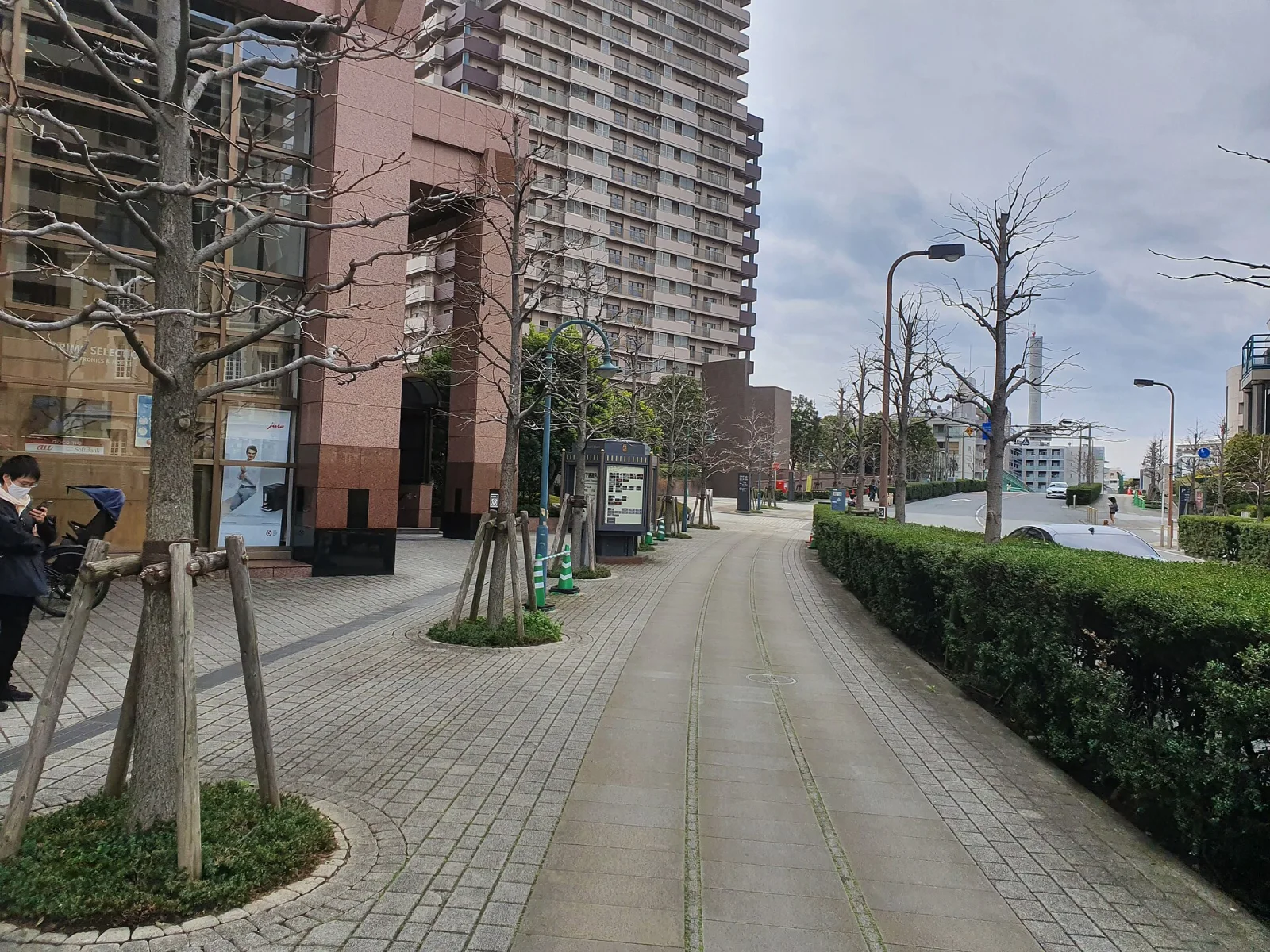
Compare staying around Yebisu Garden Place, Ebisu Station's West Exit and Ebisu-minami, with room and luggage notes for The Westin Tokyo, Ebisu Holic Hotel and Prince Smart Inn, plus Haneda and Narita transfers, winter illuminations and rainy-day options.
How the Three Hotels Compare: Start with Group Size and Luggage
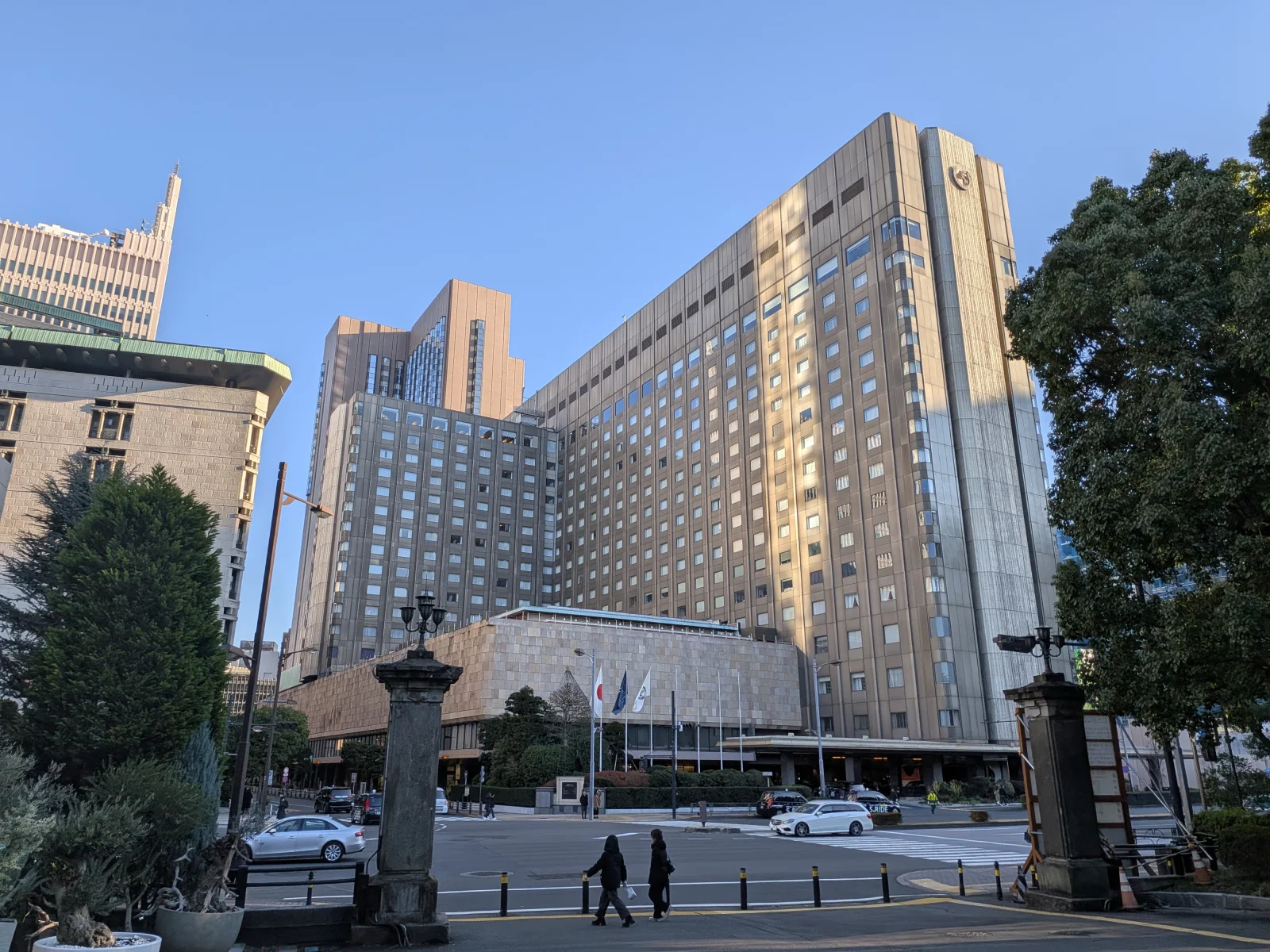
If you want an evening anchored around Yebisu Garden Place, The Westin Tokyo sits right on the complex side at 1-4-1 Mita, Meguro-ku. Search by its exact hotel name when booking or ordering a taxi so drivers do not drop you at the main complex entrance instead. Standard check-in is from 15:00 and check-out is until 12:00, with on-site restaurants, room service and meeting facilities. When travelling with older relatives, planning an anniversary dinner or scheduling morning commitments nearby, that extra hour at check-out and the short walk back from dinner matter far more than a high-floor request. Conversely, if you will be out sightseeing from morning till night, staying near the West Exit saves time on transit and quick errands.
For a twin room with a separate bath and WC, look at the Deluxe Hollywood Twin at Ebisu Holic Hotel, listed on its official site at 22.8 square metres with two 100 cm-wide beds. The 5-minute route from the JR West Exit is short but climbs steadily the whole way. The hotel also maps an 11-minute route via the East Exit and the Sky Walk: turn right upon leaving the walkway, cross America Bridge, and turn right at the junction in front of Ebisu Minamiichi Park. Travelling solo with a cabin bag, the West Exit hill is straightforward; with two large suitcases or a pushchair, the longer Sky Walk route spares you the continuous climb, though you will need an umbrella once you exit the walkway in rain.
Prince Smart Inn Ebisu sits in Ebisu-minami 3-chome, listed on the official site as a 5-minute walk from the JR West Exit and 3 minutes from Hibiya Line Exit 5. Both the Standard Double and Standard Twin measure 13 square metres, with two 100 cm beds in the twin; if you need space to open two large suitcases each day, compare the 21-square-metre Deluxe Twin shown on the Japanese room page. Standard rooms come with showers only, whereas the 21-square-metre Universal Twin includes a bathtub and is booked by telephone. If you require an accessible room, ask about step-free entry from the street to reception, wheelchair turning circles and grab-rail placement. Check-in starts at 15:00, check-out is by 11:00, and a light complimentary breakfast for guests is served on the ground floor from 06:30 to 11:00, with takeaway available.
When two guests are choosing between a double and a twin, look beyond bed count to check whether two people can get ready at the washbasin simultaneously and still open suitcases without blocking the door. For three adults, search specifically for three guests so booking engines filter out two-person rooms. When travelling with children, enter their exact ages and check whether children sharing existing beds count towards the room's maximum occupancy. For honeymoons or milestone trips where a view matters, book a rate plan that explicitly states the aspect or ask the hotel to note a view request on your reservation rather than relying on promotional gallery photos that may show a different bed type or floor.
Calculate the Per-Person Nightly Total Before Comparing Cancellation Terms
Compare final prices for identical dates, guest counts and bed configurations. Add the base room rate, any add-ons and separately listed accommodation taxes before dividing into a nightly average, keeping breakfast inclusion and cancellation terms in separate columns. If a bed-and-breakfast rate costs more than room-only, judge it by the number of mornings you will actually eat at the hotel—subtracting any morning when an early flight forces you to skip it. If only the Friday night spikes in a three-night stay, switching room categories within the same hotel is usually far less hassle than moving luggage across districts for a single night. Locking in a flexible rate early also makes it easy to shift your first or final night closer to a major interchange station later.
Tokyo's accommodation tax is charged per person, per night based on the room rate. Through 31 March 2027, stays at hotels and ryokan under ¥10,000 per person per night are exempt, ¥10,000 to under ¥15,000 are taxed at ¥100, and ¥15,000 or more at ¥200. Under Tokyo Metropolitan Government's revised rules effective for stays from 1 April 2027, the exemption threshold rises to under ¥13,000, with stays at or above that threshold taxed at 3% of the room charge—and budget lodgings plus covered short-term rentals are brought into scope. If two guests see a ¥26,000 room rate, check the itemised taxable room charge and whether it is quoted per room or per person. Stays spanning late March into early April are taxed according to each individual night's date, and if checkout shows the tax as payable on arrival, add it back into your total before comparing quotes.
When booking from abroad, convert cancellation deadlines into Japan Standard Time (JST) and record the exact cut-off date and hour for free cancellation. Over Japanese public holidays, winter illumination dates or spring cherry blossom season, check weekends alongside the surrounding weekdays to see how pricing shifts. Anchor your must-do evening events first, then search the full multi-night block around them: if you simply want a stroll to Yebisu Garden Place after dinner, staying on the West Exit side keeps rates down while still leaving the complex within an easy evening walk. Where a restaurant requires a deposit or flight dates may still move, keeping flexible room terms is far easier to adjust than having two non-refundable prepayments locked in.
For stays of four or five nights, checking housekeeping intervals and laundry facilities matters more than adding breakfast. Prince Smart Inn's facilities page lists coin-operated laundry machines and a shared microwave, ideal for picking up prepared meals in the evening and heading out smoothly the next day. If you need to prepare baby food or cook daily, filter specifically for a kitchenette, hob and cookware, then compare five-night totals across Ebisu, Shibuya and Meguro. A basic sink, fridge and microwave cover simple reheating, whereas regular cooking requires proper prep space and washing-up capacity—and be sure to check utility, water and cleaning fees on extended-stay rates.
Yamanote Line or Hibiya Line: Pick Your Side Based on Where You Go Most
List your first and last stops of each day and Ebisu's appeal becomes obvious. Shibuya is one stop north on the JR Yamanote Line outer loop, continuing straight on to Shinjuku. Heading south on the inner loop takes you through Meguro, Gotanda and Osaki to Shinagawa, where you can transfer directly inside the station to the Tokaido Shinkansen. The Saikyo and Shonan-Shinjuku lines also stop at Ebisu—check the destination and stopping pattern before boarding the first train to arrive, or stick to the Yamanote Line when heading to Shinagawa or keeping transfers predictable.
In the opposite direction on the Tokyo Metro Hibiya Line, Nakameguro is just one stop to the terminus; heading into central Tokyo runs through Hiroo, Roppongi, Kamiyacho and Toranomon Hills before reaching Hibiya, Ginza and Tsukiji. According to Tokyo Metro's April 2026 schedule tables, Ebisu to Hibiya takes about 15 minutes and Ginza about 16 minutes, with adult fares on both routes at ¥209 by IC card or ¥210 by paper ticket or contactless bank card. Those figures reflect onboard ride times only, so add buffer time for department store opening hours, morning meetings or cross-operator transfers. Days linking Roppongi, Ginza and a return to Ebisu stay on a single line, making the walk from a West Exit hotel to the Underground gates pay off every day.
If you have meetings inside the office towers at Yebisu Garden Place, use the complex map to pin the building name and visitor entrance in your calendar; if your meetings are in Shibuya, save the exact JR exit you need. Before booking a room advertised as close to Ebisu Station, check whether all your daily appointments actually start from the same Shibuya exit—if so, staying in Shibuya saves two walks and a train hop every day. Likewise, if your itinerary centres on the Shinagawa Shinkansen and Haneda Airport, factor in post-check-out transfers between Shinagawa and Ebisu. Tokyo Station and Ueno are straightforward from Ebisu, though several consecutive early mornings on the east side of the city may justify moving closer to your first stop for extra sleep.
Before buying a tourist rail pass, list your planned journeys by operator. The Tokyo Subway Ticket costs ¥1,000 (24-hour), ¥1,500 (48-hour) and ¥2,000 (72-hour) for adults, covering Tokyo Metro and Toei Subway lines—not the JR Yamanote Line or the Tokyu Toyoko Line, which require separate fares. If you take JR to Shibuya daily, ride one Underground stop to Nakameguro and walk to Daikanyama, a multi-day subway pass may not break even. Price your itinerary per ride with an IC card first, and if you have a full day spent solely on Tokyo Metro lines, compare the ¥700 adult Tokyo Metro 24-Hour Ticket.
Airport Transfers: Keikyu via Shinagawa for Haneda, N'EX via Shibuya or Shinagawa for Narita
From Haneda Airport, the simplest route into town is the Keikyu Line to Shinagawa, changing there to the JR Yamanote Line outer loop. From Haneda Airport Terminal 1 & 2 Station to Shinagawa, Keikyu lists an adult fare of ¥327 by IC card or ¥330 by paper ticket, with the JR leg priced separately. If your flight lands at Terminal 3, follow Keikyu signs in the international arrivals hall to board at Terminal 3 Station. On the return from Shinagawa, check platform boards for trains bound for Haneda Airport—even Limited Express (Kaitoku) services split directions, and Keikyu's weekend and holiday timetable taking effect on 21 November 2026 separates Haneda-bound and Yokohama-bound departures, so verify the exact train for your travel date on early-morning departures.
If your first night is near the West Exit, follow West Exit signs when arriving at Ebisu from Shinagawa; if you are staying at Yebisu Garden Place or walking the Sky Walk to Ebisu Holic Hotel, head up to the East Exit instead. Travellers managing a pushchair or two hard-shell suitcases solo should follow lift and transfer signs at Shinagawa rather than relying on the shortest connection time shown in route apps. When family members fly on different airlines with staggered check-in windows, work backwards from the earlier departure and confirm each terminal before splitting up. For dawn flights where the first train leaves little margin, moving to an airport hotel on your final night or pre-booking a pickup time and terminal removes the risk of missing a connection.
The Narita Express (N'EX) stops at Shibuya, Shinagawa and Shinjuku. When staying in Ebisu, start by searching your date from Narita Airport Terminal 1 or Terminal 2 to Shibuya, riding the westbound N'EX and changing to the Yamanote Line for one stop—or transferring at Shinagawa if the next departure aligns better there. Reverse the process on your return: pick the N'EX service stopping at Shibuya or Shinagawa first, then work out when to leave Ebisu. When changing from the Yamanote Line to the N'EX at Shibuya, follow JR Limited Express platform signs carefully so you do not exit towards the Underground or Tokyu lines by mistake, and treat arriving at the interchange station and reaching your platform as two separate milestones if you hold reserved seats.
N'EX reserved-seat tickets go on sale one month before the travel date. Foreign passport holders travelling round-trip from Narita within a 14-day validity window can use JR East's N'EX TOKYO Round Trip Ticket at ¥5,200 for adults, whereas open-jaw arrivals into Narita and departures from Haneda call for single tickets. When connecting onto local JR lines with the round-trip ticket, stay within the official coverage area and remain inside the JR ticket gates at your interchange station. If your arrival time is uncertain, reserve your inbound seat at the airport before passing through the gates, and lock in your return train early so you are not waiting on the platform in Shibuya or Shinagawa with heavy bags. For more on multi-bag airport transfers, see our Tokyo airport arrivals and transfer guide.
Storing Luggage for Half a Day After Check-Out
Prince Smart Inn's lobby lockers are strictly for use on check-in day prior to check-in. If you want to visit a museum or Daikanyama after checking out, check JR Ebisu Station's coin lockers first as an option—and keep a backup plan for oversized cases, as locker dimensions and real-time availability decide what fits. Travellers heading straight from Shinagawa to the airport in the afternoon can move bags to Shinagawa in the morning so luggage sits at the departure hub; going out for lunch from there avoids doubling back to Ebisu. On arrival day before check-in, if you only have a cabin bag and your hotel holds luggage, dropping it at reception lets you start exploring immediately.
If you plan to forward luggage domestically to Prince Smart Inn, the hotel's official site requires the registered guest's name and check-in date on the waybill. Reception does not dispatch outbound parcels, so if you are shipping bags on to your next hotel, allow time to drop them at a nearby parcel counter and confirm the receiving hotel's delivery rules in advance. Keep passports, medication, a change of clothes and chargers in your daypack so essentials stay with you. Courier cut-off times rarely match hotel check-out times, so anchor your morning around the parcel drop-off deadline.
When switching hotels on a day with a booked lunch, note the bag-storage windows at both properties before picking where to eat. Carrying suitcases from the East Exit to the West Exit, dining in Daikanyama and backtracking to the East Exit just to retrieve bags forces repeated crossings through the station. Leaving luggage on the side of the station your next train departs from—or sending it ahead to the next hotel—frees you to browse a bookshop straight after lunch. Groups of four taking a taxi should give the operator the hotel's Japanese name and address, bag count and pushchair dimensions so you can compare suitable vehicle sizes alongside the fare.
Evenings in Ebisu: Supermarkets, Dinner Reservations and Late Galleries
A single dinner reservation can settle which side of Ebisu to book. If your table is inside Yebisu Garden Place, staying between the East Exit and the complex lets you pop back to your room to change after an afternoon exhibition; if your restaurant sits near the station front or Ebisu-minami intersection, the West Exit is far more direct. For group bookings, check seating windows, last order times, whether all diners must order the same tasting menu, child policies and cancellation fees before confirming. Reserve one high-demand spot ahead and leave other evenings open around the station, pushing dinner later on shopping days so you can drop bags at your hotel first. With children, verify seating and age policies upfront—or pick up prepared dishes from a supermarket if dinner runs too tight.
Central Square supermarket in Foodies' Garden on basement level B2 of Yebisu Garden Place's Center Plaza is listed as open from 09:30 to 22:30. Other tenants on the same floor, including Meidi-ya, a chemist and speciality food counters, keep their own hours. It is an easy stop for breakfast supplies or bottled water for the next morning's train on your way back to The Westin Tokyo after dinner; if you are staying on the West Exit side, fold shopping into your late-afternoon walk back through the station. Anyone travelling with dietary restrictions should check in-room fridge capacity and shared microwave locations in advance so late-evening meals are effortless.
To build an evening around the Tokyo Photographic Art Museum, aim for Thursday or Friday when standard hours usually extend from 10:00 to 20:00; other open days normally close at 18:00, with last admission always 30 minutes before closing. The museum closes on Mondays, or on the following weekday when a Monday falls on a national holiday. Exhibition galleries are ticketed individually, and screenings in the ground-floor hall run to daily showtimes, so check film start times before picking galleries. If you only want one exhibition, buy a single-exhibition ticket at the desk; if you plan to see two or more, the museum's multi-exhibition discount knocks 10% off each ticket—ideal for filling a rainy afternoon.
Winter 2026–2027: Chandelier Dates, Christmas Market and New Year Hours
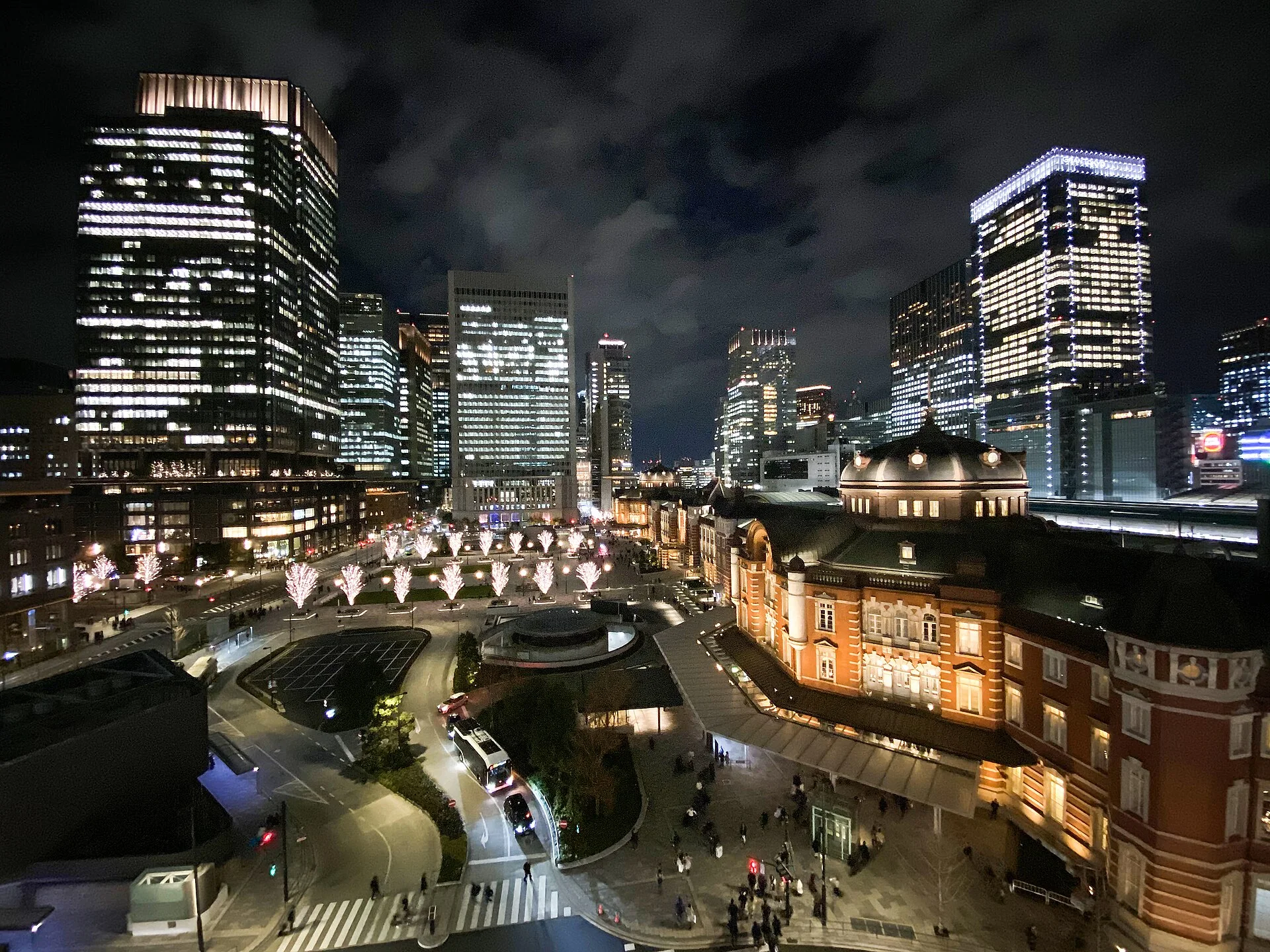
From 14 November 2026 to 11 January 2027, the Baccarat ETERNAL LIGHTS crystal chandelier stands in Yebisu Garden Place's Center Square, normally illuminated from 11:00 to 23:00. The Clock Square Christmas Market runs from 14 November to 25 December, open 17:00 to 20:00 on weekdays and 12:00 to 20:00 on weekends and national holidays, while selected complex illuminations continue until 28 February 2027. Travellers arriving after Christmas can still fit the chandelier in before or after dinner, and late-winter stays after 11 January can enjoy the remaining illuminated walkways alongside dinner or a film.
If you simply want to see the chandelier lit, weekday afternoons are already glowing and let you beat the post-work crowd at Center Square. For twilight photos as the sky deepens, walk through Clock Square and down the slope just before dinner. With children or older relatives, avoid stacking dinner reservations and peak photo queues into the same hour; on brisk, windy nights, walk straight down to Center Square and loop back indoors via Center Plaza. Because the Clock Square market may close in rain or strong winds, book an indoor table for dinner first and browse the stalls for hot drinks if the weather holds.
The Tokyo Photographic Art Museum closes from 28 December 2026 to 1 January 2027, reopens on 2 and 3 January from 10:00 to 18:00 with free admission to the 2nd- and 3rd-floor galleries (the 4th-floor library remains closed), closes again on Monday 4 January, and undergoes a full closure from 18 January to 4 February. If your New Year booking revolves around the museum, pair a daytime gallery visit on 2 January with the chandelier at night; for a single New Year's Eve stay, focus on the outdoor lights and a pre-booked dinner. In late January, look elsewhere in Tokyo for photography exhibitions and keep Garden Place for evening dining.
Shorten Walks in the Rain, Save Daikanyama for Clear Skies
In light rain, take the Sky Walk from your hotel to Yebisu Garden Place, duck into an exhibition at the Tokyo Photographic Art Museum, pick up supplies in Center Plaza, and step out to Center Square only when showers ease—far easier to pace than walking to Daikanyama, and simple to cut short back at the station. In heavy downpours, take the Underground towards Roppongi or Ginza after checking which exit stays subterranean, carrying a compact umbrella just for the stretch between your hotel and the station entrance. Factor in open-air crossings before booking timed afternoon slots, and fit pushchair rain covers while still under shelter.
When the museum is closed on Mondays, adult travellers can visit YEBISU BREWERY TOKYO inside Yebisu Garden Place. Listed hours are 12:00 to 20:00 on weekdays and 11:00 to 19:00 at weekends and on public holidays, with last admission to the free exhibition area 30 minutes before closing; it normally closes on Tuesdays (or the next day if Tuesday is a holiday) as well as over the New Year period. You can browse the free area independently, while the 45-minute paid guided tour in Japanese requires online card booking, check-in at least 5 minutes prior, and excludes under-20s as well as adults accompanying young children. Families can stick to self-guided entry or rely on an exhibition or film instead—and whenever a Monday falls on a holiday, check both venues' next-day closure rules before picking which day to stay around the complex.
Daikanyama T-Site (Tsutaya Books) in Sarugakucho is listed on its official site as a 5-minute walk from Daikanyama Station on the Tokyu Toyoko Line, open 09:00 to 22:00 and closed on New Year's Day. When travelling light, walk from Ebisu's West Exit through Ebisu-nishi with 'Daikanyama T-Site' set as your pin, allowing time to stroll in one way and loop back another. If your bags are already stored and you are dining in Nakameguro, continue from the bookshop along Kyu-Yamate-dori and walk downhill towards the river. In heavy rain, with a pushchair or when legs are tired, take the Toyoko Line from Daikanyama one stop to Nakameguro and switch to the Hibiya Line back to Ebisu—leaving extra margin for the cross-operator transfer, station exits and short outdoor stretches.
Cherry Blossom Season: A Half-Day Along the Meguro River, Dinner Back in Ebisu
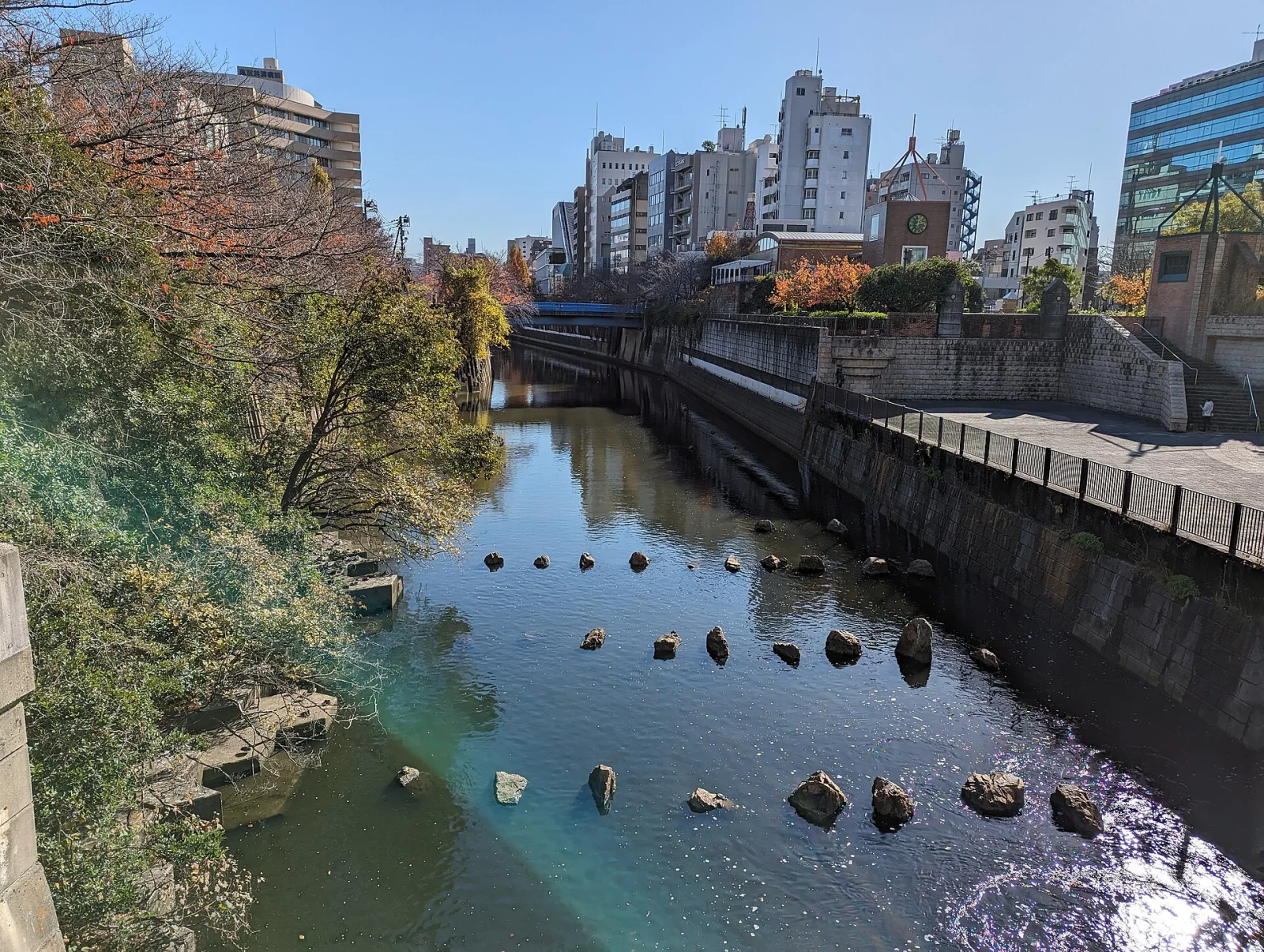
The Meguro River stretches for miles, so decide before booking whether you want the stretch upstream of Nakameguro Station or the section running from Meguro Station towards Taiko Bridge. First-timers looking to pause on bridges and dip into riverside cafés can take the Hibiya Line one stop from Ebisu to Nakameguro, walk to the bank and follow the flow of pedestrians along one side. Go in the morning and return to Ebisu or continue up to Daikanyama's bookshop before lunch; if family members like frequent stops, plot a shorter route around seating spots and keep bridge walkways clear.
Meguro City's spring 2026 advisory asks visitors to follow stewards' directions for one-way pedestrian flow, notes that mornings offer a calmer pace, and recommends spreading arrivals via Ikejiri-ohashi or Meguro Station. From Ebisu, the Meguro option means taking the Yamanote Line inner loop one stop to Meguro, walking down Meguro-dori to the river and following the day's marked route—ideal if you want to skip the bottleneck outside Nakameguro Station and have an easy train ride back when tired. In rain or with older relatives, budget energy for the uphill climb back to the station, and pin your return station and public toilets ahead of time so the whole group is not stopping on a bridge to check maps.
If one member of your party wants a morning river run every day while another commutes to Roppongi, staying in Nakameguro saves the runner a commute—and both neighbourhoods sit on the Hibiya Line. If Daikanyama's bookshops and boutiques are your main draw, staying between the station and Sarugakucho puts everything at your doorstep, though you will need to factor in the Toyoko Line and local hills when arriving from the airport with large bags. For late-night shopping on the doorstep, look to Shibuya first; Ebisu comes into its own when your Tokyo itinerary combines Garden Place dining with frequent rides on both the Hibiya and Yamanote lines.
Two-Night Stays vs Longer Visits: Structuring Days Without Backtracking
On a two-night stay, keep the first evening within steps of your hotel and save the next half-day for a neighbouring district. Arriving from Narita in the afternoon on the Yebisu Garden Place side, drop bags, have dinner and see the winter chandelier, then browse Daikanyama's bookshops the following morning; if you shopped in Shibuya the night before, walk downhill from Daikanyama to Nakameguro for lunch and ride the Hibiya Line back. Conversely, if both nights are in Ebisu-minami with an early Shinagawa departure ahead, stick to the Yamanote Line from the West Exit and head over to Garden Place only for a gallery visit or special dinner.
For a five-night stay, map out laundry days, reduced-housekeeping requests and any bed-type changes upfront. When back-to-back video calls are on the agenda, desk depth, power socket placement and check-out times become practical essentials: zoom in on room photos between the bed and desk, or ask reception about workspace suitability for video calls. If one adult checks out early for a conference while family members move on in the afternoon, list both names on the booking and agree where bags will be collected last. Where post-check-out storage at the hotel does not fit your timetable, cut out the return detour altogether and carry bags straight to your next neighbourhood for lunch or boarding.
Before moving mid-trip from Ebisu to the Tokyo Station area, check whether you genuinely have an early-morning Tohoku, Joetsu or Hokuriku Shinkansen the next day. For an afternoon bullet train, simply check out of Ebisu in the morning and bring your luggage to Tokyo Station for lunch before boarding. Switching hotels only pays off if you have a full day around town followed by an early northern departure—and even then, only if the new hotel sits close to the station entrance you will use. If two travellers split up for just a single day, keep one base hotel as your meeting point and put the room-move budget towards a larger room you enjoy for the whole stay.
A few useful answers
For a first stay in Ebisu, should I pick the East Exit or the West Exit?
Choose the West Exit and Ebisu-minami if you will ride the Hibiya Line daily or want casual dining right by the station. Choose the East Exit side via the Sky Walk if Yebisu Garden Place, the museum or hotel dining anchor your plans.
How do I walk from Ebisu Underground station to Yebisu Garden Place?
Take Hibiya Line Exit 1, go up to the 3rd floor past the outside of the JR East Exit ticket gates, and follow signs onto the Sky Walk. Yebisu Garden Place lists the walk from Exit 1 at about 7 minutes.
What is the best route to Ebisu Holic Hotel in rain or with large suitcases?
Take the JR East Exit via the Sky Walk—about 11 minutes in total—turn right out of the walkway, cross America Bridge and turn right at the junction before Ebisu Minamiichi Park. The Sky Walk is covered, though you will need an umbrella once you step outside.
Can Prince Smart Inn Ebisu store luggage after check-out?
The hotel's official site specifies that its lobby lockers are only for use on check-in day before check-in. After checking out, using coin lockers at JR Ebisu Station or forwarding bags to your next hotel works better for a half-day outing.
Can I still see the chandelier in Ebisu after Christmas 2026?
Yes—the Baccarat ETERNAL LIGHTS crystal chandelier remains on display until 11 January 2027, typically illuminated from 11:00 to 23:00. The Clock Square Christmas Market ends on 25 December 2026.
Do I need to change trains to reach the Meguro River cherry blossoms from Ebisu?
No—take the Hibiya Line one direct stop from Ebisu to Nakameguro. To start from the Meguro Station stretch instead, ride the JR Yamanote Line inner loop one stop to Meguro and walk towards Taiko Bridge.
Official information and references
Sources used in this guide.
- JR East | Ebisu Station Lines and Station Map
- Tokyo Metro | Ebisu Station Layout and Exits
- Tokyo Metro | Hibiya Line Stations
- Tokyo Metro | 2026 Major Route Fares and Journey Times
- Tokyo Metro | Tokyo Subway Ticket Fares and Coverage
- Tokyo Metro | Tokyo Metro 24-Hour Ticket
- Yebisu Garden Place | Sky Walk and Step-Free Access
- The Westin Tokyo | Facilities and Check-In Information
- Ebisu Holic Hotel | West Exit and Sky Walk Access Routes
- Ebisu Holic Hotel | Room Specifications
- Prince Smart Inn Ebisu | Access, Breakfast and Stay Information
- Prince Smart Inn Ebisu | Japanese Room Details and On-Site Facilities
- Prince Smart Inn Ebisu | Check-In, Payment and Luggage Services
- Tokyo Metropolitan Government | Revised Accommodation Tax from April 2027
- Keikyu Corporation | Fares from Haneda Airport Terminal 1 & 2 Station
- Keikyu Corporation | Shinagawa Station Weekend & Holiday Timetable (21 November 2026)
- JR East | Narita Express (N'EX) Tickets and Reservations
- JR East | N'EX TOKYO Round Trip Ticket Coverage and Usage
- Yebisu Garden Place | Baccarat ETERNAL LIGHTS 2026–2027 Announcement
- Yebisu Garden Place | 2026 Christmas Market and Winter Illuminations
- Yebisu Garden Place | Clock Square Christmas Market Hours
- Yebisu Garden Place | Central Square Supermarket
- Tokyo Photographic Art Museum | Opening Hours, Closures and Tickets
- Tokyo Photographic Art Museum | 2026–2027 Year-End and New Year Schedule
- Sapporo Breweries | YEBISU BREWERY TOKYO Visits and Guided Tours
- Sapporo Breweries | YEBISU BREWERY TOKYO Self-Guided Entry and Last Admission
- Daikanyama T-Site | Access and Opening Hours
- Meguro City | Spring 2026 Meguro River Cherry Blossom Crowd Flow and Timing Advice
- Meguro City | Meguro Station and Meguro-dori Walking Route