Travel to Nikko via Tobu Limited Express from Asakusa or direct JR-Tobu trains from Shinjuku and Ikebukuro. Compare the NIKKO PASS, JR TOKYO Wide Pass and Nikko bus passes, plus Oku-Nikko descent planning and winter detours.
- Region & Focus
- Nikko and Kinugawa
- Reading Scope
- 20 min read · 10 chapters · 8 Q&As
- Official Verification
- 29 official sources checkedUpdated 22 November 2026
- Key Topics
- Rail travelBookingSeasons
Chapter Route Map (tap any stop)
- Choose Your Tokyo Departure Station First, Then Check the Train Terminus
- How to Book Tobu Limited Express Trains and What SPACIA X Fares Cover
- The NIKKO PASS World Heritage Area Also Reaches Kinugawa
- Which Tobu Trains the JR TOKYO Wide Pass Covers
- How to Continue from Nikko to Kinugawa
- Both Nikko Stations Share the Same Bus Network
- Boarding Directions for Lake Chuzenji, Kegon Falls and Yumoto
- Sample Fare Totals for the Shrines, Lake Area and Kinugawa
- Work Backwards from Your Return Train to Catch the Downhill Bus
- Sort Out Your Seat Before Departure If You Might Miss the Limited Express
- Quick Q&A
To reach Nikko Toshogu Shrine from Asakusa, take a Tobu Limited Express train to Tobu-Nikko Station and transfer to the World Heritage Sightseeing Bus. If you are staying in Shinjuku or Ikebukuro, check the direct JR-Tobu limited express services, which also terminate at Tobu-Nikko Station. For the shrines and temples area only, the Tobu NIKKO PASS World Heritage Area costs ¥3,000 for adults, with limited express seats purchased separately. If you are heading up to Lake Chuzenji, compare the ¥2,300 Chuzenji Onsen Free Pass against the All Area pass first, and work backwards from your return train to Tokyo to time your descent. Winter timetables and shrine-area bus detours apply from December 2026, while the Akechidaira Ropeway is scheduled to reopen in autumn 2027.
Choose Your Tokyo Departure Station First, Then Check the Train Terminus
If you are staying around Asakusa, Kuramae or Tokyo Skytree, boarding at Tobu-Asakusa Station or Tokyo Skytree Station saves a cross-city transfer. From Ueno, you can take the Ginza Line to Asakusa and follow the signs for the Tobu Line to reach the Tobu terminal. Enter "Tobu-Asakusa Station" for tickets and navigation, as Tokyo Metro, Toei Subway and the Tsukuba Express each have their own station called Asakusa, and heading into the wrong entrance adds a long walk.
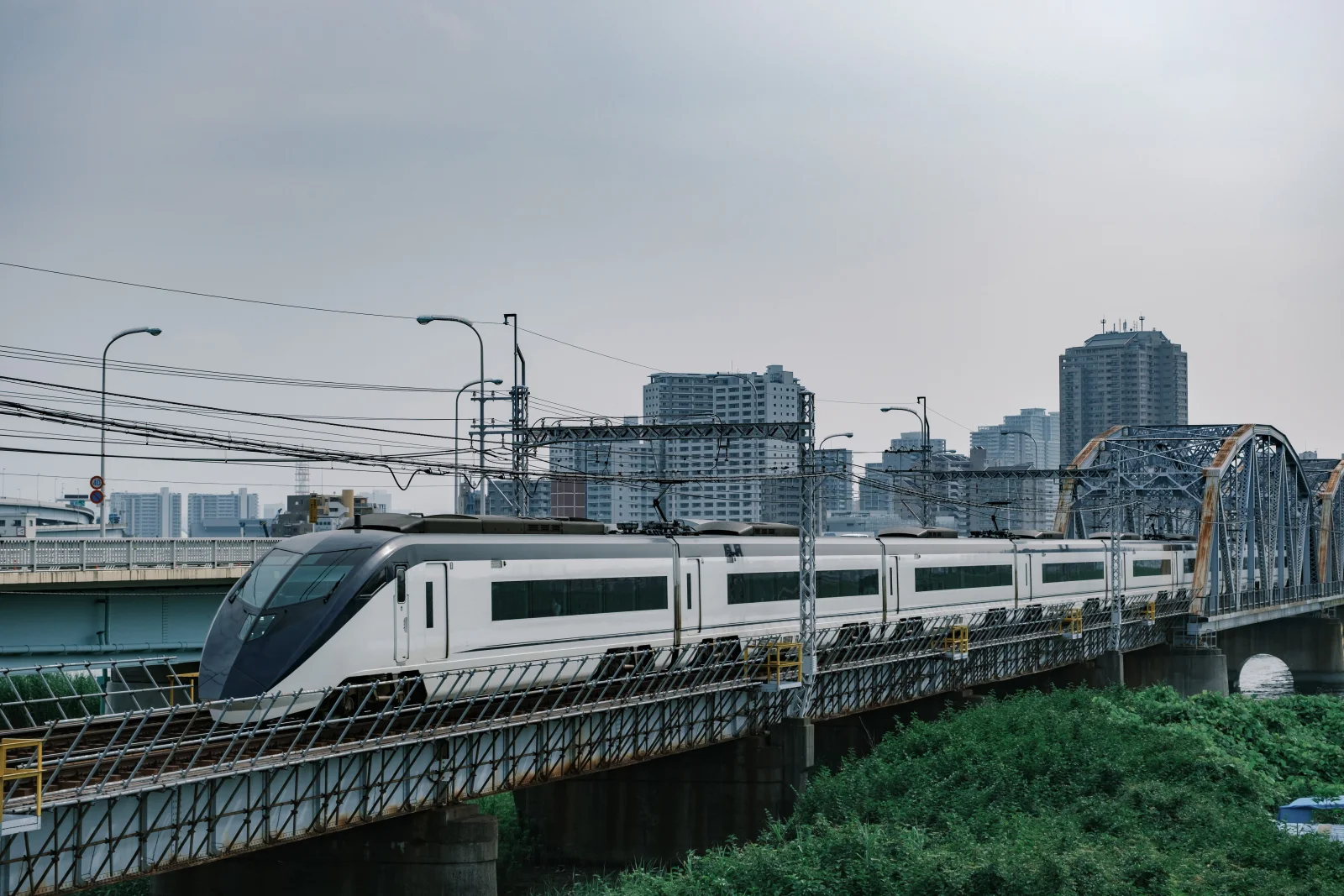
On the official Tobu timetable, SPACIA X 1 departs Asakusa at 07:50 and arrives at Tobu-Nikko at 09:39, taking 1 hour 49 minutes. It also calls at Tokyo Skytree and Kita-Senju. Travellers staying near Kita-Senju who plan to buy single point-to-point tickets can look up limited express departures directly from there. If you are using a NIKKO PASS, board from Asakusa or Tokyo Skytree as stated on the pass rather than assuming every standard limited express stop is valid for pass entry.
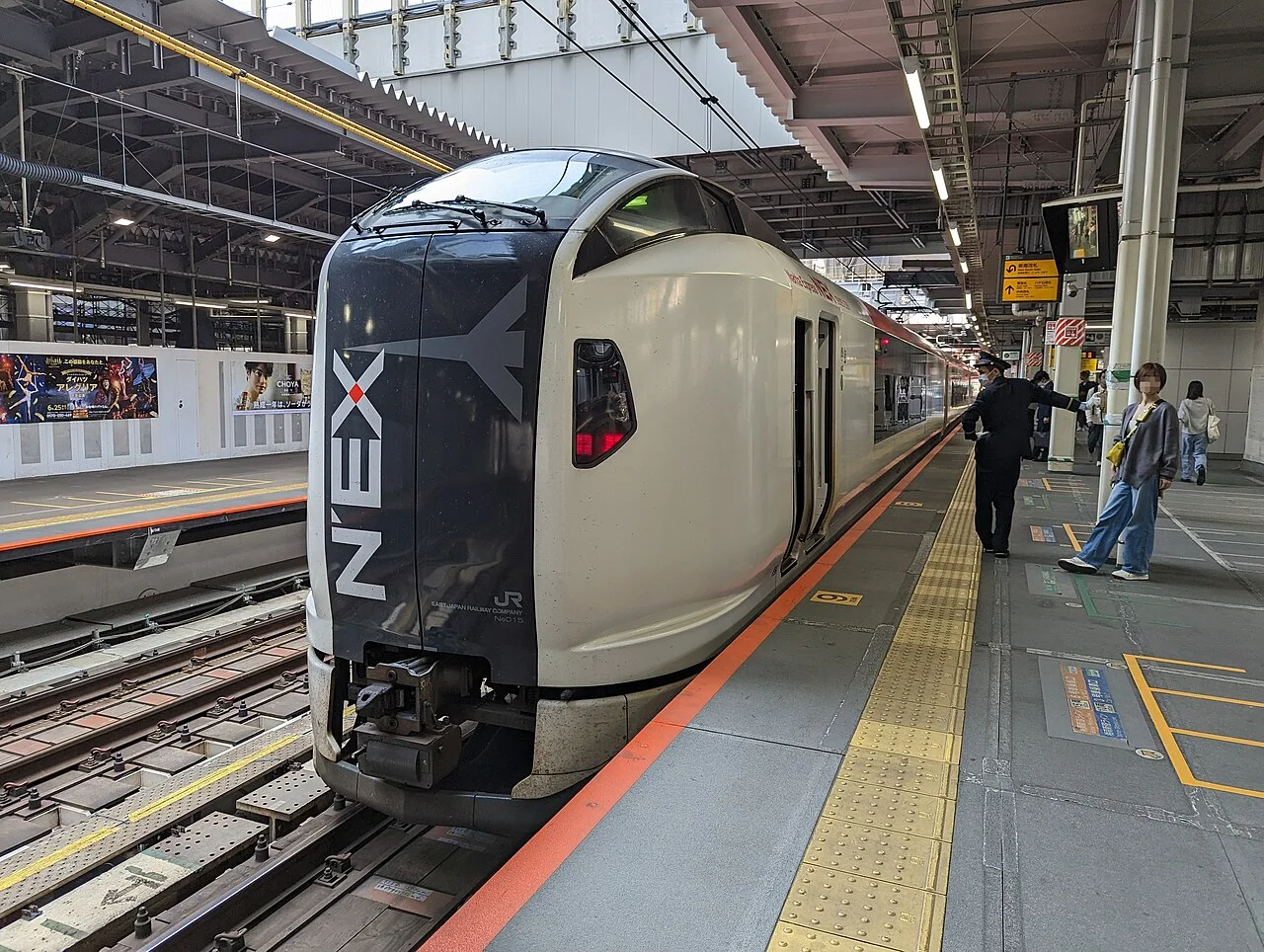
From Shinjuku, Ikebukuro or Omiya, look up the direct JR-Tobu limited express services Nikko and SPACIA Nikko. On JR East's December 2026 timetable, SPACIA Nikko 1 leaves Shinjuku at 09:34, Ikebukuro at 09:40 and Omiya at 10:04, arriving at Tobu-Nikko Station at 11:31. Always check the operating calendar on the timetable page for your travel date. Both a 09:39 arrival and an 11:31 arrival mean roughly two hours on the train, yet they leave nearly two hours' difference for shrines and buses. When comparing the two routes, pull up both the earliest arrival and your planned return train together.
After passing Shimo-Imaichi, direct limited express trains split between the Tobu-Nikko and Kinugawa-Onsen branches. If you are heading to Toshogu Shrine first, set your booking destination to "Tobu-Nikko". If a listing shows "Kinugawa-Onsen", you will usually need to change at Shimo-Imaichi to reach central Nikko. Shimo-Imaichi is still a rail journey away from Tobu-Nikko, so do not mistake them for neighbouring stations you can walk between.
JR Nikko Station is a separate terminal. On an all-JR itinerary, take a Tohoku Shinkansen stopping at Utsunomiya from Tokyo or Ueno Station, then change to the JR Nikko Line to terminate at JR Nikko Station. The two Nikko stations sit right next to each other, and both have Tobu Bus stops out front. Check bus departures from whichever station you arrive at first. For the journey back to Tokyo, make sure you go to the station printed on your reservation so you do not try to enter the JR station with a Tobu Limited Express ticket.
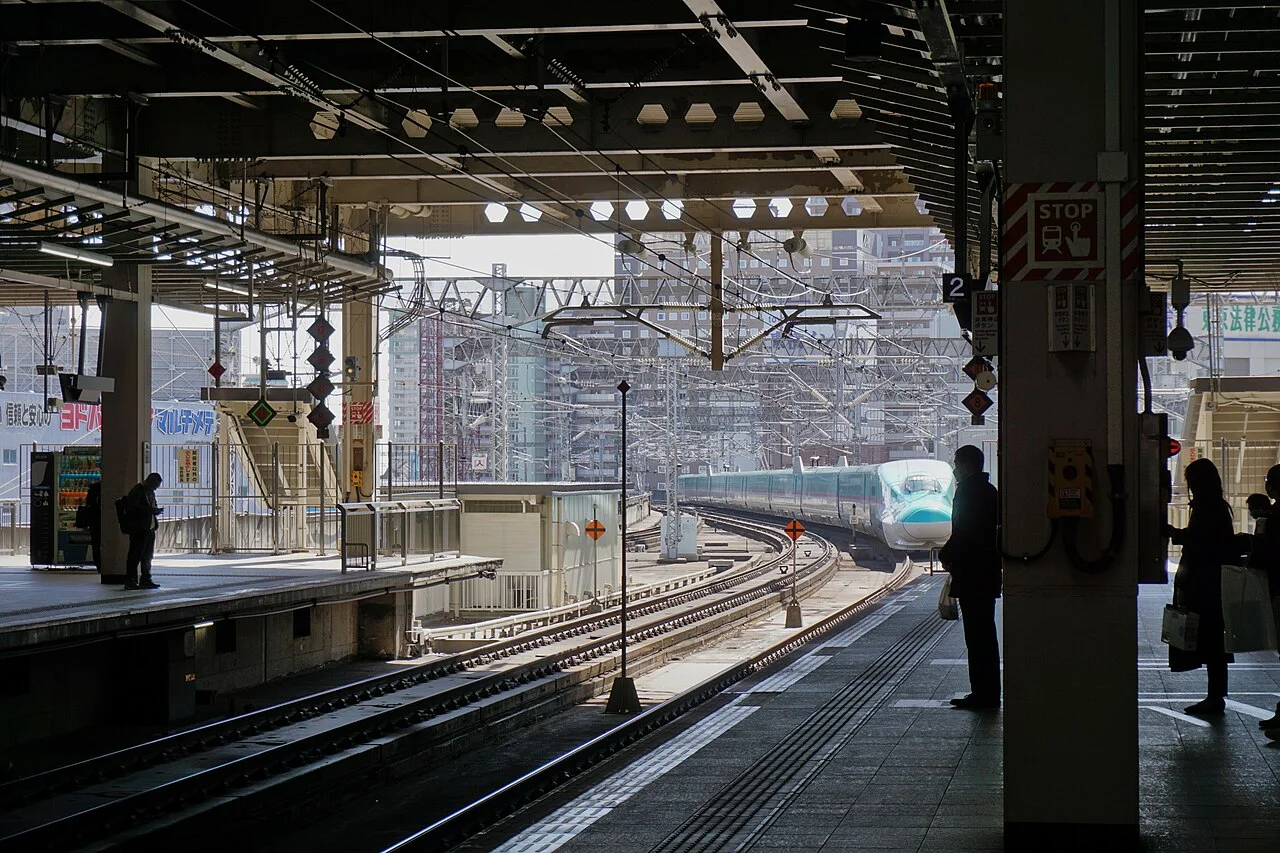
If the direct Shinjuku departure is too late for your schedule, compare the Utsunomiya connection from Tokyo or Ueno against the journey over to Asakusa. The Utsunomiya timetable is split into weekdays and weekends/public holidays: select your travel date on the Nikko Line towards Nikko first, then pick a Shinkansen that connects in time. Choosing only the earliest Shinkansen may still leave a wait at Utsunomiya.
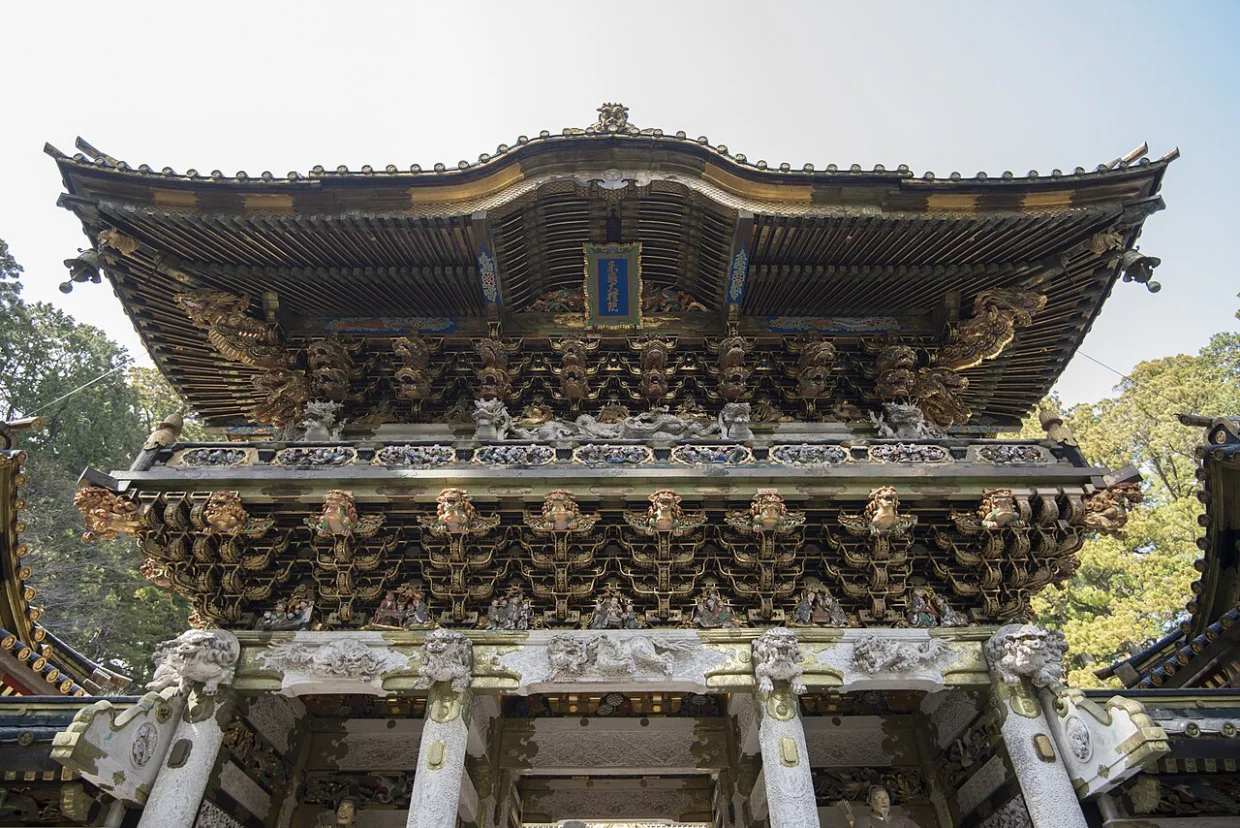
Travel to Nikko via Tobu Limited Express from Asakusa or direct JR-Tobu trains from Shinjuku and Ikebukuro. Compare the NIKKO PASS, JR TOKYO Wide Pass and Nikko bus passes, plus Oku-Nikko descent planning and winter detours.
How to Book Tobu Limited Express Trains and What SPACIA X Fares Cover
All seats on Tobu Limited Express trains are reserved. For a SPACIA X Standard Seat, you pay the base rail fare plus the Standard Seat limited express surcharge. For a Premium Seat, the same limited express ticket simply carries the higher Premium Seat rate. Special seating options such as the Compartment or Cockpit Lounge require each passenger to pay the base fare and Standard Seat surcharge first, plus the extra fee for that seat or private compartment.
Taking an adult single from Asakusa to Tobu-Nikko during Tobu's standard season as an example, the base fare is ¥1,400 and the SPACIA X Standard Seat surcharge is ¥1,940, totalling ¥3,340. The Premium Seat surcharge is ¥2,520, making ¥3,920 with the base fare. Peak and off-peak surcharges apply according to your departure date. If your outward and return journeys fall on different days, check the fare calendar for each direction before adding the two totals.
To seat four people together in a private cabin, look for the four-person Compartment on SPACIA X. The ¥8,000 charge on the official fare table is the supplement per room; all four passengers still need their own base fare and Standard Seat limited express surcharge. Pairs should check first whether adjacent two-person sofa seats or Standard Seats are available, as the two ticket types use different booking fields. To keep a family together, select adjacent seats within a single booking—especially when travelling with children rather than adding a seat later.
Tobu's online limited express tickets go on sale at 09:00 Japan Standard Time (JST) one month before the travel date. From the SPACIA X guide page, overseas visitors can access TOBU Japan Trip Tickets to select the exact boarding station, date, train number and seats. Search your return leg separately, as a return journey the next day opens for sale one day later. You can mix train types across your outward and return limited express tickets—for instance, riding SPACIA X up and taking a later train back.
On weekdays, standard limited express services also run direct. Kegon and Liberty Kegon are the train names most often seen heading to Tobu-Nikko, though you should always confirm the destination and train number on the front display or platform boards. Some coupled trains divide at Shimo-Imaichi, so check your carriage number carefully before boarding. If direct seats from Asakusa to Tobu-Nikko are sold out, check a Kinugawa-bound limited express to Shimo-Imaichi and transfer to a local train on the Nikko branch.
Local trains are another fallback worth checking. Keep Tobu-Asakusa as your origin and uncheck limited express services in route planners; common transfer points include Minami-Kurihashi and Shimo-Imaichi. If even an early start will not catch your preferred limited express, rebuild your half-day Nikko plan around the actual local arrival time. An active Tobu pass covers local trains within its valid zone; if you only hold an e-ticket limited express reservation, make sure you have a valid method to pay the base fare before passing through the ticket barriers.
The NIKKO PASS World Heritage Area Also Reaches Kinugawa
Both NIKKO PASS options include one return rail journey between Tobu-Asakusa and Shimo-Imaichi, plus unlimited rides on Tobu Railway lines from Shimo-Imaichi to Tobu-Nikko and Shin-Fujiwara. Kinugawa-Onsen sits along the line towards Shin-Fujiwara, so even though the World Heritage Area pass is named after the shrines and temples district, it still covers local trains to Kinugawa. The Asakusa–Shimo-Imaichi return segment must be used in the proper outward and return directions—a four-day pass cannot be used to commute from Tokyo every day.
The World Heritage Area pass is valid for two consecutive days at ¥3,000 for adults and ¥1,500 for children, covering designated Tobu Buses around the shrines and temples district. Buses heading up to Lake Chuzenji, Akanuma or Yumoto require a separate bus pass or fare. For an overnight stay starting on Saturday, the pass covers Saturday and Sunday, including the Sunday return to Asakusa; staying from Saturday until Monday requires separate planning for Monday's return fare.
The All Area pass is valid for four consecutive days at ¥8,000 for adults and ¥4,000 for children. It adds Tobu Bus coverage across Oku-Nikko, along with designated connections towards Kinugawa and seasonal services such as the Lake Chuzenji sightseeing boat and the Odashirogahara low-emission bus. Plan around the seasonal operating periods for those extras. On both passes, any limited express train requires a separate limited express seat reservation, and Toshogu Shrine admission is paid separately.
For an overnight trip with the World Heritage Area pass, you can travel from Asakusa to Nikko on day one, visit the shrines and temples, then take the train over to Kinugawa before returning to Asakusa on day two. Your outward and return trains to Tokyo do not have to use the same Nikko-area station: you can arrive at Tobu-Nikko and depart directly from Kinugawa-Onsen. If you still want to visit the lake on day two before returning to Tokyo, you will need a separate bus fare plus time to transfer from Kinugawa back to Nikko Station. If you would rather enjoy an unhurried ryokan breakfast and have dinner booked in Tokyo, staying in the Kinugawa area on the second morning is far simpler.
To see whether the All Area pass pays off against point-to-point bus passes, compare the station fares directly. Tobu Bus's Chuzenji Onsen Free Pass costs ¥2,300 for adults and the Yumoto Onsen Free Pass costs ¥3,500; both are valid for two days and also cover the World Heritage Sightseeing Bus. On a Saturday-to-Sunday trip, the World Heritage Area pass plus the Chuzenji Onsen Free Pass totals ¥5,300, or ¥6,500 with the Yumoto pass. If you are only going up to the lake and back or staying one night in Yumoto, those are the figures to weigh against ¥8,000.
Both NIKKO PASS products are designed for overseas visitors, though Japanese-nationality travelling companions may purchase them alongside you. Digital passes bought through TOBU Japan Trip Tickets are opened on your smartphone at the barriers. If a booking platform issues a paper exchange voucher, redeem it at the Tobu Sightseeing Service Center in Tobu-Asakusa Station before boarding. If members of your group will pass through ticket barriers separately, check whether tickets within one order can be displayed individually; otherwise, meet outside the barriers. Date changes must be handled separately: unused valid passes are refunded or amended through their point of purchase, while limited express reservations follow the limited express booking rules.
Which Tobu Trains the JR TOKYO Wide Pass Covers
The JR TOKYO Wide Pass costs ¥16,000 for adults and ¥8,000 for children aged 6–11, covers three consecutive days from the start date, and is restricted to non-Japanese passport holders. For Nikko, it covers ordinary-car reserved seats on the direct JR-Tobu limited express trains—Nikko, SPACIA Nikko, Kinugawa and SPACIA Kinugawa are all listed as eligible services. Choose the right travel date and origin/destination stations when reserving so your ticket prints the exact terminus you need.
On the pass coverage map, the Kurihashi to Shimo-Imaichi stretch is valid only on those direct limited express trains; you cannot switch freely onto local Tobu trains along that section. Once you reach Shimo-Imaichi, however, the pass also covers Tobu local trains between Shimo-Imaichi, Tobu-Nikko and Kinugawa-Onsen. When riding a direct limited express with this pass, either your boarding or alighting station must be a JR station. Taking SPACIA X from Asakusa to Tobu-Nikko, or riding a Tobu-only limited express from Kinugawa back to Asakusa, is charged under Tobu's regular fare rules.
If you already hold the JR TOKYO Wide Pass, you can compare the direct train from Shinjuku to Tobu-Nikko against taking the Shinkansen from Tokyo via Utsunomiya to JR Nikko. The direct train avoids a transfer, while the Utsunomiya route can sometimes get you into Nikko earlier when the direct departure is late. Once in Nikko, pay Tobu Bus fares separately: buy single fares or a day pass if staying in town, or choose the Chuzenji or Yumoto bus pass based on your furthest stop up the mountain.
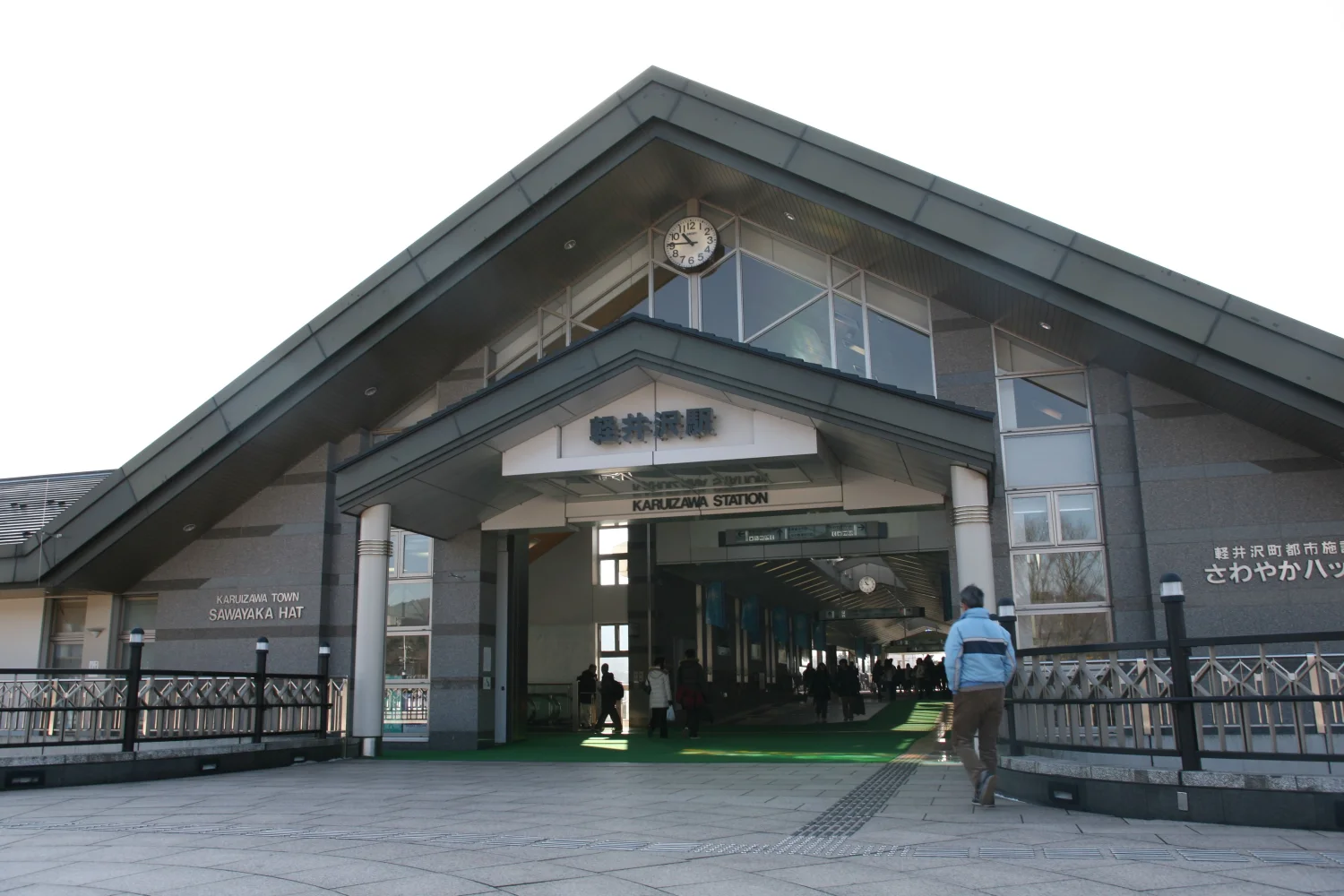
If Nikko is your only destination over the three days, compare the ¥16,000 pass price against point-to-point tickets or a Tobu pass first. It makes sense to weigh the ¥16,000 pass against individual fares on the same dates when you are combining Nikko with places such as Karuizawa or Echigo-Yuzawa within the same three-day window. For example, JR East calculates that an adult itinerary from Tokyo to GALA Yuzawa and then via Omiya to Tobu-Nikko and back to Shinjuku in standard-season ordinary reserved seats totals roughly ¥21,500. If you plan to stay in Tokyo for two days in between, the later long-distance leg will fall outside the three-day validity and will need to be priced separately.
Direct limited express seats can be booked via JR East's reservation portal or at reserved-seat ticket machines and counters, with collection depending on where you bought the pass. When searching from Shinjuku to Tobu-Nikko, type "Tobu-Nikko" in full so the search does not default to JR Nikko Line connections. Note your seat numbers before departure. If part of your group boards partway at Ikebukuro, search from each person's actual boarding station and check that your carriage and seat numbers align.
How to Continue from Nikko to Kinugawa
The standard rail connection from Tobu-Nikko to Kinugawa is to take the Tobu Nikko Line to Shimo-Imaichi and change to the Kinugawa Line. Station platform maps clearly separate tracks for Nikko, Kinugawa and Asakusa, so check the connecting platform indicator as soon as you step off with luggage. Shimo-Imaichi has lifts, a waiting room and coin lockers; allow enough transfer time to walk to and wait for the lift if you have wheeled bags.
On Saturdays, Sundays and public holidays, you can also check Tobu Bus route SL, which runs from Taiyuin-Futarasan-jinja-mae via Tobu-Nikko Station to Kinugawa-Onsen Station. Tobu Bus lists the single fare between Tobu-Nikko Station and Kinugawa-Onsen Station at ¥600. If you finish sightseeing near Taiyuin and the timetable lines up, the bus takes you straight to your hotel area. On weekdays, plan on taking the train from Tobu-Nikko and changing at Shimo-Imaichi rather than waiting for weekend bus departures.
If you plan to return to Tokyo directly from Kinugawa, visiting Toshogu Shrine with just a daypack is much easier, provided your main luggage stays on your route. Both Tobu-Nikko and Kinugawa-Onsen stations have coin lockers, so leave bags at a station you will pass again. If you board the direct bus from the shrines district, collect any luggage stored at Tobu-Nikko Station before getting on. When planning multi-area transfers, check where your bags are stored first before deciding whether to board at Taiyuin or outside the station.
Travellers continuing north towards Aizu cross onto the Yagan Railway beyond Shin-Fujiwara and then connect to the Aizu Railway. Rail coverage on both NIKKO PASS variants ends at Shin-Fujiwara. For a route via Yunokami-Onsen to Ouchijuku, Tobu offers the Nikko-Ouchijuku 2-Day Pass, which covers the railway between Tobu-Nikko and Yunokami-Onsen plus one day of unlimited rides on the Saruyu-go bus between Yunokami-Onsen and Ouchijuku. Continuing further north to Aizu-Wakamatsu requires a separate fare from Yunokami-Onsen.
Both Nikko Stations Share the Same Bus Network
The World Heritage Sightseeing Bus is marked with route code W. For the main approach to Toshogu Shrine, alight at Omotesando and walk roughly five minutes. If you are heading to Taiyuin or Futarasan Shrine, look for buses showing Taiyuin-Futarasan-jinja-mae as the terminus. The Shinkyo stop sits right by the bridge, about a 15-minute walk from Toshogu Shrine—ideal if you want to photograph the bridge before strolling up the cedar-lined approach.
Trunk buses bound for Chuzenji Onsen or Yumoto Onsen also allow you to access the shrines area from Nishisando-iriguchi. Nearby stops include Nishisando and Nishisando-chaya; because the names look almost identical, match the stop number on the official route map for your return bus rather than relying solely on a phone map search for "Nishisando". If you left luggage at the rail station, leave extra time to retrieve it and walk to the other station or your departure platform.
From 1 December 2026 to 31 March 2027, Tobu Bus operates winter detour days on the World Heritage loop covering weekends, public holidays, selected Mondays and the year-end/New Year period. The published detour calendar uses two colour codes depending on whether buses turn back at Taiyuin-Futarasan-jinja-mae or Nishisando; on both detour patterns, riders visiting Toshogu Shrine alight at stop 8, Yasukawacho. On detour days, check that day's colour code first and verify your return stop so you do not end up waiting at a weekday-only shelter.
Single bus fares from the stations are ¥220 to Shinkyo and ¥350 to Omotesando or Taiyuin-Futarasan-jinja-mae. Taking the bus to Omotesando and riding back from Taiyuin totals ¥700, so travellers buying bus-only tickets save money with the ¥600 one-day World Heritage Pass. Riding to Shinkyo, walking through the precinct and taking the bus back from Taiyuin comes to ¥570—just one stop's difference flips which option is cheaper.
Nikko's Tobu Buses accept contactless IC cards such as Suica and PASMO; tap when boarding and again when alighting. Cash riders take a numbered ticket upon boarding and drop it into the fare box with the exact fare when getting off. Paper bus passes should be held ready to show the driver—on buses with middle-door boarding, show your pass as you exit at the front. For digital passes, have every traveller's screen ready before the bus pulls up so everyone can board smoothly.
Individual admission to Nikko Toshogu Shrine is ¥1,600 for adults and upper-secondary students, and ¥550 for primary and lower-secondary pupils. Last entry is 16:30 from April to October and 15:30 from November to March. In winter, leaving the lakeside as late as 15:00 makes it very difficult to reach the gate before closing; schedule Toshogu for the following morning or visit the shrines district first on arrival.
Boarding Directions for Lake Chuzenji, Kegon Falls and Yumoto
From JR Nikko or Tobu-Nikko Station, take a bus signed for Chuzenji Onsen or continuing via Chuzenji to Yumoto Onsen. Route C terminates at Chuzenji Onsen, and buses to Yumoto also stop there. The Nikko City Tourism Association lists the journey from the stations to Chuzenji Onsen at around 50 minutes, followed by a five-minute walk to Kegon Falls. Use timetable departures to plan which bus to catch, while leaving extra buffer for queues, road traffic and walking.
Platforms at Chuzenji Onsen Bus Terminal have been adjusted due to construction works starting from 24 September 2026. On Tobu Bus's terminal diagram, stand 26B serves buses down to both Nikko stations, 26A serves Yumoto Onsen, and 26C serves Hangetsuyama, Tachiki Kannon and the sightseeing boat pier. When returning from the falls or lakeside, locate the downhill queue at 26B first; if you are stopping at Chuzenji before continuing to Senjogahara or Yumoto, check the timetable at 26A as soon as you step off.
The paid lift viewpoint and the free ground-level observation deck look out onto the same waterfall gorge. If your downhill bus departure is approaching, stick to the free upper deck and head back early. According to the Nikko City Tourism Association, the Kegon Falls Lift return fare is ¥600 for visitors aged 12 and over, with standard winter hours from December to February running 09:00–16:30 and last entry 20 minutes before closing. Factor in the walk from the lakeshore, lift queues and the ride back up before your bus time.
If you are walking Senjogahara Marshland, look up the Akanuma and Yudaki-iriguchi stops separately. If you enter at Akanuma and walk out the other end, catch your return bus from the far stop rather than copying the Akanuma timetable for the way back. Do the same at Ryuzu Falls: confirm which end of the falls you will finish at and whether the return bus stop shares the same name. When time is tight between trailheads, picking a single waterfall or one section of boardwalk avoids waiting for an extra bus.
Boat piers include Funanoeki Chuzenji, which is a separate location from both the rail stations and bus terminal stand 26. The Nikko City Tourism Association estimates roughly a 15-minute walk from Kegon Falls to the pier. The All Area pass covers the sightseeing boat season through 30 November, with routes and stops subject to the seasonal sailing schedule. If you simply want a view of the water, walk from the terminal to the lakeshore and catch the downhill bus back from the same terminal.
Standard adult single bus fares from either Nikko station are ¥1,250 to Chuzenji Onsen, ¥1,700 to Akanuma and ¥1,950 to Yumoto Onsen. A return trip to Chuzenji comes to ¥2,500, so the ¥2,300 two-day pass saves ¥200. A return to Yumoto totals ¥3,900, saving ¥400 with the ¥3,500 two-day pass. If your hotel provides an uphill shuttle and you only need a single bus down, compare against the single fare you will actually pay.
Sample Fare Totals for the Shrines, Lake Area and Kinugawa
When comparing Tobu itineraries, keep the same limited express seat class across all calculations. The figures below assume an adult departing Asakusa both ways in a standard-season SPACIA X Standard Seat, where two limited express surcharges total ¥3,880. Swap that surcharge if you choose another train or travel during peak season, then add your chosen bus or area pass. Meals, accommodation and attraction tickets are separate.
If your Tokyo hotel is roughly equidistant from Asakusa and Shinjuku, put arrival times and return requirements side by side on the same note, and include local Tokyo underground fares to each terminal when comparing prices. If people in your group hold different passes—for example, one has a JR TOKYO Wide Pass while another buys Tobu tickets—arrange to meet at Tobu-Nikko Station or the same bus stop rather than buying an extra pass just to board the same Tokyo train.
- Same-day return to the shrines and temples district: World Heritage Area pass (¥3,000) plus two limited express surcharges (¥3,880) equals ¥6,880. Walking everywhere and buying two single base fares (¥2,800) plus surcharges totals ¥6,680. Once you take two bus rides to Omotesando or Taiyuin, the World Heritage Area pass beats buying rail tickets plus a one-day bus pass.
- Lake area only with a return within two days: two single rail base fares (¥2,800) plus the Chuzenji two-day bus pass (¥2,300) and limited express surcharges (¥3,880) equals ¥8,980. Adding the same bus pass onto a World Heritage Area pass comes to ¥9,180, because the two passes overlap on shrine-area bus coverage.
- Three to four days covering Nikko, the lakes and Kinugawa: All Area pass (¥8,000) plus two limited express surcharges at the same rate (¥3,880) equals ¥11,880. If you take a direct limited express back to Asakusa from Kinugawa-Onsen on the final day, book the limited express seat from Kinugawa-Onsen while the All Area pass covers the base fare. Recalculate if your outward and return dates fall into different surcharge bands.
Work Backwards from Your Return Train to Catch the Downhill Bus
Write your target station arrival time next to your return limited express departure, then pick a downhill bus from Chuzenji or Yumoto with at least one earlier backup departure. Buses starting at Yumoto also pass through Chuzenji, and checking whether the destination board reads "JR Nikko Station" or "Chuzenji Onsen" can save an unnecessary transfer. If you have left-luggage bags to pick up at the station, budget separate time for locker collection and walking to the platform. Sunset views, boat rides and dinner can shift earlier; a reserved train departure will not wait.
When autumn traffic backs up on the winding Irohazaka road, buses sit in the same queue as cars. The Nikko City Tourism Association flags autumn foliage weekends from mid-October to early November as heavy congestion periods, especially between 09:00 and 15:00 and sometimes into early evening. On a day trip focused on autumn leaves, catch an early train straight up the mountain and explore either Lake Chuzenji or Ryuzu Falls at a relaxed pace. If the descent runs late, keep the lower town to Shinkyo Bridge or the shrine approach and save Toshogu Shrine for another visit.
Tobu Bus's Nikko route page links to live bus locations, letting you check inbound and outbound services by stop number while you are up by the lake. If your target bus has not even climbed the mountain yet, head back to the downhill stand early and drop your final stop if needed. If your time buffer runs out altogether, check through your original booking portal whether you can move your limited express seat to a later train, or check JR services back from JR Nikko Station via Utsunomiya—recalculating fares based on what you ride and which pass you hold.
Winter bus timetables run from 1 December to 31 March. Anyone travelling up to Yumoto around New Year should verify the operating-day symbols for both outward and return dates and save the shrine-area bus detour calendar onto their phone. If you are staying at Lake Chuzenji or Yumoto and your hotel runs a shuttle, note both the shuttle pickup point and the last public bus on the same page before setting off so you have an instant backup.
The Akechidaira Ropeway closed for refurbishment from 16 January 2026. Joint announcements from Tobu Railway and Nikko Kotsu on 11 November 2026 state that the renewed ropeway and summit observation deck are scheduled to open in autumn 2027, and Nikko Kotsu's 18 November notice lists the same target season with the exact opening date to be announced later. While it remains closed, alight at Chuzenji Onsen to see Kegon Falls and walk over to the lakeshore.
On an overnight trip, tackle the road-sensitive mountain leg on day one and keep day two close to your departure station. If you are staying near Tobu-Nikko Station, spend your second morning around the shrines and walk back down the approach to catch your train. If you are staying in Kinugawa, enjoy the hot-spring town in the morning and either board a direct return train from Kinugawa-Onsen Station or transfer at Shimo-Imaichi as booked.
Sort Out Your Seat Before Departure If You Might Miss the Limited Express
If you are stuck in Irohazaka traffic as your return limited express approaches, open your booking on your phone straight away while a companion checks later departures. Standard Tobu limited express tickets allow one free change of date or train before departure from the designated boarding station, subject to seat availability. Unused paper or station-bought Tobu limited express tickets refunded before departure incur a ¥100 fee per seat, with an additional cancellation charge for Compartment or Cockpit Lounge seats. Online tickets follow the cut-off times shown on your reservation page, while travel-agency bookings must be amended through the original seller.
According to Tobu Railway's published rules for direct Shinjuku–Nikko limited express and compartment tickets, the refund fee is ¥340 up to two days before travel, rising to 30% of the fare (minimum ¥340) from the day before travel up until departure. Travellers holding seats reserved with a JR TOKYO Wide Pass must manage their reservations through their original JR booking channel and keep any rebooked train within the pass validity.
If you miss your reserved seat but will still reach Tobu-Nikko Station while your pass is valid, check whether later limited express services have empty seats first. Local trains also run into the evening via Shimo-Imaichi and Minami-Kurihashi back to Tokyo. Save the last workable local-train connection to Tokyo before you set out, and remember to factor in the last underground train to your hotel.
A few useful answers
What is the fastest way from Tokyo to Nikko?
From Asakusa, the direct SPACIA X to Tobu-Nikko takes 1 hour 49 minutes on the official timetable for SPACIA X 1. From Shinjuku or Ikebukuro, compare the direct JR-Tobu limited express services, or check a Shinkansen connection from Tokyo Station via Utsunomiya on the JR Nikko Line. Always compare total door-to-door time from your hotel right through to the Nikko bus you want to catch.
Does the Nikko limited express stop at JR Nikko Station?
No. The direct JR-Tobu limited express trains Nikko and SPACIA Nikko from Shinjuku and Ikebukuro terminate at Tobu-Nikko Station. Only the JR Nikko Line from Utsunomiya arrives at JR Nikko Station.
Can I use the NIKKO PASS World Heritage Area to visit Kinugawa-Onsen?
Yes, on eligible Tobu local trains between Shimo-Imaichi, Kinugawa-Onsen and Shin-Fujiwara. Limited express seat reservations must be bought separately. For buses up to Oku-Nikko, either add a separate Nikko bus pass or choose the NIKKO PASS All Area.
Can I pass through the ticket barriers with only a SPACIA X limited express ticket?
No. The limited express ticket only reserves your specific train and seat. You also need a valid base fare ticket, an eligible NIKKO PASS or an IC card to pass through the ticket barriers before taking your seat.
Can I use the JR TOKYO Wide Pass on SPACIA X from Asakusa?
No. SPACIA X departures from Asakusa follow Tobu's own ticketing rules. The JR TOKYO Wide Pass covers ordinary-car reserved seats on the direct JR-Tobu limited express trains, such as SPACIA Nikko from Shinjuku to Tobu-Nikko.
Which bus pass offers the best value for Lake Chuzenji?
The standard adult single fare between either Nikko station and Chuzenji Onsen is ¥1,250, making a return trip ¥2,500—¥200 more than the ¥2,300 two-day Chuzenji Onsen Free Pass. If you are continuing to Akanuma or Yumoto, compare against the Yumoto Onsen Free Pass instead.
Can I visit Nikko Toshogu Shrine and Lake Chuzenji in one day from Tokyo?
Yes, if you take an early limited express and traffic on Irohazaka is clear: head up to Lake Chuzenji and Kegon Falls in the morning, then visit the shrines district in the afternoon depending on when you get back down. During peak autumn foliage weekends, focus on one area. In winter, Toshogu closes for last entry at 15:30, so allow half a day or more per area and stay overnight if you want to explore both properly.
Will the Akechidaira Ropeway be open in spring 2027?
No. The Akechidaira Ropeway is closed for refurbishment works, with Tobu Railway and Nikko Kotsu announcing a scheduled reopening in autumn 2027. To view Lake Chuzenji and Kegon Falls in spring, take the bus to Chuzenji Onsen Station and walk from there.
Official information and references
Sources used in this guide.
- Tobu Railway: NIKKO PASS World Heritage Area
- Tobu Railway: NIKKO PASS All Area & How to Purchase
- Tobu Railway: SPACIA X Timetable, Seating & Fares
- Tobu Railway: Nikko & Kinugawa Limited Express Fare Table
- Tobu Railway: Tobu Nikko Line Downbound Timetable
- Tobu Railway: Limited Express Ticket Sales & Refund Guide
- JR East: JR TOKYO Wide Pass (Fares, Coverage & Purchase Rules)
- JR East: Official Timetable for SPACIA Nikko 1 (December 2026 Edition)
- JR East: Utsunomiya Station Line Timetables
- Tobu Bus: Nikko Routes, Zone Fares, Monthly Timetables & Stop Maps
- Tobu Bus: Nikko Bus Free Passes
- Tobu Bus: How to Ride & Pay on Nikko Buses
- Tobu Bus: 2026–2027 World Heritage Sightseeing Bus Winter Detours
- Tobu Bus: Chuzenji Bus Terminal Platform Changes
- Nikko City Tourism Association: Toshogu Shrine Admission & Bus Stops
- Nikko City Tourism Association: Kegon Falls & Observation Lift
- Nikko City Tourism Association: 2026 Lake Chuzenji Sightseeing Boat Guide
- Nikko City Tourism Association: 2026 Irohazaka & Lake Chuzenji Congestion Periods
- Tobu Railway & Nikko Kotsu: 11 November 2026 Akechidaira Ropeway Refurbishment Notice
- Tobu Railway: Shimo-Imaichi Station Platform Map & Facilities
- Tobu Railway: Tobu-Nikko Station Facilities
- Tobu Railway: Kinugawa-Onsen Station Facilities
- Tobu Railway: Nikko-Ouchijuku 2-Day Pass
- Tobu Railway: Limited Express Ticket Changes & Refunds
- Nikko City Tourism Association: Oku-Nikko Bus & Trail Access
- JR East: 2026 Pass Update Notice (Eligible Direct Nikko Limited Express Trains)
- Tobu Bus: December 2026 – March 2027 Winter Timetable Notice
- Nikko Kotsu: Akechidaira Ropeway Autumn 2027 Reopening Notice
- Nikko Kotsu: Akechidaira Ropeway Closure for Refurbishment from January 2026