Take the Tobu Limited Express from Asakusa or JR-Tobu direct trains from Shinjuku and Ikebukuro. Compare the NIKKO PASS, JR TOKYO Wide Pass, and Nikko bus passes, including Okunikko downhill bus timing and winter detours.
- Region & Focus
- Nikko and Kinugawa
- Reading Scope
- 20 min read · 10 chapters · 8 Q&As
- Official Verification
- 29 official sources checkedUpdated November 22, 2026
- Key Topics
- Rail travelBookingSeasons
Chapter Route Map (tap any stop)
- Start by Picking Your Tokyo Departure Station and Verifying the Terminus
- How to Book Tobu Limited Express Trains and What SPACIA X Costs
- The NIKKO PASS World Heritage Area Also Reaches Kinugawa
- Which Tobu Trains the JR TOKYO Wide Pass Covers
- Connecting From Nikko to Kinugawa-Onsen
- Both Nikko Stations Share the Same Bus Network
- Bus Stops and Directions for Lake Chuzenji, Kegon Falls, and Yumoto
- Sample Fare Totals for Shrines, the Lake, and Kinugawa
- Lock In Your Train Arrival Buffer and Work Backward for Downhill Buses
- About to Miss Your Limited Express? Handle Your Seat Before Departure
- Quick Q&A
To reach Toshogu Shrine from Asakusa, take a Tobu Limited Express to Tobu-Nikko Station and transfer to the World Heritage Sightseeing Bus. If you are staying in Shinjuku or Ikebukuro, check the JR-Tobu direct limited express trains, which also terminate at Tobu-Nikko Station. If you are staying within the shrine-and-temple area, the Tobu NIKKO PASS World Heritage Area costs ¥3,000 for adults, with limited express seats sold separately. Heading up to Lake Chuzenji? Compare the ¥2,300 Chuzenji Onsen bus pass against the All Area pass first, then work backward from your Tokyo-bound train to pick a downhill bus. Winter bus schedules and shrine-area detour days run from December 2026, and the Akechidaira Ropeway is scheduled to reopen in autumn 2027.
Start by Picking Your Tokyo Departure Station and Verifying the Terminus
If you are staying around Asakusa, Kuramae, or Tokyo Skytree, boarding at Tobu Asakusa Station or Tokyo Skytree Station saves a cross-town subway ride. From Ueno, ride the Ginza Line to Asakusa and follow signs for the "Tobu Line" to reach the Tobu terminal. Enter "Tobu Asakusa Station" into ticket machines and maps apps—Tokyo Metro, Toei Subway, and the Tsukuba Express each have their own station named Asakusa, and picking the wrong entrance adds an extra walk.
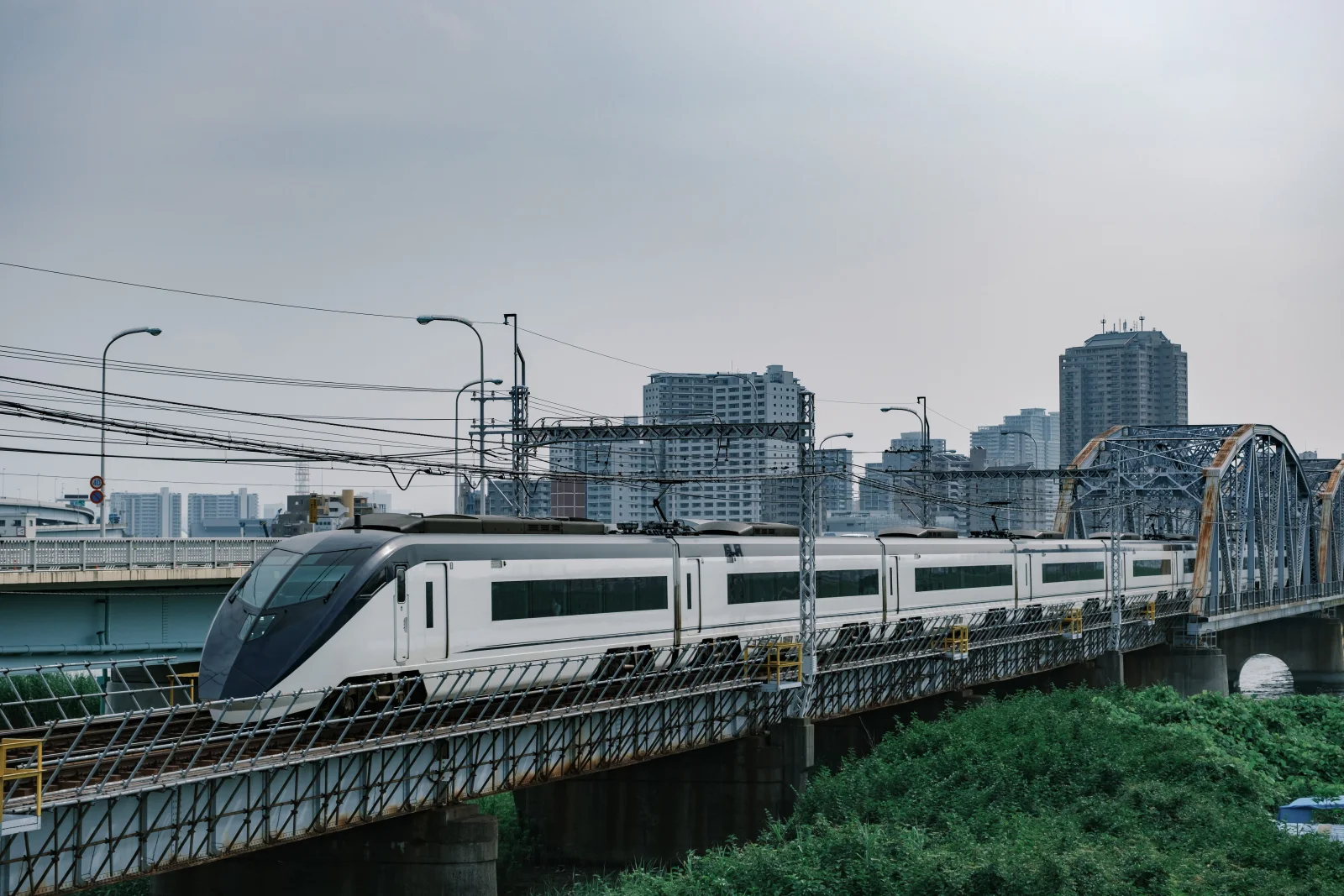
On Tobu's official SPACIA X timetable, train No. 1 departs Asakusa at 7:50 and arrives at Tobu-Nikko at 9:39, a 1 hour 49 minute trip. It also stops at Tokyo Skytree and Kita-Senju. Travelers staying near Kita-Senju who plan to buy point-to-point tickets can search limited express departures directly from there. If you hold a NIKKO PASS, stick to the Asakusa or Tokyo Skytree departure specified on the pass instead of assuming any regular limited express stop is a valid pass entry station.
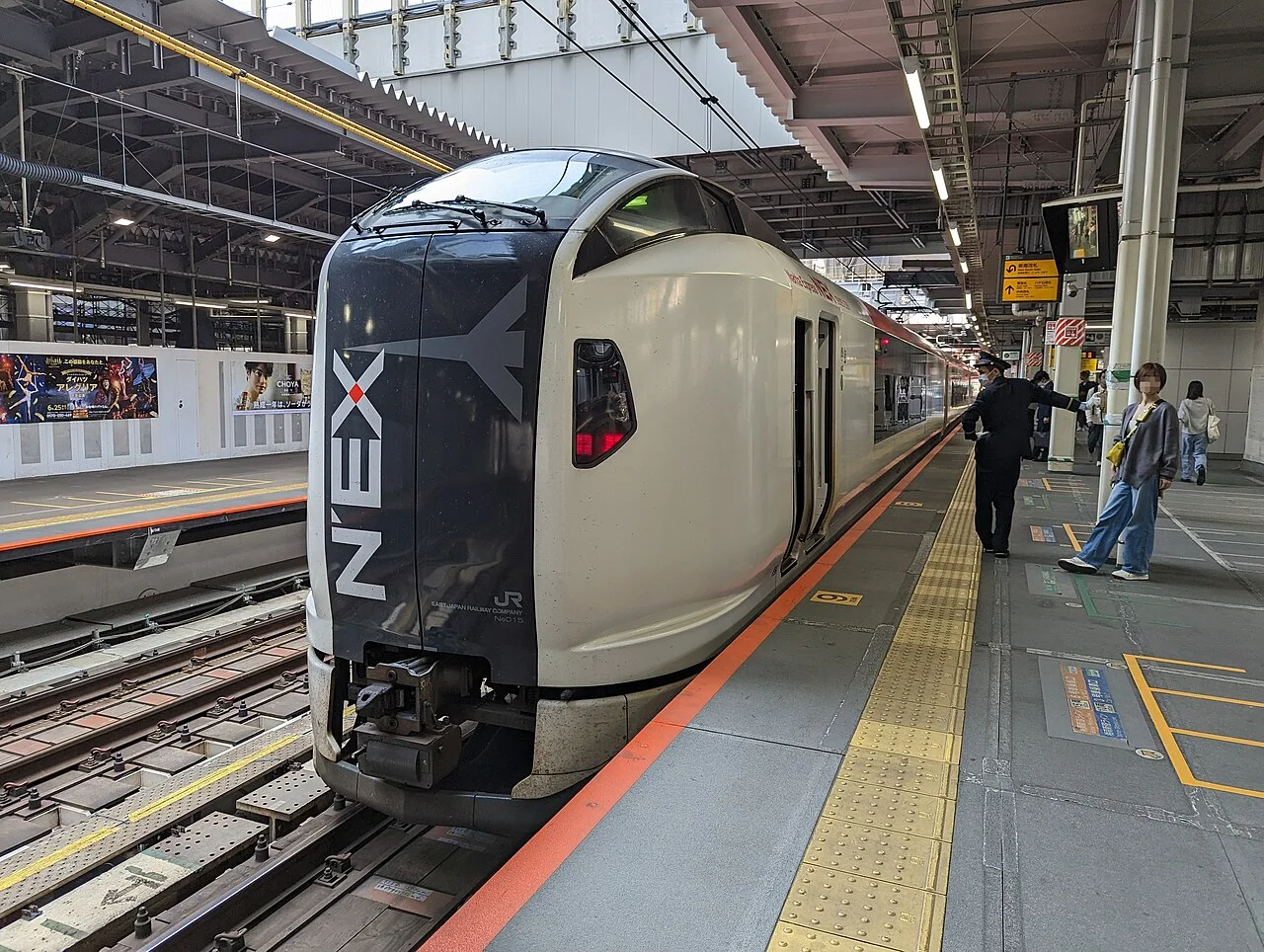
From Shinjuku, Ikebukuro, or Omiya, look up the JR-Tobu direct limited express trains "Nikko" and "SPACIA Nikko." On JR East's December 2026 timetable, SPACIA Nikko No. 1 leaves Shinjuku at 9:34, Ikebukuro at 9:40, and Omiya at 10:04, arriving at Tobu-Nikko Station at 11:31. Check the operating calendar on that timetable page for your travel date. Both the 9:39 and 11:31 arrivals involve roughly a two-hour train ride, yet they leave nearly a two-hour gap in your sightseeing and bus window. Pull up the earliest arrival alongside your return train before choosing between the two corridors.
After Shimo-Imaichi, direct limited express trains split between Tobu-Nikko and Kinugawa-Onsen. If you are heading to Toshogu Shrine first, set "Tobu-Nikko" as your booking destination. If your ticket screen shows "Kinugawa-Onsen," you will normally need to change trains at Shimo-Imaichi to reach central Nikko. Shimo-Imaichi is several stops away from Tobu-Nikko by rail—do not treat them as adjoining stations you can walk between.
JR Nikko Station is a separate terminal. For an all-JR route, take a Tohoku Shinkansen that stops at Utsunomiya from Tokyo or Ueno Station and transfer there to the JR Nikko Line, which terminates at JR Nikko Station. The two Nikko stations sit side by side, both with Tobu Bus stops out front. Check the bus timetable for whichever station you arrive at, and for your trip back to Tokyo, match the station printed on your reservation so you do not walk into the JR station holding a Tobu Limited Express ticket.
If the direct departure from Shinjuku leaves too late for your plans, compare the Utsunomiya transfer times from Tokyo or Ueno against the trip across town to Asakusa. JR East's Utsunomiya station timetable separates weekdays from Saturdays and holidays: pick your travel day on the Nikko Line to Nikko first, then match a Shinkansen that connects smoothly. Booking only the earliest Shinkansen can still leave you waiting on the platform at Utsunomiya.
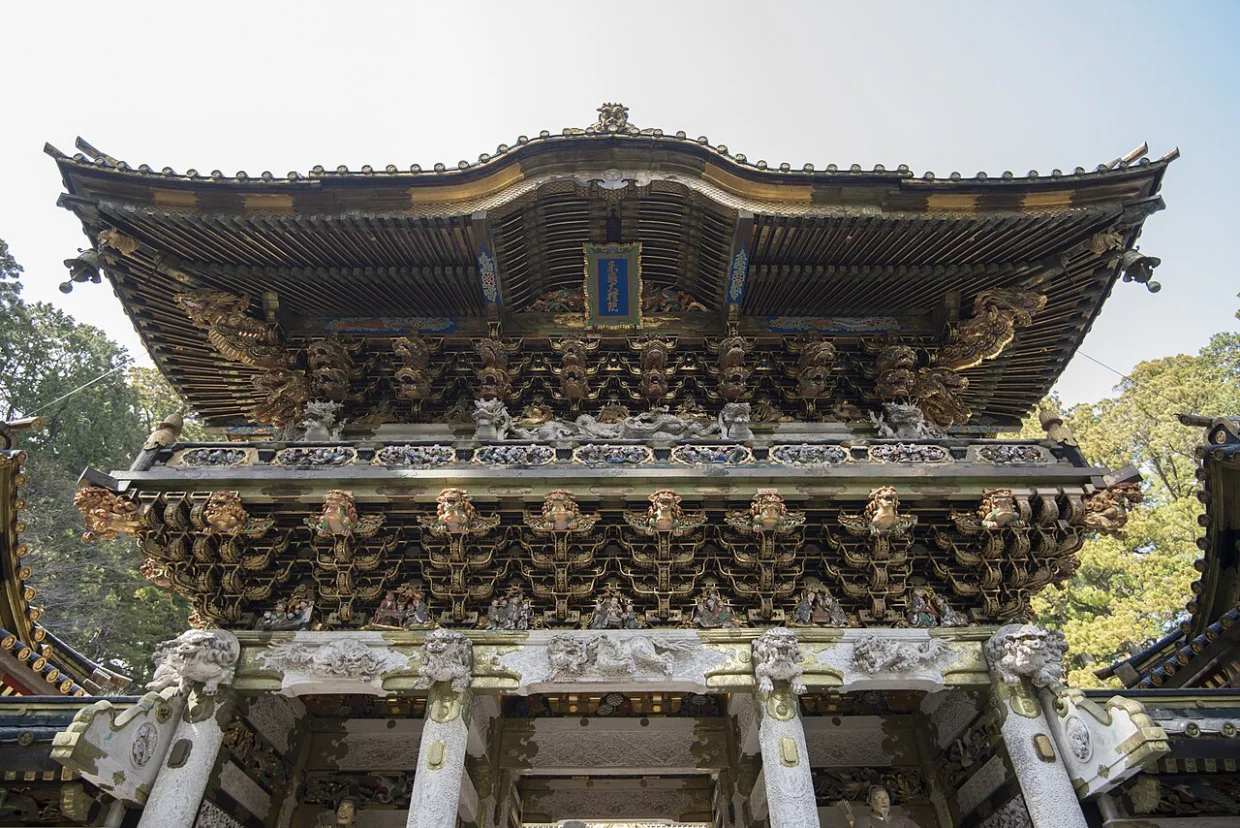
Take the Tobu Limited Express from Asakusa or JR-Tobu direct trains from Shinjuku and Ikebukuro. Compare the NIKKO PASS, JR TOKYO Wide Pass, and Nikko bus passes, including Okunikko downhill bus timing and winter detours.
How to Book Tobu Limited Express Trains and What SPACIA X Costs
All seats on Tobu Limited Express trains are reserved. Riding a SPACIA X Standard Seat requires both the basic rail fare and the Standard Seat limited express surcharge. Choosing a Premium Seat applies the higher Premium Seat limited express rate to that same limited express ticket. Only specialty seating—such as a Compartment or the Cockpit Lounge—charges each passenger the basic fare plus the Standard Seat limited express fee, with the room or lounge surcharge added on top.
For an adult traveling one way from Asakusa to Tobu-Nikko during Tobu's regular fare season, the basic rail fare is ¥1,400 and the SPACIA X Standard Seat limited express surcharge is ¥1,940, totaling ¥3,340. The Premium Seat surcharge is ¥2,520, bringing the one-way total with basic fare to ¥3,920. Peak and off-peak surcharges apply according to your departure date, so check the fare calendar for both directions separately if your outbound and return dates fall in different tiers.
For four travelers who want a private room, look for the four-person SPACIA X Compartment. The ¥8,000 surcharge listed on the official fare chart covers the whole room, while all four passengers still pay the basic fare and Standard Seat limited express surcharge each. Pairs traveling together should first check whether adjacent two-person sofa seats or standard seats are left, as they sit in different checkout fields. To keep a family together, select adjacent seats in one transaction—and avoid buying a child's seat separately later.
Tobu online limited express tickets go on sale at 9:00 JST one month before the travel date. You can follow the link from the SPACIA X boarding guide to TOBU Japan Trip Tickets for international visitors, making sure to match the exact boarding station, date, train number, and seat. Run a separate search for the return leg, since a next-day return goes on sale one day later. You can also mix train types across your round trip, such as taking SPACIA X outbound and a later standard limited express back.
Standard reserved-seat limited express trains also run direct on weekdays. "Kegon" and "Revaty Kegon" are the main train names bound for Tobu-Nikko on the timetable, though you should always confirm the destination display and car number on the platform and train nose. Some trains split at Shimo-Imaichi, so board your assigned car number carefully. If direct Asakusa–Tobu-Nikko seats are sold out, look for a Kinugawa-bound limited express to Shimo-Imaichi and transfer to a local Nikko Line train.
Local trains offer a backup worth checking. Set Tobu Asakusa as your origin and uncheck limited express options; common transfer stations include Minami-Kurihashi and Shimo-Imaichi. If even an early start cannot line up with a limited express seat, rebuild your half-day Nikko plan around the actual local arrival time. An active Tobu pass covers local trains within its valid zone, whereas passengers holding only a digital limited express ticket must ensure they have a valid payment method for the basic fare before entering the ticket gates.
The NIKKO PASS World Heritage Area Also Reaches Kinugawa
Both versions of the NIKKO PASS include one round trip between Tobu Asakusa and Shimo-Imaichi, plus unlimited rides on Tobu Railway lines from Shimo-Imaichi to Tobu-Nikko and Shin-Fujiwara. Because Kinugawa-Onsen lies along the line toward Shin-Fujiwara, even the World Heritage Area pass lets you ride local trains to Kinugawa. The Asakusa–Shimo-Imaichi round trip must follow the inbound/outbound direction of the pass, so a four-day validity window does not mean daily round trips back to Tokyo.
The NIKKO PASS World Heritage Area is valid for two consecutive days at ¥3,000 for adults and ¥1,500 for children, covering designated Tobu Buses in the shrine-and-temple zone. Trips uphill from the shrine area to Lake Chuzenji, Akanuma, or Yumoto require a separate bus pass or individual fares. On an overnight trip starting Saturday, the pass covers your return to Asakusa on Sunday; staying Saturday through Monday means buying a separate Monday return ticket.
The NIKKO PASS All Area is valid for four consecutive days at ¥8,000 for adults and ¥4,000 for children. It adds Tobu Bus coverage across Okunikko, along with designated Kinugawa-area connections, the seasonal Lake Chuzenji sightseeing boat, and the Odashirogahara low-emission bus. Check operating calendars before relying on seasonal services. Both passes require separate reserved-seat limited express tickets for any limited express ride, and Toshogu Shrine admission is paid separately.
With an overnight World Heritage Area pass, you can travel from Asakusa to Nikko on day one, tour the shrines and temples, take a train to Kinugawa for the night, and head back to Asakusa on day two. Your outbound and return trains to and from Tokyo do not have to use the same Nikko-area station—arrive at Tobu-Nikko and depart directly from Kinugawa-Onsen. If you want to visit Lake Chuzenji before returning to Tokyo, budget for the extra bus fare plus transfer time from Kinugawa back to Nikko Station; staying in Kinugawa on morning two is far easier if you plan a relaxed ryokan breakfast or have dinner reservations in Tokyo.
Compare the All Area pass against point-to-point bus passes using station-counter prices. Tobu Bus sells a 2-day Chuzenji Onsen bus pass for ¥2,300 (adult) and a 2-day Yumoto Onsen bus pass for ¥3,500 (adult), and both also cover the World Heritage Sightseeing Bus within their zones. On a Saturday-to-Sunday trip, the World Heritage Area pass plus the Chuzenji Onsen bus pass comes to ¥5,300, or ¥6,500 with the Yumoto pass—those are the figures to weigh against the ¥8,000 All Area pass if you only need a round trip to the lake or one night in Yumoto.
Both NIKKO PASS tiers are Tobu visitor passes that Japanese companions traveling with you may also purchase together. Digital passes bought on TOBU Japan Trip Tickets open directly on your phone at the gate. If a third-party platform issues a paper exchange voucher, redeem it at the Tobu Tourist Information Center in Asakusa Station before passing through the gates. If anyone in your group enters the station separately, confirm whether individual passes in the booking can be displayed on separate phones—otherwise meet outside the ticket gates. Date changes require two separate steps: unused passes are handled through their point of purchase, while limited express reservations follow Tobu's limited express change and refund rules.
Which Tobu Trains the JR TOKYO Wide Pass Covers
The JR TOKYO Wide Pass costs ¥16,000 for adults and ¥8,000 for children aged 6–11, covers three consecutive days from the start date, and is restricted to non-Japanese passport holders. For Nikko, it allows reserved-seat bookings in ordinary cars on the JR-Tobu direct limited express trains "Nikko," "SPACIA Nikko," "Kinugawa," and "SPACIA Kinugawa." Double-check your travel date and origin/destination stations when reserving seats so your ticket ends at the station you actually want.
On the pass coverage map, the section between Kurihashi and Shimo-Imaichi is valid only aboard those direct limited express trains—you cannot use the pass to hop on random Tobu local trains along that stretch. Once past Shimo-Imaichi, the pass covers Tobu local trains to Tobu-Nikko and Kinugawa-Onsen. When using the pass on a direct limited express, at least your boarding or alighting station must be a JR station. Taking SPACIA X from Asakusa to Tobu-Nikko, or a Tobu-only limited express from Kinugawa back to Asakusa, follows standard Tobu ticketing.
If you already hold a JR TOKYO Wide Pass, you can search both the Shinjuku direct trains to Tobu-Nikko and the Tokyo-via-Utsunomiya route on the JR Nikko Line. The direct train eliminates a transfer, while the Utsunomiya route can sometimes put you in Nikko earlier when direct departures run late. Tobu Bus fares in Nikko are paid separately: stick to single-ride fares or a 1-day bus pass in town, and pick the Chuzenji or Yumoto pass matching your farthest uphill bus stop.
If Nikko is your only out-of-town trip over those three days, price out individual reserved tickets or Tobu passes first. The ¥16,000 pass starts making sense once you combine Nikko with Karuizawa, Echigo-Yuzawa, or similar destinations within three consecutive days. In JR East's regular-season sample itinerary—Tokyo to GALA Yuzawa, then via Omiya to Tobu-Nikko and back to Shinjuku—individual adult ordinary reserved-seat fares total roughly ¥21,500. Watch out for two-day Tokyo stays in the middle of your trip, which can push a second long-distance leg outside the three-day window and tip the math back toward single tickets.
Reserve direct limited express seats through JR East's booking portal or reserved-seat ticket machines, picking up tickets according to your purchase channel. When searching Shinjuku to Tobu-Nikko, spell out "Tobu" in full so the search engine does not route you to JR Nikko Station instead. Note your car and seat numbers before departure. If a companion boards midway at Ikebukuro, search availability from their actual boarding station before matching car and seat assignments.
Connecting From Nikko to Kinugawa-Onsen
The standard rail connection from Tobu-Nikko to Kinugawa-Onsen takes the Tobu Nikko Line to Shimo-Imaichi, where you transfer to the Kinugawa Line. Station platform maps split tracks into Nikko, Kinugawa, and Asakusa directions, so check the connecting platform sign before hauling luggage across the station. Shimo-Imaichi has elevators, a waiting room, and coin lockers—build in extra minutes for walking to and waiting for the elevator when making a tight transfer with suitcases.
On Saturdays, Sundays, and holidays, check Tobu Bus's SL bus route, which runs from "Taiyuin / Futarasan-jinja Mae" via Tobu-Nikko Station to Kinugawa-Onsen Station. Tobu Bus lists the one-way fare from Tobu-Nikko Station to Kinugawa-Onsen Station at ¥600. If you finish touring around Taiyuin right as a bus departs, you can ride straight to the hot-spring town without backtracking. On weekdays, stick to the train transfer via Shimo-Imaichi rather than waiting at a weekend-only bus stop.
If you plan to return to Tokyo directly from Kinugawa, entering Toshogu Shrine with just a daypack is far easier—provided your luggage sits along your exit route. Both Tobu-Nikko and Kinugawa-Onsen stations have coin lockers, so leave bags at the station you will pass again later. If you catch a direct bus out of the shrine district, retrieve luggage stored at Tobu-Nikko Station before boarding. Decide where your bags go before choosing whether to board at Taiyuin or the station.
Heading north toward Aizu takes you past Shin-Fujiwara onto the Yagan Railway and Aizu Railway. Both NIKKO PASS tiers end their free rail zone at Shin-Fujiwara. For routes continuing through Yunokami-Onsen to Ouchijuku, Tobu offers a separate Nikko-Ouchijuku 2-Day Pass covering trains between Tobu-Nikko and Yunokami-Onsen plus one day of unlimited rides on the Saruyugo bus between Yunokami-Onsen and Ouchijuku. Continuing further north to Aizuwakamatsu requires separate fares beyond Yunokami-Onsen.
Both Nikko Stations Share the Same Bus Network
The World Heritage Sightseeing Bus carries route code W. For the main approach to Toshogu Shrine, ride to "Omotesando" and walk about 5 minutes. For Taiyuin or Futarasan Shrine, look for buses terminating at "Taiyuin / Futarasan-jinja Mae." The Shinkyo stop puts you right by Shinkyo Bridge, roughly a 15-minute uphill walk to Toshogu Shrine—ideal if you want bridge photos before walking up the approach.
Buses heading uphill toward Chuzenji Onsen or Yumoto Onsen also let you hop off at "Nishisando Iriguchi" for the shrine district. Because separate stops nearby are named "Nishisando" and "Nishisando Chaya," match the route map's stop numbers when catching a return bus rather than just searching "Nishisando" in a maps app. Anyone with bags in station lockers also needs to budget time to pick up luggage and walk between the two stations or up to the platform.
From December 1, 2026 through March 31, 2027, Tobu Bus operates winter detour days on the World Heritage Sightseeing Bus, covering weekends, public holidays, select Mondays, and the New Year period. The published detour calendar uses two colors indicating whether buses turn back at Taiyuin / Futarasan-jinja Mae or at Nishisando; on both detour patterns, visitors heading to Toshogu Shrine alight at Stop 8, "Yasukawacho." On detour days, check the day's color code and confirm your return stop in advance so you do not wait at a weekday-only shelter.
From either station, a one-way bus ride costs ¥220 to Shinkyo and ¥350 to Omotesando or Taiyuin-mae. Riding in to Omotesando and returning from Taiyuin-mae totals ¥700, making the ¥600 1-day World Heritage bus pass cheaper for bus-only visitors. Riding out to Shinkyo, walking the shrines, and catching a bus back from Taiyuin-mae totals ¥570—just one stop change flips which ticket wins.
Tobu Buses in Nikko accept Suica, PASMO, and other nationwide IC cards—tap when boarding and again when alighting. Cash riders take a numbered ticket upon boarding and drop it into the farebox with exact change when exiting. Keep paper bus passes ready to show the driver (on buses boarding through the center door, show the pass when exiting at the front). For digital passes, open each traveler's screen before the bus pulls up so everyone can board smoothly.
Individual admission to Nikko Toshogu Shrine is ¥1,600 for adults and high school students, and ¥550 for elementary and junior high students. Last entry is 16:30 from April through October, and 15:30 from November through March. If you only start coming down from Lake Chuzenji at 15:00 in winter, the mountain descent alone makes that cutoff unrealistic—schedule Toshogu for the next morning or visit the shrine district first on day one.
Bus Stops and Directions for Lake Chuzenji, Kegon Falls, and Yumoto
From either JR Nikko or Tobu-Nikko Station, board buses bound for "Chuzenji Onsen" or those continuing through Chuzenji to "Yumoto Onsen." You can alight at the Route C terminus at Chuzenji Onsen or step off there mid-route on a Yumoto-bound bus. Nikko City Tourism Association lists the reference ride from the station to Chuzenji Onsen at roughly 50 minutes, followed by a 5-minute walk to Kegon Falls. Use timetable figures to pick your bus, then add cushion for boarding queues, traffic, and walking.
Due to construction, Chuzenji Onsen Bus Terminal adjusted its bays starting September 24, 2026. On Tobu Bus's terminal diagram, Bay 26B serves both Nikko stations, Bay 26A heads toward Yumoto, and Bay 26C serves Hangetsuyama, Tachiki Kannon, and the sightseeing boat pier. When returning to the terminal from the falls or lakeshore, check the Bay 26B line for downhill buses first; if you are continuing on to Senjogahara or Yumoto after visiting Chuzenji, locate Bay 26A as you step off and note the next departure time.
The elevator lookout and the free ground-level observation deck look out over the same gorge at Kegon Falls. If your downhill bus time is closing in, use the free deck and head back to the terminal. For the Kegon Falls Elevator, Nikko City Tourism Association lists round-trip admission at ¥600 for junior high students and up; regular winter hours from December through February run 9:00–16:30, with last entry 20 minutes before closing. Factor in the walk from the lakeshore, elevator queues, and the ride back up before your bus departs.
When hiking Senjogahara, look up trailhead bus stops such as "Akanuma" and "Yutaki Iriguchi" separately. Entering at Akanuma and exiting at the far end means catching your return bus from a different stop, so do not rely on the Akanuma timetable for the trip back. The same applies to Ryuzu Falls—verify which end of the cascade you will finish at and whether your return stop shares the outbound name. Skipping an extra inter-trail bus hop by sticking to one waterfall or one trail segment cuts out an entire wait.
Sightseeing boat piers include "Fune-no-Eki Chuzenji," which sits apart from both the rail stations and Stop 26 at the bus terminal. Nikko City Tourism Association budgets about a 15-minute walk from Kegon Falls to the pier. The All Area pass notes boat service runs through November 30, with schedules and stops varying by season. If you just want lakeside views without a cruise, walk straight down from the bus terminal to the shore and catch your downhill bus from the same terminal.
Standard adult one-way bus fares from either Nikko station are ¥1,250 to Chuzenji Onsen, ¥1,700 to Akanuma, and ¥1,950 to Yumoto Onsen. A round trip to Chuzenji costs ¥2,500—¥200 more than the ¥2,300 2-day pass—while a Yumoto round trip costs ¥3,900 versus ¥3,500 for its 2-day pass, saving ¥400. If your hotel provides an uphill shuttle and you only ride a public bus downhill, compare the pass against that single one-way fare instead.
Sample Fare Totals for Shrines, the Lake, and Kinugawa
When comparing Tobu options, keep the same limited express seat tier across every scenario. The examples below assume an adult departing Asakusa both ways on SPACIA X Standard Seats during regular season, putting the two limited express surcharges at ¥3,880 combined. Substitute your own limited express surcharge if riding another train or traveling in peak season, then add your chosen bus pass or rail pass—meals, lodging, and temple admission are separate.
If your Tokyo hotel sits roughly equidistant from Asakusa and Shinjuku, put outbound arrival times and return preferences on the same comparison sheet, including local subway fares to each terminal. When travelers in one group hold mixed passes—say, one person has a JR TOKYO Wide Pass and another buys Tobu tickets—meet at Tobu-Nikko Station or the same bus stop rather than buying an extra pass just to ride the exact same train out of Tokyo.
- Shrine-and-temple day trip: NIKKO PASS World Heritage Area (¥3,000) plus two limited express surcharges (¥3,880) equals ¥6,880. Walking everywhere in Nikko on point-to-point basic rail fares (¥2,800) plus surcharges comes to ¥6,680. As soon as you take two bus rides to Omotesando or Taiyuin, the World Heritage pass beats buying rail tickets plus a 1-day bus pass.
- Lake Chuzenji within two days: Point-to-point basic rail fares (¥2,800) plus the 2-day Chuzenji bus pass (¥2,300) and limited express surcharges (¥3,880) total ¥8,980. Adding that same bus pass on top of a World Heritage Area pass comes to ¥9,180, because both passes overlap on shrine-area bus coverage.
- Three to four days covering Nikko, the lake, and Kinugawa: NIKKO PASS All Area (¥8,000) plus two regular-season limited express surcharges (¥3,880) equals ¥11,880. If you return directly from Kinugawa-Onsen to Asakusa on the final day, book that limited express ticket from Kinugawa-Onsen while the All Area pass covers the base rail fare; adjust the total if your outbound and return dates fall in different surcharge tiers.
Lock In Your Train Arrival Buffer and Work Backward for Downhill Buses
Write the latest time you must reach the train station next to your limited express departure, then work backward to pick your downhill bus from Chuzenji or Yumoto—with at least one earlier backup departure marked. Buses from Yumoto toward Nikko also pass through Chuzenji. Check whether the destination board reads "JR Nikko Station" or "Chuzenji Onsen," as mixing those up can cost you an extra transfer. Add separate minutes for retrieving station lockers and walking to your platform; sunset views, boat rides, and dinner can shift earlier, whereas a reserved train departure will not wait.
When autumn traffic clogs the Irohazaka winding road, buses sit in the same queue as cars. Nikko City Tourism Association flags mid-October through early November foliage weekends as heavy congestion periods, with 9:00–15:00 peak days especially tight and delays sometimes spilling into early evening. On an autumn day trip focused on foliage, take an early train straight up the mountain and pick either Lake Chuzenji or Ryuzu Falls for an unhurried walk; if the descent runs late, limit the shrine area to Shinkyo Bridge or the outer approach and save Toshogu for another trip.
Tobu Bus's Nikko route page links to live bus locations, letting you match stop numbers in both directions while up at the lake. If you see your intended downhill bus is still stuck down the mountain, walk back to the departure bay early and trim your last stop if needed. If even your buffer vanishes, use your original booking channel to check for a later limited express seat, or look up JR connections via Utsunomiya from JR Nikko Station—recalculating fares based on the pass or ticket you actually hold.
Winter bus schedules run from December 1 through March 31. If your stay around Yumoto crosses New Year's, check the day-type symbols for both your outbound and return dates, and save the shrine-area winter detour calendar to your phone. When staying at a Lake Chuzenji or Yumoto hotel with a shuttle, jot down the shuttle pickup point alongside the last public bus on the same note before leaving—if you miss the hotel shuttle, you can pivot straight to the bus timetable.
The Akechidaira Ropeway closed for renovations starting January 16, 2026. On November 11, 2026, Tobu Railway and Nikko Kotsu announced that the upgraded ropeway and summit observation deck are scheduled to open in autumn 2027, with Nikko Kotsu's November 18 notice citing the same target season and noting an exact date will follow separately. During the closure, ride straight to Chuzenji Onsen for Kegon Falls and walk to the lakeshore.
On an overnight trip, tackle road-sensitive mountain stops on day one and keep day two aligned with your departure station. Staying near Tobu-Nikko Station lets you focus morning two on the shrines and temples before walking back down the approach to catch your train; staying in Kinugawa lets you linger in the hot-spring town and board a direct train from Kinugawa-Onsen Station or transfer at Shimo-Imaichi as booked.
About to Miss Your Limited Express? Handle Your Seat Before Departure
If your return limited express is about to leave while you are still stuck on Irohazaka, open your original reservation on your phone right away while a companion checks later trains. Standard Tobu limited express tickets allow one free date or train change before the scheduled departure from your boarding station, subject to seat availability. Refunding an unused station-bought Tobu limited express ticket before departure carries a ¥100 fee per seat, with Compartments and Lounge seats incurring an additional specialty-seat cancellation fee. Online bookings follow the cutoff shown on your order page, while agency tickets must be modified through the original seller.
For Shinjuku direct "Nikko" limited express tickets and compartment tickets, Tobu lists cancellation fees of ¥340 up to two days before travel, and 30% of the fare (minimum ¥340) from the day before travel until departure. Travelers using a JR TOKYO Wide Pass must manage seat reservations through their original JR booking channel and stay within the pass validity window when rebooking.
If you can still reach Tobu-Nikko Station within your pass validity after missing a reserved seat, check whether later limited express trains have open seats first. Local trains also run into the evening via Shimo-Imaichi and Minami-Kurihashi back to Tokyo. Save the last workable local-train connection to Tokyo before heading uphill, and factor in the last subway train to your hotel.
A few useful answers
What is the fastest way from Tokyo to Nikko?
From Asakusa, check the direct SPACIA X to Tobu-Nikko; train No. 1 on the official timetable takes 1 hour 49 minutes. From Shinjuku or Ikebukuro, compare the JR-Tobu direct limited express trains, or check Tokyo Station via Utsunomiya on the JR Nikko Line. Compare door-to-door travel time from your hotel all the way to your first Nikko bus.
Does the Nikko limited express go to JR Nikko Station?
No—the JR-Tobu direct limited express trains "Nikko" and "SPACIA Nikko" from Shinjuku and Ikebukuro terminate at Tobu-Nikko Station. Only the JR Nikko Line from Utsunomiya arrives at JR Nikko Station.
Can I visit Kinugawa-Onsen with the NIKKO PASS World Heritage Area?
Yes, on covered Tobu local trains between Shimo-Imaichi, Kinugawa-Onsen, and Shin-Fujiwara. Reserved limited express seats cost extra, and buses into Okunikko require a separate Nikko bus pass or upgrading to the NIKKO PASS All Area.
Can I pass through the ticket gates with only a SPACIA X limited express ticket?
No—a limited express ticket only reserves your train and seat. You still need a valid basic fare ticket, an eligible NIKKO PASS, or a transit IC card to enter the ticket gates before boarding your assigned car.
Can I ride SPACIA X from Asakusa with the JR TOKYO Wide Pass?
No—SPACIA X out of Asakusa runs strictly on Tobu fares. The JR TOKYO Wide Pass covers ordinary reserved seats on the JR-Tobu direct limited express trains, such as SPACIA Nikko from Shinjuku to Tobu-Nikko.
Which bus pass is the best value for Lake Chuzenji?
A standard one-way bus fare from either Nikko station to Chuzenji Onsen is ¥1,250, or ¥2,500 round trip—¥200 more than the ¥2,300 2-day Chuzenji Onsen pass. If your itinerary continues to Akanuma or Yumoto, compare against the Yumoto Onsen pass instead.
Can I visit both Nikko Toshogu Shrine and Lake Chuzenji on a day trip from Tokyo?
If you catch an early limited express and Irohazaka traffic flows smoothly, you can visit Lake Chuzenji and Kegon Falls in the morning and tour the shrine district in the afternoon depending on your descent time. On autumn foliage weekends, focus on one area; in winter, Toshogu closes entry at 15:30, so spending at least half a day in each zone with an overnight stay works far better.
Will the Akechidaira Ropeway be open in spring 2027?
No—the Akechidaira Ropeway is closed for renovations, with Tobu Railway and Nikko Kotsu announcing a planned autumn 2027 reopening. In spring, take a bus directly to Chuzenji Onsen and walk to Kegon Falls and Lake Chuzenji.
Official information and references
Sources used in this guide.
- Tobu Railway: NIKKO PASS World Heritage Area
- Tobu Railway: NIKKO PASS All Area and Purchase Guide
- Tobu Railway: SPACIA X Timetable, Seating, and Fares
- Tobu Railway: Nikko and Kinugawa Limited Express Fare Chart
- Tobu Railway: Tobu Nikko Line Downbound Timetable
- Tobu Railway: Limited Express Ticket Sales and Refund Guide
- JR East: JR TOKYO Wide Pass (Fares, Coverage Area, and Purchase Rules)
- JR East: Official Timetable for SPACIA Nikko No. 1 (December 2026 Edition)
- JR East: Utsunomiya Station Line Timetables
- Tobu Bus: Nikko Routes, Zone Fares, Monthly Timetables, and Stop Maps
- Tobu Bus: Nikko Bus Passes
- Tobu Bus: Nikko Boarding and Payment Guide
- Tobu Bus: 2026–2027 World Heritage Sightseeing Bus Winter Detour Schedule
- Tobu Bus: Chuzenji Onsen Bus Terminal Platform Changes
- Nikko City Tourism Association: Toshogu Shrine Admission and Bus Access
- Nikko City Tourism Association: Kegon Falls and Kegon Falls Elevator
- Nikko City Tourism Association: 2026 Lake Chuzenji Sightseeing Boat Guide
- Nikko City Tourism Association: 2026 Irohazaka and Lake Chuzenji Congestion Periods
- Tobu Railway and Nikko Kotsu: November 11, 2026 Akechidaira Ropeway Renovation Notice
- Tobu Railway: Shimo-Imaichi Station Platform Map and Facilities
- Tobu Railway: Tobu-Nikko Station Facilities
- Tobu Railway: Kinugawa-Onsen Station Facilities
- Tobu Railway: Nikko-Ouchijuku Pass
- Tobu Railway: Limited Express Ticket Change and Refund Rules
- Nikko City Tourism Association: Okunikko Bus and Trail Access
- JR East: 2026 Pass Update (Eligible Nikko Direct Limited Express Trains)
- Tobu Bus: December 2026 – March 2027 Winter Timetable Notice
- Nikko Kotsu: Akechidaira Ropeway Autumn 2027 Reopening Notice
- Nikko Kotsu: Akechidaira Ropeway Closure Notice (From January 2026)