Fares, terminal bus stops, ticket booking, and first/last services for the Haneda Airport Limousine Bus to Shinjuku, Ikebukuro, Shibuya, Tokyo Station, and T-CAT, including post-midnight and early-morning connections.
- Region & Focus
- TokyoTransport and passes
- Reading Scope
- 24 min read · 10 chapters · 7 Q&As
- Official Verification
- 24 official sources checkedUpdated 22 November 2026
- Key Topics
- Airport transfersBookingRail travel
Chapter Route Map (tap any stop)
- Haneda Limousine Bus Fares and Stops Across All Three Terminals
- Walking from Terminal 3 Arrivals to 1F Lane 3
- Choosing Between Shinjuku West Exit, Busta Shinjuku, and Hotel Stops
- Tokyo Station Yaesu, Ginza, and Nihonbashi Hakozaki
- Shibuya Line Same-Day Tickets: Fukuras or Mark City
- Ikebukuro West Exit, Sunshine City, and Hotel Chinzanso
- Late-Night Coaches (00:20–02:20) and the 04:00 Return
- Online Reservations, E-Tickets, and IC Cards
- Suitcases, Pushchairs, and Wheelchair Access
- Early Flights, Rainy Days, and Trips That Outgrow One Coach
- Quick Q&A
Standard adult single fares on the Haneda Airport Limousine Bus to Hakozaki T-CAT, Tokyo Station, Shibuya, Shinjuku, or Ikebukuro run from ¥1,000 to ¥1,400. If your hotel has a dedicated stop, you can step off and wheel your luggage straight through the lobby doors. Those staying in Ginza or Marunouchi should note that current services terminate on the Yaesu side, so it pays to compare rail connections as well. Leaving Terminal 3, head to Lane 3 on the 1st floor; after midnight, coaches for Shinjuku and Ikebukuro East Exit depart from Stop 3 at ¥2,800 for adults. For the return trip from near Shinjuku Station, make your way to the 4th floor of Busta Shinjuku.
Haneda Limousine Bus Fares and Stops Across All Three Terminals
Standard single fares from Haneda to Shinjuku or Ikebukuro are ¥1,400 for adults and ¥700 for children. Shibuya costs ¥1,300/¥650, Tekko Building at Tokyo Station Yaesu North Exit is ¥1,200/¥600, and Nihonbashi Hakozaki T-CAT is ¥1,000/¥500. Late-night and early-morning services serving Shinjuku, Higashi-Shinjuku, and Ikebukuro East Exit carry a higher fare of ¥2,800 for adults and ¥1,400 for children. For a family of two adults and one child heading to Shinjuku, the daytime total comes to ¥3,500, rising to ¥7,000 on a late-night departure. When landing in the evening, that jump matters far more than the small fare differences between standard daytime routes.
When choosing a service, match the exact hotel name on your booking confirmation to the stop list. In Shibuya, Cerulean Tower Tokyu Hotel and Shibuya Excel Hotel Tokyu have separate stops—the former right outside Cerulean Tower, the latter inside Shibuya Mark City. Likewise, Hotel Metropolitan and Sunshine City Prince Hotel sit on opposite sides of Ikebukuro Station. Simply selecting the "Shinjuku area" or "Ikebukuro area" during booking is too broad; only by picking your specific hotel stop will the system display coaches that actually pull up outside the entrance.
Each row in the timetable represents a single coach, with three columns on the airport side—many city-bound departures call at Terminal 3 first, followed by Terminal 2 and Terminal 1. Filter down to your departure terminal and destination column to spot any skipped stops. The earliest Terminal 3 coach to Shibuya does not necessarily pick up at Terminal 1, and Terminal 3 services to Hakozaki skip certain departures that only board at Terminals 2 and 1. Whenever you see a "pass" or dash mark, move down to the next row. Your ticket displays the departure time for your chosen terminal, so never wait at a different terminal even for the same coach run.
| Drop-off Point | Adult / Child | Terminal 1 / 2 / 3 Stop |
|---|---|---|
| Tokyo Station Yaesu North Exit (Tekko Building) | ¥1,200 / ¥600 | Stops 3 / 4 / 1 |
| T-CAT (Nihonbashi Hakozaki) | ¥1,000 / ¥500 | Stops 6 / 7 / 2 |
| Daytime Ikebukuro West Exit & Selected Hotels | ¥1,400 / ¥700 | Stops 7 / 8 / 2 |
| Standard Shinjuku Line (West Exit, Busta, or Selected Hotels) | ¥1,400 / ¥700 | Stops 4 / 5 / 3 |
| Shibuya Line (Fukuras, Cerulean Tower, Mark City) | ¥1,300 / ¥650 | Stops 9 / 10 / 4 |
| Late-Night Shinjuku & Ikebukuro East Exit | ¥2,800 / ¥1,400 | Stops 4 / 5 / 3 (one departure each from T1 & T2) |
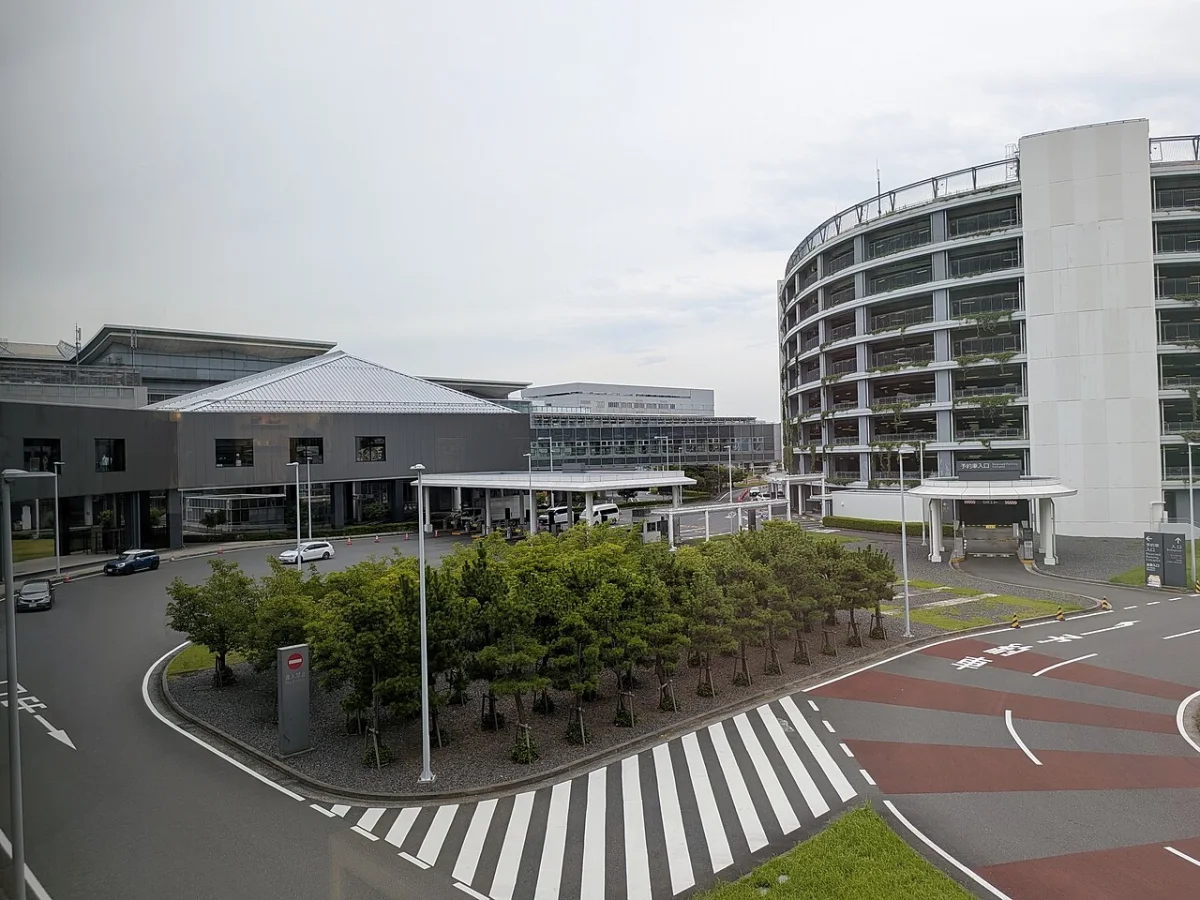
Fares, terminal bus stops, ticket booking, and first/last services for the Haneda Airport Limousine Bus to Shinjuku, Ikebukuro, Shibuya, Tokyo Station, and T-CAT, including post-midnight and early-morning connections.
Walking from Terminal 3 Arrivals to 1F Lane 3
Once you collect your bags and step into the Terminal 3 Arrivals Lobby on the 2nd floor, follow the "Bus" signs into the Access Hall and take a lift or escalator down to Lane 3 on the 1st floor. Lane 3 houses the full row of limousine bus bays: coaches for Shinjuku board at Stop 3, Tokyo Station services use Stop 1, and both T-CAT and daytime Ikebukuro buses depart from Stop 2. Check the destination board and departure time at the stop while waiting, as coaches bound for different districts can share the same bay number.
To buy tickets on the spot, head to the Bus Ticket Counter on the 2nd floor or use the route-specific ticket machines. Keikyu's guide for the Tokyo Station line notes Limousine Bus machines opposite Stops 2 and 5 on the 1st floor, while the Shibuya line has Keikyu machines outside Stops 4 and 8 on the 1st floor. Note that these are machine locations rather than boarding bays—always go to the stop printed on your ticket or shown on the departure display. Both Terminals 1 and 2 also board on the 1st floor, though you must select the right machine for your destination. At staffed counters, showing your hotel booking screen or Japanese address helps staff confirm the closest drop-off.
Travellers meeting friends or connecting from a domestic flight should check the airport flight status page by flight number to verify the actual arrival terminal. Only transfer between terminals via the free inter-terminal shuttle bus, which picks up at Stop 0 on 1F at Terminal 3, Stop 8 on 1F at Terminal 1, and Stop 9 on 1F at Terminal 2. Those numbers are strictly for inter-terminal shuttles—at Terminal 2, for example, Stop 9 is the shuttle while Tokyo Station buses leave from Stop 4. Allow extra time to locate your boarding bay if you have heavy luggage. Note that the airport's free shuttle page lists "25:00" as 01:00 the next day, so cross-check your coach departure time carefully when switching terminals late at night to catch a final departure.
On 27 November 2026 from 00:00 to 05:00, the airport connecting tunnel will close for inspection in the direction from Terminal 1 towards Terminal 3, forcing the free shuttle bus to detour during those hours. If you are aiming for the 01:00 Shinjuku departure from Terminal 3 that night, factor in both the shuttle waiting time and the detour from Terminal 1 to Stop 3 at Terminal 3. Catching the 00:05 service from Terminal 2 or the 00:10 pickup at Terminal 1 saves you an extra terminal transfer.
Choosing Between Shinjuku West Exit, Busta Shinjuku, and Hotel Stops
Standard daytime services from Terminal 3 to Shinjuku start at 06:15, with the final regular coach at 23:40 scheduled to reach Shinjuku Station West Exit at 00:23. Fewer runs serve individual hotels directly. If you are staying at the Keio Plaza Hotel that evening, check which departures actually stop there before boarding. On the timetable, the 08:05 Terminal 3 coach is slated to hit Shinjuku West Exit at 09:00, Keio Plaza at 09:15, and Hotel Sunroute Plaza Shinjuku at 09:20, yet it skips both the Hyatt Regency and Hilton Tokyo. Even when a hotel name appears on the route map, read that exact cell in the timetable—especially on the last few departures of the night.
Around the Tokyo Metropolitan Government Building, both Keio Plaza and Shinjuku Washington Hotel have dedicated stops. If you miss a hotel-direct coach, Shinjuku West Exit works as a fallback for Nishi-Shinjuku; if walking from there involves navigating underpasses or hauling cases across wide arterial roads, hop into a short-hop taxi at the drop-off point instead. If you are meeting someone at the JR New South Gate or catching an intercity coach from Busta Shinjuku the next day, pick a service that stops directly at Busta. Airport Transport Service lists Busta and Shinjuku West Exit side by side in its schedules, so check the stop column to confirm where your specific coach terminates. Travellers staying on the northern side of Kabukicho with bulky bags can also compare the separate route to Tokyu Kabukicho Tower, which official airport guides place at Stop 1 in Terminal 3, Stop 3 in Terminal 1, and Stop 4 in Terminal 2—just do not queue at the West Exit bay with a Kabukicho Tower ticket.
Heading back to Haneda, regular Shinjuku coaches board at Busta Shinjuku or designated hotels; the return timetable explicitly notes no pickup at Shinjuku Station West Exit. Departures from Busta leave from the 4th floor, which connects directly from JR Shinjuku Station's New South Gate between 05:45 and 24:00. For the 04:00 early-morning coach and the first regular departures, enter the terminal from street level along Koshu-kaido Avenue and check the departure boards on the 4th floor. If you are staying right by a hotel stop, booking directly from your hotel lobby avoids a cross-station trek. Confirm the exact hotel lobby floor and pickup bay with reception the night before so you are not searching for the bus stop with suitcases in tow at dawn.
While the 05:25 departure on the timetable is the first regular coach from Nakano Station, travellers near Shinjuku Station should look at the 04:40 departure from Busta, scheduled into Terminal 2 at 05:05, Terminal 1 at 05:10, and Terminal 3 at 05:20. Anyone needing an earlier arrival can use the 04:00 late-night/early-morning special, which runs non-stop to Terminal 3. Those two services differ in fare, terminal coverage, and stopping pattern. Work backwards from your flight's arrival deadline, and remember to add walking time to Busta or a hotel stop if you are staying on the West Exit side.
Tokyo Station Yaesu, Ginza, and Nihonbashi Hakozaki
The Tokyo Station route terminates on the 1st floor of the Tekko Building next to Yaesu North Exit. Six departures leave Terminal 3 at 08:00, 09:30, 10:55, 12:55, 14:15, and 16:00, each scheduled for a 55-minute journey. Terminal 2 picks up 10 minutes later and Terminal 1 follows 15 minutes after Terminal 3. If you are staying in Yaesu or Nihonbashi, check your hotel's location against "Tekko Building" on a map before deciding whether to walk, hop on the underground, or take a short cab ride. Travellers transferring to the Shinkansen must enter the station after alighting and follow signs for their specific Shinkansen ticket gates—separating Tokaido Shinkansen tracks from Tohoku, Joetsu, and Hokuriku Shinkansen gates—so never count on the bus arrival time for a tight rail connection.
On the return journey, coaches board at Stop 2 in the Tekko Building 1F Bus Terminal, where ticket machines sit on the same level. The first departure leaves at 09:10 and reaches Terminal 3 at 10:05, meaning anyone catching a morning flight from the Yaesu area will usually need to take the train instead. The final bus departs at 17:10, arriving at Terminal 3 at 18:05. If you are collecting stored bags in the late afternoon, verify luggage pickup hours with your hotel or locker facility beforehand and build in the walk back to Tekko Building.
Haneda Airport's official guide lists the older routes serving Hibiya, Shiodome, Ginza, and Otemachi/Marunouchi as suspended. Staying on the Marunouchi side of Tokyo Station means walking across the station's east-west passage if you alight at Yaesu Tekko Building; with heavy suitcases, grab a taxi at Yaesu or take the Keikyu Line to Shinagawa and change to JR from the start. For Ginza 1-chome near Nihonbashi, compare the walk from Yaesu against rail; if you are staying near Shimbashi or Shiodome, look at Keikyu trains running straight onto the Toei Asakusa Line, or take the Tokyo Monorail to Hamamatsucho and ride one stop on JR to Shimbashi. Even hotels with near-identical Ginza names need different return routes depending on whether they sit closer to Tokyo Station or Shimbashi.
Passengers bound for Nihonbashi Hakozaki alight on the 1st floor of T-CAT, which connects directly to Suitengumae Station on the Tokyo Metro Hanzomon Line. Heading towards Ningyocho, T-CAT's official site estimates a 7-minute walk to the Hibiya Line and roughly 8 minutes to the Toei Asakusa Line. If you are staying around Suitengumae or Hakozaki itself, checking T-CAT direct services first makes a lot of sense. For addresses nearer the Asakusa Line side of Ningyocho, weigh the total walk against a through-running Keikyu train, which may spare you wheeling cases across several surface blocks.
Tokyo Big Sight and Tokyo Dome Hotel also appear on the T-CAT timetable. The first Terminal 3 departure to Hakozaki is at 11:25; the 09:15 first coach boards at Terminal 2 and skips Terminal 3. The last coach from Terminal 3 to T-CAT leaves at 23:15 and arrives at 23:50. Exhibitors heading to Tokyo Big Sight must check the Big Sight column specifically, as several afternoon coaches skip it. The same applies to Tokyo Dome Hotel: for example, the 13:05 Terminal 3 departure reaches T-CAT at 13:50 and Tokyo Dome Hotel at 14:15, with an adult single fare of ¥1,200 to the Dome stop. When other coaches terminate at Hakozaki, changing to the underground at Suitengumae or taking another rail line is smoother.
Shibuya Line Same-Day Tickets: Fukuras or Mark City
The Shibuya line is operated jointly by Keikyu Bus, Tokyu Bus, and Airport Transport Service, boarding at Stop 4 from Terminal 3. Keikyu's online booking for this route opens on the day of travel in Japan Standard Time (JST) and closes 10 minutes before each terminal's departure. Timed single tickets are also sold at the airport on the day. If using Suica or PASMO, you can buy a ticket at a machine, or tell the counter or platform staff at Terminal 3 which coach you want, collect a timed boarding slip, and tap your IC card upon boarding as directed by Keikyu. Return trips to Haneda allow tapping an IC card, paying cash, or using contactless credit cards directly on the bus—Keikyu's same-day web tickets are only sold for airport departures.
Tokyu Bus timetables list the first Terminal 3 departure at 05:45 and the last at 22:35. The 05:45 and 07:00 services call at Cerulean Tower and Mark City but bypass both Fukuras and Terminal 1. Anyone boarding early at Terminal 1 or intending to alight at Fukuras in the morning must inspect those individual columns carefully. The 08:15 departure from Terminal 3 is scheduled into Fukuras at 09:07 and Mark City at 09:15, whereas afternoon peak runs build in longer travel times—for instance, leaving Terminal 3 at 17:20, reaching Fukuras at 18:29, and arriving at Mark City at 18:37. Start counting your walk to the hotel only after luggage has been unloaded from the hold; planning around the scheduled arrival of specific runs is far more reliable than assuming a fixed journey time.
Guests at Shibuya Excel Hotel Tokyu can ride straight to Mark City and take the building's lifts directly into the hotel. Return coaches to Haneda depart from Stop 92 on the 5th floor of Mark City, Stop 9 at Fukuras, and the basement B1 level of Cerulean Tower Tokyu Hotel—pick whichever served stop sits closest. Tokyu's first standard return coach starts at Mark City at 05:50, calling at Fukuras at 05:55 and Cerulean Tower at 06:00 before heading to the airport. If you need to cross from Fukuras in heavy rain, check station concourses and lifts along the route beforehand. For hotels near Miyamasuzaka or Meiji-dori, taking Keikyu to JR and exiting Shibuya Station's eastern side cuts down on walking.
Ikebukuro West Exit, Sunshine City, and Hotel Chinzanso
Daytime coaches from Haneda to Ikebukuro follow two main patterns. Some terminate solely at Ikebukuro Station West Exit, ideal if you are staying in Nishi-Ikebukuro. For Higashi-Ikebukuro around Sunshine City, look for departures calling at Sunshine City Prince Hotel or Ikebukuro Sunshine Bus Terminal. The hotel and the bus terminal have separate stops, so services stopping at both list two distinct arrival times. If you are staying near Sunshine City on a West Exit-only ticket, you will need to cross through the Ikebukuro Station complex towards the east side; with two large suitcases, factor a short taxi ride from the West Exit into your total airport transfer budget.
Following Kokusai Kogyo Bus's timetable revision on 1 October 2026, the first daytime Ikebukuro coach leaves Terminal 3 at 08:30, reaching West Exit at 09:40, Sunshine City Prince Hotel at 10:05, and Ikebukuro Sunshine Bus Terminal at 10:10. The final standard run at 22:40 arrives at West Exit at 23:30 and the Prince Hotel at 23:45, leaving the Sunshine Bus Terminal column blank. Direct coaches to Hotel Chinzanso Tokyo are limited to specific departures—such as the 10:20 and 15:40 runs from Terminal 3, which call at Ikebukuro West Exit before continuing to Chinzanso. If you are attending a wedding there and miss a direct bus, keep a backup plan ready to ride to West Exit and take a taxi from there rather than waiting hours for the next direct coach.
For the daytime return to Haneda, board at Stop 91 at Ikebukuro Station West Exit or at one of the participating hotel stops, locking in an operating run via the Limousine Bus Reservation Web portal. The 03:35 early-morning departure for Terminal 3 boards on the opposite side of the station at Ikebukuro Station East Exit Stop 1. If early-morning airport access shapes your hotel choice, pin East Exit Stop 1 alongside your hotel on a map to check the pre-dawn walking route and crossings. Guests at Hotel Metropolitan on the West Exit side enjoy doorstep daytime departures, yet still have to cross to the other side of the station for the 03:35 East Exit coach.
On 30 November 2026 between 07:30 and 13:00, a fire drill at Ikebukuro Sunshine Bus Terminal will suspend stops there. Airport-bound departures from the terminal at 11:45 and 12:45 will skip it, as will the 08:30 and 09:50 arrivals from Haneda Terminal 3. Travellers arriving on those affected city-bound coaches that morning should alight at West Exit or Sunshine City Prince Hotel instead.
Late-Night Coaches (00:20–02:20) and the 04:00 Return
Late-night services to Shinjuku and Ikebukuro depart Terminal 3 Stop 3 at 00:20, 01:00, 01:40, and 02:20. Only the first run picks up at Terminal 2 Stop 5 at 00:05 and Terminal 1 Stop 4 at 00:10 before continuing to Terminal 3; the remaining three board exclusively at Terminal 3. That 00:20 departure calls at Shinjuku West Exit and Busta Shinjuku before running straight to Ikebukuro East Exit, skipping Higashi-Shinjuku. Anyone staying near Higashi-Shinjuku Station should take the 01:00, 01:40, or 02:20 bus, or ride the first bus to Shinjuku and take a short taxi. When booking a post-midnight departure, remember to select the Japanese calendar date after midnight—for instance, if your flight lands on Friday evening, search under Saturday for the 00:20 coach.
The last departure at 02:20 reaches Shinjuku West Exit at 02:58, Busta Shinjuku at 03:03, Higashi-Shinjuku at 03:08, and Ikebukuro East Exit at 03:25. Notify your hotel reception in advance about a pre-dawn arrival and make sure your booked nights align with your check-in expectations. Arriving at 03:00 on Saturday morning uses your Friday night reservation; if you have not yet booked and want to go straight to bed upon arrival, reserve the night starting before midnight and inform the hotel of your late arrival so you are not left waiting in the lobby until afternoon check-in.
In the same overnight window, Keikyu Bus operates a 01:20 coach from Terminal 3 Stop 7 to Yokohama YCAT and Sakuragicho—head to Stop 7 if you are bound for Yokohama. Travellers heading to Shibuya or Ginza can either ride the night bus to Shinjuku and switch to a short taxi, or take a taxi straight from Haneda to avoid unloading bags twice in the middle of the night. If a delayed flight causes you to miss the 02:20 coach, having an airport-area hotel that accepts late check-in as a backup lets you rest and catch daytime transport at first light. Keep both options in mind when booking your first night so a delayed arrival does not leave you scrambling.
Early-morning return specials depart Ikebukuro East Exit Stop 1 at 03:35, Higashi-Shinjuku at 03:50, and Busta Shinjuku 4F Stop B4 at 04:00, arriving at Terminal 3 only at 04:35. If you are flying out on an international departure from Terminal 2, factor in the inter-terminal transfer—taking the regular 04:40 coach from Busta that serves all three terminals may prove just as fast. Check your airline's check-in desk, bag-drop cut-off, and departure terminal first, then compare the arrival times of both services at your specific terminal.
Online Reservations, E-Tickets, and IC Cards
For Shinjuku, Tokyo Station, or Ikebukuro services, use Airport Transport Service's Limousine Bus Reservation Web portal to choose your direction, terminal, drop-off stop, travel date, and passenger count. Keikyu's Tokyo Station route and Kokusai Kogyo's Ikebukuro route allow reservations from one month ahead until 5 minutes before departure, with the Ikebukuro line opening at 00:00 JST. Double-check the Japanese calendar date before confirming: all booking cut-offs follow Japan Standard Time (JST), so it is easy to pick the wrong date when matching midnight departures against your flight arrival time.
You can pay by credit card on the Limousine Bus Reservation Web portal without registering an account, while registered members can also use credit cards, Alipay, or WeChat Pay on eligible routes. Paid online bookings arrive by email as a digital ticket that you activate on screen when boarding. On routes that allow reserving ahead for day-of-travel payment, you receive a reservation QR code and must pay and collect your paper ticket at a counter or machine at least 5 minutes before departure. Check your confirmation email carefully for ticket type and collection rules. A screenshot of a booking summary often lacks the interactive validation button needed at the gate—keep the confirmation email easy to open on your phone while you have airport Wi-Fi or mobile data, and ensure each member of your group has their own ticket ready.
Baggage reclaim is the hardest stage to time accurately upon arrival. During the day when coaches run frequently to major hotel stops, it is often easiest to wait until you have your bags in hand before buying a ticket. For late-night departures, busy weekend hotel routes, or business trips where colleagues need the same coach, book a departure with a comfortable buffer. Unredeemed tickets affected by a flight delay can be amended or cancelled via the original booking platform or confirmation email, subject to the ticket's change deadline and refund rules. If you receive a delay alert while still aboard the aircraft, ask a travelling companion with connectivity to adjust the booking before the departure passes and voids the ticket; keep copies of both your flight itinerary and bus ticket handy if you need to explain the situation to counter staff.
If using PASMO or Suica on the Tokyo Station route, buy your ticket at a sales counter or machine before boarding. The Limousine Bus IC card guide also lists coaches equipped with onboard fare boxes for tapping directly, though only cash-enabled fare boxes accept ¥1,000 notes for top-ups. Bus ticket counters cannot add credit to IC cards, so top up beforehand or carry an alternative payment method if your balance is low. Each traveller in a family group should carry their own IC card or buy matching individual tickets from a vending machine; contactless credit card rules also vary by route and direction, working onboard the Shibuya return route to the airport, for instance, while airport departures follow the dedicated ticketing flow.
Suitcases, Pushchairs, and Wheelchair Access
Airport Transport Service permits two checked items per passenger in the underfloor luggage hold, each within 50 × 60 × 120 cm and 30 kg. Measure cases including wheels and fixed handles, especially when using expandable zips or long equipment bags. Allowances are calculated per ticketed passenger and cannot be pooled—even if you split one overweight case into two bags, every passenger must stay within their individual count and size limits. On jointly operated routes, the actual operating carrier's rules apply. If you are carrying oversized hard-shell cases, a non-folding pushchair, or three large items for one person, check beforehand what fits on the overhead rack or arrange luggage forwarding or a larger vehicle.
Keep passports, cash, laptops, cameras, delicate electronics, and breakables in your cabin bag; Haneda Airport regulations also require power banks to travel inside the passenger cabin with you. On winter red-eye flights, keep coats and children's warm layers within reach so you do not have to unbuckle suitcases outside the terminal. If your luggage looks like a standard black hardshell, verify the baggage tag number against your claim stub before walking away. Under Airport Transport Service conditions, compensation for unvalued checked baggage where the company is liable is capped at ¥200,000 per passenger and limited to actual value, so decide before packing who carries cameras, eyewear, or fragile exhibition items onboard.
When booking with children, select tickets by age and seat requirement—toddlers occupying their own seat require a child fare. Little ones often fall asleep on longer rides, so if you have an onward transfer or a pushchair, agree upfront who folds the buggy, who carries the child, and who handles the two suitcases. When two adults are managing two big bags plus a child, a hotel-direct coach almost always beats changing trains underground. In Ikebukuro, if moving with a pushchair between the West and East exits, locate step-free lifts to street level on the station map first or take a short cab from the West Exit.
Station lifts do not guarantee step-free coach boarding. Airport Transport Service currently lists no lift-equipped buses capable of carrying passengers seated in a wheelchair on its Haneda routes, meaning standard coaches require transferring to a bus seat while a folding manual wheelchair travels in the luggage hold. Users of powered wheelchairs must contact the Service Promotion Centre on 03-3665-7232 (open 09:00 to 18:00) in advance with the chair's weight plus unfolded and folded dimensions. Anyone who must remain seated in their wheelchair throughout the journey should arrange an accessible taxi or check step-free rail routes instead. Official half-price disability concessions apply to holders of eligible Japanese certificates and qualifying attendants under company rules.
Early Flights, Rainy Days, and Trips That Outgrow One Coach
When you have a fixed appointment in central Tokyo, start by working out the latest time you can leave the airport. If you need to catch an afternoon Shinkansen from Tokyo Station and a Keikyu-plus-JR connection lets you depart straight away while the direct Tokyo Station coach means waiting a full headway, compare actual arrival times from right now. Look at Keikyu first for destinations around Shinagawa, and compare the Tokyo Monorail first for areas near Hamamatsucho—if you are heading to the Marunouchi side of Tokyo Station, changing at Hamamatsucho to the Yamanote or Keihin-Tohoku Line drops you straight there. Late at night, always check the full rail itinerary to Tokyo Station, as catching the first train out of Haneda does not always guarantee making the last onward connection. Conversely, if your hotel sits right beside a Shinjuku, Shibuya, or Ikebukuro bus stop, waiting for the next coach is often far easier than wrestling bags across rail platforms. For wider rail transfer options, see our Tokyo airport arrivals guide.
To guard against early check-in deadlines, heavy rain, or Shuto Expressway congestion on the return trip, note your airline check-in cut-off first and work backwards to the terminal. Leave breathing room after the coach's scheduled arrival for finding your airline counter, dropping bags, and clearing security; if switching to rail, factor in the walk to the station and transfers to JR or airport lines. Families packing bags after morning hotel checkout should pick a departure time that absorbs slight checkout delays. You can check expressway traffic updates from your hotel room before setting off—if there is a crash or a preventive winter highway closure, switch immediately to the train.
In pouring rain, coaches stopping right inside or outside your accommodation building are worth their weight in gold. Alighting at Shinjuku West Exit for a Nishi-Shinjuku hotel can still mean crossing wide exposed junctions, whereas Shibuya Mark City drops you undercover by the lifts. Travellers heading to Higashi-Ikebukuro on the last daytime coach at night should check whether it reaches Sunshine City Prince Hotel, then weigh a wet walk against hailing a taxi from the West Exit. Four adults paying ¥1,400 each on a standard coach already spend ¥5,600; once you add a short cab ride at the far end, compare the combined fare against a direct taxi—bearing in mind that four large suitcases may require a larger wagon or MPV cab.
Airport Transport Service announced a timetable revision taking effect on 16 December 2026 for return services from Hotel New Otani Tokyo in Akasaka to Haneda, so guests staying there should check the updated hotel departure column. The same notice covers Narita services from Shibuya, which are separate from Haneda routes. When planning winter or New Year travel, the official timetable tool displays dates up to two months ahead; if your travel date is not open yet, plan around airport-to-hotel geography first, then lock in an exact run once bookings open. For New Year's Day 2027 schedules with tight afternoon commitments, map out both a bus and a rail option by terminal and destination, then add ticket-collection and walking buffers once your direct coach is confirmed.
A few useful answers
Can I book the Haneda Airport Limousine Bus online?
You can book routes such as Tokyo Station, Shinjuku, and daytime Ikebukuro in advance via the Limousine Bus Reservation Web portal. Haneda departures to Shibuya use same-day timed reservations, with Keikyu web tickets going on sale on the travel date until 10 minutes before each terminal's departure.
Where do I catch the Limousine Bus at Haneda Terminal 3?
From the 2nd-floor Arrivals Lobby, walk towards the Access Hall and follow the bus signs down to Lane 3 on the 1st floor. Tokyo Station coaches use Stop 1, daytime Ikebukuro and T-CAT use Stop 2, Shinjuku and late-night Ikebukuro use Stop 3, and Shibuya uses Stop 4.
Are Tokyo Station and T-CAT the same bus terminal?
No. Tokyo Station coaches stop on the 1st floor of the Tekko Building outside Yaesu North Exit, whereas T-CAT is in Nihonbashi Hakozaki and connects directly to Suitengumae Station. At Haneda Terminal 3, Tokyo Station departs from Stop 1 and T-CAT departs from Stop 2.
Is there a direct Haneda Limousine Bus to Ginza?
Haneda Airport lists the Hibiya, Shiodome, and Ginza routes as suspended. If you are staying towards Shimbashi, consider Keikyu trains running straight onto the Toei Asakusa Line; for Ginza 1-chome, compare walking from the Tokyo Station Yaesu drop-off.
Can I catch a return bus to Haneda from Shinjuku Station West Exit?
Standard airport-bound Shinjuku services do not pick up at Shinjuku Station West Exit. Board on the 4th floor of Busta Shinjuku or at a participating hotel bus stop instead. The 04:00 early-morning coach boards at Bay B4 and serves Terminal 3 only at 04:35.
Which bus goes to Shinjuku if I land at Haneda Terminal 2 after midnight?
On the late-night Shinjuku and Ikebukuro service, only the 00:05 departure picks up at Terminal 2 Stop 5. The later 01:00, 01:40, and 02:20 departures board exclusively at Terminal 3.
How many suitcases can I check on the Limousine Bus?
Airport Transport Service normally allows two checked bags per passenger, each up to 50 × 60 × 120 cm and 30 kg. Keep passports, fragile items, precision electronics, and power banks in your cabin bag. On jointly operated routes, the operating carrier's baggage rules apply.
Official information and references
Sources used in this guide.
- Haneda Airport Bus Stops, Suspended Routes, and Late-Night Services Across All Three Terminals
- Haneda Airport Shibuya Line Boarding Guide (English)
- Haneda Airport Free Inter-Terminal Shuttle Bus
- Haneda Airport Notice: Connecting Tunnel Closure on 27 November 2026
- Airport Transport Service: Haneda to Shinjuku Timetable and Fares
- Airport Transport Service: Shinjuku to Haneda Return Timetable
- Busta Shinjuku Station Gates and Street Access Guide
- Airport Transport Service: Haneda to Tokyo Station Yaesu Timetable
- Airport Transport Service: Tokyo Station Yaesu to Haneda Return Timetable
- Keikyu Bus: Tokyo Station Route Stops and Ticketing
- Airport Transport Service: Haneda to T-CAT, Tokyo Big Sight, and Tokyo Dome Hotel
- T-CAT Haneda Airport Route Fares and Underground Connections
- Tokyu Bus: Shibuya Route Two-Way Timetable, Stops, and Payment
- Keikyu Bus: Shibuya Route Same-Day Web Tickets and IC Card Guide
- Kokusai Kogyo Bus: Ikebukuro Route Timetable, Fares, and Reservations
- Airport Transport Service: 30 November 2026 Ikebukuro Stop Adjustment
- Airport Transport Service: Late-Night and Early-Morning Coach Times, Fares, and Stops
- Airport Transport Service: Online Reservations and Ticket Collection Guide
- Airport Transport Service: IC Card and Credit Card Payment Guide
- Airport Transport Service: Baggage Size Limits and Conditions of Carriage
- Airport Transport Service: Wheelchair Access and Concession Fares
- Airport Transport Service: 16 December 2026 Timetable Revision Notice
- Haneda Airport Rail, Bus, and Road Traffic Information
- Haneda Airport Keikyu Line and Tokyo Monorail Transfers and Terminal Locations