Choose a middle-gorge or lakeside walk, identify bus directions at Ishigedo, Kumoi Falls and Nenokuchi, and plan supplies, autumn 2026 services and November’s season end. Compare stays at the entrance, Yasumiya and the western shore.
- Region & Focus
- Aomori and Oirase
- Reading Scope
- 38 min read · 25 chapters · 4 Q&As
- Official Verification
- 25 official sources checkedUpdated 22 November 2026
- Key Topics
- ItinerariesSeasonsWhere to stay
Chapter Route Map (tap any stop)
- Choose the middle gorge or the lake outlet before choosing a distance
- Split the 14 kilometres: the extra five are downstream
- At Yakeyama, visit the Gorge Museum and distinguish its stop from Ishigedo
- At Ishigedo, stock up before walking from the rock shelter to the stream
- Ishigedo to Makadoiwa: a short return walk shows changing currents
- Ashura Rapids and Kumoi Falls: two contrasting middle-gorge views
- Above Kumoi Falls, plan food, toilets and intermediate boarding together
- Choshi Otaki Falls to Nenokuchi: a short walk ending at the lake outlet
- Walking upstream or downstream changes when you wait for a bus
- Read the stop, direction and destination, not just the bus’s appearance
- Reservations from Hachinohe arrange a seat, with the fare paid separately
- A day from Hachinohe: walk the middle gorge, then decide on the lake outlet
- A day from Aomori: go early and check both Aomori and Shin-Aomori stops
- In November, read operating dates before departure times
- Where you eat determines how freely you can walk
- With children, older relatives or mobility aids, keep turnarounds near facilities
- Fresh green leaves, autumn colour and ice require different itineraries
- During bear alerts, make departure plans and encounter actions specific
- From Nenokuchi to the lakeshore, distinguish one-way boats from cruises
- A half-day in Yasumiya combines the shore with indoor nature information
- Choose the entrance, Yasumiya or western shore by tomorrow’s first journey
- Hotel Towadaso in Yasumiya: store luggage and fit walks around meals
- Oirase Keiryu Hotel: the guest shuttle ends at Kumoi Falls
- Towada Prince Hotel is on the western shore; Yasumiya is its transfer point
- Two days and one night: separate the middle gorge and lake outlet, with luggage in one place
- Quick Q&A
Choose Ishigedo to Kumoi Falls for flowing water and mossy rocks, or Choshi Otaki Falls to Nenokuchi for a waterfall and the lake. Pick one section you can walk at an easy pace, then connect it to actual bus stops, supplies and your accommodation. Oirase need not become a 14-kilometre day spent chasing buses.
Choose the middle gorge or the lake outlet before choosing a distance
For a first visit, make Ishigedo to Kumoi Falls your main walk. For a broad waterfall and Lake Towada on the same day, choose Choshi Otaki Falls to Nenokuchi instead. Each has a complete set of scenery, suited to a day focused on the stream or lakeshore respectively. Walk the roughly nine kilometres from Ishigedo to Nenokuchi only if you want to spend most of the day in the forest. The 14 kilometres from Yakeyama adds a downstream forest section; staying at the entrance does not require walking all of it.
The stream flows out of Lake Towada, so Nenokuchi is upstream and Yakeyama downstream. Maps may put the lake above or to the left; use the direction of flow to read your route. The road and walking path run alongside the stream, with buses connecting several points. You can start on any open short section or walk upstream and take a bus back, but each change of section adds a wait.
For August Nebuta Festival evenings and accommodation in Aomori city, see the multi-day Aomori festival, stream and lakeshore itinerary. Transport figures in this guide apply to autumn 2026; announced winter services operating on specified dates are listed separately.
Choose a middle-gorge or lakeside walk, identify bus directions at Ishigedo, Kumoi Falls and Nenokuchi, and plan supplies, autumn 2026 services and November’s season end. Compare stays at the entrance, Yasumiya and the western shore.
Split the 14 kilometres: the extra five are downstream
The official 2026 walking map gives around 5.3 kilometres from Yakeyama to Ishigedo, 1.3 from Ishigedo to Makadoiwa, and another 1.5 to Kumoi Falls. Upstream of Kumoi Falls, more waterfalls and forest come before Choshi Otaki Falls and Nenokuchi. These adjoining sections help you judge the cost of turning back. Walking a short way from Ishigedo and returning to the same stop is very different from continuing to the lake.
Most of the difference between the 14-kilometre and nine-kilometre walks lies between Yakeyama and Ishigedo. This suits people already staying at the entrance who want a full forest day. If arriving from a city that day, alighting directly at Ishigedo saves energy for the middle gorge’s rocks, currents and waterfalls. Walking every metre from the entrance can reduce time at the places you most want to see later.
Similar distances can take different amounts of time. Official route descriptions give estimates from around two and a half to four hours for nine kilometres; the Ministry of the Environment itinerary includes about three hours and fifteen minutes of walking. Use three to four hours as a comparison range for walking time, then add meals and stops. For moss observation, a camera tripod or children, choose a short section and explicitly allow time to stop.
| Section | Approximate distance | Suitable plan |
|---|---|---|
| Yakeyama–Ishigedo | Around 5.3 km | Long downstream forest section for guests staying at the entrance |
| Ishigedo–Kumoi Falls | Around 2.8 km, also commonly described as around 3 km | First choice for a first gorge walk |
| Kumoi Falls–Nenokuchi | Around 6 km | More upstream waterfalls, with lake-outlet transport to arrange |
| Choshi Otaki Falls–Nenokuchi | Around 1.5 km | Short lake-outlet walk; add time at the falls |
| Ishigedo–Nenokuchi | Around 9 km | A day focused on walking |
At Yakeyama, visit the Gorge Museum and distinguish its stop from Ishigedo
The Oirase Gorge Museum is an entrance facility around Yakeyama, useful for learning about the terrain and ecology before a walk. It has nature displays, a guide desk, a shop and the Ara, Ringo café. Ask here about seasonal plants and restrictions on specific path sections before entering the middle gorge, where mobile reception is weaker.
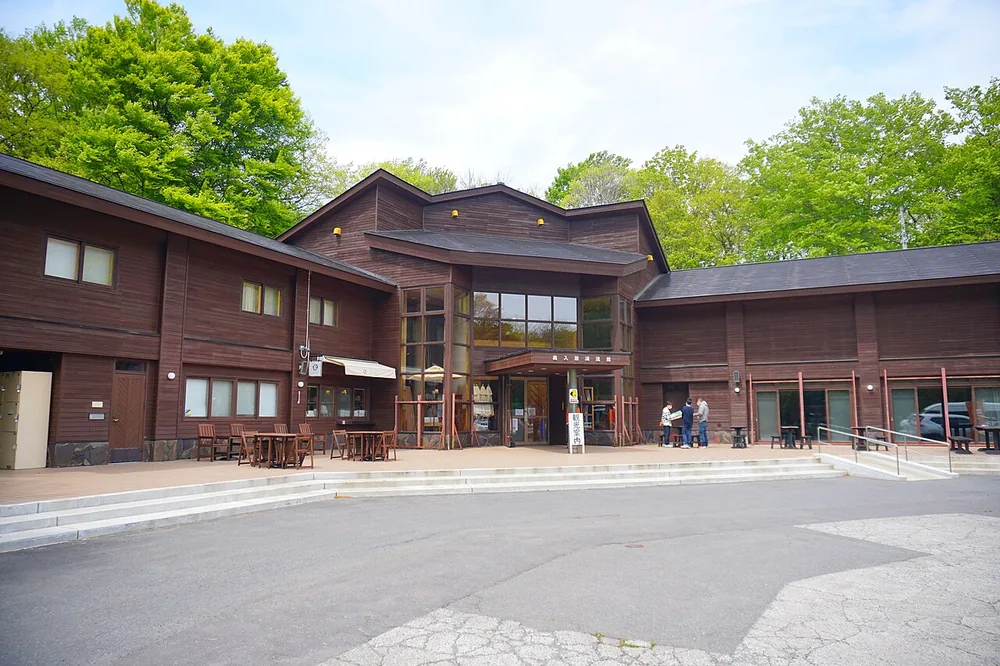
The nature information exhibition opens 09:00–17:30, shortened to 09:00–16:30 from 15 November to 19 April, with no annual closing days. The guide desk generally starts at 08:30, or 09:00 in winter. The shop and café have irregular closures. Put the exhibition on your arrival day and plan lunch and shopping around the two businesses’ actual opening that day.
Downstream forest still separates the Oirase Keiryukan bus stop from Ishigedo. If staying at the entrance and walking the middle gorge today, catch a bus here or in the hot-spring area. The stream being beside you does not make Ishigedo a short warm-up walk away. Conversely, with two nights at the entrance and no pressing lakeshore plans, give the downstream section its own day rather than adding it to nine kilometres.
At Ishigedo, stock up before walking from the rock shelter to the stream
Ishigedo Rest Area is the middle gorge’s most practical starting point, with light food, vending machines, toilets, an accessible toilet and a public telephone. Its operating page lists 08:30–16:30, closed on 31 December and 1 January. After arriving on a morning long-distance bus, use the toilets, get water and decide on food before walking. If returning late, buy supplies at the start rather than relying on shopping after reaching the stop in the evening.
Ishigedo refers to a rock resembling a stone hut. Near the rest area is a large rock slab supported by trees. Slow down here to understand the place name, then follow the path to Ishigedo-no-se. Companions wanting only a short encounter with the stream can linger nearby and return to the same stop. If everyone is comfortable walking, extend towards Makadoiwa. Returning to the original stop avoids needing another bus to bring you back and suits families with fixed lunch and return times.
Ishigedo has the only shop along the gorge section. Prepare water and light food here before a long walk, and carry packaging and food scraps back out. Conservation rules prohibit feeding wildlife.
Ishigedo to Makadoiwa: a short return walk shows changing currents
Head upstream along the water near Ishigedo, then towards Makadoiwa. The official map marks this section at around 1.3 kilometres and 25 minutes. Allow more than an hour for the round trip if you enjoy watching the water or taking photographs. With just two hours at Ishigedo, turning back here gives more room than trying to squeeze in the next waterfall.
Returning from Makadoiwa to Ishigedo lets you see water and fallen trees along the same route. Continuing one way to Kumoi Falls adds around 1.5 kilometres. Bus stops and stream-viewing spots occupy different positions. Once off the path, use the destination on the bus-stop sign to choose the correct side of the road.
The walking map highlights places near Makadoiwa where the route enters or crosses the road. With children, regroup before these points and cross using the facilities on site once everyone is together. Photographers should also move out of narrow passageways first. Forest walking speed cannot determine how quickly you can cross a road. Allow waiting time for traffic.
Ashura Rapids and Kumoi Falls: two contrasting middle-gorge views
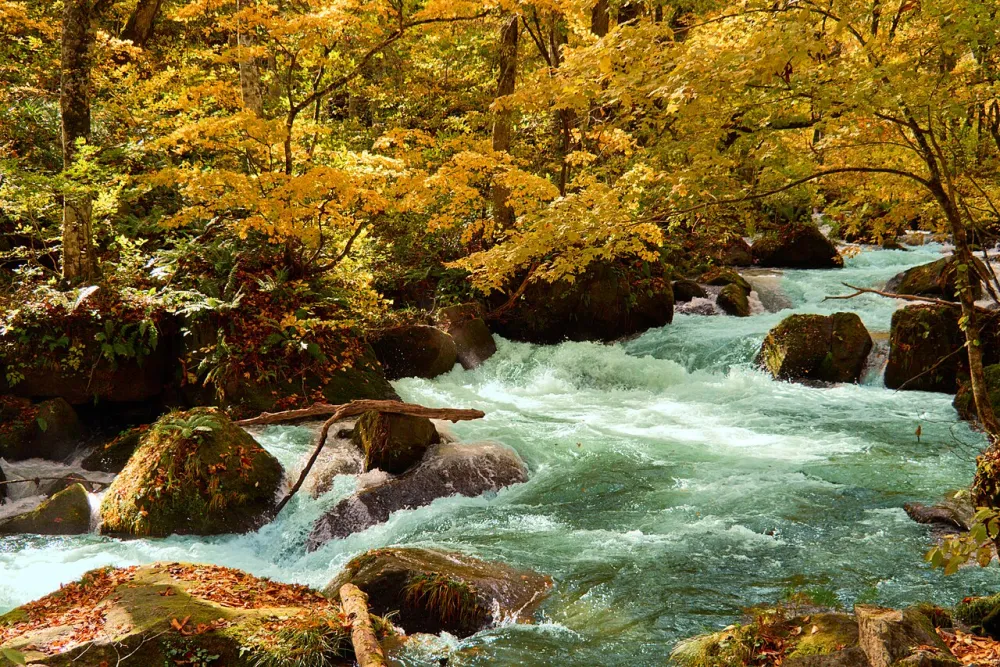
Ashura Rapids shows the main stream rushing between rocks. Compared with the gentler water earlier, you can see how the flow divides, rejoins and passes over stones. Stay on the walking path and stand securely before using your camera. Crouch for a lower angle; moss-covered rocks and the outer streambank are unsuitable places to stand for photographs.
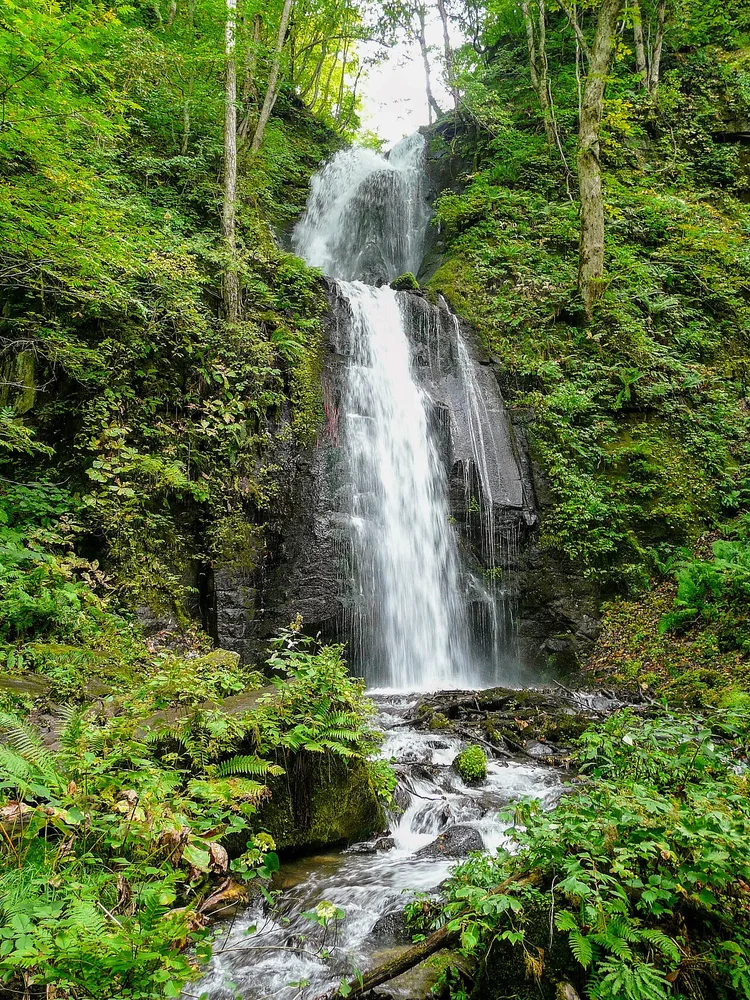
Continue to Kumoi Falls, which drops from the valley wall at the side. Towada City’s ecotourism plan describes a roughly 20-metre waterfall descending in stages. Seeing main-stream rapids and a side waterfall within the same roughly three-kilometre route makes the middle gorge a good first choice. For quiet observation, there is no need to collect every upstream waterfall too.
The Ministry of the Environment route gives Ishigedo–Kumoi Falls as around 2.8 kilometres. Hotel guided walks also use this section for roughly two hours of observation. For an independent walk, start with around two hours and add time for longer stops. To catch a bus afterwards, find the Kumoi-no-taki stop. Kumoi-no-nagare is a different stop further upstream. Writing only “return from Kumoi” makes a transport plan ambiguous.
Nature footage of Oirase introduced on Aomori Prefecture’s website, showing the scenery through flowing water, forest and natural sounds.
Above Kumoi Falls, plan food, toilets and intermediate boarding together
Kumoi Falls to Nenokuchi is still around six kilometres, passing Shirogane-no-nagare, Shiraito Falls and Choshi Otaki Falls. This suits walkers who have eaten lunch and have several hours of walking capacity left. Ending at Kumoi Falls gives a complete visit if your aim is the middle gorge’s rapids and side waterfall.
Tamadare public toilets are an important facility in the middle-to-upper gorge. The official FAQ places them around 500 metres from Kumoi-no-nagare stop towards Lake Towada. They are not at Kumoi Falls. For a long walk, use the toilets at Ishigedo first and mark this facility and Nenokuchi on the map. Do not plan nine kilometres as though every stop has toilets, as in a city.
To split the route into two short walks, walk Ishigedo–Kumoi Falls first, then take a bus upstream, but the wait uses part of the day. With infrequent services, or if Choshi Otaki is your main aim, going directly upstream from the city and walking at the lake outlet is usually simpler. If the transfer wait exceeds the next walk, explore one section more fully and leave the other for the morning after an overnight stay.
Choshi Otaki Falls to Nenokuchi: a short walk ending at the lake outlet
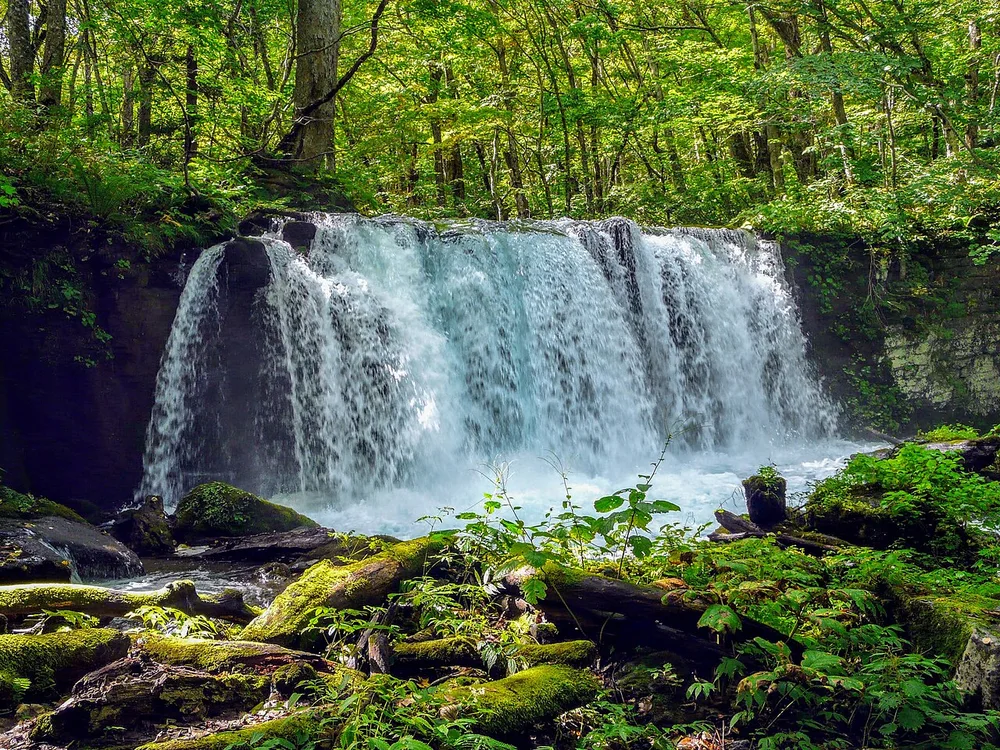
Choshi Otaki Falls lies on Oirase’s main stream. Towada City’s ecotourism plan gives it as around seven metres high and 20 metres wide. Its form and position differ from Kumoi Falls; the broad curtain of water makes it the focus of a short upstream walk. After arriving by bus, use the paths at the falls first, then continue towards the lake according to your energy. You can also visit only the falls and return from the same stop.
Choshi Otaki Falls to Nenokuchi is around 1.5 kilometres, with the official map estimating about 30 minutes of walking time. This links stream and lake views. Add time at the waterfall, the walk to the pier and waiting. Nenokuchi is where the lake flows out and has bus and sightseeing-boat connections. It is a separate place from Yasumiya’s concentration of shops and hotels.
For more walking, extend downstream from Choshi Otaki towards Kudan Falls and Shiraito Falls, but plan the return from an actual usable bus stop. A viewpoint name on a map is not necessarily a JR bus-stop name. For example, walking guides may use Shiraito Falls as a section endpoint, while the current JR timetable lists formal stops such as Kumoi-no-nagare and Choshi Otaki. Choose the boarding stop first, then link the sights to it.
Walking upstream or downstream changes when you wait for a bus
The Oirase Conservation Programme recommends walking upstream because the gradient is gentle and you keep facing the flow. Starting at Ishigedo and finishing at Kumoi Falls or Nenokuchi gives a clear route with water coming towards you. This direction works especially well if onward transport leaves from the lake outlet.
Another practical option is taking a bus upstream first and walking back towards your accommodation or stored luggage. If staying at the downstream entrance below Ishigedo, for example, take the bus first, then walk back in stages towards the hotel. This puts one wait in the morning, when you have most energy. The Ministry of the Environment also offers a downstream Nenokuchi–Ishigedo example, showing that both directions offer a full range of scenery. Choose the direction around your endpoint that day.
Drivers should treat their parking place as a required endpoint. Parking at Ishigedo, walking to Nenokuchi and waiting for a bus back creates different pressure from taking a bus up first and walking back to the car. Allow enough rest if mountain driving follows a long walk. If only one companion collects the car, agree where everyone else will wait; do not leave them by a roadside without supplies.
Read the stop, direction and destination, not just the bus’s appearance
JR’s Mizuumi services connect towards Aomori, Oirase services towards Hachinohe, and some buses run only between the gorge hot-spring area and Lake Towada. Buses on the same road may end in different cities. Before alighting, save the service name, stop, direction and departure time. When boarding, check the destination on the bus and stop sign. If connecting to a Shinkansen, a bus to the gorge entrance is not a through service to the station.
When boarding en route, take a numbered ticket as the operator instructs; with a transport IC card, follow the card-reader instructions. Current fares are paid when alighting, using cash or a supported transport IC card. From 1 October 2026, fareboxes cannot change ¥5,000 or ¥10,000 notes, and IC top-ups give no change. Top up in the city and carry ¥1,000 notes and coins so you need not deal with large notes in a narrow bus aisle.
Available seats depend on the bus you board. Getting off to view the gorge does not hold your old seat. With large luggage, travel directly to your accommodation to deal with it, then walk with a small bag. Stops do not have rows of storage facilities. Reception is weak on some sections, so save the full timetable and map offline rather than only a screenshot of search results.
Reservations from Hachinohe arrange a seat, with the fare paid separately
In the JR Bus autumn 2026 timetable, Oirase 21 leaves Hachinohe Station west exit at 10:00 and Oirase 23 at 13:30. Boarding either there requires an online reservation. Booking opens three months before travel and closes 60 minutes before departure from Hachinohe. The reservation fee is ¥300 per seat; pay the fare separately when alighting. JR EAST PASS and JAPAN RAIL PASS holders must also reserve. Primary-school children pay half fare; lower-secondary pupils and above pay adult fares. Adult singles from Hachinohe cost ¥2,380 to Ishigedo, ¥2,600 to Nenokuchi and ¥3,050 to Yasumiya. From Aomori or Shin-Aomori they are ¥2,820 to Ishigedo, ¥3,060 to Nenokuchi and ¥3,480 to Yasumiya. Budget for the actual alighting stop, then add the return and each seat’s reservation fee.
The current arrangements do not take reservations for boarding at intermediate gorge stops or for Lake Towada–Hachinohe returns. Board subject to available space. Your chosen outbound seat does not carry over to the return. Groups can queue early; for a fixed return seat, compare guest transport and station transfers offered by accommodation.
There is no toilet on board. JR’s page lists a short toilet stop at Oirase Roman Park on the Hachinohe route and designated rest points on the Aomori route. The crew announces the actual stop length. These are breaks during a long-distance journey, unlike getting off independently at the gorge and taking another bus later. Remember your service and return time during a break, and have an adult bring children back to the same bus.
A day from Hachinohe: walk the middle gorge, then decide on the lake outlet
Under the autumn timetable dated 18 September 2026, service 21 from Hachinohe west exit at 10:00 reaches Ishigedo at 11:44. Use the toilets and eat food brought with you or light food bought there, then make Ishigedo–Kumoi Falls your main walk. Around two hours of slow observation gets you to the falls in the early afternoon. Return service 24 leaves Kumoi-no-taki at 16:25 and is scheduled at Hachinohe at 18:20, allowing stops along the walk and an early arrival at the bus stop.
To add Choshi Otaki Falls, up to 11 November 2026 you can take Mizuumi 6 from Kumoi-no-taki at 14:13, reaching Choshi Otaki at 14:22, then walk around 30 minutes to Nenokuchi. Return service 24 towards Hachinohe leaves Nenokuchi at 16:15. This adds an unreserved bus ride between the walks. From 12 November, service 6 no longer enters the gorge, so choose either the middle-gorge walk or the short lake-outlet walk for a Hachinohe day trip.
The same timetable lists service 24 at Nenokuchi at 16:15, Choshi Otaki at 16:18 and Ishigedo at 16:34. These are different stops on the same bus. Write your latest arrival time together with the actual stop you will use, and allow time from the falls back to the sign. After the scheduled 18:20 arrival in Hachinohe, allow for alighting, walking into the station and delays before choosing a train. A night in Hachinohe gives the day a more relaxed ending.
A day from Aomori: go early and check both Aomori and Shin-Aomori stops
In the current timetable, Mizuumi 2 leaves Aomori Station at 08:10 and reaches Ishigedo at 10:19; service 4 leaves at 09:00 and arrives at 11:09. Use the earlier bus’s extra time for lunch and the middle-gorge walk rather than more distance. Not every service boards at Shin-Aomori. Service 6, for example, lists Shin-Aomori Station at 11:50, reaching the gorge in the afternoon. Keep to a short section if returning to the city that day.
For Aomori returns, compare service 3 or a later service still running on your date. Service 3, for example, leaves Kumoi-no-taki at 14:10 and Ishigedo at 14:19, reaching Aomori at a scheduled 16:29 and Shin-Aomori at 16:44. You need not wait for the last bus after the middle-gorge walk. Before choosing a later service, check its operating-date column and allow for later dinner and rail arrangements back in the city.
Aomori and Shin-Aomori are different stations. Alight at Aomori for city accommodation; for a Shinkansen connection, check whether your bus continues to Shin-Aomori and whether the stop is boarding-only or alighting-only. If travelling to another city the next day, leave large cases at your city accommodation and take only day supplies to the gorge rather than handling luggage at every transfer.
In November, read operating dates before departure times
Many autumn 2026 Mizuumi services on the Aomori–lake route run until 11 November. Hachinohe services 21, 22 and 24 run until 17 November, and 23 until 16 November. Local gorge services have separate end dates. From 12 November, Hakkoda services from Aomori terminate at Sukayu. The timetable still shows an 08:10 Aomori departure, but its destination has changed. For Oirase from Aomori in mid-November, rebuild the final connection.
Hotel transport follows different seasonal dates. Oirase Keiryu Hotel’s current guest shuttle to the middle gorge runs until the morning of 25 November, with separate winter station transfers. It serves eligible hotel guests and cannot replace suspended JR services for every visitor. After public buses finish for the season, arrange the room, transfer eligibility and activities together if using accommodation transport, so you can actually reach the destination.
The announced Winter Oirase service runs from Hachinohe towards the lake on specified dates from 25 December 2026 to 28 February 2027, and back from the lake on specified dates from 26 December to 1 March. All boarding and alighting at every stop in both directions require advance booking. An extra ¥300 per seat applies to each journey, with no seat selection. The booking site is expected to open in mid-November, according to the announcement. Winter stops include Makadoiwa, Choshi Otaki and Nenokuchi, but not autumn’s Ishigedo or Kumoi-no-taki. Choose new starting and finishing points from the winter timetable.
The 2026 Oirase Nature Museum event and vehicle restrictions ran from 7 to 13 September; the event has ended. Its one-day shuttle ticket and JR route-bus tickets were separate. Use the current ordinary timetable for October and November.
Where you eat determines how freely you can walk
For a middle-gorge day, the simplest plan is lunch at Ishigedo first, followed by a walk with water and a little food you can eat when needed. The official FAQ concentrates light-food provision at Ishigedo within the gorge; Nenokuchi, Yasumiya and the hot-spring area have other dining options. For nine kilometres, put lunch at the start or finish and keep en-route food brief. Do not leave an undefined “find a restaurant when tired” slot in the middle gorge.
From Yasumiya heading downstream, eat breakfast, take a bus or boat to Nenokuchi and walk to Ishigedo for lunch. From Ishigedo towards the lake outlet, prepare food before setting off. Fixed dietary or meal-time needs are easier to arrange in the city or at your accommodation.
Plan toilet stops by location too. Ishigedo has an accessible toilet, with public toilets at Kise and Tamadare. Temporary toilets or toilet vehicles installed for particular restriction periods are not everyday facilities. Save rest areas with toilets and bus stops on your offline map, and pack away rubbish after eating before continuing. For frequent toilet needs, an out-and-back walk based on Ishigedo is easier to adjust than a long one-way route.
With children, older relatives or mobility aids, keep turnarounds near facilities
Start with an out-and-back walk near Ishigedo or a short lake-outlet section for children, older relatives or people using mobility aids. Parts of the walking path join the road. Aomori Prefecture’s February 2026 planning document also notes that wheelchair users have difficulty using the natural walking path. For wheelchairs or pushchairs, tell the guide desk the equipment dimensions and manageable distance before choosing accessible viewing points, transport and assistance.
Children can observe moss and small plants from the path. A magnifying glass or guided walk is better than leaving the path for close-ups. The conservation rules prohibit leaving the walking path, trampling moss and ferns, collecting plants, feeding wildlife and littering. Let other walkers pass while photographing and do not place a tripod across the path. If stopping for longer, tell companions where to meet.
Define a shorter route in advance: walk to nearby water first and extend only if it feels easy. Return by the same route at the agreed turnaround time. Base that decision on the slowest person, so nobody has to rush for a bus while others remain in the forest.
Fresh green leaves, autumn colour and ice require different itineraries
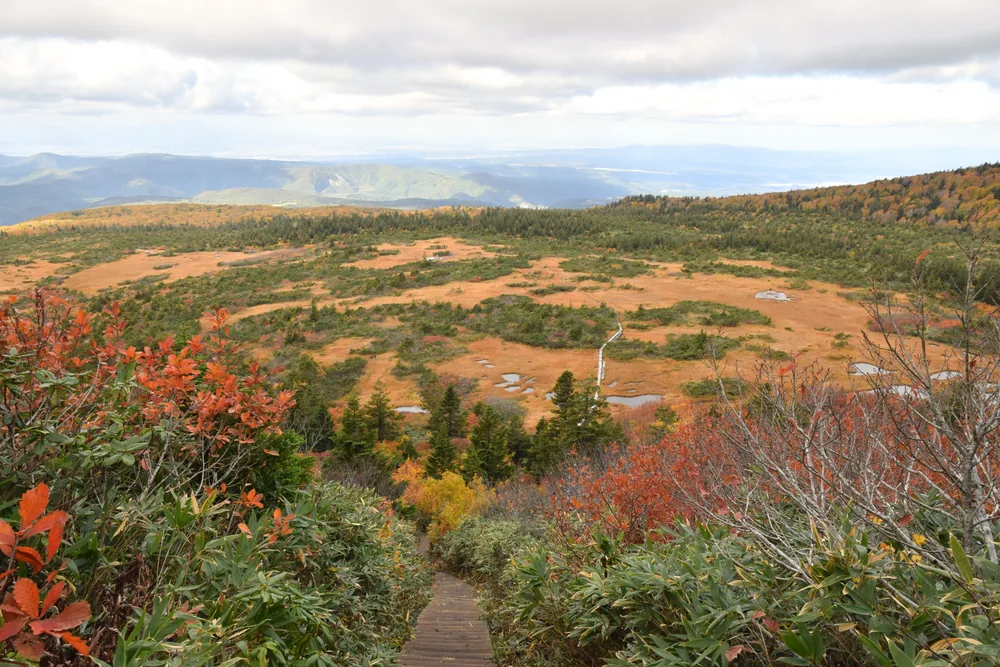
Aomori’s tourism page places fresh greenery commonly between mid-May and mid-June, and autumn colour mostly in mid-to-late October. The whole gorge does not change at once. Towada’s autumn guide says colour generally starts near the lake upstream, while downstream Yakeyama can continue into early November. Green forest, yellow leaves and views after leaf fall each call for different dates and meet different bus season endings.
Towada Visitor Centre’s 22 October 2026 observation recorded peak colour from the lower to middle gorge. Updates with photography dates can refine which section to walk first. There is no need for two extra transfers for a single viewpoint. Leaves, roots and rock surfaces become more slippery after rain; grippy soles and a raincoat are more useful than holding an umbrella while photographing. With heavy rain, rockfall or closure notices, switch to open locations or activities at your accommodation.
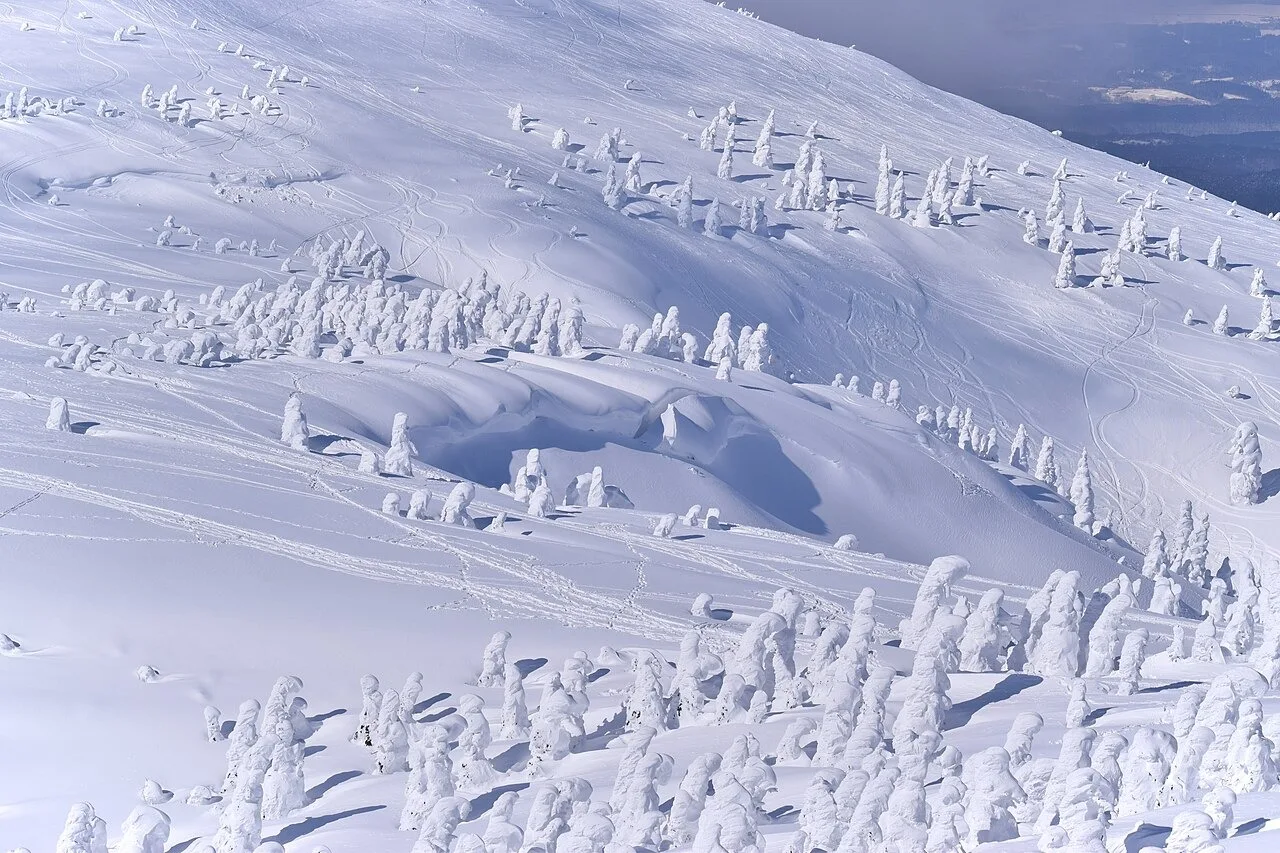
Winter frozen waterfalls need winter transport, equipment and guiding arrangements. A 30-minute snow-free walk may have ice, buried steps and different access restrictions after snowfall. Choose a winter activity formally listed by its operator to see frozen falls.
During bear alerts, make departure plans and encounter actions specific
Aomori Prefecture’s 2026 bear alert applies prefecture-wide from 20 April to 30 November. Towada City’s current advice also records an injury incident in Yasumiya by the lake in August 2026. Before setting off, check municipal notices and Kuma Log Aomori for your chosen section. Avoid announced sighting and restricted locations, including around accommodation.
Travel in groups in mountain forest and follow official advice to make your presence known with calls or bells. Do not leave food or containers outdoors. Bears are more active around dawn and dusk. For photography then, choose activities with management and transport support, and do not delay your return until it is dark and quiet. If you see a bear, retreat quietly and slowly. Do not shout, attack, turn and run, or approach cubs. Leave together rather than separating to chase photographs.
From Nenokuchi to the lakeshore, distinguish one-way boats from cruises
At Nenokuchi, continue overland to Yasumiya or take an operating Route A sightseeing boat there. Choose one-way Route A if the boat is to replace a transport leg. From a Yasumiya base, choose Route B to cruise and return to the same port. Both take around 50 minutes in the 2026 operating table, but serve different purposes. Where your car and luggage are determines which you need.
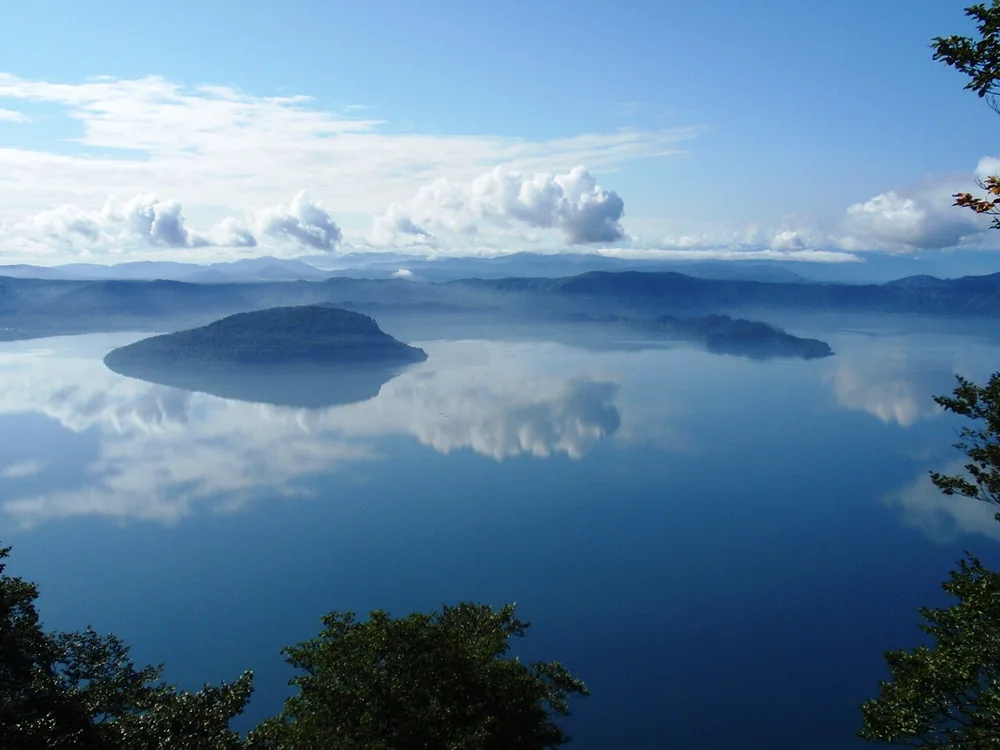
The 2026 boat timetable lists regular Route A sailings until 5 November, with some late sailings ending earlier. Some Route B sailings continue until 16 November. In late October, do not rely on old accounts of a 16:00 boat from Nenokuchi to Yasumiya: in 2026 it is listed only until 9 October. Put a sailing actually available that day into your timetable, then work backwards to the walk. If boats stop, use an overland service still running that day rather than making the boat your only final return option.
The operator’s current ordinary fares are ¥1,760 for adults and ¥880 for primary-school children. Each adult may take one preschool child free; additional preschool children pay the child fare. The Green room supplement is ¥550 for adults and ¥330 for primary-school children. The Yasumiya ticket office is inside the Lake Towada Tourist Exchange Centre Puratto, usually opening at 09:00. Early service 51 sells tickets on board from 08:30. Allow for buying tickets, reaching the pier and boarding and alighting.
A half-day in Yasumiya combines the shore with indoor nature information
Towada Visitor Centre in Yasumiya explains the volcanic lake, forest and seasonal nature indoors. Visit after arriving at the lake or while waiting for a bus in rain. Understand how Nenokuchi and Yasumiya sit on the shore before deciding on a boat. If spreading gorge walks over two days, check the next day’s nature information here, then return to your hotel for dinner without another long trip. The centre’s current page lists 09:00–16:30 and free entry. It normally closes on Wednesdays, with daily opening from late April to late May and late July to late October. From November, include Wednesday closures when choosing your date.
Yasumiya concentrates lakeshore walks, boats, accommodation and dining. A lake walk can be short or long. After walking the middle gorge, a brief lakeside stroll is enough for the evening; decide on other lakeside visits if you have daylight the following day. Treat Towada Shrine as a separate visit requiring walking and worship time rather than an automatic extra once you reach Yasumiya.
For western-shore accommodation, Yasumiya is a transfer point, not the final step to your hotel. Fit dining, transfers and lake views into one time slot: buy tickets or supplies first, then wait at the agreed meeting place. If returning from the gorge with wet shoes and rain gear, leave time before dinner to sort them out instead of changing hurriedly in front of the hotel shuttle.
Choose the entrance, Yasumiya or western shore by tomorrow’s first journey
For one night focused on the middle gorge, an entrance base lets you reach Ishigedo earlier the next morning without waiting for a long-distance city bus. Put Yasumiya first for boats, lakeshore walks and one fewer evening transfer. For hotel gardens and hot springs, the western shore offers another choice. Write down where you need to go the following morning before comparing room prices and meal plans.
Staying at one base suits splitting the middle gorge and lake outlet over two days. A night at the entrance and another in Yasumiya adds luggage handling. Arrange storage, collection and transfers when booking, and finish your walk towards the next accommodation where possible.
Compare meal-inclusive stays starting with breakfast, latest dinner seating and transfers. If arriving in the afternoon, check in, see the entrance exhibition and take a short walk, leaving the main section for the next day. Enter children’s actual ages, sleeping arrangements and meals on each hotel’s booking page.
Hotel Towadaso in Yasumiya: store luggage and fit walks around meals
Hotel Towadaso is a named Yasumiya option whose FAQ explicitly allows luggage storage for early arrivals. To walk the gorge from Yasumiya, leave your cases with the hotel, then take a short route based on that day’s buses. Return to the same hotel afterwards rather than seeking storage along the gorge. Its benefit is combining lakeside facilities with luggage storage, a different advantage from an entrance hotel’s middle-gorge shuttle.
Official booking lists a non-smoking standard Japanese-Western room with an eight-tatami room plus twin beds, bathroom, bidet toilet, empty refrigerator and Wi-Fi. Older guests needing beds and families wanting tatami space can compare this named room type. Enter the actual adults, children’s ages and meal and bedding combinations so the selected plan shows bookable occupancy and charges.
The hotel’s dinner-and-breakfast plan with Hachinohe senbei soup and Towada grilled meat lists check-in at 15:00–18:00 and check-out at 10:00. Dinner runs 18:00–21:00 and breakfast 06:45–09:00, with a Japanese set meal or buffet chosen by the hotel. Lower-secondary pupils and above pay an additional ¥150 bathing tax and ¥50 bathing fee per person. Children on admission-only or bedding-only arrangements do not receive room amenities. Finish the afternoon walk and return before 18:00 to connect check-in with dinner.
The same plan announces irregular opening of the late-night food area and suspension of the bar. A dinner-inclusive booking makes eating after your walk easier to plan. Online changes and cancellations are accepted until 15:00 the previous day; that is the transaction deadline. Read the cancellation-fee table for your chosen dates and plan when paying, and save the date charges begin in your itinerary.
Oirase Keiryu Hotel: the guest shuttle ends at Kumoi Falls
Hoshino Resorts Oirase Keiryu Hotel is at the entrance. Its hourly guest gorge shuttle runs via Samidare-no-nagare, Ishigedo and Ashura Rapids to Kumoi Falls. The 2026 season is listed from the afternoon of 10 April to the morning of 25 November, normally from 06:00 with the last service at 16:00, shortened to 15:00 in November. Capacity is 27. It helps split the middle gorge into walks of different lengths; Nenokuchi and Yasumiya need separate transport.
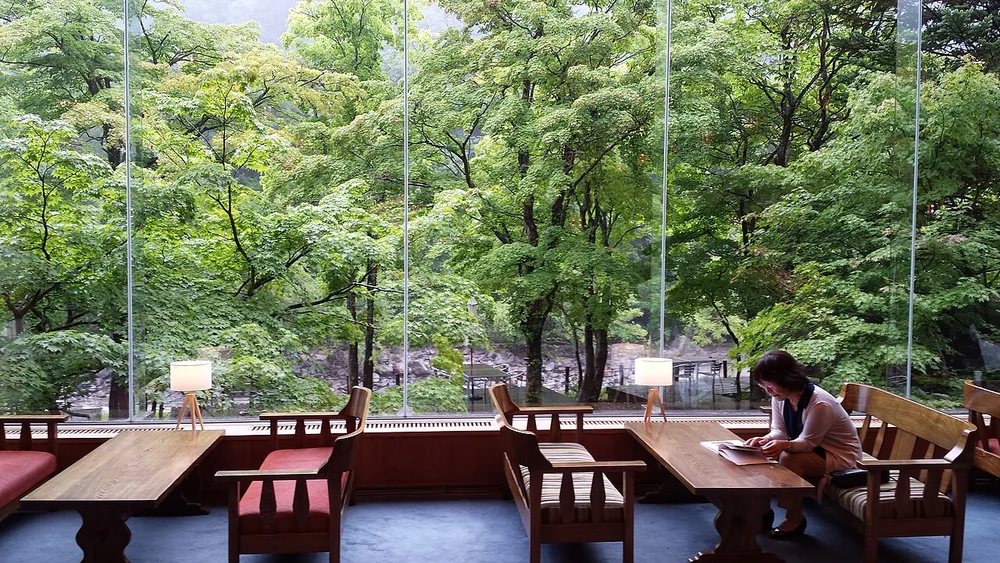
You can use the shuttle before check-in and after check-out. At busy times, a full bus means waiting for the next. Allow an extra service interval for dinner reservations or public transport. The official stop-by-stop table helps you choose direction: from the hotel it reaches Ishigedo before Kumoi Falls, with separate return times. With two nights, walk only the middle gorge one day and the lake outlet the next. Let the shuttle reduce waiting rather than adding journeys to visit every stop.
Hachinohe station transfers require reservations. The current transfer service is free and closes bookings two days ahead; the paid Aomori Station transfer has the same deadline. From April to November 2026, Hachinohe departures are at 14:30 and hotel departures at 11:00, taking around 105 minutes. Using these transfers both ways leaves a one-night stay suited only to a short walk. For a longer middle-gorge route, add a night or arrive on earlier transport and arrange a separate return.
Towada Prince Hotel is on the western shore; Yasumiya is its transfer point
Towada Prince Hotel lies on the western shore in Kosaka, Akita Prefecture. It suits a stay focused on gardens, lake views and hot springs. After a morning gorge walk and afternoon arrival in Yasumiya, you still need the hotel vehicle to reach the other shore. Bus arrival in Yasumiya is not your check-in time. The hotel’s official access page requires reservations two days ahead for Hachinohe transfers and the previous day for Yasumiya transfers. They do not operate without reservations.
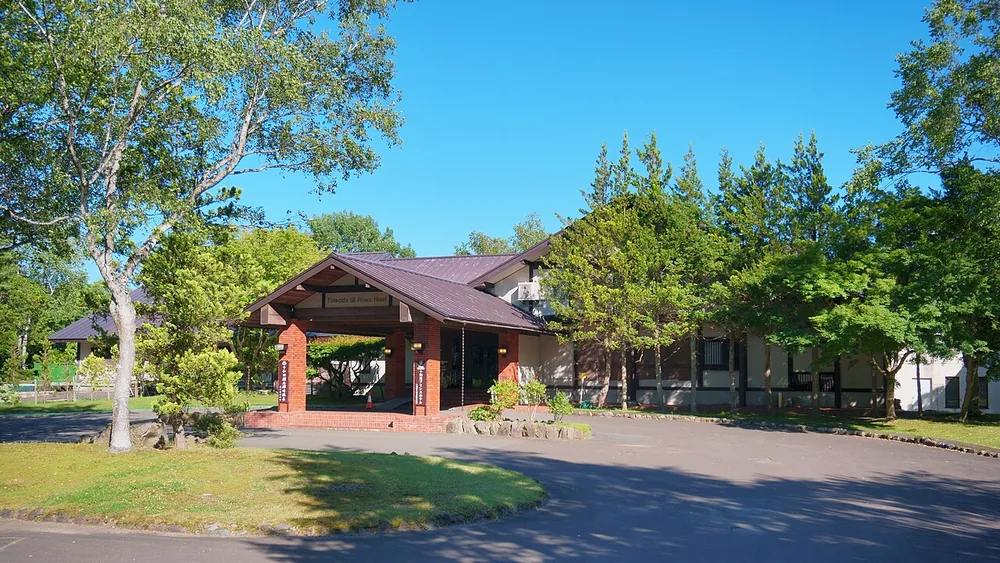
It is better suited to guests happy to dine at the hotel and enjoy the lakeshore first the next day. For a return to Ishigedo, connect hotel–Yasumiya and Yasumiya–gorge transport before deciding breakfast and check-out times. That shows whether the stay is worth an extra transfer. If you want a morning in the gardens, do not also book an early middle-gorge walking meeting.
Two days and one night: separate the middle gorge and lake outlet, with luggage in one place
With a night at the entrance, see the Gorge Museum and take a short entrance walk on day one. The next morning, take guest transport or a public bus to the middle gorge and walk Ishigedo–Kumoi Falls fully. Return for stored luggage, then leave on your booked transfer or an operating public bus. Work backwards from departure to include both the long walk and luggage collection. If the station transfer leaves early, move the main walk to day one or use a later public bus so it has a full stretch of daylight.
With a night in Yasumiya, first leave luggage at the hotel, then take an operating bus to the lake outlet, walk Choshi Otaki–Nenokuchi and return to Yasumiya. After breakfast on day two, decide whether to visit the middle gorge. If large cases remain in Yasumiya, you must return there after the walk to collect them before leaving, using part of the day. To avoid extra bus journeys, focus both days on the lake outlet and Yasumiya, or walk the middle gorge on another day when you need not return for luggage.
Before leaving, save the Japanese names of the walk’s endpoints, boarding stop, direction, operating dates, service name, accommodation meeting point and supply locations. Choose a return stop near your planned walking finish so you can rest while waiting.
A few useful answers
What’s a good walk for a first visit to Oirase Gorge?
Allow about two hours for the 2.8 km walk from Ishigedo to Kumoi Falls, with time to see the rapids and waterfall. If you’re visiting Lake Towada on the same day, the 1.5 km walk from Choshi Otaki to Nenokuchi takes about 30 minutes.
How do I pay for the JR bus in Oirase Gorge?
Pay when you get off, in cash or with a compatible transport IC card. From 1 October 2026, the fare box can’t give change for ¥5,000 or ¥10,000 notes.
How can I get from Hachinohe to Oirase by bus in winter 2026–27?
The Winter Oirase bus from Hachinohe runs on selected dates from 25 December 2026 to 28 February 2027. Stops include Makadoiwa, Choshi Otaki and Nenokuchi. Wherever you get on or off, you need to book ahead and pay an extra ¥300 per seat per journey.
Where should I stay for Oirase Gorge and Lake Towada?
Stay by the gorge entrance at Yakeyama to set off early from Ishigedo the following morning. Yasumiya is handy for boat trips, a stroll by the lake and somewhere to eat. Pick Lake Towada’s west shore for hotel gardens and hot springs.
Official information and references
Sources used in this guide.
- Oirase Conservation Programme: 2026 walking map and routes
- Ministry of the Environment: boat and gorge walking itinerary
- Towada City: ecotourism plan and gorge scenery
- JR Bus Tohoku: autumn 2026 timetable, sector fares and reservations
- Lake Towada Furusato Revitalisation Corporation: Ishigedo Rest Area
- Lake Towada Furusato Revitalisation Corporation: Gorge Museum
- Oirase Conservation Programme: facilities and transport FAQ
- Oirase Conservation Programme: conservation rules
- Towada Tourism: autumn
- Aomori Tourism: Oirase seasons
- Towada Visitor Centre
- Towada Visitor Centre: autumn colour on 22 October 2026
- Aomori Prefecture: 2026 bear alert
- Towada City: bear safety actions
- Towada Kanko Dentetsu: sightseeing boat tickets and ticket offices
- Towada Kanko Dentetsu: 2026 boat timetable
- Hotel Towadaso: luggage storage and check-in FAQ
- Hotel Towadaso: standard Japanese-Western room
- Hotel Towadaso: dinner-and-breakfast plan
- Oirase Keiryu Hotel: guest shuttle to the middle gorge
- Oirase Keiryu Hotel: station transfers
- Towada Prince Hotel: transfers
- Aomori Prefecture: official Oirase promotional film
- JR Bus Tohoku: Oirase services on specified winter 2026–2027 dates
- Aomori Prefecture: February 2026 Oirase Gorge road and visitor-use plan (page 26)