Plan a 2027 plum blossom trip in Japan with festival dates, bloom stages, transport routes and admission prices for Mito Kairakuen, Kyoto's Kitano Tenmangu, Tokyo's Yushima Tenjin and Atami Plum Garden.
- Region & Focus
- KantoWhen to visit
- Reading Scope
- 24 min read · 9 chapters · 10 Q&As
- Official Verification
- 26 official sources checkedUpdated 22 November 2026
- Key Topics
- SeasonsItinerariesRail travel
Chapter Route Map (tap any stop)
- When Do Plum Blossoms Bloom in Japan? Choosing a Garden by Base and Bloom Stage
- Getting to Kairakuen from Tokyo: Picking Your Outbound Station and Return Time
- Omotemon or East Gate at Kairakuen? Daytime and Evening Illumination Tickets
- Kitano Tenmangu in Kyoto: Tea Ceremony on 25 February or a Quieter Plum Visit
- Yushima Tenjin in Tokyo: Pairing White Plum Blossoms with Half a Day in Ueno
- Atami Plum Garden in January: Alight at Kinomiya, Then Head to the Itokawa Early Sakura
- A Spare Half-Day in Kansai: Weeping Plums at Jonangu or Osaka Castle Plum Grove
- Adjusting Your Day for Rain, Late Blooms or Shorter Walks
- Planning a Two-Day Plum Trip: Transport and Meal Budgets Step by Step
- Quick Q&A
To see plum blossoms in Japan in 2027, head to Atami in January, or spend two or three nights in Tokyo in February to catch the white plum trees at Yushima Tenjin alongside a day trip to Mito. The Mito Plum Festival runs from 11 February to 22 March; on weekends and selected weekdays, outbound trains stop at the temporary Kairakuen Station, while return trains to Tokyo depart from Mito Station. In Kyoto, Kitano Tenmangu holds its Baikasai Plum Blossom Festival on 25 February, though you can visit the Plum Garden on another day purely for the blooms. If you only have half a day free, pick a grove close to where you are staying and time your visit using the garden's latest bloom photos.
When Do Plum Blossoms Bloom in Japan? Choosing a Garden by Base and Bloom Stage
If you want to see sizeable groves of flowering trees in Japan in January, work Atami into a Tokyo or Izu itinerary. Atami Plum Garden pairs early-, mid- and late-blooming varieties in succession, with the tourism association's 2027 Plum Festival scheduled from 9 January to 7 March. Even if you arrive in mid-January during a week when the early trees are still sparse, Atami's hot springs and town centre easily fill half a day. By late February, it is worth setting aside time for both Yushima Tenjin in Tokyo and Mito. For a first trip comparing blossom colours and tree forms in one go, Mito's Kairakuen holds roughly 3,000 trees across 100 varieties, while nearby Kodokan has around 800 trees of 60 varieties; spend the morning at Kairakuen, then walk over to Kodokan near Mito Station in the afternoon.
If your itinerary centres on Kyoto, choose between Kitano Tenmangu and Jonangu. Kitano pairs plum trees with historic shrine buildings; if you want tea served by geiko and maiko from Kamishichiken during the 25 February Baikasai festival, set aside half a day around the tea ceremony schedule. Jonangu concentrates its weeping plum trees in one dedicated area, making it ideal to hold off until the shrine announces peak bloom (migoro). By mid-March, compare weekly photo updates from both gardens to see where flowers are still holding on the branches; once Jonangu begins shedding petals, prioritise it if you want carpets of fallen blossom on the ground.
Within a single garden, early-blooming trees often open while late varieties are still in tight bud. When reading Japanese bloom reports, treat saki-hajime (starting to bloom) and migoro (peak viewing) as two distinct stages. Close-up photos showing just a few open flowers mean you will be seeking out individual trees and single-branch compositions; to photograph sweeping rows of flowering canopies, look for wide shots of paths or panoramas first and check which zone they show. Travellers locked into fixed dates can trim plum viewing to a single stop if photos still look sparse, pairing it with a nearby indoor sight that stays open regardless of wind, rain or energy levels.
| Location | Festival Dates or Bloom Season | Suggested Itinerary |
|---|---|---|
| Atami Plum Garden | Plum Festival: 9 January to 7 March | Early-season viewing; half-day paired with Kinomiya or central Atami |
| Yushima Tenjin | Bunkyo Plum Festival: typically early February to early March | Half-day in central Tokyo, paired with Kyu-Iwasaki-tei Gardens or Ueno |
| Mito Kairakuen & Kodokan | Mito Plum Festival: 11 February to 22 March | Full-day trip from Tokyo, or an overnight stay in Mito for evening illuminations |
| Kyoto Kitano Tenmangu | Baikasai: 25 February; Plum Garden: early February to mid-March | Half-day for blooms, or make Kitano your main plan on the tea-ceremony date |
| Kyoto Jonangu | Weeping Plum and Camellia Festival: 18 February to 22 March | Half-day; check weeping plum bloom updates before going |
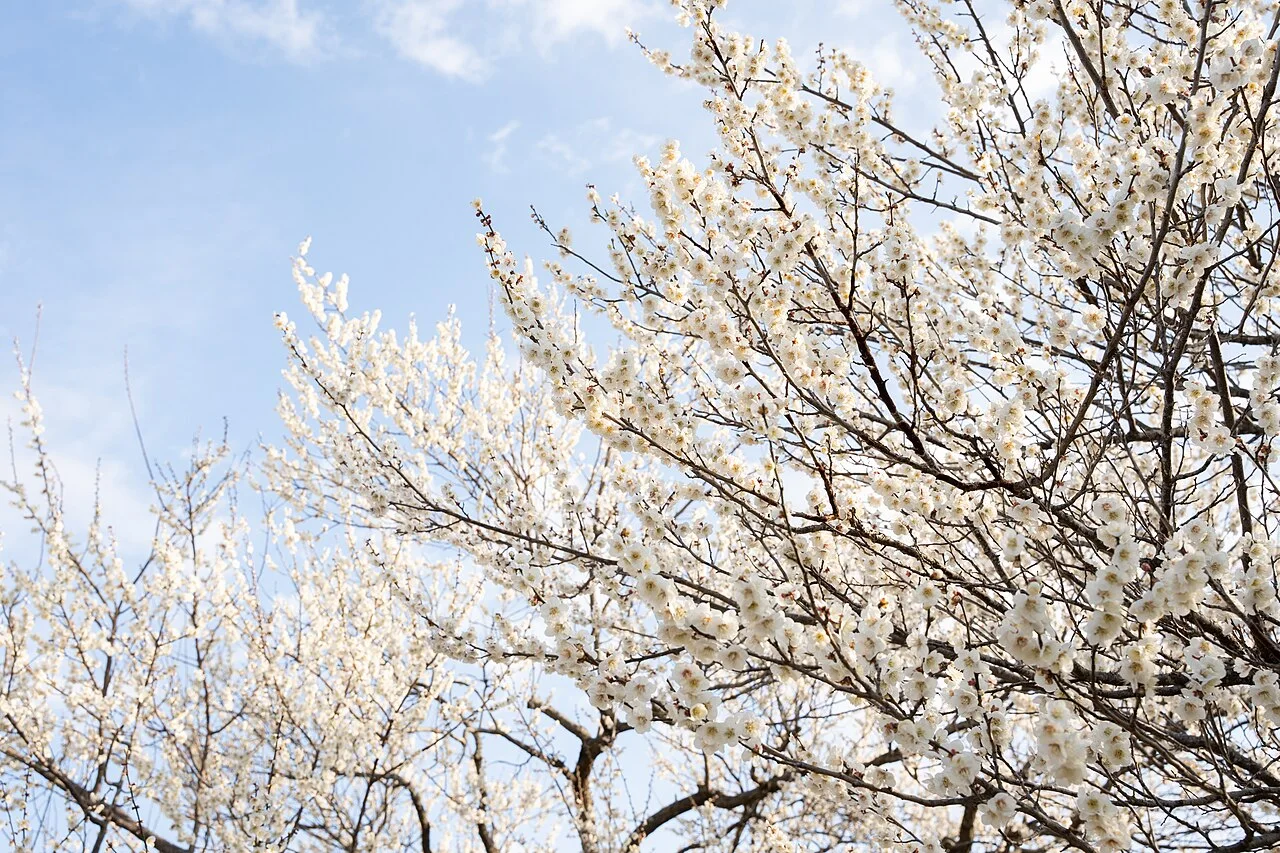
Plan a 2027 plum blossom trip in Japan with festival dates, bloom stages, transport routes and admission prices for Mito Kairakuen, Kyoto's Kitano Tenmangu, Tokyo's Yushima Tenjin and Atami Plum Garden.
Getting to Kairakuen from Tokyo: Picking Your Outbound Station and Return Time
From Tokyo or Ueno stations, take the JR Joban Line limited express Hitachi or Tokiwa to Mito. Both services are all-reserved seating and require a base fare ticket plus a limited express supplement, so book specific trains and seats together if your group wants to sit side by side. If you are unsure how long you will spend in Mito, you can buy an unreserved-seat limited express ticket (zaseki mishitei-ken) and assign a seat on the same route once your return time is settled. On board with an unreserved ticket, you may only sit in vacant seats and must give them up if a passenger holding a reservation for that seat boards. Two adults travelling with children or older relatives will find pre-booking a reserved return seat far less stressful than hunting for spare seats—especially after evening illuminations.
JR East has announced that the temporary Kairakuen Station will open on 24 days in 2027, including 9 weekdays. Operating hours on open days are 09:45–16:35, served exclusively by outbound trains heading towards Mito and Iwaki, making it convenient if you want to head straight to the plum grove from Tokyo. As an example from the published timetable, the Tokiwa 53 departs Tokyo at 08:23 and arrives at Kairakuen at 09:48, also picking up at Ueno. The temporary station has no ticket machines, so travel with a transport IC card or purchase your tickets in advance. All return trains to Ueno and Tokyo depart from Mito Station—including after dark, when you will need to take a bus or taxi back to Mito Station.
If you travel straight to Mito Station on the way out, exit via the North Exit to bus bays 4 or 6. Ibaraki Kotsu buses from bay 4 take around 20 minutes: alight at Kobuntei Omotemon Iriguchi and walk roughly 5 minutes for the Omotemon Gate, or get off at Kairakuen Higashimon / Tokiwa-jinja Kita-sando or Kairakuen / Tokiwa-jinja-mae for a 3-minute walk to the East Gate. Kanto Railway buses from bay 6 run to the Kairakuen terminus, around 5 minutes on foot from the East Gate. Because several stops serve the same park, pick the stop matching your intended entrance—particularly with a pushchair, as this cuts out an uphill stretch.
Both bus operators run between Mito Station North Exit and the Kairakuen area, so on the return leg do not wait solely for the company you took on the way there; check the destination direction for Mito Station instead. If you expect to make two round trips to the park or add extra hops around town, compare the Mito Manyu 1-Day Free Kippu pass against single fares: it covers designated routes on both bus networks and includes admission discounts at selected sights. For a simple one-way ride to Kairakuen and one trip back to Mito Station, paying single fares is more straightforward. When travelling with children, spot the return bus stop outside the East Gate before heading off for lunch so you do not have to double back later.
Kodokan is around an 8-minute walk from Mito Station North Exit along an uphill route. If you plan to visit Kodokan before staying on for evening illuminations, arrive at Mito Station first, walk to Kodokan, have lunch near the station, and then catch a bus to Kairakuen. If you alight at the temporary Kairakuen Station instead, tour Kairakuen first, take a bus from outside the East Gate back to Mito Station in the afternoon, and walk to Kodokan from there. Because Kodokan and Kairakuen are separate venues—while Kobuntei stands inside Kairakuen—aim to finish either Kobuntei or Kodokan before lunch so you have plenty of time to reach the second ticket gate.
Omotemon or East Gate at Kairakuen? Daytime and Evening Illumination Tickets
During the 131st Mito Plum Festival in 2027, Kairakuen's main garden is generally open from 06:00 to 19:00. Daytime admission is ¥500 for adults, and ¥250 for primary and junior high school pupils as well as visitors aged 70 and over. Kodokan opens daily from 09:00 to 17:00 during the festival, charging ¥420 for adults and ¥210 for the same concession groups. An adult visiting both venues pays ¥920 in total for daytime entry. If you only want blossoms, stay at Kairakuen through lunch; add Kodokan if you are interested in Mito Domain history, using a station-front lunch to break up the two sites.
If you have a free morning, enter via the Omotemon Gate. Passing through the first wooden gate, the path leads through a Moso bamboo grove and a tall cedar forest, deep in shade before curving past Kobuntei into the open plum grove. Designed by Tokugawa Nariaki, Kobuntei comprises a wooden pavilion and the Oku-goten residential wing, with painted sliding screens (fusuma-e) worth taking slowly. Climbing to the third-floor Rakujuro room for views over Lake Senba involves steep stairs, so less mobile visitors can explore the ground floor at their own pace. From mid-February during the plum season, Kobuntei opens 09:00–17:00 (last entry 16:45) for an additional ¥230 adult fee; check the day's entry times first, as last admission is 16:15 prior to the mid-February seasonal switchover.
On a first visit, use Mito's "Six Famous Plum Trees" (Mito no Rokumeiboku) as a guide. The garden highlights six cultivars selected for distinct colour, fragrance and blossom form—such as Torano-o with its double white petals and the weeping branches of Yanagawa Shidare. Comparing double white blossoms and pale pink weeping branches on the same day lets you appreciate differences in tree shape even before the wider grove reaches peak bloom. At Kodokan, prioritise the wooden main hall and courtyard, leaving cultivar comparisons and close-up blossom photography for Kairakuen; if you have spare time on the walk back, include the castle-ruins section from our one-day Kairakuen and Kodokan route.
Visitors using wheelchairs or pushchairs, or anyone pacing a shorter walk, should start at the East Gate for immediate access to the plum grove and the Miharashi Hiroba viewing lawn. Miharashi-tei beside the East Gate offers a rest area, a nursing room and free wheelchair hire on a first-come, walk-up basis. Because Kobuntei's interior is not wheelchair-accessible, split parties can arrange to meet at Miharashi-tei while others finish touring the pavilion and walk back towards the East Gate. Kairakuen's accessibility map marks gradients and steps; if you plan to walk all the way from the East Gate to the Omotemon Gate, check the wheelchair-friendly routes first. Slower-paced families will have a much easier day spending one unhurried stretch here than rushing between both venues.
Wait until your chosen evening is settled before buying night-viewing tickets. The UME The Lights event page lists openings on Fridays, Saturdays, Sundays and public holidays starting from 12 February—plus 22 February—running 18:00–20:30 with last entry at 20:00. Note that the event page lists 15 March as a Sunday, whereas in 2027 that date falls on a Monday; if you are aiming for the final mid-March sessions, wait until the ticketing page confirms the exact evening dates before booking. Advance night tickets are scheduled to go on sale from January at ¥800 for high school students and adults (¥1,000 on the door), ¥400 for primary school pupils, ¥500 for junior high school pupils, and free for pre-school children.
On illumination evenings, daytime visitors must leave the garden by 17:00 before re-entering from 18:00 with a night ticket. If you arrive in Mito in the afternoon, you can easily fit in dinner before heading in for the lights. Anyone returning to Tokyo afterwards should factor in bus or taxi travel back to Mito Station when picking a limited express departure. Visitors keen on plum wine can also watch for dates and sales details of the Zenkoku Umeshu Matsuri in Mito once announced; since the round trip is long for tastings alone, tour the plum grove and Kobuntei in the morning if you want to linger at the festival stalls in the afternoon.
Kitano Tenmangu in Kyoto: Tea Ceremony on 25 February or a Quieter Plum Visit
Kitano Tenmangu holds around 1,500 plum trees across roughly 50 varieties, typically at their best from late February to mid-March. Under the 2027 Kyo no Fuyu no Tabi winter campaign, the Hana no Niwa Plum Garden opens from early February to mid-March at ¥1,500 for junior high school students and adults, including tea and a sweet. Paid evening illuminations run from early to mid-March from sunset until 20:00. A 10% discount coupon in the campaign booklet (one booklet per person, presented at the counter with the designated page corner) is invalid on the 25th, weekends and public holidays. If you simply want to see red and white blossoms and stroll the approach, choose a weekday other than the 25th, tour the Plum Garden in the morning, and have lunch in neighbouring Kamishichiken.
Every year on 25 February, Kitano Tenmangu holds its Baikasai Plum Blossom Festival honouring Sugawara no Michizane at the main sanctuary. In the Funaide no Niwa courtyard, geiko and maiko from Kamishichiken serve outdoor nodate tea—a tradition recalling Toyotomi Hideyoshi's grand Kitano tea gathering. Tea ceremony tickets are separate from Plum Garden admission, so visitors already holding garden entry still need a tea ticket. If you are travelling to Kyoto specifically for the tea ceremony, keep the morning of 25 February free with flexible accommodation and check the shrine's latest announcements for ticket release dates and reception hours. If you only want the garden, let bloom reports guide you: push the visit into early March if buds are slow, and combine it with morning shrine worship.
From Kyoto Station, take City Bus 50 to Kitano Tenmangu-mae. To cover most of the journey by rail, ride the JR Sagano Line to Emmachi and transfer to City Bus 203 to the same stop. If you are already sightseeing in Arashiyama or along the Randen tram line, change at Katabiranotsuji onto the Kitano Line and alight at Kitano-Hakubaicho Station, listed by the shrine as roughly a 5-minute walk away. The shrine's car park closes on the 25th of each month for the market day, so rely on public transport on Baikasai rather than losing time hunting for a space. Heading onwards to Arashiyama afterwards, walk towards Kitano-Hakubaicho Station first to catch the tram or find lunch nearby.
Alongside the festival on the 25th, the monthly Tenjin-san flea market fills the shrine approach; stay along the market stalls after your tea session before walking through Kamishichiken. If travelling with older relatives, meet at the First Torii Gate, choose between main-shrine worship and the Plum Garden based on stamina, and move on to Kamishichiken for lunch—keeping to the main street rather than stepping onto private residential doorsteps. If rain cuts your garden walk short, the Nishijin Textile Centre in Kamigyo Ward makes a convenient indoor stop, open 10:00–16:00 from October to March (closed Mondays, or the following day when Monday is a public holiday), with exhibits and crafts on Nishijin-ori weaving for anyone wanting time among textiles.
For a one-night stay in Kyoto followed by a morning Shinkansen departure, staying near Kyoto Station makes luggage storage simplest so you only need a daypack for Kitano. For two nights or more with central dining plans, base yourself around Karasuma-Oike or Shijo-Karasuma, taking the Karasuma underground line to Imadegawa and switching to a bus for Kitano. You can also pair Jonangu on the same day by riding the same Karasuma line south to Takeda; if you are only visiting one plum garden, save the other half of the day for the neighbourhood you already planned to explore.
Yushima Tenjin in Tokyo: Pairing White Plum Blossoms with Half a Day in Ueno
Yushima Tenjin holds around 300 plum trees, predominantly white-blossomed varieties. To visit the free grounds, leave Chiyoda Line Yushima Station via Exit 3, walk to the Tenjinshita intersection, and climb the Otokozaka stone steps. Visitors with pushchairs or wheelchairs should turn onto Kasuga-dori at the same intersection and follow the Kiridoshi-zaka slope up to the shrine precinct to avoid steps altogether. The shrine gates open 06:00–20:00, prayer reception runs until 16:30, and the shrine office (shamusho) operates 09:00–19:30. Arrive early if you just want morning sunlight on the blossoms, or wait until after 09:00 if anyone in your party wants to buy charms.
Bunkyo Ward notes that the Bunkyo Plum Festival traditionally runs from early February to early March. As 2027 dates and stage performance schedules have not yet been published, pencil in half a day near Ueno during the usual window. If you want to catch performances or market stalls, look up the event calendar's weekend slots once released and leave extra time along the shrine approach. Visitors focused solely on the white blossoms and main hall can enter early on a weekday, follow the quiet flow of worshippers, and step into clearings along the paths for photos.
Heading north-east leads past Shinobazu Pond straight into Ueno, an easy walk to station restaurants if time is short. Architecture enthusiasts can walk from Tenjinshita over to Kyu-Iwasaki-tei Gardens to tour its wooden Western-style mansion and Japanese wing. Kyu-Iwasaki-tei opens 09:00–17:00 (last entry 16:30), costing ¥400 for general admission and ¥200 for visitors aged 65 and over; on the Chiyoda Line, it is roughly a 3-minute walk from Yushima Station Exit 1. Even in wet weather there is an outdoor stretch between the garden gate and the mansion, so pack a hooded jacket. If you prefer an indoor museum as your main stop, head into Ueno Park for the Tokyo National Museum and keep Yushima Tenjin as your sole plum-viewing stop.
Staying around Ueno lets you split the area across two half-days: walk along Shinobazu Pond to Yushima for blossoms first, and keep a separate morning for museum exhibitions. Travellers based at Tokyo Station or Shinagawa who are saving Mito for another day can board the Joban Line limited express straight from their hotel station and slot Yushima into a separate central Tokyo day. Guests staying in Akasaka or Omotesando also have a direct Chiyoda Line ride to Yushima. If you only have half a day before catching a Shinkansen or airport train, visiting Yushima alone is the easiest way to stay on schedule—just walk back down Kasuga-dori to the underground.
Atami Plum Garden in January: Alight at Kinomiya, Then Head to the Itokawa Early Sakura
The 83rd Atami Plum Garden Plum Festival runs from 9 January to 7 March 2027. The tourism association lists 469 plum trees across 60 varieties, including veteran trees over a century old. When early varieties are blooming patchily, walk uphill through the different garden zones rather than lingering near the entrance so you can see how bloom times vary across the grounds. Festival admission (08:30–16:00) is ¥300 for general visitors, ¥100 for guests staying at accommodation in Atami City, and free for junior high school age and younger. With a footbath and souvenir shop inside, bring a small towel if you plan a soak, meet your group towards the Kinomiya exit, and head downhill for lunch.
Ride the JR Ito Line one stop from Atami Station to Kinomiya Station, then walk roughly 10 minutes to the garden; alternatively, take a bus bound for Ainohara Danchi from Atami Station for about 15 minutes to the Ume-en stop. Officials expect heavy traffic around the approach roads and car parks at both the Plum Garden and Kinomiya Station during the festival. Travellers with large suitcases should leave bags at their hotel or Atami Station before riding one stop out—far easier than dragging luggage up garden slopes, and convenient before continuing south down the Izu Peninsula. If anyone in your group walks slowly, ride the same train to Kinomiya, split up inside, and let faster walkers exit back towards the Ume-en bus stop to regroup.
There are no evening illuminations at Atami Plum Garden during the 2027 festival. To add Atami-zakura early cherry blossoms on the same day, visit the Itokawa Promenade in the afternoon: the Itokawa Atami-zakura Cherry Blossom Festival runs from 9 January to 7 February with nightly illuminations from 17:00 to 23:00. For daylight photography, look for the fullest trees along both banks after lunch before eating along the Ginza shopping street. If you only want the lit-up evening trees, return to your hotel for a hot-spring bath after viewing the plums and stroll back out after 17:00. Walking from JR Atami Station to Itokawa takes around 20 minutes; to skip the uphill walk back, catch a station-bound bus near the Ginza stop.
Atami Plum Garden and the Itokawa riverfront sit within the same city for a two-blossom January day, whereas Kawazu's early cherry blossoms require a separate Izu excursion—the Kawazu Town Tourism Association notes that Kawazu-zakura typically start opening from early February. If your trip spans both periods, compare late plum progress in Atami with early cherry updates in Kawazu before deciding whether to spend a night in Atami or base yourself further south along Izu's east coast. Day-trippers staying in Tokyo should stick to Atami Plum Garden and Itokawa in one day rather than adding a long afternoon train ride down to Kawazu.
On a rainy morning, keep your Atami accommodation and push the outdoor gardens to the afternoon. Catch a bus from Atami Station to Kiunkaku-mae to tour Kiunkaku's Japanese and Western-style rooms, open 09:00–17:00 (last entry 16:30; typically closed Wednesdays unless it is a public holiday). Staying near Atami Station puts buses to both the Plum Garden and Kiunkaku at your doorstep alongside station-front dinner options, while accommodation near Itokawa or the seafront makes an easy stroll once streetlamps switch on at dusk. Guests continuing to Kawazu or Ito the next day can time luggage pickup at Atami Station with their Ito Line departure.
A Spare Half-Day in Kansai: Weeping Plums at Jonangu or Osaka Castle Plum Grove
Kyoto's Jonangu Shrine concentrates 150 weeping plum trees in its Haru no Yama ("Spring Mountain") garden, where cascading branches meet mossy ground. The shrine tracks three bloom phases—tanbai (seeking early buds), kanbai (full viewing) and sekibai (late falling blossoms)—shifting from rich early colour on individual trees to full canopies, and finally to carpets of petals (chiri-hajime). Because early-spring temperatures shift peak dates from year to year in the shrine's records, keep one half-day flexible in your Kyoto stay and let official photos decide between Jonangu and Kitano Tenmangu.
The 2027 Weeping Plum and Camellia Festival runs from 18 February to 22 March. The Shin'en gardens open 09:00–16:30 (last admission 16:00), costing ¥1,000 for junior high school students and adults, and ¥600 for primary school pupils. Free Ume-ga-e Kagura sacred dances take place outside the Kagura-den hall at 10:00 and 15:00 during the festival; to catch the 15:00 performance, enter the garden around midday first and walk out to the hall afterwards. Food, drink, tripods and selfie sticks are prohibited inside the gardens, and there are no coin lockers on site, so store bags at Kyoto Station or your hotel beforehand. Both the Kyoto Municipal Subway Karasuma Line and the Kintetsu Kyoto Line serve Takeda Station, a 15-minute walk from Jonangu.
With Kitano in north-west Kyoto and Jonangu in the south, if both hit peak bloom on a one-day Kyoto visit, take an early train to Jonangu first, return towards Kyoto Station for lunch, and transfer north to Kitano. If your afternoon at Kitano falls on the 25th, expect queues inside the grounds and Plum Garden and avoid booking another timed-entry sight afterwards. A two-night stay is far easier: pair Kitano with Randen tram stops or Nishijin, and leave Jonangu for a Fushimi-bound day. Heading straight from an early Jonangu visit to Osaka in the afternoon? Leave bags at Kyoto Station to collect on the way through; if anyone in your party needs an afternoon rest, pick one garden rather than crossing the city twice.
Osaka Castle Plum Grove sits on the east side of the inner moat with around 1,245 trees across 105 varieties, and entry is free. Ride the JR Osaka Loop Line to Osakajokoen Station, or enter via the park gate beside Morinomiya Station. To photograph blossoms framing the castle keep, follow the park map along the inner moat towards the Aoya-mon Gate. Families with children should save the castle keep (separate ticket required) until before lunch so no one runs out of steam halfway up the long slope before finding food. Travellers staying in Osaka without plans to visit Kyoto can easily fold the plum grove into a city sightseeing day.
Adjusting Your Day for Rain, Late Blooms or Shorter Walks
The Mito Plum Festival website schedules bloom updates from late January onwards, broken down by venue. If forecast sunshine turns to evening rain, tour Kairakuen in daylight first and save warm indoor breaks and dinner for Mito Station. On a persistently wet day, start at Kodokan or visit the Ibaraki Prefectural Museum of History next to Kairakuen—open 09:30–17:00 (last entry 16:30; closed Mondays, or the following day if Monday is a public holiday). If you want to wait for skies to clear before entering the main plum grove, book a slightly later afternoon limited express back so you can swap the two stops around.
At Kitano Tenmangu, you can leave a casual stroll undecided until the day before—only the 25 February tea ceremony requires fixing your date. If friends have already booked a Kyoto restaurant, pick whichever garden sits closer to lunch and keep timed queues in daylight hours. At Jonangu, once rain eases just after peak bloom, paths remain open for photographing fallen petals beneath the branches. Check the light right at the garden entrance: under flat, overcast skies, frame tight shots of moss and deep pink blooms before turning back for wider views once you reach open clearings. Stone paving and earth paths turn slick after midday showers, so furl umbrellas before climbing stone steps and give way to visitors coming down.
When early-spring winds pick up, favour routes with shorter outdoor walks. Yushima Tenjin sits just one short climb above the street and drops straight back down Kasuga-dori to the underground. At Kairakuen, borrow a wheelchair near the East Gate and decide in the afternoon whether you have the stamina to loop Lake Senba. Atami Plum Garden climbs uphill from its entrance, so jump on a town bus back to the centre if younger children start tiring. Both Yushima and Kitano put blossoms right near their entrances, letting slower walkers step straight indoors to rest after strolling the main approach; anyone staying for evening illuminations should bring a windproof jacket and gloves, as standing still to take photos feels far colder than walking.
In icy or wet conditions, the Kasuga-dori slope beside Yushima Tenjin still has a noticeable gradient, so wear shoes with decent grip. In heavy rain, reverse your Yushima and Ueno order—start inside the museums and walk over to the shrine once the downpour eases. Rather than waiting in the rain for a city bus outside Kitano Tenmangu, walk to Randen's Kitano-Hakubaicho Station and ride the tram back the way you came. If you have an evening long-distance train to catch, stick to a single plum-viewing stop and return early for your luggage so you have time to pack away wet raincoats and umbrellas.
Your ticket strategy can also act as a rain and bloom-stage backup. Where two venues or separate tickets can be bought on the day, visit whichever area has the better blooms first before committing to a second ticket. Reaching Mito in the afternoon? Start at Kodokan near the station and move on to the evening illuminations afterwards. Because Jonangu involves an exposed walk from Takeda Station, families caught in a sudden shower on arrival can eat lunch at Kyoto Station first and still head down in time for the 16:00 last admission. Yushima Tenjin charges no entry to view the trees, so step out of the underground, gauge the rain on the slope, and pivot to an open mansion or art museum if needed.
Planning a Two-Day Plum Trip: Transport and Meal Budgets Step by Step
With two days in Tokyo for plum blossoms, assign the day with the steadier forecast to Mito and keep the other for Yushima Tenjin and Ueno. Catch an outbound train to the temporary Kairakuen Station for the morning grove walk, take a bus out of the East Gate back to Mito Station for lunch, stroll over to Kodokan in the afternoon, and catch your return train from the North Exit. Adult admission in Mito comes to ¥920 for Kairakuen's main garden plus Kodokan, or ¥1,150 with Kobuntei added; include both the base rail fare and limited express supplement in your transport budget. If two travellers aged 70 or over are joining you, keep proof-of-age ID together in an accessible pocket for the concession counters.
Staying one night in Mito makes practical sense if you want both daytime blooms and evening illuminations. Drop luggage at a station-side hotel around midday before visiting Kairakuen and neighbouring Tokiwa Shrine, return to the station area for an unhurried dinner, and head back out for the night session—if evening bus timings do not line up, a taxi back to your hotel from outside the park is a short ride. Next morning, group Kodokan, the north-station streets and lunch into one compact walking loop before catching an afternoon limited express. For souvenirs, Miharashi-tei and station shops stock small packs of dried plums for easy carrying; if you buy a full bottle of plum wine, check first that it can travel upright in your luggage.
For two days in Kyoto, plan just one long cross-city transfer. Coming specifically for the 25 February tea ceremony? Stay one night near Kyoto Station to simplify train departures and bag drops, and dedicate the entire morning before you leave Kyoto to Kitano. If you are travelling purely for blossoms, pick accommodation that suits your wider city plans and assign the brighter forecast day to either Kitano or Jonangu. Budget local travel by the exact number of bus and underground legs, and remember not to multiply adult ticket prices for primary school pupils at either garden. Because no eating or drinking is allowed inside Jonangu's gardens, wait until after your tour to buy tsubaki-mochi camellia rice cakes from stalls along the approach.
Already holding Tokyo–Kyoto Shinkansen tickets? Keep your transit day down to a single plum-viewing stop. Fit Yushima Tenjin into the day before you leave Tokyo, then drop bags at Kyoto Station on arrival before heading out to Kitano or Jonangu. Even if Kitano's evening illuminations fall on your arrival night, you can still tour the Plum Garden that afternoon and lock in central shopping and train times for the following day. Keeping long-distance rail legs and group tea bookings on separate days means that if blooms are running late, you only have to swap out one half-day garden.
A few useful answers
When do plum blossoms bloom in Japan?
Start at Atami Plum Garden in January. In February, you can visit Yushima Tenjin in Tokyo or head out to Mito. Kitano Tenmangu in Kyoto is generally at its best from late February to mid-March. Check each garden's bloom page during your travel week to compare early- and late-flowering varieties.
When is the 2027 Mito Plum Festival and how much is admission?
It runs from 11 February to 22 March at Kairakuen and Kodokan. Kairakuen's main garden costs ¥500 for adults and ¥250 for primary and junior high school pupils and visitors aged 70 and over; Kodokan costs ¥420 for adults and ¥210 for those same concession groups.
Can I take a return train to Ueno from Kairakuen Station?
No—trains back towards Tokyo and Ueno must be boarded at Mito Station. On its 24 announced operating days (09:45–16:35), the temporary Kairakuen Station only serves outbound trains travelling towards Mito and Iwaki.
Does one ticket cover both daytime entry and evening illuminations at Kairakuen?
No. The 2027 UME The Lights event requires a separate evening ticket. Even visitors who entered during the day must leave the garden by 17:00 on illumination dates and re-enter from 18:00 with a night ticket.
What date is Kitano Tenmangu's Baikasai festival, and do I need a tea ticket to see the blossoms?
Baikasai and its outdoor nodate tea ceremony take place every year on 25 February. To simply view the blossoms, you only need a Plum Garden ticket—announced by Kyoto City for 2027 at ¥1,500 for junior high school students and adults, including tea and a sweet.
What is the quickest plum-blossom stop in Tokyo if I only have half a day?
Take the Chiyoda Line to Yushima Station, leave via Exit 3 towards the Tenjinshita intersection, and walk uphill to Yushima Tenjin. Afterwards, continue past Shinobazu Pond into Ueno or walk over to Kyu-Iwasaki-tei Gardens.
Which route avoids stairs when taking a pushchair to Yushima Tenjin?
Walk from Yushima Station Exit 3 towards the Tenjinshita intersection, then follow the slope up Kasuga-dori. This route avoids the stone staircases such as the Otokozaka steps, though the pavement does slope uphill.
Can I see both plum blossoms and early cherry blossoms in Atami in one day?
Yes—pair Atami Plum Garden with the Itokawa Promenade. In 2027, both festivals overlap from 9 January to 7 February, so check bloom updates for each site before choosing your date; the Itokawa Atami-zakura illuminations run 17:00–23:00 during the festival.
When can I see weeping plum blossoms at Jonangu in Kyoto?
The 2027 Weeping Plum and Camellia Festival runs from 18 February to 22 March, with the Shin'en gardens open 09:00–16:30 (last admission 16:00). For full weeping canopies, time your visit using the peak-bloom (migoro) photos on the official website.
Do I need a ticket for the Osaka Castle Plum Grove?
No, the plum grove on the east side of the inner moat is free to enter. Paid facilities such as the castle keep require separate tickets, so for a quick half-day blossom walk, simply enter the park from Osakajokoen or Morinomiya stations.
Official information and references
Sources used in this guide.
- Mito Tourism and Convention Association — 131st Mito Plum Festival
- Mito Plum Festival Official Site — 2027 Events and Admission
- Mito Plum Festival Official Site — Bus Stops, Venues and Access
- Kairakuen — Notice on Main Garden Admission Adjustment During the Plum Festival
- Kairakuen — Kobuntei Admission and Floor Guide
- Kairakuen — Plum Cultivar Directory and Mito's Six Famous Trees
- Kairakuen — Accessibility Map and Wheelchair Hire
- JR East — 2027 Temporary Kairakuen Station Operations and Stopping Services
- JR East — Tickets for All-Reserved Limited Express Conventional Trains
- Ibaraki Prefectural Museum of History — Opening Hours and Closed Days
- Kitano Tenmangu — Baikasai, Outdoor Tea Ceremony and Shrine Plum Groves
- Kitano Tenmangu — Worship Hours, Bus and Randen Access
- Kyoto City — 61st Kyo no Fuyu no Tabi Winter Campaign Booklet
- JR Kyushu — 2027 Kyo no Fuyu no Tabi Campaign Announcement
- Nishijin Textile Industrial Association — Nishijin Textile Centre
- Bunkyo City — Bunkyo Plum Festival and Typical Dates
- Yushima Tenmangu — Gate Hours and Step-Free Route
- Tokyo Metropolitan Park Association — Kyu-Iwasaki-tei Gardens
- Atami City Tourism Association — 2027 Atami Plum Garden Plum Festival
- Atami City Tourism Association — 2027 Atami-zakura Itokawa Cherry Blossom Festival
- Atami City Tourism Association — Kiunkaku Visitor Information
- Kawazu Town Tourism Association — Kawazu-zakura Bloom Information
- Jonangu Shrine — Weeping Plum and Camellia Festival
- Jonangu Shrine — Access from Takeda Station
- Osaka Castle Park — Plum Grove and Cultivars
- Osaka Castle Park — Plum Grove Map and Admission Information