Plan a 2027 Japan plum blossom trip with festival dates, bloom timing, transit access, and ticket prices for Kairakuen, Kitano Tenmangu, Yushima Tenjin, and Atami Plum Garden.
- Region & Focus
- KantoWhen to visit
- Reading Scope
- 24 min read · 9 chapters · 10 Q&As
- Official Verification
- 26 official sources checkedUpdated November 22, 2026
- Key Topics
- SeasonsItinerariesRail travel
Chapter Route Map (tap any stop)
- When Do Plum Blossoms Bloom in Japan? Pick a Garden by Base and Bloom Stage
- Getting to Kairakuen from Tokyo: Outbound Stations and Return Trains
- Omote-mon vs. East Gate at Kairakuen, Plus Daytime and Night Tickets
- Kyoto's Kitano Tenmangu: Visit February 25 for Tea or Another Day for Blooms
- Yushima Tenjin in Tokyo: Pair White Plums with a Half Day in Ueno
- Atami Plum Garden in January: Get Off at Kinomiya, Then See Early Sakura at Itokawa
- Half a Day Left in Kansai? Weeping Plums at Jonangu or Osaka Castle Plum Grove
- How to Adjust Your Day for Rain, Late Blooms, or Less Walking
- Sample 2-Day Plans: Budgeting Transit and Meals Step by Step
- Quick Q&A
For plum blossom viewing in Japan in 2027, head to Atami in January, stay two or three nights in Tokyo in February to see white plum trees at Yushima Tenjin, and set aside a day trip to Mito. The Mito Plum Festival runs from February 11 to March 22; on weekends and select weekdays, outbound trains stop at the seasonal Kairakuen Station, while return trips to Tokyo depart from Mito Station. In Kyoto, Kitano Tenmangu's Baikasai Plum Blossom Festival takes place on February 25, though you can visit its plum garden on another day just for the blooms. If you only have half a day free, pick a grove close to your hotel and use each garden's latest bloom photos to choose your date.
When Do Plum Blossoms Bloom in Japan? Pick a Garden by Base and Bloom Stage
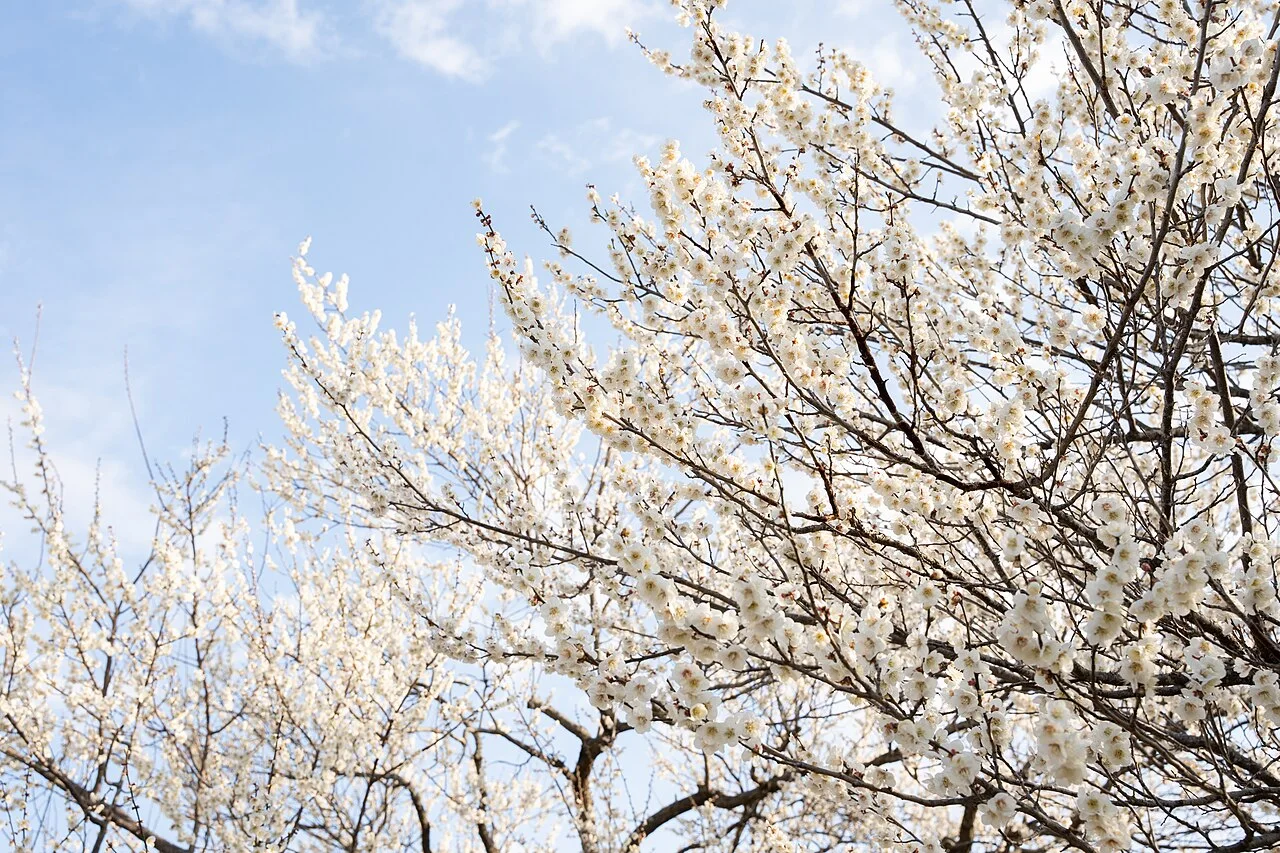
If you want to see groves of flowering trees in Japan in January, fit Atami into a Tokyo or Izu itinerary. Early-, mid-, and late-blooming cultivars flower in succession at Atami Plum Garden, where the tourism association's 2027 Plum Festival runs from January 9 to March 7. Even if you hit a mid-January week when the earliest trees are still sparse, Atami's hot springs and downtown area easily round out half a day. By late February, both Yushima in Tokyo and Mito warrant dedicated stops. For your first trip comparing blossom colors and tree forms in one go, Mito's Kairakuen has around 3,000 trees across roughly 100 cultivars, while nearby Kodokan has around 800 trees across roughly 60 cultivars. Spend the morning at Kairakuen, then walk near Mito Station to see Kodokan in the afternoon.
If you have already booked Kyoto, choose between Kitano Tenmangu and Jonangu. Kitano Tenmangu pairs plum trees with historic shrine halls; if you want tea served by geiko and maiko from Kamishichiken on February 25, block out half a day around the Baikasai tea ceremony schedule. Jonangu's weeping plum trees are concentrated in a single garden zone, making it ideal to wait until the shrine announces peak bloom before picking your day. If your trip falls in mid-March and you want blossoms still clinging to the branches, compare weekly photo updates from both gardens—and once petals start carpeting the ground at Jonangu, prioritize going there for fallen-blossom shots.
Within the same garden, early cultivars often open while late cultivars are still tight buds. When checking bloom reports, treat Japanese updates for "starting to bloom" (sakihajime) and "peak bloom" (migoro) as two separate stages. A few close-up blossoms mean you can frame individual trees and single branches; if you want full canopies lining a path, look for the garden's wider walkway photos and check which zone is shown. If your travel dates are fixed and photos still look sparse, keep plum viewing to one short stop with an indoor backup nearby so you can adjust for wind, rain, and energy on the day.
| Location | Festival or Bloom Window | How to Fit It In |
|---|---|---|
| Atami Plum Garden | Plum Festival: Jan 9 - Mar 7 | Early-season viewing; half day paired with Kinomiya or central Atami |
| Yushima Tenjin | Bunkyo Plum Festival: typically early Feb - early Mar | Half day in Tokyo paired with Kyu-Iwasaki-tei Gardens or Ueno |
| Mito Kairakuen & Kodokan | Mito Plum Festival: Feb 11 - Mar 22 | Full-day trip from Tokyo, or stay one night in Mito for night illuminations |
| Kyoto Kitano Tenmangu | Baikasai: Feb 25; Plum Garden: early Feb - mid-Mar | Half day for blooms, or make it the anchor stop on tea-ceremony day |
| Kyoto Jonangu | Weeping Plum & Camellia Festival: Feb 18 - Mar 22 | Half day; check weeping plum bloom updates before going |
Plan a 2027 Japan plum blossom trip with festival dates, bloom timing, transit access, and ticket prices for Kairakuen, Kitano Tenmangu, Yushima Tenjin, and Atami Plum Garden.
Getting to Kairakuen from Tokyo: Outbound Stations and Return Trains
From Tokyo or Ueno, take the JR Joban Line Limited Express Hitachi or Tokiwa to Mito. Both services are all-reserved seating and require a base fare plus a limited express ticket, so book specific trains and seats if your group wants to sit together. If you are unsure how long you will linger in Mito, buy an unreserved-seat-assignment ticket (zaseki mishiteiken) and lock in a seat for the same route once your return time is set. With an unassigned ticket, you may sit in any unoccupied seat, though you must give it up if the ticket holder boards. When two adults are traveling with kids or older relatives, reserving return seats in advance is much easier than hunting for empty pairs, especially after evening illuminations.
JR East announced that the seasonal Kairakuen Station will open on 24 days in 2027, including 9 weekdays. Operating hours on open days are 9:45-16:35 for down-line trains heading toward Mito and Iwaki, making it convenient to book straight to Kairakuen if you want to see the plum grove first from Tokyo. For example, the announced Tokiwa 53 departs Tokyo at 8:23 and arrives at 9:48, with boarding also available at Ueno. This temporary station has no ticket machines, so use a transit IC card or purchase paper tickets beforehand. All return trains to Ueno and Tokyo depart from Mito Station, including after night illuminations when you take a bus or taxi back from the park.
If you ride directly to Mito Station on the way out, leave via the North Exit and head to bus stops 4 or 6. Ibaraki Kotsu buses from stop 4 take about 20 minutes: get off at Kobuntei Omote-mon Iriguchi and walk roughly 5 minutes for the Omote-mon main gate, or get off at Kairakuen Higashi-mon / Tokiwa Jinja Kita-sando or Kairakuen / Tokiwa Jinja-mae and walk about 3 minutes to the East Gate. Kanto Railway buses from stop 6 end at Kairakuen, roughly a 5-minute walk from the East Gate. Because multiple stops serve the same park, pick the one matching your intended entrance—especially with a stroller, to avoid an unnecessary uphill walk.
Both bus operators serve the Kairakuen area from Mito Station's North Exit, so on the return trip, do not wait exclusively for the same company you rode out on—check the bus stop for any service heading back to Mito Station. If you plan two round trips to the park in one day or extra downtown rides, compare the Mito Manyu 1-Day Free Kippu pass against single fares; the pass covers designated zones on both operators and includes admission discounts at select sights. If you simply ride into Kairakuen once and take one bus back to Mito Station, paying single fares is straightforward. With children, spot your return bus stop outside the East Gate before grabbing lunch so you do not have to backtrack afterward.
Kodokan is about an 8-minute walk from Mito Station's North Exit along a sloped road. If you plan to tour Kodokan before staying for evening illuminations, start at Mito Station, walk to Kodokan, eat lunch near the station, and then catch a bus to Kairakuen. If you arrive via the seasonal Kairakuen Station, explore Kairakuen first, take a bus from outside the East Gate back to Mito Station in the afternoon, and then walk to Kodokan. Kodokan and Kairakuen are separate venues, while Kobuntei sits inside Kairakuen itself; if you want to include either Kobuntei or Kodokan, finish one before lunch so you reach the second ticket counter with time to spare.
Omote-mon vs. East Gate at Kairakuen, Plus Daytime and Night Tickets
During the 131st Mito Plum Festival in 2027, Kairakuen's main garden keeps standard hours of 6:00-19:00. Regular daytime admission is ¥500 for adults and ¥250 for elementary students, junior high students, and visitors aged 70 or older. Kodokan opens daily from 9:00-17:00 during the festival at ¥420 for adults and ¥210 for the same concession groups. Visiting both venues as an adult costs ¥920 in daytime tickets. If you only want blossoms, stay at Kairakuen past lunch; add Kodokan if you are interested in Mito Domain history, using lunch near Mito Station as a natural break between the two.
If you have the morning free, enter through the Omote-mon main gate. Past the first wooden gate, the path winds through shaded Moso bamboo groves and tall cedar woods before curving toward Kobuntei and opening into the plum grove. Designed by Tokugawa Nariaki, Kobuntei spans wooden pavilions and private inner chambers (Oku-goten) with painted sliding doors worth taking slowly. Climbing to the third-floor Rakujuro room for views over Lake Senba involves steep stairs, so guests who prefer can stay on the lower level at their own pace. From mid-February during plum season, Kobuntei opens 9:00-17:00 (last entry 16:45) for a separate ¥230 adult fee; check the day's entry window before visiting, as last entry is 16:15 prior to the mid-February seasonal switch.
On a first visit, seek out Mito's Six Famous Plum Trees (Rokumeiboku), chosen by the garden for distinct blossom colors, scents, and shapes—such as the double-petaled white Tora-no-o and the weeping branches of Yanagawa-shidare. Comparing double whites with pale pink weeping boughs on the same afternoon still shows clear differences in tree form even if wide grove photos are not yet at peak bloom. At Kodokan, focus on the wooden main hall and courtyard while saving cultivar comparisons for Kairakuen's grounds. If you still have time on the way back, add the castle-ruins segment from the Kairakuen and Kodokan one-day itinerary.
Visitors with wheelchairs, strollers, or limited stamina should start at the East Gate near the plum grove and Miharashi Plaza. Adjacent to the East Gate, Miharashitei offers a rest area, nursing room, and free on-site wheelchair loans. Because wheelchairs cannot enter Kobuntei's interior, groups can split up and meet back at Miharashitei once those touring the pavilion walk over toward the East Gate. Kairakuen's accessibility map marks path gradients and stairs; check it to pick a wheelchair-friendly route if you want to cross from the East Gate to the Omote-mon. Slower-paced families will have a much more relaxed day spending one continuous daytime stretch here rather than rushing half an hour at each venue.
Wait to lock in your night-viewing date before buying evening tickets. The UME The Lights event page lists Fridays, Saturdays, Sundays, and national holidays starting February 12, plus February 22, running 18:00-20:30 with last admission at 20:00. Note that the event page labels March 15 as a Sunday, whereas in 2027 that date falls on a Monday—if you are aiming for the final mid-March weekend run, wait until the ticketing page confirms the exact evening schedule. Advance night tickets are scheduled to go on sale from January at ¥800 for high school students and adults (¥1,000 at the gate), ¥400 for elementary students, ¥500 for junior high students, and free for preschoolers.
On illumination evenings, daytime visitors must exit the park by 17:00 before re-entering from 18:00 with a night ticket. If you arrive in Mito in the afternoon, leave room for an early dinner before heading in for the lights. If you are returning to Tokyo right after the night show, factor in time to call a taxi or catch a bus outside the park to Mito Station before choosing your limited express train. Travelers interested in the National Umeshu Festival in Mito should plan a separate schedule once organizers announce dates and ticket sales; traveling just for tastings adds extra transit, so if you also want to see the main garden that day, tour the plum grove and Kobuntei in the morning to keep the afternoon free for the tasting venue.
Kyoto's Kitano Tenmangu: Visit February 25 for Tea or Another Day for Blooms
Kitano Tenmangu holds around 1,500 plum trees across roughly 50 cultivars, typically at their best from late February to mid-March. According to Kyoto's 2027 Kyoto Winter Special (Kyo no Fuyu no Tabi) announcement, the Hana no Niwa plum garden is open from early February to mid-March for ¥1,500 (junior high and older), including tea and sweets. Paid evening illuminations run from early to mid-March from sunset until 20:00. The campaign booklet offers a 10% plum garden discount limited to one booklet per person when you present the designated booklet corner at reception, though it is excluded on the 25th, weekends, and national holidays. If you just want red and white blossoms and a stroll down the shrine approach, pick a weekday other than the 25th for a morning garden visit followed by lunch in Kamishichiken.
Held every February 25 to honor Sugawara no Michizane, the Baikasai Plum Blossom Festival centers on rituals at the main sanctuary and the open-air Nodate Daichayu tea ceremony in Funaide-no-niwa Garden, where Kamishichiken geiko and maiko serve tea in tribute to Toyotomi Hideyoshi's historic Grand Kitano Tea Gathering. Tea ceremony tickets are separate from plum garden admission, so visitors who already hold garden entry still need a tea ticket. If you are flying to Kyoto specifically for the tea gathering, protect the morning of the 25th with flexible hotel dates and watch the shrine's updates for ticket release dates and reception times. If you only want the garden, let bloom reports guide you—shift a few days into early March if the flowers are late, and combine the morning with shrine worship.
From Kyoto Station, take City Bus 50 to Kitano Tenmangu-mae. To cover most of the trip by rail, ride the JR Sagano Line to Emmachi Station and transfer to City Bus 203 to the same stop. If you are already in Arashiyama or along the Randen tram line, change at Katabiranotsuji onto the Kitano Line to Kitano-Hakubaicho Station, listed by the shrine as about a 5-minute walk away. The shrine's parking lot closes on the 25th of every month for the Ennichi market, so take public transit on Baikasai day rather than hunting for parking. If you are continuing toward Arashiyama afterward, walk toward Kitano-Hakubaicho Station first and decide whether to board the tram or eat nearby.
Alongside the festival on the 25th, the shrine approach hosts the monthly Tenjin Ennichi market; leave time after the tea ceremony to browse the stalls before walking over to Kamishichiken. When visiting with older travelers, meet near the first torii gate, choose between shrine worship or the plum garden based on energy, and head to Kamishichiken for a meal. Walk along the main street through Kamishichiken and stay clear of private doorways. If rain cuts your garden walk short, the Nishijin Textile Center in Kamigyo Ward makes an easy indoor stop: from October through March it opens 10:00-16:00 and closes Mondays (or the following day when Monday is a national holiday), with weaving exhibits and textiles worth extra time.
If you have only one night in Kyoto and catch the Shinkansen from Kyoto Station the next morning, stay near Kyoto Station for easy luggage storage and carry just a daypack to Kitano. For stays of two nights or more with central dining plans, base yourself around Karasuma Oike or Shijo Karasuma, taking the Karasuma Subway Line to Imadegawa and connecting by bus to Kitano. To pair Kitano with Jonangu on the same day, ride the same Karasuma Line south to Takeda; if you are visiting only one plum grove, spend the other half of the day in the neighborhood you already planned to explore.
Yushima Tenjin in Tokyo: Pair White Plums with a Half Day in Ueno
Yushima Tenjin holds roughly 300 plum trees, mostly white-blossomed cultivars. Entry is free: take Exit 3 from Yushima Station on the Chiyoda Line to the Tenjinshita intersection, then climb the stone steps of Otokozaka. Visitors with strollers or wheelchairs should turn onto Kasuga-dori from the same intersection and follow the Kiridoshi-zaka slope up to the shrine grounds to avoid the stairs. The shrine grounds open 6:00-20:00, prayer reception closes at 16:30, and the shrine office runs 9:00-19:30. Stop by early in the morning for daylight blossom photos, or wait until after 9:00 if anyone in your group wants to buy amulets.
Bunkyo Ward notes that the Bunkyo Plum Festival typically runs from early February to early March. Specific 2027 dates and stage performance schedules have not yet been published, so pencil in a half day near Ueno within that usual window. If you want traditional performances or food stalls, check the organizer's schedule for specific days and times and allow extra room along the shrine approach. For just the white blossoms and shrine buildings, an early weekday morning lets you move steadily with worshippers and wait briefly at roadside pull-offs for clear shots.
Head northeast along Shinobazu Pond to reach Ueno—an easy walk straight to station restaurants if time is tight. Architecture fans can cut from Tenjinshita over to Kyu-Iwasaki-tei Gardens to tour its historic Western-style and Japanese wooden residences. Kyu-Iwasaki-tei opens 9:00-17:00 (last entry 16:30) for ¥400 general admission and ¥200 for visitors aged 65 and older, or about a 3-minute walk from Chiyoda Line Yushima Station Exit 1 if going straight there. Expect an outdoor walk from the garden gate to the Western mansion even in rain, so bring a hooded jacket. To anchor your day around an indoor museum instead, visit the Tokyo National Museum in Ueno Park and keep plum viewing strictly to Yushima Tenjin.
If you are staying near Ueno, split the area into two relaxed mornings: walk past Shinobazu Pond to Yushima for blossoms one day, and save another morning for museum exhibitions. Travelers based near Tokyo Station or Shinagawa heading to Mito on a separate day can board the Joban Line Limited Express straight from their hotel station and slot Yushima into a different city half-day. Guests staying in Akasaka or Omotesando have a direct Chiyoda Line ride to Yushima. When you have a Shinkansen or airport train later that half-day, keeping the stop to Yushima alone makes timing easy—just walk back down Kasuga-dori to the subway.
Atami Plum Garden in January: Get Off at Kinomiya, Then See Early Sakura at Itokawa
The 83rd Atami Plum Garden Plum Festival in 2027 runs from January 9 to March 7. The local tourism association lists 469 trees across 60 cultivars, including century-old plum trees. When early cultivars are still blooming sparsely, walking uphill through different garden zones reveals far more variety across bloom stages than lingering near the entrance. During the festival, paid admission applies from 8:30-16:00 at ¥300 for adults, ¥100 for guests staying at accommodations within Atami City, and free for junior high students and younger. Foot baths and souvenir shops sit inside the grounds—pack a small towel if you plan to soak, then meet family toward the Kinomiya exit before heading downhill for lunch.
From Atami Station, ride one stop on the JR Ito Line to Kinomiya Station and walk about 10 minutes to the garden, or board a bus bound for Ainohara Danchi from Atami Station for roughly 15 minutes to the Baien (Plum Garden) stop. Local officials expect heavy traffic around nearby roads and parking lots at both the garden and Kinomiya Station during the festival. Leave large suitcases at your hotel or in lockers at Atami Station before taking the one-stop train; returning to Atami Station for luggage before continuing down the Izu Peninsula is far easier than rolling bags up the garden's slopes. If someone in your party walks more slowly, ride the same train to Kinomiya, split up inside, and have faster walkers loop back toward the entrance to meet by the bus stop.
There are no evening illuminations at Atami Plum Garden during the 2027 Plum Festival. If you also want to see early-blooming Atami-zakura cherry blossoms that day, put the Itokawa Promenade on your afternoon schedule: the Itokawa Atami-zakura Festival runs January 9 to February 7 with illuminations from 17:00-23:00. For natural-light photos, walk both banks of the Itokawa River after lunch to find the fullest trees, then look for dinner along Ginza Shopping Street. If you prefer the night lights, soak in an onsen at your hotel after daytime plum viewing and head out after 17:00. Itokawa is roughly a 20-minute walk from JR Atami Station, or you can catch a bus back from near the Ginza stop to skip the uphill walk.
In January, Atami Plum Garden and Itokawa let you see both plum and cherry blossoms within the same city on one day. Early Kawazu-zakura in Kawazu is a separate leg farther down the Izu Peninsula, typically opening sequentially from early February according to the Kawazu Town Tourism Association. If your dates straddle the transition, compare late-blooming plum progress in Atami against early cherry progress in Kawazu before deciding whether to spend a night in Atami or base farther south along Izu's east coast. On a day trip from Tokyo, combining Atami Plum Garden and Itokawa fills the day comfortably without adding an afternoon train down to Kawazu.
If heavy morning rain hits, keep your Atami hotel booking and shift outdoor walking to the afternoon. Catch a bus from Atami Station to Kiunkaku-mae to tour Kiunkaku, a historic residence with Japanese and Western wings open 9:00-17:00 (last entry 16:30), normally closed Wednesdays except on national holidays. Staying near Atami Station puts buses to both the Plum Garden and Kiunkaku at your doorstep with easy dinner spots nearby; staying near Itokawa or the waterfront works well if you want an extra evening stroll once streetlights come on. If you are continuing to Kawazu or Ito the next morning, build in time at Atami Station to retrieve stored luggage between Ito Line trains.
Half a Day Left in Kansai? Weeping Plums at Jonangu or Osaka Castle Plum Grove
At Kyoto's Jonangu Shrine, 150 weeping plum trees fill the Haru no Yama garden zone, creating continuous cascades of blossoms above moss-covered ground. The shrine divides its bloom updates into three phases: early viewing (tanbai), peak viewing (kanbai), and late petal-fall (sekibai). Early days highlight fresh, deeply colored blooms on individual trees, full bloom captures thick overhead canopies, and starting-to-fall (chirihajime) signals when petals begin blanketing the moss. Official multi-year records show early-spring temperature swings can shift peak dates considerably, so keep one flexible half-day in your Kyoto plan and choose between Jonangu and Kitano Tenmangu once fresh photos appear.
Jonangu's 2027 Weeping Plum and Camellia Festival runs from February 18 to March 22. The Shin'en garden opens 9:00-16:30 (last entry 16:00) for ¥1,000 (junior high and older) and ¥600 (elementary students). During the festival, free Plum Branch Kagura dances take place in front of the Kaguraden hall at 10:00 and 15:00; for the 15:00 performance, enter the garden around midday and head to the hall beforehand. Food, drinks, tripods, and selfie sticks are prohibited inside the garden, and there are no coin lockers on-site, so store bags at Kyoto Station or your hotel. Both the Kyoto Subway Karasuma Line and Kintetsu Kyoto Line serve Takeda Station, roughly a 15-minute walk from the shrine.
Because Kyoto's two top plum spots sit at opposite ends of the city—northwest and south—if both hit peak bloom during a one-day stay, take an early train to Jonangu, return to Kyoto Station for lunch, and continue to Kitano Tenmangu afterward. If that afternoon falls on the 25th, expect queues at Kitano's grounds and plum garden and skip adding another timed-entry sight. On a two-night stay, planning is easier: pair Kitano with Randen tram stops or Nishijin, and pair Jonangu with Fushimi the next day. If you visit Jonangu early before moving on to Osaka in the afternoon, store bags at Kyoto Station for a quick pickup on your way through; travelers needing a midday rest should pick one garden rather than crossing town twice.
Osaka Castle Plum Grove sits on the eastern side of the inner moat with roughly 1,245 trees across 105 cultivars and free admission. Enter via Osakajokoen Station on the JR Osaka Loop Line or from the park entrance beside Morinomiya Station. For classic views of blossoms framed by castle walls, follow the park map along the inner moat and stroll toward Aoya-mon Gate. Families with kids should climb the castle keep before lunch while walking energy is fresh, rather than realizing halfway up the long approach that you need to turn back for food; castle tower admission is ticketed separately. If you are staying in Osaka without heading to Kyoto, the plum grove slots effortlessly into a regular city day.
How to Adjust Your Day for Rain, Late Blooms, or Less Walking
The Mito Plum Festival website plans to begin bloom updates in late January, broken down by venue. If daylight looks sunny with rain forecast by evening, tour Kairakuen while the light lasts and save warm indoor breaks and dinner for back near Mito Station. If steady daytime rain arrives first, visit Kodokan ahead of the park, or duck into the Ibaraki Prefectural Museum of History next to Kairakuen (9:30-17:00, last entry 16:30, closed Mondays or the following day after a holiday). If you want to wait for skies to clear before walking the main grove, book a slightly later return limited express so you can swap the two stops.
To hold out for fuller blooms at Kitano Tenmangu, keep your walking plan flexible until the day before—only the February 25 tea gathering requires locking in a set date. If companions already hold Kyoto restaurant reservations, pick whichever garden sits closest to lunch or dinner and schedule timed entry queues for daytime. Right after wind or rain tapers off during peak bloom at Jonangu, open paths reward visitors with fallen petals across the moss. Check the light just inside the garden gate: under overcast skies, shoot tighter frames of blossoms against green moss before stepping back for wide views once you reach open clearings. On slick afternoon stone steps or damp earth, fold umbrellas before climbing and yield to visitors coming down.
When early-spring winds pick up, favor shorter outdoor approaches. Yushima Tenjin requires only a brief uphill walk from the subway and an easy return down Kasuga-dori. At Kairakuen, pick up a wheelchair near the East Gate first and decide in the afternoon whether you have energy to loop around Lake Senba. Atami Plum Garden involves an uphill slope from the gate to the main flower zones, so if kids tire early, catch the bus straight back downtown. Both Yushima and Kitano show blossoms close to their entrances, allowing guests with limited stamina to browse the approach and rest indoors soon after. Pack a windproof jacket and gloves for night illuminations, as standing still to take photos feels colder than walking.
In freezing or wet weather, the Kasuga-dori slope beside Yushima Tenjin still has enough grade to feel slick, so wear shoes with solid grip. In heavy rain, reverse your Tokyo sequence: visit Ueno museums first and walk over to Yushima once the downpour eases. To avoid standing in rain waiting for the city bus outside Kitano Tenmangu, walk to and from the Randen tram at Kitano-Hakubaicho Station instead. If you have a long-distance train that evening, stop at just one plum venue and return early to retrieve luggage, giving yourself dry time to pack wet umbrellas and raincoats.
Ticket choices can also serve as your bloom backup. Whenever two venues or two ticket tiers can be bought on the spot, walk through the fuller area first and decide afterward whether to buy the second admission. Arriving in Mito in the afternoon lets you visit Kodokan near the station first before heading to Kairakuen's evening lights. Because Jonangu involves an outdoor walk from Takeda Station, families caught by a passing shower at the station can eat near Kyoto Station first and still make the 16:00 final garden entry. Yushima requires no advance plum ticket at all, so check the rain outside the subway exit and pivot to an open historic mansion or museum if needed.
Sample 2-Day Plans: Budgeting Transit and Meals Step by Step
With two days in Tokyo for plum viewing, put Mito on whichever day has the steadier forecast and pair Yushima Tenjin with Ueno on the other. On the Mito day, ride an outbound train to the seasonal Kairakuen Station, explore the grove in the morning, take a bus from outside the East Gate back to Mito Station for lunch, walk to Kodokan in the afternoon, and re-enter Mito Station via the North Exit. Adult admission in Mito totals ¥920 for Kairakuen's main garden and Kodokan combined, or ¥1,150 if you add Kobuntei; factor both base fares and limited express surcharges into your rail budget. If traveling with two seniors aged 70 or older eligible for Kairakuen's concession rate, keep photo ID showing their age handy in one easy-to-reach pocket.
To experience both daytime groves and evening lights without rushing, overnighting in Mito works well. Book near the station so you can drop bags around noon, visit Kairakuen and neighboring Tokiwa Shrine, return to the station area for an early dinner, and head back out for night illuminations; if bus schedules look thin afterward, a taxi from outside the park back to a station hotel is a short ride. The next morning, group Kodokan, the North Exit streets, and lunch into one walkable loop before taking an afternoon limited express back to Tokyo. Pick up local souvenirs at Miharashitei in Kairakuen or inside Mito Station—small packs of dried plums carry easily, while large bottles of umeshu require checking that your suitcase can hold them upright.
On a two-day Kyoto stay, avoid crossing town back and forth more than once. Coming specifically for the February 25 tea ceremony? Spend a night near Kyoto Station to simplify train timing and bag storage, and dedicate a full morning to Kitano Tenmangu before leaving Kyoto. If your priority is pure blossom viewing, pick a hotel convenient for the rest of your city itinerary and slot in either Kitano or Jonangu on the day with better bloom reports. Budget local transit by counting individual bus and subway legs, and remember not to multiply adult ticket prices across elementary-age children when pricing Hana no Niwa or Jonangu's garden. Because food and drinks are barred inside Jonangu's garden, buy tsubakimochi rice cakes from approach stalls after finishing your walk.
If you already hold Shinkansen tickets between Tokyo and Kyoto, keep your travel day down to a single garden stop. Leave Tokyo in the morning after visiting Yushima Tenjin the day before, drop luggage at Kyoto Station on arrival, and visit either Kitano Tenmangu or Jonangu. When Kitano's evening illuminations fall on your arrival night, you can still tour the plum garden on day one and lock in city shopping and train times for the following morning. By separating intercity Shinkansen legs from fixed-date tea ceremonies, you can easily swap out a half-day garden destination if early-spring blooms are running behind.
A few useful answers
When do plum blossoms bloom in Japan?
For January blooms, start at Atami Plum Garden. In February, visit Yushima Tenjin in Tokyo or head up to Mito. Kyoto's Kitano Tenmangu typically peaks from late February through mid-March. Check each garden's bloom page during your travel week to track early and late cultivars.
When is the 2027 Mito Plum Festival and how much are tickets?
It runs from February 11 to March 22, 2027, across Kairakuen and Kodokan. Main garden admission at Kairakuen is ¥500 for adults and ¥250 for elementary students, junior high students, and visitors aged 70+. Kodokan is ¥420 for adults and ¥210 for those concession groups.
Can I take a train back to Ueno from Kairakuen Station?
No. Trains bound for Ueno and Tokyo depart from Mito Station. The seasonal Kairakuen Station opens on 24 announced days from 9:45-16:35 and only serves down-line trains heading toward Mito and Iwaki.
Does one ticket cover both daytime entry and night illuminations at Kairakuen?
No. The 2027 UME The Lights evening event requires a separate ticket. Even visitors already inside during the day must exit by 17:00 and re-enter from 18:00 using an evening ticket.
When is Kitano Tenmangu's Baikasai, and do I need a tea ticket just to see the plums?
Baikasai and its Nodate Daichayu open-air tea ceremony take place every February 25. If you only want to view the plum trees, a standard Hana no Niwa plum garden ticket is enough—Kyoto City lists 2027 admission at ¥1,500 for junior high and older, including tea and sweets.
What is the quickest half-day plum blossom spot in Tokyo?
Ride the Chiyoda Line to Yushima Station, leave via Exit 3 toward the Tenjinshita intersection, and walk uphill to Yushima Tenjin. Afterward, walk along Shinobazu Pond to Ueno or visit Kyu-Iwasaki-tei Gardens.
Which route avoids stairs when bringing a stroller to Yushima Tenjin?
From Yushima Station Exit 3 via the Tenjinshita intersection, follow Kasuga-dori uphill. This sloped street bypasses the steep Otokozaka stone steps.
Can I see both plum blossoms and early cherry blossoms in Atami in one day?
Yes, pair Atami Plum Garden with the Itokawa Promenade. In 2027, the two festivals overlap from January 9 to February 7, with Itokawa's Atami-zakura illuminations running 17:00-23:00 daily during the festival.
When can I see weeping plum blossoms at Kyoto's Jonangu?
The 2027 Weeping Plum and Camellia Festival runs from February 18 to March 22, with Shin'en garden hours from 9:00-16:30 (last entry 16:00). Watch the shrine's official peak-bloom photo updates to pick the best day.
Does Osaka Castle Plum Grove require an admission ticket?
No, the plum grove on the eastern side of the inner moat is free to enter. Paid facilities like the castle keep are ticketed separately, so for a quick half-day stroll you can simply walk in from Osakajokoen or Morinomiya Station.
Official information and references
Sources used in this guide.
- Mito Tourism and Convention Association | 131st Mito Plum Festival
- Mito Plum Festival Official | 2027 Events and Admission Fees
- Mito Plum Festival Official | Bus Stops, Venues, and Access
- Kairakuen | Main Garden Admission Fee Update for the Plum Festival
- Kairakuen | Kobuntei Admission and Floor Guide
- Kairakuen | Plum Cultivar Guide and Mito's Six Famous Plum Trees
- Kairakuen | Accessibility Map and Wheelchair Loans
- JR East | 2027 Seasonal Kairakuen Station Operations and Train Stops
- JR East | Tickets for All-Reserved Conventional Limited Express Trains
- Ibaraki Prefectural Museum of History | Opening Hours and Closed Days
- Kitano Tenmangu | Baikasai, Nodate Daichayu Tea Ceremony, and Shrine Plum Trees
- Kitano Tenmangu | Worship Hours, City Bus, and Randen Access
- City of Kyoto | 61st Kyoto Winter Special Campaign Brochure
- JR Kyushu | 2027 Kyoto Winter Special Campaign Announcement
- Nishijin Textile Industrial Association | Nishijin Textile Center
- Bunkyo City | Bunkyo Plum Festival and Typical Dates
- Yushima Tenjin | Gate Hours and Step-Free Access Route
- Tokyo Metropolitan Park Association | Kyu-Iwasaki-tei Gardens
- Atami City Tourism Association | 2027 Atami Plum Garden Plum Festival
- Atami City Tourism Association | 2027 Atami-zakura Itokawa Cherry Blossom Festival
- Atami City Tourism Association | Kiunkaku Visitor Information
- Kawazu Town Tourism Association | Kawazu-zakura Bloom Updates
- Jonangu | Weeping Plum and Camellia Festival
- Jonangu | Access from Takeda Station to the Shrine
- Osaka Castle Park | Plum Grove and Cultivars
- Osaka Castle Park | Plum Grove Map and Admission Info