Which station exits lead into snowy Osaka Castle, where to stay warm in winter rain, and how to reach Rokkosan Snow Park from Umeda or Namba—with schedules, fares, and booking tips.
- Region & Focus
- OsakaWhen to visit
- Reading Scope
- 22 min read · 12 chapters · 6 Q&As
- Official Verification
- 31 official sources checkedUpdated November 22, 2026
- Key Topics
- WinterSeasonsRail travel
Chapter Route Map (tap any stop)
- When It Snows in Osaka, Check Whether It Sticks First
- Which Station Exits to Use for Snowy Osaka Castle
- Dry Underground Routes in Umeda, Namba, and Tennoji
- A Full Wet-Weather Plan with Kids in Nakanoshima
- Rokkosan Snow Park 2026–27 Season & Admission
- Getting Up the Mountain from Osaka: Rokko, Rokkomichi, and Mikage Are Three Different Stations
- Which Transit-and-Admission Pass to Buy
- Reserve-Only Direct Buses on Select Dates (Best for Toddlers)
- Snow Land Zones for Kids and Accompanying Family
- Choosing Your First Ski Lesson and Timing Check-In
- Umeda vs. Namba: Pick Your Base Around Your First Morning Train
- Can You Add Kobe After Coming Down the Mountain?
- Quick Q&A
If snow sticks in Osaka, head straight to Osaka Castle Park; if it turns to sleet, stay dry in the Umeda or Namba underground shopping arcades. For sledding with kids, set aside a full day for Rokkosan Snow Park in Kobe, open for the 2026–27 season from December 5 to March 7. From Osaka, you can route through Hankyu Rokko, JR Rokkomichi, or Hanshin Mikage stations. Decide before buying tickets whether you are only sledding or taking ski lessons, as the two require different passes.
When It Snows in Osaka, Check Whether It Sticks First
Seeing snowflakes outside Osaka Station and walking across snow-covered grounds at Osaka Castle are two very different things. Based on Japan Meteorological Agency averages from 1991 to 2020, Osaka's average first snowfall falls on December 26 and its last on March 8. Over that entire 30-year span, only nine winters saw enough accumulation—at least 1 cm—to register in official first-and-last snow-cover statistics. Average snowfall dates tell you what winter feels like in the city, but if you are booking hotels for photography or planning snow play for kids, you need to build a dedicated snow destination into your itinerary.
If you are staying in Umeda or Namba, wait until daylight and look at opposite balconies, rooftops, and street planters. When flakes melt on contact with asphalt, the day usually plays out like cold rain. Only when shaded patches and lawns stay white—and the subway is running normally—is it worth moving Osaka Castle to the top of your morning. Check live weather radar before stepping out, since incoming rain can wash out the scene faster than ambient temperatures suggest. Push your morning department-store browsing or lunch back an hour to keep that outdoor window open.
If you only packed city winter layers and your kids want to touch real snow, plan a trip to Snow Land at Rokkosan Snow Park. The park makes its own snow and runs on its own mountain season and zone schedule. Before booking lessons, work backward through your wake-up, subway, and transfer times. If you are in Osaka for four nights or more, slot Rokkosan into your first full weekday so you have a buffer day afterward. On a two-night stay, pick either city sightseeing or Rokkosan—trying to cram both into one day leaves no margin if a single train connection slips.
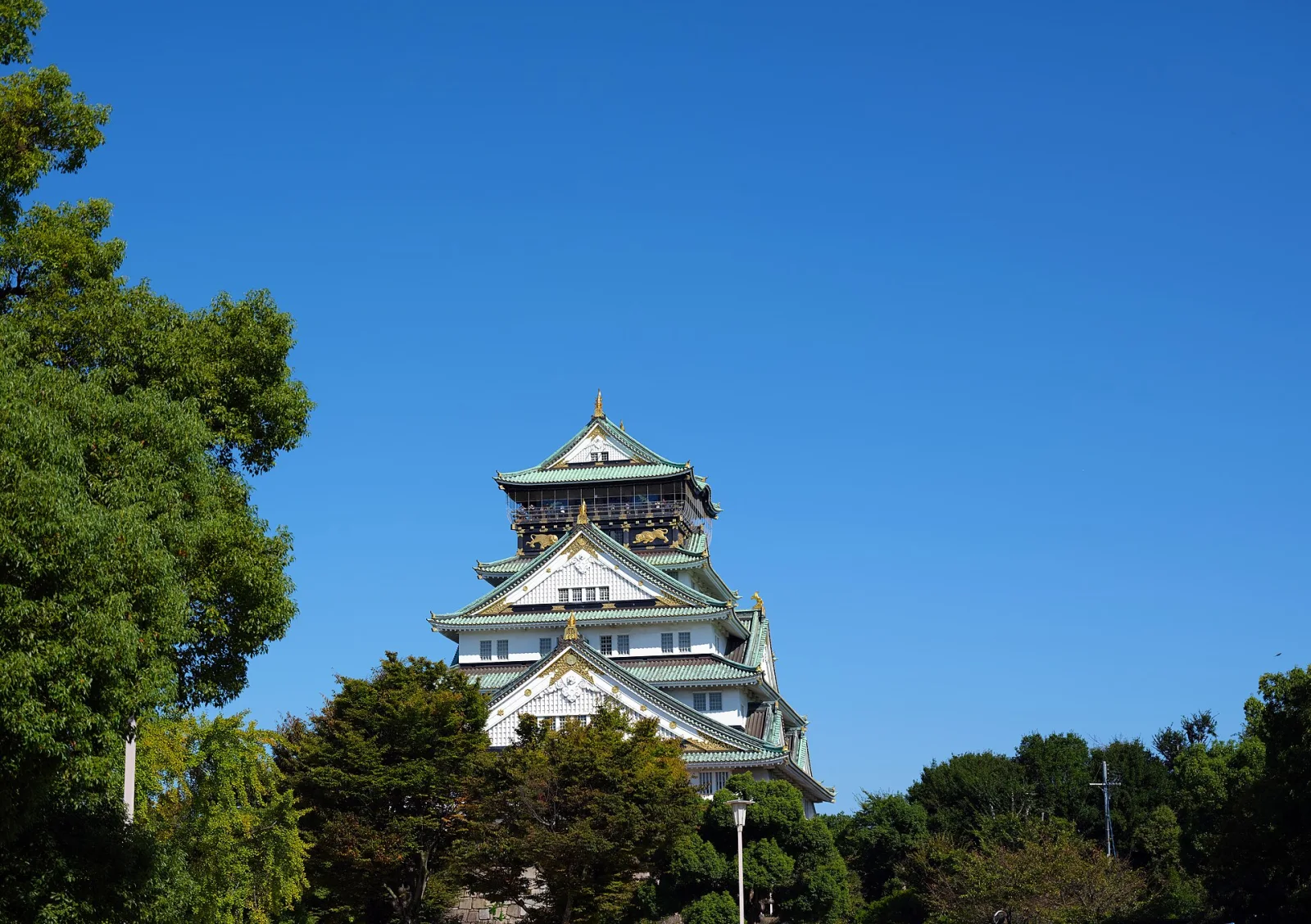
Which station exits lead into snowy Osaka Castle, where to stay warm in winter rain, and how to reach Rokkosan Snow Park from Umeda or Namba—with schedules, fares, and booking tips.
Which Station Exits to Use for Snowy Osaka Castle
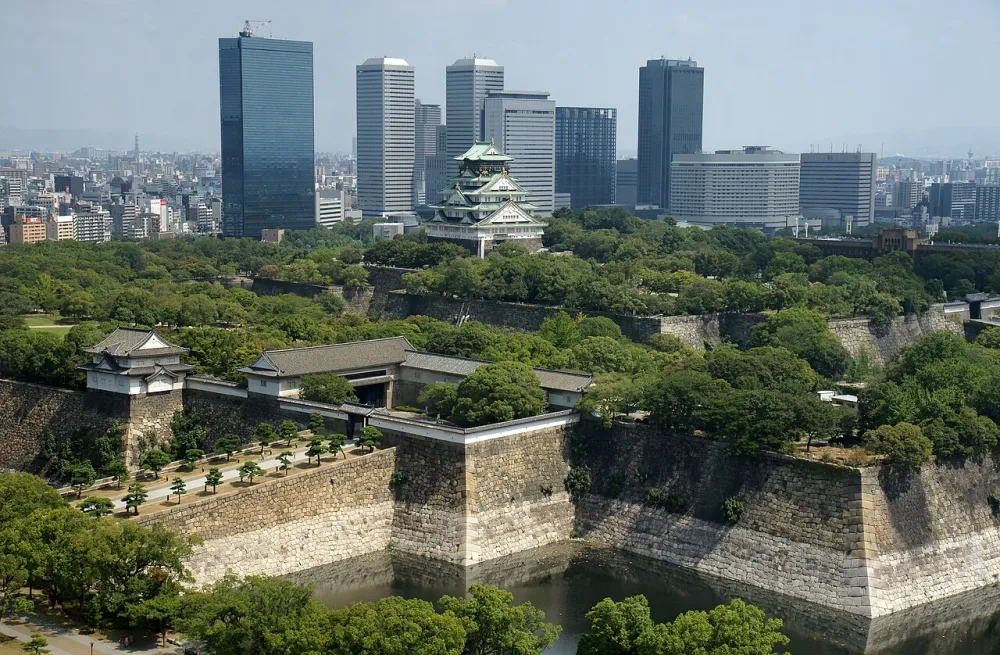
Coming from south Umeda or Higashi-Umeda, take the Tanimachi Line to Tanimachi 4-chome Station Exit 1-B, walk toward Otemae, and follow the outer moat to Otemon Gate. If you arrive on the Chuo Line, use Exit 9 at the same station. This western side frames the outer moat, stone walls, and Nishinomaru Garden—ideal for capturing winter trees and ramparts in one shot. If you plan to enter the keep, walk straight up to the Honmaru inner bailey first and shoot around the tower before joining the ticket line, so you do not have to hike back up the long slope later.
You can also ride the Chuo Line to Morinomiya Station Exits 1 or 3-B (the Nagahori Tsurumi-ryokuchi Line uses Exit 3-B per official access directions). This brings you into the park's southeast corner, where the fountain plaza makes an easy first stop with kids before you decide whether conditions are good enough to head up to the Honmaru. If you have a stroller, check the official Osaka Castle accessibility map for ramps and step-free entrances. Wet snow turns stone steps slick fast, so stick to flat perimeter paths and turn back if you hit ice; entering and exiting via Morinomiya still makes a solid morning loop.
The main park grounds are open 24 hours, so in winter you can arrive before the keep opens. Osaka Castle's main keep is open 9:00–18:00 (last entry 17:30); admission is ¥1,200 for adults and ¥600 for high school and university students (international students can present an ISIC card). Junior high school students and younger enter free, and overseas visitors can show a passport to verify age. The keep closes from December 28 through January 1—treat it as an exterior sight on those dates and schedule other museums for indoor exhibits. If you are visiting right before the New Year closure, go inside in the morning rather than cutting it close to last entry.
From November through February, Nishinomaru Garden is open 9:00–16:30 (last entry 16:00). Admission is ¥300 for adults and free for junior high school students and younger. It typically closes Mondays (or the following day if Monday is a holiday) and shuts for the New Year break from December 28 to January 4. The garden and the main keep have separate entrances and different holiday reopening dates. If you only have an hour and want a moat view, staying along the outer grounds is easier than queuing at two gates. See our Osaka Castle keep and park guide for a full breakdown of what to prioritize.
When snow only clings to railings, shrub tops, or the base of the walls, move in close to put the snow in the foreground and leave room for the dark stone masonry behind it. The moat promenade is great for pausing with a camera, though keep bridge walkways clear for foot traffic. Bright snow glare often tricks phone cameras into underexposing; tap near the keep's white walls, bump the exposure up slightly, and reframe if a pale sky washes out the shot. Sort and send photos once you are indoors instead of pulling off gloves in the wind. Limiting your loop to one section of the park makes it easy to sit down for lunch before the snow turns to drizzle.
Dry Underground Routes in Umeda, Namba, and Tennoji
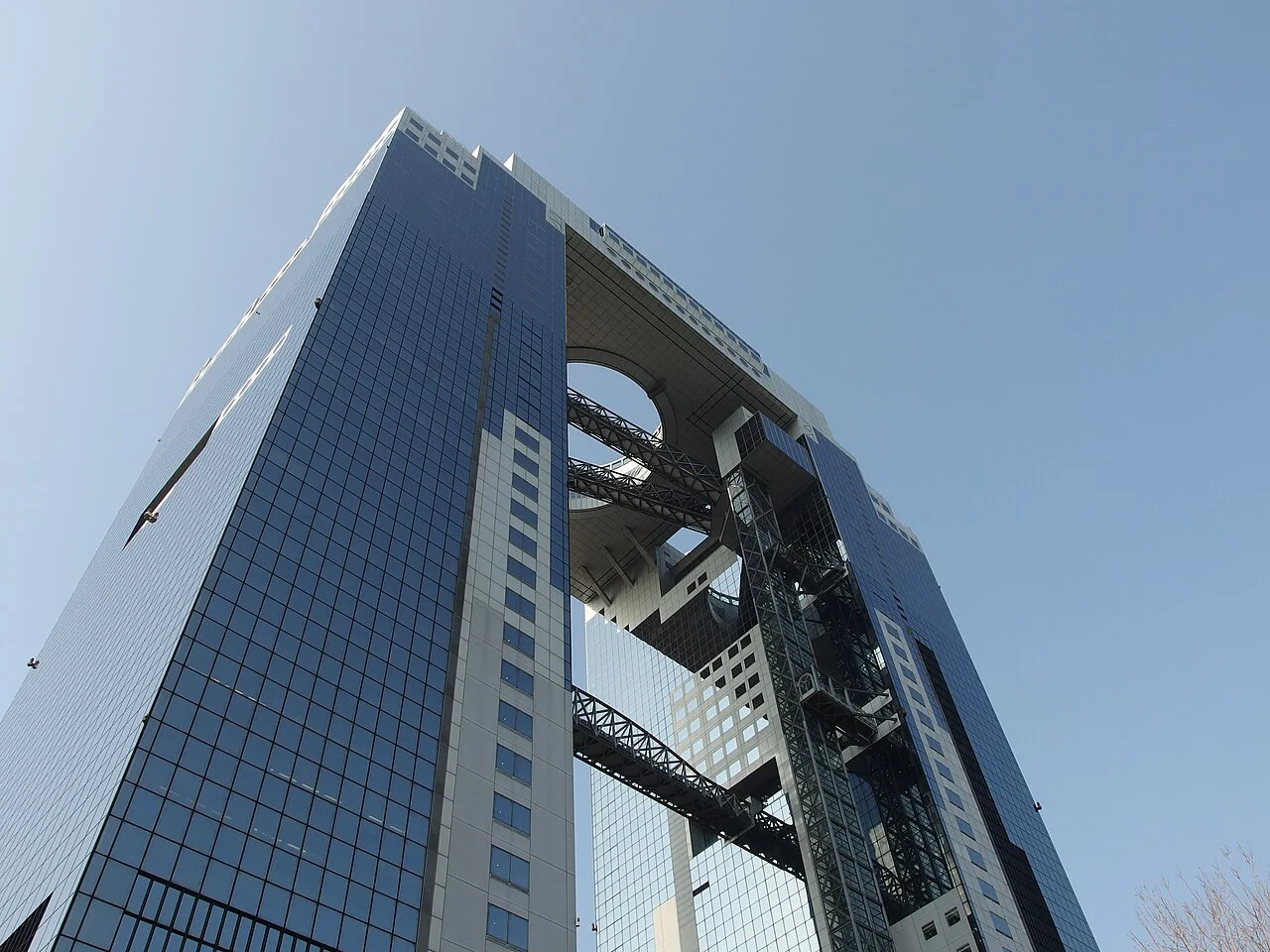
At the south end of Midosuji Line Umeda Station, Exit 13 connects to Whity Umeda and the Tanimachi Line's Higashi-Umeda Station, while Exit 17 leads toward the Yotsubashi Line's Nishi-Umeda Station. Walking from JR Osaka Station to either side uses different underground concourses, so note the exact mall, floor, and branch name for any restaurant booking. If someone only sends a pin saying "near Umeda Station," check which shopping complex houses the venue before diving underground. When traveling with older relatives, meet at an indoor information desk or department-store basement so nobody waits outside in the wind.
Heading into Umeda early lets you save department-store shopping for the afternoon. Many boutiques stay closed in the morning, though the stations function as transit hubs and cafes with breakfast hours offer easy seating. If you come up into a mall and later need another subway line, re-enter the underground passages from the same end of the building you arrived through—far simpler when carrying umbrellas and shopping bags. To reach Nakanoshima from Umeda, walk underground to Nishi-Umeda on the Yotsubashi Line and ride to Higobashi; Midosuji Line Yodoyabashi Station also works, though it is a longer walk to the Science Museum.
If you are staying in Namba, step out of Midosuji Line Namba Station straight into Namba Walk. Running beneath Sennichimae-dori toward Nippombashi Station, the arcade lets you eat and shop underground, saving street exposure for the short hop to Ebisubashi or Dotonbori. General retail hours run 10:00–21:00 and dining 10:00–22:00, though individual shops vary. Arriving via Nankai Railway, follow signs for "Subway / Osaka-Namba"—the Namba platforms sit on separate levels. Coming back from Nippombashi, you can walk all the way through the underground mall to Namba without crossing the river at Ebisubashi again.
In Tennoji, pivot to the Abeno complex by following signs for "Kintetsu Abenobashi / Abeno Harukas" from either the Midosuji or Tanimachi Line platforms, keeping your day inside department-store dining and shopping floors. Before buying tickets for the observatory, look across from a lower window to check whether low clouds are blocking the view. If visibility is poor, put that ticket money toward lunch and only go up once distant towers come back into sight. Returning from Namba, the Midosuji Line runs straight to Tennoji without forcing you to hunt for transfer exits inside unfamiliar malls.
A Full Wet-Weather Plan with Kids in Nakanoshima
The Osaka Science Museum is about a 500-meter walk across Chikuzenbashi Bridge from Yotsubashi Line Higobashi Station Exit 3, or about 400 meters from Keihan Nakanoshima Line Watanabebashi Station Exit 2 (strollers can use elevator-equipped Exit 5, listed by the museum as roughly 500 meters). Both routes include an exposed outdoor stretch. If your shoes lack grip or the bridge deck is icy, staying in Umeda's underground malls takes less effort. When footpaths are clear, a hands-on science museum keeps elementary-age kids far happier than hopping between shopping centers.
The exhibition halls are open 9:30–17:00 (last entry 16:30); tickets are ¥400 for adults, ¥300 for high school and university students, and free for junior high school students and younger (pick up a free pass at the counter). Planetarium shows are sold separately per screening: ¥600 for adults, ¥450 for high school and university students, ¥300 for ages 3 through junior high, and free for ages 2 and under sitting on an adult's lap. Buy just an exhibition ticket for a quick hour-long visit, or book a specific planetarium slot first and time lunch around it. Latecomers are not admitted once a show starts, so build in buffer time for ticketing, lockers, and restroom stops even after the building is in sight.
Standard online tickets go on sale seven days in advance. Same-day online sales close at 16:00 for the exhibition halls and one hour before showtime for planetarium screenings, or earlier if sold out. If plans shift, full online orders can be canceled up to 8:55 on the morning of your visit. The museum generally closes Mondays (shifting to the next weekday if Monday is a national holiday). According to its calendar, it is open December 27, 2026, then closed December 28, 2026 through January 4, 2027. If you are in Osaka over New Year's, swap this outing for indoor mall dining and shopping so the whole family does not cross the bridge only to find locked doors.
Rokkosan Snow Park 2026–27 Season & Admission
The official 2026–27 season runs December 5, 2026 through March 7, 2027. Standard operating hours are 9:00–17:00, extending to 9:00–20:00 on weekend and holiday-schedule days, which include the year-end window from December 25 through January 6. On December 5, December 31, and January 1, general-visitor hours end at 17:00. Snow Land's play and sledding zone runs 9:00–17:00 daily; evening skiing uses separate slopes with their own lift closing times.
General park admission is ¥2,800 for junior high school students and adults, and ¥1,400 for children ages 3 through elementary school. Students from junior high upward receive ¥500 off when showing a student ID at a staffed ticket window. Admission covers entry to Snow Land, while sleds and snow wear cost extra to rent. Ski lift one-day passes (ages 3 and up) are ¥1,600 on weekdays and ¥3,300 on weekends and holidays; single rides are ¥250, with weekend/holiday options including a 12-ride ticket for ¥2,500 or a 3-hour pass for ¥2,800. Parents supervising kids in the snow-play zone do not need a lift pass—save that expense for anyone actually skiing or snowboarding.
Arriving early lets you sort out gear sizes and lockers without rushing—once a ski lesson begins, there is no time to walk back and swap tight boots. Families only renting sleds need far less prep and can arrive slightly after opening to save energy for the ride down; if you are relying on transit, let the connecting mountain bus timetable dictate your arrival. On busy holidays when multiple kids need full snowsuit rentals, have one adult handle rental tickets while the other watches the children so nobody is hauling backpacks between counters.
Early and late in the season, check the park's daily status page for open slopes and active zones. Check snow conditions and mountain transport separately: snowmachines keep the slopes covered, yet wind or icy roads can still disrupt cable cars and buses. Keep your dinner plans back in Osaka flexible so you can either come down early or linger longer if the weather holds.
Getting Up the Mountain from Osaka: Rokko, Rokkomichi, and Mikage Are Three Different Stations
From north Umeda, take the Hankyu Kobe Line from Hankyu Osaka-Umeda to Hankyu Rokko Station (check that your train stops there). Near JR Osaka Station, take the JR Kobe Line to JR Rokkomichi Station. From Namba, ride the Hanshin service from Osaka-Namba and catch a train stopping at Hanshin Mikage Station. Enter the exact railway prefix when searching timetables and confirm stopping patterns. Sannomiya lies farther west of all three gateways, so stepping off earlier coming from Osaka makes a smoother climb.
Kobe City Bus Route 16 connects all three stations to Rokko Cable Shita (the lower cable-car station). Daytime headways listed by Kobe Rokko Railway run roughly every 8 minutes from Hankyu Rokko and JR Rokkomichi, and every 24 minutes from Hanshin Mikage. Look for the uphill bus stops on the south side of Hankyu Rokko, the north side of JR Rokkomichi, and the north side of Hanshin Mikage; ride times to the base terminal are roughly 14, 19, and 32 minutes, respectively. Confirm the bus destination display before boarding, and on the return trip check whether the bus terminates at Hankyu Rokko, JR Rokkomichi, or continues to Hanshin Mikage. If multiple families are converging from different hotels, meet at Rokko Cable Shita rather than saying "Rokko Station."
From Rokko Cable Shita, the Rokko Cable Car climbs to Rokko Cable Sanjo Station in about 10 minutes. On the regular timetable, the first car departs at 7:10; between 8:00 and the 20:00 hour, departures typically run on the hour and at :20 and :40 past (except weekdays during the 12:00 hour, which depart at :00 and :30). Separate cable car fares are ¥800 one-way (¥400 child) and ¥1,550 round-trip (¥780 child). Pay with cash or credit card for standalone cable car and mountain bus tickets—IC transit cards such as ICOCA are not accepted on either. Take kids to the restroom before boarding rather than sprinting for closing doors, as the mountaintop bus connection often merges two cable car arrivals anyway.
At the top station, transfer to Rokko Sanjo Bus Route 1 (bound for Higashi-Rokko) and check the timetable column for the Snow Park stop. On the Winter A schedule, the park is listed as stop R09—some runs skip it, marked with a cross, so wait for the next stopping bus. The park access map marks the "Snow Park-mae" stop roughly one minute from the gate, though exact stop placement shifts by season. Plan your return around the last bus out of Snow Park first, then work down to the cable car and city bus; the final cable car down runs well after the last mountain bus leaves the ski area.
The Winter A timetable (December 5, 2026 to January 11, 2027) splits year-end dates between schedules: December 25, December 28–30, and January 4–6 follow the holiday timetable, while December 31 runs on the weekday timetable. On a Winter A weekday, for example, you can take the 8:40 cable car to arrive around 8:50, then transfer to the 8:55 mountain bus and reach Snow Park at 9:03. If you are traveling with kids or buying tickets at the counter, take one cable car earlier to avoid rushing across the platform. Budget around two hours door-to-door from central Osaka to allow for platform walks and bus waits, and anyone booked into morning lessons should save the next connecting bus time on their phone in case of delays.
Which Transit-and-Admission Pass to Buy
If you ride a single private railway from Osaka, compare the Hanshin and Hankyu editions of the Rokkosan Ski Coupon. Both sell from December 5, 2026 to March 7, 2027 via the Surutto QRtto platform (registration and credit card required) and work via mobile QR codes for rides and entry. The Hanshin edition is ¥4,200 for adults and ¥2,100 for children; the Hankyu edition is ¥4,300 for adults and ¥2,150 for children. Both cover designated rail segments, Kobe City Bus Route 16 (plus designated Routes 26 and 106 on the Hankyu edition), round-trip Rokko Cable Car rides, the mountain bus to Snow Park, and park admission. Base your choice on your departure hub—Hanshin from Namba, Hankyu from north Umeda—and keep your phone charged for all-day QR scans.
If you are taking JR or staying in Kobe and already have transit to the mountain base, look at the Rokko Cable Ski Coupon: ¥3,900 for adults and ¥1,900 for children, covering round-trip cable car, the Rokko Sanjo Bus, and park admission. Purchase it online via Webket and exchange it at the Rokko Cable Shita ticket window, paying JR and Kobe City Bus fares separately. This also lets mixed groups—say, some using Hankyu and others using a JR Pass—meet up smoothly at the lower cable station. When tallying family costs, account for railway child-fare age brackets alongside the park's policy of charging admission from age 3.
The Ski Coupon bundles mountain transit and admission only; lift passes and gear rentals are paid separately inside. Families visiting only Snow Land can still save with this pass, though if you booked a beginner lesson package that already includes admission, compare paying transit a la carte against the coupon. Adults who already hold entry tickets can buy the Higashi-Rokko Round-Trip Pass (¥2,300 for round-trip cable car plus Route 1 mountain bus, excluding transit to the base). For one adult and one elementary-age child on the Hankyu edition renting a single sled, the combined cost comes to ¥6,950 for transit, entry, and the sled, plus rental deposit and meals.
Driving changes the math. Standard vehicle parking is ¥1,500 per day in cash only, with each passenger buying admission separately; Lot 3 opens only after Lots 1 and 2 fill up. The park updates mountain road conditions around 8:30 and advises carrying tire chains if you are on normal tires. Only drive if you are comfortable on winter mountain roads and confident your rental has proper snow gear—and factor in chain-fitting time plus the walk from parking to the gate if your group needs to make a fixed lesson time.
Reserve-Only Direct Buses on Select Dates (Best for Toddlers)
Seasonal direct buses run by advance reservation only on select dates: December 29–30, 2026; January 2, 3, 9, 10, and 11, 2027; and February 6, 7, 11, 13, 14, 20, 21, 23, 27, and 28, 2027. Coaches pick up sequentially at Hanshin Mikage, JR Rokkomichi, and Hankyu Rokko before climbing straight to the Snow Park gate. If you want to ride the cable car, stick to the regular transit route; the direct bus trades the cable-car novelty for door-to-door simplicity, so double-check that its fixed return times match your group's stamina.
The round-trip bus and park admission package costs ¥4,900 for adults and ¥3,800 for children ages 3 through elementary school; children under 3 ride free on a parent's lap. Departures from JR Rokkomichi leave at 7:45 and 9:35 (arriving at 8:30 and 10:20), while pickups at Hankyu Rokko are at 7:55 and 9:45. You buy your Osaka-to-Kobe train fare separately, and since each station has a distinct bus-stop meeting point, verify the exact boarding location right after exiting the train.
Return buses depart Snow Park at 15:30 or 17:15. Note that the 10:20 morning arrival misses the 9:30 check-in for the foreign-visitor morning ski lesson, and the afternoon ski lesson ends at 15:30—too late for the 15:30 early bus back. Families only playing in the snow can easily take the 15:30 return, change out of gear early, and head back to Osaka for dinner. Keep your booking confirmation screen ready to board; buses leave on schedule with no refunds for missed departures, and rentals, lift tickets, and meals are not included.
Snow Land Zones for Kids and Accompanying Family
When arriving with preschoolers, spot the separate sledding slope and free-play area as soon as you enter Snow Land. Both adults and children can rent park sleds for ¥500 each, with snow boots and gloves also ¥500 per item. Let kids who rarely walk on snow get their footing on flat ground before lining up for sleds with an adult. At the bottom of the run, clear the landing zone immediately and walk up the side lanes or ride the moving walkway. Step outside the slope lanes when taking photos so kids are not waiting at the bottom for photographers to move.
Break up short outdoor sessions with warm-up stops indoors. You can bring your own snacks into the park's free rest areas or eat at the on-site restaurants. The rest lounge next to the Green Leaf shop includes nursing and diaper-changing facilities—note that hot water for baby formula is not provided, so bring a thermos from your hotel—and an accessible multipurpose restroom sits below the Alpen Rose restaurant. Ramps connect key buildings, though strollers and wheelchairs cannot enter areas such as the main ski slopes. If one adult stays inside, set a timer to swap damp gloves early rather than waiting until socks and shoes are soaked through.
Waterproof gloves outlast knit mittens fast, and waterproof snow pants or rain shells beat extra layers of cotton sweatpants when kids kneel to build snowmen. Pack spare socks, extra gloves, and wet bags in your daypack; wear lighter layers on the train from Osaka and add a mid-layer once you reach the mountain base. Standard rentals are issued on site subject to stock, so check the official website's size chart beforehand if your child has tiny feet or an adult needs extra-large boots. Even a single hour in the snow warrants dry socks for the two transit legs back down.
Choosing Your First Ski Lesson and Timing Check-In
The park's weekday beginner package is ¥10,000 per person (plus a ¥1,000 refundable deposit) and bundles admission, instruction, ski or snowboard gear, snow wear, gloves, and lift access. Select the "Debut Support Plan" option on the ski or snowboard booking page. The park recommends reserving by 16:00 the day prior—same-day slots are walk-in only if space remains, and cancellations after 16:00 the day before incur fees. Non-skiing family members can buy standard entry separately and head to Snow Land or the indoor lounge once you check in.
For English-friendly instruction, book the foreign-visitor lesson (elementary school age and up). At ¥3,500 per person, it includes one lift ride during class, while park admission and gear rentals are purchased separately; instructors teach through simple English, demonstrations, and translation devices when needed, with booking portals in English and Simplified Chinese. Morning ski lessons run 10:30–12:30 (check-in 9:30) and afternoon sessions run 13:30–15:30 (check-in 12:30); no foreign-visitor classes run on December 31 or January 1. Snowboard classes run 10:30–12:00 and 13:30–15:00, also requiring check-in one hour prior. Confirm whether everyone in your group is skiing or snowboarding before booking so lunch and rental returns line up.
For an adult on a weekday, buying admission, ski-and-wear rentals, and the foreign-visitor class separately totals ¥11,300, including the single class lift ride. Extra lift rides afterward are paid per trip, and waterproof gloves, protective gear, and transit cost extra. The ¥10,000 beginner package saves money for first-timers who can follow Japanese instruction, whereas the foreign-visitor class makes more sense if you want English guidance. Note that rental plastic toy skis for toddlers are barred from both Snow Land and official ski lessons.
Your fitting sequence determines whether you make roll call on time. Follow the park order: collect snow wear and boots first, change in the locker room while keeping your rental voucher handy, then pick up skis and poles. If your heels lift inside buckled boots or your toes jam painfully, ask staff to resize them right at the counter. Use the pre-class hour for finding the meeting point and checking fit. Save booking screenshots, QR tickets, and return bus times offline on your phone, keep cash ready for rental deposits, and agree on a post-class plan for returning gear.
Umeda vs. Namba: Pick Your Base Around Your First Morning Train
If your itinerary connects through Shin-Osaka for the Shinkansen or already includes days in Kobe and Kyoto, staying in Umeda saves an extra subway hop from Namba to Osaka Station. Hotel Granvia Osaka connects directly to JR Osaka Station—the Central Gate and Sakurabashi Gate offer the shortest walks, while travelers with luggage or strollers can take the step-free route via the 3F Connecting Bridge Gate and follow signs up to the 19th-floor lobby. If you buy the Hankyu pass for your Rokkosan day, time your wake-up call around the walk over to the Hankyu Osaka-Umeda platforms.
If you use the Nankai Line to and from Kansai Airport on arrival and departure days and spend evenings around Dotonbori or Shinsaibashi, staying in Namba trims both airport transfers and dinner walks. Swissotel Nankai Osaka sits directly above Nankai Namba Station, letting you reach check-in indoors right off the train, though heading to Rokkosan still requires walking over to Hanshin Osaka-Namba Station. Even if you book elsewhere, pin the Nankai, Hanshin, and Midosuji exits on your map before choosing a hotel so you have an easy wet-weather walk. Save heavy shopping for after checkout so you are not hauling bags up the mountain.
For a single day trip to Rokkosan, there is no reason to switch hotels just to catch an early train. Rental jackets and pants stay at the mountain, while your own damp gloves and socks can dry in your Osaka room overnight. If your hotel breakfast opens later than your first departure, grab portable items the night before or book a room-only rate. Tennoji also works well via the Midosuji Line to Namba or Umeda if your itinerary leans toward Abeno and southern Osaka.
Can You Add Kobe After Coming Down the Mountain?
On a ski-lesson day, staying on the mountain keeps the pace relaxed—cutting out mid-afternoon for Kobe Harbor eats up prime time just changing boots, returning gear, and waiting for buses. If you are mostly sledding and taking photos, catch the 15:30 direct bus or an earlier Route 1 bus stopping at R09, then head to Sannomiya or the waterfront for dinner. Remember that by late afternoon you will already have half a day in the cold behind you, and climbing Kitano's steep streets often feels tougher than expected. Sannomiya's station hub is the easiest dinner rendezvous before riding your pass's designated railway back to Osaka.
Night views depend entirely on evening transit. Rokko Garden Terrace shares Mountain Bus Route 1 with Snow Park, so only stop by if evening buses are running. Kikuseidai lies over on Mount Maya on a separate bus route—skip spur-of-the-moment detours there unless you have checked return schedules carefully. Otherwise, ride the cable car straight down for dinner in Kobe or Osaka and decide on a walk once you see the weather. Keep two times saved on your phone: the final bus out of your stop and a backup cutoff if service is suspended. Reliable descent options matter more than ticking off viewpoint names.
If cable cars or mountain buses are suspended before you depart, shift Rokkosan to your buffer day and check the cancellation terms on any pre-booked passes or lessons. If you are still in Osaka that morning, pivot to a half-day city sight and department stores; if you already reached JR Rokkomichi or Hanshin Mikage, continue to Sannomiya for a warm meal and walk down toward the harbor only if skies clear. With kids, keep your early start, knock out their top-choice indoor activity in the morning, and add an easy-to-exit indoor stop around Umeda or Namba if everyone still has energy in the afternoon.
A few useful answers
When does it snow in Osaka?
According to Japan Meteorological Agency averages, Osaka's first snowfall falls around December 26 and its last around March 8. Accumulation across the city is rare, so treat snowy Osaka Castle photos as a spontaneous add-on on mornings when snow actually sticks.
Which station should I use for snowy photos at Osaka Castle?
For the western outer moat and Otemon Gate, take the Tanimachi Line to Tanimachi 4-chome Exit 1-B, or the Chuo Line to Exit 9 at the same station. To enter from the southeast corner, use Exits 1 or 3-B at Morinomiya Station.
When is Rokkosan Snow Park open, and do I need a lift ticket for sledding?
The 2026–27 season runs December 5, 2026 to March 7, 2027, with Snow Land open daily from 9:00 to 17:00. Regular park admission is all you need for snow play and sledding; sled rentals cost ¥500 each.
Do I have to transfer at Sannomiya to reach Mount Rokko from Osaka?
No. Get off earlier at Hankyu Rokko, JR Rokkomichi, or Hanshin Mikage to catch Kobe City Bus Route 16, ride the Rokko Cable Car up the mountain, and transfer to Rokko Sanjo Bus Route 1 to reach the Snow Park.
Does the ¥10,000 Rokkosan beginner ski package include the cable car?
No. The package covers ski lifts inside the park, while round-trip transit from Osaka and the Rokko Cable Car require separate tickets.
Is the Osaka Science Museum a good option on a snowy day?
Yes—its exhibition halls and planetarium make a strong indoor anchor. Just note that both Keihan Watanabebashi Exit 2 and Subway Higobashi Exit 3 involve an outdoor walk across a bridge, and over the New Year closure you are better off in the Umeda or Namba underground malls.
Official information and references
Sources used in this guide.
- Japan Meteorological Agency | Osaka Station First Snowfall & Snow-Cover Normals
- Osaka Castle Museum | Access, Park Gates & Map
- Osaka Castle Museum | Admission, ID Rules & Hours
- Osaka Castle Park | Nishinomaru Garden Hours & Fees
- Osaka Castle Park | Park Grounds Hours
- Osaka Metro | Midosuji Line Umeda Station Map
- Osaka Metro | Midosuji Line Namba Station Map
- Osaka Chikagai | Namba Walk Shops & Hours
- Osaka Metro | Midosuji Line Tennoji Station Map
- Osaka Science Museum | Hours, Exhibition & Planetarium Fees
- Osaka Science Museum | Operating Calendar
- Osaka Science Museum | Walking Access from Higobashi & Watanabebashi
- Osaka Science Museum | Online Ticket Sales & Entry Rules
- Rokkosan Snow Park | 2026–27 Season Operating Calendar
- Rokkosan Tourism | 2026 Season Opening Notice & Year-End Hours
- Rokkosan Snow Park | Admission, Lift Passes, Rentals & Parking
- Rokkosan Snow Park | Snow Land Sledding & Free Rest Areas
- Rokkosan Snow Park | Road Conditions & Access Guide
- Kobe Rokko Railway | Kobe City Bus Route 16 Access
- Kobe Rokko Railway | Rokko Cable Car & Mountain Bus Operations
- Kobe Rokko Railway | Rokko Sanjo Bus Winter A Timetable
- Rokkosan Snow Park | Winter Transit & Admission Passes
- Hanshin Electric Railway | Rokkosan Ski Coupon Digital Release & Valid Zones
- Rokkosan Snow Park | Direct Bus Schedule & Reservation Rules
- Rokkosan Snow Park | Weekday Ski & Snowboard Beginner Plan
- Rokkosan Snow Park | Foreign-Visitor Lessons & Rates
- Rokkosan Snow Park | Check-In, Changing & Gear Pickup Guide
- Rokkosan Tourism | Strollers, Wheelchairs & Nursing Facilities
- Hotel Granvia Osaka | JR Osaka Station Direct & Step-Free Access
- Swissotel Nankai Osaka | Nankai Namba Station Location
- Kobe Rokko Railway | Higashi-Rokko Round-Trip Pass & Routes