Travel from Tokyo to Mito on the Joban Line. Compare admission and hours for Kairakuen, Kobuntei and Kodokan, choose entrances and a bus pass, and plan full-day, half-day and rainy-day visits.
- Region & Focus
- KantoAttractions
- Reading Scope
- 29 min read · 9 chapters · 6 Q&As
- Official Verification
- 15 official sources checkedUpdated 28 October 2026
- Key Topics
- ItinerariesRail travelSeasons
Chapter Route Map (tap any stop)
- Choose the order by arrival time: two areas in a day, one focus in an afternoon
- Main garden, Kobuntei and Kodokan: three tickets and three schedules
- From Mito’s north exit to Kodokan via Icho-zaka and the side gate
- Inside Kodokan: Seicho, Shizendo and the domain school
- To Kairakuen: choose the bus destination and paid entrance together
- Plum and bamboo groves: flowers first or a main-gate garden route
- Is Kobuntei worth entering? Space, views and last admission
- Full day, afternoon or rain: divide the available time
- Back to Mito Station: city bus first, Tokyo train afterwards
- Quick Q&A
Plan the order of the two buildings and Kobuntei’s last admission first. From Tokyo, start at Kodokan near Mito Station’s north exit, then take a bus to Kairakuen after lunch. Main-garden adult entry during the plum festival is ¥500, with another ¥230 for Kobuntei. With only an afternoon, focus on the domain school or the garden rather than rushing all three before closing.
Choose the order by arrival time: two areas in a day, one focus in an afternoon
For a first trip from Tokyo, plan Kodokan, lunch, Kairakuen and Kobuntei. Kodokan is near Mito Station’s north exit, so see the domain school before the afternoon garden. In autumn and winter, Kodokan closes at 16:30, Kobuntei stops admission at 16:15 and the garden stays open until 18:00. Buildings first and outdoor walking later preserves visiting time. If already staying in Mito and using free entry before 09:00 outside the plum festival, reverse the order: Kairakuen first, then Kodokan in town.
There is a historical reason to pair them. The Kodokan FAQ explains that Tokugawa Nariaki paired academic and martial training at Kodokan with rest at Kairakuen, describing a balance between tension and relaxation. Move from the ordered school spaces to bamboo and open garden views to understand the arrangement. Architecture needs no plum season; for blossoms, let flowering conditions guide your date.
Travel from Tokyo towards Mito on the JR Joban Line. For Saturday 7 November 2026, JR East’s November timetable for Hitachi No. 5 gives Tokyo 08:53, Ueno 09:00 and Mito 10:16; boarding is also possible at Shinagawa. This service is listed for weekends and public holidays, with all ordinary-class seats reserved. Choose your departure station and seat before planning beyond Mito. Allow station exit, luggage storage and walking between train arrival and Kodokan entry.
For an afternoon only, choose domain-school architecture or garden walking. Arriving around 13:00 for the Seicho main hall and Shizendo, enter Kodokan first and assess remaining time for Kairakuen. For plum and bamboo groves and Kobuntei alone, go directly to the garden and save Kodokan. With young children, wheelchair users or a long journey already behind you, one area leaves room for meals and rest.
Mito also works as a separate day in a Tokyo trip. Kawagoe northwest of Tokyo and Kasama, requiring a Tomobe change for pottery experiences, have their own travel patterns. Compare Tokyo day trips and overnight stays, or see the Kasama day trip for pottery and Inari Shrine. Once choosing Mito, give the day to these two places instead of moving to another city after lunch.
Travel from Tokyo to Mito on the Joban Line. Compare admission and hours for Kairakuen, Kobuntei and Kodokan, choose entrances and a bus pass, and plan full-day, half-day and rainy-day visits.
Main garden, Kobuntei and Kodokan: three tickets and three schedules
Kairakuen’s main garden, Kobuntei inside it and Kodokan in town charge separately. Ordinary adult admission outside the festival totals ¥320 + ¥230 + ¥420 = ¥970; during the plum festival, ¥500 + ¥230 + ¥420 = ¥1,150. Rail, city buses and food are extra. Deduct ¥230 if skipping Kobuntei, or buy only Kodokan admission for that venue alone.
The Kairakuen price announcement dated 28 October 2026 lists individual plum-festival main-garden admission at ¥500 for adults and ¥250 for primary and junior-high pupils, compared with ordinary ¥320/¥160. Kobuntei remains ¥230/¥120. The visitor guide defines adults as those aged 15 or over excluding compulsory-school pupils. Choose children’s tickets by school stage rather than assuming an age limit from the word “child”.
Outside the plum festival, everyone enters the main garden free from opening until 09:00. Ibaraki residents have a separate exemption on showing original proof of residence. Visitors using morning free entry can walk in the main garden first; Kobuntei still opens at 09:00 and requires its own ticket. Festival days have no early free period. Keep your same-day ticket for re-entry and show it as required until your final exit.
Kodokan costs ¥420 for general adults, ¥210 for primary and junior-high pupils and people aged 70 or over; preschool children enter free. It closes 29–31 December, as does Kobuntei. At year end, use main-garden hours for outdoor walks or choose open dates for interiors. Kodokan also has exemptions including free entry for everyone on 13 November; compare eligibility before buying that day.
Electronic tickets suit confirmed dates and party sizes after checking concessions. Kodokan states they are non-refundable after purchase and recommends a QR-ticket screenshot for faster entry. If rain or arrival time may leave you visiting Kairakuen alone, buy only once Kodokan is certain. With a Mito Manyu pass giving admission discounts, show it at the window first rather than buying an ordinary electronic ticket before discovering another price applies.
| Facility | General adult / primary and junior-high pupil | Opening and last entry |
|---|---|---|
| Kairakuen main garden, outside festival | ¥320 / ¥160 | Mid-February–30 September 06:00–19:00; 1 October–mid-February 07:00–18:00. Free before 09:00 outside festival |
| Kairakuen main garden, plum festival | ¥500 / ¥250 | Paid entry during festival; permanent page describes roughly mid-February–late March annually |
| Kobuntei | ¥230 / ¥120 | Mid-February–30 September 09:00–17:00, last entry 16:45; 1 October–mid-February 09:00–16:30, last entry 16:15 |
| Kodokan | ¥420 / ¥210 | 20 February–30 September 09:00–17:00; 1 October–19 February 09:00–16:30 |
From Mito’s north exit to Kodokan via Icho-zaka and the side gate
At Mito Station, use the north exit. The venue’s step-by-step access guide starts at the JR ticket gates: turn right, continue along the pedestrian deck, descend the steps, continue ahead and turn right before the ginkgo tree. Keep Keisei Hotel on your left and climb Icho-zaka. Turn right beside Sannomaru Primary School, follow the road and enter through the fence on the left. Use the illustrated landmarks rather than a map’s straight line.
Kodokan’s main gate is usually closed. Use the side gate to its right for the ticket office. Closed main doors are normal; follow entry signs. Even after navigating to Kodokan, use the official entrance guide for the final approach, particularly from the plum grove or Sannomaru government building. Reaching the grounds and reaching paid entry are different.
The station walk includes slopes and steps. It suits light bags and a look at town. With a pushchair or difficulty using steps, take the station’s accessible exit and suitable roads. The venue also lists the “10 Kairakuen” bus from north-exit stop 4 to Kodokan, about three minutes, asking passengers to check that it calls there. Waiting and boarding still take time, so it saves effort when a service connects.
For pass discounts at both venues, buy the Mito Manyu pass before your first admission. Ibaraki Kotsu sells it at its station information office opposite north-exit stop 7; Kanto Railway’s station office also sells it. Buy first, then walk or ride to Kodokan, avoiding a return just for the pass. For Kodokan alone with walking both ways, simply buy admission.
Luggage affects the route. The walk leads on to garden surfaces and Kobuntei, so leave large bags at accommodation or available station storage and carry daily essentials. Kairakuen lockers are at Miharashitei by the east gate and at the Park Centre, with different locations and hours. If entering at the main gate and leaving east, avoid storing bags at the opposite end.
Inside Kodokan: Seicho, Shizendo and the domain school
Allow about an hour for Kodokan, adding time for the plum grove. Include explanations, buildings and a seated rest. A photograph at Seicho alone misses the school’s combination of academic, martial and medical studies. The venue overview distinguishes a provisional opening ceremony in 1841 from formal opening in 1857.
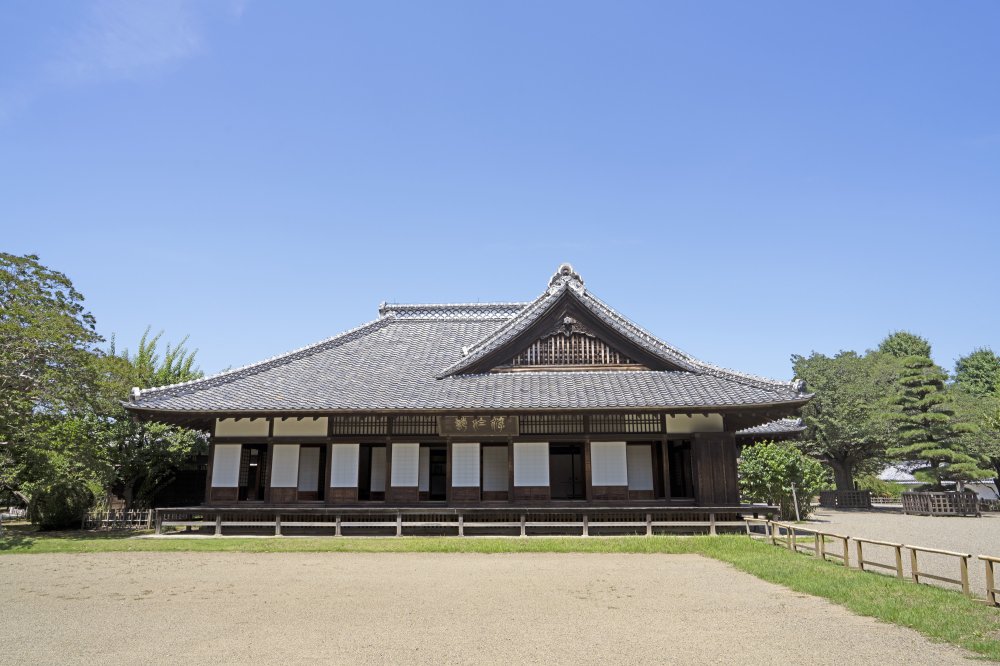
Start at Seicho, then follow the visitor route through Shizendo and surrounding spaces. The main gate, Seicho and Shizendo became National Important Cultural Properties in 1964. The former school also had academic, martial and medical buildings, an observatory and training grounds. Today’s visit differs from that layout. Find surviving buildings on the overview plan, then compare where activities took place rather than memorising a list of names.
The venue records entry for retainers and their sons at age 15, compulsory study until 40 and no graduation system. Subjects included Confucianism, history, astronomy, mathematics, maps and music; martial training included swordsmanship, spears, riding and swimming. Knowing this before the garden explains why rest accompanied education. With school-age children, start with what pupils learned in a day, without needing a full late-Edo history first.
For building conservation, read the earthquake restoration record. The 2011 earthquake damaged roofs, walls and the Kodokan inscription monument; the venue documents restoration. Repairs help explain the survival of timber spaces. Read at ease, but fix a departure target if Kobuntei follows so the next visit does not become a closing-time rush.
Kodokan also has a plum grove: the official overview lists about 800 trees of 60 varieties. With half a day focused on architecture, see nearby blossom after the buildings rather than shortening interiors to fit two famous plum sites. Wheelchair users should use the accessibility map. The guide lists level changes and areas inaccessible to wheelchairs. Make shared accessible areas the main route and ask staff about suitable paths on arrival.
Kodokan’s Traditional Chinese short film released in 2024 moves from the main hall exterior into Seiseki-no-ma, introducing the interior layout and Kodokan inscription before a visit to the school’s central spaces.
To Kairakuen: choose the bus destination and paid entrance together
After Kodokan, check suitable Ibaraki Kotsu route 10 services to Kairakuen. Return to Mito Station first if eating or handling luggage there. Route 10 is marked via Kodokan and the Prefectural Museum of History, unlike services going elsewhere via Daikumachi. Many buses share north-exit stops: check destination and intermediate stops before boarding, not only stop number 4.
For Saturday 7 November 2026, the north-exit stop 4 Saturday timetable revised on 1 November lists route 10 departures towards Kairakuen at 11:58, 12:43, 13:25 and 14:40, among others. Gaps are 42 minutes from 12:43 to 13:25 and 75 minutes from 13:25 to 14:40. A longer Kodokan stay may change the afternoon. These are station departures. For boarding at Kodokan, open that stop’s timetable in the same direction rather than using station minutes.
Choose the garden entrance before the bus. The operator’s pass page distinguishes stops including Kairakuen/Tokiwa Jinja-mae, Kairakuen Higashimon/Tokiwa Jinja Kita-sando, Kobuntei Omotemon Iriguchi and Rekishikan Kairakuen Iriguchi. They lead to different walking approaches. For bamboo then Kobuntei, favour the main gate; for plum groves, east access and departure transport, compare east-gate stops.
Togyokusen has a seasonal restriction. The garden access page says its paid entrance closes outside the plum festival and becomes exit-only. From Sakurayama car parks 1–3, the nearest main-garden entrance is Togyokusen during the festival, about 200–300 metres; otherwise use the main gate, about 500–600 metres. An ordinary-day visit using a blossom-season map may mean backtracking. Choose the gate from the bus stop or parking space.
Drivers should use the same principle. Kairakuen-shita car park is about 250 metres from the east gate; Tokiwa Shrine parking about 100 metres. Parking near the main gate can close during the festival or require priority reservations for disabled visitors. For Kodokan, the approach road is one-way. The venue lists 13 free general spaces, or three hours free from entry at Sannomaru government-building parking after presenting the parking ticket at Kodokan.
Plum and bamboo groves: flowers first or a main-gate garden route
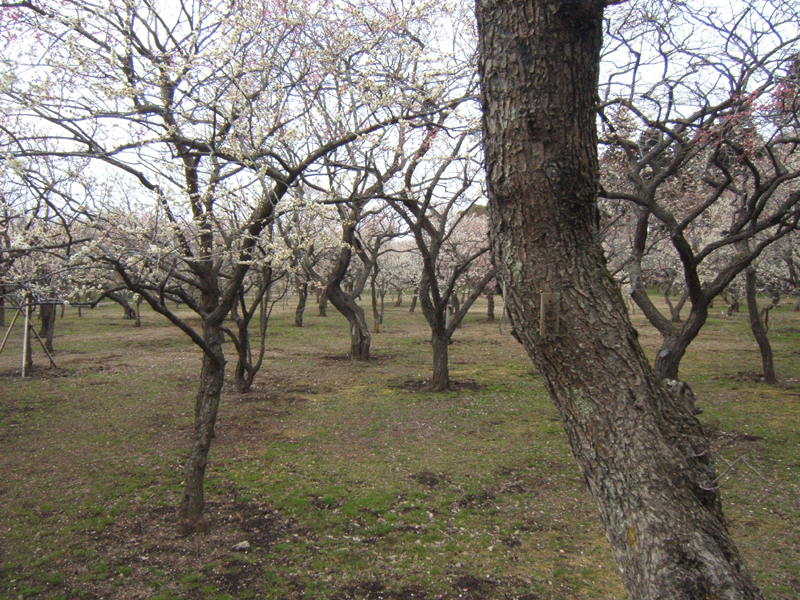
For plums, check current flowering information on the garden website and give the grove most time. Varieties flower in sequence, so a walk need not depend on everything blooming together. Study colours, branches and tree shapes rather than rushing between areas for one full-bloom photograph. Compare several updates for the same location before choosing your date and grove.
The permanent page describes the festival as roughly mid-February to late March annually. For the next season, make daytime viewing the core; choose night events, temporary transport and programmes using that edition’s official announcement. On weekends, enlarge entry, meal and transport buffers; weekdays can leave longer for paths and buildings.
Outside blossom season or on ordinary days, enter at the main gate and walk through moso bamboo and the cedar grove to Kobuntei. Official Route A explains Nariaki’s design through the shift from darker woodland to open views, giving about 45 minutes at a slow pace to Rakujuro. That estimate covers this specified main-gate-to-Rakujuro route. Add the plum grove, photographs and detailed pavilion viewing as the main afternoon activity.
At Togyokusen, look at the white stone well surround and terrain. The garden explains the use of spring water and level differences. The route rises and falls. With a pushchair, wheelchair or difficulty on slopes, select accessible-map paths and suitable gates. A short bamboo section and gentler paths can replace the whole Route A.
Near Kobuntei, decide on admission before the final east-gate section. Route A gives about ten minutes from Kobuntei to the east gate, excluding photographs, toilets and bus waits. Put luggage collection, toilets and the return stop at that end if leaving east. The guide lists east-gate Miharashitei lockers at ¥100 small and ¥300 large. Free small lockers at the Park Centre are available 09:00–16:30, in a different location.
Areas outside the main garden remain open at all times. Decide on extra walking only after both buildings. In autumn and winter, keep some evening garden views before dinner near Mito Station. If tired, finishing at the east gate is a complete visit. Light and temperature affect comfort in open areas; settle the return bus and a rest place before the final photograph.
Is Kobuntei worth entering? Space, views and last admission
For timber buildings, painted sliding doors and garden views, add Kobuntei. For outdoor blossom alone, or with a wheelchair user, keep the time in the main garden. The official introduction describes a two-storey, three-level timber main building and single-storey Oku-goten. It burned in the 1945 Mito air raid and was reconstructed over three years from 1955. Today’s spaces follow that reconstruction; surviving structures such as the main gate have their own histories.
Use receiving guests, resting and viewing scenery as themes. The Goza-no-ma connects through woven doors to surrounding spaces; the small Katoguchi room and cedar-door paintings served hospitality. Rakujuro above opens the view. Look at interior scale and openings before the landscape to understand the woodland route ending here. Architecture enthusiasts should allow time for details.
Oku-goten rooms have plant names and painted sliding doors. The garden says Suda Kocchu (須田珙中) and Tanaka Seihyo (田中青坪) painted plants according to room names during reconstruction, making a room-by-room focus. Flower enthusiasts can link those paintings back to outdoor plum trees. After extensive reading at Kodokan, concentrate on space and images here rather than every line of text.
In autumn and winter, 16:15 is last entry and 16:30 closing; mid-February–late September, last entry is 16:45 and closing 17:00. A grove walk until 16:20 misses winter pavilion entry even though the garden stays open. For a full building visit, enter earlier and leave plums until afterwards. With only minutes before the deadline, choose garden walking instead of rushing through admission.
Wheelchairs cannot enter Kobuntei, though they can use other accessible garden areas. Walking-stick users must change to a loan stick provided at its ticket entrance. Tripods are prohibited inside. Food and drink are prohibited in ordinary visitor areas. For a seated drink, separately plan a café introduced by the garden, checking that day’s hours and leaving time to visit and exit.
Kairakuen lends wheelchairs free on the day, without advance reservations. Listed points include east-gate Miharashitei, main-gate ticket office, Kairakuen-shita parking and the Park Centre. Numbers are limited and arrangements change during the festival. Plan entrances around loan points and use the accessibility map for shared routes, leaving time for garden rest while Kobuntei is inaccessible.
Full day, afternoon or rain: divide the available time
For a full day, use the 7 November Hitachi No. 5 example: arrive 10:16, buy the pass and go via the north exit to Kodokan for the morning. Eat near the station or in town, then take the revised Saturday 12:43 or 13:25 bus towards Kairakuen. Enter Kobuntei before garden walking. If lunch finishes later, use 13:25 and shorten garden paths.
After an overnight in Mito, reverse the order for early garden walking. Outside the festival, opening is 07:00 in autumn/winter and 06:00 in the warmer season, with free entry before 09:00. Walk bamboo or plum groves, decide on Kobuntei after 09:00, then return for lunch and Kodokan. It trades an early start for longer outdoors and suits local overnight guests. From Tokyo, a comfortable train generally serves better than sacrificing sleep to save ¥320.
For an afternoon arrival and both areas, eat near the station first and start with your preferred building. In autumn/winter both close 16:30, but Kobuntei entry ends 16:15, with city transport between them. Entering Kodokan after 13:00 calls for a shorter garden route and treating Kobuntei as optional. After 15:00 arrival, choose one venue, then dinner in town and the return journey.
In rain, focus on Kodokan with a short garden walk, or Kodokan alone before the station. Kodokan still involves outdoor movement between entrance and buildings and along paths; Kobuntei requires crossing the garden. Wear walkable shoes and carry stowable rain gear, sorting wet umbrellas and bags before entry. If weather makes walking difficult, finish early rather than treating the two buildings as connected indoor destinations.
With pushchairs or wheelchairs, centre the day on shared accessible paths. Replace Kobuntei with main-garden walking and choose Kodokan areas using its map. Include boarding, toilets and rests. Morning Kodokan, lunch and a short Kairakuen afternoon is substantial. Before the main-gate bamboo route with a pushchair, read its recommended route and level-change markings; choose the entrance before reaching Togyokusen’s slope.
The Mito Manyu one-day pass currently costs ¥500 adult and ¥250 child, for specified Ibaraki Kotsu and Kanto Railway sections. Outside the festival, adult window discounts are main garden ¥240, Kobuntei ¥170 and Kodokan ¥320. All three plus pass total ¥1,230. Ordinary tickets total ¥970, plus the operator’s listed ¥540 station–garden return fare, or ¥1,510: a ¥280 difference. This assumes all three admissions and bus travel both ways. Kodokan alone on foot costs ¥420, whereas pass plus discounted entry costs ¥820.
Back to Mito Station: city bus first, Tokyo train afterwards
Separate garden walking from waiting outside. Kobuntei to the east gate is a specified ten-minute reference; from deep in the grove, lockers or extended park areas, add time to reach the stop. With a reserved Tokyo train, choose a bus returning early enough before deciding the final path. Include luggage collection and dinner shopping before departure.
Read the full stop name and direction. Ibaraki Kotsu and Kanto Railway have different nearby names, routes and positions; a shared pass does not make all buses use one stop. Choose Mito Station direction, then weekday, Saturday or holiday timetable, keeping the next service as backup. Ibaraki Kotsu changes times on 1 November, so November trips need the new version. During the festival, use separate blossom-transport notices.
Use Kairakuen railway station only on JR’s official operating dates. Ordinary-day visits should use Mito Station and city buses. For seasonal train stops, check that date and direction through the JR Kairakuen Station timetable entry before choosing where to alight. A map label does not make it an everyday station for Tokyo returns.
Separate basic rail fare and limited-express supplement. JR West’s October 2026 fare table lists Tokyo–Mito ordinary-class reserved seating at ¥2,420 basic fare plus ¥1,580 supplement, ¥4,000 one way or ¥8,000 return. Ordinary trains use the ¥2,420 basic fare, ¥4,840 return. Check actual seat availability and discount-product prices on the official booking screen for your date and train. For ordinary trains, check the terminus: Tsuchiura services need a connection towards Mito, and rapid trains to Toride or Narita do not go all the way.
For two adults outside the festival using those ordinary reserved-seat return fares, two ¥500 passes and discounted admission to all three, transport and entry total ¥16,000 + ¥2,460 = ¥18,460. Ordinary trains total ¥9,680 + ¥2,460 = ¥12,140, excluding meals. The ¥6,320 difference buys different journey times and seating arrangements. With ordinary trains, leave earlier and keep savings for lunch. With limited express, reserve the return and connect the evening to your Tokyo accommodation station.
A few useful answers
Does free entry before 09:00 apply during the plum festival?
No. Morning free entry applies outside the festival. Festival main-garden admission is ¥500 for general adults and ¥250 for primary and junior-high pupils. Kobuntei requires a separate ticket.
Can I still visit Kobuntei after an autumn or winter afternoon arrival?
From 1 October to mid-February, last entry is 16:15 and closing 16:30. Go to the pavilion first and leave the grove until later. After arriving in Mito at 15:00, choose only one venue.
Can one admission ticket cover Kairakuen and Kodokan?
They charge separately, and Kobuntei has its own ticket. Ordinary adult admission to all three outside the festival is ¥970. With a ¥500 Mito Manyu pass and window discounts, all three plus pass cost ¥1,230.
Can I enter at Togyokusen outside the festival?
No. It is exit-only and its ticket entrance closes. From Sakurayama parking, use the main gate.
Can wheelchairs enter Kobuntei?
Wheelchairs cannot enter Kobuntei. They can use other accessible Kairakuen paths. Kodokan has level changes and wheelchair-inaccessible areas; use each venue’s accessibility map.
Are Kodokan electronic tickets refundable?
The official guide states they are non-refundable after purchase. Check free-entry and discount eligibility and confirm your visit before buying. Show a Mito Manyu pass at the window first.
Official information and references
Sources used in this guide.
- Kairakuen: visitor guide
- Kairakuen: admission announcement
- Kairakuen: access
- Kairakuen: walking Route A
- Kairakuen: Kobuntei
- Kairakuen: accessibility map
- Kodokan: visitor guide
- Kodokan: access
- Kodokan: overview
- Ibaraki Kotsu: Mito Manyu one-day bus pass
- Ibaraki Kotsu: Mito Station north-exit timetable
- JR East: Hitachi No. 5 timetable, Shinagawa–Iwaki
- JR East: Tokyo Station Ueno–Tokyo/Joban Line timetable
- JR West: ticket rules, October 2026
- JR East: Kairakuen Station timetable