Make a day trip from Tokyo, Shinjuku or Ueno to Ikaho Onsen. Compare express coaches, limited-express trains and the Shinkansen, choose between Kan-etsu Kotsu and Shibukawa area passes, and plan your bathhouse stops and return journey.
- Region & Focus
- KantoSide trips
- Reading Scope
- 24 min read · 9 chapters · 6 Q&As
- Official Verification
- 29 official sources checkedUpdated 22 November 2026
- Key Topics
- ItinerariesRail travelHot springs
Chapter Route Map (tap any stop)
- Match Your Departure Point to Where You Are Staying
- Getting the Stops and Both Coach Tickets Right
- Direct from Ueno to Shibukawa, or Changing Trains at Takasaki
- The Final Leg from Shibukawa Station and Your Return Stop
- Sample Return Timetables and Transfer Windows
- Choosing a Bathhouse by Arrival Time and Walking Load
- Which Day Pass Pays Off: Count Your Bus Rides First
- Wet or Wintry Weather and Weekend Lunch Timing
- When Return Coaches Sell Out, Connections Slip or You Have Bags
- Quick Q&A
For a day trip to Ikaho Onsen from Tokyo, staying near Shinjuku lets you board the Joshu Yumeguri coach straight to the Stone Steps. If you are based on the east side of Tokyo Station, take the Tokyo Yumeguri coach from the Yaesu South Exit. From Ueno, catch the Limited Express Kusatsu-Shima and transfer at Shibukawa Station onto a 30-minute local bus. Lock in your return journey first, then decide whether to hike up to the open-air Ikaho Rotenburo in the hills or soak at Ishidan-no-Yu at the foot of the steps just before boarding. If you want to linger in the hot-spring town into the evening, returning via Shibukawa and Takasaki by Shinkansen frees you from direct-coach seat limits and motorway traffic.
Match Your Departure Point to Where You Are Staying
If you are staying around Shinjuku South Exit, start by checking Joshu Yumeguri No. 1. It departs Busta Shinjuku at 08:05 and reaches Ikaho Ishidangai at 10:37, taking 2 hours 32 minutes right to the foot of the stone steps. For a gentler morning, No. 3 leaves at 09:05 and arrives at 11:42; the main trade-off is an extra hour in town before lunch. At weekends, when you may want to fit in the shrine, the source-side open-air bath and a sit-down lunch, the earlier coach gives you far more breathing room. On the later coach, treat lunch and bathing as fixed anchors and adjust your stroll to your pace on the ground.
From Marunouchi, Yaesu or Kyobashi, Tokyo Yumeguri No. 303 departs Tokyo Station Yaesu South Exit at 09:10 and arrives at Ikaho Ishidangai at 11:41, reaching the hills at virtually the same time as the 09:05 Shinjuku coach. Crossing town from Yaesu to Shinjuku just for the bus usually adds an unnecessary underground hop. Travellers near Ueno also have Tokyo Yumeguri No. 301, which leaves Ueno Iriya Exit at 07:25, calls at Tokyo Station at 08:00 and arrives at Ikaho Ishidangai at 10:31. If you prefer a lie-in, Limited Express No. 1 leaves Ueno at 10:00 and connects with a local bus at Shibukawa, putting you in the hot-spring town around midday.
Coaches labelled for Kusatsu Onsen do not all serve the same intermediate stops. On the JR Bus timetable, Service No. 15 leaving Shinjuku at 18:05 routes via Shibukawa Station and skips both Miharashi-shita and Ikaho Ishidangai. Enter 'Ikaho Ishidangai' as your alighting stop when booking so the system filters out services that bypass the steps. Check your return drop-off just as carefully: coaches terminating at Tokyo Station differ from those ending at Shinjuku, though Shinjuku-based travellers can use Tokyo Station as a fallback and factor the cross-city transfer back into their door-to-door time.
If you are staying near Tokyo Station and want an early start, check the Shinkansen-plus-local-rail combination. The Shinkansen from Tokyo to Takasaki typically takes under an hour, Takasaki to Shibukawa adds roughly 20 to 30 minutes, and the uphill bus takes another half-hour, with two separate waits in between. Add all three legs together: if your departure time means narrowly missing a local train, the direct coach can still be faster. Check the outbound bus column from Shibukawa first, then work backwards to pick the local train and Shinkansen that get you there ahead of it.
| Departure Point | Main Transport | Transfers Before Ikaho | Best Suited For |
|---|---|---|---|
| Shinjuku | Joshu Yumeguri coach | Direct to Ikaho Ishidangai | Minimal luggage handling and a fixed return to Shinjuku |
| Tokyo Station | Tokyo Yumeguri coach | Direct to Ikaho Ishidangai | Morning departures for guests in Yaesu, Kyobashi or Marunouchi |
| Ueno | Limited Express Kusatsu-Shima | Change to Kan-etsu Kotsu bus at Shibukawa | Travellers preferring rail who are comfortable with two-way connections at Shibukawa |
| Tokyo Station or Omiya | Joetsu / Hokuriku Shinkansen | JR local at Takasaki, Kan-etsu Kotsu bus at Shibukawa | Early starts or late returns, paying extra for express flexibility |
Make a day trip from Tokyo, Shinjuku or Ueno to Ikaho Onsen. Compare express coaches, limited-express trains and the Shinkansen, choose between Kan-etsu Kotsu and Shibukawa area passes, and plan your bathhouse stops and return journey.
Getting the Stops and Both Coach Tickets Right
At Shinjuku, leave via the JR New South Gate and ride the escalators up to Level 4 of Busta Shinjuku. Because the gate sits on the south side of the station, travellers approaching from the West Exit or the underground need extra time to cross the complex. Once on Level 4 for a morning departure, double-check your coach number and bay on the departure boards. At Tokyo Station, outbound coaches depart from Yaesu South Exit, while Tokyo-bound return coaches drop off at Nihonbashi Exit. If your group splits up, agree to meet on the departure side; from Marunouchi, walking straight through the station concourse to Yaesu is easier to navigate than following map directions around the perimeter to similarly named bus terminals.
JR Bus Kanto single tickets generally go on sale at 10:00 JST under a 'one month plus one day before travel' rule, calculated by taking the day before your travel date and stepping back one calendar month. For travel on 12 December, for instance, tickets open at 10:00 JST on 11 November. Search outbound and return fares in the same session, and check all three seats together if travelling as a trio. Buying only the morning leg can leave you with nothing but overly early return coaches, forcing you either to soak before lunch or return via Shibukawa Station. Once your mobile boarding pass arrives, save the service number, stop names and passenger count in your itinerary so companions can find the right stop even if separated.
From 1 December 2026, standard single fares between Tokyo, Ueno or Shinjuku and Ikaho Ishidangai use four tiers – C, B, A and S – priced at ¥2,800, ¥2,900, ¥3,100 and ¥3,400 respectively. Standard online discount fares are ¥2,660, ¥2,760, ¥2,950 and ¥3,230, while paying on board costs ¥3,600. The fare calendar assigns tiers by date and individual departure, so even a same-day return calculates each leg separately: a Tier C outbound ticket and a Tier S return booked online total ¥5,890. If you need flexibility, check the change and refund terms before paying, as cheaper early-bird 'Tokuwari' fares suit fixed schedules.
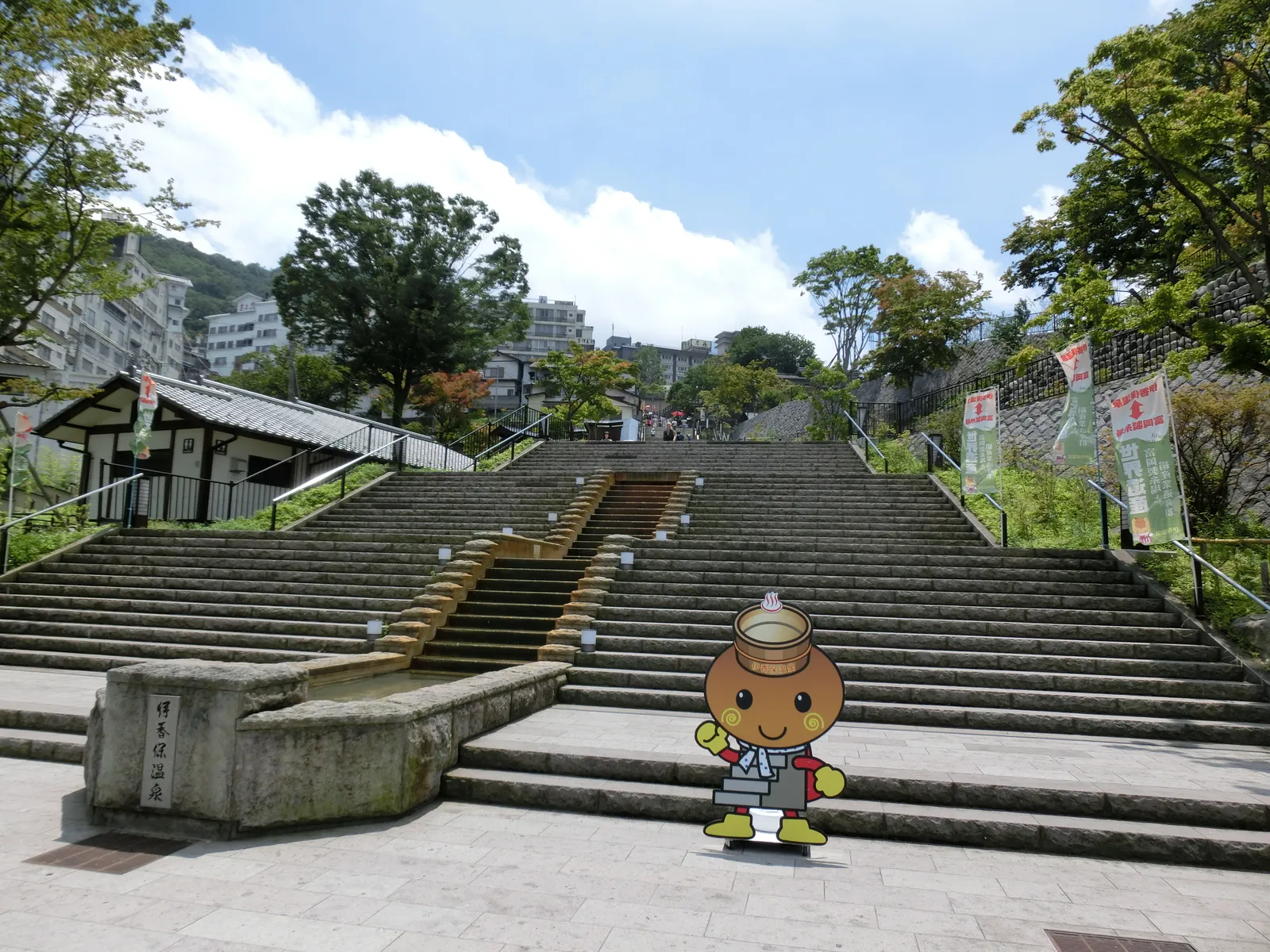
On booking screens, 'Ikaho Onsen (Miharashi-shita)' and 'Ikaho Ishidangai' are separate stops. Choose Ikaho Ishidangai if you want to step off right by the steps, restaurants and Ishidan-no-Yu. If the Takehisa Yumeji Ikaho Memorial Museum or the Miharashi-shita area is your first morning stop, plan an uphill route from there instead. If your ticket reads Miharashi-shita, wait at Miharashi-shita for your return: even when the same coach calls at Ikaho Ishidangai a few minutes earlier, reserved passengers must board at the stop printed on their ticket. Also avoid confusing the express coach's 'Ikaho Ishidangai' stop with another operator's 'Ishidangai-guchi', as both timetables look plausible on paper yet refer to different boarding points.
Direct from Ueno to Shibukawa, or Changing Trains at Takasaki
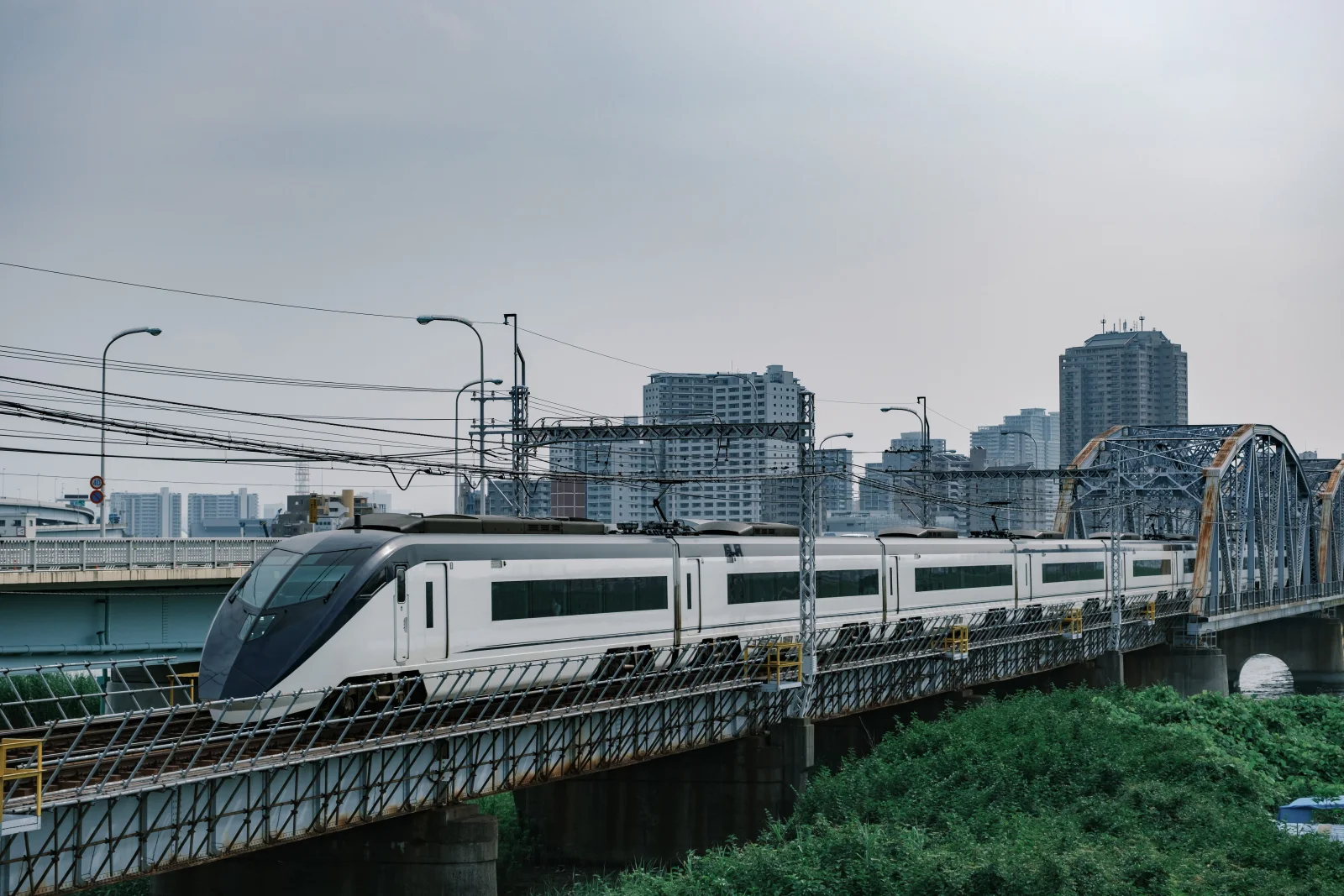
The Limited Express Kusatsu-Shima runs from Ueno to Shibukawa in around 1 hour 35 minutes, with all standard-class carriages requiring seat reservations. On the November 2026 JR East timetable, Service No. 1 leaves Ueno at 10:00 and reaches Shibukawa at 11:36, while No. 3 departs at 12:10 and arrives at 13:50. No. 1 is the clear pick for a day trip; taking No. 3 plus the uphill bus squeezes lunch and the afternoon into a single bathhouse focus. At weekends with extra services such as the 09:00 No. 31, you can head into the hills earlier by limited express and return later on a local train via Takasaki. A straightforward fixed round-trip pairs No. 1 outbound to Shibukawa with No. 4 back to Ueno, leaving Shibukawa at 16:26 and arriving at 18:09, with reserved seats on both legs.
Limited-express seat reservations normally open at 10:00 JST one month before the travel date, a different rule from JR Bus. When choosing paper tickets or ticketless limited-express fares on Ekinet, check whether the basic fare is included on screen. A ticketless limited-express supplement covers only the express seat and still requires a valid basic fare ticket or IC balance to travel. Do not budget around the old 'Zairaisen Ticketless Tokkyuken (Tokuwari)' promotional pricing, which ended on 30 September 2026. If you take the limited express both ways, select the correct boarding station, seat and date for each leg, and save the return train number on your phone.
From Tokyo Station to Takasaki, look for Joetsu Shinkansen 'Toki' or 'Tanigawa' services, or Hokuriku Shinkansen trains that call at Takasaki. At Takasaki, follow signs for 'Local Lines Transfer' through the transfer gates to the local platforms and look for trains bound for Shibukawa and Minakami. Services to Minakami, Shibukawa and Agatsuma Line trains running via Shibukawa all work; trains terminating at Shin-Maebashi require another change, while Maebashi-bound trains take a different branch. Reading only 'Joetsu' on platform signs makes it easy to confuse the Shinkansen with the Joetsu Line local trains, so check destinations and stopping patterns on the train displays or boards. Going back, reverse the route from Shibukawa to Takasaki, then board a Shinkansen stopping at Tokyo or Ueno.
If you buy a single basic fare ticket through to Shibukawa plus a Tokyo-to-Takasaki Shinkansen express ticket, hold onto the basic ticket at Takasaki to continue on the local line. Travellers using Shinkansen e-tickets tap the linked IC card at the Shinkansen transfer gate and handle the local leg beyond Takasaki according to their ticket type; when mixing paper and digital tickets, remember to count the second leg's basic fare. JR's 2026 fare table lists a regular-season reserved standard-class Shinkansen total of ¥5,130 each way between Tokyo and Takasaki – already ¥10,260 return before adding Takasaki-to-Shibukawa rail fares, the uphill bus and bath entry. If your group simply wants a comfortable ride up, price the direct coach return first; pay the extra rail fare when you want late-evening flexibility.
Gunma Bus also runs from Takasaki to Ikaho via Mizusawa, which is worth comparing if the local train at Shibukawa involves a long wait. Shibukawa city's tourism page puts that ride at about 1 hour 10 minutes, giving a very different rhythm from transferring at Shibukawa onto a 30-minute bus. It works best if you already plan to stop in Mizusawa for udon and have timed the onward bus. If you only decide at Takasaki to switch onto this route, write down both your arrival time and the next connection first, or lingering in Mizusawa could leave you reaching the hot-spring street right at last entry for the baths.
The Final Leg from Shibukawa Station and Your Return Stop
Exit the ticket gates at JR Shibukawa Station and head to the forecourt for the Kan-etsu Kotsu 'Shibukawa Station–Ikaho Onsen Line'. If the stone steps square is your first stop, check the timetable for services calling at IK24 'Ishidangai-guchi', commonly terminating at 'Ikaho Haruna-guchi'. Other departures turn back around IK19 'Ikaho Bus Terminal' and IK20 'Ikaho Onsen', both within walking distance of the hot-spring street. If a bus is waiting right as your limited express pulls in, check which stop it serves and how far the walk is from there – waiting for a later bus just to shave off a few minutes on foot can easily push lunch back further.
Kan-etsu Kotsu timetables split columns into weekdays, summer weekends/holidays and winter weekends/holidays. The winter schedule runs from 1 December to 31 March, with services arranged by operating period on the same sheet. If a cell is blank or has a bypass symbol across a stop, look to the adjacent columns that list a departure time. Save both directions separately: check departures from Shibukawa Station going up, and departures from Ishidangai-guchi or Ikaho Onsen coming down, then subtract your bus arrival from the next train's departure. When you already hold a reserved seat on a limited express, that buffer matters more than the bus's scheduled uphill running time.
Which stop you use for the return depends on whether you finish on the upper or lower steps. Departures back to Shibukawa are less frequent from Ishidangai-guchi, so if you spot a gap in the late-afternoon schedule, keep IK20 'Ikaho Onsen' as your backup. Kan-etsu Kotsu's return timetable shows a 16:41 departure from Ishidangai-guchi, followed by 16:47 from Ikaho Onsen, reaching Shibukawa at 17:13 – two chances to catch the same bus, depending on which stop is closer and easier to make in time. To stay a little longer, you can board at IK20 at 17:41 or 18:14 to reach Shibukawa and connect onto a Takasaki-bound local train.
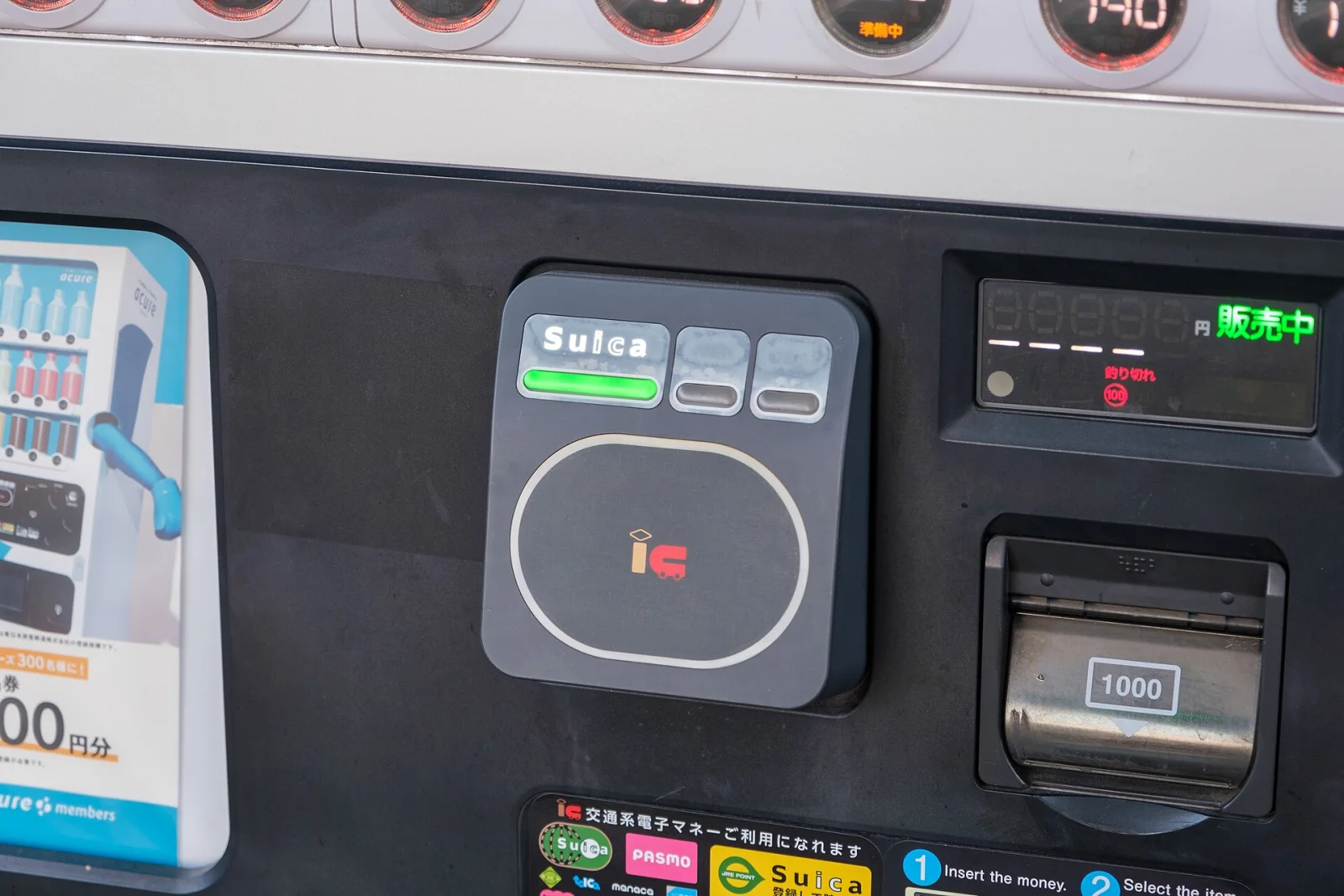
Local buses accept cash as well as transport IC cards such as Suica and PASMO. If paying per ride, top up each traveller's IC card before setting out so everyone has enough for both the uphill and downhill trips; if using a mobile day pass, open the active pass screen to show the driver on boarding. Anyone leaving luggage in storage around Shibukawa needs to factor collection locations and opening hours into the transfer window. Without bulky bags, you can step off the bus at Shibukawa and walk straight into the JR gates without detouring to station-front shops.
Sample Return Timetables and Transfer Windows
For a Shinjuku direct coach day trip, pairing the 08:05 outbound service with the 17:30 return from Ikaho Ishidangai gets you back to Busta Shinjuku at 20:08 as scheduled, leaving nearly seven hours in town. If you plan to walk to Kajika-bashi Bridge and the open-air bath, tackle the steep upper climb in the morning, drop back near the steps for lunch, and save your soak for early afternoon. To reach the east side of Tokyo Station around 19:00, choose the 16:00 Tokyo Yumeguri No. 304, scheduled into Nihonbashi Exit at 18:33. Both options leave more room for dinner in Tokyo than the final 18:57 coach, which is scheduled into Shinjuku at 21:35 and Tokyo Station at 22:00.
Here is a sample schedule using the Ueno limited express both ways. On a weekday such as Monday 30 November 2026, take No. 1 at 10:00, arrive at Shibukawa at 11:36, and board the 11:50 Kan-etsu Kotsu bus to reach Ikaho Bus Terminal at 12:17. Have lunch and visit one bathhouse, then catch the 14:56 bus from IK20 back to Shibukawa at 15:22 in time for Limited Express No. 4 at 16:26. That generous transfer buffer at Shibukawa handles afternoon bus delays far better than cutting it fine on a bus arriving at 16:20. You get roughly two and a half hours in Ikaho, enough for a walk along part of the steps; if you want to stay until 16:00 or 17:00, switch to a local train via Takasaki on the way back so the afternoon does not revolve around catching No. 4.
For a Shinkansen example on Saturday 12 December 2026, take Toki No. 309 out of Tokyo at 08:48, arriving at Takasaki at 09:47, then change to the 10:24 Minakami-bound local train arriving at Shibukawa at 10:49. The 11:15 Kan-etsu Kotsu express bus from Shibukawa climbs straight to Ishidangai-guchi by 11:36. Total journey time from Tokyo to the steps is 2 hours 48 minutes, with 37-minute and 26-minute cushions at the two interchanges. If you can secure seats on an earlier direct coach to Ikaho, taking the bus up reduces morning walking and saves the Shinkansen for the return leg.
Later that same Saturday, take the 18:14 Kan-etsu Kotsu bus from Ikaho Onsen, arriving at Shibukawa at 18:40, then catch the 19:23 local train into Takasaki at 19:48. Follow the Shinkansen transfer signs from local Platform 7 to board Toki No. 340 from Takasaki Platform 13 at 20:09, arriving back in Tokyo at 20:56. An earlier 18:52 train from Shibukawa stops short at Shin-Maebashi, which looks quicker at first glance yet forces an extra transfer. Leaving 21 minutes at Takasaki gives you comfortable time through the transfer gates, across platforms and to pick up an ekiben.
Kan-etsu Kotsu also operates the 'Ikaho Shima Onsen-go' from Tokyo Station Yaesu South Exit at 11:10, arriving at Ikaho Ishidangai-guchi at 14:35, but the Tokyo-bound service on the same route leaves Ishidangai-guchi at 11:40 – so it cannot form a same-day return on its own. Use it only if you need a late departure from Haneda or Tokyo and combine it with a later JR Bus seat or a Kan-etsu Kotsu local bus back to Shibukawa. Arriving mid-afternoon means heading straight to an open bathhouse and picking either the shrine or Kajika-bashi Bridge, rather than trying to squeeze in both before your pre-booked return.
If you have a dinner booking, theatre tickets or an onward long-distance train in Tokyo, plan around your latest acceptable arrival time. Express coach arrival times are scheduled estimates, and evening traffic entering Greater Tokyo varies. Should your dinner reservation sit shortly after a coach's scheduled arrival, push dinner back or use the rail route via Shibukawa and Takasaki. If you are flying out the same evening, add city-to-airport transit, check-in and security on top; if the maths leaves only enough time in Ikaho for a single meal, move the day trip to a middle day of your Tokyo stay.
| Boarding Point | Departure | Scheduled Arrival | Onward Connection |
|---|---|---|---|
| Ikaho Ishidangai, Tokyo Yumeguri No. 304 | 16:00 | 18:33 Tokyo Station Nihonbashi Exit | Stay on east side of Tokyo |
| Ikaho Ishidangai, Joshu Yumeguri No. 14 | 16:27 | 19:05 Busta Shinjuku | Dinner around Shinjuku |
| Ikaho Ishidangai, Joshu Yumeguri No. 16 | 17:30 | 20:08 Busta Shinjuku, 20:33 Tokyo Station | Half-day afternoon pace |
| Ikaho Ishidangai, Joshu Yumeguri No. 18 | 18:57 | 21:35 Busta Shinjuku, 22:00 Tokyo Station | Late return to Tokyo |
| Ikaho Onsen, Kan-etsu Kotsu | 14:56 | 15:22 Shibukawa Station | Connects to 16:26 Limited Express No. 4 |
| Ikaho Onsen, Kan-etsu Kotsu | 18:14 | 18:40 Shibukawa Station | Saturday sample: 19:23 to Takasaki, 20:09 Shinkansen, 20:56 Tokyo |
Choosing a Bathhouse by Arrival Time and Walking Load
If you only have time for one soak near the bus stops, choose the municipal Ishidan-no-Yu. It opens from 10:00 to 20:00 with last admission at 19:30. Visitor admission is ¥800 for adults, ¥400 for primary school pupils, eligible seniors aged 65 and over with valid ID, and visitors with disability certificates, and free for preschoolers; bring ID proving age or eligibility if claiming a concession. Ticket machines accept cash, credit cards and transport IC cards such as Suica and PASMO. Afterwards, it is a short walk straight back to the steps entrance for your coach, making it ideal when your return time is fixed or you are meeting companions in the square.
Ishidan-no-Yu closes on the second and fourth Tuesday of each month, moving to the next day when a public holiday falls on Tuesday, plus occasional maintenance closures. City listings note scheduled closures on 8 and 22 December 2026 and 12 and 26 January 2027. If you arrive on an early Tokyo departure on any of those dates, switch your plan to the source-end bath and adjust both your route order and return boarding stop accordingly. Because the two public bathhouses close on different days of the week, checking dates before leaving Tokyo saves an uphill walk to locked doors.
If you are happy to trade extra walking for a woodland open-air soak, head to Ikaho Rotenburo. Admission is ¥600 for adults and ¥300 for children, while infants under one year old cannot bathe. It opens at 09:00 from April to September and 10:00 from October to March, closing at 18:00 with last entry at 17:30. Regular closures fall on the first and third Thursday of the month – remaining open if that day is a public holiday, with no closures in August. The pool flows directly from the iron-rich Koganenoyu source, and the facility notes there is no indoor washing area beside the bath. Bring your own towels or buy them on site (¥400 for a small towel, ¥1,200 for a bath towel) – otherwise the ¥200 saving on admission disappears straight into towel hire.
If you are catching a bus straight after bathing, pick a downhill link close to the pool you used. Take Ikaho Town Bus No. 1 to 'Yumoto', from which the city estimates a 3-minute walk to Ikaho Rotenburo and 1 minute to Kajika-bashi Bridge. Walking to Ikaho Rotenburo from 'Ikaho Onsen' stop takes around 18 minutes uphill, or about 20 minutes from the bus terminal. If you need to catch a 16:00 coach back to Tokyo, the bath's 17:30 last entry gives you no extra leeway – count changing time, exiting the locker room and walking back to your bus stop when setting your entry time. For step-by-step walking routes between both bathhouses and the shrine, see our dedicated guide to Ikaho's stone steps and public bathhouses.
Which Day Pass Pays Off: Count Your Bus Rides First
If you ride Kan-etsu Kotsu both up from Shibukawa and back down the same way, a day pass is worth checking. According to the city's current fare link, a single adult fare between Shibukawa Station and either Ishidangai-guchi or Ikaho Onsen is ¥750 each way, or ¥1,500 return. Since April 2026, Kan-etsu Kotsu's One-Day Free Pass costs ¥1,100 for adults and ¥550 for children. Saving ¥400 on the return bus plus paying ¥800 at Ishidan-no-Yu brings local transport and bathing to ¥1,900. If you only need one local bus leg because the other direction is on a direct Tokyo coach, a single ¥750 fare is cheaper.
The Kan-etsu Kotsu One-Day Pass covers designated stops between Shibukawa Station, Ikaho Onsen and Ikaho Haruna-guchi and can be bought via apps such as Norikae Annai or Busmori. If you are travelling with children, note that Busmori only sells adult passes, so check alternative ticketing apps for child fares. Gunma Bus and Ikaho Town Bus are charged separately. Before paying for a mobile pass, verify the travel date, passenger count, how to display the active ticket screen, and whether everyone travelling on a single phone must board together. Passes sold on GunMaaS carry no partner facility discounts and are non-refundable once purchased, so lock in your train and bus times first if your plans are still tentative.
Visitors planning several Town Bus rides or routing via Mizusawa can look at Shibukawa's pass for overseas visitors, the 'Shibukawa Ikaho Area Pass'. Priced at ¥1,500 for adults and ¥750 for ages 6 to 12, it is valid for two days from issue. Take your passport to the Shibukawa Area Local Products Centre outside Shibukawa Station to buy it; it covers the designated Kan-etsu Kotsu zone, Gunma Bus between Shibukawa, Mizusawa and the Ikaho information centre, plus Town Bus routes 1 to 4 and the Mizusawa shuttle. If you arrive straight at the stone steps by coach from Tokyo without passing Shibukawa Station, going down the hill just to buy the pass wastes time – start exploring from the steps and pay single Town Bus fares as needed.
Compare the three local pass combinations side by side. Using the Kan-etsu Kotsu round trip plus one ride on Town Bus No. 1 costs ¥1,100 plus ¥200, or ¥1,300 for an adult, still below the Area Pass; two Town Bus rides bring it to ¥1,500, breaking even. Adding a Gunma Bus detour through Mizusawa tilts the balance towards the Area Pass by saving separate fares across operators. Neither pass includes bathhouse entry, so pairing the Kan-etsu Kotsu One-Day Pass with Ikaho Rotenburo totals ¥1,700, while the Area Pass plus Ishidan-no-Yu comes to ¥2,300. Ignore the 'Kusatsu WEB Round-Trip Ticket' on the JR Bus site, which is built for Kusatsu Onsen; for Ikaho, buy your coach seats and bath admission separately.
Going entirely by JR direct express coach from 1 December onwards runs ¥5,320 to ¥6,460 return at standard online discount rates, depending on whether both legs fall in Tier C or Tier S. Adding Ishidan-no-Yu brings the core total to ¥6,120–¥7,260 before meals and your first and last Tokyo transit legs. Arriving at noon and leaving at 17:30 leaves time to cover the lower steps and Ishidan-no-Yu entirely on foot; only buy a single Town Bus ticket if you want to reach Yumoto. Factor in the whole group's time as well: for four people, spending an extra shuttle trip just to collect an Area Pass often matters more than a small per-ticket saving.
Wet or Wintry Weather and Weekend Lunch Timing
Arriving at the stone steps in the morning usually means drier footing, letting you finish the upper steps and Kajika-bashi Bridge before lunch. For autumn foliage, the city puts peak colour around Kajika-bashi between late October and mid-November; taking an early coach puts narrow lanes, photo stops and the walk back for lunch well clear of your return departure. If you want to see evening illuminations, match your transport to that year's published lighting dates, admission rules and a late return service. For daytime leaf-viewing only, pass through the gorge during daylight and save dinner for back in Tokyo.
In rain, pair Ishidan-no-Yu with one indoor stop instead of climbing steep hills. The Takehisa Yumeji Ikaho Memorial Museum opens from 09:00 to 17:00, with last entry at 16:00. From April 2026, adult general admission to the main building is ¥2,000, or ¥2,500 for a combined ticket including the New Wing ground floor, which runs guided tours on the hour lasting about 30 minutes. If your return coach leaves at 16:00, fix your entry and exit times right after lunch and pick an earlier hourly slot for the combined ticket. In heavy downpours around the steps, eating nearby, soaking at Ishidan-no-Yu and waiting at your original street-level stop keeps things far simpler than taking a bus out to an indoor attraction and back.
Winter schedules lose the most time on downhill walks. If the upper steps turn icy, cut the shrine and Kajika-bashi Bridge, take a bus to Ishidangai-guchi, and stick to accessible baths and restaurants near the lower street. Should Ishidan-no-Yu be closed that day, check Town Bus No. 1 schedules and path conditions carefully before heading up to Yumoto; if ice or blowing snow cuts visibility, drop outdoor walks altogether and move indoors. For families with pushchairs, older travellers or wheelchair users, the city notes that Town Bus No. 1 cannot carry wheelchairs, while Kan-etsu Kotsu vehicles between Shibukawa and Ikaho vary by bus – contact the Shibukawa depot in advance with your intended service and stops to confirm accessibility, or book a station taxi straight to your destination.
At weekends, lunch queues are the easiest way to miss a timed afternoon slot. Off the 08:05 Shinjuku coach, look for a seat around the steps soon after 11:00 so you can decide your bath timing calmly afterwards. If you arrive at 11:42 and hit long queues, tide yourself over with something light picked up at the station, soak first, and sit down for a proper meal mid-afternoon. Leave margin at the end for walking to the coach stop and queueing; if you are returning by rail, you can always shift dinner to Takasaki instead. Moving one mealtime is far easier than rebooking train tickets and bath slots for the whole day.
When Return Coaches Sell Out, Connections Slip or You Have Bags
If return express coaches sell out first and you are happy splitting tickets, keep a morning coach from Shinjuku or Tokyo and return via Shibukawa and Takasaki in the evening. Conversely, if early coaches are full, ride the Ueno limited express or transfer at Takasaki on the way up while holding reserved seats on an evening return coach. When only an uphill coach is available and your return remains open, map out viable Shibukawa-to-Takasaki and Takasaki-to-Tokyo trains before locking in the outbound ticket. That check is especially useful at weekends, when the next free express coach seat and the next local train departure are completely different propositions.
If you miss a local bus at Ishidangai-guchi, check departures around the same hour from Ikaho Onsen or the bus terminal and see which stop is quicker to reach from where you stand. Late services still depart from Ikaho Onsen – Kan-etsu Kotsu lists a 20:59 bus reaching Shibukawa at 21:24 – though that alone only gets you down the mountain. To make it back to Tokyo the same night, both the late Shibukawa-to-Takasaki train and the Takasaki-to-Tokyo connection must still be running. If only one local bus remains amid snow or service disruptions, a taxi can cover the run down to Shibukawa or Takasaki; tell the driver your target station and train time before getting in so you do not arrive to an empty platform.
If you are carrying overnight bags on a day trip back to Tokyo, leave them somewhere along your return route. On a Shinjuku round trip, store bags at your Tokyo hotel or near the return terminal and take only a daypack with towels and a change of clothes up to Ikaho. If you depart from Tokyo Station and return into Shinjuku or Ueno, factor in the extra trip to retrieve your luggage. Should you have to bring a suitcase up the hill, the tourism association lists coin lockers on the right-hand side at the very bottom of the stone steps – with large lockers measuring 80 cm high, 30 cm wide and 45 cm deep – plus additional lockers outside the second floor of the ropeway station. Measure wide cases beforehand, as hauling bags back down from the upper steps easily eats into your soaking time.
Once transport delays squeeze dining, changing or walking back to the bus stop inside an hour, shrink your footprint in town. Guests staying in western Tokyo who want fewer changes should keep the final stretch around the lower steps; Ueno-based travellers holding Limited Express No. 4 seats should protect their transfer buffer at Shibukawa instead of adding a Town Bus detour. With a full day to spare, you can still add Mizusawa in the morning, provided you lock in both your stay length and onward bus together. When you hold split-operator tickets with tight transfers, dropping one sight is the fastest way to keep the whole group from waiting at bus stops.
A few useful answers
Which transport ticket or pass is best for a day trip from Tokyo to Ikaho Onsen?
If you ride Kan-etsu Kotsu both ways between Shibukawa Station and Ikaho, buy the ¥1,100 adult One-Day Pass and pay bath entry at the door. If you take only one local bus leg, a ¥750 single fare suffices. If you also plan to use the Gunma Bus Mizusawa line and Town Bus, bring your passport to the counter outside Shibukawa Station for the ¥1,500 Shibukawa Ikaho Area Pass. For direct coaches from Tokyo or Shinjuku, book both coach legs separately and pay public bath admission on site.
Should I stay in Shinjuku or Ueno for fewer transfers?
From Shinjuku, the Joshu Yumeguri coach runs straight to Ikaho Ishidangai with no changes. From Ueno, the 07:25 Tokyo Yumeguri No. 301 also runs direct; for a later start, take Limited Express No. 1 at 10:00 and change onto a Kan-etsu Kotsu bus at Shibukawa.
When is the last departure back to Tokyo from the Stone Steps?
On the JR Bus timetable, Joshu Yumeguri No. 18 departs Ikaho Ishidangai at 18:57, arriving at Shinjuku at 21:35 and Tokyo Station at 22:00. Kan-etsu Kotsu local buses run later from the Ikaho Onsen stop, but you must pair them with separate Shibukawa-to-Takasaki and Takasaki-to-Tokyo trains.
Can I take the express coach up from Tokyo and return by train from Shibukawa?
Yes. Book your outbound coach to Ikaho Ishidangai, then ride a Kan-etsu Kotsu bus down from Ishidangai-guchi or Ikaho Onsen to Shibukawa. From Shibukawa, catch the all-reserved Limited Express Kusatsu-Shima or take a local train to Takasaki to connect onto the Shinkansen.
Can I still visit Ikaho Rotenburo if I cannot manage the stone steps?
Yes – ride Ikaho Town Bus No. 1 to Yumoto, which is around a 3-minute walk from the open-air bath. Note that Town Bus No. 1 cannot accommodate wheelchairs; wheelchair users should arrange an accessible vehicle and confirm step-free entry at each destination in advance.
How should I plan day-use bathing if I only reach Ikaho Onsen in the afternoon?
If Ishidan-no-Yu is open, eat and soak near the foot of the steps while keeping plenty of margin to walk back to your stop. If you want Ikaho Rotenburo, be inside before its 17:30 last entry and work backwards from your return departure and the walk back from Yumoto.
Official information and references
Sources used in this guide.
- JR Bus Kanto | Joshu Yumeguri and Tokyo Yumeguri Timetable
- JR Bus Kanto | Express Coach Fare Revision from 1 December 2026
- JR Bus Kanto | December 2026 Fare Calendar by Service
- JR Bus Kanto | Ticket Sales Rules
- JR Bus Kanto | Busta Shinjuku Boarding Locations
- JR Bus Kanto | Tokyo Station Express Coach Boarding and Alighting Stops
- JR East | October–November 2026 Kusatsu-bound Limited Express Timetable
- JR East | Kusatsu-Shima No. 1 Stops and Seating
- JR East | Takasaki Station Train Timetables by Line
- JR East | Toki No. 309 Tokyo to Takasaki Timetable
- JR East | Takasaki 10:24 Service to Minakami via Shibukawa
- JR East | Shibukawa 19:23 Local Train to Takasaki
- JR East | Toki No. 340 Takasaki to Tokyo Timetable
- JR East | 2026 Rail Fare Revision and Tokyo–Takasaki Shinkansen Sample Calculation
- Ekinet | JR Reserved Seat Sales and Advance Pre-order Guide
- Ekinet | Local-Line Ticketless Limited Express Fares and Campaign Notice
- Shibukawa City | Shibukawa Station–Ikaho Onsen Bus Line Timetables and Fares
- Shibukawa City | Ikaho Local Transport and Taxi Information
- Kan-etsu Kotsu | Ikaho Line One-Day Free Pass
- Kan-etsu Kotsu | Haneda and Tokyo to Ikaho Shima Onsen-go Coach
- Shibukawa City | Shibukawa Ikaho Area Pass
- Shibukawa City | Ikaho Town Bus Route 1
- Shibukawa City | Ishidan-no-Yu Fares, Opening Hours and Closures
- Shibukawa City | Ikaho Rotenburo Access and Bathing Age Rules
- Shibukawa Ikaho Onsen Tourism Association | Ikaho Rotenburo
- Shibukawa City | Kajika-bashi Bridge Autumn Foliage Season and Bus Access
- Takehisa Yumeji Ikaho Memorial Museum | Opening Hours and 2026 Admission Fees
- Shibukawa Ikaho Onsen Tourism Association | Coin Locker Locations and Dimensions
- JR Bus Kanto | Kusatsu WEB Round-Trip Ticket Coverage