Plan a Kasama pottery workshop, the Ceramic Art Museum and Inari Shrine, with Tomobe connections, loop buses, fares and delivery of finished pieces.
- Region & Focus
- KantoSide trips
- Reading Scope
- 30 min read · 13 chapters · 3 Q&As
- Official Verification
- 23 official sources checkedUpdated 8 November 2026
- Key Topics
- ItinerariesRail travelTokyo & Kanto
Chapter Route Map (tap any stop)
- How to spend a day in Kasama
- From Tokyo: choose Tomobe or Kasama Station
- The 2026 sightseeing bus: change at the roadside station from Tomobe
- What is Kasama ware? Start with the objects, then their history
- Ibaraki Ceramic Art Museum: give the exhibition a proper time slot
- Kasama Craft Hills: choose wheel throwing, hand-building or painting
- Another option: Otsukoyo beside the roadside station
- Gallery Road: buy tableware for how you will use it
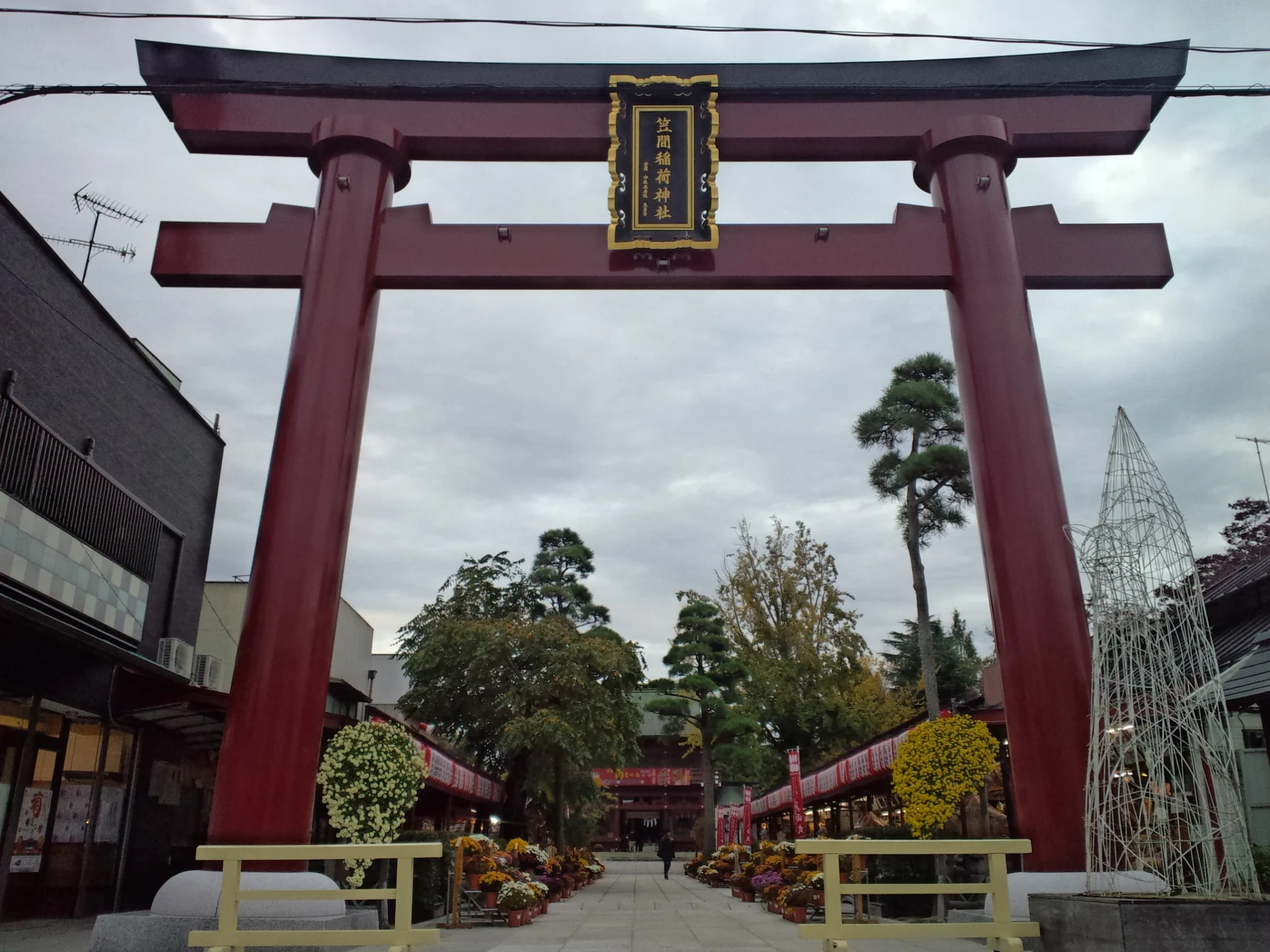
- Kasama Inari Shrine and its approach streets
- Kasama Nichido Museum of Art: choose it or the ceramics museum
- Michi-no-Eki Kasama: chestnuts and souvenirs between buses
- Example day plans
- Budget for a day in Kasama
- Quick Q&A
For Japanese ceramics and a hands-on session on a day trip from Tokyo, give Kasama in Ibaraki a whole day. Visit Art Forest Park in the morning for ceramics and tableware, then Kasama Inari Shrine in the afternoon before heading through the shrine town to the station. Without a car, the sightseeing bus determines the order. There are only seven services on operating days. Since April 2026, it has separate Tomobe shuttle and Kasama loop routes, changing at Michi-no-Eki Kasama. Book a pottery session first, then work backwards through bus times to choose your train. Hand-built and wheel-thrown pieces need trimming, glazing and firing afterwards. Craft Hills currently gives a completion time of about three months. To take tableware home that day, buy finished pieces at Craft Hills or Gallery Road.
How to spend a day in Kasama
Divide the day into two areas. The first is Kasama Art Forest Park, containing the Ibaraki Ceramic Art Museum and Kasama Craft Hills. It suits an exhibition, workshop, lunch and tableware shopping. Nearby Gallery Road has pottery shops and galleries, keeping shopping in the same area.
The second is Kasama Inari Shrine and its approach streets. After worship, walk to nearby Kasama Nichido Museum of Art. The museums have different collections: one centres on ceramics, the other on painting and sculpture. Connect the two areas by sightseeing bus rather than treating every sight as next to the station.
With half a day, pottery enthusiasts can choose Craft Hills and the Ceramic Art Museum; for a shrine and paintings, choose Inari and Nichido. For a full day, make one workshop, one museum and the shrine the core, adding galleries or another museum only in spare time. The three main facilities normally close Mondays, with holiday closures shifted under each venue’s rules. Check opening days before arranging buses.
Plan a Kasama pottery workshop, the Ceramic Art Museum and Inari Shrine, with Tomobe connections, loop buses, fares and delivery of finished pieces.
From Tokyo: choose Tomobe or Kasama Station
From Ueno, take the JR Joban Line to Tomobe Station, then change to the JR Mito Line for Kasama Station. Alternatively, take the sightseeing shuttle from Tomobe’s north exit to Michi-no-Eki Kasama and change to the loop. The Ceramic Art Museum’s access guide gives about 70 minutes by limited express from Ueno to Tomobe, then about 40–60 minutes by bus via the roadside station. Total time depends on trains, connections and waiting.
To reach Craft Hills first with less waiting, compare a taxi from Tomobe. The museum gives about 15 minutes from Tomobe Station and five from Kasama Station. For a group, a taxi can fit a workshop reservation directly. Use buses later towards the shrine or station as services allow.
If starting at Inari Shrine, Kasama Station is more straightforward. Official Ibaraki tourism information gives about 20 minutes on foot or five by taxi to the shrine. Worship and browse the approach before taking a bus to Art Forest Park if preferred. With a fixed pottery session, let that reservation determine your initial direction.
The 2026 sightseeing bus: change at the roadside station from Tomobe
The Kasama City sightseeing-bus page lists routes introduced on 1 April 2026. The connecting route leaves Tomobe Station north exit, travels via the regional medical centre to Michi-no-Eki Kasama, then returns via Kitayama Park entrance. For the Ceramic Art Museum, Nichido Museum or Inari Shrine, change at the roadside station to the separate loop route.
The loop leaves Kasama Station and calls at Shunpu Banriso, Michi-no-Eki Kasama, Art Forest Park east gate, Gallery Road, Craft Hills / Ceramic Art Museum, Nichido Museum and Inari Shrine before returning to Kasama Station. This direction makes Craft Hills to Nichido and Inari convenient. Going back from the shrine to Craft Hills involves the loop shown in the timetable; a straight line on the map does not give bus journey time.
In the 2026 operating year, only a day pass valid that day is sold, covering boarding and alighting on both routes. The city lists ¥300 on weekdays and ¥500 on weekends, national holidays and designated spring and autumn tourism-season dates. See the annual calendar on the same page for seasonal dates. Preschool children travel free. Pay and collect a ticket when leaving the first bus, then show it when leaving later buses. Listed payment methods are cash, credit cards, QR codes and Ibaraki Kotsu’s Ibappi card. Do not assume every transport IC card is accepted.
For example, the 2026 timetable has a Tomobe departure at 10:50 reaching Michi-no-Eki Kasama at 10:57. Wait for the loop at 11:18 and reach Ceramic Art Museum / Craft Hills at 11:29. With a 13:00 workshop, have lunch or browse first. After it ends at 14:10, the loop calls at Craft Hills at 14:29 and Inari Shrine at 14:36. A 15:36 departure from the shrine reaches Kasama Station at 15:48. These services apply on that timetable’s operating days. Match the arriving train and available workshop places separately.
The same timetable offers an earlier link: Tomobe at 09:50, roadside station at 09:57, loop at 10:18 and Craft Hills at 10:29. This is only a minute before the 10:30 workshop and gives no comfortable check-in margin. For a fixed morning session, take an earlier train and a taxi, or stay nearby beforehand.
Watch the midday gap. The museum’s April 2026 timetable has Craft Hills departures at 12:29 and then 14:29, with no 13:00-hour loop. For a 13:00 workshop and lunch beforehand, arrive at 11:29 and keep both in the same area. If still near the shrine at midday, leave earlier or use a taxi. Give this gap to one museum or workshop rather than planning a bus change of area after lunch.
Read the operating calendar first, then stop times. Seven services per operating day can mean a long wait after a missed bus. Fit exhibitions into waiting time, but allow early arrival for reserved workshops. Taxis can bridge service gaps for slower walkers, wet weather or fragile pottery bags.
What is Kasama ware? Start with the objects, then their history
The city’s introduction traces Kasama ware to the An’ei era, 1772–1781. Kuno Han’emon in Hakoda village built a kiln under guidance from the Shigaraki potter Choemon. Later, domain protection supported everyday jars, grinding bowls and other utensils, with proximity to Edo helping production expand.
After the war, plastics and changing home life reduced demand for traditional coarse kitchen pottery. Local training, research and industry groups shifted towards craft ceramics. Kasama ware was designated a Japanese traditional craft in 1992. This history helps explain today’s objects: makers in one production area use different shapes, glazes and functions. Start with a bowl, cup or plate you use regularly, then compare feel and form.
If visiting in Golden Week, the city’s introduction describes Himatsuri, which brings potters, kilns and shops to Art Forest Park’s event plaza. It suits comparing many makers together. On ordinary days, browse Gallery Road or Craft Hills at individual shop hours. Events change park parking arrangements, so drivers should read the Ceramic Art Museum’s event-period parking fees and refund information.
The Japanese-language Japan Heritage Kasamashiko film introduces pottery-making, tableware and life in the pottery centres of Kasama and Mashiko.
Ibaraki Ceramic Art Museum: give the exhibition a proper time slot
The Ibaraki Ceramic Art Museum is within Art Forest Park and fits before or after a hands-on session. The prefectural education board’s museum introduction lists works by Ibaraki-born Itaya Hazan and Matsui Kosei, who worked in Kasama. Collection displays, themed exhibitions and special exhibitions cover Japanese and overseas ceramics.
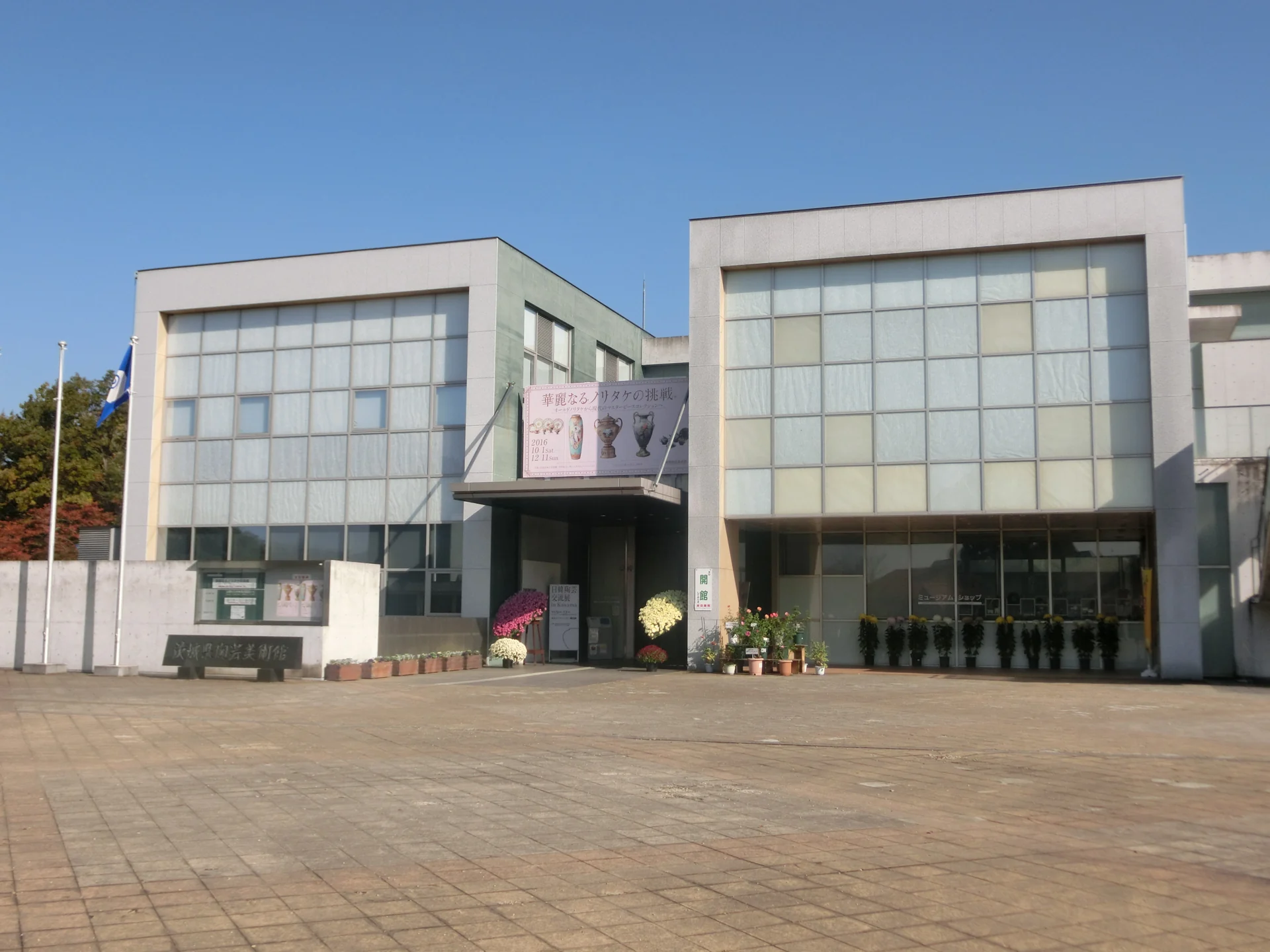
It opens 09:30–17:00, last admission 16:30, normally closing Mondays or the next weekday after a national holiday, plus New Year and temporary closures. Prices vary by exhibition. Check current dates and charges online to combine special and collection exhibitions in a complete slot around your workshop. For a 13:00 session, leave time after a morning visit for lunch and the walk to Craft Hills; do not wait until 12:50 to leave the gallery.
Both venues are in the park, but it is extensive. With children or slower walkers, look at the park map and separate entrances first. Drivers are directed to the north car park. Major events may charge for parking; the museum says exhibition visitors can arrange a refund at its counter. Follow event-day access directions.
Kasama Craft Hills: choose wheel throwing, hand-building or painting
Kasama Craft Hills combines pottery workshops, displays and sales, souvenirs and a café. For beginners, keeping making, browsing and eating together avoids separate journeys for each.
Electric-wheel throwing suits anyone wanting to feel clay form as it spins. Hand-building lets you shape directly, useful for irregular forms or working on detail at your own pace. Painting focuses on a design applied to a bisque-fired piece. The Craft Hills April 2026 price announcement lists wheel throwing at ¥4,800 and painting at ¥2,100. Select a date and party size on the booking page for hand-building plans and extras.
The booking page lists sessions at 10:30–11:40, 13:00–14:10 and 14:50–16:00. Select party size before viewing dates. Group bookings require a separate phone or email enquiry. Wheel-throwing and hand-building plans include firing one piece per person, with completion in about three months. Choose collection or delivery during the session. Travellers returning overseas should ask before booking whether delivery is available to their destination, its cost and how receipt works. Without a suitable delivery arrangement, finished tableware is better suited to a short trip.
Craft Cafe centres on Ibaraki ingredients and Kasama ware, with drinks and desserts too. For a midday workshop, eat beforehand or rest in the café afterwards. For the 14:50 session, have lunch and visit the museum first, then return to Craft Hills, rather than looking for a full meal afterwards. Craft Hills normally opens 10:00–17:00, closes Mondays with closure shifted after holidays or consecutive holidays, and closes over New Year.
Another option: Otsukoyo beside the roadside station
Otsukoyo has a workshop near Michi-no-Eki Kasama. Its access page gives about five minutes on foot from the roadside station. From the Tomobe shuttle, alight there to spend more time making and skip the loop leg to Art Forest Park. Afterwards return for a loop bus towards the shrine or park. Match the reservation start and onward services first; they do not connect automatically.
The individual workshop table lists a 45-minute simple wheel course with 500 grams of clay and one piece at ¥3,500. A 75-minute standard wheel course uses 1.5 kilograms and lets you select one made piece for ¥4,500. Hand-building costs ¥1,800 for 500 grams and about 60 minutes, up to two pieces; the one-kilogram, about 75-minute course costs ¥3,200, also up to two. These prices include tuition, clay and firing of the stated number. Standard wheel courses charge extra for selecting two or more pieces or a large piece weighing at least one kilogram. Choose standard wheel throwing for several attempts before selecting one, or compare hand-building for two small pieces of different shapes.
The workshop gives about two to three months for completion and ¥1,200 delivery to one address, with distant destinations extra. Ask directly about overseas delivery and its price. Book one week ahead and check in 15 minutes before the start. The individual table’s reservation column lists Tuesday and Wednesday closures, opening on national holidays. A separate pottery-class column lists Wednesdays, Golden Week from 28 April to 5 May and New Year from 29 December to 5 January as closed. For Tuesday or holiday-period visits, confirm whether a session runs before arranging buses and payment.
For an alternative to forming clay, Otsukoyo lists painting from ¥1,200 for about 45 minutes. Choose a bowl, cup, plate or other shape; cost varies by shape. Hand-built pieces beyond the allowance cost ¥200 each, extra wheel-thrown pieces ¥2,000 each, and wheel pieces of at least one kilogram incur additional firing fees from ¥1,000. Budget for the final number selected for firing.
Gallery Road: buy tableware for how you will use it
The loop stops at Gallery Road before Craft Hills. The Agency for Cultural Affairs survey of Kasama ware describes pottery outlets, galleries and restaurants along about two kilometres beside Art Forest Park. These are separate shops, not one large shopping centre. Allow time to enter and compare pieces, and save the return bus time.
One starting point is Kirara-kan. Its website lists 2258-1 Kasama and hours of 10:00–17:00, with work by multiple makers. For cups, hold the handle before comparing weight and rim. For plates, consider cupboard dimensions, food and cleaning. These checks are more likely to find something used often than buying a whole matching set at once.
Before flying home internationally, ask for protective packing at checkout and use soft clothing to separate pieces, keeping pressure off handles and other projections. Check remaining suitcase space and airline baggage rules before buying. To browse more shops, limit pottery to one workshop or drop the second museum.
Kasama Inari Shrine and its approach streets
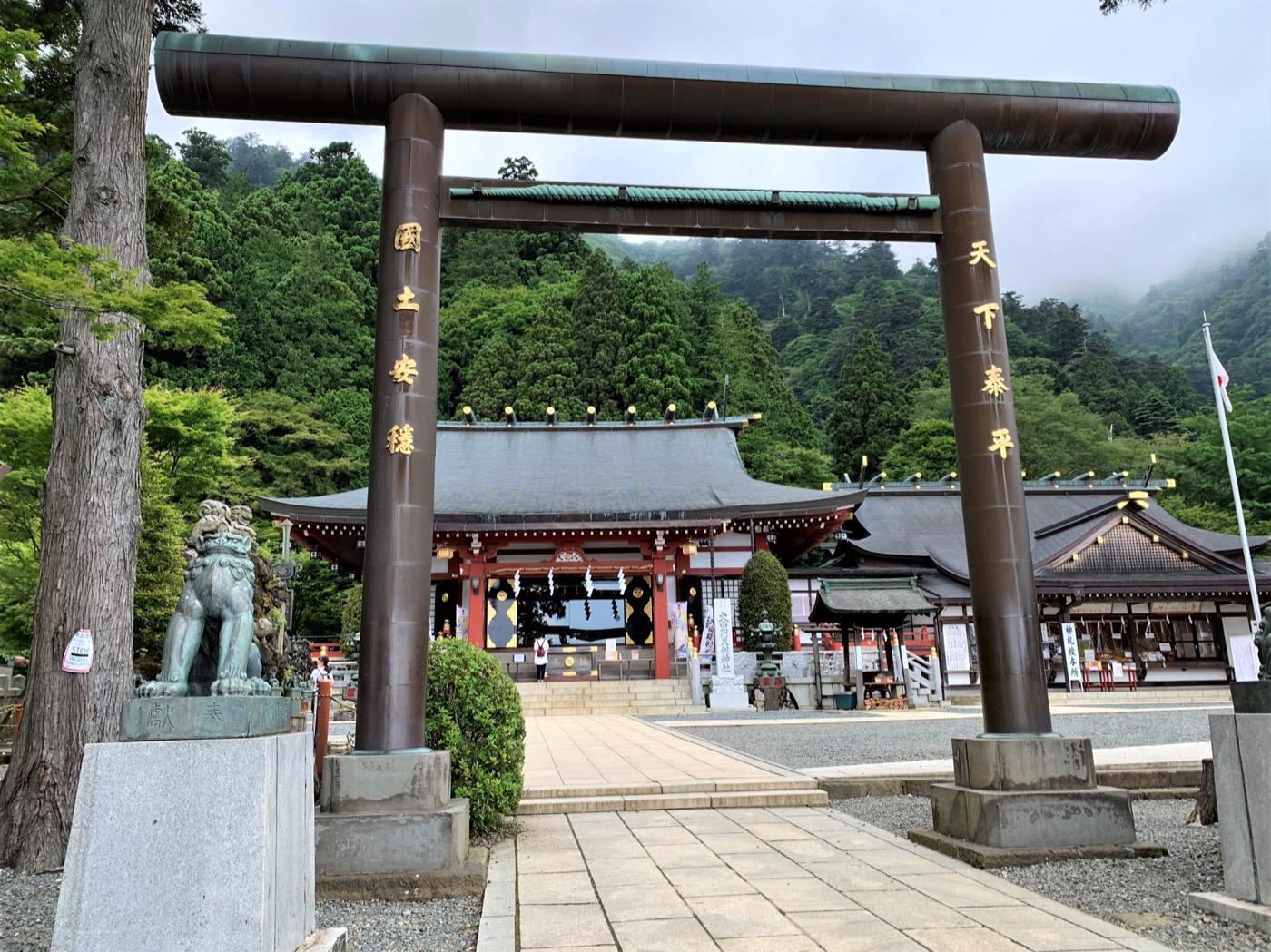
Kasama Inari Shrine enshrines Uka-no-Mitama-no-Kami. The Ibaraki Association of Shinto Shrines records its traditional foundation date as 651 and the alternative name Kurumi-shita Inari. The approach and shrine fit before or after Nichido Museum. From Craft Hills, the loop calls at Nichido before Inari.
After worship, walk the approach streets and choose a suitable place to eat or rest. For lunch there, eat before the next bus to the park. If you have a 13:00 pottery session, check the full loop and departures from Inari to Craft Hills, using a taxi if needed. Ibaraki tourism lists shrine visiting hours from 06:00 until sunset, varying by season. Shops outside it have individual opening days.
The approach also has Kasama Historical Exchange Centre Izutsuya. The city’s introduction describes a converted three-storey timber inn building from the middle Meiji period, with tourist information downstairs and history displays on the second floor. Add it after worship for local history. The ground floor also has Kasama Castle’s Continued Top 100 Japanese Castles stamp. It closes Mondays, or the following day after a national holiday.
In front, notice marks showing the former column positions. Izutsuya’s own history records that earthquake damage in 2011 closed the inn. Preservation work moved the surviving timber main building about 15 metres backwards, retaining columns and marking the original position in the plaza. Downstairs displays include the old counter, hearth and utensils; upstairs are a Kasama Castle model, old maps and castle-lord introductions. For historical-building enthusiasts, the stop connects the streetscape with the inn’s conversion into public space.
Look for Kasama inari sushi on the approach. The city’s local-food introduction lists walnut inari and soba inari, which replaces vinegared rice with buckwheat noodles. Walnuts, buckwheat and some fillings are common allergens, so choose from each shop’s actual ingredients. People avoiding meat should check fillings too, as some varieties contain chicken.
Kasama Nichido Museum of Art: choose it or the ceramics museum
Kasama Nichido Museum of Art was established in his home town in 1972 by Nichido Gallery founder Hasegawa Jin. It includes a special-exhibition building, French Pavilion, Japanese Pavilion and outdoor sculpture garden. Choose the Ceramic Art Museum for pottery-making and form. If companions prefer paintings or you have already spent a long time at Craft Hills, make Nichido the day’s only museum.
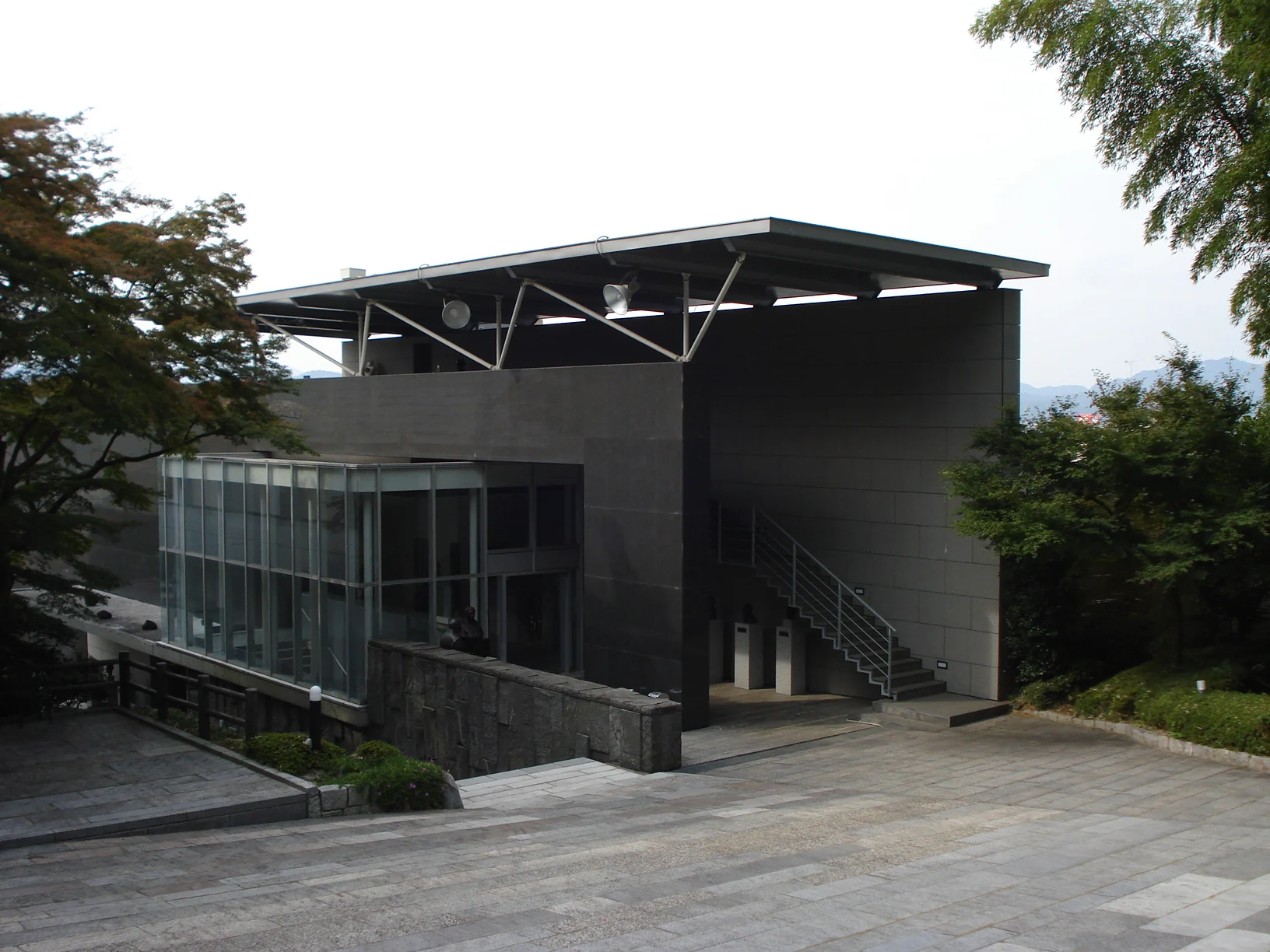
The museum information lists March–November hours of 09:30–17:00, last entry 16:30, and December–February hours of 10:00–16:30, last entry 16:00. It normally closes Mondays, shifting after national holidays, plus exhibition-change and New Year closures. Currently listed prices are ¥1,300 for adults, ¥1,000 for ages 65 and over, ¥900 for university and senior high school students, and ¥300 for junior high school pupils. Check the current exhibition and charges, and include the garden in your visit time.
The Japanese Pavilion’s ground-floor palette collection offers another way to look at artists. The museum describes about 220 exhibits, including Japanese and overseas painters’ palettes, some painted with flowers, landscapes or figures. Displays change. Colours and subjects on the palettes make a focus of their own. The museum also notes a gentle uphill walk of about four to five minutes from the Japanese and French pavilions to the special-exhibition building. Allow that movement and any rest needed. Use the sculpture garden between buildings in suitable weather; in rain, focus on indoor galleries.
The museum guide places the Hiroshi Okutani Memorial Room on the Japanese Pavilion’s fifth floor, the Heizo Kanayama and Toku Satake memorial room on the third, and small works on the second. The French Pavilion has France-related artists upstairs, with memorial and drawing rooms and a shop downstairs. With limited time for palettes, start on the Japanese Pavilion’s ground floor, then choose the special-exhibition building or French Pavilion. Displays change, so adjust at the entrance to the day’s layout.
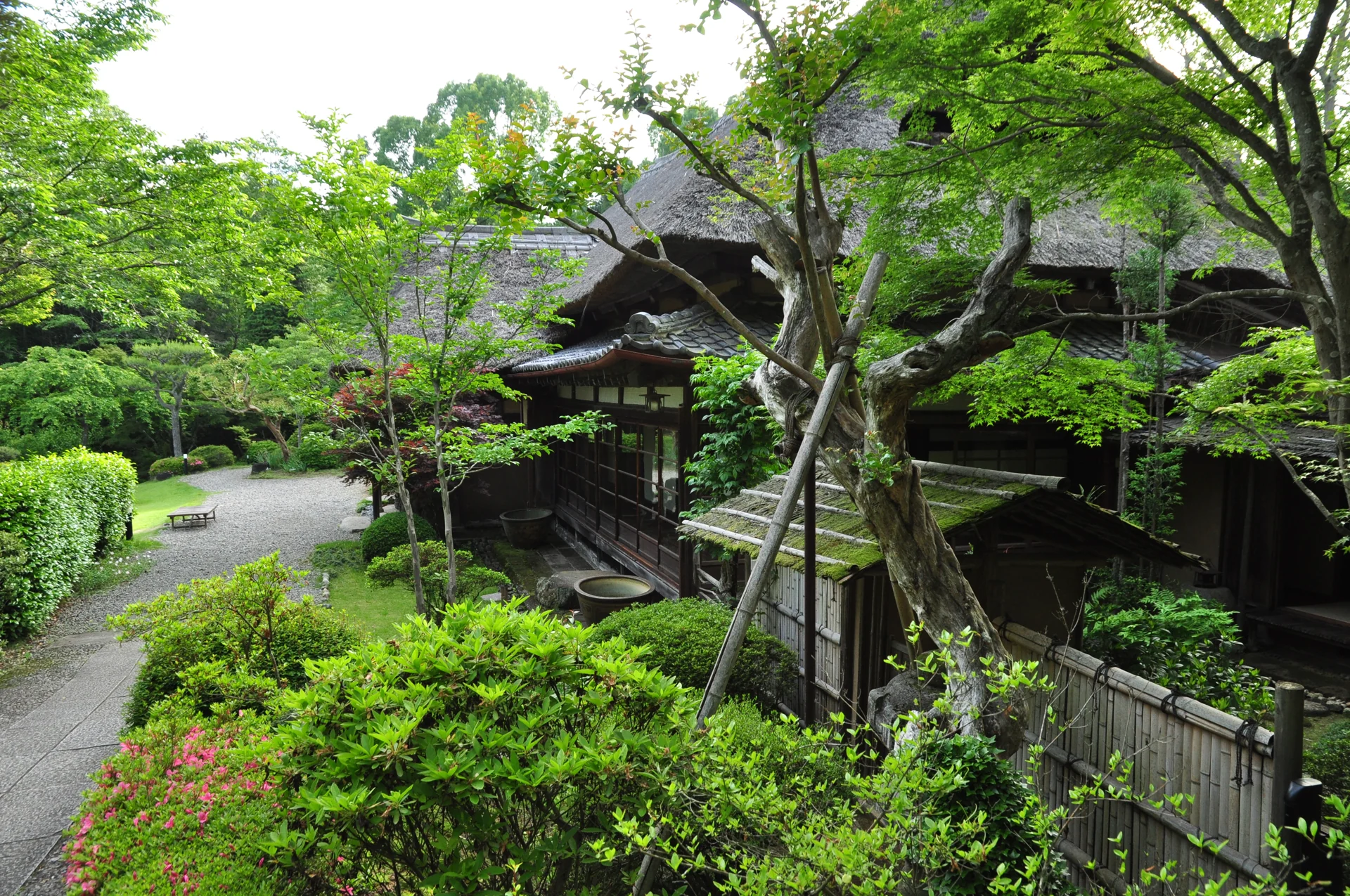
The associated Shunpu Banriso is elsewhere. The museum says this thatched former Edo-period home was moved by Kitaoji Rosanjin to Kita-Kamakura, then to Kasama in 1965. For architecture, gardens and Rosanjin-related spaces, check the branch opening information separately. It is not an adjoining gallery just outside the main museum. The loop calls there after leaving Kasama Station, so it can suit an early start there, but a same-day pottery reservation requires checking onward buses first.
Shunpu Banriso also has Rosanjin’s Mukyoan tea room, a stone garden and tearoom refreshments. Normal hours are 09:30–17:00, last entry 16:30. In August it opens only weekends and national holidays. December–February hours shorten to 10:00–16:00, last entry 15:30, with January and February opening only weekends and national holidays. Adult admission is ¥1,000. Matcha and coffee are served, with matcha on the veranda facing the stone garden. These seasonal differences affect a Banriso-first route; on winter weekdays, go straight from the station to other sights.
The house was originally the Ito family’s main home in Kanagawa. Rosanjin moved it first to Kita-Kamakura as Hoshigaoka Kiln’s main building and his residence, before its later move to Kasama. The museum describes his garden tea room Mukyoan, a stone garden modelled on Kyoto’s Ryoanji, and a permanent ceramic display in the Rosanjin room. Compared with the main museum’s paintings and palettes, this branch suits architecture, objects and gardens together. Each site needs its own transport and admission time; choose one if time is short.
Michi-no-Eki Kasama: chestnuts and souvenirs between buses
Michi-no-Eki Kasama connects the Tomobe shuttle and Kasama loop and has food shops and dining. Allow a stop for lunch or souvenirs rather than treating all transfer time as empty. If the buses connect closely, complete the change and shop on the return.
The city’s 2025 lunch map introduces the food court and chestnut specialist Rakuri / La Kuri. Fit chestnut desserts into this stop rather than making another trip for them. The official facility information lists Rakuri at 09:30–18:00, the food court at 11:00–18:00, both with last orders at 17:30, and the produce shop at 09:00–18:00. It normally closes on the second Thursday each month, but the August–November 2026 announcement lists no regular closure during that period and an early produce-shop closure at 15:00 on 12 November. If carrying ceramics, organise wrapping after shopping before catching another bus.
Example day plans
Pottery first, for a first Kasama visit: Travel from Tokyo to Tomobe in the morning and connect to Art Forest Park by bus. Visit the Ceramic Art Museum, then eat at Craft Hills and join a 13:00 workshop. Browse displays or shop afterwards, then take the loop to Inari Shrine, worship, explore the approach and return to Kasama Station. The order follows the loop direction. Match actual services and reservation availability; use a taxi to Craft Hills if connections do not fit.
Art museums and the shrine town: Start at Inari from Kasama Station, visit Nichido after worship, and have lunch near the shrine. In the afternoon choose either the Ceramic Art Museum for an exhibition or Craft Hills for objects and the café. This suits travellers without a fixed workshop. By bus, include the shrine-to-park loop direction and waiting time.
With children and fewer transfers: Base the day at Art Forest Park, reserve a suitable workshop and fit meals and park activities around it. Add the shrine only if time remains. Craft Hills notes the Asobi-no-Mori play area. The east car park is closer to play equipment; Craft Hills’ west car park is near the building and has an accessible entrance. Driving families can park for their main activity, still allowing walking time within the park.
The city’s park information lists free entry and hours of 08:30–17:00. Alongside the large play equipment in Asobi-no-Mori, To-no-Mori has scattered ceramic works for an outdoor walk between venues. The north car park is near the Ceramic Art Museum and event plaza, the east near play equipment, and the south near To-no-Mori. With young children, choose the main area before parking to reduce backtracking.
Budget for a day in Kasama
Using the 2026 operating-day weekday pass at ¥300 and Craft Hills wheel throwing at ¥4,800, the local bus and one workshop total ¥5,100. On a ¥500 pass day, the total is ¥5,300. Both exclude rail travel from Tokyo, meals, pottery delivery and exhibition tickets. Choosing Otsukoyo’s ¥3,500 simple wheel course with a ¥300 pass totals ¥3,800, with delivery and other costs still extra.
To spend less, choose one paid museum or one workshop and use the other part of the day for park and shrine-town walks. For a finished piece to take home, compare shop prices and luggage space rather than also booking a firing workshop. Art Forest Park is free, but Ceramic Art Museum admission varies by exhibition. Park entry is not museum admission.
A few useful answers
How do I travel from Tokyo to Kasama?
Take the JR Joban Line to Tomobe and change to the Mito Line for Kasama Station, or take the Tomobe shuttle to Michi-no-Eki Kasama and change to the sightseeing loop for attractions.
Can I take my pottery home on the day?
Craft Hills wheel-thrown and hand-built pieces take about three months to complete. Choose collection or delivery during the workshop. Ask the studio ahead about overseas shipping and its cost.
How much is the Kasama bus day pass?
In the 2026 operating year it costs ¥300 on weekdays and ¥500 on weekends, national holidays and designated spring and autumn tourism-season dates. It covers both routes that day.
Official information and references
Sources used in this guide.
- Ibaraki Ceramic Art Museum | Access guide
- Kasama City | Sightseeing buses
- Kasama | 2026 bus timetable
- Kasama City | Kasama ware introduction
- Agency for Cultural Affairs | Introduction
- Ibaraki Prefectural Board of Education | Ceramic Art Museum
- Craft Hills | April 2026 workshop price announcement
- Craft Hills | Reservations
- Otsukoyo | Access
- Otsukoyo | Individual workshops
- Agency for Cultural Affairs | Kasama ware survey
- Ibaraki Association of Shinto Shrines | Kasama Inari
- Kasama City | Izutsuya
- Izutsuya | Building history
- Kasama City | Inari sushi
- Kasama Nichido Museum | Visitor information
- Nichido Museum | Palette collection
- Nichido Museum | Building guide
- Shunpu Banriso | Opening information
- Kasama | 2025 lunch map
- Michi-no-Eki Kasama | Facilities
- Michi-no-Eki Kasama | August–November 2026 opening notice
- Kasama City | Art Forest Park information