Plan a Kasama pottery workshop, the ceramic art museum and Inari Shrine, with Tomobe connections, sightseeing buses, fares and shipping for finished pieces.
- Region & Focus
- KantoSide trips
- Reading Scope
- 30 min read · 13 chapters · 3 Q&As
- Official Verification
- 23 official sources checkedUpdated November 8, 2026
- Key Topics
- ItinerariesRail travelTokyo & Kanto
Chapter Route Map (tap any stop)
- How to spend a day in Kasama
- Tokyo to Kasama: choose Tomobe or Kasama Station first
- The 2026 sightseeing bus: transfer at the roadside station from Tomobe
- What is Kasama ware? Start with the pottery, then its history
- Ibaraki Ceramic Art Museum: set aside a complete exhibition visit
- Kasama Kogei-no-Oka: wheel throwing, hand-building or painting?
- Another option: Otsu Koyo Kiln near the roadside station
- Gallery Road: think about how you will use the pottery
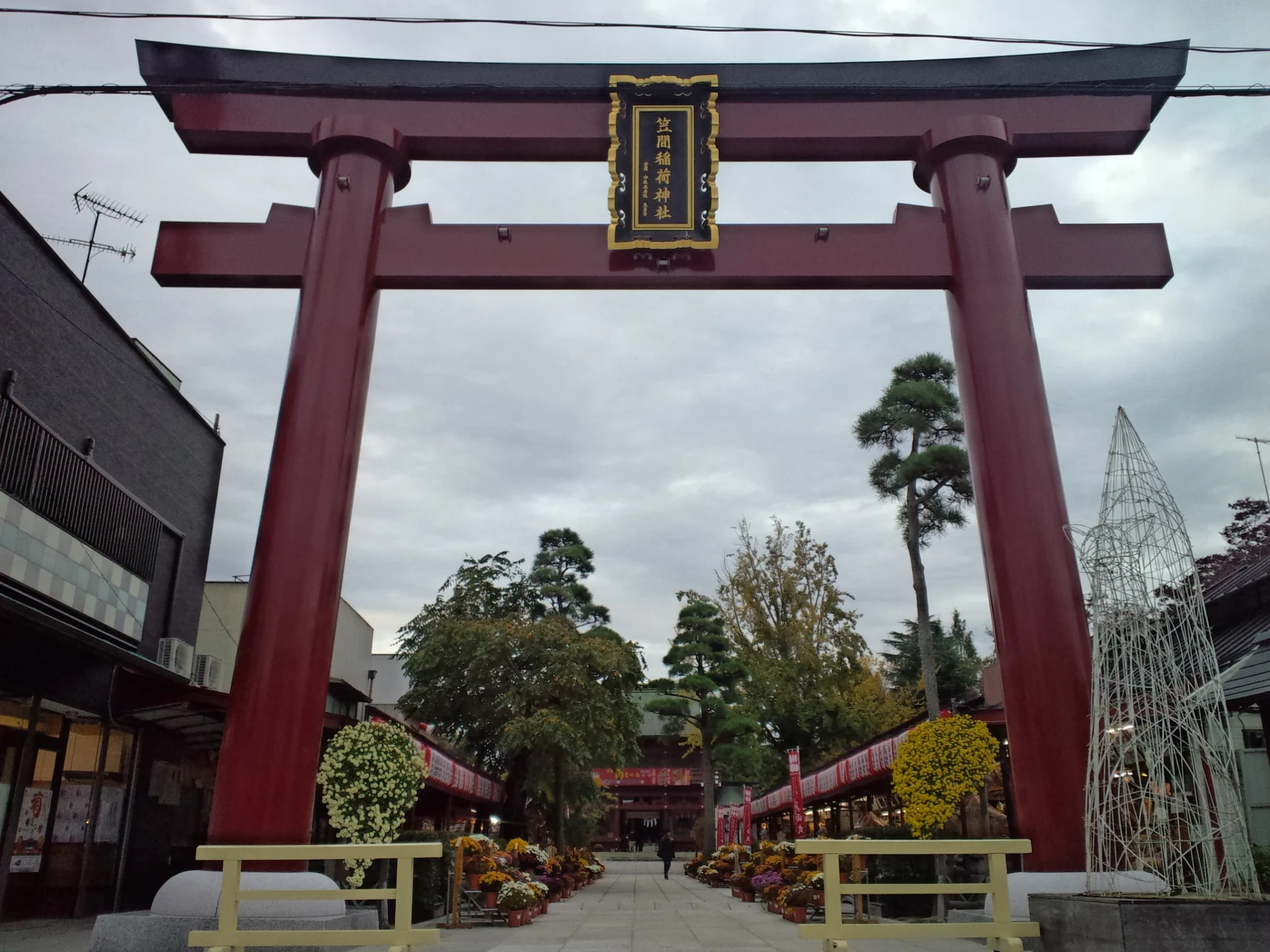
- Kasama Inari Shrine and its approach street
- Kasama Nichido Museum of Art or the ceramic museum?
- Roadside Station Kasama: chestnuts and souvenirs between buses
- Example day itineraries
- How much should you budget for a day?
- Quick Q&A
For Japanese ceramics and a chance to make something yourself on a day trip from Tokyo, give Kasama in Ibaraki a full day. See ceramic art and choose tableware at Kasama Geijutsu-no-Mori Park in the morning, visit Kasama Inari Shrine in the afternoon, then follow the approach street toward the station. Without a car, the sightseeing bus sets the order. It runs only seven services on operating days. Since April 2026, the Tomobe Station connecting route and Kasama Station sightseeing loop have been separate, with a transfer at Roadside Station Kasama. If adding a pottery workshop, book the session first and work backward through the bus timetable. Hand-built and wheel-thrown pieces need trimming, glazing and firing afterward. Kasama Kogei-no-Oka currently gives about three months to completion. To take pottery home that day, buy finished pieces there or on Gallery Road.
How to spend a day in Kasama
Divide the day into two areas. The first is Kasama Geijutsu-no-Mori Park, home to the Ibaraki Ceramic Art Museum and Kasama Kogei-no-Oka. Combine an exhibition, workshop, lunch and pottery shopping here. Nearby Gallery Road has pottery shops and galleries, so keep shopping in this area too.
The second area is Kasama Inari Shrine and its approach street. After worship, you can walk to the nearby Kasama Nichido Museum of Art. The museums have different subjects: the ceramic museum focuses on ceramics, while Nichido collects paintings and sculpture. Use the sightseeing bus between the two areas rather than treating every attraction as if it were next to the station.
With half a day, pottery enthusiasts can choose Kogei-no-Oka and the ceramic museum. For the shrine and paintings, choose Inari Shrine and Nichido. With a full day, build around one workshop, one museum and the shrine, adding galleries or another museum only with time left. The three main facilities normally close on Mondays, with holiday closures shifted according to each facility's rules. Check opening days before choosing trains.
Plan a Kasama pottery workshop, the ceramic art museum and Inari Shrine, with Tomobe connections, sightseeing buses, fares and shipping for finished pieces.
Tokyo to Kasama: choose Tomobe or Kasama Station first
From Ueno, take the JR Joban Line to Tomobe Station, then change to the JR Mito Line for Kasama Station. Alternatively, take the sightseeing bus's connecting route from Tomobe's north exit to Roadside Station Kasama and transfer to the loop. The ceramic museum's access guide gives about 70 minutes from Ueno to Tomobe by limited express and about 40–60 minutes by bus from Tomobe via the roadside station to the museum. Total travel time depends on trains, connections and waiting.
If starting at Kogei-no-Oka and wanting less waiting, compare a taxi from Tomobe. The museum gives about 15 minutes from Tomobe Station and about five from Kasama Station. With several people, a taxi can take you directly to a booked workshop on time. Afterward, use a bus toward the shrine or station if the timetable fits.
If Inari Shrine is first, Kasama Station is the simpler arrival point. Ibaraki's official tourism information gives about 20 minutes on foot or five minutes by taxi to the shrine. Worship and browse the approach, then take a bus to the park if that order suits you. A fixed pottery booking should take priority in choosing which way to start.
The 2026 sightseeing bus: transfer at the roadside station from Tomobe
The Kasama City sightseeing-bus page gives the new routes effective April 1, 2026. The connecting route leaves Tomobe's north exit, passes the regional medical center to Roadside Station Kasama and returns via Kitayama Park Entrance. For the ceramic museum, Nichido Museum or Inari Shrine, transfer at the roadside station to the separate sightseeing loop.
The loop runs from Kasama Station via Shunpu Banriso, Roadside Station Kasama, the park's east gate, Gallery Road, Kogei-no-Oka / Ceramic Art Museum, Nichido Museum and Inari Shrine, then back to Kasama Station. This direction makes Kogei-no-Oka to Nichido and Inari convenient. Returning to Kogei-no-Oka after the shrine requires checking how the bus loops around. The straight-line map distance is not the bus journey time.
For fiscal 2026, only same-day passes are sold, valid for boarding and alighting on both routes. The city lists ¥300 on weekdays and ¥500 on weekends, national holidays and designated spring and autumn tourism dates. See the annual operating calendar on the same page for those dates. Preschool children travel free. Pay and receive the pass when alighting from your first ride, then show it to the driver on later rides. Listed payment methods are cash, credit cards, QR code payments and Ibaraki Kotsu's Ibappi card. Do not assume every transport IC card is accepted.
For example, the 2026 timetable has a 10:50 a.m. departure from Tomobe, reaching Roadside Station Kasama at 10:57 a.m. Wait there for the 11:18 a.m. loop, reaching Ceramic Art Museum / Kogei-no-Oka at 11:29 a.m. Before a 1 p.m. workshop, have lunch or browse Kogei-no-Oka. After a 2:10 p.m. finish, the loop calls at Kogei-no-Oka at 2:29 p.m. and reaches Inari Shrine at 2:36 p.m. Leave the shrine at 3:36 p.m. to reach Kasama Station at 3:48 p.m. These services apply on the timetable's operating days. Match your train arrival at Tomobe and an available workshop booking separately.
The same timetable has an earlier connection: Tomobe at 9:50 a.m., roadside station at 9:57 a.m., loop at 10:18 a.m. and Kogei-no-Oka at 10:29 a.m. That is only one minute before the 10:30 a.m. workshop, too close for relaxed check-in. For that morning session, take an earlier train and use a taxi, or stay nearby the night before.
Pay particular attention to the midday gap. The ceramic museum's April 2026 timetable has a 12:29 p.m. stop at Kogei-no-Oka followed by 2:29 p.m., with no loop service in the 1 p.m. hour. For a 1 p.m. workshop with lunch beforehand, arrive at 11:29 a.m. and keep lunch and check-in in one area. If still near the shrine at noon, leave earlier or use a taxi. Use the gap for one museum or workshop rather than planning a bus transfer after lunch.
Check the operating calendar for your date before reading individual stop times. Seven services per operating day can mean a long wait after a missed bus. A museum can fit into time before a service, but a booked workshop needs an early-arrival allowance. With slower walkers, rain or fragile pottery, a taxi can fill gaps between buses.
What is Kasama ware? Start with the pottery, then its history
Kasama City's introduction traces Kasama ware to the An'ei era, 1772–1781. Kuno Han'emon of Hakoda village built a kiln under the guidance of Choemon, a potter from Shigaraki. Later, domain protection supported everyday vessels such as jars and grinding bowls, with production expanding because of proximity to Edo.
After the war, plastic products and changing lifestyles reduced demand for traditional coarse kitchen pottery. Through technical guidance, research and industry organizations, local production shifted toward craft ceramics. Kasama ware was designated a Traditional Craft of Japan in 1992. That change helps explain today's range: makers in one production area use different forms, glazes and functions. Start with a bowl, cup or plate you often use, then compare feel and shape.
During Golden Week, the city's introduction describes the Himatsuri pottery festival at the park's event plaza, gathering ceramic artists, kilns and retailers. It is a chance to compare many makers together. On ordinary days, visit Gallery Road or Kogei-no-Oka according to individual opening hours. Events alter park parking arrangements. Drivers can read the ceramic museum's guidance on event parking fees and refunds first.
This Japanese-language film about the Japan Heritage Kasamashiko area introduces pottery-making, tableware and life in the production areas of Kasama and Mashiko.
Ibaraki Ceramic Art Museum: set aside a complete exhibition visit
The Ibaraki Ceramic Art Museum is in Geijutsu-no-Mori Park, suitable before or after making pottery. The Ibaraki Board of Education's museum introduction lists works by Ibaraki-born Itaya Hazan and Matsui Kosei, who worked in Kasama. Collection displays, themed shows and special exhibitions cover ceramics from Japan and abroad.
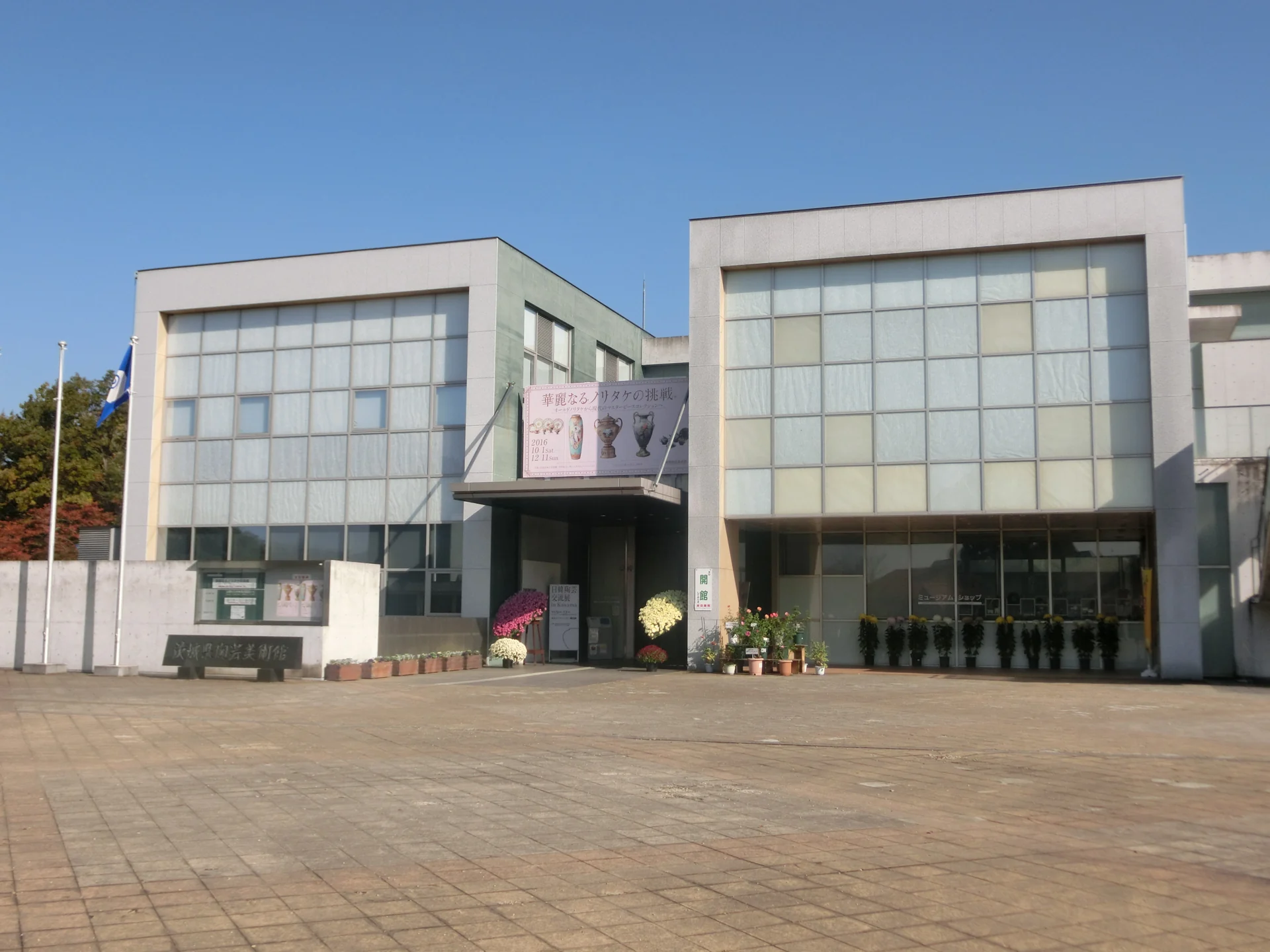
The museum opens from 9:30 a.m. to 5 p.m., with last admission at 4:30 p.m. It normally closes Mondays, shifting to the next weekday after a national holiday, plus year-end/New Year and temporary closures. Admission varies by exhibition. To see both the special exhibition and collection, check dates and charges on the official site, then choose a substantial gap around your workshop. For a 1 p.m. session, a morning museum visit must still leave time to exit, eat and walk to Kogei-no-Oka. Leaving the gallery at 12:50 p.m. is too late for that sequence.
Both facilities are in the park, but its grounds are extensive. With children or slower walkers, check the park map and each entrance first. The museum recommends the park's north parking lot for drivers. Parking may be charged during major events. The museum says exhibition visitors can arrange a refund at the counter; follow on-site directions on event days.
Kasama Kogei-no-Oka: wheel throwing, hand-building or painting?
Kasama Kogei-no-Oka combines pottery workshops, displays, retail, souvenirs and a cafe. For beginners, its advantage is having making, viewing and meals in one area, without separate transport for each.
Electric-wheel sessions suit people wanting to feel clay form as it spins. Hand-building lets you shape it directly and suits irregular forms or working on details at your own pace. Painting uses bisque-fired vessels, with the focus on your design. The April 2026 Kogei-no-Oka price notice lists wheel throwing at ¥4,800 and painting at ¥2,100. Check hand-building plans and additional charges on the booking page after selecting a date and party size.
The booking page lists three sessions: 10:30–11:40 a.m., 1–2:10 p.m. and 2:50–4 p.m. Select party size before checking available dates. Group bookings require separate contact by phone or email. Wheel throwing and hand-building each include firing one piece per person, with completion in about three months. Choose collection or shipping during the session. Travelers returning overseas should ask about delivery to their destination, cost and receipt arrangements before booking. Without a suitable way to receive it, buying finished pottery fits a short trip better.
Craft Cafe uses Ibaraki ingredients and Kasama ware as its themes, with drinks and desserts too. For a midday workshop, eat beforehand or rest in the cafe afterward. For the 2:50 p.m. session, lunch and the museum first are a firmer plan than finding a full meal after finishing. Kogei-no-Oka normally opens from 10 a.m. to 5 p.m., closes Mondays with closures shifted after holidays or consecutive holidays, and closes over year-end/New Year.
Another option: Otsu Koyo Kiln near the roadside station
The Otsu Koyo Kiln workshop is near Roadside Station Kasama. Its access page gives a walk of about five minutes. Travelers taking the connecting bus from Tomobe can alight at the roadside station and focus on making, saving the loop ride to the park. After class, return to the roadside station for the loop toward the shrine or park. Arrange both the booking and onward bus first; they do not automatically connect.
The individual workshop list gives a 45-minute introductory electric-wheel course with 500 grams of clay and one piece for ¥3,500. The standard course lasts 75 minutes, uses 1.5 kilograms of clay and lets you select one of the vessels you make for ¥4,500. Hand-building with 500 grams lasts about 60 minutes, costs ¥1,800 and includes up to two pieces. The one-kilogram course lasts about 75 minutes, costs ¥3,200 and also includes up to two. Fees include instruction, clay and firing the specified number. For the standard wheel course, selecting two or more pieces or a large piece weighing at least one kilogram incurs extra charges. Choose the standard wheel course to make several attempts before selecting one. For two small vessels in different shapes, compare the hand-building allowance.
The workshop gives about two to three months to completion, with delivery to one address at ¥1,200 and extra for distant locations. Ask directly about overseas delivery and its cost. Book at least one week ahead and check in 15 minutes before starting. The individual-workshop reservation field lists Tuesday and Wednesday closures, open on national holidays. Another field lists pottery-class closures on Wednesdays, Golden Week from April 28 to May 5, and December 29–January 5. For a Tuesday or holiday-period visit, ask whether that day's class runs before arranging buses and payment.
For an alternative to wheel throwing or hand-building, Otsu Koyo Kiln offers painting. It lists about 45 minutes from ¥1,200, with bowls, cups and plates to choose from and prices varying by vessel. Extra hand-built pieces cost ¥200 each; extra wheel-thrown pieces cost ¥2,000 each. Wheel-thrown works of at least one kilogram have a separate firing fee from ¥1,000. Budget according to the number ultimately selected for firing.
Gallery Road: think about how you will use the pottery
The loop bus stops at Gallery Road before Kogei-no-Oka. The Agency for Cultural Affairs survey of Kasama ware describes roughly two kilometers of road beside the park with direct pottery retailers, galleries and restaurants. These are individual shops rather than one large shopping center. Leave time to enter and compare pieces, and note your return bus time.
One starting point is Kirara-kan. Its site gives 2258-1 Kasama and opening hours of 10 a.m. to 5 p.m., with works by multiple makers. For a cup, check the handle against your hand, then compare weight and rim. For a plate, consider storage dimensions, the food it will hold and how to wash it. These questions help you find a piece you will use often without buying a complete table setting at once.
If flying home internationally, ask the shop to wrap purchases before paying. Bring soft clothing to separate pieces so handles and other projections do not bear direct pressure. Check remaining suitcase space and airline baggage rules before buying. To browse more shops, keep the pottery activity to one session or skip a second art museum that day.
Kasama Inari Shrine and its approach street
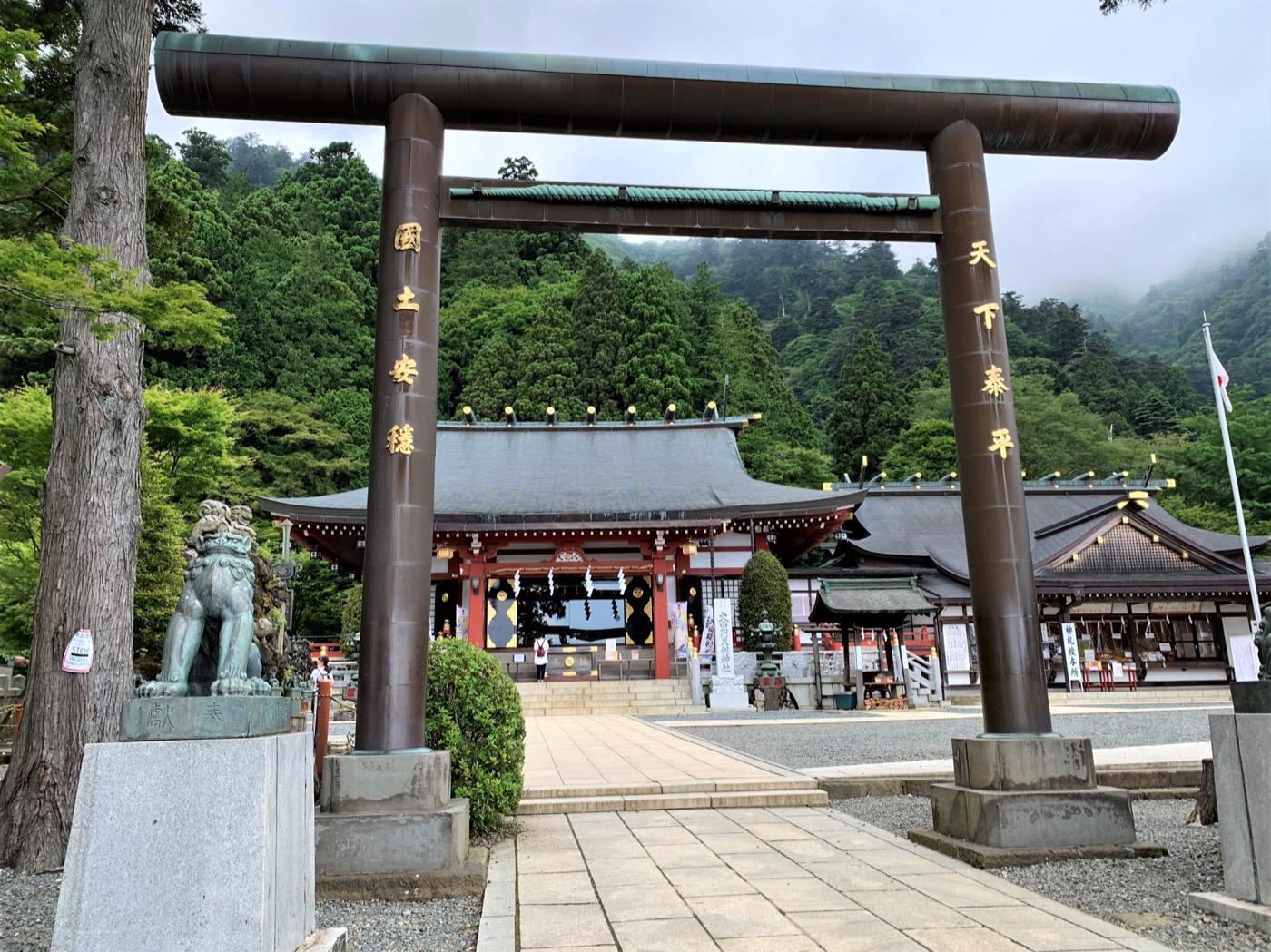
Kasama Inari Shrine enshrines Ukanomitama-no-kami. The Ibaraki Association of Shinto Shrines records its traditional founding date as 651 and the alternative name Kurumiga-shita Inari. The approach and shrine fit before or after Nichido Museum. From Kogei-no-Oka, the loop passes Nichido before reaching Inari Shrine.
After worship, walk the approach street and choose a restaurant or rest stop that suits your party. For lunch there, eat around the shrine before taking the next bus to the park. With a 1 p.m. workshop booking, check the full loop and services from Inari to Kogei-no-Oka, using a taxi if needed. Ibaraki's tourism page gives shrine visiting hours from 6 a.m. to sunset, varying with the season. Shops outside have their own opening days.
The approach street also has Izutsuya, the Kasama History Exchange Center. The city's introduction says it occupies the renovated three-story wooden main building of the former Izutsuya inn, dating from the middle Meiji period. The ground floor has tourist information and the second floor historical exhibits. Add it to the walk after worship for local history. The ground floor also has the Kasama Castle stamp for the Continued Top 100 Japanese Castles. It closes Mondays, or the following day when Monday is a national holiday.
Outside, look for the former pillar positions marked in the plaza. Izutsuya's own history records that the inn closed after damage in the 2011 Great East Japan Earthquake. Preservation work moved the surviving wooden main building about 15 meters backward. Pillars remain on site, and plaza markings show their earlier positions. The ground floor displays the old inn's counter, hearth and utensils; upstairs are a Kasama Castle model, old maps and accounts of its lords. For historic-building enthusiasts, this stop connects the streetscape to an inn's conversion into public space.
Look for Kasama inari sushi along the approach too. The city's local introduction lists walnut inari and soba inari, which uses noodles instead of vinegared rice. Walnuts, buckwheat and some toppings are common allergens, so choose according to the actual shop's ingredients. People avoiding meat should also read fillings, since some versions contain chicken.
Kasama Nichido Museum of Art or the ceramic museum?
Kasama Nichido Museum of Art was founded in 1972 by Nichido Gallery founder Hasegawa Jin in his hometown of Kasama. It lists a special-exhibition building, French building, Japanese building and outdoor sculpture garden. Choose the Ibaraki Ceramic Art Museum for pottery-making and form. If companions prefer paintings, or you have already spent longer at Kogei-no-Oka, make Nichido your one art museum for the day.
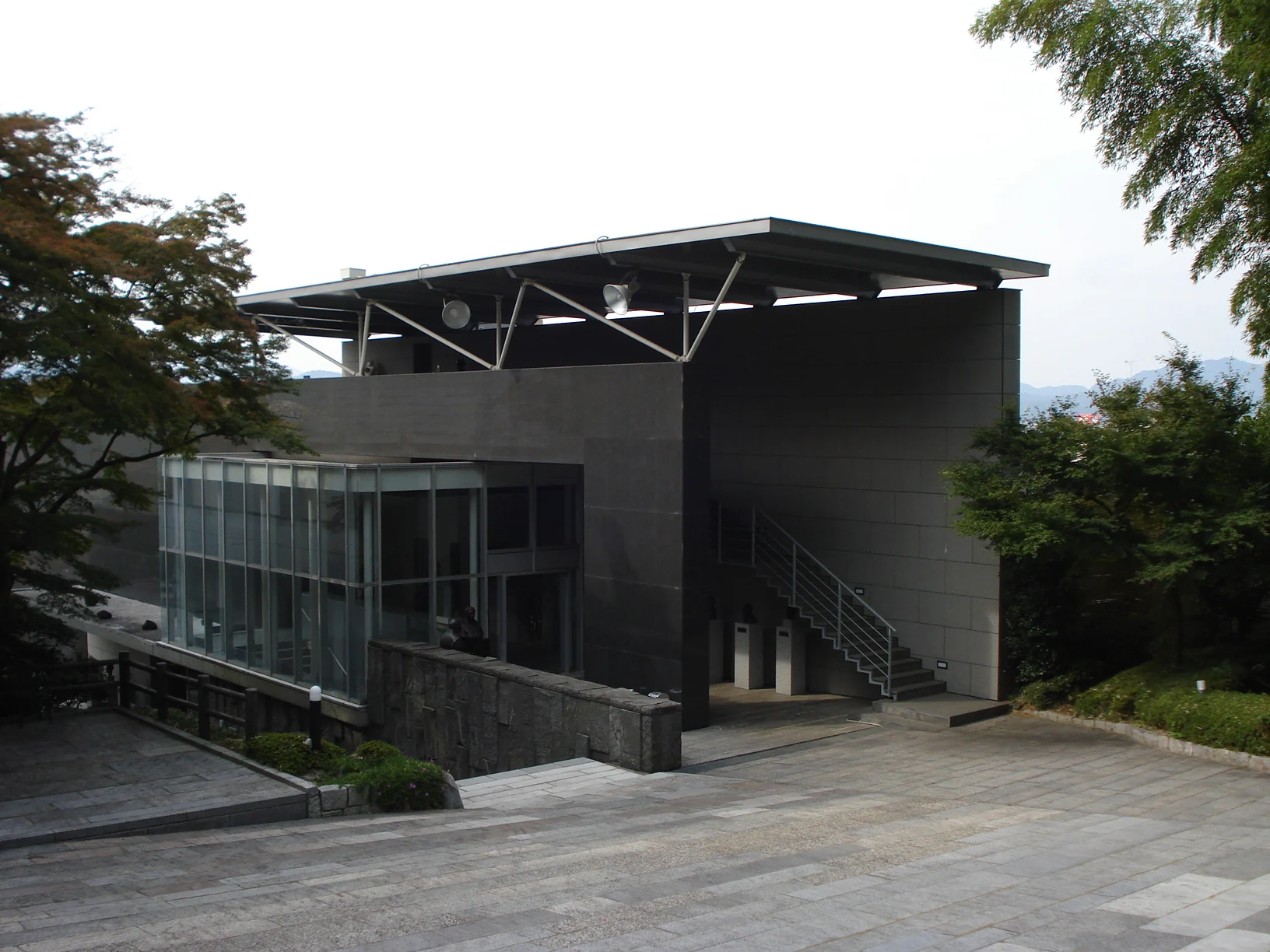
The museum's information lists March–November hours of 9:30 a.m.–5 p.m., last admission 4:30 p.m., and December–February hours of 10 a.m.–4:30 p.m., last admission 4 p.m. It normally closes Mondays, with holiday closures shifted, plus exhibition changes and year-end/New Year closures. Current listed admission is ¥1,300 for adults, ¥1,000 for ages 65 and over, ¥900 for university and senior high school students and ¥300 for junior high school students. Check the current exhibition and price before visiting a special show, and allow time for the garden.
The palette collection on the Japanese building's ground floor offers another way to see painters. The museum describes about 220 items on display, including palettes from Japanese and overseas artists, some painted with flowers, landscapes or people. Displays change. Treat the colors and painted subjects as a focus in their own right. The museum notes a gentle uphill walk of about four to five minutes from the Japanese and French buildings to the special-exhibition building. Allow movement and rest time between them. Use the outdoor sculpture garden between buildings in good weather; in rain, give most time to indoor galleries.
The museum guide places the Hiroshi Okutani Memorial Room on the Japanese building's fifth floor, the Kanayama Heizo and Satake Toku Memorial Room on the third, and small works on the second. The French building's second floor introduces painters connected with France; its ground floor has a memorial room, drawing room and shop. With limited time for palettes, start on the Japanese building's ground floor, then choose the special-exhibition or French building with the time left. Displays change, so adjust the order to that day's layout at the entrance.
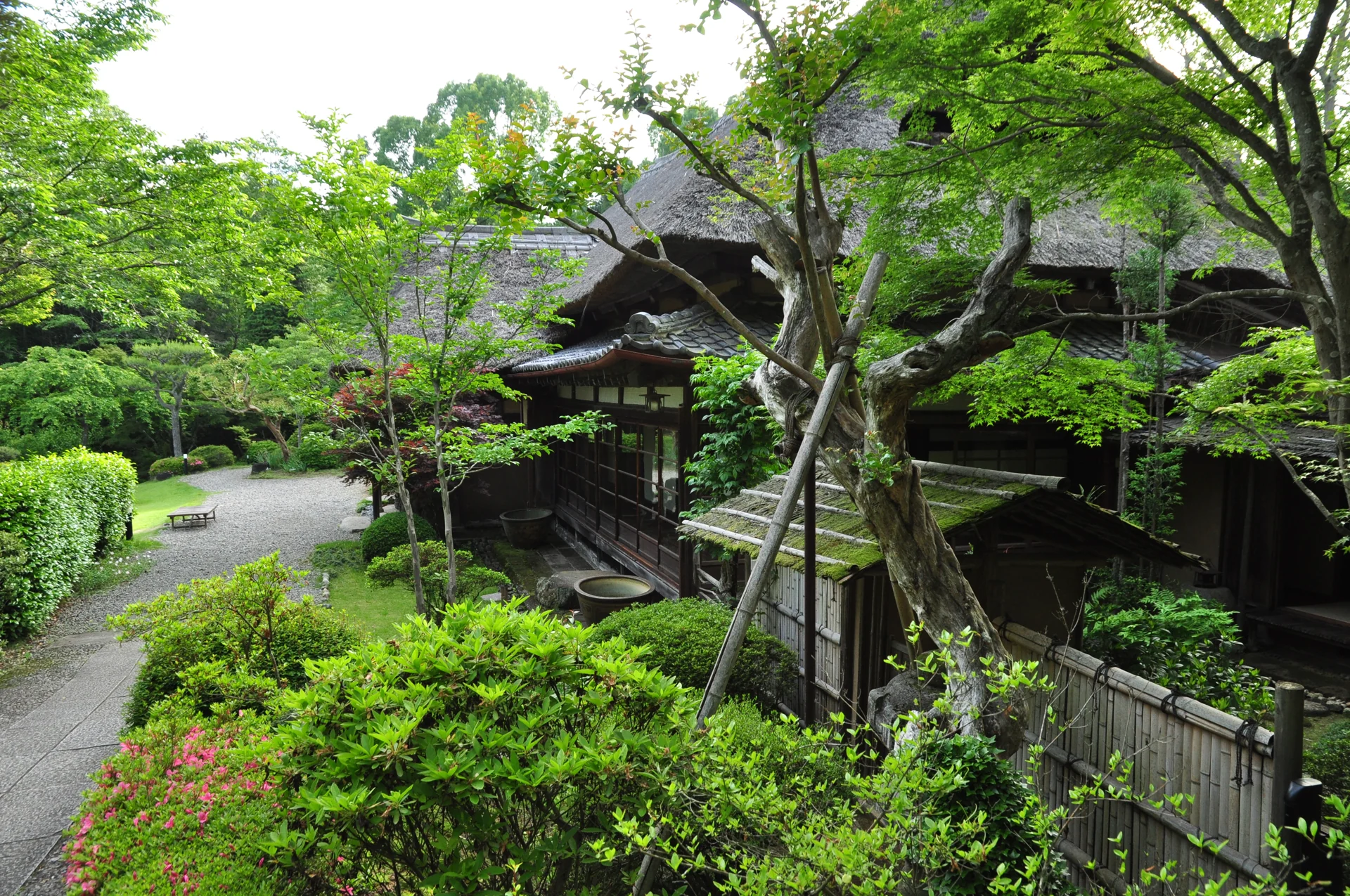
Shunpu Banriso, part of the same museum, is at a separate site. The museum says the thatched house began as an Edo-period home, was moved by Kitaoji Rosanjin to Kita-Kamakura and then moved again to Kasama in 1965. For its architecture, garden and spaces associated with Rosanjin, check the annex's opening information and arrange a separate visit. It is not a gallery just outside the main museum. The loop passes Shunpu Banriso first after Kasama Station, making an early visit possible. With a pottery booking that day, calculate the onward services first.
Shunpu Banriso also has the Rosanjin-designed Mukyoan tea room, a rock garden and a tearoom. Normal hours are 9:30 a.m.–5 p.m., last admission 4:30 p.m. In August it opens only weekends and national holidays. From December through February, hours shorten to 10 a.m.–4 p.m., last admission 3:30 p.m.; in January and February it opens only weekends and national holidays. Adult admission is ¥1,000. The tearoom serves matcha and coffee, with matcha available on the veranda facing the rock garden. These seasonal differences affect a plan to start here. On winter weekdays, go directly from the station to other sites.
Shunpu Banriso was originally the main house of the Ito family in Kanagawa. Rosanjin first moved it to Kita-Kamakura as the main building and residence of Hoshigaoka Kiln before its later move to Kasama. The museum says Rosanjin designed Mukyoan in the garden, while the rock garden follows Kyoto's Ryoanji. His exhibition room permanently displays ceramics. Compared with paintings and palettes at the main museum, the annex suits an interest in architecture, objects and gardens together. Each site needs transport and entry time; choose one first if time is limited.
Roadside Station Kasama: chestnuts and souvenirs between buses
Roadside Station Kasama is the transfer point between the Tomobe connector and Kasama loop, with food shops and dining. Allow a stop for lunch or souvenirs rather than treating the transfer as empty time. If connections are tight, transfer first and shop on the return.
The city's 2025 lunch map introduces the food court and chestnut specialist La Kuri. Include chestnut sweets in your roadside-station stop rather than making an extra trip. The official site lists La Kuri from 9:30 a.m. to 6 p.m. and the food court from 11 a.m. to 6 p.m., both with last orders at 5:30 p.m.; the produce shop opens from 9 a.m. to 6 p.m. The normal closure is the second Thursday each month, but the August–November 2026 notice lists no regular closure during that period and an early 3 p.m. produce-shop closing on November 12. If carrying pottery, organize the wrapping after shopping rather than rushing for a bus with fragile pieces.
Example day itineraries
Pottery first, for a first visit: Travel from Tokyo to Tomobe in the morning and connect to the park according to the bus timetable. See the ceramic museum, then eat at Kogei-no-Oka and join the 1 p.m. workshop. After displays or shopping, take the loop to Inari Shrine, worship and browse the approach, then return to Kasama Station. The order follows the loop's direction, but match actual services and workshop availability. Use a taxi to Kogei-no-Oka if connections do not fit.
Art museums and the approach street: Start from Kasama Station with Inari Shrine, visit Nichido Museum afterward and eat near the shrine. Choose either the ceramic museum for exhibitions or Kogei-no-Oka for works and the cafe in the afternoon. This suits travelers without a fixed workshop. By bus, include the loop direction and waiting time from the shrine to the park.
With children and less movement: Center the day on the park, booking a suitable workshop and fitting meals and park activities around it. Add the shrine only with time left. Kogei-no-Oka's site lists the Asobi-no-Mori play area. The east parking lot is nearer the play equipment, while Kogei-no-Oka's west lot is near the building and an accessible entrance. Driving families can choose parking by their main activity while still allowing time to walk within the park.
The city's park information lists free entry and opening hours of 8:30 a.m. to 5 p.m. Beyond the large play equipment in Asobi-no-Mori, To-no-Mori has ceramic works dotted around it. Allow an outdoor walk between buildings if you enjoy that. The city places the north lot near the ceramic museum and event plaza, the east lot near play equipment and the south lot near To-no-Mori. With small children, choose your main area before parking to reduce backtracking.
How much should you budget for a day?
On a 2026 operating weekday, a ¥300 bus day pass plus Kogei-no-Oka's ¥4,800 wheel workshop totals ¥5,100 for local buses and one session. On a ¥500-fare day, the total is ¥5,300. Neither includes Tokyo rail travel, food, pottery shipping or exhibitions. Otsu Koyo Kiln's ¥3,500 introductory wheel class plus a ¥300 pass totals ¥3,800, still excluding shipping and other costs.
For lower spending, choose one paid museum or one workshop and use the other part of the day for the park and shrine approach. To take home a finished piece, compare shop prices and luggage space; a firing course need not be part of the same day. Park entry is free, but ceramic-museum admission varies by exhibition. The park's entry price is separate from the museum's.
A few useful answers
How do I get from Tokyo to Kasama?
Take the JR Joban Line to Tomobe and change to the Mito Line for Kasama. Alternatively, take the connecting bus from Tomobe to Roadside Station Kasama, then transfer to the sightseeing loop for attractions.
Can I take workshop pottery home the same day?
Kogei-no-Oka's wheel-thrown and hand-built pieces take about three months to finish. Choose collection or delivery during the session. Ask the workshop about overseas delivery methods and cost before booking.
How much is the Kasama sightseeing-bus day pass?
For fiscal 2026, it is ¥300 on weekdays and ¥500 on weekends, national holidays and designated spring and autumn tourism dates. It covers both routes that day.
Official information and references
Sources used in this guide.
- Access guide
- Kasama City sightseeing-bus page
- 2026 timetable
- Kasama City introduction
- Agency for Cultural Affairs introduction
- Museum introduction
- Kogei-no-Oka April 2026 price notice
- Booking page
- Workshop access page
- Individual workshop list
- Agency for Cultural Affairs survey of Kasama ware
- Ibaraki Association of Shinto Shrines
- Kasama City introduction
- Izutsuya's own history
- Local introduction
- Museum visitor information
- Palette collection
- Museum guide
- Annex opening information
- 2025 lunch map
- Official roadside-station site
- August–November 2026 opening notice
- Kasama City park information