Travel from Tokyo to Sawara for the Onogawa streets, Ino Tadataka's former home and museum, the float museum and Katori Jingu. Compare boat rides, tickets and weekday or holiday transport.
- Region & Focus
- KantoSide trips
- Reading Scope
- 30 min read · 14 chapters · 3 Q&As
- Official Verification
- 16 official sources checkedUpdated November 8, 2026
- Key Topics
- ItinerariesRail travelFood
Chapter Route Map (tap any stop)
- Arriving from Tokyo: choose your return boarding point first
- Find your bearings: Chukei Bridge, Toyohashi and the landing steps
- Visit Ino Tadataka's home, then explore surveying at the museum
- Boat rides: distinguish the riverside service from Mizu-no-Sato departures
- The Float Museum: see festival floats outside festival days
- Katori Jingu: check both directions before boarding
- Lunch, breaks and rainy-day planning
- Three itinerary lengths
- Follow riverside merchants, then look for banks and shop-storehouses
- Inside the museum: from Sawara merchant to nationwide surveying
- Combining Tokyo highway buses and trains
- With children, older relatives or luggage
- What to include in ticket and transport budgets
- Give a festival day to the festival itself
- Quick Q&A
For a trip from Tokyo to Sawara in Chiba, the easiest section is from Sawara Station to the Onogawa. Walk about 15 minutes from the station to Ino Tadataka's former residence and the museum across the water. Treat Katori Jingu as a separate journey: about 10 minutes by taxi from Sawara Station, or a community bus chosen for the day of the week. Stay beside the river with half a day; add the shrine with a full day, leaving enough time to visit the museums before your return train.
Arriving from Tokyo: choose your return boarding point first
By rail, take the Sobu Rapid Line from Tokyo to Narita, then the JR Narita Line to Sawara Station. This is the route listed in the Suigo Sawara access guide. Check the connection between the two trains as part of the journey. Services between Sawara and Narita affect how much of the afternoon you can spend in the old town. If your morning train arrives late, visit your preferred museum first and leave browsing for spare time.
The riverside is walkable from Sawara Station. Katori City lists both the former residence and the museum as about 15 minutes away. That is access time; shop visits and waiting for food are extra. With luggage, consider the paid lockers at the Sawara Townscape Exchange Center. The city's information-center page also lists a multipurpose restroom and paid bicycle rental there. The center operates from 10 a.m. to 5 p.m., closes on the third Thursday of each month and is at Sawara I 1903-1.
For a highway bus, match the stop to your final walking destination. The city lists different Tokyo routes, including stops called Katori Jingu and Sawara Katori. The latter is about a 15-minute walk from the shrine. Operators distinguish their routes and stop names, so buy the service that matches your destination. If you visit the riverside first and shrine last, a direct Tokyo service from near the shrine avoids returning to Sawara Station. With a rail return already booked, include a bus or taxi from the shrine back to the station.
Travel from Tokyo to Sawara for the Onogawa streets, Ino Tadataka's former home and museum, the float museum and Katori Jingu. Compare boat rides, tickets and weekday or holiday transport.
Find your bearings: Chukei Bridge, Toyohashi and the landing steps
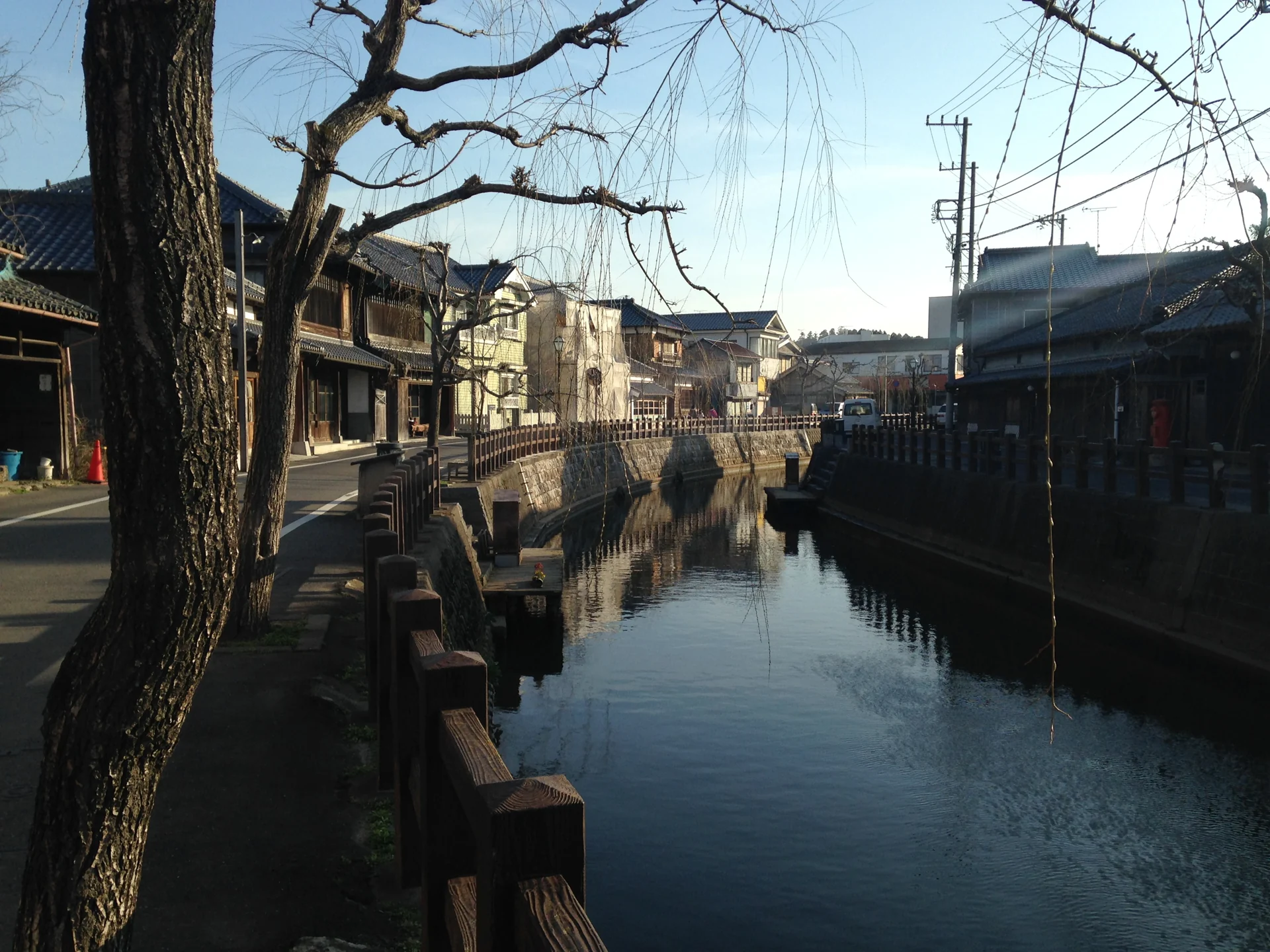
Sawara's streets developed around the Onogawa and the Katori Kaido where it crosses the river. The city explains that merchants traded with Edo using Tone River shipping. Shops and earthen-walled storehouses remain on the banks and roadside, and some businesses continue their original trades. The area became an Important Preservation District for Groups of Traditional Buildings in 1996. Look at how buildings face the waterway as you walk: it explains this trading town better than seeking one photograph spot.
Use Chukei Bridge as your reference point. It crosses the Onogawa and joins Katori Kaido. Look along both banks from the bridge, then follow the river to Ino Tadataka's former residence. The bridge and riverside streets form a cross, so you can explore one bank, cross and return along the other rather than walking all the way out and back on the same road. Include the Sawara Townscape Exchange Center on this walk for a rest or map and to avoid carrying luggage through every museum.
On the river-facing side of the residence is a landing called a dashi. The city's learning map explains that these stepped landings were used to move goods for shops. The one in front of the residence is now a sightseeing-boat landing. Look at the steps and the height differences between shops and water to understand how shipping, storehouses and streets worked together.
Between the residence and the museum opposite, Toyohashi is also called Jaja Bridge. The city explains that agricultural water once passed through the residence area and crossed the Onogawa in an aqueduct. Water now falls every 30 minutes to recreate the flow. Listen beside the bridge and see how closely waterways and shops adjoin. Chukei Bridge and Toyohashi are different bridges; save their Japanese names too when arranging a meeting.
Visit Ino Tadataka's home, then explore surveying at the museum
Ino Tadataka entered Sawara's Ino family at 17, ran the family business and served in local affairs. After handing over the business at 50, he went to Edo to study and began surveying at 55. This chronology gives the residence and museum separate roles: the home shows his earlier domestic and commercial life, while the museum explains his surveying achievements. See the shop, main gate and storehouses before crossing the river to the museum for a continuous account.
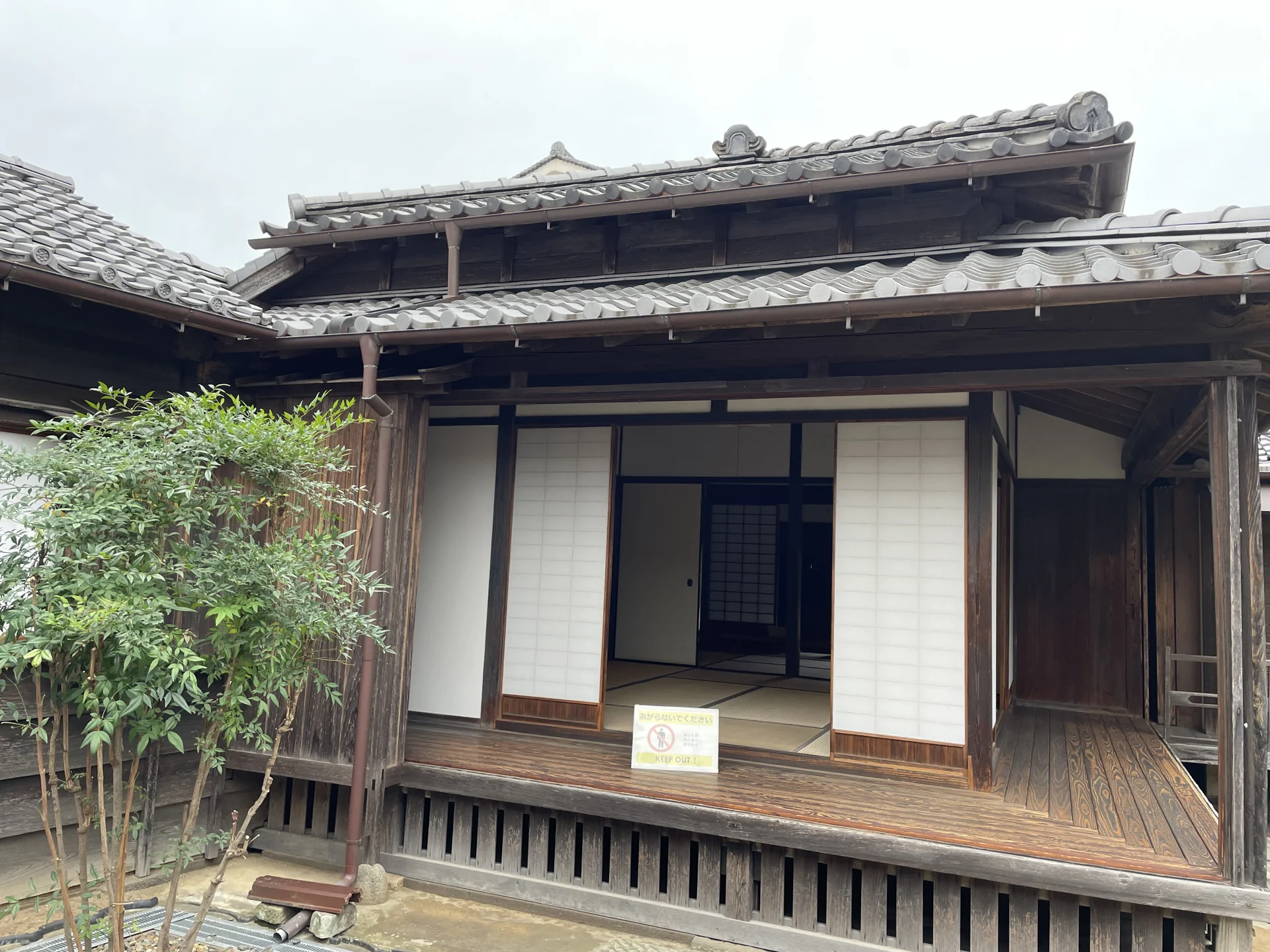
The city explains that the residence's shop faced the riverside landing. As head of the household, Tadataka converted an existing storehouse into a shop with space for bookkeeping and transactions. Behind it are a kitchen, study and storehouses. The buildings were repaired in different periods. Distinguish the riverside trading area from the living and storage areas behind it; the surviving property is also smaller than it once was. Steps and thresholds are uneven, so companions with strollers or slower mobility can check the entrance route on arrival.
The former residence is free and normally opens from 9 a.m. to 4:30 p.m., closing December 29–January 1. The Ino Tadataka Museum opposite has the same daily hours but normally closes on Mondays. When Monday is a public holiday, it opens and closes on the next weekday. It also closes December 29–January 1, with individual special opening days announced by the city. The closure rules differ: on an ordinary Monday, you can still visit the residence and riverside, but save the museum for an open day.
Individual museum admission is ¥500 for adults and ¥250 for elementary and junior high school students. A joint ticket with the Suigo Sawara Float Museum costs ¥800 for adults and ¥350 for elementary and junior high school students. Separate tickets total ¥900 and ¥450 respectively, so each visitor saves ¥100. Buy a single ticket for one museum and the joint ticket only if you plan both; the saving should not force your companions to rush. The operator gives average visits of 20–30 minutes for the museum and 5–10 minutes for the residence, and recommends entering by around 4 p.m. Allow longer to study maps and text.
Boat rides: distinguish the riverside service from Mizu-no-Sato departures
The Koedo Sawara boat tour boards in front of the residence, with a townscape route of about 30 minutes. Chiba's tourism information lists regular fares of ¥1,300 for adults and ¥700 for elementary school children, and operating hours of 10 a.m. to 4:30 p.m., with the finishing time varying by season. Water levels and weather affect service. Put the boat ride in daylight and keep walking stops flexible.
There is also a cruise departing from Mizu-no-Sato Sawara. The Ministry of Land, Infrastructure, Transport and Tourism introduction lists a different departure point from the residence landing. Check the operator and landing when reserving or buying a ticket, so you do not wait beside the residence for a boat leaving elsewhere. The ¥1,300 fare above is for the townscape route from the residence.
If weather suspends boats, give those 30 minutes to the museum or a riverside walk. With older relatives or children, use the time for a break at the exchange center instead of filling every slot with another sight.
The Float Museum: see festival floats outside festival days
Sawara's Grand Festival has a summer festival in July and an autumn festival in October. The city places the summer festival in Honjuku east of the Onogawa and the autumn festival in Shinjuku to the west. Floats have figures and woodcarving. Dates follow each year's announcement. If your visit coincides with a festival, plan around that year's traffic restrictions and event details. Outside festival days, the Suigo Sawara Float Museum displays one summer and one autumn float on rotation.
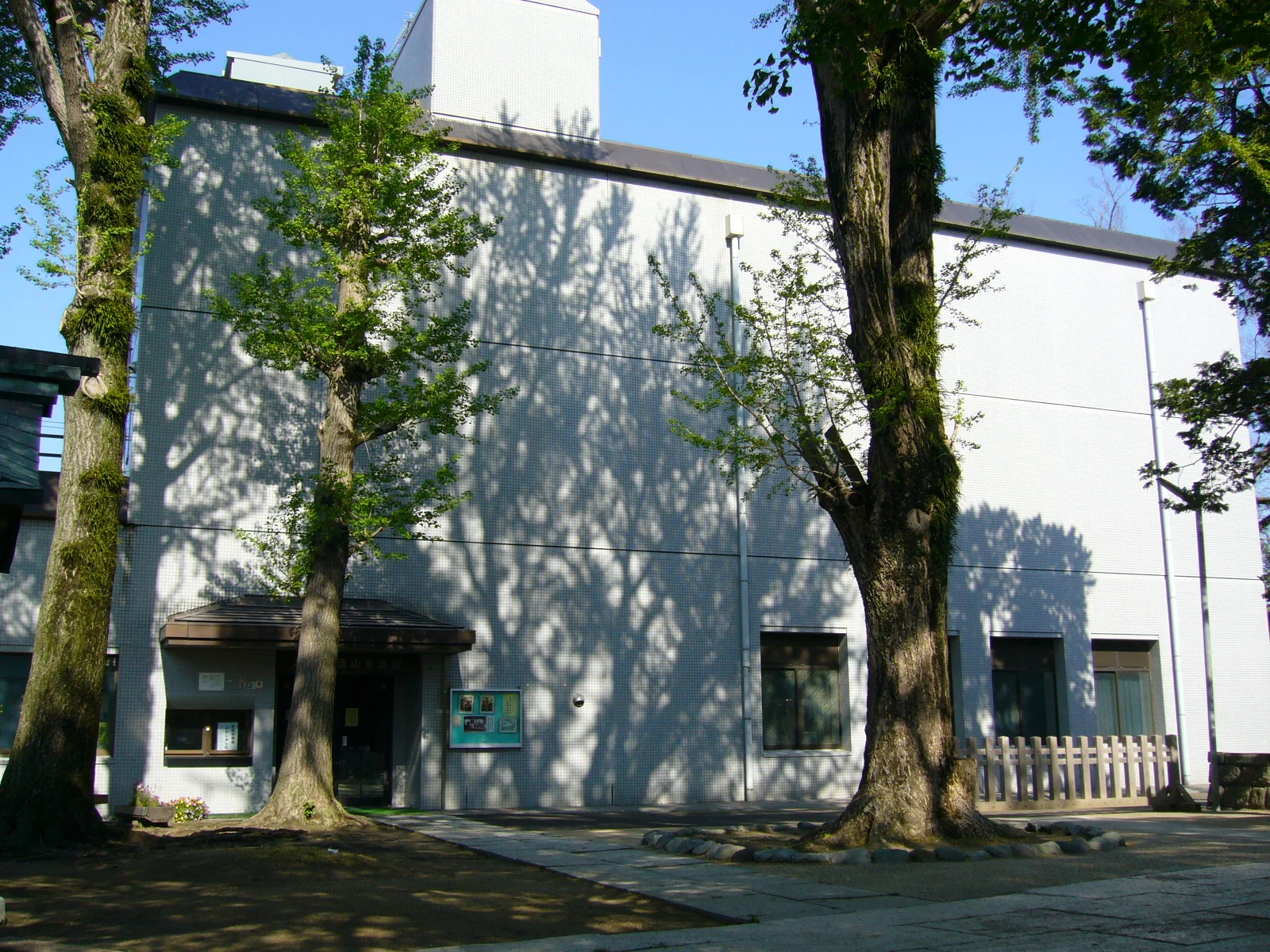
Allow a proper stop to see the floats' height and carving. The city gives an average visit of about 40 minutes and recommends entry by around 4 p.m. Normal hours are 9 a.m. to 4:30 p.m., closed Mondays. If Monday is a holiday, it opens and closes the next weekday. It closes December 29–January 1, with separate arrangements for Golden Week and Obon. Single admission costs ¥400 for adults and ¥200 for elementary and junior high school students. See the residence and Ino museum in the morning, then the Float Museum after lunch before traveling to the shrine, to fit both indoor museums before closing.
If festivals interest you more than maps, prioritize the Float Museum and use remaining time for the Ino museum. If surveying and historical maps matter most, reverse that order and add the floats only if time allows. Joint admission costs less, but interests and transport should still determine the order.
Katori Jingu: check both directions before boarding
Katori Jingu is some distance from the main riverside walk. The city gives about 10 minutes by taxi from Sawara Station, while JR Katori Station is about two kilometers away, a walk of roughly 30 minutes. A taxi from Sawara suits a larger party or anyone who does not want bus times to set the visit length. If walking from Katori Station, allow the same walk back in addition to time at the shrine.
On Saturdays, Sundays, national holidays and substitute holidays, use the Katori holiday sightseeing loop. Outbound, it runs from Sawara Station via Chukei Bridge, the Suigo Sawara Float Museum and other stops to Katori Jingu. Returning, it goes via Mizu-no-Sato Sawara, the Float Museum and Chukei Bridge to the station. Stops differ by direction. Find your boarding stop before reading its times. On weekdays, use the Sawara urban east-side route; the holiday loop does not run. It also stops from December 29 through January 3.
A single loop-bus ride costs ¥300 for adults and ¥100 for junior and senior high school students; elementary school children and younger ride free. Day passes cost ¥600 for adults and ¥200 for junior and senior high school students. Two adult rides equal a day pass; three or more make it cheaper. The same calculation applies to the student category. Buy tickets aboard, at the tourist information office outside Sawara Station, at the Sawara Townscape Exchange Center or other listed outlets. There is no change machine on the bus, so bring coins to make boarding easier.
A Katori City notice says some services change times on November 1, 2026, with a revised route map and timetable attached. Use the table valid for your travel date. Choose a return from the shrine first, then work backward to the visit length. For longer at the shrine, go there first and browse the riverside afterward. If seeing both museums first, save the return service so you know your available time when entering the Float Museum.
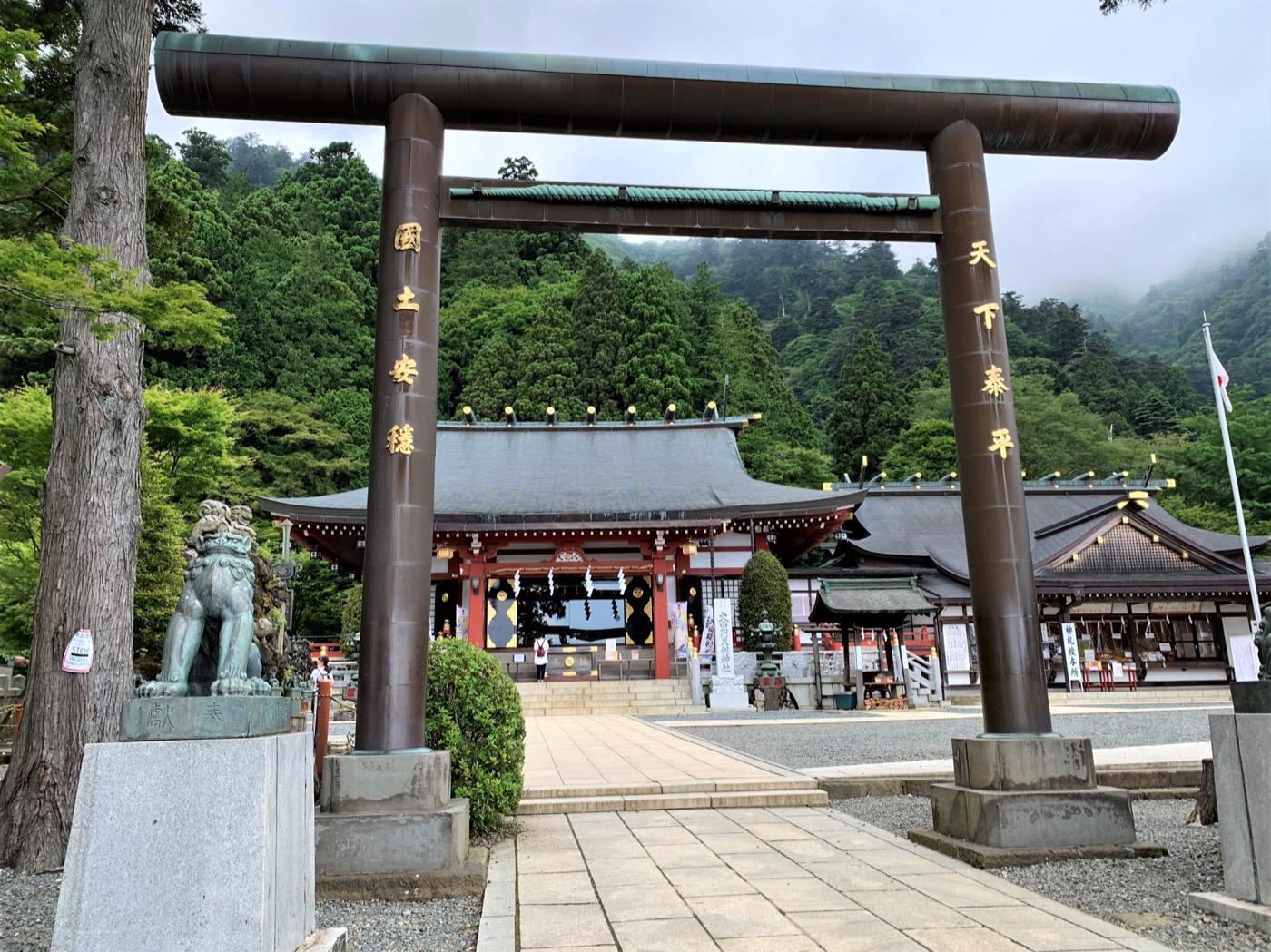
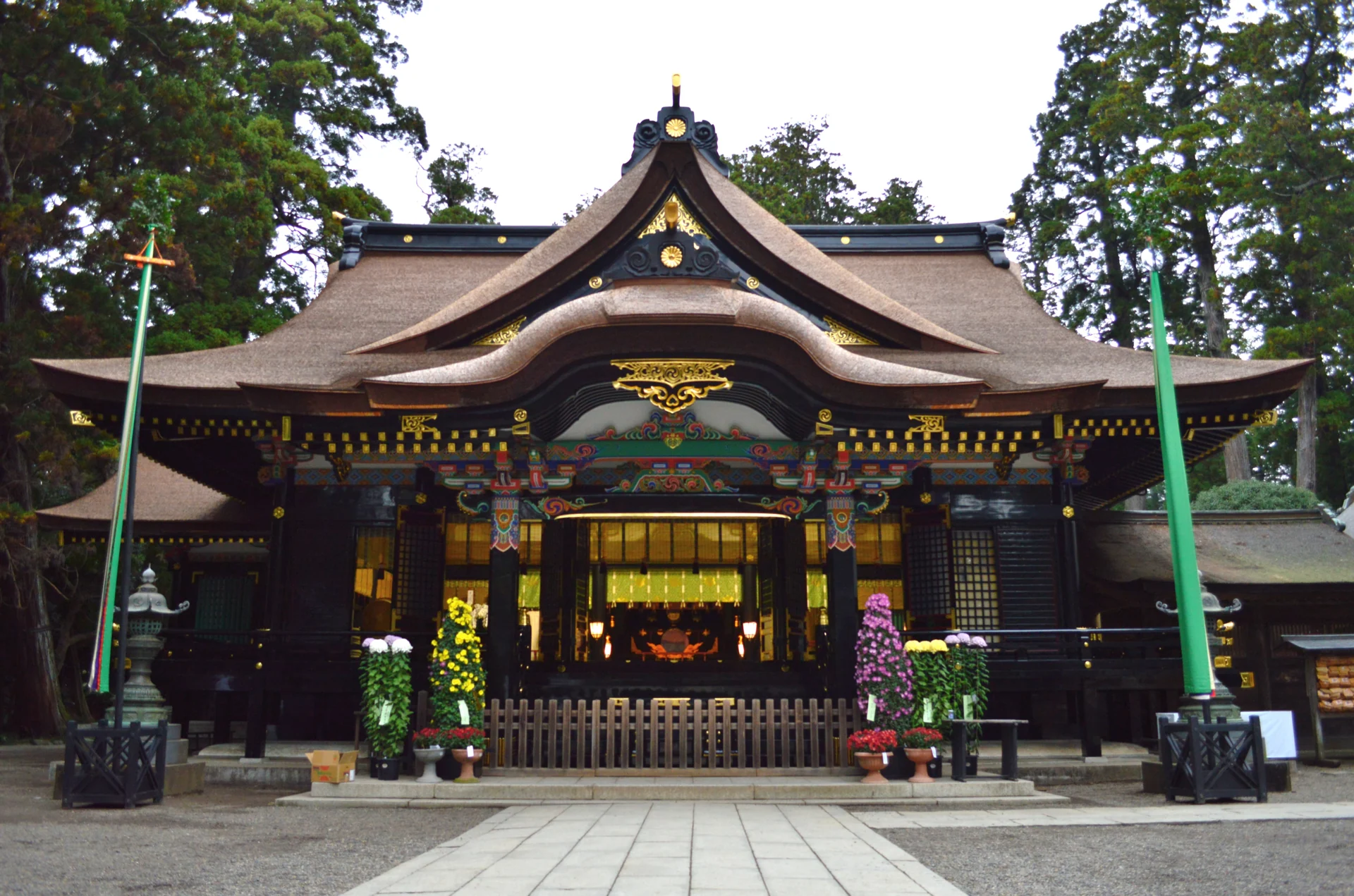
Give the tower gate and main sanctuary their own walk. The city's shrine introduction says both were built by the shogunate in Genroku 13, with the gate painted vermilion. Both are Important Cultural Properties. After the gate, walk to the worship hall, following on-site directions and any ceremonies that day. Take photographs and meet companions away from the approach's flow. With only a short gap left, secure return transport before deciding how much of the grounds to see.
Katori City's Katori Jingu guide follows a visit around the shrine buildings. Preview their locations and the approach before planning your walk from the bus stop.
Lunch, breaks and rainy-day planning
For soba, consider Koboriya Honten on Katori Kaido. The Suigo Sawara Tourism Association lists its black soba and address at Sawara I 505. Lunch interacts with both museums' entry deadlines. If reaching the river in the morning, see the residence before lunch and enter a museum afterward. If the restaurant is closed, choose another nearby. Decide which museum matters most before lunch rather than postponing the plan to enter by around 4 p.m. Leave shopping until after the museums.
For local produce or an indoor rest, add Mizu-no-Sato Sawara on the holiday bus's return branch. Its facilities page lists the roadside station's produce shop from 8 a.m. to 6 p.m. and cafe from 10 a.m. to 4 p.m., with last orders at 3:30 p.m. The river station's information center opens from 9 a.m. to 5 p.m., with Monday closures shifted after holidays, plus year-end/New Year and inspection-day closures. These are separate facilities in the same area with different operating conditions. This is a useful stop from the shrine, but shopping still leaves you needing the next bus.
In rain, concentrate time in the Ino museum and Float Museum, shortening the riverside walk to the residence and Toyohashi. The residence offers buildings to see, but movement still involves outdoors and thresholds. Boat service may stop for weather or water levels. On an ordinary Monday, both museums close: use daylight for the residence, exchange center and food, with the weekday east-side bus or a taxi for the shrine. There is no need to change the date just to use a joint ticket; first consider whether companions want museums or a riverside walk.
Three itinerary lengths
Riverside half-day: Walk from Sawara Station to the residence, cross Toyohashi to see the museum opposite and enter if it is open. Follow the Onogawa and Katori Kaido back to the station. For a boat, allow about 30 minutes aboard plus waiting. For a seated lunch, reduce museum or shopping time. This half-day runs from local arrival to departure; travel to and from Tokyo is additional.
Full day in Sawara: See the residence and Ino museum in the morning, then eat at Koboriya Honten or near the river. Visit the Float Museum in the afternoon, choosing a boat ride or browsing according to season and weather. Buy joint admission if visiting both museums. This day links the main streets on foot and suits people who want slower exhibition visits without a shrine-return bus deadline.
Sawara and shrine day: On a holiday, select the return bus from the shrine first. Visit the residence and Ino museum before lunch, the Float Museum afterward, then take the holiday loop to the shrine. If services do not connect, visit the shrine first or use a taxi. On weekdays, reorder around the east-side route's actual services. Whatever the order, entry to the museums by around 4 p.m. takes priority over shopping. Allow for the departure of your return train or highway bus as well as local travel.
Follow riverside merchants, then look for banks and shop-storehouses
With more time than a photograph at Chukei Bridge, look from the water to the eaves. The exchange center's townscape guide lists the former Abuso shop, Shoujo, Fukushin kimono shop, Koboriya Honten, Shobundo and Mitsubishi Building around the Onogawa and Katori Kaido. Their periods and uses differ, making a short walk useful for comparing how businesses faced the river and road.
The former Abuso shop was built in 1900. The exchange center says the business made sake and narazuke pickles in the Edo period, then wholesaled rice and oil in the Meiji period. It is an unusually large two-story shop for Sawara, with an older side storehouse. Look at the full two-story facade, then the adjoining storehouse. Plan this as an exterior stop; a cultural-property sign does not make every building a regularly open exhibition venue.
Shoujo's shop was built in 1832. It once made soy sauce and has mainly produced and sold tsukudani since the war. The exchange center notes that the building and side storehouse preserve the earlier shop form. After the residence's river-facing shop, compare Shoujo's shopfront, storage and proximity to water transport. Buy souvenirs at businesses that are actually open, choosing food you can store and carry. Shop before returning to the station to reduce time carrying bags all day.
Back on Katori Kaido, Fukushin's earthen-walled shop, fire wall and rear storehouse form a fire-protection design. The exchange center highlights copperwork beneath the eaves and on the shutter housing. At Koboriya Honten, look at the glass sliding screens added later. Shobundo was a bookshop, with a black earthen-walled shop-storehouse exterior. You need not enter all three. From safe walking space, compare facade materials, openings and signs to see different periods and business needs along one street.
The Mitsubishi Building housing the Sawara Townscape Exchange Center is a Western-style brick building from 1914, originally the Kawasaki Bank's Sawara branch. The center explains that local people campaigned to save it from demolition and the bank later donated it to the city. Preservation groups have used it as a base for townscape conservation and guided tourism. Compare its red brick and Western-style roof with neighboring merchants' storehouses, then return to the river's timber buildings, earthen walls and landings. One walk shows that Sawara represents more than a single period.
Inside the museum: from Sawara merchant to nationwide surveying
The permanent exhibition follows Tadataka's life in order. It begins with his work as a merchant and local official in Sawara, plus his interest in astronomy and calendars before surveying. If you have seen the residence, connect its shop and family business with the displays. The city says he was already observing latitude and bearings on a journey to Ise at 48, providing an earlier thread to his later surveying.
The exhibition then covers nationwide surveys and mapmaking. Completed in 1821, the Dai Nihon Enkai Yochi Zenzu maps are divided by scale into large, medium and small maps. The museum lists 214 large maps at 1:36,000, eight medium maps and three small maps. Compare their scales, labels and coastlines, then choose a place you know. The types of maps and how they were made are easier to remember than titles alone. They also show why both field surveying and later compilation took time.
Beyond maps, the collection includes survey diaries, records of mountain and island bearings and astronomical observations. The city's National Treasure catalog separates maps, documents and instruments. Bearing records note the directions of visible mountains and islands; star records preserve night observations. Compare these materials with finished maps to see the combined work of recording, drawing and compiling. Displays rotate, so begin with what is on view and use the catalog for other holdings. It lists 2,345 National Treasure items, including material from Tadataka's grandson Ino Tadanori as well as Tadataka's surveys. The maps include working drafts and reference maps of different regions.
The catalog also lists 63 instruments. Ground-surveying tools include a measuring wheel, a semicircular compass and a small quadrant. Astronomical equipment includes a medium quadrant for latitude and a pendulum instrument for longitude. Drawing tools include ruling pens and map-symbol stamps.
On Saturdays, Sundays and national holidays, the museum lists permanent-exhibition tours at 10:30 a.m. and 2 p.m. Each lasts about 25 minutes and takes the first 15 people, with same-day registration and no reservations. Other events may cause cancellation. With a fixed start, the tour works well after the residence. If it is full when you arrive, follow the exhibition independently. The tour itself is free, but museum admission is still required.
Combining Tokyo highway buses and trains
The Katori City highway-bus page separates the Sawara route of the Choshi–Tokyo Line from Kanto Railway's Hokota–Aso–Sawara–Tokyo Line. The first uses stops including Sawara Station's north exit. The latter lists the south exit, Chukei Bridge and Katori Jingu. Even services labeled Sawara can use different boarding points. Record the operator, stop and direction when booking.
The city gives about 105 minutes from Tokyo Station to Sawara Station's south exit on the Kanto Railway route, with one to three round trips daily. Its March 1, 2026 timetable and fare table lists one-way fares between Tokyo and Sawara or Katori Jingu at ¥1,900 for adults and ¥950 for children. With limited departures, first check that the timetable reaches your destination at the intended time. For more choices, compare JR connections and the other highway-bus route on the same day.
One arrangement is a bus to near Chukei Bridge for the old town, returning by rail from Sawara Station. Another is JR to Sawara, then a Tokyo-bound highway bus after the shrine. These arrangements follow route locations; actual connections depend on the day's services. Tokyo boarding and arrival points may also differ. Saving full stop names and directions on your phone is more useful for separate meetups than remembering only Tokyo Station bus.
With children, older relatives or luggage
If companions walk at different speeds, use the residence area as a fixed meeting base. The riverside, residence, Toyohashi and museum are close together. Those wanting more exhibition time can enter while others rest at the exchange center. Agree on the next meeting time before entry so everyone need not follow one pace. At the residence's steps and thresholds, companions can check access for wheelchair and stroller users and adjust the stop as needed.
With large bags, decide on a full or half-day before leaving the station. If storing them at the exchange center, allow time to collect them. If leaving directly for Tokyo from the shrine, plan luggage first so you do not discover a required riverside return later. A boat ride with children needs boarding and waiting time as well as the trip itself. On a tight schedule, choose the boat or second museum, leaving normal time for lunch.
If sharing a taxi from Sawara Station to the shrine, split the fare and plan how to return. For a bus return, find the shrine-stop departure first, including time to browse the approach, worship and walk to the stop. If two people explore separately, use the exact bus stop name as the meeting point. Others will then know where to wait if one person wants more photographs.
The Ino museum lends two indoor wheelchairs and one stroller free, without reservations. Photography is prohibited in exhibition rooms. Areas marked for photography permit personal use only, without flash, tripods or selfie sticks. Bring a pencil for notes on maps and instruments; ballpoint pens and other writing tools are not allowed in the exhibition rooms. Routes through the residence and museum are separate. Ask at the museum entrance about loan equipment and watch steps and thresholds at the residence.
What to include in ticket and transport budgets
Using prices checked on October 27, 2026, an adult visiting the Ino museum and Float Museum pays ¥800 for joint admission. Add the ¥1,300 Koedo Sawara boat ride from the residence for ¥2,100. This covers two museums and one boat trip; food, Tokyo travel and shrine connections are extra. Joint admission for elementary and junior high school students is ¥350. An elementary school child's ¥700 boat ticket brings the total to ¥1,050; that child-boat calculation applies only to elementary school children.
For three adult holiday-loop rides, singles at ¥300 total ¥900; a ¥600 day pass saves ¥300. The bus day pass plus joint museum admission totals ¥1,400, or ¥2,700 with one boat trip, excluding meals and Tokyo travel. Elementary school children and younger ride the city loop free, so they do not need adult day passes. These are calculations by ticket type and number of rides. Choose tickets according to the museums you will actually enter and rides you will take.
For a Monday visit, joint admission is not an automatic expense. On an ordinary closure Monday, the residence opens free and the riverside remains walkable, leaving food and transport as the main costs. If Monday is a public holiday, both museums open and close on the next weekday; use the holiday bus route that day. This shifted closure matters for overnight visitors. Put the museums on the holiday, then walk the river or go elsewhere the next day.
Give a festival day to the festival itself
Sawara's summer and autumn festivals occupy different areas: mainly Honjuku in summer and Shinjuku in autumn. The Float Museum rotates actual floats for visitors on ordinary days. During the festival, floats move through the streets and pedestrian routes differ. The city warns of traffic restrictions during the Grand Festival. If floats are your main purpose, fix viewing and return transport first and keep lunch and the Ino museum flexible.
Before entering festival crowds with luggage, use storage near the station or at the exchange center. For meeting companions, write a bridge or museum name and time rather than saying the old-town entrance. If also planning a sightseeing boat, check operations at the landing first; festival service can differ from ordinary days.
A few useful answers
Can I visit Sawara and Katori Jingu on the same day?
Yes. Choose the shrine's return bus first, then fit the riverside, museums and lunch around services. Use the holiday loop on holidays; on weekdays, check the urban east-side route or take a taxi.
Can I visit the residence on a Monday?
The residence opens on ordinary Mondays, while the Ino museum and Float Museum normally close. If Monday is a public holiday, both museums open and close on the next weekday. The residence closes December 29–January 1.
How much is the joint ticket for Sawara's two museums?
Joint admission to the Ino Tadataka Museum and Suigo Sawara Float Museum costs ¥800 for adults and ¥350 for elementary and junior high school students. Separate admission costs ¥100 more per person.
Official information and references
Sources used in this guide.
- Suigo Sawara access guide
- City information-center guide
- City learning map
- Former residence
- Ino Tadataka Museum
- Chiba tourism information
- Ministry of Land, Infrastructure, Transport and Tourism introduction
- Suigo Sawara Float Museum
- Katori holiday sightseeing loop
- Katori City notice
- Katori City's shrine introduction
- Townscape guide
- Permanent exhibition
- Katori City highway-bus guide
- Timetable and fare table
- Catalog of Ino Tadataka-related materials