Reach Nagatoro from Ikebukuro or Ueno and allow a full day for boat ticketing, queues and shuttles. Compare an Iwadatami walk with Hodosan, or a river boat with Iwadatami, including autumn 2026 ropeway services, tickets and family conditions.
- Region & Focus
- KantoSide trips
- Reading Scope
- 34 min read · 16 chapters · 6 Q&As
- Official Verification
- 21 official sources checkedUpdated November 25, 2026
- Key Topics
- ItinerariesRail travelSeasons
Chapter Route Map (tap any stop)
- Choose the mountain or river first, then set your arrival time
- From Ikebukuro: walk to Ohanabatake after Seibu-Chichibu
- From Ueno via Kumagaya: fewer transfers still need a local connection
- Compare transport tickets only after choosing your route
- At Nagatoro Station, distinguish the river, boat office and mountain entrance
- Boat routes A and B: shuttle upstream first, or return after landing
- Allow for the whole boat process, not just 20 minutes afloat
- Boat fares and boarding: check children, strollers and pets first
- Low-water cruises, service suspension and rain require different choices
- Route one: Hodosan in the morning, Iwadatami at your pace afterward
- Hodosan Ropeway tickets, intervals and autumn 2026 extensions
- Choose between the lower shrine, upper sanctuary and animal park
- Route two: finish the boat, then visit Iwadatami and the shopping street
- You do not need all of Iwadatami: let the ground decide your walk
- Choose lunch near the station or on the mountain
- Shorten the day for rain, sore knees or a late arrival
- Quick Q&A
For a Nagatoro day trip from Tokyo, first choose the river boat or Hodosan for the morning. If taking the boat, register first and allow full time for waiting and transfers. For more control over walking pace, visit the mountain in the morning and Iwadatami in the afternoon.
Choose the mountain or river first, then set your arrival time
The first decision in Nagatoro is whether to give the morning to a river boat or head for Hodosan. Iwadatami lies on the river side of the station; Hodosan Shrine and the ropeway are on the other side. Both start from Nagatoro Station, but crossing back and forth, waiting for shuttles, buying tickets and eating lunch gradually fill the day. For a first day trip from Tokyo, choose either “Iwadatami walk + Hodosan” or “river boat + Iwadatami” as the main route. Add afternoon stops according to when you finish.
For scenery with children without depending on boat queues, visit Hodosan first and return to Iwadatami after lunch. If the boat is your priority, register on arrival and allow for waiting and shuttles, then spend the afternoon by the river and shopping street. Both versions leave room for a seated meal and early return. If you have already queued by the river for two morning hours, remove Hodosan from the day's essentials.
Transport and operating information below was checked through October 27, 2026. Chichibu Railway announced normal boat operation that day, with sales ending when that day's tickets sold out. This explains the purchase order: if you want the boat, secure an available arrangement first. Do not spend the morning on the mountain and treat afternoon boat tickets as a fixed next stop. To see autumn mountain and valley colors, spend time on those two chosen views rather than adding central Chichibu to the same day.
| Route | Morning | Afternoon | Best suited to |
|---|---|---|---|
| Iwadatami + Hodosan | Lower shrine, ropeway and mountain walk | Iwadatami and shopping street after lunch | Control over visit length; boat not essential |
| River boat + Iwadatami | Registration, waiting, boat and shuttle first | Lunch and Iwadatami; shrine only if finished early | Allowance for peak queues and suitable boarding conditions |
| Late-arrival short version | Lunch on a noon arrival | Choose Iwadatami or ropeway | Noon arrivals or an early-evening Tokyo return |
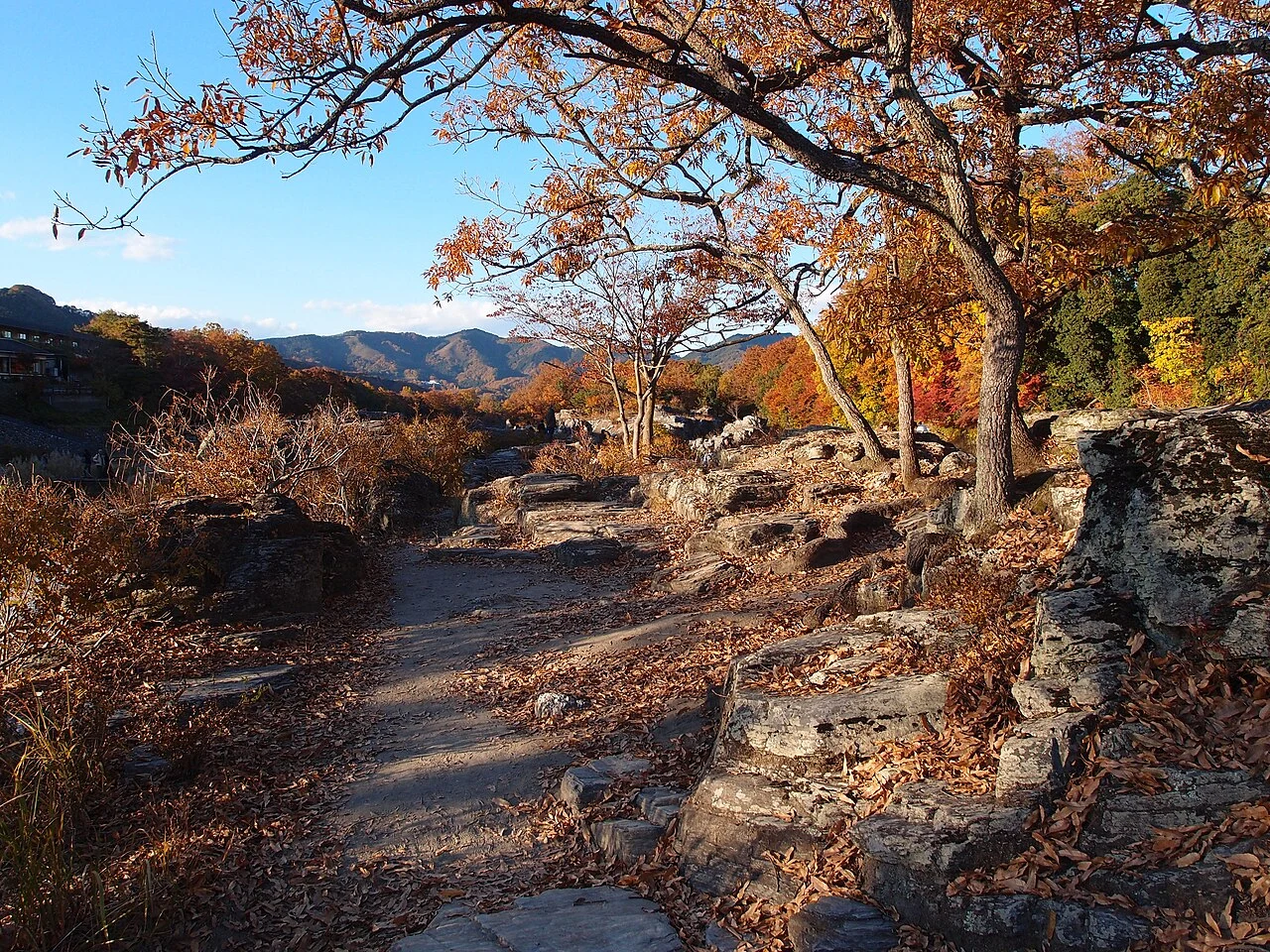
Reach Nagatoro from Ikebukuro or Ueno and allow a full day for boat ticketing, queues and shuttles. Compare an Iwadatami walk with Hodosan, or a river boat with Iwadatami, including autumn 2026 ropeway services, tickets and family conditions.
From Ikebukuro: walk to Ohanabatake after Seibu-Chichibu
From Ikebukuro, take the Seibu Ikebukuro Line Laview limited express Chichibu service to Seibu-Chichibu. Walk to Chichibu Railway's Ohanabatake Station, then take a train toward Nagatoro, Yorii or Kumagaya to Nagatoro. The tourism association lists about 80 minutes by limited express from Ikebukuro to Seibu-Chichibu and about 20 minutes from Ohanabatake to Nagatoro. Add the walk outside the stations and waiting between them. There is no same-station platform transfer from the limited express directly to a Nagatoro train.
The tourism association lists the Seibu-Chichibu–Ohanabatake walk at about five minutes; the shrine's access map gives 10 minutes. Allow 15–20 minutes for the transfer in your plan, covering exits, crossings, tickets and children's restroom stops. This is a planning allowance. Add more with large bags or slower walkers. Save Ohanabatake Station on your map rather than discovering you have walked to the separate Chichibu Station.
Laview requires both a base-fare ticket and limited express ticket. The current adult one-way limited express charge from Ikebukuro to Seibu-Chichibu is ¥900, with the base fare extra. If your return limited express is fixed, work back through arrival at Ohanabatake, the walk to Seibu-Chichibu, collecting belongings and entering the station before choosing a Nagatoro departure. With dinner in Tokyo, leave the river one train earlier so souvenir shopping does not squeeze the walk between stations. Seibu's official FAQ permits one free limited express ticket change before the original departure if seats remain on the requested train. Unregistered Smooz purchasers must keep the purchase confirmation email. Its link is used for travel, changes and refunds; deleted emails cannot be reissued on request.
You can also travel from Ikebukuro on the Tobu Tojo Line via Yorii, then change to Chichibu Railway. Check the number of transfers for your actual date. The tourism association's roughly 80- and 20-minute figures refer only to the two train legs described. If staying in Ikebukuro, compare Seibu's reserved-seat comfort and the walk between stations first. Yorii's closer position on a map does not establish a faster hotel-to-destination journey.
From Ueno via Kumagaya: fewer transfers still need a local connection
From Ueno or Tokyo Station areas, travel toward Kumagaya on JR's Takasaki Line route, then change to Chichibu Railway for Nagatoro. The Nagatoro tourism association lists about 60 minutes from Ueno to Kumagaya and about 50 minutes onward to Nagatoro. The Ueno-Tokyo and Shonan-Shinjuku lines also connect with Kumagaya. Keep full station names in your search: the destination is Chichibu Railway's Nagatoro. Seibu-Chichibu, Chichibu and Nagatoro are separate stations, and Kumagaya is not yet the river valley.
As of the check date, Chichibu Railway still provided its March 2025 revision as the current downloadable timetable. Weekday local examples leave Kumagaya at 08:38 and reach Nagatoro at 09:25, or leave at 09:20 and arrive at 10:07. Use these to work back to your JR arrival at Kumagaya. For the boat first, choose a connection reaching Nagatoro between 09:00 and 10:00. Arriving after 10:00 means accepting one main morning activity. Use the weekend and holiday table on the same page for those days rather than copying weekday minutes.
JR and Chichibu Railway at Kumagaya have separate gates. Follow Chichibu Railway signs and allow time for tickets, topping up and waiting. JR ticket holders need to budget the Chichibu Railway section separately. If considering a Shinkansen to save time to Kumagaya, compare the added fare with the next connection. Arriving earlier only to wait for the same local train may turn the time saved into platform waiting.
For the return, choose Nagatoro–Kumagaya first, then JR, keeping another workable connection in reserve. Extended mountain hours, boat completion and shop closing are separate times; there is no single closing time for all Nagatoro. Choose another day if you must catch an international flight or reach Narita or Haneda by early evening. River operations and local train waits do not fit well before an airport journey you cannot miss.
Compare transport tickets only after choosing your route
If starting in Ikebukuro and using Seibu-Chichibu both ways, compare Seibu's Chichibu Free Pass. It combines one outward and one return journey from the departure station to Seibu-Chichibu with unlimited travel between Ashigakubo and Seibu-Chichibu and on Chichibu Railway from Nogami/Nagatoro to Mitsumineguchi. It is valid for two consecutive days from first use. Laview limited express tickets are extra. It suits travelers already using this route who need the unlimited area. Even for a day trip, compare it with actual return fares first.
A two-day validity period does not add a day to your itinerary or require an overnight stay. For Ohanabatake–Nagatoro and back in one day, buy separate tickets or compare the pass's current price from your Seibu starting station. Do not add Mitsumineguchi or Chichibu Shrine merely to use unlimited travel. Ropeway, boats, meals and museums charge separately; use partner discounts only for the actual shop and product. If arriving from Ueno via Kumagaya and returning through Seibu-Chichibu to Ikebukuro, list JR and both other railways separately. This Seibu ticket's Chichibu Railway area ends at Nogami/Nagatoro and does not cover Nagatoro–Kumagaya. Treating it as an all-line pass misses costs. For two adults, a single boat section alone costs ¥4,000 or ¥4,400, while a Hodosan return ropeway ride alone costs ¥2,400. That difference already affects the day's budget. Choose the experience before buying transport tickets.
At Nagatoro Station, distinguish the river, boat office and mountain entrance
You can walk between the boat headquarters, Iwadatami-dori shopping street and riverbank around Nagatoro Station. Chichibu Railway lists headquarters at about one minute from the station and the Iwadatami landing at about three minutes. These only reach the entrances; they exclude ticketing, queues and slow walking on rocks. For Chichibu Railway's Nagatoro Line Kudari boat, identify the operator's name and headquarters sign, then follow staff to the assigned landing.
Taking Iwadatami photographs before finding a boat works if boating is optional. If it is definite, ask about that day's operation, wait and routes on arrival. Use spare time after receiving an arrangement. Registration, boarding and disembarkation are separate steps. Leaving one person in the queue while others go far away for food can cause missed shuttles or assembly. Families should use restrooms, get water and organize small bags together before entering the queue process.
Hodosan is in the other direction. The ropeway's official access guide lists about 20 minutes on foot from Nagatoro Station to the lower station. The free shuttle reaches the mountain-base parking area, still about three minutes on foot from the ropeway station. An October 2026 shuttle notice also lists a 12:00–13:00 break. If you descend during that hour, eat near the base or walk to the station instead of assuming a shuttle is available. With a stroller, walking stick or difficulty standing, judge the whole route. A ropeway cabin does not make the entire mountain visit seated.
If two companions split up, use Nagatoro Station as the meeting point and agree on an exact time and place in front of the platform area. Mobile reception by the river, photography or queues may slow replies. Do not meet at a rock edge or an unconfirmed landing. Arrange large luggage storage at your Tokyo accommodation before leaving.
Boat routes A and B: shuttle upstream first, or return after landing
Chichibu Railway divides its boat ride into two sections. Route A runs from Oyahana Bridge to Iwadatami; Route B runs from Iwadatami to Takasago Bridge. Each covers about three kilometers and about 20 minutes on the boat. Water level changes the duration; the official route page lists about 15–20 minutes with more water. Route A has Kotaki rapids and Route B has Okawa rapids, so both include changes in the river. Those preferring quiet scenery can walk Iwadatami on land; add the boat if you want to experience the current.
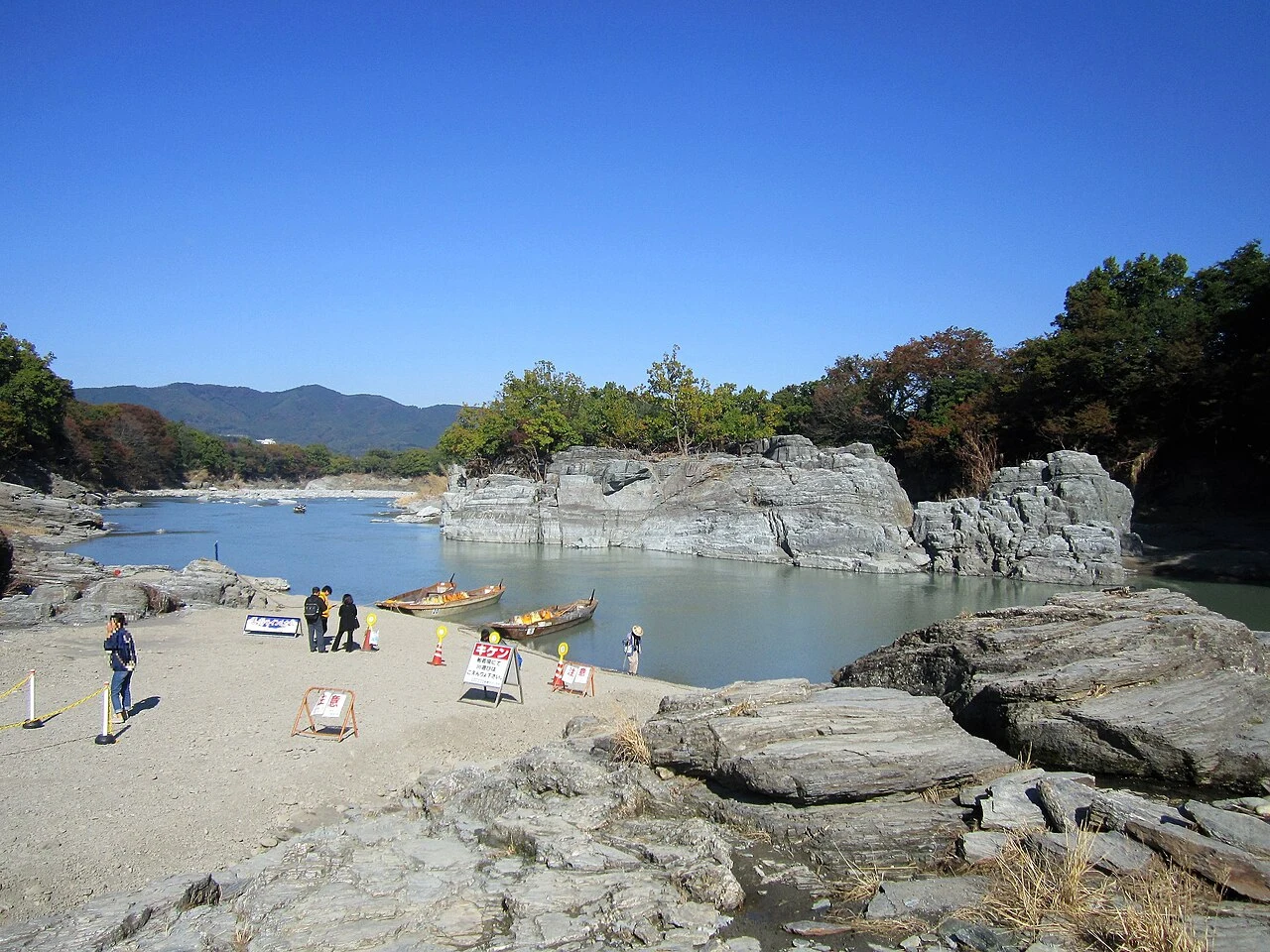
For Route A, register near Nagatoro and take a free bus from headquarters upstream to Oyahana Bridge. The boat then travels down to Iwadatami. You finish near the shopping street and Nagatoro Station, ready for a river walk or lunch. For Route B, board at Iwadatami, finish downstream at Takasago Bridge and take a free bus back to headquarters. The bus takes about 10 minutes, plus assembly and waiting. Reaching Takasago Bridge does not mean you are back at Nagatoro Station.
Staff prioritize the route with earlier boarding, so personal choice of A or B may not be possible when busy. If your afternoon requires landing at Iwadatami, understand Route B's return shuttle before buying, rather than treating it as a surprise afterward. Set aside a complete morning for the boat so either assignment can lead into lunch, then decide on the shrine from time remaining. The official “full course” means the six-kilometer through route from Oyahana Bridge to Takasago Bridge. The current page lists that through service as suspended. To ride both sections, transfer between A and B, with the order potentially changed on site. One section is enough for a first day trip. Two rides and two assemblies use the time available for Iwadatami on land. Photographers can compare valley views from the boat with rock details after landing without completing all six kilometers.
Allow for the whole boat process, not just 20 minutes afloat
Individual parties of up to 14 cannot reserve. Buy at the ticket window that day; boats generally run at intervals of 10–40 minutes. The official FAQ also lists departure waits of about 40–60 minutes when crowded. During major holiday periods, Obon and autumn foliage season, the wait from purchase to boarding may be 40–120 minutes. These figures cover different waiting stages. The shortest 10 minutes is not a promise of immediate departure on arrival.
On an ordinary day, allow about 90 minutes for ticketing, waiting, shuttles and the ride. On an autumn foliage weekend, give the whole morning to the boat so the published two-hour boarding wait can fit. If queues are long and you must leave Nagatoro early in the afternoon, use the no-boat version rather than repeatedly trying to compress lunch while waiting.
The main operating page lists usual hours around 09:00–16:00, ending when tickets sell out; the FAQ lists registration until about 15:30. The main page shortens hours to 10:00–14:30 on March 10–15 and November 24–December 4. Put ticketing in the morning. If arriving in the afternoon, go to the window before lunch and walking. This matters in late autumn: a long lunch before ticket purchase may bring you to a closed counter.
The general season is listed as March 10–December 4, with a separate heated-table boat product in January and February. Read boarding methods, ticket types and operating areas by season. Winter photographs do not describe an autumn rapid-water ride. Groups of 15 or more must apply by phone at least two weeks before the desired ride; some peak periods do not accept group reservations. This differs from individual travelers buying on the day.
Boat fares and boarding: check children, strollers and pets first
The current individual fare table is marked February 2026. One A or B section costs ¥2,000 per adult, or ¥2,200 in busy periods. Children pay ¥1,000 or ¥1,100. Adult rates start at junior high school; child rates start at age three. Use the official 2026 fare calendar to classify your date. Two adults and one elementary student pay ¥5,000 on an ordinary day or ¥5,500 in a busy period for one section. Tokyo return transport and food are extra.
Eligibility to ride and the starting age for payment differ. The official FAQ requires children to be at least six months old and at least 60 cm tall, and children must also wear life jackets. When high temperatures are expected, children aged two and under may be refused. Families with infants should rule out unsuitable dates using these conditions before considering fares. If one caregiver must keep holding an infant and another child needs help, shore walks and the lower shrine may divide care more easily.
Boarding requires stepping over a boat side about one meter high, with assistance according to boatmen and staff instructions. Wheelchairs and strollers cannot be carried aboard. Wheelchair users must also ask headquarters about arrangements in advance at 0494-66-0950. If knees hurt, stepping across is difficult or the seated posture is uncomfortable, choose a short stop near the Iwadatami entrance and eat on level streets. Decide boarding suitability when choosing the route so companions do not have to split suddenly at the pier.
Pets cannot travel aboard, even in carriers. This differs from Hodosan Ropeway, which permits small animals in designated hard carriers. Permission at one facility does not apply at another. Secure phones, tickets and money in a bag, and follow instructions on life jackets and posture. Keep your balance for photographs and do not stand to change the angle. If water splashes, attend to children and belongings first.
Low-water cruises, service suspension and rain require different choices
When low water on the Arakawa prevents normal downstream trips, Chichibu Railway may offer the Nagatoro Gorge Iwadatami sightseeing circuit if operating conditions permit. It circles the calmer pool near Iwadatami for about 20 minutes. Fares are ¥1,300 for adults and ¥800 for children aged three and older. No advance application is needed, and waits may be about 10–30 minutes. Choose it on days it actually operates if you want rock reflections and a calmer river section.
This circuit is a special low-water service. During normal downstream operation, it is not guaranteed just because you dislike rapids. Strong wind can also stop it. High water, low water and wind are different problems, with different alternatives. Read the operating notice that morning rather than deciding the boat budget only from sunshine in Tokyo.
If all boats stop but weather on land is stable, change the morning to a short Iwadatami entrance walk, shrine and lunch, then assess the ropeway. In persistent heavy rain or thunderstorms, neither river nor mountain is a suitable substitute for the other. Switch to a Tokyo day. If already in Nagatoro, use the natural history museum when open and eat near the station, then return early. Do not walk farther on wet rocks to recover the value of the train fare. Read the product and sales method offered that day before paying. Individual travelers do not need to reserve boats ahead. If holding a transport pass or limited express ticket, follow each railway's change and refund rules. Local boat suspension and normal operation of your Tokyo departure train are different events. For agency packages, use the original order's cancellation conditions.
Route one: Hodosan in the morning, Iwadatami at your pace afterward
This route suits visitors who want both mountain and valley views without making the boat essential. Aim to reach Nagatoro around 10:00, walk toward the shrine, visit the lower shrine and continue to the ropeway base. If using the shuttle, follow signs on foot from the mountain-base parking area. Do not promise a full shrine visit, immediate boarding of the next ropeway and a precise noon return simultaneously. Finish one stage before the next.
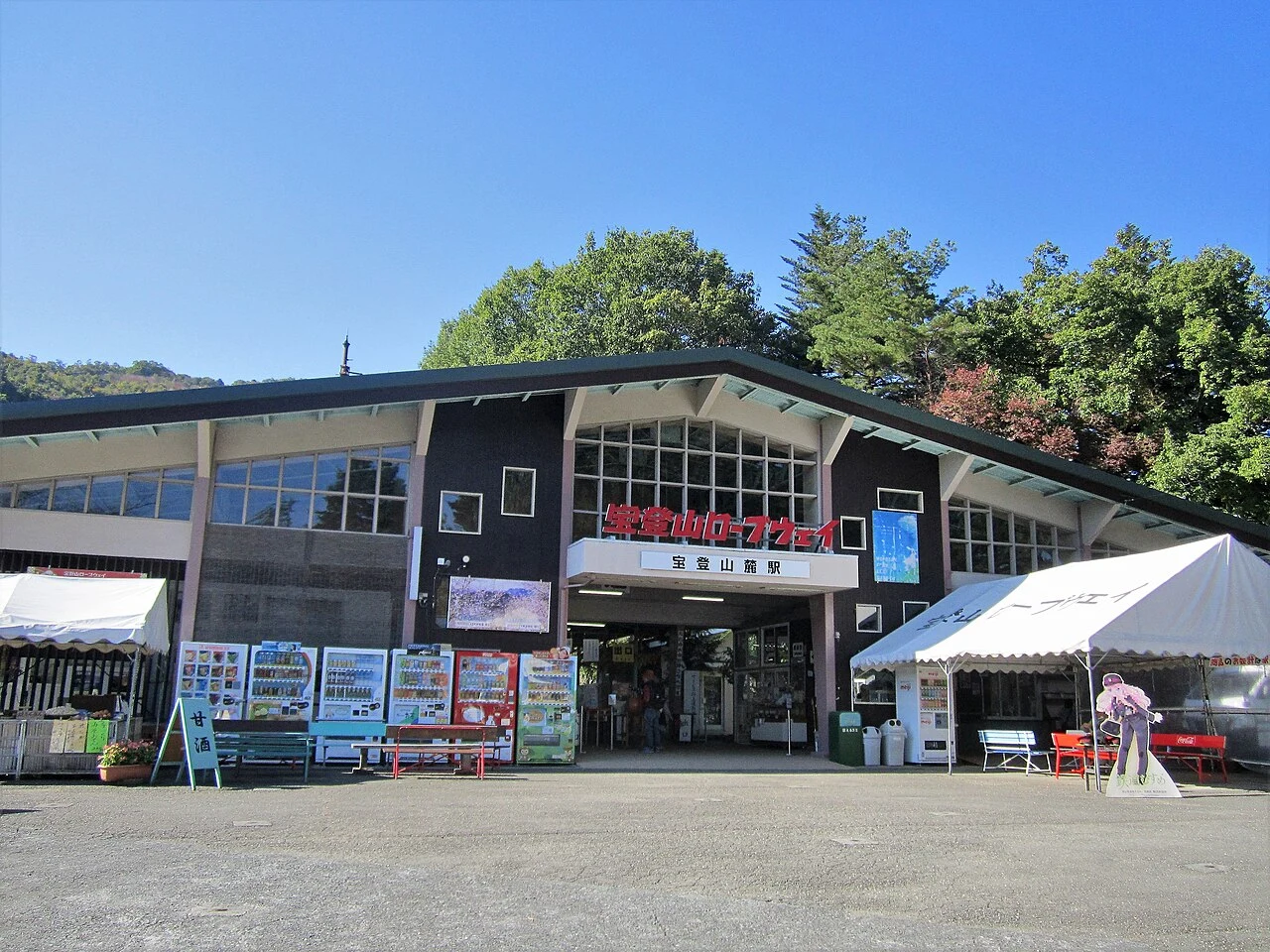
The ropeway takes about five minutes to the upper station. Choose SUSABINO Terrace and nearby walking, allowing morning time for photographs, rest and the return queue. Hodosan Shrine's Okumiya is on the mountain, separate from the main shrine below. With older companions, staying within a comfortable walking range still meets the goal of mountain views. If adding the small animal park, shorten another mountain stop so lunch does not keep slipping into the afternoon.
Eat at an open mountain facility or return to Nagatoro Station. If pork miso rice is your main meal, plan to eat back near the station. If you prefer a longer summit rest, accept just the Iwadatami entrance and shopping street afterward. Aim to be back on the station side around 14:00. This is a pacing target, leaving time to walk to the river, buy souvenirs and choose the return train.
In the afternoon, follow Iwadatami-dori to the river and find stable footing to view layered rock and the opposite bank. There are level changes, cracks and edges beside the water. Hold children's hands rather than following crowds to the farthest point. If the ground feels slippery, shorten the river section and rest on the shopping street. The flexibility here is being able to end land-based stops yourself; you do not need to buy a boat ride merely to complete a set of sights.
Hodosan Ropeway tickets, intervals and autumn 2026 extensions
Hodosan Ropeway currently costs ¥700 one way or ¥1,200 return for adults, and ¥350 one way or ¥600 return for children. Child rates start at age three; the adult category covers travelers aged 12 or older who are in junior high school or above. Buy ordinary individual tickets at the lower station. The child fare starting point resembles the boat's, but other transport has separate rules. List each family fare separately rather than extending rail child eligibility to every facility.
The general timetable starts at 09:40, mainly every 30 minutes on weekdays and every 15 minutes on weekends and holidays, with extra services in busy periods. The 2026 sunset service notice adds these rules: October 19–31 weekdays switch to 15-minute intervals after 15:00, while weekends and holidays run every 15 minutes from 10:00. November 1–30 runs every 15 minutes from 10:00 daily. On November Saturdays, Sundays and national holidays, the last upper-station departure extends to 17:20. For other days, read the general timetable and that day's notices. Do not use 17:20 as the daily last descent.
For sunset, change the day to Iwadatami in the morning, the mountain after lunch and a direct evening return to Tokyo, dropping an afternoon boat. Temperatures fall after autumn sunset. Leave enough time from the terrace to walk to the upper station and queue. Rushing down mountain paths after sunset does not simplify the return. With a return ticket, fit the ropeway descent before your chosen train.
The ropeway is suspended for regular inspection December 7–26, 2026. SUSABINO Kitchen closes for the same period, and the small animal park remains closed through December 31. These closures directly affect early-winter plans. Choose the lower shrine, riverbank and museum during that period rather than replacing a five-minute ropeway ride with an unassessed mountain hike. Summit wintersweet and plum blossoms belong to other seasons, so do not expect winter or spring flowers on an autumn visit.
Choose between the lower shrine, upper sanctuary and animal park
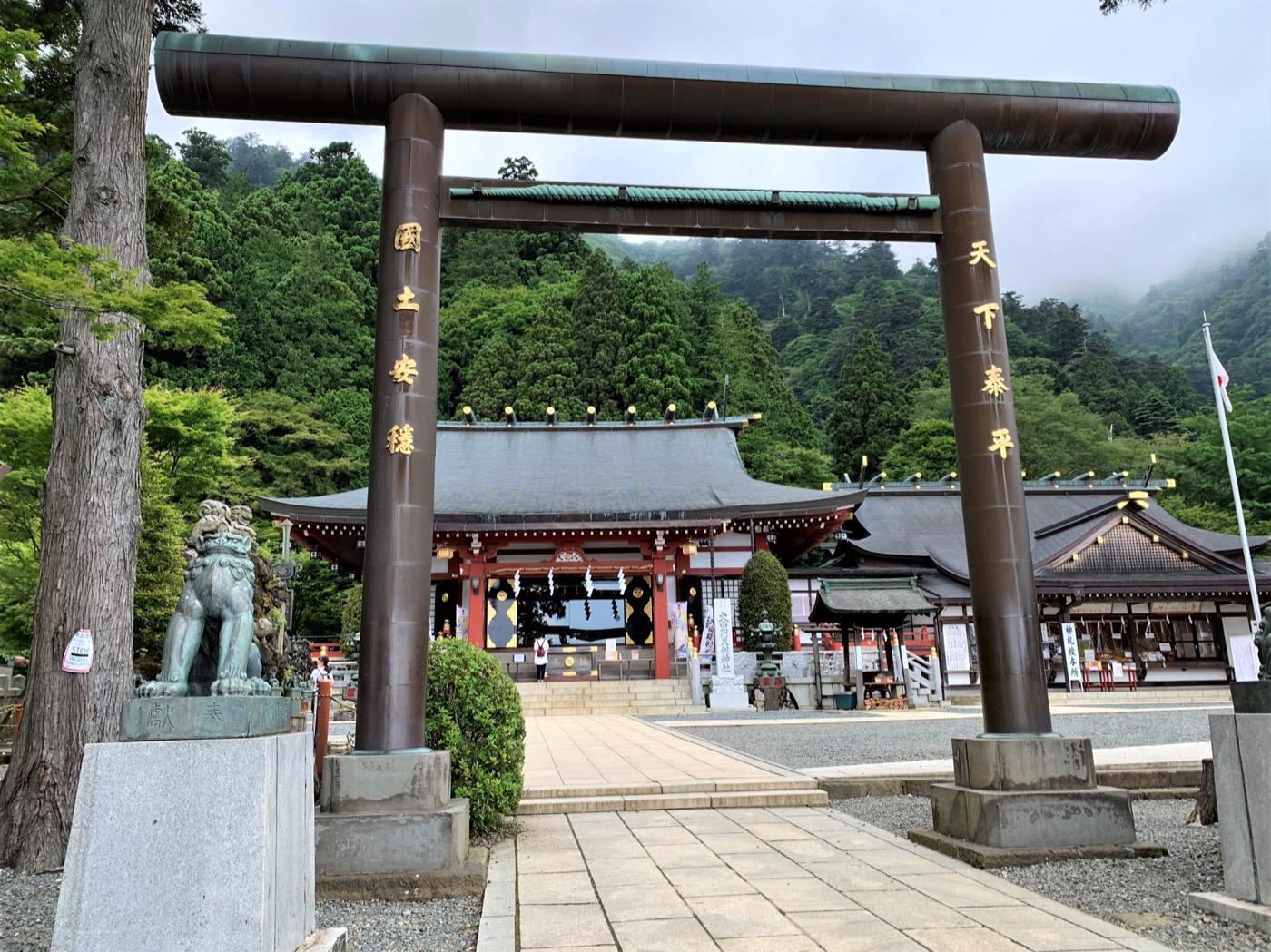
Hodosan Shrine's main buildings are at the mountain base, while the Okumiya is higher up. Each has its own approach and visit. At the base, see shrine architecture and decoration along the worship route, allowing more time if details interest you. At the summit, look toward the Chichibu mountains and Nagatoro valley. Add walking time for the Okumiya. “At Hodosan” does not place the main shrine, ropeway station and actual summit on one platform.
Families can consider the summit's small animal park. Official ordinary admission is ¥500 for adults and ¥250 for children, separate from ropeway fares. It suits children interested in animals and families making the mountain their main activity. If a child wants to descend for lunch immediately after the ropeway, do not extend the stay just to buy another ticket. Handle restrooms, water and lunch, then decide on the park rather than reopening the discussion at every counter.
SUSABINO Terrace is a mountain viewpoint that the official guide lists as opening in July 2025. SUSABINO Kitchen was renewed from the summit rest facility in January 2026. Rest around here for views, fitting food, seating and temporary closures to actual operation. Mountain food outlets and base restaurants end service at different times. Do not begin looking for a full meal just before the last ropeway. For public or business photography beyond personal viewing, the shrine requires advance permission, generally accompanied by shrine staff. If planning a public video, commercial content or formal shoot, use its application process first. Online photographs do not give permission to gather your own material inside. Keep worship routes clear of tripods, group photographs and repeated takes.
A feeding introduction at the small animal park, published by the official Hodosan Ropeway channel in 2022.
Route two: finish the boat, then visit Iwadatami and the shopping street
Choose this route when the river is the priority. Aim to arrive between 09:00 and 10:00 and go directly to boat headquarters to ask about routes and waiting, then buy tickets and assemble. Route A shuttles upstream first; Route B starts at Iwadatami. In both, treat returning to the Nagatoro Station side as the morning's finish. In foliage season, lunch may move later with the queue. Eat enough breakfast and prepare suitable water for children.
After Route A, take a short riverbank look from Iwadatami before lunch on the shopping street. After Route B, finish the bus back to headquarters first, then eat. Neither requires paying to travel to another town. Compare rock layers seen afloat with views from shore in the afternoon. To photograph boats passing the rock wall, wait where you can stand safely rather than following them onto unfamiliar rocks.
If finished before 11:00, companions feel well and the ropeway is operating steadily, add the lower shrine after lunch, then assess the mountain. If finished at 13:00, choose the main shrine or a shorter shopping-street walk and leave the ropeway for next time. Branching by actual completion works better than fixing “mountain at noon, down at 13:00” before departure, because boats do not have fixed departure minutes.
This also suits a shorter local day: boat, lunch, a short Iwadatami visit and an early afternoon return to Tokyo. Local railway and main-line journeys still separate Nagatoro from your hotel. That time does not disappear from the plan. With a dinner booking, save the next acceptable train before leaving Nagatoro and finish shopping near the station, so dinner does not depend on running between connections.
You do not need all of Iwadatami: let the ground decide your walk
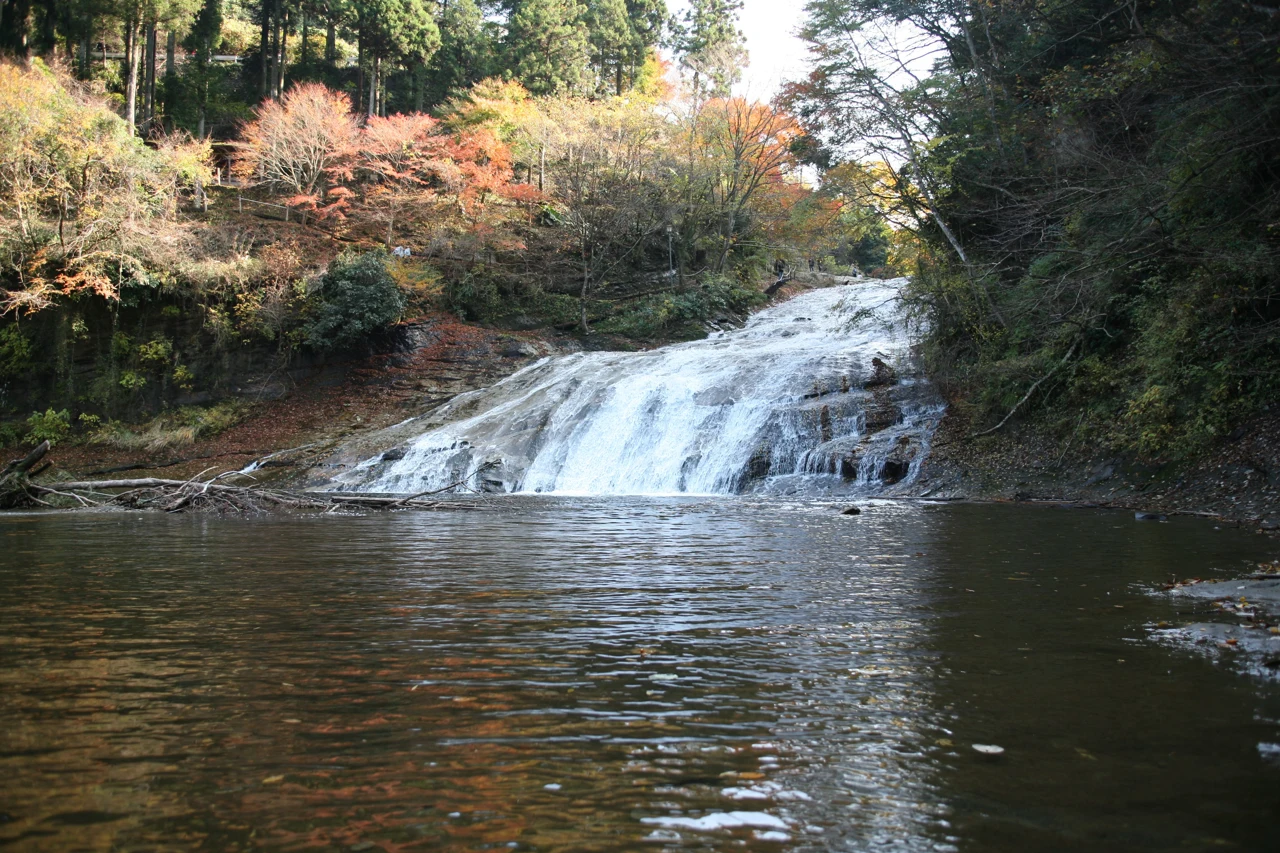
Iwadatami's exposed layers form the riverbank itself, so no long hike is needed to see the landscape. On a first visit, approach from Iwadatami-dori, view the layered rock and river from stable ground, then return the same way. With older adults or young children, this short out-and-back is easier to manage than committing to the next station along the river. If someone tires, you can finish near the station.
Other visitors crossing rocks does not make every gap or slippery slope suitable for your shoes. Wear grippy soles, keep one hand free and stop securely before taking photographs. Do not cross cracks for an empty angle or descend to test water depth. Normal boat operation does not permit unrestricted play in the river. Water level, current and rock condition each need separate judgment.
For an extension toward Kami-Nagatoro, add the Saitama Museum of Natural History for explanations of rocks, fossils and Chichibu geology. Its Iwadatami nature observation map helps interpret the terrain. If the riverside route is unsuitable, use ordinary roads or take Chichibu Railway to Kami-Nagatoro and walk from there. Reaching the museum does not require walking beside the river all the way.
In foliage season, you do not need every maple spot. Mountain views, Iwadatami and Tsuki-no-Ishi Momiji Park occupy different places. After choosing mountain and river by day, avoid repeated returns for another patch of leaves. For a current night event, obtain that year's official dates, admission method and return trains before adding it. A daytime itinerary should not silently become a night outing without a journey back to the city.
Choose lunch near the station or on the mountain
For local pork miso rice, consider Butamiso-don specialty restaurant Yurin, about two minutes from Nagatoro Station toward Hodosan Shrine. Official hours are 10:30–16:00, ending when meat sells out. It normally closes Wednesdays and Thursdays, with peak- and low-season adjustments by calendar, and does not take reservations. On the mountain approach, it works after descending toward the station or after crossing over from the boat.
Do not assume an immediate seat when the boat ends. Yurin uses meal tickets and self-service, with indoor and terrace seating. Solo visitors can use counter seats; families take available spaces. If waiting a long time while hoping for an afternoon ropeway, decide whether the meal is worth dropping mountain time. To enjoy lunch fully, accept one fewer afternoon stop. Check the menu and portion size first and separate the meal budget from souvenirs.
If spending the morning on Hodosan, a lighter lunch at SUSABINO Kitchen can precede the descent to the river. Its October 2026 monthly notice lists 11:00–16:00. Summit drink stands and meal facilities have different operating days. Choose a place actually open and serving meals that day. One seated meal and one favorite snack are usually easier than planning a different shop before the boat, after it and at the summit. For dietary needs, check formal menus first and prepare essential food for a suitable place; food and drink are not allowed inside the museum. Do not wait until children are hungry to choose between boat assembly and a restaurant queue.
Shorten the day for rain, sore knees or a late arrival
In light rain with slippery river rocks, choose the shopping street and lower shrine, with a seated meal. Decide on the ropeway from that day's operation and visibility. If distant mountain views are your sole aim and cloud covers the summit, save the fare. If you enjoy the cabin and nearby woodland, keep a short ascent when operating conditions are safe. Choose according to your purpose rather than someone else's must-see list.
For indoor time, the Saitama Museum of Natural History is near Kami-Nagatoro. It normally opens 09:00–16:30, with last entry at 16:00, extending to 17:00 in July and August. Ordinary admission is ¥200, or ¥100 for high school and university students, with junior high and younger free. This keeps a family rainy-day budget small. It normally closes Mondays, with holiday and summer exceptions and temporary closures. Listed November 2026 closures are the 2nd, 9th, 16th and 30th. Match the date when planning a rain alternative rather than finding your only indoor stop closed on Monday.
For leg discomfort, focus on lower streets and a seated meal, stopping only on safe ground near the Iwadatami entrance. Crossing a boat side, shrine stairs and the summit Okumiya walk create different strains. The absence of sustained mountain hiking does not make the route suitable for every wheelchair or knee condition. Connect the station, restaurant and one manageable short section, with a chance to finish early, so the itinerary has real rest points.
If arriving at noon, choose one afternoon theme: lunch and Iwadatami, or lunch and a return ropeway ride. If the boat window confirms a short wait and tickets remain, take just the boat and a short walk. A later Tokyo return does not solve every delay because late-autumn boat hours and the mountain's last service have separate cutoffs. Choose one priority when leaving the station. Anything after completing it is an addition.
A few useful answers
Can I reserve a Nagatoro river boat?
Chichibu Railway’s Nagatoro Line Kudari does not accept reservations for individual parties of up to 14; buy tickets on site that day. Groups of 15 or more must apply ahead, and some peak periods do not accept group reservations.
How much time is needed for a 20-minute boat ride?
Include ticketing, assembly, shuttles and waiting. The official guide lists 40–120 minutes from purchase to boarding during peak periods such as foliage season, so allow a full morning.
Do both A and B finish at Iwadatami?
Route A runs from Oyahana Bridge to Iwadatami, with an upstream shuttle first. Route B runs from Iwadatami to Takasago Bridge, then returns to headquarters by free bus.
Can I bring a stroller or pet aboard?
Strollers and wheelchairs cannot be carried aboard. Pets cannot travel even in carriers. Boarding requires stepping over a boat side about one meter high.
Can I ride Hodosan Ropeway in December 2026?
It closes for regular inspection December 7–26. SUSABINO Kitchen closes for the same period, while the small animal park remains closed through December 31.
What is the ticket change and refund deadline on Seibu Railway’s Smooz for Laview limited express seats?
You can change your date or train online in Smooz up until the scheduled departure time from your boarding station—free up to twice, plus unlimited same-day train changes before departure (passenger count and adult/child type cannot be changed). Online refunds are also allowed until departure for a ¥100 per-seat fee; no changes or refunds are accepted after departure.
Official information and references
Sources used in this guide.
- Nagatoro Tourism Association | Access from Tokyo
- Chichibu Railway | Daily boat operation and season
- Chichibu Railway | Individual fares and boarding
- Chichibu Railway | Routes A and B and shuttles
- Chichibu Railway | Waiting, infants and boarding FAQ
- Chichibu Railway | Low-water Iwadatami circuit
- Chichibu Railway | Current train timetable download
- Seibu Railway | Laview tickets and stops
- Seibu Railway | Chichibu Free Pass coverage
- Seibu Railway | Limited express changes and Smooz FAQ
- Hodosan Ropeway | Timetable and fares
- Hodosan Ropeway | Access and shuttle stops
- Hodosan Ropeway | Summit facilities and park
- Hodosan Shrine | Grounds layout
- Hodosan Shrine | Public filming and photography rules
- Yurin | Location, hours and reservations
- Saitama Museum of Natural History | Opening and closures
- Saitama Museum of Natural History | Ordinary admission
- Hodosan Ropeway | 2026 sunset services and shuttle
- Hodosan Ropeway | December 2026 inspection
- Hodosan Ropeway | October 2026 shuttle and midday break