Reach Nagatoro from Ikebukuro or Ueno and allow a full day around boat registration, queues and shuttles. Compare Iwadatami with Mount Hodo against a river boat and Iwadatami, with autumn 2026 ropeway services, fares and family conditions.
- Region & Focus
- KantoSide trips
- Reading Scope
- 34 min read · 16 chapters · 6 Q&As
- Official Verification
- 21 official sources checkedUpdated 25 November 2026
- Key Topics
- ItinerariesRail travelSeasons
Chapter Route Map (tap any stop)
- Choose mountain or river first, then plan your arrival
- From Ikebukuro: the walk to Ohanabatake follows Seibu-Chichibu
- Via Kumagaya from Ueno: fewer changes still need a local-train connection
- Choose transport tickets by the return route and actual use of the free area
- At Nagatoro Station, identify separate entrances for the rocks, boats and ropeway
- Boat routes A and B: shuttle upstream first, or return by shuttle afterwards
- Allow for ticket purchase through return to the office, not only 20 minutes aboard
- Boat fares and eligibility: check children, pushchairs and pets first
- Unsuitable river conditions: distinguish the circuit boat, suspension and rain
- Route one: Mount Hodo in the morning, Iwadatami at your pace in the afternoon
- Hodosan Ropeway fares, intervals and autumn 2026 extensions
- Choose separately between the base shrine, inner sanctuary and animal park
- Route two: complete the boat first, then Iwadatami and the shopping street
- You need not walk all of Iwadatami: let the terrain set the distance
- Choose lunch near the station or on the mountain
- Shorten the day for rain, painful knees or a late arrival
- Quick Q&A
For a Nagatoro day trip from Tokyo, choose whether the morning belongs to a river boat or Mount Hodo. For the boat, register first and leave full time for waiting and shuttles. For a walk at your own pace, go up the mountain in the morning and see Iwadatami in the afternoon to accommodate different walking speeds.
Choose mountain or river first, then plan your arrival
The first choice at Nagatoro is whether to give the morning to the river boat or head towards Mount Hodo. Iwadatami lies on the river side of the station, while Hodosan Shrine and the ropeway are on the other. Both start from Nagatoro Station, but crossing back, waiting for shuttles, buying tickets and lunch each take part of the day. For a first day trip from Tokyo, choose either “Iwadatami walk + Mount Hodo” or “river boat + Iwadatami” as the main route, then add afternoon stops according to actual progress.
For scenery with children without following the boat queue’s pace, visit Mount Hodo first and Iwadatami after lunch. If the river boat is the main experience, register on arrival, allow for the queue and shuttles, and keep the afternoon around the river and shopping street. Both routes leave room for a seated meal and an early return. If you have already queued by the river for two hours, remove Mount Hodo from that day’s essentials.
Transport and operating information below was checked through 27 October 2026. Chichibu Railway announced normal river boat operation that day, with sales ending when the day’s tickets sold out. This helps explain the buying order: arrange an available boat trip first if you want one. Do not stay on the mountain until afternoon and assume boat tickets will be available next. To see both mountain colours and the valley in autumn, spend time on those chosen views without adding central Chichibu to the same day.
| Route | Morning | Afternoon | Suits |
|---|---|---|---|
| Iwadatami + Mount Hodo | Base shrine, ropeway and mountain walk | Iwadatami and shops after lunch | Control your own stay; boat not essential |
| River boat + Iwadatami | Register first, wait, boat and shuttles | Lunch and Iwadatami; shrine only after an early finish | Time for peak queues and suitable boarding conditions |
| Late-arrival short route | Arrive at noon and eat first | Choose Iwadatami or the ropeway | Noon arrival or an early-evening Tokyo deadline |
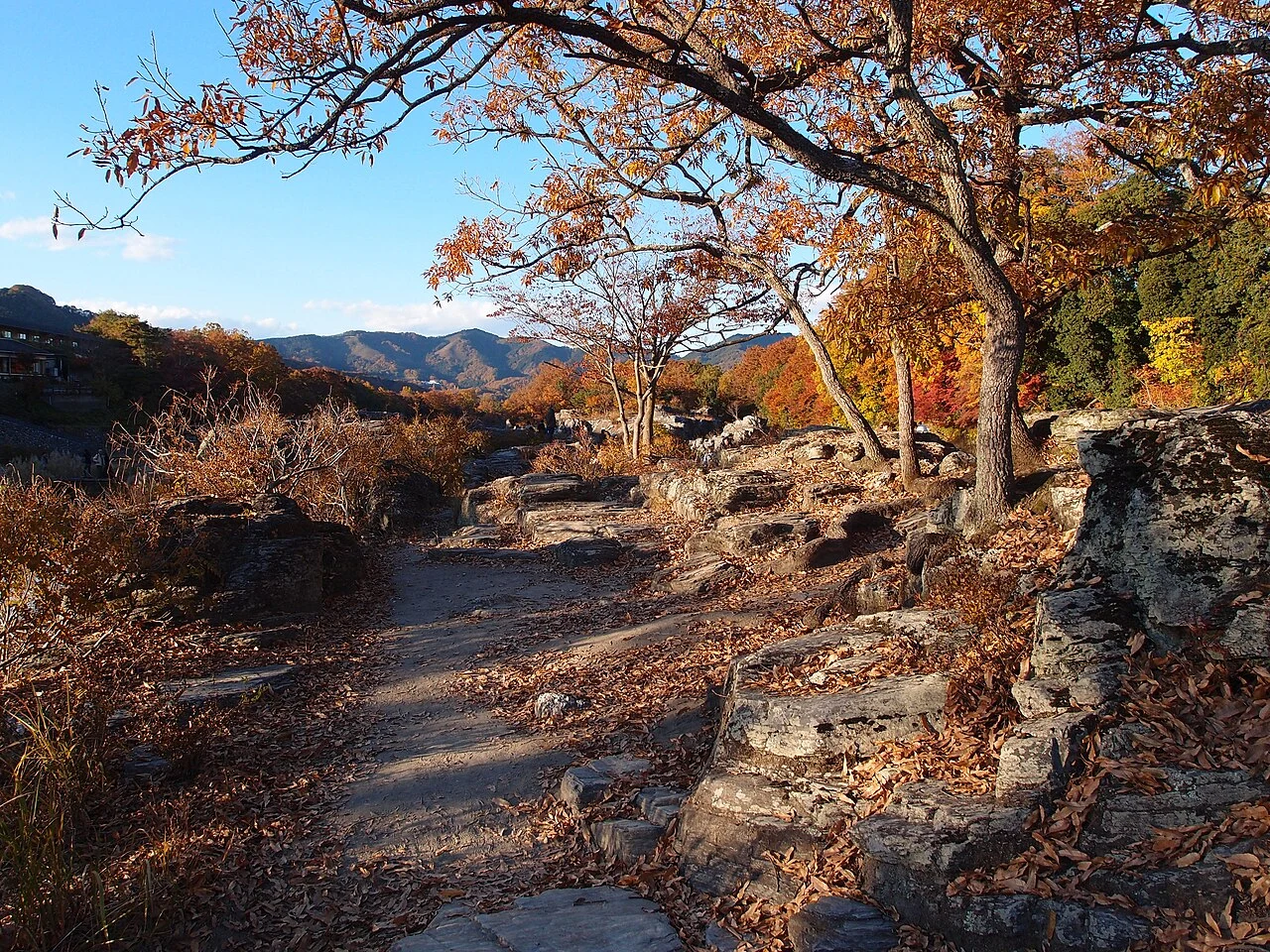
Reach Nagatoro from Ikebukuro or Ueno and allow a full day around boat registration, queues and shuttles. Compare Iwadatami with Mount Hodo against a river boat and Iwadatami, with autumn 2026 ropeway services, fares and family conditions.
From Ikebukuro: the walk to Ohanabatake follows Seibu-Chichibu
From Ikebukuro, take the Seibu Ikebukuro Line Laview limited express “Chichibu” to Seibu-Chichibu, then walk to Chichibu Railway’s Ohanabatake Station and take a train towards Nagatoro, Yorii or Kumagaya to Nagatoro. The tourism association lists about 80 minutes for the limited express from Ikebukuro to Seibu-Chichibu and about 20 minutes from Ohanabatake to Nagatoro. Add the walk out of the station and waiting between them. Seibu-Chichibu has no same-station platform where you can step straight from the limited express onto the Nagatoro train.
The tourism association lists about five minutes on foot between Seibu-Chichibu and Ohanabatake, while the shrine’s transport map lists 10. Allow 15–20 minutes for the transfer in your plan, making room to find the exit, cross roads, buy tickets and take children to the toilet. This is a planning allowance. Add more for large luggage or slow walkers. Save Ohanabatake Station on your map before setting off, rather than reaching Chichibu Station and discovering you went to a different station.
Laview requires both a basic fare ticket and a limited express ticket. The current adult single limited express charge from Ikebukuro to Seibu-Chichibu is ¥900, with the basic fare extra. With a fixed return limited express booking, work backwards through arrival at Ohanabatake, the walk to Seibu-Chichibu, collecting belongings and entering the station before choosing a departure from Nagatoro. For dinner in Tokyo, leave the river one train earlier so souvenir shopping does not squeeze the cross-station transfer. Seibu’s official FAQ allows one fee-free change of a limited express ticket before the original departure if seats remain on the desired train. Unregistered Smooz buyers must retain the purchase-completion email. Its link handles travel, changes and refunds; it cannot be resent if deleted.
From Ikebukuro, the Tobu Tojo Line via Yorii is another option, but check the actual date for the number of changes. The tourism association’s roughly 80 and 20 minutes refer only to two train legs. If staying in Ikebukuro, compare the comfort of Seibu reserved seats and the walk between stations first. Yorii appearing closer to Nagatoro on a map does not establish a faster door-to-door hotel journey.
Via Kumagaya from Ueno: fewer changes still need a local-train connection
From accommodation around Ueno or Tokyo Station, travel towards Kumagaya on JR’s Takasaki Line, then change to Chichibu Railway for Nagatoro. Nagatoro’s tourism association lists about 60 minutes from Ueno to Kumagaya and about 50 from Kumagaya to Nagatoro. The Ueno-Tokyo and Shonan-Shinjuku lines also connect with Kumagaya. Use full station names in the search: the destination is Nagatoro on Chichibu Railway. Seibu-Chichibu, Chichibu and Nagatoro are separate stations, and Kumagaya is not yet the river valley.
At the check date, Chichibu Railway still linked the March 2025 revision as its current downloadable timetable. The weekday table shows local services leaving Kumagaya at 08:38 and reaching Nagatoro at 09:25, and 09:20–10:07. Use these examples to work back to your JR arrival at Kumagaya. For a boat first, choose a connection reaching Nagatoro between 09:00 and 10:00. If arriving between 10:00 and 11:00, accept that the morning may hold only one main activity. Use the Saturday, Sunday and holiday table on the same page for those days, rather than copying weekday minutes.
At Kumagaya, change ticket gates between JR and Chichibu Railway. Follow signs for Chichibu Railway and allow time for tickets, topping up and waiting. Budget the Chichibu Railway section separately from a JR ticket or pass. To save time from Tokyo by taking the Shinkansen to Kumagaya, compare the extra fare with the following wait. Reaching Kumagaya earlier but taking the same local train may turn the saved time into a platform wait.
For the return, choose Nagatoro–Kumagaya first, then connect to JR with a later acceptable option. Extended mountain hours, the end of a boat ride and shopping-street closures are different times; there is no single finishing time for all Nagatoro. Put this trip on another day if catching an international flight or needing Narita or Haneda by early evening. River operation and local-train waits do not fit well before an airport journey you cannot miss.
Choose transport tickets by the return route and actual use of the free area
For a return from Ikebukuro via Seibu-Chichibu, compare Seibu’s Chichibu Free Ticket. It combines one outward and one return journey between the departure station and Seibu-Chichibu with unlimited travel between Ashigakubo and Seibu-Chichibu and on Chichibu Railway between Nogami/Nagatoro and Mitsumineguchi. It is valid for two consecutive days from first use. Laview limited express tickets remain extra. It suits travellers already using this entry route who also need the free area. For a day trip, compare it with actual return fares first.
Two-day validity neither adds a day to your schedule nor requires an overnight stay. For a single day from Ohanabatake to Nagatoro and back, buy separate legs or compare the package’s current price from your Seibu departure station. Do not add Mitsumineguchi or Chichibu Shrine simply to use unlimited travel. The ropeway, river boat, meals and museum admission are separate, while partner discounts depend on the actual business and product. For Ueno–Kumagaya out and Seibu-Chichibu–Ikebukuro back, list JR and the two railway companies by leg. This Seibu ticket’s Chichibu Railway free area ends at Nogami/Nagatoro and does not cover Nagatoro–Kumagaya. Treating it as a pass for the entire railway misses costs. For two adults, one river boat section alone is ¥4,000 or ¥4,400, while a Mount Hodo ropeway return alone is ¥2,400. That difference already affects the budget, so choose experiences before buying tickets.
At Nagatoro Station, identify separate entrances for the rocks, boats and ropeway
You can walk between the river boat main office, Iwadatami-dori shopping street and river near Nagatoro Station. Chichibu Railway lists about one minute from the station to the main office and about three to the Iwadatami boarding point. These reach entrances only, excluding buying tickets, queuing and slow walking on the rocks. For Chichibu Railway’s Nagatoro Line Kudari, identify its main-office sign and operating name, then follow staff directions to the correct boarding point.
Photographing Iwadatami before seeking a boat works if the boat is optional. If it is definite, ask about that day’s operation, wait and routes on arrival, then use spare time after receiving an arrangement. Registration, boarding and disembarking are separate steps. Leaving one person in a queue while others go far away to eat risks separation during a shuttle or assembly. Families should use toilets, prepare water and organise small bags together before joining the process.
Mount Hodo is in the other direction. The ropeway’s official access page lists about 20 minutes on foot from Nagatoro Station to the lower station. The free shuttle reaches the lower car park, with a further walk to the ropeway station officially listed at about three minutes. The October 2026 shuttle notice also lists a 12:00–13:00 break. If you descend during it, eat near the base or walk back to the station rather than assuming the shuttle is available throughout that hour. With a pushchair, stick or difficulty standing, assess the whole journey. A ropeway cabin does not make the mountain visit entirely seated.
If two companions split up, use Nagatoro Station as the meeting point with a specific time and place in front of the platform. Phone reception by the river, photographs and queues may delay replies. Avoid meeting at a rock edge or an uncertain landing point. Arrange storage of large luggage at your Tokyo accommodation before leaving.
Boat routes A and B: shuttle upstream first, or return by shuttle afterwards
Chichibu Railway divides the boat trip into two sections: A from Oyahana Bridge to Iwadatami, and B from Iwadatami to Takasago Bridge. Each is about three kilometres with around 20 minutes aboard. Water volume changes the duration; the official route page gives about 15–20 minutes with more water. A includes Kotaki-no-Se and B Oga-Se, so both have changes in the river. Companions preferring calm sightseeing can walk on land at Iwadatami. Choose the boat for the changing current.
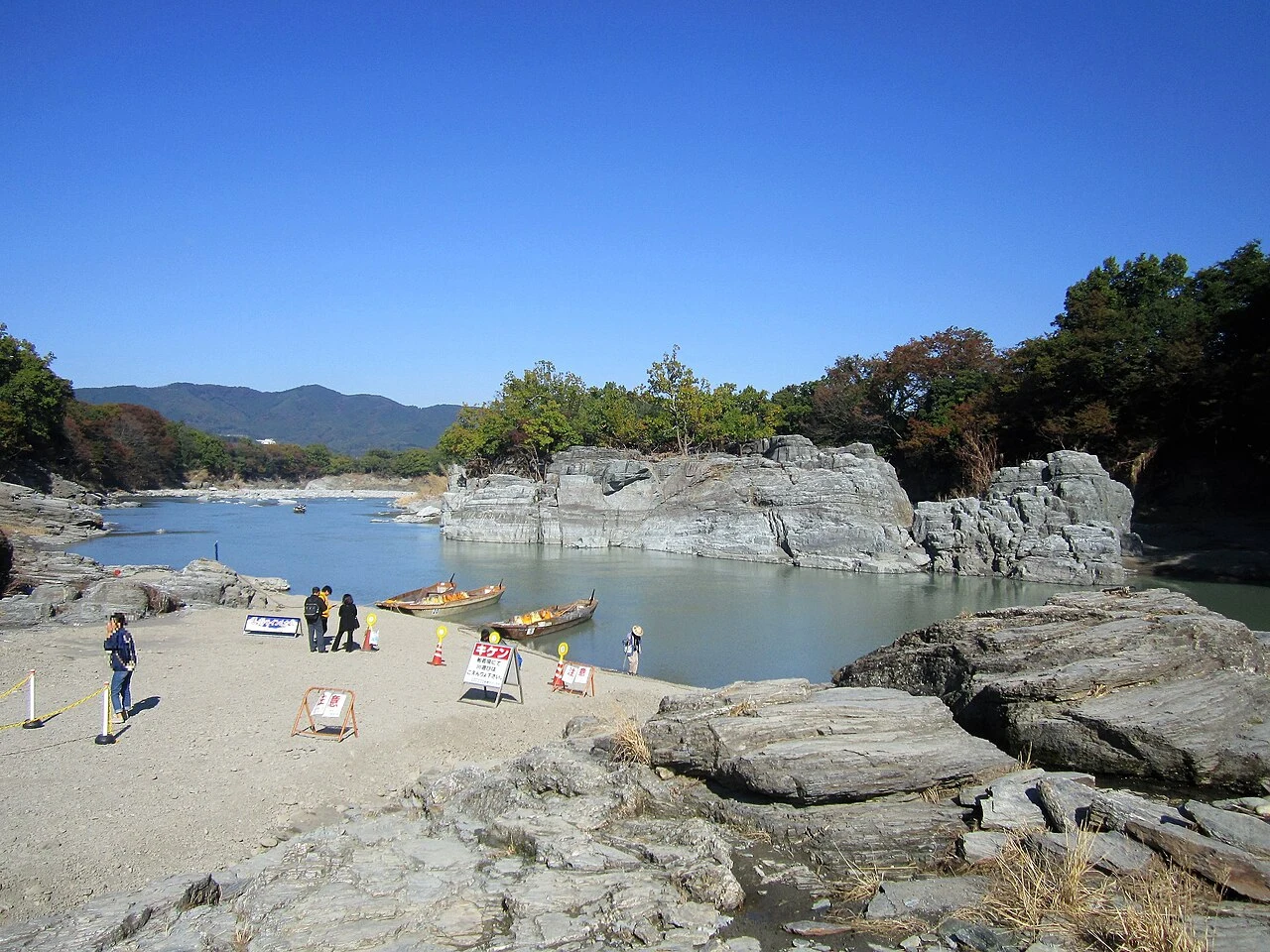
For A, register around Nagatoro, then take the free bus from the main office upstream to Oyahana Bridge and travel downstream to Iwadatami. You finish back on the shopping-street and station side, convenient for a river walk or lunch. B boards at Iwadatami, finishes downstream at Takasago Bridge and returns by free bus to the main office. The bus takes about 10 minutes, plus assembly and waiting. Reaching Takasago Bridge does not mean you are back at Nagatoro Station.
Staff prioritise whichever route can board sooner, and at busy times you may not be able to choose A or B. If your afternoon depends on definitely disembarking at Iwadatami, understand B’s extra return shuttle before buying. The more useful plan gives the whole morning to the boat process. Either allocation can then lead to lunch, with the shrine added only if time remains. The official term “full course” means the six-kilometre journey from Oyahana to Takasago Bridge. The current page lists that through service as suspended. To take both sections, use separate A and B rides, possibly in a changed order on site. One section is enough for a first day trip. Two boat journeys and assemblies use time otherwise available for Iwadatami on land. For photography, separate the valley view aboard from rock detail afterwards; travelling all six kilometres is not required to complete the visit.
Allow for ticket purchase through return to the office, not only 20 minutes aboard
Individual parties of 14 or fewer cannot reserve. Buy at the ticket window on the day. Departures normally run at intervals of 10–40 minutes. The official FAQ also lists about 40–60 minutes waiting for departure when busy. During major holiday periods, Obon and autumn foliage season, buying-to-boarding waits can reach 40–120 minutes. These figures cover different waiting periods. Do not use the shortest 10 minutes as a promise of departure on arrival.
On an ordinary day, allow about 90 minutes for tickets, waiting, shuttles and the boat. On an autumn foliage weekend, give it the whole morning to accommodate the officially listed two-hour queue. If the queue is already long and you must leave Nagatoro early in the afternoon, use the no-boat version rather than repeatedly trying to squeeze lunch while waiting.
The main operating page lists general hours of about 09:00–16:00, ending when that day’s tickets sell out. The FAQ separately lists registration until about 15:30. For 10–15 March and 24 November–4 December, the main page shortens hours to 10:00–14:30. Buy in the morning if taking the boat. On an afternoon arrival, visit the window before arranging lunch and walking. In late autumn, a long lunch before ticket purchase may leave you past the cutoff.
The general operating season is listed as 10 March–4 December, with a separate heated-table boat product in January and February. Read boarding arrangements, ticket types and operating water areas by season rather than applying winter photographs to an autumn rapid trip. Groups of 15 or more must apply by telephone at least two weeks before the desired date, and some peak periods do not accept group reservations. This is separate from individuals buying on the day.
Boat fares and eligibility: check children, pushchairs and pets first
The current individual fare table is marked February 2026. One A or B section costs ¥2,000 per adult, or ¥2,200 in busy periods; children pay ¥1,000 or ¥1,100. Adults start at lower-secondary school age, while child fares start at age three. Use the official 2026 fare calendar for the date’s busy-period classification. Two adults and one primary pupil pay ¥5,000 on an ordinary day or ¥5,500 in a busy period for one section, with Tokyo return fares and meals separate.
Eligibility to board and the age at which charges start are different. The official FAQ requires children to be at least six months old and at least 60 cm tall, and they must wear life jackets. Children aged two or younger may be refused when high temperatures are expected. Families with babies should use these conditions to rule out unsuitable dates before comparing fares. If the main carer must hold one child constantly while another needs help, a shore walk and shrine visit at the mountain base make care easier to divide.
Boarding requires crossing a gunwale about one metre high, with help as directed by the boatman and staff. Wheelchairs and pushchairs cannot go aboard. Wheelchair users must also consult the main office in advance about that day’s arrangements on 0494-66-0950. For painful knees, inability to step over unaided or discomfort sitting, choose a short stop near the Iwadatami entrance and a meal on level streets. Decide boarding suitability first so companions do not have to split at the pier unexpectedly.
Pets cannot board, even in carriers. This differs from the Hodosan Ropeway rule allowing small animals in specified hard-sided carriers; one facility’s permission does not apply to another. Stow phones, tickets and money in a bag that closes, and follow life-jacket and seating instructions. Keep your balance before photographing. Do not stand for a different angle, and look after children and belongings first if water splashes aboard.
Unsuitable river conditions: distinguish the circuit boat, suspension and rain
When the Arakawa is too low for normal downstream trips, Chichibu Railway may provide the Nagatoro Gorge Iwadatami Circuit Boat if operating conditions permit. It circles the slower water around Iwadatami for about 20 minutes, at ¥1,300 per adult and ¥800 per child aged three or above. No advance application is needed, with a possible 10–30-minute wait. Choose it on a day it actually operates if you want reflected rock walls or calmer water.
The circuit boat is a special low-water operation. When the normal downstream trip runs, you cannot require a circuit service merely because you dislike rapids. Strong wind and other conditions can also stop it. High water, low water and wind are different problems with different alternatives. Read the day’s operating notice that morning rather than deciding the boat budget only from sunshine in Tokyo.
If boats stop but land conditions are settled, change the morning to a short walk near the Iwadatami entrance, the shrine and lunch, then assess the ropeway. With persistent heavy rain or thunderstorms, river and mountain are poor substitutes for each other: change to a Tokyo day. If already in Nagatoro, choose the natural history museum if open and food near the station, then return earlier. Do not walk further on wet rocks to recover the value of your train fare. Read the actual product and sales method before paying. Individual visitors do not need to compete for advance downstream reservations. Handle transport passes and limited express tickets under their own railway change and refund rules when altering plans. A local boat suspension and a normally running train from Tokyo are separate events. For travel-agency packages, use the original order’s cancellation conditions.
Route one: Mount Hodo in the morning, Iwadatami at your pace in the afternoon
This route suits those who want mountain and valley scenery without making the boat essential. Aim to reach Nagatoro around 10:00, walk towards the shrine, visit its base precinct and continue to the lower ropeway station. If using the shuttle, follow signs on foot after reaching the lower car park. Do not promise a full shrine visit, immediate boarding of the next cabin and a station return precisely at noon all at once. Complete one stage before the next.
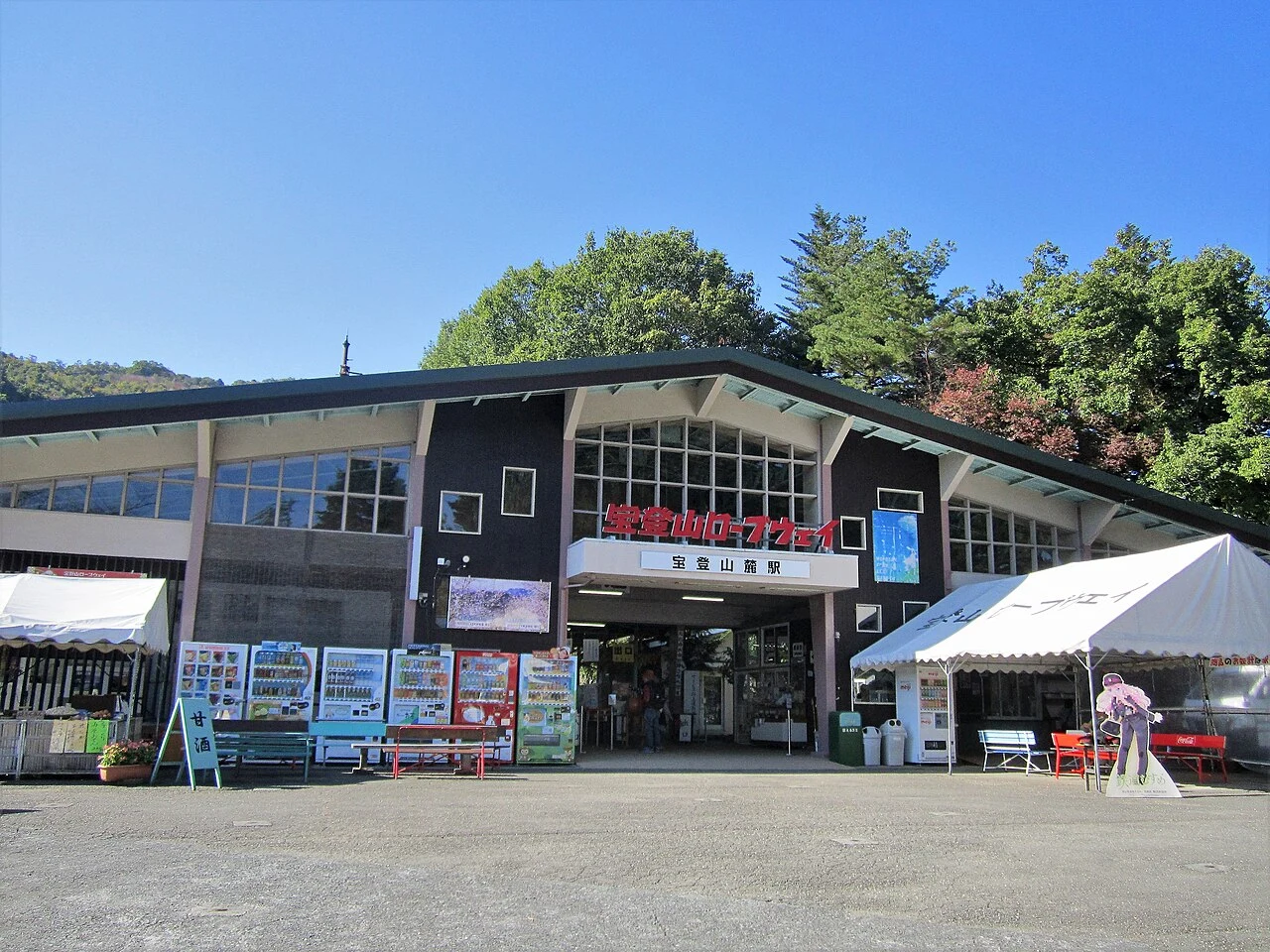
The ropeway reaches the upper station in about five minutes. Choose SUSABINO Terrace and nearby walks, allowing morning time for photographs, rest and the return queue. Hodosan Shrine’s inner sanctuary is on the mountain, separate from the main shrine below. With older companions, staying within a manageable walking range still fulfils the mountain-view purpose. To add the small animal park, shorten another mountain stop so lunch does not drift far into the afternoon.
Eat at an operating mountain facility or descend to the area around Nagatoro Station. For miso pork rice, plan the return to the station for lunch. To sit longer at the summit, accept only the Iwadatami entrance and shopping street that afternoon. Aim to complete the movement back to the station side around 14:00. This is a pacing target, leaving time for a slow river approach, souvenirs and a return train choice.
In the afternoon, follow Iwadatami-dori to the river. Find stable footing before stopping to look at the layered rock and opposite bank. Iwadatami has changes in level, cracks and waterside edges. Hold children’s hands and do not follow crowds to the furthest point. If the surface feels slippery, shorten the river section and rest on the shopping street. This route’s flexibility is that you can end land visits yourself, without buying an unplanned boat ride to complete a list.
Hodosan Ropeway fares, intervals and autumn 2026 extensions
Current ropeway fares are ¥700 single or ¥1,200 return per adult, and ¥350 single or ¥600 return per child. Child fares start at three; the adult category is age 12 or older and at lower-secondary school or above. Buy ordinary individual tickets at the lower station. Although the child-fare starting point resembles the boat’s, other transport has its own rules. List each family budget item separately rather than extending railway child eligibility to every facility.
The general timetable starts at 09:40, mainly every 30 minutes on weekdays and every 15 on Saturdays, Sundays and holidays, with extra services possible in busy periods. The 2026 sunset-service notice gives separate arrangements. From 19–31 October, weekdays switch to 15-minute intervals after 15:00 and weekends/holidays run every 15 minutes from 10:00. From 1–30 November, all days run every 15 minutes from 10:00. On November Saturdays, Sundays and national holidays, the upper station’s final departure extends to 17:20. Use the general table and that day’s notice for other dates. Do not treat 17:20 as the daily descent time.
For sunset, reverse the route: Iwadatami in the morning, mountain after lunch, then directly back to Tokyo that evening, dropping an afternoon boat. Autumn temperatures fall after sunset. Leave time from the viewpoint to the upper station and for the queue. Rushing down a mountain path after the view does not simplify the return. With a return ropeway ticket, keep the descent before your chosen train.
The ropeway closes for regular inspection from 7–26 December 2026, with SUSABINO Kitchen closed for the same period. The small animal park stays closed through 31 December. These dates directly affect early-winter plans. During them, choose the base shrine, riverside and museum rather than replacing a five-minute ropeway ride with an unassessed hike. Summit wintersweet and plum blossom also belong to other seasons; do not expect winter and spring flowers in autumn.
Choose separately between the base shrine, inner sanctuary and animal park
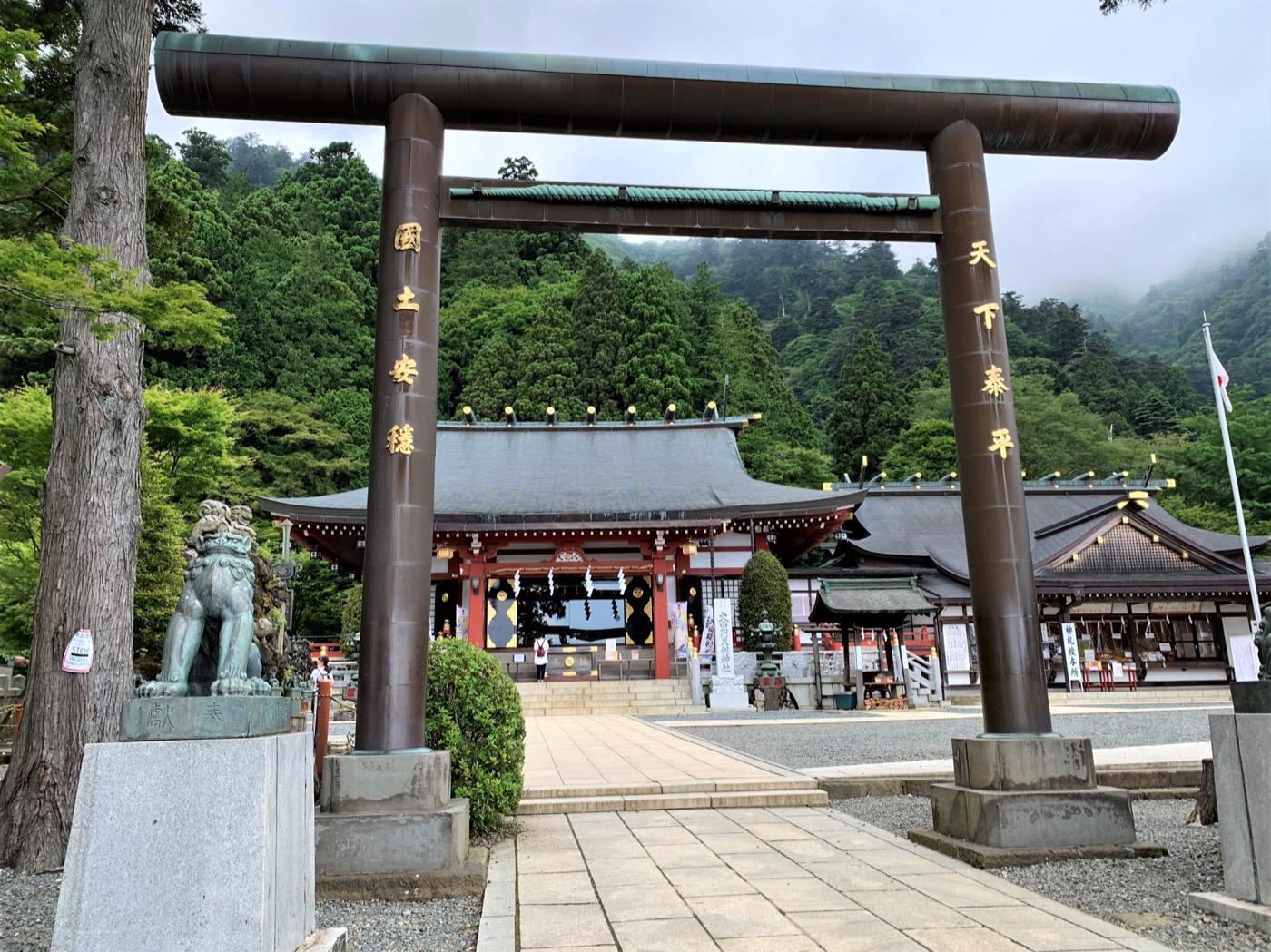
Hodosan Shrine’s main precinct is at the base, with its inner sanctuary on the mountain. Each has its own approach and visiting time. Below, look at shrine buildings and decoration along the worship route, spending longer for architectural detail. At the top, look towards the Chichibu mountains and Nagatoro valley, adding walking time for the inner sanctuary. “At Mount Hodo” does not place the main shrine, ropeway station and actual summit on one platform.
Families can consider the small animal park above. Official general admission is ¥500 per adult and ¥250 per child, separate from ropeway fares. It suits children interested in animals and families making the mountain the main activity. If a child wants to descend and eat immediately after the cabin ride, another ticket is no reason to extend the stay. Deal with toilets, seated water breaks and lunch before deciding on the park, rather than reopening the discussion at every ticket office.
SUSABINO Terrace is a mountain viewing space, officially introduced as opening in July 2025. SUSABINO Kitchen was renewed from a summit rest facility in January 2026. Rest here for views, following actual food, seating and temporary closure arrangements on the day. Mountain food outlets and base restaurants finish at different times; do not begin looking for a full meal just before the final cabin. The shrine requires advance permission for public or business filming beyond personal enjoyment, generally with a priest accompanying. Travellers planning a public video, commercial content or formal shoot should use its application process first. Online photographs do not establish permission to film within the precinct. Keep worship routes clear rather than occupying them with tripods, group photographs or repeated takes.
A feeding introduction for the small animal park, published by the official Hodosan Ropeway channel in 2022.
Route two: complete the boat first, then Iwadatami and the shopping street
This route puts the river first. Aim for transport reaching Nagatoro between 09:00 and 10:00 and go directly to the main boat office for that day’s routes, wait, ticket purchase and assembly. A shuttles upstream first; B starts by walking to the Iwadatami boarding point. For both, count returning to the station side as the end of the morning. In autumn foliage season, expect lunch to move later with the queue. Eat enough breakfast and bring suitable water for children.
After A lands at Iwadatami, look along a short stretch of bank before returning to the shopping street for lunch. After B, finish the bus return to the office before eating. Neither needs another paid journey to a different town. In the afternoon, compare rock layers and riverbank views with what you saw aboard. To photograph boats beside the cliffs, wait somewhere safe rather than following one onto unfamiliar rocks.
If the boat process finishes before 11:00, everyone feels fresh and the ropeway is running reliably, add the base shrine after lunch, then decide on the mountain. If it finishes only at 13:00, choose the main shrine or a shorter shopping-street walk and save the ropeway for next time. Branching by actual completion time handles departures without fixed minutes better than a pre-written “up at 12:00, down at 13:00”.
This version also suits a shorter regional visit: boat, lunch, brief Iwadatami walk and an early-afternoon return to Tokyo. Travel still includes local railway and mainline legs, so time before reaching the hotel does not become free automatically. With an evening restaurant booking, save an acceptable following train when leaving Nagatoro and finish shopping near the station. Dinner then need not depend on running through connections.
You need not walk all of Iwadatami: let the terrain set the distance
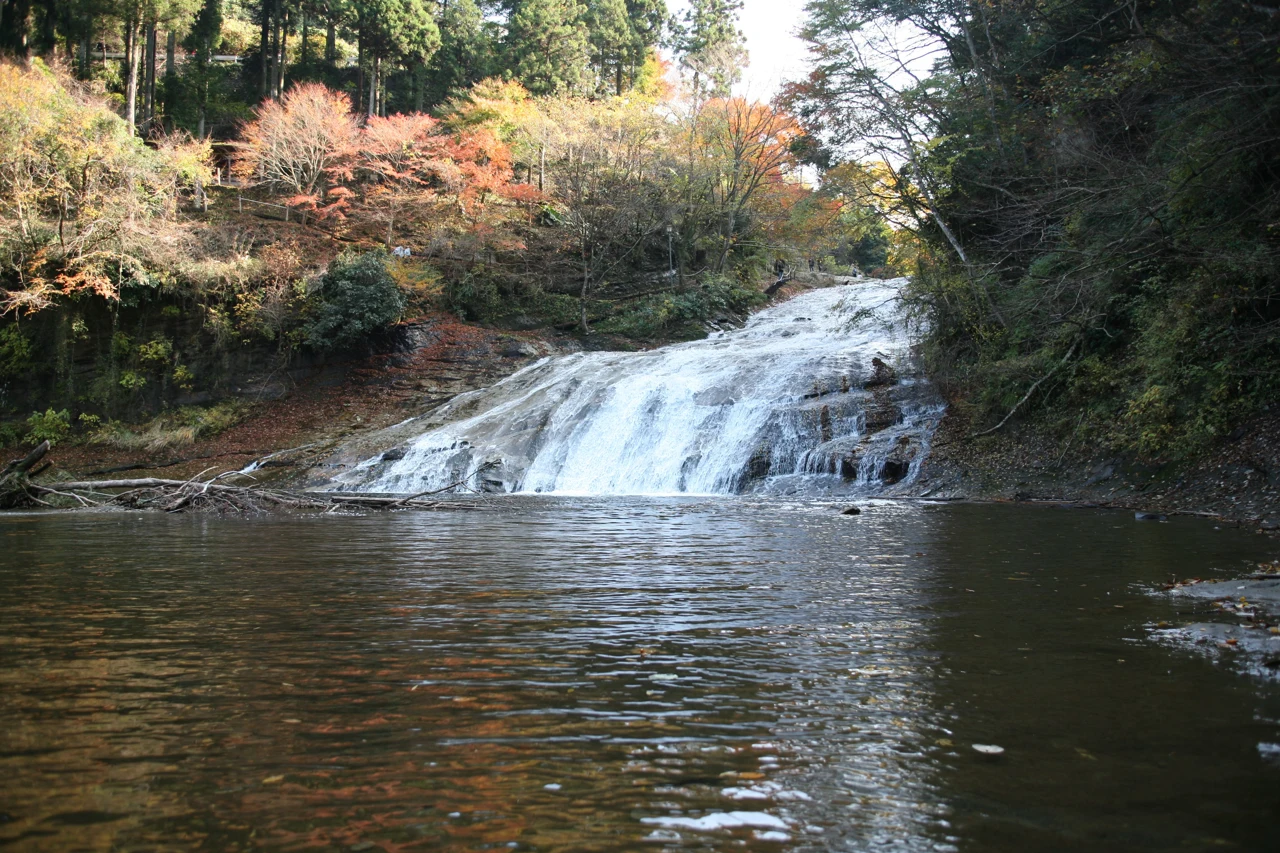
Iwadatami’s exposed rock layers form the riverbank itself, so you do not need a long hike to see the landscape. Approach from Iwadatami-dori, look at the sheet-like rock and river from stable ground, then return the same way to the shops. With older people or young children, a short return walk is easier to manage than promising to follow the river to the next station. If someone tires, you can finish close to the station.
Other visitors crossing rock does not make every crack or wet slope suitable for your shoes. Wear grippy soles, keep a hand free and stand still before photographing. Do not step across cracks for an empty angle or approach the water to test its depth. Boat operation and permission to play freely by the bank are different matters. Assess water level, current and rock conditions separately.
To extend towards Kami-Nagatoro, add the Saitama Museum of Natural History for explanations of rocks, fossils and Chichibu geology. Its Iwadatami nature observation map also helps readers understand the terrain. If the riverside surface is unsuitable, use ordinary roads or take Chichibu Railway to Kami-Nagatoro and walk to the museum. Reaching the museum and following the river all the way are separate choices.
Do not collect every autumn-leaf location. Mountain views, the Iwadatami bank and Tsuki-no-Ishi Momiji Park are in different places. If you already chose mountain and river by day, avoid repeated returns for another patch of colour. For a current evening event, obtain that year’s official opening dates, entry method and return train before adding it. A daytime itinerary should not quietly become a night visit with no route back to the city.
Choose lunch near the station or on the mountain
For Chichibu-style miso pork rice, try Butamiso-don Speciality Restaurant Yurin, about two minutes from Nagatoro Station towards Hodosan Shrine. Official hours are 10:30–16:00, ending when pork sells out. It generally closes Wednesdays and Thursdays, with seasonal calendar changes, and takes no reservations. On the route towards the base, it suits lunch after descending or after crossing from the boat side.
Do not plan on an immediate seat when the boat ends. Yurin uses meal tickets and self-service, with indoor and terrace seats. Solo visitors can use counter seats and families use available seating. If the wait is long and you still want the afternoon ropeway, decide whether this meal is worth dropping mountain time. For an unhurried lunch, accept one fewer afternoon stop. Read the menu before choosing portions and keep meal money separate from souvenirs.
With the morning on Mount Hodo, a lighter lunch at SUSABINO Kitchen is another option before descending to the river. Its October 2026 monthly notice lists 11:00–16:00. Summit drink stalls and full-meal facilities have different opening days, so choose an outlet operating and serving meals that day. One seated meal and a favourite snack usually fit more easily than separate shops before the boat, after it and at the summit. For dietary restrictions, identify suitable items on the formal menu first and prepare necessary food to eat in a suitable place. Eating and drinking are not allowed inside the museum. Do not wait until children are hungry to choose between boat assembly and a restaurant queue.
Shorten the day for rain, painful knees or a late arrival
In light rain with slippery banks, keep to the shopping street and base shrine, take a seated meal and decide on the ropeway from operation and visibility that day. If distant mountains are the only purpose and cloud hides the summit view, save the fare. If the cabin and nearby woodland appeal, retain a short ascent when safe operation permits. Link the choice to your own purpose rather than another person’s must-see list.
For indoor time, the Saitama Museum of Natural History is near Kami-Nagatoro. General hours are 09:00–16:30, last entry 16:00, extending to 17:00 in July and August. General admission is ¥200, upper-secondary and university students ¥100, and lower-secondary pupils and younger free, keeping a family rain-day budget modest. It normally closes Mondays, with holiday and summer exceptions and additional temporary closures. The museum lists 2, 9, 16 and 30 November as closed in 2026. Check the date for your rain plan rather than finding on Monday that the sole indoor option is shut.
With leg discomfort, focus on base streets and a seated meal, using only a safe stopping area near the Iwadatami entrance. Crossing a boat’s gunwale, shrine steps and the walk to the summit sanctuary impose different demands. A visit without continuous climbing still may not suit every wheelchair or knee condition. Connect the station, restaurant and a manageable short walk, with the option to finish midway and actual rest points.
Arriving at noon, choose one afternoon focus: lunch then Iwadatami, or lunch then a ropeway return. If the boat office reports a short wait and tickets remain, a boat and short walk are another choice. Returning to Tokyo later does not solve every delay: late-autumn boat hours and the final mountain service have separate cutoffs. Choose the one thing you most want as you leave the station. Everything after completing it is optional.
A few useful answers
Can I reserve Nagatoro’s river boat in advance?
Chichibu Railway’s Nagatoro Line Kudari does not take reservations for individual parties of 14 or fewer; buy on site that day. Groups of 15 or more must apply in advance, with some peak periods excluded.
How long should I allow for a 20-minute boat ride?
Allow for ticket sales, assembly, shuttles and waiting as well. The official information lists 40–120 minutes from purchase to boarding in peak periods such as autumn foliage season. Leave a full morning.
Do both A and B finish at Iwadatami?
A runs from Oyahana Bridge to Iwadatami, with an upstream shuttle first. B runs from Iwadatami to Takasago Bridge, followed by a free bus back to the main office.
Can the boat take a pushchair or pet?
Pushchairs and wheelchairs cannot go aboard. Pets are not allowed even in carriers. Boarding involves crossing a gunwale about one metre high.
Can I use the Hodosan Ropeway in December 2026?
It closes for regular inspection from 7–26 December. SUSABINO Kitchen closes for the same period, and the small animal park stays closed through 31 December.
What is the ticket change and refund deadline on Seibu Railway’s Smooz for Laview limited express seats?
You can change your date or train online in Smooz right up until the scheduled departure time from your boarding station—free up to twice, plus unlimited same-day changes before departure (passenger count and adult/child type cannot be altered). Online refunds are accepted until departure for a ¥100 per-seat fee; no changes or refunds are permitted after departure.
Official information and references
Sources used in this guide.
- Nagatoro Tourism Association | Access from Tokyo
- Chichibu Railway | Daily boat operation and season
- Chichibu Railway | Individual fares and boarding
- Chichibu Railway | Routes A and B and shuttles
- Chichibu Railway | Waiting, young children and boarding FAQ
- Chichibu Railway | Low-water Iwadatami circuit boat
- Chichibu Railway | Current timetable downloads
- Seibu Railway | Laview limited express tickets and stops
- Seibu Railway | Chichibu Free Ticket coverage
- Seibu Railway | Limited express changes and Smooz FAQ
- Hodosan Ropeway | Timetables and fares
- Hodosan Ropeway | Access and shuttle stops
- Hodosan Ropeway | Summit facilities and park
- Hodosan Shrine | Precinct layout
- Hodosan Shrine | Public reporting and photography rules
- Yurin | Location, hours and reservations
- Saitama Museum of Natural History | Opening and closures
- Saitama Museum of Natural History | General admission
- Hodosan Ropeway | 2026 sunset services and shuttle
- Hodosan Ropeway | December 2026 regular inspection
- Hodosan Ropeway | October 2026 shuttle and midday break