Walk Gyoko-dori's ginkgo avenue and Shinobazu Pond from JR Ueno Station's Park Exit, with 2026 foliage updates, swan boat fares, TNM Garden hours, and ZEN NIGHT TOKYO dates, plus Kyu-Iwasaki-tei, Yanaka, and rainy-day options.
- Region & Focus
- TokyoFall foliage
- Reading Scope
- 19 min read · 12 chapters · 5 Q&As
- Official Verification
- 26 official sources checkedUpdated November 22, 2026
- Key Topics
- SeasonsItinerariesNeighborhoods
Chapter Route Map (tap any stop)
- Start With Gyoko-dori Ginkgoes, Save Maples for the Garden
- Choose Your Ueno Station Exit Based on Upper Grounds or Water
- Shinobazu Pond Has Three Basins—Head to Boat Pond to Row
- Climb From Kiyomizu Kannondo to Fountain Square
- TNM Garden Closes at 17:00—Check Foliage Before the Galleries
- ZEN NIGHT TOKYO 2026: Night Tickets and Entry Times
- Kyu-Iwasaki-tei Southwest of the Pond: Daytime Villa & Ginkgoes
- With Kids or Older Adults, Pick Either the Zoo or Science Museum
- Rainy-Day Museum Swaps and Monday Closures
- Continue to Yanaka and Exit via Nippori or Sendagi
- Pair Ameyoko With the Trip Back, Pick Hotels by Tomorrow's First Stop
- Keep Narita Arrival Day to One Loop—Save Night Maples for Later
- Quick Q&A
For a half-day autumn walk in Ueno Park, start at JR Ueno Station's Park Gate, stroll past the ginkgo trees along Gyoko-dori, and continue to Kiyomizu Kannondo Temple and Shinobazu Pond. Save time during daylight hours for the Tokyo National Museum Garden if you want red maples framed by historic teahouses. On November 19, 2026, the Tokyo Metropolitan Park Association reported that Gyoko-dori's ginkgoes had reached roughly 30 to 40 percent color. If your trip falls in late November, check the latest park foliage update to decide how long to linger under the ginkgoes, then round out the half-day with boating, a museum visit, or a walk into Yanaka.
Start With Gyoko-dori Ginkgoes, Save Maples for the Garden
The ginkgo trees are the standout seasonal shift on this walk. The Tokyo Metropolitan Park Association lists Ueno Onshi Park as an official autumn ginkgo viewing spot and specifies Gyoko-dori in its detailed park notes. When checking status updates or maps, search specifically for Ueno Onshi Park Gyoko-dori—the promenade runs inside the park from Takenodai Square (Fountain Square) toward the Tokyo National Museum. Searching broadly for Ueno Station, Shinobazu Pond, or Ueno Park pulls in photos from the lakeside, the zoo, or past years, so match updates to Gyoko-dori first when gauging that week's peak color.
If you are planning a 2027 trip, target late November through early December for yellow foliage in central Tokyo and pick your walking day using the park association's reports. In 2026, the association posts updates every Monday and Thursday through December 17. The November 19 report noted that only some maples had started turning, putting them in the early color stage alongside the ginkgoes. If your itinerary has flexible days, keep two interchangeable mornings open that week for parks and shopping, then pick the better day once a fresh update drops.
Let the shots you want dictate your timing. When branches still mix green and gold, a short stroll up and back along Gyoko-dori rewards close-up views of color transitions along the row. If you want canopies blazing solid yellow, check the on-site photos attached to the park's official updates before heading out. Once leaves begin thinning, watch the ground along the walkways for fallen yellow carpets, then head to the garden north of the museum's Honkan for maple color around the pond. Pairing both areas in one morning guarantees plenty of trees and architecture to photograph even if one spot is still muted.
Wind and rain change where you will want to linger. When gusts whip across the water, shorten your loop to the Bentendo Temple side of Lotus Pond and spend your reflection-shooting time on the upper paths or inside the museum garden. After rain, view the fallen ginkgo leaves along Gyoko-dori from the sidewalk edge and take stone steps slowly when wet leaves coat the surface. Shooting once from the upper terrace toward the museum and again down at the water's edge gives you far better visual contrast than chasing a specific tree's color filter from social media.
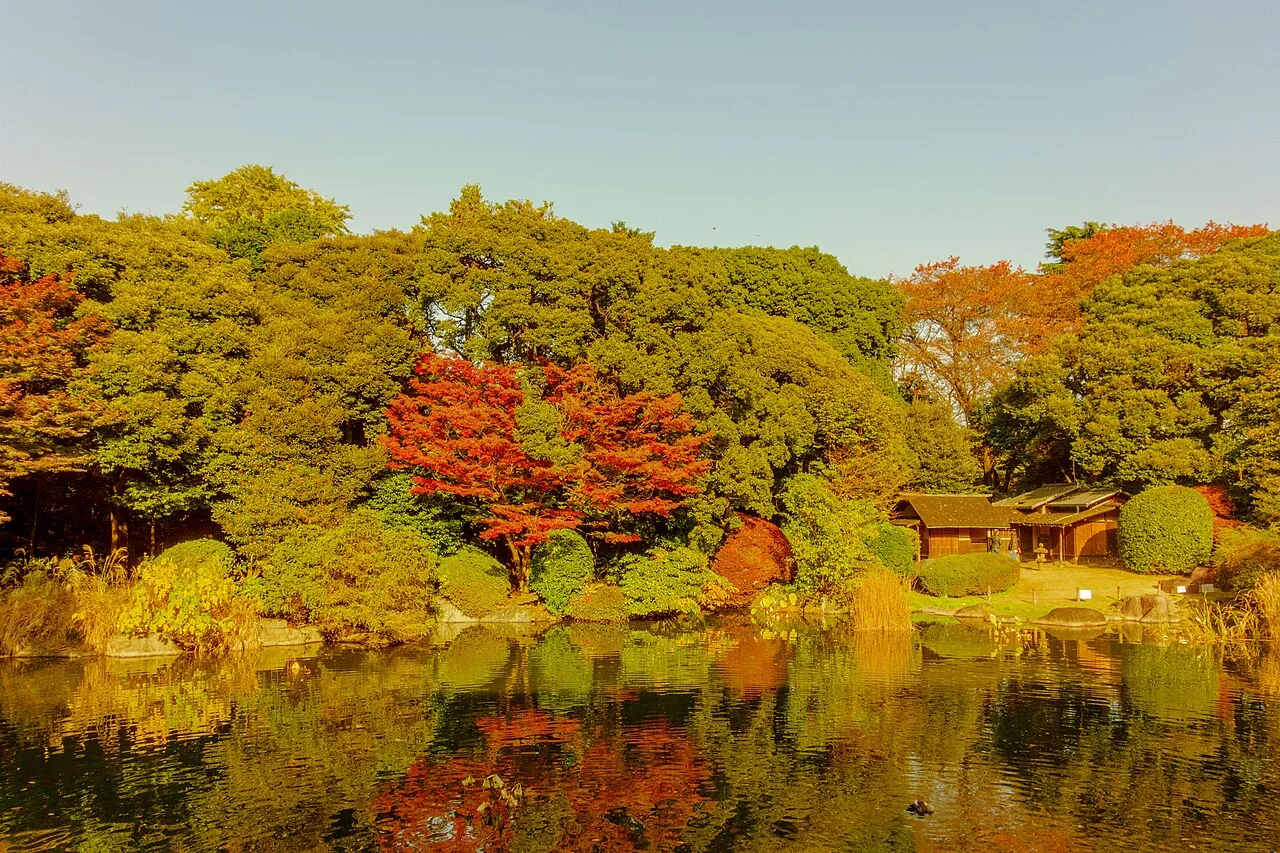
Walk Gyoko-dori's ginkgo avenue and Shinobazu Pond from JR Ueno Station's Park Exit, with 2026 foliage updates, swan boat fares, TNM Garden hours, and ZEN NIGHT TOKYO dates, plus Kyu-Iwasaki-tei, Yanaka, and rainy-day options.
Choose Your Ueno Station Exit Based on Upper Grounds or Water
Public areas of Ueno Onshi Park are free to enter and open from 5:00 to 23:00, according to the Tokyo Metropolitan Government Bureau of Construction. The grounds cover roughly 54 hectares, with a steep elevation drop between the museum plateau and Shinobazu Pond. To start with the ginkgoes, follow signs for the Park Gate inside JR Ueno Station, which exits right onto the upper plateau toward the National Museum of Western Art and Takenodai Square. To boat or visit Bentendo first, take JR's Shinobazu Gate / Shinobazu Exit toward Keisei Ueno Station and the water. Picking the right exit saves you an unnecessary climb or descent.
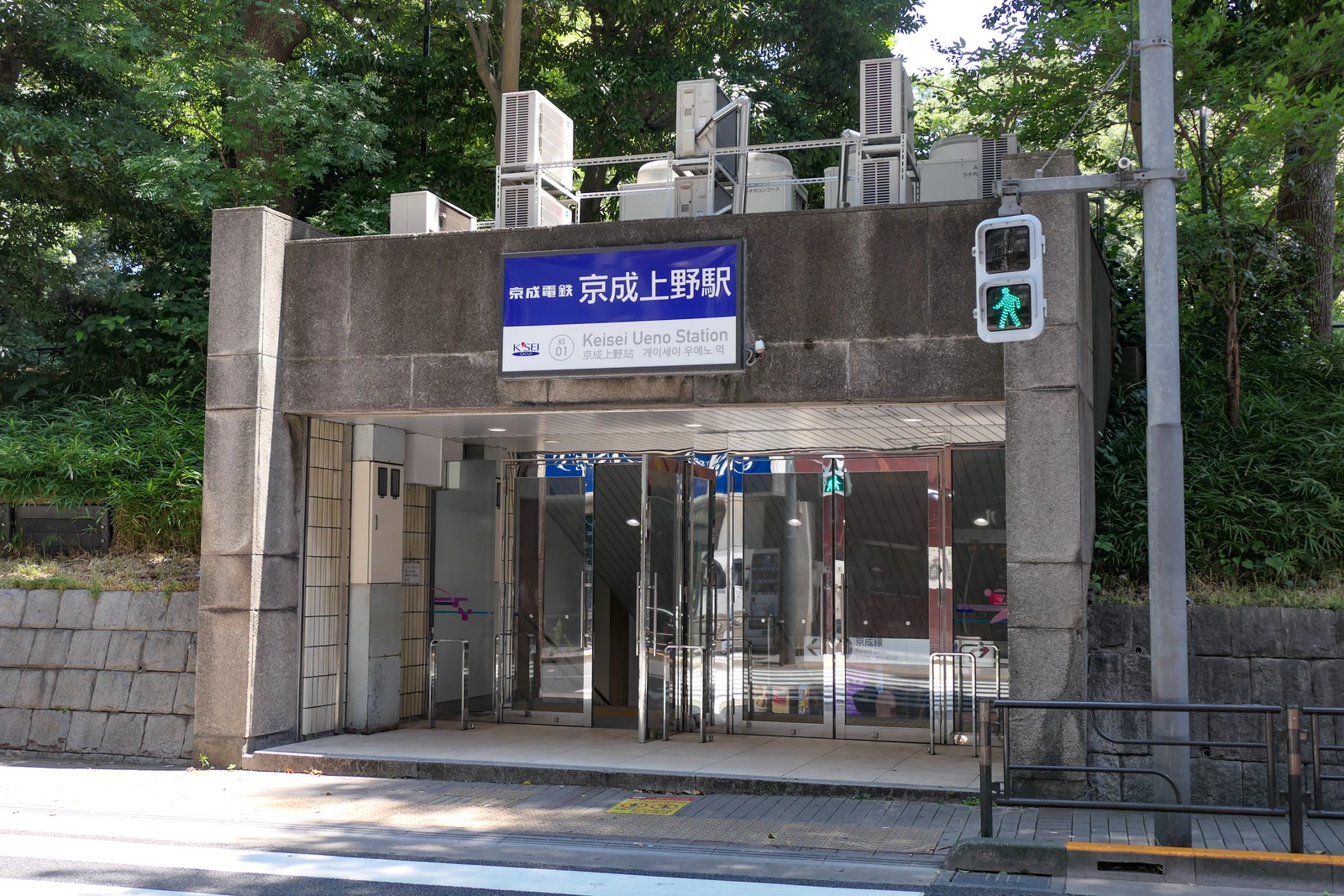
Keisei Ueno Station sits apart from JR Ueno Station. Travelers arriving on the Keisei line from Narita can step straight out at the terminus and start at Shinobazu Pond. If you are meeting friends coming by JR, pick a concrete landmark as your meetup spot: the street-level entrance of Keisei Ueno Station, the approach to Bentendo Temple, or the front plaza of the National Museum of Western Art on the upper grounds. Naming a specific building lets each person follow their own line's station signs directly out.
On the Tokyo Metro Ginza or Hibiya lines, follow station signs toward Ueno Park inside Tokyo Metro Ueno Station. Tokyo Metro's accessibility map marks an elevator running from the Ueno Park-bound ticket gates to Exit 5a. If you are heading to a museum first with a stroller, taking JR to the Park Gate takes less effort; the direct route down from Kiyomizu Kannondo toward Shinobazu Pond has stairs, though gentle paved park roads offer a step-free alternative. For travelers using mobility scooters, JR's station access guide designates routes through the Central, Park, and Iriya gates.
If a short walk through both the ginkgoes and the pond edge is enough, start at the Park Exit in the morning on the upper plateau, end at the water, and leave from Keisei Ueno or JR's Shinobazu Exit. If you want to finish at a museum, reverse the order from the pond so you only climb uphill once. Slower-paced travelers can split the two zones across days—explore around the Park Exit today, and walk the pond shoreline tomorrow before visiting Kyu-Iwasaki-tei Gardens.
Shinobazu Pond Has Three Basins—Head to Boat Pond to Row
On a map Shinobazu Pond looks like one body of water, but it is actually divided into Lotus Pond, Cormorant Pond, and Boat Pond. First-timers coming from Keisei Ueno Station can walk straight toward Bentendo Temple. Lotus Pond blooms in summer, while late autumn reveals dry lotus stalks rising from the water—easy to frame in the foreground with the octagonal temple hall behind them. From there, look for the boat pier signs along Boat Pond. If you just want a stroll, pause at Bentendo to look back across the water, then head uphill toward Kiyomizu Kannondo to join the upper park paths.
Swan boats and standard pedal boats cost ¥1,000 per 30 minutes per boat, with a capacity of up to two adults and one child. Rowboats cost ¥800 per 30 minutes per boat for up to three adults. Three adults wanting to ride together should take a rowboat; splitting three adults across two swan boats runs ¥2,000 for half an hour. Families with kids should decide on the boat setup ahead of time rather than reorganizing in front of the ticket window.
From November through February, the boathouse operates from 9:30 to 16:50, with last rentals accepted at 15:50. From December through February, it is closed on Wednesdays. If you plan to arrive at JR Ueno Station at 15:30, exiting the station, walking to the pier, and waiting in line will likely leave you short on time. Anyone eager to get out on the water should visit the boathouse right after seeing Lotus Pond in the morning or head straight there after lunch, rather than saving it for after an afternoon museum visit.
On a day with timed museum tickets, budget 30 minutes on the water plus extra buffer for boarding, docking, and walking to your next stop. You can still see the boats and shoot tree reflections from shore without getting in. If your group splits up, pick a clear meeting point outside the boarding gate so everyone stays near Boat Pond. In cold weather or strong winds, families with toddlers are better off sticking to the lakeside paths. If you still need to reach the Tokyo National Museum or Yanaka before dusk, walking around Bentendo covers the pond scenery without eating into your afternoon daylight.
Climb From Kiyomizu Kannondo to Fountain Square
Climbing up from the pond to Kiyomizu Kannondo Temple, walk out near the wooden stage first for a look down over the water. The circular Moon Pine (Tsuki-no-matsu) frames Bentendo Temple on Shinobazu Pond—a composition famously depicted in ukiyo-e prints by Utagawa Hiroshige. Having just walked past Bentendo below, you can spot your exact route from above. If you are staying in Ueno with only a short walk window, pairing the pond and Kiyomizu Kannondo delivers both waterside views and elevated treetops.
The bronze statue of Saigo Takamori stands on the side closer to Ueno Station. Coming up from the Shinobazu Exit, look for Saigo with his dog beside him. Save the statue for the walk back if you are heading straight to the station or grabbing a meal in Ameyoko. If your next stop is the Tokyo National Museum, walk directly from Kiyomizu Kannondo toward Takenodai Square and give yourself an unhurried stretch along Gyoko-dori. The central fountain and the museum facade facing the plaza make easy landmarks if your group gets separated and needs a spot to regroup.
This upper plateau once belonged to the sprawling Kanei-ji Temple complex. In 1873, Ueno—alongside Shiba, Asakusa, Fukagawa, and Asukayama—was designated among Japan's very first public parks. Kiyomizu Kannondo and Bentendo still anchor the walking route today, letting you read both the temple era and the Meiji park layout in one stroll. If you also want to see Kanei-ji's main Konpon Chudo hall, continue north past the museum toward Yanaka; if you are looping back to Kyu-Iwasaki-tei near the pond, turn around at the square and save Kanei-ji for a Yanaka day.
To fit the Tokyo National Museum into a three-hour half-day, arrive at the Park Gate around 9:30, walk the ginkgo avenue, and enter the museum with about 90 minutes for the garden and first-floor galleries. Afterward, stroll down at an easy pace through Kiyomizu Kannondo and Shinobazu Pond, then grab lunch near Keisei Ueno. If boating is your priority, start at the Shinobazu Exit at 9:30, head straight to the boathouse, finish on the water before climbing to the upper plateau, and trim the museum stop down to a garden walk.
If a family plans to split up around midday, Takenodai Square works well as a dividing line. The National Museum of Western Art, National Museum of Nature and Science, and Tokyo National Museum all sit on the upper plateau, so people visiting different museums can easily regroup at the Park Gate. If half the group heads down to Shinobazu Pond or Kyu-Iwasaki-tei, meet for lunch near the Shinobazu Exit to avoid climbing back up the hill afterward.
TNM Garden Closes at 17:00—Check Foliage Before the Galleries
The Tokyo National Museum Garden sits behind the Honkan (Japanese Gallery) and is accessed from inside the museum grounds. It is generally open from 9:30 to 17:00, with five historic teahouses around the pond whose exteriors you can view along the garden paths. Walking in from Gyoko-dori through the main gate, head straight past the Honkan to the garden if pondside maples are your main goal. Knocking out the outdoor loop first lets you browse the indoor galleries afterward. If you still have Nippori or a flight later in the day, stick to the Honkan's first floor to cut down on walking between buildings.
Regular admission for the Tokyo National Museum's permanent collection is ¥1,000 for adults and ¥500 for university students; high school students and younger, visitors under 18, and seniors 70 and older enter free with proof of age. Regular hours run 9:30 to 17:00, extending until 20:00 on Fridays, Saturdays, and Sundays preceding a Monday public holiday, with last entry 30 minutes before closing. If you plan to stay outdoors until dusk, use Friday or Saturday evening for the indoor galleries and schedule the daytime garden before 17:00.
You can sequence the same afternoon in different ways. For both foliage and Japanese art, visit the garden first and then the Honkan's second floor, which the museum recommends as a chronological introduction for first-time visitors. If you have specific artworks on your list, check their gallery rooms first and step out to the back garden while daylight holds. Special exhibition tickets include same-day entry to the regular collection, so if two companions split between indoor galleries and the garden walk, agree to meet back out front of the Honkan.
From November 30 through December 31, 2026, the Toyokan (Asian Gallery) and Honkan Rooms 17 through 20 are closed for gallery maintenance. The entire museum closes on December 15 for facility maintenance. From December 22 through 25, only the Gallery of Horyuji Treasures and the Kuroda Memorial Hall are open; the museum closes for year-end holidays from December 26 through 31, and reopens on New Year's Day 2027 from 12:00 to 20:00. If you are in Ueno between December 22 and 27 and want a full museum visit, start at the National Museum of Western Art or the National Museum of Nature and Science before walking the park. For full building breakdowns and regular vs. special ticket rules, see our Tokyo National Museum visitor guide.
If you arrive after New Year's, Hasegawa Tohaku's Pine Trees (Shorin-zu Byobu) goes on display in Honkan Room 12 from January 1 to 17, 2027. On January 1, visit Shinobazu Pond in the morning and walk uphill to the museum after lunch. Unlike late autumn when you pace your route around outdoor foliage, a single must-see winter masterpiece can anchor how long you stay in Ueno, leaving just a short stroll along the park paths.
ZEN NIGHT TOKYO 2026: Night Tickets and Entry Times
ZEN NIGHT TOKYO 2026 is a nighttime illumination event in the Tokyo National Museum Garden tied to the Daitoku-ji special exhibition, running from October 14 through December 6. The evening route winds among the pond and teahouses behind the Honkan with lighting and sound installations focused outdoors. For late November dates, the event opens on Mondays November 23 and 30 and closes on Tuesday, November 24. Standard evening hours are 17:30 to 19:30, extending until 21:00 on Fridays, Saturdays, and Sunday, November 22, with last admission 30 minutes before closing. Keep the daytime garden (closing at 17:00) and the 17:30 evening event separate in your schedule.
Combo tickets including the Daitoku-ji exhibition cost ¥4,200 for adults, ¥3,200 for university students, and ¥2,800 for high school students. Visitors who already hold a Daitoku-ji special exhibition ticket can add an evening garden ticket for ¥1,900 by showing the exhibition ticket—even a used stub—at entry. Starting November 20, visitors without either ticket who only want the illuminated garden can buy a standalone night ticket for ¥2,500. Junior high school students and younger, as well as visitors with disabilities plus one caregiver, enter the night event free. Tickets are sold online via the official ticketing site and cannot be canceled, rescheduled, or refunded after purchase.
On Fridays, Saturdays, and November 22, standalone ¥2,500 night ticket holders may only enter from outside the museum starting at 20:00, with last entry at 20:30. To enter the night garden before 20:00 on those nights, you must also hold a separately purchased regular or special exhibition ticket and enter the museum grounds before 19:30. If you are combining both, see the Daitoku-ji exhibition in the Heiseikan first. If you are arriving after dinner, eat near the Park Exit, wait for your standalone entry window, and work backward from closing time for your train home.
If you simply want natural leaf colors and the surrounding trees, going during the day takes less time and money. At night, floodlights shape what you see; if you want a clear look at teahouse roofs and lakeside branches, carve out daytime hours instead. After December 6, the Tokyo National Museum Garden reverts to daytime-only admission—spend twilight in Yanaka or Ameyoko rather than waiting around for dark.
| Existing Ticket or Goal | How to Buy Night Entry |
|---|---|
| Both Daitoku-ji exhibition and night garden | Combo ticket: ¥4,200 adults, ¥3,200 university students, ¥2,800 high school students |
| Already hold a Daitoku-ji exhibition ticket | ¥1,900 add-on ticket; show the exhibition ticket or used stub at entry |
| Night garden only | ¥2,500 standalone night ticket (20:00 entry rule applies on Fri, Sat, and Nov 22) |
Kyu-Iwasaki-tei Southwest of the Pond: Daytime Villa & Ginkgoes
Kyu-Iwasaki-tei Gardens pairs naturally with a walk around Shinobazu Pond. Follow Shinobazu-dori from the south side of Lotus Pond toward Yushima, then check the street map to reach the main gate. On the Tokyo Metro Chiyoda Line, it is roughly a 3-minute walk from Yushima Station Exit 1, with an elevator at Exit 3 for strollers and wheelchairs. If your goal is just the Western-style villa and ginkgoes, link Yushima, the gardens, Shinobazu Pond, and Ueno Station—skipping the upper plateau museums for another day.
The gardens open from 9:00 to 17:00 with last entry at 16:30, and close from December 29 through January 1. Admission is ¥400 for adults and ¥200 for seniors 65 and older; elementary school students and younger, plus junior high students living or studying in Tokyo, enter free. Since August 17, 2026, dated e-tickets have been available starting 31 days in advance and up to 16:00 on the day of visit. Eligible unused online tickets can be canceled by 16:30 on the visit date, and the on-site ticket counter remains open as usual.
Once inside, walk to the far edge of the lawn and look back at the wooden Western-style house to frame both the mansion and nearby ginkgo trees together. Designed by Josiah Conder, the estate includes the Western-style residence, a Japanese-style Wing (Ohiroma), and a separate Billiard Room. Do not arrive at 16:25 if you want time inside; shoes come off before entering the Western and Japanese buildings, and guests are asked to wear socks to protect the floors, so leave enough time for the stairs, interior rooms, and the lawn walk.
Wheelchair users have an accessible route reaching the Western-style mansion. The lawn garden and first floor of the Western residence are accessible, while entering the Japanese-style Wing requires transferring to an indoor wheelchair provided on site. Those using this route can let companions explore the second floor and Billiard Room interior separately, or linger on the first floor before admiring the veranda columns and timber facade from the garden.
Deciding between Kyu-Iwasaki-tei and the Tokyo National Museum comes down to what architecture you want to see. Pick Kyu-Iwasaki-tei for Meiji-era timber construction and historic interiors; pick the Tokyo National Museum if time is tight and you want Japanese art alongside pondside teahouses. You can also combine both into a full day—start at Kyu-Iwasaki-tei from Yushima in the morning, walk along Shinobazu Pond with lunch by the water, and head uphill to the museum in the afternoon.
With Kids or Older Adults, Pick Either the Zoo or Science Museum
For kids eager to see animals, enter Ueno Zoo right when it opens. Head straight from JR's Park Gate to the Main Gate (East Garden) for elephants, polar bears, and gorillas. Coming from Bentendo or Keisei Ueno, use the Benten Gate into the West Garden; to see giraffes or shoebills first, the Ikenohata Gate near Nezu is most direct. If you plan to cover both gardens, check the zoo map for your priority animals first and pick which gate you will exit toward the park—walking between the East and West gardens takes longer than the map suggests.
Ueno Zoo generally opens from 9:30 to 17:00, with last entry and ticket sales at 16:00. Admission is ¥600 for adults, ¥300 for seniors 65 and older, and ¥200 for junior high students; junior high students living or studying in Tokyo and children sixth grade and younger enter free. The zoo posts cutoff viewing times for specific animals, so prioritize must-sees early. Giant pandas Xiao Xiao and Lei Lei returned to China from Ueno in January 2026, so plan your route around current exhibits rather than following older travel guides to the panda house.
The National Museum of Nature and Science sits on the upper plateau and typically opens from 9:00 to 17:00 with last entry at 16:30. Permanent exhibition tickets cost ¥630 for adults and university students; elementary through high school students enter free, as do visitors 65 and older with ID. Kids coming for dinosaurs should head straight to the Global Gallery's dinosaur exhibits; those interested in the formation of the Japanese archipelago, natural specimens, and historic architecture can spend extra time in the Japan Gallery. Note that Global Gallery B3F has been closed since September 8, 2026 for exhibit renovations, while the dinosaur halls sit on B1F.
For a shorter outing with two adults and one elementary schooler, walking the park before visiting the Science Museum's permanent exhibits totals ¥1,260 in admission. Doing a swan boat ride first followed by Ueno Zoo totals ¥2,200 for the boat and three admissions, excluding lunch and train fares. If grandparents want autumn leaves while kids only want animals, split up briefly and pick a free public landmark for your reunion rather than meeting inside a paid gate where everyone needs a ticket to cross through.
Rainy-Day Museum Swaps and Monday Closures
If heavy rain hits right in the morning, head straight from JR's Park Gate into the National Museum of Western Art or the National Museum of Nature and Science, then catch the ginkgoes along Takenodai Square once the rain eases. Permanent collection admission at the National Museum of Western Art is ¥500 for adults and ¥250 for university students; regular hours are 9:30 to 17:30, extended to 20:00 on Fridays and Saturdays, with last entry 30 minutes before closing. Adults interested in Western painting and sculpture can wait out the weather there, while families needing a long indoor stretch can lean on the Science Museum's dinosaur and wildlife halls.
If you hold a timed special exhibition ticket, build your park walk around that entry slot. Permanent exhibition tickets allow flexible arrival, letting you duck inside early if the downpour worsens; with a timed ticket, walking straight from the station to the museum entrance is safer. After rain, a brief stop along the station side of Lotus Pond gives you a look at the water before heading to a nearby restaurant. When the lakeside turns windy and cold, spending the time you would have used to circle the whole pond on a hot meal makes for a much smoother day.
If you finish a morning loop through the Science Museum just as the rain clears around lunch, step out for a short park walk and return later in the afternoon. Same-day re-entry is available for the Science Museum's permanent exhibits—just check in at the information desk on Japan Gallery B1F before exiting. That works especially well when half your group wants the Global Gallery and half wants the Japan Gallery, while still giving everyone a break outdoors for lunch.
The Tokyo National Museum, National Museum of Nature and Science, National Museum of Western Art, and Ueno Zoo are typically closed on Mondays. When a Monday falls on a public holiday, the Tokyo National Museum and Western Art Museum generally close on the next weekday instead, the zoo usually closes the following day, and the Science Museum also adjusts for holidays. For an outdoor Monday itinerary, Kyu-Iwasaki-tei Gardens only closes for its regular year-end/New Year break, pairing easily with Shinobazu Pond and Ameyoko for a half-day.
If you are visiting multiple museums around late December 2026, check each institution's holiday schedule first. The National Museum of Western Art and the Science Museum observe standard year-end closures from December 28 through January 1, Ueno Zoo closes from December 29 through January 1, and the Tokyo National Museum follows the staggered schedule noted earlier. If you are staying in Ueno from December 29 to 31, stick to the public park paths and shopping streets by day and save indoor museums for confirmed open dates.
Continue to Yanaka and Exit via Nippori or Sendagi
If you still have daylight after a morning by the pond and an afternoon museum, walk north out of the park toward Yanaka. Kanei-ji Temple and Yanaka Cemetery lie along the same corridor, making the cemetery a convenient midpoint landmark. Remember that Yanaka Cemetery is an active graveyard—stay on the main paved path and pass gravesites and visitors quietly. From there, continue toward Nippori Station's West Exit and follow Gotenzaka Slope into Yanaka Ginza rather than walking back to Ueno just to ride one stop north.
Taito City's official tourism guide estimates roughly a 5-minute walk from Nippori's West Exit to the 170-meter Yanaka Ginza shopping street. On a first visit, approach from the Nippori side along Gotenzaka to the top of the Yuyake Dandan stairs, where the whole street opens up below. Come during daylight for street views and snacks—many shops close early, so don't wait strictly for sunset. Give yourself half an hour to browse down to the far end, then walk on to Sendagi Station on the Chiyoda Line.
If you are pushing a stroller, carrying luggage, or avoiding stairs, enter and exit Yanaka Ginza from the Sendagi side, browse the flat stretch below the steps, and return to the subway the same way. Walking down Yuyake Dandan from Nippori and then looping back to Nippori after shopping forces an uphill climb on the return—a detail that matters more to older travelers than the short length of the street itself. If your feet are already tired by the north edge of Ueno Park, simply end your walk at Nippori Station and save the shopping street for another day.
Pair Ameyoko With the Trip Back, Pick Hotels by Tomorrow's First Stop
When Shinobazu Pond is your final park stop, cutting over to Ameyoko from Keisei Ueno or JR Ueno's Shinobazu Exit flows naturally. The market street stretches between Ueno and Okachimachi stations; pick a sit-down spot along the way and catch the train from whichever station is closer when you finish. If you are heading back to the Tokyo National Museum after lunch, eat near the Ueno Station end rather than wandering down to Okachimachi first. If you just want snacks to bring back to your hotel after a museum visit, leave Ameyoko for last so you aren't carrying shopping bags through the park.
For groups deciding between afternoon stops, the big fork in the road is Yanaka versus Ameyoko. Choose Ameyoko near Ueno Station if people want a warm indoor break or easy train connections for the next morning; head north from the park plateau into Yanaka—eating lunch near the park or museums—if you want old neighborhood streets. If you want both, visit Ameyoko the evening before and protect your daytime hours for museums and Yanaka. You can narrow down dining styles beforehand in our Ueno food guide.
Let your first morning stop guide where you stay. With an early Skyliner and heavy luggage, staying beside Keisei Ueno Station keeps the airport transfer direct. If you are riding JR lines two days in a row, look at the exact walk to your gate and elevator—basing yourself near JR Ueno cuts down on hauling bags through station corridors. Okachimachi puts dinner and shopping steps from your door and makes an easy morning start at the south end of Shinobazu Pond. Map the walks to both the Keisei and JR entrances before booking, and check our Keisei Ueno, JR Ueno, and Okachimachi hotel comparison.
Keep Narita Arrival Day to One Loop—Save Night Maples for Later
The Keisei Skyliner runs direct from Narita Airport to Keisei Ueno, with a standard adult one-way fare of ¥2,580. Keisei offers designated online discount tickets at ¥2,310 for adults one-way, though train and seat selection depend on the specific ticket channel. The fastest posted trip from Narita Airport Terminal 2-3 to Nippori takes 36 minutes. When continuing to Keisei Ueno, plan your afternoon around your specific train's arrival time—factoring in immigration, baggage claim, and getting to the platform, any timed-entry museum slot is far less stressful the day after you land.
If plenty of daylight remains when you reach the station, take a relaxed loop around Shinobazu Pond and decide on the spot whether you have energy for the hill. Storing large bags in lockers near Keisei Ueno? Factor in pickup time and end your route back on the southeast side of the pond so you aren't lugging purchases all the way from Nippori. If you roll into town late in the afternoon, grab dinner in Ameyoko, check into your hotel, and save the foliage walk for the next morning.
Before an evening flight home, leave bags at your hotel and walk from Shinobazu Pond toward Yushima in the morning; after Kyu-Iwasaki-tei, it is an easy backtrack to Ueno. If you are heading to the National Museum of Nature and Science right at opening, grab your luggage before lunch so your afternoon transfers stay predictable. Travelers staying in Nippori who already have their bags in hand can board the Keisei line directly from Nippori without doubling back to Keisei Ueno.
If you only have one autumn outing in Tokyo and want an unbroken tunnel of yellow canopies, Meiji Jingu Gaien's roughly 300-meter ginkgo avenue from the Aoyama-guchi side offers a tighter focal point. Ueno shines for mixed-interest groups where some want foliage and others want museums on connected paths. For ticketed evening maples in a traditional garden, Rikugien's 2026 autumn illumination runs from November 25 through December 6 (18:00–20:30, last entry 19:30, separate night ticket required, entry via the main gate)—just hop on the Yamanote Line from JR Ueno to Komagome to pair daytime Ueno with a lit garden after dark.
A few useful answers
When is the best time to see autumn foliage in Ueno Park?
Aim for late November through early December, and check the Tokyo Metropolitan Park Association's foliage updates before you go. As of November 19, 2026, Gyoko-dori's ginkgoes were roughly 30 to 40 percent turned, with some maples beginning to change color.
How much are Shinobazu Pond swan boats, and how late can you ride?
Swan boats cost ¥1,000 per 30 minutes per boat for up to two adults and one child. From November through February, last rentals are at 15:50 and the boathouse closes at 16:50; from December through February, it is closed on Wednesdays.
Which JR Ueno Station exit should I take for the ginkgoes and Shinobazu Pond?
Use the Park Gate if you want the ginkgoes and museums first. Use the Shinobazu Gate / Shinobazu Exit to start at Shinobazu Pond or the boathouse. Travelers arriving on the Narita Skyliner step straight out at Keisei Ueno Station right near the pond.
Can I visit the Tokyo National Museum Garden on a Friday night?
Regular daytime garden hours end at 17:00. In 2026, the separately ticketed ZEN NIGHT TOKYO event runs through December 6; on Fridays and Saturdays, standalone ¥2,500 night ticket holders enter from 20:00 onward.
Can I see both Yanaka and Kyu-Iwasaki-tei Gardens in half a day?
Starting from Shinobazu Pond, pair Kyu-Iwasaki-tei with Yushima if you want to tour the Western-style mansion, or walk north into Yanaka's temple district and shopping street and leave from Nippori or Sendagi. Add another half-day if you want to explore both thoroughly.
Official information and references
Sources used in this guide.
- Tokyo Metropolitan Government Bureau of Construction | Ueno Onshi Park Grounds, Hours, and Park Map
- Tokyo Metropolitan Park Association | 2026 Autumn Foliage Observations and Ueno Gyoko-dori Status
- Tokyo Metropolitan Park Association | Supplementary Park Foliage Reports
- Tokyo Metropolitan Park Association | Shinobazu Pond Boathouse Fares and Hours
- Taito City | Shinobazu Pond and Its Three Basins
- Taito City | Ueno Park Cultural Walk: Kiyomizu Kannondo and Saigo Statue
- Tokyo National Museum | Garden and Teahouses
- Tokyo National Museum | Visitor Information, Admission, and Maintenance Schedule
- Tokyo National Museum | 2026 ZEN NIGHT TOKYO Tickets and Entry Conditions
- Tokyo Metropolitan Park Association | Kyu-Iwasaki-tei Gardens Admission Rules and Access
- Tokyo Metropolitan Park Association | Kyu-Iwasaki-tei Dated E-Tickets
- Ueno Zoological Gardens | Opening Days and Admission
- Ueno Zoological Gardens | Three Gates and Nearby Animal Exhibits
- Ueno Zoological Gardens | Return of Giant Pandas Xiao Xiao and Lei Lei
- National Museum of Nature and Science | Ueno Main Building Admission and Gallery Maintenance
- National Museum of Western Art | Hours and Admission
- Taito City | Yanaka Ginza, Yuyake Dandan Stairs, and Nearby Stations
- Ameyoko Shopping Street | Location and Shops
- JR East | Ueno Station Map and Accessibility Information
- Tokyo Metro | Ueno Station Elevators and Accessibility Facilities
- Keisei Electric Railway | Skyliner Discount Tickets and Fastest Travel Time from Narita to Nippori
- Meiji Jingu Gaien | Ginkgo Avenue Section
- Tokyo Metropolitan Park Association | 2026 Rikugien Autumn Foliage Special Night Illumination
- Tokyo National Museum | 2027 New Year's Exhibition and Pine Trees Screen
- Tokyo Metropolitan Park Association | Kyu-Iwasaki-tei Wheelchair Access Scope
- National Museum of Nature and Science | Global Gallery B1F Dinosaur Exhibits