Which Ueno exit puts you closest to the food? Menchi-katsu in Ameyoko, Okachimachi tonkatsu, Ueno Park yoshoku, station bentos, and under-track izakayas, with hours, prices, and rainy-day routes.
- Reading Scope
- 18 min read · 12 chapters · 7 Q&As
- Official Verification
- 27 official sources checkedUpdated November 22, 2026
- Key Topics
- FoodNeighborhoodsTravel budget
Chapter Route Map (tap any stop)
- Enter Ameyoko via Shinobazu Exit, Leave from Okachimachi
- Start with One Ameyoko Street Snack, Then Sit Down for a Set Meal
- Okachimachi Tonkatsu and Ueno 6-Chome Soba
- Yoshoku in Ueno Park, Then Dessert Down by the Pond
- Visiting Ueno Zoo with Kids? Pick Lunch by East or West Garden
- Under-Track Drinks: Start Early at Daitoryo and Bunraku
- Check Which Side of the Ueno Station Ticket Gates You Are On Before Eating
- 7:00 AM Udon Inside the Gates, Midnight Ramen Outside
- Storing Bags East of Showa-dori? Keep Dinner in Higashi-Ueno
- Budget from the Menu First: Lock In Your Two Essential Stops
- Rainy Days and New Year's: Always Keep Two Sit-Down Backups Ready
- Work Backward from Your Next Stop
- Quick Q&A
For a first food crawl in Ueno, step out of JR Ueno Station's Shinobazu Exit into Ameyoko, grab a fried meat cutlet, and follow the elevated tracks toward Okachimachi for tonkatsu or soba. If you already have timed-entry tickets for an exhibition in Ueno Park, leave through the Park Exit instead and keep lunch on the park side. When you want an early evening drink, the Ueno end of Ameyoko has grilled offal at Daitoryo and chicken skewers at Bunraku. Everything sits within a tight radius, yet afternoon breaks, last-order cutoffs, and which ticket gate you exit from will decide how much extra walking you do.
Enter Ameyoko via Shinobazu Exit, Leave from Okachimachi
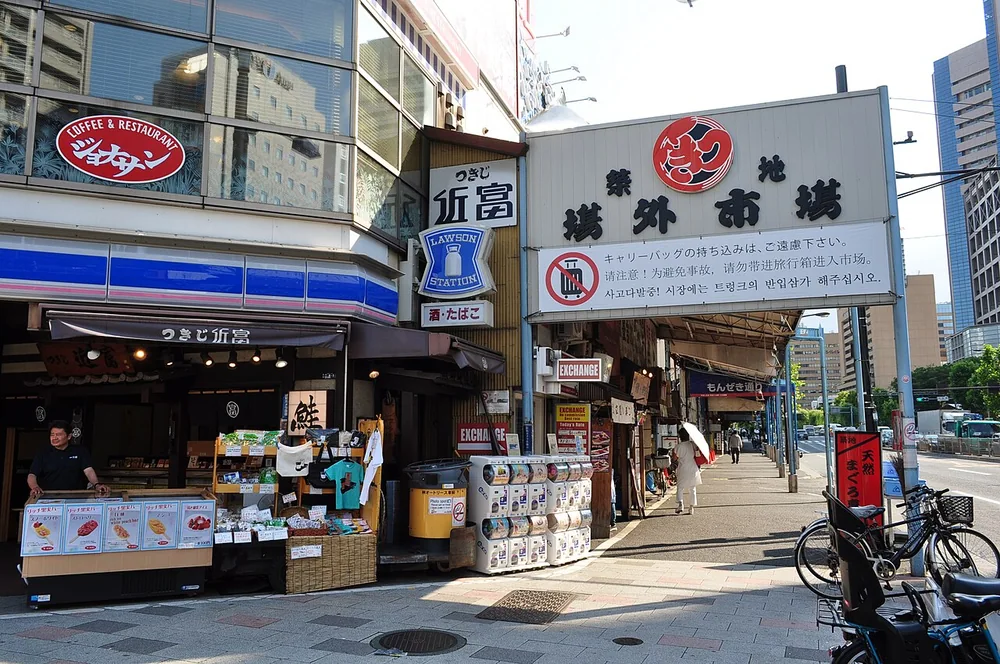
Ameyoko stretches roughly along the railway tracks from JR Ueno Station to Okachimachi Station, a span Tokyo's official tourism site lists at about 500 meters. On the Ueno end, look for the Shinobazu Exit; on the Okachimachi end, use the North Exit. If you are riding JR up from Tokyo Station for a booked lunch around Okachimachi, get off at Okachimachi first and walk north through the market street afterward. To keep your route from station to table in a single line, pin your first stop on your phone map and pick your return station after you eat.
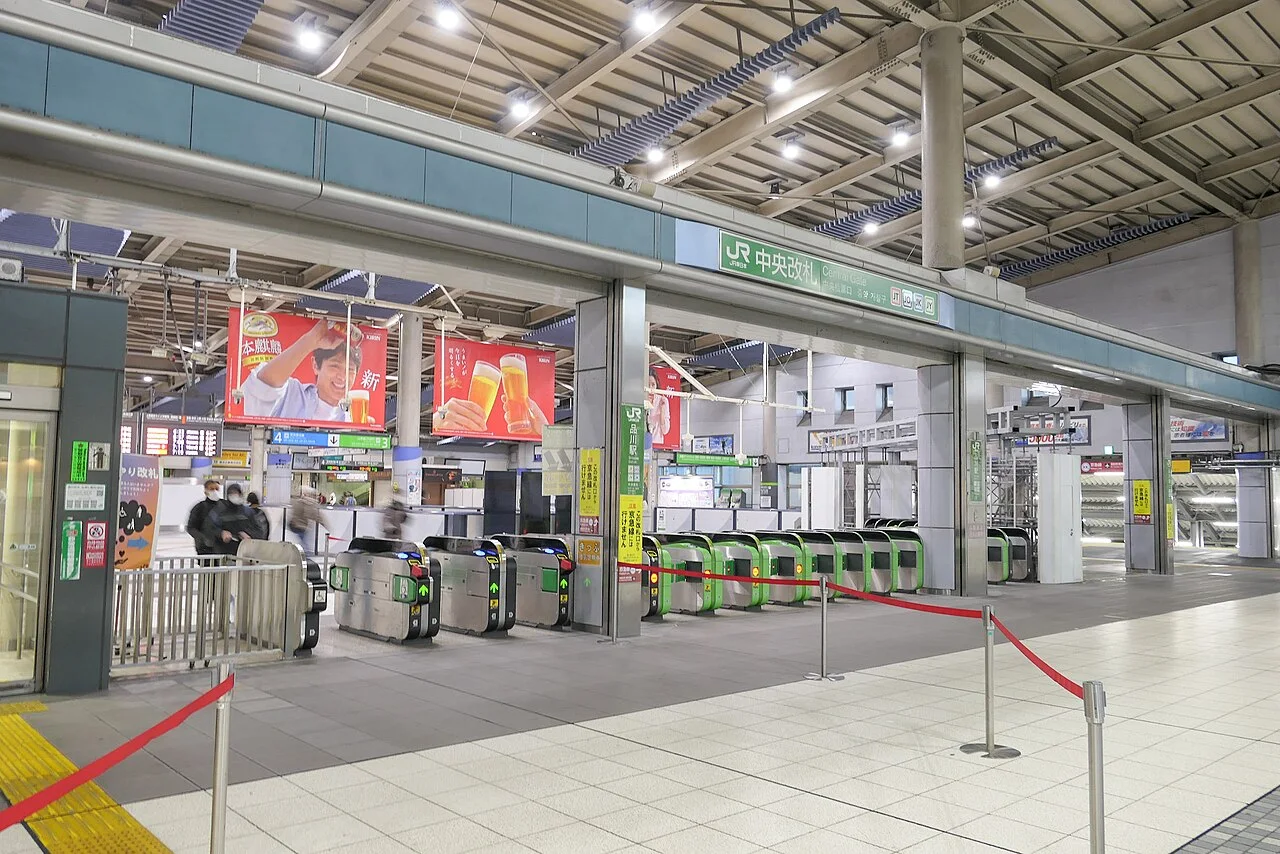
At JR Ueno Station, Central Gate is the ticket barrier, while Hirokoji Exit leads out to street level. If you spot Hirokoji Exit from the main concourse, that side reaches Ameyoko just as easily. When your first stop is the Tokyo National Museum, the National Museum of Western Art, or the main gate of Ueno Zoo, follow the signs for the Park Gate and Park Exit instead. The Iriya Exit works best for destinations east of the station, so do not pick an exit for Ameyoko based solely on straight-line distance on a map.
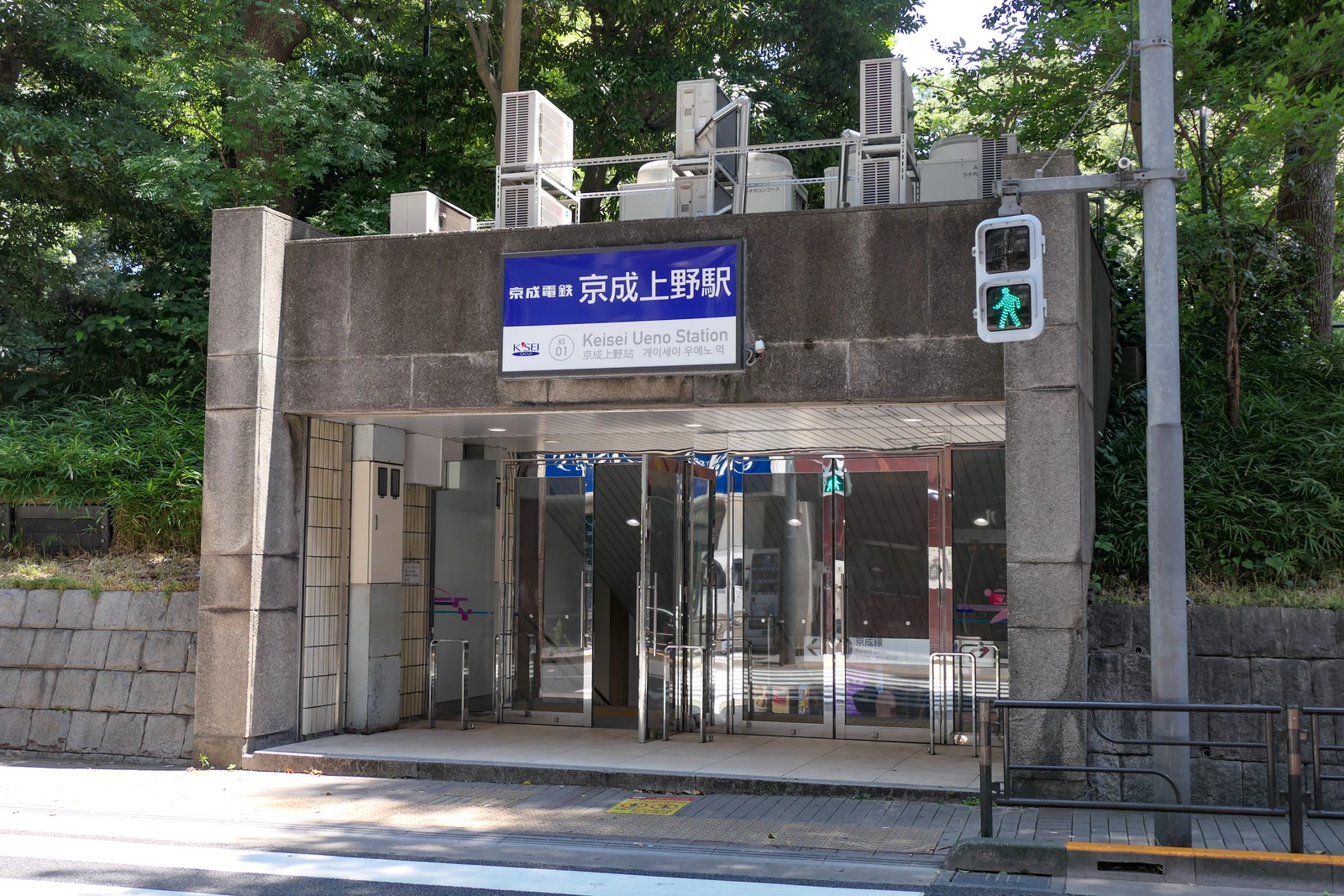
Coming from Tokyo Metro Ueno Station, the Ameyoko Center Building's official guide directs visitors to Exit 5a or 5b. Keisei Ueno Station has its own ticket gates and station map, so if you arrive from Narita Airport on the Skyliner, set your map's starting point to Keisei Ueno and navigate straight to your first restaurant. When meeting friends, use full exit names. Saying 'outside Ueno Station' only invites follow-up texts about which railway line; meeting under the Ameyoko arch or in front of a specific shop saves everyone from wandering.
If lunch is at Isen Honten, take Exit A4 from Ueno-hirokoji Station on the Ginza Line or Exit A4 from Ueno-okachimachi Station on the Oedo Line. Keep in mind that this subway exit and JR Ueno Station's Hirokoji Exit are two completely different places, so include 'A4' when coordinating a meetup. Both the North and South Exits of JR Okachimachi Station are also within walking distance of Isen. If you are heading back up to the park in the afternoon, walk toward Ueno's Shinobazu Exit area and cut over by the pond.
If you are fitting both museums and the market into the same day, save the downhill walk past Shinobazu Pond toward the shopping street for the way back. Leaving the park for lunch and climbing back up to the galleries adds an extra uphill trek. On hot summer days with kids, stop near the park entrance for water and a quick rest before continuing into Ameyoko. Travelers staying near Okachimachi can tackle the uphill park stretch in the morning, stroll back toward their hotel in the afternoon, and pick up deli items and sweets on the return pass.
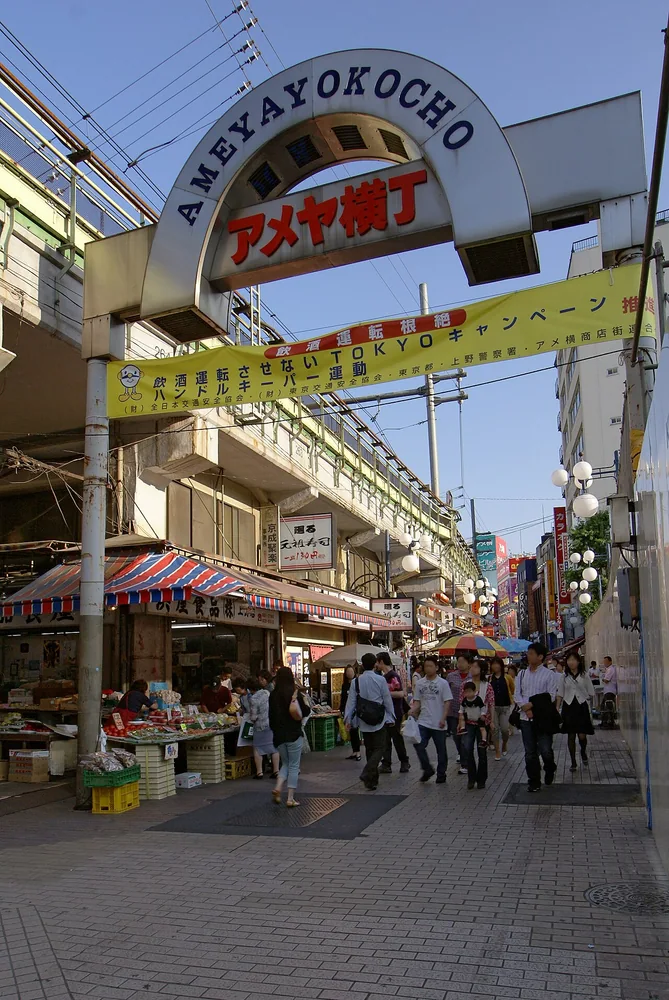
Which Ueno exit puts you closest to the food? Menchi-katsu in Ameyoko, Okachimachi tonkatsu, Ueno Park yoshoku, station bentos, and under-track izakayas, with hours, prices, and rainy-day routes.
Start with One Ameyoko Street Snack, Then Sit Down for a Set Meal
Niku no Ohyama Ueno sits in Ueno 6-chome. Since reopening on July 1, 2026, its official menu still features the counter-side Yamitsuki Menchi (¥180 takeout) and Yamitsuki Korokke (¥110). The former is a fried ground-meat cutlet, while the latter is mostly potato. If you want to try the Wagyu version, look for the larger Takumi no Wagyu Menchi at ¥500 takeout, available in limited quantities. Even if tonkatsu is next on your list, splitting a fresh-from-the-fryer cutlet lets you catch that crisp crust right at the counter.
Takeout, standing space, and sit-down dining are separated here. Ohyama has a standing-drink area along the side of the shop, and if you want a seat, check the indoor lunch menu, where the menchi-katsu and korokke set meal is listed at ¥880. Lunch starts at 11:00 and runs until 15:00 on weekdays, or 14:00 on weekends and national holidays. If you are going specifically for the lunch set on a weekend, arrive before 14:00. Indoor dining is generally closed on Mondays (subject to adjustment on holidays), while the street-facing takeout counter only lists New Year's Day as closed.
When crowds gather outside several neighboring shops, check which storefront sign the tail of the line actually belongs to. People buying fried snacks, waiting for indoor tables, and queuing for the adjacent bars can spill into the same stretch of pavement. Once you have hot food in hand, eat it in the designated area pointed out by staff before moving on to the next stop. Ameyoko has storefronts where pausing is fine, alongside side alleys used for deliveries and kitchen runners, so avoid walking under the elevated tracks with sauce-topped snacks while scanning for signs.
To browse a wider spread of ingredients, use the Ameyoko Center Building in Ueno 4-chome as your turnaround point. Building hours are listed as 10:00-20:00, generally closed on the third Wednesday of the month and open daily in December, though individual stalls keep their own schedules. Seafood, dried goods, and seasonings are best saved for after lunch on your way back to the hotel. If you still have the park and museums ahead of you, jot down shop names and wait to buy anything refrigerated so your hands stay free all afternoon.
If you are sticking to one snack budget, eat the hot items first and buy room-temperature goods last. Finishing your menchi-katsu on the spot means you will not be carrying a greasy paper bag into a sit-down restaurant. Save chocolate or packaged sweets for the final stretch closest to your train station so you are not juggling bags every time you step inside a shop. As a pair, one person can queue for a single portion while the other finds an approved standing spot, then walk south together once you finish.
Okachimachi Tonkatsu and Ueno 6-Chome Soba
Save a proper sit-down lunch for Isen Honten. Founded in 1930, the restaurant is known for its katsu sandwiches alongside its plated tonkatsu. On the menu, the loin cutlet set (Rosu Teishoku) is ¥1,950 and the tenderloin cutlet set (Hirekatsu Teishoku) is ¥2,300, with thick-cut options like large loin and special loin also available. If you only want takeout, the six-piece katsu sandwich box is listed at ¥1,300 - a handy pick for the train when you do not want to wait on a full plated meal.
Isen starts lunch at 11:30 with last order at 14:50, then closes for an afternoon break from 15:00 to 16:30. Dinner last order is 19:45 before closing at 20:10. The restaurant closes on Wednesdays, unless a national holiday falls on that day. If you step out of a Ueno Park exhibition close to 14:50, take a break somewhere else along your walk and come back when Isen reopens for dinner. If you return to Ueno late at night, save Isen for the next day's lunch so you do not walk all the way to Exit A4 only to find the kitchen closed.
For noodles, head to Ueno Yabusoba Sohonten. On weekdays, the first floor runs 11:30-21:00 with last order at 20:30, while the second floor closes from 15:00 to 17:00. On weekends and national holidays, both floors stay open continuously from 11:30 to 21:00. Mark the second and fourth Tuesdays of each month plus every Wednesday as regular closures when planning your meals, and check the restaurant's monthly calendar online. If you arrive on a weekday afternoon, you can still dine on the first floor; if you are with seniors or a stroller and need a table, ask at the door which floor has seating open.
Both spots serve different pacing needs in an itinerary. When you have time to linger over rice and miso soup with tonkatsu, make Isen your anchor before your next stop. When you only have an afternoon gap, the first floor's continuous hours at Yabusoba are much easier to slot in. On the menu, 'seiro' gets you chilled soba with dipping sauce, while 'kake' is hot broth soba. Leave a little extra cushion if you add tempura, and afterward you can walk straight out to JR Okachimachi's North Exit instead of backtracking toward Ueno.
Yoshoku in Ueno Park, Then Dessert Down by the Pond
For a full sit-down meal inside the park, walk over to the yoshoku dining room at Ueno Seiyoken Honten. The menu highlights its signature Hayashi Rice - sliced beef simmered in a rich demi-glace sauce over rice - alongside Western-style comfort dishes like Japanese beef stew. Seating is first-come, first-served without reservations. It pairs naturally with a post-exhibition lunch, though if you hold timed tickets for another show and hit a wait, grab something light nearby and come back later in the afternoon when tables open up.
Seiyoken operates 11:00-17:00 on weekdays (last order 16:00) and 10:30-18:00 on weekends and national holidays (last order 17:00). It generally closes on Mondays, staying open if Monday is a national holiday. Check which schedule applies before planning an early-evening Hayashi Rice after a museum visit. If it is already nearing 16:00 on a weekday, keep the park portion to a walk and head down toward Shinobazu Pond or Ueno Station for dinner. Because the same address houses multiple dining concepts, search specifically for the main building's yoshoku restaurant (Honten Restaurant Landole).
After lunch, walk down near Shinobazu Pond to Mihashi Ueno Honten for dessert. Located in Ueno 4-chome about a 3-minute walk from JR Ueno's Shinobazu Exit, it is open 10:30-21:00 with last order at 20:30 and irregular closures. A bowl of anmitsu layers agar jelly cubes, red beans, and sweet azuki paste topped with black sugar syrup. Add chewy rice dumplings by ordering Shiratama, or look for 'Cream' to add soft-serve ice cream; the official menu lists the classic bowl at ¥680 and the cream version at ¥840.
If seats are open at the main shop, sit and take your time; if your next move is catching a JR train, head to the Mihashi branch on 1F of atre Ueno WEST instead. That location sits outside the ticket gates with both eat-in seating and takeout. If a dessert craving hits closer to Okachimachi, Mihashi also runs a branch on 3F of PARCO_ya Ueno. At Matsuzakaya Ueno, the 1F sales counter is separate from the 12-seat B1F tea room, so send tired companions straight to the right floor rather than asking for chairs at the retail counter.
In winter after a walk by the pond, you can also order a warm bowl of ozoni (mochi soup) as a light bite at Mihashi's main shop. The menu also carries seasonal oden and an oden-with-tea-rice set exclusively at the Ueno Honten location, so double-check the address if you want those. For a lighter dessert without red bean paste, go with 'mamekan' - salted peas and agar jelly finished with black sugar syrup. Having hot savory bowls on a sweets menu makes it easy when one person wants an afternoon break and another still needs lunch.
Visiting Ueno Zoo with Kids? Pick Lunch by East or West Garden
According to Ueno Zoo's official records, all giant pandas were returned in January 2026, so family routes can simply follow the exhibits you want to see and the nearest dining hall. Starting from the Main Gate in the East Garden, plan lunch around the indoor Saruyama Kitchen, which serves bento boxes and rice bowls. If hunger hits after crossing into the West Garden, stop at the West Garden Rest House in front of the Small Mammal House for curry and similar dishes. Because the West Garden hugs Shinobazu Pond, you can save Ueno Station desserts for after you exit toward the market street.
If you are bringing your own packed lunch, the zoo designates East Garden's Saruyama Kitchen, the West Garden Rest House, and the covered Shinobazu Pond Terrace as eating areas. On rainy days, claim indoor seating first rather than lining up the whole family at an entrance kiosk. Visitors entering in the afternoon should note that the zoo's dining page lists a 16:00 food last order at many outlets, switching to drinks only afterward. Trying to squeeze in a 16:00 lunch inside the gates gets tight, so eating outside the station beforehand gives you a much calmer walk through the exhibits.
If someone in your group wants to step out to buy supplies and come back in, ask staff at the exit for a re-entry ticket. Because the West Garden lakeside and the public Shinobazu Pond promenade sit right next to each other on a map, spell out an exact meeting spot and gate when splitting up. Families with strollers who change plans mid-visit should use the park map to locate the next roofed rest area first and send one adult ahead for food, rather than pushing a stroller into a crowded restaurant queue.
Under-Track Drinks: Start Early at Daitoryo and Bunraku
For izakaya snacks, Motsuyaki Daitoryo runs its main shop at 6-10-14 Ueno and a branch right down the block at 6-13-2. Its signature stewed offal (motsuni) uses horse offal and is listed on the official website at ¥420, alongside a five-skewer assorted grilled offal platter for ¥500 in tare sauce or salt. Pairing those two dishes with a drink makes an easy early dinner. If someone in your group prefers chicken over offal, walk a few steps on the same Ueno end to Yakitori Ueno Bunraku and check the skewer board out front.
Both Daitoryo locations list official hours of 10:00-23:30, cash only, with counter and table seating on a walk-in basis. Bunraku runs 12:00-23:00 on weekdays and 12:00-22:00 on weekends and national holidays, also cash only, with year-end/New Year and summer closures. Both spots work well for an afternoon or early-evening stop. If you have evening plans after a museum visit, grab a few skewers and move on; if a larger group wants to sit together, pad your schedule for wait times and specify either the main shop or the branch in your group text since the street numbers are so close.
Any sign reading 'tachinomi' outside a shop means standing-room only. If you want to soak up the street calls and after-work energy while someone in your party needs a chair with a backrest, check the spots between Daitoryo's main shop and branch that offer tables first instead of crowding a narrow alley. Walk in and ask, 'Yon-nin desu. Suwaremasu ka?' to give your headcount and ask for seats. Dining solo, tuck your bag at your feet or in the spot staff indicate so the narrow counter stays clear for hot plates and glasses.
Before ordering, check the storefront menu for 'otoshi' (cover-charge appetizer) and 'last order' times. Otoshi is a small starter some izakayas bring automatically; if there is a charge, factor it into your tab. If you have a train to catch, pick a hard departure time before deciding whether you have room for a second round or second bar. When leaving Ameyoko, head to JR Ueno or Okachimachi for JR lines, or Keisei Ueno for the Narita-bound Skyliner - knowing which ticket gate is a two-minute walk away matters more than when the last bar on the street closes.
Check Which Side of the Ueno Station Ticket Gates You Are On Before Eating
If you are transferring between JR lines or catching a Shinkansen, most grab-and-go food sits inside ecute Ueno. The 3F concourse inside the ticket gates packs in ekiben bentos, prepared sides, sweets, and sit-down restaurants. Official hours for the bento and deli zone are 9:00-21:00 (until 22:00 on Fridays), with early-closing adjustments on the final day of multi-day holidays and slight variations by shop. For early-morning trains before bento counters finish stocking, head to the convenience store in the same zone that opens at 5:50, or allow extra buffer for made-to-order spots.
Coming in from the street just to shop inside the JR gates requires either a platform ticket (nyujoken) or tapping an eligible IC card for 'Touch de Ekinaka' entry. Both allow up to two hours inside, counted from purchase for paper tickets or tap-in for IC cards. If you arrived by JR and have not exited yet, pick up your train bento before heading to your transfer platform or leaving the station. Meeting someone arriving on a different railway line? Agree on a plaza outside the ticket gates or at atre Ueno first, then decide together which side of the barrier to buy food on.
Outside the Park Gate, ecute has a street-accessible dining wing with a convenience store on 1F and cafes and restaurants on 2F. It is an easy duck-in spot right after finishing Ueno Park when you want shelter from rain and a quick bite. To return to Shinobazu Pond or walk to Keisei Ueno, follow the Park Exit side downhill toward the pond and pick a place along the way. If you are already inside atre Ueno, use the floor map to locate the sweets counter on WEST 1F - meeting outside a named storefront is far simpler than saying 'somewhere in ecute.'
Bound for Narita Airport? Eat dinner in town before walking over to Keisei Ueno. When buying a bento to open onboard, check whether it needs heating and how cleanly the lid seals if your hands are already full with luggage. Wait to buy chilled sweets for the ride until right before boarding so they go straight into your carry-on. If you are staying next to Keisei Ueno for an early Skyliner, scout a breakfast spot outside the gates the night before so your morning walk straight into the Keisei concourse stays effortless.
7:00 AM Udon Inside the Gates, Midnight Ramen Outside
For an early breakfast inside the JR gates, choose between the udon stand Oniyanma or the soba shop Sobaichi Nihachi, both opening at 7:00. Both appear on ecute Ueno's shop directory, so double-check the ticket gate boundary on the floor map before treating them like street-level storefronts. For grab-and-go pastries, The Standard Bakers opens at 7:30 in the same complex. Build in enough minutes to finish a bowl of noodles sitting or standing; if departure is closing in, pick up rice balls or bread to eat on the train instead.
Traveling with someone who eats strictly plant-based? T's Tantan on 3F inside the JR gates uses plant-based ingredients in its noodle dishes and opens at 10:00. Because it sits inside the paid area, factor in a JR platform ticket or Touch de Ekinaka entry if you are walking over from the park before noon. If you are only accompanying someone inside for a meal, check ecute's exit guide to leave through the gate closest to your next stop. When ordering, separate food allergies from dietary preferences and ask staff directly about specific ingredients.
Back in Ueno late at night and craving hot soup noodles? Ichiran's atre Ueno Yamashitaguchi location operates 24 hours, adding a late-night surcharge from 22:00 to 6:00 the next morning. The official page notes closures on atre Ueno's building-wide holiday dates as well as occasional temporary shutdowns. Tonkotsu ramen is listed at ¥1,180, with extra noodles available as 'kaedama.' Before joining a late-night line out front, check which station exit gets you back to your hotel or the last train, and factor in the walk home for everyone in your group.
Storing Bags East of Showa-dori? Keep Dinner in Higashi-Ueno
If you are staying on the east side of Ueno Station, look just across Showa-dori to Higashi-Ueno's Korean food street. Taito City's tourism listing places this cluster of yakiniku restaurants and Korean grocers in Higashi-Ueno 2-chome, locally nicknamed Kimchi Yokocho. It sits about a 5-minute walk from Tokyo Metro Ginza Line Ueno Station or 7 minutes from JR Okachimachi Station. Spend the day in Ameyoko, drop back east toward your hotel in the evening, and cross the avenue for kimchi, grilled meat, or hot stew without crossing back through the station.
Take elevator Exit b on the Showa-dori side of Tokyo Metro Ueno Station and walk about 4 minutes to Fukubutaya Higashi-Ueno in Higashi-Ueno 3-chome. Its menu features grilled pork belly (samgyeopsal) and shareable Korean pancakes. Listed hours are 11:00-15:00 (last order 14:00) and 16:30-23:00 (last order 22:30). If your group wants one table without a long wait, check the restaurant's reservation portal to confirm table capacities first. If your hotel is over on the Ueno Park side and you have only half an hour after a gallery visit, eat on the west side instead and save Higashi-Ueno for a freer evening.
Map searches for both sides simply pull up 'Ueno,' so enter the full street address to avoid ending up on the wrong block. For Kimchi Yokocho, pin Higashi-Ueno 2-chome; for Fukubutaya, plug in the restaurant name and its Higashi-Ueno 3-chome address so companions do not wait outside the grocery shops on 2-chome by mistake. When half your group is shopping in Ameyoko and the other half is resting at the hotel, meet at the restaurant door rather than trying to catch everyone at the same Showa-dori crosswalk.
Budget from the Menu First: Lock In Your Two Essential Stops
To keep a half-day food run under ¥2,000, pair Niku no Ohyama's ¥880 menchi-katsu and korokke lunch set with Mihashi's ¥680 classic anmitsu for ¥1,560 total. Or swap in the ¥180 takeout menchi-katsu as a morning bite and save your sit-down budget for soba or a bento. Choosing Isen's loin cutlet set plus the same ¥680 dessert brings the total to ¥2,630. These totals reflect current official menu pricing before any extra toppings, drinks, or takeout packaging fees.
Daitoryo's stewed offal and five-skewer platter come to ¥920 combined before drinks. In a group, start by sharing one bowl of stew and add skewers according to everyone's appetite. Track seafood or candy purchases in Ameyoko separately so you keep enough cash on hand for two sit-down meals. Both Daitoryo and Bunraku state clearly on their websites that they accept cash only; elsewhere, check the payment stickers by the door or ask before queuing if you plan to pay with a transit IC card.
At Japanese ticket vending machines, decide first between a set meal ('teishoku'), a single item ('tanpin'), or takeout ('mochikaeri'). If you want a smaller portion of rice, ask 'Gohan sukuname ni dekimasu ka?' before your order goes to the kitchen. When splitting up to buy street snacks, assign one person per item - ordering full portions at every stall usually leaves everyone too full by the second stop for the main lunch you planned.
If anyone has food allergies or dietary restrictions, keep the Japanese ingredient names and your restrictions together on one phone screen to show staff. At soba shops, ask ahead about both the broth base and noodle flour; at fried-food counters, check whether fryers are shared. At izakayas, 'motsu' means offal, so check the online menu or ask staff which cuts and meats are used. On a first group trip with very different tastes, browse a station dining floor together first before deciding whether to share a single table.
Rainy Days and New Year's: Always Keep Two Sit-Down Backups Ready
In light rain, you can still walk from Shinobazu Exit to Niku no Ohyama for lunch; if the downpour picks up, trim street snacks to a single stop and duck into atre Ueno or head over to the 6F Kofuku Kairo dining floor at PARCO_ya Ueno on the Okachimachi side. The floor guide lists Chinese food, yakiniku, and more, and you can check the waitlist sheets outside each door before committing a family to a queue. Even though Ameyoko runs beneath elevated tracks and shop awnings, open-air intersections still get wet, so travelers rolling suitcases should take station elevators and wait out heavy rain before browsing the market.
New Year's week requires the most backup planning. Ueno Marui has already announced its year-end closure from December 31, 2026 through January 3, 2027, reopening on January 4 from 11:00 to 20:00. Ohyama's takeout window lists New Year's Day as closed, and Bunraku observes year-end and New Year holidays. The Ameyoko Center Building stays open throughout December, making it a reliable daytime stop for groceries. When pairing a meal with a museum visit over the holidays, set one meetup time around kitchen last order and another around gallery opening; if both close, start the day inside whichever station dining wing remains open.
During spring cherry blossom season, plan Ueno Park routes around reachable meeting points. If you exit the Park Gate straight toward a museum check-in, pack room-temperature snacks in your bag and save a full meal for after you leave the park. Bringing a bento into the grounds works best if you claim a seating spot before buying food, and covered seating becomes essential if rain rolls in. If you are chasing a specific sakura festival booth or food stall, confirm its exact event dates; on regular weekdays, stick to the park's permanent dining spots.
Leaving Tokyo the next morning? Move any must-visit heritage restaurant to the evening before and keep departure morning simple with station breakfast or takeout. If your bags are stored near Okachimachi, walk south along the market street to collect them and board from the closest station. Traveling with slower walkers? Meet directly outside your chosen lunch restaurant rather than forcing everyone down the entire market strip. Walking Ameyoko both ways reveals more shops, yet in rain, on a tight train schedule, or with luggage in tow, one clean pass covers snacks and lunch.
Work Backward from Your Next Stop
With only an hour before a JR train, stay close to the Shinobazu Exit. Grab a fried cutlet at Niku no Ohyama or sit down for dessert at Mihashi Honten or the atre Ueno branch. If you are already inside the ticket gates, pick up a bento at ecute Ueno instead of exiting and re-entering. There is no need to walk all the way down to Okachimachi - one good bite leaves you plenty of buffer to locate the right platform.
Holding afternoon museum tickets? Check which park entrance sits closest to your gallery. If you eat in Ameyoko in the morning, walk down to your chosen restaurant near Okachimachi and turn back rather than pushing to the far south end right before showtime. When a museum is your first stop, leave straight from JR Ueno's Park Exit and decide on lunch based on what time you reach Seiyoken. For museum hours and year-end gallery closures, check our Tokyo National Museum visitor guide; to plan which neighborhood fits your next meal in the city, see our Tokyo food neighborhoods guide.
Staying in Okachimachi for a half-day Ueno food loop? Enter the shopping street via Okachimachi's North Exit, have lunch at Isen or on the west block, then walk north to the Ueno end for dessert. From there, climb up into the park past Shinobazu Pond and choose your final station based on your hotel's location. If you have an early flight the next day, finish your top-priority izakaya that night and grab breakfast on the walk back to your room. Compare luggage routes and platform access across stations in our JR Ueno, Keisei Ueno, and Okachimachi hotel routing guide.
When planning heritage spots on Tuesday or Wednesday, check the closure days for both Isen and Ueno Yabusoba together. On days when both are closed, eat Ohyama's lunch set near the Shinobazu Exit and add Mihashi along your walk, or shift lunch up to Seiyoken in the park. On Mondays, confirm indoor dining hours first before picking which side of Ueno to explore. Since each restaurant's regular closing day lands on a different weekday, lock in your open sit-down lunch first and treat street snacks as easy add-ons along the way - and whenever a national holiday hits, verify that day's hours on the shop's monthly notice.
A few useful answers
Which JR Ueno Station exit should first-timers use for Ameyoko?
JR Ueno Station's Shinobazu Exit is the easiest starting point for Ameyoko. To enter from the south end, use JR Okachimachi Station's North Exit. If you are heading straight to Ueno Park or the museums first, leave via JR Ueno's Park Exit.
What street snacks are worth trying in Ameyoko?
At Niku no Ohyama, takeout Yamitsuki Menchi (fried ground-meat cutlet) is ¥180 and potato korokke is ¥110. If you want to sit down for a full meal, the lunch menchi-katsu and korokke set is listed on the official menu at ¥880.
Are Ueno's classic tonkatsu restaurants open in the afternoon?
Isen Honten serves lunch until 15:00 with last order at 14:50, then reopens at 16:30. Dinner last order is 19:45. It usually closes on Wednesdays, staying open on national holidays.
Where can I eat lunch in Ueno when it rains?
Near Ueno Station, look for seats outside the ticket gates at atre Ueno or on 2F of ecute's Park Exit wing; on the Okachimachi side, head to 6F of PARCO_ya Ueno. Families inside Ueno Zoo can shelter at East Garden's Saruyama Kitchen or the West Garden Rest House.
Can I enter ecute Ueno just to buy a bento without riding a train?
Yes. To reach the 3F bento zone inside the ticket gates, buy a JR platform ticket or tap in with an eligible IC card for Touch de Ekinaka entry, valid for two hours per entry at the same station. Outside the Park Gate, 2F also has a dining wing open without a ticket.
Does Daitoryo take credit cards or reservations?
Both Daitoryo's main shop and branch are cash only and seat guests strictly via walk-in lines. For yakitori instead, Ueno Bunraku nearby is also cash only.
Where can I get anmitsu after walking through Ueno Park?
Walk from Shinobazu Pond toward JR Ueno Station to reach Mihashi Ueno Honten, listed as open 10:30-21:00 with last order at 20:30. Once you reach JR Ueno Station, there is also a branch outside the ticket gates on 1F of atre Ueno WEST.
Official information and references
Sources used in this guide.
- GO TOKYO Official Tourism Website | Ameyoko Shopping Street and Both Station Entrances
- JR East | Ueno Station Map
- Keisei Electric Railway | Keisei Ueno Station Skyliner Station Map
- Ameyoko Center Building | Opening Hours and Access
- Niku no Ohyama Ueno | Takeout, Lunch Prices, and Opening Hours
- Isen Honten | Opening Hours, Holidays, and Access
- Isen Honten | Dine-In Menu
- Isen Honten | Takeout Bento and Katsu Sandwiches
- Ueno Yabusoba Sohonten | Operating Days and Floor-by-Floor Hours
- Ueno Seiyoken Honten | Yoshoku Restaurant and Visitor Information
- Ueno Seiyoken Honten | Yoshoku Restaurant Menu Highlights
- Mihashi | Ueno Honten and Other Branches
- Mihashi | Dessert Prices and Menu Items
- Ueno Zoo | In-Park Dining and Last Order Times
- Ueno Zoo | Outside Food, Rainy-Day Seating, and Re-Entry
- Ueno Zoo | January 2026 Giant Panda Return Record
- Motsuyaki Daitoryo | Main Shop, Branch, Hours, and Menu
- Yakitori Ueno Bunraku | Opening Hours and Payment Methods
- ecute Ueno | Inside and Outside Ticket Gate Shops, Hours, and Entry
- PARCO_ya Ueno | 6F Dining Floor
- Ueno Marui | 2026-2027 Year-End and New Year Closure Notice
- ecute Ueno | Morning Dining Shops and Locations
- JR East Cross Station | T's Tantan Location and Meal Hours
- Ichiran | atre Ueno Yamashitaguchi Opening Hours, Prices, and Late-Night Fee
- Taito City Official Tourism Website | Higashi-Ueno Korean Food Street
- Korean Restaurant Fukubutaya Higashi-Ueno | Access, Menu, and Opening Hours
- Tokyo Metropolitan Park Association | Ueno Onshi Park and Park Facilities