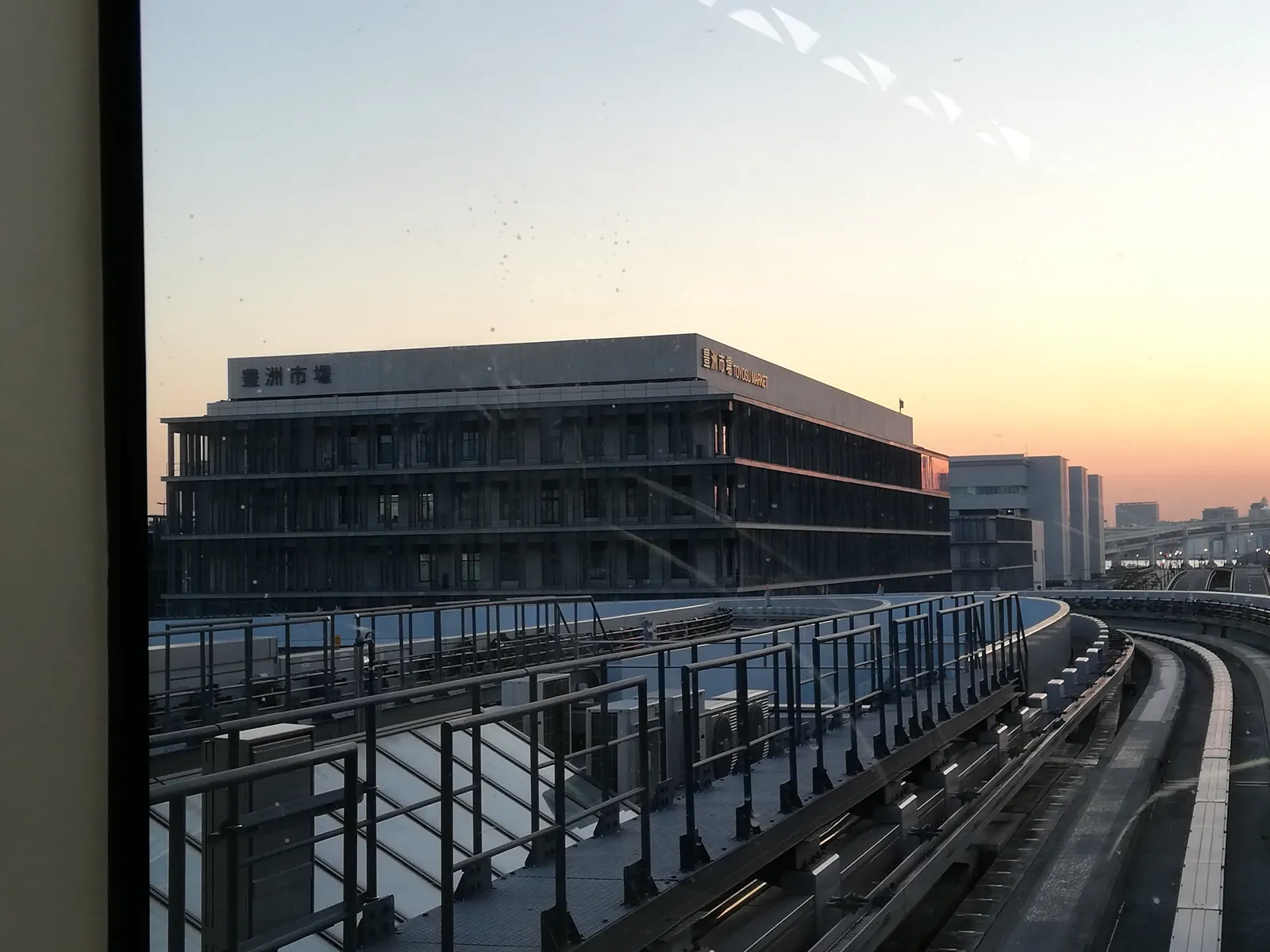
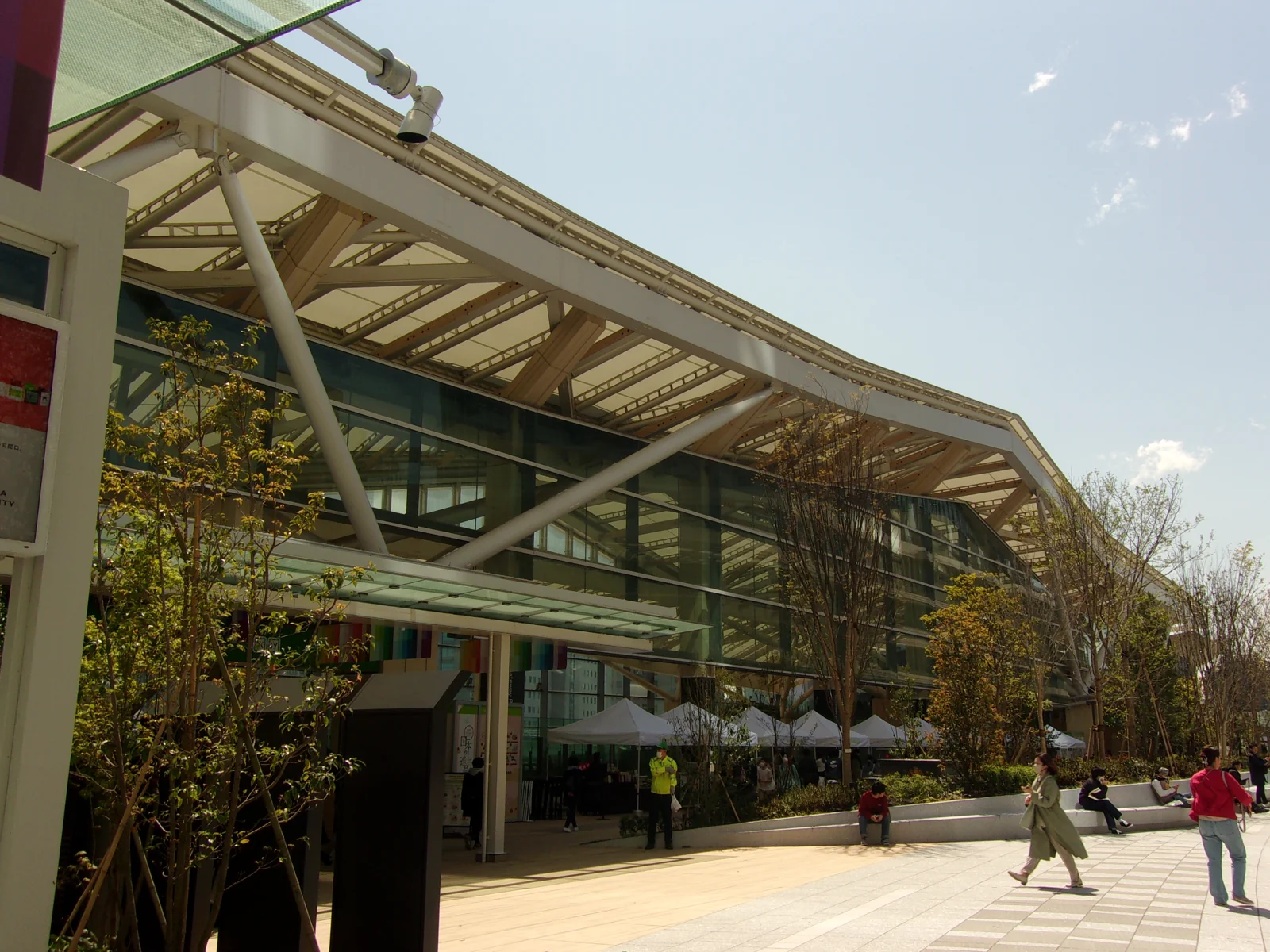
Choose Tokyo neighborhoods around the meal you want: Tsukiji or Toyosu, Tsukishima monjayaki, Jimbocho curry, Nihombashi shopping, reserved dinners in Ginza, or drinks in Shimbashi, with three-day plans, queues, and family dining needs.
- Reading Scope
- 40 min read · 15 chapters · 4 Q&As
- Official Verification
- 34 official sources checkedUpdated October 27, 2026 at 09:41 PM GMT+8
- Key Topics
- FoodNeighborhoodsItineraries
Chapter Route Map (tap any stop)
- Choose one meal worth crossing town for, then keep the others on your daily route
- Tsukiji: have a morning meal, then buy food you can actually take with you
- Toyosu: early viewing, breakfast across three blocks, and alternatives on market holidays
- Tsukishima: make monjayaki a shared meal and let the griddle set the pace
- Asakusa and Ueno: a meal after temple visits or a break between museums
- Jimbocho and Kanda: curry, soba, and an afternoon with bookstores
- Nihombashi: pair a meal with one kind of shopping
- Ginza and Hibiya: book dinner before fitting in shopping
- Shinjuku and Shibuya: eat on the side where you are already shopping
- Shimbashi and Yurakucho: choose alleys for drinks, or seats for a rest
- Kagurazaka: include it when you want to devote the evening to dinner
- Kiyosumi-Shirakawa: put coffee after a meal and pair it with a garden or art
- With children, vegetarian diets, or food restrictions, find suitable restaurants first
- Reservations, queues, and cost: record the conditions that change the meal
- Three-day combinations: fit your group and keep one meal flexible
- Quick Q&A
With three full days in Tokyo and 20 saved restaurants, traveling across town to eat can consume your time first. Choose one meal worth a special trip and fit the others along each day’s sightseeing and shopping route. The choice becomes clearer: Tsukiji for a market breakfast, Tsukishima for a shared griddle meal, Jimbocho for curry and bookstores, and Kagurazaka when you want to reserve an unhurried dinner. Compare neighborhoods by the purpose of the meal, then let location, service hours, companions, and the trip back decide where to eat today.
Choose one meal worth crossing town for, then keep the others on your daily route
With three full days in Tokyo, first choose one kind of food you truly want to travel for. For seafood and market shopping, pick a morning in Tsukiji. For a slow meal with friends around a griddle, choose Tsukishima. If curry and used books appeal more, save it for Jimbocho. Fit the other lunches and dinners into neighborhoods you already plan to visit. You still get different sides of Tokyo while keeping time for exhibitions, shopping, and rest.
Before choosing the neighborhood, write down what the meal needs: a table for four, options for someone who does not eat raw fish, time to reach a theater afterward, or simply a seat near the station. These conditions settle the answer earlier than rankings. If a companion needs a high chair, a popular counter-only restaurant should not be the first choice. With just an hour free, save a leisurely multicourse meal for another day.
If your daily sights are already planned, use the Tokyo neighborhood itineraries to replace a meal within an existing half-day. If you are still choosing accommodation, start with where to stay in Tokyo. Several dinners on the same side of the city make the nightly journey from restaurant to lodging more important to your energy than an occasional lunch across town.
| Meal purpose | Start with | First condition to resolve |
|---|---|---|
| Market breakfast and ingredient shopping | Tsukiji | After 9:00 for ordinary visitors; shop closures and where to eat |
| Market viewing with a meal | Toyosu | Market holidays, restaurant building, and service hours |
| A shared griddle meal with friends | Tsukishima | Reservable seats together, ingredients, and griddle use |
| Curry, soba, and bookstores | Jimbocho and Kanda | Shop entrance, lunch queues, and afternoon hours |
| Food gifts and traditional restaurant meals | Nihombashi | Eat in or take away, best-before dates, and service periods |
| Formal dining after a performance or shopping | Ginza and Hibiya | Entry time, course, and cancellation terms |
| Flexible dining on a shopping day | Shinjuku and Shibuya | Stay on the same side; seating and the journey back |
| After-work atmosphere and drinks | Shimbashi and Yurakucho | Seats, smoking rules, and extra charges |
| Dinner as the day’s focus | Kagurazaka | Reservations, hills, and the actual address |
| Coffee with a garden or art | Kiyosumi-Shirakawa | Have a main meal first, then choose a coffee stop |
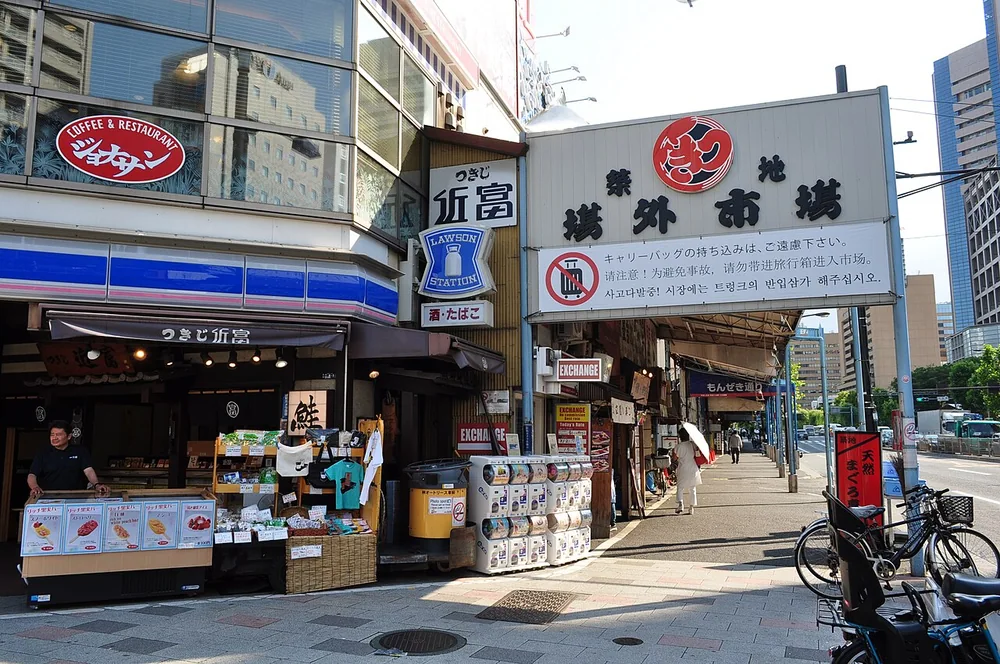
Choose Tokyo neighborhoods around the meal you want: Tsukiji or Toyosu, Tsukishima monjayaki, Jimbocho curry, Nihombashi shopping, reserved dinners in Ginza, or drinks in Shimbashi, with three-day plans, queues, and family dining needs.
Tsukiji: have a morning meal, then buy food you can actually take with you
Tsukiji suits travelers who want small shops, seafood or cooked food, and dried-goods shopping in one stop. The outer market’s official shopping guide gives 9:00–14:00 as visiting hours. Many shops close Sundays and some Wednesdays; before 9:00, professional buyers have priority. Planning on earlier always being better can conflict with their work. Ordinary visitors can start after 9:00, eat the meal they most want first, then compare shops.
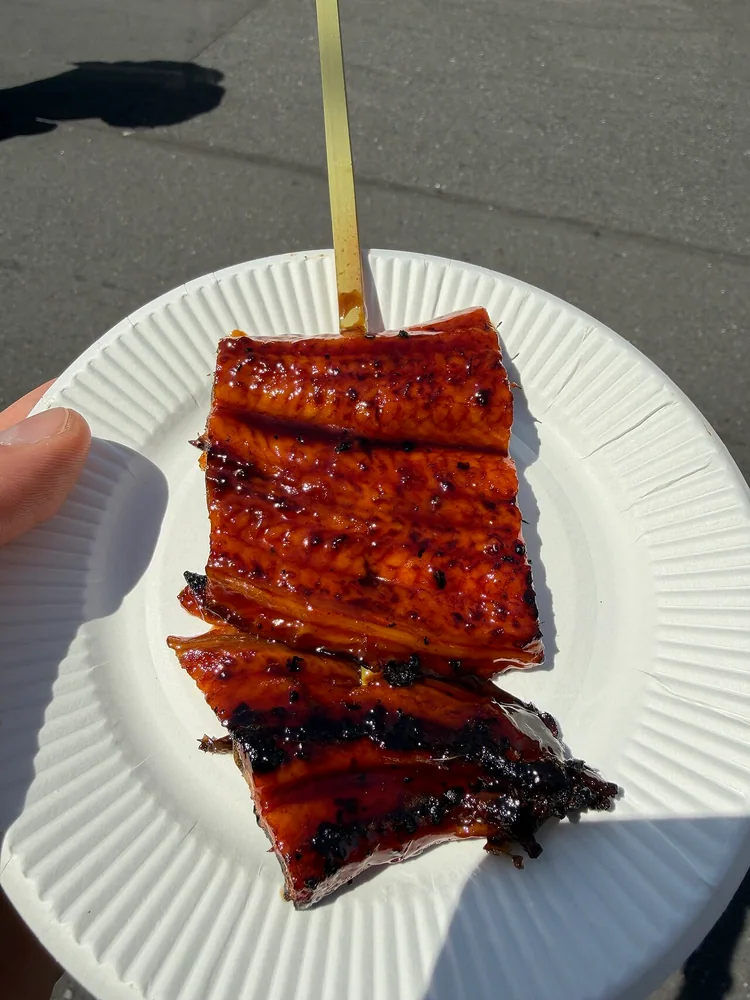
A market breakfast need not become a large separate order for everyone followed by another full meal at the next shop. Choose sushi, a seafood rice bowl, or cooked food as the main meal, then leave room for one or two small snacks. Compare seafood bowls by fish, slices, and portion size. Price alone cannot tell you whether a bowl suits your appetite. If you do not eat raw food, choose cooked dishes, tamagoyaki omelet, or another meal instead of ordering more raw fish than you want just because you are at a market.
Eat inside the shop or in its designated space. The Tsukiji Outer Market visitor rules ask visitors to avoid eating while walking, store large bags, and move in small groups. Buying food, stopping for a photo, then looking for somewhere to eat often blocks the narrowest passage. Find the permitted eating space first, finish, then move on. This also makes things easier when carrying a child or shopping bags.
For shopping, work backward from how long it will be before you return to the hotel. If you will browse Ginza until evening, start with shelf-stable dried goods and packaged foods. Buy refrigerated items when you can go straight back to your accommodation.
Payment methods vary by shop. Carry yen cash and read quantity and storage labels before buying. If breakfast fills you up, make lunch later and smaller. Traveling to Toyosu that afternoon for similar seafood often adds another journey and queue.
An official Tsukiji Outer Market video introducing how to explore the market.
Toyosu: early viewing, breakfast across three blocks, and alternatives on market holidays
Save Toyosu Market for an interest in a modern wholesale market, visitor corridors, or the tuna auction. Its space and working rhythm differ from Tsukiji Outer Market. Tokyo’s Toyosu Market visitor information lists ordinary viewing corridors open 5:00–17:00, closed Sundays, national holidays, and other market holidays. Restaurants have their own hours. Arrive for the activity and restaurant you want, rather than using the market entrance hours alone. For a seafood breakfast without a visit, compare the full journeys from your lodging to Tsukiji and Shijo-mae Station. Staying in western Tokyo without plans to view the market may give little reason to cross the city before dawn. Toyosu fits more naturally when the waterfront is already your day’s focus. Search for Toyosu Market plus the restaurant name and check its building. Malls near Toyosu Station, restaurants inside the market, and Senkyaku Banrai are separate locations.
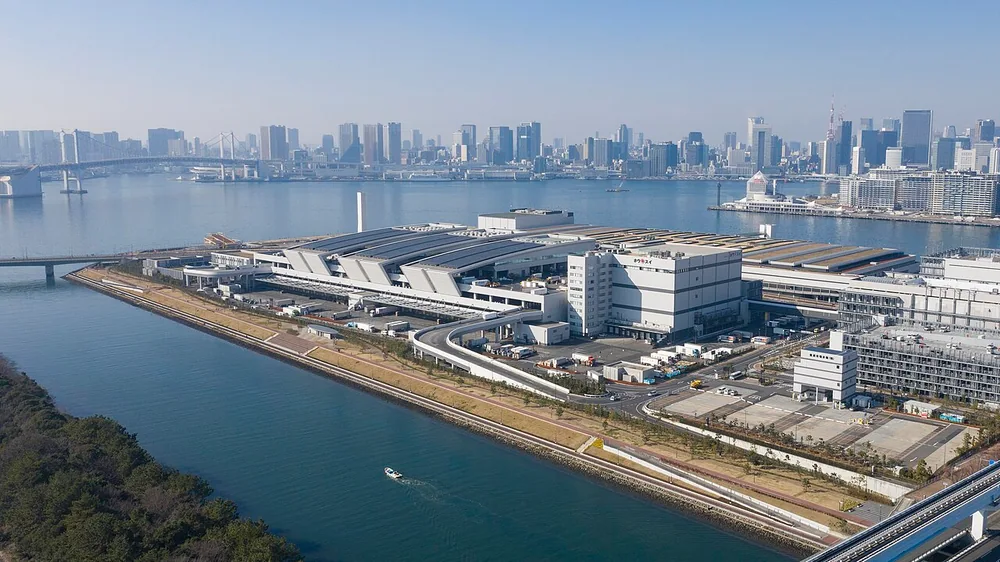
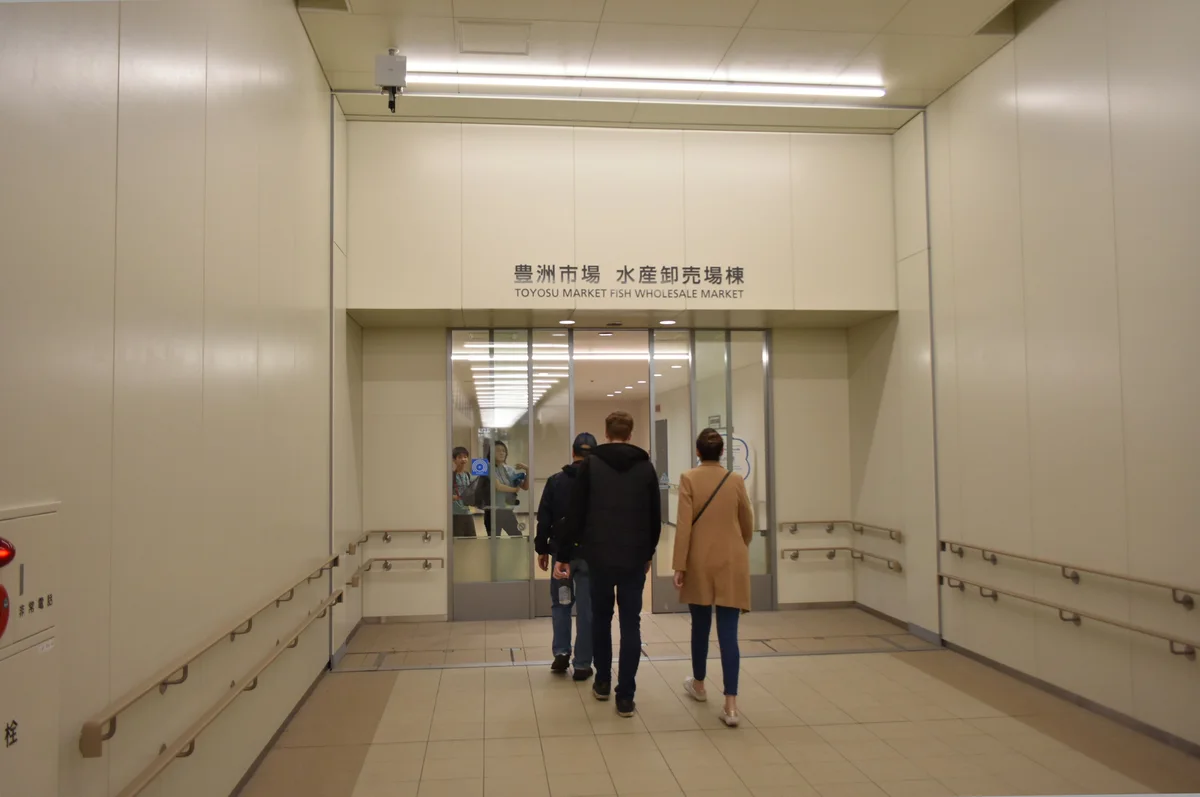
The tuna-auction observation deck requires an advance application, with a lottery if demand is high. Obtain the application result, meeting place, and meeting time before planning the previous night’s accommodation and early transport. Ordinary visitor corridors and this close-up deck visit are separate arrangements. Arriving early does not grant a place on the reserved visit. Plan breakfast after the viewing you are actually able to complete.
Families and companions who prefer not to rise early can combine normal morning dining with a short visit while others see the auction separately. For an afternoon arrival, use restaurants and facilities still open; morning work cannot be viewed later. If your waterfront day also includes a paid exhibition or booked activity, eat in the same area instead of returning to central Tokyo for another bowl of ramen just to add variety.
The Tsukiji shopping district’s 2026 calendar notes that some outer-market shops open when the central wholesale market is closed. Plan a Tsukiji meal around the individual shop’s days. At Toyosu, market-management rules close the market’s restaurant and retail areas on market holidays too. If you are already on the waterfront, Toyosu Senkyaku Banrai remains open on market holidays and works for lunch or dinner. Its main dining hours are 10:00–22:00, with some outlets closing at 20:00.
For the close-up deck, check the month’s Tokyo tuna-auction viewing application page. November 2026 sessions run 5:45–6:25, with a 5:30 meeting at the PR Corner on the third floor of the Management Facilities Building in Block 7. From Shijo-mae Station’s ticket gates, use the pedestrian deck into that building’s third floor, turn right, and continue straight to the PR Corner. Groups take turns on the deck. It is free, with 100 people selected daily and up to five per group, including infants under one year old. The representative must be a junior high school student or older. Submit once per group; changing the representative does not permit duplicate applications.
Applications for November 2026 closed October 13. The next batch, for December, opens November 4 at 15:00 and closes November 10 at 23:59, with results around 18:00 on November 19, all Japan time. The official annual schedule also lists January 2027: applications run December 2, 2026 at 15:00 through December 8 at 23:59, with results around 18:00 on December 17. Early-morning deck visits are unavailable December 25–January 5, a separate restriction from market holidays. Dates cannot be changed after the deadline. If you cannot attend, the official FAQ says no system cancellation or email notification is needed.
Bring your selection email or results screen. Every participant, including companions, has an identity check. Overseas families can bring each person’s passport, including the baby’s. The official viewing FAQ says there are no same-day places, waitlists, or second application rounds. Late arrivals use the ordinary second-floor corridor instead. Photography is allowed on the deck, with no flash. Disable flash on phones and cameras before your turn.
Compare two starting points for early transport. The weekday Yurikamome timetable for Toyosu Station, checked October 27, 2026, has the first train toward Shimbashi departing at 5:15, corresponding to a 5:18 departure from Shijo-mae in that direction. You still need to reach the third-floor meeting point. The next Toyosu departure at 5:33 is already after the 5:30 meeting time. From Shimbashi, the first train toward Toyosu leaves at 5:45, too late for the deck meeting but useful for ordinary corridors and breakfast. If keeping a Shimbashi hotel, the weekday timetable for bus 市01 at Shimbashi Station boarding point 1 lists a 5:02 express, then 5:25 and 5:50. Choose a service that reaches the meeting point early enough, accounting for traffic and walking after the stop. Departure time is not check-in time.
From Shijo-mae Station’s pedestrian deck, head first to the Fisheries Wholesale Market Building in Block 7 for tuna viewing, then return to the deck for your breakfast building. The official visitor map places restaurants and viewing displays on the third floor of Block 6’s Fisheries Intermediate Wholesale Market Building, with Uogashi Yokocho retail on the fourth. Restaurants in Block 5’s Fruit and Vegetable Building are on the first floor. Add Block 5 if produce distribution interests you. For a meal in Block 6 alone, return to the station afterward instead of making a circuit just to cover every block. Use visitor entrances and the elevated pedestrian decks between blocks.
After the deck visit, have one meal inside the market. The Toyosu Market Tourism Association directory lists Nakaei curry in Block 6 at 5:00–14:00 and Odayasu at 5:30–15:30, with last orders at 14:00. Curry and fried dishes give options for people who do not eat raw fish. In Block 5, Fujimiya soba runs 6:30–14:00, while Tenfusa tempura runs 7:00–13:00 and can close early when ingredients sell out. Choose one main meal for the family. If the queue is too long, switch to an acceptable restaurant in the same building rather than eating fully in Block 7 and crossing to Block 5 for another sushi restaurant.
To avoid crossing buildings, stay on the third floor of Block 7’s Management Facilities Building. Mosuke Dango runs 5:00–15:00. Yachiyo opens at 7:00 and closes Wednesdays, so an early visit there needs time to wait for opening. Between the deck visit ending at 6:25 and Senkyaku Banrai’s main restaurants opening at 10:00 are more than three hours. Eat breakfast first, then see an ordinary corridor if interested. General PR Corner displays open only at 8:30, until 14:30 Monday–Friday and 11:30 Saturday. That is separate from its early-morning role as the lottery group’s meeting point.
Before buying snacks or takeaway food, ask where you may eat. Eating and drinking are prohibited in market corridors, including on benches. Do not take dango to the viewing glass to eat while watching. Ordinary consumers also cannot buy wholesale fish in the intermediate wholesale trading area. For dried goods, utensils, and other retail, use the public shops on Block 6’s fourth floor instead of following work-vehicle routes in search of cheaper seafood. Store large luggage at your accommodation or a suitable facility before walking between buildings.
When selecting dates, check the 2026 fish and produce calendars separately. For example, November 4 and 25 have the produce market closed but fisheries open, so both cannot be viewed. The 2027 calendar is also published. For New Year travel, use the relevant year rather than a simplified weekly closure rule. In ordinary rain, keep an indoor visit and breakfast in one block and drop produce and the rooftop. Decks still connect blocks outdoors, so bring an umbrella and reduce backtracking.
On a market holiday, leave later and start with Senkyaku Banrai’s free eighth-floor footbath, open at 9:00, or the main dining area at 10:00. Distinguish the eighth-floor footbath garden from the tenth-floor observation footbath reserved for paying Manyo Club guests. Families can use nursing rooms in the second-floor bathing building or on the third floor; stroller storage is unavailable. The market rooftop green plaza runs 5:00–23:00 and remains open on market holidays. Add it only in good weather. In heavy rain, stay with the commercial dining facilities instead of walking outdoors for three hours while waiting for restaurants to open.
| Block and floor | Breakfast options | How to connect the stop |
|---|---|---|
| Block 7, Management Facilities Building, third floor | Mosuke Dango from 5:00; Yachiyo from 7:00, closed Wednesdays | Meet at the PR Corner at 5:30 for the deck; use the restaurant’s eating area for breakfast |
| Block 6, Fisheries Intermediate Wholesale Market Building, third floor | Nakaei curry from 5:00; Odayasu from 5:30 | Choose one meal after viewing; go to fourth-floor Uogashi Yokocho for shopping |
| Block 5, Fruit and Vegetable Building, first floor | Fujimiya from 6:30; Tenfusa from 7:00 | Add this block for produce viewing; omit it on produce-market holidays |
Tsukishima: make monjayaki a shared meal and let the griddle set the pace
Tsukishima suits a meal that is an activity in itself. GO TOKYO’s Monja Street introduction describes its concentration of monjayaki restaurants, many also serving okonomiyaki. Take the Yurakucho or Toei Oedo Line to Tsukishima Station. Monjayaki cooks batter, vegetables, and toppings on a tabletop griddle. Its pace differs from everyone quickly finishing a bowl of noodles, so leave space after lunch or dinner.
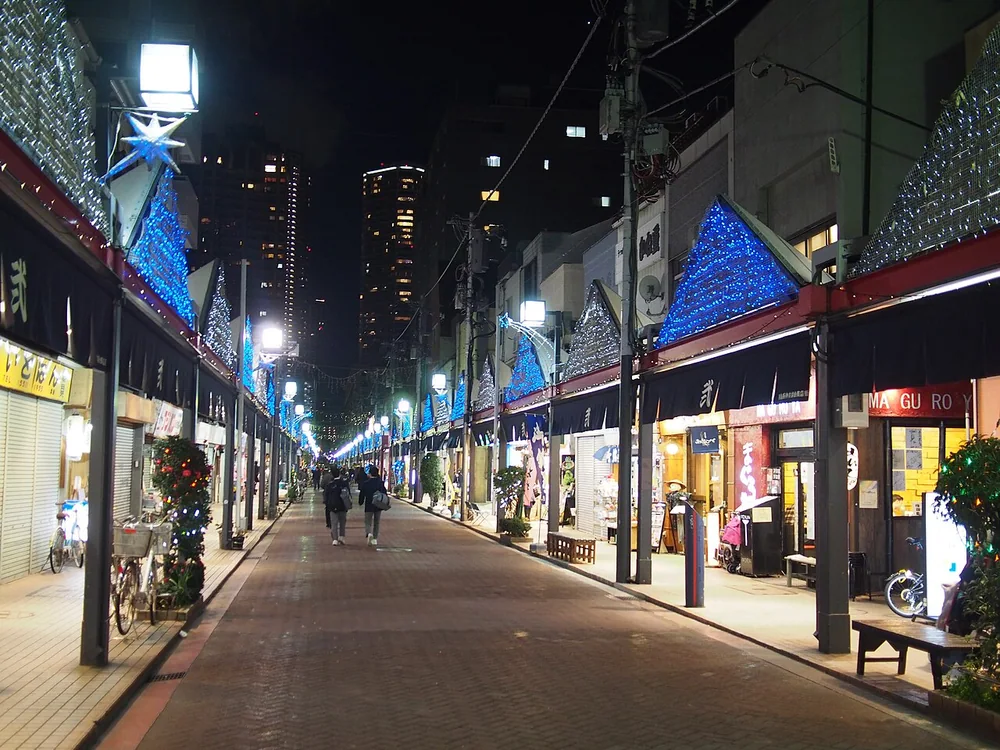
Two to four adults willing to share dishes make an easy group. Choose flavors, then order in stages. Ordering every appealing variation at once quickly creates conflicts over griddle space, cooking order, and appetite. If you are unfamiliar with cooking it, ask when ordering whether staff can help, and wait until the food is ready. Resolve pork, seafood, or dairy restrictions before sharing, because different toppings may use the same griddle.
For a specific reservable option, use the booking link on the official site of Monja and Okonomiyaki Makoto in Tsukishima. It is at 1-22-1 Tsukishima, officially about two minutes on foot from station exit 7, with table seating and private rooms for groups of seven or more. All indoor seats are nonsmoking, with a separate smoking area in the facilities. For friends needing more than one table, search using the complete group size instead of booking separately and ending up in different seating areas.
With a young child, first consider whether they can sit clear of the hot griddle, then ask about child seating and stroller space. If the child is already tired, a quickly served rice or noodle meal may fit better than asking the family to wait around the griddle. Tsukishima can be dinner after an exhibition or walk in Kiyosumi-Shirakawa. After a substantial Tsukiji breakfast, keep lunch smaller and save appetite for monjayaki in the evening instead of compressing both meals into a few hours.
Asakusa and Ueno: a meal after temple visits or a break between museums
In Asakusa, distinguish approach-street snacks, a seated main meal, and formal dining that needs a reservation. After a morning at Sensoji, finish the temple visit and main walk first, then sit down for a meal. Buy a small snack afterward. This avoids carrying food and checking a map on the busiest paths, while giving older companions a real rest at the end of the morning. If you plan Kappabashi shopping, choose a restaurant in that direction rather than returning to Kaminarimon to regroup after eating.
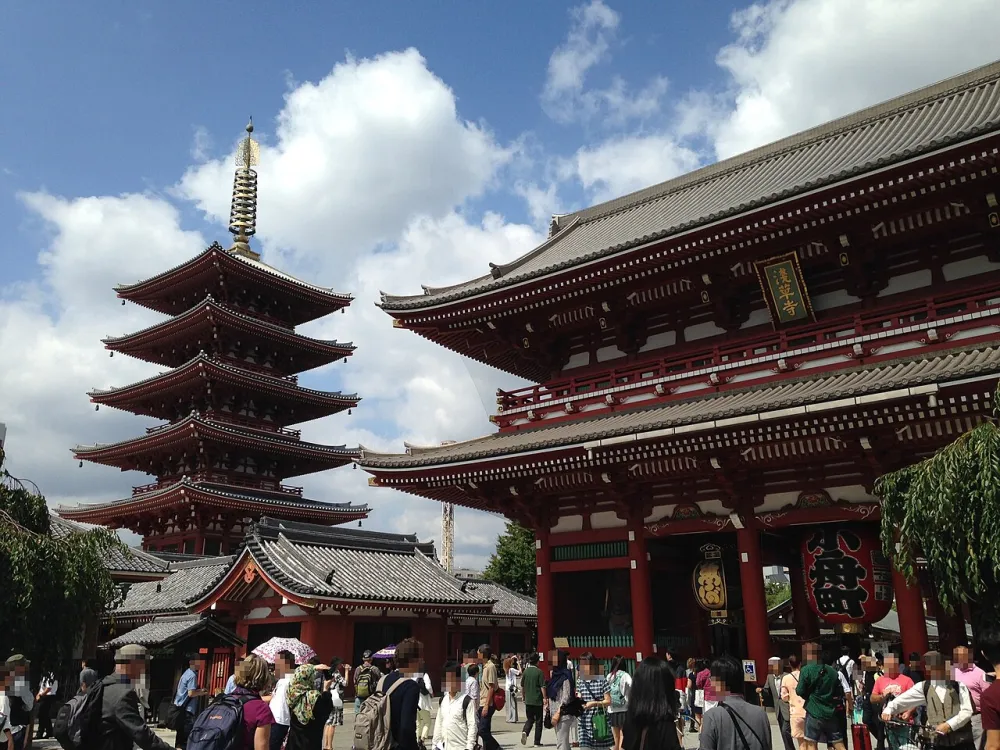
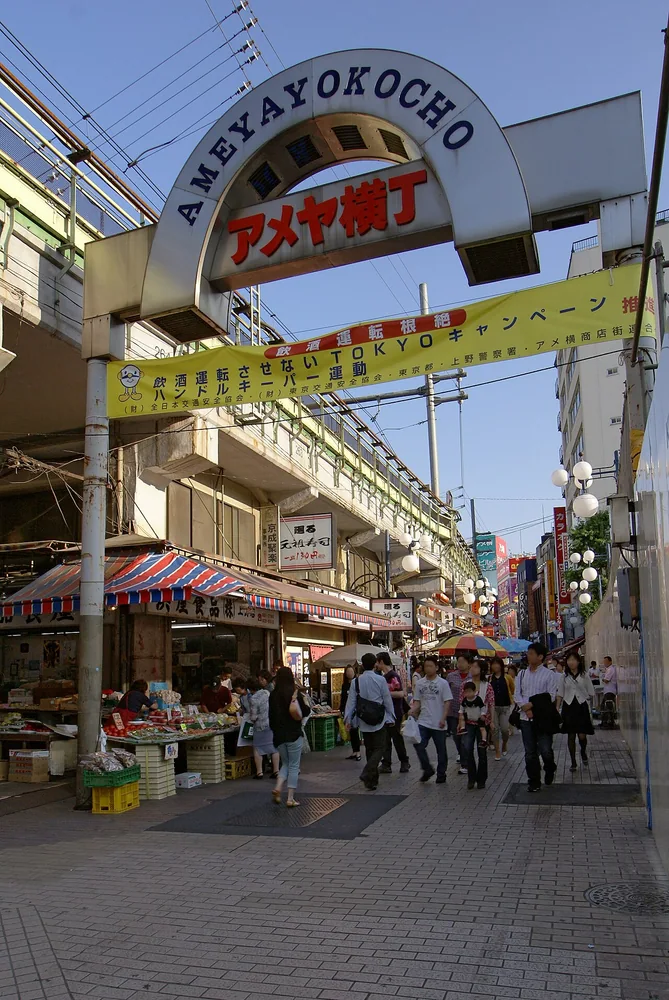
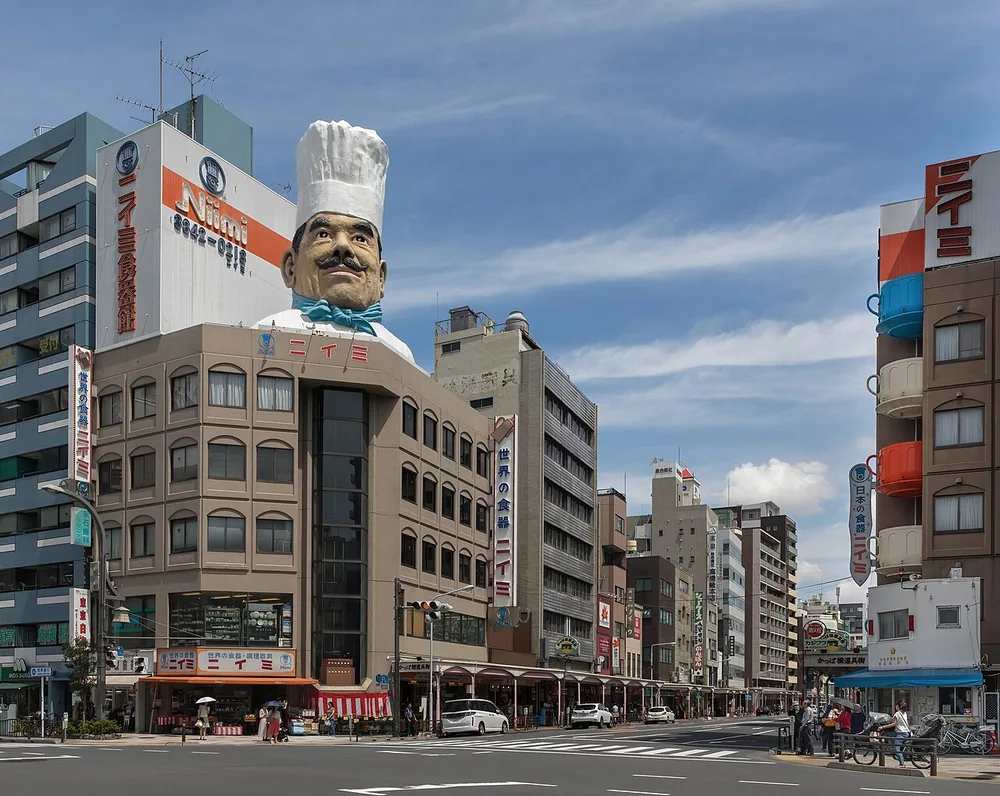
Take Asakusa Imahan’s Kokusai-dori main restaurant as an example. Its address is 3-1-12 Nishi-Asakusa, beside exit A2 of the Tsukuba Express Asakusa Station. Other Asakusa stations involve different walks. Its lunch menu cannot be reserved; the formal menu and private rooms have separate dining conditions. For lunch, allow queuing flexibility. For a guaranteed seat, choose a reservable menu rather than expecting the lunch-only dishes to come with a reservation.
At this Imahan, children who have not yet entered junior high school cannot use the second-floor private and special rooms or the third-floor large hall. Private rooms also follow the restaurant’s course minimum and service periods. Families should ask about suitable seating and reservable menus first. The existence of a private room alone does not make it suitable for a family meal.
In Ueno, place meals between museums, the zoo, or park visits. After an exhibition morning, the useful lunch is one where everyone can sit and eat smoothly, with energy left for the afternoon. A famous restaurant in another direction need not replace that planned rest. If Ameyoko is next, choose lunch progressively toward Okachimachi, shop afterward, then take transport back to your accommodation.
The Western-style restaurant at Ueno Seiyoken’s main location and other restaurants at the same address have separate hours, menus, and booking arrangements. Save the full restaurant name on your map rather than just Seiyoken. For yoshoku, Japanese-style Western cooking, start with the main restaurant’s official menu. For specific seating or a formal dinner, find an appropriate plan separately. With only half a day across Asakusa and Ueno, eat on the side where your main activity takes place.
Jimbocho and Kanda: curry, soba, and an afternoon with bookstores
Jimbocho adds useful variety to a longer stay instead of simply finding another ramen shop. The official Kanda and Jimbocho guide connects bookstores, curry, soba, and cafes. If browsing books appeals to you, have lunch, explore the shops, then sit down for afternoon coffee. Without an interest in books, keep it to a meal. Visiting a book district does not require filling the whole afternoon.
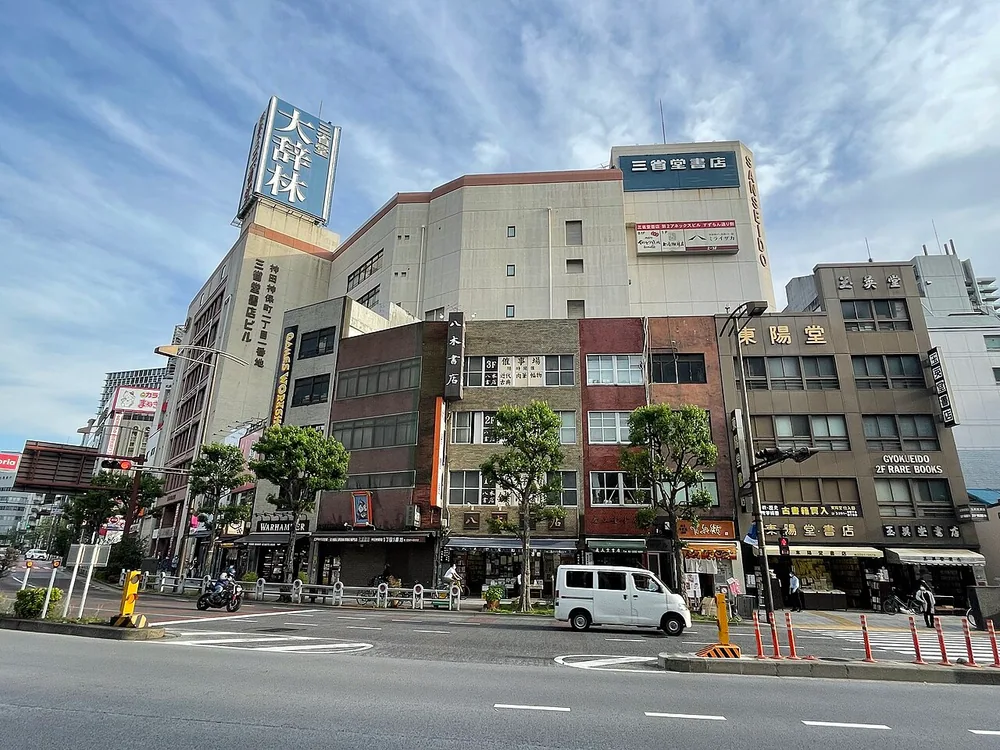
Choose curry by style and heat rather than assuming everything labeled Kanda curry tastes alike. Rich European-style curry, spice-focused curry, and soup curry offer different levels of fullness. After a heavy meal, make the next one noodles or a smaller main dish. Variety helps more than eating two signature curries in one short day. If companions have different spice tolerances, clear heat options also make ordering easier.
One specific candidate is European-style curry restaurant Bondy’s Jimbocho main branch, on the second floor of the Kanda Kosho Center building at 2-3 Kanda-Jimbocho. Its entrance is at the rear, and the official site specifically asks guests not to enter from the Yasukuni-dori side. The menu offers mild, medium, and hot curry. Saving the entrance instructions is more useful than searching up and down for stairs outside a bookshop, and keeps navigation time separate from queuing time.
If you have a later booking, decide in advance how long you can wait. If you are still outside at that cutoff, choose another place to eat instead of debating while hungry and late. The alternative should be another nearby main meal; cafe desserts may not meet the family’s lunch needs. Kanda and Jimbocho connect but cover different areas. From Akihabara, choose the Kanda side; for bookstore browsing, center the trip on Jimbocho Station. Two neighborhood names do not require two meals.
Nihombashi: pair a meal with one kind of shopping
Nihombashi works for dining and food shopping in the same outing. Pick one category you truly want to compare, such as nori, seasonings, Japanese sweets, tableware, or chopsticks, then choose lunch. This is easier to finish than visiting every long-established business. The official Nihombashi neighborhood guide brings together traditional shops, department stores, and complexes such as COREDO Muromachi, helping locate dining and shopping along the route. For a first visit, start around Mitsukoshimae, eat, walk toward Nihombashi Bridge, then leave toward Nihombashi Station or Tokyo Station. Reverse it if your restaurant is booked at the other end. Keep people and shopping bags moving in one direction. Knives and tableware can be much heavier than sweets. With older companions, shop before returning to your lodging rather than carrying boxes to an exhibition.
For traditional restaurant food, check whether dining and retail occupy the same location and whether service stops between lunch and dinner. Before buying takeaway sushi or a bento, choose where to eat it. Department-store basement counters and seated restaurants are separate options. If outdoor eating does not suit the weather, choose a restaurant with seats and leave takeaway shopping for later.
Choose gifts around the recipient and days left in the trip. Fresh sweets suitable when flying home tomorrow may not suit another week in Kansai. A gift for one household also needs different packaging from treats shared across an office. Check room-temperature or refrigerated storage, the unopened best-before date, and package size. Lunch spending and whether a gift box is worth taking home are separate decisions. Enjoying a meal does not require buying the full expensive gift range afterward.
Ginza and Hibiya: book dinner before fitting in shopping
Ginza works both for a carefully planned meal and an ordinary lunch while shopping, but the schedules differ. For a sushi counter, course menu, or celebration dinner, settle the time and reservation first, then fit shopping into the gaps. If you are simply browsing department stores, choose a nearby restaurant whose wait you can accept. A Ginza address does not require raising every meal’s budget.
GO TOKYO’s Ginza introduction notes that some sushi restaurants have only a few counter seats and use reservations. Give these restaurants the group size, children’s ages, and dietary needs before completing the booking. Record the cancellation deadline, fee, and payment or deposit terms alongside the meal. If the person booking changes flights or dates, update the restaurant too. Changing a hotel does not automatically update the evening’s other arrangements.
For a performance or film in Hibiya, work backward from entry time. If you need to be at the theater at 18:30, a long course meal starting at 17:30 does not fit. Choose an earlier seating, a shorter meal, or dinner afterward. Allow time for walking, bag storage, restrooms, and admission so you can finish dinner and enter on time. Leaving mid-meal to rush makes both the restaurant and performance harder to enjoy.
For a group without a specific cuisine in mind, use a Ginza department store or mall dining floor as a shared set of candidates. Look at menus and available seating before queuing. Afterward, those who want more shopping and those ready to rest can split by return direction. For an evening walk, choose a short stretch of Ginza, Hibiya, or Yurakucho without adding Roppongi’s night views. An unhurried meal usually serves the purpose better than fitting three commercial districts into one evening.
Shinjuku and Shibuya: eat on the side where you are already shopping
Shinjuku and Shibuya let meals follow shopping, exhibitions, and evening activities. Without one essential restaurant, stay on the day’s route. After browsing eastern Shinjuku until evening, choose dinner there. Save a southern-side meal for a day when you transfer there. The official Shinjuku guide distinguishes eastern dining and entertainment, western high-rises, and southern shopping and transport. Those distinctions are more practical than treating everything near Shinjuku Station as one meeting point.
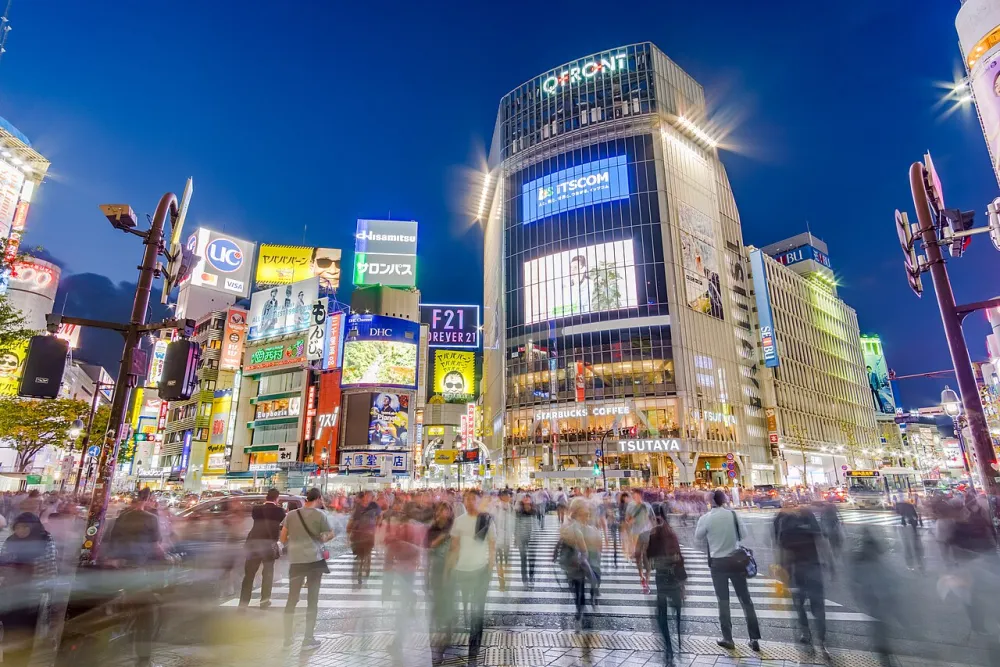
When friends shop separately, meet at the restaurant entrance or a named floor instead of just saying Shinjuku. Different railways and exits can bring people to different places, and the final meeting time needs to be at the door. Check any queue machine, sign-up sheet, or line, including whether everyone must be present, before deciding to continue shopping. One person queuing for six while the rest arrive half an hour later can disrupt both seating and the expected meal time.
In Shibuya, separate department-store restaurants, dining in commercial complexes, and small side-street restaurants. For several people comparing menus in one place, start with a mall. For a particular dish, go directly to the restaurant. With only a short interval before a viewpoint or performance, choose a main meal without a long wait. The official Shibuya guide mentions dining at Shibuya Hikarie, PARCO, and MIYASHITA PARK, but each has its own entrance and floors, so movement still takes time.
With timed admission in Shibuya, schedule the meal before or after it, whichever leaves more time. If shopping progress is hard to predict, eat after visiting the observation deck. For drinks after a Shinjuku dinner, decide the journey home before the next bar. If your hotel is elsewhere, check the last train for the actual route and date. If staying nearby, adjust by walking distance. Nightlife does not require a late dinner, and an early finish has value before an early start the next day.
Shimbashi and Yurakucho: choose alleys for drinks, or seats for a rest
Shimbashi suits after-work atmosphere, skewers, and small dishes. The official Shimbashi and Shiodome guide introduces station-area izakaya, standing bars, and restaurants beneath the tracks toward Yurakucho. That density helps when you want a drink and a few dishes. For a family dinner, first find a restaurant with seats that accepts children and serves enough main dishes rather than following a bar-hopping route.
Ask about charges before entering: a seat charge or otoshi appetizer, drink requirements, and whether the whole table must order the same course. JNTO’s dining etiquette guide explains that some izakaya serve a small dish charged separately. Include it in each person’s meal cost rather than multiplying only the price of a chicken skewer displayed outside. Nondrinkers can choose a restaurant focused on meals.
If you like spaces beneath the railway but do not want to stand at a narrow counter, start with areas such as HIBIYA OKUROJI that provide clear shop information. Each person ordering a main dish is also easier to budget than several bar stops. Before sitting down, check smoking arrangements, seat types, and where bags can go; these determine how long you will be comfortable. An early-evening walk and dinner make a complete outing without additional late-night meals in Shimbashi, Ginza, and Shiodome.
For a JR return, compare Shimbashi and Yurakucho from the actual restaurant. For the subway, use your own line instead of insisting on the same station you arrived at. After drinking, leave shopping and important journeys for the next day and follow your saved route home. If companions want to leave earlier, agree on a separation time and return plans. A suitable dinner for each person is more comfortable than making everyone keep the same drinking pace.
Kagurazaka: include it when you want to devote the evening to dinner
Kagurazaka suits a dinner that is the day’s focus, with only a short walk before it. JNTO’s Kagurazaka introduction describes Japanese restaurants, European dining, and cafes, reached from Kagurazaka Station or the Iidabashi area. The value is choosing a restaurant you like and taking your time there. You do not need to walk every sloping alley. Shopping elsewhere at midday and arriving for the restaurant in the evening works too.
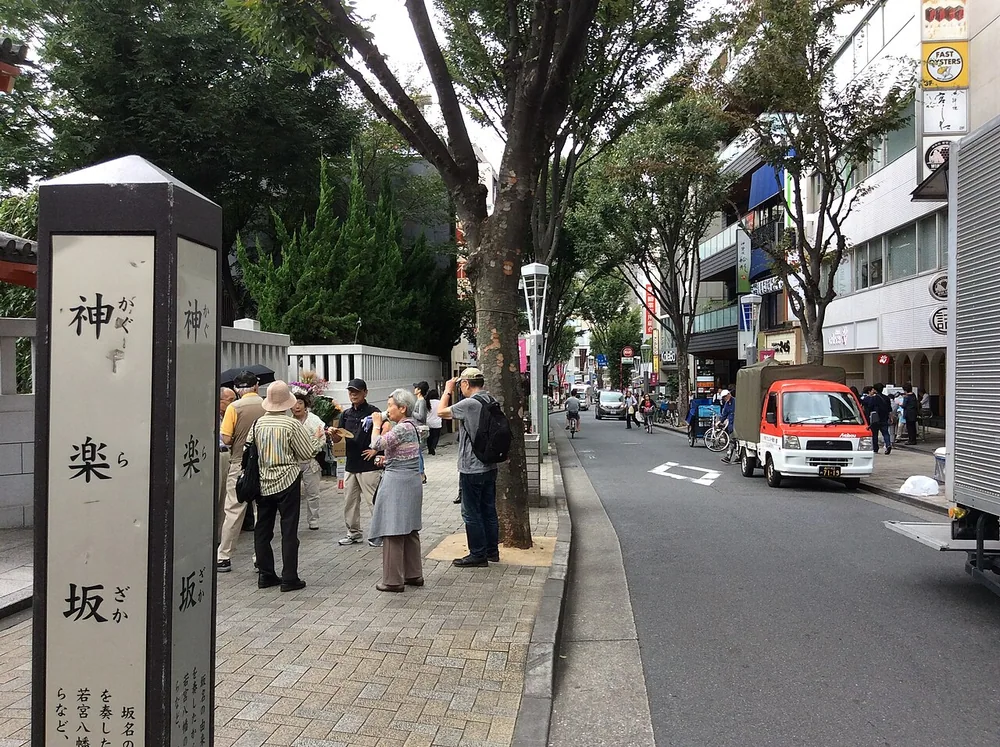
Narrow the list by cuisine and service period first. French courses, Japanese kaiseki, soba, and coffee lead to very different options. With a fixed budget, review the complete course and drinks before the address. If someone dislikes long meals, do not use a multicourse menu to test everyone’s patience. Choose a restaurant that can clearly answer booking questions, giving the group size, date, service period, and dietary needs together.
A short-looking map route may include hills and steps. With a stroller, wheelchair, or older companion, choose the station using the restaurant’s recommended approach instead of getting off at the nearest point alone. Ask about entrance floor, elevator, and seating before booking. A ground-floor storefront and a basement dining room have different access conditions. These answers determine which restaurant fits the evening without adding ten more choices.
Choose a short section of the main street before dinner, avoiding photo stops at private alleys and residential doorways. In rain, shorten the walk and wait near the restaurant. If you need a long seated rest, find a cafe earlier instead of assuming that waiting for opening means standing outside the door. After a late meal, take the easier route to the station. Before an early flight the next day, make this lunch instead, keeping the same cuisine while leaving time to return and pack.
Kiyosumi-Shirakawa: put coffee after a meal and pair it with a garden or art
Kiyosumi-Shirakawa suits people interested in coffee itself. The official neighborhood guide lists independent roasters, Kiyosumi Gardens, and the Museum of Contemporary Art Tokyo as separate stops. Take the Hanzomon or Toei Oedo Line to Kiyosumi-Shirakawa Station. For a simple coffee break, your existing activity area has options. A special half-day is worthwhile when you want to compare beans, flavors, and cafe spaces.
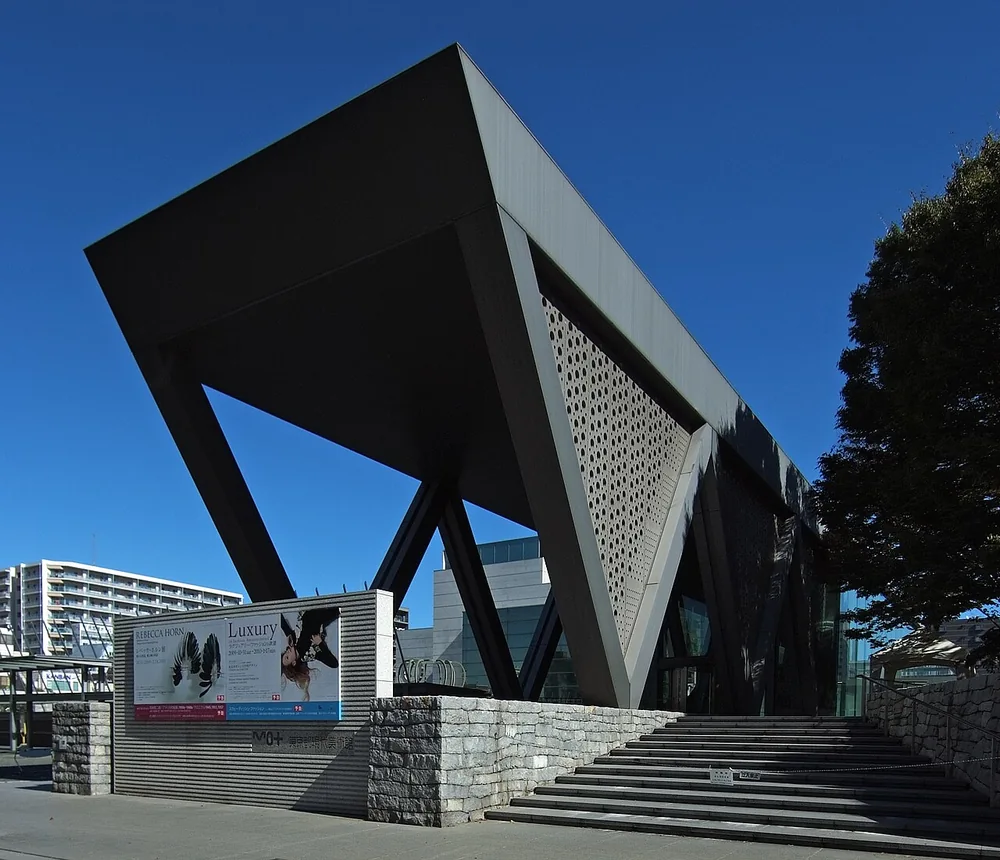
Decide where to have a main meal before choosing the cafe where you most want to sit. Two or three consecutive coffee stops can mean plenty of drinks but no meal by the afternoon. Decaffeinated drinks or a proper lunch may not be available at the same roaster. For different interests, eat together first, then let coffee shoppers visit one more shop while others go to the garden or rest. Everyone need not queue at every stop.
On a sunny day, pair coffee with the garden or a neighborhood walk. In rain, choose an exhibition or indoor place with time to sit. The Museum of Contemporary Art Tokyo involves an additional walk from the station. If lunch is on the other side, map both outward and return journeys together to remove backtracking. Check whether a coffee shop offers seated service, takeaway, or standing space and how many guests it can accommodate, then fit your stay to its seating arrangements.
Before buying beans, consider your home equipment, grind, and how soon you will finish them. If you want them ground, name your brewing method. For gifts, match packaging and quantity to the recipient’s normal use. If you still have energy after shopping, add a cup whose flavor you want to compare. Once you have had enough coffee, take the beans and leave.
With children, vegetarian diets, or food restrictions, find suitable restaurants first
Dietary needs come before a neighborhood’s reputation. If one family member needs a specific meal, find a restaurant that can answer the requirement, then plan nearby activities. Other people’s desired snacks or dishes can fit another meal. This is easier than bringing a vegetarian to a seafood counter and asking for changes on arrival. State excluded ingredients and why, distinguishing preferences, religious requirements, and allergies so the restaurant can answer for its actual preparation methods.
The official Tokyo guide to diverse dining explains that dishes without visible meat or fish may still contain animal ingredients in stock or seasonings. Mirin and sake are also common seasonings. For fully plant-based meals, choose clearly labeled menus and ask about stocks and sauces. Names such as vegetable curry or tofu dishes alone do not settle ingredient restrictions.
For allergies, give the restaurant the full list of ingredients to avoid and conditions such as whether shared utensils are acceptable, then save its reply. If it cannot accommodate the need, choose another restaurant. Removing a visible topping does not resolve the preparation conditions. Find usable meals and clear answers before the trip instead of asking each place through a translation app that day. Keep one researched meal option in each activity area so itinerary changes are easier.
With young children, also check minimum ages, high chairs, strollers, and seating time limits. Counter courses, hot griddles, and floor seating each need different care. A restaurant accepting children may still restrict specific rooms or service periods. Choose one main meal the whole family can eat before leaving, with snacks and desserts flexible. For a child who needs a nap, keep lunch near your lodging or the return route instead of losing the entire rest period for one restaurant.
Reservations, queues, and cost: record the conditions that change the meal
Reservations buy certainty over time and seats. For a performance, celebration, large table, or dietary requirement, prioritize restaurants that reply and accept bookings. Solo travelers and small groups with flexible plans can leave some meals to choose locally. Keep at least one meal each day changeable so a large lunch or tiring afternoon has room to alter the plan. Booking every service period rigidly can turn good restaurants into another race.
Keep the restaurant, branch, date, start time, guest count, course, cancellation deadline, and address in one note, with the booking number or confirmation email. If the platform sells a seat reservation, do not assume a course is selected. If everyone must order the same course, agree with companions before booking. For credit-card guarantees or prepayment, keep payment and cancellation details and follow those conditions when plans change.
Set a time to stop queuing, especially with children or a fixed reservation later. Choose a backup within walking distance that actually serves main meals, preferably of a different type so both are less likely to have the same long queue. For a nonreservable lunch, include time from around opening through the end of the meal. Adding a few minutes to map travel time cannot cover an entire popular lunch. Changing restaurants after a long wait is reasonable. You do not need to go hungry to prove that the original plan was right.
Divide the food budget between everyday meals and the one meal you most want, then allocate drinks, desserts, and shopping. Check menus for tax, service, seat charges, minimum orders per person, and course contents. Comparing the same complete meal shows whether it fits your budget. To save, reduce cross-city travel and repeated drinks or make some meals simple rice or noodles. Seeking a more distant cheap dinner every night can spend the difference in transport and energy.
Three-day combinations: fit your group and keep one meal flexible
For three days centered on eastern Tokyo, have a seated meal in Asakusa on day one, a Tsukiji market meal in the morning followed by Ginza on day two, and a Kiyosumi-Shirakawa half-day followed by a shared Tsukishima dinner on day three. After a substantial Tsukiji breakfast, adjust lunch to hunger. Give Tsukishima a full meal period without a late afternoon tea beforehand. If museums are the priority, replace Kiyosumi-Shirakawa with lunch in Ueno. Keep the meal’s purpose without adding travel just to preserve a neighborhood list.
For shopping in western Tokyo, have a seated Shibuya dinner on day one, fit a Shinjuku dinner after shopping on the same side on day two, then choose one meal in Jimbocho or Kagurazaka on day three. Choose between them: Jimbocho for lunch and bookstores, Kagurazaka for an evening you can give time to. Starting every day with an eastern market breakfast spends the travel time that western accommodation was meant to save.
With children or slower-paced companions, fix rest and return-to-lodging times for all three days first. Choose just one meal experience requiring a queue or long service. Use nearby seated restaurants with suitable menus for the others. Someone wanting drinks can go separately after the shared dinner. Splitting for one after-dinner period often lets everyone enjoy their own choice better than keeping the whole group in another small-shop queue.
On departure day, eat near your bags and departure station. The official GRANSTA area guide distinguishes shops inside and outside Tokyo Station’s ticket gates. Check your route before buying a bento or sitting down. If already outside, an outside shop saves another gate crossing. Keep the big meal for the previous evening and choose one you can finish on time today, then collect luggage and reach the correct platform for the last part of your Tokyo stay.
A few useful answers
Do I need a restaurant reservation every day on a first Tokyo trip?
Prioritize reservations for fixed activities, large tables, celebrations, or dietary needs. Choose other meals locally in the day’s neighborhood and keep a nearby main-meal backup. At least one changeable meal a day helps match energy and appetite.
Is Tsukiji or Toyosu better just for breakfast?
For small shops, shopping, and breakfast, start with Tsukiji Outer Market after 9:00 as an ordinary visitor. Choose Toyosu when market viewing or the auction interests you too, matching market holidays and restaurant hours. Toyosu’s deck needs an advance lottery application, with the meeting on the third floor of Block 7’s Management Facilities Building under that month’s notice. Breakfast restaurants are in Blocks 5, 6, and 7; use the floor of your chosen shop.
Are Tokyo’s markets still worthwhile if I do not eat raw fish?
Choose shops by their menus for cooked dishes, tamagoyaki, or other main meals. If your group mainly wants varied cooked food, a long seated rest, or convenient child seating, department-store restaurants and malls can make those needs easier to compare together.
Are Tokyo restaurants advertising vegetable dishes suitable for vegetarians?
Check stocks and seasonings first. For fully plant-based food, choose clearly labeled menus and ask about fish stock, meat extracts, dairy, eggs, and any other excluded ingredients. For allergies, discuss ingredients and shared utensils before booking.
Official information and references
Sources used in this guide.
- Tsukiji Outer Market: visitor rules
- Tsukiji Outer Market: shopping and visiting hours
- Tokyo Metropolitan Government: visiting Toyosu Market
- GO TOKYO: Tsukishima Monja Street
- Tsukishima Monja and Okonomiyaki Makoto
- Asakusa Imahan: Kokusai-dori main restaurant
- Ueno Seiyoken: main-location yoshoku restaurant
- GO TOKYO: Kanda and Jimbocho
- Bondy: menu and main-branch entrance
- GO TOKYO: Nihombashi
- GO TOKYO: Ginza
- GO TOKYO: Shinjuku
- GO TOKYO: Shibuya
- GO TOKYO: Shimbashi and Shiodome
- JNTO: dining etiquette and additional charges
- JNTO: Kagurazaka
- GO TOKYO: Kiyosumi-Shirakawa
- GO TOKYO: diverse dining and ingredient requirements
- GRANSTA: Tokyo Station commercial areas
- Tsukiji Outer Market Shopping District Association: 2026 market calendar and outer-market shop openings
- Tokyo Metropolitan Central Wholesale Market: restaurant and retail access on Toyosu market holidays
- Toyosu Senkyaku Banrai: market-holiday opening and FAQ
- Toyosu Senkyaku Banrai: restaurant, retail, and footbath hours
- Tokyo Metropolitan Government: close-up tuna viewing applications and annual schedule
- Tokyo Metropolitan Government: November 2026 viewing rules and next application dates
- Tokyo Metropolitan Government: tuna-viewing identity checks, late arrivals, and cancellation FAQ
- Tokyo Metropolitan Government: official Toyosu Market visitor map
- Toyosu Market Tourism Association: restaurant blocks and opening hours
- Yurikamome: current Toyosu Station timetable
- Yurikamome: current Shimbashi Station timetable
- Yurikamome: current Shijo-mae Station timetable
- Tokyo Metropolitan Bureau of Transportation: current Shimbashi Station bus 市01 timetable
- Tokyo Metropolitan Government: 2026 fisheries and produce opening calendars
- Tokyo Metropolitan Government: 2027 fisheries and produce opening calendars