Choose a Tokyo neighbourhood by the meal you want: Tsukiji or Toyosu, Tsukishima monjayaki, Jimbocho curry, Nihonbashi shopping, a booked Ginza dinner or drinks in Shimbashi, with three-day plans, queues and family dining needs.
- Reading Scope
- 40 min read · 15 chapters · 4 Q&As
- Official Verification
- 34 official sources checkedUpdated 27 October 2026 at 21:41 GMT+8
- Key Topics
- FoodNeighbourhoodsItineraries
Chapter Route Map (tap any stop)
- Choose one meal worth crossing town for, and keep others on the day's route
- Tsukiji: eat one morning meal, then buy food you can carry
- Toyosu: early viewing, breakfast across three blocks and market-closure alternatives
- Tsukishima: make monjayaki a shared meal, at the hotplate's pace
- Asakusa and Ueno: a meal after the temple, or a rest between museums
- Jimbocho and Kanda: curry, soba and an afternoon among bookshops
- Nihonbashi: pair one meal with one kind of shopping
- Ginza and Hibiya: book the fixed-time meal before shopping
- Shinjuku and Shibuya: eat on the side where you are shopping
- Shimbashi and Yurakucho: choose alleys for drinks, and seats for a rest
- Kagurazaka: include it when dinner deserves the evening
- Kiyosumi-Shirakawa: coffee after a main meal, with a garden or art half-day
- With children or dietary restrictions, decide where you can eat first
- Reservations, queues and costs: keep the conditions for the meal together
- Fit the choices into three days, keeping one meal flexible for each travel style
- Quick Q&A
Three full days in Tokyo and twenty saved restaurants can quickly turn into hours crossing town. Choose one meal worth travelling for, then fit the others around that day’s sights and shopping: Tsukiji for a market breakfast, Tsukishima for a shared hotplate meal, Jimbocho for curry and bookshops, or Kagurazaka for a reserved, unhurried dinner. This guide compares neighbourhoods by purpose, bringing the restaurant’s location, service hours, your companions and the return journey into the same decision.
Choose one meal worth crossing town for, and keep others on the day's route
With three full days in Tokyo, first choose a meal you want enough to travel for. For seafood and market shopping, pick a Tsukiji morning. For friends sharing a slow meal around a hotplate, choose Tsukishima. If curry and second-hand books appeal more, save a meal for Jimbocho. Fit other lunches and dinners into the neighbourhoods you already plan to visit. You can still taste different sides of Tokyo while keeping exhibition, shopping and rest time.
Before choosing an area, write down what the meal needs: four people at one table, someone who avoids raw fish, a fixed theatre arrival afterwards, or simply a seat near the station. These conditions decide the answer earlier than a restaurant ranking. If someone needs a highchair, a popular single-seat counter should not be the first choice. With only an hour free, save the slowly served set menu for another day.
If daily sightseeing is already set, use the Tokyo neighbourhood itineraries to replace a meal within an existing half-day. If you are still choosing accommodation, start with the Tokyo accommodation areas. Several dinners on the same side of the city make the trip back to your hotel more important to daily energy than an occasional lunch across town.
| Meal purpose | Start with | First conditions to resolve |
|---|---|---|
| Market breakfast and food shopping | Tsukiji | After 09:00 for ordinary visitors; shop closures and eating space |
| Market viewing with a meal | Toyosu | Market holidays, restaurant building and hours |
| Friends sharing hotplate cooking | Tsukishima | Bookable seats together, ingredients and hotplate use |
| Curry, soba and bookshops | Jimbocho and Kanda | Door location, lunch queues and afternoon opening |
| Food gifts and traditional restaurants | Nihonbashi | Eat in or take away, best-before date and service period |
| Formal meal after theatre or shopping | Ginza and Hibiya | Arrival time, menu and cancellation terms |
| Flexible shopping-day meal | Shinjuku and Shibuya | Same-side route, seats and return journey |
| After-work atmosphere and drinks | Shimbashi and Yurakucho | Seats, smoking rules and extra charges |
| Dinner as the day’s main event | Kagurazaka | Reservation, slopes and exact address |
| Coffee with a garden or art | Kiyosumi-Shirakawa | Eat a main meal first, then choose a café |
Choose a Tokyo neighbourhood by the meal you want: Tsukiji or Toyosu, Tsukishima monjayaki, Jimbocho curry, Nihonbashi shopping, a booked Ginza dinner or drinks in Shimbashi, with three-day plans, queues and family dining needs.
Tsukiji: eat one morning meal, then buy food you can carry
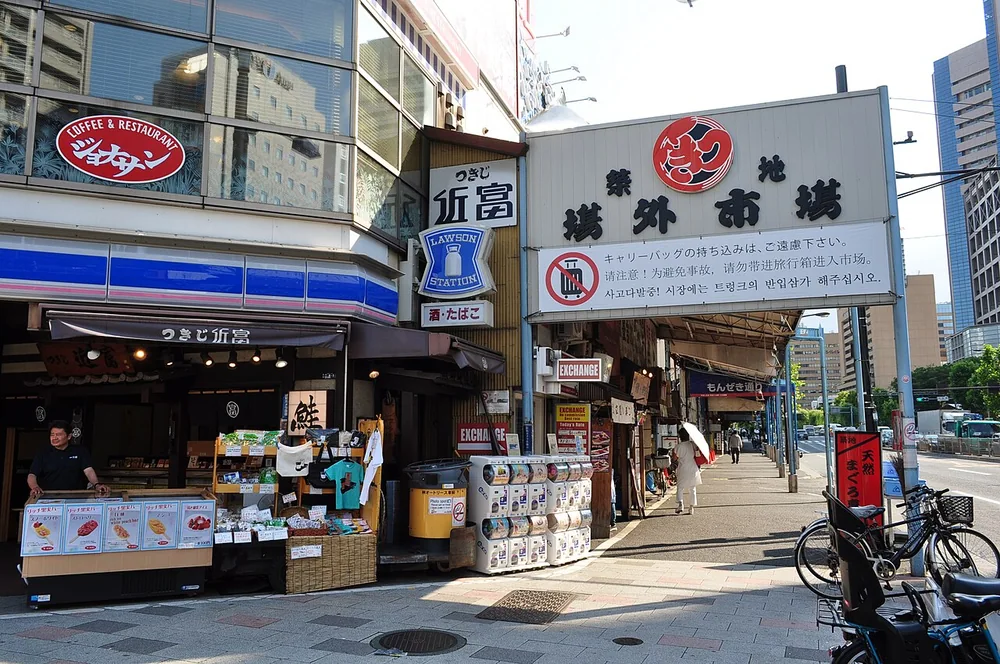
Tsukiji suits a visit combining small shops, seafood or cooked food, and dried-goods shopping. The outer market's official shopping guide gives 09:00–14:00 as visiting hours. Many shops close on Sundays and some Wednesdays, and professional buyers have priority before 09:00. Planning on the assumption that earlier is always better can conflict with their work. Ordinary visitors can start after 09:00, eat the meal they most want, then compare shops at a slower pace.
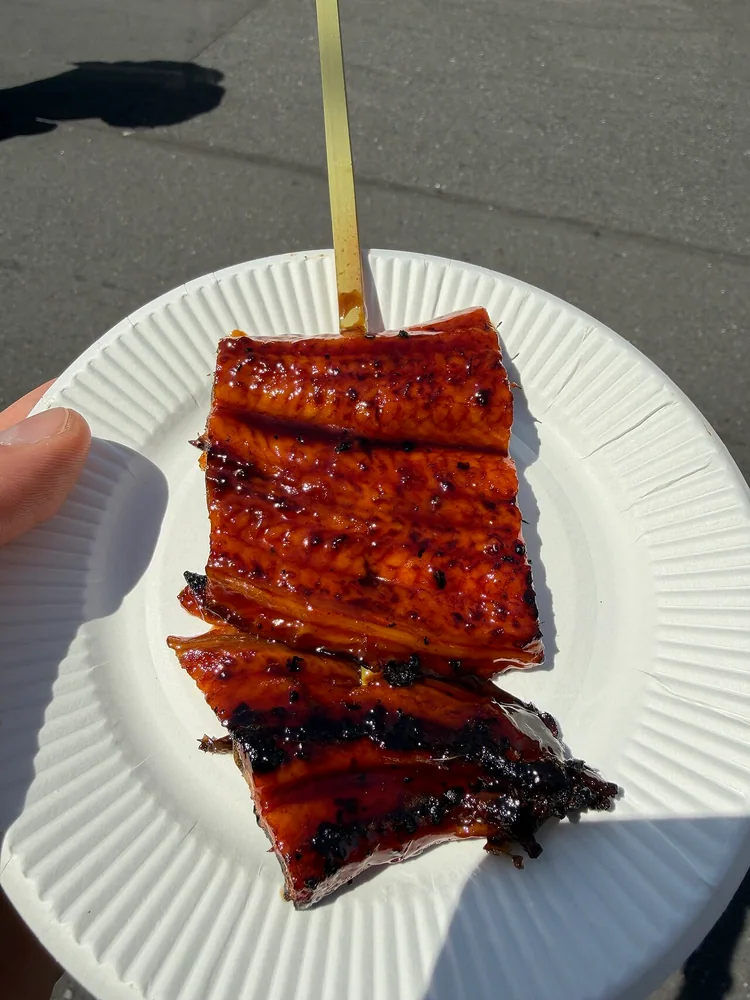
Avoid everyone buying a large portion separately before meeting for a second meal elsewhere. Choose sushi, a seafood rice bowl or cooked food as the main meal, leaving room for one or two snacks. For a seafood bowl, look at fish types, slices and portion size. Price alone cannot tell you whether it suits your appetite. Those avoiding raw food can choose cooked dishes, tamagoyaki or other meals rather than order raw fish they do not want or cannot finish.
Eat inside the shop or in its designated space. The Tsukiji Outer Market visitor rules ask visitors to avoid eating while walking, store large luggage and move in small groups. Buying, stopping for a photograph and then looking for somewhere to eat often blocks the narrowest passage. Find the permitted eating place first, finish, then move on. This is easier when carrying a child or shopping bags too.
Work backwards from how long remains before you return to the hotel. If Ginza shopping continues until evening, look first at shelf-stable dried goods and packaged food. Buy refrigerated items when you can take them straight back.
Payment methods differ, so carry yen cash and read quantities and storage labels before buying. After a filling Tsukiji breakfast, lunch can be later and smaller. Going across to Toyosu that afternoon for similar seafood often adds only another journey and queue.
An official Tsukiji Outer Market film introducing ways to explore the market.
Toyosu: early viewing, breakfast across three blocks and market-closure alternatives
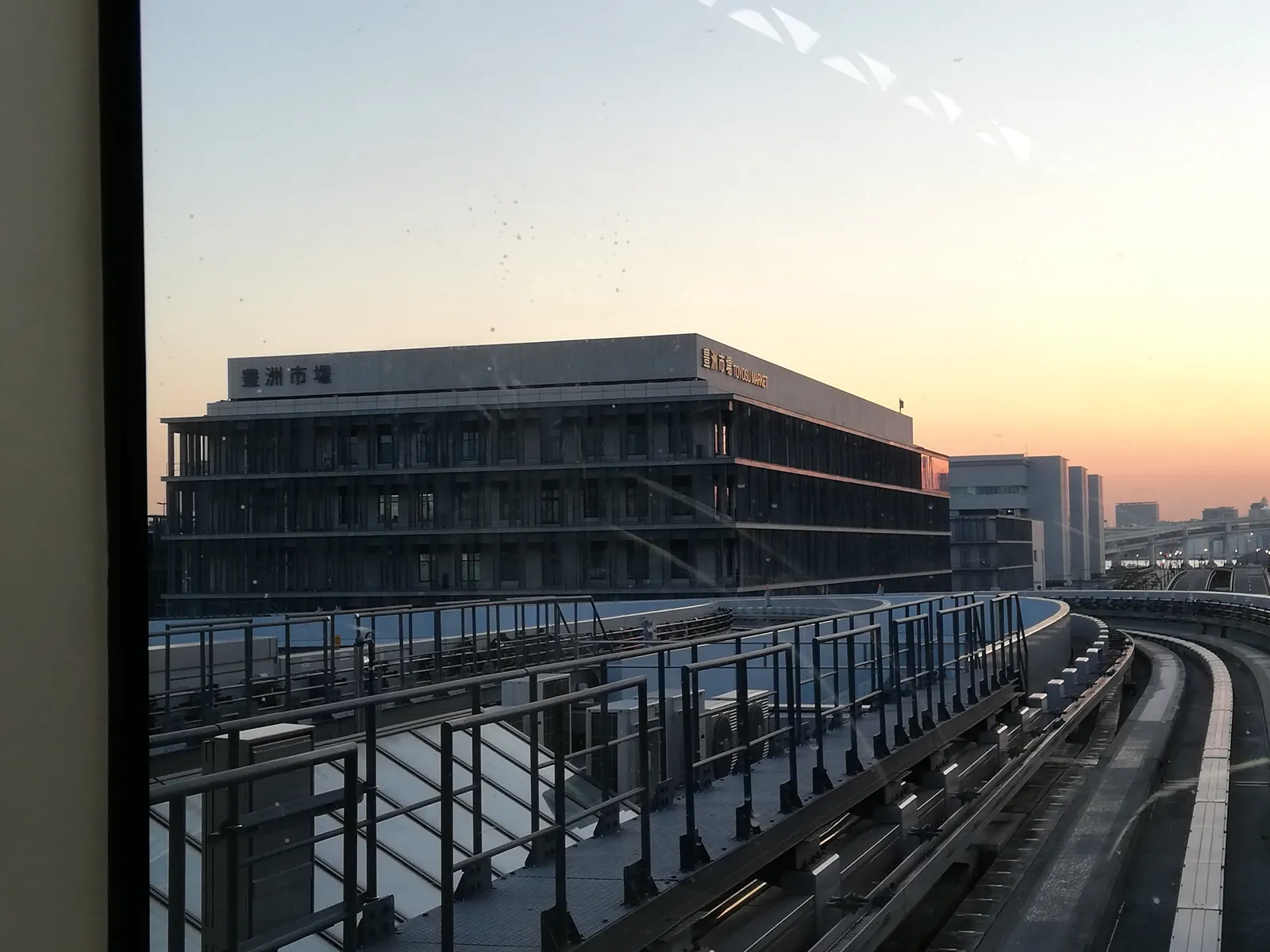
Save Toyosu Market for an interest in a modern wholesale market, visitor corridors or the tuna auction. Its spaces and working rhythm differ from Tsukiji Outer Market. The Tokyo Metropolitan Government's Toyosu visitor information lists general visitor corridors open 05:00–17:00, closed Sundays, public holidays and other market holidays; restaurants set their own hours. Time your arrival for what you want to see and the restaurant you choose, rather than market opening alone. For just a seafood breakfast, compare the full routes from your accommodation to Tsukiji and Shijo-mae Station. Staying in western Tokyo without plans to view the market may not justify a dawn crossing. Toyosu fits more easily when the waterfront is already the day's focus. Search for Toyosu Market plus the restaurant name and identify its building. Shopping centres near Toyosu Station, market restaurants and Senkyaku Banrai are separate places.
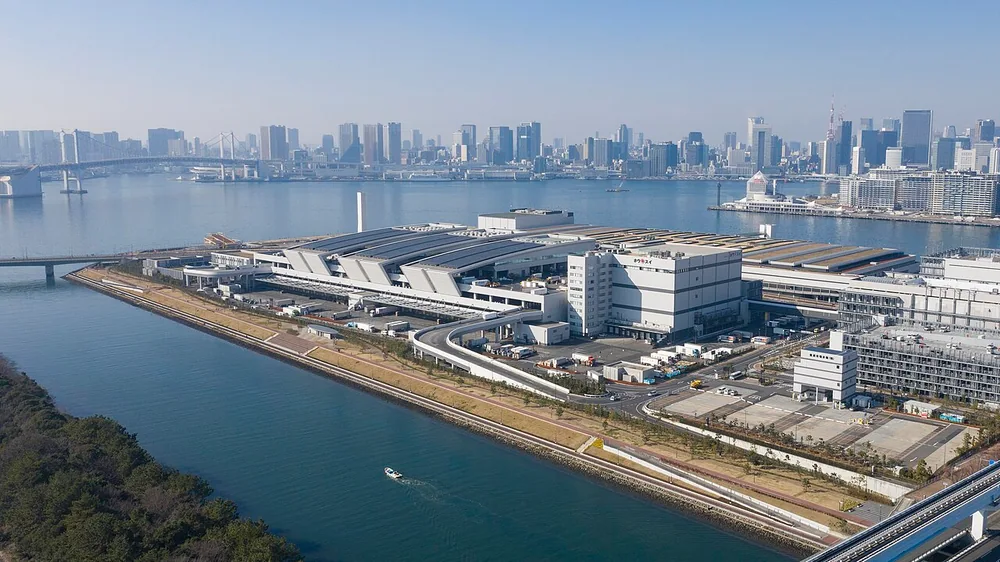
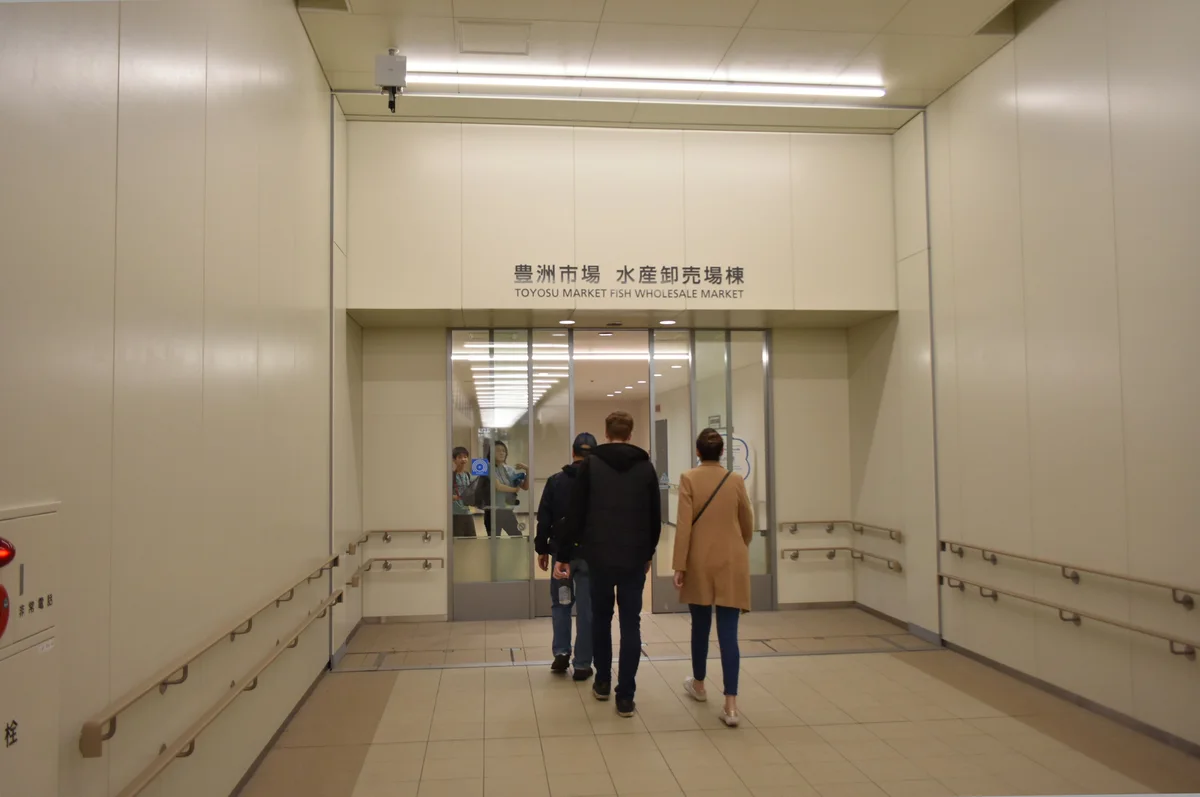
The tuna-auction observation deck requires advance application, with a lottery when oversubscribed. Get the result, meeting point and meeting time before arranging the previous night's accommodation and early transport. The ordinary corridor and close-up deck visit are different arrangements. Arriving early does not give an unregistered visitor a reserved place. Put breakfast after the visit you can actually make.
Families and companions who prefer not to rise early can combine normal morning restaurant hours with a short market visit, while auction enthusiasts go separately. Afternoon arrivals should use restaurants and facilities still open; the morning's work cannot be replayed. If your waterfront day also includes a paid exhibition or booked activity, eat nearby instead of returning to the centre for another bowl of ramen just to add variety.
The Tsukiji shopping district's 2026 calendar notes that some outer-market shops trade even when the central market is closed. Plan a Tsukiji meal by the individual shop's days. At Toyosu, market-management rules close the market's restaurant and retail areas on market holidays too. If you are already at the waterfront, Toyosu Senkyaku Banrai remains open on market holidays as a lunch or dinner alternative. Its main restaurant hours are 10:00–22:00, with some shops closing at 20:00.
For the close-up deck, read the month's Tokyo tuna-auction application page. November 2026 sessions run 05:45–06:25, meeting at 05:30 at the PR Corner on level 3 of the Management Facilities Building in Block 7. From the Shijo-mae ticket gates, follow the pedestrian deck to level 3 of that building, turn right and continue to the PR Corner. Groups rotate on the observation deck. It is free, with 100 people selected daily and up to five per group. Infants under one year count too. The representative must be at least junior-secondary-school age. Submit once per group, without changing representatives to apply again.
November 2026 applications closed on 13 October. The next batch, for December visits, accepts applications from 15:00 on 4 November to 23:59 on 10 November, with results around 18:00 on 19 November, all Japan time. The official annual schedule also lists January 2027 visits: apply from 15:00 on 2 December to 23:59 on 8 December 2026, with results around 18:00 on 17 December. Early-morning deck visits are unavailable from 25 December to 5 January, a restriction separate from market closures. Dates cannot be changed after the deadline. If you cannot attend, the official FAQ says no system cancellation or email notification is needed.
Bring the selection confirmation email or result screen. Identity is checked for everyone, including companions. Overseas families can bring every member's passport, including the baby's. The official viewing FAQ states there are no same-day places, waiting list or second application round. Late arrivals use the ordinary level 2 corridor instead. Photographs are allowed on the deck, but flash is prohibited. Turn off flash on phones and cameras before your viewing turn.
Compare two starting points for early transport. The weekday Yurikamome timetable at Toyosu, checked on 27 October 2026, has the first Shimbashi-bound departure at 05:15, corresponding to a 05:18 departure from Shijo-mae in that direction. You still need to walk to the meeting point on level 3. The next departure from Toyosu, at 05:33, is already after the 05:30 meeting. From Shimbashi, the first Toyosu-bound service leaves only at 05:45, too late for the deck meeting, though useful for the general corridor and breakfast. To keep a Shimbashi hotel, compare the weekday bus route 市01 from Shimbashi Station stand 1, listed at 05:02 express, 05:25 and 05:50. Choose a service reaching the meeting point early, including traffic and the walk after alighting. Departure time is not check-in time.
From Shijo-mae, follow the pedestrian deck to Block 7's Fisheries Wholesale Market Building for tuna viewing, then return to the deck for your breakfast building. The official visitor map places restaurants and visitor exhibits on level 3 of Block 6's Fisheries Intermediate Wholesale Market Building, with Uogashi Yokocho retail on level 4. Block 5's Fruit and Vegetable Building has restaurants on level 1. Add Block 5 if produce distribution interests you. If you only want a Block 6 restaurant, return to the station afterwards rather than circle all the blocks. Use visitor entrances and elevated pedestrian decks between them.
After the observation deck, eat one meal inside the market. The Toyosu Market Tourism Association directory lists Nakaei curry in Block 6 at 05:00–14:00, and Odayasu at 05:30–15:30, last orders 14:00. Curry or fried food gives a main-meal option for those avoiding raw fish. In Block 5, Fujimiya soba opens 06:30–14:00 and Tenfusa tempura 07:00–13:00, closing earlier if ingredients run out. Choose one family meal. If the queue is too long, switch to an acceptable restaurant in the same building rather than eat fully in Block 7 and cross to Block 5 for more sushi.
To avoid another building, stay on level 3 of Block 7's Management Facilities Building. Mosuke Dango opens 05:00–15:00; Yachiyo starts at 07:00 and closes Wednesdays. Include the wait if you arrive early for Yachiyo. More than three hours separate the deck's 06:25 finish from Senkyaku Banrai's main restaurants opening at 10:00. Eat breakfast first, then view a section of the ordinary corridor if interested. The PR Corner's general exhibition opens only at 08:30, until 14:30 Monday–Friday and 11:30 Saturday. That serves a different purpose from the early lottery-winner meeting.
Before buying a snack or takeaway, ask where you may eat it. Eating and drinking are prohibited even on corridor benches; you cannot eat dumplings in front of the viewing glass. Ordinary consumers cannot buy wholesale fish in the intermediate wholesale market either. For dried goods and utensils, use the public retail area on Block 6's level 4 instead of following work-vehicle passages for cheap seafood. Leave large luggage at your accommodation or suitable storage before visiting several buildings.
Check the 2026 fisheries and produce calendars separately. For example, on 4 and 25 November the produce market is closed while fisheries remain open, so both cannot be viewed. The 2027 calendar is also published. Use it for New Year travel instead of a simplified fixed-weekday rule. In ordinary rain, keep one block's indoor viewing and breakfast and drop the produce building and roof. You still use pedestrian decks between blocks, so carry an umbrella and reduce return trips.
On a market holiday, leave later and start with Senkyaku Banrai's free level 8 footbath at 09:00 or its main restaurants at 10:00. Distinguish the footbath garden on level 8 from the observation footbath on level 10 reserved for paying Manyo Club visitors. Families can use nursing rooms on the bathing building's level 2 or on level 3; there is no pushchair-storage service. The market's rooftop green plaza opens 05:00–23:00, including market holidays. Add it in good weather. In heavy rain, stay in the dining and retail facilities rather than walk outside for three hours waiting for shops.
| Block and floor | Breakfast choices | How to connect the stop |
|---|---|---|
| Block 7, Management Facilities Building, level 3 | Mosuke Dango from 05:00; Yachiyo from 07:00, closed Wednesdays | Deck visitors meet at the PR Corner at 05:30; use a permitted restaurant eating space for breakfast |
| Block 6, Fisheries Intermediate Wholesale Market Building, level 3 | Nakaei curry from 05:00; Odayasu from 05:30 | Choose one meal after viewing; go up to Uogashi Yokocho on level 4 for shopping |
| Block 5, Fruit and Vegetable Building, level 1 | Fujimiya from 06:30; Tenfusa from 07:00 | Add for an interest in produce; omit on produce-market holidays |
Tsukishima: make monjayaki a shared meal, at the hotplate's pace
Tsukishima suits a meal that is an activity in itself. GO TOKYO's Tsukishima Monja Street guide describes a concentration of monjayaki restaurants, many also serving okonomiyaki. Reach Tsukishima Station on the Yurakucho or Toei Oedo line. Batter, vegetables and other ingredients cook on the table hotplate. This is a different pace from everyone quickly finishing a noodle bowl, so leave free time after either lunch or dinner.
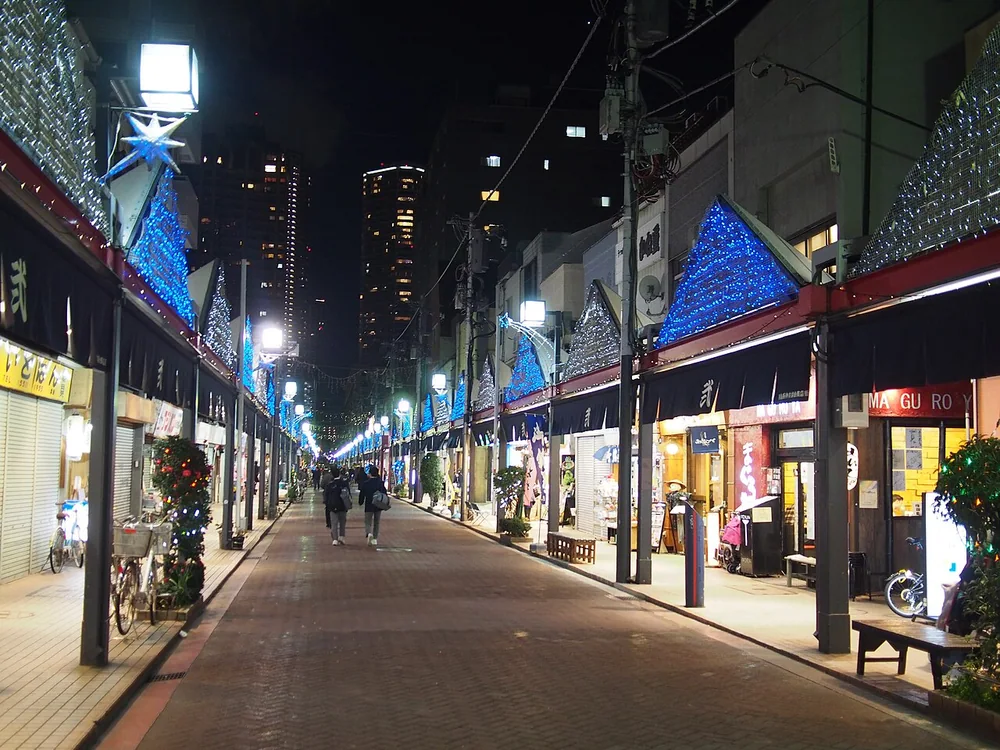
Two to four adults happy to share dishes make an easy group. Choose flavours, then order in stages. Ordering every flavour at once soon creates conflicts between hotplate space, cooking order and appetite. If unfamiliar with the process, ask when ordering whether staff can help, and wait until the food is cooked. Discuss pork, seafood and dairy restrictions first, since ingredients may share the same hotplate.
For a bookable candidate, use the official site of Monja and Okonomiyaki Makoto in Tsukishima. It is at 1-22-1 Tsukishima, about two minutes from station exit 7 according to the official page. It has table seats and a private room for seven or more. All dining seats are non-smoking, with a separate smoking area in the facilities. If friends need more than one table, search bookable times for the full party rather than make separate bookings and risk different seating.
With young children, first consider whether they can sit out of reach of the hotplate, then ask about children's seats and pushchair space. If they are already tired, a quickly served rice or noodle meal may suit the family better than waiting patiently around a hotplate. Tsukishima works as dinner after art or walking in Kiyosumi-Shirakawa. After a large Tsukiji breakfast, keep lunch small and save appetite for evening monjayaki rather than squeeze both full meals into a few hours.
Asakusa and Ueno: a meal after the temple, or a rest between museums
Asakusa dining can mean approach-street snacks, a seated main meal or formal cooking requiring a reservation. After a morning at Sensoji, finish the temple visit and main walk before sitting down to eat, then buy a small snack afterwards. This avoids carrying food and reading a map in the busiest stretch and gives older companions a proper morning rest. If continuing to Kappabashi, choose a restaurant in that direction instead of returning to Kaminarimon to meet after eating.
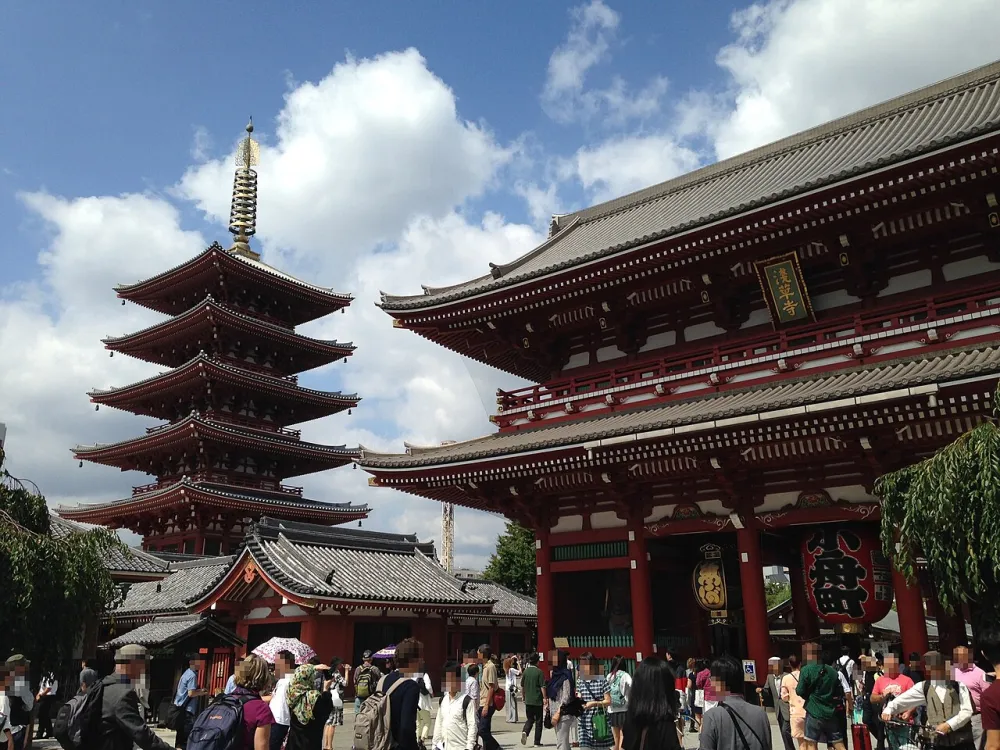
For example, Asakusa Imahan's Kokusai-dori main branch is at 3-1-12 Nishi-Asakusa, beside exit A2 of the Tsukuba Express Asakusa Station. Other Asakusa stations have different walks. Its lunch menu cannot be reserved; formal menus and private rooms have separate conditions. Leave queue flexibility for lunch. To secure seats, book an eligible menu rather than expect the same lunch-only offer with a reservation.
This Imahan's level 2 private and special rooms and level 3 large hall do not accept children below junior-secondary-school age. Private rooms also follow set-menu minimums and service periods. Families should ask about suitable seats and bookable menus; a private room alone does not establish suitability for children.
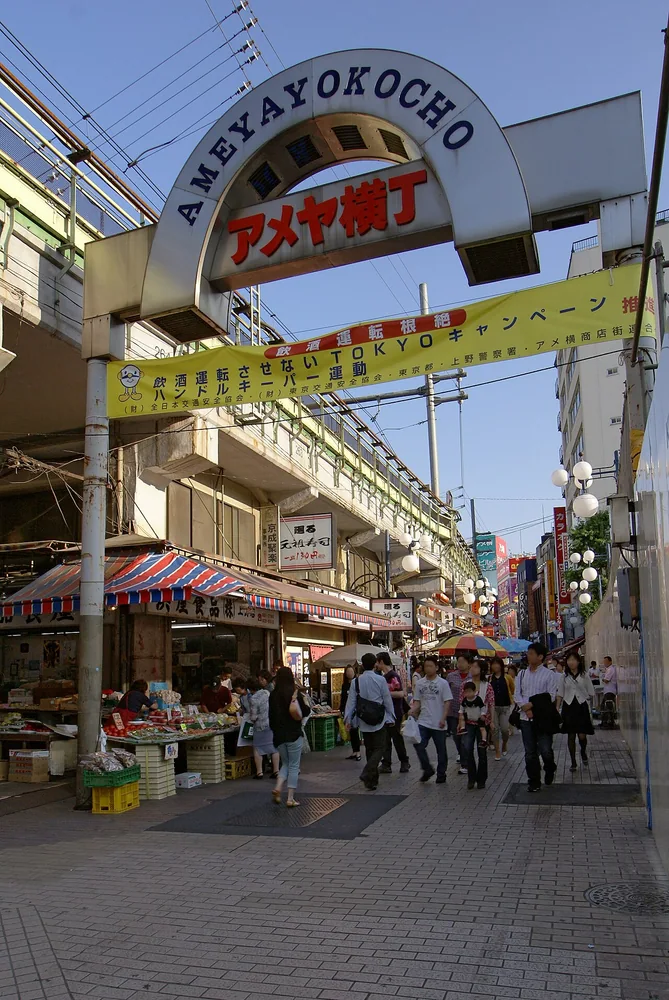
In Ueno, place a restaurant between museum, zoo or park visits. After a morning exhibition, lunch needs to offer seats and a manageable meal so everyone has energy for the afternoon. A famous restaurant in another direction need not displace the rest you planned. If Ameyoko is next, choose a lunch stop on the way towards Okachimachi, shop afterwards and return to your accommodation with the purchases.
Ueno Seiyoken's main-branch Western-style restaurant and other restaurants at the same address have separate service hours, menus and reservation arrangements. Save the full restaurant name on the map rather than Seiyoken alone. For yoshoku, Japanese-style Western cooking, start with the main restaurant's official menu page. For particular seats or a formal dinner, look for a suitable plan. With only half a day across these two areas, eat on the side of your main activity.
Jimbocho and Kanda: curry, soba and an afternoon among bookshops
Jimbocho adds more variety to a longer Tokyo stay than simply finding another ramen shop. The official Kanda and Jimbocho guide connects bookshops, curry, soba and cafés. Book lovers can eat lunch, browse and sit in a café later. If books do not interest you, shorten the stop to one meal rather than assign a whole afternoon to the book district.
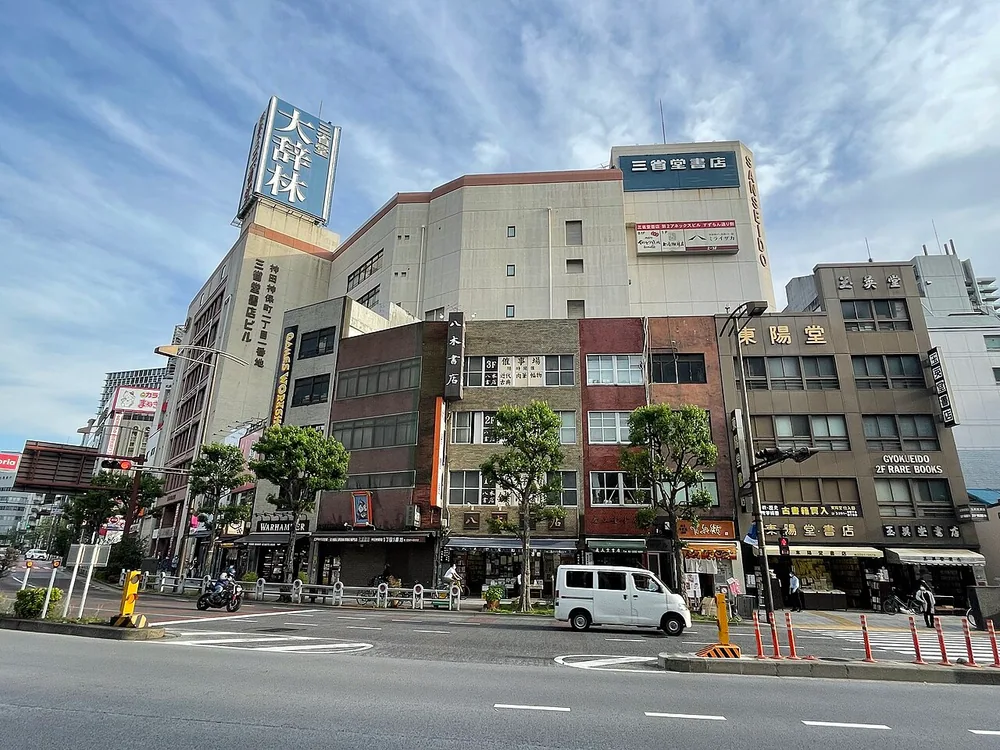
Choose curry by style and heat instead of treating every Kanda curry as the same flavour. Rich European-style, spice-led and soup curries leave different levels of fullness. After a heavy meal, choose noodles or a smaller main next time. Variety is more useful than two signature curries in one short day. Clear heat options also help companions with different spice tolerances order.
One candidate is European-style curry Bondy's Jimbocho main branch, at 2-3 Kanda-Jimbocho on level 2 of the Kanda Kosho Centre building. The entrance is at the back; the official instructions specifically say not to enter from Yasukuni-dori. The menu offers mild, medium and hot. Save the entrance details before arriving rather than search up and down for stairs outside a bookshop, mixing up queue time with finding the door.
If you have a later booking, set the latest time you can wait and switch meals if you have not entered by then. Decide before everyone is hungry and rushed. An alternative should be another nearby main meal; café desserts may not meet the whole family's lunch needs. Kanda and Jimbocho connect but cover different areas. From Akihabara, choose the Kanda side; for book browsing, centre the route on Jimbocho Station. There is no need for a separate meal for each name.
Nihonbashi: pair one meal with one kind of shopping
Nihonbashi suits dining and food shopping in the same stop. Pick one category you want to compare—nori, seasonings, wagashi sweets, tableware or chopsticks—then choose lunch. This is easier than visiting every long-established business. The official Nihonbashi neighbourhood guide covers traditional shops, department stores and facilities such as COREDO Muromachi, helping locate meals and purchases. On a first visit, start around Mitsukoshimae, eat, then walk towards Nihonbashi Bridge and leave towards Nihombashi or Tokyo Station. Reverse the route if your booked restaurant is at the other end. Keep people and shopping bags moving in one direction. Knives and tableware can weigh much more than sweets. With older companions, shop just before returning to your accommodation rather than carry boxed goods through another exhibition.
For traditional cooking, check whether dining and retail are at the same location and whether service pauses between lunch and dinner. If buying takeaway sushi or a bento, decide where you will eat it. Department-store basement counters and seated restaurants are separate options. In poor outdoor weather, choose a restaurant with seats and leave takeaway purchases until later.
Choose gifts by recipient and the days left in your trip. Fresh sweets suited to a flight home tomorrow may not suit another week in Kansai. A family gift and individually distributed office gifts also need different packaging quantities. Check room-temperature or refrigerated storage, the unopened best-before date and package size. Lunch spending and whether a gift box is worth taking home are separate decisions. Enjoying a meal need not lead to buying the entire expensive gift range.
Ginza and Hibiya: book the fixed-time meal before shopping
Ginza suits a carefully planned meal as well as an ordinary shopping-day lunch. The schedules differ. For a sushi counter, set menu or celebration dinner, settle the time and reservation first, then fit shopping around it. If you are simply browsing department stores, choose a nearby restaurant whose wait you can accept. A Ginza address need not increase every meal's budget.
GO TOKYO's Ginza guide notes that some sushi restaurants have only a few counter seats and require reservations. Give the party size, children's ages and dietary needs before booking. Record cancellation deadlines, charges, payment and deposit conditions in your itinerary. Changing a flight or date also means handling the restaurant; amending the hotel does not update the whole evening.
For theatre or cinema in Hibiya, work backwards from arrival. If you need to be at the theatre at 18:30, a long set menu starting at 17:30 is unsuitable. Choose an earlier sitting, a shorter meal or eat after the show. Allow time for walking, luggage storage, toilets and admission so dinner can finish properly. Leaving halfway through to rush affects enjoyment of both the restaurant and the performance.
For a group without a particular cuisine in mind, use a Ginza department-store or shopping-centre restaurant floor as a shared shortlist. Read menus and look at seating before queuing. After eating, shoppers and those ready to rest can split according to their return routes. For an evening stroll, choose one short stretch of Ginza, Hibiya or Yurakucho rather than add Roppongi night views. An unhurried meal usually serves the visit better than three shopping districts in one night.
Shinjuku and Shibuya: eat on the side where you are shopping
Shinjuku and Shibuya make it easy to eat after shopping, exhibitions or evening activities. Without a must-visit restaurant, stay on the day's route. After shopping east of Shinjuku Station until evening, eat on that side. Save another meal for the south side when transferring there the next day. The official Shinjuku guide separates eastern dining and entertainment, western towers and southern commerce and transport. This is more practical than treating everything near Shinjuku Station as one meeting point.
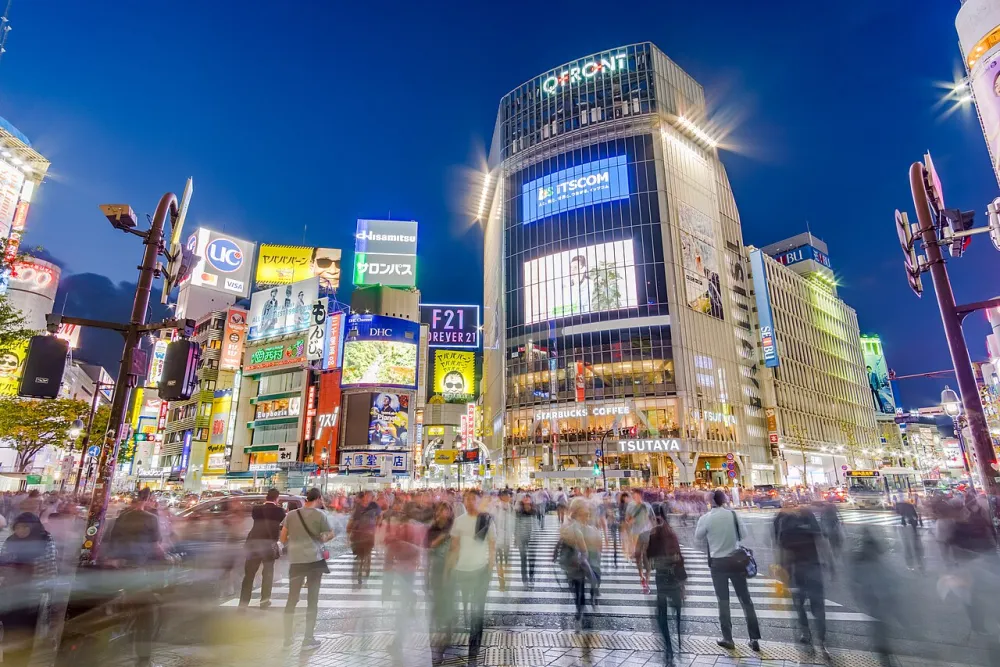
If friends shop separately, meet at the restaurant entrance or a stated floor rather than simply Shinjuku. Different railways and exits bring people to different places. Calculate meeting time at the shop door. Check queue machines, registration sheets or lines and whether everyone must be present before deciding to keep shopping. One person waiting for six while the others arrive half an hour later can disrupt seating and the planned meal time.
In Shibuya, distinguish department-store restaurants, other commercial dining facilities and small side-street shops. For several people comparing menus in one place, start with a shopping centre. For a specific dish, go straight to the restaurant. In a short gap before an observation deck or performance, choose a main meal without a long wait. The official Shibuya guide mentions dining at Hikarie, PARCO and MIYASHITA PARK, but entrances and floors differ and moving between them takes time.
For a timed booking in Shibuya, eat before or after it, whichever leaves enough time; if shopping progress is hard to predict, eat after the observation deck. For drinks after dinner in Shinjuku, choose the return journey before another bar. If your hotel is elsewhere, check the last train on your actual route and date; nearby guests can judge the walk. A lively night does not require a very late dinner. Eating earlier is more useful before an early start.
Shimbashi and Yurakucho: choose alleys for drinks, and seats for a rest
Shimbashi suits an interest in after-work dining, skewers and small dishes. The official Shimbashi and Shiodome guide describes izakaya, standing bars and dining beneath the tracks towards Yurakucho. That concentration helps if you want a drink with a few dishes. For a family dinner, first find a restaurant with seats that welcomes children and serves enough substantial food rather than follow a pub-crawl pattern.
Ask about charges before entering: seating fees or otoshi appetisers, drink-order rules and whether the whole table must take the same set menu. JNTO's dining etiquette guide explains that some izakaya serve a separately charged small dish. Include it in each person's budget rather than multiply the doorway price of a chicken skewer. Those not drinking can choose a more food-focused restaurant.
For railway-arch atmosphere without standing at a cramped counter, start with areas offering clear shop information, such as HIBIYA OKUROJI. Individual main meals are also easier to budget than several rounds of bar-hopping. Check smoking rules, seat types and bag space before sitting down; these determine how comfortably you can stay. A short evening walk and dinner make a full outing without late-night meals in Shimbashi, Ginza and Shiodome in succession.
For a JR return, compare Shimbashi and Yurakucho from where you actually ate. For a metro journey, use your line rather than insist on the arrival station. After drinking, leave shopping and important travel until the next day and follow the saved route home. If someone wants to leave earlier, agree on the split and return arrangements. Separate suitable dinners are more comfortable than requiring everyone to drink at the same pace.
Kagurazaka: include it when dinner deserves the evening
Kagurazaka suits making dinner the day's main event, with just a short walk beforehand. JNTO's Kagurazaka guide describes Japanese restaurants, European dining and cafés, reached from Kagurazaka Station or the Iidabashi area. Choose a restaurant you like and take time over the meal. Walking every lane on the hill is unnecessary. Shopping elsewhere at lunchtime and coming directly for dinner also works.
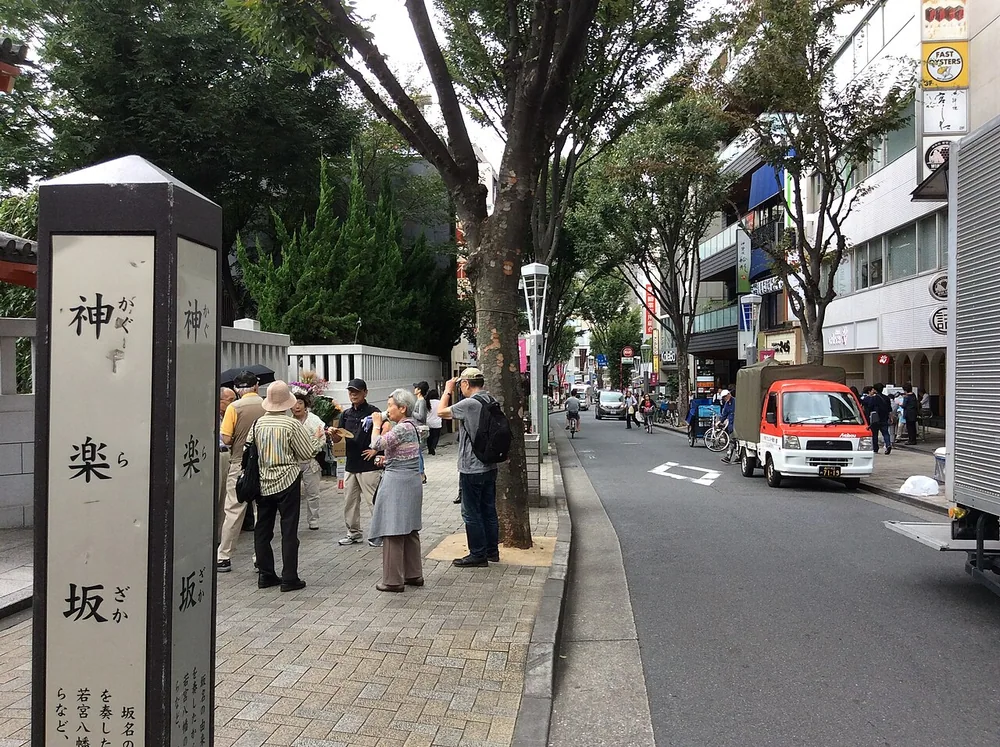
Narrow the list by cuisine and service period. A French set menu, Japanese kaiseki, soba or coffee produces very different choices. With a budget, read the complete menu and drinks before the address. If a companion dislikes long meals, avoid testing everyone's patience with many courses. Choose a restaurant that answers booking questions clearly, giving the party size, date, sitting and dietary needs together.
A short line on the map may involve slopes and steps. With a pushchair, wheelchair or older companions, choose the station using the restaurant's suggested approach rather than the closest map point. Ask about entrance floor, lift and seating type before booking. A street-level frontage and basement dining room have different access conditions. These answers decide suitability for the evening more usefully than another ten candidates.
Choose a short section of the main street before dinner and avoid stopping for photographs at private lanes or homes. In rain, shorten the walk and wait near the restaurant. If someone needs a long seated rest, find a café earlier rather than stand at the door until opening. Return to the station on an easier route if it is late. Before an early flight, make this lunch instead, preserving the meal while leaving time to pack at your accommodation.
Kiyosumi-Shirakawa: coffee after a main meal, with a garden or art half-day
Kiyosumi-Shirakawa suits people interested in coffee itself. The official neighbourhood guide lists independent roasters, Kiyosumi Gardens and the Museum of Contemporary Art Tokyo as separate stops, reached via Kiyosumi-Shirakawa Station on the Hanzomon or Toei Oedo line. For just a coffee break, your existing activity area has options. Comparing beans, flavours and shop spaces is a better reason to reserve half a day here.
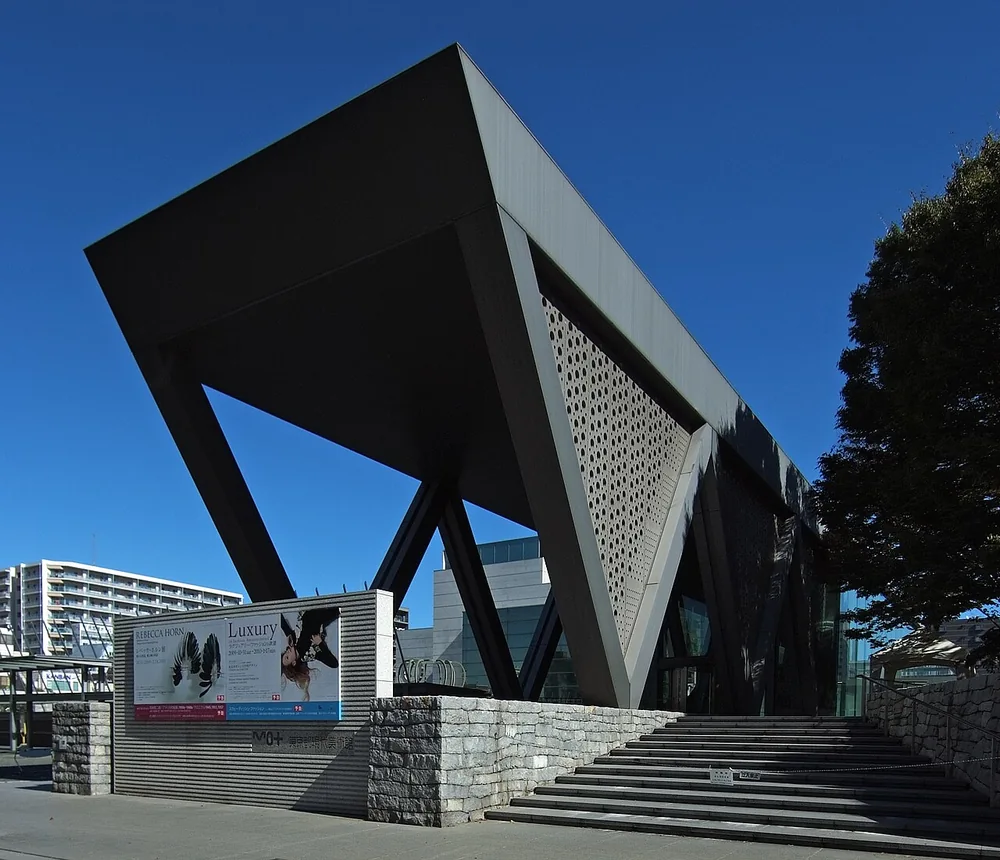
Decide where the main meal will be, then choose the café where you most want to sit. Linking two or three coffee shops can mean plenty of drinks but no lunch by the afternoon. Decaffeinated drinks or a proper meal may not be available at the same roaster. With mixed interests, eat together first, then let bean shoppers visit another shop while others use the garden or rest. Everyone need not queue at every stop.
In sunshine, pair coffee with the garden or a neighbourhood walk. In rain, choose an exhibition or an indoor place suitable for a longer stay. The Museum of Contemporary Art Tokyo requires a separate walk from the station. If lunch is on the other side, plot arrival and return on the same map to avoid repetition. Before stopping for coffee, check whether service is seated, takeaway or standing, and how many guests can be accommodated.
For beans, consider your home equipment, grinding method and how quickly you will use them. If requesting ground coffee, name the brewing device. For gifts, match packaging and quantity to friends' usual use. If you still have energy after shopping, add another flavour you want to compare. If you have had enough coffee, leave with the beans.
With children or dietary restrictions, decide where you can eat first
Dietary needs come before a neighbourhood's reputation. If one family member needs particular food, first find a restaurant that answers the requirement, then arrange nearby activities. Save other snacks or cuisines for another meal. This is easier than bringing a vegetarian to a seafood counter and asking the chef for changes on arrival. State the ingredients avoided and the reason, distinguishing preference, religious rules and allergies so the restaurant can answer for its actual cooking.
The official Tokyo diverse dining guide notes that dishes without visible meat or fish may still have animal ingredients in stock or seasoning. Mirin and sake are also common seasonings. For fully plant-based food, choose an explicitly labelled menu and ask about stock and sauces. Vegetable curry or tofu dishes alone do not establish suitability.
For allergies, give the restaurant a full list of ingredients to avoid and conditions such as whether shared utensils are acceptable, and save its reply. If it cannot accommodate them, choose another restaurant; removing visible toppings does not address the full need. Secure a usable meal and clear reply before travel rather than test options one by one through translation software on the day. Keep one researched meal option in each activity area to make changes easier.
With young children, check minimum age, highchairs, pushchair space and seating duration. Counter set menus, hotplates and floor seating require different care arrangements. A child-friendly restaurant may still restrict particular rooms or service periods. Choose one main meal everyone can eat before leaving, then keep snacks and desserts flexible. For naps, eat near your accommodation or on the return side rather than let one restaurant displace the whole rest period.
Reservations, queues and costs: keep the conditions for the meal together
A reservation secures time and seats. For theatre, celebrations, groups sharing a table or dietary requirements, prioritise restaurants that can answer and accept bookings. Solo travellers and small flexible groups can leave some meals to choose on arrival. Keep at least one meal each day changeable for a large lunch or tiring afternoon. Booking every sitting can turn good restaurants into another series of deadlines.
Save the restaurant name, branch, date, start time, party size, menu, cancellation deadline and address in one note, with the booking number or confirmation email. A platform showing a seat reservation does not mean a set menu is chosen. If the whole table must take the same menu, agree with companions before booking. For card guarantees or prepayment, retain payment and cancellation details and follow the terms if plans change.
Set a latest waiting time, especially with children or a fixed later booking. Find a walkable backup that serves main meals, preferably a different type so both are less likely to have long queues. For an unbookable lunch, count from around door opening through the meal's finish. A map journey plus a few extra minutes does not cover a popular lunch. Switching when a wait is too long is a normal decision; staying hungry need not prove the original itinerary right.
Separate everyday meals from the one meal you most want on this trip, then allocate drinks, desserts and shopping. Check tax, service charges, seating fees, minimum orders per person and menu inclusions. Compare a whole equivalent meal to judge affordability. To save money, reduce cross-town journeys and repeated drinks, and use simple rice or noodle meals sometimes. Seeking a more distant cheap restaurant every night can spend the difference on travel and energy.
Fit the choices into three days, keeping one meal flexible for each travel style
For three days focused on eastern Tokyo, have a seated meal in Asakusa on day one, a Tsukiji morning meal followed by Ginza on day two, and a Kiyosumi-Shirakawa half-day before a Tsukishima group dinner on day three. After a substantial Tsukiji breakfast, size lunch to your hunger. Leave Tsukishima a full meal period instead of adding a late afternoon tea. If museums are the priority, replace Kiyosumi-Shirakawa with Ueno lunch. Keep the meal's purpose rather than add journeys to preserve a list of place names.
For western shopping, have a seated Shibuya dinner on day one, a Shinjuku dinner on the shopping side on day two, and one meal in Jimbocho or Kagurazaka on day three. Choose one: Jimbocho for lunch and bookshops, Kagurazaka for an evening meal with time to spare. Starting every day with an eastern market breakfast spends the travel time your western hotel was meant to save.
With children or slower-paced companions, set rest and return-to-accommodation times for all three days first. Choose just one experience involving a long queue or meal, and use nearby seated restaurants with suitable menus for the others. A person wanting drinks can go separately after the shared dinner. Splitting for one after-dinner period often lets everyone enjoy more of what they want than making the whole group queue for another small shop.
On departure day, eat near your luggage and departure station. The official GRANSTA area guide distinguishes shops inside and outside Tokyo Station's ticket gates. Check your route before buying a bento or dining. If already outside, an outside shop avoids another gate crossing. Save the big meal for the previous evening. On departure day, choose one that finishes on time, collect luggage and reach the correct platform.
A few useful answers
Should I book restaurants every day on a first independent Tokyo trip?
Prioritise bookings around fixed activities, groups sharing tables, celebrations and dietary requirements. Choose other meals in that day’s neighbourhood and keep a nearby main-meal backup. At least one changeable meal daily helps match energy and appetite.
Is Tsukiji or Toyosu better just for breakfast?
For small shops, shopping and breakfast, start with Tsukiji Outer Market after 09:00 as an ordinary visitor. Choose Toyosu when market viewing or the auction interests you, matching closures and restaurant hours. Its observation deck needs a separate advance lottery, with the monthly notice specifying the meeting on level 3 in Block 7’s Management Facilities Building. Breakfast restaurants are spread across Blocks 5, 6 and 7, so follow your chosen restaurant’s floor.
Are Tokyo markets still suitable if I avoid raw fish?
Choose cooked food, tamagoyaki or another main meal after reading menus. If your group mainly wants varied cooked dishes, a long seated meal or convenient children’s seats, department-store and shopping-centre restaurants make these conditions easier to compare.
Does a Tokyo restaurant serving vegetable dishes suit vegetarians?
Check stock and seasonings first. For fully plant-based meals, choose an explicitly labelled menu and ask about fish stock, meat extracts, dairy, eggs and any other ingredients you avoid. For allergies, discuss ingredients and shared utensils before booking.
Official information and references
Sources used in this guide.
- Tsukiji Outer Market: visitor rules
- Tsukiji Outer Market: shopping and visiting hours
- Tokyo Metropolitan Government: visiting Toyosu Market
- GO TOKYO: Tsukishima Monja Street
- Tsukishima Monja and Okonomiyaki Makoto
- Asakusa Imahan: Kokusai-dori main branch
- Ueno Seiyoken: main-branch Western-style restaurant
- GO TOKYO: Kanda and Jimbocho
- Bondy: menu and main-branch entrance
- GO TOKYO: Nihonbashi
- GO TOKYO: Ginza
- GO TOKYO: Shinjuku
- GO TOKYO: Shibuya
- GO TOKYO: Shimbashi and Shiodome
- JNTO: dining etiquette and extra charges
- JNTO: Kagurazaka
- GO TOKYO: Kiyosumi-Shirakawa
- GO TOKYO: diverse dining and ingredient requirements
- GRANSTA: Tokyo Station retail areas
- Tsukiji Outer Market shopping association: 2026 market calendar and shop opening
- Tokyo Metropolitan Central Wholesale Market: restaurant and retail access on Toyosu market holidays
- Toyosu Senkyaku Banrai: market-holiday opening and FAQ
- Toyosu Senkyaku Banrai: restaurant, retail and footbath hours
- Tokyo Metropolitan Government: close-up tuna-auction applications and annual schedule
- Tokyo Metropolitan Government: November 2026 viewing rules and next application dates
- Tokyo Metropolitan Government: tuna-viewing identity, lateness and cancellation FAQ
- Tokyo Metropolitan Government: official Toyosu visitor map
- Toyosu Market Tourism Association: restaurant blocks and hours
- Yurikamome: current Toyosu Station timetable
- Yurikamome: current Shimbashi Station timetable
- Yurikamome: current Shijo-mae Station timetable
- Toei Transportation: current Shimbashi Station bus route 市01 timetable
- Tokyo Metropolitan Government: 2026 fisheries and produce opening calendars
- Tokyo Metropolitan Government: 2027 fisheries and produce opening calendars