Not sure which Ueno exit leads to dinner? Explore Ameyoko minced-meat cutlets, Okachimachi tonkatsu, Ueno Park yoshoku, station bento boxes and under-track izakaya, with hours, prices and rainy-day routes.
- Reading Scope
- 18 min read · 12 chapters · 7 Q&As
- Official Verification
- 27 official sources checkedUpdated 22 November 2026
- Key Topics
- FoodNeighbourhoodsTravel budget
Chapter Route Map (tap any stop)
- Enter Ameyoko via Shinobazu Exit, Leave from Okachimachi
- Grab a Quick Bite in Ameyoko, or Sit Down for a Set Meal
- Okachimachi Tonkatsu and Ueno 6-chome Soba
- Yoshoku in Ueno Park, Then Sweets by Shinobazu Pond
- Dining in Ueno Zoo by East or West Garden
- Early Drinks Under the Tracks at Daitoryo and Bunraku
- Check Inside vs Outside the Ticket Gates at Ueno Station
- Udon at 7:00, Ramen Past Midnight
- Stay East of Showa-dori, Dine in Higashi-Ueno
- Budgeting From the Menu: Lock In Two Anchor Stops First
- Rainy Days and New Year: Keep Two Seated Backups Ready
- Work Backwards From Your Next Stop
- Quick Q&A
For your first meal hunt in Ueno, head out of JR Ueno Station's Shinobazu Exit into Ameyoko, grab a hot minced-meat cutlet, and follow the railway viaduct south towards Okachimachi for tonkatsu or soba. If you hold timed-entry tickets for an exhibition in Ueno Park, leave by the Park Exit and eat on the park side instead. Come evening, the Ueno end of Ameyoko has grilled offal at Daitoryo and yakitori skewers at Bunraku. These spots sit close together, yet afternoon breaks, last-order cut-offs and which ticket gate you choose will decide how much unnecessary backtracking you do.
Enter Ameyoko via Shinobazu Exit, Leave from Okachimachi
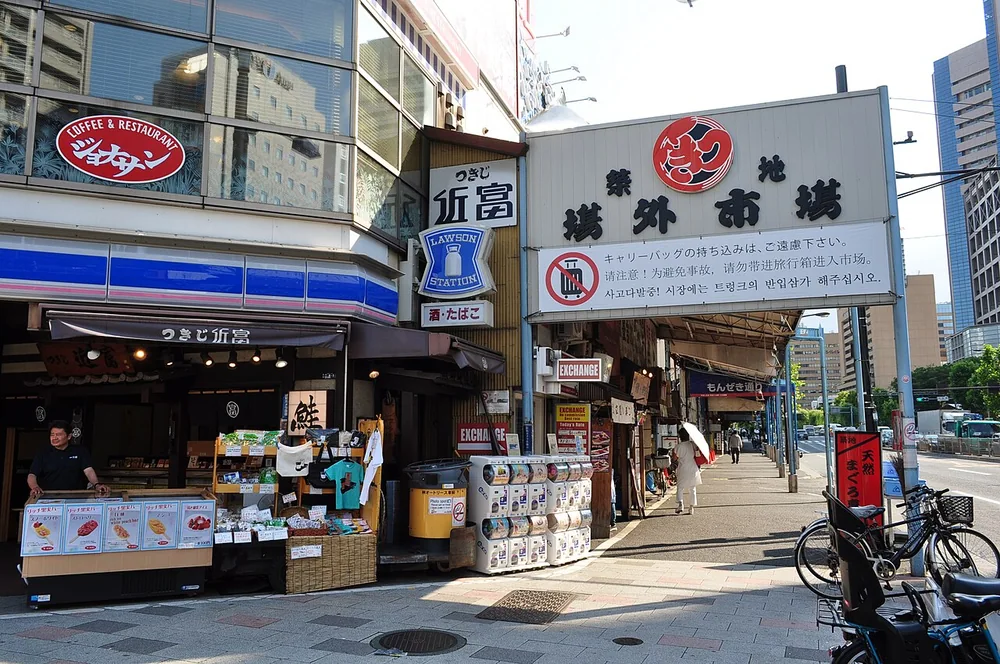
Ameyoko stretches roughly alongside the railway tracks from JR Ueno Station to Okachimachi Station, a distance the official Tokyo tourism site lists as about 500 metres. Look for the Shinobazu Exit at the Ueno end and the North Exit at Okachimachi. Arriving on a JR train from Tokyo Station, you can alight directly at Okachimachi if you have booked a restaurant there, then stroll north through the market arcade afterwards. If you prefer a single linear route from station to table, pin your first stop on your phone map and pick your return station once you have eaten.
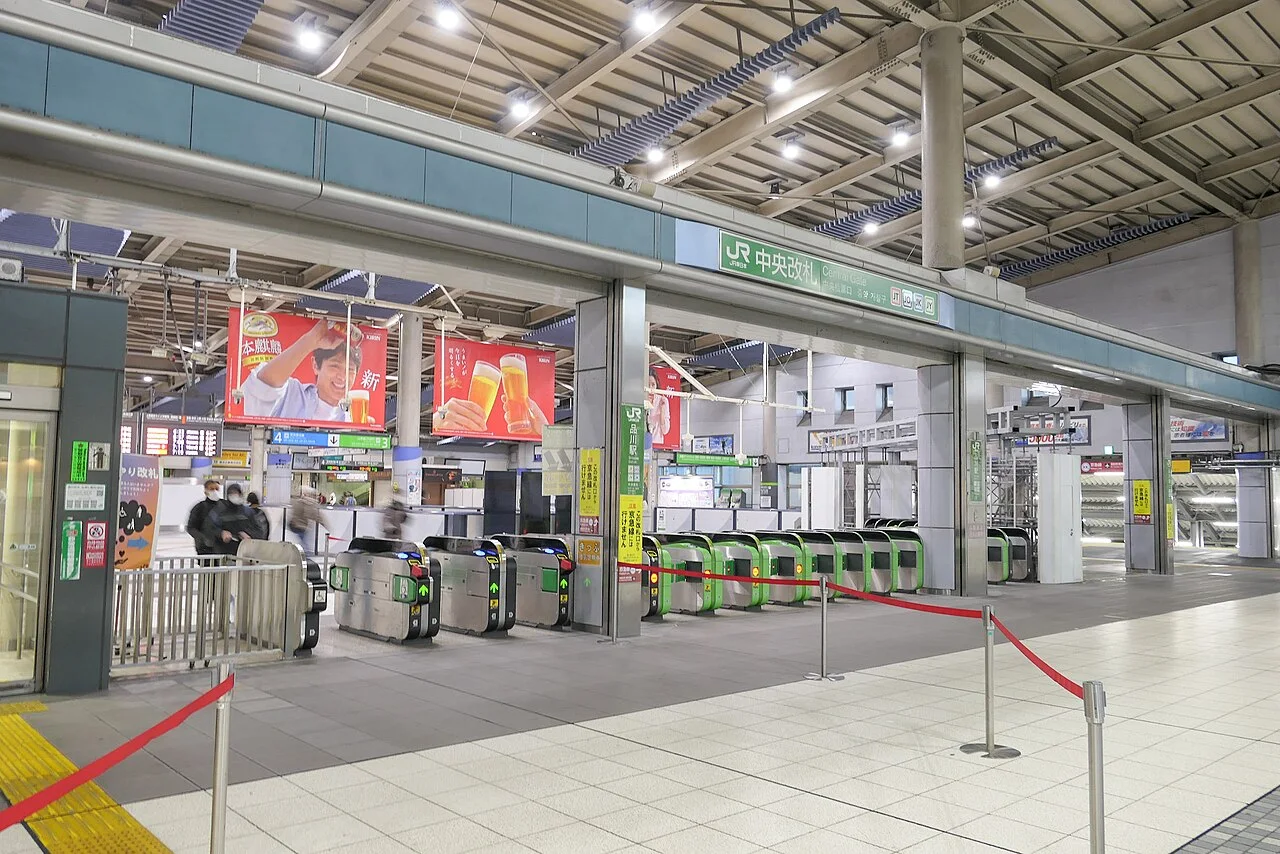
At JR Ueno Station, the Central Ticket Gate (Chuo Gate) is the ticket barrier inside the concourse, while the Hirokoji Exit leads out to street level. If you emerge at the Hirokoji Exit, it also connects straight to Ameyoko. When your first stop is the Tokyo National Museum, the National Museum of Western Art or the Ueno Zoo Main Gate, follow signs for the Park Ticket Gate and Park Exit instead. The Iriya Exit serves destinations east of the station, so do not rely solely on straight-line distance when entering Ameyoko into your map.
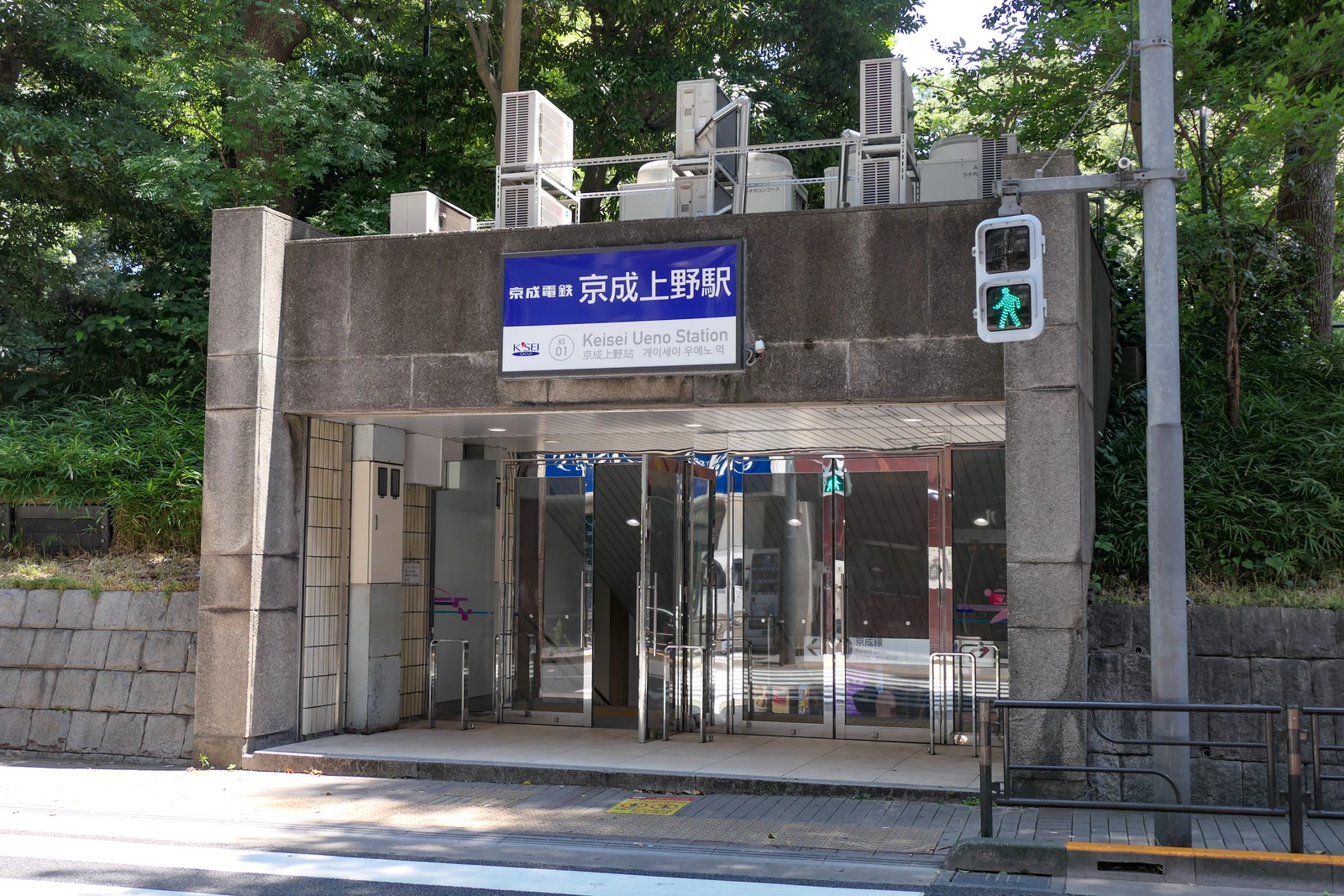
Travelling via Tokyo Metro Ueno Station, the Ameyoko Center Building website directs visitors to Exits 5a or 5b. Keisei Ueno Station has its own ticket gates and concourse layout; if you ride the Skyliner in from Narita Airport, set your map pin directly from Keisei Ueno to your first restaurant. When meeting companions, give the exact station and exit name. Saying simply 'outside Ueno Station' still forces everyone to ask which railway line, whereas meeting under the Ameyoko sign or outside a specific shopfront saves back-and-forth messaging.
For lunch at Isen Honten, take Exit A4 from Ueno-hirokoji Station on the Ginza Line or Exit A4 from Ueno-okachimachi Station on the Oedo Line. This exit is in a different spot from JR Ueno's Hirokoji Exit, so include 'A4' when arranging a rendezvous. Both the North and South exits of JR Okachimachi Station are an easy walk to Isen. If you are heading up into the park afterwards, walk back towards Ueno's Shinobazu Exit and cut across by the pond.
Combining museums and the market on the same day works best when you walk downhill past Shinobazu Pond towards the shopping street afterwards. Leaving the park for lunch only to climb back up to the galleries adds an extra uphill trek. On warm summer days with tired children, stop for water and a short rest near the park entrance before continuing into Ameyoko. Travellers staying near Okachimachi can tackle the uphill walk in the morning, wander gently back towards their hotel in the afternoon and pick up takeaway snacks or sweets along the way.
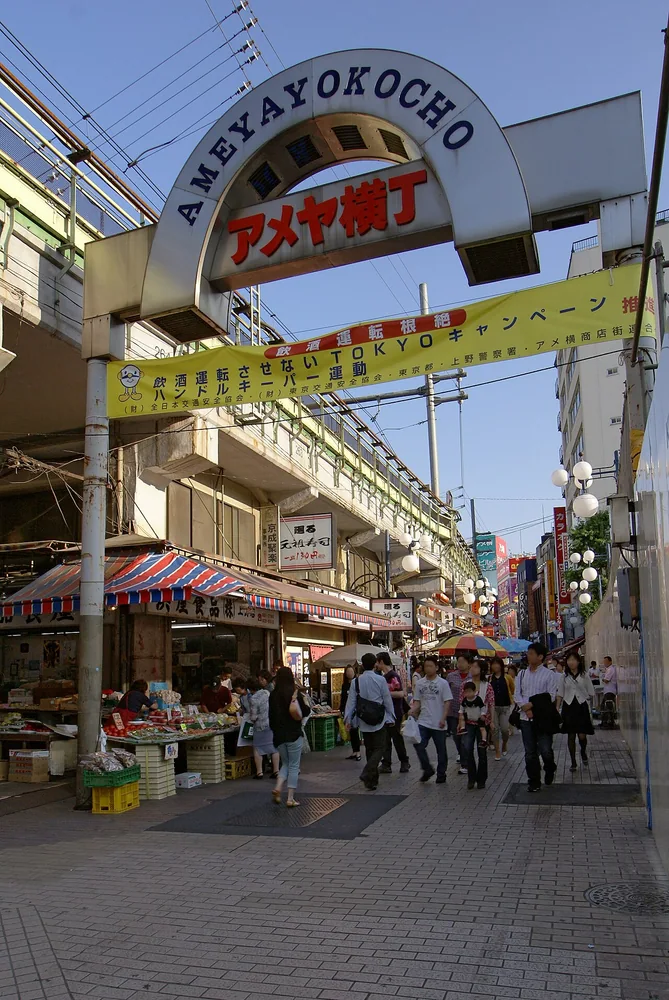
Not sure which Ueno exit leads to dinner? Explore Ameyoko minced-meat cutlets, Okachimachi tonkatsu, Ueno Park yoshoku, station bento boxes and under-track izakaya, with hours, prices and rainy-day routes.
Grab a Quick Bite in Ameyoko, or Sit Down for a Set Meal
Niku no Oyama Ueno sits in Ueno 6-chome. Following its reopening on 1 July 2026, the official menu still features the street-facing takeaway Yamitsuki Menchi (minced-meat cutlet) at ¥180 and Yamitsuki Korokke (potato croquette) at ¥110. For a richer beef option, the larger Takumi no Wagyu Menchi is ¥500 to take away in limited daily quantities. If a full tonkatsu lunch is next on your list, share one freshly fried cutlet outside to taste the crisp crust without ruining your appetite.
Takeaway, standing drinks and seated dining each have their own space here. Oyama has a standing-bar counter along the side of the shop, while the indoor lunch menu offers a minced-meat cutlet and croquette set meal for ¥880. Lunch runs from 11:00, until 15:00 on weekdays and 14:00 at weekends and on public holidays. Arrive before 14:00 at weekends if you want the seated set menu. Indoor dining is generally closed on Mondays, subject to public-holiday adjustments, while the street takeaway counter lists New Year's Day as its closing day.
When several shops nearby draw crowds, check which signboard the tail of your queue belongs to. Diners buying fried snacks, waiting for tables or queuing for the neighbouring izakaya often spill onto the same narrow pavement. Once you have hot food in hand, eat in the designated area pointed out by staff before moving on. Ameyoko mixes spots where pausing is fine with side alleys needed for deliveries and dish runners, so avoid wandering along the railway viaduct with saucy street food in hand while hunting for signs.
To browse ingredients and snacks, use the Ameyoko Center Building in Ueno 4-chome as your turning point. Posted hours are 10:00-20:00, usually closed on the third Wednesday of the month except in December when it stays open daily, though individual stalls keep their own schedules. Save seafood, dried goods and seasonings until after lunch or just before heading back to your hotel. If you plan to visit the park or museums later, jot down the shop names first and buy chilled items last so you stay hands-free all afternoon.
If you are sticking to a modest snack budget, eat hot items first and leave room-temperature purchases for last. Finishing a fried cutlet on the spot means you will not carry greasy paper bags into a sit-down restaurant. Chocolates and packaged sweets for the hotel are easiest to pick up along the stretch closest to your departure station, saving you from juggling bags at every stop. Pairs can split the work: one queues for a single portion while the other finds a permitted spot to stand and eat before continuing south.
Okachimachi Tonkatsu and Ueno 6-chome Soba
Save a proper sit-down lunch for Isen Honten, a tonkatsu institution dating back to 1930 that is equally famous for its katsu sandwiches. On the menu, the Rosu (pork loin) set meal is ¥1,950 and the Hirekatsu (pork fillet) set meal is ¥2,300, with thick-cut loin and special loin options also listed. For takeaway only, the six-piece katsu sandwich box is ¥1,300 - ideal to bring aboard a train when you do not have time to wait for a full cooked set.
Isen serves lunch from 11:30 with last orders at 14:50, then closes for an afternoon break from 15:00 to 16:30. Dinner last orders are at 19:45 before closing at 20:10. It closes on Wednesdays, unless a Wednesday falls on a public holiday. If you finish a Ueno Park exhibition close to 14:50, take a break elsewhere along the walk and return to Isen for dinner. Travellers getting back to Ueno late in the evening should save it for the following day's lunch rather than walking to Exit A4 only to find the kitchen shut.
For noodles, head to Ueno Yabusoba Sohonten. On weekdays, the ground floor runs 11:30-21:00 (last orders 20:30), while the second floor closes between 15:00 and 17:00. At weekends and on public holidays, both floors stay open continuously from 11:30 to 21:00. Mark the second and fourth Tuesdays plus every Wednesday as regular closing days when planning your meal, and check the monthly calendar on its website. Arriving on a weekday afternoon, you can still dine downstairs; if travelling with older relatives or a pushchair, ask at the door which floor has seating available.
Each restaurant plays a distinct role in a day's itinerary. Choose tonkatsu with rice and miso soup when you want an unhurried meal before your next stop. When you only have a mid-afternoon gap, the continuous weekday hours on Yabusoba's ground floor are far easier to fit in. Look for seiro on the menu for chilled soba with dipping sauce, or kake for hot noodles in broth. Leave a little extra time if ordering tempura, and walk straight out towards Okachimachi's North Exit afterwards to avoid doubling back to Ueno.
Yoshoku in Ueno Park, Then Sweets by Shinobazu Pond
For a full sit-down meal inside the park, walk to the yoshoku restaurant at Ueno Seiyoken Honten. Its signature dish is hayashi rice (beef stewed in a rich demi-glace over rice), alongside classic Japanese-style Western stews and plates. Seating is strictly first come, first served without reservations for this dining room. It pairs neatly with a morning museum visit, though if you have a timed entry for another exhibition and encounter a queue, grab a light bite nearby and return later in the afternoon.
Seiyoken operates 11:00-17:00 on weekdays (last orders 16:00) and 10:30-18:00 at weekends and on public holidays (last orders 17:00). It is usually closed on Mondays, except when Monday is a public holiday. Check which schedule applies before planning an early-evening plate of hayashi rice after a gallery closes. If it is nearing 16:00 on a weekday, keep the park strictly for a stroll and walk down towards Shinobazu Pond or Ueno Station for dinner. Because the same address houses multiple dining concepts, search specifically for 'Honten Restaurant (Yoshoku)'.
Walking down towards Shinobazu Pond, stop for dessert at Mihashi Ueno Honten in Ueno 4-chome, about three minutes on foot from JR Ueno's Shinobazu Exit. Hours are 10:30-21:00 (last orders 20:30), with irregular closing days. Its classic anmitsu bowl pairs agar jelly, red peas and sweet adzuki paste with black-sugar syrup. Add shiratama mochi dumplings if you like chewy textures, or pick the cream version for soft-serve ice cream. The official menu lists regular anmitsu at ¥680 and cream anmitsu at ¥840.
If tables are free, sit and linger; if your next leg starts at JR Ueno Station, use the Mihashi branch on 1F of atre Ueno WEST instead. Located outside the ticket gates, it offers both seated service and takeaway. If the craving strikes further south near Okachimachi, there is another branch on 3F of PARCO_ya Ueno. Over at Matsuzakaya Ueno, the takeaway counter sits on 1F while a 12-seat cafe operates separately on B1F - go straight to the right floor if someone in your group needs a chair.
In winter after walking round the pond, you can also order a warm bowl of ozoni (mochi soup) at Mihashi's main shop. The menu even lists winter-only oden and oden served with chameshi tea-seasoned rice, both exclusive to the Ueno Honten location. For a lighter dessert without red bean paste, try mamekan - just salted peas, agar jelly and black-sugar syrup. Having hot savoury options inside a dessert parlour makes it easy for one person to rest with sweets while another catches a light late lunch at the same table.
Dining in Ueno Zoo by East or West Garden
According to official zoo notices, all giant pandas were returned in January 2026, so family routes now follow the animals you want to see and where you plan to eat. Starting from the Main Gate in the East Garden, plan lunch at the indoor Saruyama Kitchen, which serves bento boxes and rice bowls. If hunger hits after crossing into the West Garden, head to the West Garden Rest House near the Small Mammal House for curry and other hot dishes. Since the West Garden borders Shinobazu Pond, save sweets near Ueno Station for after you exit into the market side.
Visitors bringing their own packed lunch can use East Garden's Saruyama Kitchen, the West Garden Rest House or the covered Shinobazu Pond Terrace. In wet weather, secure indoor seats first rather than having the whole family queue at outdoor kiosks near the entrance. If you enter in the afternoon, note that the zoo's dining page lists 16:00 as last orders for hot food at most outlets, with only drinks served afterwards. Because a 16:00 cut-off makes late lunches rushed, eating outside the station before entering lets you explore at a relaxed pace.
If one adult needs to step out to buy supplies and come back, ask staff at the exit for a re-entry pass. On a map, the West Garden pondside looks close to the public Shinobazu Pond promenade outside the fence, so name the exact gate and meeting point when splitting up. Families with pushchairs who change plans mid-visit should check the zoo map for the nearest covered rest area first, letting one adult collect food instead of wheeling everyone up to a long queue.
Early Drinks Under the Tracks at Daitoryo and Bunraku
For classic izakaya nibbles, Motsuyaki Daitoryo has its main shop at Ueno 6-10-14 and a larger branch nearby at 6-13-2. Its signature stewed offal uses horse offal and is listed on the website at ¥420, alongside a five-skewer assorted grilled offal plate for ¥500 in tare sauce or salt. Pairing those two dishes with a drink makes an easy early dinner. If someone in your party only eats chicken, walk up the same Ueno stretch to Yakitori Ueno Bunraku and check the skewer board outside.
Both Daitoryo locations list hours of 10:00-23:30 and accept cash only, with counter and table seating filled strictly on a walk-in queue. Bunraku runs 12:00-23:00 on weekdays and 12:00-22:00 at weekends and public holidays, also cash only, closing over New Year and a summer break. Both welcome afternoon or early-evening drop-ins. Theatre or museum visitors with evening plans can stop for a few skewers beforehand, though larger groups wanting to sit together should allow extra waiting time and specify whether to meet at the main shop or the branch.
A sign reading tachinomi means standing-only counter service. If you want the lively street-market atmosphere yet someone in your group needs a chair with a backrest, favour spots with indoor tables between the main shop and the branch so nobody blocks the alley while waiting. On arrival, tell staff 'Yonin desu. Suwaremasu ka?' ('Four of us. Are there seats?'). Solo diners should stow bags by their feet or in the basket provided, leaving counter space clear for hot plates and glasses.
Before ordering, check the shopfront notice for otoshi (a small starter dish that may carry a cover charge) and last-order times. If an otoshi fee applies, factor it into your bill from the start. Those catching a specific train should set a departure time before deciding whether there is room for a second round elsewhere. Leaving Ameyoko, walk to JR Ueno or Okachimachi for JR lines, or Keisei Ueno for the Narita Skyliner - knowing which ticket gate is nearest matters more than when the last bar closes.
Check Inside vs Outside the Ticket Gates at Ueno Station
If you are transferring between JR trains or boarding a Shinkansen, most food options cluster inside ecute Ueno on the 3F concourse inside the ticket gates, offering bento boxes, deli sides, sweets and restaurants. Official hours for the bento and deli zone are 9:00-21:00 (until 22:00 on Fridays), with early closing on the final day of long weekends and varying hours at individual outlets. For very early trains before bento counters finish stocking, check the convenience store in the same zone from 5:50, or allow extra time for cooked meals.
To enter the JR concourse purely to shop without travelling, buy a platform admission ticket or tap an eligible IC card using the 'Touch de Ekinaka' entry service. Admission tickets run for two hours from purchase, and IC card entry allows two hours from tap-in at the same station. If you are already inside the JR gates after arriving by train, pick up your onboard bento before exiting. When meeting friends arriving on another railway line, gather in the concourse outside the gates or at atre Ueno first, then decide which side to eat on.
Outside the Park Ticket Gate sits another ecute dining zone, with a convenience store on 1F and cafes and restaurants on 2F. It is a handy shelter if you leave the park in sudden rain and want a quick bite. Heading back towards Shinobazu Pond or Keisei Ueno, walk down the park side towards the pond, where several cafes sit along the route. Friends already inside atre Ueno can use the floor map to meet outside the dessert counter on WEST 1F rather than saying simply 'inside ecute'.
Travellers bound for Narita Airport can eat dinner in town before walking to Keisei Ueno. If saving a bento to eat aboard the Skyliner, check whether the box needs reheating and whether its lid seals securely alongside hand luggage. Pick up chilled pastries or desserts just before boarding so they go straight into your carry-on bag. Staying near Keisei Ueno ahead of a morning Skyliner, scout a breakfast spot outside the gates the night before so your morning route stays straightforward.
Udon at 7:00, Ramen Past Midnight
For an early breakfast inside the JR ticket gates, choose between Oniyanma for udon or Sobaichi Nihachi for soba, both open from 7:00. Both appear on the ecute Ueno shop directory, so check the floor map for the ticket-gate boundary instead of mistaking them for street-level stalls. For grab-and-go baked goods, The Standard Bakers opens at 7:30 in the same complex. Leave enough margin to finish a bowl of noodles at the counter; if departure is minutes away, buy rice balls or bread to eat onboard.
If someone in your group eats a fully plant-based diet, T's Tantan on 3F inside the JR gates serves noodle dishes made with plant-based ingredients from 10:00. Because it sits inside the paid concourse, walking over from the park before lunch requires JR station entry. If you are only accompanying a companion in for a meal, check the ecute access guide for the closest ticket gate to your next stop so you exit straight back out afterwards. Keep food allergies distinct from dietary preferences when asking staff directly about ingredients.
Returning late to Ueno and craving hot broth, Ichiran's atre Ueno Yamashitaguchi branch operates 24 hours, adding a late-night surcharge between 22:00 and 6:00. Its official page notes that it closes on atre Ueno's scheduled building closure days and announces occasional temporary shutdowns. Classic tonkotsu ramen is listed at ¥1,180, with kaedama noodle refills available to order separately. Before joining a late-night queue outside, verify which exit leads straight back to your hotel or the last train, and factor in the walk home for everyone in your party.
Stay East of Showa-dori, Dine in Higashi-Ueno
Travellers staying east of Ueno Station can keep dinner close to their hotel in Higashi-Ueno's Korean food district across Showa-dori. Taito City's official guide locates this cluster of barbecue restaurants and Korean grocers in Higashi-Ueno 2-chome, locally known as Kimchi Alley (Kimuchi Yokocho). It sits about five minutes on foot from Tokyo Metro Ginza Line Ueno Station and seven minutes from JR Okachimachi Station. Spend the day in Ameyoko, then cross Showa-dori in the evening for kimchi, grilled meat or hot stews without crossing the station concourse again.
From Exit b (lift exit) on the Showa-dori side of Tokyo Metro Ueno Station, it is roughly a four-minute walk to Fukubutaya Higashi-Ueno in Higashi-Ueno 3-chome, serving grilled pork belly and shareable Korean savoury pancakes. Posted hours are 11:00-15:00 (lunch last orders 14:00) and 16:30-23:00 (dinner last orders 22:30). Larger groups hoping to sit at one table without a long wait should check table sizes on the restaurant's booking page ahead of time. If your hotel is on the park side and you only have half an hour after a museum, dine west of the tracks and save Higashi-Ueno for a freer evening.
Map apps return generic 'Ueno' pins for both sides of the station, so enter the exact chome address to land on the right street. For Kimchi Alley, search Higashi-Ueno 2-chome; if meeting at Fukubutaya, use the restaurant name and its 3-chome street number so friends do not wait outside the 2-chome grocers by mistake. When part of your group shops in Ameyoko while others drop bags at the hotel, meet at a named restaurant entrance rather than trying to catch everyone at the Showa-dori pedestrian crossing.
Budgeting From the Menu: Lock In Two Anchor Stops First
To keep half a day's eating under ¥2,000, pair Niku no Oyama's ¥880 minced-meat cutlet and croquette set meal with Mihashi's ¥680 classic anmitsu for ¥1,560 total. Alternatively, grab the ¥180 street cutlet as a morning snack and put your main meal budget towards soba or a station bento. Choosing Isen's ¥1,950 pork loin set meal plus the same dessert brings the pair to ¥2,630. These figures follow current published menus; drinks, extra sides and takeaway boxes add to the bill.
At Daitoryo, the stewed offal and five-skewer plate total ¥920 before drinks. Groups can share one bowl of stew first and add skewers according to appetite. Keep cash spent on Ameyoko seafood or sweets in a separate mental bucket so you do not run short at dinner. Both Daitoryo and Bunraku state on their websites that they take cash only; elsewhere, check payment stickers at the door and ask before queuing if you plan to pay with a transit IC card.
At Japanese ticket vending machines, decide first between a teishoku (set meal) and tanpin (single item), and look for mochikaeri if ordering takeaway. To request a smaller portion of rice before the ticket goes to the kitchen, ask staff 'Gohan sukuname ni dekimasu ka?' ('Could I have less rice?'). When a group splits up to buy snacks from different stalls, agree who is buying what beforehand - ordering full portions at every stop usually leaves everyone too full by the second venue.
For dietary restrictions or allergies, write the Japanese ingredient names and your requirement on one phone screen to show staff clearly. At soba shops, ask in advance about both the broth base and noodle flour; at fried-food stalls, ask whether fryers are shared. At izakaya, motsu means offal - check the online menu or ask staff which cuts are used. If a group has mixed tastes on its first night, browsing a station dining floor together lets everyone pick comfortably without quizzing every street stall.
Rainy Days and New Year: Keep Two Seated Backups Ready
In light drizzle, walking from the Shinobazu Exit to Niku no Oyama is straightforward; if rain picks up, limit street snacks to one stop and duck into atre Ueno or head down to the 6F Kofuku Kairo dining floor at PARCO_ya Ueno near Okachimachi. The floor directory lists Chinese, yakiniku and other seated options, where families can check waiting sheets outside each door. Ameyoko has shelter under the railway viaduct and shop awnings, though stretches remain open to the sky. Travellers pulling suitcases should use station lifts first and save the market walk for a dry spell.
Over New Year, plan backup dining first. Ueno Marui's website announces building closure from 31 December 2026 to 3 January 2027, reopening on 4 January with hours of 11:00-20:00. Niku no Oyama's takeaway window closes on New Year's Day, and Bunraku takes a year-end and New Year holiday. Meanwhile, the Ameyoko Center Building stays open throughout December for daytime ingredient shopping. When pairing food with a museum visit, verify both kitchen last-order times and gallery opening hours; if both are shut, start your day inside open station facilities.
During spring cherry-blossom season, choose walkable meeting points around Ueno Park. Heading straight from the Park Exit to an exhibition with a fixed entry slot, carry room-temperature snacks in your bag and eat a proper meal after leaving the museum. If picnicking with bento boxes inside the park, find an available spot to sit before buying food - and keep indoor backups handy if rain hits. Check event dates separately for seasonal hanami stalls, as permanent park cafes are more reliable on ordinary weekdays.
If you leave Tokyo the next morning, visit traditional sit-down spots on your final evening and save the morning for station-side breakfast or takeaway. With luggage stored near Okachimachi, walk south along the market to collect your bags before boarding. Slower-paced groups aiming for heritage restaurants can meet straight at the shopfront for lunch and decide afterwards whether to walk the entire arcade. Walking Ameyoko both ways reveals more stalls, yet in rain, on a tight train schedule or while wheeling luggage, a single pass delivers both snacks and lunch.
Work Backwards From Your Next Stop
With only an hour between JR trains, stay close to the Shinobazu Exit. Grab a fried cutlet at Niku no Oyama or sit down for dessert at Mihashi Honten or its atre Ueno branch. If you are already inside the ticket gates, buy a bento at ecute Ueno instead of tapping out and back in. There is no need to walk all the way to Okachimachi on a short layover - one targeted stop leaves plenty of time to find the right platform.
Holding an afternoon museum ticket, check which end of the park your gallery sits closest to. Eating in Ameyoko in the morning, walk only as far as your chosen Okachimachi spot and turn back rather than pushing to the southern end before rushing uphill. When the museum comes first, leave directly from JR Ueno's Park Exit and time lunch around Seiyoken's last-order cut-off. Check opening times and year-end closures in the Tokyo National Museum guide, and plan how to transition across other districts in the Tokyo food neighbourhoods guide.
Staying near Okachimachi with half a day for Ueno, enter the market from the North Exit, eat lunch at Isen or on the west side, then finish with sweets at the Ueno end. From there, walk up into Ueno Park past Shinobazu Pond before choosing the nearest station back to your hotel. Ahead of an early flight the next morning, hit your preferred izakaya that evening and pick up breakfast items on the walk back. Match baggage storage and departure platforms using JR Ueno, Keisei Ueno and Okachimachi hotel routes.
On Tuesdays and Wednesdays, check Isen and Ueno Yabusoba's regular closing days together before setting out. When both are shut on a Wednesday, eat the set meal at Niku no Oyama near the Shinobazu Exit, add anmitsu at Mihashi on the walk back, or bookend the morning with lunch at Seiyoken inside the park. On Mondays, check which indoor dining rooms are open before picking your side of the tracks. Because fixed holidays fall on different weekdays, lock in your open sit-down restaurant first and treat street snacks as bonuses along the route - and always check monthly shop calendars whenever a public holiday lands midweek.
A few useful answers
Which JR Ueno Station exit is best for Ameyoko street food on a first visit?
The Shinobazu Exit at JR Ueno Station is the easiest starting point for Ameyoko. To enter from the southern end instead, use JR Okachimachi Station's North Exit. If you are heading to Ueno Park or the museums first, take JR Ueno's Park Exit.
What street food is recommended in Ameyoko?
Niku no Oyama sells takeaway minced-meat cutlets for ¥180 and potato croquettes for ¥110. To sit down for lunch, order the minced-meat cutlet and croquette set meal listed at ¥880 on its official menu.
Are Ueno's classic tonkatsu restaurants open in the afternoon?
Isen Honten serves lunch until 15:00 with last orders at 14:50, then reopens for dinner at 16:30 with last orders at 19:45. It is normally closed on Wednesdays, though open on public holidays.
Where can we sit down for lunch in Ueno when it rains?
Near Ueno Station, head outside the ticket gates to atre Ueno or the 2F dining zone of ecute outside the Park Ticket Gate; at the Okachimachi end, try 6F of PARCO_ya Ueno. Families inside Ueno Zoo can shelter at East Garden's Saruyama Kitchen or the West Garden Rest House.
Can you enter ecute inside Ueno Station from outside just to buy a bento?
Yes. Reaching the 3F bento zone inside the ticket gates requires a JR platform admission ticket or tapping in with an eligible IC card, valid for up to two hours per visit at the same station. Outside the Park Ticket Gate, the 2F dining zone can be entered freely without a ticket.
Does Daitoryo accept credit cards or reservations?
Both Daitoryo's main shop and its branch are cash-only and operate strictly on a walk-in queue. Nearby Yakitori Ueno Bunraku is also cash-only.
Where can we find anmitsu dessert after walking through Ueno Park?
Walk from Shinobazu Pond towards JR Ueno Station to visit Mihashi Ueno Honten, open 10:30-21:00 with last orders at 20:30. Once at JR Ueno Station, there is also a branch outside the ticket gates on 1F of atre Ueno WEST.
Official information and references
Sources used in this guide.
- GO TOKYO Official Tourism Guide - Ameyoko Shopping Street and Station Access
- JR East - Ueno Station Map
- Keisei Electric Railway - Keisei Ueno Station Skyliner Map
- Ameyoko Center Building - Opening Hours and Access
- Niku no Oyama Ueno - Takeaway, Lunch Prices and Opening Hours
- Isen Honten - Opening Hours, Closing Days and Access
- Isen Honten - Dining Room Menu
- Isen Honten - Takeaway Bento and Katsu Sandwiches
- Ueno Yabusoba Sohonten - Opening Days and Floor Hours
- Ueno Seiyoken Honten - Yoshoku Restaurant and Hours
- Ueno Seiyoken Honten - Yoshoku Menu Highlights
- Mihashi - Ueno Honten and Branch Locations
- Mihashi - Dessert Menu and Prices
- Ueno Zoo - Park Dining and Last-Order Times
- Ueno Zoo - Packed Lunches, Rainy-Day Seating and Re-Entry
- Ueno Zoo - January 2026 Giant Panda Return Record
- Motsuyaki Daitoryo - Main Shop, Branch, Hours and Menu
- Yakitori Ueno Bunraku - Opening Hours and Payment Methods
- ecute Ueno - Inside and Outside Gate Zones, Hours and Access
- PARCO_ya Ueno - 6F Dining Floor
- Ueno Marui - 2026-2027 Year-End and New Year Closure Notice
- ecute Ueno - Morning Dining Shops and Locations
- JR East Cross Station - T's Tantan Location and Hours
- Ichiran - atre Ueno Yamashitaguchi Hours, Prices and Late-Night Surcharge
- Taito City Official Tourism Guide - Higashi-Ueno Korean Food District
- Korean Restaurant Fukubutaya Higashi-Ueno - Access, Menu and Hours
- Tokyo Metropolitan Park Association - Ueno Onshi Park and Facilities