Permanent and special exhibition tickets, Ueno transport, and baggage rules for Tokyo National Museum. Plan a half-day route by gallery and check late-2026 closures.
- Region & Focus
- TokyoAttractions
- Reading Scope
- 20 min read · 13 chapters · 21 Q&As
- Official Verification
- 6 official sources checkedUpdated 22 November 2026
- Key Topics
- ItinerariesTokyo & Kanto
Chapter Route Map (tap any stop)
- The Basics: A Two-Tier Ticket System
- Permanent Exhibition Fares and Free Admission
- Opening Hours and Closure Calendar
- Choosing Among the Six Buildings in Half a Day
- How Special Exhibitions Work and How to Pair Them
- Getting There and Practical Entry Rules
- Pairing the Museum with a Day in Ueno
- Tailoring the Visit for Your Companions
- Common Mistakes and How to Avoid Them
- Related Guides and Official Links
- Where to Leave Bags Before Security
- How the Permanent Collection Works: National Treasures and Rotations
- Fitting into Ueno Park's Museum Cluster
- Quick Q&A
Tokyo National Museum sits inside Ueno Park. Admission to the permanent collection alone is ¥1,000 for adults. If there is a special exhibition you want to see, buying a ticket for that exhibition also grants same-day entry to the permanent galleries. For a first visit lasting half a day, most visitors pick a few rooms in the Honkan (Japanese Gallery), then continue to the Toyokan (Asian Gallery) or the Gallery of Horyuji Treasures. From 30 November 2026, the Toyokan will be temporarily closed, leaving fewer buildings open in late December. If you are visiting over the New Year period, plan your route around the buildings open on that specific day.
The Basics: A Two-Tier Ticket System
The permanent exhibition is officially titled the Tokyo National Museum Collection Exhibition (Regular Exhibition). Admission is ¥1,000 for adults and ¥500 for university students. High school students and younger, anyone under 18, and visitors aged 70 or over enter free upon showing valid photo ID confirming age. Visitors with a disability certificate and one accompanying carer also enter the permanent exhibition free of charge. These concessions apply to the permanent galleries; special exhibitions set their own ticket categories and rules.
If everyone in your party wants to see a special exhibition, pick the exhibition and date first. The museum explicitly states that a special exhibition ticket includes same-day admission to the permanent collection, so there is no need to buy a separate regular ticket at the Main Gate. If someone in your group only wants to see Japanese art in the Honkan, they can buy a regular ticket, head inside first, and meet up at the entrance of a gallery accessible to both groups. When booking a timed-entry slot for a special exhibition, place your more flexible permanent-gallery browsing before or after it, leaving time to walk between buildings.
Standard opening hours are 09:30–17:00, with last admission at 16:30. On Fridays, Saturdays, and Sundays preceding a Monday public holiday, the museum generally stays open until 20:00, with last admission at 19:30. If you only have a short evening window, choose a single gallery room in the building that interests you most rather than treating the last-entry cut-off as enough time to tour several buildings. Special exhibitions follow their own published hours, and the Kuroda Memorial Hall keeps separate opening times.
A regular ticket covers all permanent exhibition buildings open on that day, so you can start in the Honkan and move on to other buildings as interest allows. Before buying tickets, decide which single work or theme matters most for your half-day visit and tackle those rooms first. Travellers with children, pushchairs, or afternoon plans elsewhere in Ueno will have a much calmer visit by focusing on a single building.
Regular e-tickets can be purchased through the ticketing site linked from the museum's visitor information page; they have no timed-entry restriction and remain valid for two months from purchase. The museum notes that queues at the Main Gate ticket windows can exceed 30 minutes during busy periods. If you know you will be paying for regular admission and want to spend less time waiting outside, buy an e-ticket in advance. Visitors eligible for free admission should keep their ID handy and present it as directed by staff.
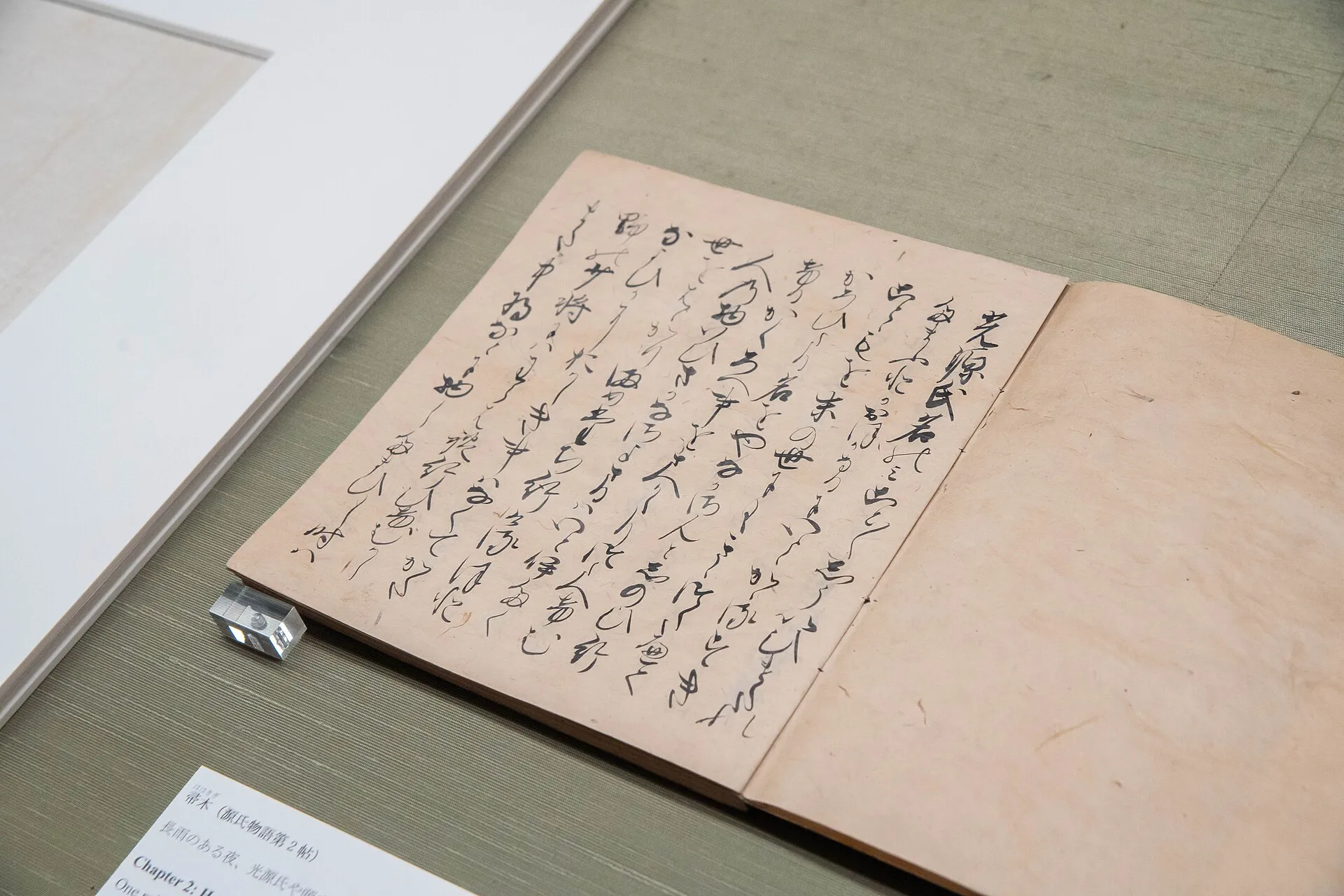
Permanent and special exhibition tickets, Ueno transport, and baggage rules for Tokyo National Museum. Plan a half-day route by gallery and check late-2026 closures.
Permanent Exhibition Fares and Free Admission
Permanent exhibition tickets cost ¥1,000 for adults and ¥500 for university students. Extending free entry to high school students and younger, anyone under 18, and visitors aged 70 and over is part of the museum's age policy—whereas many Japanese museums cap free youth admission at high school age, Tokyo National Museum stretches free entry at both ends, making it especially budget-friendly for families and older travellers.
For age-based concessions, bring official ID showing your date of birth. The museum lists student handbooks, health insurance cards, and driving licences as examples; overseas visitors can carry a passport showing their date of birth. Disability concessions follow the museum's documentation rules. University students buying the ¥500 ticket should bring their student ID, while students and staff eligible for free Campus Members entry must state their status and show their university ID at the Main Gate ticket window.
Under the Campus Members scheme, students and staff of partner universities enter free on presentation of valid university ID—international students can check whether their institution is enrolled. In addition, visiting the Kuroda Memorial Hall and the Research and Information Centre alone is completely free of charge, forming the third pillar of free admission.
The museum's designated free-admission days for the permanent collection in 2026 were 19 May, 21 September, and 3 November, all of which have already passed as of 22 November. International Museum Day itself falls on 18 May, but because that fell on a scheduled closure day in 2026, the free day moved to the following day. For future spring or public-holiday trips, check the current year's visitor page rather than assuming the previous year's dates still apply.
If people in your group qualify for different ticket types, handle their admission separately. Regular e-tickets work best for anyone paying the adult or university student rate, while others can bring their ID and go through the free-entry procedure. The Main Gate ticket windows accept credit cards, Suica and compatible IC travel cards, iD, WAON, and UnionPay. If you plan to visit a special exhibition, use that exhibition's dedicated booking portal; regular and special exhibition tickets appear under different names at checkout.
Opening Hours and Closure Calendar
Weekday opening hours are straightforward for planning your trains, but Friday and Saturday late openings do not mean every building stays open into the evening. The Kuroda Memorial Hall keeps standard hours of 09:30–17:00, with last entry at 16:30. If you intend to consult archives or use the Research and Information Centre, check its separate visitor guidelines and plan it on a different day from regular gallery sightseeing.
The museum is normally closed on Mondays; when a Monday is a Japanese national holiday, it opens on the Monday and closes on the following weekday instead. There is an extraordinary closure on 15 December 2026. From 22 to 25 December, only the Gallery of Horyuji Treasures and the Kuroda Memorial Hall will open, followed by the year-end closure from 26 to 31 December. On 1 January 2027, the museum is scheduled to open from 12:00 to 20:00, though you should still check which individual buildings and programmes are running that day.
From 30 November to 31 December 2026, the Toyokan and Honkan Rooms 17–20 are closed for maintenance. Honkan Rooms 2–3 close from 14 December 2026 through 25 April 2027, and Room 4 is closed from 26 October 2026 until 25 April 2027. If you are travelling specifically for those rooms, check the museum's temporary gallery closure list and current exhibitions page before setting off to pick alternatives.
In early December 2026, for instance, you can start with the galleries still open in the Honkan, then add the archaeology section in the Heiseikan or the Gallery of Horyuji Treasures. For visits from 22 December onwards, switch to a shorter itinerary centred on the Gallery of Horyuji Treasures and the Kuroda Memorial Hall. Readers keen on a full tour of the Asian galleries should pick dates when the Toyokan is open, rather than arriving in Ueno only to find their preferred wing shut.
The museum also publishes weekday and weekend crowd forecasts broken down by building. Check the specific building you want to visit rather than treating the entire complex as a single queue. Bag security checks, the ticket windows, and special exhibition entrances each take separate time. If you are leaving central Tokyo in the late afternoon, calculate when you will actually reach the Main Gate before deciding whether to enter one building or return early the next morning.
The museum's crowd chart rates each building by hour across three levels—quiet, moderately quiet, and busy—excluding special exhibition halls. On the Tuesday chart, for example, the Honkan tends to be busy around midday while the Gallery of Horyuji Treasures is quieter during the same hours. If your group can only arrive at noon, start in a quieter building and decide whether to head into the Honkan once you see the crowd flow. Match your own day of the week against the chart, bearing in mind that seasonal events and school groups can also lengthen queues.
Choosing Among the Six Buildings in Half a Day
Each of the six buildings serves a distinct role: the Honkan is the Japanese Gallery and the core of the Japanese art collection; the Heiseikan houses Japanese archaeology and major special exhibitions; the Toyokan is the Asian Gallery; the Gallery of Horyuji Treasures displays 7th-century treasures donated by Horyuji Temple; the Hyokeikan opens only for special events; and the Kuroda Memorial Hall features works by Kuroda Seiki with free entry.
The Honkan is the natural starting point for first-time visitors. To see Japanese art, check the museum's floor plans beforehand to see whether your chosen themes are on the ground floor or the first floor. With two hours, you can focus on selected rooms—spending unhurried time on swords, Buddhist sculpture, ceramics, or ukiyo-e prints. Galleries undergo maintenance and artworks rotate, so there is no need to walk through every single room on the map.
For the Heiseikan, the distinction is clear: its regular floor is dedicated to Japanese archaeology, while the upper exhibition halls host major special exhibitions. Visitors coming for a blockbuster special exhibition will spend most of their time here. Meanwhile, the Hyokeikan opens only for occasional events, and the free Kuroda Memorial Hall tends to be quiet—both work best as convenient extras rather than the main pillar of your itinerary.
If you have around three hours, pair one main building with one smaller complementary building. For Japanese art, give the Honkan two hours and follow with the Gallery of Horyuji Treasures. If you want to compare artefacts across regions, add an hour in the Toyokan when it is open. Visitors drawn to ancient history can make the Heiseikan archaeology gallery their focus and skip a second large building so they have time to read excavation sites and dates.
Treat the six buildings as a menu rather than a tick-box checklist. Because the Hyokeikan only opens for specific exhibitions or events, seeing its name on the site map does not guarantee there is a display inside. The Kuroda Memorial Hall focuses on Kuroda Seiki and modern Japanese Western-style painting, operating as an independent stop with its own opening hours. Start with the opening schedule to see which buildings are accessible, then match them to the works you genuinely want to see.
Before entering the Honkan, open both of its floor plans on the official website. The upper floor follows Japanese art chronologically, while the ground floor is arranged by medium and category. If it is your first visit and you are unsure which level to choose, begin upstairs in the historical era that intrigues you most. Returning visitors looking for metalwork, ceramics, or sculpture can head straight to the corresponding ground-floor rooms. Knowing your entrance and floor ahead of time ensures a short morning visit is spent looking at art rather than getting your bearings.
If you are combining the archaeology gallery with a special exhibition, check both the Heiseikan floor plan and the special exhibition notice. Different zones have their own content and entry rules, so you can reach the right building and still line up at the wrong door. Confirm the special exhibition entrance and ticket terms first, then slot the permanent archaeology rooms into your flexible time. Similarly, if your main goal is the Gallery of Horyuji Treasures, pair it with the closest related themes in the Honkan or Heiseikan to cut down on walking back and forth.
How Special Exhibitions Work and How to Pair Them
Ticket prices, time slots, and sales platforms are set separately for each special exhibition, with links provided directly on the museum's visitor page. When an exhibition catches your eye, check whether the ticket requires a fixed entry slot, a designated date, or general same-day admission. Ticket sales launch dates and exhibition opening dates are not the same—checking both as soon as you book your flights is far easier than scrambling for reservations the week you arrive.
Because a special exhibition ticket covers same-day entry to the permanent collection, it makes the most sense to group the permanent buildings you want to see into that same day. If your special exhibition is booked for the final afternoon slot, tour the Honkan or Toyokan earlier in the day. Trying to double back into the permanent galleries after the last special-exhibition slot often leaves you racing against closing time. If you want to return the next day for another building, you will need to follow that day's regular admission rules.
For upcoming exhibitions, check each exhibition's own webpage to see whether timed entry applies. If people in your group are buying tickets on separate devices, agree on the exact same time slot before paying. If you arrive late in the day, only hold a regular ticket, or simply want an overview of Japanese art, making the permanent galleries your main plan for the day is more than enough.
If you are making plans close to your travel date, open the museum's special exhibitions overview alongside the permanent exhibition schedule. Special exhibitions vary in how they rotate artworks and which halls they occupy. On an ordinary seasonal trip, the permanent collection fits effortlessly into a half-day Ueno itinerary—just verify exact exhibition titles and ticketing links against your actual visit date.
When a special exhibition rotates works in phases, the specific series or piece you want to see may only be on view during one term. Before purchasing tickets, check the exhibition webpage for display periods, artwork lists, and ticket dates, then build your permanent-gallery plan around them. If you are travelling specifically for one set of ukiyo-e prints or a particular temple treasure, checking the rotation dates matters far more than picking a convenient Friday evening. Also bear in mind that special exhibitions can take place in different buildings on the grounds, and even within the same park, opening hours follow each exhibition's own notice.
Getting There and Practical Entry Rules
The standard rail approaches are a 10-minute walk from JR Ueno Station's Park Gate or a 10-minute walk from JR Uguisudani Station's South Exit. From Tokyo Metro Ginza or Hibiya lines at Ueno Station, Tokyo Metro Chiyoda Line at Nezu Station, or Keisei Ueno Station, allow about 15 minutes on foot. Because the museum sits deep inside Ueno Park, the Park Gate route cuts through the parkland, while the underground stations involve a slightly longer walk—worth noting on rainy days.
From 8 September 2026, the museum operates metal-detector screening and hand-luggage checks at the Main Gate. Visitors with timed-entry special exhibition tickets should build in extra buffer time for security, as ticket sales, security screening, and the walk to individual buildings are separate stages. If you do not need to buy a ticket on site, have your e-ticket screen ready, with any concession ID and phone easy to reach.
From 1 August 2026, suitcases are not permitted inside the museum. Heading straight to Tokyo National Museum with rolling luggage on arrival day is no longer an option—leave suitcases in station coin lockers at Ueno or at your hotel first, as this 2026 rule must be sorted before you reach the gate.
The museum has no dedicated car park or bicycle parking. JR passengers should check whether their train puts them conveniently close to the Park Gate; those arriving via the Ginza Line, Hibiya Line, or Keisei Ueno Station should budget the official 15-minute walk. If walking is tiring, check the Taito City loop bus, Tozai Megurin, on its Ueno Park route and alight at the Tokyo National Museum-mae stop—just verify the timetable before leaving the station.
Enter 'Tokyo National Museum' into your navigation app. Once you step out of JR Ueno Station's Park Gate, check the walking direction towards the Main Gate. If you are staying near Uguisudani, follow the museum's suggested path directly from the South Exit instead of riding one stop back to Ueno, while travellers coming via Nezu can use the Chiyoda Line as an alternative gateway. Note that the museum's 10- and 15-minute estimates are measured from the specified station exits, so allow extra time for underground transfers inside the station.
Pairing the Museum with a Day in Ueno
For a half-day starting in Ueno Park, enjoy the outdoor grounds first and head into the museum shortly after an early lunch. Early risers can also tour the Honkan first thing, then stroll towards Shinobazu Pond or Ameyoko afterwards. On late-opening evenings, eat lunch around Ueno, save the late afternoon and early evening for the galleries, and cross to the other side of Ueno Station for dinner.
To spend a full day in Ueno, devote the morning to your main museum building. In the afternoon, switch to a contrasting focus—such as ancient Buddhist craft at the Gallery of Horyuji Treasures, modern Western-style painting at the Kuroda Memorial Hall, or European art across the park at the National Museum of Western Art. Leave walking and queueing time between venues, as the two national museums have entirely separate names, tickets, and closure calendars.
The Ghibli Museum in Mitaka requires timed-entry tickets booked well ahead. If you cannot fit it into your itinerary, swapping in Ueno with Tokyo National Museum's permanent collection makes a strong half-day anchor. It saves a cross-city trip out to Mitaka Station and gives everyone in your party far more flexibility for park walks and meals.
If it rains, finish all the floors inside a single building before deciding whether to brave the weather for the next one. Because the complex comprises separate buildings, moving between them requires stepping outdoors, so minimise crossings during heavy downpours. Bring an umbrella or raincoat from the station and pick stops with easy seating rather than trying to tick off every building.
When splitting up with family or travel companions, agree on a precise building entrance, side, and meeting time. Simply saying 'at the gate' invites confusion between the Main Gate, the permanent-gallery entrances, and a special exhibition queue. If one group stops in the museum shop, let the other know how much extra time you need, and pick a final meeting spot everyone can easily reach so lunch or dinner plans stay on track.
Tailoring the Visit for Your Companions
When visiting with children, pick one clear visual theme to follow—such as samurai swords and armour, poses of Buddhist statues, or ceramic vessels from different eras—and move on as soon as their attention fades. Since children usually qualify for free permanent admission, parents can save both budget and energy for a walk in the park or another museum later.
If you are travelling with older relatives who need regular seated breaks, make the Honkan your primary destination and locate its lifts and rest areas early on. Prepare IDs and security items before joining the gate queue. Keep in mind that the walk from Ueno's Park Gate to the Main Gate and back takes some stamina, so treat extra buildings as optional add-ons if the weather is cold or anyone tires easily.
Groups with split interests across archaeology, Buddhist art, and modern painting can divide into three distinct focuses. Those interested in ancient Japan can start in the Heiseikan archaeology gallery before heading to the Gallery of Horyuji Treasures. Anyone eager to see Kuroda Seiki's paintings should plan that stop within afternoon hours and check the Kuroda Memorial Hall's current schedule rather than assuming it shares the Honkan's late-night hours.
Because the six buildings sit separately across the grounds, groups keen on Japanese art and those focused on Asian art naturally split between the Honkan and the Toyokan—you can easily regroup at the Honkan entrance or the Main Gate, using the on-site cafés and restaurants as natural anchors.
If part of your group wants an in-depth gallery tour while others prefer a gentle stroll through Ueno, buy the right tickets for each person and treat the museum as your one fixed morning or afternoon rendezvous. On busy weekends, build in a toilet and rest stop before entering the park grounds so you are not constantly leaving the galleries mid-tour. If you plan to leave by the Tozai Megurin loop bus, check the return stop location and direction before going inside.
Common Mistakes and How to Avoid Them
Mistake 1: Turning up on a Monday. The museum is closed on Mondays (or on the following weekday when a Monday is a national holiday)—schedule your visit between Tuesday and Sunday, and watch for the 26–31 December year-end closure.
Mistake 2: Arriving with a suitcase. Since 1 August 2026, suitcases are barred from the museum—drop off rolling luggage at Ueno Station coin lockers or your hotel before heading into the park.
Mistake 3: Buying both tickets before realising a special exhibition ticket already includes same-day entry to the permanent collection. Check the ticket terms and date before paying to avoid double-spending. If you only want the regular collection and buildings, a permanent ticket is all you need—though anyone eligible for free permanent entry who wants to join a special exhibition must still check whether that exhibition requires a paid ticket.
Mistake 4: Counting all six buildings when budgeting half a day. Circle one theme on the floor plan first, then add at most one complementary building with whatever time remains. When the Toyokan is closed for maintenance, simply explore the open galleries in the Honkan rather than buying an extra ticket just to make up the numbers.
Mistake 5: Assuming published free-admission days stay on the same date every year. Public holidays such as Respect for the Aged Day shift annually, and the museum adjusts dates when they clash with closure days. If you are planning around free admission, verify the current year's permanent-collection calendar and keep a regular paid day as backup.
Related Guides and Official Links
If you only have half a day in Ueno, pick a neighbourhood route from our Tokyo neighbourhood day plans that connects straight back to a main rail hub, so you are not crossing the city after the museum. To add just one more gallery nearby, read our National Museum of Western Art guide to compare collections, ticketing, and separate entrances.
Fares, security checks, year-end hours, and temporary gallery closures are all consolidated on the Tokyo National Museum official visitor guide. To check step-free access or same-day events before setting off, call the museum's Hello Dial line on 050-5541-8600. When reading the map, keep the Honkan and Heiseikan clearly distinguished from the ticket booths and special exhibition ticket gates.
Where to Leave Bags Before Security
Since 1 August 2026, suitcases cannot be brought into Tokyo National Museum. If you arrive before hotel check-in, ask your hotel to store your luggage or secure a locker at Ueno Station before walking into the park. If you are visiting Ueno in the morning before catching a Shinkansen straight afterwards, factor in the walk back to collect your bags, and identify a backup storage spot in case main station lockers are full during peak seasons.
Visitors carrying only a small day bag still pass through security screening at the Main Gate. Keep water bottles, tickets, and ID accessible before queuing, and check individual gallery rules as you enter each room. Always look for photography signs before taking pictures—rules vary from object to object even within the same building—and avoid blocking narrow doorways while framing a shot.
If you have a timed-entry special exhibition slot and luggage to drop off, tackle them in strict order: store bags first, clear security, then locate your entrance. Putting off luggage storage will derail the steps that follow. If you can only reach Ueno late in the afternoon, move the non-timed permanent galleries to another day; regular last admission is 30 minutes before closing, and that half-hour includes the walk to the exhibition rooms.
How the Permanent Collection Works: National Treasures and Rotations
The Honkan's upper-floor route traces 'The Flow of Japanese Art', letting you walk chronologically from early periods onwards. It includes a dedicated National Treasures room, though the National Treasures on display rotate regularly. If you have your heart set on a specific work, note its building, room number, and display dates from the current exhibitions page; if that room appears on the maintenance list, pick another subject on the same floor rather than improvising at the entrance.
Because the permanent collection is not a static display, works rotate constantly for conservation and scheduling—it is entirely normal for a National Treasure seen on a previous trip to be off display next time. Online 'must-see' checklists go out of date quickly, so rely on the official website and in-gallery guides for what is currently on view.
By contrast, the Toyokan (Asian Gallery) is organised geographically across Chinese, Korean, Southeast Asian, and Indian art and archaeology—working horizontally by region rather than chronologically like the Honkan. Replicas of cave-temple carvings from the Yungang Grottoes and its gilt-bronze Buddhist sculptures are familiar highlights for international visitors.
The Gallery of Horyuji Treasures is dedicated to treasures donated by Horyuji Temple, making it ideal for anyone wanting an up-close look at Asuka and Nara-period Buddhist craft. Its lighting and conservation layout differ from the Honkan's; rather than rushing through, linger over a handful of pieces whose materials or techniques catch your eye and read the labels. If you also plan to see the Kuroda Memorial Hall, walk over before leaving the park and keep an eye on its separate closing time.
If you prefer exploring by medium, start on the Honkan's ground floor, where displays are grouped by category. Visitors drawn to craftsmanship can focus on just a few ceramics or sculpture rooms to study materials, techniques, and preservation. If you want to see how different art forms evolved side by side in a single era, include the upper floor in the same visit. With several Honkan rooms closed for maintenance, check the floor plan against the day's open areas at the entrance to avoid doubling back.
When pairing the Honkan with the Toyokan on the same day, connect them with a shared question—for example, viewing Buddhist statues in the Honkan first and then comparing sculptures from corresponding regions in the Toyokan by material, posture, and original setting. While the Toyokan is closed, pair the Honkan's Buddhist art with the Gallery of Horyuji Treasures instead. Because the two buildings differ sharply in scale, giving the smaller gallery a quiet, unhurried window reveals far more than rushing through both.
Fitting into Ueno Park's Museum Cluster
Ueno Park forms an unmatched cultural corridor in Tokyo: alongside Tokyo National Museum sit the National Museum of Western Art, the National Museum of Nature and Science, the Tokyo Metropolitan Art Museum, and Ueno Zoo. Each venue sells its own tickets, with the park paths linking them together.
To combine two collections in half a day, select a focused set of rooms in the Honkan first, then decide whether to walk across to the National Museum of Western Art. If opening days or timed slots clash, fill the gap with a park stroll or lunch in Ueno. When you need level walking, are travelling with someone less familiar with art galleries, or have evening plans, splitting the two museums across different half-days works much better.
The park also shifts with the seasons—summer lotus blooms on Shinobazu Pond, autumn foliage, and spring cherry blossoms. Pairing a gallery visit with a seasonal walk—roughly an hour indoors followed by a stretch in the park—keeps a museum day feeling fresh rather than exhausting.
If you are tempted to visit two museums back to back, ask yourself whether their themes genuinely flow together in one afternoon. Japanese art at the Honkan and European works at the National Museum of Western Art make an intriguing contrast, though they require separate tickets and a walk across the park. For families with children, committing to either Japanese art at Tokyo National Museum or natural history at the National Museum of Nature and Science usually lands better than rushing through an hour at each.
After leaving the galleries, tailor your exit to your next stop. If you still have energy for more culture, stay inside Ueno Park for another museum. After several hours on your feet, head back via the Park Gate to JR Ueno Station or walk towards Keisei Ueno depending on your hotel and dinner plans—and if you are detouring to Shinobazu Pond, check the daylight and walking time before setting off.
A few useful answers
How much are tickets to Tokyo National Museum?
Permanent collection tickets are ¥1,000 for adults and ¥500 for university students. High school students and younger, anyone under 18, and visitors aged 70 and over enter free with valid ID, as do visitors with a disability certificate and one carer. Special exhibitions are priced separately per exhibition.
What are the opening hours?
Standard hours are 09:30–17:00, with last entry at 16:30. On Fridays, Saturdays, and Sundays before a Monday public holiday, the museum generally stays open until 20:00, with last entry at 19:30. The Kuroda Memorial Hall and special exhibitions keep their own hours.
Which days is the museum closed?
It is normally closed on Mondays (opening on Monday public holidays and closing the following weekday instead). There are also year-end closures (26–31 December 2026) and extraordinary closure days—check the official calendar for your exact travel dates.
Do I need separate tickets for special exhibitions and the permanent collection?
Special exhibitions are ticketed separately, but a special exhibition ticket includes same-day admission to the permanent collection. The reverse does not apply: a regular ticket does not grant entry to special exhibitions.
Can I see the museum in half a day?
Yes, if you choose one or two open buildings. When the Toyokan is open, pairing the Honkan with the Toyokan works well. During the temporary closures starting 30 November 2026, focus on the open rooms in the Honkan alongside other buildings open that day.
What is inside each of the six buildings?
The Honkan covers Japanese art chronologically; the Heiseikan houses archaeology plus special exhibitions; the Toyokan focuses on Asian art; the Gallery of Horyuji Treasures displays 7th-century treasures; the Hyokeikan opens only for events; and the Kuroda Memorial Hall exhibits works by Kuroda Seiki (free entry).
When are the free admission days?
The museum's designated free-admission days in 2026 were 19 May, 21 September, and 3 November, all of which have passed. For future trips, check the current year's permanent-collection free days published on the official website.
Can I bring a suitcase inside the museum?
No. From 1 August 2026, suitcases are not allowed inside the museum. Do not plan to go straight there from the airport or station with rolling luggage—store bags in Ueno Station coin lockers or at your hotel first.
What is the easiest way to get there?
Walk 10 minutes from JR Ueno Station (Park Gate) or JR Uguisudani Station (South Exit)—the two standard JR approaches. It is a 15-minute walk from the Tokyo Metro Ginza or Hibiya lines at Ueno, the Chiyoda Line at Nezu, or Keisei Ueno Station. There is no dedicated car park.
Is there a security check at the entrance?
Yes. From 8 September 2026, the museum operates metal-detector screening and hand-luggage checks at the Main Gate. If you hold a timed-entry special exhibition ticket, allow extra time for screening plus the walk to your exhibition hall.
When is the quietest time to visit?
The museum publishes crowd forecasts by building and day of the week on its website. To skip ticket-window queues, buy a permanent-collection e-ticket in advance, then check the crowd level and hours for your chosen building.
Is the museum open over New Year?
From 22 to 25 December 2026, only the Gallery of Horyuji Treasures and the Kuroda Memorial Hall are open. The museum is closed from 26 to 31 December 2026, then opens from 12:00 to 20:00 on 1 January 2027—check the official notice for which buildings open that day.
Do seniors and children get in free?
Yes. Visitors aged 70 and over, as well as high school students and anyone under 18, enter the permanent collection free upon showing valid ID such as a passport, driving licence, or health insurance card—making visits particularly affordable for families and older travellers.
What special exhibitions are on right now?
Check the museum's special exhibitions overview by your visit date for exact titles, venues, and ticketing rules. Remember that a special exhibition ticket includes same-day entry to the permanent galleries.
Is it a good option for a rainy day?
It works well for indoor sightseeing, though the six buildings are separate structures, so walking between them takes you outdoors. In heavy rain, focus thoroughly on one building before deciding whether to head across to another.
If I miss out on Ghibli Museum tickets, can I go to Ueno instead?
Yes—replacing Mitaka with Tokyo National Museum's permanent collection in Ueno is an easy alternative. Regular tickets can be bought on the day or in advance as untimed e-tickets.
Are the National Treasures always on display?
No. Works rotate regularly under conservation schedules, so 'must-see' checklists quickly go out of date. Check the official website and in-gallery guides for current displays—rotation is also a great reason to return.
Should I visit the Toyokan or the Honkan first?
Start in the Honkan if your priority is Japanese art, or put the Toyokan first if you are keen on wider Asian collections. During the Toyokan's maintenance closure from 30 November 2026, focus on whichever other buildings are open that day.
Are there restaurants inside the museum?
Yes, there are cafés and dining facilities on site—check the official visitor page for current hours—or you can step out to eat around Ueno.
Do I need a guided tour?
Not necessarily. You can explore independently using the museum's floor plans and current gallery guides; check the official schedule for any guided tours, events, or audio-guide rentals running during your visit.
Can I take photographs inside the museum?
Photography rules vary by building and exhibition, and some permanent displays and special exhibitions prohibit photos. Check the signage at each gallery entrance, and follow the museum's rules banning flash and tripods.
Official information and references
Sources used in this guide.
- Tokyo National Museum Visitor Guide (Admission, Access, Hours & Temporary Closures)
- Tokyo National Museum Crowd Forecast by Building
- Tokyo National Museum Special Exhibitions & Ticketing
- Tokyo National Museum Official Website (Permanent Collection & Floor Maps)
- Tokyo National Museum Honkan Floor Map
- Tokyo National Museum Heiseikan Floor Map