Compare Upopoy day tickets, web discounts and 14:00 admission. Plan performance passes, winter embroidery and mukkuri, the museum’s permanent exhibition, luggage storage and cancellation, with November 4, 2026 JR examples from Sapporo.
- Region & Focus
- HokkaidoAttractions
- Reading Scope
- 30 min read · 16 chapters · 7 Q&As
- Official Verification
- 20 official sources checkedUpdated November 9, 2026
- Key Topics
- ItinerariesBookingTravel budget
Chapter Route Map (tap any stop)
- Day or afternoon admission: the difference is time to finish an activity
- Check closure dates before booking Sapporo or Noboribetsu accommodation
- Compare three admission prices for the same party
- Sapporo to Shiraoi: find a limited express that actually stops
- From Noboribetsu, come down to the station first; allow the Shiraoi walk too
- Store luggage first to keep a hotel-transfer day usable
- Collect the performance pass first, then choose exhibition order
- Allow an hour for the permanent exhibition, linking objects to life today
- Choose one winter craft: embroidery and carving each need an hour
- For a shorter hands-on option, try the mukkuri
- Connect the kotan and lakeside with a short outdoor-area program
- You can leave the paid area for lunch; keep the re-entry ticket
- With children or older relatives, rest before programs that prohibit mid-show exit
- Full-day example: morning embroidery and afternoon exhibitions
- Afternoon example: 15:00 performance and permanent exhibition, without an hour-long craft
- Transport, activity and luggage costs, plus cancellation after purchase
- Quick Q&A
Give Upopoy in Shiraoi a full day to combine song and dance, the museum and one hands-on activity. After 14:00 admission, focus on a performance and the permanent exhibition. Choose the date and return train before the ticket type, then handle the performance pass first after entering.
Day or afternoon admission: the difference is time to finish an activity
For Ainu song and dance, museum displays and embroidering a coaster or learning the mukkuri mouth harp, I would enter in the morning. The performance takes about twenty minutes, the museum’s official reference time is about sixty, and embroidery and carving each take about sixty. Add passes, walking between buildings, lunch and rests, and these readily fill much of a day. A full day leaves time to pursue another question in the exhibition and fit an activity you successfully reserve, without constantly watching the next performance time.
The 14:00 ticket suits visitors already traveling in central Hokkaido who want two afternoon priorities. Winter closing is 17:00, giving only three hours even if you enter at exactly 14:00, and less if the train brings you to the gate near 14:45. Pair the 15:00 performance with the permanent exhibition and save long crafts for a full day. For a dedicated return from Sapporo, compare the admission saving with both transport legs rather than compress everything because admission is half price.
Upopoy’s formal designation is the Symbolic Space for Ethnic Harmony. It includes the National Ainu Museum and National Ainu Park, with outdoor routes between buildings, the traditional kotan and Lake Poroto. As a day’s main theme, its value is how listening, seeing and making complement each other. If Noboribetsu’s onsen town and Jigokudani remain the main goal, give Shiraoi a separate slot so neither visit becomes only rushing.
Upopoy’s official introduction published in 2026 presents the Shiraoi park and Ainu cultural experiences.
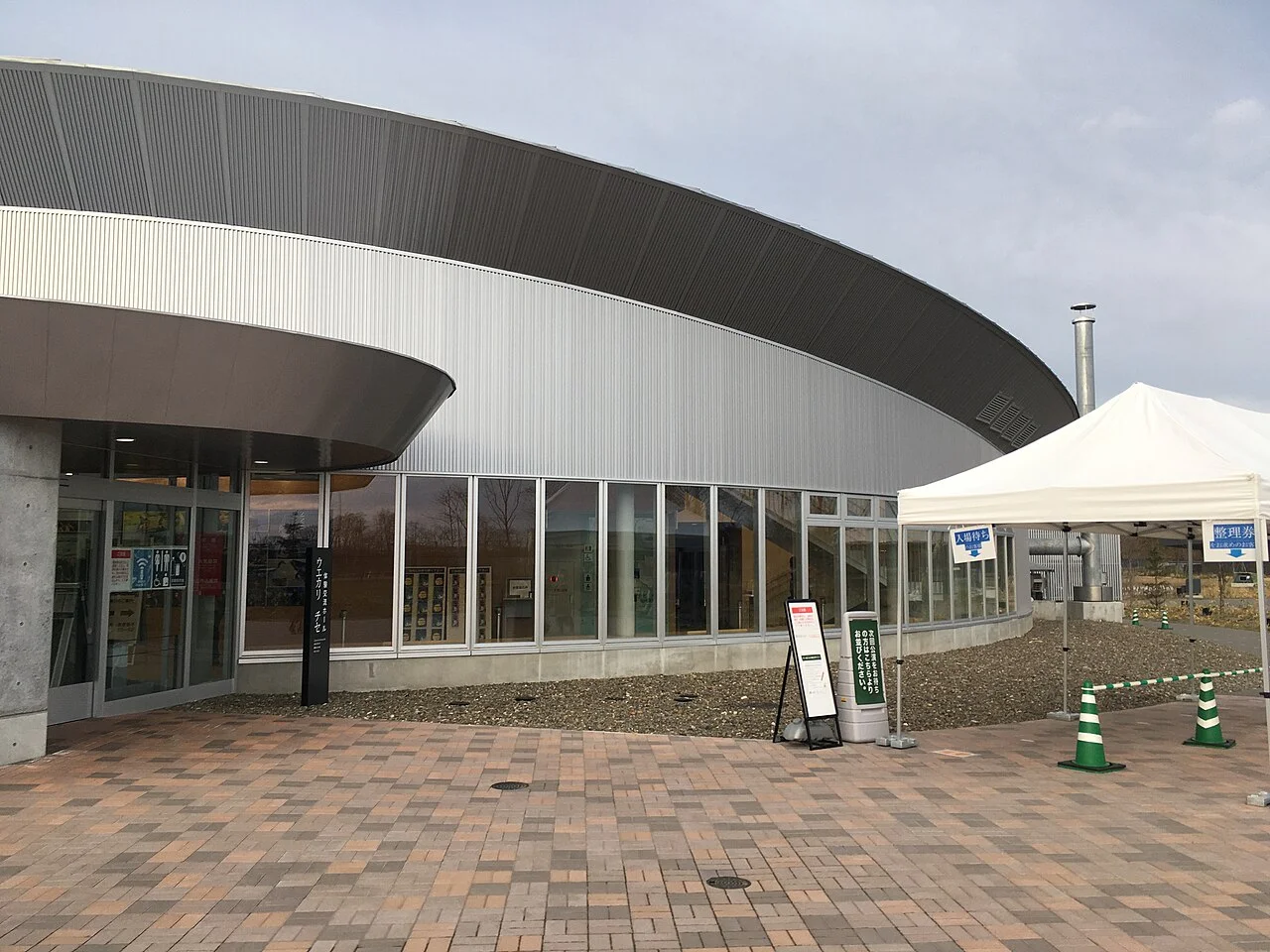
Compare Upopoy day tickets, web discounts and 14:00 admission. Plan performance passes, winter embroidery and mukkuri, the museum’s permanent exhibition, luggage storage and cancellation, with November 4, 2026 JR examples from Sapporo.
Check closure dates before booking Sapporo or Noboribetsu accommodation
The official 2026 opening schedule lists 9:00–18:00 for April 1–October 31, 2026 and 9:00–17:00 for November 1, 2026–March 31, 2027. Mondays are normally closed, moving to the following weekday after a holiday. The same calendar lists exceptions including November 2, 2026 and February 22, 2027. Around long weekends, find the actual date on the annual calendar rather than rely only on “closed Mondays.”
Cross out two winter closures first: December 28, 2026–January 4, 2027 and February 27–March 8, 2027. If planning New Year in Sapporo and Shiraoi the next day, adjust accommodation around these dates. Both sample itineraries use Wednesday, November 4, 2026, under the winter 17:00 closing schedule. For another date, change the opening-day and JR search dates before selecting performances.
Last park admission is one hour before closing; last museum admission is thirty minutes before. In winter, these are 16:00 and 16:30. They are entry cutoffs, not the time needed to see the displays. For an hour in the permanent exhibition, start before 16:00. Entering the museum at 16:30 leaves only half an hour, suitable if you already know exactly what you want to see.
Compare three admission prices for the same party
The official ticket page gives ordinary counter day admission at ¥1,200 for adults and ¥600 for high-school students; junior-high students and younger enter free. At the source reading, web-only discounted tickets were ¥1,000 and ¥400 respectively. The 14:00 ticket is sold at the counter for ¥600 adults and ¥300 high-school students, valid from 14:00. Keep high-school fares separate from free junior-high-and-younger admission.
For two adults and one high-school student, counter day tickets cost 1,200 × 2 + 600 = ¥3,000; web discount tickets cost 1,000 × 2 + 400 = ¥2,400; 14:00 tickets cost 600 × 2 + 300 = ¥1,500. The ¥900 difference between discounted day and afternoon admission buys morning and midday time, not another special exhibition. For a family already paying return fares from Sapporo, decide what you want to see in the morning before saving that ¥900.
The permanent exhibition and free programs are included in admission; paid activities and special exhibitions cost extra. Admission purchase does not complete the separate performance-pass and on-site craft reservation processes. With admission-only spending, the permanent exhibition, song and dance and traditional-kotan life introduction provide a full set of options. The winter embroidery coaster is also listed free. Add the relevant charge for bags, framed pieces or a mukkuri purchase.
| Two adults + one high-school student | Total admission | Valid hours |
|---|---|---|
| Ordinary counter day ticket | ¥3,000 | During opening hours that day |
| Web-discount day ticket sold at source reading | ¥2,400 | During opening hours that day |
| Counter 14:00 admission | ¥1,500 | 14:00 until closing that day |
Sapporo to Shiraoi: find a limited express that actually stops
The JR Hokkaido Shiraoi access page highlights Hokuto and Suzuran limited expresses and explicitly says some Hokuto services do not stop at Shiraoi. About an hour from Sapporo is only a route overview. Booking requires the name, service number and stops on your date. Shiraoi is the station; Upopoy still requires a walk. Noboribetsu Station, Noboribetsu’s onsen town and Shiraoi are different destinations.
In the official JR search for November 4, 2026, Suzuran 2 leaves Sapporo at 7:30 and arrives at Shiraoi at 8:32, before the 9:00 opening. Hokuto 6 leaves at 8:43 and arrives at 9:41, allowing a later start, but target the 11:00 performance after entering rather than squeeze station exit, walking, admission and pass collection into minutes. Both allow a full day; the difference is the morning segment you omit.
The official train guide marks both Hokuto and Suzuran as all-reserved. Arrange outward and return seats before adding the final park activity. The ordinary-car reserved-seat search for that date and Sapporo–Shiraoi segment was ¥3,920 per adult one way: ¥2,240 basic fare plus ¥1,680 limited-express reservation charge. Pass or discount-product holders should calculate their own coverage rather than treat this ordinary fare as an already-paid cost.
From Noboribetsu, come down to the station first; allow the Shiraoi walk too
From a hotel in Noboribetsu’s onsen town, arrange the bus or hotel transfer to JR Noboribetsu Station before the Shiraoi train. Breakfast and checkout may constrain the morning more than the short rail segment. For a 10:00 performance, work forward from the hotel door. For a relaxed breakfast, choose a later performance with lunch and exhibitions. Read the southern central-Hokkaido onsen-base transport guide for accommodation and the trip between the onsen town and station.
Upopoy’s official access page gives about 500 meters and ten minutes on foot from Shiraoi Station’s north exit. JR gives about ten to twelve minutes and describes a temporary gate operating on park opening days at 8:30–18:00. Eligible tickets include those ending at Shiraoi or permitting boarding, alighting or stopovers there. For fare adjustment, JR directs travelers to the Shiraoi station gate. Use the correct ticket rather than follow others through an apparent shortcut.
I would allow more than ten minutes between station and admission because the walking estimate excludes ticket purchase, finding the entrance and sorting coats. An 8:32 arrival need not turn every step before 9:00 into a rush: reach the entrance, store luggage and wait for opening. For an afternoon arrival targeting 15:00, go directly to the ticket gate and Hall and leave photos along the way until afterward.
Store luggage first to keep a hotel-transfer day usable
The visitor-services page says wheeled suitcases cannot enter the paid area. Large entrance lockers cost ¥500 per use, cash only, with internal dimensions 360 millimeters wide, 650 deep and 850 high; there are twenty. Oversized bags that do not fit can be left at entrance Information for ¥500 per use. This makes a Sapporo-checkout, Shiraoi-visit, Noboribetsu-night route practical, with collection added before departure.
The museum’s free small lockers use a refundable ¥100 coin. They measure 375 millimeters wide, 430 deep and 300 high and suit small items. Being inside the museum, they do not provide a way to bring a large suitcase into the paid area. Put water, rain gear, gloves and essentials in a small bag before storing the case to reduce returns to the entrance. Camera users should remember that recording performances is prohibited and put equipment away while watching.
JR Shiraoi Station’s waiting room also has lockers, useful if you return to the same station. For oversized or multiple cases, plan around the park’s published large-bag service. This guide budgets ¥500 per item per use at the entrance, adding the number actually stored. The official FAQ’s refusal of luggage sent in advance is a different service from same-day storage. Do not send a case to the park expecting it to be received.
Collect the performance pass first, then choose exhibition order
“Upopo Newa Rimse” is performed in the Cultural Exchange Hall, with songs and dances passed down in different areas and content varying by time. The official program page lists about twenty minutes, capacity 303, and weekday performances at 10:00, 11:00, 13:00 and 15:00, with 16:00 added on weekends and national holidays. It also gives the former names “Sinot” and “Imeru,” useful when matching older travel accounts to the current program.
The performance is included in admission but requires a pass collected in front of the Hall; all seats are assigned. There are also twenty advance-reservation seats. If this is the day’s priority, handle seating before other areas. If your target is full, use that gap for the museum and try the next performance rather than spend an hour in the museum first and discover no seats remain. On-site passes, online reserved seats and park admission are separate steps.
No entry or exit during the performance, food, drink, photography or recording is allowed. Use toilets, give children water and stow coats before entering so you can watch the full twenty minutes. Supporting materials and audio-guide devices are provided in English, Traditional and Simplified Chinese, Korean, Thai and Russian. Pick up the language you need first. For visitors without Japanese, this is an easier starting point than entering a Japanese-only activity at random.
Allow an hour for the permanent exhibition, linking objects to life today
The National Ainu Museum’s permanent exhibition takes an Ainu “we” perspective through six themes: language, world, lives, history, work and exchange. The exhibition introduction gives about sixty minutes as a reference. The official FAQ says museum timed-entry passes have been abolished, so you can visit the permanent exhibition directly after entering the park. Performance passes are still required; that difference decides which building to visit first.
On a first visit, ask how an object is used, who makes it and how people exchange it. The official introduction includes everyday tools, historical documents, archaeology, video and contemporary art and crafts. For reconstructions, replicas or modern works, read the making and use explanations to see how skills are studied, remade and continued. Spending all your time on the oldest objects misses the museum’s attention to contemporary life.
After a morning performance, start with language, lives and exchange to give context to the sounds and clothing you saw. If visiting the exhibition first, an afternoon performance lets you notice how different forms explain culture. This is an order suggestion; divide the six themes by interest. Craft enthusiasts can spend more time on making and materials rather than assign equal minutes merely to cover every area.
Special exhibitions require a separate viewing ticket; add one according to current content and remaining time. For an afternoon of a little over two hours, retain the permanent exhibition and omit an extra paid option. The park’s free multilingual web audio guide works on your own phone or tablet. Museum audio devices cost ¥500 each and are for use inside only. Bring earphones and sufficient battery, then listen at displays that interest you rather than hurry through while audio plays.
Choose one winter craft: embroidery and carving each need an hour
The winter embroidery activity “Ikar-kar an ro” page for November 1, 2026–April 23 the following year lists 10:00 and 14:00, about sixty minutes and twenty participants. Bags and small framed pieces cost ¥1,000 each; coasters are free. Participants must be grade four or older, with an assistant for elementary-school children. Reserve on site at the Workshop no later than ten minutes before starting. For 10:00, finish registration by 9:50, including station-to-entrance and entrance-to-Workshop walking beforehand.
The winter pattern-carving activity “Inuye an ro” lists 11:00 and 13:00 in the same period, about sixty minutes and ten participants. Coasters cost ¥1,000 and phone stands ¥1,500. The same grade-four minimum and elementary-school assistance rule apply; on-site reservations close five minutes before starting. Carving has fewer places than embroidery. If everyone wants the same session, reserve it first, then get compatible performance passes.
Both crafts provide multilingual supporting materials. Choose not only by the finished item but by the child’s grade, whether an adult can assist and willingness to sit for about an hour. A 10:00 embroidery session followed by an 11:00 performance, or 13:00 carving followed by 14:00 embroidery, leaves no walking or tool-packing gap. I would choose one and leave the other slot for exhibition or lunch. To do both, give up other activities.
Allow a transition beyond the published sixty minutes to pack materials and belongings. After 14:00 embroidery, there is still time to walk back and collect large bags before departure. After 13:00 carving, the permanent exhibition fits well. Choose the piece you want to finish, then place the building and next activity so the hour does not end in a rush for the train.
| Winter activity | Published times and eligibility | Price and registration |
|---|---|---|
| Pattern embroidery | 10:00, 14:00; about 60 minutes; grade 4 and older, assistant required for elementary pupils | Bag / small framed piece ¥1,000; coaster free; on-site booking closes 10 minutes before |
| Pattern carving | 11:00, 13:00; about 60 minutes; grade 4 and older, assistant required for elementary pupils | Coaster ¥1,000, phone stand ¥1,500; on-site booking closes 5 minutes before |
| Your First Mukkuri | Walk-in 9:00–16:30; about 10 minutes; elementary school and older, assistant required for elementary pupils | ¥1,000; free with own mukkuri; purchases close 30 minutes before activity ends |
For a shorter hands-on option, try the mukkuri
“Your First Mukkuri” teaches how to hold the mouth harp and change its tone. The winter page lists walk-in reception at the Workshop from 9:00–16:30, about ten minutes each, with up to ten people at once. It costs ¥1,000, or is free if you bring your own mukkuri. Elementary-school children and older can participate, with an assistant required for elementary-school pupils. This is easier to fit between a performance and lunch than finding a gap between fixed hour-long crafts.
Walk-in service can still involve waiting, as the official page states. Mukkuri purchases close thirty minutes before the activity ends: with the winter 16:30 finish, buy by 16:00. If afternoon admission is near 15:00, prioritize the performance and permanent exhibition rather than expect to buy and begin learning at 16:20. Tell staff whether you bring your own instrument or need a new one, since the charges differ.
For two adults and one high-school student all purchasing the activity, add ¥3,000. If only one is interested, buy one and let companions rest or follow their interests; a family need not all make the same thing. Lower elementary grades qualify for mukkuri but not the grade-four minimum for embroidery and carving. Use that distinction to choose.
Connect the kotan and lakeside with a short outdoor-area program
Place the traditional kotan between museum and Workshop visits, moving from display cases to houses and outdoor surroundings. Winter “Upaskuma” takes place in the kotan’s Poro Cise, introducing life with song and dance. Subjects can differ, including houses, boats, hunting tools and place names. The official duration is about fifteen minutes, capacity 75, walk-in, included in admission. It suits visitors who do not want a second Hall performance.
The November 1–April 23 page lists weekdays at 10:30, 12:30, 13:30, 15:30 and 16:30, with 9:30 added on weekends and national holidays. The summer program with the same name has separate location and schedule details, so use the winter page. Supporting materials are listed in English, unlike the Hall’s broader multilingual materials. If language comprehension matters most, keep the Hall performance first and add these fifteen minutes by interest.
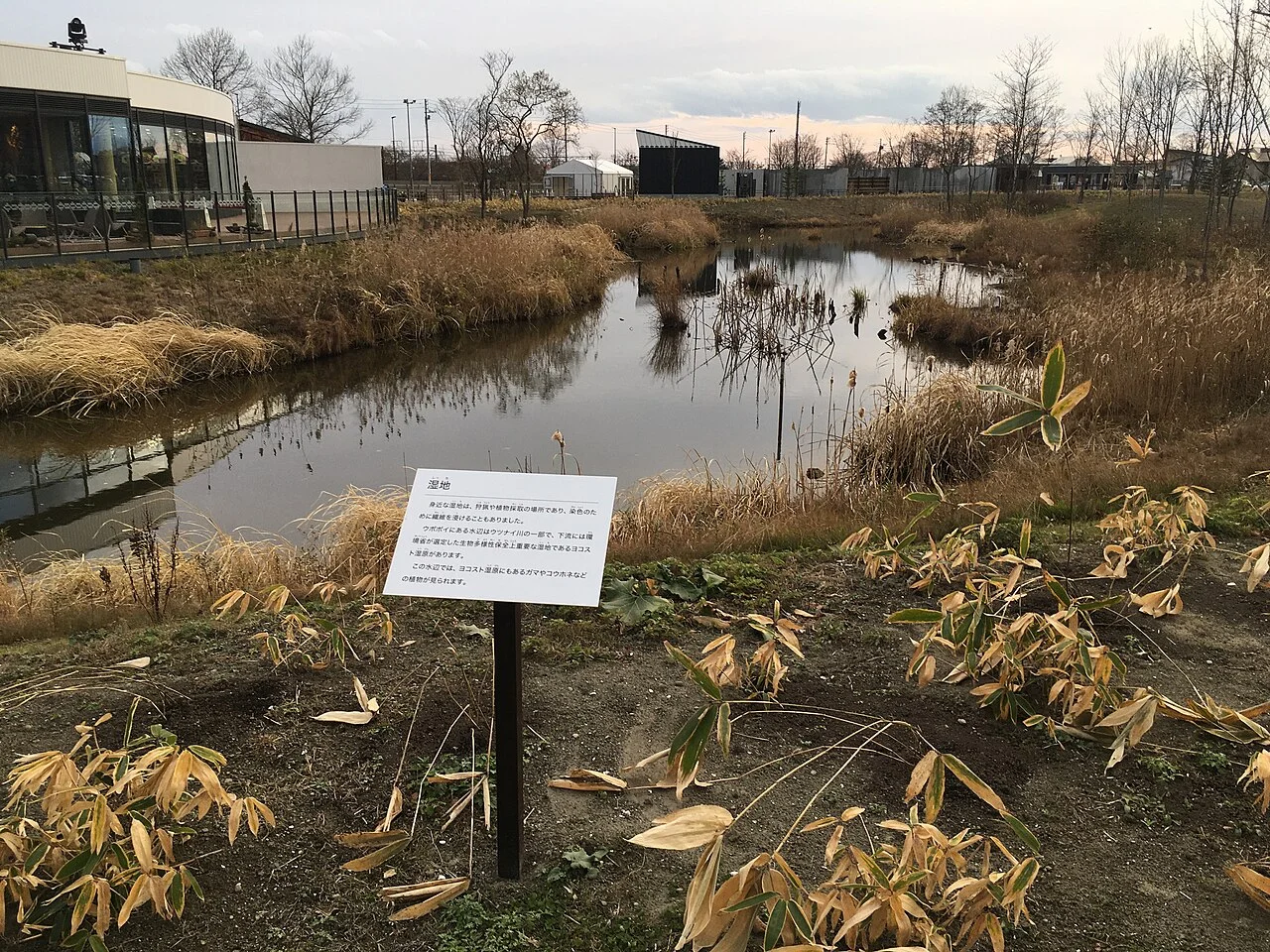
Near Lake Poroto, check your position and return direction on the park map before deciding how far to walk. Wetland channels, grasses and nearby buildings offer a short stop between facilities; extend to the lake using the map. In winter, split outdoor movement into two stretches with an indoor exhibition or rest between. In strong wind or snow, shorten outdoor extensions and retain reserved indoor performances and punctual activities.
You can leave the paid area for lunch; keep the re-entry ticket
The official dining page places restaurants, food court, cafe and dessert shops outside the paid area. Entrance-building restaurant Umisora no Haru, specializing in ohaw and game, opens at 11:00 until park closing, with last orders one hour before closing. Its introduction includes ohaw, daily sets with Hokkaido venison or bear meat, light meals and desserts. Check that day’s menu and seats, then choose a full meal or short break around the next program.
The official FAQ permits same-day re-entry by showing the ticket used for original admission at the gate. Collect a morning performance pass, watch the show, eat near the entrance and return with the same ticket in the afternoon. Do not wait until 12:55 to remember registration for 13:00 carving; leave a walking interval before the next fixed activity. For a group, finish everyone’s ordering and payment before using spare time for photos or shops.
For your own lunch, use the lawn plaza inside the paid area, the large tent in April–October or rest area in November–March. The park asks visitors to take meal-box rubbish away and does not accept advance reservations for rest spaces. Bring food if you need control over ingredients or timing. Eat in rest areas and focus on programs in the Hall and exhibitions. Budget actual purchases separately. For food allergies, explain requirements to staff before choosing from that day’s menu.
With children or older relatives, rest before programs that prohibit mid-show exit
Strollers are available at the entrance, lending point and museum; wheelchairs at the lending point and entrance. Reservations are not accepted. If a companion normally needs their own aid, plan transport and the park around it, using loans as supplementary help. A free park shuttle is listed at 9:30–16:30, serving the Hall, entry/exit gate and museum front, museum north entrance and kotan entrance. Priority goes to older people, disabled visitors, pregnant or postpartum visitors and wheelchair users.
The bus reduces walking but should not support a transfer with only minutes left. Allow waiting, boarding and weather adjustments. Group nearby buildings, then use the bus to move to the other end. The museum has wheelchair-compatible elevators, step-free access and accessible multipurpose toilets; the Hall has a device translating sound into vibration. Explain specific needs at entrance Information so staff can identify suitable services.
Nursing rooms are in the entrance building and museum; there is no childcare room. Before twenty minutes of song and dance, handle drinks, diapers and toilets. If a young child needs sleep or movement, do not force the earliest performance. Divide museum time around energy and use short outdoor walks. If the family splits up, agree on a specific entrance or building and who keeps each ticket so lunch re-entry does not require searching for one another.
Language services differ by facility. The Hall and activities above have multilingual supporting materials; the free web audio app travels with you, while rented devices stay in the museum. The accessibility page also lists speech-to-text and sign-language interpretation apps, explicitly excluding hands-on programs. Compare language and communication methods when choosing activities to see where a companion needs help.
Full-day example: morning embroidery and afternoon exhibitions
This example uses a Sapporo return on November 4, 2026. Take Suzuran 2 at 7:30, arrive at Shiraoi at 8:32, walk to the park, store luggage and enter at 9:00. Arrange an advance-reserved seat for the 13:00 Hall performance, then reserve 10:00 embroidery at the Workshop on arrival. If using on-site performance passes, check distribution in front of the Hall first and adjust around available seats. Use the remaining early time for a short nearby walk and toilets rather than another complete building. If embroidery is full, choose another available activity and give the morning to the permanent exhibition.
Embroidery runs from 10:00 to about 11:00, followed by lunch near the entrance. Re-enter after noon for the 13:00 performance. Allow roughly 13:30–14:30 for the permanent exhibition, then choose the kotan, lakeside or a short mukkuri activity according to energy. If you want only one craft, remove mukkuri and spend longer at a display or rest.
For return, Suzuran 9 leaves Shiraoi at 17:17 and reaches Sapporo at 18:23. I would finish the final activity around 16:30, return to the entrance at 16:40 for bags and preparation, then walk to the station with platform time in hand. These park times are suggested allocations. Craft and performance places still depend on on-site reservations or completed advance seating. Gaps between fixed activities allow the order to change.
Afternoon example: 15:00 performance and permanent exhibition, without an hour-long craft
On the same date, Hokuto 14 leaves Sapporo at 13:26 and reaches Shiraoi at 14:29. Walk directly to the park, aiming to finish purchase and entry around 14:45, then get the 15:00 Hall pass. This plan assumes an on-time train and available seats. If full, visit the permanent exhibition first. There is no weekday 16:00 performance of this program; do not treat the weekend addition as a fixed backup.
Watch at 15:00–15:20, then allow roughly 15:30–16:30 for the permanent exhibition. Collect luggage and take the same 17:17 return to Sapporo, using only spare time for an outdoor walk. You give up embroidery, carving and a long lakeside stop, while preserving both priorities. If craft is the main goal, use the early full-day version: 14:00 embroidery begins before this train reaches Shiraoi.
Alternatively enter at exactly 14:00, see the permanent exhibition first, then the 15:00 performance and a short outdoor walk. Choose an earlier Shiraoi arrival and eat before entry for this order. Effective afternoon time starts when you pass the gate: leaving Sapporo at 13:00 and entering at 14:00 are different plans. Once transport is booked, cross out sessions you cannot reach.
Transport, activity and luggage costs, plus cancellation after purchase
For the same two adults and one high-school student, all three use JR adult ordinary-car reserved-seat fares. On November 4, 2026, Sapporo–Shiraoi is ¥3,920 each one way, ¥7,840 return and ¥23,520 for three. Add ¥2,400 web admission and three ¥1,000 mukkuri activities for a subtotal of ¥28,920. Counter day admission gives ¥29,520. Afternoon admission with free content only gives ¥25,020. These are sums of the listed prices; add actual food, storage and other paid items.
With a suitable pass, first calculate additional transport payment, then compare day and afternoon visits. If buying each rail segment, saving ¥900 admission while losing the hour-long craft that motivated the journey may not suit the trip. If already near Shiraoi and wanting only performance and exhibition, the afternoon ticket directly fits. Start cost comparisons with what you will actually do.
After payment, keep tickets, selected dates and the cancellation route accessible. The official FAQ says Webket day tickets can be canceled through purchase history in My Page after login, free within ninety days of purchase. Convenience-store tickets require contacting the JTB HTA sales center printed on the ticket by the admission day and returning tickets by mail at the buyer’s cost; refunds deduct the transfer fee. General and activity tickets separately state no refund or reissue. Follow the cancellation procedure for your actual purchase channel.
Finalize opening date, return transport, admission and activity seating in that order. Handle on-site crafts after arrival and keep performance passes accessible around lunch. Retain two return times: when sightseeing ends and when you leave the entrance with luggage. Reaching Shiraoi Station with time to spare lets the day end after seeing your priorities.
A few useful answers
Do junior-high students and younger need a separate permanent-exhibition ticket?
The permanent exhibition is included in Upopoy admission, which is free for junior-high students and younger. Special exhibitions require separate tickets and paid activities have their own fees.
Can a 14:00 ticket holder enter earlier to get a performance pass?
The ticket is valid from 14:00. Choose a day ticket for morning or midday activities and exhibitions. In the afternoon plan, arrange seats after entering.
Do both the museum and performance need passes?
Museum timed-entry passes have been abolished; enter the permanent exhibition directly. Upopo Newa Rimse still requires a pass from in front of the Hall, with assigned seating and twenty advance-reservation seats.
Can a first-grader do embroidery or mukkuri?
Winter embroidery and carving require grade four or older. Mukkuri allows elementary-school children and older. All three require an assistant for elementary pupils, so a first-grader can choose mukkuri and save the crafts until eligible.
Can I eat near the entrance and re-enter?
Same-day re-entry is allowed. Show your original admission ticket to gate staff. Dining is outside the paid area, so retain the ticket and allow walking time back to the next activity.
Where can I leave a suitcase on a hotel-transfer day?
Suitcases cannot enter the paid area. Large entrance lockers cost ¥500 per use, cash only. Oversized bags can go to entrance Information for ¥500 per use. Museum small lockers use a refundable ¥100 coin and suit small items only.
Where do I cancel a Webket day ticket?
Log in to Webket and cancel from purchase history in My Page. The official FAQ gives free cancellation within ninety days of purchase. Convenience-store tickets use the contact-and-mail-return process through the JTB HTA sales center printed on the ticket.
Official information and references
Sources used in this guide.
- Tickets | Upopoy National Ainu Museum and Park
- Opening hours | Upopoy
- Access | Upopoy
- Upopo Nera Rimse | Upopoy
- Visitor services | Upopoy
- Frequently asked questions | Upopoy
- Upopoy National Ainu Museum and Park: Ikar-kar an ro winter embroidery workshop (Nov 1–Apr 23)
- Upopoy National Ainu Museum and Park: Inuye an ro winter woodcarving workshop (Nov 1–Apr 23)
- Upopoy National Ainu Museum and Park: Mukkuri for Beginners winter program (Nov 1–Apr 23)
- Upaskuma, November 1–April 23 | Upopoy
- Dining facilities | Upopoy
- Visiting with young children | Upopoy
- Accessibility | Upopoy
- Travel to Upopoy on the Suzuran and Hokuto limited expresses | JR Hokkaido
- Suzuran limited express train guide | JR Hokkaido
- Hokuto limited express train guide | JR Hokkaido
- JR Hokkaido route search: Sapporo to Shiraoi, morning
- JR Hokkaido route search: Shiraoi to Sapporo, evening
- JR Hokkaido route search: Sapporo to Shiraoi, afternoon
- Permanent and special exhibitions | Upopoy