Compare Upopoy day admission, online discounts and the 14:00 ticket. Plan performance tickets, winter embroidery and mukkuri, the museum’s permanent exhibition, luggage storage and cancellations, with JR examples from Sapporo on 4 November 2026.
- Region & Focus
- HokkaidoAttractions
- Reading Scope
- 30 min read · 16 chapters · 7 Q&As
- Official Verification
- 20 official sources checkedUpdated 9 November 2026
- Key Topics
- ItinerariesBookingTravel budget
Chapter Route Map (tap any stop)
- Day admission or an afternoon ticket: leave time to finish an activity
- Check closure dates before booking Sapporo or Noboribetsu accommodation
- Compare three admission prices for the same party
- From Sapporo, find a limited express that actually stops at Shiraoi
- From Noboribetsu, come down to the station first; leave time to walk at Shiraoi
- Store luggage first to preserve a full visit on a hotel-transfer day
- Get a performance seating ticket before choosing the exhibition order
- Allow an hour for the permanent exhibition, linking objects with life today
- Choose one winter craft: embroidery and carving each need a full hour
- For a shorter hands-on activity, try mukkuri
- Link the kotan and lake with a short outdoor-area programme
- Eat outside the paid area and keep your ticket for re-entry
- With children and older relatives, rest before programmes without early exit
- Full-day example: morning embroidery and an afternoon exhibition
- Afternoon example: the 15:00 performance and permanent exhibition
- Transport, activities, storage and cancellation after purchase
- Quick Q&A
Give Upopoy in Shiraoi a full day to combine song and dance, the museum and one activity. After 14:00, focus on a performance and the permanent exhibition. Choose your date and return train first, then admission type. On entering, deal first with performances that require a seating ticket.
Day admission or an afternoon ticket: leave time to finish an activity
For Ainu song and dance, museum displays and making an embroidered coaster or learning mukkuri, I would enter in the morning. A performance takes about twenty minutes, the museum suggests about sixty minutes for its permanent exhibition, and embroidery and carving each take about sixty. Add tickets, walks between buildings, lunch and rests and these easily fill most of a day. A full day lets you explore another question in the exhibition and fit a successfully reserved activity without constantly watching the next start time.
The 14:00 ticket suits people already travelling in central Hokkaido who want two afternoon highlights. In winter the park closes at 17:00, leaving only three hours even if you enter at 14:00. Reaching the entrance around 14:45 leaves less. Combine the 15:00 performance and permanent exhibition, saving long craft activities for a full day. For a special return trip from Sapporo, compare admission savings with both journeys rather than compress everything you wanted simply because entry costs half as much.
Upopoy’s formal name means Symbolic Space for Ethnic Harmony. It includes the National Ainu Museum and National Ainu Park, with outdoor routes between buildings and visits to the traditional kotan village and Lake Poroto area. As a day’s theme, listening, looking and making complement each other. If Noboribetsu’s onsen streets and Hell Valley remain the main aim, give Shiraoi a separate slot so both do not become rushed transfers.
Upopoy’s official introduction published in 2026 presents the Shiraoi park and Ainu cultural activities.
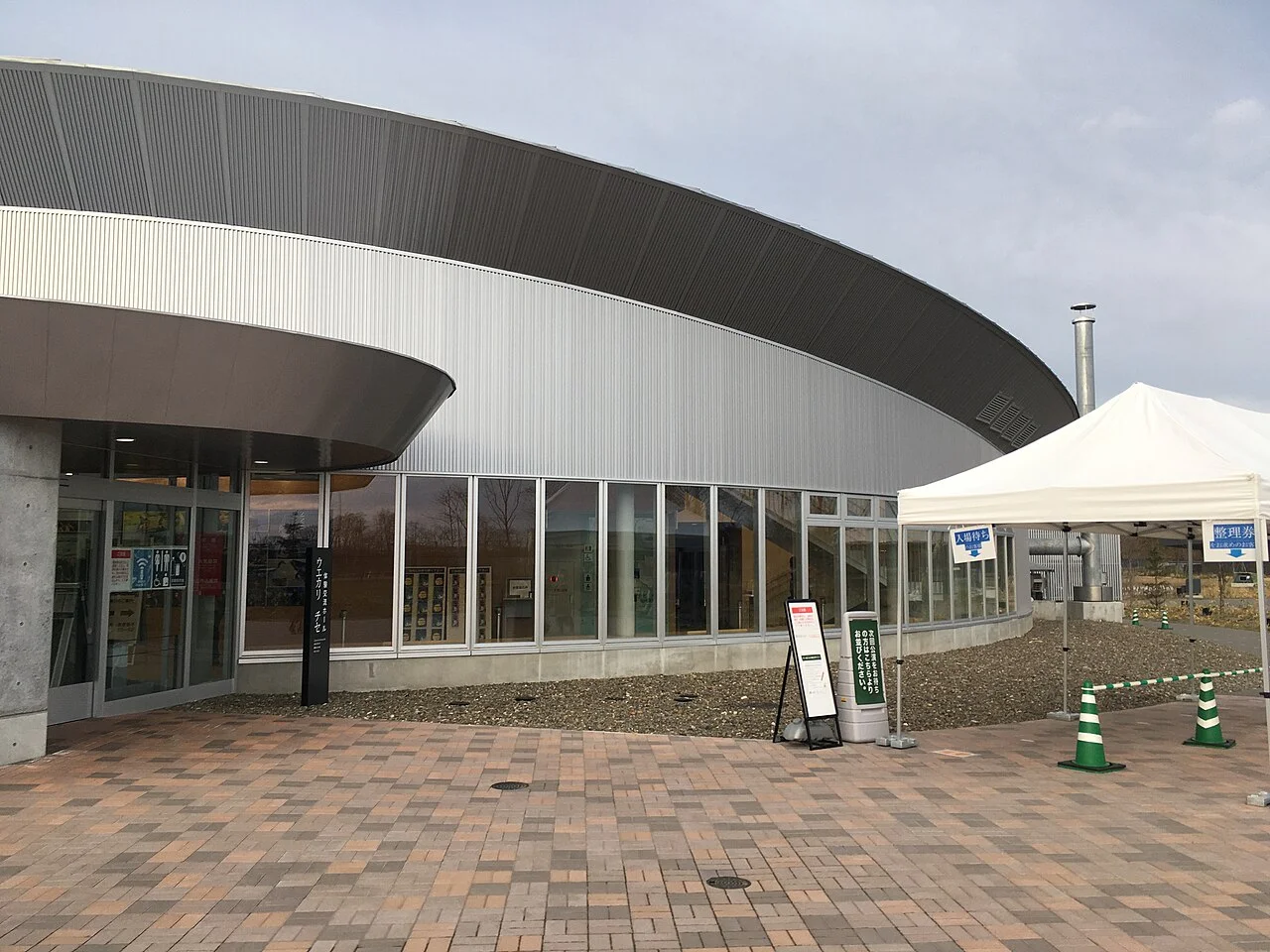
Compare Upopoy day admission, online discounts and the 14:00 ticket. Plan performance tickets, winter embroidery and mukkuri, the museum’s permanent exhibition, luggage storage and cancellations, with JR examples from Sapporo on 4 November 2026.
Check closure dates before booking Sapporo or Noboribetsu accommodation
The official 2026 opening calendar lists 09:00–18:00 from 1 April to 31 October 2026 and 09:00–17:00 from 1 November 2026 to 31 March 2027. Mondays are normally closed, shifting to the following weekday after a public holiday or holiday. The table also lists exceptions, including opening on 2 November 2026 and 22 February 2027. Around long weekends, find the actual date in the annual calendar rather than rely on the Monday rule.
Remove two winter closure periods first: 28 December 2026–4 January 2027 and 27 February–8 March 2027. If planning New Year in Sapporo and Shiraoi the next day, adjust accommodation around these dates. Both sample routes use Wednesday 4 November 2026 under winter hours closing at 17:00. For another date, change the opening-day and JR search dates before choosing programme times.
Last park entry is one hour before closing; last museum entry is thirty minutes before. In winter that means entering the park by 16:00 and the museum by 16:30. These are entry deadlines, not estimates of viewing time. Start before 16:00 for an hour in the permanent exhibition. Entering at 16:30 leaves only half an hour and suits a focused visit.
Compare three admission prices for the same party
The official ticket page gives standard counter day admission of ¥1,200 for adults and ¥600 for high-school students. Junior-high-school pupils and younger enter free. At this reading, the website sold an online-only discount ticket at ¥1,000 for adults and ¥400 for high-school students. The counter’s 14:00 ticket costs ¥600 and ¥300 respectively and is valid from 14:00. High-school students need their own category rather than the free junior-high-and-younger category.
Two adults and a high-school student pay ¥1,200 × 2 + ¥600 = ¥3,000 for counter day tickets, ¥1,000 × 2 + ¥400 = ¥2,400 online, or ¥600 × 2 + ¥300 = ¥1,500 after 14:00. The ¥900 difference between discounted day and afternoon admission buys morning and midday time, rather than an extra special exhibition. For a family already paying Sapporo return fares, decide what you want from the morning before saving that ¥900.
Permanent exhibits and free programmes are included; paid activities and special exhibitions cost extra. Admission does not complete the separate performance-ticket and on-site craft-booking procedures. For admission-only spending, the permanent exhibition, song and dance and traditional-kotan introductions already provide a programme. Winter embroidery coasters are also listed as free. Add fees for bags, framed pieces or buying mukkuri.
| Two adults and one high-school student | Total admission | Valid time |
|---|---|---|
| Standard counter day tickets | ¥3,000 | During that day’s opening hours |
| Online discounted day tickets sold at the time of reading | ¥2,400 | During that day’s opening hours |
| Counter 14:00 admission tickets | ¥1,500 | From 14:00 until closing that day |
From Sapporo, find a limited express that actually stops at Shiraoi
JR Hokkaido’s Shiraoi access page lists Hokuto and Suzuran as the main limited-express options and explicitly notes that some Hokuto services skip Shiraoi. About an hour from Sapporo is only a route overview. Book by train name, number and stops on your date. Shiraoi is the station; Upopoy still requires a walk. Noboribetsu Station, Noboribetsu Onsen and Shiraoi are separate destinations.
For 4 November 2026 in JR’s official search, Suzuran No. 2 leaves Sapporo at 07:30 and reaches Shiraoi at 08:32, before the 09:00 opening. Hokuto No. 6 leaves at 08:43 and arrives at 09:41. This permits a later start, but aim for the 11:00 performance rather than squeeze station exit, walking, admission and a seating ticket into a few minutes. Either can support a full day; they differ in what morning time remains.
The official train guides mark both Hokuto and Suzuran as all-reserved. Arrange seats both ways before the final park activity. For the date above, the ordinary reserved-seat adult quote from Sapporo to Shiraoi is ¥3,920, comprising ¥2,240 basic fare and ¥1,680 reserved limited-express charge. This is a one-way quote for that date and segment. With a pass or discount product, calculate its coverage separately rather than treat the standard fare as an amount already paid.
From Noboribetsu, come down to the station first; leave time to walk at Shiraoi
From Noboribetsu Onsen, arrange a bus or hotel transfer to JR Noboribetsu Station before a Shiraoi-bound train. Checkout and breakfast may constrain the morning more than the rail journey. For a 10:00 performance, work back all the way to the inn’s door. For a leisurely breakfast, choose a later show with lunch and exhibitions. Read the transport plan for southern central Hokkaido onsen bases alongside accommodation and the trip down from the onsen.
Upopoy’s official access page gives about 500 metres and ten minutes on foot from JR Shiraoi Station’s north exit. JR gives about ten to twelve minutes and describes a temporary ticket gate used on park opening days, open 08:30–18:00. Eligible tickets include those ending at Shiraoi or allowing boarding, alighting or a stopover there. For fare adjustment, follow JR’s directions to the station gate. Exit with the right ticket rather than simply follow others along a shorter route.
I would allow more than ten minutes from station to park entry because the walking estimate excludes ticket purchase, finding the entrance and arranging coats. With the 08:32 arrival, there is no need to rush every task before 09:00. Walk to the entrance, settle bags and wait for opening. In the afternoon, a 15:00 performance calls for going directly to admission and the Hall, leaving roadside photographs until afterwards.
Store luggage first to preserve a full visit on a hotel-transfer day
The visitor-services page says wheeled suitcases cannot enter the paid area. Large entrance lockers cost ¥500 per use, cash only, with internal dimensions 360 mm wide, 650 mm deep and 850 mm high; there are twenty. Larger cases that do not fit can be left at entrance-building Information for ¥500 per use. This makes a Sapporo checkout, Shiraoi visit and evening transfer to Noboribetsu practical, with collection added before departure.
The museum’s free small lockers require a refundable ¥100 coin and measure 375 mm wide, 430 mm deep and 300 mm high. They suit small belongings inside the museum, not large cases entering the paid area. Put water, rainwear, gloves and essentials in a small bag before storing cases to reduce returns to the entrance. Camera users should remember that performances prohibit recording and put equipment away during the show.
JR Shiraoi’s waiting room also has lockers, useful if returning to the same station. For large or numerous cases, plan around the park’s published large-item storage. This budget separately uses ¥500 per item per use at the entrance; add the number actually stored. The FAQ’s refusal of luggage sent ahead is a different service from same-day storage. Do not ship cases to the park expecting it to receive them.
Get a performance seating ticket before choosing the exhibition order
Upopo ne wa rimse is performed in the Cultural Exchange Hall, presenting songs and dances passed down in different areas, with content varying by sitting. The official programme page lists about twenty minutes and 303 places, at 10:00, 11:00, 13:00 and 15:00 on weekdays, plus 16:00 on weekends and national holidays. It gives the former names Shinot and Imeru, useful for matching older travel accounts to the current programme.
The performance is included in admission but requires a ticket collected in front of the Hall. All seats are assigned, with twenty reservation places separately available. If this is the main aim, settle the seat before other areas. If your preferred sitting is full, use that gap for the museum and try the next. Spending an hour in the museum first can leave your intended performance full. On-site tickets and online reservation seats are separate routes, while admission grants park entry; complete each required step.
No late entry, early exit, food, photography or recording is permitted. Use the toilet, give children water and put coats away before entering for the full twenty minutes. Supporting materials and audio-guide devices are available in English, traditional and simplified Chinese, Korean, Thai and Russian. Collect the needed language first. For visitors without Japanese, this makes an easier start than entering an activity with Japanese-only explanation.
Allow an hour for the permanent exhibition, linking objects with life today
The National Ainu Museum’s permanent exhibition takes an Ainu “we” perspective across six themes: language, world, lives, history, work and exchange. The exhibition introduction suggests about sixty minutes. The official FAQ says museum entry tickets have been abolished, so enter the permanent exhibition directly after park admission. The Hall needs a seating ticket; the permanent exhibition does not. That distinction sets the first building to visit.
For a first visit, ask how an object is used, who makes it and how it is exchanged. Officially described material includes everyday tools, historical documents, archaeology, images and contemporary art and crafts. Read production and use labels beside reconstructions, replicas and modern works to see how techniques are studied, remade and continued. Giving all your time to the oldest objects misses the museum’s treatment of contemporary life.
After a morning performance, start with language, lives and exchange to give context to voices and clothing. If you see exhibits first and a performance later, notice how different forms explain culture. This is a suggested order; divide the six themes by interest. For crafts, linger over making and materials rather than give every theme equal minutes merely to pass through all six.
Special exhibitions need separate tickets; add one according to its subject and remaining time. For an afternoon of a little over two hours, keep the permanent exhibition first. The park’s free multilingual web audio guide works on your own phone or tablet. Museum audio devices cost ¥500 each and stay inside the museum. Bring headphones and battery power, listening at exhibits of interest rather than playing audio while rushing through.
Choose one winter craft: embroidery and carving each need a full hour
The winter Ikar kar an ro patterned-embroidery page for 1 November 2026–23 April 2027 lists 10:00 and 14:00 sessions, each about sixty minutes for twenty people. Bags and small framed pieces cost ¥1,000 each; coasters are free. Participants must be in the fourth year of Japanese primary school or above, with assistance for primary pupils. Book on site in the Workshop at least ten minutes before starting. For 10:00, complete booking there by 09:50, allowing both station-to-entrance and entrance-to-Workshop walks first.
Winter Inuye an ro patterned carving lists 11:00 and 13:00 in the same period, about sixty minutes for ten people. Coasters cost ¥1,000 and phone stands ¥1,500. The minimum is also the fourth year of Japanese primary school, with assistance for primary pupils. On-site booking closes five minutes before starting. With fewer places than embroidery, a group wanting the same session should book first, then find a compatible Hall ticket.
Both crafts have multilingual supporting materials. Choose by the object, the child’s school year, an adult’s ability to assist and willingness to sit for about an hour. A 10:00 embroidery session and 11:00 performance, or 13:00 carving and 14:00 embroidery, look adjacent but leave no walking or tool-clearing time. I would choose one and keep another slot for the exhibition or lunch. Doing both requires dropping other activities.
After a craft, pack materials and belongings and add transition time beyond the published sixty minutes. A 14:00 embroidery session still leaves time to return slowly for luggage. After 13:00 carving, the permanent exhibition fits well. Choose the piece you want to complete, then building locations and the next activity, so an hour’s making does not end in a rush for a train.
| Winter activity | Published times and eligibility | Price and booking |
|---|---|---|
| Patterned embroidery | 10:00, 14:00; about 60 minutes; Japanese primary year 4 and above, with assistance for primary pupils | Bag or small framed piece ¥1,000; coaster free; on-site booking closes 10 minutes before |
| Patterned carving | 11:00, 13:00; about 60 minutes; Japanese primary year 4 and above, with assistance for primary pupils | Coaster ¥1,000; phone stand ¥1,500; on-site booking closes 5 minutes before |
| First mukkuri | Drop in 09:00–16:30; about 10 minutes; primary-school pupils and above, with assistance for primary pupils | ¥1,000; free with your own mukkuri; purchases close 30 minutes before activity ends |
For a shorter hands-on activity, try mukkuri
First Mukkuri teaches how to hold the mouth harp and vary its sound. The winter page accepts drop-ins at the Workshop from 09:00 to 16:30, about ten minutes each, up to ten people at once. It costs ¥1,000 or is free with your own mukkuri. Primary-school pupils and older can join, with assistance for primary pupils. For hands-on time without an hour-long craft, it is easier to fit than a fixed session and can sit between a performance and lunch.
Drop-in still needs a waiting allowance; the official page warns of queues. Mukkuri purchases close thirty minutes before the activity ends, so buy by 16:00 for the winter 16:30 finish. If entering near 15:00, prioritise the performance and exhibition rather than expect to buy and start at 16:20. Say whether you bring an instrument or need to buy one, as fees differ.
Two adults and a high-school student all buying instruments add ¥3,000. If only one is interested, buy one activity and let others rest or follow their interests. A family need not make identical objects. Younger primary pupils can do mukkuri but have not reached the Japanese primary year-four threshold for embroidery and carving; use that distinction directly when choosing.
Link the kotan and lake with a short outdoor-area programme
Put the traditional kotan between museum and workshop time to move from display cases to houses and their outdoor setting. Winter Upaskuma takes place in Porocise in the kotan, with life introductions, song and dance. Topics may include houses, boats, hunting tools or place names. The official listing gives about fifteen minutes, 75 places and direct attendance, included in admission. It suits people who do not want a second Hall performance.
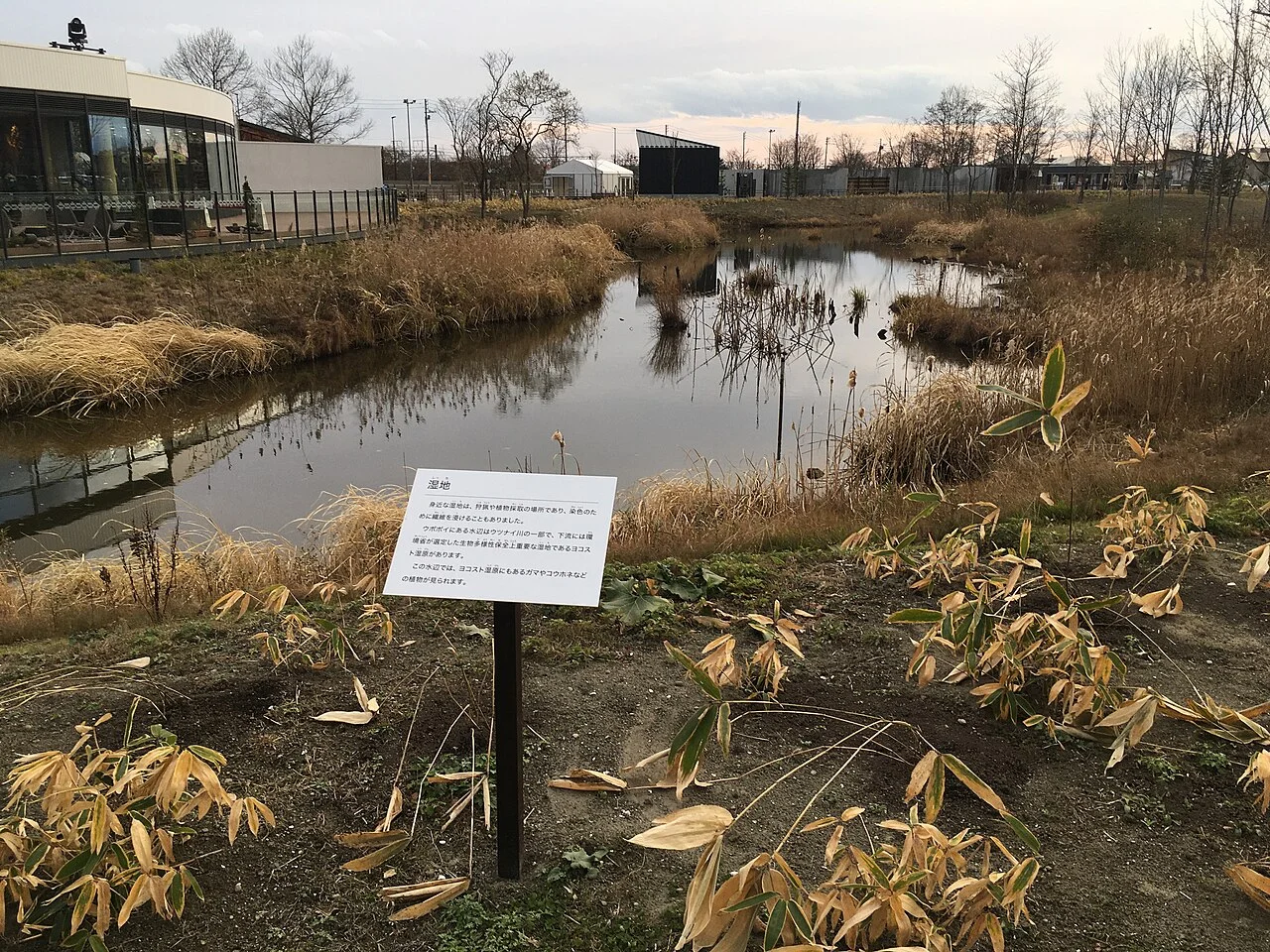
The 1 November–23 April programme lists weekdays at 10:30, 12:30, 13:30, 15:30 and 16:30, plus 09:30 on weekends and national holidays. Its location and timetable are separate from the summer programme of the same name, so use the winter page. Supporting materials are marked English, unlike the Hall’s broader multilingual provision. If language is central, keep the Hall first and add these fifteen minutes by interest.
Near Lake Poroto, check map position and return direction before deciding how far to go. Wetlands with channels, grasses and nearby buildings provide short stops between facilities; continue to the lake according to the park map. In winter, split outdoor movement around an indoor exhibition or rest. With wind or snow, shorten outdoor extensions and retain ticketed indoor performances and activities requiring punctual arrival.
Eat outside the paid area and keep your ticket for re-entry
The official food-facilities page places restaurants, the food court, cafés and dessert shops outside the paid area. Ohaw and game specialist Umisora no Haru in the entrance building opens at 11:00 until park closing, with last orders one hour before. Its introduction includes ohaw, daily set meals with Hokkaido venison or bear meat, light meals and desserts. Check that day’s menu and seats, then choose a meal or shorter rest around the next programme.
The FAQ permits same-day re-entry by showing the ticket originally used. Collect a morning performance ticket, watch the show, eat near the entrance and return with that ticket in the afternoon. Do not finish lunch at 12:55 and only then remember reporting for 13:00 carving. Keep walking time between lunch and the next fixed activity. In a group, complete everyone’s order and payment before photographs or browsing.
For your own lunch, use the paid area’s lawn, the large tent in April–October or the rest area in November–March. Take meal rubbish away; rest spaces cannot be reserved. Bringing food suits dietary or timing control. Eat in the rest area and focus on programmes inside the Hall and exhibitions. Budget for actual purchases separately. Tell staff about allergens before choosing suitable dishes that day.
With children and older relatives, rest before programmes without early exit
Pushchairs can be borrowed at the entrance, rental point and museum; wheelchairs at the rental point and entrance. Reservations are not accepted. If a companion normally needs their own aid, plan transport and the park around it, using loans as support. The free circulating bus is listed at 09:30–16:30, stopping before the Hall, entry/exit gate and museum front, museum north entrance and kotan entrance. Priority goes to older and disabled visitors, pregnant and postnatal visitors and wheelchair users.
The bus reduces walking but should not support a transition with only a few minutes left. Allow for waiting, boarding and weather changes. Link nearby buildings first, then use it to reach another area. The museum has wheelchair-compatible lifts, step-free routes and accessible toilets; the Hall has equipment converting sound to vibration. Explain specific needs at entrance Information so staff can help locate services.
Nursing rooms are in the entrance building and museum; there is no childcare room. Before a twenty-minute performance, settle drinks, nappies and toilets. If a young child needs sleep or activity, avoid forcing the earliest sitting. Break museum time by energy levels and use short outdoor walks. If the family splits, agree on the exact entrance or building for meeting and who holds tickets so lunch and re-entry do not become a search.
Language support varies by facility. The Hall and activities above have multilingual materials, and the free web audio app travels with you. Rented devices stay inside the museum. The accessibility page also lists speech-to-text and sign-language interpretation apps but explicitly excludes activity programmes from their use. Match available language and communication methods to decide where a companion needs help.
Full-day example: morning embroidery and an afternoon exhibition
For a Sapporo return on 4 November 2026, take Suzuran No. 2 at 07:30, reach Shiraoi at 08:32, walk, store bags and enter at 09:00. This version arranges a reserved place for the 13:00 Hall performance first, then books 10:00 embroidery at the Workshop on arrival. With on-site performance tickets, check that day’s distribution in front of the Hall and adjust around seats. Use the remaining early time for a short nearby walk and toilets, without adding a whole building. If embroidery is full, choose another available activity and use the morning for the permanent exhibition.
Embroidery runs about 10:00–11:00, followed by entrance-area lunch and re-entry after midday for the 13:00 performance. Keep roughly 13:30–14:30 for the permanent exhibition, then choose the kotan, lake or short mukkuri by energy. If one craft is enough, omit mukkuri and spend longer at a display or rest.
A return option is Suzuran No. 9 at 17:17 from Shiraoi, reaching Sapporo at 18:23. I would end activities around 16:30, collect and organise bags at the entrance at 16:40, then walk to the station with time for entry and platforms. These park times are suggested allocations. Craft and performance places depend on on-site booking or completed reservations. Gaps between fixed activities permit changes of order.
Afternoon example: the 15:00 performance and permanent exhibition
On the same date, Hokuto No. 14 leaves Sapporo at 13:26 and reaches Shiraoi at 14:29. Walk directly to the park, aim to complete admission around 14:45 and go to the Hall for a 15:00 seating ticket. This assumes punctual running and available seats. If full, enter the museum first. Weekdays have no 16:00 sitting of this performance; the weekend extra is not a fixed backup.
Watch at 15:00–15:20 and give roughly 15:30–16:30 to the permanent exhibition. Collect luggage and take the same 17:17 return, using only spare time for outside walking. This drops embroidery, carving and a long lakeside stop but gives both priorities full time. If making is the main aim, arrive for a full day: 14:00 embroidery begins before this train reaches Shiraoi.
Alternatively, enter at 14:00, see the exhibition first, then the 15:00 performance and a short outdoor walk. Choose an earlier train to Shiraoi and eat before entry for that order. Usable time starts when you pass the gate. Leaving Sapporo at 13:00 and entering at 14:00 are different itineraries. After booking transport, cross out unreachable programme times to clarify the remaining choices.
Transport, activities, storage and cancellation after purchase
For two adults and a high-school student all paying JR adult ordinary reserved-seat fares, the 4 November 2026 Sapporo–Shiraoi quote is ¥3,920 one way, ¥7,840 return each and ¥23,520 for three. Add ¥2,400 online admission and three ¥1,000 mukkuri activities for ¥28,920 in listed items. Counter day admission instead gives ¥29,520. Afternoon admission with free programmes only gives ¥25,020. These sums use the listed unit prices; add actual meals, storage and other paid items.
With a valid pass, calculate extra transport spending before comparing day and afternoon admission. If buying each train segment, saving ¥900 on entry while losing the hour-long craft you most wanted may not suit a special return trip. If already near Shiraoi and wanting only song, dance and exhibits, afternoon admission fits directly. Compare costs against what you will actually do.
Keep tickets, selected date and cancellation access somewhere easy to find after paying. The official FAQ says Webket day tickets can be cancelled in My Page purchase history after login, free within ninety days of purchase. Convenience-store buyers must contact the JTB HTA sales centre shown on the ticket by the admission date and post tickets back at their own cost; refunds deduct bank-transfer fees. General and activity tickets separately state no refunds or replacement. Follow the cancellation procedure for the purchase channel.
Finalise opening day, outward and return trains, admission and activity seats in sequence. Book on-site crafts after arrival and keep obtained performance tickets visible around lunch. Retain two return times: ending the visit and leaving the entrance with luggage. Reaching Shiraoi Station with time left lets the day end after seeing what you wanted.
A few useful answers
Do children with free admission need a separate permanent-exhibition ticket?
The permanent exhibition is included in Upopoy admission eligibility. Junior-high-school pupils and younger enter free. Special exhibitions need separate tickets, and paid activities have their own fees.
Can a 14:00 ticket holder enter early to collect a performance ticket?
The ticket is valid from 14:00. Choose day admission for morning or midday activities and exhibits. Arrange afternoon seats after entering.
Do both the museum and song-and-dance performance need advance seating tickets?
Museum entry tickets have been abolished, so enter the permanent exhibition directly. Upopo ne wa rimse still requires a ticket from in front of the Hall, with all seats assigned and twenty reservation places separately available.
Can a primary-school year-one child do embroidery or mukkuri?
Winter embroidery and carving require the fourth year of Japanese primary school or above. Mukkuri accepts primary-school pupils and above. All three require assistance for primary pupils, so year one can choose mukkuri and wait until the required year for the crafts.
Can I eat at an entrance restaurant and return to the park?
Yes, re-enter the same day by showing your original ticket to gate staff. Food facilities are outside the paid area. Keep the ticket and walking time for the next activity.
Where can I leave a suitcase on a hotel-transfer day?
Suitcases cannot enter the paid area. Large entrance lockers cost ¥500 per use in cash. Items that do not fit can go to entrance Information for ¥500 per use. Museum lockers use a refundable ¥100 coin and suit only small items.
Where do I cancel a Webket day ticket?
Log into Webket and use purchase history in My Page. The official FAQ gives free cancellation within ninety days of purchase. Convenience-store tickets use the contact and postal-return procedure through the JTB HTA centre printed on the ticket.
Official information and references
Sources used in this guide.
- Tickets | Upopoy National Ainu Museum and Park
- Opening hours | Upopoy
- Access | Upopoy
- Upopo ne wa rimse | Upopoy
- Visitor services | Upopoy
- Frequently asked questions | Upopoy
- Upopoy National Ainu Museum and Park: Ikar-kar an ro winter embroidery workshop (1 Nov–23 Apr)
- Upopoy National Ainu Museum and Park: Inuye an ro winter woodcarving workshop (1 Nov–23 Apr)
- Upopoy National Ainu Museum and Park: Mukkuri for Beginners winter programme (1 Nov–23 Apr)
- Upaskuma, 1 November–23 April | Upopoy
- Food facilities | Upopoy
- Visitors with young children | Upopoy
- Accessibility | Upopoy
- Travel to Upopoy by Suzuran or Hokuto limited express
- Suzuran limited express train guide | JR Hokkaido
- Hokuto limited express train guide | JR Hokkaido
- JR route-search results: Sapporo to Shiraoi, morning
- JR route-search results: Shiraoi to Sapporo, evening
- JR route-search results: Sapporo to Shiraoi, afternoon
- Permanent and special exhibitions | Upopoy