Compare Takayama Station, the Sanmachi Old Town district, and Okuhida Onsen using the official 219-property directory—covering station hot-spring hotels, temple lodgings, secluded mountain ryokan, and bus logistics.
- Region & Focus
- Takayama and Shirakawa-go
- Reading Scope
- 18 min read · 5 chapters · 7 Q&As
- Official Verification
- 3 official sources checkedUpdated November 20, 2026
- Key Topics
- Where to stayHot springsChubu & Hokuriku
Takayama is the most practical lodging hub for exploring Japan's central Alps. Anyone linking Shirakawa-go, Kamikochi, or the Tateyama Kurobe Alpine Route usually ends up sleeping here for a night or two. Using the Hida-Takayama Convention & Visitors Bureau's official directory of 219 properties as a baseline, this guide breaks down three core booking decisions: staying right by Takayama Station versus walking distance from the Old Town, whether a detour into the Okuhida mountains for an open-air bath is worth the commute, and how to lock in rooms through the official booking system. From natural hot-spring business hotels two minutes from the JR gates to downtown temple lodgings, high-altitude secluded springs, and a 2,702-meter summit lodge, here is how each option trades off.
Decoding the Official 219-Property Directory
Takayama's lodging listings are maintained by the Hida-Takayama Convention & Visitors Bureau, whose official directory catalogs 219 properties across the municipality. This master list is far more comprehensive than international booking OTAs, which only show contracted partners; the official roster even includes high-altitude mountain campgrounds and converted former schoolhouses. It divides stays into four categories: ryokan and hotels, onsen lodgings, minshuku/pensions/guesthouses, and campgrounds/cottages/lodges. Independent travelers mostly choose from the first three, while campgrounds and cottages cater to drivers and mountaineers. Having a hot-spring business hotel two minutes from JR Takayama Station alongside a 2,702-meter alpine lodge on the exact same list shows just how wide Takayama's lodging spectrum runs.
Geographically, the directory splits the city into 11 zones: City Center (Shigaichi), Kuguno, Shokawa, Nyukawa, Asahi, Kokufu, Kiyomi, Ichinomiya, Okuhida Onsen-go & Kamitakara, Takane, plus Nearby Sightseeing Areas. For travelers without a car, that breakdown boils down to one practical rule: every zone outside the City Center is a rural or mountain settlement, meaning extra bus fares, timetable gaps, or inn shuttle coordination. JR Takayama Station, the Nohi Bus Terminal, and Sanmachi Old Town all sit within the central walkable core, where the most convenient hotels, onsen properties, and temple lodgings cluster. Okuhida Onsen-go & Kamitakara and Takane specialize in secluded open-air hot springs and alpine lodges, Kokufu hides century-old inns, and Kuguno, Shokawa, Nyukawa, Asahi, Kiyomi, and Ichinomiya suit repeat visitors looking for slow mountain-village stays.
Scanning a 10-page list with 20 entries per page will wear you down quickly, so start by narrowing the filters. Select your property type first (such as onsen lodgings), pick a zone (City Center or Okuhida Onsen-go & Kamitakara), and apply a distance radius—three clicks usually whittle the pool down to a dozen or fewer candidates. Inside each listing page, walking minutes to the station, bath setup, and meal style are spelled out clearly, giving you the fastest apples-to-apples comparison. The directory also offers a Weekly Popularity sort to spot in-demand stays during peak seasons, while switching to Recently Updated brings newly opened or renovated properties to the top so heritage inns and fresh openings sit side by side.
The real time-saver is pairing distance filters with view modes. The radius tool anchors to a chosen point at 500 m, 1 km, 5 km, 10 km, or 50 km, and works alongside three sort options: Weekly Popularity, Nearest First, and Recently Updated, with instant toggles between map, list, and card views. For station-front stays, lock the radius to 500 m around the station. If you want the Old Town, don't hunt for a separate 'Sanmachi' filter—switch to map view, drop the pin over the historic streets, and apply the radius to pull up every walkable option without cross-checking landmarks across multiple tabs.
Once you shortlist properties, there is no need to bounce back to third-party OTAs. The bureau's website links directly into the staynavi.direct reservation system, where entering dates and guest counts pulls live availability and rates. For peak-season inquiries, large groups, or last-minute changes, calling the bureau desk directly at 0577-36-1011 is fastest. Keep one Takayama rule in mind: seeing 'sold out' on major international booking sites does not mean the town is full. Small guesthouses and family-run ryokan make up a large share of local inventory, and many release rooms exclusively on the official portal or by phone—if an OTA comes up empty, pivot back to the official list for a comparable stay rather than rewriting your itinerary.
Compare Takayama Station, the Sanmachi Old Town district, and Okuhida Onsen using the official 219-property directory—covering station hot-spring hotels, temple lodgings, secluded mountain ryokan, and bus logistics.
Station Front vs. Old Town: Weighing Walkability
If you want to step off the train and drop your bags immediately, the station-front cluster is hard to beat, and the official directory's walking times line up four distinct hot-spring hotels. Two minutes on foot from JR Takayama Station, Super Hotel Hida-Takayama is known for its natural 'Jinya-no-Yu' hot spring, delivering communal bath access at business-hotel rates—the most cost-effective pick for late-train or night-bus arrivals. Five minutes away, Hida Hanasato-no-Yu Takayama Ouan pairs the city's highest-floor open-air rooftop bath with complimentary private baths and free late-night ramen, bridging full ryokan bathing with station convenience. Also a five-minute walk, Hida Hotel Plaza highlights its private-source hot spring and locally sourced dining. Six minutes from the West Exit (with a free shuttle), Takayama Green Hotel offers the largest full-service setup, starting from ¥15,400 for half-board with private-source baths, four accessible guest rooms, day-use bathing, and the Hida Bussankan shop stocking around 7,000 local items—ideal for multi-generational trips. Set the station radius to 500 m on the official list and all four appear immediately.
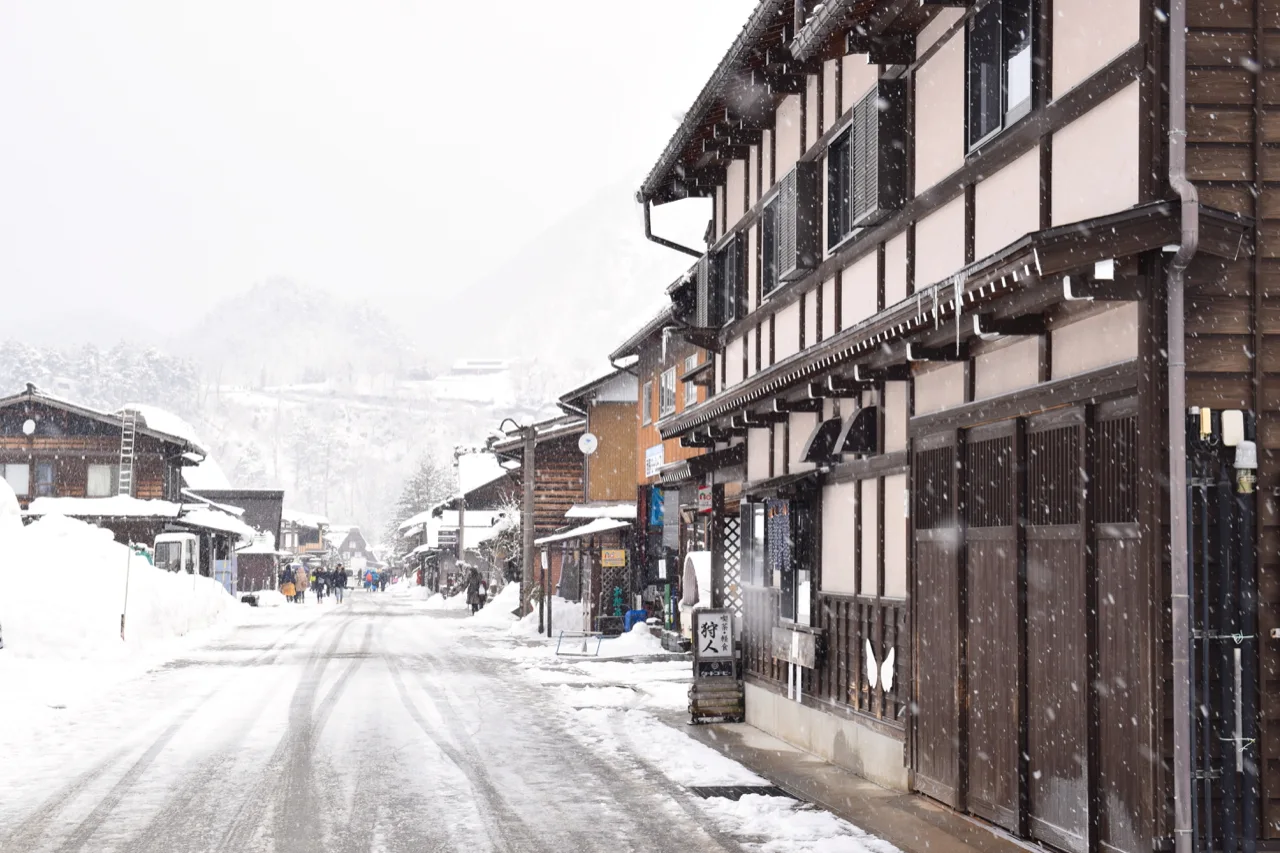
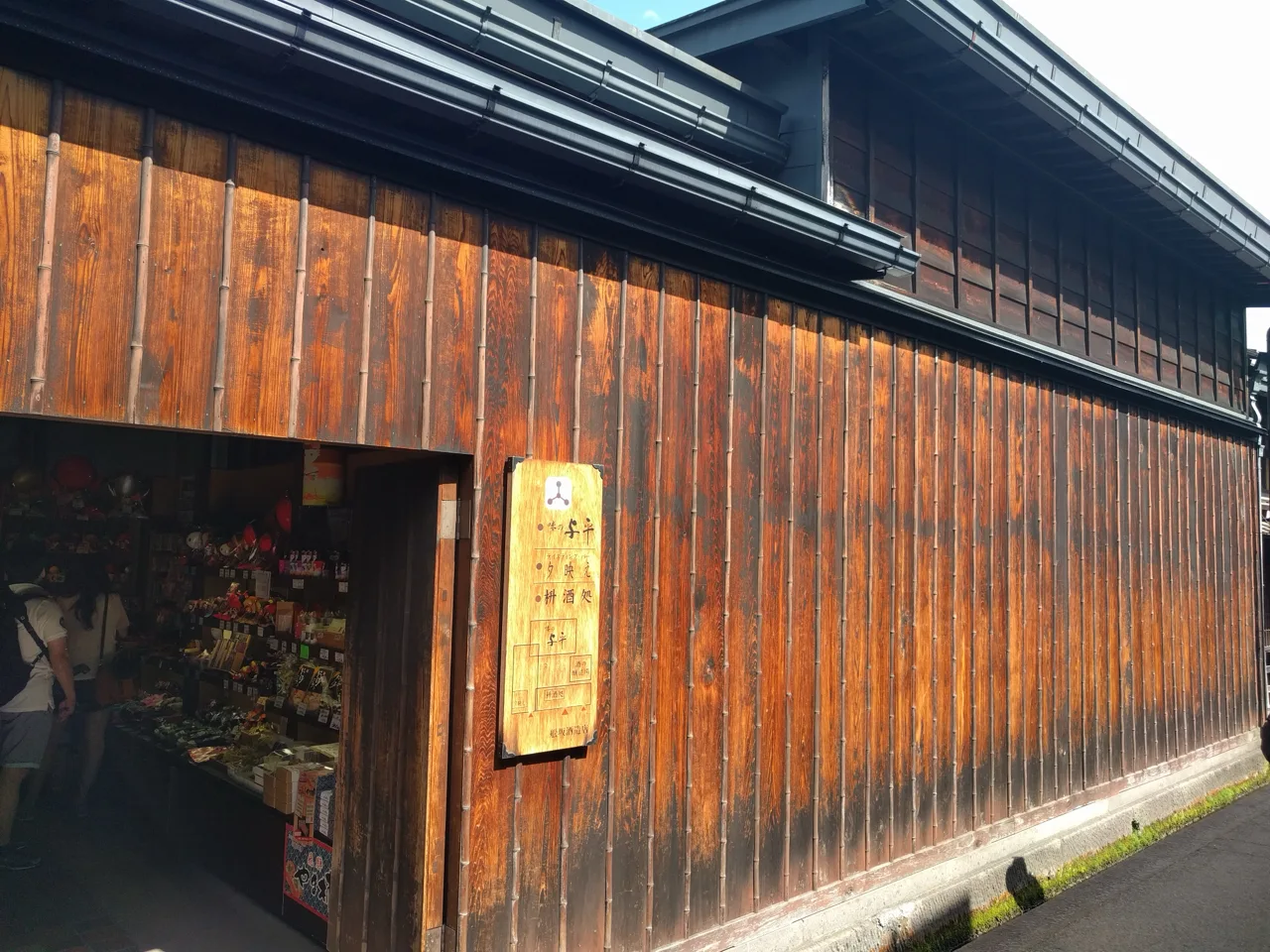
If you prefer staying around Sanmachi Old Town, understand two realities upfront. First, there is no standalone 'Sanmachi' category in the official area filter—the historic quarter falls under City Center, so use map mode centered on Sanmachi with a 500 m radius to isolate it accurately. Second, staying in the Old Town isn't about daytime convenience; it buys you the quiet windows after shops pull down their wooden shutters at dusk and before the morning markets set up, when lantern-lit dark timber facades and lattice windows belong to residents rather than tour groups. The trade-off is that most local lodgings are small traditional inns or machiya guesthouses with narrow stairs, no elevators, and thin wooden-wall soundproofing. Packing down to one manageable bag is less polite advice than a practical prerequisite.
The City Center also hides a third lodging style altogether: temple stays. Zenkoji Temple Lodging sits about a 10-minute walk from Takayama Station and lets guests join sutra copying, meditation, zazen, and Kaidan Meguri—walking through the pitch-black corridor beneath the main altar. Building religious heritage into an overnight stay works especially well for solo travelers slowing down after ticking off major sights, or repeat visitors curious about early-morning temple life. Because a shukubo operates differently from a standard hotel, confirm three details before booking: whether dinner is served, whether bathing facilities are shared or en-suite, and the final check-in cutoff.
On a map, a two-minute walk versus a ten-minute walk looks trivial, but on a snowy winter morning hauling a large suitcase and a daypack, that gap feels ten times wider. The four station-front hot-spring hotels within two to six minutes make dropping bags on arrival and catching early departures effortless—a decisive edge if you are staying just one night before catching a morning bus to Shirakawa-go or a train to Nagoya. Old Town inns sit farther out and add extra luggage hauls, making them better suited to a second night once you are already settled. Splitting a two-night stay—night one by the station, night two in the Old Town—limits luggage moves to a single midday transfer without sacrificing atmosphere.
Morning timing also hinges on where you sleep. Waking up in the Old Town puts you straight onto empty Sanmachi lanes and the Miyagawa Riverbank during Takayama's quietest hour, while sleeping by the station trades that doorstep access for a relaxed morning departure—and a 10-minute walk into the Old Town. Because opening hours at the Miyagawa and Jinya-mae Morning Markets shift slightly by season and breakfast windows vary by property, check your inn's breakfast start time right after booking so you can plan market strolls around bus departures. Takayama's historic core is compact enough to walk easily from the station; choosing your neighborhood is really about claiming that crowd-free golden hour.
Comparing posted rates across the official directory reveals a straightforward pricing structure. In Kokufu, century-old Kouno Ryokan starts at ¥8,800 per person for half-board (by phone reservation), while the full-service Takayama Green Hotel by the station starts at ¥15,400 for half-board (including private-source baths and shuttle service)—together framing Takayama's mainstream budget range. Price differences are driven primarily by transit proximity and on-site amenities rather than heritage prestige alone. Travelers watching their budget can look to Kokufu and outer villages, while those paying for minimal walking pay the station-front premium, with transparent base prices on the official list sparing you guesswork in review threads.
Detouring to the Mountains: Okuhida and Secluded Onsen
Don't mistake central Takayama for a mountain hot-spring resort. While several station-front hotels feature natural hot-spring communal baths, true open-air baths surrounded by alpine peaks sit in the surrounding mountains—listed under 'Okuhida Onsen-go & Kamitakara' and 'Takane' in the official directory. Without a rental car, reaching them means relying on route buses or inn shuttles with far sparser schedules than city transit, tying your day to bus timetables and set ryokan dinner hours. Drivers skip that friction entirely and can easily tack Okuhida onto a multi-night Takayama stay, provided you confirm free on-site parking when booking. When searching these areas on the official portal, drop the distance radius and filter directly by Okuhida Onsen-go & Kamitakara or Takane to view every mountain bathhouse at once.
Standout mountain properties vary sharply in character, making it easy to match your priorities. In Takane at roughly 1,000 meters elevation, Shiozawa Onsen Nanaminekan is prized for silky, skin-smoothing waters that appeal to travelers escaping tour buses and town noise. At 2,702 meters on the Mt. Norikura summit, Ginreiso is the list's most extreme mountain lodge, built around starry skies, seas of clouds, and alpine sunrises—though harsh weather shifts its winter operating dates every year, so verify seasonal openings before committing. In Okuhida, the traditional kominka inn Kazeya features 10-tatami Japanese rooms with private toilets throughout, alongside open-air-bath suites and two complimentary private baths favored by families and bath-shy guests. For heritage seekers, Kouno Ryokan in Kokufu—founded in 1886 and a five-minute walk from Hida-Kokufu Station right opposite the Hirosebashi Nohi Bus stop—offers just four twin/double rooms and one group room for five to six guests (check-in 3:00 PM, check-out 10:00 AM). Half-board starts at ¥8,800, meal-only visits run ¥6,600–¥8,800, and takeout bentos start at ¥1,080; phone reservations are required at least three days ahead, backed by the Kyoto-trained owner's Hida regional cuisine. Small family inns like this rarely appear on global OTAs, and only the official directory spells out how to book them.
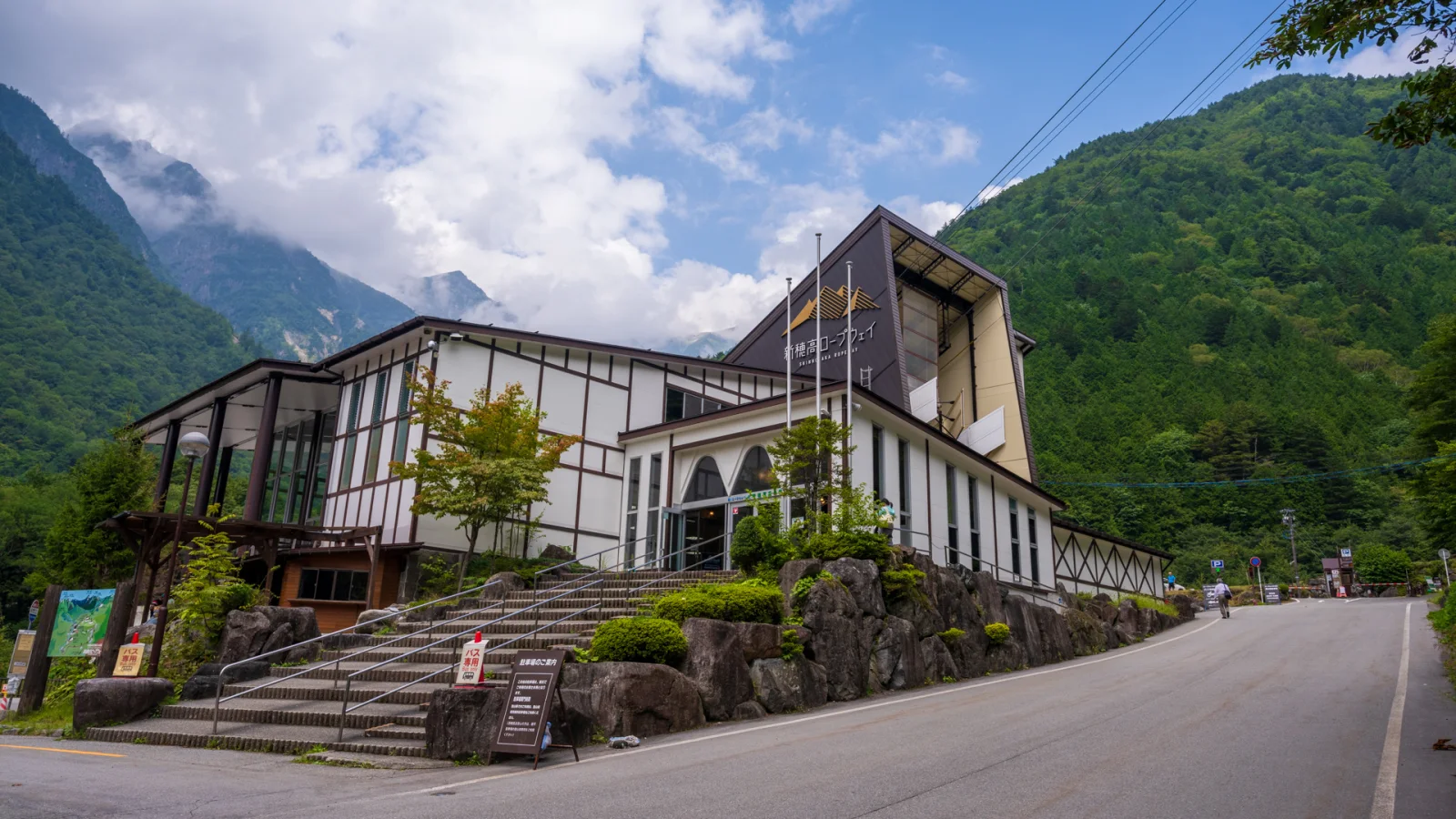
The directory also surfaces two overlooked niche categories. First are mountain day-use baths, campgrounds, and fishing parks: in Nakao (Okuhida Onsen-go), Higaku-no-Yu & Tozansha Shokudo sits an 88-minute ride from Takayama Nohi Bus Terminal toward Shinhotaka Onsen (alighting at Kokuritsu Koenguchi). Open from late April to mid-December (9:00 AM–8:00 PM JST; bathing ¥950 adults, ¥800 children), its diner serves Hida beef hoba-miso sets and teppanyaki next to an indoor model-train display—proving both that Okuhida takes nearly an hour and a half one way and that you don't need an overnight booking for a hot soak and hot meal. Campers can pick from 1,300-meter Hirayu Campsite, Hida Takayama Campsite (which becomes a ski hill in winter), Pascal Kiyomi at 810 meters with 22 AC-powered sites, or Ichinomiya's 736-meter Hida Takayama Fishing & Camping Masugura along the upper Miyagawa River (open 7:00 AM–5:00 PM in summer, 8:00 AM–4:00 PM in winter, closed Thursdays; freshly caught grilled fish ¥600 each). Second are repurposed former schools like Oppara Nature Experience Center and Sunomata Furusato School, offering rustic mountain-village stays that give kids far stronger memories than a chain hotel.
Even on a tight schedule, you can fit in a soak without hauling bags to the mountains. In town, Takayama Green Hotel explicitly welcomes day-use bathers to its private-source springs just six minutes from the West Exit (or via free shuttle). Out in the mountains, Higaku-no-Yu & Tozansha Shokudo serves day visitors from late April through mid-December (¥950 adults, ¥800 children). Combining one downtown option and one mountain stop lets you sleep in a budget station hotel while dedicating an afternoon to hot springs—just note that Higaku-no-Yu closes for winter, when you will want city-center hotels or year-round Okuhida day-use baths instead.
The city-versus-mountains rule comes down to trip length. Staying in the City Center lets you satisfy your hot-spring fix at the four station-front hotels while keeping Old Town strolls and Shirakawa-go buses direct and baggage moves to zero. Heading out to Okuhida or Takane rewards you with snow-view open-air baths, quiet seclusion, and unhurried half-board dinners, at the cost of more than an hour on the bus each way and fixed mealtimes. With only one night in Takayama, stay downtown; with two or more nights and bathing as a main goal, dedicate your second night to Okuhida or Takane.
To trim a mountain shortlist quickly, check three benchmarks: first, water source and bath format (private spring vs. piped water, communal vs. open-air, private-bath availability); second, dinner focus (Hida beef centerpiece vs. local seasonal kaiseki); and third, transit logistics. Kazeya nails family comfort with two free private baths and private-toilet 10-tatami rooms; Nanaminekan wins on seclusion and silky waters; Ginreiso belongs strictly to mountaineers chasing summit sunrises. Pick the experience before comparing room rates, and the decision stays simple.
Using Takayama as a Base: Shirakawa-go, Kamikochi, and Bus Timing
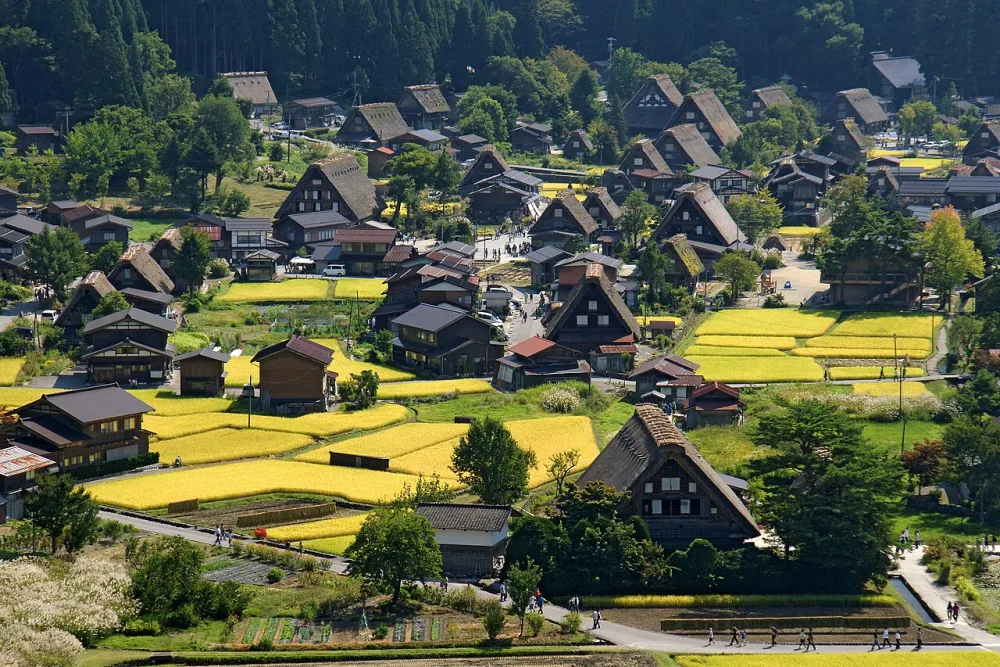
Takayama functions as a launchpad for Hokuriku and the Japanese Alps thanks to its dense regional bus network. Our guide to base choices across Takayama, Shirakawa-go, and Hokuriku lays out the broader three-to-five-day framework, so here the focus is syncing your room choice with bus timetables. Nohi Bus services from Takayama Nohi Bus Terminal reach Shirakawa-go in about 50 minutes for ¥2,800 one-way per adult (rising to ¥2,900 starting December 1, 2026), with roughly 20 to 21 outbound trips and 24 to 25 return trips daily—frequent enough for an easy day trip. Travelers wanting an overnight winter stay inside the village should check our guide to in-village stays in Shirakawa-go, as each base serves a different goal. Note Nohi Bus's explicit winter warning: heavy snow or road closures can cause delays exceeding two hours, so never schedule a late return bus on snow-season day trips. For onward travel south to Nagoya or north via Hirayu toward Kamikochi, follow the corridor outlined in our two-day Nagoya itinerary.
When approaching Takayama from Nagoya, our Hokuriku and Takayama route comparison covers rail versus highway bus trade-offs, while your hotel choice hinges simply on arrival time. Arriving toward evening favors a station-front hotel so you can drop bags, grab dinner, and soak immediately; arriving before noon lets you stash bags and walk straight into Sanmachi Old Town, making historic-quarter inns much easier to enjoy. Heading onward to Kamikochi or Shinhotaka often raises the 'Takayama vs. Hirayu Onsen' question: Takayama offers livelier evenings and far more restaurant options, whereas Hirayu puts the transfer bus terminal right outside your door. Choose Hirayu when alpine hiking dominates your schedule, and stay in Takayama when Old Town evenings and Shirakawa-go anchor your trip.
When checking maps before booking, don't treat the Nohi Bus Terminal and JR Takayama Station as the same building. Highway buses for Shirakawa-go, Hirayu Onsen, and Shinjuku depart from the Nohi Bus Terminal, while the Limited Express Hida to Nagoya boards inside JR Takayama Station—right next door, yet serving separate exits and concourses. For arrival and departure nights, filter for properties within a five-minute walk of your main boarding point so early and late connections stay stress-free. Align bus tickets with hotel reservations: reserved Nohi Bus departures open one month ahead on Hassha O-Rai Net (5:00 AM–2:00 AM JST daily), with phone bookings at 0577-32-1688 (9:00 AM–5:00 PM JST). The final bus from Shirakawa-go back to Takayama leaves at 5:30 PM (arriving 6:35 PM), while non-reserved buses also accept mobile tickets. Keep hotel confirmations and bus reservation codes in one note so you aren't hauling luggage across town before breakfast.
Booking lead times revolve around spring and autumn peaks. Spring Takayama Festival dates and autumn foliage weekends are the tightest windows in central Japan, with heritage ryokan and popular hot-spring hotels selling out one to two months ahead; winter snow weekends follow closely behind, whereas weekdays remain far easier to book. After filtering candidates on the official directory, open two or three reservation pages simultaneously to compare live inventory and rates—pinning all hopes on a single property is risky here. Fortunately, Takayama's station hot-spring hotels and central inns have deep bench strength compared with Shirakawa-go or remote mountain springs, so pivoting to a comparable backup rarely disrupts your route.
Winter multi-night stays carry a different risk profile than autumn foliage: fall is a race for rooms, while winter is a race against snow delays. Because Nohi Bus warns of snow delays exceeding two hours and the last Shirakawa-go return leaves at 5:30 PM, aim to catch a bus back by 4:00 PM in winter to keep a safe buffer. On the lodging side, avoid booking an early-morning long-distance departure before 8:00 AM on your final day, and move back into a hotel within two to six minutes of the station for your last night so a delayed return never threatens the next morning's checkout.
From Shortlist to Booking: A Practical Sequence
The fastest way from browsing to confirmed rooms is a six-step sequence. First, filter the Hida-Takayama Convention & Visitors Bureau's 219-property directory by lodging type and zone, then narrow by distance radius. Second, open individual property pages to record station walking minutes, hot-spring bath details, and meal plans, eliminating mismatches early. Third, open two or three shortlisted staynavi booking tabs side by side with identical dates and guest counts to compare real-time rates and availability. Fourth, verify each property's free-cancellation deadline and penalty rules before paying, as peak-season policies vary widely. Fifth, once rooms are locked, immediately book any reserved Nohi Bus legs (opening one month prior via Hassha O-Rai Net from 5:00 AM–2:00 AM JST, or 0577-32-1688 from 9:00 AM–5:00 PM JST), or check mobile tickets for non-reserved runs. Sixth, save hotel confirmations and bus booking numbers together, clearly noting whether each departure uses the Nohi Bus Terminal or JR Takayama Station.
Plugged into a classic one-night, two-day itinerary, the pacing stays relaxed. Arrive at JR Takayama Station before noon on day one, walk two to six minutes to drop bags at a station-front hotel, and spend the afternoon strolling Sanmachi Old Town, the Miyagawa Riverbank, and historic residences without luggage. Return by evening for a soak in the hotel's natural hot-spring bath before dinner—whether Hida beef yakiniku or a local set meal. The next morning, walk to the Nohi Bus Terminal for the 7:20 AM first bus to Shirakawa-go (arriving 8:10 AM) to tour the gassho-zukuri village ahead of tour buses, returning in the afternoon to collect your bags for onward travel—or swap Shirakawa-go for a day-trip transfer through Hirayu Onsen into Kamikochi. How relaxed a two-day Takayama stay feels depends 90 percent on keeping your hotel within steps of the station and bus terminal.
When booking for families or larger groups, don't evaluate rates solely by per-person pricing. Official booking screens list maximum occupancy per room, and comparing one large four-person tatami room against two twin rooms often uncovers substantial savings. If your party exceeds the online per-booking limit, call the bureau line at 0577-36-1011 directly—many small Takayama inns offer far more flexibility on whole-house buyouts or custom rooming than online booking forms suggest. If your first pick is full, return straight to the official list for a same-tier property in the same district to take advantage of Takayama's deep mid-range inventory.
For later adjustments—date changes, meal add-ons, or shuttle requests—contact the property through your original booking channel. Reservations made on staynavi can be modified directly from the portal's order page, while phone-booked heritage inns like Kouno Ryokan handle requests best by phone; small inns are generally accommodating with reasonable tweaks, though you should write down peak-season cancellation cutoffs on the spot. During winter, snow-related bus suspensions, unscheduled closures, or revised shuttle schedules are usually posted on inn websites or relayed by phone, so rechecking the official property page three days before arrival prevents most last-minute surprises.
A few useful answers
How much does a hotel in Takayama cost per night?
The official directory does not enforce a single rate table, and prices span widely between station business hotels and full-service ryokan. Looking at listed benchmarks, heritage Kouno Ryokan in Kokufu starts at ¥8,800 for half-board, while station-front Takayama Green Hotel starts at ¥15,400 for half-board. Check live rates for your exact dates on the official staynavi.direct portal—book one to two months ahead for autumn foliage and winter snow weekends, while weekday inventory stays much more open.
Is it better to stay near Takayama Station or in the Old Town?
Choose the station area if you carry large suitcases or have early buses and express trains to catch—four natural hot-spring hotels sit within a two- to six-minute walk. Choose a small inn near the Old Town if you value having Sanmachi's streets to yourself early in the morning and after dusk. Switch the official directory to map view with a 500 m radius to compare both pockets side by side.
Are there hot springs inside central Takayama?
Yes. Four major station-front hotels—Takayama Ouan, Hida Hotel Plaza, Takayama Green Hotel, and Super Hotel's Jinya-no-Yu—offer private-source or natural hot-spring communal baths right downtown. If you want mountain-view open-air baths and secluded springs, head out to Okuhida Onsen-go or Takane, keeping in mind the bus commute and set half-board mealtimes.
Can you stay in Okuhida Onsen without a rental car?
Yes, though transit takes more planning and binds you to route-bus or inn shuttle timetables (the trip toward Shinhotaka takes roughly 90 minutes each way). For a single-night stopover, stay in central Takayama; with two or more nights, put one night in Okuhida and confirm shuttle details and schedules with your ryokan before booking.
How does the bus from Takayama to Shirakawa-go work?
Nohi Bus runs from Takayama Nohi Bus Terminal in about 50 minutes for ¥2,800 one-way per adult (increasing to ¥2,900 from December 1, 2026), with roughly 20 to 21 daily outbound departures and reservations required on select runs. Because official advisories warn of delays exceeding two hours during heavy winter snow, build plenty of return buffer into winter day trips.
What is a shukubo, and can you stay in one in Takayama?
A shukubo is a Buddhist temple lodging open to travelers. Takayama's Zenkoji Temple Lodging sits about a 10-minute walk from Takayama Station and offers sutra copying, meditation, zazen, and Kaidan Meguri. Because rooms, meals, and bathing differ from standard hotels, confirm dinner availability, shared versus private bathrooms, and check-in cutoffs before reserving.
What should I do if hotels are sold out during autumn foliage season?
Don't lock onto one hotel—return to the official 219-property directory and filter by distance radius and property type for same-tier alternatives. 'Sold out' on global OTAs does not mean Takayama is full; small inns often hold inventory exclusively for staynavi or the bureau phone line (0577-36-1011), and the station-front hot-spring hotels substitute cleanly without disrupting your transit plans.
Official information and references
Sources used in this guide.