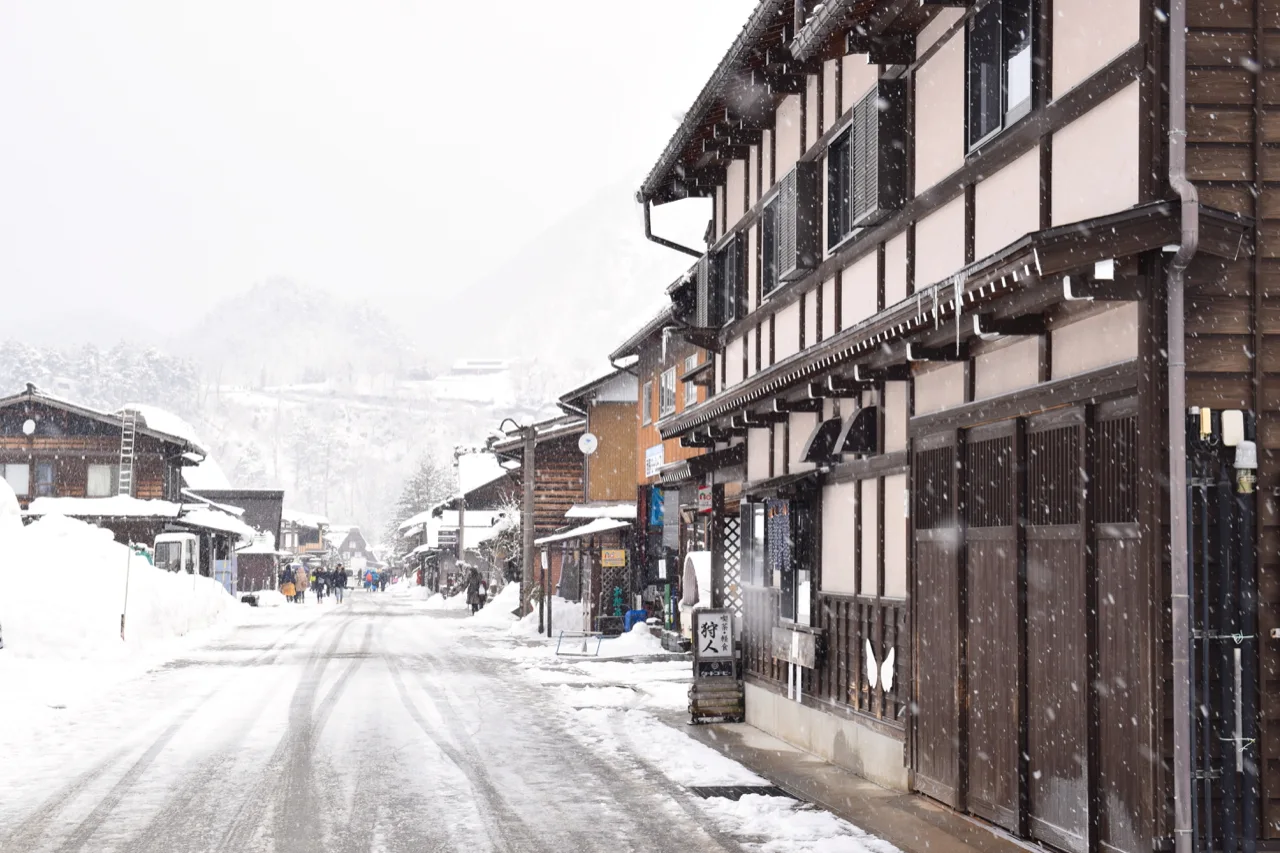
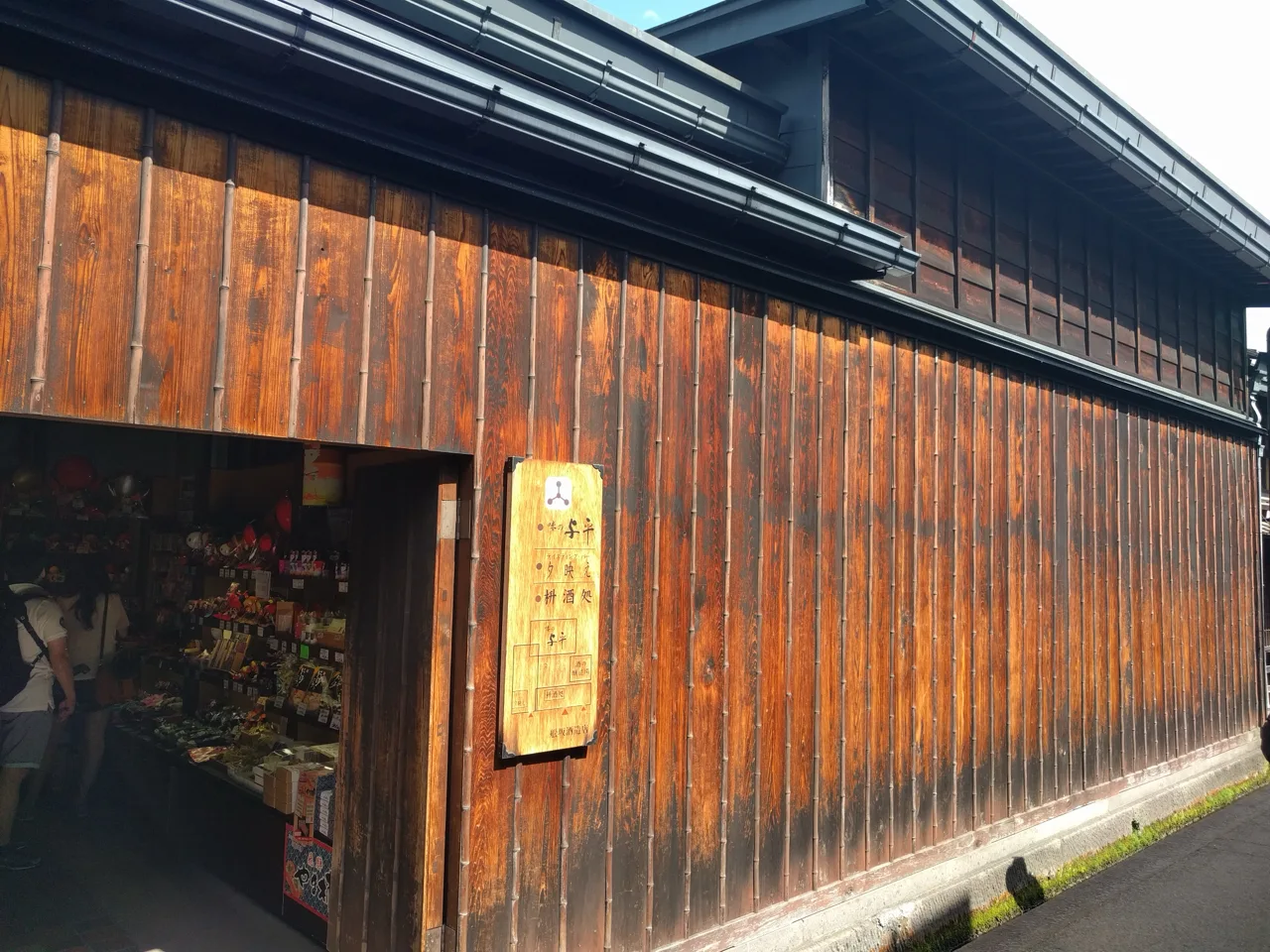
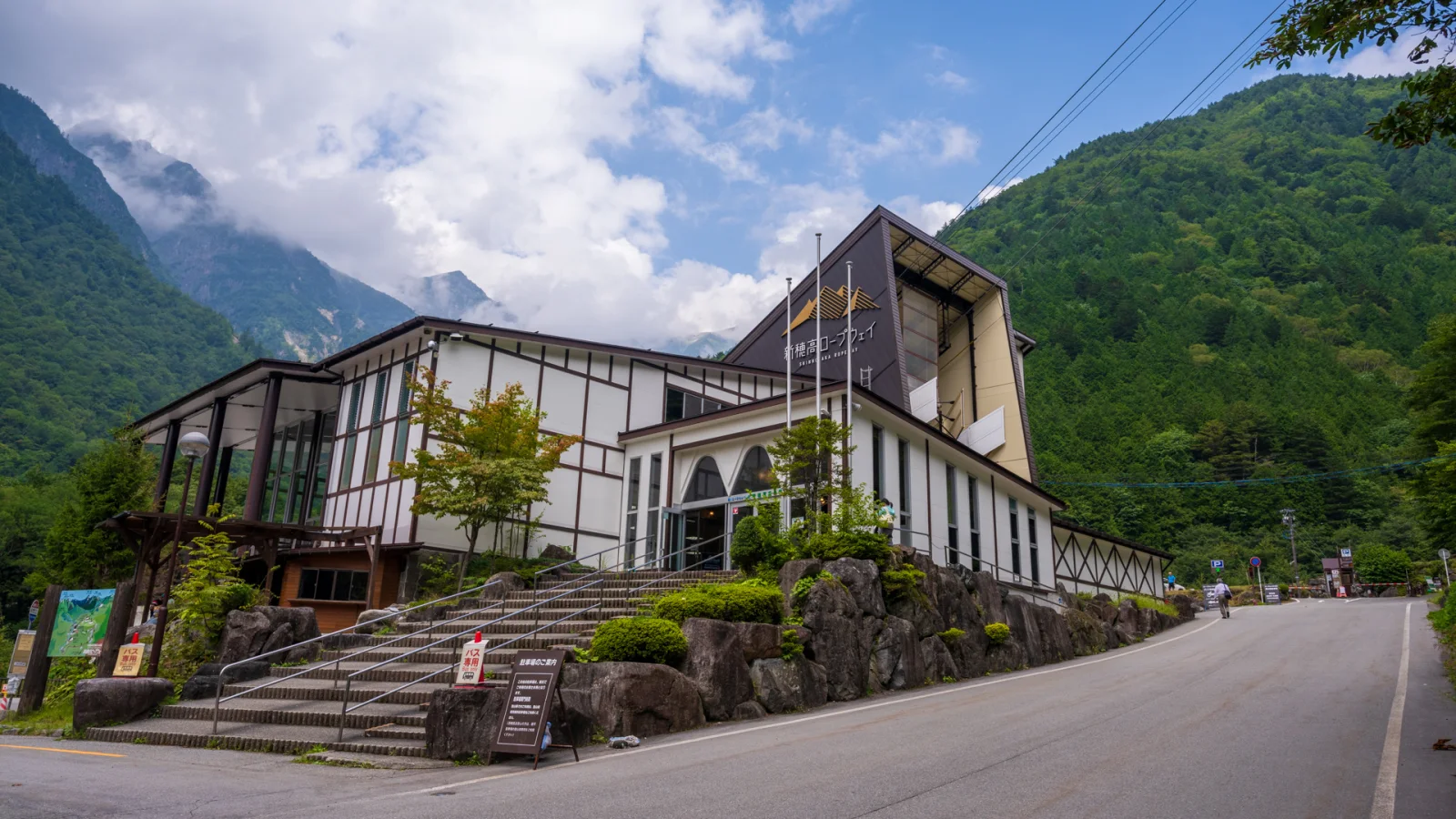
Compare Kanjiya, Shiroyamakan, Yuinosho, the Toyota nature school, WAY and Tokyu Stay Takayama. Choose named room types for beds or futons, private bathrooms and meals, then plan regular-date bookings, transfers and luggage after checkout.
- Region & Focus
- Takayama and Shirakawa-go
- Reading Scope
- 32 min read · 15 chapters · 5 Q&As
- Official Verification
- 26 official sources checkedUpdated November 8, 2026
- Key Topics
- Where to stayBookingChubu & Hokuriku
Chapter Route Map (tap any stop)
- Stay in Ogimachi for early walks, or choose hot springs and beds elsewhere
- Kanjiya: choose sleeping places among four gassho-style rooms
- Plan Kanjiya’s dinner, bathing and 9:00 checkout together
- Shiroyamakan: four room names, four bathroom routes
- Shiroyamakan with children: allow for a longer dinner
- Yuinosho for three: choose a daybed or a futon
- Iijima transfers begin at 9:00; choose Ogimachi for a pre-breakfast walk
- The nature school in Magari: choose four beds, a five-person tatami room or an in-room bath
- Arrange nature-school dinner and transfers before going uphill
- WAY in Hatogaya: one group, self-catering and groceries before arrival
- Tokyu Stay Takayama: keep the same room and visit by day with less luggage
- An overnight route: time your arrival around check-in
- Where you collect your case after checkout determines your morning range
- Regular-date bookings: save each cancellation schedule and payment method
- For illumination nights, use the designated seasonal plans
- Quick Q&A
For an overnight stay in Shirakawa-go, first choose Ogimachi, another village area such as Iijima or Magari, or the area by Takayama Station. Ogimachi gives the most direct access to gassho houses before breakfast. For fixed beds, separate sleeping places and hot springs, compare Yuinosho and the nature school, then fit transfers into your plans. Bedding and bathrooms differ greatly between gassho houses, historic inns and modern hotels. In a three-person room, the third guest may use a daybed, extra bed or self-laid futon. Choose a sleeping arrangement you can accept before planning dinner and checkout.
Stay in Ogimachi for early walks, or choose hot springs and beds elsewhere
Accommodation searches cover Ogimachi, Iijima, Hatogaya, Magari and Hirase. Ogimachi contains the World Heritage gassho village, while Yuinosho in Iijima and the nature school in Magari each have their own transfers. Put the room address on a map, find Shirakawa-go Bus Terminal, then the accommodation entrance. The route between them is what you must cover with luggage. Sharing the Shirakawa-go name can mean very different answers to whether you can rest in your room after dinner or walk out before breakfast.
For an ordinary daytime visit to the gassho houses, two nights in Takayama is practical. Leave large cases in the same room, visit by day and return for dinner or laundry. To stay in the village, make the accommodation part of the itinerary: afternoon check-in, taking turns in the bath, included meals, then a short walk between breakfast and checkout. Arriving from Toyama or Kanazawa and continuing to Takayama next day also suits a night in Ogimachi, but you must handle luggage both on arrival and after checkout. Four friends needing separate beds can start with the nature school’s Western-style four-person room. For two beds and two futons in one room, compare Shiroyamakan’s Soyogo or the nature school’s Japanese-Western room. If everyone wants a bed, look at Yuinosho’s four-person room. For two people wanting a real gassho house who accept shared toilets at night, Kanjiya’s five- or six-mat rooms fit better.
| Property / area | Named option and sleeping arrangement | Bathroom or evening detail |
|---|---|---|
| Kanjiya / Ogimachi | Eight-mat Kakitsubata or Kikyo for 1–4; six-mat Nadeshiko for 1–3 | Shared toilets and washbasins; private turns in a cypress bath; checkout 9:00 |
| Shiroyamakan / Ogimachi | Soyogo: two beds plus futons; Waremoko: futons for 2–3 | Waremoko has an in-room shower; Hikagenokazura has a toilet outside |
| Yuinosho / Iijima | Comfort Twin: daybed for third guest; Deluxe Twin: futon for third guest | Private hot-spring baths; scheduled terminal shuttle |
| Nature school / Magari | Western-style four-person room or 14-mat room for five; 62 m² Japanese-Western room for up to four | Choose in-room bath by room type; shuttle booking required |
| WAY / Hatogaya | One group books the building; A/B/C sleeping places follow booking configuration | Self-catering kitchen; group takes turns in bathroom; check-in 15:00–20:00 |
| Tokyu Stay / Takayama | Residential Twin for three or Family Twin for four, among others | City base by the station; daytime return visit to Shirakawa-go |
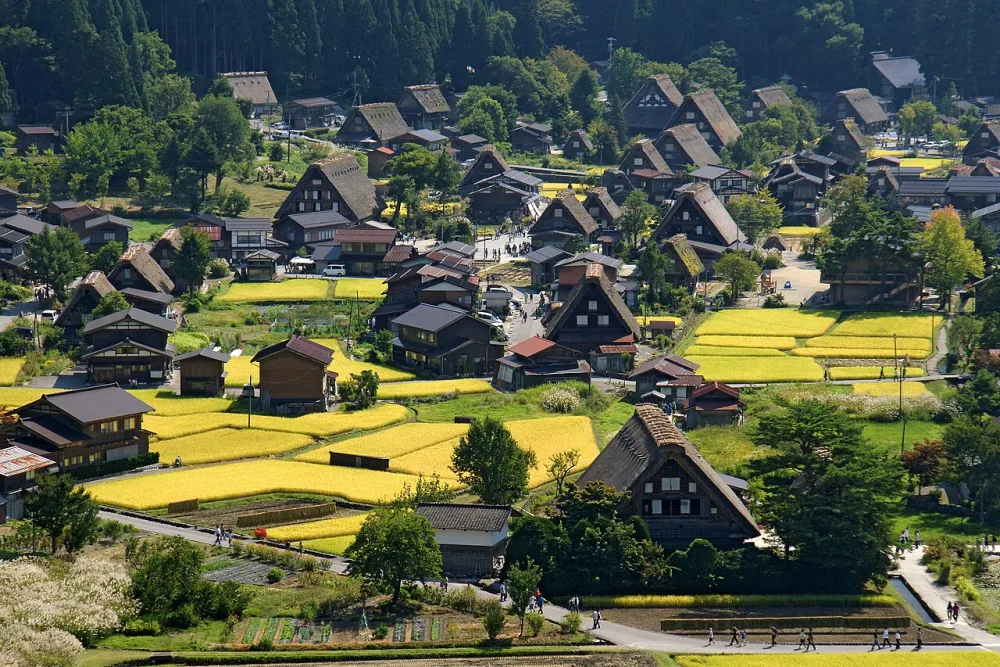
Compare Kanjiya, Shiroyamakan, Yuinosho, the Toyota nature school, WAY and Tokyu Stay Takayama. Choose named room types for beds or futons, private bathrooms and meals, then plan regular-date bookings, transfers and luggage after checkout.
Kanjiya: choose sleeping places among four gassho-style rooms
Kanjiya is at 689 Ogimachi, about a 10-minute walk from the bus terminal according to the tourism association. Its four rooms are Kakitsubata and Kikyo, each eight tatami mats for one to four guests; Nadeshiko, six mats for one to three; and Tsubaki, five mats for one or two. All are Japanese-style rooms. Match futon space with your group size. Two people need not choose the smallest room: compare names and prices of eight-mat rooms if you want daytime space for tea and luggage.
For four family members in one room, Kakitsubata or Kikyo is within the listed capacity. Three people can compare eight and six mats; capacity for three does not mean equal space. Once four futons are laid out, usable floor space shrinks, so organize cases beforehand. If someone needs the toilet at night or sleeps early, placing them near the door is more useful than claiming a window position first.
Groups can ask about the listed connecting combinations: Kakitsubata plus Kikyo gives 16 mats; adding Nadeshiko gives 22. Request the whole connecting arrangement when booking rather than booking separately and expecting doors to be changed on arrival. Wooden doors divide rooms, and the inn notes that sound travels. Sort cases and have longer conversations earlier, then lower voices at night.
Plan Kanjiya’s dinner, bathing and 9:00 checkout together
Kanjiya’s toilets and washbasins are shared, with separate men’s and women’s toilets. The cypress bath is used privately in turns, which differs from a bathroom inside your room. Bathing is listed for 16:00–21:00; the next morning, 6:00–7:30 is shower-only. Soak on arrival evening and leave morning time for rinsing, breakfast and packing. Private turns appeal if you do not want to bathe with strangers. If you need a shower whenever you want inside your room, choose a room with that facility.
Dinner and breakfast are served in Fukuju, seated on cushions on tatami with individual meal trays. The inn describes Hida beef grilled with hoba miso, river trout, wild vegetables and home-grown rice, with dishes changing by season. Before booking meals, explain if an older guest needs a chair, armrests or help sitting on the floor. Raise allergies, dietary exclusions or pregnancy-related food needs at booking so the kitchen can plan. For those who like Hida home-style cooking, included meals settle dinner when village choices are fewer.
Check-in starts at 14:00, final arrival is 18:00, and checkout is 9:00 next morning. Check in before an afternoon walk to leave time for bathing and dinner. Aiming to arrive right at 18:00 leaves transport delays to disrupt the evening. Driving guests can use the free on-site parking; give the inn’s name to staff controlling village entry. If you will remain in Ogimachi after checkout, take your case to terminal storage before starting longer daytime activities.
Shiroyamakan: four room names, four bathroom routes
Shiroyamakan is a family-run historic inn at 1168-1 Ogimachi. For an Ogimachi stay with beds, compare the two riverside rooms: first-floor Soyogo sleeps two to four; second-floor Kozo sleeps two to three. Both have two semi-double beds, with extra guests on futons, and an in-room washbasin and toilet. The route into first-floor Soyogo still includes small steps. If stairs are difficult, assess those and the entrance rather than relying on floor number alone.
Waremoko, updated in July 2026, faces the courtyard on the second floor. This eight-mat Japanese room sleeps two or three on futons, with an in-room washbasin, toilet and shower. It is the only room type specifically listed with an in-room shower in the inn’s FAQ, a useful choice when private showering is a priority.
Hikagenokazura, also updated that July, is another second-floor eight-mat room, for two guests on futons. Its dedicated toilet is outside, about ten steps away, and its washbasin is downstairs on the first floor. The two eight-mat rooms differ substantially in nighttime washing convenience.
There are also two cypress baths, used privately by room, supplied by local spring water. In Soyogo or Kozo, plan a bath separately from using your in-room toilet. Waremoko adds an in-room shower. Hikagenokazura preserves Meiji-period ceilings, pillars and windows, suiting those interested in building details who accept leaving the room to wash. Filter the four rooms by beds or futons, in-room toilet, in-room shower and stairs before considering the view.
Shiroyamakan with children: allow for a longer dinner
Shiroyamakan’s FAQ accepts children. Junior- and senior-high students generally pay adult rates. Elementary-school children pay 70% of the adult room rate and receive fewer dishes. Young children mainly share adult meals; a futon costs an extra JPY 4,400, while the facility fee without a futon is JPY 1,100. Ages zero to two are free. Young children needing futons count toward room occupancy. For two adults and two children needing bedding, start with four-person Soyogo rather than treating a three-person room as the same family arrangement.
The dining room is shared with other guests, and dinner takes about 1.5–2 hours. With children who struggle to sit for long, assess whether they can complete the meal and eat ingredients from adult dishes. For a specific children’s meal, compare the nature school’s elementary and preschool options. A long dinner is a central part of a Shiroyamakan stay; a long outing that evening can rush both. Meals focus on mountain ingredients, and the inn expressly says Hida beef is not on its menu. For a Hida beef dinner, compare specific Kanjiya or Yuinosho plans. Request dietary changes in booking notes; some substitutions incur an extra charge advised in advance. Stays are generally limited to two consecutive nights, but only one night is accepted during the April–June wild-vegetable season. Include this restriction when choosing dates for a slower two-day visit.
Yuinosho for three: choose a daybed or a futon
Onyado Yuinosho is at 908-2 Iijima. There are two clear arrangements for three. The 31 m² Comfort Twin has two 110 cm-wide Japanese-style beds and a daybed 90 cm wide and 195 cm long for the third guest. The 32 m² Deluxe Twin has two 110 cm-wide Japanese-style beds; the third guest lays out a futon in the living area. One provides three bed positions, while the other needs living space kept free for the futon. Choose according to who can use each bedding type.
For four, consider the 43 m² four-person room. It has two 110 cm-wide Japanese-style beds and a separate sleeping space with Hollywood-style twins, listed together as 200 × 200 cm. Separate sleeping spaces can matter more than total area for two adult pairs or families. The two-person Twin is 31 m² with one 110 cm-wide and one 140 cm-wide bed. Even within this hotel, Twin rooms have different bed widths. Keep the official English or Japanese room name in your order rather than only “twin room.”
Standard check-in is 15:00 and checkout 11:00. Rooms have bidet toilets. The two private hot-spring baths open 24 hours; check the entrance lights and use them first come, first served. The men’s and women’s communal baths open 15:00–1:00 and 5:00–10:00. Separate your need for private hot-spring use from washing inside your own room when choosing. Basic service during consecutive nights replaces amenities; regular room cleaning costs an additional JPY 1,500 per room per service, worth including in longer-stay budgets.
Iijima transfers begin at 9:00; choose Ogimachi for a pre-breakfast walk
Yuinosho’s free shuttle serves overnight guests arriving by public transport between the bus terminal and inn. It leaves at set times without advance booking, with waiting inside the terminal information office. The timetable revised August 20, 2026 lists afternoon pickups at 14:30, 15:05, 15:35, 16:10, 16:40, 17:25 and 18:00. Finish daytime Ogimachi activities, then choose a shuttle to connect the afternoon with dinner.
Morning departures to the terminal are 9:00, 9:20, 9:55, 10:20, 10:40 and 11:10. Breakfast starts at 7:00, with last orders at 9:00. You can eat and take the first shuttle to Ogimachi, but a walk beside the gassho houses before breakfast does not fit this schedule. The inn lists about 40 minutes on foot from the terminal and advises avoiding the walk in peak winter and summer. Choose village accommodation if early Ogimachi is the priority. If arrival after 9:00 suits you, Yuinosho’s beds and baths are easier to use fully. Dinner starts at 17:30 or 20:00, allocated at check-in; guests dining at 20:00 can have the inn’s snacks first. The 17:25 pickup reaches the inn around 17:30, before check-in is complete. If early dinner matters, choose an earlier shuttle and coordinate with the inn. Contact it in advance for terminal arrival at 18:00 or later. The shuttle serves only terminal and inn, not individual daytime sights. Drivers use village-operated parking for daytime sightseeing.
The nature school in Magari: choose four beds, a five-person tatami room or an in-room bath
The Toyota Shirakawa-Go Eco-Institute is at 223 Magari, about a 10-minute drive uphill from Ogimachi. It combines forest surroundings, a restaurant and hot springs. Western-style four-person rooms start at 31 m², sleep two to four, and have partitions beside each pillow, plus in-room washbasin and toilet. Guests use the shared bathing facilities. Four friends wanting separate beds who accept a night outside the village center can arrange this more easily than adding bedding to a three-person room.
The Japanese-style room is 36 m² with 14 tatami mats, for two to five people, with washbasin and toilet. Guests lay their own futons. A larger family can use the tatami living area before bedtime. For a private bathroom, consider the 62 m² Deluxe Twin Japanese-Western room: two fixed beds and futons on tatami, up to four people, with bathroom and toilet. There is only one, so select its room name directly. A separate 62 m² accessible Deluxe Twin sleeps up to three, with an extra bed for the third; their capacities differ.
Standard Twins also come in two versions, with bathroom and toilet or with toilet only. Both start at 31 m² and sleep two to three, with an extra bed for the third guest. The building has an elevator, but the hot-spring bathing area still has level changes. Specify the accessible room and your needs when booking. Filter by occupancy, fixed beds and in-room bathing before treating all Twins alike. For three generations, an in-room bath and distance to the toilet at night may matter more than a view of gassho houses.
Arrange nature-school dinner and transfers before going uphill
The nature school’s shuttle requires advance booking and does not run without one. The official access page lists terminal transfers that can be arranged every 30 minutes from 14:30 to 18:00. Give your bus arrival time and obtain a transfer agreement before filling the afternoon. This differs from Yuinosho’s unreserved fixed timetable. After a meal or walk near the terminal, return to the agreed meeting point. Record your highway bus service and party size with the transfer booking.
Dinner at the French restaurant normally begins at 18:00, with service until 21:00. Arrival after 20:00 means dinner cannot be served. There is a standard adult course, a children’s course for elementary-school ages and a dinner plate for preschoolers. Request meal changes at least three days ahead. Magari has no restaurants or convenience stores. The school shop’s drinks, ice cream and rice balls are supplies rather than a full dinner plan. Check-in is 15:00 and checkout 10:00; reception holds luggage before check-in and after checkout. Leave cases there for next-day school activities. If you will return to Ogimachi and take a highway bus, discuss the return transfer at booking rather than seeking transport after morning activities. Choose nature sessions you can attend in full: gather ten minutes before the start, with no joining midway.
The nature school’s driving video follows the route from Shirakawa-go Interchange to the entrance, showing mountain roads and junctions after leaving Ogimachi.
WAY in Hatogaya: one group, self-catering and groceries before arrival
WAY Shirakawa-go is at 96-1 Hatogaya, about ten minutes on foot from the terminal. It accepts one group per day, with staff in another part of the building. Bedroom A is listed as 24.88 m² with one queen bed and three futons; B is 18.21 m² with four futons; C is 17.80 m² with one queen bed and two futons. Assign rooms by who uses beds or futons. Booking is priced per building, while total guests and bedrooms available follow the selected booking configuration.
An induction cooktop, fridge, rice cooker, microwave, toaster, cookware and tableware suit guests willing to prepare dinner. Buy rice, prepared food, breakfast and drinks before arrival for simple evening cooking; children’s tableware is provided. Cooking gives flexibility but also requires time for dishes, trash and next-morning packing. For an evening without kitchen work, an inn with meals fits better. Include groceries for both meals when comparing room costs.
Facilities include one combined bath/toilet unit, another toilet and one washbasin. Your group must take turns bathing, drying hair and washing in the morning. A building shared by your own group provides communal living space, not a private bathroom in every bedroom. Let earlier departures wash first. The property provides no extra beds or additional bedding. Up to three preschool children under six who use no separate bedding are excluded from capacity; those needing futons count as guests.
Check-in is 15:00–20:00 and checkout 10:00. You can leave independently in the morning; arrange luggage storage in advance. Keep quiet after 22:30. Road traffic and flowing water can be heard, useful criteria if you are sensitive to sleep conditions. The official site currently accepts bookings only through Airbnb. Follow its link, select the party size and save the total price and cancellation deadline for that order. The property’s general table charges 100% from five days before and for no-shows, with no fee when typhoons or similar events halt public transport; platform orders use their separately listed terms. Bring sleepwear, buy food beforehand and agree on next-day departure and luggage collection.
Tokyu Stay Takayama: keep the same room and visit by day with less luggage
Tokyu Stay Hida-Takayama Musubi no Yu is at 4-301 Hanasatomachi, Takayama, officially two minutes on foot from JR Takayama Station. From a Takayama base, visit Shirakawa-go by day and keep mornings and evenings in town. For three, compare the 28 m² Residential Twin and 24 m² Superior Twin. For four, consider the 37 m² Family Twin or Japanese-Western Twin. The main beds in both three-person rooms are 110 cm wide. Choose Residential Twin for a kitchenette.
Residential Twin has a microwave, washer-dryer and kitchenette. Superior Twin also has a microwave and washer-dryer, suiting three guests who only need to heat food and wash clothes. Three-person occupancy uses twin beds plus an extra bed; book three guests so the room is configured accordingly. The similarly named 27 m² Residential Hollywood Twin sleeps two, despite having a kitchenette. For three, choose the 28 m² Residential Twin. On a two-night stay, do laundry after returning from Shirakawa-go. The room page lists about 170 minutes from washing through drying, so leave that time in the evening.
Breakfast is 7:00–10:00, last orders 9:30; dinner 17:30–21:00, last orders 20:30. The restaurant is reservation-only. For breakfast before Shirakawa-go, choose a bus you can reach at Nohi Bus Center afterward. For an earlier departure, choose room-only and prepare food ahead. Standard check-in is 15:00, checkout 11:00, and reception operates 24 hours; notify the hotel for arrival after 22:00. Keeping one Takayama room for two nights avoids changing accommodation, moving luggage again and another afternoon check-in. Elementary-school children and older pay adult accommodation rates. Preschoolers sharing an adult’s bed stay free; the group FAQ permits one bed-sharing child per regular bed. This property provides no cribs or children’s amenities, so bring what babies and young children need. Private baths are booked on the day, first come, first served, at JPY 2,750 for 45 minutes. Communal baths open 15:00–24:00 and 6:00–11:00.
An overnight route: time your arrival around check-in
For Kanjiya, arrive in Ogimachi around noon, store luggage at the terminal, eat lunch and check in after 14:00. Fill the afternoon with activities within walking distance rather than a final distant stop close to 18:00. On arrival, settle dinner, private bath and next-morning breakfast arrangements, and organize large cases before laying futons. Keep evening activity near the lodging and on public roads. Next morning, fit in a short walk around breakfast and finish checkout before 9:00.
For Yuinosho, keep the main afternoon activity in Ogimachi and take the 15:35 or 16:10 pickup, leaving room for check-in and bathing. Next morning, eat breakfast from 7:00, pack and take a departure from 9:00 onward. Store cases at the terminal or connect with a highway bus. Match your pickup with the 17:30 or 20:00 dinner slot, then start next morning’s activities from the terminal.
For the nature school, visit Ogimachi before taking your prebooked uphill transfer. Stay around the facility before dinner. If joining a nature activity next morning, put your departing bus after the activity and luggage collection. With only an afternoon and following early morning, and a firm wish to see the gassho village at dawn, staying in Ogimachi saves transfers. Record the return-to-terminal time in your departure-day plan when booking activities.
Where you collect your case after checkout determines your morning range
The tourism association lists lockers inside the terminal and storage nearby. When both are full, the association can hold cases from 8:00 to 17:00, for same-day drop-off and collection only. Medium and small items start at JPY 500, large items at JPY 1,000, charged by size and number. After a 9:00 checkout in Ogimachi, return to the terminal with cases before daytime sightseeing. Collecting at the same place before departure is easier than taking cases into every shop.
The nature school offers storage after checkout, but collection requires returning to Magari. If you will spend the day in Ogimachi, bring cases to the terminal to avoid an extra return trip. Leave them at the school when remaining for activities. Yuinosho’s final morning departure is 11:10; take both guests and luggage out if afternoon plans are in Ogimachi. Match storage with your actual departure point. Tokyu Stay Takayama accepts luggage before check-in and on checkout day, excluding valuables and fragile items. It can arrange parcel shipping. Advance deliveries must show guest name and check-in date; freight collect and cash-on-delivery parcels are not accepted. If you check out in Takayama, visit Shirakawa-go and return to Takayama for evening transport, same-day storage works. If continuing straight to Kanazawa, leaving cases in Takayama adds a detour: carry them to Shirakawa-go storage or send them ahead to later accommodation.
Regular-date bookings: save each cancellation schedule and payment method
Tourism association bookings for gassho guesthouses generally open about three months ahead, while each property’s own sales window varies. Shiroyamakan accepts bookings about six months ahead, with actual release dates announced on its site. Official online bookings require advance payment. Its cancellation waiting-list notification requires you to make a fresh booking when space is offered. Tokyu Stay Takayama generally accepts bookings for 12 months including the current month; its local FAQ says regular room charges are paid in full at check-in.
Kanjiya’s general cancellation table charges 20% at 8–15 days before, 50% at 1–7 days, and 100% on the day or for no-shows. For individual nature-school bookings of fewer than 20 people, charges are 10% at 5–7 days, 20% at 3–4 days, 30% at 1–2 days, and 100% on the day or for no-shows. Tokyu Stay Takayama’s local FAQ lists 50% two days before, 80% the previous day, and 100% on the day or for no-shows. Put the fee-start date in your calendar when comparing regular plans. For early-booking or other plans with separate terms, save that order’s table.
For accommodation booked through the association, use the cancellation link at the bottom of the confirmation email. If a room disappears after a payment failure, the association says it may be held temporarily and return to sale after about an hour. Check confirmation email and payment outcome before handling the original order. Cancel through the original booking channel and keep the completion notice. Put guest name, property, date and booking number together so you can reach the correct inn quickly if a bus is delayed.
For illumination nights, use the designated seasonal plans
For 2027 illumination accommodation, select date, property and room from the association’s seasonal accommodation list. Listed stays include observation-deck tickets. Collect those, admission tickets and a venue map at check-in; young children receive no separate tickets or map. Use ordinary room descriptions to choose bedding, but apply with the event date’s listed capacity and conditions for young children. For the full application schedule, continue with the illumination booking section in the Hokuriku itinerary.
Yuinosho’s event plan requires at least two adult-rate guests per room. Junior-high students and older also pay JPY 150 bathing tax per person in cash on arrival. Two adults with a young child can use ordinary room descriptions to understand beds, then choose a configuration accepting young children on that event date. One adult with an elementary-school child must choose according to the seasonal adult-rate conditions. The applicant must actually stay that night. After selection, application and booking names are checked; a mismatch invalidates the booking. Rights cannot be transferred or resold. Takayama guests must separately obtain transport allowing event attendance and return to Takayama, then plan dinner. Their city hotel stay follows its own booking.
A few useful answers
Where should I stay for a walk in Ogimachi before breakfast?
Start with accommodation inside Ogimachi. Yuinosho’s first morning terminal departure is 9:00; the nature school requires prearranged transfers. Both need a separate journey into Ogimachi.
Does a three-person Yuinosho room have three beds?
Comfort Twin has two Japanese-style beds and a daybed. Deluxe Twin has two Japanese-style beds, with the third guest laying a futon in the living area.
Does Kanjiya have private bathrooms?
Toilets and washbasins outside the rooms are shared. The cypress bath is used privately in turns, 16:00–21:00. The next morning, 6:00–7:30 is shower-only.
Can I cook at accommodation without meals?
WAY has an induction cooktop, fridge, rice cooker, cookware and tableware for self-catering after shopping ahead. At other properties, follow their actual kitchen-use conditions.
Does village accommodation include access to the 2027 illumination observation deck?
Choose an observation-deck-ticket accommodation plan from the tourism association’s seasonal list, following its dates, property, room and capacity. Collect admission and observation-deck tickets and a map at check-in; young children receive no separate tickets or map.
Official information and references
Sources used in this guide.
- Kanjiya | Rooms and facilities
- Kanjiya | Property information
- Kanjiya | Local cuisine
- Shiroyamakan | Frequently asked questions
- Shiroyamakan | Rooms
- Shiroyamakan | About the inn
- Onyado Yuinosho | Rooms
- Onyado Yuinosho | Dining
- Onyado Yuinosho | Access
- Onyado Yuinosho | Hot springs
- WAY Shirakawa-go | Guesthouse ten minutes from the gassho village
- Shirakawa-go Tourism Association | WAY Shirakawa-go
- Tokyu Stay Hida-Takayama Musubi no Yu | Twin rooms
- Tokyu Stay Hida-Takayama Musubi no Yu | Residential rooms
- Tokyu Stay Hida-Takayama Musubi no Yu | FAQ
- Tokyu Stay Hida-Takayama Musubi no Yu | Access
- Shirakawa-go Tourism Association | Accommodation FAQ
- Shirakawa-go Tourism Association | Luggage FAQ
- Shirakawa-go Tourism Association | 41st illumination event (2027) accommodation lottery applications
- Shirakawa-go Tourism Association | 41st illumination event (2027) outline
- Toyota Shirakawa-Go Eco-Institute | Rooms
- Toyota Shirakawa-Go Eco-Institute | FAQ
- Toyota Shirakawa-Go Eco-Institute | Access
- Toyota Shirakawa-Go Eco-Institute | Restaurant
- Tokyu Stay | FAQ on extra beds for three guests
- Shirakawa-go Tourism Association | Kanjiya guesthouse