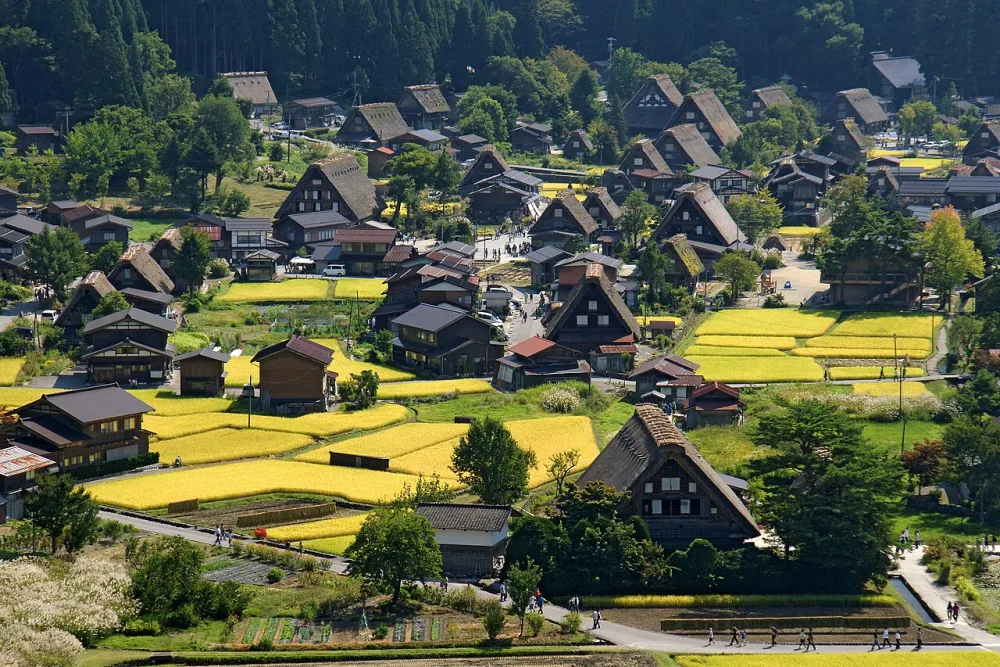
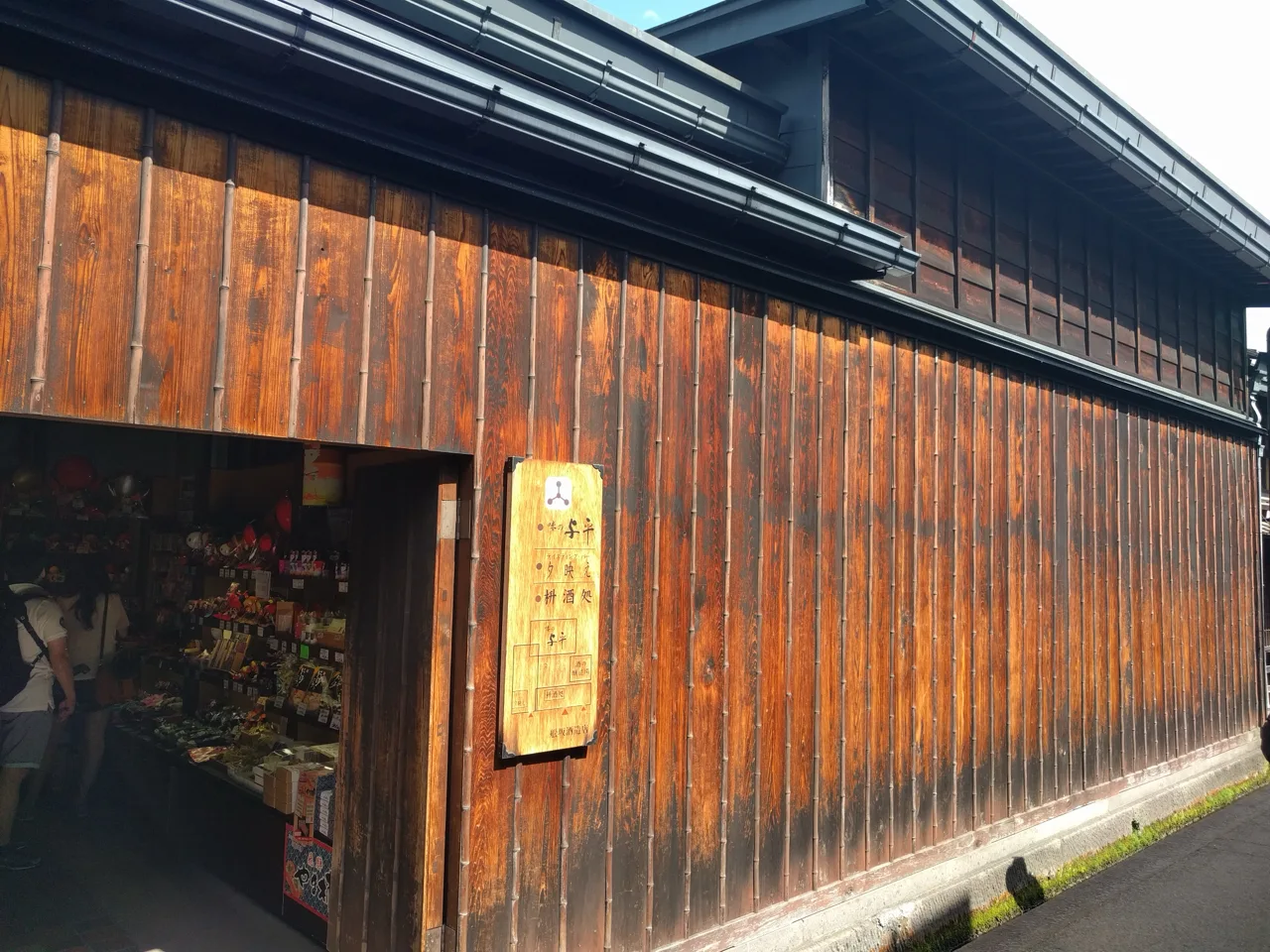
Using the Shirakawa-go Tourist Association's official 42-property directory as a master list, this guide compares staying in the village versus basing in Takayama or Kanazawa, profiles six standout gassho-zukuri guesthouses, and covers the 2027 Winter Light-Up lottery, November 26 cancellation release, Hirase Onsen stays, and winter transit.
- Region & Focus
- Takayama and Shirakawa-go
- Reading Scope
- 18 min read · 6 chapters · 7 Q&As
- Official Verification
- 5 official sources checkedUpdated November 20, 2026
- Key Topics
- Where to staySeasonsChubu & Hokuriku
Chapter Route Map (tap any stop)
- First Decision: Stay in the Village or Base in Takayama and Kanazawa?
- Navigating All 42 Official Stays: Districts and Property Types
- How to Choose Among Six Standout Gassho-Zukuri Minshuku
- 2027 Winter Light-Up: Why a Room Is Your Golden Ticket
- Soaking in Hot Springs: Hirase Onsen and Nearby Inns
- Transit, Reservations, and Winter Driving Tips
- Quick Q&A
Shirakawa-go's thatched-roof village defines winter in Japan for many travelers, yet most visitors treat it as a quick day trip from Takayama or Kanazawa—walking past the farmhouses and rushing back to the bus terminal. Staying overnight delivers a completely different place: empty morning mist over the observation deck, exclusive village entry on Winter Light-Up nights, and freshly grilled river char beside a sunken hearth. Using the Shirakawa-go Tourist Association's official 42-property roster as a baseline, this guide breaks down whether to sleep in the village or commute from a hub city, compares six standout gassho-zukuri guesthouses, maps out the 2027 Light-Up lottery and November 26 cancellation release, and covers Hirase Onsen inns and winter transit so you know where to stay and how to book without coming up empty.
First Decision: Stay in the Village or Base in Takayama and Kanazawa?
Deciding whether to spend a night in Shirakawa-go starts with the shape of your wider itinerary. Tucked deep in the mountains of Gifu Prefecture, the village has no rail link and relies entirely on highway buses and private cars. From Takayama Nohi Bus Center, Nohi Bus takes roughly 50 minutes one-way for ¥2,800 per adult (rising to ¥2,900 starting December 1, 2026), with 20 to 21 departures daily starting at 7:20 AM (arriving 8:10 AM). From Kanazawa Station West Exit, Hokutetsu Bus runs 8 to 9 daily departures starting from ¥2,800 (¥2,900 from December), with the first bus at 8:10 AM (arriving 9:25 AM) and the last at 4:00 PM (arriving 5:15 PM). Those frequencies look generous on paper, but these are high-demand sightseeing routes where weekends and holidays routinely sell out. Several Nohi Bus departures require advance seat reservations, which open one month prior on Hassha O-rai Net. On a day trip, bus schedules often squeeze your actual time on the ground down to two or three hours—barely enough once you factor in observation deck shuttle lines and lunch.
Even if you catch the first 8:10 AM arrival from Takayama and leave on the 5:30 PM bus—nine hours on paper—the reality on the ground feels much tighter. Between 10:00 AM and 3:00 PM, tour groups and independent travelers overlap at peak volume, eating up huge chunks of time in viewpoint queues, farmhouse museum lines, and lunch waits. In winter, daylight fades fast after 4:00 PM, leaving under six good hours for sightseeing and photos. If your trip also chains together the Tateyama Kurobe Alpine Route, Kamikochi, or major Hokuriku cities, basing in Takayama or Kanazawa remains the most efficient play; you can map out those three-to-five-day hub routes in our Takayama, Shirakawa-go, and Hokuriku base guide and two-day Kanazawa itinerary. This guide tackles the next step: once you decide to stay overnight in Shirakawa-go, how to pick a room, time your booking, and secure light-up access.
Sleeping in the village pays off most in three clear scenarios. First, Winter Light-Up nights: the four 2027 illuminations (January 11, 17, 24, and 31) switch on at 5:30 PM, while the final regular highway buses depart around 4:00 PM to 5:00 PM. Without an overnight room, your only public transit option after the lights turn on is a pre-booked light-up bus tour. Second, beating the daytime crowds for dawn and dusk views: tour buses pack the streets from 10:00 AM to 3:00 PM, leaving overnight guests to enjoy morning fog from the viewpoint before the first buses roll in and warm lantern light after dark. Third, traveling slowly with older relatives or young children: village minshuku typically include dinner and breakfast—charcoal-grilled river fish and Hida beef at night—with zero rush to catch a morning departure. If none of those three priorities drive your trip, visiting by day and sleeping in Takayama or Kanazawa is far easier.
Whichever option you choose, build wide transit buffers in winter. Nohi Bus explicitly warns on its website that parking lot bottlenecks, heavy snow, or expressway closures and detours can delay buses by more than two hours, while the scenic Hakusan Shirakawa-go White Road closes completely for the season. Another trap is the final return bus: the last departure back to Takayama is listed at 5:30 PM (arriving 6:35 PM), but seasonal cancellations pull that late bus on weekends, holidays, August 13–15, and December 29–January 3—shrinking a winter day trip even further. Driving on light-up nights brings strict parking reservations and gate-closure rules covered below. As a rule of thumb, double your normal travel buffer whenever entering the mountains in winter.
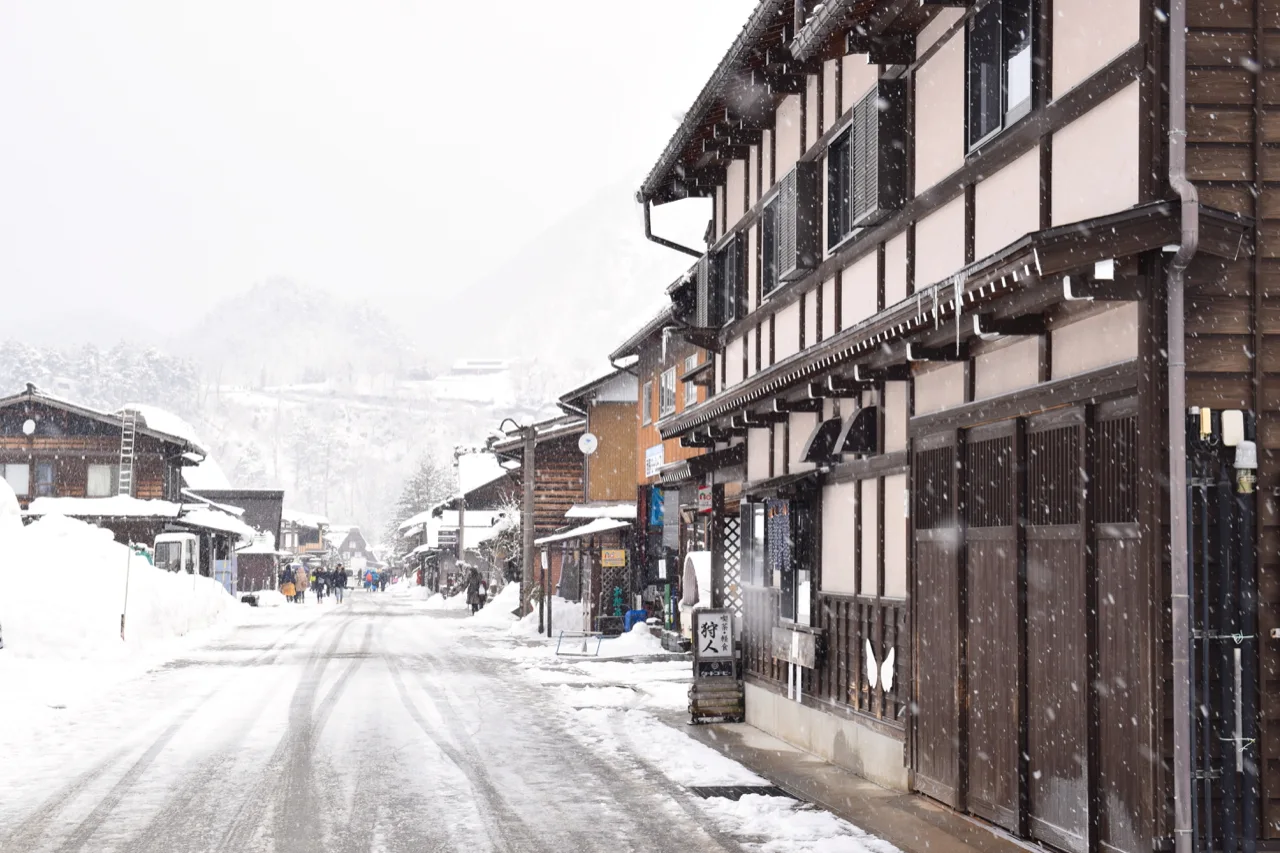
Using the Shirakawa-go Tourist Association's official 42-property directory as a master list, this guide compares staying in the village versus basing in Takayama or Kanazawa, profiles six standout gassho-zukuri guesthouses, and covers the 2027 Winter Light-Up lottery, November 26 cancellation release, Hirase Onsen stays, and winter transit.
Navigating All 42 Official Stays: Districts and Property Types
The Shirakawa-go Tourist Association's lodging directory lists all 42 licensed properties across the village, making it the cleanest master list to work from. Start by filtering by district. Ogimachi is the UNESCO World Heritage gassho-zukuri village itself, home to the bus terminal, the castle ruins observation deck, historic houses open to visitors, and most of the thatched-roof minshuku and ryokan. North of the main village sits Hirase, the local hot-spring zone if soaking is your priority; Iijima lies roughly a 3-minute drive north of the village and mixes hot-spring inns with gassho minshuku; Magari is the forested area housing the Toyota Shirakawa-go Eco-Institute. Outlying hamlets like Hatogaya, Koshirakawa, Hokiwaki, Kidani, and Maki are scattered mountain settlements that travelers without a rental car can skip right away.
Next, filter by accommodation style. The official site divides listings into five categories: hotels, ryokan, gassho-zukuri minshuku, standard minshuku, and guesthouses (hostels). If your goal is sleeping inside a heritage thatched-roof timber house and eating local dishes around a sunken hearth, make sure you select a gassho-zukuri minshuku; standard minshuku are conventional Japanese homes with simpler rates, while hotels and ryokan offer modern private bathrooms, lockable rooms, and fuller dining services. Solo travelers on a budget can look at hostels such as GuestHouse Shirakawa-Go INN, whereas families or multi-generational groups should check multi-person room capacities at hotels and ryokan first. The official directory spans four pages, and pairing Ogimachi with gassho-zukuri minshuku—or Hirase with onsen stays—narrows the field to a handful of contenders in seconds.
One major advantage of using the association's website is its village-wide vacancy search. Enter your check-in date, 1 to 5 guests per room, 1 to 5 nights, and up to 5 rooms to check availability and book directly across the village—popular stays like Kidoya explicitly route online reservations through this portal. Keep one quirk in mind: the search cap of 5 guests per room trips up parties of six or more, who need to split into two rooms or call the property directly to check real capacity. Hostels and standard minshuku also have very few total rooms and sell out early. The tourist association office sits right inside the Shirakawa-go Bus Terminal (Ogimachi 1086, tel. 05769-6-1013, open 9:00 AM–5:00 PM), making it easy to stop by for booking help or same-day inquiries upon arrival. The directory does not publish fixed flat prices; rates calculate dynamically once you input dates and guest counts, and light-up event nights are priced individually by each host.
Availability across the 42 listings shifts with the calendar. Yamamotoya, a roughly 250-year-old farmhouse, only opens from December through March and disappears from search results the rest of the year. Autumn foliage season and peak winter weekends are the tightest windows outside of the four Winter Light-Up nights, which leave normal booking rules behind in favor of a lottery and cancellation drop. Work backward from your dates: lock in rooms one to two months ahead for peak fall leaves and New Year holidays, while midweek winter and shoulder-season dates stay far more open. If every thatched farmhouse in Ogimachi shows full on a weekend, switching your filter in the 42-property list to nearby Iijima or Hirase—just minutes away by car—often turns up immediate openings without waiting on a single property's cancellation list.
Avoid treating international booking platforms and the official association directory as the same inventory pool. Many small gassho minshuku never list on global OTAs at all, and even when they do, a "sold out" tag often means only that platform's small room allocation is gone while rooms remain open on the tourist association portal or by phone. Use the official association vacancy search as your primary tool, and treat international sites mainly as a backup for comparing cancellation policies. If both look full on an off-peak weekday, calling the tourist association desk (05769-6-1013) or the minshuku directly frequently uncovers unlisted rooms.
How to Choose Among Six Standout Gassho-Zukuri Minshuku
Six distinctive properties from the 42 official profiles cover the most common traveler needs. Otaya is the closest gassho-zukuri minshuku to the bus terminal at just a 3-minute walk—a massive relief when hauling heavy suitcases across snow-packed lanes. Kidoya shines for its mountain-vegetable and river-fish cooking and explicitly supports direct online booking through the tourist association portal, sparing international visitors the hurdle of a phone call in Japanese. Juemon recently reopened after completing a major re-thatching project; since village roofs are only overhauled once every few decades through communal labor, staying beneath fresh thatch is a rare draw—just note the official listing states its shamisen performances are currently suspended, so don't arrive expecting live music mentioned in older trip reports.
Three more options lean toward niche experiences. Yamamotoya dates back roughly 250 years, opens strictly from December to March, and hosts only one group per night—meaning deep-winter exclusivity requires early planning and stiff competition in the light-up lottery (or a fast click during the November 26 cancellation release). WAY Shirakawa-go also limits bookings to one party per day, tucked along the northern hillside about 1 kilometer from the bus terminal (listed as a 10-minute walk). It excels for quiet atmosphere and space on a return visit, though dragging large luggage a kilometer through snow is rough, making it best for light packers or drivers. Over in Iijima, a 3-minute drive north of the main village, Kayabuki pairs a cypress-wood bath with mountain vegetables and river fish, giving road-trippers easy parking alongside an authentic thatched-roof stay.
All details above come directly from the official property profiles covering location, operating season, daily guest limits, meals, and baths. Room capacities, shared versus private bathroom setups, and smoking policies vary widely across the 42 stays, so click into each property's reservation page to verify bed counts, bathroom type, and check-out times before committing. Keep in mind that gassho-zukuri houses are historic timber-and-thatch structures: creaking wooden floors, steep stairs, and sloped attic bedrooms carry real character but little soundproofing, so light sleepers should pack earplugs. In return, warming up by the hearth over a steaming regional dinner on a snowy night is an experience no modern hotel replicates.
If you prefer a quick shortcut, match your travel party straight to the right stay. First-time overnight guests carrying big bags should prioritize Otaya or online-bookable Kidoya to minimize friction. Photographers and atmosphere seekers should target winter-only Yamamotoya or secluded WAY Shirakawa-go, securing the room first and building transit around it. Families with toddlers or three-generation groups do best checking hotel and ryokan multi-bed rooms first—such as Onyado Yuinosho, which offers two complimentary private-use baths ideal for families—before looking at gassho minshuku. If you want natural hot springs paired with guided outdoor activities for kids, put the Toyota Shirakawa-go Eco-Institute in Magari on your shortlist for built-in rainy-day backup too.
| Guesthouse | Location | Best For | Official Notes |
|---|---|---|---|
| Otaya | Ogimachi (3-min walk from bus terminal) | Heavy luggage, first-time village stay | Closest gassho-zukuri minshuku to the terminal |
| Kidoya | Ogimachi | Smooth online booking | Mountain-vegetable and river-fish cuisine; bookable via association site |
| Juemon | Ogimachi | Staying under a newly re-thatched roof | Shamisen performance service currently suspended |
| Yamamotoya | Ogimachi | 250-year-old farmhouse, one group per day | Open December–March only |
| WAY Shirakawa-go | North edge of village (~10-min walk / ~1 km) | Avoiding crowds, one group per day | Limited to 1 party per day |
| Kayabuki | Iijima (3-min drive north of village) | Cypress bath plus river-fish dinner | Convenient for drivers |
2027 Winter Light-Up: Why a Room Is Your Golden Ticket
The 41st Shirakawa-go Light-Up is officially scheduled for four nights in 2027: Monday, January 11 (a Japanese national holiday), January 17, January 24, and January 31, running strictly from 5:30 PM to 7:30 PM. Entry is 100% advance-reservation only, requiring a color-coded lanyard pass matched to the event date—no same-day tickets are sold on site. Village entry gates lock down at 3:30 PM to turn away ticketless visitors, and official rules explicitly warn of permanent bans for anyone attempting unauthorized entry. With all four dates falling on Sundays or a holiday Monday, rooms and transit passes turn into a competitive lottery and booking sprint.
Only three legitimate routes get you inside the village on a light-up night, each with hard deadlines. The first is booking an overnight stay in the village: lottery registration runs from October 1, 2026 at 1:00 PM JST through October 31 at 11:59 PM JST, with winners notified by email on November 10. Village accommodations offering an "Observation Deck Ticket Plan" represent one of only two ways independent travelers can reach the Ogimachi Castle Observation Deck (the other being the five official route-bus tours). If you lose the lottery, don't give up immediately: organizers release canceled overnight rooms at 1:00 PM JST on November 26, 2026 on a strict first-come, first-served basis—set an alarm if you plan to pounce.
The second path is booking an official route-bus light-up tour operated by Nohi Bus, Kaetsuno Bus, Toyama Chitetsu, Hokutetsu Bus, or Iruka Kotsu, all of which include observation deck access. Sales open by event date at 2:00 PM JST: October 13 for January 11, October 19 for January 17, October 26 for January 24, and November 2 for January 31—ideal if you miss out on lodging or don't want to drive snowy mountain roads at night. The third path is driving yourself with a reservation at Midashima Parking Lot: Round 1 opened September 10 at 1:00 PM JST (¥6,000 for 1–5 passengers, ¥9,000 for 6–10) and is already sold out; Round 2 opens December 1 at 1:00 PM JST at ¥7,000 and ¥10,000, strictly enforcing 3:00 PM entry and full departure by 8:00 PM without observation deck access. Drivers ride a shuttle bus into the village after 3:00 PM, walk back in the dark after lights-out at 7:30 PM, and descend mountain roads in snow—a route strictly for drivers experienced with winter conditions and equipped with traction gear.
Put the light-up timeline on your calendar as a clear sequence of checkpoints. Submit your accommodation lottery entry between October 1 at 1:00 PM JST and October 31 at 11:59 PM JST, while marking the staggered 2:00 PM JST bus-tour sales dates. On November 10, only lottery winners receive emails—no email means you were not selected, so don't wait around until month's end. Use November 11–25 to scan the five bus operators for leftover seats, then prepare for the November 26 at 1:00 PM JST cancellation drop, where first-come, first-served inventory often vanishes in minutes—log into your account and load payment details beforehand. Finally, December 1 at 1:00 PM JST is the last shot for drivers chasing Round 2 spots at Midashima Parking Lot. By the time January arrives, you'll either hold a confirmed pass or have pivoted cleanly to a regular winter date, since showing up without a ticket leaves zero chance of getting in.
Even if you have no plans to stay for the evening illumination, anyone visiting Shirakawa-go during the day on those four dates faces early shutdowns. Regular passenger car lots open at 8:00 AM, close to incoming cars at 3:00 PM, and must be cleared by 5:00 PM; charter tour bus parking (reservation required) stops admitting vehicles at 2:00 PM and clears at 4:00 PM. Route-bus passengers must arrive before 3:20 PM to clear village gates. Meanwhile, the observation deck shuttle makes its final ascent at 3:40 PM and final descent at 4:10 PM, while the walking trail up closes at 3:45 PM before shutting completely at 4:10 PM. Daytime visitors hoping to see the viewpoint need to wrap up their entire visit before 1:00 PM to avoid getting caught in the afternoon sweep.
Winter weather and event restrictions on light-up nights leave no room for guesswork. Nighttime temperatures drop between -10°C and 0°C (14°F to 32°F) while you stand outdoors on packed snow for two full hours, so dress for alpine conditions with a heavy parka, waterproof snow boots, ice cleats, and a flashlight. Hakusan Taxi suspends all operations on light-up days, tripods and pets are banned village-wide, unauthorized drones draw penalties, and passes cannot be resold or transferred. Because severe blizzards that disrupt regional highways can force last-minute cancellations by the organizers, always choose refundable or changeable rates for any lodging and transit tied to the light-up.
Soaking in Hot Springs: Hirase Onsen and Nearby Inns
Shirakawa-go's hot springs aren't inside the Ogimachi thatched village—they sit north in the Hirase district. Its signature property, Hakusanso, is officially noted as the only gassho-zukuri hot-spring inn in Hirase Onsen, offering just four guest rooms for travelers who want both heritage architecture and mineral water under one roof. Check-in starts at 3:00 PM, with check-out at 9:30 AM from May to November and 10:00 AM from December to April—giving winter guests an extra half hour after breakfast for one last soak. Meals highlight mountain vegetables and river fish using house-grown rice, produce, and miso whenever possible, with optional pre-ordered add-ons like salt-grilled river fish, Hida beef steak, and hot kotsuzake (sake poured over roasted char) served fireside. It's a 6-minute walk from the Hirase Onsen or Hirase Shinryojo-mae bus stop, offers free parking for drivers, and books online via 489pro or by phone at 05769-5-2114, with full details on its own website.
Two other Hirase hot-spring inns offer clean side-by-side comparisons: Minshuku Sansui is a modest standard minshuku with mineral baths, while Hatago Hakusankan features 100% free-flowing natural spring water (kakenagashi). Comparing all three across architecture (gassho-zukuri or standard), dinner style, and bath format makes the choice straightforward. Expanding your radius slightly to Iijima or Magari opens up two more distinct angles: Onyado Yuinosho in Iijima provides two free private reservable baths (kashikiri-buro) for travelers who dislike communal bathing, while the Toyota Shirakawa-go Eco-Institute in Magari blends natural hot springs with guided forest programs for a nature-camp spin on a family trip.
You don't need to dig endlessly through third-party review threads to find hot-spring stays here. The Shirakawa-go Tourist Association's 42-property directory marks every lodging with hot-spring facilities using a clear onsen icon, making Minshuku Sansui, Hakusanso, and Hatago Hakusankan stand out at a glance. Filter by the onsen tag, select your preferred district, and open each property's detail page to check for free-flowing water or private baths—a clean shortlist takes ten minutes.
For many travelers, the final call comes down to Hirase versus Ogimachi. Choosing Hirase buys mountain quiet and genuine hot-spring soaking, at the cost of sitting outside the heritage village: you'll need a bus or car to move between the two, making spontaneous after-dinner strolls past lit farmhouses awkward. That matters especially on light-up nights, when road closures center on Ogimachi—anyone booking Hirase for an event night should confirm evening shuttle arrangements with the inn at reservation time. Staying in Ogimachi secures unbeatable access at the expense of skipping an on-site onsen. If your budget and schedule allow two nights, spend one in each; with just one night, decide whether you care more about glowing thatched roofs outside your door or sinking into steaming mineral water in the snow.
Transit, Reservations, and Winter Driving Tips
Locking down both a bed and a bus seat in Shirakawa-go depends on whether you're traveling off-peak or at peak demand. On quiet weekdays, start by securing a room through the tourist association's vacancy search, then book Nohi Bus or Hokutetsu Bus seats online. Reserved buses open one month in advance on Hassha O-rai Net (operating daily from 5:00 AM to 2:00 AM JST; Nohi Bus Reservation Center at 0577-32-1688 operates 9:00 AM–5:00 PM). If reserved buses sell out, non-reserved departures accept mobile tickets as a backup, though you'll need to line up at the stop. With 20 to 21 daily buses from Takayama and 8 to 9 from Kanazawa, booking lodging first works smoothly on weekdays—but on weekends, fall foliage peaks, and midwinter holidays, bus seats become the bottleneck, so reverse the order: grab your bus seats first and immediately lock in an open room from the official directory.
If you're renting a car to drive into Shirakawa-go in winter, keep your focus on three essentials: tires, road closures, and extra time. Snow tires are mandatory on light-up nights and non-negotiable for safety all winter; with the scenic Hakusan Shirakawa-go White Road shut down for the season, winter traffic funnels onto National Route 156. Drivers face the exact same two-hour-plus snow delays that Nohi Bus warns riders about, so budget at least 90 minutes on snowy days for the normally 50-minute drive from Takayama. Before setting off or joining a parking queue, check live road and congestion forecasts on the official Shirakawa-go Sunnari Tabi website to dodge peak gridlock—and on light-up days, expect zero flexibility around official gate-closure deadlines.
Connecting Shirakawa-go into a broader central Japan or Hokuriku loop is straightforward. Travelers heading north from Nagoya can follow our two-day Nagoya itinerary onward to Takayama and Gero, while those arriving from Kansai or Hokuriku can simply upgrade the Shirakawa-go day trip inside their Kanazawa plan into an overnight village stay. The sole exception is a Winter Light-Up date, when surrounding sightseeing takes a back seat to that two-hour evening window—anyone aiming for the 2027 dates should prioritize the accommodation lottery results and the November 26 at 1:00 PM JST cancellation drop above all else.
Here is the smoothest rhythm for a one-night, two-day village stay. Arrive at Shirakawa-go Bus Terminal on the first 8:10 AM bus from Takayama (or any morning departure), step into the tourist association desk inside the terminal for a map and luggage storage, and catch the observation deck shuttle once service begins at 9:00 AM (last ascent typically 3:40 PM) to shoot photos before noon tour crowds arrive. Spend early afternoon wandering the thatched houses and museum interiors before checking in at 3:00 PM (the standard time at properties like Hakusanso), enjoy dinner by the hearth, stroll the quiet lanes after dark, and take an early morning walk along the misty rice-field paths. Catch the 6:43 AM first bus back to Takayama (arriving 7:50 AM) or linger over breakfast for a mid-morning departure—once your room is secured, the rest falls effortlessly into place.
A few useful answers
How much does it cost to stay overnight in Shirakawa-go?
Neither the tourist association nor individual properties publish fixed flat rates across the board. Live nightly prices appear in the association's official vacancy search once you enter your check-in date and party size. Light-up event nights are allocated by lottery and priced individually by each property. Because rates swing sharply by season and event dates, rely on the live quote in the official booking system.
Can you cook your own meals at a gassho-zukuri minshuku?
The official directory does not list self-catering plans for gassho-zukuri minshuku, which almost always operate on a half-board basis with dinner and breakfast included (for example, mountain vegetables and river fish at Hakusanso, with optional Hida beef steak added in advance). If you want kitchen access to cook your own meals and save on food, confirm kitchen rules directly with standard guesthouses or hostels before booking.
What can you do if you lose the Winter Light-Up accommodation lottery?
Starting at 1:00 PM JST on November 26, 2026, organizers open a first-come, first-served booking window for canceled rooms. If you miss out again, check for remaining seats on the five official route-bus light-up tours (sold in staggered batches by event date), or try for the second-round reservation at Midashima Parking Lot opening December 1 at 1:00 PM JST if you are driving (note that parking passes do not include observation deck access).
Can you see the Shirakawa-go Light-Up without staying in the village?
Yes. Beyond staying overnight in the village, you can book an official light-up tour with one of the five route-bus operators, which includes both village entry and observation deck admission. Drivers can also compete for advance reservations at Midashima Parking Lot (entry at 3:00 PM, exit by 8:00 PM, without observation deck access). Without a confirmed advance reservation, you cannot enter the village—no same-day tickets are sold on site.
What should daytime drivers watch out for on light-up event days?
Daytime parking wraps up early on light-up dates: regular passenger car lots open at 8:00 AM, close to new entries at 3:00 PM, and must be cleared by 5:00 PM. Village gate controls begin at 3:30 PM, turning away anyone without an event pass. Route-bus passengers must arrive before 3:20 PM, and the last shuttle bus up to the observation deck departs at 3:40 PM.
Is it convenient to stay in Hirase Onsen?
Three hot-spring inns—Hakusanso, Minshuku Sansui, and Hatago Hakusankan—sit clustered in the Hirase district, roughly a 6-minute walk from the Hirase Onsen or Hirase Shinryojo-mae bus stops. However, Hirase is separate from the Ogimachi gassho-zukuri village and requires a bus or car transfer. If you want to step right outside for a late-night stroll among the thatched farmhouses, staying in Ogimachi is far more convenient.
Is it safe to drive to Shirakawa-go in winter?
Snow tires are the baseline requirement all winter and are strictly mandatory on light-up event nights. Heavy snow or expressway closures can cause delays exceeding two hours, the scenic Hakusan Shirakawa-go White Road closes for the season, and Hakusan Taxi suspends service on light-up days. Build double your usual drive time into your schedule and check live road conditions on the official Shirakawa-go Sunnari Tabi site before setting out.
Official information and references
Sources used in this guide.
- Shirakawa-go Tourist Association | Stay (42-Property Directory & Online Booking)
- Shirakawa-go Tourist Association | 41st (2027) Winter Light-Up Event Overview
- Shirakawa-go Tourist Association | News & Events (2027 Light-Up Rules & Extra Room Release)
- Hakusanso (Hirase Onsen Gassho-Zukuri Inn) | Shirakawa-go Tourist Association Listing
- Nohi Bus | Takayama - Shirakawa-go / Kanazawa Line (Fares, Timetable & Winter Advisories)