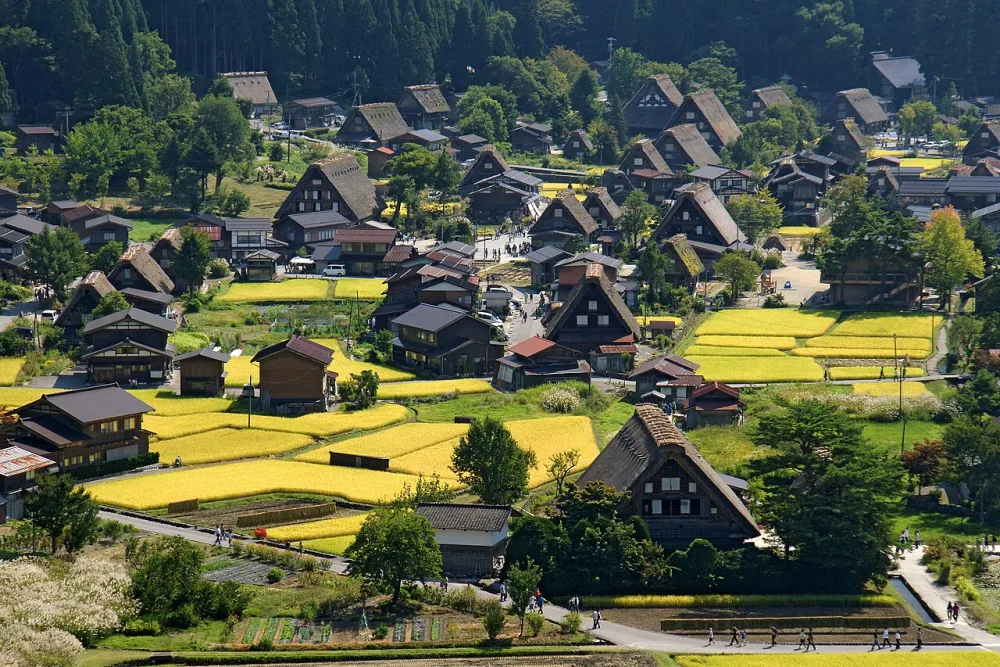
Based on the official Shirakawa-go Tourist Association list of 42 registered properties, this guide weighs staying in the village against basing yourself in Takayama or Kanazawa, profiles six standout gassho-zukuri minshuku, and explains the 2027 illumination lottery, the 26 November cancellation release, Hirase Onsen stays, and winter transport.
- Region & Focus
- Takayama and Shirakawa-go
- Reading Scope
- 18 min read · 6 chapters · 7 Q&As
- Official Verification
- 5 official sources checkedUpdated 20 November 2026
- Key Topics
- Where to staySeasonsChubu & Hokuriku
Chapter Route Map (tap any stop)
- First Question: Stay in the Village, or Base Yourself in Takayama and Kanazawa?
- 42 Official Listings: How Location and Property Types Break Down
- Six Standout Gassho-zukuri Minshuku and How to Pick
- 2027 Winter Illumination: Your Stay Is Your Entry Ticket
- Hot Springs in Shirakawa-go: Hirase Onsen and Neighbouring Stays
- Transport, Booking Order, and Winter Driving
- Quick Q&A
For many travellers, Shirakawa-go's gassho-zukuri village defines winter in Japan—yet the vast majority visit only on a day trip from Takayama or Kanazawa, hurrying around the thatched farmhouses before catching an afternoon bus back. Spending the night inside the village unlocks a completely different place: empty dawn mist at the viewpoint, exclusive evening access on illumination nights, and freshly grilled river trout by the sunken hearth. Using the Shirakawa-go Tourist Association's official roster of 42 licensed properties as our baseline, this guide breaks down the trade-offs between staying in the village or a nearby hub city, six standout gassho-zukuri minshuku, the 2027 illumination lottery and 26 November cancellation release, Hirase Onsen inns, and winter travel logistics—so you can decide which night to go, where to stay, and how to secure a booking.
First Question: Stay in the Village, or Base Yourself in Takayama and Kanazawa?
Deciding whether to stay overnight in Shirakawa-go starts with the shape of your wider itinerary. Tucked deep in the mountains of Gifu Prefecture, the village is accessible only by express bus or car: Nohi Bus services from Takayama Nohi Bus Centre take roughly 50 minutes each way at ¥2,800 for adults (rising to ¥2,900 from 1 December 2026), with around 20 to 21 daily departures starting at 07:20 (arriving at 08:10). From Kanazawa Station's West Exit, Hokutetsu Bus runs about 8 to 9 daily services, also from ¥2,800 (¥2,900 from December), with the first bus at 08:10 and the last at 16:00 (arriving at 09:25 and 17:15 respectively). On paper, those timetables look generous, but these are major tourist routes where weekend and holiday buses routinely sell out; several Nohi Bus departures require seat reservations, which open one month ahead on Hassha O-Rai Net. On a day trip, your usable window in the village is often chopped down to two or three hours once you factor in queues for the viewpoint shuttle and lunch.
Even if you catch the 08:10 arrival from Takayama and leave on the 17:30 bus—nine hours on paper—the reality on the ground feels far tighter. Between 10:00 and 15:00, coach tours and independent visitors converge at once, eating up time in viewpoint queues, farmhouse admission lines, and lunchtime waits at restaurants. In winter, daylight fades fast after 16:00, leaving fewer than six good hours for walking and photography. Still, if your trip continues on to the Tateyama Kurobe Alpine Route, Kamikochi, or wider Hokuriku cities, basing yourself in Takayama or Kanazawa remains more efficient; we have already mapped out three-to-five-day regional frameworks in Choosing a Base Between Takayama, Shirakawa-go, and Hokuriku and city routing in our Two-Day Kanazawa Itinerary. Here, we focus on the next step: once you decide to spend a night in Shirakawa-go, how to choose a property, when to book, and how to secure illumination entry.
Three situations make an overnight stay in the village especially worthwhile. First, attending the winter illumination: the four 2027 dates (11, 17, 24, and 31 January) switch on their lights at 17:30, after the last regular highway buses have already departed between 16:00 and 17:00—so without a village booking, your only option is an organised illumination bus tour. Second, beating the daytime crowds for dawn and dusk: tour coaches pack the lanes from 10:00 to 15:00, leaving overnight guests to enjoy the morning mist at the viewpoint before the first coaches arrive and the warm glow of lit farmhouses after dark. Third, travelling at a gentler pace with older relatives or young children: most village minshuku include dinner and breakfast, serving grilled river fish and Hida beef in the evening without another bus ride to follow. If none of those three priorities apply, visiting by day and sleeping in Takayama or Kanazawa is far simpler.
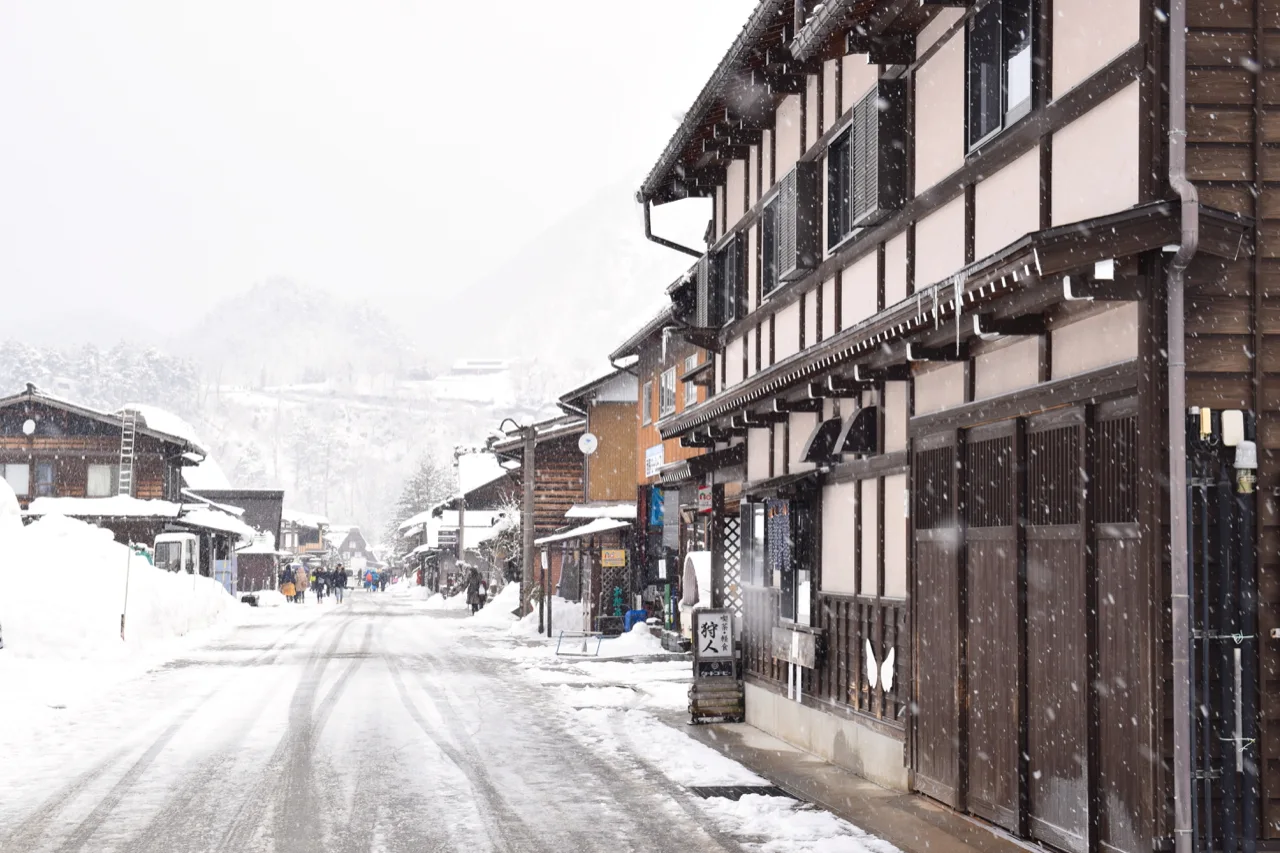
Whichever season you visit, winter travel requires double the usual buffer, whether by bus or car. Nohi Bus explicitly warns on its website that car park queues in Shirakawa-go, heavy snowfall, or expressway closures and detours can delay journeys by more than two hours, and the scenic Hakusan Shirakawa-go White Road is completely closed throughout winter. Another easy trap is the last return bus: although the final departure back to Takayama is timetabled for 17:30 (arriving at 18:35), certain services are suspended on weekends, public holidays, 13-15 August, and 29 December-3 January, narrowing the winter day-trip window even further. Driving on illumination days adds strict pre-booked car park rules and entry gate cut-offs, covered below; as a rule of thumb, build twice your normal travel margin when entering the mountains in winter.
Based on the official Shirakawa-go Tourist Association list of 42 registered properties, this guide weighs staying in the village against basing yourself in Takayama or Kanazawa, profiles six standout gassho-zukuri minshuku, and explains the 2027 illumination lottery, the 26 November cancellation release, Hirase Onsen stays, and winter transport.
42 Official Listings: How Location and Property Types Break Down
The accommodation directory on the official Shirakawa-go Tourist Association website lists all 42 licensed lodgings across the village, making it the most reliable master list to filter from. Start by filtering by district. Ogimachi is the UNESCO World Heritage gassho-zukuri village itself, home to the bus terminal, the castle-ruins viewpoint, and all open-air museum farmhouses—most gassho-zukuri minshuku and traditional inns sit right here. North of Ogimachi lies Hirase, the village's hot-spring quarter, which is the area to target if you want an onsen bath. Iijima sits roughly three minutes by car north of the main village and mixes hot-spring inns with gassho-zukuri minshuku, while Magari is the forested area around the Toyota Shirakawa-go Eco-Institute. Outlying hamlets such as Hatogaya, Oshirakawa, Hokiwaki, Kidani, and Maki are scattered mountain settlements that travellers without a hire car can safely exclude straight away.
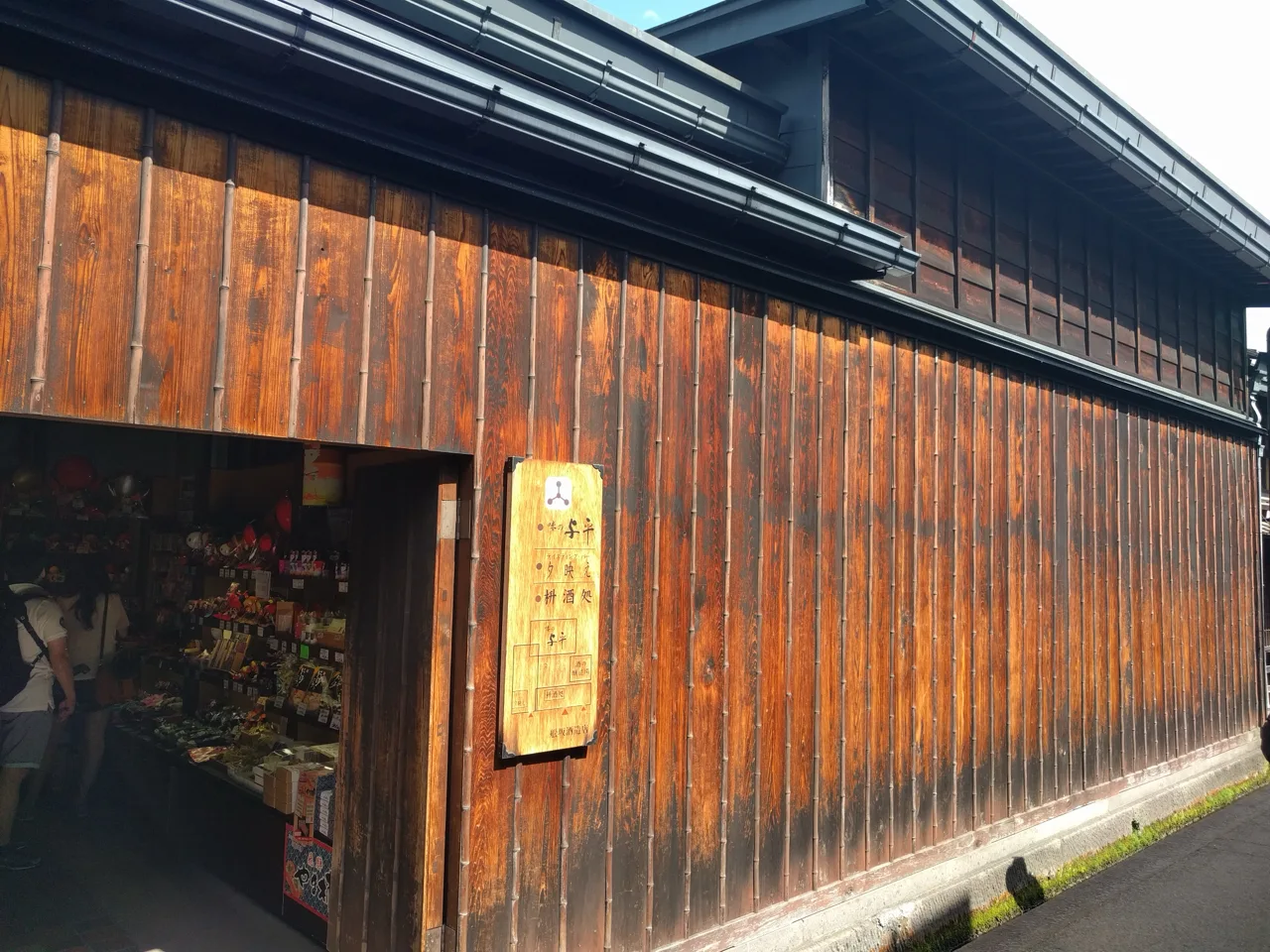
The second filter is property type, divided on the official site into five categories: hotels, ryokan, gassho-zukuri minshuku, standard minshuku, and guesthouses (hostels). If you want to sleep inside a heritage thatched timber farmhouse and dine around a sunken hearth, look specifically for 'gassho-zukuri minshuku'. Standard minshuku are ordinary Japanese family-run homes at more modest rates, while hotels and ryokan offer more modern en-suite facilities, private room locks, and fuller dining services. Solo travellers on a budget can check hostel-style options (such as GuestHouse Shirakawa-Go INN in the directory), whereas families or multi-generational groups should start by checking room capacities at hotels and ryokan. The official directory spans four pages; filtering first by 'Ogimachi x gassho-zukuri minshuku', and then 'Hirase x onsen stays' if you want hot springs, narrows the pool to single digits.
One major advantage of searching via Shirakawa-go's official portal is village-wide live availability. On the association website, entering your check-in date along with 1 to 5 guests per room, 1 to 5 nights, and 1 to 5 rooms displays open inventory across the entire village and lets you book online—popular minshuku such as Kidoya explicitly support direct booking there. Note, however, that the five-guest-per-room search cap catches larger groups out: parties of six or more must split into two rooms or telephone the property directly to confirm capacity, and hostels or standard minshuku with small room counts sell out fast. The tourist association office itself sits inside the Shirakawa-go Bus Terminal (1086 Ogimachi; tel: 05769-6-1013; open 09:00-17:00 JST), so you can drop in right off the bus to confirm a booking or check last-minute openings. The directory does not publish fixed tariffs; live rates appear once you enter dates and guest numbers, and illumination nights carry special lottery pricing set individually by each property.
Real-world availability across those 42 properties also shifts by season. The roughly 250-year-old Yamamotoya, for example, opens only from December to March and will not appear in searches for other months. Autumn foliage and mid-winter weekends are the tightest periods of the year, while the four illumination dates leave normal booking rules behind altogether for the lottery and cancellation release. A practical approach is to work backwards from your target date: lock in rooms one to two months ahead for peak autumn colour and New Year holidays, whereas winter and spring-to-autumn weekdays offer far wider choice. If Ogimachi is fully booked on a weekend, switching your filter on the 42-property master list to Iijima or Hirase—just a few minutes up the road—often turns up immediate openings, which is the main reason to start from the full village roster rather than waiting on a single minshuku's waitlist.
Finally, do not assume international booking platforms share the same room pool as the official directory. The association's 42-property list is the primary source for legal stays in Shirakawa-go: many small gassho-zukuri minshuku never list on global OTAs at all, and even when they do, 'sold out' often means only that platform's small allocation is gone while rooms remain in the tourist association system or via direct phone inquiry. Use the official availability search as your primary tool and compare international booking sites mainly for cancellation terms; if both look full on a quiet weekday, calling the association desk (05769-6-1013) or the minshuku directly frequently uncovers unallocated rooms.
Six Standout Gassho-zukuri Minshuku and How to Pick
Six distinctive gassho-zukuri minshuku from the 42 official listings neatly cover six different travel styles. Otaya is the closest gassho-zukuri minshuku to the bus terminal, just a three-minute walk away—a huge relief when wheeling heavy suitcases across packed snow. Kidoya stands out for its mountain vegetable and river fish cuisine and explicitly supports direct online booking through the tourist association system, sparing international visitors the hurdle of a phone call in Japanese. Juemon recently reopened after a major re-thatching of its roof, an event that mobilises the entire village once every few decades; staying under a newly laid thatch carries real history, though the official listing notes that shamisen performances are currently suspended, so do not arrive expecting live music mentioned in older trip reports.
The remaining three properties lean into more distinctive stays. Yamamotoya is a roughly 250-year-old farmhouse that opens solely from December to March and hosts just one group per night; anyone hoping to have a centuries-old gassho-zukuri house to themselves in deep winter must act early, as illumination dates attract fierce lottery competition and missed entrants have to fight for the 26 November cancellation release. WAY Shirakawa-go likewise accepts only one party per day, tucked against the hillside on the northern edge of the village about 1 km from the bus terminal (officially a 10-minute walk)—ideal for repeat visitors seeking quiet space, though best left to light packers or drivers rather than anyone hauling a large case through a kilometre of snow. Kayabuki sits in Iijima, three minutes north by car, pairing a cypress bath with mountain vegetable and river trout dishes and convenient parking for drivers.
All comparisons above reflect official property summaries—covering location, seasonal opening, party limits, meals, and baths—but room occupancy, shared versus private bathrooms, and smoking policies vary widely across the 42 listings. Always click into the individual property page on the tourist association booking portal to verify bed configurations, bathroom arrangements, and check-out times before paying. Keep in mind, too, that gassho-zukuri farmhouses are historic timber-and-thatch buildings: creaking floorboards, steep stairs, and slanted upper-storey eaves feel completely different from a modern hotel. Light sleepers will appreciate packing earplugs, while a hot hearthside dinner on a snowy night remains the unmistakable reward.
If you prefer not to sift through dozens of listings, match your choice directly to your travelling party. First-time overnighters with large suitcases should prioritise Otaya or online-bookable Kidoya to keep arrival and booking friction low. Photographers and atmosphere-seekers can target winter-only Yamamotoya or village-edge WAY Shirakawa-go and build transport around whichever night they land. Families with toddlers or three generations travelling together should check multi-person rooms at hotels and ryokan first—Onyado Yuinosho, for example, offers two complimentary private bookable baths that make family soaking effortless—before looking at minshuku; those wanting natural hot springs alongside guided nature programmes for children can put Toyota Shirakawa-go Eco-Institute in Magari straight on the shortlist, which also covers rainy-day plans.
| Minshuku | Location | Best For | Official Notes |
|---|---|---|---|
| Otaya | Ogimachi (3-min walk from bus terminal) | Luggage-heavy or first-time village stays | Closest gassho-zukuri minshuku to the terminal |
| Kidoya | Ogimachi | Smooth online booking | Mountain vegetable & river fish meals; bookable via official portal |
| Juemon | Ogimachi | Staying under a newly re-thatched roof | Reopened after re-thatching; shamisen performances suspended |
| Yamamotoya | Ogimachi | 250-year-old house, one group per night | Open December to March only |
| WAY Shirakawa-go | North village edge (~10-min walk / 1 km) | Privacy away from crowds, one group per day | Limited to 1 party per day |
| Kayabuki | Iijima (3-min drive north of village) | Cypress bath and river fish dinner | Convenient for self-drive guests |
2027 Winter Illumination: Your Stay Is Your Entry Ticket
The 41st Shirakawa-go Winter Illumination is officially scheduled for four evenings in 2027: Monday 11 January (a Japanese public holiday), 17 January, 24 January, and 31 January, with lights glowing for strictly two hours from 17:30 to 19:30. Entry is 100% reservation-only: guests must wear a colour-coded lanyard pass specific to that date, and no on-the-day tickets are sold under any circumstances. Roadblocks and entry gates go up at the village perimeter from 15:30, turning away anyone without a pass, and the official event outline explicitly warns of a permanent entry ban for rule-breakers. Because all four dates fall on Sundays or a holiday Monday, accommodation and transport seats turn into an intense lottery and fast-click race.
There are only three official routes into the illumination, each with hard deadlines. The first is staying overnight in the village: the accommodation lottery opens for registration on 1 October 2026 at 13:00 JST and closes on 31 October at 23:59 JST, with winning emails sent out on 10 November. Overnight packages with viewpoint tickets included are one of only two ways independent visitors can access the Ogimachi Castle Ruins Viewpoint during the event (the other being the five official illumination bus tours). If you miss out in the lottery, do not give up immediately: the organisers release cancelled rooms on a strictly first-come, first-served basis on 26 November 2026 at 13:00 JST—set your alarm well ahead if you plan to try for leftovers.
The second route is booking an official illumination route-bus tour, operated with viewpoint access by five companies: Nohi Bus, Kaetsuno Bus, Toyama Chitetsu, Hokutetsu Bus, and Iruka Kotsu. Sales open in batches at 14:00 JST by event date: 13 October for the 11 January event, 19 October for 17 January, 26 October for 24 January, and 2 November for 31 January—an ideal all-in-one fallback if you missed the village lottery and prefer not to drive on snowy mountain roads at night. The third route is pre-booking a space at Midashima Car Park for self-drivers: the first round opened on 10 September at 13:00 JST (¥6,000 for vehicles with 1-5 passengers, ¥9,000 for 6-10) and is already sold out; a second round opens on 1 December at 13:00 JST at higher rates of ¥7,000 and ¥10,000, with entry restricted to 15:00, full exit required by 20:00, and no viewpoint ticket included. Drivers transfer into the village by shuttle after 15:00, walk back in the dark after lights-out at 19:30, and drive down wintry mountain roads—so this option suits only drivers experienced in snow and equipped with winter gear.
Stringing the timeline together into an action checklist keeps everything clear. Submit your accommodation lottery entry from 1 October at 13:00 JST (deadline 31 October at 23:59 JST) while marking the staggered 14:00 JST on-sale dates for the five bus tour operators in your calendar. On 10 November, only winners receive notification emails—silence in your inbox means you were unsuccessful, so do not wait until month-end. Between 11 and 25 November, scan the five bus operators for remaining seats while preparing your account login and payment details for the 26 November 13:00 JST cancellation release, which is first-come, first-served and typically vanishes within minutes. Finally, 1 December at 13:00 JST is the second-round drop for Midashima Car Park. Following this schedule means you will know well before January whether you hold a valid ticket or should pivot to a regular winter date—there is zero scope for turning up on the day hoping for luck.
Even if you have no plans to attend the illumination, any daytime itinerary overlapping those four dates faces tight early closures. Regular car parks open at 08:00, stop admitting vehicles at 15:00, and clear out completely by 17:00; tour coach car parks require advance booking, with last entry at 14:00 and clearance at 16:00. Regular highway bus passengers must arrive in the village before 15:20 or they will be stopped at the perimeter gates. The viewpoint shuttle bus runs uphill only until 15:40 and downhill until 16:10, while walking up to the viewpoint closes to ascents at 15:45 and shuts altogether at 16:10—dramatically compressing the afternoon sightseeing window. On illumination days, finish all daytime sightseeing before 13:00 to avoid being rushed out by road closures.
Event conditions and prohibitions on illumination nights are equally strict. Temperatures drop between -10°C and 0°C while you stand outdoors in the snow for two full hours, so dress as for winter hiking: heavy insulated coat, waterproof snow boots, crampon grips, and a torch. Hakusan Taxi suspends all service on event days, tripods and pets are banned village-wide, unauthorised drone flights carry penalties, and passes may not be resold or transferred. Because extreme cold spells or severe transport disruption can force late cancellations by the organisers, always choose refundable or changeable accommodation and transport options.
Hot Springs in Shirakawa-go: Hirase Onsen and Neighbouring Stays
Shirakawa-go's hot springs are not inside Ogimachi's thatched hamlet itself, but just north in the Hirase district. The standout address here is Hakusanso, officially noted as the only gassho-zukuri hot-spring inn in Hirase Onsen, with just four guest rooms—one of the rarest chances anywhere to combine sleeping in a heritage thatched farmhouse with soaking in natural thermal water. Check-in is 15:00, and check-out shifts from 09:30 (May to November) to 10:00 (December to April), giving winter guests an extra half-hour for a final post-breakfast soak. Dinner highlights mountain vegetables and river fish, using home-grown rice, produce, and homemade miso wherever possible, with advance add-ons such as salt-grilled trout, Hida beef steak, and hot iwana-kotsuzake (sake infused with roasted char) served around the hearth. Buses stop at Hirase Onsen or Hirase Shinryojo-mae, roughly a six-minute walk away; free parking is provided for drivers, and online bookings run through 489pro (tel: 05769-5-2114), with full details on the inn's own website.
Two other Hirase properties invite easy side-by-side comparison: Minshuku Sansui is a modest, standard-house hot-spring minshuku, while Hatago Hakusankan promotes 100% free-flowing (kakenagashi) natural spring water straight from the source. Compare all three on three points—gassho-zukuri architecture, dinner style, and bath format—and the right fit becomes obvious straight away. Expanding your search slightly to Iijima or Magari brings in Onyado Yuinosho in Iijima, offering two complimentary private bookable baths (kashikiri-buro) for guests who prefer soaking without strangers, and Toyota Shirakawa-go Eco-Institute in the Magari forest, which pairs natural hot springs with guided nature walks for a family forest-retreat spin on Shirakawa-go.
You do not need to wade through endless third-party reviews to track down hot-spring stays here. The Shirakawa-go Tourist Association's 42-property directory marks every lodging with onsen baths using a hot-spring icon, making Minshuku Sansui, Hakusanso, and Hatago Hakusankan immediately visible on the listing pages. Filter first by the onsen tag, narrow by district, and then check each property's detail page for free-flowing water or private-bath policies—ten minutes of checking gives you a clean shortlist.
The toughest call usually comes down to Hirase versus Ogimachi. Choosing Hirase buys valley quiet and genuine hot-spring bathing, at the cost of sitting in a separate zone connected by bus or car—making spontaneous after-dinner strolls through the illuminated thatched lanes awkward. On illumination nights, when village roadblocks centre tightly on Ogimachi, anyone staying in Hirase must confirm evening shuttle logistics with their inn at the time of booking. Conversely, an Ogimachi gassho-zukuri minshuku gives you unbeatable walkability at the heart of the village, leaving hot springs for another stop. If time and budget allow, split two nights between Ogimachi and Hirase; if you only have one night, simply decide whether you want warm-lit thatched gables outside your door or a snowy hot-spring soak.
Transport, Booking Order, and Winter Driving
Coordinating a bed and a bus seat in Shirakawa-go works best when you flip your booking order between quiet and peak dates. For midweek stays outside peak seasons, check availability on the tourist association portal first to lock in your room, while keeping the Nohi Bus and Hokutetsu booking pages open alongside: reserved services open one month ahead via Hassha O-Rai Net (operating 05:00 to 02:00 JST daily; Nohi Bus reservation centre 0577-32-1688, 09:00-17:00 JST). If reserved buses fill up, non-reserved departures still accept mobile tickets as a backup, though you must queue at the stop. With 20 to 21 daily buses from Takayama and 8 to 9 from Kanazawa, booking the room first and the bus second flows smoothly on weekdays; on weekends, autumn foliage dates, or peak mid-winter, however, bus seats become the bottleneck, so reverse the order—grab your bus seat first, then immediately lock in a room from the official availability grid.
Hiring a car for winter Shirakawa-go comes down to three essentials: tyres, closures, and time buffers. Winter tyres are mandatory on illumination days and non-negotiable for safety all winter long; the Hakusan Shirakawa-go White Road is closed until spring, routing winter traffic onto National Route 156. Drivers face the exact same two-hour-plus snow delays that Nohi Bus warns about, so treat the usual 50-minute Takayama-to-Shirakawa-go drive as 90 minutes or more whenever snow is falling. Check real-time road conditions and congestion forecasts on the official Shirakawa-go Sunnari Tabi portal before setting off or joining car park queues—and on illumination days, remember there is zero flexibility around official gate cut-offs.
Slot Shirakawa-go back into a broader Central Japan or Hokuriku route without much fuss. Travellers heading north from Nagoya can connect via Takayama and Gero using our Two-Day Nagoya Itinerary, while anyone approaching from Kansai or the Sea of Japan coast can simply convert a Kanazawa day-trip into an overnight village stay. Illumination dates are the one exception: treat those two lit-up hours as the sole centrepiece of the day and push nearby sightseeing elsewhere, prioritising the lottery results and the 26 November 13:00 JST cancellation release if you are aiming for one of the four 2027 dates.
A classic two-day, one-night rhythm ties everything together cleanly. On Day 1, catch the 08:10 arrival (or any morning bus) from Takayama into Shirakawa-go Bus Terminal, pick up a map and store bags at the tourist association counter inside, and ride the viewpoint shuttle up shortly after services start at 09:00 (last ascent usually 15:40) before midday tour coaches arrive. After lunch, wander Ogimachi's lanes and museum farmhouses at leisure, check in around 15:00 (as at Hakusanso in Hirase), enjoy a hearthside regional dinner, and walk the hushed lanes after dark—followed by an early-morning loop along misty rice-field paths the next day. For the return, catch the first 06:43 bus back to Takayama (arriving at 07:50) or linger over breakfast for a mid-morning departure; once your room is secured, the rest falls neatly into place.
A few useful answers
How much does one night in Shirakawa-go usually cost?
Neither the tourist association nor individual properties publish a single fixed tariff across the board: live rates display only after you enter your dates and party size in the association's availability search, and illumination dates are priced separately by each lodging for the lottery. Because rates fluctuate significantly by season and event dates, always rely on the live total shown in the official booking system.
Can you cook your own meals at a gassho-zukuri minshuku?
The official directory does not list self-catering plans for gassho-zukuri minshuku, as nearly all operate on a half-board basis (such as Hakusanso's mountain vegetable and river fish dinners, with Hida beef steak available as an advance add-on). If you want kitchen access to keep food costs down, confirm cooking rules directly with standard minshuku or hostels before booking.
What can I do if I lose the 2027 illumination accommodation lottery?
Cancelled rooms are released on a first-come, first-served basis from 26 November 2026 at 13:00 JST. If those sell out too, check remaining seats on the five official illumination route-bus tours (sold in batches by date), or aim for the second round of Midashima Car Park reservations for self-drivers opening on 1 December at 13:00 JST (note that car park tickets do not include viewpoint entry).
Can I see the winter illumination without staying overnight in the village?
Yes. Besides staying inside the village, booking one of the five official route-bus illumination tours grants both village entry and viewpoint access, while self-drivers can compete for a Midashima Car Park slot (entry at 15:00, exit before 20:00, no viewpoint access). You cannot enter the village without a prior reservation of some kind, as no on-the-day tickets are sold.
What should daytime drivers know on illumination dates?
Daytime parking clears early on illumination days: regular car parks open at 08:00, stop admitting cars at 15:00, and must be vacated by 17:00, while village roadblocks bar anyone without an event pass from 15:30. Regular bus passengers must arrive before 15:20, and the uphill viewpoint shuttle stops at 15:40.
Is staying in Hirase Onsen convenient for visiting Ogimachi?
Hakusanso, Minshuku Sansui, and Hatago Hakusankan sit clustered in Hirase, roughly a six-minute walk from the Hirase Onsen or Hirase Shinryojo-mae bus stops. However, because Hirase and Ogimachi are separate districts linked by bus or car, travellers who want to wander Ogimachi's lanes late at night will find staying in Ogimachi much more convenient.
Is it safe to drive to Shirakawa-go in winter?
Winter tyres are essential throughout the season and strictly mandatory on illumination dates. Snowfall and road closures can cause delays exceeding two hours, the Hakusan Shirakawa-go White Road closes completely for winter, and Hakusan Taxi stops operating on illumination days. Allow double the usual driving time and check live road updates on the official Shirakawa-go Sunnari Tabi site before setting off.
Official information and references
Sources used in this guide.
- Shirakawa-go Tourist Association | Stay (42-Property Directory & Online Booking)
- Shirakawa-go Tourist Association | 41st (2027) Winter Illumination Event Outline
- Shirakawa-go Tourist Association | News & Events (2027 Illumination Rules & Additional Booking Release)
- Hakusanso (Hirase Onsen Gassho-zukuri Onsen Inn) | Shirakawa-go Tourist Association
- Nohi Bus | Takayama - Shirakawa-go / Kanazawa Line (Fares, Timetables & Winter Notices)