Using the Hida Takayama Convention and Visitors Bureau's official 219-property directory as a master list, this guide weighs up Takayama Station, the Sanmachi Old Town, and Okuhida Onsen, covering station-front hot-spring hotels, temple lodgings, secluded mountain baths, historic inns, and how to coordinate official bookings with local bus timetables.
- Region & Focus
- Takayama and Shirakawa-go
- Reading Scope
- 18 min read · 5 chapters · 7 Q&As
- Official Verification
- 3 official sources checkedUpdated 20 November 2026
- Key Topics
- Where to stayHot springsChubu & Hokuriku
Chapter Route Map (tap any stop)
- Start with the Official Directory: How the 219 Stays Break Down
- Station-Front vs Old Town: Weighing Up the Walkable Zone
- Heading into the Mountains for Hot Springs: Okuhida and Secluded Onsen
- Using Takayama as a Base: Shirakawa-go, Kamikochi, and Bus Timings
- From Shortlist to Booking: A Practical Step-by-Step Sequence
- Quick Q&A
Takayama is the most practical overnight hub for exploring Japan's central Alps, anchoring nearly every itinerary that pairs Shirakawa-go, Kamikochi, or the Tateyama Kurobe Alpine Route. Drawing on the official 219-property directory published by the Hida Takayama Convention and Visitors Bureau, this guide breaks down three core booking decisions: staying steps from JR Takayama Station versus within walking distance of the Sanmachi Old Town, whether an overnight detour to Okuhida's open-air mountain baths is worth the transit, and how to use the official directory and reservation system to secure rooms when major aggregators show nothing left. From natural-onsen business hotels two minutes from the station and temple lodgings in the town centre to secluded mountain springs at 1,000 metres and a summit lodge at 2,702 metres, here is how each option stacks up.
Start with the Official Directory: How the 219 Stays Break Down
Accommodation listings for Takayama are compiled by the Hida Takayama Convention and Visitors Bureau, whose official directory catalogues 219 properties across the city. It is far more comprehensive than international booking platforms, which only surface contracted partners; the official list includes everything from high-altitude mountain campsites to former village schools converted into rural stays. Properties are divided into four broad categories: Ryokan & Hotels, Onsen Stays, Minshuku, Pensions & Guesthouses, and Campsites, Cottages & Lodges. Most independent travellers will focus on the first three groups, while campsites and lodges cater primarily to driving families and mountaineers. Even so, seeing a hot-spring business hotel two minutes from JR Takayama Station listed alongside a 2,702-metre mountain lodge underscores just how wide Takayama's accommodation spectrum runs.
Geographically, the directory splits the municipality into 11 zones: Central Town (Shigaichi), Kuguno, Shokawa, Nyukawa, Asahi, Kokufu, Kiyomi, Ichinomiya, Okuhida Onsengo & Kamitakara, Takane, plus Neighbouring Sightseeing Areas. For visitors without a car, one distinction matters above all else: every zone outside Central Town sits in surrounding mountain valleys, meaning you take on bus fares, wait times between departures, or fixed inn shuttle windows. JR Takayama Station, the Nohi Bus Centre, and the Sanmachi Old Town all fall within Central Town's compact walkable grid, where the most convenient hotels, urban onsen stays, and temple lodgings cluster. Okuhida Onsengo & Kamitakara and Takane specialise in secluded open-air hot springs and alpine lodges; Kokufu hides century-old inns; and Kuguno, Shokawa, Nyukawa, Asahi, Kiyomi, and Ichinomiya suit repeat visitors seeking unhurried rural stays in the hills.
Facing a 10-page master list at 20 properties per page is overwhelming if you browse linearly, so filter down immediately. First tick your accommodation type (such as Onsen Stays), select your target area (Central Town or Okuhida Onsengo & Kamitakara), and apply a distance radius; three clicks usually trim the shortlist to a dozen or fewer contenders. Clicking into an individual listing displays walking minutes to the station, bath types, and meal options in plain text, giving you a reliable three-column benchmark. You can sort by Weekly Popularity during peak seasons to spot high-demand favourites, or switch to Recently Updated to bring newly opened and freshly renovated properties to the top alongside heritage inns.
The directory's strongest feature is pairing distance radii with view modes. Distance filters draw a circle of 500 metres, 1 kilometre, 5 kilometres, 10 kilometres, or 50 kilometres around a chosen pin, with sorting by Weekly Popularity, Nearest to Selected Point, or Recently Updated across map, list, and card layouts. If you want to stay outside the station, set the radius to 500 metres; if you prefer the Old Town side, do not hunt for a separate Sanmachi category—switch to map view, drop the pin beside the historic quarter, and pull up every walkable stay at once without cross-referencing multiple sites.
Once your shortlist is ready, there is no need to jump straight back to third-party booking portals. The bureau's site connects directly to the staynavi.direct reservation engine, showing live room availability and rates for your dates and party size; for peak-season enquiries, large groups, or last-minute changes, calling the association desk on +81-577-36-1011 is the quickest route. One crucial rule of thumb in Takayama: sold-out screens on international booking sites do not mean the city is full. Small family-run minshuku and independent ryokan make up a large share of the inventory, and many release rooms solely via the official system or by telephone. Check the official directory for a like-for-like alternative before reshaping your trip.
Using the Hida Takayama Convention and Visitors Bureau's official 219-property directory as a master list, this guide weighs up Takayama Station, the Sanmachi Old Town, and Okuhida Onsen, covering station-front hot-spring hotels, temple lodgings, secluded mountain baths, historic inns, and how to coordinate official bookings with local bus timetables.
Station-Front vs Old Town: Weighing Up the Walkable Zone
If you want to step off the train and drop your bags straightaway, the station-front belt is hard to beat, and the official directory's walking times immediately rank four distinct hot-spring hotels. Super Hotel Hida-Takayama, a two-minute walk from JR Takayama Station, is known for its natural hot-spring bath, Jinya no Yu—giving you communal onsen soaking at business-hotel rates, ideal for late-evening arrivals. Five minutes on foot, Hida Hanasato no Yu Takayama Ouan pairs Central Town's highest-floor open-air bath with complimentary private reservable baths (kashikiri-buro) and free late-night yonaki soba ramen, bridging ryokan bathing culture and station convenience. Also five minutes away, Hida Hotel Plaza emphasises its own natural hot-spring source and local Hida-sourced dining. Six minutes from the West Exit (with a complimentary shuttle), Takayama Green Hotel offers the fullest resort footprint, starting from ¥15,400 per person for half-board: its own source baths, four accessible rooms, the Hida Bussankan souvenir hall stocking around 7,000 items, and day-use bathing access, making it an easy first choice for multi-generational trips. Setting a 500-metre station radius in the directory surfaces all four immediately.
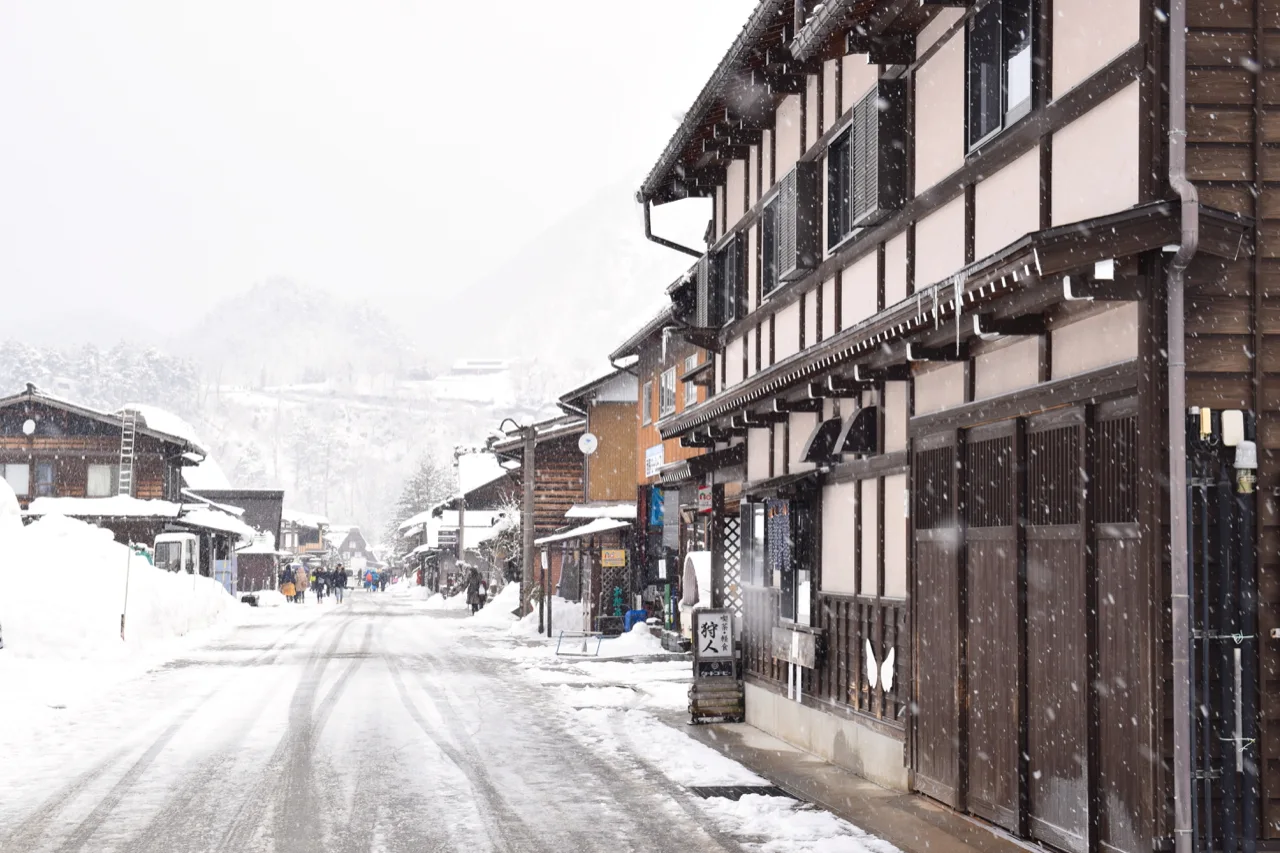
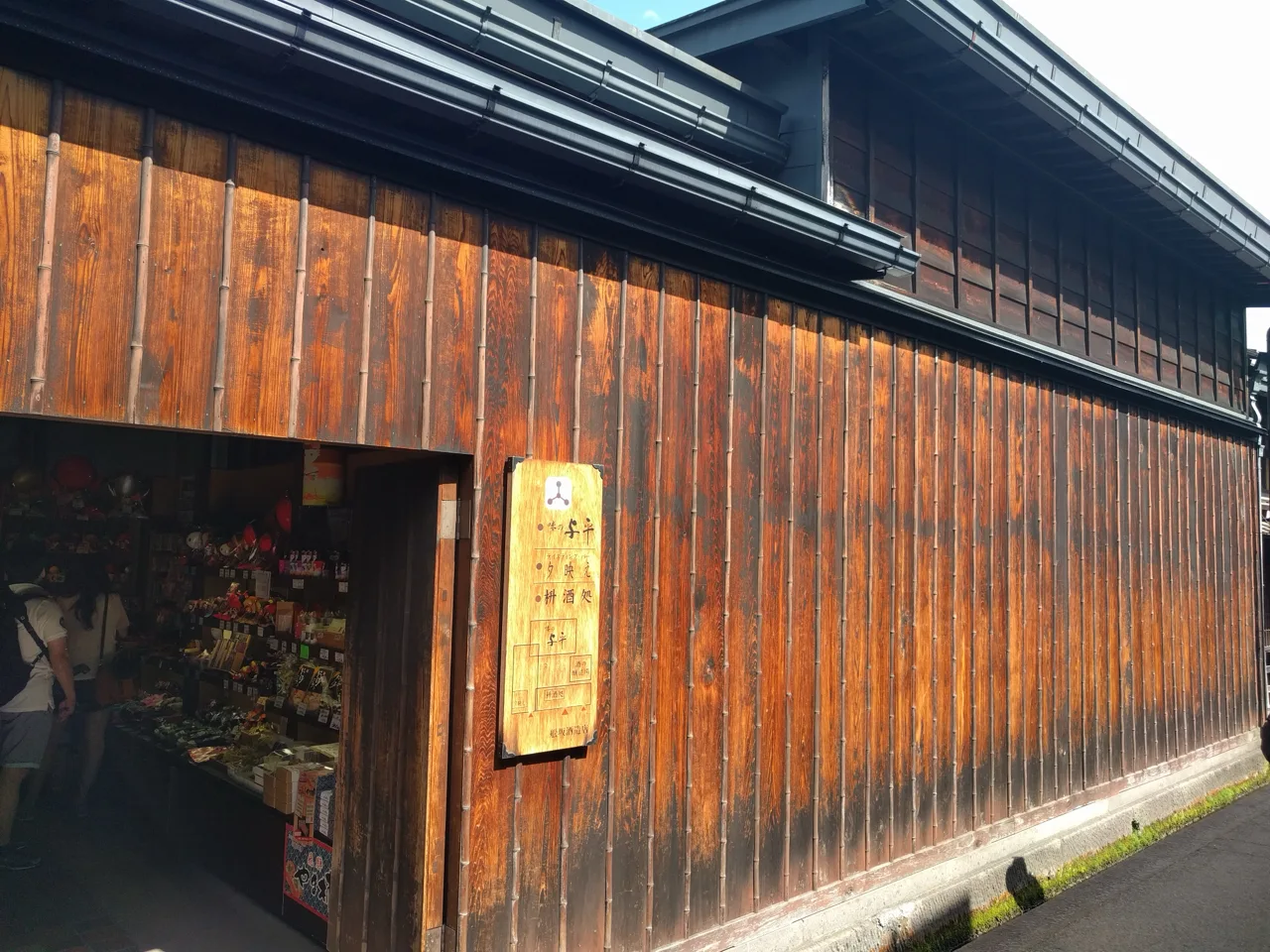
Travellers drawn to the Sanmachi Old Town face two practical realities. First, the official area filter has no standalone Sanmachi box—the historic streets sit inside Central Town, so you must use map view, centre the pin on Sanmachi, and filter to 500 metres. Second, staying in the Old Town does not buy daytime convenience; it buys the two quiet hours after shops pull down their wooden shutters at dusk and before the morning markets set up, when lanterns glow against dark timber walls and lattice windows with no tour groups in sight. The trade-off is older, smaller buildings: many traditional inns and machiya guesthouses lack lifts, involve steep stairs, and have limited soundproofing across timber floors. Packing down to one manageable suitcase or overnight bag is less polite advice than a practical necessity.
Central Town also holds a third, altogether quieter option: temple lodging. Zenko-ji Shukubo lies roughly a 10-minute walk from Takayama Station and invites guests to join sutra copying, meditation, zazen seated meditation, and the pitch-dark kaidan-meguri passage beneath the altar. Blending religious heritage into an overnight stay works particularly well for solo travellers who have already ticked off the headline sights, or repeat visitors keen to experience early-morning temple rhythms. Because a shukubo operates differently from a conventional hotel, confirm three details before booking: whether dinner is served, whether bathrooms are shared or en suite, and the latest check-in time.
On a map, a two-minute walk versus a ten-minute walk looks trivial, yet on a snowy winter morning with a roller case in one hand and a tote bag in the other, that gap feels ten times wider. The four station-front onsen hotels within two to six minutes let you dump luggage on arrival and walk straight to your morning bus on check-out—a decisive advantage if you are staying just one night before catching an early coach to Shirakawa-go or Nagoya. Smaller inns around the Old Town add extra luggage hauls, making them far better suited to a second night once you are already settled in town. On a two-night stay, splitting night one by the station and night two near Sanmachi means moving bags only once while getting the best of both worlds.
Morning timing ties directly into location choice as well. Staying on the Old Town side puts you steps from empty Sanmachi lanes and the Miyagawa riverbanks the moment you open the front door, capturing Takayama's scarcest peaceful window. Staying by the station costs a 10-minute stroll into the historic quarter in exchange for calm, unhurried departures. Opening hours at the Miyagawa and Jinya-mae morning markets shift slightly with the seasons, and hotel breakfast slots vary, so checking breakfast times right after booking lets you decide which morning goes to the markets and which to catching the first bus. Central Takayama is compact enough on foot that choosing a side comes down to protecting that golden, crowd-free morning hour.
Putting the directory's published price anchors side by side makes Takayama's rate structure crystal clear. Out in Kokufu, the historic Kono Ryokan starts at ¥8,800 per person half-board (booked by phone), while the large station-front Takayama Green Hotel starts at ¥15,400 half-board with its own hot-spring baths and shuttle service; most mainstream stays fall between those two markers. What drives price differences in Takayama is proximity to transit and the scale of on-site facilities rather than heritage prestige alone. Watch your budget by looking towards Kokufu and outer settlements, or pay the station-front premium to save steps—transparent pricing in the official directory removes much of the guesswork.
Heading into the Mountains for Hot Springs: Okuhida and Secluded Onsen
Do not mistake central Takayama for a deep-mountain hot-spring village. While several station hotels boast natural onsen baths, true open-air pools framed by alpine peaks sit out in the surrounding valleys—listed in the official directory under Okuhida Onsengo & Kamitakara and Takane. Without a hire car, heading up into the mountains means accepting local bus timetables or inn shuttles, with far fewer departures than in town and evenings structured around fixed ryokan dinner hours. Drivers bypass that constraint altogether, making an Okuhida add-on effortless once you confirm free parking with the property. To browse these stays, drop the distance radius filter and tick the Okuhida Onsengo & Kamitakara or Takane area boxes to display every mountain bath side by side.
The standout mountain properties differ sharply in character, making it easy to match one to your trip. In Takane, Shiozawa Onsen Shichihokan sits at around 1,000 metres and is prized for silky, skin-softening waters, ideal for purists escaping tour buses and town bustle. At the extreme end of the list, Ginreiso perches at 2,702 metres near the Mount Norikura summit, trading low-altitude comfort for starry skies, seas of cloud, and alpine sunrises; harsh mountain weather dictates its winter season, which shifts yearly with snowfall, so verify operating dates before planning around it. In Okuhida, the old-folk-house-style Kazeya offers 10-tatami rooms with en-suite toilets, select rooms with private open-air baths, plus two complimentary private reservable baths—a favourite for families and bathers shy about communal soaking. For heritage character, Kono Ryokan in Kokufu (founded in 1886) stands five minutes on foot from Hida-Kokufu Station right opposite the Hirosebashi Nohi Bus stop, with half-board from ¥8,800, dining-only courses from ¥6,600 to ¥8,800, and takeaway bento from ¥1,080. With just four twin-capacity rooms and one room for five to six guests, check-in at 15:00 JST, check-out at 10:00 JST, and phone bookings required at least three days ahead, its Kyoto-trained owner serves dependable Hida local cuisine. Family-run gems like this rarely appear on global OTAs; only the official directory spells out how to book them.
The directory also preserves two off-the-radar categories often missed by overseas visitors. First are mountain day-use baths and fishing-campgrounds: in Nakao (Okuhida Onsengo), Higaku no Yu & Tozansha Shokudo lies roughly 88 minutes by Shinhotaka-bound Nohi Bus from Takayama Nohi Bus Centre (alighting at Kokuritsu Koen-guchi). Open from late April to mid-December (09:00–20:00 JST; bathing ¥950 adults, ¥800 children), its diner serves Hida beef hoba miso sets and teppanyaki alongside indoor model-railway displays—showing both the 90-minute transit reality of Okuhida and how easily day-trippers can enjoy hot food and a soak without staying overnight. Campers can pick between Hirayu Campsite at 1,300 metres, Hida Takayama Campsite (which doubles as a ski slope in winter), Pascal Kiyomi at 810 metres with 22 powered pitches, or Hida Takayama Fishing & Camp Masugura along the upper Miyagawa River in Ichinomiya at 736 metres (summer 07:00–17:00 JST, winter 08:00–16:00 JST, closed Thursdays; freshly caught grilled fish ¥600 each). Second are repurposed rural schoolhouses such as Oppara Nature Experience Centre and Sunomata Furusato School, offering children memorable countryside stays far removed from chain hotels.
If your itinerary is tight and moving luggage up a valley feels unrealistic, a day-use soak keeps things simple. In Central Town, Takayama Green Hotel welcomes non-staying guests into its own-source baths just a six-minute walk or free shuttle ride from the West Exit. Up in the mountains, Higaku no Yu & Tozansha Shokudo (¥950 adults, ¥800 children) covers the warmer months from late April through mid-December. Combining an affordable central business hotel with a dedicated daytime bath gives you full flexibility—just remember Higaku no Yu closes in winter, when you should lean on town hotels or year-round day-use baths in Okuhida.
Boiling the town-versus-mountain choice down to one rule keeps planning straightforward. Staying in Central Town gives you four station-front natural hot-spring hotels within easy reach of the Old Town and Shirakawa-go buses, with zero extra luggage transfers. Heading out to Okuhida or Takane rewards you with snow-framed open-air baths, secluded atmosphere, and unhurried half-board dining, at the cost of more than an hour each way on the road and fixed meal times. On a single-night stopover, stay in Central Town; with two or more nights and hot springs high on your wishlist, move to Okuhida or Takane for night two.
When comparing mountain finalists side by side, weigh three criteria to narrow the field fast: first, the spring source and bath setup (on-site source versus piped water, communal indoor versus open-air, and private reservable options); second, the dinner focus (Hida beef centrepieces or seasonal local kaiseki); and third, transfer logistics. Kazeya solves family bathing privacy with two free private baths and en-suite toilets in 10-tatami rooms; Shichihokan wins on quiet seclusion and silky mineral water; Ginreiso belongs exclusively to high-altitude hikers chasing summit sunrises. Pick the experience you want first, then compare nightly rates.
Using Takayama as a Base: Shirakawa-go, Kamikochi, and Bus Timings
Takayama works as an Alpine and Hokuriku springboard precisely because its bus network fans out in every direction. Our guide to choosing bases across Takayama, Shirakawa-go, and Hokuriku maps out the broader three-to-five-day frame; here, the focus is aligning where you sleep with bus departures. Nohi Bus services from Takayama Nohi Bus Centre reach Shirakawa-go in about 50 minutes for ¥2,800 one way per adult (increasing to ¥2,900 from 1 December 2026), with roughly 20 to 21 outbound coaches and 24 to 25 return coaches daily—plenty of frequency for an effortless day trip from a Takayama hotel. Travellers set on waking up inside the thatched village under winter snow should check our Shirakawa-go gassho-style accommodation guide, as each option solves a different need. Note Nohi Bus's official warning that heavy snowfall or road closures can delay services by over two hours, so avoid booking the very last return coach in winter. Connections south to Nagoya or north via Hirayu into Kamikochi follow the main corridor outlined in our two-day Nagoya itinerary.
Approaching Takayama from Nagoya, the rail-versus-highway-bus comparison is covered in our Hokuriku and Takayama route guide; for hotel choice, everything hinges on your arrival hour. Arriving around dusk favours a station-front hotel so you can drop bags, eat, and soak immediately. Arriving before noon lets you leave bags at reception and wander straight into the Sanmachi Old Town, making Old Town stays just as smooth. Travellers heading up to Kamikochi and Shinhotaka often debate Takayama versus Hirayu Onsen: Takayama wins for lively evening streets and restaurant variety, while Hirayu puts the regional bus hub right outside your door. Base yourself in Hirayu if mountain hiking is the main goal, and in Takayama if your focus leans towards the Old Town and Shirakawa-go.
When checking hotel maps, never treat the Nohi Bus Centre and JR Takayama Station as the same building. Coaches for Shirakawa-go, Hirayu Onsen, and Shinjuku depart from the Nohi Bus Centre, whereas the Limited Express Hida for Nagoya leaves from JR Takayama Station; though adjacent, they use separate concourses and exits. For your first and last nights, picking a property within a five-minute walk of your primary departure point keeps early mornings and late arrivals calm. Synchronise bus ticketing with room bookings: reserved Nohi Bus seats open one month ahead on Hassha O-rai Net (05:00–02:00 JST daily) or via the reservation centre (+81-577-32-1688, 09:00–17:00 JST), while unreserved services accept mobile passes. The last coach from Shirakawa-go back to Takayama departs at 17:30 JST (arriving 18:35 JST). Keeping hotel confirmations and bus booking codes in one note saves rushing across town with heavy bags at dawn.
Booking timing revolves around two peak windows: spring's Takayama Festival and autumn foliage weekends, when popular onsen hotels and heritage ryokan regularly sell out one to two months ahead, followed closely by snowy winter weekends; midweek stays are markedly easier. Once you filter candidates in the official directory, open two or three booking tabs in parallel to compare live availability and rates rather than pinning everything on one hotel. Thankfully, Takayama has deep bench strength across its station-front hot-spring hotels and compact Old Town inns—far more interchangeable stock than inside Shirakawa-go or remote mountain valleys—so pivoting to a comparable backup rarely dents the itinerary.
Winter planning carries a different risk profile from autumn: in autumn you race for rooms, whereas in winter you buffer against snowbound roads. Because Nohi Bus explicitly flags delays exceeding two hours in heavy snow and the last Shirakawa-go departure leaves at 17:30 JST, aim for a return bus before 16:00 JST on winter day trips. On the accommodation side, avoid scheduling a pre-08:00 JST long-distance departure after your final night, and try to spend that last night back at a station-front hotel two to six minutes from the terminals—even if poor weather delays you the evening before, check-out remains stress-free.
From Shortlist to Booking: A Practical Step-by-Step Sequence
Turning the official directory into confirmed rooms takes six clean steps. First, tick your stay type and target zone on the Hida Takayama Convention and Visitors Bureau directory, then narrow down by distance radius. Second, open each candidate's detail page to note station walking minutes, bath facilities, and meal plans, cutting mismatches early. Third, open staynavi booking pages for your top two or three picks side by side using identical dates and guest numbers. Fourth, compare cancellation windows and penalty cut-offs alongside nightly rates, as peak-season policies vary widely across Takayama. Fifth, as soon as rooms are locked in, book any reserved Nohi Bus seats (opening one month prior via Hassha O-rai Net from 05:00–02:00 JST, or +81-577-32-1688 from 09:00–17:00 JST) or check mobile ticket rules for unreserved buses. Sixth, save hotel confirmations and coach references together, clearly noting whether each leg departs from the Nohi Bus Centre or JR Takayama Station.
Applied to a classic two-day, one-night stay, this sequence flows effortlessly. Arrive at JR Takayama Station before noon on day one, walk two to six minutes to stash bags at a station-front hotel, and spend the afternoon unencumbered exploring Sanmachi Old Town, the Miyagawa riverbanks, and historic merchant houses. Return at dusk for a soak in the hotel's natural hot-spring bath, followed by Hida beef yakiniku or a local set dinner to suit your budget. On day two, walk to the Nohi Bus Centre for the 07:20 JST first bus to Shirakawa-go (arriving 08:10 JST) to walk the village ahead of tour coaches, collect your bags in the afternoon, and continue onward—or take the morning bus via Hirayu for a Kamikochi day hike. How relaxed a one-night Takayama stay feels depends overwhelmingly on how close your hotel sits to the station and bus terminal.
When booking for families or larger groups, look past per-person base rates. The official booking portal lists maximum occupancy per room type, and one spacious four-person tatami room often totals noticeably less than two separate twins. For parties exceeding online booking limits, ring the bureau's line (+81-577-36-1011) directly: many smaller Takayama ryokan have far more flexibility for group rooming or full-house buyouts than online drop-down menus imply. If your top pick is full, jump straight back to the directory for a sister-tier stay in the same district to take full advantage of Takayama's inventory depth.
Any later changes—adjusting dates, adding meals, or confirming shuttle pick-ups—should go straight through your original booking channel. Stays reserved via staynavi can be amended directly on the portal's order page, while phone- or email-booked heritage inns like Kono Ryokan are best updated by calling them directly; small inns are generally accommodating on reasonable tweaks, though you should jot down peak-season cancellation terms at the moment you book. In winter, snow-related bus suspensions, sudden closures, or revised shuttle times are typically posted on each inn's website or relayed by phone, so re-checking the official directory listing three days before arrival heads off most last-minute surprises.
A few useful answers
Roughly how much does a night's accommodation in Takayama cost?
The official directory does not display uniform rates, and prices vary noticeably between station-front business hotels and full-service onsen ryokan. Based on listed benchmarks, the historic Kono Ryokan in Kokufu starts at ¥8,800 per person with dinner and breakfast, while the station-front Takayama Green Hotel starts at ¥15,400 for a half-board stay. Live rates appear once you enter your dates on the official booking portal (staynavi.direct). During the autumn foliage season and snowy winter weekends, rooms sell out one to two months ahead, whereas weekday availability is far more generous.
Is it better to stay near Takayama Station or in the Old Town?
Travellers carrying large suitcases or catching early buses and limited express trains are better off right by the station, where four natural hot-spring hotels sit within a two-to-six-minute walk. Those hoping to have the Sanmachi Old Town to themselves at dawn and after dark should choose a smaller inn or machiya guesthouse near the historic streets. Switching the official directory to map view with a 500-metre radius lets you compare both areas side by side.
Are there hot springs in central Takayama?
Yes. Four major hotels by the station feature their own hot-spring sources or natural onsen communal baths: Takayama Ouan, Hida Hotel Plaza, Takayama Green Hotel, and Super Hotel Hida-Takayama (Jinya no Yu). For open-air baths surrounded by mountain peaks and a secluded atmosphere, head out to Okuhida Onsengo or Takane, keeping in mind that you will rely on mountain buses and fixed half-board meal times.
Can I stay in Okuhida Onsen without renting a car?
Yes, though you will need to factor in longer transit times and stricter schedules, working around local bus timetables or inn shuttle services (the Nohi Bus towards Shinhotaka Onsen takes roughly 88 minutes each way). If you only have one night in Takayama, stay in the central town; if you have two or more nights, dedicate one night to Okuhida and confirm shuttle details with your ryokan before booking.
How do I take the bus from Takayama to Shirakawa-go?
Take the Nohi Bus from Takayama Nohi Bus Centre; the journey takes about 50 minutes and costs ¥2,800 one way for adults (rising to ¥2,900 from 1 December 2026). There are around 20 to 21 outbound services daily, and several departures require advance seat reservations. Nohi Bus warns that heavy winter snow can cause delays of more than two hours, so leave plenty of margin on your return bus during snow season.
What is a shukubo, and can I stay in one in Takayama?
A shukubo is a temple lodging open to overnight guests. Zenko-ji Shukubo sits around a 10-minute walk from Takayama Station and offers sutra copying, meditation, zazen seated meditation, and the pitch-dark kaidan-meguri passage walk. Because rooms, meals, and bathing setups differ from standard hotels, check whether dinner is included, whether bathrooms are shared or private, and the latest check-in cut-off before you book.
What should I do if rooms are sold out for the autumn foliage season?
Do not fixate on a single sold-out hotel. Return to the official 219-property directory and filter by distance radius and category to find comparable alternatives. Major international booking sites showing full occupancy do not mean the town is out of beds: many family-run minshuku and small inns release rooms exclusively through staynavi or the tourist association's telephone desk (+81-577-36-1011), and the station-front hot-spring hotels are easy to swap without disrupting your itinerary.
Official information and references
Sources used in this guide.