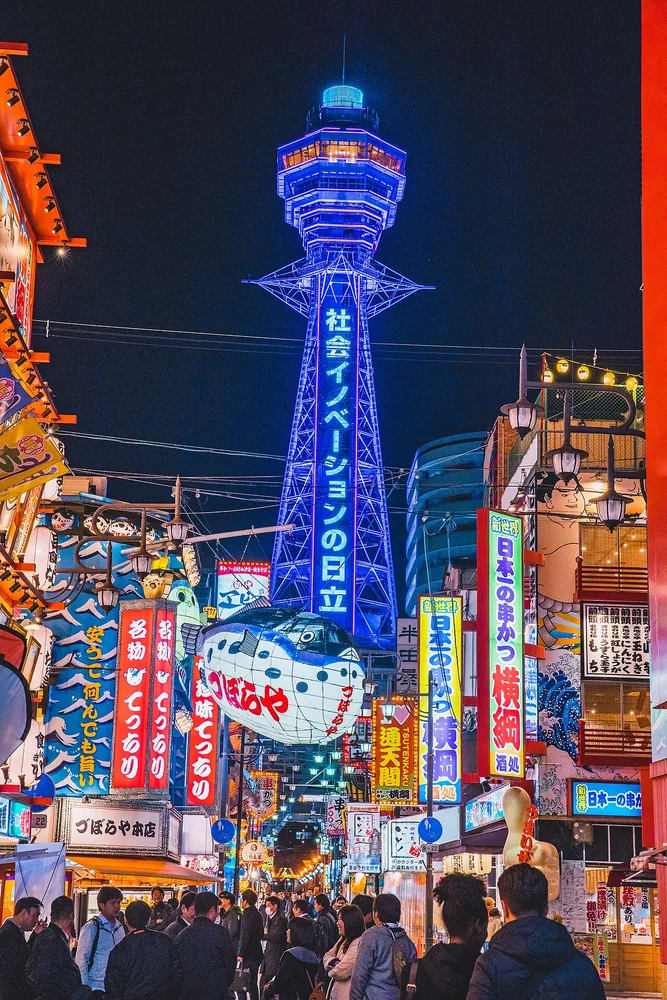
Choose an Osaka shopping area by what you want to buy. Plan Umeda department stores, Shinsaibashi’s arcade, Horie boutiques, Nippombashi models, and a Namba finish. Includes half-day routes, family and rainy-day options, luggage handling, and the November 2026 tax-refund system.
- Region & Focus
- OsakaNeighborhoods and shopping
- Reading Scope
- 34 min read · 19 chapters · 4 Q&As
- Official Verification
- 24 official sources checkedUpdated November 7, 2026
- Key Topics
- NeighborhoodsItinerariesTravel budget
Chapter Route Map (tap any stop)
- One shopping afternoon: choose north or south first
- List model numbers, sizes, and quantities to reduce store visits
- Finding your way in Umeda: meet at a named facility and entrance
- Give Hankyu, LUCUA, and Grand Front a specific purpose
- A Umeda half-day example: buy the main item before choosing a park or night view
- Shinsaibashi’s arcade, Midosuji, and department stores are separate routes
- Daimaru and Shinsaibashi PARCO: divide shopping between neighboring buildings
- Amerikamura and Horie: focus on one area for vintage, fashion, or lifestyle shops
- Finish in Namba: choose target shops at NAMBA CITY and NAMBA PARKS
- Models and anime goods in Nippombashi: search by series
- Sennichimae Doguyasuji: choose tableware by how you will use it at home
- A southern Osaka day: choose the branch after lunch
- For north and south in one day, let a specific item justify the transfer
- Rain, heat, and family travel: keep shopping and rest in one area
- Compare identical products and calculate discounts separately from tax refunds
- From November 1, 2026: pay the tax-inclusive price and receive a refund after export confirmation
- Departure day: complete tax-refund confirmation before checking bags
- Keep time for dinner: drop the bags before choosing an evening activity
- Namba Takashimaya and Abeno Kintetsu: children’s shopping and care in one building
- Quick Q&A
With only half a day to shop in Osaka, start by listing what you want to buy. Choose Umeda for beauty counters and department-store gifts, or Shinsaibashi for drugstore supplies and a street walk. Choose Amerikamura or Horie for boutiques and clothing, and Nippombashi for models and anime goods. Namba connects southern shopping with dinner and the return journey. You can cross between north and south in one day, but touring every area consumes time finding exits, riding escalators, and comparing prices again. Decide where to start, when to leave, and how to return to the hotel after heavy purchases. Allow departure time for tax-refund procedures from November 1, 2026.
One shopping afternoon: choose north or south first
Umeda suits a department-store and mall visit with a shopping list. You can test makeup, try items on, compare sizes, or shop on different floors before meeting in the same building. Shinsaibashi to Namba combines shopping, street signs, and dinner in one outing. The south suits drugstore restocking, everyday clothes, and a walk to Dotonbori. Both sides have fashion and food; choose by the task that will take the most time.
Make your most wanted item the day’s starting point. If shoes need trying on, visit a store with the target brand first. For vintage clothing, leave the afternoon for street-level shops instead of using all your energy in a department store. For gifts, work backward from recipient numbers, storage needs, and luggage space. Knowing what you need before choosing an area saves detours to places you only included because their names sounded familiar.
On the trip’s final day, choose the side near your hotel or departure station. Putting down shopping bags and repacking is more useful than one more mall. If sightseeing also fills your three Osaka days, put this afternoon into the three-day Osaka itinerary in place of its existing shopping block.
| Main task | First-choice area | Suggested plan | First thing to remove |
|---|---|---|---|
| Beauty counters, fitting, and gifts in one place | Umeda | One department store and one target mall | Other department stores without a specific target |
| Drugstore goods, everyday clothes, and Dotonbori dinner | Shinsaibashi to Namba | Walk north to south and finish with a meal | Backtracking to compare the same drugstore items |
| Vintage, streetwear, and curated shops | Amerikamura and Horie | Browse one neighborhood in depth, then walk through the other | Starting the search for independent shops late at night |
| Models, anime goods, and used collectibles | Nippombashi | Visit target shops by series or product category | Treating every floor as compulsory |
| Tableware, kitchen tools, and cooking souvenirs | Sennichimae Doguyasuji | Choose by material and use; buy heavy goods last | A long walk after buying ceramics |
Choose an Osaka shopping area by what you want to buy. Plan Umeda department stores, Shinsaibashi’s arcade, Horie boutiques, Nippombashi models, and a Namba finish. Includes half-day routes, family and rainy-day options, luggage handling, and the November 2026 tax-refund system.
List model numbers, sizes, and quantities to reduce store visits
“Shoes, skin care, snacks” is too broad. Add shoe size and color, skin-care volume, and how many snack gifts are for others or yourself. Staff can check stock from a product photo or model number, and companions can divide the work. A single social-media photo may leave you researching several versions of one brand once inside the store. Add two columns: acceptable substitutes and reasons to give up. Drop shoes without a proper fit; replace unavailable gift cookies with another portable shelf-stable item. For expensive goods, record the total price of the same item at home, then compare the Osaka price, payment method, and tax-refund service fee. If travel across town or extra purchases erase the refund savings, finish in your current area.
Put fixed reservations, restaurants, and departure times on the calendar first, with shopping between them. Give each shopping block a leaving time, especially if receipts and packaging still need handling. While waiting at checkout, remove later optional stores so you have time to take purchases back.
Finding your way in Umeda: meet at a named facility and entrance
JR Osaka, Hankyu Osaka-Umeda, Hanshin Osaka-Umeda, and the subway stations Umeda, Higashi-Umeda, and Nishi-Umeda spread across one large commercial area. “Meet at Umeda Station” leaves too many possibilities. Agree on a mall, floor, and specific entrance, and send the map link. Anyone who uses the wrong station exit can still head to the same destination.
For example, LUCUA’s official access page gives separate directions from JR Osaka Station’s Central Gate and third-floor Bridge Gate. The same building lies in different directions from different gates. Identify the gate you have used, then follow facility signs, rather than circling underground around a phone arrow. If you need elevators, save the floors and street-level entrance too, so you can return the same way with bags.
Before visiting a second Umeda building, check your current position and which building holds the target brand. Crossing a lobby, changing floors, and finding the store add time beyond the walk between buildings. Two adjacent facilities can share an afternoon; a store at the far end should have a clear purchase purpose. If companions are tired, one person with the list can shop with less effort than moving the whole group.
Give Hankyu, LUCUA, and Grand Front a specific purpose
For cosmetics, fragrance, or beauty-counter advice, start with Hankyu Umeda Main Store. Its official second-floor HANKYU BEAUTY guide lists cosmetics and fragrance brands, so you can locate your counter before leaving. Keep testing and buying in the same time block. If still comparing colors, note the product and shade number before leaving the counter, rather than trying to identify them from swatch photos at home.
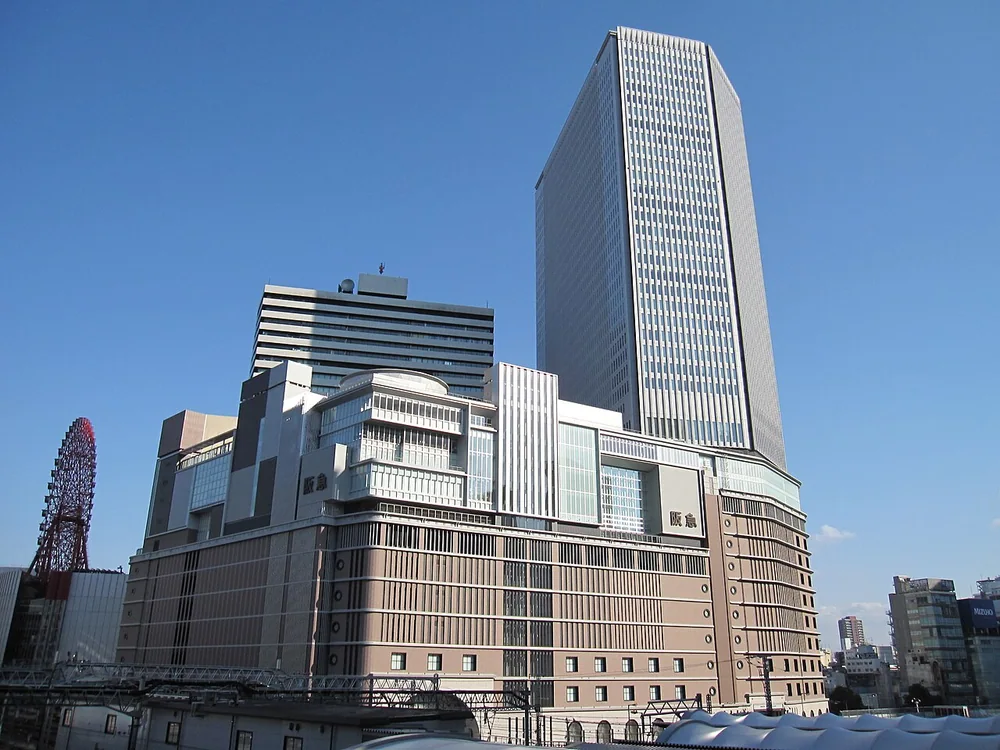
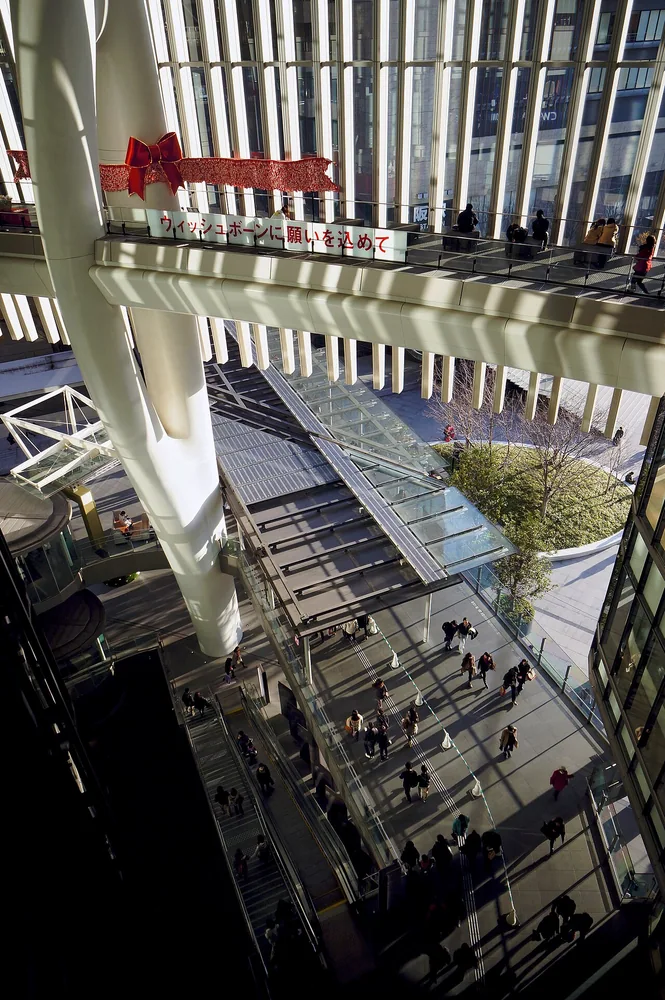
For clothing, lifestyle goods, and outdoor products, check the LUCUA and LUCUA 1100 floor maps. The buildings have separate layouts; choose the building and floor before going upstairs. If you know Japanese brands and want to focus on fitting, choose a few floors by product type. This is easier than working your way from the basement to the top floor. Consider the item with your coat, bag, and shoes, so a good-looking piece does not become awkward to carry for the rest of the trip.
Grand Front Osaka’s official shop search filters categories including outdoor sports, home goods, fashion, and beauty. Find the brand, then check whether it is in the South or North Building. The complex has separate buildings and its own access and floor maps. With both sports shoes and home accessories on your list, make this the main stop and visit another building only for selected items. Each of the three complexes can fill a long block; two with clear purposes are enough.
If you reach Umeda in the morning, have breakfast or wait near the station until your target shop opens. Grand Front’s official information lists general shops at 11:00–21:00 and restaurants at 11:00–23:00, with some individual exceptions. If eating dinner before shopping, account for the shops’ earlier closing. Put items that need fitting before dinner and leave the evening for restocking products already chosen.
A Umeda half-day example: buy the main item before choosing a park or night view
Suppose you arrive in Umeda in the afternoon and will return to Namba for dinner. First buy the item that needs a fitting or consultation. Go straight to its floor, set down your coat and bag, and focus on size, color, and payment. Visit a second building only afterward. If it is out of stock, ask which branch can be checked before deciding whether to change areas. One unavailable item should not lead the whole group on a citywide search.
Use the second stop for easy browsing of clothing or lifestyle goods. If you have eaten lunch, pause here for water; if you need a meal, eat before the basement food hall. Make refrigerated food the last purchase before leaving the north, then take it straight to your accommodation. Check the package size even for shelf-stable gifts. Attractive boxes take space. For many recipients, ask staff to place the goods together so you can estimate whether one bag holds them.
If you still have energy in early evening, walk through Umekita Park. With both hands full, return to the hotel. For a night view, consult the observation-deck choices in the three-day overview. One evening focus on a shopping day makes the return easier to manage.
Grand Front Osaka and Grand Green Osaka have similar names, so read the full English name when locating shops. Grand Green Osaka includes South and North Buildings and Umekita Park. Its official facility and park information distinguishes shops from the park. Use the park for a rest or walk after northern shopping if the weather suits, without adding every facility just to tick off another landmark.
The park lets people who are finished with shops slow down. Agree on an entrance or indoor meeting point before anyone returns to a store for missing items. If an event occupies part of the park, follow the open route. For food and toilets, use each operating facility’s hours. Keep this rest flexible: if shoe fitting or checkout runs long, cancel the walk.
Shinsaibashi’s arcade, Midosuji, and department stores are separate routes
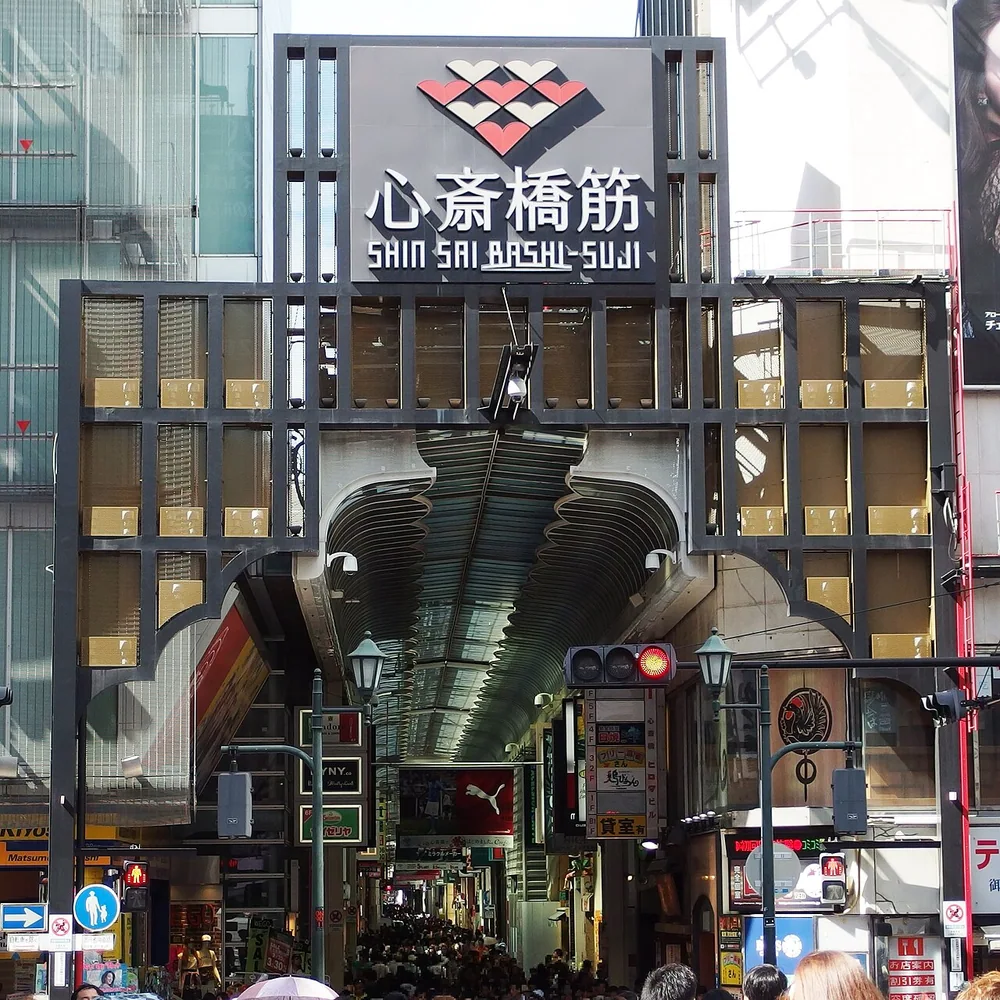
Shinsaibashi-suji Shopping Street runs south from Nagahori-dori toward Dotonbori. The Osaka Convention & Tourism Bureau lists its main section as about 580 meters. Along the arcade, fashion, drugstores, and restaurants mix at street level. Midosuji is the large road alongside it, with brand stores and department stores using their own entrances. Following the crowd to the end may leave you discovering your target brand was on the other side.
Pin your two most wanted stores on a map and check whether they are on the arcade or Midosuji. For beauty counters plus daily supplies, finish the department-store consultation first, then walk south. For drugstore purchases alone, start at a store with most of the list and match volumes and pack counts. Use a second store only for missing stock. Checking the same products in every shop soon uses the time for food and fitting.
The arcade has a roof, but cross streets, road crossings, and moves to other neighborhoods include outdoor stretches. Shinsaibashi-suji Kita Shopping Street continues north of Nagahori-dori. You can shop northward too, but if dinner is in Namba, leave the northern section for another time. A Shinsaibashi start and Namba finish give the day a clear buying direction.
Daimaru and Shinsaibashi PARCO: divide shopping between neighboring buildings
For beauty counters, character goods, or home accessories, check the Daimaru Shinsaibashi floor guide. Distinguish Daimaru’s Main Building from Shinsaibashi PARCO when your party divides its shopping. The official guide lists buildings, categories, and connecting passages. Find the building by brand search first, then choose how to go upstairs onsite, rather than taking everyone through every floor.
For separate shopping, choose a meeting place where waiting does not require a purchase, with the floor and nearby store name written down. Makeup testing, shoe stock searches, and character-goods lines take very different amounts of time. Anyone who finishes early can rest; another mall is unnecessary just to fill the wait. Keep one adult with a child, and return to the meeting point to change caregivers instead of searching and handing over at an escalator entrance.
Complete checkout, return-policy explanations, and the store’s purchase registration inside the building, and save the refund method when buying. If you have a question about the product, opening the package to check the model and color there is easier than discovering a mistake at dinner. First ask the counter how seals and packaging affect returns, then decide how to inspect the goods.
Amerikamura and Horie: focus on one area for vintage, fashion, or lifestyle shops
Amerikamura is in Nishi-Shinsaibashi, west of Shinsaibashi Station. The Osaka tourism neighborhood page gives its location and transport approaches. Make it your main stop for streetwear, records, or vintage clothing. Choose several shops close to your taste, then browse other windows along the way. Searching racks and checking fit need an uninterrupted block of time.
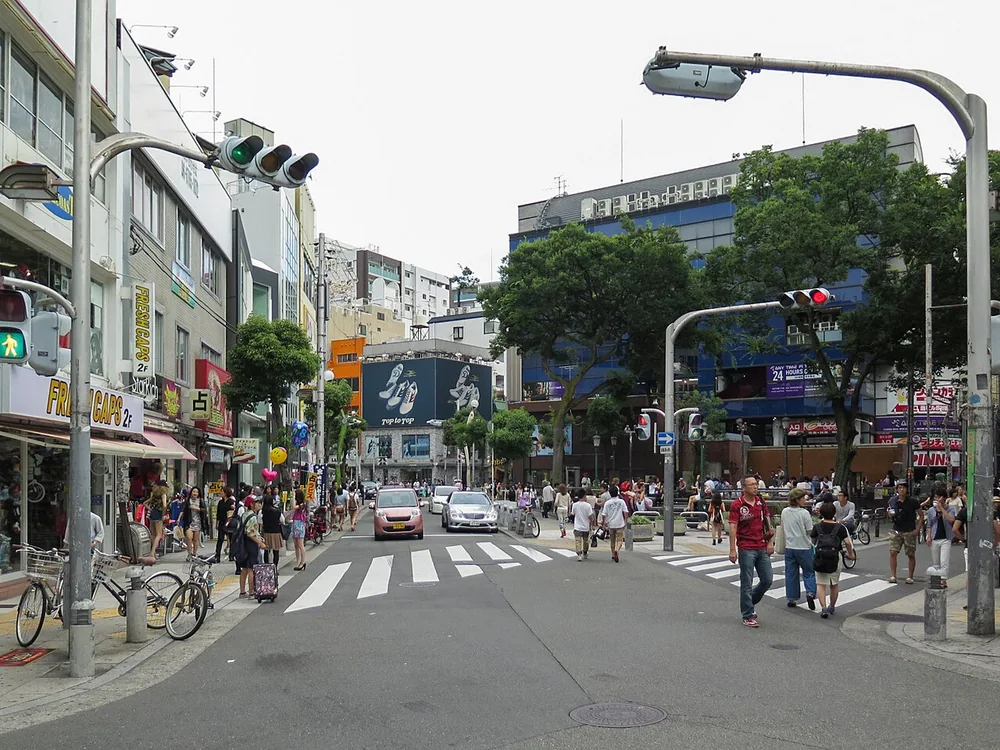
For vintage clothes, inspect the collar, underarms, zipper, seams, and fabric for repairs you would need to make. Compare condition and price with how much work you are willing to do. If you like a design but the fit is wrong, take a photo of the item name and keep looking. Ask about returns before buying and retain the receipt and care label.
Companions interested only in street photos can take a shorter walk instead of waiting through a full rack search. Meet afterward for a meal in Shinsaibashi. If dinner is booked in Namba, decide when to head south. Continually adding small shops can leave everyone carrying bags in a rush to the restaurant.
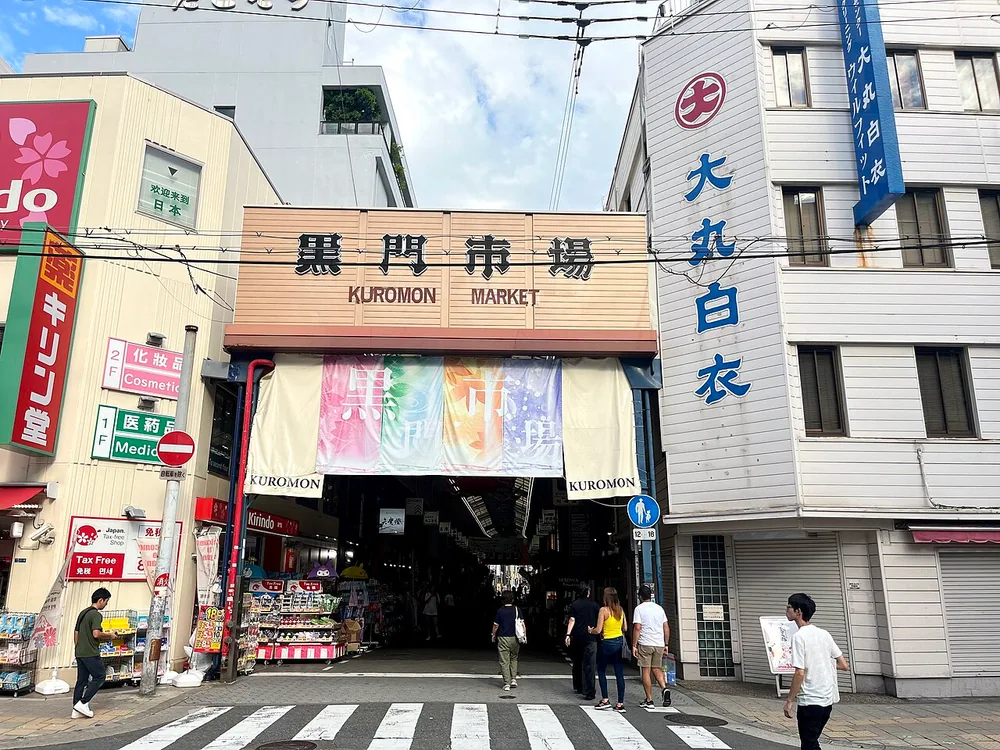
Horie lies on the west side of southern Osaka. Tachibana-dori, also called Orange Street, grew from a furniture district into a mix of curated shops, fashion, and cafés. The Osaka tourism Horie introduction explains its relation to Yotsubashi Station. It deserves more shopping time if furniture materials, displays, or small household objects interest you. Shinsaibashi is more direct for drugstore supplies and a fixed brand list.
Independent shops are spread among streets and buildings. Choose target stores, then walk nearby blocks. Every saved phone bookmark need not become a required stop. For home goods, ask about size, weight, packaging, and whether you can carry the item away yourself. Cups and plates add up easily; furniture needs transport arranged first. One item you use daily is often easier to fit into your home than a whole bag of travel ornaments.
Amerikamura and Horie can share an afternoon, with one as the focus. For a long vintage search, shorten the café stop. For slow browsing and street views, reduce extra stores back in Shinsaibashi. In rain, use a tighter version: go directly to the chosen store, rest nearby afterward, and decide on a second store according to the rain.
Finish in Namba: choose target shops at NAMBA CITY and NAMBA PARKS
NAMBA CITY and NAMBA PARKS near Nankai Namba Station work well after southern shopping, keeping dinner close to the return journey. Note the building name when finding a store; receipts, service counters, and merchandise floors are specific to each building. Arriving at JR Namba or Osaka-Namba still leaves a walk toward the Nankai side. For luggage or a meeting, send the facility entrance instead of just “Namba.”
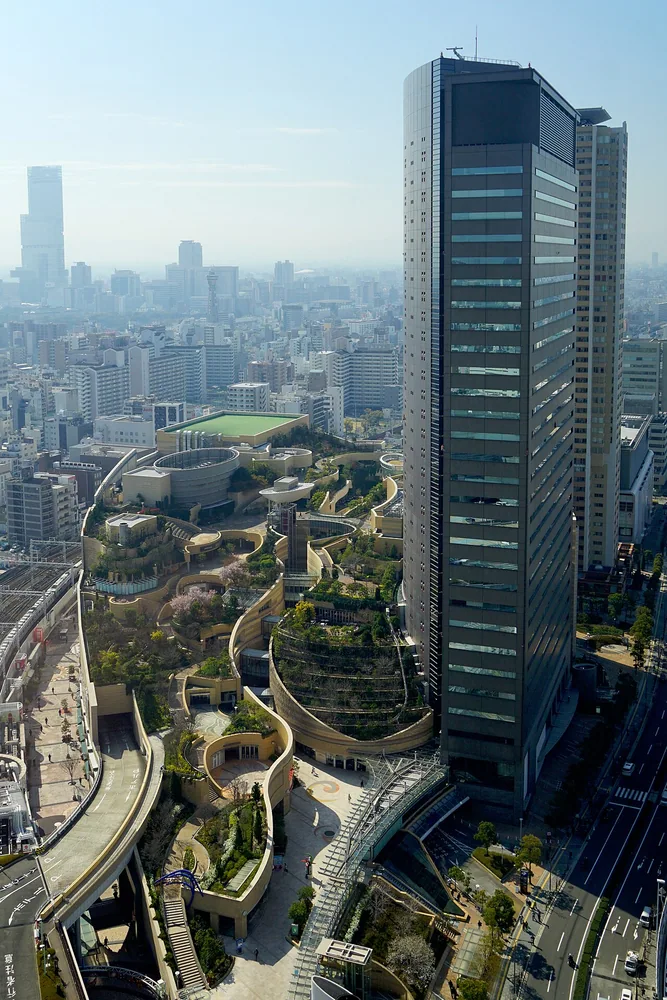
NAMBA PARKS has the rooftop Parks Garden. The official garden page shows its levels and indoor connections and states that entry is free. Walk a section for an outdoor break during shopping, or rest inside in rain or heat. The garden has multiple levels. Families with strollers or tired walkers can choose a short, smooth section without going from the bottom to the top.
If taking Nankai to the airport that day, settle luggage and departure time before choosing another store. Repacking a large gift box can take longer than expected. Restaurants and shops have separate operating arrangements; being able to eat late does not mean you can return to a shop for more purchases. Buy the important items before dinner.
NAMBA PARKS’ official short video introduces Parks Garden, where you can choose a garden walk during a shopping trip.
Models and anime goods in Nippombashi: search by series
Den Den Town and Ota Road have different store locations. The official Nippombashi-suji Shopping Street website provides store information and a shopping map. For models, games, anime goods, or electronic parts, first find stores selling that category, then locate them on the map. Assuming every Nippombashi store sells the same things wastes time on unrelated floors.
For collectibles, save the full series name, character, edition, and box photo. Read condition labels for used items and ask about accessories, packaging, and the item itself. Different sizes or reissues of the same character can look similar in photos. Read store rules before handling goods and ask staff to open display cases. Keep condition information with the receipt after buying, so you can match each item when organizing at the hotel.
Large model boxes take considerable space. Before buying, decide whether to retain, flatten, or transport the box intact rather than discovering before departure that it will not fit. For electronics, compare voltage, plugs, language, and the region covered by after-sales service against use at home. Companions with different interests can meet you for a meal in Namba, leaving focused shopping time.
Sennichimae Doguyasuji: choose tableware by how you will use it at home
Sennichimae Doguyasuji focuses on cooking equipment. Its official store categories include kitchen equipment, tableware and ceramics, knives, food replicas, and shop supplies. If you enjoy cooking, choose a tool for a dish you often make. A ramen bowl must hold the soup and noodles, a cup should fit your hand, and cookware must suit your stove. Choosing by use gives you more to compare than appearance.
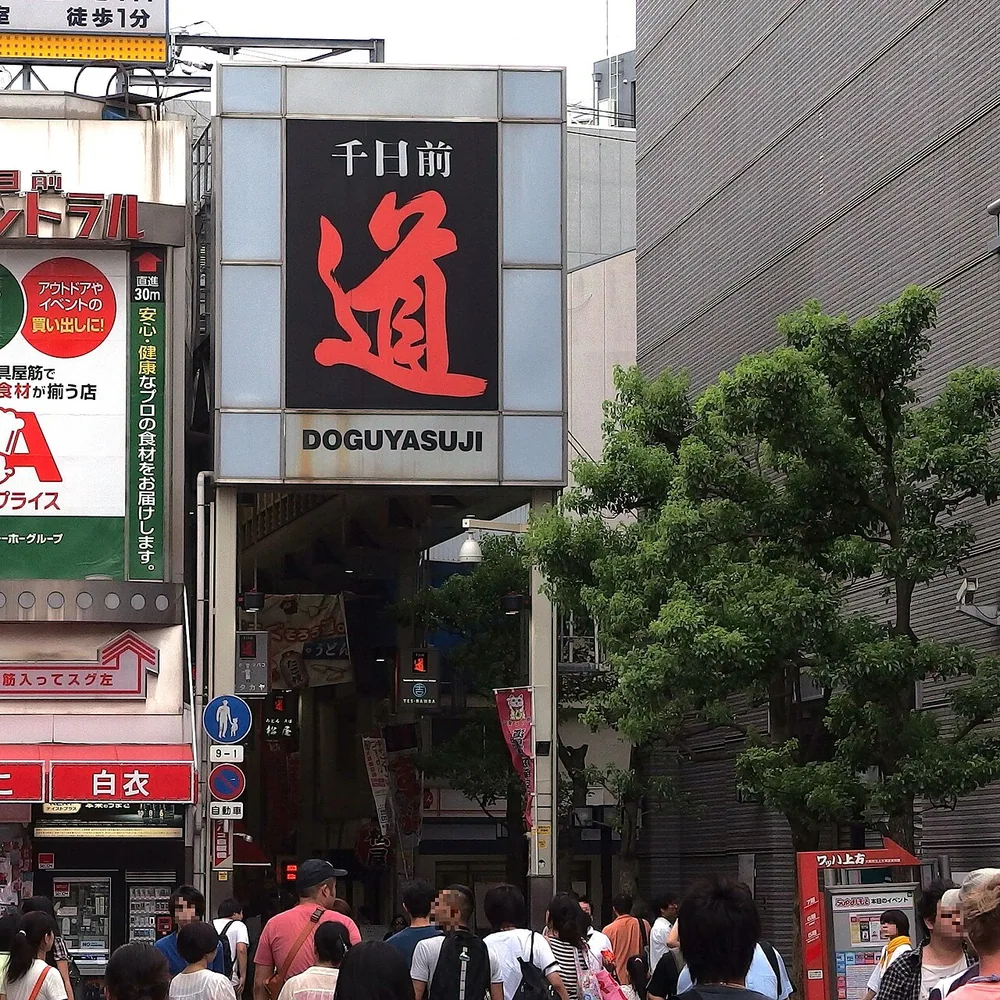
For ceramics, check individual dimensions, quantities, and protective packaging, and estimate weight before buying a set. For knives, tell staff your dominant hand, cooking use, preferred material, and maintenance needs. Choose a material requiring more care only if you are willing to dry and maintain it. Arrange checked baggage before buying a knife. Airport baggage rules list kitchen knives and other blades as checked-baggage items. Large professional equipment needs shipping arrangements; on an ordinary trip, choose smaller goods you can carry and use at home.
Put Doguyasuji late in the shopping plan. After buying ceramics or a heavy pot, drop them at the hotel and go out lightly for dinner. If also visiting Nippombashi, look at models first and note the boxes you want, then decide on the total volume from both areas. With limited luggage space, prioritize what is hardest to buy at home.
A southern Osaka day: choose the branch after lunch
Start in Shinsaibashi and buy beauty-counter items or other products on your list in the morning, then sit down for lunch. Afterward, choose west toward Amerikamura and Horie or south toward Namba and Nippombashi. Each route has a different focus, and one in depth makes a smoother day. If you have already bought plenty before lunch, finish toward Namba in the afternoon and remove the other neighborhood.
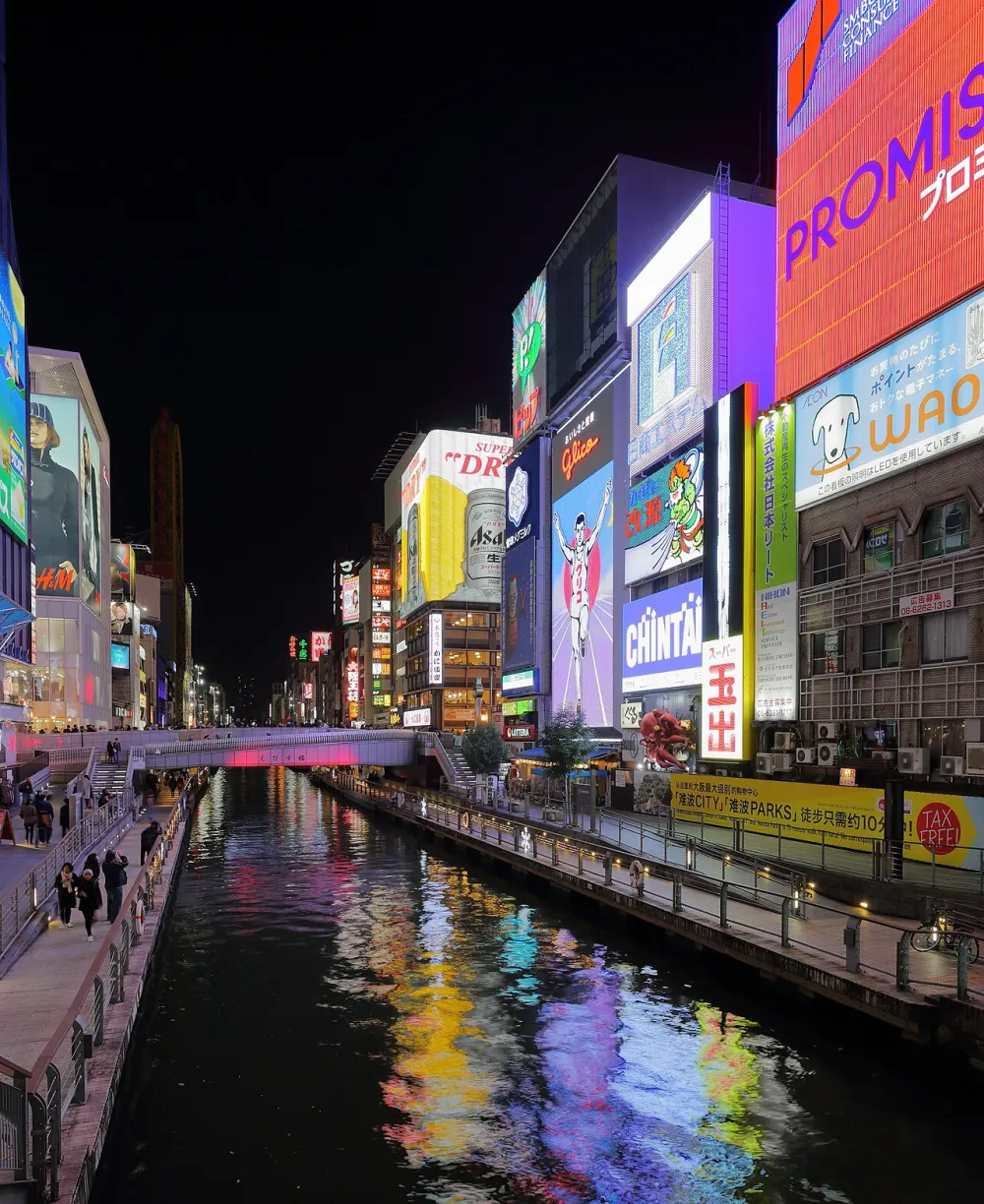
For fashion, head west from Shinsaibashi into Amerikamura, extending to Horie according to target-store locations. Return to the agreed Namba restaurant in early evening, or drop heavy bags at the hotel first. For anime and tableware, divide the afternoon between Nippombashi and Doguyasuji, then eat near Nankai Namba at night. Dotonbori’s signs fit that southern evening without another round trip for a photograph.
These are ways to divide one day; reverse the start to suit your hotel. Near Nippombashi, shop for collectibles first and head north for clothes. In Shinsaibashi, leave the final stop by the hotel. Use the Osaka food and neighborhood dining guide for seated meals, snacks, and when a line is worth joining. Place dinner at the shopping route’s end.
For north and south in one day, let a specific item justify the transfer
Umeda in the morning and Shinsaibashi in the afternoon can work if both have concrete targets. A beauty-counter purchase in Umeda and a specific Horie boutique serve different purposes. If you only want to see which is livelier, a slower visit on one side usually yields more. Transfer after eating so you can get straight to the task in the second area instead of finding exits while hungry.
The Midosuji Line links Umeda, Shinsaibashi, and Namba; check the official route map for station order. Save the first store in the second area and your return station before boarding. Add station-entry and exit time to the ride. One person carrying both areas’ bags can lose energy by afternoon. After large purchases in the first area, return to the hotel or use suitable storage before starting the second.
Before crossing town for an out-of-stock item, obtain the other store’s stock information and holding conditions. Without confirmed stock, keep it optional. On arrival, buy the item that justified the transfer first. Once bought, decide whether to browse more.
Rain, heat, and family travel: keep shopping and rest in one area
In Umeda, concentrate on one department store and a mall beside the station. In Shinsaibashi, use the covered arcade and a department-store break. Underground routes and connecting passages reduce exposure to rain, but changing buildings can still involve outdoor entrances. Find the connections on official floor maps and add elevator locations for stroller or wheelchair users. If lost, returning to a known entrance is usually easier than continuing to guess at exits.
Moving a rainy-day Horie plan to a department store changes the goal from a neighborhood walk to concentrated shopping. If one independent store is the main attraction, go directly there and rest nearby afterward without completing the whole walk. In summer, put outdoor streets in a tolerable period and use the afternoon for indoor fitting and food. Stop if thirsty or unwell. Missing daily supplies can be bought on the way back to the hotel.
Count breaks as shopping time. A seated meal, water, and a toilet stop support the next block better than eating small snacks while walking. If you buy refrigerated food early, shorten the later plan. To keep the full afternoon for stores, buy food just before leaving.
For shopping with children, start with a large facility that has a clear floor map. Find toilets, elevators, and rest areas, then let adults divide the list. Follow onsite directions for stroller parking and fitting rooms. During a child’s nap, one adult can focus on purchases while the other keeps the rest period steady. Complete separate blocks and return to one handoff point instead of having everyone wait outside each store.
For older relatives uninterested in clothes, shorten the visit to one department store and a proper meal, adding a brief park walk in suitable weather. Finish shoes and daily necessities first, then stay somewhere seated. If phone reception is unreliable, agree on a fallback waiting place, time, and floor. This avoids both sides leaving to search for each other.
Mobility needs affect the whole route from door to door. A short distance on a map may include stairs, a crowded entrance, or a distant elevator. Find an accessible entrance on the official building map, then link it to the station map. A shorter shopping list leaves time for elevators, coats, and rest.
Compare identical products and calculate discounts separately from tax refunds
The same brand does not always mean the same product. For drugstore goods, compare volume and whether the item is a refill or standard package. For shoes, compare item number, width, and color. For cameras and appliances, compare model and specifications. Include the product with the shelf label in a photo so different versions do not become a false price difference. Buy everyday goods with little price variation at the first store and save time for items you need to try yourself.
For visitor coupons, read eligible brands, minimum spend, and whether offers can be combined. Record original price, payment after discount, refund service fees, and possible refund methods separately, then compare the final expense. Spending extra to reach a promotion threshold changes the saving plan. Put off-list goods back and calculate before deciding.
Divide the budget into essentials, items to decide on in person, and browsing purchases. Give the last two a combined limit so you know what remains before entering a store. For purchases on someone else’s behalf, agree on substitutes and a maximum total beforehand. If no reply arrives onsite, follow that agreement instead of discussing the entire list at checkout.
From November 1, 2026: pay the tax-inclusive price and receive a refund after export confirmation
The system changes according to the purchase date. Purchases through October 31, 2026 use the former tax-exemption system. From November 1, shoppers pay the price including consumption tax at tax-free shops. After Customs confirms export, the shop or its service provider refunds the tax. For trips spanning October and November, sort each purchase by date. Japan Customs and the Japan Tourism Agency’s visitor page explain the change. Prepare your shopping budget for the tax-inclusive payment before traveling.
Eligible purchases must total at least ¥5,000 before tax at the same shop on the same day. Complete export confirmation when leaving Japan within 90 days of purchase. Bring your passport or other documents needed for eligibility, retain purchase records, and register the refund method. After checkout, read the procedure supplied by the shop and keep that purchase’s goods easy to locate. The shop or its provider handles the refund; save how you will receive the refund and whom to contact before leaving.
Consumables such as food and cosmetics used in Japan cannot receive export confirmation for a refund under the new system. The Tourism Agency also explains that confirmation is by purchase transaction or receipt. If any item in one transaction is missing, the other eligible goods in that transaction cannot pass confirmation together. Pay separately for snacks you plan to eat at the hotel and gifts you will take out intact. Separate skin care intended for use during the trip from the tax-free take-home list too.
When packing, keep all goods and a clear order for finding them, with receipts grouped by transaction in one pouch. Do this at the hotel after shopping. Emptying several days of bags on the last night makes small items easier to miss. Keep gifts in your own luggage until you have completed departure procedures and taken them to your destination, then distribute them.
Departure day: complete tax-refund confirmation before checking bags
The new system’s Customs confirmation terminals and inspection areas are in international departure halls and other areas before baggage check-in. Travelers must have all their tax-free goods with them during the procedure. If selected for inspection, bring the goods to the designated place. Once the bags are checked, you cannot present those same goods for this procedure. Pack so receipts match goods and the suitcase can be opened to retrieve items if necessary.
Kansai Airport is among the airports supporting the Visit Japan Web online procedure. Use it within the designated procedure Wi-Fi area of the international departure hall, or use an airport terminal. The Tourism Agency’s explanation requires Customs confirmation, including any inspection, before flight check-in. Add this procedure to your airport arrival allowance, then account for the airline’s check-in, baggage, and security deadlines.
If taking a domestic flight before leaving Japan from another Japanese airport, confirmation takes place at the final airport of departure from Japan. Plan how goods and luggage will travel during the connection. For the city-to-airport journey, use the Kansai Airport transport guide and work backward from the terminal and airline deadlines. Leave an extra shopping round out of departure morning.
Keep time for dinner: drop the bags before choosing an evening activity
Take heavy goods back to your accommodation first, and check model, color, and receipts while the original stores are still open. Once you have bought the important items, go to dinner at the planned time. Leave missing items for stores near the next day’s route.
Namba Takashimaya and Abeno Kintetsu: children’s shopping and care in one building
If Namba is already on your route and you need toys or baby supplies, use the sixth floor of Osaka Takashimaya as one focused stop. Hello Baby Salon covers pregnancy, baby, and toddler supplies, Niki Tiki has European toys, and Sanrio has character goods. The same floor has a baby rest area and nursing room, with changing beds, hot water for formula, and a microwave for baby food. Attend to care first, then shop on the same floor instead of repeatedly finding facilities across several malls. Borrow strollers at the first-floor front information counter in order of arrival, for children aged 1–48 months. Telephone reservations are not accepted.
If Tennoji is already the day’s endpoint, choose Abeno Harukas Kintetsu Main Store. Children’s shoe fitting, nursing, and diaper changing are on Tower Building floor 8. Stroller and wheelchair loans are at the service counters on Tower floor 2 or Wing floor 2. For a larger fitting space, Universal Fitting Rooms are on Tower floors 6 and 7 and Wing floors 4 and 5. Note the building before going upstairs so companions can meet in the same building and on the same floor. These stores fit existing Namba or Tennoji routes; choose the one already on your way.
A few useful answers
For a first Osaka shopping trip, should I choose Umeda or Shinsaibashi?
Choose Umeda for beauty counters, fitting, and concentrated gift shopping. Choose Shinsaibashi to Namba for drugstore supplies, the shopping arcade, and Dotonbori dinner. With half a day, stay on one side and start with the item that is hardest to substitute.
Can I shop for vintage clothes and models in Osaka on the same day?
Yes. Choose a few target shops in Amerikamura and Nippombashi, complete one area after lunch, and use the other only for selected products. If you want to search slowly in both, use two afternoons.
Does the new tax-refund system deduct the tax at checkout?
For purchases from November 1, 2026, pay the tax-inclusive price first. After Customs export confirmation on departure, the tax-free shop or its provider issues the refund. Complete confirmation before checking luggage and within 90 days of purchase.
Which Osaka area is convenient for rainy-day shopping?
Choose one Umeda department store plus a mall by the station, or Shinsaibashi’s covered arcade plus Daimaru and PARCO. Save connecting passages and elevator locations first, and shorten a Horie plan involving long outdoor walks.
Official information and references
Sources used in this guide.
- Osaka Convention & Tourism Bureau: extent and location of Shinsaibashi-suji Shopping Street
- Hankyu Umeda Main Store: second-floor HANKYU BEAUTY and brands
- LUCUA Osaka: floor maps for each building
- LUCUA Osaka: JR gates and access from each station
- Grand Front Osaka: shop search by category
- Grand Front Osaka: buildings and access
- Grand Green Osaka: buildings, park, and facility information
- Daimaru Shinsaibashi: Main Building, PARCO, and floor guide
- Osaka Convention & Tourism Bureau: Amerikamura neighborhood
- Osaka Convention & Tourism Bureau: Horie and Tachibana-dori
- Nippombashi-suji Shopping Street: official Den Den Town and Ota Road information
- Nippombashi-suji Shopping Street: shopping map
- Sennichimae Doguyasuji: store categories and cooking equipment
- NAMBA PARKS: free rooftop park and its levels
- NAMBA CITY: floor map and the Nankai Namba Station area
- Osaka Metro: Midosuji Line and city station order
- Japan Customs: tax-refund system change on November 1, 2026
- Japan Tourism Agency: refund thresholds, export confirmation, and procedure before baggage check-in
- Japan Customs: refunds by shops using the registered method after confirmation
- Grand Front Osaka: different shop and restaurant hours
- Narita International Airport: knives and similar items in checked baggage
- Osaka Takashimaya: sixth-floor children’s goods, nursing, and stroller services
- Osaka Takashimaya: services and priority elevator routes
- Abeno Harukas Kintetsu Main Store: family facilities, children’s shoe fitting, and accessible fitting rooms