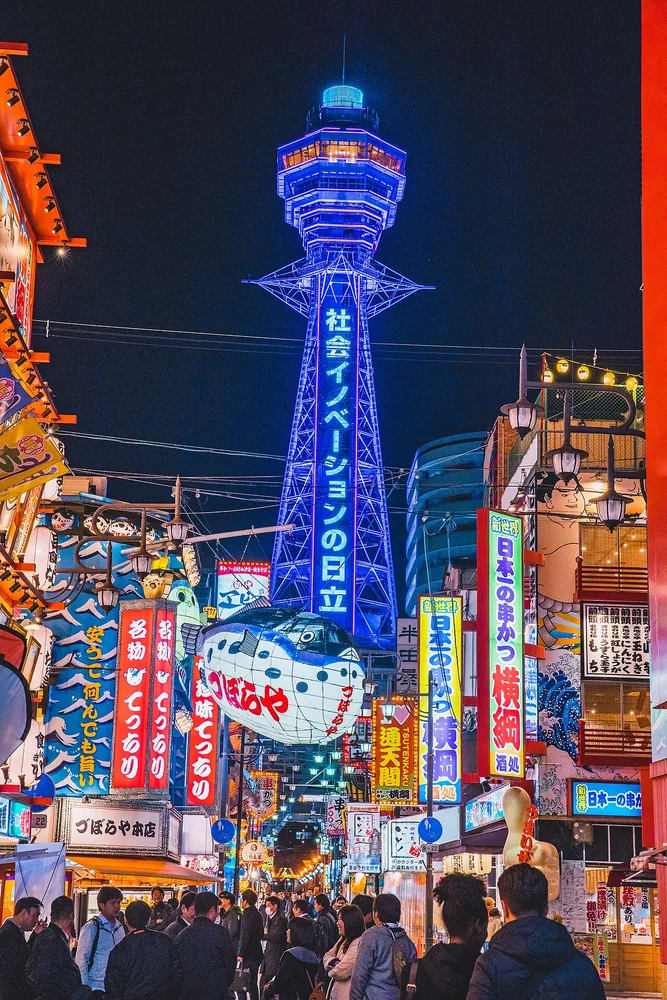
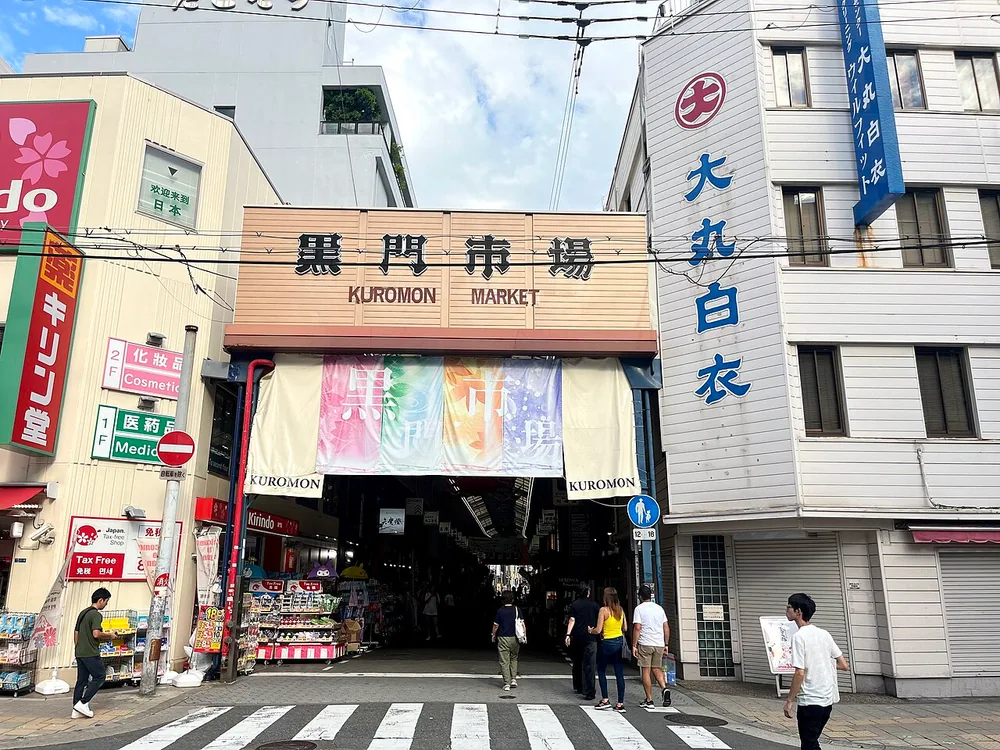
Choose an Osaka shopping area by what you want to buy: Umeda department stores, Shinsaibashi arcades, Horie design shops, Nipponbashi models and a Namba finish. Includes half-day plans, rain and family options, luggage and the November 2026 tax-refund system.
- Region & Focus
- OsakaNeighbourhoods and shopping
- Reading Scope
- 34 min read · 19 chapters · 4 Q&As
- Official Verification
- 24 official sources checkedUpdated 7 November 2026
- Key Topics
- NeighbourhoodsItinerariesTravel budget
Chapter Route Map (tap any stop)
- For one shopping afternoon, choose one side of the city
- A useful list includes models, sizes and quantities
- Finding your way in Umeda: meet at a named entrance
- Hankyu, LUCUA and Grand Front: give each a purpose
- A Umeda half-day: finish the main purchase before adding parks or views
- Shinsaibashi's arcade, Midosuji and department stores have different routes
- Daimaru and Shinsaibashi PARCO: split purchases between adjoining buildings
- Amerikamura and Horie: choose one for a deeper fashion or design visit
- Finish in Namba: pick target shops in NAMBA CITY and NAMBA PARKS
- Nipponbashi models and anime: search by series
- Sennichimae Doguyasuji: choose tableware by how you will use it
- A southern shopping day: choose the branch after lunch
- To shop north and south in one day, give the crossing a specific purpose
- Rain, heat and family visits: keep shopping and rest in the same area
- Compare identical products, with discounts and tax refunds separate
- From 1 November 2026: pay tax first, receive a refund after departure checks
- Departure day: complete tax-refund verification before checking bags
- Keep time for dinner: put bags down before choosing the evening
- Namba Takashimaya and Abeno Kintetsu: children's shopping and care in one building
- Quick Q&A
With only half a day to shop in Osaka, list the goods first. Choose Umeda for cosmetics counters and department-store gifts, Shinsaibashi for health and beauty shopping with a walk through the shopping streets, Amerikamura and Horie for fashion and selected design goods, or Nipponbashi for models and anime merchandise. Namba connects southern shopping with dinner and the journey back. You can cross north to south in a day, but visiting every area loses time to exits, escalators and repeated price checks. Decide where to start, when to leave, how to return to your hotel with heavy purchases and, from 1 November 2026, how to allow for tax-refund procedures before departure.
For one shopping afternoon, choose one side of the city
Umeda works well for visiting department stores and shopping centres with a shopping list. In the north, it is easy to arrange time to test cosmetic shades, try on clothes or compare sizes. Companions can also visit separate floors and meet again in the same building. Shinsaibashi to Namba combines shopping, famous street signs and dinner in one outing. The south suits health and beauty products, everyday clothes and a walk to Dotonbori. Both have fashion and food; choose by where your most time-consuming task is.
Start with the single item you most want. If shoes must be tried on, put a shop with your target brand first. For vintage clothing, save the afternoon for street-level shops instead of spending your energy in a department store. Work back from gift recipients, storage needs and luggage space for souvenirs. Define the need before choosing an area, and you can avoid many stops added merely because their names are familiar.
On your final day, choose the side near your hotel or departure station. Setting down bags and repacking is more useful than another shopping centre. If you are also visiting attractions during three days in Osaka, use this afternoon to replace the shopping slot in the three-day Osaka itinerary.
| Main task | First choice | Suitable plan | First thing to omit |
|---|---|---|---|
| Cosmetics counters, fitting and gifts in one place | Umeda | One department store and one centre with target shops | Other department stores without a specific shop |
| Health and beauty products, everyday clothes and Dotonbori dinner | Shinsaibashi to Namba | Walk north to south and finish with dinner | Retracing the route to compare the same health and beauty products |
| Vintage clothes, streetwear and design goods | Amerikamura and Horie | Explore one neighbourhood fully, then walk through the other | Starting the independent-shop search late in the evening |
| Models, anime and second-hand collectables | Nipponbashi | Visit target shops by series or item type | Treating every floor as essential |
| Tableware, cookware and cooking souvenirs | Sennichimae Doguyasuji | Choose materials and uses; buy heavy items last | A long walk after buying ceramics |
Choose an Osaka shopping area by what you want to buy: Umeda department stores, Shinsaibashi arcades, Horie design shops, Nipponbashi models and a Namba finish. Includes half-day plans, rain and family options, luggage and the November 2026 tax-refund system.
A useful list includes models, sizes and quantities
Shoes, skincare and snacks are still too broad. List shoe sizes and colourways, skincare volumes, and how many snack portions are for gifts or yourself. Staff can check a product photo or model number, and companions can share tasks. If all you save is one social-media image, you may discover only at the shop that the brand has several versions, forcing another research break. Add two columns: acceptable substitutes and reasons to abandon the purchase. Drop shoes if your size is unavailable; replace sold-out gift biscuits with another portable product that keeps at room temperature. For expensive items, record the total price of the identical product at home before comparing Osaka's price, payment methods and tax-refund service charges. If cross-city fares or unplanned purchases cancel the tax saving, finish in your current area.
Put timed reservations, restaurants and departure commitments in the calendar first, with shopping between them. Give each shopping segment a leaving time, especially if receipts and packing still need attention. When the checkout queue grows, remove optional shops later in the plan so you have time to take existing purchases back.
Finding your way in Umeda: meet at a named entrance
JR Osaka, Hankyu Osaka-Umeda, Hanshin Osaka-Umeda and the subway's Umeda, Higashi-Umeda and Nishi-Umeda stations spread across one large commercial district. ‘Umeda Station’ leaves too many possibilities for a meeting. Agree on a shopping centre, level and precise entrance, and send its map link. Anyone using the wrong exit can still head to the same destination.
For example, LUCUA's official access page describes the JR Osaka Central Gate and level 3 Bridge Gate approaches separately. The same building lies in different directions from different gates. Identify your gate, then follow facility signs instead of circling underground with the phone arrow. For lifts, save the interior level and street entrance together, so you can retrace the route with full bags.
Before moving to a second Umeda building, check your position and which building holds the target brand. Walking from a department store to a shopping centre by the station still takes time to cross halls, change levels and find the shop. Two adjacent facilities can share an afternoon. A shop at the other end needs a clear purchase reason. If the group is tired, one person taking the list is easier than moving everyone.
Hankyu, LUCUA and Grand Front: give each a purpose
For cosmetics, fragrance or counter advice, start with Hankyu Umeda Main Store. Its official level 2 HANKYU BEAUTY page lists cosmetics and fragrance brands so you can find counters before leaving. Keep testing and purchasing in one time slot. If still comparing colours, record the product name and shade before leaving the counter instead of relying on swatch photographs at home.
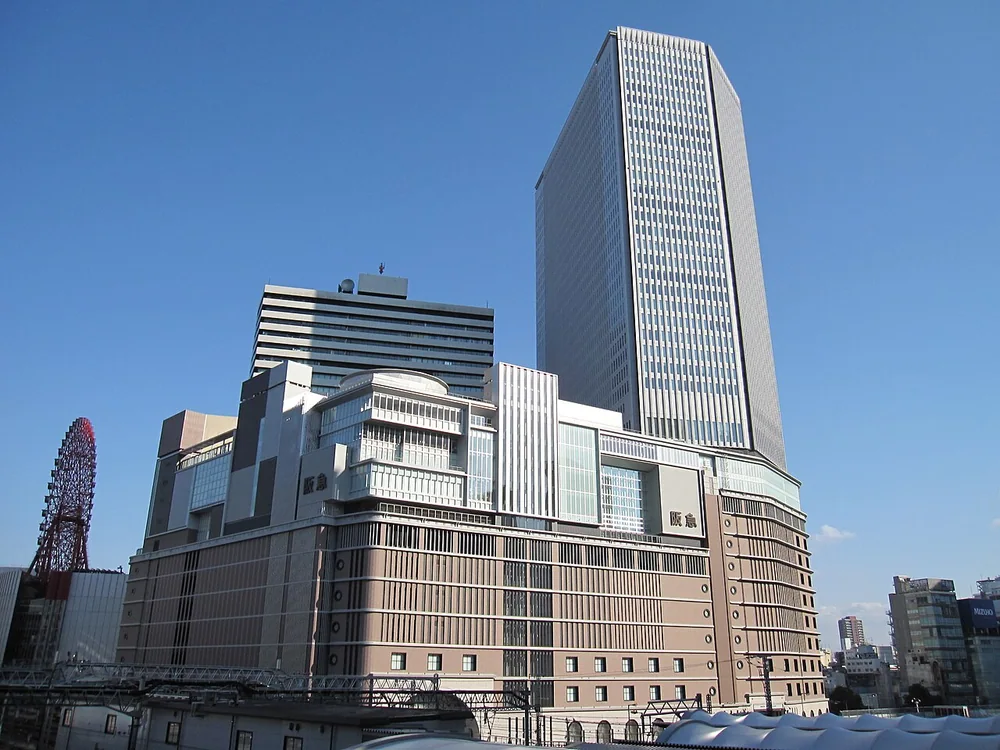
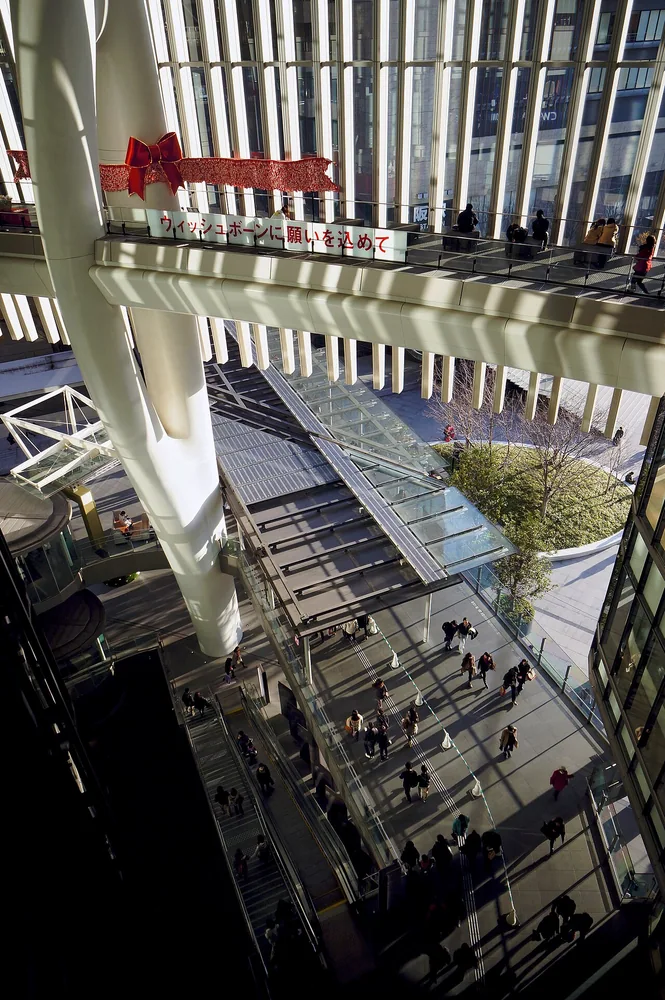
For clothing, household goods and outdoor products, consult the LUCUA and LUCUA 1100 floor maps. The buildings have different layouts; choose the building and level before going up. If you know the Japanese brands you want and need to try clothes on, browsing a few relevant floors is usually easier than visiting every floor from the basement to the top. When trying on clothes, consider how they work with your coat, bag and shoes. An attractive garment can still be awkward to carry for the rest of the trip.
Grand Front Osaka's official shop search filters outdoor and sports, home and lifestyle, fashion and beauty. Find the brand, then check the South or North Building; access and floor maps are separate. For trainers and home design goods on the same list, it can be your main stop, with only selected purchases in another building. Each of these three can take a substantial visit. Two with clear purposes are enough.
If reaching Umeda in the morning, eat breakfast or wait near the station until the target shop opens. Grand Front's official visitor information gives general shop hours of 11:00–21:00 and restaurants 11:00–23:00, with exceptions. For dinner before shopping, note the earlier shop closing time. Do fittings before dinner and leave decided purchases for the evening.
A Umeda half-day: finish the main purchase before adding parks or views
Suppose you reach Umeda in the afternoon and plan dinner in Namba. First complete the item needing fitting or advice. Go straight to the target floor, set down your coat and bag, and deal with size, colour and payment. Move to the second building only afterwards. If out of stock, ask which branch staff can check, then decide whether time allows a move. Do not let one unavailable item lead the whole group on a stock chase.
Use the second stop for easier browsing of clothes or household goods. If you have eaten lunch, rest and drink water during this stage. If you need a meal, eat before the basement food hall. Make refrigerated food your final northern-area purchase and take it directly to your accommodation. Check even room-temperature gifts for package size. Attractive boxes take space; for many recipients, ask staff to put the products together and assess whether one bag can hold them.
If you still have energy at dusk, walk through Umekita Park. With both hands full, return to the hotel. For night views, consult the observatory choices in the three-day overview. Keep one evening priority on a shopping day to make the return easier to manage.
Grand Front Osaka and Grand Green Osaka sound similar; read the complete English name when finding a shop. Grand Green has South and North Buildings and Umekita Park. Its official facility and park information separates shops from the park. Use the park for a break or walk after northern shopping if the weather suits. There is no need to add every facility just to visit another landmark.
The park gives those finished with shops a slower pace. Agree on an entrance or indoor meeting point before anyone returns to buy missing items. Follow open routes if an event occupies part of the park. Meals and toilets still depend on facility hours. Keep this break optional: if fittings or checkout take longer, omit the walk.
Shinsaibashi's arcade, Midosuji and department stores have different routes
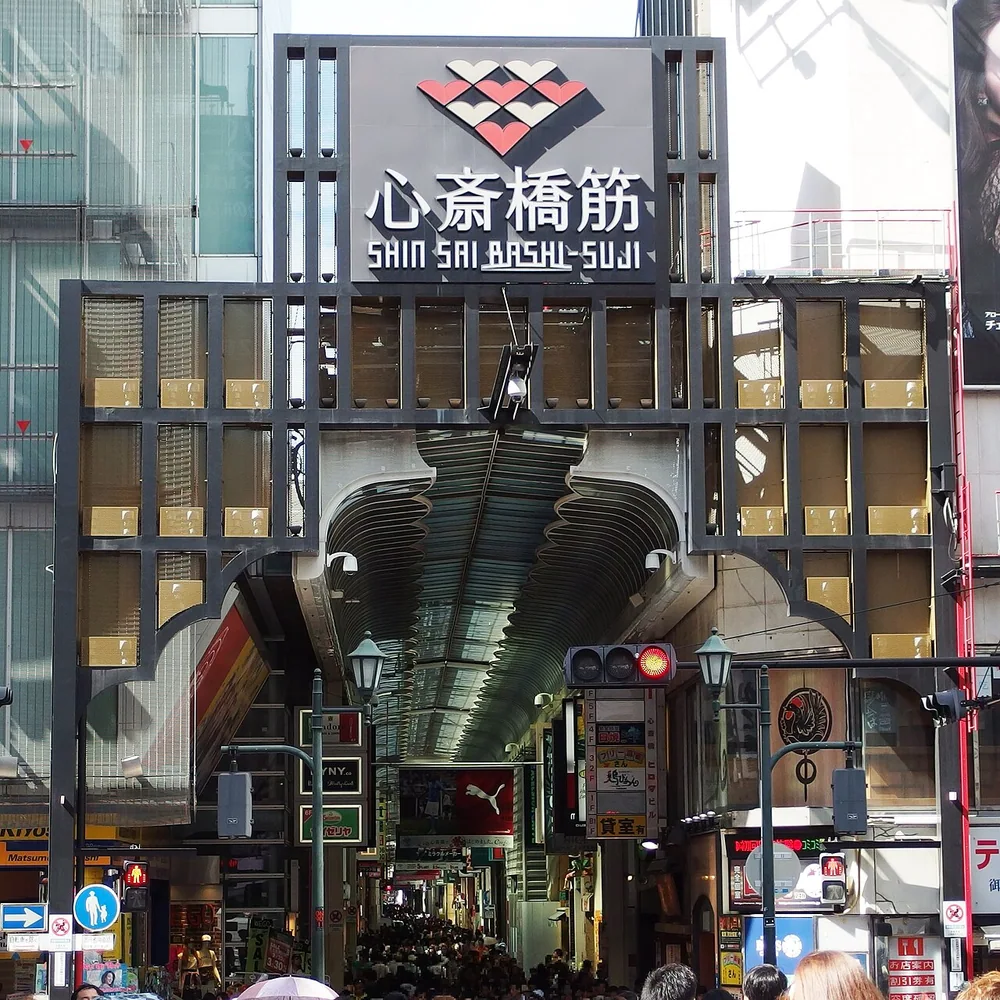
Shinsaibashi-suji shopping arcade lies south of Nagahori-dori and extends towards Dotonbori. The Osaka Convention & Tourism Bureau gives its main length as about 580 metres. It mixes fashion, pharmacies and dining. Midosuji is the large road alongside, where brand stores and department stores have separate entrances. If you follow the crowd to the end, you may find that your target shop was on the other side.
Pin the two shops you most want and check whether they are in the arcade or on Midosuji. For cosmetics counters and everyday supplies, finish the department-store consultation first, then head south. For health and beauty products only, start with a shop carrying most of the list, checking volumes and pack counts. Use a second shop only for missing products. Rechecking the same items in every shop quickly uses time you need for meals and trying on clothes.
The arcade has a roof, but side streets, crossings and other neighbourhoods still involve outdoor sections. Shinsaibashi-suji North Shopping Street continues north of Nagahori-dori. There is more to browse there, but if dinner is in Namba, save the northern stretch for another visit. Starting in Shinsaibashi and finishing in Namba gives shopping a clear direction.
Daimaru and Shinsaibashi PARCO: split purchases between adjoining buildings
For companions with different interests, such as cosmetics counters, character goods or household items, first check Daimaru Shinsaibashi's floor guide and distinguish the Main Building from Shinsaibashi PARCO. The guide lists buildings, categories and connecting routes. Search for the brand's building first, then choose how to go upstairs, rather than touring every floor together.
When splitting up, choose a meeting place where waiting does not require a purchase, and record its level and nearby shop. Make-up trials, shoe sizes and character-goods queues take very different times. Anyone finishing early can rest without adding another centre to fill the wait. Keep one adult with children. Change carers at the meeting point instead of searching for people and handing over at an escalator.
Complete checkout and purchase registration, and ask staff to explain the return policy before leaving the building. Save the refund method when you buy. If in doubt, opening the packaging to check the model and colour before dinner is easier than discovering a mistake at the restaurant. Ask the counter about seals and packaging that affect returns before deciding how to inspect the product.
Amerikamura and Horie: choose one for a deeper fashion or design visit
Amerikamura lies in Nishi-Shinsaibashi, west of Shinsaibashi Station. The tourism bureau's area page gives its location and access. For streetwear, records or vintage clothing, make it the main destination. Choose a few shops matching your taste, then browse other windows along the way. Searching racks and trying sizes need an uninterrupted block of time.
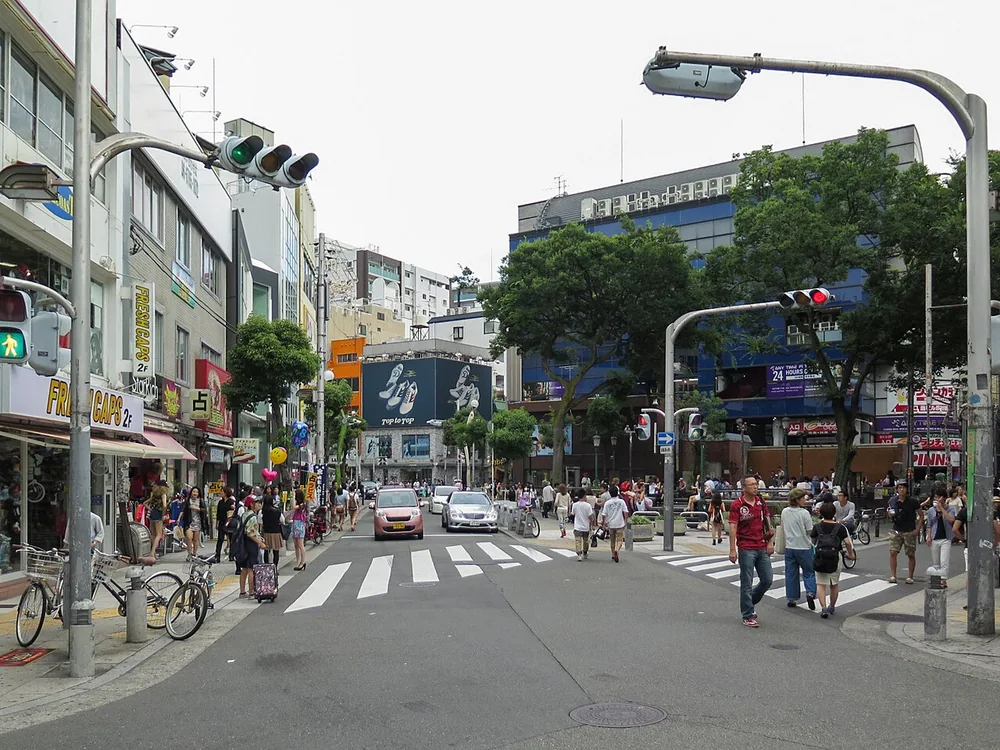
Check vintage clothes at the collar, underarms, zips, seams and fabric for repairs you would need to make. Compare actual condition and price with how much repair work you are willing to do. If you like a print but the garment does not fit, note the product name and keep looking. Ask about returns before buying and keep the receipt with care-label information.
Companions interested only in street photographs can take a shorter walk and meet you in Shinsaibashi for food, rather than wait through every rack. With dinner booked in Namba, agree when to head south. Continually adding small shops can leave everyone hurrying to the restaurant with their bags.
Horie is on the west side of the southern district. Tachibana-dori, also called Orange Street, developed from a furniture street into a mix of design shops, fashion and cafés. The tourism bureau's Horie introduction explains its relationship to Yotsubashi Station. Move your shopping time here for furniture materials, displays or small household objects. Shinsaibashi is more convenient for buying health and beauty products and completing a list of specific brands.
Independent shops are scattered among streets and buildings. Choose target shops, then walk the adjoining blocks instead of making every saved pin compulsory. For homeware, ask about dimensions, weight, packaging and carrying it yourself. It is easy to buy too many plates and cups; arrange transport first for furniture. One object you will use daily is often easier to fit into your home than a bag of small ornaments bought to mark the trip.
Amerikamura and Horie can share an afternoon, with one as the focus. For vintage racks, shorten the café stop. For leisurely design shopping and streets, reduce extra Shinsaibashi shops. In rain, concentrate further: go to the confirmed shop, rest nearby afterwards and decide on the second shop according to the weather.
Finish in Namba: pick target shops in NAMBA CITY and NAMBA PARKS
NAMBA CITY and NAMBA PARKS around Nankai Namba Station suit the end of southern shopping, placing dinner and transport together. Remember the building name when finding a shop: receipts, service desks and the floors where goods are sold are specific to each building. JR Namba and Osaka-Namba still require a walk towards Nankai. With luggage or a meeting, send the facility entrance instead of only ‘Namba’.
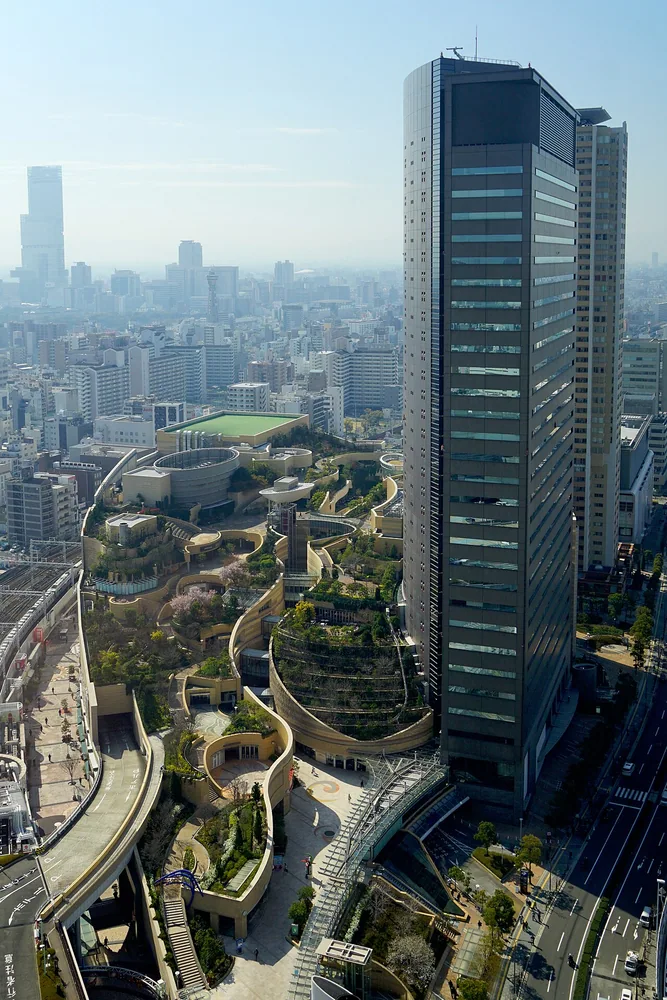
NAMBA PARKS has the rooftop Parks Garden. Its official garden page shows levels and indoor connections and states that entry is free. Walk part of it to change from indoors to outdoors during shopping, or stay inside to rest in heat or rain. The garden spans levels. With a pushchair or tired legs, choose a short, even section rather than walking from bottom to top.
If taking Nankai to the airport that day, settle luggage and departure time before choosing a shop. Repacking a large box can take longer than expected. Restaurants and shops have different schedules. Dinner may still be available after it is too late to return for another purchase. Finish important items before eating.
NAMBA PARKS' official short film introduces Parks Garden. Choose part of the garden for a walk during your shopping trip.
Nipponbashi models and anime: search by series
Shops are spread across Den Den Town and Ota Road in Nipponbashi. The official Nipponbashi-suji shopping district site supplies listings and a shopping map. For models, games, anime goods or electronic components, find shops handling the item type before plotting locations. Assuming every Nipponbashi shop sells the same things wastes time on unsuitable floors.
For collectables, save the full series name, character, edition and box image. Read second-hand condition labels and ask about accessories, packaging and the item itself. Different sizes and reissues of the same character can look similar in photographs. Read handling rules before picking an item up, and ask staff to open display cases. Keep labels with receipts so you can identify each item's condition when sorting purchases at the hotel.
Large model boxes take substantial space. Before buying, decide whether to retain the box, flatten it or ship the box intact, rather than discover before departure that it will not fit. For electronics, compare voltage, plug, language and the geographical scope of after-sales support against use at home. Companions without the same interest can meet you for food in Namba, leaving focused shopping time.
Sennichimae Doguyasuji: choose tableware by how you will use it
Sennichimae Doguyasuji specialises in cooking equipment. Its official shop categories include kitchen equipment, tableware and ceramics, knives, food models and shop supplies. Bring a regularly cooked dish to mind when choosing a tool. A ramen bowl needs room for noodles and broth, a cup should fit the hand, and cookware must suit your hob. Use provides a better filter than appearance alone.
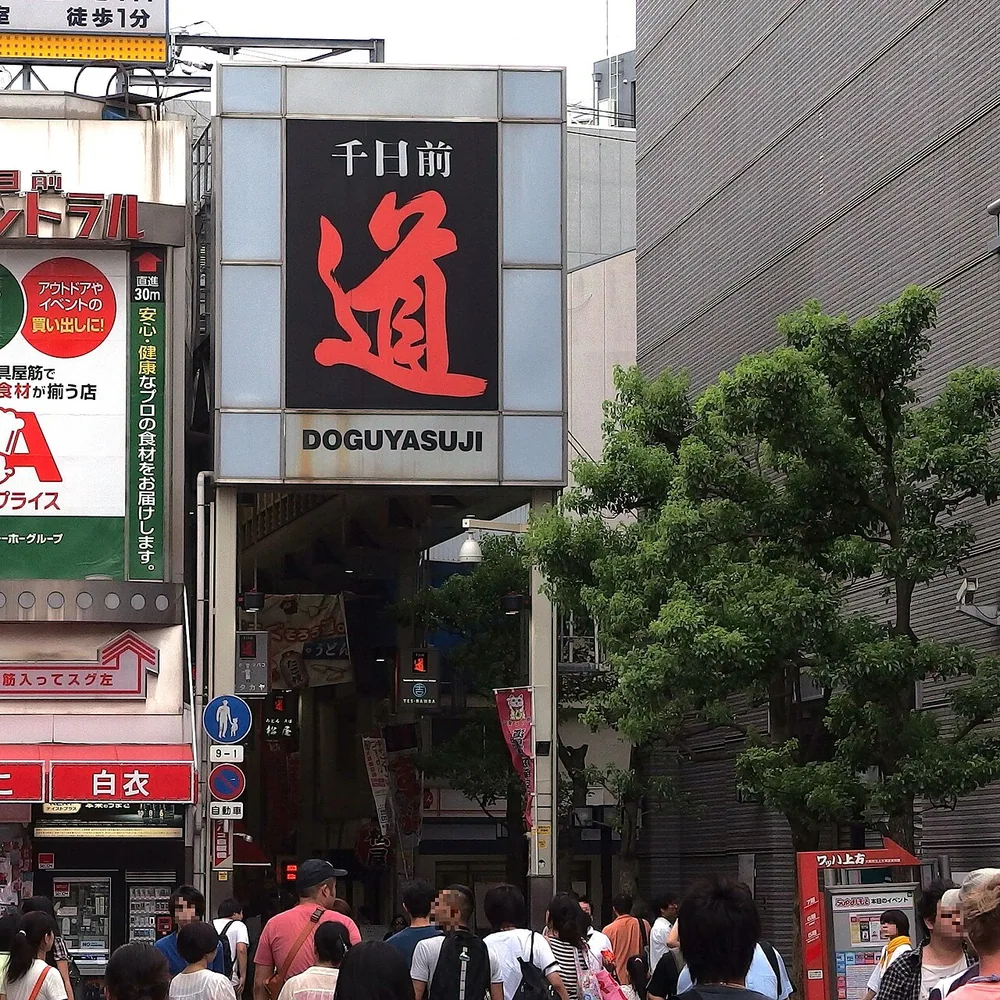
Check ceramics for individual size, quantity and protective packaging, estimating weight before buying a set. Tell knife-shop staff which hand you use, what you cook, and your preferences for the blade material and maintenance. Choose a material needing more care only if you will dry and maintain it. Arrange checked baggage before buying knives: airport baggage rules require kitchen knives and other blades in checked luggage. Large professional equipment suits buyers with shipping arranged; on an ordinary trip, choose small items you can carry and use at home.
Place Doguyasuji late in the shopping route. After ceramics or a heavy pot, return to the hotel to put them down, then go out for dinner without the bags. If also visiting Nipponbashi, inspect models and note desired boxes first, then decide the combined volume. With limited luggage space, prioritise the item hardest to buy at home.
A southern shopping day: choose the branch after lunch
Start in Shinsaibashi and finish counters or fixed-list items in the morning, then sit down for lunch. Afterwards choose west towards Amerikamura and Horie, or south towards Namba and Nipponbashi. Each route has its own shopping focus, so choosing one lets you explore it more easily. If bags are already full before lunch, finish directly towards Namba and omit the other neighbourhood.
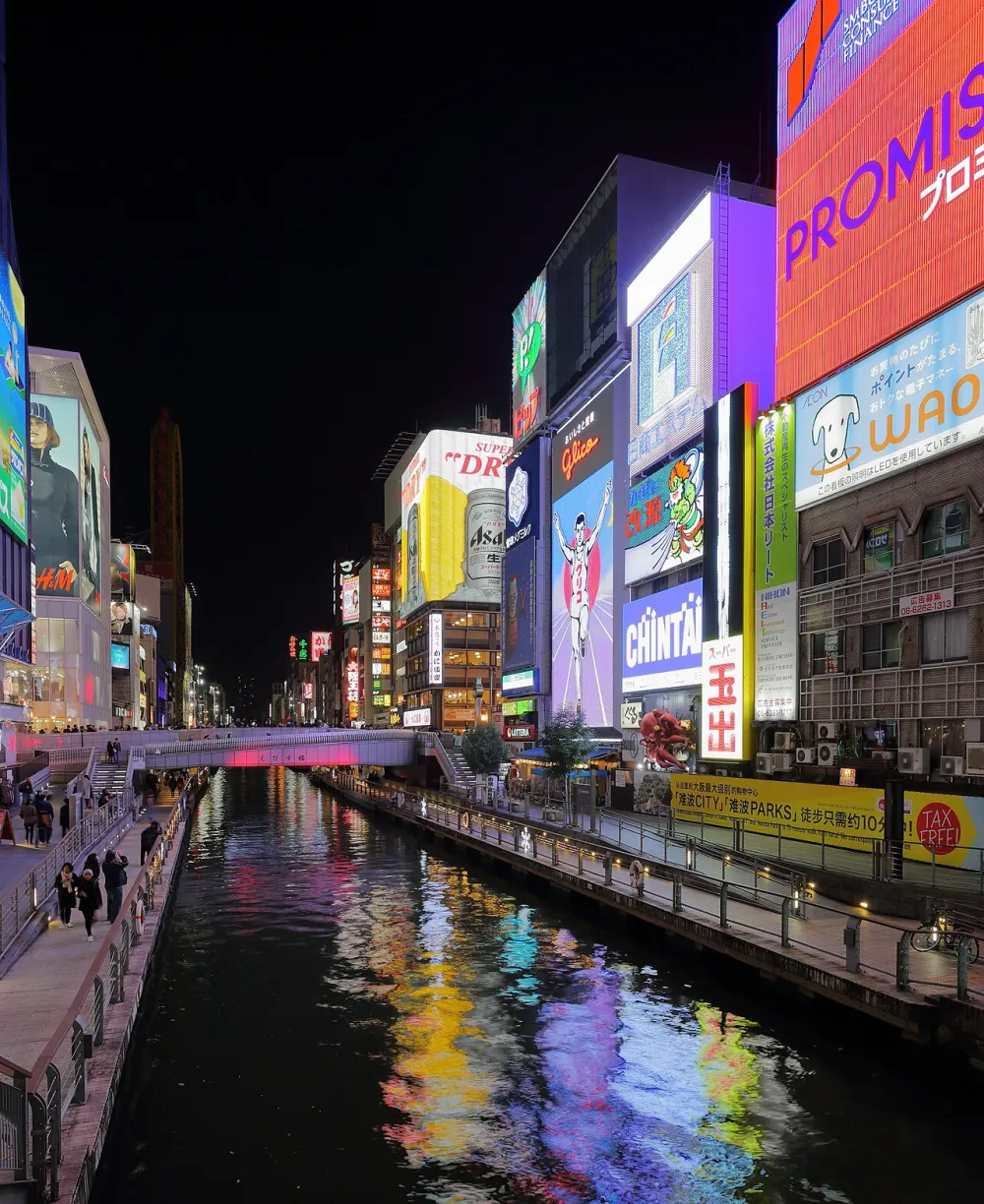
For fashion, head west from Shinsaibashi through Amerikamura, extending to Horie according to target shops. Return to the agreed Namba restaurant by evening, or to the hotel first with heavy items. For anime and tableware, divide the afternoon between Nipponbashi and Doguyasuji, then eat around Nankai Namba. Save Dotonbori's sign-lined street for that southern evening instead of another return trip for a photograph.
These are ways to divide a day; swap the starting point to suit your hotel. Near Nipponbashi, start with collectables and go north for clothes. In Shinsaibashi, leave the final shop near the hotel. For seated meals, snacks and when a queue is worthwhile, use the Osaka food and neighbourhood dining guide and put dinner at your shopping endpoint.
To shop north and south in one day, give the crossing a specific purpose
A Umeda morning and Shinsaibashi afternoon work if both have specific targets. A counter purchase in Umeda followed by a particular Horie design shop gives the two halves different purposes. If simply comparing which side is livelier, staying on one side and browsing slowly usually offers more. Cross after eating so you can start at the second area instead of searching for an exit while hungry.
The Midosuji Line connects Umeda, Shinsaibashi and Namba; the official route map shows station order. Save the second area's first shop and return station before boarding, and allow station-entry and exit time beyond the ride. If one person carries both areas' bags, energy soon falls. Take large purchases from the first area to your accommodation or suitable storage before beginning the second.
If travelling to another area solely to find a sold-out item, get the other branch's stock information and reservation conditions first. Without confirmed stock, keep it optional. In the second area, complete the item that justified the journey before deciding whether to browse more.
Rain, heat and family visits: keep shopping and rest in the same area
In Umeda, concentrate on one department store and a station-side centre. In Shinsaibashi, use the covered arcade and a department-store break. Underground streets and links reduce exposure, but changing buildings can still involve outdoor entrances. Find connections on official floor maps, plus lifts for pushchair and wheelchair users. After a wrong turn, returning to a known entrance is usually easier than guessing further exits.
Changing from Horie to a department store in rain changes the day's focus from a street walk to concentrated shopping. If one independent shop was your main goal, go directly there and rest nearby afterwards instead of forcing the entire walk. In summer, place outdoor areas in a tolerable time slot and keep the afternoon for indoor fittings and food. Stop for thirst or discomfort; missing everyday supplies can be bought on the way back to the hotel.
Count breaks as part of shopping time. A seated meal, water and toilets prepare everyone better for the next segment than eating small snacks while walking. If you buy refrigerated food early, shorten the rest. To retain a full shopping afternoon, buy food just before leaving.
For families, start with one large facility with a clear floor map. Locate toilets, lifts and rest areas before adults split purchases. Follow staff guidance for pushchair parking and fitting rooms. During a child's nap, one adult can complete the list while the other keeps a steady rest routine. Finish separate segments and hand over at the same place instead of making everyone wait outside every shop.
For older relatives uninterested in fashion, shorten the outing to a department store and a full meal, perhaps adding a short park walk in suitable weather. Finish necessary shoes and everyday items first, then stay somewhere seated. If mobile reception is unreliable, agree where to wait when someone cannot be found, as well as the time and level. This avoids both people leaving to search for each other.
Mobility needs affect the entire door-to-door route. A short map distance may include stairs, crowded entrances or a lift detour. Find a usable entrance on the official facility plan and connect it to the station map. A shorter list leaves time for lifts, coats and rest.
Compare identical products, with discounts and tax refunds separate
The same brand does not mean the same product. Compare health and beauty products by volume and whether they are refills or full-size packs; shoes by product number, width and colourway; and cameras and appliances by model and specification. Include the product with the shelf label in photographs to avoid treating different versions as a price gap. Buy low-cost everyday items with small differences at the first shop, leaving time for products requiring personal testing.
Read tourist coupons for eligible brands, minimum spending and combination rules. Record the original price, discounted payment, tax-refund service fee and possible refund method separately, then compare final costs. Buying extra to meet a threshold changes a savings plan. Put unlisted items back and decide after calculating.
Divide the budget into essentials, purchases to decide after inspection and browsing. Give the last two a combined limit so you know the remaining allowance before entering. For purchases on someone else's behalf, agree substitutes and a maximum total beforehand. If messages go unanswered, use that agreement instead of discussing the whole list at the till.
From 1 November 2026: pay tax first, receive a refund after departure checks
The change follows purchase date. Purchases through 31 October 2026 use the previous tax-free system. From 1 November, pay the price including consumption tax at the tax-free shop. After customs verifies export from Japan at departure, the shop or its appointed operator issues the refund. For a trip spanning October and November, organise each purchase by date. Japan Customs and the Japan Tourism Agency's visitor page explain the change. Budget for the tax-inclusive payment before travelling.
The new system requires eligible purchases of at least ¥5,000 excluding tax at the same shop on the same day, with departure verification within 90 days of purchase. Bring your passport and other eligibility documents to the shop, and retain purchase records and the refund method. After checkout, read the supplied instructions and keep that transaction's goods easy to locate. The shop or appointed operator refunds you; save the payment method and contact details before leaving.
Consumables such as food and cosmetics used in Japan cannot receive an export-confirmation refund for those goods. The Tourism Agency also explains that checks are by purchase procedure or receipt. If any item from one transaction is missing, the other eligible items in that transaction cannot pass together. Pay separately for snacks to eat at the hotel and gifts to take out intact. Separate skincare for use during the trip from the tax-free list for home too.
When packing, keep the goods intact and in an order you can search, with receipts grouped by transaction in one pouch. Do this back at the hotel after shopping. Emptying several days' bags on the last night makes small items easier to miss. Keep gifts in your own luggage until departure procedures are complete and you have taken them to your destination, then distribute them.
Departure day: complete tax-refund verification before checking bags
Under the new system, customs verification terminals and inspection areas are before baggage drop, including in international departure halls. You must have all tax-free goods with you. If inspection is required, take them to the designated place. After checking luggage, you cannot produce the same goods for the procedure. Pack with this in mind: match receipts to goods and keep the case accessible for opening and retrieval if needed.
Kansai Airport is among the airports supporting the Visit Japan Web online procedure. Use it within the designated Wi-Fi area for the procedure in the international departure hall, or use an airport kiosk. The Tourism Agency's instructions require customs verification, including any inspection, before airline check-in procedures. Add this time before the airline's check-in, bag-drop and security deadlines when setting airport arrival.
If taking a domestic flight before leaving Japan from another airport, verification is at the final Japanese departure airport. Plan the transfer with the goods and baggage arrangements. For the city-to-airport journey, use the Kansai Airport transport guide and work back from your terminal and airline deadlines. Leave another round of unplanned shopping out of departure morning.
Keep time for dinner: put bags down before choosing the evening
Take heavy purchases to your accommodation first and check models, colours and receipts while the original shops remain open. If the important items are complete, eat at the planned time. Leave missing items for shops near the following day's route.
Namba Takashimaya and Abeno Kintetsu: children's shopping and care in one building
If Namba is already on your route, level 6 of Osaka Takashimaya concentrates toys and childcare goods. Hello Baby Salon focuses on maternity and infant products; Niki Tiki has European toys, and Sanrio has character goods. The same level has baby rest and nursing rooms, nappy-changing beds, hot water for formula and a baby-food microwave. Meet care needs before shopping on that level instead of repeatedly searching across buildings. Borrow pushchairs at the level 1 front information desk in order of arrival. They suit ages 1–48 months, with no telephone reservations.
If Tennoji is already the day's endpoint, choose Abeno Harukas Kintetsu Main Store. Children's shoe fitting, nursing and nappy changing are on Tower Building level 8. Pushchair and wheelchair loans are at the service desks on Tower level 2 or Wing level 2. Wider Universal Fitting Rooms are on Tower levels 6 and 7 and Wing levels 4 and 5. Note the building before going up so companions can meet on the same level in the same building. These department stores fit existing Namba or Tennoji plans; choose the one already on your route.
A few useful answers
For a first Osaka shopping trip, is Umeda or Shinsaibashi better?
Choose Umeda for counters, fitting and gifts in one place. Choose Shinsaibashi to Namba to combine health and beauty products, the shopping arcade and Dotonbori dinner. With half a day, stay on one side and begin with the item hardest to replace.
Can vintage clothes and models share an Osaka day?
Yes. Choose a few target shops in Amerikamura and Nipponbashi. Explore one area after lunch and use the other for already selected products only. If you want to search slowly in both, allow two afternoons.
Does the new tax-refund system deduct tax at checkout?
For purchases from 1 November 2026, pay the tax-inclusive price first. After customs export verification at departure, the tax-free shop or appointed operator refunds you. Complete verification before baggage check-in and within 90 days of purchase.
Where is convenient for shopping in Osaka on a rainy day?
Choose one Umeda department store and a station-side centre, or the covered Shinsaibashi arcade with Daimaru and PARCO. Save connecting routes and lift locations and shorten the Horie plan involving long outdoor walks.
Official information and references
Sources used in this guide.
- Osaka Convention & Tourism Bureau: Shinsaibashi-suji arcade extent and location
- Hankyu Umeda Main Store: level 2 HANKYU BEAUTY brands
- LUCUA Osaka: floor maps by building
- LUCUA Osaka: JR ticket gates and station access
- Grand Front Osaka: shop categories
- Grand Front Osaka: buildings and access
- Grand Green Osaka: buildings, park and facilities
- Daimaru Shinsaibashi: Main Building, PARCO and floor guide
- Osaka Convention & Tourism Bureau: Amerikamura
- Osaka Convention & Tourism Bureau: Horie and Tachibana-dori
- Nipponbashi-suji shopping district: official Den Den Town and Ota Road site
- Nipponbashi-suji shopping district: shopping map
- Sennichimae Doguyasuji: shop categories and cooking tools
- NAMBA PARKS: free rooftop park and levels
- NAMBA CITY: floor map and Nankai Namba area
- Osaka Metro: Midosuji Line and station order
- Japan Customs: tax-refund system change on 1 November 2026
- Japan Tourism Agency: eligible spending, export verification and procedure before bag drop
- Japan Customs: refunds by shops through registered methods after verification
- Grand Front Osaka: different shop and restaurant hours
- Narita International Airport: knives and other blades in checked baggage
- Osaka Takashimaya: level 6 children's goods, nursing and pushchair services
- Osaka Takashimaya: facilities and priority lift routes
- Abeno Harukas Kintetsu Main Store: family facilities, children's shoe fitting and accessible fitting rooms