How to reach Kuromon Market from Nippombashi Station Exit 10, compare dining and shopping hours at Kuromon Sanpei, Kurogin, and Kuromon Nakagawa, plus kaisendon prices, rainy-day shortcuts, and a Namba half-day itinerary.
- Region & Focus
- Osaka
- Reading Scope
- 16 min read · 9 chapters · 5 Q&As
- Official Verification
- 32 official sources checkedUpdated November 22, 2026
- Key Topics
- FoodFirst tripNeighborhoods
Chapter Route Map (tap any stop)
- Which Station to Use—Depending on Your Luggage
- Reading the Market Map: Where to Eat and Where to Rest
- 8:00, 10:00, or 14:00: How the Market Changes Through the Day
- Kaisendon, Custom-Cut Tuna, or Fugu Hot Pot: What Drives the Price Gap
- Sit-Down Meals vs. Grab-and-Go: How to Pace Your Stop
- Shopping for Your Hotel Room vs. Bringing Souvenirs Home
- Year-End Crowds, Rainy Season, or Summer Heat: Backup Plans Next Door
- Where to Go Next: Doguyasuji, Den Den Town, or Dotonbori
- Staying Near Kuromon or Nankai Namba: Choose Based on Your Trip
- Quick Q&A
For your first visit to Osaka's Kuromon Market, head up to street level from Nippombashi Station Exit 10 around 10:00 on a weekday, leave 60 to 90 minutes to browse and eat a meal, and walk on toward Namba afterward. For a sit-down breakfast, Kuromon Sanpei opens at 8:00. If you are coming specifically to pick out cuts of bluefin tuna, schedule Kurogin during the day. And if you plan to cook back at an apartment, note the fresh-fish prep hours at Kuromon Nakagawa first. Kuromon is a multi-entrance shopping arcade where each shop sets its own schedule, so even an afternoon arrival works well with the right plan.
Which Station to Use—Depending on Your Luggage
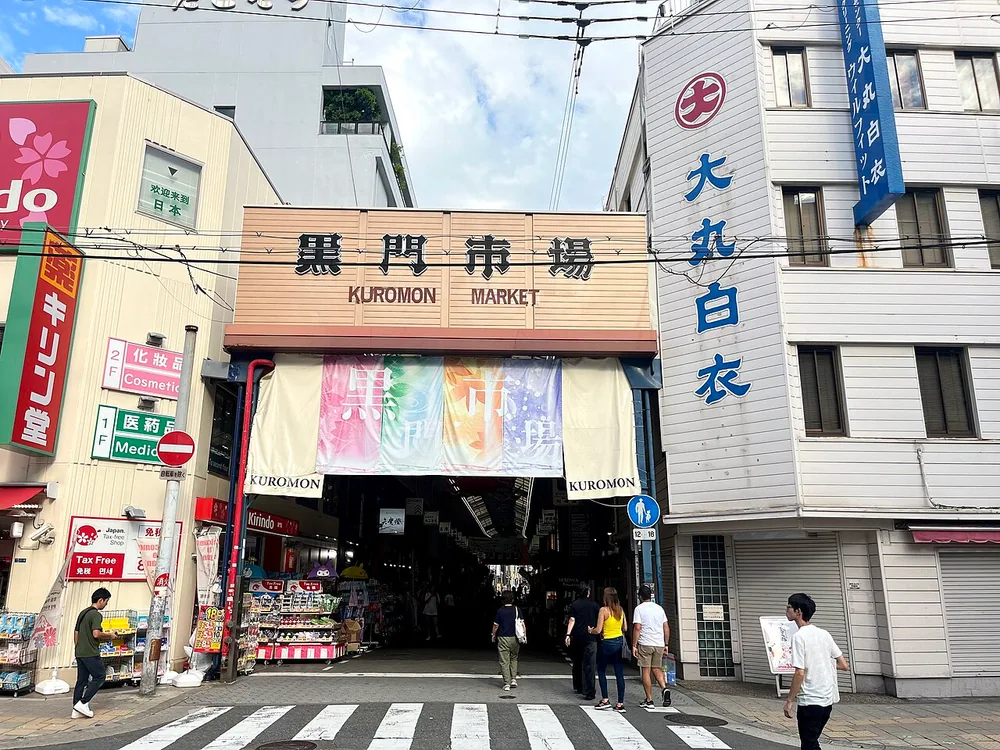
Kuromon Market spans Nipponbashi 1-chome and 2-chome in Osaka's Chuo Ward. Both the Osaka Metro Sakaisuji Line (K17) and Sennichimae Line (S17) serve Nippombashi Station, and Kintetsu trains stop at adjacent Kintetsu-Nippombashi Station. If you are traveling light, take Exit 10 and walk toward the covered arcade. The Osaka Convention & Tourism Bureau estimates the walk at about 5 minutes—that gets you into the market, though shops at the southern end take longer to reach. Enter the specific shop name plus "Kuromon Market" into your map app so you are not routed to the market association office first and forced to backtrack with bags in hand.
If you have a wheelchair or stroller, take the elevators instead. From the Sennichimae Line platform, take the elevator to either the East Ticket Gate or the Central-South Ticket Gate, then transfer to a street-level elevator. On the Sakaisuji Line, your platform determines the exit: Platform 1 connects to the East Ticket Gate, while Platform 2 connects to the Central-South Ticket Gate. The East Ticket Gate links to street level and the Kintetsu concourse, and the Central-South Ticket Gate also has a street-level elevator. Follow the station's accessible route diagram to street level first, then navigate above ground—it is far more straightforward than hunting for elevators underground along the Exit 10 signs.
Staying in Namba without bags? Walk east along Sennichimae-dori straight to Nippombashi, or stay underground via Namba Walk. From the Northeast or Northwest Ticket Gates of Osaka Metro Namba Station, follow signs for Exits 16, 17, 22, and 23 into Namba Walk's 1-bangai and 2-bangai sections, and continue toward Nippombashi into 3-bangai. If you are already on the Sennichimae Line platform, Nippombashi is one stop toward Minami-Tatsumi (¥190 adult, ¥100 child). Walking saves a round of stairs and escalators, so save the train for heavy rain or tired legs.
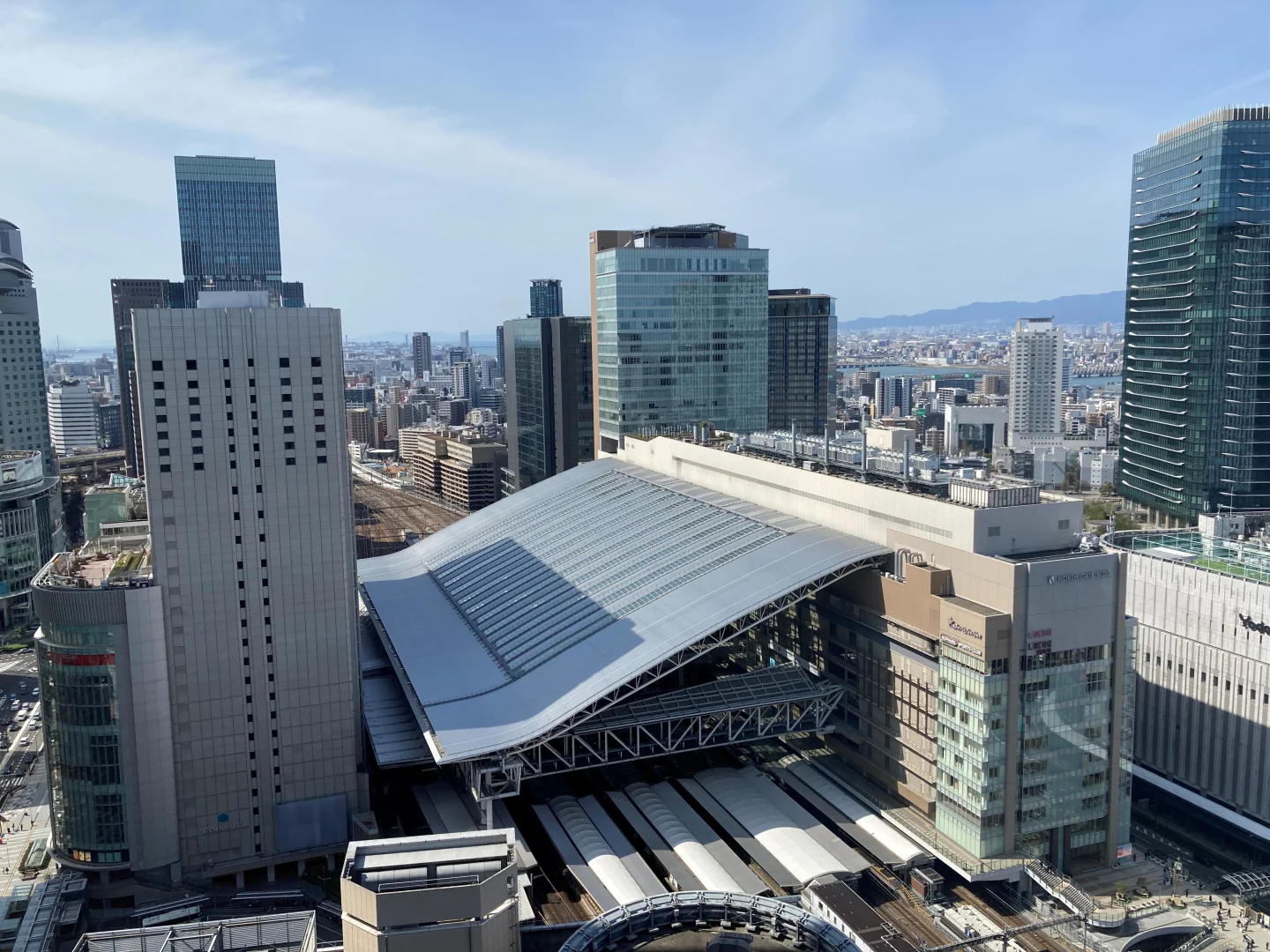
Arriving at Shin-Osaka on the Shinkansen? Ride the Midosuji Line to Namba and transfer inside the station to the Sennichimae Line, picking your Nippombashi exit based on your bags. Coming from Kansai International Airport on Nankai, you have two clean options: if your hotel is north of Kuromon and you want to minimize rolling suitcases on the street, transfer at Tengachaya to the Sakaisuji Line. If you are storing bags or checking in near Nankai Namba first, walk to the market from your hotel afterward. Scheduling your first meal after dropping your bags frees your hands for street food or pushing a stroller through narrow alleys.
When calling a cab or rideshare near the Kintetsu station, specify "Kintetsu-Nippombashi Station" along with your hotel address. Osaka-Namba, Nankai Namba, and JR Namba are three separate stations, so if your group splits up, pick a specific shop inside the market with a full name and street address as your meeting point. Saying "meet at the market entrance" is an easy way to wait at different arcade mouths.
Heading back to Osaka from Kintetsu-Nara? Rapid Express trains stop at Kintetsu-Nippombashi—one stop before Osaka-Namba—making it easy to stop here for lunch. If you booked a Kintetsu Limited Express, check your ticket's scheduled stops before riding. Continuing on to Kyoto's Higashiyama area afterward? Ride the Sakaisuji Line from Nippombashi to Kitahama and transfer to the Keihan Line for Gion-Shijo. Travelers heading near Kyoto Station, however, are better off visiting Kuromon before returning to Shin-Osaka so they do not have to haul luggage through a Gion-Shijo transfer.
How to reach Kuromon Market from Nippombashi Station Exit 10, compare dining and shopping hours at Kuromon Sanpei, Kurogin, and Kuromon Nakagawa, plus kaisendon prices, rainy-day shortcuts, and a Namba half-day itinerary.
Reading the Market Map: Where to Eat and Where to Rest
Entered from Sennichimae-dori on the north side, the main arcade runs about 580 meters, with worthwhile shops branching down side alleys. The market association's February 2026 map labels segments with names like "Maguro no Dori" (Tuna Street), "Tai no Dori" (Sea Bream Street), and "Kani no Dori" (Crab Street), and hanging fish-shaped signs overhead help you get your bearings. Use those names for wayfinding. For tuna, head straight for Kurogin or Maguro Takumi—both sit in the Nichikai section, labeled as the crab zone on the association map.
Kuromon Nakagawa is located at Nipponbashi 1-21-5. Enter the arcade from Exit 10, follow the shop's directions by turning right at the lantern-lit intersection, and look on your right. Kuromon Sanpei is nearby at Nipponbashi 1-22-25. Both names start with "Kuromon," but the first is a full grocery store for cooking ingredients, while the second serves made-to-order seafood bowls. Pin Sanpei for breakfast and Nakagawa for last-minute shopping so you know which end to leave from when heading back to your hotel.
Traveling with kids? Mark two restroom locations on your map first. The Kuromon Free Rest Area ("Kuromon Muryo Kyukeijo") in the southern section offers restrooms and seating, and there is also a restroom marked on the first floor of the market association office. If you want a meal before browsing fresh fish, eat in the northern section and work your way south toward the rest area. Coming in from the Nankai Namba side instead? Run the route in reverse so everyone can use the restroom and regroup before waiting in line.
Giving yourself a little over an hour on a first visit leaves room to be selective. If prepared foods, pickles, and dried goods interest you, skip a second seafood meal and explore another side alley. If someone in your group wants to watch tuna being carved at the counter, save your coffee stop for Namba. And if you are only squeezing Kuromon in between two other stops, pick one sit-down eatery and one exit corner—30 minutes is plenty for a quick refuel.
The name "Kuromon" originally referred to the black temple gate of Enmyoji. According to the Osaka Convention & Tourism Bureau's history, merchants once sold fish from Sakai and Kishu near the temple, and the market rebuilt after fires and wartime air raids. Look up at the shop signs today and you can still spot the traditional specialization: each store focuses on just a few items. To see what local restaurants actually buy, look for signs advertising salted dried fish or kelp ("konbu"). After picking your favorite cut at the fish counter, stop by a kelp shop to ask which grade works best for dashi stock versus everyday bento sides.
8:00, 10:00, or 14:00: How the Market Changes Through the Day
If you only want breakfast, start at Kuromon Sanpei when it opens at 8:00. It has a dine-in seating area, or you can pick ready-made sushi, sashimi, and cooked dishes from the display, pay at the register, and grab a seat. Arriving right at opening works well if you need to reach Osaka Castle or Shinsekai before noon. To see fishmongers, produce stands, and smaller stalls in full swing, push your start to around 10:00 and browse a couple of shops before choosing where to sit down. Those times are simply pacing guidelines—each vendor keeps its own hours.
If tuna is the highlight of your trip, visit Maguroya Kurogin's Kuromon Main Shop in the morning or early afternoon. According to Osaka Metro's August 2026 listing, it operates from 9:00 to 16:00. If you arrive near closing time, check which cuts are still available in the display case before joining the line. If people in your group split up to shop, set a firm meetup time in front of the store so you are not still waiting on stragglers while the counter sells out and delays the rest of your afternoon.
There is a specific reason to visit Kuromon Nakagawa in the afternoon. On Thursdays and Saturdays around 14:00, the store's fresh-fish program brings in "hiru-ami" daytime catches auctioned straight from Akashiura Fishing Port and delivered directly to its seafood counter. Watching local shoppers pick through same-day coastal fish gives you a much better feel for the neighborhood market than simply eating a late lunch. If you plan to cook that night, ask the staff whether a fish is better pan-seared or simmered, and bring it to the prep counter before 17:00.
Evening plans depend on what you want to do. Kuromon Sanpei's Japanese store listing notes hours from 8:00 to 19:30, with last orders at 19:00. If you just need dinner or snacks to take back to your room, Kuromon Nakagawa is normally open 24 hours, with its service counter staffed until 18:00. Save full market browsing for daytime; once kitchen last orders pass, Dotonbori and Namba Walk are both an easy walk away for dinner.
In late December, year-end holiday shopping crowds mean seafood lines include plenty of locals buying ingredients for New Year dishes. If you want a quick lunch, reserve a table in advance and have your group gather outside the alley before walking in together. Visiting right around New Year's Day? Plan around a specific shop's holiday schedule—Kuromon Nakagawa posts shortened hours and closures on its own store calendar—and line up confirmed dining backup options in Namba for New Year's Eve.
Want morning coffee? Head to Ibuki Coffee at Nipponbashi 1-22-31, right on the same block as Kuromon Sanpei, which makes it easy to split up for breakfast and regroup nearby. Its official website also notes a roastery and retail shop next door where you can pick up freshly roasted beans on the same stretch.
| Shop | Official Hours | Best Use of Your Stop |
|---|---|---|
| Kuromon Sanpei (Kuromon Market Shop) | 8:00–19:30, last order 19:00 | Breakfast, reserved dine-in seating, kaisendon, or hot pot |
| Maguroya Kurogin (Kuromon Main Shop) | 9:00–16:00 (Osaka Metro August 2026 data) | Daytime tuna cuts and tuna rice bowls |
| Seisenkan Kuromon Nakagawa | Normally open 24 hours; fish prep 9:00–17:00 | Grocery shopping and late-night bento pickup |
Kaisendon, Custom-Cut Tuna, or Fugu Hot Pot: What Drives the Price Gap
To estimate what a meal at Kuromon Market costs, start with a shop that posts clear menu prices. At Kuromon Sanpei's dine-in counter, grilled eel rice bowls (unagi kabayaki don) cost ¥1,320, the daily assorted kaisendon is ¥1,650, and a sea urchin and salmon roe bowl (uni-ikura don) is ¥3,850, all tax included. Their bluefin tuna bowls step up by cut: ¥1,650 for lean akami, ¥2,200 for medium-fatty chutoro, and ¥3,300 for fatty otoro. If you simply want a filling meal, start with the assorted seafood bowl or cooked eel bowl and save the difference for pickles and snacks further down the arcade.
At Kurogin's glass counter, you can pick directly from lean akami, medium-fatty chutoro, rich otoro, and fatty collar cuts, and staff will prepare your choice to order. For a first tasting, compare akami and chutoro side by side: akami showcases clean tuna flavor, while chutoro adds melt-in-your-mouth richness, making it easy for two people to taste the contrast. If you want predictable budgeting without comparing individual fish blocks, stick to fixed-price rice bowls or sushi sets.
When signs say "market price," confirm the final register total before ordering. Check whether a tag priced per 100 grams will be weighed on the spot, while "ikkan" means a single piece of nigiri and "ichininmae" means one portion. Watch for "zeikomi" (tax included) versus "zeibetsu" (tax extra). For shellfish, confirm whether you are paying per piece, by weight, or after prep. If a group is sharing, get the final total on your biggest splurge item first so you know whether to add two pieces of nigiri or switch to a full rice bowl.
Lunch deals come with timing rules too. Kuromon Sanpei's menu features a ¥1,000 daily lunch special—usually a seafood bowl or set meal—limited to weekdays and finite quantities. If someone in your group only eats cooked food, check the day's special at the counter alongside standing cooked items like pork bowls or grilled eel bowls. Ordering cooked dishes up front also saves you from sitting at a table debating whether everyone wants to split raw sashimi.
On a cold winter day, two people can split a dine-in pufferfish hot pot. Kuromon Sanpei lists an ¥11,000 set for roughly two diners featuring domestically farmed tiger puffer (torafugu) served both as paper-thin sashimi and in hot pot—around ¥5,500 per person before add-ons or drinks. If everyone wants hot cooked food from start to finish, look at Sanpei's crab hot pot or book Kurogin's dine-in-only tuna and scallion hot pot ahead of time. Kurogin's tuna rolls are irregular and limited, so if you are traveling across town, build your plan around standard bowls or sushi sets.
King crab legs, sea urchin, and wagyu beef can blow through a group's meal budget fast. For beef, check the market map for meat specialists like Seiniku Gyucho or Sugimoto Shoten, along with wagyu stalls marked for dine-in service. Countertop butcher prices work differently from grilled-to-order portions, so decide whether you are buying meat to cook back at your room or paying for fresh preparation—then compare cut, weight, and final price. If you only want a bite, split one serving between two people.
To keep a meal for four under ¥7,000, run the numbers using Kuromon Sanpei's posted prices: three ¥1,650 assorted kaisendon bowls plus one ¥1,320 unagi bowl comes to ¥6,270, leaving ¥730 to spare. Swap just one bowl for uni and salmon roe, and food alone jumps to ¥8,470. A smart compromise is ordering four individual bowls you actually want, then splitting one extra dish at the next stall. If your group wants to share plates at one table, order everything from that same shop rather than carrying food bought next door into another restaurant's seats.
Sit-Down Meals vs. Grab-and-Go: How to Pace Your Stop
At Kuromon Sanpei, pick the items you want from the front display, pay at the register, and take a seat. For made-to-order kaisendon and hot pots, order and pay at the register to receive a meal ticket, and staff will bring the food to your table. Reservations are available—if you are visiting with older relatives, a stroller, or a larger group, book a slot through the reservation link on the shop's FAQ page. They only have five high chairs, offered first-come, first-served. Ask for sharing plates when staff seat you or drop off your food.
If you buy grilled shellfish at other stalls, follow the vendor's instructions to eat in their designated standing zone or take it to an authorized seating spot. Hunting for a bench while holding hot food makes it easy to spill broth and get in the way of local shoppers and delivery carts. Parents with a stroller can send one person into the line while the other waits clear of storefront traffic. Save hot soups and messy two-handed shellfish for sit-down spots with proper seating.
If anyone in your group has a shellfish allergy, show staff a written note in Japanese ("Ebi, kani no arerugi ga arimasu") and confirm whether grills or fryers are shared. Vegetarian diners should also ask directly whether a soup base uses bonito dashi. Take care of anyone with dietary restrictions first—get them seated and ordered—while the rest of the group grabs snacks along the arcade. If you are planning a fuller sit-down lunch in Namba afterward, spend your market time browsing dried goods and produce stands instead.
Not sure how a counter works? Ask "Tennai de taberaremasu ka?" to check if dine-in seating is available, "Mochikaeri" for takeout, or "Torizara wo nimai onegaishimasu" if two people want extra sharing plates. Because Kuromon mixes retail fish counters with restaurants, clarify before pointing at a cut of fish whether it can be served as a rice bowl or nigiri, or sold only as a raw fillet. If someone in your party needs to leave early, let them order a quick cooked item and settle their bill separately.
Shopping for Your Hotel Room vs. Bringing Souvenirs Home
Before buying cut fruit or hot snacks, check where you are headed next. Going straight back to your hotel after lunch? Grab items on your way out. Still have a half-day ahead at Kaiyukan or Shinsaibashi? Buy a single-serving fruit cup and finish it in the stall's eating area. Most countries' customs and agricultural quarantine agencies—including Taiwan's APHIA—strictly ban bringing fresh fruit home in either carry-on or checked baggage. Save your souvenir budget for packaged items with clear ingredient lists and room-temperature storage labels.
If you are staying in Osaka for a few nights with a kitchen, Kuromon Nakagawa's fish-prep counter is far more practical than waiting in line for another skewer. Between 9:00 and 17:00, staff will descale, degill, and gut fish bought in the store, or fillet it into two or three pieces. Look for the skinning service ("kawahiki"), though note they do not slice fish into sashimi. Check your room's cookware before buying a fillet to pan-fry—if you only have a small pot, choose smaller portions meant for simmering rather than staring helplessly at a whole fish.
Want to ship items to your next Japanese hotel? Have the hotel's postal code ready at checkout and ask whether refrigerated or frozen shipping is available and when it will arrive, making sure it matches your check-in date and the hotel's receiving policy. An insulated bag with ice packs works for a short walk back to your room, but if you have outdoor sightseeing or hours of station lockers ahead, save fresh food for the very last stop. Keep the packaging intact so you can read storage directions and best-by dates later.
Comparing dried goods? Start with pickles and miso at Iseya Honten in the Nichikai section, then check seaweed and dried pantry staples at Kawako Honten Shobe. Pickles labeled "keep refrigerated" ("yoreizo") belong in your hotel fridge for meals in Osaka. For nori, ask for roasted ("yakinori") or seasoned ("ajitsuke nori"), and compare packs with the same sheet count and size before buying. Thin, flat pouches pack easily along the inside walls of a suitcase so you can organize everything back at the hotel.
For fresh produce, start at Matsumoto Shoten on the north end of the market map or check Hamamoto Seika toward the south. If you spot strawberries in winter or spring and two of you plan to eat them the same day, buy a small pack after comparing berry count, grade, and growing region. With a kitchen, you can rinse and slice fruit back at your room; without a knife, ask whether the stand offers ready-to-eat cups. If a gift box of fruit is bulky and you are transferring straight to Nara, pick it up on your return trip through Nippombashi instead.
Bring plenty of ¥1,000 bills and coins for smaller market stalls. If you are springing for high-priced crab legs, confirm whether they accept your credit card along with the total price, and jot down how much each person owes if splitting the bill. Ask the vendor where to dispose of skewers, wrappers, and napkins. If you continue on to Doguyasuji, carry your trash with you—its official shopping street guidelines note there are no public trash bins along the street.
Year-End Crowds, Rainy Season, or Summer Heat: Backup Plans Next Door
Kuromon's covered arcade keeps the rain off—you only get wet walking between the station and the entrance, crossing open intersections, and heading back underground. Coming from Namba, use Namba Walk to reach the eastern end near Nippombashi Exits 3 and 4, which also connects to the Kintetsu-Nippombashi West Ticket Gate, then pop up via Exit 10 or a street elevator. If heavy rain hits or someone gets tired of walking, limit Kuromon to one meal and duck back underground to rest using Namba Walk's restaurant directory.
If it is pouring and you are catching a Nankai train, finish at the market and walk toward Nankai Namba to take shelter inside Namba Parks. According to Namba Parks' official guide, retail shops generally run 11:00 to 21:00 and restaurants 11:00 to 22:00, with some individual variations. With lockers and family facilities on site, it is an easy one-stop base on a travel day. If you planned to visit the rooftop garden but the rain won't let up, stay inside to eat instead of going up and down floors looking for dry benches.
On hot summer afternoons, you can still browse the indoor seafood displays, just build cold drinks and rest breaks into your schedule. Walking south from the market to Den Den Town means stepping outdoors along Sakaisuji, which gets hot quickly for toddlers in strollers and anyone carrying groceries. If you already bought sashimi, head straight back to your hotel rather than adding another loop. For grilled eel or cooked fish, check sit-down menus and look at the counter tags for origin and delivery timing.
In winter, anchor your visit around warm sit-down food. If you want to see year-end Japanese New Year shopping, focus on roe, kelp, and pickle stalls instead of stopping at every single crab stand. If lunchtime lines are long, do not blow an entire afternoon of reservations waiting for a walk-in counter—grab a set menu for lunch and stroll past the prepared-food stalls afterward. In cold rain, cut back underground to Namba for your next stop and save Dotonbori riverfront photos for clearer weather.
Where to Go Next: Doguyasuji, Den Den Town, or Dotonbori
To see where Osaka's restaurants buy their gear, walk west across Sakaisuji from Kuromon to Sennichimae Doguyasuji Shopping Street. Kuromon is for ingredients; Doguyasuji concentrates knives, baking molds, tableware, and commercial kitchenware in one stretch. Before shopping for a chef's knife, decide whether you mostly cut meat, fish, or vegetables and whether you use a wood or plastic cutting board so staff can match the steel and care routine. Doguyasuji's guidelines ask visitors to ask permission before photographing inside shops. If you buy bulky or heavy cookware, save it for the end of your walk so you are not hauling it down Dotonbori.
Into model kits, retro games, or electronics? Exit the southern end of Kuromon Market and walk straight into Nipponbashi Den Den Town. If you only want two or three shops, keep walking south and catch your train back from Ebisucho Station. Many anime figure and electronics shops sit on side streets, so save exact addresses and floor numbers before splitting up with family, and pick a clear landmark to regroup. If Shinsekai is on your afternoon agenda, trim your shop list here so you can keep heading south in one clean line.
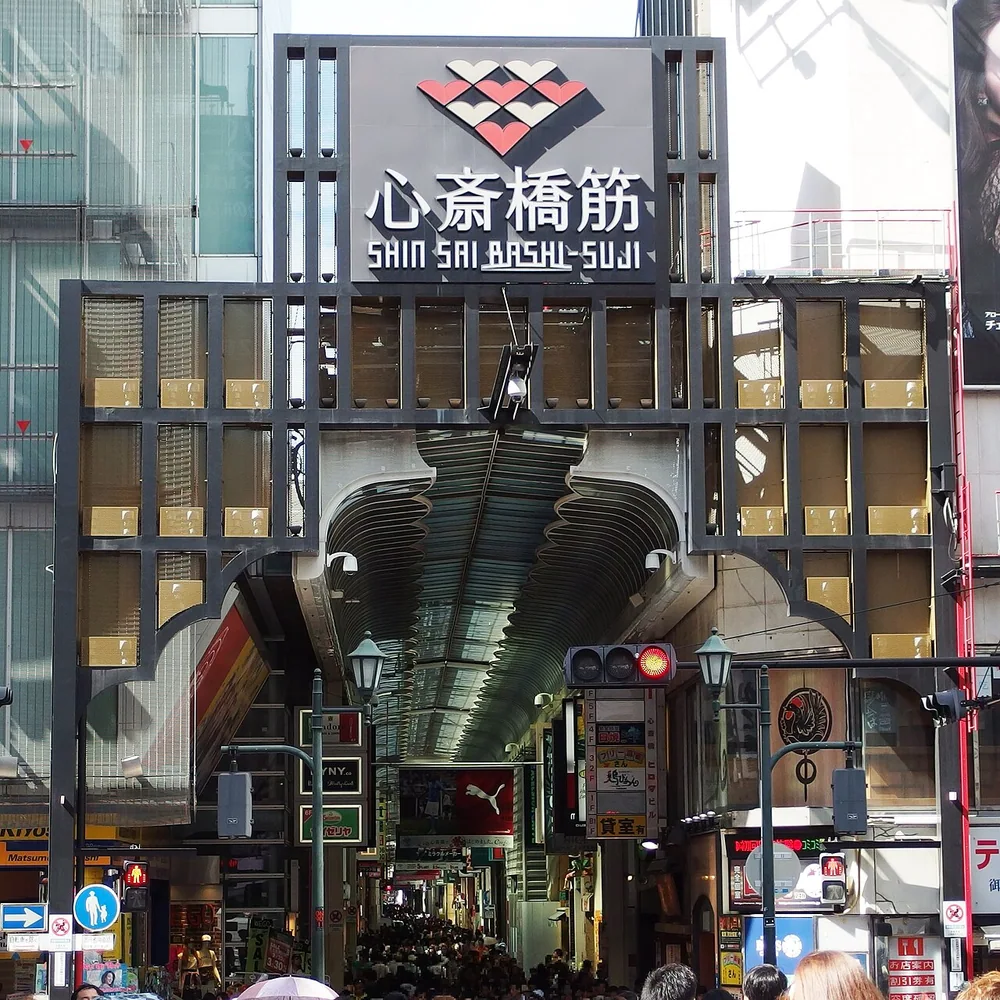
Heading out for neon signs? Walk north back to Sennichimae-dori and cut over to Dotonbori. Eat lunch at Kuromon during the day, head to Ebisubashi Bridge at dusk to watch the billboards light up, then stroll through the Shinsaibashi shopping arcade. If your hotel check-in falls mid-afternoon, drop your bags first and come back to the canal after dark. If kids or older relatives have already walked enough in Kuromon, stop for dessert near the river and skip the extra walk up to Shinsaibashi.
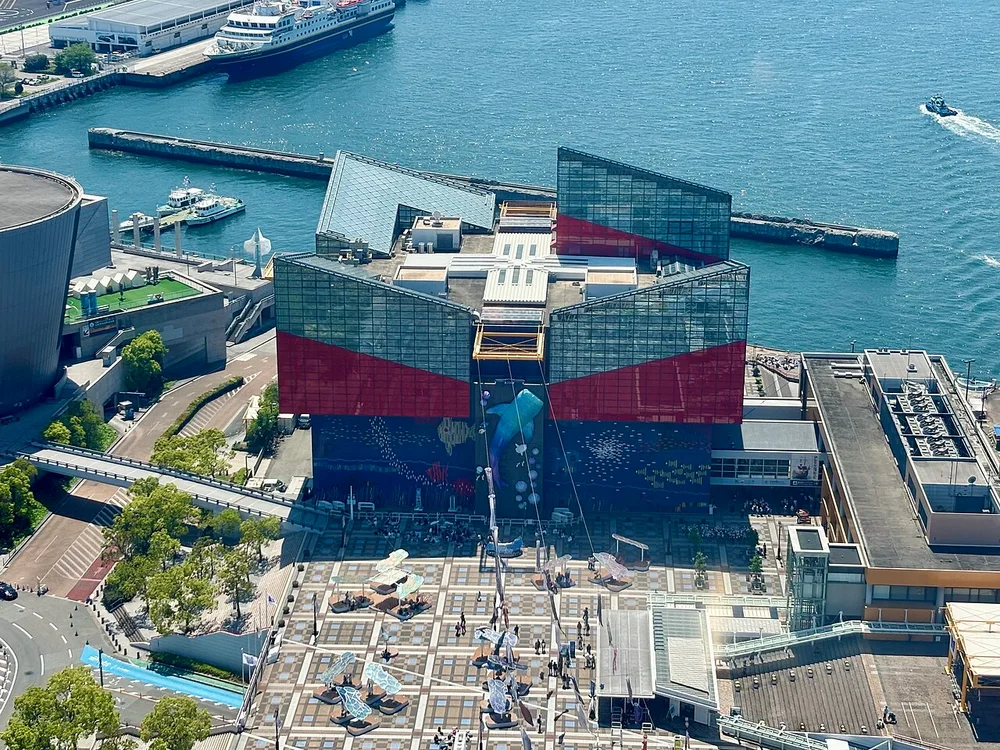
Pairing Kuromon with Osaka Aquarium Kaiyukan works cleanly too. Take the Sakaisuji Line north from Nippombashi to Sakaisuji-Hommachi, transfer to the Chuo Line toward Yumeshima, and walk about 5 minutes from Osakako Station Exit 1. Or skip the rail transfer and catch Osaka City Bus 60 from Namba to Tempozan Harbor Village. Because Kaiyukan uses timed entry tickets, work backward from your entry slot—factoring in transit and walking time—before picking your brunch hour at the market. If your aquarium entry is in the afternoon, add Doguyasuji in the morning.
For early risers who want a wholesale market vibe, look at Osaka Kizu Wholesale Market. Official guides note most stalls start around 6:00 and wrap up around 11:00, with 8:30 to 10:30 as the sweet spot for browsing and shopping—a 3-minute walk from Daikokucho Station Exit 1 on the Midosuji or Yotsubashi Line. Its public morning market ("Asaichi") typically runs on the second and last Saturday of each month from 9:00 to 12:00, with holidays and special openings posted on its calendar. If you only have time for one market, pick Kuromon for easy lunches and Namba shopping, or Kizu for an early wholesale morning.
Want to hit both? Start at Kizu early, ride the Midosuji Line from Daikokucho to Namba, and walk over to Kuromon. You can also walk from Kizu toward Nankai Namba to drop groceries or chilled items at your hotel before heading into Kuromon. Kizu Market is normally closed Sundays, Japanese national holidays, and select Wednesdays, though its annual calendar lists Sunday, December 27, 2026 as a special opening day. If you plan to visit both that morning, finish Kizu before 11:00 and come back to Kuromon for lunch—remembering each market publishes its own year-end schedule.
Staying Near Kuromon or Nankai Namba: Choose Based on Your Trip
The best reason to stay right next to Kuromon is bringing food back to your room every day. Citadines Namba Osaka in Nipponbashi 3-chome, for instance, offers rooms with kitchens and dining areas, and its two-bedroom apartments include a washer-dryer and a dining table for four. For a group of four who will actually use a stove and dining table, compare the room rate against the hassle and cost of finding four-top tables for every single meal. If you are only eating lunch at Kuromon once, stay near whichever train line you will ride most over the rest of your trip.
If you have an early flight home and lots of luggage, Swissôtel Nankai Osaka right above Nankai Namba Station is a practical alternative. The hotel's official guide outlines step-free elevator routes straight from the Nankai airport train platforms to the lobby, sparing you the walk dragging bags across Sennichimae-dori or through the market. You can walk back from a market lunch to drop off shopping bags near the station, then ride the same line straight to the airport the next morning.
Landing at night? Lock in your airport-to-hotel transfer before flying. The Nankai Airport Express runs straight to Nankai Namba. If you want reserved seating, starting April 2026 the Rapi:t regular reserved-seat adult limited express surcharge is ¥700, or ¥550 using Nankai's designated ticketless system, with base fare charged separately. Keep in mind that if a family wants to sit together in the same car, those surcharges add up per person. If you just want dinner and bed on arrival night, eat around Nankai Namba and walk into Kuromon empty-handed the next morning.
If your itinerary leans toward Nara or Shinsekai, staying near Nippombashi Station puts both Kintetsu and the Sakaisuji Line at your doorstep. Shoppers focused on Shinsaibashi will do better along the Midosuji Line, making Kuromon a single morning outing. To weigh specific corners near the market, four-person rooms, and luggage paths, check our guide on where to stay near Kuromon Market—or scan our Osaka neighborhood guide if you are also comparing Umeda and Tennoji.
Even if your hotel includes breakfast, Kuromon still works well as a morning shopping run. Eat at your hotel, stop by the market around 10:00 to compare dried goods, and drop your bags back in your room before lunch. If your room has a kitchen, check the fridge space before buying ingredients for one dinner in. On nights booked with restaurant reservations or late outings, stick to items that keep until checkout—like coffee beans or slim pouches of dried goods—and buy just enough hot snacks to eat that day so you are not dealing with leftovers on checkout morning.
A few useful answers
Which Nippombashi Station exit should I take for Kuromon Market?
On foot, take Exit 10 for roughly a 5-minute walk to the market. If you have a stroller or need step-free access, follow signs from the Sennichimae or Sakaisuji Line platforms to the ground-level elevators via the East Ticket Gate or Central-South Ticket Gate.
What is the best time for a first visit to Kuromon Market?
For breakfast, start at Kuromon Sanpei when it opens at 8:00. To see more stalls open, arrive around 10:00 and budget 60 to 90 minutes for eating and browsing. In the evening, stick to shops that stay open later for dinner.
Do I need a reservation for Kuromon Market?
You can walk straight into the covered arcade with no reservation. However, Kuromon Sanpei accepts advance table bookings for its dine-in section, and Kurogin's tuna and scallion hot pot is dine-in only by reservation.
Can I bring strawberries from Kuromon Market home on my flight?
No. Fresh strawberries count as fresh produce, which customs and agricultural inspection agencies in most home countries—including the U.S., Australia, and Taiwan—ban in both carry-on and checked luggage. Enjoy them while you are in Osaka, and choose clearly labeled, shelf-stable packaged goods as gifts.
Can I combine Kuromon Market with Doguyasuji Shopping Street?
Yes. Eat first at Kuromon Market, then cross Sakaisuji heading west to Sennichimae Doguyasuji for kitchenware before continuing toward Namba Station or Dotonbori in the afternoon.
Official information and references
Sources used in this guide.
- Osaka Convention & Tourism Bureau (Discover Osaka): Kuromon Market and Exit 10
- Osaka Convention & Tourism Bureau: History of Kuromon Market
- Kuromon Market Shopping Street Association: February 2026 Store & Facility Map
- Osaka Prefecture Shopping Street Portal: Kuromon Market & Year-End Shopping
- Osaka Metro: Nippombashi Station Sennichimae Line Exits & Elevators
- Osaka Metro: Nippombashi Station Sakaisuji Line Accessible Routes
- Osaka Metro: Regular Passenger Fares
- Osaka Metro: Subway Lines & Transfers
- Kintetsu Railway: Nara Line & Namba Line Train Stops
- Keihan Electric Railway: Kitahama Station & Kyoto-Bound Routes
- Kuromon Sanpei (Kuromon Market Shop): Store Hours & Info
- Kuromon Sanpei: Dine-In Menu & Prices
- Kuromon Sanpei: Dine-In Reservations & High Chairs FAQ
- Maguroya Kurogin (Kuromon Main Shop): Menu Items & Reservation Hot Pot
- Osaka Metro: Maguroya Kurogin Kuromon Main Shop Listing (August 2026)
- Seisenkan Kuromon Nakagawa: Address, Hours & Market Directions
- Seisenkan Kuromon Nakagawa: Akashiura Fishing Port Daytime Catch Schedule
- Seisenkan Kuromon Nakagawa: Fresh Fish Prep Service
- Seisenkan Kuromon Nakagawa: Store Operating Calendar
- Ibuki Coffee (Kuromon Market Main Shop & Roastery)
- Namba Walk: Underground Shopping Mall Access & Hours
- Namba Parks: Facility Hours & Services
- Sennichimae Doguyasuji Shopping Street: Nearby Attractions & Visitor Etiquette
- Osaka Convention & Tourism Bureau: Nipponbashi Den Den Town
- Osaka Kizu Wholesale Market: Operating & Holiday Calendar
- Osaka Kizu Wholesale Market: 2026 Schedule & Morning Market Guide
- Osaka Kizu Wholesale Market: 2026 Special Opening Dates
- Osaka Aquarium Kaiyukan: Osakako Station & Tempozan Bus Access
- Citadines Namba Osaka: Two-Bedroom Apartment Amenities
- Swissôtel Nankai Osaka: Direct Access from Nankai Namba Station FAQ
- Nankai Electric Railway: Rapi:t Limited Express Fares (2026)
- Taiwan Animal and Plant Health Inspection Agency (APHIA): Fresh Fruit Import Rules for Travelers