Choose an Osaka dining neighborhood around the snacks and meals you want. Compare Dotonbori, Kuromon Market, Umeda, Shinsekai, and Tenma, with ordering tips for okonomiyaki, takoyaki, and kushikatsu, Ajinoya FastPass rules, family seating, vegetarian options, and meal budgets.
- Region & Focus
- Osaka
- Reading Scope
- 32 min read · 16 chapters · 5 Q&As
- Official Verification
- 17 official sources checkedUpdated October 26, 2026
- Key Topics
- FoodNeighborhoodsBooking
Chapter Route Map (tap any stop)
- Decide how you want to eat, then choose a neighborhood
- Takoyaki, okonomiyaki, and kushikatsu: allow for the portion size
- Dotonbori and Sennichimae: build the evening around one main meal
- Wanaka’s Sennichimae main shop: start small when trying different flavors
- Ajinoya main restaurant FastPass: priority in the entry line
- Dotonbori Imai main restaurant: save a bowl of noodles for a seated break
- Kuromon Market: browse ingredients by day and find an eating spot before buying
- Eating in Umeda on a rainy day: stand at Snack Park or sit on a restaurant floor
- Kushikatsu in Shinsekai: two Daruma branches with very different seating and booking rules
- Tenma and Tenjinbashisuji: allow time to choose a restaurant
- For yakiniku and Korean food, eat near Tsuruhashi Station
- Dining alone, with children, or with older relatives: choose the seating first
- Vegetarian, pork-free, and allergy needs: ask about stock, batter, and oil
- From ordering to paying: ask about portions, dining arrangements, and charges first
- Budget for main meals first, then snacks and drinks
- One day or two evenings: match your appetite to the route
- Quick Q&A
On a two- or three-night stay in Osaka, meals can be surprisingly easy to misjudge. You spend the afternoon eating takoyaki and market seafood, then remember you have already paid for priority entry to an okonomiyaki restaurant that evening. Or you join a line in Shinsekai before realizing that an older relative needs a seat and the children are hungry. For a first visit, set aside one main meal for okonomiyaki or kushikatsu, one snack for takoyaki, and use udon, set meals, or department store restaurants for comfortable breaks. Start with Dotonbori and Sennichimae if you are staying in Namba. In Umeda, Hanshin Umeda Main Store makes a useful rainy-day option. Visit Kuromon Market during the day, pair Shinsekai with time around Tennoji, and save Tenma for a meal that also lets you explore another neighborhood. Getting meals into the right places in your day matters more than the number of famous restaurants you visit.
Decide how you want to eat, then choose a neighborhood
Be specific about what your group needs from this meal. Do you want to take your time over lunch, eat quickly before catching the next train, or spend the evening browsing shops and choosing a restaurant? If you need chairs, air-conditioning, and restrooms now, go to a department store restaurant floor. If you want illuminated signs and waterfront views, Dotonbori combines dinner with a walk. After a full meal, choose one snack shop in the same area before continuing your day.
If two people have different tastes, find a main meal that works for both, then add a small dish that one person especially wants. A market lets seafood lovers and people who prefer cooked food buy separately, but you still need time to sit down together. If someone finds rich food difficult, avoid following kushikatsu with another meal cooked on a griddle. These choices affect how much you can eat that evening and whether a detour to a famous restaurant is worthwhile.
Use the table below to cut stops from your itinerary. If your day already has two sights in different parts of the city, eat in one of those areas. Make a restaurant the destination only when you are going specifically for its food. For transportation, see the three-day Osaka itinerary; for shopping, use the Osaka shopping neighborhood guide. Dinner does not need another trip across town.
| What you need | Best area or venue to start with | How to plan it |
|---|---|---|
| Snacks and nighttime views | Dotonbori and Sennichimae | Choose one main meal; start with one portion of any other snack |
| Browse ingredients and buy small portions | Kuromon Market | Visit during the day and find a place to eat before buying food |
| Shelter from rain or a choice of cuisines | Hanshin Umeda Main Store | Choose a restaurant floor for seating or Snack Park for standing dining |
| Kushikatsu as a main meal | Shinsekai | Choose between lining up at the original restaurant and booking a branch with tables |
| Shopping streets and everyday restaurants | Tenjinbashisuji Shopping Street and Tenma | Choose one stretch, with a main meal and a short walk |
Choose an Osaka dining neighborhood around the snacks and meals you want. Compare Dotonbori, Kuromon Market, Umeda, Shinsekai, and Tenma, with ordering tips for okonomiyaki, takoyaki, and kushikatsu, Ajinoya FastPass rules, family seating, vegetarian options, and meal budgets.
Takoyaki, okonomiyaki, and kushikatsu: allow for the portion size
Takoyaki works well as a snack between meals. If you have a dinner reservation, share one box first and decide afterward whether to order more. This leaves more room than buying a box each. Fresh takoyaki is very hot inside. Stop, separate the pieces, and let them cool a little before eating. Hold the box securely before taking photos, rather than walking through a crowd with a skewer while looking for an angle. With children, an adult should carry the hot food and use the eating area provided by the shop.
Okonomiyaki works better as a main meal. Read the base ingredients before choosing extras: pork, seafood, mixed fillings, or a version with noodles will produce different portion sizes. For a first meal for two, check the minimum order per person, then consider one okonomiyaki with another main dish or something else from the griddle. If the restaurant requires one order per person, follow that rule rather than assuming you can order less by sharing. If staff cook the food on the griddle, let them finish before you touch it.
Kushikatsu can be ordered skewer by skewer or as a set. If you eat lightly, check how many skewers and side dishes the set contains. When a simmered side dish is already included, there is little need to order another just because it is a specialty. For variety, alternate vegetables, meat, and seafood. If you only want a few skewers as a snack, choose a restaurant that allows that approach. Avoid booking a set-per-person plan and then trying to reduce the order.
Udon or a rice bowl makes a useful meal between these richer dishes. If you want to return to your hotel early, have just eaten at a market, or have children who want familiar rice or noodles, replace that second snack stop with a restaurant where you can sit. Osaka meals do not all have to revolve around signature street foods. A simple bowl of rice or noodles leaves you more room to enjoy what you really want at the next meal.
Dotonbori and Sennichimae: build the evening around one main meal
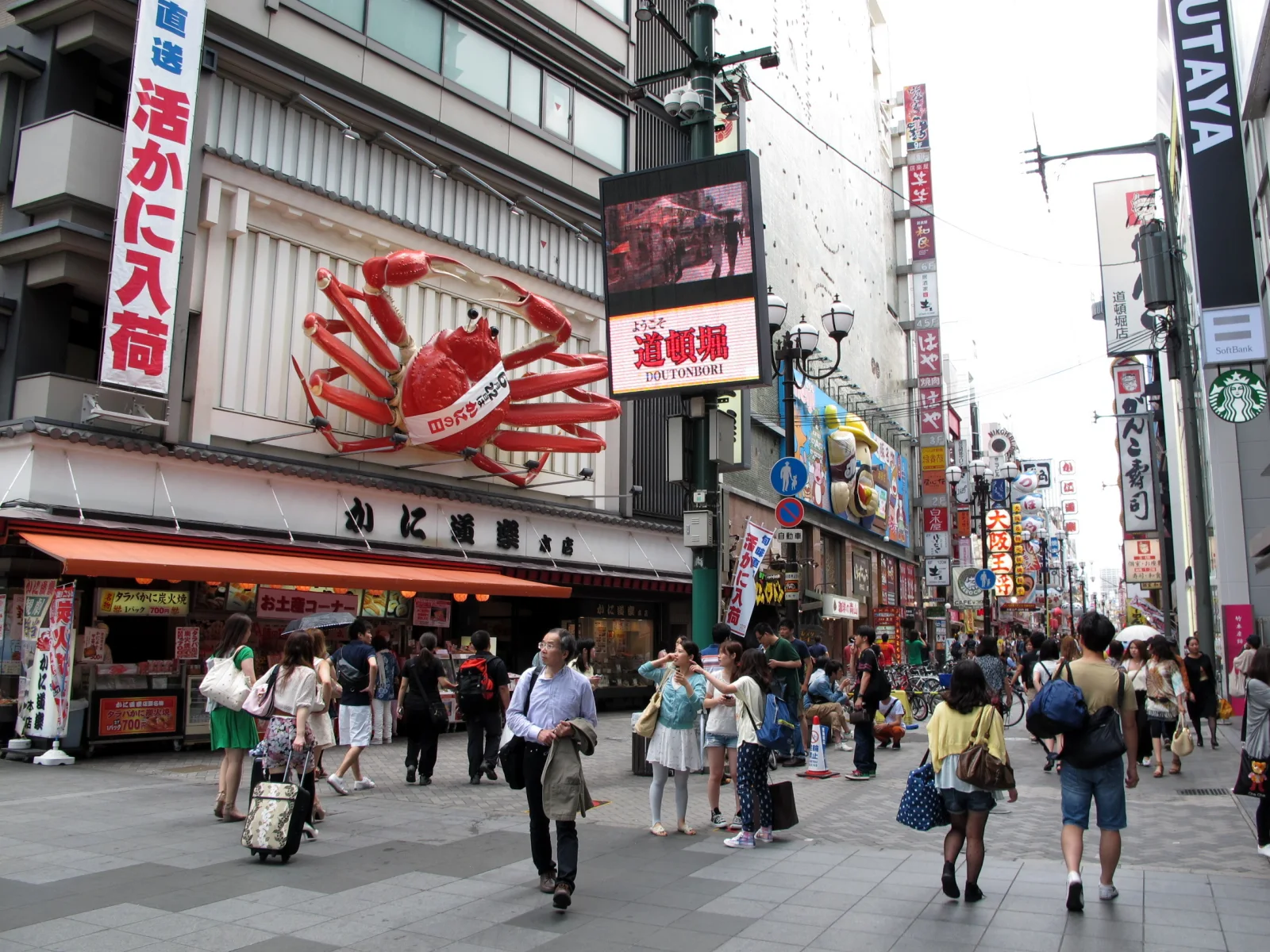
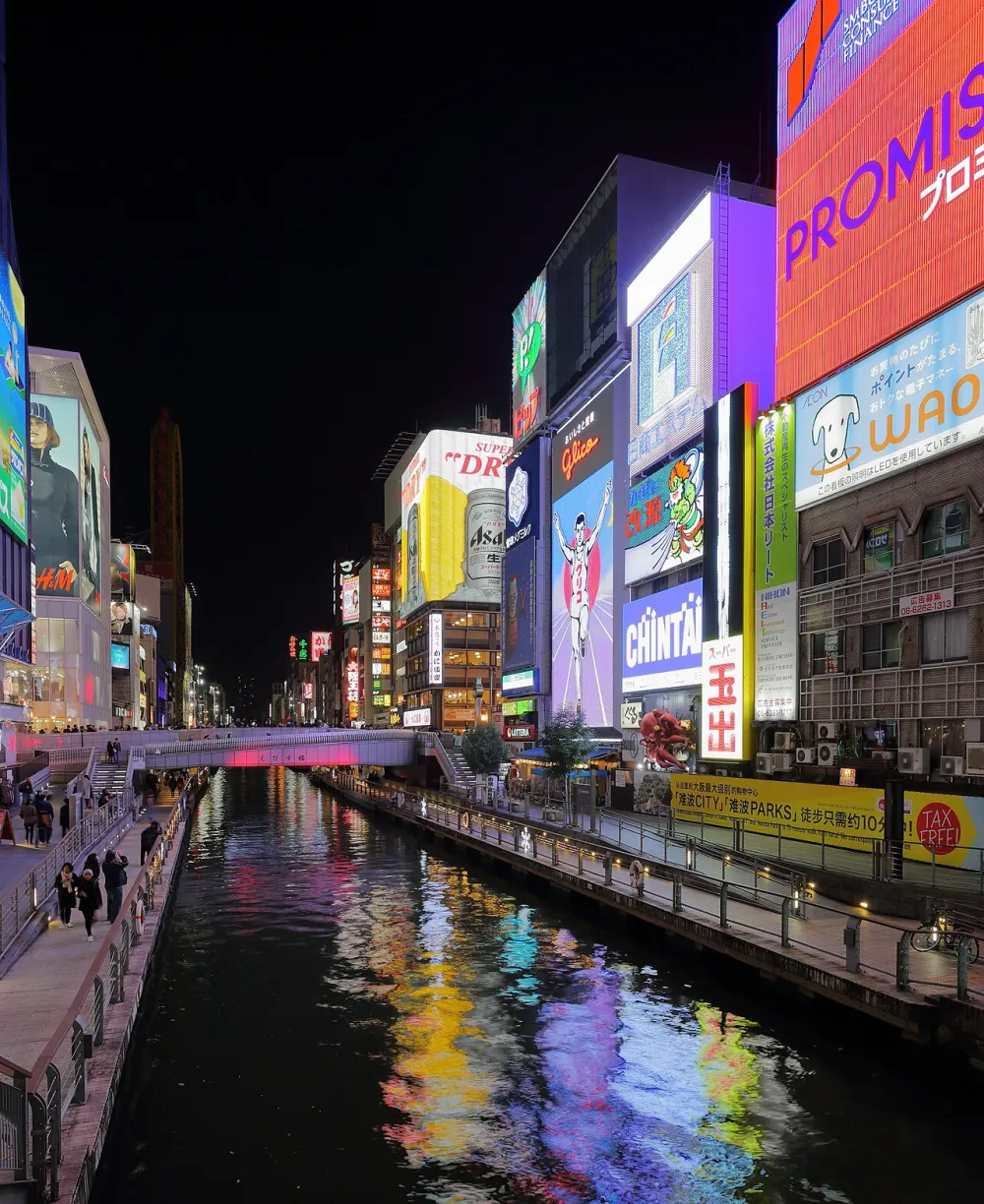
Dotonbori suits first-time visitors who want waterfront views and oversized signs right after dinner. The Osaka Convention & Tourism Bureau’s Dotonbori guide places the restaurant streets and Tombori Riverwalk in the same area. Choose the location of your main meal first, then decide whether to walk along the water before or after eating. Treat Namba Station, your restaurant, Ebisu Bridge, and the shops as parts of one route instead of returning to a separate starting point for each.
You can combine Sennichimae and Dotonbori in one evening, but decide the order of your food stops first. If okonomiyaki is the main meal, have just one serving of takoyaki in the afternoon. If you want udon for dinner, save griddle dishes for another day. Divide saved restaurants into places you specifically want to eat and places you might try if you pass them. Leave the second group on the map without assigning fixed times. You can then leave an overly long line without feeling that missing one food has disrupted the whole evening.
When meeting companions before a meal, give them a specific restaurant name and entrance, rather than just saying to meet in Dotonbori. One street can have upstairs restaurants, takeout counters, and several branches. Send the full name, address, and floor in advance. If someone is late, the restaurant decides whether the rest of the party can sit first. For a priority-entry product that requires everyone to be present, meet as a group before going to the restaurant.
Do shopping that requires trying things on or comparing prices before dinner, then walk along the waterfront afterward. If you have only one evening in southern Osaka, focus on one meal and one walk.
Wanaka’s Sennichimae main shop: start small when trying different flavors
The Takoyaki Doraku Wanaka website lists its Sennichimae main shop and explains that its takoyaki contains wheat flour, dashi, scallions, salted ginger, and tempura crumbs. Seasonings include its special sauce, kettle-cooked salt, and dashi soy sauce. Start with the basic sauce if that is the flavor you like. Choose a simpler seasoning if you want to compare the batter and dashi.
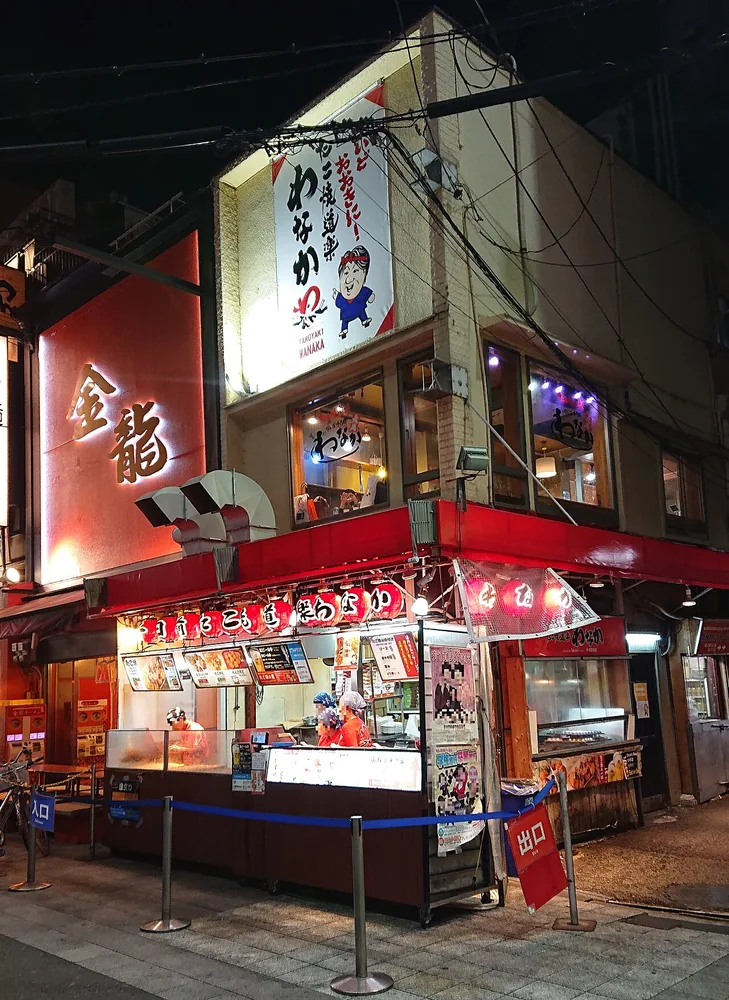
If two of you plan to eat okonomiyaki afterward, share one portion first. Get your shopping bags settled before accepting the hot food.
If you are already elsewhere and simply want takoyaki, use the brand’s official shop list to choose a branch along your route. Include the main shop in your southern Osaka dinner plans if you also want to see Sennichimae. The website has issued crowd notices for limited collaborations, so the day’s events can affect the line. Ask how to join and roughly how long the wait is before deciding whether to stay or choose another shop.
Wanaka’s official introduction to its Sennichimae main shop, alongside the shop’s flavor choices and dining plans for southern Osaka.
Ajinoya main restaurant FastPass: priority in the entry line
If okonomiyaki will be a highlight of your trip, see the Ajinoya main restaurant website and the TableCheck FastPass page linked directly from it. As of October 26, 2026, the page lists a handling fee of ¥660 per person, with food paid for separately at the restaurant. At your designated time, you receive priority near the front of the line and enter when seats become available. Leave time between this meal and any event that requires punctual arrival.
One FastPass purchase covers one to four people, including children and infants. Once purchased, the date, time, and party size cannot be changed directly, and cancellation does not refund the handling fee. Arriving more than 15 minutes after the designated time invalidates the pass. Buy for four people if your group has two adults and two children. A group of five needs a restaurant or dining arrangement that accepts five. Agree on these conditions before booking, especially if you have not bought flights or have long-distance travel that day. At busy times, dining is limited to 90 minutes, with last orders 60 minutes after entry. Keep the next part of your itinerary flexible if you prefer to take your time.
Joining the regular line is still an option if you are willing to wait and have no other fixed evening plans. Agree on a maximum wait with your companions, ask staff on arrival, and decide whether to stay. Avoid having one person wait while everyone else scatters to shop, only to start looking for them when your party is called. Buy paid priority entry through the official website’s link. The restaurant states that it does not accept AutoReserve bookings.
The main restaurant is on the second floor at 1-7-16 Namba. The FastPass page also requires you to store suitcases elsewhere and arrive with the entire party. It fits better on an evening after you have left luggage at your hotel than immediately after landing with your bags. The fee makes sense if you specifically want this restaurant and can meet its time and party-size rules. If you simply want okonomiyaki, a nearby restaurant with seats available may fit your day more easily.
Dotonbori Imai main restaurant: save a bowl of noodles for a seated break
If you want a break from consecutive meals of fried food and sauce, Dotonbori Imai’s main restaurant offers rice and noodle dishes in southern Osaka. It is at 1-7-22 Dotonbori. The website lists regular dishes including kitsune udon with seasoned fried tofu, nabeyaki udon, and oyakodon. As of October 26, 2026, kitsune udon is ¥930 including tax, and oyakodon with clear soup is ¥1,500 including tax. Two bowls of kitsune udon cost ¥1,860 for the main dishes; add any sides and drinks separately.
Regular hours are 11:30–21:30, with last orders at 21:00. The restaurant closes on Wednesdays except public holidays, and on the fourth Tuesday of each month except December. Last orders for hot pots are at 19:30. Eat earlier if you want a hot pot; for rice or noodles, plan around the relevant order cutoff. The restaurant accepts cash, electronic payments, and credit cards. Contact the branch directly for telephone reservations. These details are more useful for planning than assuming every Dotonbori restaurant serves late.
Kitsune udon comes with fried tofu, but its broth also matters. Imai’s dashi explanation lists natural ma-kombu kelp, dried mackerel flakes, and dried round herring flakes; its preparation also uses dried sodagatsuo flakes. If you are vegan, avoid fish, or have a fish allergy, choose another dish and restaurant that meets your needs. If you enjoy dashi and want a proper meal during a shopping day, eat here before a waterfront walk, then choose your next stop according to your energy.
Kuromon Market: browse ingredients by day and find an eating spot before buying
Kuromon Market suits travelers interested in fresh fish, prepared foods, and ingredient stalls. The official shop directory separates seafood, meat, produce, restaurants, and sweets, and also lets you filter for places with dine-in service. Each shop sets its own hours. If you want a meal here, choose a few shops from the directory and visit during the day. Arriving only for dinner can mean missing the ingredient stalls you wanted to see.
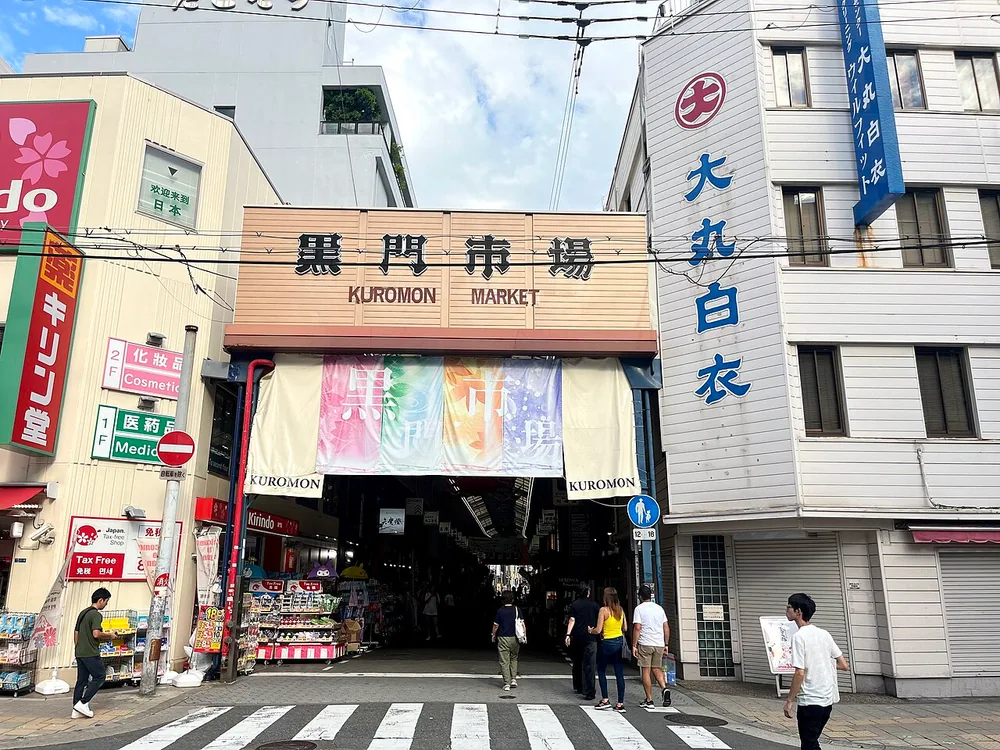
Walk a short stretch to compare options, then return for the item you most want. Check whether the posted price is per piece, skewer, box, or unit of weight. Ask for the final price before having something grilled, cut, or topped with extras. If two people are sharing expensive seafood, agree whether it is a tasting portion or lunch, so you do not discover afterward that you still need a full meal. Choosing one main purchase usually makes the budget easier to manage than buying the smallest portion at every stall.
Ask where you can eat before choosing takeout or dine-in. Use the space provided by the shop where you bought the food, then return containers and skewers to its designated disposal point. Keep passages in front of shops and other customers’ seats clear for their intended use. A practical market routine is to choose, buy, stop to finish eating, and then browse again. You will avoid carrying soup and trash throughout the visit.
With small children or a stroller, arrange a meal with reliable seating before deciding on snacks. Several consecutive purchases soon become hard work if one adult is carrying food while the other looks after children. Limit the market to browsing ingredients and eating one food you want, then have lunch somewhere with tables. The same approach works when older companions are tired.
Separate grocery shopping from eating seafood on the spot. Carry chilled items according to the shop’s instructions and package labels, and return to your accommodation instead of adding a full afternoon of shopping. If you cannot maintain the required storage conditions, choose food to eat immediately or products that keep at room temperature. For gifts, also check your destination’s import rules. Buying ingredients just for a photo when you have nowhere to handle them takes up luggage space and complicates an otherwise easy meal.
If Dotonbori is also on the day’s route, leave room for dinner. Focus on one or two market foods during the day, shop or rest indoors in the afternoon, then have a main meal in the evening. If you are already full from the market, switch dinner to udon or a simple meal near your hotel. Keeping this flexibility is easier before buying a restaurant product that cannot be changed.
Eating in Umeda on a rainy day: stand at Snack Park or sit on a restaurant floor
Consider Hanshin Umeda Main Store if you are staying in Umeda, changing trains, or sheltering from rain. Snack Park on basement level B1 is a standing dining area. The official shop list includes noodles, rice bowls, okonomiyaki, takoyaki, and Hanshin’s signature ikayaki. It is convenient for two people who want different foods and a brief stop. If you have walked all day and need a seat, go directly to a restaurant floor.
Ikayaki, a squid snack, can be one of your food stops for the day. For a first order, look at the product photos and flavor choices before adding other food. Check the dine-in and takeout options and tell staff how you plan to eat. To try several foods, have one person choose a main dish and the other a small portion, then order more afterward. Filling a tray each at the start often means you can only look at the later shops.
Other dining areas in the building include Hanshin Daishokudo on the ninth floor. Search by floor in the official restaurant guide. If your companions need a table, a longer rest, or a children’s meal, look at the restaurant’s menu and seating first. Buying food before trying to use another restaurant’s table is more difficult to arrange. The department store has a set closing time, too. If you arrive late, check the dining area’s hours and each restaurant’s last orders rather than using the retail floors’ hours.
On a rainy day, combine a Umeda meal with shopping nearby. If you were going to Dotonbori only for takoyaki, eating it in Umeda saves the return trip and a walk in the rain. If Dotonbori’s nighttime views are a priority, keep lunch in Umeda simple and go south on an evening when the weather and your energy allow it. Change neighborhoods for something you want to do, rather than just to check another place off a list.
Kushikatsu in Shinsekai: two Daruma branches with very different seating and booking rules
For a meal of kushikatsu followed by Shinsekai’s streets, visit for lunch or an early dinner after time around Tennoji. Choose the restaurant first, then decide how long to walk around the neighborhood. If the family is already hungry, eat before taking photos around Tsutenkaku. If you only want that brand’s kushikatsu and your entire day is in Namba, a branch along your route will take less effort.
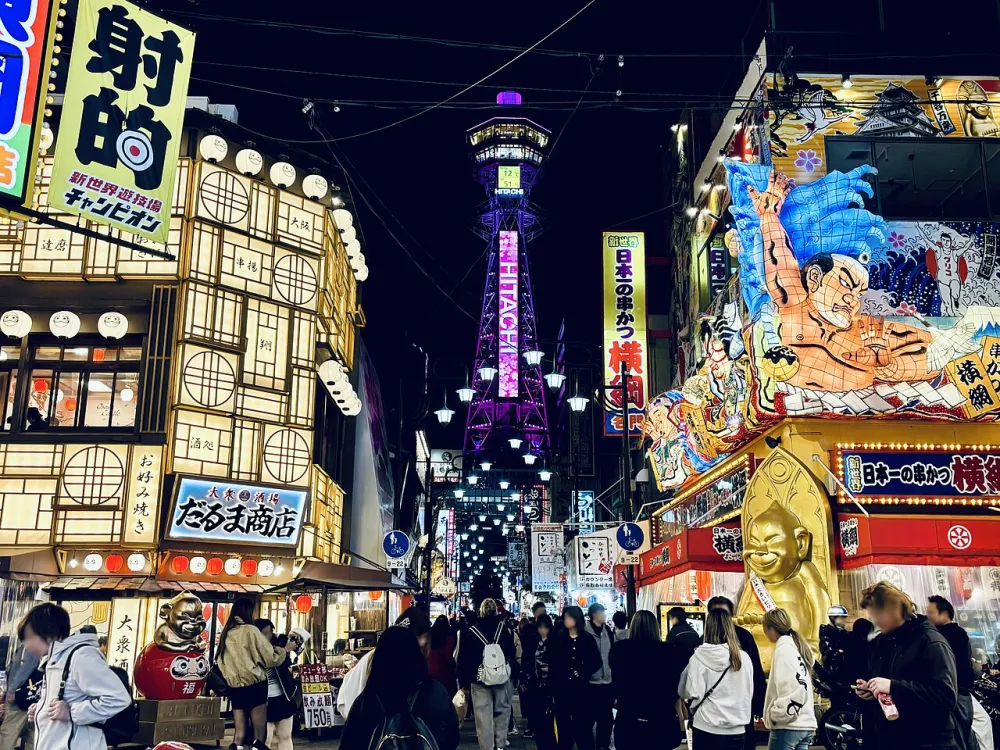
Kushikatsu Daruma’s Shinsekai original restaurant is at 2-3-9 Ebisuhigashi. The official listing gives 12 counter seats, no reservations, and cash payment only. Each person must order at least one drink, except children in elementary school or younger. It suits a small group that wants counter dining and can wait in person. For four people who need a table together or a more predictable schedule, compare branches with tables and reservations.
The Janjan branch is at 3-4-4 Ebisuhigashi. It lists 49 seats, including 36 at tables, and accepts reservations for two or more people. Reserved guests must each order a set, and the 90-minute dining limit starts at the reservation time. Reservations are unavailable during busy periods such as the year-end and New Year holidays, Golden Week, and Obon. Book this branch if the set-per-person requirement and time limit work for you. If you only want to share a few skewers, visit without a reservation under the branch’s applicable rules. Give a phone number where you can be reached. If the restaurant cannot contact you the day before, or you do not arrive as booked, it may charge a cancellation fee equal to the set-menu price for the entire party.
Compare food, drinks, and booking terms together. Eat fewer snacks beforehand if you choose a set with many skewers. A 90-minute reservation may not suit a leisurely evening of conversation and drinks. Looking only at the brand name can lead you to assume that the original restaurant also takes online reservations. Save the full branch name on your map and give companions the actual meeting address.
Follow the restaurant’s current instructions for sauces and serving utensils. Return skewers, empty plates, and shared utensils to the designated places. Let hot food cool before serving children, have an adult help them, and keep them out of the serving aisle. If you have a train to catch, allow time to pay, walk to the station, and find the platform. A restaurant’s last-order time is not your personal latest arrival time.
Tenma and Tenjinbashisuji: allow time to choose a restaurant
If you already have a plan for market snacks and signature restaurants and want another view of everyday Osaka, consider Tenma and Tenjinbashisuji Shopping Street. The tourism bureau’s shopping street guide lists access from JR Temma, Ogimachi, Minami-morimachi, and Tenjimbashisuji 6-chome stations. This is a long shopping street; for a meal, choose one stretch rather than walking its full length. Use the station closest to your restaurant and save some energy for your evening walk.
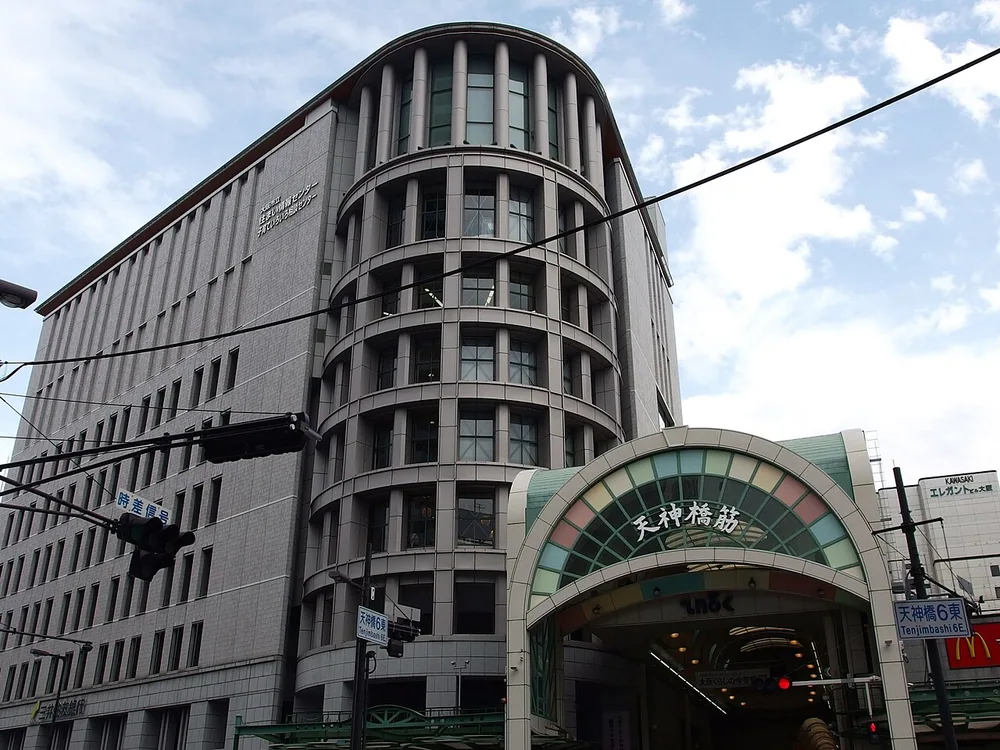
First decide whether you want a meal or drinks. For dinner, find a place that clearly lists main dishes, set meals, and smoking rules. For a drink, check tables, minimum spending per person, drink prices, and appetizer charges. If the term otoshi is unfamiliar, ask staff whether there is a fixed charge for the small appetizer. Do not assume the small dish served on arrival is complimentary. Ask before entering rather than disputing the bill afterward.
This area works best when choosing a restaurant is part of the outing. After three sightseeing stops, if you simply want dinner on time, choose a restaurant near your hotel whose menu you have already checked. If you want to browse storefronts and the shopping street, one proper meal and a walk are enough. When your first choice is full, find an alternative along the short stretch you selected, rather than walking farther and farther and eventually taking a train back to Umeda hungry.
For yakiniku and Korean food, eat near Tsuruhashi Station
If your companions are less interested in takoyaki and okonomiyaki and want grilled meat, Tsuruhashi offers a different dinner. The tourism bureau’s Tsuruhashi Market guide lists yakiniku restaurants, Korean food shops, and dried-goods stores by the station. The JR Osaka Loop Line, Kintetsu, and Osaka Metro Sennichimae Line all serve Tsuruhashi Station. Choose one restaurant nearby, then decide whether to browse the market. Replace that evening’s kushikatsu meal with yakiniku.
Compare à la carte and all-you-can-eat menus according to appetite. With à la carte ordering, check the amount of meat per plate and whether rice and soup cost extra. For all-you-can-eat, check which cuts and drinks are included, the dining limit, and the last-order cutoff. Two people who only want to try a few meats may find à la carte easier to manage. Choose all-you-can-eat if you have a larger appetite and want the meats included in that plan. Compare the full menu cost rather than assuming every cut in an advertisement costs the same.
You can separate daytime market browsing from an evening yakiniku meal. Each Tsuruhashi shop sets its own opening days and hours. If Korean grocery shopping is the main purpose, visit your chosen shops by day and stay in the area for dinner. If you only want yakiniku, arrive for the restaurant’s hours and skip the unnecessary market route. After buying refrigerated kimchi or fresh food, return to your accommodation to store it after dinner instead of continuing a long shopping trip.
Dining alone, with children, or with older relatives: choose the seating first
Solo travelers benefit from choosing portions carefully. Buy the smallest available takoyaki portion, treat okonomiyaki as a full meal, and check whether the kushikatsu restaurant accepts individual skewer orders. Spread several foods over two or three days instead of eating at several places in one evening. Join the line as a party of one under the restaurant’s rules; an empty counter seat does not let you pass people ahead. If you need to eat quickly, choose a place with simple mains and payment rather than a set menu you must study after arrival.
With children, ask whether the restaurant can seat your whole party together, where to put a stroller, and whether suitable food is available before considering its fame. Griddle dishes have a heat source at the table, and freshly served kushikatsu and takoyaki are hot too. Have an adult portion the food and keep hot dishes away from where children move. If a child is not used to sauces, seafood, or fried food, order rice or noodles they will eat first, then let adults add the snacks they want. When everyone is hungry, a seated meal is the priority.
With older relatives, consider waiting, standing to eat, and climbing stairs as separate requirements. Snack Park is convenient but standing only; Ajinoya’s main restaurant is on the second floor; Daruma’s Shinsekai original restaurant has counter seating. Look at entrances, floors, and chair types in photos and restaurant information. For specific step-free or wheelchair needs, ask the restaurant about the route from the entrance to the seat and book once there is a workable arrangement.
A group can also split up for snacks. Eat the main meal together, then let those who want takoyaki buy a portion while others rest nearby. Agree on a meeting point and departure time so everyone does not have to join every line. If a child gets sleepy or an older relative is tired, drop the extra snack. Your main meal and route back to the hotel will still work.
Vegetarian, pork-free, and allergy needs: ask about stock, batter, and oil
Osaka snacks have several ingredients that need individual questions. Wanaka states that its batter contains wheat flour and dashi, and Imai’s stock contains dried fish flakes. Daruma’s allergen information lists wheat, yam, and soy in the coating, and beef in the oil entry. If you are vegetarian, avoid beef, or have a relevant allergy, ask about these ingredients instead of judging a dish only by its vegetables or fried tofu.
List ingredients clearly so staff can answer. For a vegan meal, explain that you avoid meat, fish, eggs, dairy, fish stock, and animal fats. If you avoid pork, include lard, meat stock, and processed meat. Distinguish a preference from an allergy. Simply asking staff to leave off the bonito flakes may leave the original batter, sauce, and stock in use, so it does not address the actual requirement.
If you have a food allergy, ask the person responsible at the restaurant about the ingredients you cannot eat, shared frying oil, and shared utensils. Choose a meal only after you get clear answers. The Japanese Consumer Affairs Agency’s allergy information and dining-out materials distinguish packaged-food labeling from restaurant information. Leave enough time for these questions. If a crowded snack counter can only take shouted orders and cannot explain its ingredients, choose a restaurant you can contact in advance.
Kuromon Market’s official directory has vegetarian, vegan, and halal filters. Use them to narrow the search, then look at the relevant dishes and how each shop serves them. If a companion has strict dietary needs, book a suitable main meal first and arrange everyone else’s snacks in the same area. Start before the rest of the group has already bought its food.
From ordering to paying: ask about portions, dining arrangements, and charges first
If you cannot read the menu, point to the dish’s photo and ask whether it serves one person, how many pieces or skewers it includes, and whether rice, soup, or a drink comes with it. Side dishes in the photo may belong to a different set. Match the dish name to its contents before ordering. To ask about sharing, say “シェアしてもいいですか” (may we share?), and let staff explain the rules. If each person must order a main, set, or drink, decide those individual orders before adding shared sides.
Use “持ち帰り” for takeout and “店内で” for eating in. If carrying hot food while walking is difficult, ask whether there is a designated eating spot. To bring a meal back to your hotel, check whether takeout is available and how long preparation takes. Fresh okonomiyaki, noodle soup, and kushikatsu need different packaging. Let the shop pack them, then keep the food level. If you will continue shopping with it, choose something that will not spill and that you can store as required.
Some shops take payment first at a ticket machine or counter. Others seat you, take the order, and give you a bill to pay at the end. Follow staff directions when you enter. Prepare coins if the machine only takes cash, and check this branch’s payment methods even if another branch takes cards. If separate payment matters, ask about splitting the bill before ordering. For many shared dishes, it is usually easier for one person to pay and for the group to settle up after leaving.
Ask staff before photographing the interior or cooking, and keep out of serving aisles. Once you have photographed the food on your table, start eating rather than waiting for everyone’s photos. If a dish differs from what you expected, check its name and your order first, then ask staff to explain. Knowing the restaurant, branch, dishes, and portion sizes also makes your travel spending easier to review later, instead of leaving you with a payment record you cannot match to a meal.
Budget for main meals first, then snacks and drinks
The easiest Osaka dining costs to miss are accumulated snacks and booking fees. Start with the meal you most want each day, then add other meals, drinks, and snacks. Include paid priority entry, a drink per person, or mandatory sets in that meal’s cost. You do not need to spend equally on each meal. Keep lunch simple if you want to spend the evening on okonomiyaki, or cut other snacks on a day when you want expensive market seafood.
Two listed products show the difference. Two bowls of kitsune udon at Imai total ¥1,860 using the main restaurant’s listed prices as of October 26, 2026. Two Ajinoya FastPasses cost ¥1,320 in handling fees alone, with food charged separately. One is a main meal you can budget directly; the other buys priority entry. If you have no preference for the restaurant, you can use the fee elsewhere. If that meal is a highlight of the trip, include it in the total budget from the start.
Set a comfortable market spending limit before entering, then subtract each purchase after checking the final price at the stall. Compare prices using the same units, and buy only where you want something. If you are sharing a budget, have one person record purchases so you do not both order a portion while assuming the other person is only taking photos.
Choose drinks, extras, and portion sizes before working out how much cash you need. Payment methods vary by branch; the cash-only original Daruma restaurant is one specific example. Check whether the restaurant accepts the IC card you use for transportation too. Keep receipts together after the meal and adjust the next day to your actual appetite. This is easier than forcing the same food budget onto every day of a changing itinerary.
One day or two evenings: match your appetite to the route
If you have one Osaka evening and are staying in Namba, stay in the south. Finish shopping and leave your luggage in the afternoon, have a snack or go straight to okonomiyaki in the early evening, then walk along Dotonbori. If you have chosen Ajinoya FastPass, work backward from its time to set the group’s meeting time. Skip a large Kuromon seafood meal beforehand. If you are staying in Umeda and need an early start the next day, eat in Umeda and then decide whether you have energy for the trip south to see the lights.
With one full day and two evenings, spend the first evening in Dotonbori, choose Kuromon Market or the Tennoji area by day, then choose Umeda or Tenma for the second evening according to your hotel location. Choosing either Kuromon or Shinsekai makes portions easier to manage. Kuromon is for browsing ingredients and buying small amounts; Shinsekai pairs a kushikatsu main meal with street views. To do both, choose just one market food by day, eat kushikatsu for an early dinner, and leave okonomiyaki for another time.
For a three-day Osaka stay, vary the evenings: okonomiyaki in the south, kushikatsu near Tennoji, and rice or noodles in Umeda or Tenma. Avoid repeating the same snack sequence every night. If you eat more than expected one day, return to a simple main dish at the next meal. After a late start, move Kuromon closer to lunchtime and cut a later snack. After arriving on a late flight, eat near your hotel and save the market for daylight.
In heavy rain, replace browsing and snacking in the south with one seated restaurant. In Umeda, choose an indoor dining floor. Store luggage before visiting a restaurant that restricts suitcases. If the wait exceeds your agreed limit, use an alternative you have saved in the same area. For your last meal before leaving Osaka, choose rice, noodles, or a set meal whose finishing time you can manage. Allow time afterward to collect luggage and catch your train, rather than testing your flight buffer against a line whose wait you have not checked.
A few useful answers
Which area should I choose for food on a first visit to Osaka?
Choose Dotonbori and Sennichimae if you are staying in Namba and want dinner followed by nighttime views. If you are staying in Umeda, it is raining, or you want to eat nearby, consider the dining areas at Hanshin Umeda Main Store. Choose a restaurant floor if you need a seat; Snack Park is for standing dining.
Is Kuromon Market a good choice for dinner?
Visit during the day if you want fresh fish, meat, and produce stalls, when you are more likely to catch your chosen shops open. Each shop sets its own hours. Pick shops from the official directory before deciding when to go, and arrange dinner in Dotonbori or near your hotel.
Does Ajinoya main restaurant’s FastPass include food?
As of October 26, 2026, the TableCheck page linked from the official website lists a ¥660 handling fee per person. Food is paid for separately at the restaurant. The pass provides priority in the entry line. One purchase accepts one to four people, counting children and infants.
With children, should I choose Daruma’s Shinsekai original restaurant or its Janjan branch?
The original restaurant has 12 counter seats, takes no reservations, and accepts cash only. Janjan has tables and accepts reservations for two or more people. Each reserved guest must order a set, with a 90-minute limit from the reservation time. If you need a table together and a planned mealtime, start by checking availability at Janjan.
Are kitsune udon and vegetable kushikatsu suitable for vegans?
Check the stock, coating, and oil first. Imai’s dashi uses dried fish flakes. Daruma’s published information lists wheat, yam, and soy in the coating and beef in the oil entry. Vegans should choose a suitable dish whose ingredients and preparation the restaurant can explain clearly.
Official information and references
Sources used in this guide.
- Osaka Convention & Tourism Bureau: Dotonbori and the waterfront walk
- Takoyaki Doraku Wanaka: official shops, takoyaki ingredients, and seasonings
- Ajinoya: main restaurant and official FastPass link
- Ajinoya main restaurant: restaurant details
- Official Ajinoya main restaurant link: TableCheck FastPass terms
- Dotonbori Imai main restaurant: menu, prices, hours, and payment methods
- Dotonbori Imai: dashi ingredients and preparation
- Kuromon Market: official shop directory, dine-in options, and dietary filters
- Hanshin Umeda Main Store: Snack Park shops and standing dining
- Hanshin Umeda Main Store: Hanshin’s signature ikayaki
- Hanshin Umeda Main Store: restaurant and café guide
- Kushikatsu Daruma Shinsekai original restaurant: seating, reservations, payment, and drink rules
- Kushikatsu Daruma Janjan branch: seating, reserved sets, and dining time
- Kushikatsu Daruma: ingredients and allergen information
- Osaka Convention & Tourism Bureau: Tenjinbashisuji Shopping Street and station access
- Osaka Convention & Tourism Bureau: Tsuruhashi Market, food shops, yakiniku, and transportation
- Consumer Affairs Agency of Japan: food allergy information and dining-out materials