Follow Kyoto Aquarium from giant salamanders and the Sea of Kyoto to penguins, jellyfish and satoyama, with date-specific dolphin lessons, baby facilities, designated eating areas and a short Umekoji Park walk.
- Region & Focus
- Kyoto
- Reading Scope
- 30 min read · 21 chapters · 8 Q&As
- Official Verification
- 27 official sources checkedUpdated November 7, 2026
- Key Topics
- ItinerariesKyoto, Osaka & Kansai
Chapter Route Map (tap any stop)
- Make the aquarium the half-day focus and save the park for remaining energy
- Walk from Kyoto Station or use Umekoji-Kyotonishi Station
- Buy by age and check hours for your actual date
- Know the floors: underwater downstairs, land views and programs upstairs
- Rivers of Kyoto: giant salamanders and the Yura River's changing reaches
- Fur seals and seals: view the same animal through another window
- Sea of Kyoto: schools at the big window and hidden animals at side windows
- See penguins twice: swimming below and coming ashore upstairs
- Jellyfish: GURURI, growth and care
- Mitette: garden eels, clownfish and workshop time
- Dolphin School: choose a lesson and use the seating interval to rest
- Sanshi Suimei: connect small fish to Kyoto's wetlands and waterways
- Countryside of Kyoto: finish with rice paddies and channels
- One dolphin session and one feeding session are enough
- Babies and strollers: find the rest rooms, then change viewing height
- Eat in designated areas and use the three cafes for different breaks
- Only two hours: keep the contrast between underwater and land
- A half day for toddlers and schoolchildren can have different depths
- Afterward, choose a short lawn, streetcar or playground stop
- Continue the ecology theme at Suzaku Garden and Inochi no Mori
- Rain, water play and the return trip: keep the final stretch comfortable
- Quick Q&A
Allow about two hours for Kyoto Aquarium's permanent exhibits, or combine a dolphin program, food break and neighboring Umekoji Park into a family half day. Start downstairs with Kyoto's rivers and giant salamanders, change windows to watch fur seals, seals and penguins, then head upstairs for jellyfish and dolphins. Finish with local freshwater species and the outdoor satoyama landscape. Adjust the depth of each stop for your companions' ages to keep both the full theme and time to rest.
Make the aquarium the half-day focus and save the park for remaining energy
Kyoto Aquarium suits a half day without rushing to another attraction. The aquarium suggests 1 hour 30 minutes to 2 hours for a typical visit. Children, a seated dolphin program, food or workshops extend that. For travel planning, allow about 3 hours from entry to exit, with lunch and the park given separate space. Children can linger at a favorite tank, and the schedule accommodates diapers, milk and handwashing.
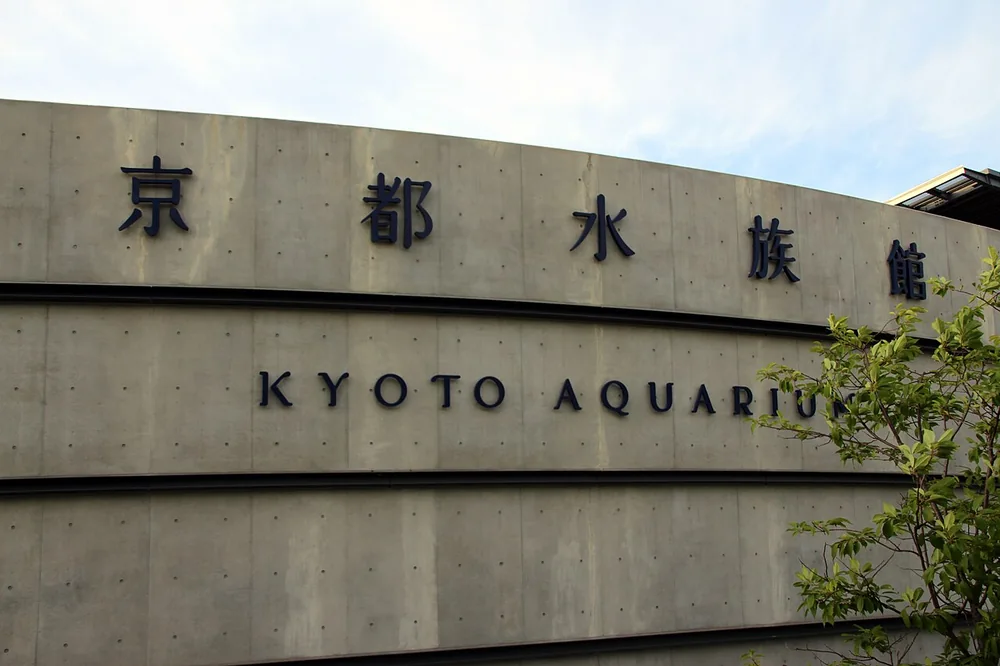
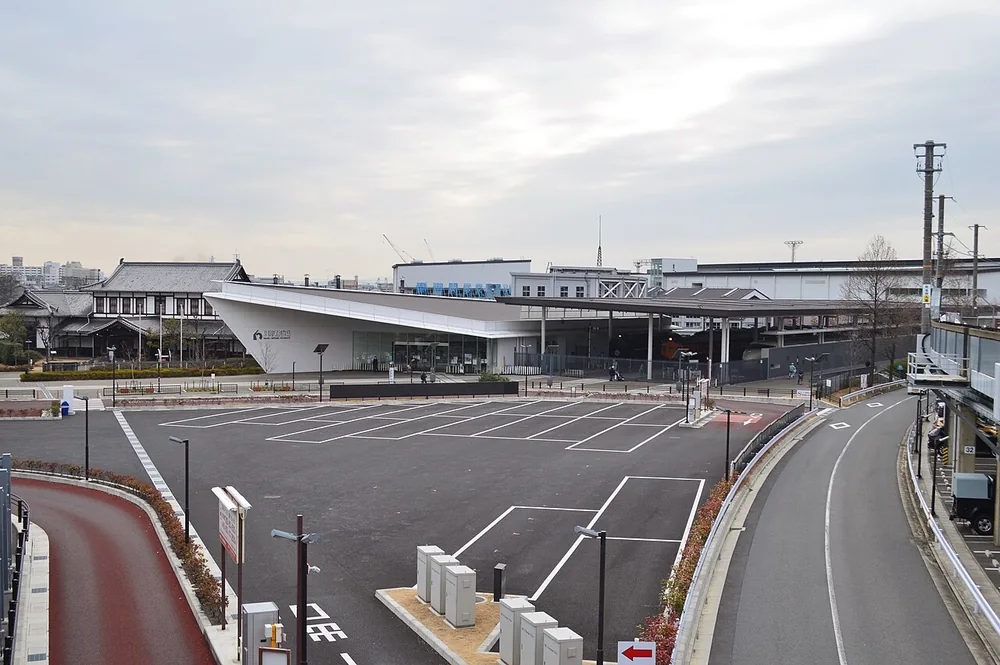
Read the aquarium through Kyoto's water environments: giant salamanders and Yura River fish at the entrance, the large marine tank, then local freshwater species and farmland. Dolphins, penguins and jellyfish each deserve a pause, with choices guided by interest. Adults photographing jellyfish or observing fish can take the same route more slowly. There is enough for a full visit without children too.
Umekoji Park is just outside, making an outdoor transition easy. If children are tired, return through the park to the station and finish. If they want more activity, choose the lawn or playground. Give Kyoto Railway Museum a separate half day. For a city itinerary choosing one of the two museums, see planning Kyoto by district and quieter visiting hours.
Follow Kyoto Aquarium from giant salamanders and the Sea of Kyoto to penguins, jellyfish and satoyama, with date-specific dolphin lessons, baby facilities, designated eating areas and a short Umekoji Park walk.
Walk from Kyoto Station or use Umekoji-Kyotonishi Station
The official access page lists about 15 minutes on foot from Kyoto Station's Central Exit and about 7 minutes from Umekoji-Kyotonishi Station on the JR San-in Main Line. Families staying near Kyoto Station whose children still want to walk can leave through the Central Exit. Use Umekoji-Kyotonishi if already traveling on JR or wanting a shorter final walk.
Identify the Central Exit on Kyoto Station's north side; the Hachijo Exit is on the opposite side. The park's official directions lead west along Shiokoji-dori. For navigation, enter the precise destination, Kyoto Aquarium, 35-1 Kankiji-cho, Shimogyo-ku, Kyoto, rather than the much larger Umekoji Park. Reaching the right entrance from the park edge is another outdoor walk. The nearest bus stop is Nanajo Omiya–Kyoto Suizokukan-mae. From Shijo or Higashiyama, use that full stop name to check your route, rather than searching only for Umekoji and arriving on the other side. The aquarium has no dedicated parking or drop-off area. Drivers need lawful nearby parking. Eligible disabled visitors, older people, families with preschool children, pregnant or postpartum visitors and people with walking difficulties can plan according to the park's Omoiyari parking rules.
Buy by age and check hours for your actual date
The regular admission prices are ¥2,600 for adults, ¥2,000 for high school students, ¥1,400 for elementary and junior high school students, and ¥900 for preschool children aged 3 and over. Children aged 2 and under enter free. Two adults and one elementary school child pay ¥6,600; with a preschool child aged 3 or over, the total is ¥6,100. Food, workshops and shopping cost separately. High school students need student identification.
The official ticket guide says online tickets go on sale 30 days before the visit. They usually specify a date; selected Golden Week, Obon and Silver Week days also require a time slot. Enter with the QR code emailed to the registered address, from one minute after purchase. Same-day tickets are also sold at entrance machines, but no additional machine tickets are offered for dates or slots sold out online. Hours vary by date. Entry, ticketing and annual-pass procedures stop one hour before closing. Select your date in the opening calendar before arranging transport and food, especially for afternoon arrivals. An adult annual pass costs ¥5,800. A regular ticket is simpler for a one-time visitor; compare the adult annual-pass price if planning at least 3 visits within a year. Regular Web admission tickets purchased through the official Webket service allow date and time-slot changes up to and including the day of use. They cannot be canceled after purchase.
Know the floors: underwater downstairs, land views and programs upstairs
The official floor map leads from Rivers of Kyoto downstairs through fur seals, seals, the penguin underwater windows and the Sea of Kyoto main tank. Upstairs are penguins on land, jellyfish, Mitette and the dolphin stadium, followed by Sanshi Suimei and the outdoor Countryside of Kyoto downstairs. Ramps and elevators provide routes between floors for strollers and wheelchairs.
Penguins and the main tank have viewpoints at different heights. Upstairs, connect the movements you saw below: a child who saw a penguin swim can recognize its appearance on land. At the main tank, first take in the school of fish, then change angle to find animals near the bottom or in shadows. Handle one time-sensitive task on entry: read the day's program schedule and note the location of your priority session. If it is well ahead, continue through the exhibits. If it is near, follow the map to the venue first and return to missed areas later.
Rivers of Kyoto: giant salamanders and the Yura River's changing reaches
The entrance Rivers of Kyoto area displays giant salamanders, called osanshouo in Japanese. Japan's native giant salamander is a Special Natural Monument. The aquarium places it in the context of Kyoto's rivers. Look first at the head, flattened body and limbs, then its position against the bottom. Giant salamanders are nocturnal and often stay still during the day. Start with outline and posture rather than continually waiting for swimming.
Nearby tanks bring the Yura River's upper, middle and lower reaches into one exhibit. Compare rocks, currents and more open water before matching fish to each reach. This reveals the river story more readily than memorizing every name. Listed fish include iwana char and yamame trout upstream, mugitsuku and oikawa in the middle reaches, and carp downstream. Match Japanese labels to the animals to read a river's changing space through small tanks.
Preschool children can look for eyes and feet. Elementary school children can compare salamander and fish bodies and consider how they move in shared water. If a child only wants to see movement, wait briefly, visit the next tank, then compare the salamander's position afterward. Keeping this entrance stop helps connect the later local conservation exhibits.
Fur seals and seals: view the same animal through another window
The fur seal area has an inverted-U-shaped underwater window. Its low space is close to a child's height, allowing South American fur seals to swim past beside them. Adults accompanying children should watch overhead clearance and other visitors. If one window holds a child's attention, let them finish watching a swim before moving up to see the animal resting on rocks. Underwater speed and sleeping on land make a natural contrast.
The seal area's cylindrical tank connects beneath the floor to another tank, letting spotted seals move freely between them. Beside the cylinder, look upward from the bottom; on the terrace, look for heads above water. If one window has no animal, move to another side and examine how the tanks connect. Children can see that animals choose different positions. Use short, repeated observations: first the swimming direction, then forelimbs, hind limbs or turning. If a feeding talk is scheduled, listen to keepers explain individual differences. The inverted-U window, cylinder and upper terrace connect swimming, resting and feeding through different views.
Sea of Kyoto: schools at the big window and hidden animals at side windows
Sea of Kyoto is the aquarium's largest tank, using about 500 tonnes of artificial seawater and displaying about 50 species, including red sea bream, sharks and rays. At the large window, first notice the fish schools' depth and direction, then follow one fish briefly. Trying to identify every fish can reduce the scene to moving shadows. With toddlers, start by finding something flat, long or swimming high up.
Side windows include Sea Cave and Shark Cave, offering views across the tank or of animals favoring darker places. If the main window is crowded, another face keeps the visit moving without squeezing into the front row. These caves show the same main tank from different angles. Choose one side window to save time or linger for another round if interested in fish.
The area also introduces red tilefish, known as guji in Kyoto cuisine. They dig burrows to hide. Observe the fish beside its burrow to connect a dining name with a living animal. The aquarium periodically adjusts the species on display to reflect Kyoto's marine environment.
The aquarium official channel video shows preparations for feeding at the Sea of Kyoto main tank, extending observation to care work in a large tank.
See penguins twice: swimming below and coming ashore upstairs
The aquarium's African penguins come from southern Africa, expanding the idea of penguins beyond snow and ice. The downstairs Penguin Cave gives a side-on underwater view, while upstairs shows life on land. The same wings propel them quickly through water and take on another posture ashore. The two levels form a complete movement observation.
The upstairs land surface has deliberate undulations so penguins can use the waves to come ashore. Watch an approach to the bank rather than waiting for a whole row to face the camera. Nests and nest-material gathering during breeding season also create different individual activities. If a penguin relationship chart is displayed, identify one bird and find it to link a name to behavior. Children may follow underwater silhouettes; adults can select a window where the group can pause and agree to move after one full swim. Slow down upstairs to find resting, preening or moving birds. Treat feeding as a chance to understand eating, then continue watching everyday behavior afterward so the area becomes more than a program time.
Jellyfish: GURURI, growth and care
Jellyfish Wonder displays about 30 species in tanks suited to different ecologies, from drifting species to bottom-dwellers. Compare shapes first, then bell contractions and tentacle extension. A quick glance can make every tank seem like another transparent pattern. Compare two species and their positions and movement become distinct.
GURURI is a 360-degree panoramic tank surrounding your view with moon jellyfish. Let your eyes adjust to the darkness, then choose a position to watch jellyfish drift from foreground to background. Keep passages clear when moving with strollers and companions. Turn off flash and do not use supplementary lights, tripods or other photographic aids. Livestreaming is also prohibited. Moving close to the glass reduces reflections; give up the viewing space after taking your picture.
The Kyoto Jellyfish Research Department exposes breeding, research and husbandry work in an open area, along with the stages in which moon jellyfish change body form. Elementary school children can compare this with the main tank: schooling fish on one side, a different body structure on the other. Adults wanting longer can study growth stages and care work to move from appearance to the animal's life cycle.
Mitette: garden eels, clownfish and workshop time
Mitette displays coral-reef animals such as garden eels and clownfish, alongside workshops and the STAFF STATION information cabinet. After jellyfish movement and lighting, focus on colors, markings and tiny motions. The aquarium lists 6 clownfish species found in Japan. Comparing body colors and the positions of white bars helps children describe their own discoveries.
Garden eels emerging from sand reward patience. Stand still, find one, then look for a neighbor. Let an adult and child each choose one and exchange descriptions rather than requiring immediate recognition of Japanese fish names. The staff information cabinet explains husbandry and the aquarium's AQTION! activities, extending what you saw into what carers do every day. The workshop space includes crafts suitable for young children; keeper appearances follow individual announcements. To participate, read the activity page for booking, fees and intended participants and reserve a separate making interval. With only passing time, focus on exhibits. Watching fish and making things offer children a different form of participation after a long spell standing at tanks.
Dolphin School: choose a lesson and use the seating interval to rest
The upstairs dolphin stadium shows bottlenose dolphins swimming, feeding and interacting with trainers against seasonal Kyoto scenery. Dolphin School treats viewers as students, using classes such as physical education and school lunch to introduce dolphins. Children interested in big movements can watch bodies leave the water. Quieter observers can study responses to trainers and approaches to companions.
Select the actual date in the official Events and Experiences calendar, read the program name and venue, and choose your priority session. Times vary by date, and animal condition can affect proceedings. If dolphins are central to your visit, make this a fixed mid-visit stop with jellyfish or local freshwater exhibits on either side. Add other feeding and program activities when they coincide with reaching an area.
The seats have a roof, but the stadium is open-sided and strong wind can blow rain in. A wearable outer layer is easier than holding an umbrella throughout. If a toddler cannot sit still, choose a place with convenient aisle access and leave accompanied by an adult rather than forcing a full session. If the child will sit, rest your legs. Follow the venue's designated eating-area rules for food and drinks.
Sanshi Suimei: connect small fish to Kyoto's wetlands and waterways
Sanshi Suimei returns to Kyoto's freshwater life. The Yura River and Lake Biwa–Yodo River systems introduce Mizorogaike Pond, former Ogura Pond and local freshwater animals. Recall the entrance river exhibit: Kyoto's mountain streams, ponds and lowland wetlands support different organisms.
Rare local species include oyanirami perch and hotoke-dojo loaches. The area also explains conservation outside natural habitats and continuing captive breeding. Small tanks require a different approach from a large window: locate the animal among plants, substrate or shadows, then examine its shape. With elementary school children, each choose one tank, read its habitat label and identify the waterside environment it needs.
If everyone is tiring, slowly study one or two tanks, then rest at nearby Harvest Cafe. For local-ecology enthusiasts, linger here and continue to the outdoor satoyama, moving from husbandry tanks to rice paddies and channels.
Countryside of Kyoto: finish with rice paddies and channels
The Countryside of Kyoto is an outdoor ground-floor area recreating a Kyoto satoyama landscape. Rice and Kyoto vegetables such as Kujo green onions and Shogoin radishes are grown seasonally. At the end of the aquarium route, attention shifts from glass to channels, plants and soil. Bring children's questions back to daily life: where does field water come from, and how do fish enter the fields?
The aquarium explains that when channel levels rise and paddies are flooded, fish travel along the channels into fields to spawn. Look first at the connections between the paddy and neighboring channel. The fields and animals you can find vary by season. Spring and summer fields and autumn insects give the area its own pace, especially for children interested in small creatures. These are outdoor paths; put on rain gear before entering. In heavy rain, shorten this stop and use the open route to the shop and exit. Buy souvenirs last to avoid carrying large plush toys throughout and let children choose a favorite theme after seeing the animals.
One dolphin session and one feeding session are enough
The official events page separates animal programs, feeding times, experiences and other events. Choose your date first, then match the day's times to exhibit locations. Feeding happens in different places: the main tank, penguins, fur seals, giant salamanders and Mitette may each have activities. Pick a session close to your route from that day's list.
To retain the complete permanent displays, use one dolphin session as a middle break and add one feeding session of particular interest. Leave time between them for tanks, toilets and movement. If one is downstairs and another upstairs, include travel between floors. Chasing every activity spends time crossing zones and pulls children away just as they find a favorite animal.
If choosing an experience requiring registration, replace some free exhibit time with it rather than adding it to the whole route. Details distinguish advance applications from same-day acceptance. Follow each session's payment, registration and meeting-point instructions.
Babies and strollers: find the rest rooms, then change viewing height
The support page lists 3 baby rest spaces with hot water and sinks, along with nursing, diaper-changing and children's toilet facilities. Families carrying bottles should locate the room on their current floor after entering. Feed or change diapers between floors or around the dolphin session, rather than searching only after a hungry child begins crying.
Strollers are admitted, with ramps and elevators available. The aquarium does not rent or store them. Designated parking is listed on the second-floor terrace and third-floor stadium ramp. Take valuables and follow on-site parking signs when leaving a stroller temporarily. If children want to walk for a while, keep it as a later resting option instead of abandoning it in order to walk the whole route.
Low fur seal windows are easy for toddlers to approach. For higher views, an adult can hold them or find another suitable window; check the passage behind before lifting. Wheelchairs can use elevators and ramps. Free loan wheelchairs are limited and cannot be reserved. Handlebar-type electric mobility scooters are not permitted inside.
Eat in designated areas and use the three cafes for different breaks
There are 3 cafes: Kaiju Cafe downstairs by fur seals and seals, Stadium Cafe upstairs at the dolphin stadium, and Harvest Cafe near Sanshi Suimei, with indoor and terrace spaces. For a snack after the first exhibit stretch, stop downstairs. Tie food to a dolphin session at the stadium, or include the later upstairs cafe space for a seated meal.
You may bring bento, snacks and drinks, taking your rubbish away. Eating is restricted to designated spaces such as benches at the fur seals, seals, Sanshi Suimei and dolphin stadium. Do not walk and eat in other exhibits. Cafe purchases follow the same designated-area rules. Wait until a seating area to unpack children's snacks, keeping attention on the tanks and making hands and packaging easier to manage. Light meals and themed desserts cover a break, but a full family lunch can also follow the visit. Re-entry requires presenting the original ticket at the entrance, so keep it readily accessible. Follow on-site entry arrangements during crowd controls. If a child falls asleep outside, combine lunch with a short park rest rather than interrupting sleep for re-entry.
Only two hours: keep the contrast between underwater and land
For two hours focused on permanent exhibits, start with giant salamanders and a short Yura River stop, then fur seals, seals, the downstairs penguin window and main tank. Upstairs, retain penguins coming ashore and the jellyfish area, then Sanshi Suimei and satoyama before leaving. This preserves local water environments, large marine displays and differences in animal movement rather than focusing only on one star animal.
If dolphins are the priority, choose a suitable session for the day, shorten jellyfish or local freshwater viewing and skip workshops. Including a program within two hours means less free time at tanks. Those photographing or reading every label may instead watch ordinary swimming at the stadium and keep time for permanent exhibits.
Each companion can choose one entrance priority. If one wants giant salamanders and another penguins, give those two fuller stops and see the rest along the way. Reassess dolphins upstairs to reduce cross-floor trips for programs. Leave only a brief shop stop at the end and go straight to the station or lunch for a natural finish.
A half day for toddlers and schoolchildren can have different depths
For preschoolers, begin with fur seal windows, the seal cylinder and penguin movements. Slowly watch two jellyfish tanks, then rest in dolphin seating or a cafe. If children still want to walk, look for satoyama channels at the end. If they rub their eyes or repeatedly ask to be carried, leave. Break exhibits into intervals with chances to stop, sit and return to the stroller rather than expecting every explanation to be heard.
Elementary school children can spend longer at Rivers of Kyoto, Mitette and Sanshi Suimei. Give them a small question they can answer: which fish live in different river reaches, how does a jellyfish's shape change as it grows, or how do clownfish markings differ? Bring a small notebook and draw animals at a food break. Drawings often reveal what they noticed. If drawing does not appeal, each choose one thing to share on the way home.
With siblings, one adult can handle younger children's needs while another reads nearby displays with older children. Agree on one clear meeting point. The aquarium does not make paging announcements; ask nearby staff if separated. A location both have identified, such as in front of Harvest Cafe on the second floor, works better than simply agreeing to meet upstairs.
Afterward, choose a short lawn, streetcar or playground stop
The park facilities map lists the lawn, Streetcar Plaza, Suzaku Yume Plaza, riverside play area and gardens. Pause near the aquarium exit before choosing: lawn for walking and sitting, Suzaku Yume Plaza for climbing, or preserved streetcars for a brief new sight. The park can be simply a transition after the aquarium.
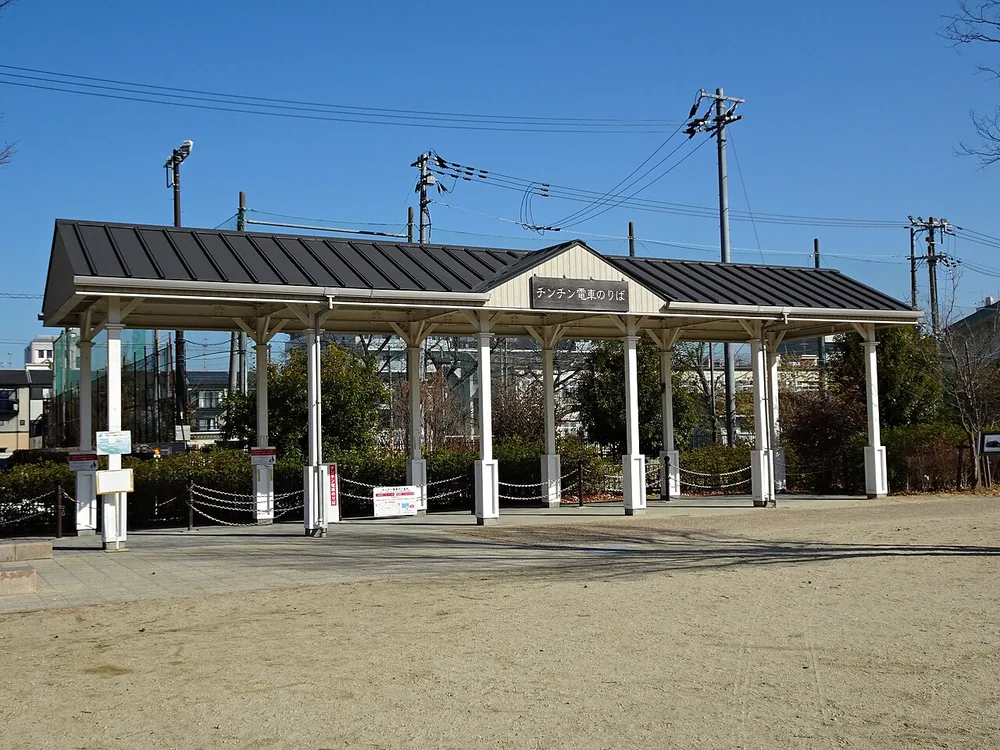
The lawn is suitable for sitting on a mat, stretching and watching activity. Dogs and bicycles are prohibited on the lawn, as are ball games that affect other users. Suzaku Yume Plaza has a large slide, rope-climbing equipment and a cafe. With widely spaced sibling ages, adults can supervise separately so children use equipment suited to their abilities. Streetcar Plaza preserves 4 vehicles from the Taisho and Showa periods, with some interiors used as a cafe and shop. It shifts the theme from animals to urban life. For a heritage streetcar ride, read the day's operating announcement and riding rules separately. It connects Suzaku Yume Plaza and Streetcar Plaza as a park experience. If children only want to see the vehicles, the preserved cars make a sufficient short stop before leaving via Umekoji-Kyotonishi Station.
Continue the ecology theme at Suzaku Garden and Inochi no Mori
Suzaku Garden is a strolling pond garden within the park, open 9 a.m.–5 p.m., with last entry at 4:30 p.m. It closes Mondays, or the following day when Monday is a holiday, and December 28–January 4. Admission is ¥200 for elementary school age and above, including onward access to Inochi no Mori. This is a separate paid visit for those still wanting quiet plants, water and ecology.
A thin water surface over black granite creates the garden's reflecting pool. Follow flowing water and changes in level. After aquarium tanks, children can compare water behind glass with outdoor surfaces and see reflections change with position.
If everyone is tired, rest briefly in the free park instead.
Inochi no Mori is a restored urban biotope, reached from Suzaku Garden over Furin Bridge. A canopy walkway protects the woodland environment. Pair it with the aquarium's satoyama to ask how cities make room for birds, insects and waterside species. Stay on the open walkway, shifting children's attention from finding an animal to understanding the environment it needs.
Rain, water play and the return trip: keep the final stretch comfortable
Most aquarium exhibits are indoors or roofed. Countryside of Kyoto and uncovered paths still get rain, and wind can drive rain into the dolphin stadium. In heavy rain, retain indoor tanks and a food break, shorten satoyama and the park, and walk the lawn only after rain stops. If shoes and socks are wet or a toddler needs changing, end the outdoor stretch and return to your accommodation. The half day still has a complete shape.
For warm-season water play at the park's riverside play area, bring spare clothes, towels and nonslip sandals. The management rules require footwear such as rubber sandals, care against slipping and continuous adult supervision. The water is not drinkable. This suits families already planning water play. Shallow water need not prompt an unplanned entry in sneakers; a shaded waterside walk also makes a good ending.
Choose the return station by your final stop. From the western park near Umekoji-Kyotonishi, leave by JR. For Kyoto Station's Central Exit, follow the park and official walking route toward the station. Allow time for water, toilets and the trip back to your accommodation.
A few useful answers
How long should I allow for Kyoto Aquarium?
The aquarium's usual reference is 1 hour 30 minutes to 2 hours. For a dolphin program, food or babies and toddlers, allow about 3 hours inside as a travel plan, with flexible park time separately.
Can I bring a stroller?
Yes. Ramps and elevators are available. The aquarium does not rent or store strollers. Designated parking is on the second-floor terrace and third-floor stadium ramp.
Can I bring bento and snacks?
Yes; take your rubbish away. Eat in designated bench areas such as fur seals, seals, Sanshi Suimei and the dolphin stadium. Do not walk and eat in other exhibits.
Are dolphin program times the same every day?
Daily schedules appear in the official events calendar. Select your actual date for programs, times and venues. On-site announcements reflect changes that day.
Is the aquarium suitable on a rainy day?
Most exhibits are indoors or roofed. Countryside of Kyoto and uncovered paths need rain gear. Dolphin seating has a roof, but strong wind can carry rain in from the sides.
Is Kyoto Station or Umekoji-Kyotonishi closer?
Official walking estimates are about 15 minutes from Kyoto Station's Central Exit and 7 minutes from Umekoji-Kyotonishi. Walk directly from Kyoto Station if starting there; use Umekoji-Kyotonishi when already on JR or reducing outdoor walking.
Can I re-enter after leaving?
Present your original ticket at the entrance for re-entry. Follow on-site arrangements during crowd controls and keep the ticket until the day's visit ends.
Can I visit the aquarium and Railway Museum on the same day?
Both are in the Umekoji area and connected on foot. Families with toddlers or visitors wanting full exhibits will be more comfortable choosing one with lunch and the park. Give the Railway Museum another half day.
Official information and references
Sources used in this guide.
- Kyoto Aquarium: current floor plan and recommended route
- Kyoto Aquarium: Rivers of Kyoto and giant salamanders
- Kyoto Aquarium: fur seals
- Kyoto Aquarium: seal cylinder tank
- Kyoto Aquarium: Sea of Kyoto main tank
- Kyoto Aquarium: penguins on land and underwater
- Kyoto Aquarium: jellyfish exhibits, care and research
- Kyoto Aquarium: Mitette exhibits and workshops
- Kyoto Aquarium: dolphin stadium
- Kyoto Aquarium: Dolphin School
- Kyoto Aquarium: Sanshi Suimei local freshwater exhibits
- Kyoto Aquarium: Countryside of Kyoto
- Kyoto Aquarium: dated opening calendar and access
- Kyoto Aquarium: regular tickets and annual-pass prices
- Kyoto Aquarium: ticketing and timed-entry rules
- Kyoto Aquarium: programs and experiences by date
- Kyoto Aquarium: baby and accessible facilities, food and photography rules
- Kyoto Aquarium: duration, re-entry and stroller FAQ
- Kyoto Aquarium: three cafes and shop locations
- Kyoto City Greenery Association: current Umekoji Park facilities map
- Kyoto City Greenery Association: Umekoji Park access
- Kyoto City Greenery Association: lawn and use rules
- Kyoto City Greenery Association: Suzaku Yume Plaza
- Kyoto City Greenery Association: Streetcar Plaza
- Kyoto City Greenery Association: Suzaku Garden fees and hours
- Kyoto City Greenery Association: Inochi no Mori and canopy walkway
- Kyoto City Greenery Association: riverside play-area safety and water rules