Choose Kyoto foliage areas for one to three full days. Plan around Eikando’s separate day and night entry, Tenryuji’s 2026 early opening, Tofukuji’s separate tickets, and seasonal road restrictions. Includes shorter walks, pass calculations, and dinner before illuminations.
- Region & Focus
- KyotoFall foliage
- Reading Scope
- 35 min read · 13 chapters · 4 Q&As
- Official Verification
- 21 official sources checkedUpdated October 26, 2026
- Key Topics
- ItinerariesSeasonsRail travel
Chapter Route Map (tap any stop)
- One area per day: check leaf conditions, then choose your entrance
- From your hotel to the first temple: three rail approaches
- Northern Higashiyama: choose day or night at Eikando and one paid area at Nanzenji
- A northern Higashiyama day: daytime gardens or evening illuminations
- Arashiyama: start with the garden opening, then keep bamboo and river walks together
- Choose one Arashiyama afternoon: Oku-Saga, the river, or the train
- Tofukuji in foliage season: separate tickets for Tsutenkyo and the Hojo
- After Tofukuji: leave the afternoon for activities you can do sitting down
- Mountain areas: give Ohara or Takao a day of its own
- Eat before the illuminations: keep dinner and entry lines out of the same hour
- Calculating transport passes: count only covered journeys and list admission separately
- Peak-season road changes: use taxis for the short section you need
- One to three foliage days: adjust for energy and weather
- Quick Q&A
Choose one area for each Kyoto foliage day. For pond views and illuminated leaves, visit Nanzenji and Eikando. For gardens, riverside walks, and mountain scenery, choose Arashiyama. For half a day focused on a valley of maples, choose Tofukuji. Leave the next area for another day and use the time for temple visits, meals, and rest. The 2026 early openings, separate day and night sessions, and separate tickets affect the plan. Work out entrances and time slots before choosing a transport pass.
One area per day: check leaf conditions, then choose your entrance
A common way to overload a Kyoto foliage day is to combine Tofukuji, Arashiyama, and Eikando, filling the gaps with train journeys that look short. Each visit also needs station access, walking, ticket purchase, and waiting, while crowds gather during similar daylight hours. With one full day, choose one of these three areas; use a second full day for another side of the city. Saving the transfer time gives you another garden or lets your party sit down for a complete lunch.
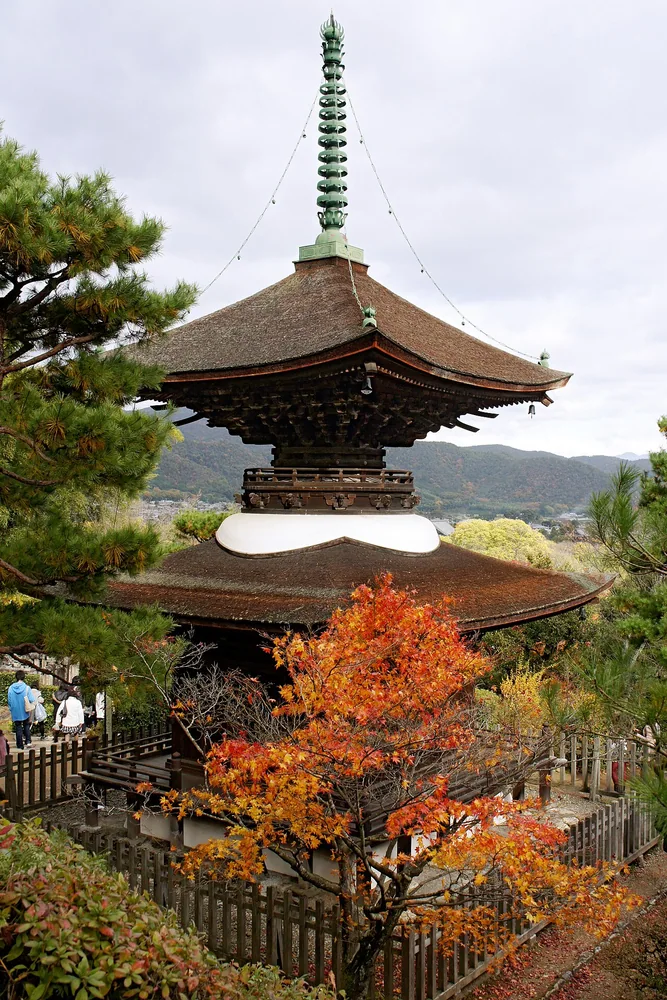
Choose northern Higashiyama, from Nanzenji to Eikando, for ponds, temple buildings, and layered gardens. Choose Arashiyama for riverside scenery, mountains, and walking. Choose Tofukuji if your goal is the maple valley beneath Tsutenkyo Bridge. These choices follow the scenery and route. For someone with knee trouble, keep Arashiyama to the river and Tenryuji garden and omit Jojakkoji’s stairs. In Higashiyama, choose one paid garden and reduce climbing at the Sanmon Gate and on the hillside toward the Tahoto Pagoda.
Use Keihan’s foliage report to distinguish green leaves, the start of coloring, peak color, past peak, and fallen leaves, then check the page’s update date.
Kyoto City Tourism Association’s autumn 2026 notice lists October 30 as the foliage calendar’s publication date. While choosing flights, first decide how many days you can stay. Once travel dates are fixed, use that week’s reports to choose each day’s area. Near the end of the trip, you do not need to keep chasing a famous temple whose leaves have not turned. Replacing your planned second area with one showing better color makes the flexible transport plan useful.
| Area | Morning focus | Afternoon and departure direction | First items to omit |
|---|---|---|---|
| Northern Higashiyama | Enter from Keage; choose Nanzenji or Eikando first | Eat near the temples; choose one separate evening session, then return to Keage | Ginkakuji extension or a second paid Nanzenji area |
| Arashiyama | Tenryuji garden; garden reception opens at 7:30 during the early-opening period | Choose Jojakkoji, the river, or the train; use JR, Randen, or Hankyu according to your final stop | A second Togetsukyo Bridge crossing or extra temples |
| Tofukuji | November 14–December 6: Tsutenkyo from 8:30, Hojo from 9:00 | Return toward Kyoto Station or the Keihan corridor after lunch, with time to rest | Climbing Mount Inari or crossing to Arashiyama the same day |
Choose Kyoto foliage areas for one to three full days. Plan around Eikando’s separate day and night entry, Tenryuji’s 2026 early opening, Tofukuji’s separate tickets, and seasonal road restrictions. Includes shorter walks, pass calculations, and dinner before illuminations.
From your hotel to the first temple: three rail approaches
From Kyoto Station, take the JR Sagano Line to Saga-Arashiyama for Arashiyama, or the JR Nara Line to Tofukuji for Tofukuji Temple, then walk. If staying near Shijo-Kawaramachi or Gion, walk to Keihan Gion-Shijo Station for Tofukuji instead of going back to Kyoto Station. For Nanzenji and Eikando, Keage on the subway Tozai Line is an easy entrance to identify. From Kyoto Station, take the Karasuma Line to Karasuma Oike and transfer to the Tozai Line.
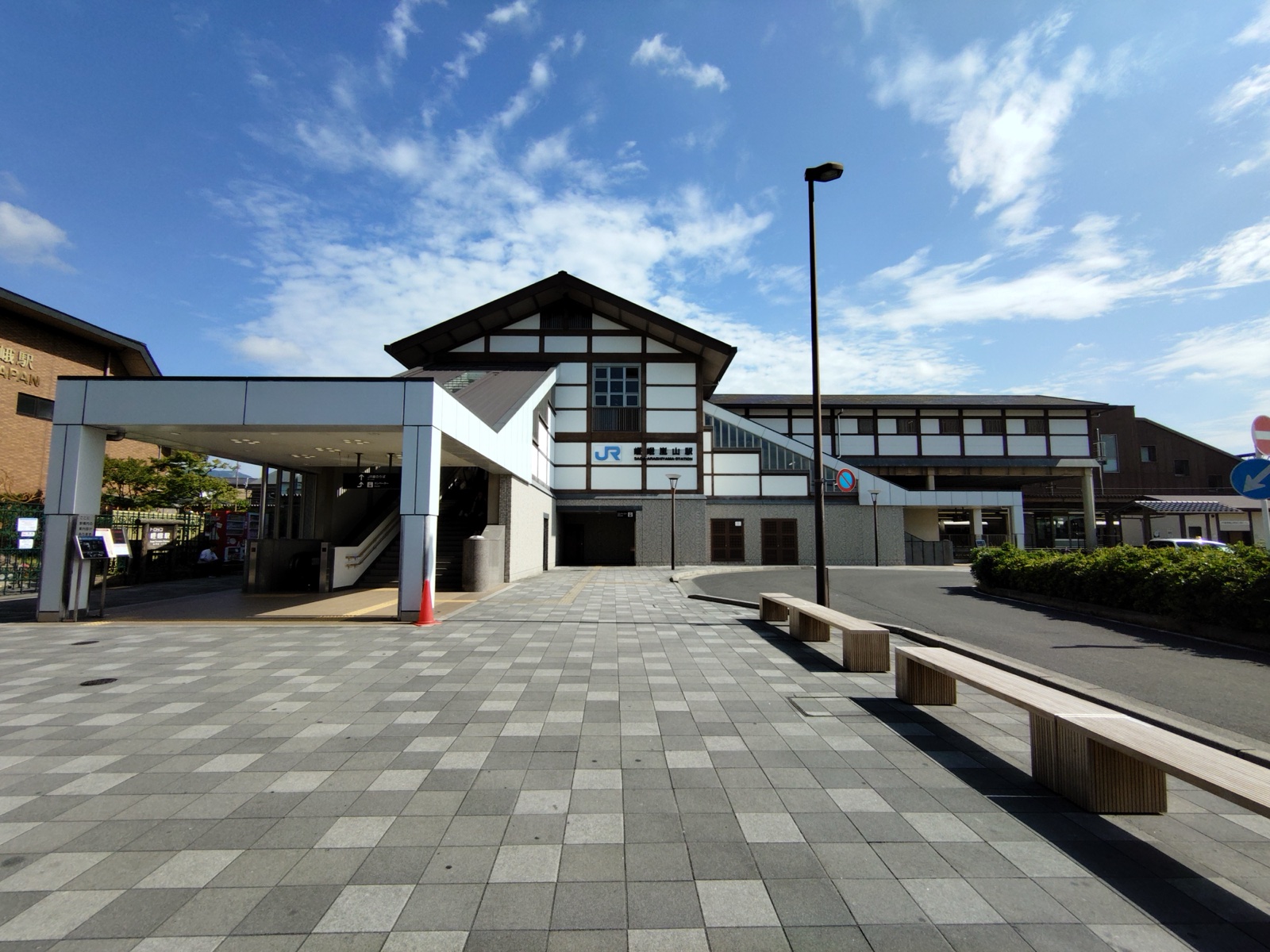
The stations called Arashiyama are in different places. Randen’s station is near Tenryuji’s entrance, Hankyu’s is south of the river, and JR Saga-Arashiyama is in the neighborhood to the north. Coming from Osaka on Hankyu, it is natural to cross the river and continue to the riverside and Tenryuji. From a hotel near Kyoto Station, JR followed by a walk to the temple is more direct. Return from the station nearest your last stop rather than passing through the crowds again just to retrace your route.
Kyoto’s autumn 2026 transport notice includes using rail to get close to destinations and spreading demand away from Kyoto Station. Apply that to your starting point. From Shiga toward northern Higashiyama, compare a subway transfer at Yamashina. From the Keihan corridor toward Tofukuji, stay on Keihan. Enter your hotel’s actual address when checking routes. The shortest time onboard may exclude the hotel-to-platform walk, street crossings, and the final slope.
For meetings or reservations, set separate times for reaching the station and reaching the ticket office. First-time visitors need to find exits, toilets, and ticket counters, and foliage crowds can separate a group. Meet at a fixed landmark outside the station before starting the temple walk. If coming from Osaka that morning, work backward from the opening time of your first paid entrance. Leave luggage at your Osaka hotel or a storage facility first.
Northern Higashiyama: choose day or night at Eikando and one paid area at Nanzenji
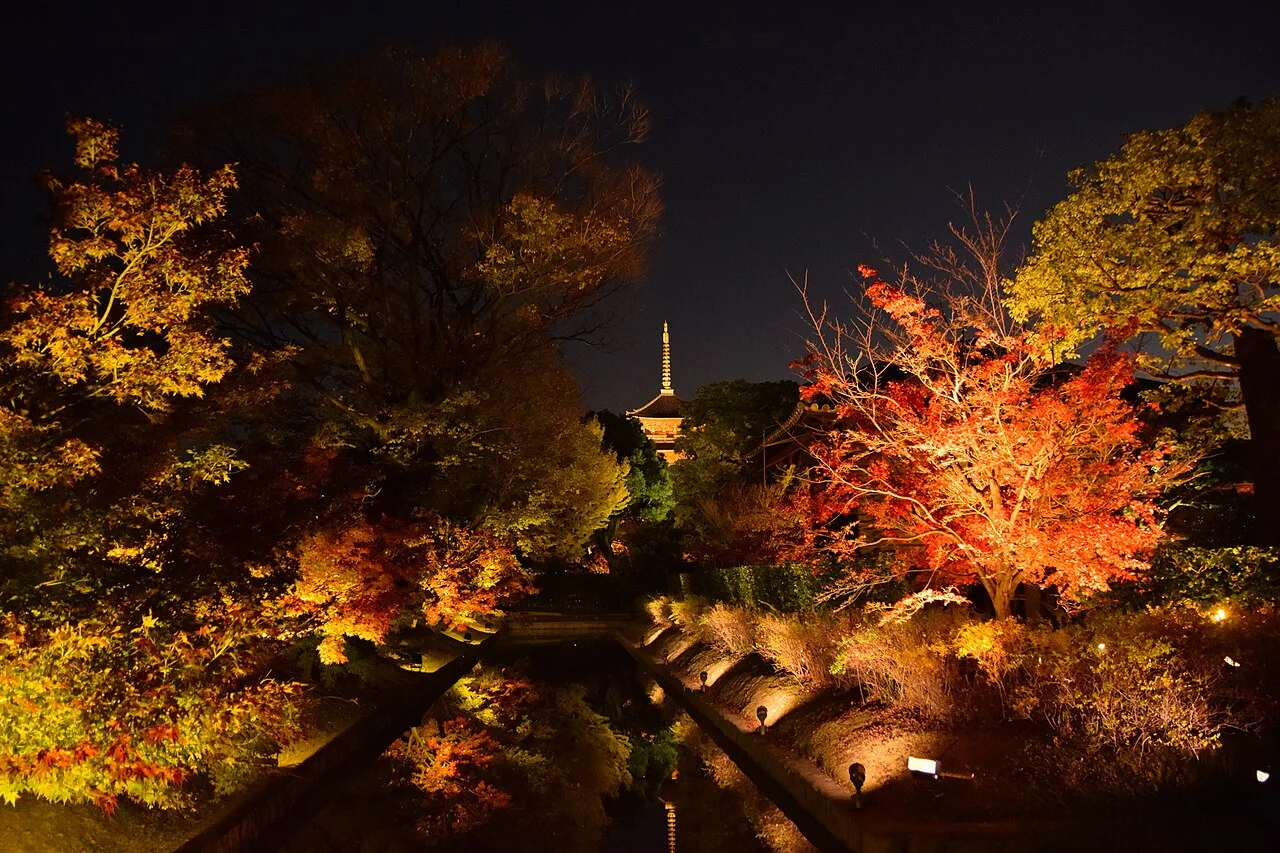
Eikando’s 2026 Autumn Temple Treasures Exhibition runs November 11–December 6. Entry is 9:00–16:00 and the temple closes at 17:00; adult admission is ¥1,500. Evening sessions run November 20–December 6, with entry 17:30–20:30 and closing at 21:00. Admission is ¥1,000 for junior high school students and older. Daytime visits include temple treasures, halls, and gardens; evening visits open the Amida Hall and gardens. Choose the content you want before choosing the entry time.
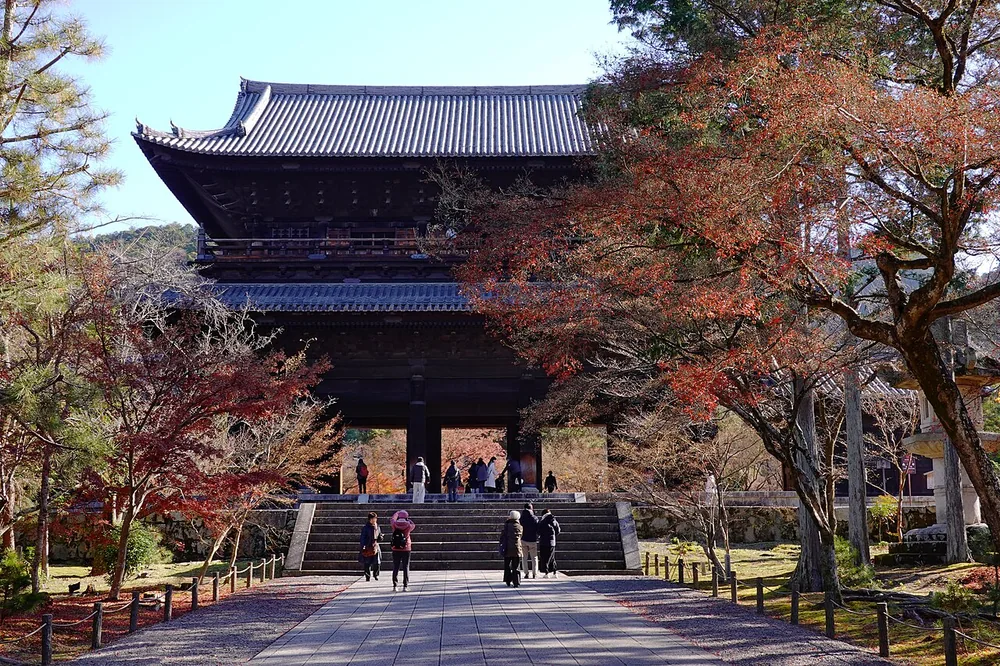
Eikando clears the grounds between sessions. Day visitors must leave by 17:00, and evening admission requires a separate ticket. Advance tickets are not currently issued. Both sessions cost an adult ¥2,500 in total, and you need somewhere to spend the gap before the evening opening. An early dinner suits people who have walked all day better than standing outside the entrance. The normal daytime route through the halls also changes in autumn: Garyuro Corridor and Senbutsudo Hall are closed November 11–December 6.
Neighboring Nanzenji sells separate tickets for its main paid areas. General adult rates are ¥600 for the Hojo Garden, ¥600 for the Sanmon Gate, and ¥500 for Nanzenin. The Sanmon involves climbing upstairs. Choose the Hojo first if you want to sit and look at a garden; Nanzenin is another option for a pond garden and maples. Buying all three increases both time and physical demands. If Eikando is the day’s focus, choose one Nanzenji area and leave the rest of the time for the grounds and aqueduct.
Nanzenji’s official regular hours are 8:40–17:00 from March through November, with last admission 20 minutes before closing. From December, closing is 16:30, again with last admission 20 minutes before closing. Both temples are walkable from Keage, but their ticket counters, thresholds, and garden paths add distance. For lunch in northern Higashiyama, choose a location between the temples, Keage, and Okazaki rather than returning to Shijo for a distant famous restaurant.
A northern Higashiyama day: daytime gardens or evening illuminations
For daytime gardens, reach Keage around 8:30, walk to Nanzenji at your pace, and enter your selected paid area after opening. Rest afterward, then continue north to Eikando. Put Eikando before or after lunch according to which temple deserves more of your time. If the treasures exhibition is the focus, enter Eikando early and keep Nanzenji to a grounds walk. If the Hojo garden design interests you, give it the full morning and make Eikando the afternoon’s only paid visit.
You do not need to continue all the way along the Philosopher’s Path to Ginkakuji. Returning south from Eikando toward Okazaki shortens the walk and connects with the subway. With energy and stable weather, walk part of the Philosopher’s Path and turn back at a point you are happy with. Name a junction or bridge as the turning point so everyone can agree. Searching for the nearest station only after tiring halfway along the path usually adds another walk before you can leave.
For an evening visit, keep the morning for sleep, indoor activities, or ordinary city sightseeing and arrive in northern Higashiyama in the afternoon. Visit one paid area at Nanzenji, then eat before the evening session. Choose a restaurant that serves early and is within walking distance of Eikando. If dinner will follow the illuminations, eat a substantial snack before entry and choose a restaurant with known hours. Leaving food entirely to “we’ll decide afterward” can turn fatigue into an argument.
Eikando states that admission may close early when busy. Do not arrive at the evening entrance right at 20:30. Reach it in the first part of the session to allow for lines and walking. Afterward, use a saved walking route to Keage and take the subway. If staff direct visitors through another exit, follow their directions rather than walking against the flow to return to the entrance.
For half a day, shorten this area to Nanzenji and a seated rest, or Eikando alone. Choose the main visit by the scene you want. Give Eikando more time for extensive maple foliage and pond views; retain Nanzenji’s paid areas for large buildings and dry gardens. Count photography stops too. The whole group’s lunch should not depend on finishing one photograph.
Arashiyama: start with the garden opening, then keep bamboo and river walks together
Tenryuji’s special early-morning garden opening, November 14–30, 2026, begins at 7:30, with entry only through the garden ticket desk. The north gate still opens at 8:30. Regular garden hours are 8:30–17:00, with last admission at 16:50. For an early garden visit, enter through the front garden ticket desk. Following an ordinary map to the north gate beside the bamboo grove would leave you waiting. An early start puts your main visit in the morning and leaves room to slow down later.
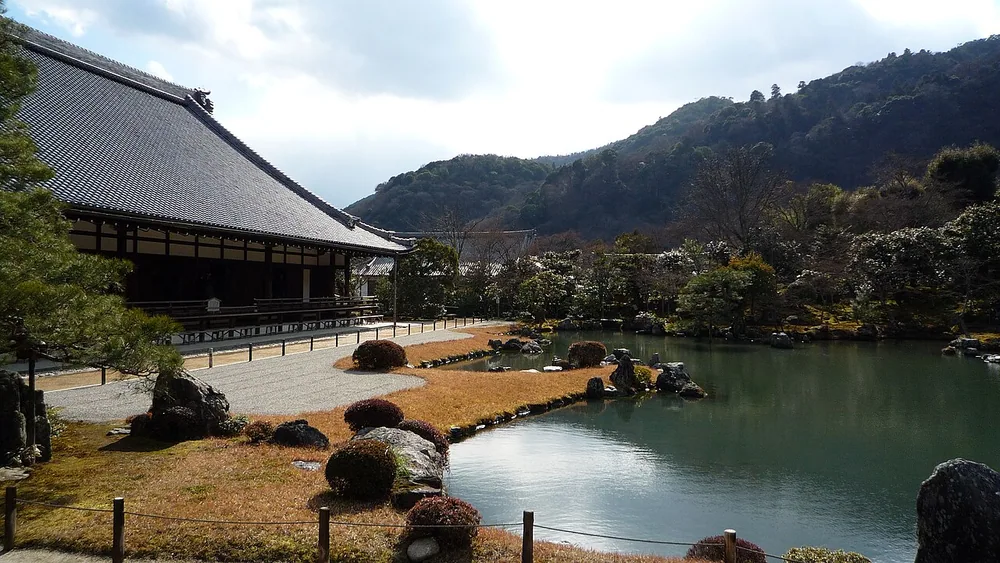
Tenryuji’s adult garden admission is ¥500. The temple buildings cost an additional ¥300, and the Cloud Dragon painting in the Dharma Hall is a separate ¥500. For foliage, focus first on Sogenchi Garden; add the buildings if their interiors interest you. The Cloud Dragon painting has separately listed opening days and an entrance, so check its admission hours if adding it that day. Visiting every ticketed area cuts the time for Oku-Saga or the river. One well-paced garden visit can fill a complete morning.
After the early garden visit, use an open exit toward the bamboo grove, then choose Jojakkoji or the river. The grove is a public walking route, and busy periods make group photos difficult. Treat the crossing as part of the walk. Stow selfie sticks and large backpacks before entering, and stop where the path widens. With a stroller, decide how two adults will manage the child and belongings before a narrow section. Avoid rearranging everything in the way of others.
Jojakkoji currently charges adults ¥600 and opens 9:00–17:00, with last admission at 16:30. The temple lists walks of about 15 minutes from JR Saga-Arashiyama, 20 from Randen Arashiyama, and 30 from Hankyu Arashiyama. These reflect the stations’ different positions. There are many stairs, and wheelchair access is limited. After Tenryuji and the bamboo grove, add Jojakkoji only if your legs allow, especially if you also want the river. Nearby green areas on a map do not show the effort involved.
Choose one Arashiyama afternoon: Oku-Saga, the river, or the train
If you enjoy walking, make Jojakkoji the afternoon focus, with a meal and rest en route, then finish toward Saga-Arashiyama Station. Most of your day stays north of the river, with one less crossing of Togetsukyo Bridge. If the bridge and riverside are your party’s priority, reverse the emphasis. After Tenryuji, head to the water, eat lunch, walk a safely accessible riverside section, and leave from Hankyu Arashiyama. Agree on the final station first so shopping and breaks follow the return direction.
The sightseeing train is another main activity. If you have booked the Sagano Romantic Train, put the ride and connections at both ends in the schedule and remove one temple. Torokko Saga is next to JR Saga-Arashiyama, but Torokko Kameoka requires a walk to JR Umahori. Riding one way through the gorge, then returning to the city by JR, reduces repeated loops through Arashiyama. If returning to Arashiyama for dinner, allow a separate connection. Choose the train’s direction according to where you want to finish.
Autumn train rides offer different views by day and under evening lights. Choose daylight for the valley’s natural colors; choose an available evening service if illumination is the goal. Once the train is in the plan, there is no need to chase Higashiyama illuminations too. The evening activities are on opposite sides of the city, and transfers consume dinner time. If you want several activities, compare “one garden plus the train” with “two temples plus the riverside” and choose the combination you prefer.
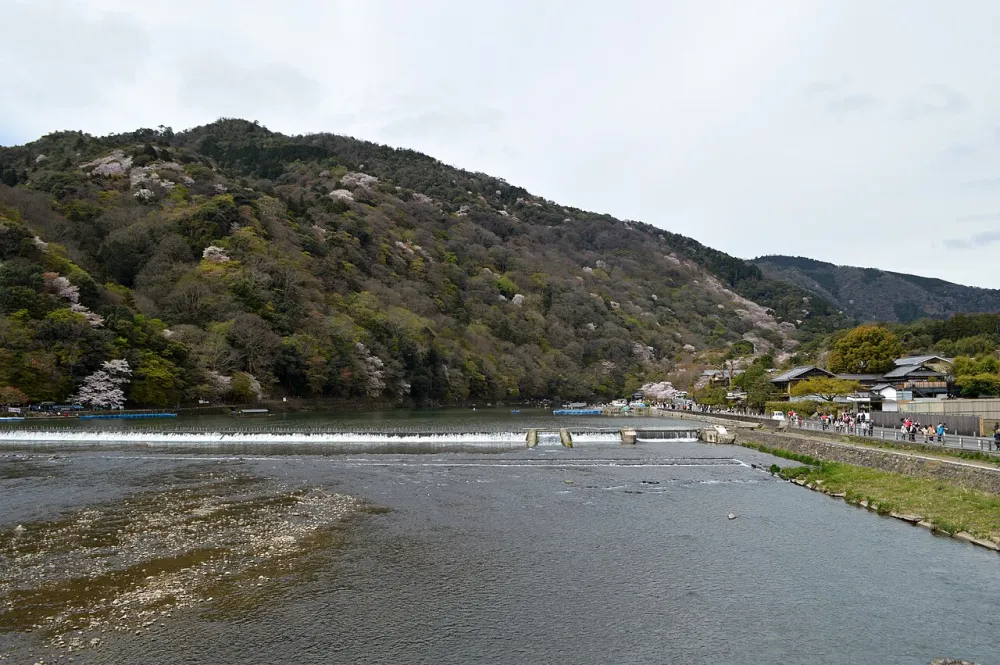
If Togetsukyo Bridge is crowded on a weekend afternoon, finish on the same bank rather than crossing again for a snack. Sit down, organize purchases, then head to your planned station. If a shop’s line exceeds your waiting limit, move shopping nearer the return station. Keep reserved activities; you can choose a different snack stop. An often-overlooked way to finish Arashiyama is to omit the final temple and leave from the nearest rail station.
Tofukuji in foliage season: separate tickets for Tsutenkyo and the Hojo
Tofukuji suits visitors who want half a day focused on one temple. The temple’s 2026 visitor guide lists November 14–December 6 opening times of 8:30 for Tsutenkyo and 9:00 for the Hojo Garden, with last admission at 16:00. During this period, Tsutenkyo and Kaisando cost adults ¥1,000. The Hojo Garden costs adults ¥600 from November 1, and a combined ticket is not sold during the autumn period. Both areas total ¥1,600 per adult.
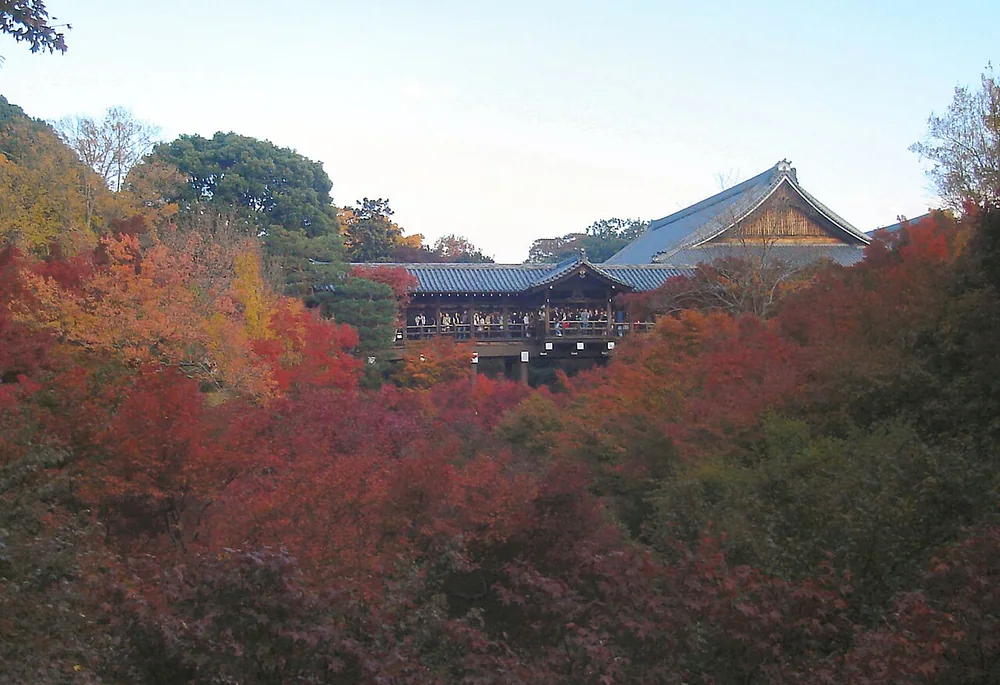
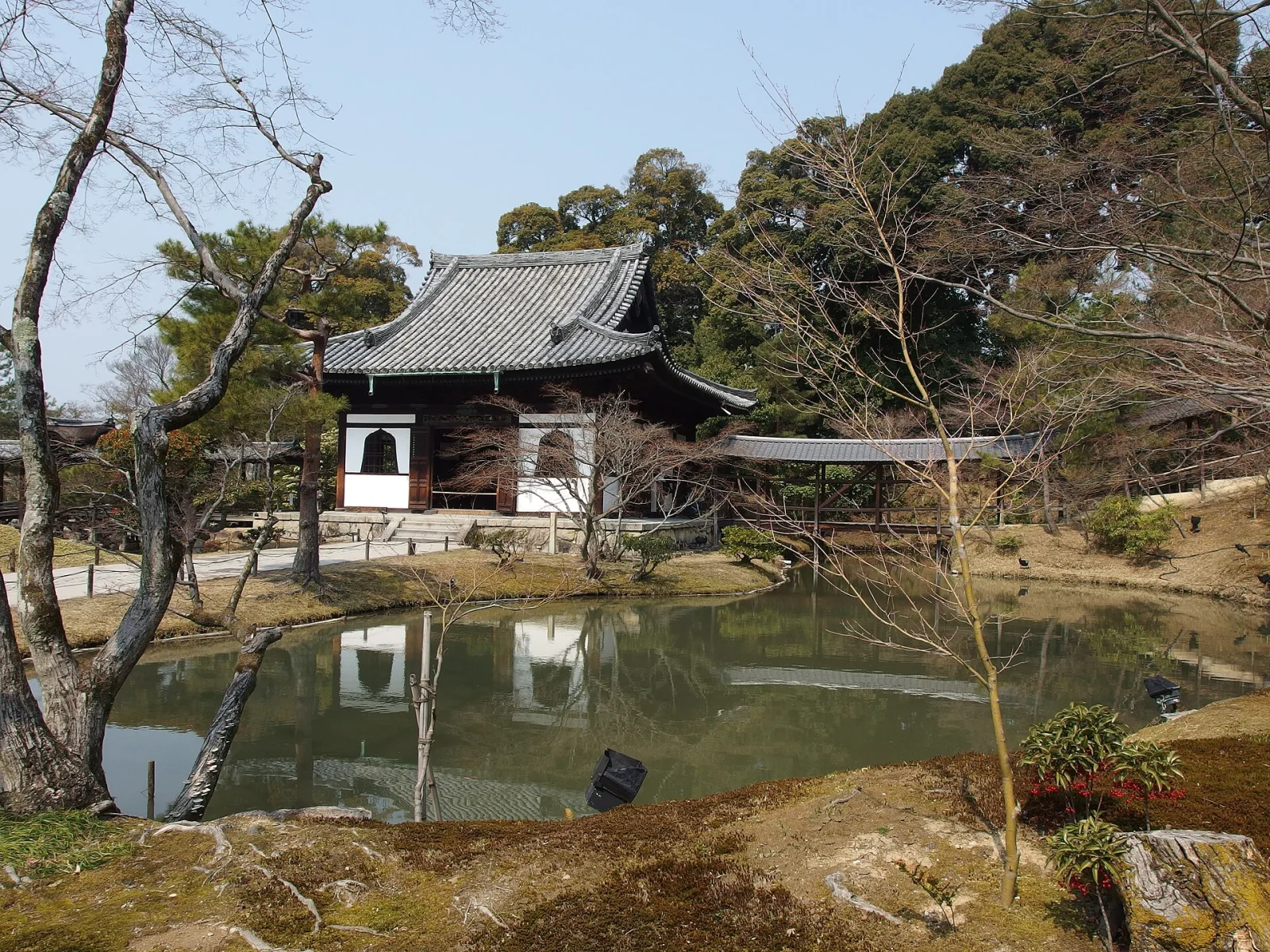
Prioritize Tsutenkyo and Kaisando for the maple valley and covered bridges. Add the Hojo Garden for garden design and the relationship between interior and exterior views. Its four gardens by Mirei Shigemori call for a different pace from walking along the valley. If you enter Tsutenkyo first, decide on the Hojo afterward according to your energy. Agree on budget and interests before buying rather than following everyone into another paid area by default.
Take the JR Nara Line from Kyoto Station to Tofukuji, or Keihan from Gion-Shijo to Tofukuji. The temple lists about 10 minutes on foot from the station. To arrive around the 8:30 opening, add that walk and station-exit time after your train. From a central-city hotel, there is no need to meet at Kyoto Station and travel south again. Leave from a nearby Keihan station and meet outside Tofukuji Station.
Photography may be restricted on Tsutenkyo and Gaunkyo Bridges during autumn crowds. Eating, drinking, and tripods are prohibited on the grounds. Prepare lenses in advance and compose only where stopping is permitted. If staff require movement on a bridge, photograph from an area where you may stop. Keeping older relatives or children standing for an empty-bridge photo makes the next walk harder. The temple does not allow reentry, so change the order if you planned lunch before returning to the same paid area.
Keihan’s official short video focuses on Tofukuji’s autumn leaves, alongside the choices for visiting Tsutenkyo and the gardens.
After Tofukuji: leave the afternoon for activities you can do sitting down
After a morning at Tofukuji, return toward Kyoto Station for lunch, shopping, or rest. If you still want a garden, stay on the same side of the city and choose one with an entrance you have already checked. The day’s main scenery is complete; the afternoon can restore your energy. A shorter afternoon is especially useful before Arashiyama the next day, rather than forcing two long walking days in succession.
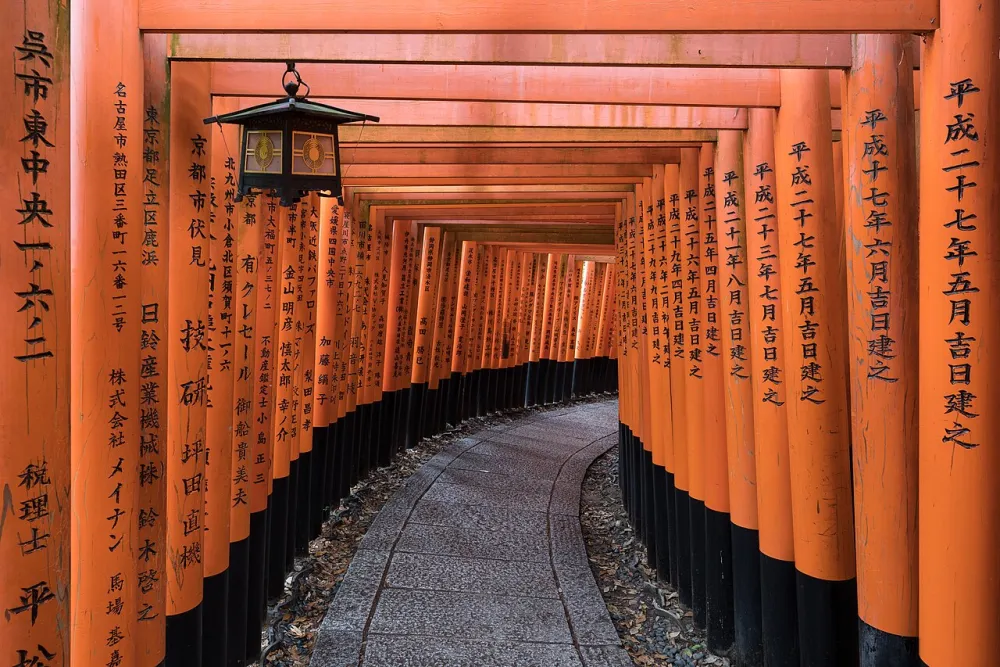
Tofukuji and Fushimi Inari can be linked by JR or Keihan, but climbing Mount Inari adds to the strain of standing for foliage views. If combining them, use a short visit at the foot of Fushimi Inari and keep one afternoon focus. Save the full mountain route for another day. For sake breweries and lunch, choose the Fushimi Inari and Fushimi sake district day route separately, giving that southbound route its own day.
Tofukuji’s easy rail return is useful for a half-day visit. If you have an afternoon Shinkansen, work backward from departure to set your latest temple exit, adding luggage collection, station entry, and platform finding. If a large suitcase is at your hotel, include the journey back there, beyond the Tofukuji-to-Kyoto train ride. If the spare time goes unused, sit and eat something at the station instead of inserting another temple.
Mountain areas: give Ohara or Takao a day of its own
Ohara and Takao each work as a main foliage day for travelers willing to spend more time on buses and mountain paths. They lie in different directions from central Kyoto. Combining them first consumes time returning to the city and heading out again. Choose Ohara for fields and temple gardens, or Takao for a valley and temples with distinct stair climbs. If mountain paths are a concern or rain is heavy, rail-accessible Higashiyama or Tofukuji is easier to shorten.
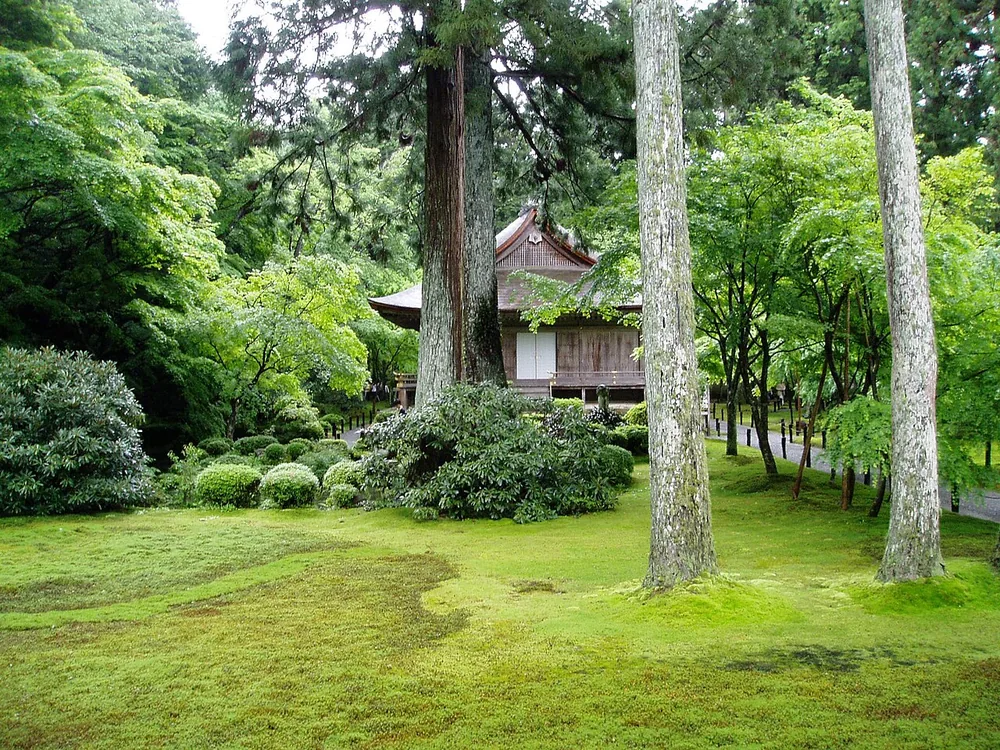
Kyoto’s official Ohara access advice recommends the subway to Kokusaikaikan, then Kyoto Bus route 19. From the Keihan corridor, transfer at Demachiyanagi to route 17. Replacing a long city-center bus segment with the subway reduces exposure to road congestion. Return to Kokusaikaikan or Demachiyanagi for rail as well. Boarding just because the sign says Kyoto Station leaves the full road journey until evening.
From the Ohara stop, there is still a walk into the temple area. Plan lunch together with the uphill section. If Sanzenin is the focus, visit first, sit for lunch, then decide whether to add somewhere else. With a restaurant reservation, avoid inserting a temple on the other side that morning. Before returning, check the stop and that day’s services. Choose a target bus and one backup. If weather worsens, removing an optional stop is safer than rushing to recover the original schedule.
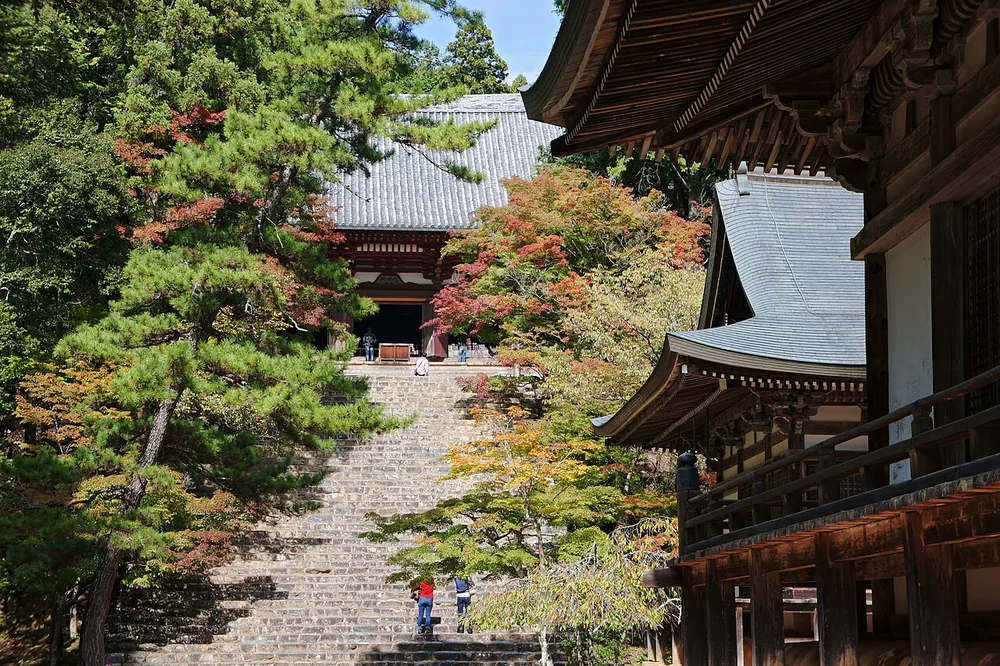
At Jingoji in Takao, stairs climb from the valley toward the temple gate, demanding more effort than a flat city-neighborhood walk. Anyone with weak knees should first assess the downhill return. Even with only one temple, leave the walk to the bus stop and waiting time in daylight. For all three Sanbi temple areas in one day, schedule each path, meal, and return bus separately.
Eat before the illuminations: keep dinner and entry lines out of the same hour
Evening foliage suits visitors who want lighting as the main theme or prefer a later morning. After a full Arashiyama day, Eikando’s evening session puts dinner, transfers, and admission lines into the same period. Save it for the northern Higashiyama day or shorten the daytime plan to half a day. When booking dinner, decide whether to eat before or after the lights. The restaurant’s last entry time determines whether you get the meal more than its distance from the temple does.
If one of two travelers wants night photography and the other gets cold or dislikes standing, agree during the day on how either of you can leave early. Choose a return station and route that each can use independently before deciding whether to split up for the evening. If the family must stay together, make the illuminations the only evening activity. Returning to the hotel after lunch for rest is reasonable. A child who has had an afternoon nap starts under different conditions from one who has stood all day.
For evening photos, first find a place where stopping is allowed, then adjust the camera. Put a dripping umbrella into a bag and keep its tip away from people in line. Eikando prohibits monopods and tripods, photography of cultural assets inside halls, and selfie sticks in crowded areas. Light rain gear is easier to move with than an umbrella large enough to cover the whole party. If rain makes the stairs slippery, you can cancel the illuminations in the afternoon and keep the dinner plan.
After the evening session, you do not need to return to your earlier bus stop. Walk back to the subway from northern Higashiyama, to JR or Keihan from Tofukuji, or to your chosen rail line from Arashiyama. Save the route in advance. Toilets, elevators, and platforms can add walking inside the station; gather everyone before entering. If returning to Osaka, choose a target range of departures before the whole party reaches the station and starts checking the last train.
Calculating transport passes: count only covered journeys and list admission separately
The Kyoto Subway & Bus 1-Day Pass costs ¥1,100 for adults and ¥550 for children. It covers municipal subways and city buses, plus specified sections of Kyoto Bus, Keihan Bus, and West Japan JR Bus. It suits days when you will use those systems. JR round trips to Arashiyama and JR or Keihan trips to Tofukuji do not count as covered rides just because they are in Kyoto. List operators first, then add individual fares.
For subway-only travel, compare the adult ¥800 Subway 1-Day Pass. For western Kyoto via Randen, the fiscal 2026 Subway & Randen 1-Day Pass costs adults ¥1,300. If northern Higashiyama requires only a subway round trip from your hotel and walking at lunchtime, separate fares may work better. A pass allowing many rides does not require extra backtracking. Plan walking and entrances first, then the ticket.
For Ohara, check whether your chosen Kyoto Bus section is included in the Subway & Bus 1-Day Pass. Name the operators at both ends of a transfer. The subway and Keihan are separate systems; Eizan Railway from Demachiyanagi to Yase is another company. If your party uses different discount tickets, agree where to meet outside the gates. An IC card allows flexible travel. Top it up at a station so you do not have to sort out payment when getting off a bus in the mountains.
List admission in its own column to see the trade-offs. In the 2026 foliage period, Tofukuji’s two adult tickets total ¥1,600; Eikando day plus evening totals ¥2,500. Tenryuji’s garden alone is ¥500, or ¥1,100 combined with Jojakkoji at ¥600. These combinations offer different content, with transport and food additional. To reduce costs, remove a repeated paid visit before cutting meal time or your return margin.
The Kyoto Subway & Bus 1-Day Pass and Subway 1-Day Pass last until the end of service on the day used. The next morning’s journeys require another fare. For a two-night stay, calculate each day separately rather than buying the same pass for every day in advance. If your pass covers suitable JR sections, use it to assess Saga-Arashiyama or Tofukuji access. Buy short rides on other operators separately. Keeping every journey on one pass is not worth a long detour around a simple transfer.
Peak-season road changes: use taxis for the short section you need
Kyoto’s autumn 2026 transport measures designate November 21, 22, 23, 28, and 29 for selected traffic restrictions. Nagatsuji-dori in Arashiyama becomes a pedestrian road from 13:00 to 17:00; vehicle restrictions around Tofukuji run 9:00–16:00. A booked car or taxi on those days still requires a walk from an accessible stopping point. Save the actual road and junction for pickup, rather than sending only the temple name.
On weekdays November 16–27, Nagatsuji-dori in Arashiyama also has a northbound one-way arrangement, with bus detours. A stop shown on your original map may require walking elsewhere for the direction you need. Read the transport bureau’s and operators’ information before departure and temporary notices on arrival. With rail both ways, these changes mainly affect the final neighborhood walk and taxis; one moved bus stop does not require rebuilding the whole day.
A taxi can fill a short gap when someone is tired, such as from an accessible pickup point to somewhere closer to the hotel. It still faces congestion on the same road. Let an older relative rest somewhere seated and sheltered while one person confirms the pickup point, then move together. Avoid leaving someone who needs a seat standing at a narrow junction or repeatedly crossing crowds to find the closest pickup.
Leave large luggage at your hotel or a proper storage facility. Kyoto’s autumn visitor information links to luggage reservations and delivery services; choose storage according to your hotel’s location. Luggage left at Kyoto Station must be collected there in the evening. If staying in Kawaramachi and leaving the city the next day, the hotel often avoids that detour. Collection deadlines, delivery arrival times, and the hotel’s delivery acceptance hours are separate. Arrange the handoff first so the foliage day needs only essentials.
One to three foliage days: adjust for energy and weather
With one day, choose a main area and one optional section. In northern Higashiyama, focus on Eikando and choose one Nanzenji area. In Arashiyama, start with Tenryuji’s garden, then choose Jojakkoji or the riverside. At Tofukuji, prioritize Tsutenkyo and return to the city in the afternoon. Give the first activity its full time block, then decide on the addition after lunch. If the morning line is longer than expected, cancel the addition without taking time from lunch or the return.
With two days, separate northern Higashiyama and Arashiyama, putting illuminations on the Higashiyama day. If both require an early start, shorten the second afternoon. To see Tofukuji, replace one day’s daytime plan rather than squeezing it between the two. Three full days better suit a main block each for Higashiyama, Arashiyama, and Tofukuji. A mountain area can replace a city day. Count hotel changes and intercity travel separately; a half-day should keep a half-day’s range.
Adjust to the structure of that day’s activities. In light rain, if you still want to walk, keep one temple with an easy rail return and reduce long outdoor stretches. In strong wind, thunderstorms, or transport suspensions, switch to indoor activities and city meals and cancel the mountain day. Illuminations require walking in dim light, and slippery stairs add to fatigue. If your feet already hurt at midday, shorten the day then instead of forcing a ticket purchase at the entrance.
Photography can also be shared. While one person takes photos, others can wait clear of the route, with the next meeting point agreed. Someone seeking empty views can leave early while the family has breakfast at the normal time. Respect residents’ entrances, restaurant seating, and temple photography boundaries; fewer photos are fine. One garden, a complete meal, and a return to the station at the agreed time already make a clear day’s plan.
A few useful answers
Which Kyoto foliage area should I choose for a first visit with only one day?
Choose northern Higashiyama for gardens and illuminations, Arashiyama for gardens and riverside scenery, or Tofukuji for the Tsutenkyo maple valley. Focus on one area and decide on additions after lunch.
Can I stay for Eikando’s evening illuminations with a 2026 daytime ticket?
The grounds are cleared between sessions. Day visitors must leave by 17:00; evening entry starts at 17:30 and requires a separate ticket. Daytime adult admission is ¥1,500. Evening admission is ¥1,000 for junior high school students and older.
Is there a combined Tsutenkyo and Hojo ticket at Tofukuji in the 2026 foliage season?
No combined ticket is available November 14–December 6. Adult admission is ¥1,000 for Tsutenkyo and Kaisando and ¥600 for the Hojo Garden, totaling ¥1,600.
When can I enter Tenryuji’s garden in 2026?
The special early opening runs November 14–30 from 7:30 through the garden ticket desk. The north gate still opens at 8:30. Regular garden hours are 8:30–17:00, with last admission at 16:50.
Official information and references
Sources used in this guide.
- Kyoto City Tourism Association: autumn 2026 transport, luggage, and foliage information
- Keihan: 2026 area foliage updates and leaf-condition stages
- Kyoto City: autumn 2026 traffic restrictions in Higashiyama and Arashiyama
- Kyoto City: autumn 2026 rail routes to ease crowding and luggage information
- Eikando: 2026 treasures exhibition, evening visits, prices, and rules
- Eikando: public transport routes
- Nanzenji: visiting hours and admission for each area
- Nanzenji: access from Keage Station
- Tenryuji: 2026 early opening, tickets, access, and admission
- Jojakkoji: current hours and admission
- Jojakkoji: stairs, wheelchair access, and walks from each station
- Tofukuji: autumn 2026 tickets, hours, and visiting rules
- Tofukuji: JR and Keihan access
- Kyoto City Tourism Association: current pass operators and prices
- Kyoto City Official Travel Guide: rail and bus connections to Ohara
- Ohara Tourism Association: routes from Kokusaikaikan and Demachiyanagi
- Kyoto Bus: current return-timetable lookup for Ohara
- Kyoto City Official Travel Guide: 2026 Sagano train autumn events
- Kyoto City Official Travel Guide: Jingoji approach and mountain paths
- Sagano Scenic Railway: access to Torokko Saga Station
- Sagano Scenic Railway: Torokko Kameoka Station and the walk to Umahori