Plan your visit from Kyoto Station to Umekoji: admission tickets, SL Steam ride passes, driving simulators, the March 2027 fare increase, the roundhouse, and a half-day route.
- Region & Focus
- KyotoAttractions
- Reading Scope
- 20 min read · 12 chapters · 6 Q&As
- Official Verification
- 23 official sources checkedUpdated November 22, 2026
- Key Topics
- Rail travelItinerariesBooking
Chapter Route Map (tap any stop)
- Ticket prices rise in March 2027, so check your visit date first
- New Year and winter holiday closures
- Buying SL Steam tickets inside and timing the walk
- Booking the driving simulator the night before and checking in upstairs
- Walking from the 0 Series Shinkansen at the entrance to the 500 Series inside
- Seeing the roundhouse from the turntable before heading upstairs
- Choosing a second-floor diorama show and picking your seats
- Planning a half-day route around your hardest-to-change booking
- Splitting a full day between historic trains and active JR lines
- Rainy days, strollers, and older travelers: cutting outdoor walking
- Walking vs. transit from Kyoto Station depends on your exit
- Continuing through Umekoji Park or heading back toward Kyoto Station
- Quick Q&A
To ride the steam train at the Kyoto Railway Museum, head straight past the entry promenade to the boarding platform beside the roundhouse and buy your SL Steam ticket first. Driving simulator passes are sold online via Asoview or as admission bundles at 7-Eleven stores in Japan. Plan about three hours for a first visit to see key locomotives, tour the roundhouse, and fit in one timed activity. From Kyoto Station, take the JR Sagano Line one stop to Umekoji-Kyotonishi Station and walk two minutes.
Ticket prices rise in March 2027, so check your visit date first
The museum is open 10:00–17:00, with last entry at 16:30. General admission tickets are sold at the gate, or online via Asoview linked from the museum's ticketing page and at 7-Eleven stores in Japan. Through February 28, 2027, individual general admission costs ¥1,500 whether bought at the gate or in advance. Starting March 1, 2027, gate admission rises to ¥1,900 while advance tickets drop slightly below gate price at ¥1,800. Price differences across both channels for university, high school, junior high, and elementary students are listed below.
From March onward, two adults visiting with one elementary school student pay ¥4,400 at the gate or ¥4,100 in advance. If all three ride the SL Steam train, add two adult fares and one child fare for another ¥1,100. Admission and train rides are priced separately, so you can cover entry for everyone first and budget ride tickets by interest. Even visitors coming solely for the steam train still need a museum admission ticket.
When buying on Japanese ticketing screens, select "Chugakusei" for junior high school students and "Shogakusei" for elementary school students. Children under age 3 enter free. The museum requires university, high school, and junior high students to show student ID at entry; technical colleges, vocational schools, and junior colleges are grouped under the high school and university categories in the fare rules. Have both your tickets and any required IDs ready at the gate.
If you plan to visit Kyoto Aquarium the same day, the museum's advance ticket page sells a combo pass alongside bundles for Kyoto Tower and Toei Kyoto Studio Park. Let your schedule decide. Both Umekoji attractions need dedicated blocks if you can stay until early evening. If you only have one afternoon before catching a Shinkansen the next morning, lock in your departure cutoff first before committing to a multi-attraction bundle.
| Category | Through Feb 28, 2027 | Gate from Mar 1, 2027 | Advance from Mar 1, 2027 |
|---|---|---|---|
| General (Adult) | 1,500 | 1,900 | 1,800 |
| University / High School | 1,300 | 1,400 | 1,300 |
| Junior High / Elementary | 500 | 600 | 500 |
| Young Child (Age 3+) | 200 | 300 | 200 |
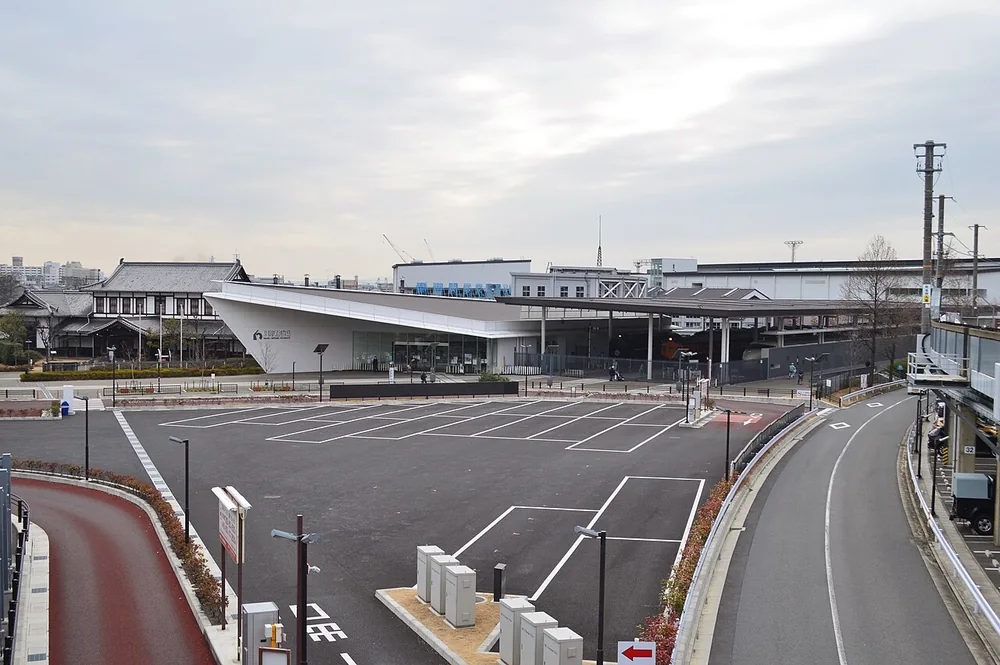
Plan your visit from Kyoto Station to Umekoji: admission tickets, SL Steam ride passes, driving simulators, the March 2027 fare increase, the roundhouse, and a half-day route.
New Year and winter holiday closures
The museum normally closes on Wednesdays, though it stays open on Japanese national holidays and school breaks while shifting closures to Tuesdays or Thursdays. Its December 2026 calendar lists closures on December 1–3, 8–9, 16, 23, and 30–31, plus January 1, 2027. If you are planning a five-day, four-night trip and heading to Osaka or flying home the next day, verify the open dates first before deciding which morning goes to Umekoji.
After New Year's Day, the museum is open January 2–5, 2027, before closing on January 6. Mid-January brings two consecutive closure blocks on January 12–13 and 19–20, followed by a three-day closure on February 2–4. Visitors spending New Year's in Kyoto can save January 1 for shrines and visit the museum from January 2 onward. If your Kyoto stay falls strictly between December 30 and January 1, slot the museum into the other end of your itinerary.
If you only have two hours on arrival day, treat the Main Building's first floor and the roundhouse as your two stops. Still dealing with luggage, hotel check-in, or a dinner reservation? Pick just one of the two. Last entry is at 16:30, leaving only 30 minutes before closing, and walking to the far end of the grounds means factoring in the walk back to the exit. Anyone hoping to ride the SL Steam train should save this stop for an earlier open day.
Match your route inside to the special exhibitions running during your visit. Marking 150 years since Kyoto Station opened, the "Railways and Architecture" exhibition runs in the second-floor Special Exhibition Gallery through January 24, 2027. Seeing how past station buildings were designed makes it easy to spot how today's Kyoto Station links conventional lines, the Shinkansen, and retail levels on your ride back. From December 5 through March 28, 2027, a smaller collection display on the JR Kyoto Line runs next door—an easy add-on before lunch or the SL ride if you are staying in Osaka and arriving via that line.
Buying SL Steam tickets inside and timing the walk
The SL Steam train departs from "SL Noriba" on the southwest edge of the grounds, with a real steam locomotive pulling passenger coaches along a 1-kilometer round trip. The ride itself lasts about 10 minutes, though walking to the machines, checking open slots, buying tickets, and lining up takes extra time. Same-day tickets go on sale when the museum opens. Through February 2027, fares are ¥300 for high schoolers and adults, rising to ¥500 from March 1; children age 3 through junior high pay ¥100, and kids under 3 ride free.
Once inside, follow the outdoor promenade toward the Main Building, look for signs to "SL Noriba" and the "Umekoji Steam Locomotive Depot" (roundhouse), and pick an open departure at the platform ticket machines. If you already hold a driving simulator pass, check its second-floor check-in time first. With a 10:50 simulator check-in, for instance, complete the simulator upstairs before catching a later SL departure downstairs. SL tickets cannot be changed or refunded once purchased, and missed trains are forfeited. Set a phone alarm ahead of departure so you leave enough time to walk back to the platform from lunch or the galleries.
Check the schedule and locomotive roster in two places. The museum's events calendar lists SL operating days, while the information desk confirms which locomotive is pulling trains that morning. Young kids may be thrilled simply watching a steam engine roll out under its own power. If you want to see a specific class, bring the monthly traction schedule published by the museum, confirm the day's engine at the desk on arrival, and stake out the best angle along the roundhouse or platform. C56 160 once hauled passenger and freight trains on rural lines, while C62 2 pulled the famous "Tsubame" limited express—match their front number plates against the locomotives parked in the roundhouse.
Strollers are not allowed aboard the SL train and must be parked in the designated area. Parents carrying small children onto the train should pack valuables, bottles, and tickets into one easy-to-grab tote while another adult checks the boarding lane, avoiding last-minute repacking at the gate. The museum also notes that steam and soot near the platform can smudge clothing. If your child is sensitive to loud whistles or chuffing, watch an earlier departure from a safe viewing spot first and let them decide whether to board.
If part of your group prefers photographing the train while others ride, agree to meet back in front of the roundhouse afterward. Photographers can stay behind the outer viewing rails and frame both the locomotive and the coaches together. The SL coaches are modeled after the preserved Maite 49 observation car and include wheelchair space. The vehicle roster places Maite 49-2 on the museum's connecting track, so check out its open rear observation deck when you walk past and compare it to the coaches you rode.
Booking the driving simulator the night before and checking in upstairs
The museum sells driving simulator slots strictly in advance. On Asoview, the Conventional Line ("Zairaisen") and Shinkansen simulators have separate booking pages, with slots for the next day opening at 8:00 PM JST the evening before. Each digital pass costs ¥100 for roughly a 10-minute session and does not include museum admission. Seven Ticket machines inside Japanese 7-Eleven stores sell a combined admission-and-simulator bundle instead; if you already have museum admission, just book the standalone pass on Asoview.
Pick your time slot based on how long it takes to reach the museum's second floor from your hotel. Travelers taking an early train from another city or storing bags at Kyoto Station should book a late-morning or afternoon slot. If you are staying in Kyoto and can arrive right at opening, an early slot works smoothly. Both simulators let you drive from the cab—pick Conventional Line if you love everyday commuter trains, or Shinkansen for high-speed rail. If you only want one session, choose the time that fits your day best rather than splitting your itinerary around a specific train type.
Your digital ticket lists both a check-in time and a session start time, with Asoview setting check-in 10 minutes before the session begins. Report to "Unten Simulator" on the second floor of the Main Building. Changes or cancellations on Asoview must be completed by 10:20 AM JST on the day of your visit, or a 100% cancellation fee applies; Seven Ticket bundles cannot be changed after purchase. If your schedule feels tight after entering, push flexible open-floor exhibits later so you do not forfeit timed tickets.
One pass allows companions in your party to take turns at the controls during the same session. Splitting 10 minutes between two people works well for a shared family experience. If everyone wants a full solo run, book separate passes and group the check-in times so the family stays together on the second floor. If passes sell out, head to the nearby train safety and operations exhibits or catch a diorama show instead—and if you are just accompanying someone to their session, you can grab a meal on the same floor afterward without another trip up and down the stairs.
Walking from the 0 Series Shinkansen at the entrance to the 500 Series inside
A 100-meter covered outdoor promenade styled like a train platform links the entrance to the Main Building. Here sits the original 0 Series Shinkansen alongside steam locomotives and cars from other eras. Start at the 0 Series' rounded nose for photos, then walk down the length of the train—the lineup includes an early Tokaido Shinkansen Green Car (first class) and a buffet car with a dining counter. Seeing the interiors back-to-back shows how early bullet trains combined seating and onboard dining.
Along the same promenade stand the iconic 103 Series commuter train and the postwar 80 Series long-distance electric train that ran on the Tokaido and Sanyo lines. Pick one commuter car and one Shinkansen with your kids, count the doors along each side, and compare the window spacing. Frequent-stop commuter trains need wide doorways to move crowds fast, while long-distance trains trade doors for rows of seats. Once you step back onto the platforms at Kyoto Station later, it is fun to spot the same design choices on active trains.
Inside the Main Building's first floor, Car 521-1 of the 500 Series Shinkansen offers a sharp contrast. While the 0 Series looks blunt even up close, you have to step back along the 500 Series' flank to take in how far its needle nose stretches. First-time visitors can shoot the 0 Series along the promenade, then frame the 500 Series from a matching angle inside the main hall. If their proportions are hard to judge at ground level, head up to the second-floor balcony overlooking the atrium for a clear top-down comparison.
Companions who remember riding Japanese National Railways trains often gravitate toward the sleeper limited express cars and the 489 Series electric limited express in the same hall. The 489 Series sports a long "bonnet" nose out front, with the cab sitting noticeably higher when viewed from the side. Looking up familiar train names, noses, and window layouts tends to be far more engaging for older relatives than rushing from one Shinkansen photo spot to the next. If you have time left on the ground floor, check out the vehicle structure exhibit showing the underfloor bogies and motors normally hidden beneath the platform.
Seeing the roundhouse from the turntable before heading upstairs
The concrete roundhouse is a designated Important Cultural Property of Japan. To grasp how it works right away, stand where both the turntable and several radiating tracks come into view. A steam locomotive rolls onto the turntable, rotates until the rails align with an empty stall, and drives straight in—or spins around to reverse direction. Looking toward the center of the fan-shaped layout makes the depot's yard logic click immediately, even if no engine happens to be on the turntable during your visit.
Walk closer to trace how locomotives grew from the Meiji era into the Showa era. Compare a compact tank engine against a massive passenger locomotive by checking wheel diameters first, then following the connecting rods linking the drivers. If young kids just see a row of black engines at first glance, challenge them to read the front number plates and count how many huge driving wheels are linked along the side. The real draw here is the outdoor track fan and engines, and the walk over to the SL platform takes just a couple of minutes.
From the second-floor connecting deck, you can frame the entire roundhouse and turntable in one sweep. If you do not mind splitting the walk, inspect wheel plates and details at ground level, then take in the full fan layout from above. The observation overlook into SL Inspection Shed No. 2 also sits off this deck and opens whenever maintenance work allows. If technicians are at work below, pause a few minutes to watch a task before moving on; visitors staying indoors for the afternoon can easily pair this overlook with a stop at the second-floor restaurant.
Before returning to the Main Building, swing through Twilight Plaza. Built using roof trusses salvaged from the second-generation Kyoto Station, it houses cars from the retired Twilight Express sleeper train. Look up at the steel trusswork first to see how the canopy shelters tall passenger cars without feeling cramped. If you are also visiting the Kyoto Station architecture exhibit upstairs, seeing these real structural beams brings the archival blueprints to life.
Choosing a second-floor diorama show and picking your seats
The second-floor railway diorama spans roughly 30 meters wide by 10 meters deep, running 1/80-scale model trains through changing lighting and video sequences. Pick a showtime from the museum's events page and fit neighboring second-floor exhibits around it. Seats can fill up early on busy days, so do not wait until the posted start time to walk upstairs from the roundhouse or dining car. Once you claim seats, a diorama show doubles as a welcome afternoon rest stop.
Where you sit shapes what you see. Move toward the exit side to watch Shinkansen models up close, or take the center for busy station scenes with multiple trains crossing paths. Higher rows on the right side of the entrance give the clearest overview of the entire layout. Kids who like tracking one train do best following lines from the station across the viaducts, bridges, and tunnels. On family-oriented "Nigiyaka Tetsudo-kai" sessions, kids can step right up to the glass while spectators come and go freely—a great pick when young children still have fresh energy.
Next to the diorama, the "Unko no Shikumi" (How Train Operations Work) zone shows how control centers keep dozens of trains moving safely. Nearby safety exhibits break down ATS and ATC signaling alongside hands-on model trains. Younger kids usually enjoy walking through the replica old-fashioned ticket gate and modern IC card readers first to see how ticketing changed. Older kids coming straight from the driving simulator tend to connect more easily with braking and signal-protection displays than with walls of technical text.
When a large group or family wants to split up around lunchtime, the second floor makes a clean meeting point. Model fans can stay for the diorama, history buffs can duck into the Special Exhibition Gallery, and anyone needing a break can head straight to the restaurant or lounge. Even though everything shares one floor, crossing from one end to the other still takes a few minutes. Restless kids can burn off energy with a parent in the Kids Park, where the windows overlook real trains running on the JR Sagano Line outside.
Planning a half-day route around your hardest-to-change booking
With roughly three hours in the morning, anchoring your route to one timed booking keeps the pace relaxed. Families prioritizing the steam train should walk straight down the promenade at 10:00 opening to buy SL tickets at the platform. If departure is a little way off, tour the roundhouse right next door while you wait. After the ride, head into the Main Building for the 500 Series, classic limited expresses, and underfloor exhibits, finishing with an overview of the hall or one activity upstairs before heading out for lunch. This loop avoids unnecessary back-and-forth between indoor and outdoor zones.
If elementary-age kids are set on driving a train, build the morning around your simulator time. For a session around 10:30, go straight upstairs first and browse the atrium overlook if you arrive early. With an 11:00-something slot, take your time walking past the 0 Series and 80 Series on the way into the Main Building before checking in upstairs. Afterward, gauge everyone's energy back on the ground floor—tour the roundhouse if you are going strong, and only grab an SL ticket if the next departure lines up cleanly. Visitors holding late-afternoon simulator slots should flip the order, hitting the roundhouse first while leaving plenty of buffer to walk back indoors and upstairs.
Arriving in the afternoon means picking a focused mix of ground-floor trains, the diorama, and special exhibitions. If SL seats remain when you arrive, pair the roundhouse with the train ride; if the timetable clashes, let kids spend time beside the parked steam locomotives instead. Late afternoon near closing also suits solo photographers taking unhurried shots from the 0 Series to the 500 Series and back outside. With barely over an hour left, skip multi-floor checklists and spend your time reading the builder's plates on the trains you care about most.
The museum estimates about two hours for a basic circuit of the Main Building and outdoor zones, which works well for adults walking steadily through permanent exhibits. With three generations in tow, stops for elevators, restrooms, benches, and regrouping add more time than the distances between galleries. Booking an indoor lunch splits a three-hour visit into two manageable halves—and anyone ready to wrap up early can take the train one stop back from Umekoji-Kyotonishi to Kyoto Station while the rest of the group lingers by the roundhouse.
Splitting a full day between historic trains and active JR lines
If you are spending most of the day in Umekoji, watch the steam engines and roundhouse in the morning, then save the afternoon for the Main Building's Shinkansen, diorama, station history exhibit, and live trains from the third-floor Sky Terrace. This open-air rooftop deck on the south side overlooks both the JR Kyoto Line and the Tokaido Shinkansen. Head up in good afternoon light to watch a few trains pass—and if your kids want to spot a specific Shinkansen series, build in extra time here to compare nose shapes and liveries.
Rail fans wanting a closer look at the Main Building's first floor should visit the Vehicle Structure exhibit and adjacent Workshop zone before lunch. Once you see how traction gears turn the wheels, inspect the couplers under the nose that lock trainsets together. To catch active rolling stock brought onto museum grounds, check whether a special connecting-track display is scheduled. That spur links straight to working JR tracks outside, allowing the museum to roll in active trains for temporary display, while companions can wait comfortably near the second-floor restaurant.
Dining inside comes with two very different views. The second-floor restaurant looks straight out onto passing Tokaido Shinkansen and JR Kyoto Line trains, ideal for a sit-down meal. Down by the outdoor promenade, the bento kiosk and dining car let you eat inside a retired blue sleeper train's restaurant coach. If you have your eye on a specific railway bento box, line up lunch around your timed tickets right after breakfast so nobody has to rush mid-meal before a simulator check-in.
You are welcome to bring your own lunch, though eating and drinking are prohibited inside exhibit halls—use designated rest areas instead. If you want to picnic in the park next door, finish your indoor timed activities before exiting. The Former Nijo Station building began renovation in fall 2026, shifting the museum exit near the entrance hall from October 29, 2026 onward. A temporary shop counter inside "Shizen to Mukiau" on the Main Building's first floor requires museum admission and stops entry at 16:45; a separate outdoor pop-up shop originally set for November 26 was postponed per a November 12 museum notice.
Rainy days, strollers, and older travelers: cutting outdoor walking
Walking from JR Umekoji-Kyotonishi Station takes only two minutes, though you still cross the long promenade and outdoor yard once inside. In light rain, combine SL ticket buying, the roundhouse, and the steam ride into one outdoor loop before heading inside the Main Building. In heavy wind and rain, start indoors with the first-floor trains, second-floor diorama, hands-on displays, and restaurant, waiting for a break in the weather before stepping out to the roundhouse. The same approach works in winter cold or summer heat to minimize standing around on the platform.
Strollers are permitted throughout the galleries, and free loaner strollers are available in limited numbers at the entrance hall. Inside, you will find elevators, accessible restrooms, and nursing rooms with changing tables. Rather than hunting for benches outside the roundhouse, pick a single meeting spot on a floor with restrooms, elevators, and food nearby. During platform construction starting October 22, 2026, the SL rest area is closed and parts of the platform ramp are narrowed; visitors needing ramp access should check current routing at the entrance information desk on arrival.
Limited loaner wheelchairs are available at the entrance hall. The SL Steam train offers dedicated wheelchair space, though capacity depends on chair dimensions and how busy that departure is. Before buying tickets, stop by the SL boarding desk with your wheelchair dimensions and group size so staff can match you with an available train. Visitors skipping the SL ride can make the Main Building's atrium their base while companions view the roundhouse from the second-floor deck—or roll out to the ground-level viewing area to see the turntable and fan-shaped bays together.
If you will be carrying a toddler or juggling mobile tickets at the platform, drop unnecessary bags in a locker first. Coin lockers in the entrance hall and on the Main Building's first floor measure 35 cm wide by 64 cm deep, in three heights—32 cm, 56 cm, and 86 cm—priced at ¥200, ¥300, and ¥500 respectively. Large suitcases are still best left at Kyoto Station or your hotel, saving you a detour back to the lockers if you are heading straight to another city afterward.
Walking vs. transit from Kyoto Station depends on your exit
Taking the JR Sagano Line from Kyoto Station to Umekoji-Kyotonishi Station gives you the shortest walk to the gate. Keep in mind that transferring from the Shinkansen to the Sagano Line platforms inside sprawling Kyoto Station takes real walking time, and check train destinations carefully so you do not gauge the trip as just "one quick stop." If you are already standing outside Kyoto Station's Central Exit on a clear day without heavy bags, walking west takes roughly 20 minutes. Riding out by train and strolling back through the park saves your legs for the museum galleries first.
If you hold a Kyoto City Bus pass or are staying along a bus route, you can skip the JR station transfer altogether. From Kyoto Station's north-side B3 bus stop, routes 205 and 208 stop at "Umekoji Park / JR Umekoji-Kyotonishi Station," roughly a three-minute walk from the museum gate. Route 86 stops right at "Umekoji Park / Kyoto Railway Museum," dropping you steps from the entrance. Double-check stop names on your map, as the park entrance, aquarium, and museum entrance sit at different corners.
Travelers staying in Osaka and riding the JR Kyoto Line can also get off at Nishioji Station and walk east along the tracks from the North Exit—about 15 minutes according to the museum. Only route through Kyoto Station if you are meeting someone there or using station lockers. Coming from Hankyu Saiin Station, catch Kyoto City Bus 205 at "Nishioji-Shijo" bound for Nishioji-Shichijo and Kyoto Station, getting off near Umekoji-Kyotonishi Station; the same route offers a direct ride back toward Shijo afterward.
The museum has no dedicated visitor parking. Moving with older travelers, strollers, and luggage is much easier if you leave bags at your hotel and take the JR train or a short taxi ride from Kyoto Station rather than hunting for neighborhood parking. Pairing the museum with Arashiyama works naturally since both sit on the JR Sagano Line—book timed museum activities in the morning, then ride out to Arashiyama in the afternoon. If you have a timed scenic train or dinner reservation later, work backward from that cutoff to see how many gallery hours you truly have.
Continuing through Umekoji Park or heading back toward Kyoto Station
Both the Kyoto Railway Museum and Kyoto Aquarium sit inside Umekoji Park, making it easy to keep a whole day within one city block. Ride the SL Steam train in the morning, eat lunch, and walk straight across the lawn to the aquarium in the afternoon. With younger kids needing a nap, let them stretch out on the grass or grab a coffee first, saving the aquarium for after they wake up. While combo tickets exist, the real perk is skipping train transfers altogether—see our Kyoto Aquarium and Umekoji Park guide for the exact walk between the two entrances.
If your feet are tired after half a day, stroll across the park toward Kyoto Station for dinner and an easy trip back to your hotel. Want to explore nearby neighborhoods instead? Walk north to Nishi Honganji Temple, or circle back past Kyoto Station to Toji Temple on the south side—an easy plan to pivot indoors for dinner at the station if rain picks up. If you still hope to reach Higashiyama or northern Kyoto after leaving Umekoji past 3:00 PM, limit yourself to one final stop; actual time inside before closing matters more than how short the ride looks on a map.
Traveling through both Tokyo and Kyoto and torn between Japan's two major railway museums? Let the experiences decide. Kyoto excels for riding behind a real steam locomotive and watching how an active roundhouse turns engines. The Railway Museum in Omiya (Saitama) stands out for its South Wing E5 Shinkansen exhibits and conductor programs, though E5 simulator slots run via an app lottery rather than Kyoto's direct advance booking. If both museums look equally appealing, pick whichever sits closer to your hotel and spend the saved transit time exploring an extra gallery.
A few useful answers
How much are Kyoto Railway Museum tickets?
General admission is ¥1,500 through February 28, 2027. Starting March 1, 2027, general admission rises to ¥1,900 at the gate and ¥1,800 in advance, with separate rates for students and young children.
Can you book the SL Steam train online?
Individual visitors buy timed tickets at the SL Boarding Platform ticket machines after the museum opens. Purchased tickets cannot be changed or refunded.
Does the Kyoto Railway Museum driving simulator use a lottery?
No lottery is required; passes are sold in advance. Asoview releases digital passes for both the Conventional Line and Shinkansen simulators at 8:00 PM JST the evening before your visit, and admission must be bought separately. Seven Ticket at 7-Eleven stores in Japan also sells admission-plus-simulator bundles.
How long should I plan for the Kyoto Railway Museum?
Allow about two hours if you are mainly seeing the full-size trains and the roundhouse. Add the SL Steam ride, a diorama show, or a driving simulator, and three hours makes for a comfortable first visit, or half a day if you stay for lunch.
How do you get to the Kyoto Railway Museum from Kyoto Station?
Ride the JR Sagano Line one stop to Umekoji-Kyotonishi Station and walk about two minutes. You can also walk west from Kyoto Station's Central Exit in about 20 minutes.
Can you visit the Kyoto Railway Museum on a rainy day?
The full-size trains on the Main Building's first floor, the diorama, and the driving simulators on the second floor are all indoors. The roundhouse turntable, SL platform, and third-floor Sky Terrace have outdoor sections you can cover in one stretch when the rain eases.
Official information and references
Sources used in this guide.
- Kyoto Railway Museum: Hours, Admission, and Visitor Services
- Kyoto Railway Museum November 2, 2026 Notice (March 2027 Fare Revision)
- Kyoto Railway Museum 2026–2027 Operating Calendar
- Kyoto Railway Museum: Access and Directions
- Kyoto Railway Museum: Advance Tickets and Simulator Booking Portal
- Asoview: Kyoto Railway Museum Digital Admission Tickets and Age Categories
- Asoview: Kyoto Railway Museum Driving Simulator Ticket Rules
- Kyoto Railway Museum: SL Steam and Driving Simulator Experiences
- Kyoto Railway Museum Group FAQ (Diorama Shows, SL Ride Duration, and Wheelchair Space)
- Kyoto Railway Museum: Monthly Events Calendar and Timed Programs
- Kyoto Railway Museum: Floor Map and Facilities
- Kyoto Railway Museum: Displayed Rolling Stock List
- Kyoto Railway Museum: Full-Size Train Exhibits and Connecting Track
- Kyoto Railway Museum: Interactive Exhibits (Vehicle Structure, Couplers, and Stations)
- Kyoto Railway Museum: Railway Diorama Shows, Venue, and Viewing Guide
- Kyoto Railway Museum FAQ (Lockers, Families, Dining, and Accessibility)
- Kyoto Railway Museum Notices (Former Nijo Station and SL Rest Area Renovations)
- Kyoto Railway Museum Notice: Former Nijo Station Renovation, Temporary Shop Counter, and Exit Relocation
- Kyoto Railway Museum November 12, 2026 Notice (Temporary Outdoor Shop Postponement)
- Kyoto Station 150th Anniversary Special Exhibition Notice
- Kyoto Railway Museum December 2026 Events and JR Kyoto Line Collection Exhibit Notice
- Kyoto City Official Travel Guide: Umekoji Park
- The Railway Museum (Saitama Omiya): Official Experience Programs