
Just 69 minutes from Tokyo by Shinkansen, Kandatsu Kogen Ski Resort offers night skiing until 2:00 AM and Kami-no-Yu, a 400-person bathhouse with overnight sleeping quarters. Here is your complete guide to the 2026–27 calendar, lift tickets, 16 constellation-named trails, and overnight ski itineraries in Echigo-Yuzawa.
- Region & Focus
- Echigo-Yuzawa and NaebaSkiing
- Reading Scope
- 16 min read · 6 chapters · 7 Q&As
- Official Verification
- 4 official sources checkedUpdated November 20, 2026
- Key Topics
- ItinerariesWinterChubu & Hokuriku
Chapter Route Map (tap any stop)
- 2026–27 Season Calendar: Dec 11 Pre-Season, Dec 19 Peak, Apr 11 Close
- Lift Tickets: Save ¥500 Online, Early-Bird & 40th Anniversary Rates
- Constellation Trails: 16 Runs From Pollux to Orion
- Kami-no-Yu: Yuzawa’s Largest 400-Person Bathhouse & Overnight Nap Facility
- How to Plan a Night-Ski Overnight Loop
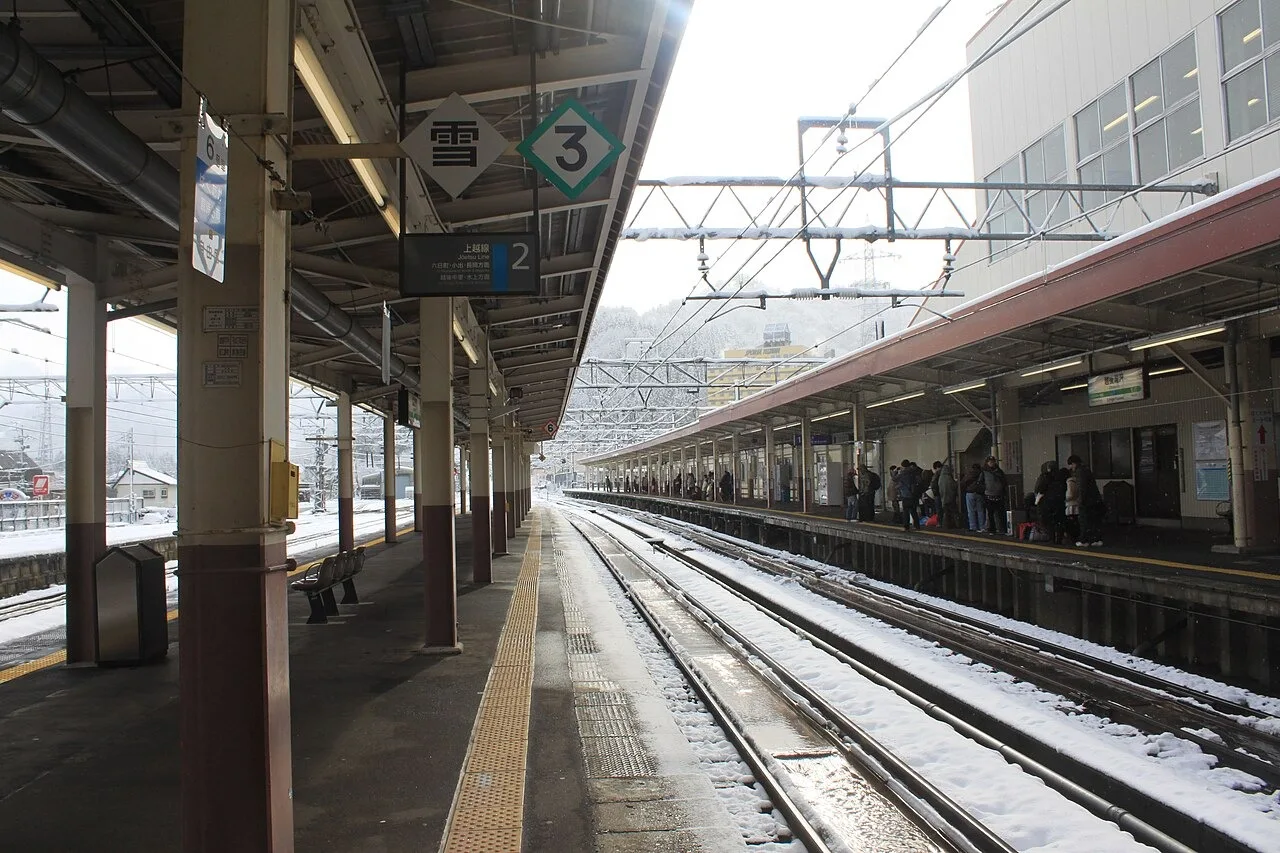
- Getting There & Pairing With Echigo-Yuzawa
- Quick Q&A
Just 69 minutes from Tokyo on the Joetsu Shinkansen, Kandatsu Kogen Ski Resort holds two rare trump cards among Kanto-area ski hills: late-night skiing that runs until 2:00 AM, and Kami-no-Yu, an on-site bathhouse and overnight nap facility where you can soak and sleep right at the base. For the 2026–27 season, pre-season operations open on December 11 before peak season kicks off on December 19. All 16 trails across the mountain are named after constellations and stars, ranging from the wide beginner-friendly Pollux to the 45-degree advanced face of Orion. Here is everything you need to plan your season calendar, lift passes, trail picks, and overnight ski loop.
2026–27 Season Calendar: Dec 11 Pre-Season, Dec 19 Peak, Apr 11 Close
Kandatsu divides its 2026–27 season into four main phases: a pre-season teaser from December 11 to 18, 2026, with ¥3,000 1-day passes; peak season from December 19, 2026, to March 28, 2027; and spring closing from March 29 to April 11, 2027. Mixed into the calendar are 40th Anniversary Weeks (January 12–15 and March 23–26) and the New Year holiday period (December 30–January 3). Operating hours and ticket prices shift across each window, so match your travel dates to the official calendar before locking in passes.
Daytime lifts start spinning at 7:00 AM JST on peak-season weekends and during the New Year period (8:00 AM on peak weekdays) and run until 4:00 PM; all other periods operate from 8:00 AM to 4:00 PM. Getting first tracks on freshly groomed corduroy at 7:00 AM is a major perk for early risers, and even day-trippers catching the first Shinkansen out of Tokyo can log a full day on the snow.
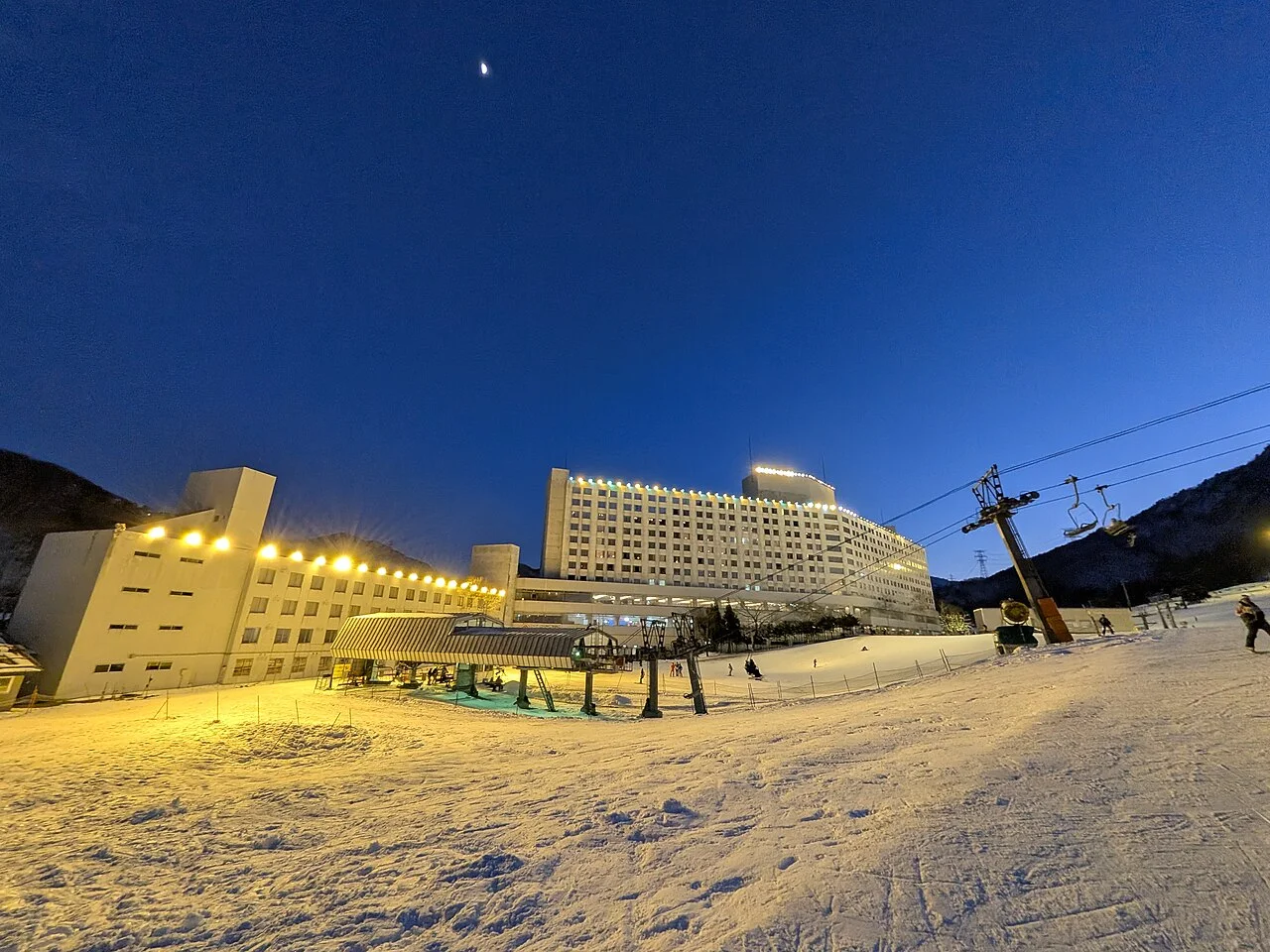
What truly sets Kandatsu apart in Yuzawa is its marathon night skiing. Running every Friday, Saturday, and evening before a national holiday from December 18, 2026, through March 27, 2027, lifts stay open from 6:00 PM until 2:00 AM—plus five straight nights from December 29 to January 2 over New Year's. Hopping a Friday evening Shinkansen out of Tokyo after work, skiing past midnight, sleeping inside the resort, and catching half a morning session before heading home delivers a high-density ski fix you will struggle to find anywhere else near Tokyo.
The resort spans 130 hectares served by 5 lifts and 16 trails, marketed as the closest 100% natural-snow resort to the Kanto region. That natural snowpack separates Kandatsu from nearby resorts that lean heavily on snowmaking machines and underpins its loyal local following. Because the entire mountain relies on just five lifts, however, lift lines can build during peak weekend hours; showing up for the 7:00 AM opening saves considerable waiting time.
Stack Kandatsu up against neighboring Echigo-Yuzawa resorts and its niche becomes clear. GALA Yuzawa wins on direct Shinkansen station access, while Karuizawa caters to sightseers and gentle family outings. Kandatsu sells a triple threat: 100% natural snow, 2:00 AM night skiing, and on-site overnight bathhouse stays. Any resort can handle a casual day trip, but if you want to pack maximum vertical into a zero-commute weekend overnight, Kandatsu is built for that exact crowd. Our Tokyo ski day trips and Yuzawa stays guide covers how to choose a base across the wider region, while this breakdown focuses on Kandatsu's own playbook.
Although both the pre-season window and 40th Anniversary Weeks offer discounted lift tickets, snow conditions differ sharply between them. The anniversary weeks sit inside peak season: January 12–15 falls squarely in deep midwinter powder, while March 23–26 approaches spring slush, giving you two completely different snow textures at the same promo price. By contrast, mid-December pre-season functions more like a soft opening with limited terrain and thinner base depth, so adjust expectations accordingly if you go for the budget opener.
Pre-season sellouts also reveal a lot about who rides here. Both the 25-Hour Pass and the Kandatsu Passport locker packages sold out before opening day, showing a strong core of Kanto regulars who treat Kandatsu as their home mountain alongside weekend day-trippers buying single-day or night tickets. That mix creates two distinct moods on site: focused regulars drilling turns at 7:00 AM on weekdays, and energized Tokyo riders filling the base lodge late Friday night.
Relying on 100% natural snow comes with a trade-off. Because base depth depends on storm cycles, early-season or warm-winter coverage can lag behind resorts with heavy snowmaking infrastructure, though Kandatsu benefits from Echigo-Yuzawa's deep snowbelt terrain and heavy snowfall for soft groomed runs. During early season before the base fills in, select beginner and intermediate trails still get snowmaking support—always check the live trail map on the official website before heading up.
Choosing the right dates comes down to your top priority. Target peak season from December 19 to March 28 for the deepest powder and full operations; pick the mid-January 40th Anniversary Week or December pre-season if budget and uncrowded practice runs matter most; and expect sunny spring cruising with softer, wetter snow from late March through April 11, adjusting your outerwear waterproofing to match.
Just 69 minutes from Tokyo by Shinkansen, Kandatsu Kogen Ski Resort offers night skiing until 2:00 AM and Kami-no-Yu, a 400-person bathhouse with overnight sleeping quarters. Here is your complete guide to the 2026–27 calendar, lift tickets, 16 constellation-named trails, and overnight ski itineraries in Echigo-Yuzawa.
Lift Tickets: Save ¥500 Online, Early-Bird & 40th Anniversary Rates
Kandatsu prices its lift tickets by day of the week and season tier. In peak season, a 1-day adult pass runs ¥5,800 on weekdays and ¥6,800 on Saturdays and designated peak days (¥3,500 and ¥4,000 for children). Buying online via the official WEB store knocks ¥500 off immediately (¥5,300 weekdays, ¥6,300 peak days), while early-bird tickets sold through December 10 drop to ¥4,500. Night skiing is ticketed separately at ¥4,900 for adults (¥3,500 for children), or ¥3,900 for adults (¥3,000 for children) if a 4-hour night pass suits your legs better.
During the 40th Anniversary Weeks (January 12–15 and March 23–26), 1-day passes drop to ¥4,400 for adults and ¥3,000 for children—the lowest peak-season rate on the calendar. Meanwhile, multi-day 25-Hour Passes and early-bird season passes go on sale before winter begins; both the 25-Hour Pass and Kandatsu Passport locker bundles are already sold out for the season, so frequent riders hoping for a season pass will need to watch the official site earlier next fall.
The lowest entry price all winter is the pre-season 1-day pass from December 11 to 18 at ¥3,000 for adults. Fewer lifts and trails run during that week, and rental inventory plus ski school availability remain below full-season capacity, making it best suited for confident riders looking to shake off the rust in mid-December.
There is no need to overcomplicate ticket options. If you are visiting for just a day or two, grabbing the WEB 1-day pass for the ¥500 discount or buying at the ticket window is the cleanest move. Early-bird deals, season passes, and multi-hour packs sell out fast with strict terms, so leave those to locals hitting Yuzawa multiple times a winter.
On weekdays, Kandatsu also offers a ¥3,800 Ladies Day package bundling a 1-day lift pass, a facial sheet mask, and your choice of either a crepe or entry to Kami-no-Yu & Sauna. It is a clear sign the resort isn't solely built for hardcore all-night riders—mixing casual laps, hot springs, and sweets into one laid-back day is very much part of the pitch.
If you are riding the Shinkansen from Tokyo and prefer an all-in-one booking, check the two transit packages linked on Kandatsu's official site: JR East Travel's seasonal Shinkansen-plus-lift-ticket day-trip package and Tobu Top Tours' one-day Kandatsu plan. Total prices sit close to what you would pay booking train and lift tickets separately, so during busy weekends simply book whichever option still has your preferred Shinkansen departure times.
| Ticket Type | Adult | Child |
|---|---|---|
| 1-Day Pass (Weekday) | ¥5,800 | ¥3,500 |
| 1-Day Pass (Sat & Designated Days) | ¥6,800 | ¥4,000 |
| WEB 1-Day Pass | ¥5,300 / ¥6,300 | — |
| Early-Bird Pass (by Dec 10) | ¥4,500 | — |
| Night Skiing Pass | ¥4,900 | ¥3,500 |
| 4-Hour Night Pass | ¥3,900 | ¥3,000 |
| 40th Anniversary Week 1-Day Pass | ¥4,400 | ¥3,000 |
| Pre-Season 1-Day Pass | ¥3,000 | — |
Constellation Trails: 16 Runs From Pollux to Orion
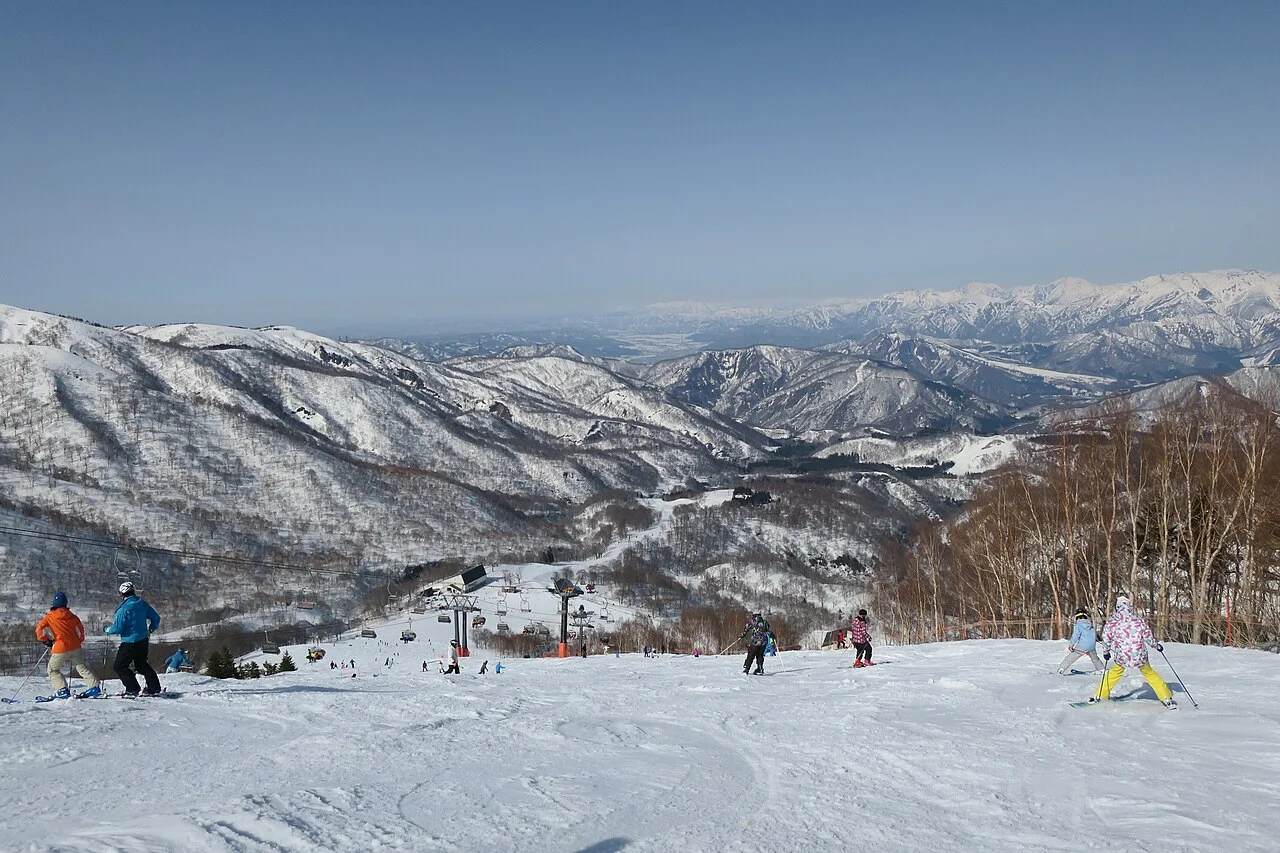
All 16 runs at Kandatsu are named after stars and constellations, with terrain evenly split across skill levels: five beginner trails (Andromeda, Procyon, Pollux, Vega, and Polaris), five intermediate trails (Subaru, Pegasus, Sirius, Regulus, and Castor), and six advanced trails (Milky Way, Orion, Hercules, Perseus, Super Antares, and Tree Hercules). Across 130 hectares, first-timers and steep-chasing experts stay well out of each other's way.
Understanding the mountain layout before riding the first chair makes navigation effortless. Upper lifts funnel into the main central face: beginners and intermediates generally anchor around Pollux, while advanced skiers drop in from high-elevation Orion and Milky Way. The uniform star-naming theme is also a hit with families, turning a day on the slopes into a fun checklist for kids tracking which constellations they have unlocked.
The signature wide cruiser Pollux stretches 1,100 meters with an average width of 50 meters, a maximum gradient of 12 degrees (10 degrees average), and full night lighting—making it the go-to lap for practicing linked turns. Beginners ready for a longer descent can connect Procyon from the upper slope to ride a continuous 2,500 meters down. Absolute newcomers should start on the gentle 6-degree Vega training slope or the broad Polaris run to find their balance before stepping onto the main face.
Experienced riders should zero in on two marquee runs. Orion is the resort's steepest test, hitting a 45-degree max pitch and averaging 37 degrees. Milky Way delivers a thrilling 2,900-meter ridge cruise with a 25-degree max pitch and 20-degree average. Park riders can lap the 1,100-meter Castor terrain park—curated by pro rider Atsushi Ishikawa with features refreshed weekly depending on snow depth—while late-night riders get quiet, untracked pockets across the lit beginner and intermediate slopes around 2:00 AM.
Always factor weather-cancellation risk into a night-skiing plan. Because night sessions only run on weekends and select holiday eves, high winds or heavy rain that halt the lifts leave zero makeup window that night. Keep a backup plan handy around Echigo-Yuzawa Station—such as a day-use onsen ryokan and a sake restaurant—so you can pivot smoothly if the mountain closes.
Keep the difficulty limits of night skiing in mind, too. Floodlights cover the main beginner and intermediate runs like Pollux, not 45-degree expert pitches like Orion. Kandatsu's night sessions are tailored for relaxed cruising and skill practice rather than steep freeriding; if you are coming for expert terrain, prioritize daytime hours and confirm the exact night-lit trail list in current resort notices.
If anyone in your group is brand new to skiing or snowboarding, budget separately for equipment rentals, lessons, and lift tickets, then check the official site for bundled beginner deals—the same budgeting rule applies across most mid-sized Japanese resorts. Note also that unlike tourist-oriented hills such as Mount Rokko in Kansai, Kandatsu does not maintain permanent foreign-language ski school classes, so confirm instructor availability and book well ahead if you need English or Chinese coaching.
Instead of forcing a checklist run of all 16 trails, pacing your day by snow surface and crowd flow pays off far more. Hit the 45-degree Orion first thing in the morning while the snow is crisp and fresh; move onto the 50-meter-wide Pollux midday to dial in edge changes without feeling crowded; and finish late afternoon with a sweeping 2,900-meter ridge descent down Milky Way straight back to the base.
The official trail map color-codes difficulty zones and night-lit runs clearly, though not all 16 trails stay open from opening day through spring close—early season and spring melt always trim the open count. Make it a habit to pair the trail map with the live status ticker on the homepage (which displays open lifts out of 5 and open courses out of 16) before leaving Tokyo so you know exactly how much terrain is running.
For beginners and intermediates who have just mastered linking turns, night skiing hides a pleasant surprise. Once ski school groups and families clear out after dusk, the freshly groomed surface on Pollux is wide open and remarkably calm—giving you far more room to practice than midday. Just expect temperatures to drop sharply after 1:00 AM JST, hardening the snow into firmer ice; save any aggressive drills for the 6:00 PM-to-midnight window.
Checking whether conditions warrant a trip doesn't require digging through social media rumors. Kandatsu's homepage posts real-time Lift & Course Status alongside daily snowfall and snowmaking updates; refreshing it once in the morning and again mid-afternoon before a night session gives you the most accurate picture available.
On a combined day-and-night ticket, save daytime hours for advanced lines and long ridge runs that close at dusk, then shift to the floodlit beginner and intermediate slopes once the daytime lifts stop. Keeping an eye on the live open-lift and trail ratios ensures your legs go toward the best snow on the hill.
Kami-no-Yu: Yuzawa’s Largest 400-Person Bathhouse & Overnight Nap Facility
Inside the base resort building, Kami-no-Yu & Sauna operates alongside the ski season from December 18, 2026, through March 28, 2027. From Sunday through Thursday, it opens from 2:00 PM to 6:00 PM JST for daytime bathing only; every Friday and Saturday, it stays open all night until 9:00 AM the next morning and opens its overnight nap area. Measuring 7 meters wide by 15 meters long, the main bath holds roughly 400 people—among the largest in the Echigo-Yuzawa area—complete with a sauna, cold plunge, and spacious panoramic outdoor bath.
Bath-only admission (capped at 2 hours, with a ¥1,000 surcharge per extra hour) is ¥1,300 for adults on weekdays, ¥1,500 on weekends and holidays, and ¥600 for children. Overnight passes—which include unlimited bathing and access to the 6th-floor lounge—cost ¥6,000 for adults and ¥2,000 for children. Finishing your last run at 2:00 AM, walking downstairs into a hot soak, and sleeping until sunrise eliminates midnight taxi hunts and early-morning shuttles back up the mountain.
Sleeping quarters come in two formats: 100 neatly arranged single tents set up in the 4th-floor hall for standard overnight guests, plus 15 private Japanese-style tatami rooms ranging from S-type (4 mats, up to 4 guests) to LL-type (10 mats, up to 10 guests) for an additional ¥6,000 to ¥12,000 per room (every occupant must still hold an individual overnight pass). Riders planning to ski the next morning can book the all-in-one Overnight + Next-Day 1-Day Lift Pass + Breakfast Voucher package for ¥12,000 per adult (¥7,000 per child). Both overnight passes and private rooms require advance online booking, with only rare same-day standby spots released if unbooked.
Why build a bathhouse big enough for 400 people inside a ski lodge? One look at the locker room at 2:00 AM on a Friday or Saturday night—when hundreds of skiers unbuckle their boots at once—explains everything. The oversized tubs, sauna, and outdoor bath absorb that sudden rush effortlessly. Just keep the weekday schedule straight: Monday through Thursday (plus Sunday) closes at 6:00 PM, with overnight soaking and sleeping strictly limited to Fridays and Saturdays.
Go in with realistic expectations for the sleeping setup. Whether you book one of the 100 indoor single tents or a private tatami compartment, this is a functional overnight rest space rather than a traditional hot spring inn—soundproofing, mat thickness, and privacy are modest. Treat it as a ski-in pit stop, pack earplugs and an eye mask, turn in early after your soak, and you will still wake up ready for first chair.
Booking and cancellation rules are strict, so read the fine print before paying. Overnight stays and private rooms are online-reservation only with no phone booking or inquiries. Cancellations are free up to two days before check-in, after which a 100% penalty applies starting the day before arrival. If your weather or travel plans are still fluid, hold off on the overnight booking and stick to a day-bath ticket until dates are locked.
Compare Kami-no-Yu with the hot spring inns clustered around Echigo-Yuzawa Station and the two serve completely different roles. Kami-no-Yu wins on door-to-slope efficiency—letting you step straight out of ski boots into hot water in a lively, cavernous lodge bath—while station-front ryokan offer quiet, intimate soaking. Use Kami-no-Yu on night-skiing nights to save hours of transit, then stop by a classic inn near the station for a daytime soak before catching your train home.
Entry policies draw clear lines for families and tattooed guests. Official rules strictly prohibit visitors with tattoos from entering the baths, preschool children may not enter without a guardian, and minors staying overnight alone must present written parental consent. Families with young kids can take turns watching children in the lounge while soaking, and checking these policies ahead avoids awkward turn-aways at the front desk.
At its core, Kami-no-Yu isn't just a bonus amenity—it is the engine that makes the Friday night-ski, sleep-on-mountain, Saturday morning-ski loop work. Without a 400-person bathhouse and sleeping hall right beneath the lifts, hundreds of riders finishing at 2:00 AM would be stranded trying to haul gear down the mountain in search of hotel beds, breaking an otherwise seamless weekend escape.
How to Plan a Night-Ski Overnight Loop
The classic Tokyo after-work itinerary starts Friday evening on the Joetsu Shinkansen to Echigo-Yuzawa Station, followed by the free 7-minute shuttle straight to Kandatsu. Click into your bindings when night lights switch on at 6:00 PM, ski through to 2:00 AM, soak downstairs in Kami-no-Yu, and crash in the overnight hall. After breakfast included in your package, hit the lifts refreshed at 9:00 AM until 4:00 PM, then ride an evening Shinkansen back to Tokyo—squeezing two full days of riding into 48 hours on just a night pass plus the ¥12,000 overnight bundle.
Even so, first-time skiers should resist the romantic pull of starting on a night session. Rental shop selections and ski school schedules shrink dramatically at night compared to daytime operations. Take a daytime lesson first to nail braking, speed control, and basic turns, saving night skiing as a reward once you feel steady. Even experienced riders should pick up rentals during daytime hours or at a Tokyo shop beforehand, as the mountain rental desk shuts long before the 2:00 AM final bell.
Before locking in an overnight stay, keep four hard house rules front and center: solo minors need signed parental consent; preschool children cannot enter unaccompanied; tattooed guests are barred from the baths (unlike tattoo-welcoming public bathhouses in Kinosaki Onsen—travelers with tattoos can use the overnight sleeping hall or stay elsewhere); and cancellations starting one day prior incur a 100% fee. Clear those four checkpoints and your stay will run without surprises.
Even if someone in your group doesn't ski, Echigo-Yuzawa works seamlessly as a shared base. Non-skiers can spend the day exploring the sake museum, local rice eateries, and hot springs around Echigo-Yuzawa Station while skiers lap Kandatsu, meeting up via the 7-minute shuttle whenever they like on the same Shinkansen fare.
Small gear details make a huge difference when chaining night skiing into a morning session. Arrange a multi-day rental on day one at the counter so you skip morning sizing queues and save on separate single-day fees. Pack two complete sets of moisture-wicking base layers and ski socks—changing into dry, fresh layers after your post-night-ski soak prevents shivering when you step back onto the morning lift.
The real test of back-to-back sessions is leg stamina and sleep quality. Finishing at 2:00 AM, showering, and settling down leaves only five or six hours of rest before pulling heavy ski boots back on at 7:00 or 9:00 AM, which catches up fast if you don't train regularly. For your first overnight attempt, treat Saturday morning as a half-day session, head down to Echigo-Yuzawa Station before noon for a hot bowl of ramen, and take an unhurried train back to Tokyo.
Deciding between sleeping inside the lodge or booking a hotel by the station comes down to how much you value a real bed. Kami-no-Yu wins on zero late-night transfers and transparent pricing, though you are sleeping in an indoor tent or simple tatami compartment. If deep sleep and a hearty multi-course dinner matter more, book an onsen hotel near Echigo-Yuzawa Station, ride the shuttle down after skiing, and return fresh in the morning—trading a bit more budget and shuttle time for far better rest.
Kami-no-Yu separates its floors cleanly: the 4th floor holds the 100 single tents and 15 private tatami rooms, while the 6th-floor lounge stocks manga and internet stations if adrenaline keeps you awake after 2:00 AM. On food, note that the ¥12,000 overnight bundle only covers next-day breakfast—no hot restaurant kitchen stays open for late-night orders, so pack snacks and dry rations before night skiing begins and treat the lodge like a streamlined ski dorm.
Put both overnight strategies side by side: the ¥12,000 Kami-no-Yu package (overnight stay + next-day lift pass + breakfast) keeps you steps from the snow with zero transit hassle, while an Echigo-Yuzawa Station ryokan trades two quick shuttle rides for a private bathroom, a plush bed, and town dining. At comparable budgets, pick the lodge for pure all-night ski immersion or the station hotel for comfort and pace.
Before clicking checkout on Kami-no-Yu, run a quick piece of math. The ¥12,000 bundle includes a next-day 1-day lift pass and breakfast, so it only saves money if you actually plan to ski the following morning. If you ski Friday night and only want to sleep in, soak, and stroll around Echigo-Yuzawa on Saturday, buying the ¥4,900 night pass plus the ¥6,000 bath-and-nap pass separately totals just ¥10,900—saving ¥1,100 over the bundle.
Getting There & Pairing With Echigo-Yuzawa
The Joetsu Shinkansen takes about 69 minutes from Tokyo Station to Echigo-Yuzawa Station, where Kandatsu's free shuttle bus covers the final 7-minute hop to the slopes. Drivers exit the Kan-Etsu Expressway at Yuzawa IC and reach the base lot in 1 km (about 3 minutes). Frequent trains make Tokyo day trips effortless, while night skiers face the opposite equation: with no trains running back to Tokyo at 2:00 AM, staying overnight at Kami-no-Yu and riding home the next day turns a transit dead end into the smartest schedule.
Echigo-Yuzawa Station itself is a lively hub of hot springs and Niigata sake, letting non-skiing companions spend half a day browsing its concourse shops and soaking along the onsen street while skiers return down the mountain to great food and drinks. Combining late-night runs at Kandatsu with an easy daytime stroll in Yuzawa packs both hard riding and downtime into one weekend; see our Tokyo ski day trips and Yuzawa stays guide for more regional lodging options, with Kandatsu standing out as the latest-running hill in the valley.
Across the entire Yuzawa ski cluster, Kandatsu's uncontested edge is combining 2:00 AM night skiing with on-site overnight stays. GALA Yuzawa takes the crown for direct train-to-gondola convenience, and interconnected Yuzawa Kogen and Ishiuchi Maruyama win on sprawling terrain—but for turning the 48 hours after Friday work in Tokyo into non-stop skiing and sleeping on site, nothing else in Yuzawa matches Kandatsu.
When riding the Joetsu Shinkansen between Tokyo and Echigo-Yuzawa on peak winter weekends, don't gamble on non-reserved seats. Even with frequent departures, aisles clog quickly with ski bags and bulky suitcases, and Sunday afternoon reserved cars heading back to Tokyo regularly sell out early—book round-trip reserved seats at least a few days ahead. If driving the Kan-Etsu Expressway, snow tires are mandatory in Niigata's deep-snow zone and snow chains should ride in your trunk just in case.
Although the free shuttle between Echigo-Yuzawa Station and Kandatsu takes only 7 minutes, departure times are timed closely around Shinkansen arrivals and departures. Overnight guests at Kami-no-Yu won't need to stress over the last bus, but day-trippers should save the current shuttle timetable from the official site onto their phone before leaving so you aren't left guessing in the cold before your return train.
Zooming out across Japan's winter ski map, Kyushu's Kuju pairs skiing with volcanic hot springs, Mount Rokko in Kansai suits quick Kobe day trips, and Tohoku's Hakkoda targets deep backcountry powder and snow monsters. Kandatsu Kogen owns a distinct lane: late-night skiing and on-mountain overnight stays within easy Shinkansen reach of Tokyo—pick based on your departure city and preferred pace.
International visitors flying into Narita or Haneda Airports can plug into this route easily. The smoothest approach is spending your arrival night in central Tokyo to recover from the flight, leaving large suitcases at your Tokyo hotel, and traveling light the next morning from Tokyo Station (about 69 minutes) or Omiya Station to rent gear at the resort—check our Tokyo near-city ski guide for luggage storage and rental comparisons.
Total costs for a two-day, one-night trip stay refreshingly transparent: round-trip Joetsu Shinkansen fare, plus ¥4,900 for the night pass and ¥12,000 for the Kami-no-Yu package (or ¥6,000 for overnight stay only if skipping morning laps). Beginners simply add rentals and lessons on top, with official pricing laid out cleanly and virtually no hidden fees.
When the free shuttle drops you back at Echigo-Yuzawa Station, don't rush straight onto the train platform. The station concourse is packed with Niigata regional souvenirs, giant bakudan onigiri rice balls, and a popular sake-tasting wall to fill wait times. If you brought your own skis or board, Takkyubin courier counters inside the station let you ship your bag straight back to your Tokyo hotel or airport so you can relax hands-free on the ride home.
Run a quick packing check before leaving Tokyo for a night-plus-morning session: two sets of goggle lenses (clear or low-light yellow for night runs, tinted for daytime sun), two pairs of moisture-wicking base layers and ski socks, windproof insulated gloves and a warm beanie, daytime ski sunscreen, and a portable power bank. On-site convenience stock is limited, so toss everything into your daypack before boarding the Shinkansen.
A few useful answers
How late does night skiing stay open at Kandatsu Kogen?
For the 2026–27 season, night skiing runs every Friday, Saturday, and evening before a national holiday from December 18, 2026, through March 27, 2027, from 6:00 PM to 2:00 AM JST, plus five consecutive nights from December 29 to January 2. A full night pass is ¥4,900 for adults, and a 4-hour night pass is ¥3,900.
How much are lift tickets?
During peak season, an adult 1-day lift pass costs ¥5,800 on weekdays and ¥6,800 on Saturdays and designated days, with a ¥500 discount when purchased online via the official WEB store. Early-bird passes bought by December 10 are ¥4,500, 40th Anniversary Week passes (January 12–15 and March 23–26) are ¥4,400, and pre-season 1-day passes (December 11–18) are ¥3,000.
Are the trails suitable for beginners?
Yes. Five of the 16 trails are rated for beginners. The main Pollux slope is 1,100 meters long, 50 meters wide, averages a 10-degree pitch, and is lit for night skiing. Beginners looking for a longer run can link Procyon from the upper section for a 2,500-meter cruise, while Vega (averaging 6 degrees) and the wide, gentle Polaris serve as dedicated learning zones. Advanced skiers can tackle Orion, which peaks at 45 degrees.
How much does Kami-no-Yu cost, and can you sleep there?
Bath-only admission (2-hour limit) costs ¥1,300 for adults on weekdays and ¥1,500 on weekends and holidays. On Fridays and Saturdays, Kami-no-Yu stays open overnight until 9:00 AM the next day with a designated nap area for ¥6,000 per adult (¥2,000 per child), including unlimited bathing and access to the 6th-floor lounge. An overnight package with a next-day 1-day lift pass and breakfast voucher is ¥12,000 for adults. The main bath holds roughly 400 guests, making it one of the largest in Yuzawa.
How do you get there from Tokyo?
Take the Joetsu Shinkansen from Tokyo to Echigo-Yuzawa Station (about 69 minutes), then hop on the resort's free 7-minute shuttle bus. By car, it is just 1 km (about 3 minutes) off the Yuzawa IC exit on the Kan-Etsu Expressway. If you plan to ski until 2:00 AM, staying overnight at Kami-no-Yu and catching the train back to Tokyo the next day is the smoothest option.
Can guests with tattoos use the Kami-no-Yu baths?
No. Kami-no-Yu's official policy prohibits guests with tattoos from entering the bathing areas—unlike tattoo-friendly bathhouses such as Kinosaki Onsen in Kansai. Travelers with tattoos can still book and use the overnight sleeping and lounge areas without entering the baths, or choose another tattoo-friendly bathing facility nearby.
Is night skiing good for total beginners?
First-time skiers should avoid starting with a night session. Equipment rental inventories and ski school class offerings are much more limited at night than during the day. It is safer and more enjoyable to take a daytime lesson first to learn speed control, braking, and basic turns, saving night skiing as a bonus once you have your footing. Be sure to pick up rental gear during daytime counter hours, as the rental desk closes well before 2:00 AM.
Official information and references
Sources used in this guide.
- Kandatsu Kogen Ski Resort | Operating Hours & Lift Rates (2026–27 Season Calendar & Pricing)
- Kandatsu Kogen Ski Resort | Course Guide (Constellation Trails & Difficulty)
- Kandatsu Kogen Ski Resort | Kami-no-Yu & Sauna (Bathing, Overnight Nap & Private Rooms)
- Kandatsu Kogen Ski Resort | Official Homepage (Access & Season Updates)
.jpg)


