
Planning a first family ski trip to Kandatsu Snow Resort via the free Echigo-Yuzawa Station East Exit shuttle. Covers ski and snowboard lesson age limits, Chinese-speaking instructors, half-day rental cutoffs, beginner trails, and budgets whether parents ski or watch.
- Region & Focus
- Echigo-Yuzawa and NaebaSkiing
- Reading Scope
- 24 min read · 10 chapters · 8 Q&As
- Official Verification
- 16 official sources checkedUpdated November 22, 2026
- Key Topics
- WinterFirst tripTravel budget
Chapter Route Map (tap any stop)
- Lesson Ages: Choosing Ski or Snowboard First
- Chinese-Speaking Instructors and Lesson Handoffs
- Getting There from Tokyo: What Happens Beyond the Train
- First Steps at the Base: Rentals, Check-In, and Kid Sizing
- Buying 2026–27 Lift Tickets Around Your Lesson Schedule
- Which Runs to Practice On: Vega, Polaris, and Pollux
- Sample Budgets for One Adult + One Child, or Two Adults + One Child
- Tokyo Day Trip vs. Overnighting in Echigo-Yuzawa
- Early Season, Spring Snow, and Night Skiing: When to Pivot
- Where Non-Skiers Wait: Lunch Flow and Kami no Yu Baths
- Quick Q&A
On a first trip to Kandatsu Snow Resort with kids, start by picking a lesson they are actually eligible to join. Children ages 4 to 6 can book one-on-one ski lessons with INOUE K2, while elementary schoolers can join regular group ski classes. Elementary-age kids who want to snowboard can join R-LABO's weekend and holiday kids' group lessons. Free shuttle buses run from the East Exit of Echigo-Yuzawa Station and take about 7 minutes, though you will still need time on arrival to change, get boot fittings, and check in at the school desk. For a Tokyo day trip, scheduling one lesson, a sit-down lunch, and a short practice window you can end early leaves plenty of breathing room for everything that slows down a child's first day on snow.
Lesson Ages: Choosing Ski or Snowboard First
First-time skiers ages 4 to 6 can book private kids' lessons at INOUE K2, scheduled in one-hour blocks between 9:00 and 16:00 JST. When booking, provide your child's age, height, foot length, and any prior snow experience, and confirm the meeting spot in advance. Younger kids still need naps, so a one-hour morning slot pairs smoothly with lunch afterward. If one sibling is in preschool and an older one is in elementary school, try overlapping the private lesson with the group class so two parents can handle drop-offs separately. If one adult is managing two kids alone, stagger the handoff times instead.
Elementary schoolers and older beginners trying skis for the first time can join INOUE K2's regular group lessons, held from 10:00 to 12:00 and 13:30 to 15:30 at ¥6,000 per person. Regular group lessons are generally walk-in registration on site, while private and specialty classes require advance reservation. If you take a later Shinkansen from Tokyo, aim for the afternoon session and handle rentals and lunch before noon. For the morning class, plan to reach the school counter on the second floor before 9:30 so there is time for boot fitting, a bathroom stop, and walking out to the meeting point. Parents hand children directly to the instructor at drop-off and pick them up in person afterward, so keep your own runs close enough to return on time.
Elementary schoolers who want to learn snowboarding can book R-LABO's kids' group lessons on Saturdays, Sundays, and national holidays, or kids' private lessons on weekdays; both require phone reservations. R-LABO lists half-day kids' group lessons at ¥6,200 and half-day single-rider private lessons at ¥15,200. The school's Basic 1 beginner group class is only for junior high students and older. Even if the whole family rents snowboards, elementary and junior high siblings will likely go into different classes, so compare class times, handoff points, and skill groupings when you book. Older siblings who can already ride independently can join their own class and meet complete beginners back at lunch.
Pay attention to the Japanese terms on class boards: suki means skiing, sunobodo means snowboarding, and beginner classes may include students who can already glide down a gentle slope. When inquiring, state clearly whether your child has never worn ski boots, has taken one prior lesson, or can stop but not yet link turns—this helps the school place them properly. If kids want to take a lesson with their parents, ask whether your shared skill level works with one instructor. When one person is still sidestepping on flat snow while another is practicing turns, taking separate lessons and meeting on the same gentle run lets everyone progress at their own pace.
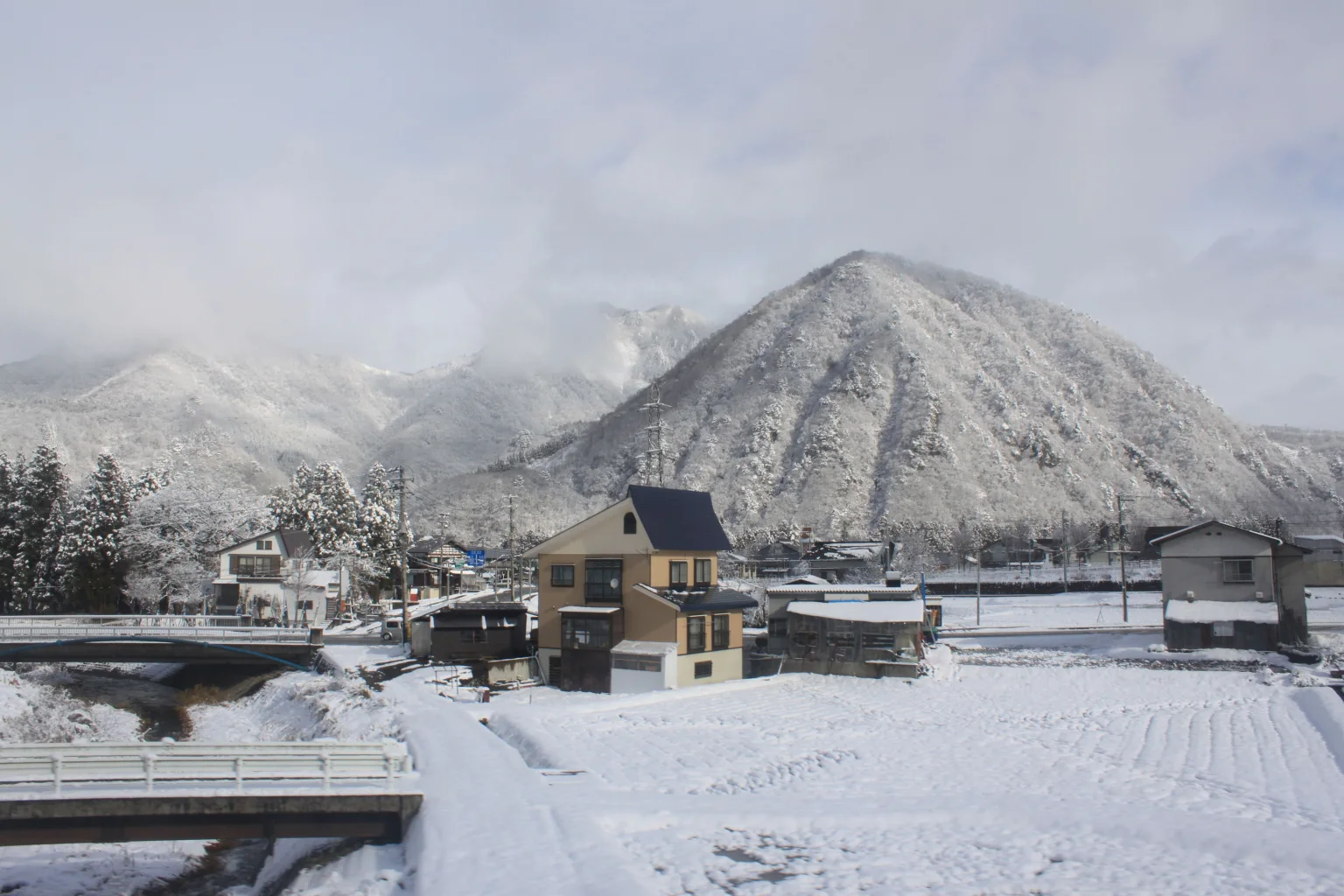
Planning a first family ski trip to Kandatsu Snow Resort via the free Echigo-Yuzawa Station East Exit shuttle. Covers ski and snowboard lesson age limits, Chinese-speaking instructors, half-day rental cutoffs, beginner trails, and budgets whether parents ski or watch.
Chinese-Speaking Instructors and Lesson Handoffs
If your child does not understand Japanese, ask INOUE K2 about its special Chinese-language private ski lessons. The school lists group-priced rates of ¥40,000 for two hours or ¥72,000 for four hours for 1 to 4 students. A four-hour booking splits into two hours in the morning and two in the afternoon with lunch in between. Two families of similar ability sharing a four-person, two-hour slot come out to ¥10,000 per person. If your group includes children ages 4 to 6, mention their ages and language needs when reaching out so the school can confirm the right format and instructor before you buy tickets. Regular ¥6,000 group ski lessons are a separate category, so budget directly off the private rate if you need Chinese instruction.
Before class starts, ask the school three things: whether the class will ride a chairlift that day, which entrance to meet at, and where parents should return for pickup. Those three answers affect what lift tickets you buy and how you time your walk. Complete beginners start by getting used to the gear and practicing flat movement, with lift rides added only when the instructor judges the group ready. Leave a working phone number, confirm where you will wait, and mention any cues your child responds best to if they take a moment to warm up. Make sure gloves and helmets are fitted before you walk with staff to the meeting zone for handoff.
If only one adult in the group knows how to ski, have that person study the trail map and floor layout the night before while the other adult handles ground check-in with the kids. If adults are taking lessons too, stagger the schedules so you are not riding up a lift right when your child's class finishes. Before walking away, make sure your child knows who is picking them up and where to wait with the instructor. At pickup, ask the instructor for one quick takeaway on what your child actually mastered that morning, then repeat those drills on the same approved slope in the afternoon instead of rushing onto a new trail.
Getting There from Tokyo: What Happens Beyond the Train
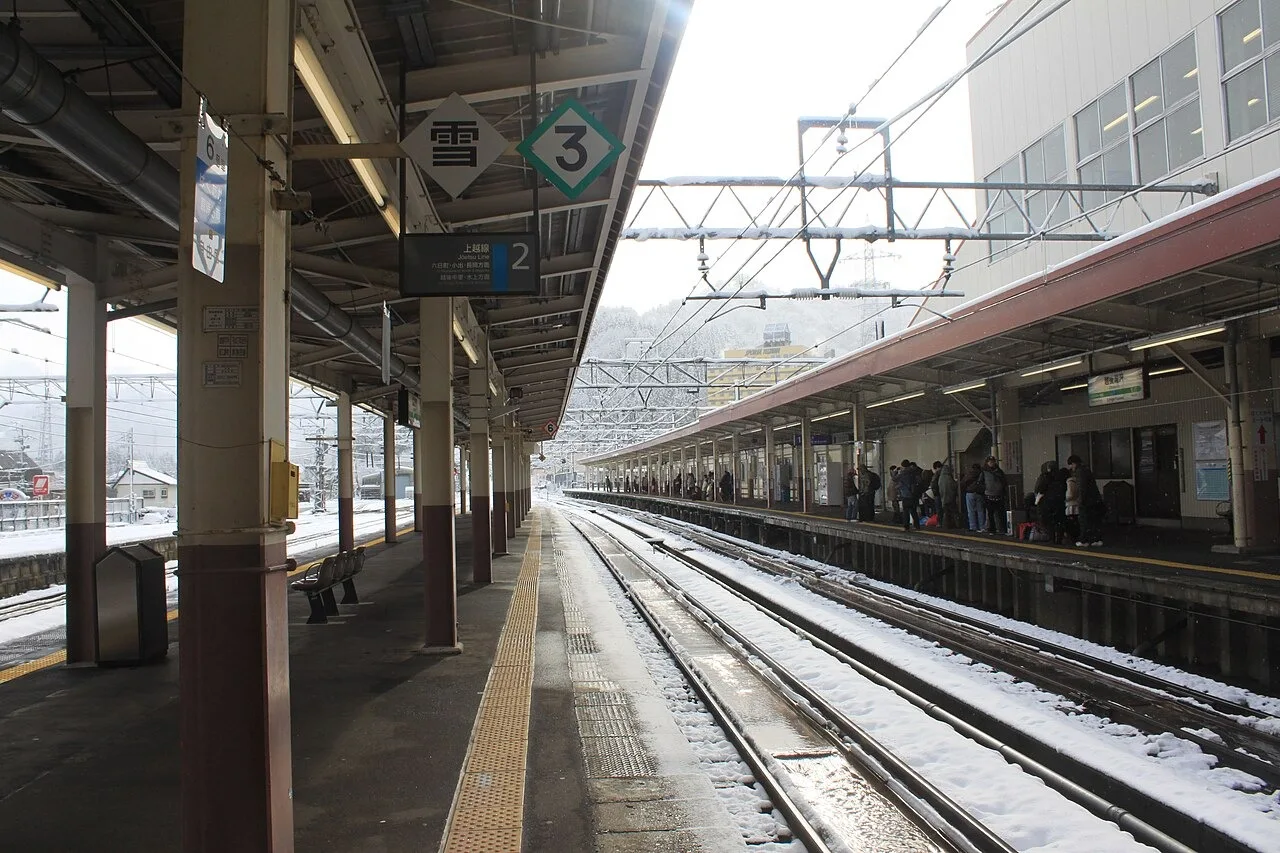
The Joetsu Shinkansen from Tokyo to Echigo-Yuzawa takes roughly 70 minutes depending on the train's stop pattern. After getting off, follow signs for the East Exit (Higashiguchi) and look for the free Kandatsu Snow Resort shuttle bus. The bus ride takes about 7 minutes, but you still need extra buffer time to walk from the platform, haul gear, and line up for the shuttle. When booking train seats, check Kandatsu's access timetable first to match a shuttle that gets you to the resort in time for your lesson, then pick your Shinkansen accordingly. Aiming one train earlier works best for families, leaving margin for sudden bathroom breaks, missing gloves, or diaper changes without missing the bus.
When reading the shuttle timetable, distinguish between departures from Echigo-Yuzawa Station East Exit and departures from Kandatsu Snow Resort; the station route also has separate weekday and weekend/holiday columns, alongside separate routes such as the hot spring town loop. Families visiting only Kandatsu should board straight from the East Exit. Even if your hotel is on the West Exit side, you can walk through the station to the East Exit bus stop—and if your hotel runs its own shuttle, check whether it drops at the station or goes directly to the ski area. Before splitting up for the return trip, pick an easy-to-spot meeting landmark inside the station. If one adult takes the kids down early while two others return rentals, circle both your target bus and the backup departure on the same timetable.
If you bring your own skis or boards, JR East's Joetsu Shinkansen trains have unreserved luggage racks available first-come, first-served, though not every train set has dedicated ski racks. Securing seats together for the whole family does not guarantee open space on the racks. If you are juggling board bags, a stroller, and multiple suitcases, decide ahead of time who boards first with the kids and who loads bulky gear. Keep doorways and aisles clear, and never put heavy or unstable bags on overhead shelves. For beginners only skiing a morning session, renting on site saves the hassle of hauling board bags out of Tokyo.
Driving from the Yuzawa IC exit on the Kan-etsu Expressway takes about 1 km (3 minutes) to the resort. The main parking lot is free, while slope-side priority spots cost ¥2,000 per space by online reservation. On weekends and holidays, overflow cars are directed to outer lots served by an internal shuttle loop. For a half-day morning trip, priority parking saves a long haul carrying ski boots and gear bags. Follow NEXCO East's winter driving guidance with winter tires and tire chains on board; during mandatory all-vehicle chain controls, even cars on snow tires must mount chains. Even though the final stretch from the expressway is short, build winter road conditions and chain checks into your drive time.
First Steps at the Base: Rentals, Check-In, and Kid Sizing
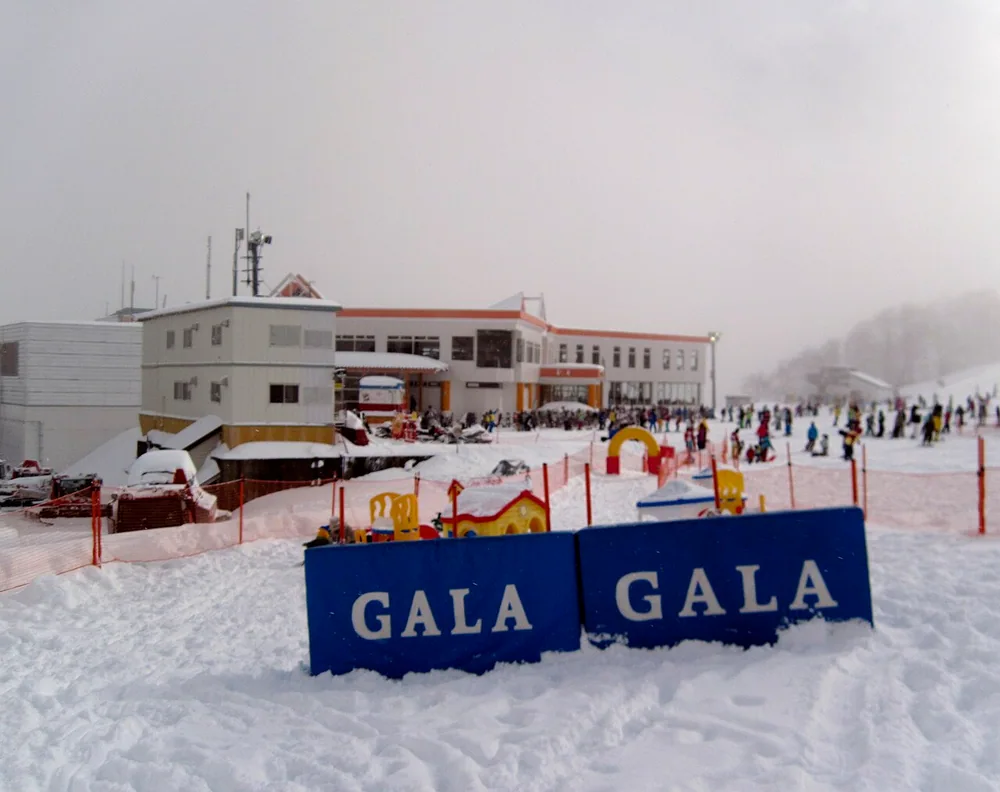
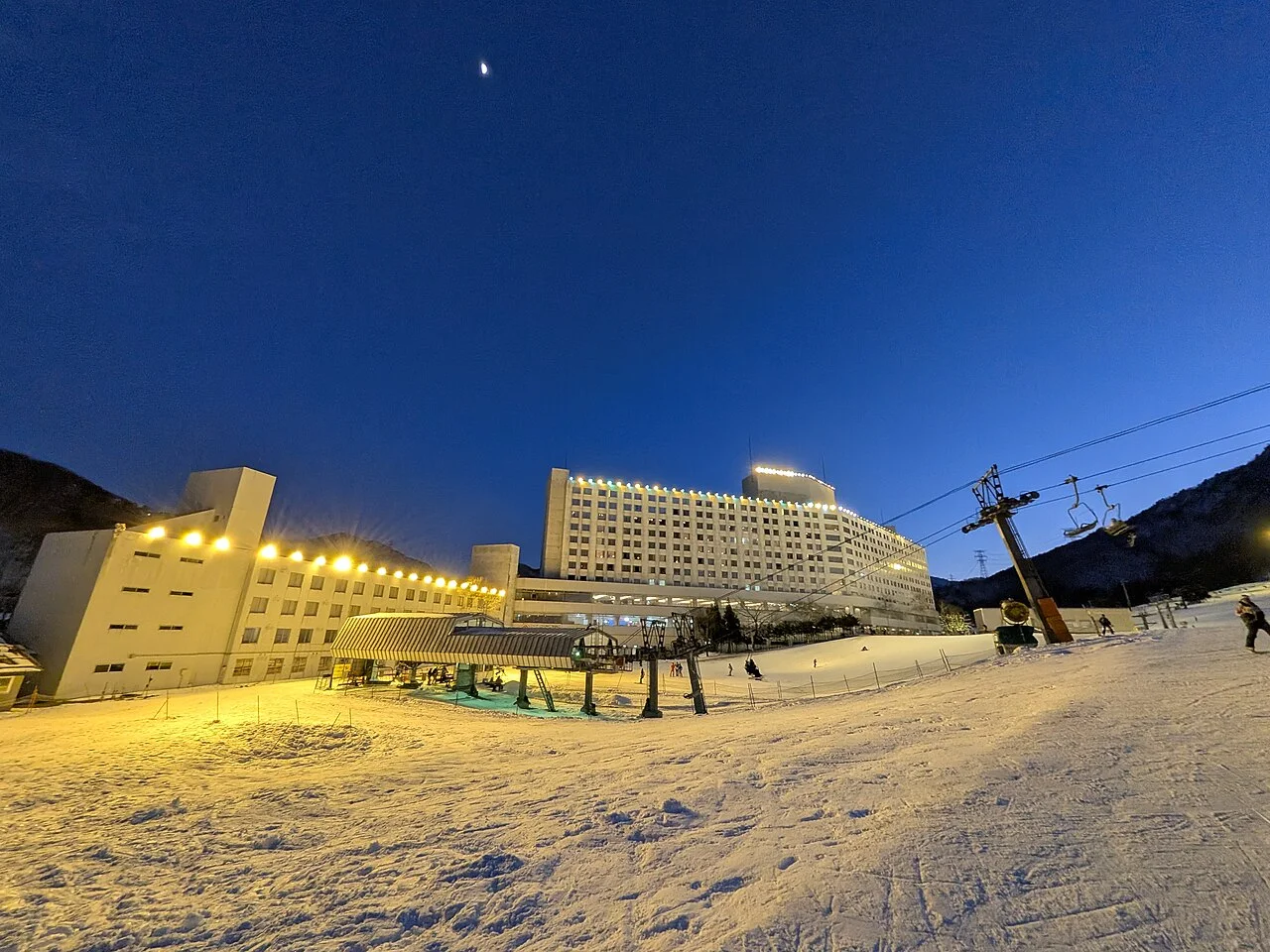
The shuttle drops you right at GROUND BASE. The first floor holds the main lobby and lockers; the second floor houses ticket counters, the information desk, and ski school reception; and the third floor has the rental shop and Pegasus restaurant. If you are renting full sets for the first time, check the line on the third floor upon arrival while one parent handles lesson check-in and lift tickets on the second floor. If there is only one adult, check in at the ski school first to confirm the meeting point before heading upstairs for gear. If you bought early-bird day passes online, scan your QR code at the machines next to the second-floor information desk—keep booking confirmations and school contacts queued up on your phone.
Kandatsu's on-site rental shop is walk-in only and does not take advance reservations. Every renter fills out a separate form, and staff check ID (passports are accepted). Boots are sized in centimeters: kids' ski boots are listed from 15 to 24 cm, kids' snowboard boots from 13.5 to 22 cm, and kids' outerwear from 90 to 150 cm. For toddlers or kids near the bottom of the size range, measure their feet at home before booking lessons. Staff match board or ski length to height and ability; have your child try on boots in the ski socks they will actually wear, and ask whether their toes feel pinched or their heels lift inside. Since stiff boots feel unfamiliar to first-timers, have them stand up, take a few steps, and point to any spot that hurts rather than relying on a vague "it feels weird."
You can rent outerwear sets, skis or snowboards, boots, and bindings (ski sets include poles). Goggles, gloves, and beanies are sold rather than rented—the shop sells a three-piece set for ¥4,000—while helmets are rented separately. Pack waterproof gloves, ski socks, and thermal base layers from home so your child has properly fitted essentials even if you rent everything else on site. Once gloves get soaked, kids struggle to zip jackets and buckle boots, so keep a dry spare pair in an adult's daypack for lunch. Leave change-of-clothes bags in the first-floor lockers; the less you carry up the stairs, the easier it is to help kids move around.
Half-day rentals are split into morning and afternoon blocks: the morning daytime slot runs until 12:00, and the afternoon slot runs from 11:45 to 17:00. Both run independently of the 4-hour lift ticket timer. Because the regular morning ski class ends right at 12:00 and you still have to walk back up to the third floor, ask the rental counter how they handle returns when a class lets out at noon. If you plan to eat lunch and ski again afterward, book a full-day rental from the start. Families taking a 13:30 lesson can use the afternoon half-day rental instead: eat lunch at the station or base first, fit gear after 11:45, and check in for class—leaving lift tickets unactivated until your first lift ride.
Kandatsu applies different age cutoffs across lift tickets, rentals, and lessons. Child lift tickets apply to elementary school students, child rental rates are age-based (including 12-year-olds), and each ski school sets its own class brackets. If your child is between school grades or right on a birthday cutoff, note both their exact age and school grade alongside your travel dates when verifying eligibility. Half-day rentals are tied to each individual's registration form, so if a boot pinches or a binding won't clip, go back to the third-floor counter for adjustments instead of swapping gear among yourselves.
Buying 2026–27 Lift Tickets Around Your Lesson Schedule
Daytime 4-hour passes start counting from the first scan at a lift gate. For example, scanning in at 10:45 gives you until 14:45, including any lunch or indoor breaks. Wait until your child has finished boot fitting and ground drills and is actually heading to the lift with the instructor before scanning through. If you plan to ski the morning, sit down for a long lunch, and head back out, a full-day pass gives you much better flexibility. Non-skiing family members who are only waiting at the base, handling drop-offs, or eating lunch can hold off on buying passes until everyone knows who is riding lifts. Single-ride tickets cost ¥1,000, are valid on the day of purchase only, and require confirming your ski-down route before boarding.
Regular-day window pricing applies to weekdays, Sundays, national holidays, and the New Year holiday period at ¥5,800 for adults and ¥3,500 for elementary schoolers. Saturdays and two special dates—January 10 and March 21, 2027—use the higher tier of ¥6,800 for adults and ¥4,000 for elementary schoolers. Daytime 4-hour passes cost ¥4,700 for adults and ¥3,000 for elementary schoolers on regular days, and ¥4,900 and ¥3,500 on Saturdays and the two special dates. Since both special dates fall on Sundays, plug the higher Saturday tier into your budget if you are traveling on either weekend.
Online adult day passes go on sale December 19 at ¥5,300 and ¥6,300—each ¥500 less than the matching window price. Early-bird adult day passes cost ¥4,500, are sold through December 10, 2026, and remain valid until March 28, 2027, though they are non-cancellable and non-refundable once paid. If you are still waiting on lesson confirmation or finalizing travel dates, paying a little more for refundable flexibility can be worth it. Kandatsu has announced that its 2026–27 25-hour passes are sold out, so calculate short-session family budgets using 4-hour and day passes.
Families who can visit on weekdays during the 40th anniversary promotion—January 12–15 or March 23–26, 2027—get day passes for ¥4,400 for adults and ¥3,000 for elementary schoolers. On those dates, the elementary day pass matches the regular 4-hour price, while the adult day pass costs ¥300 less than a regular 4-hour ticket. Lift passes for two adults and one child come to ¥11,800 total, letting you scan in during the morning, take an unhurried lunch, and squeeze in a few extra afternoon runs if energy holds. There is also a weekday-only Ladies' Plan for ¥3,800 that pairs a day pass with a facial sheet mask and a choice between a crepe or Kami no Yu bath and sauna entry.
| Date & Purchase Method | Adult Day Pass | Elementary Day Pass | Adult 4-Hour Pass | Elementary 4-Hour Pass |
|---|---|---|---|---|
| Regular-Day Window | ¥5,800 | ¥3,500 | ¥4,700 | ¥3,000 |
| Saturdays & Jan 10 / Mar 21 Window | ¥6,800 | ¥4,000 | ¥4,900 | ¥3,500 |
| 40th Anniversary Promo Dates | ¥4,400 | ¥3,000 | Use day pass during promo | Use day pass during promo |
Which Runs to Practice On: Vega, Polaris, and Pollux
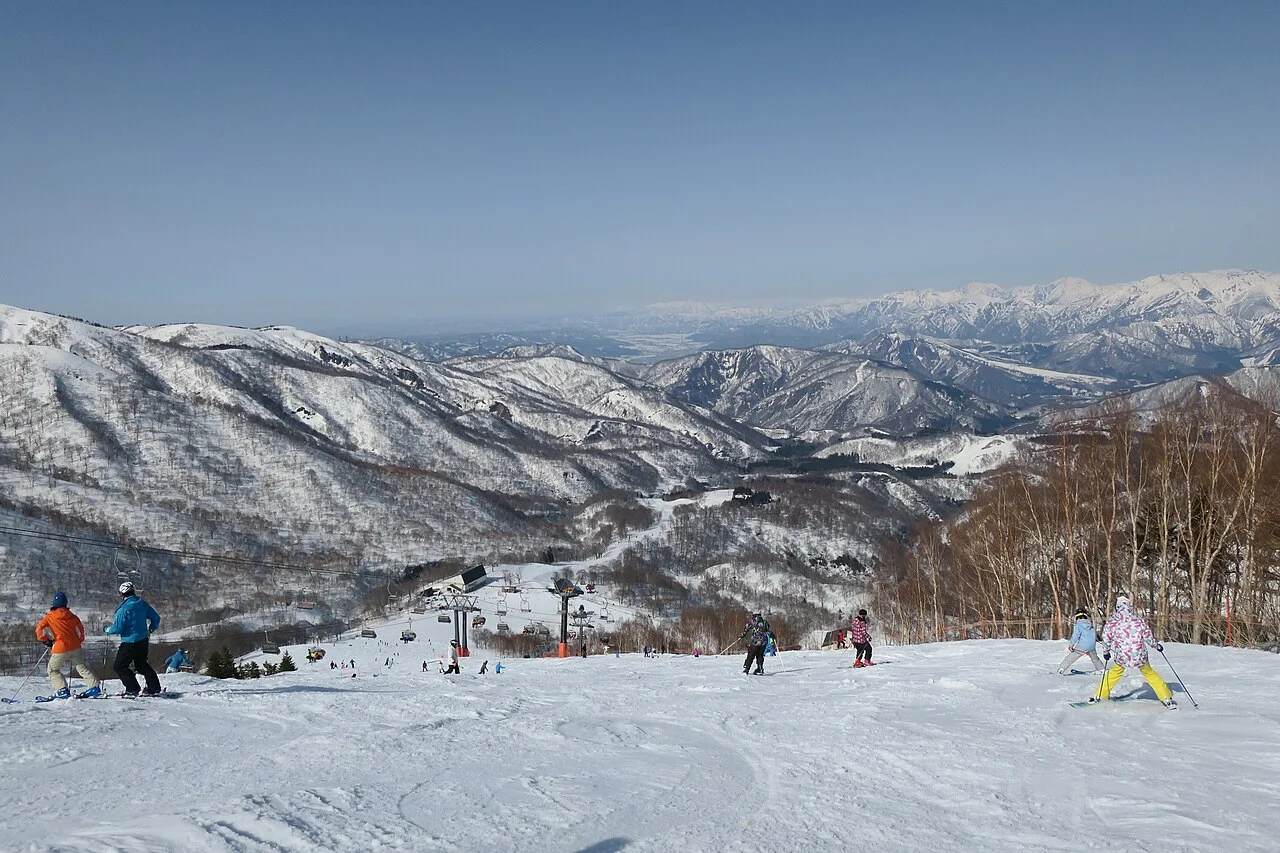
Knowing the two base buildings makes reading the trail map much easier. GROUND BASE at the bottom handles shuttles, check-in, and rentals, while MID BASE mid-mountain has dining and rest areas. After meeting your instructor, note which run the class is using and which return trail leads back to the base. Kandatsu lists Vega with an average pitch of 6 degrees (10 degrees max), making it a common beginner return route. Polaris is a wider gentle slope, and both runs carry night-skiing markers—always check that day's open-status board first. For a half-day session, stick to one slope where your child can stop reliably; taking a wrong turn wears kids out faster than riding an extra lap.
Once a child can stop and turn independently and spot the exit trails the instructor pointed out, an adult who knows the mountain can guide them onto Pollux. This is Kandatsu's main run, stretching roughly 1,100 meters at an average width of 50 meters, with an average pitch of 10 degrees and a 12-degree maximum. Its width leaves room to practice, though faster skiers and riders share the slope. Start on sections your child can handle comfortably, and move to the trail edge when stopping to rest—never stop below blind rollovers, at trail junctions, or right under lift unload zones. If your child is still sitting down several times per lap, drop back to the terrain the instructor used.
Castor runs right beside Pollux with an average pitch of only 8 degrees, yet Kandatsu rates it intermediate because terrain park features line the run. At junctions, verify trail names in Japanese or check your downloaded map rather than blindly following skiers ahead of you. Another beginner-marked trail, Andromeda, drops from the top of Lift D with a maximum pitch of 20 degrees, while a combined long cruiser via Procyon reaches roughly 2,500 meters for skiers already comfortable linking Pollux top to bottom. On a child's very first day, focus on getting cleanly back to the base via routes they recognize and save multi-run linkups for a future trip.
Before clipping in, check the lift operations and course status charts on the resort's website (Unko / Kado Jokyo). Pick your target slope, then trace both the lift going up and the ski-down path back to base. When only part of the mountain is open, stick to practice zones where you can exit along the same familiar route. Before a child's first lift ride, follow staff or instructor directions into the loading lane and make sure they know which station to unload at and where to glide aside to wait. If you ever get separated, return to your pre-arranged base meeting spot and have one adult stay put rather than both heading back up the mountain.
Sample Budgets for One Adult + One Child, or Two Adults + One Child
Using peak-season regular weekday published prices, a family with one child in INOUE K2's ¥6,000 regular ski class and one adult waiting at the base pays ¥3,000 for the child's 4-hour lift pass, ¥4,000 for half-day ski/boot/outerwear rental, and ¥1,000 for a half-day helmet. That brings basic on-mountain ski costs to ¥14,000 before adult meals and Shinkansen fares. If your child is heading back to the hotel right after class, this setup keeps things simple—just have the watching adult wear snow-ready shoes and pack spare clothes instead of paying for unused gear.
If one adult and one child both ski while only the child takes a lesson, two regular-day 4-hour lift passes come to ¥7,700. Half-day outerwear-and-gear packages cost ¥6,000 for an adult and ¥4,000 for an elementary child; adding two half-day helmets (¥2,000) and one ¥6,000 class totals ¥25,700. If the adult already owns ski clothing, a weekday equipment-only half-day rental drops to ¥4,500, trimming ¥1,500 off the estimate. Make a checklist of gloves, hats, and goggles before leaving home so surprise shop purchases don't blow up your day budget.
For two adults and one child all skiing—with just the child taking a ¥6,000 group ski class—regular weekday 4-hour passes total ¥12,400, half-day outerwear and equipment sets for two adults and one child come to ¥16,000, and three helmets add ¥3,000, bringing the total to ¥37,400. On a Saturday, lift-ticket differences raise that exact setup to ¥38,300. All three scenarios use half-day rentals and exclude food, trains, and lockers. An afternoon lesson pairs easily with afternoon half-day rentals; if you take a morning class and want to keep gear for afternoon practice, upgrade to full-day rentals—weekday full-day outerwear-and-gear sets run ¥10,000 for adults and ¥6,000 for kids (an extra ¥10,000 total for two adults and one child), while weekday helmet rentals remain ¥1,000 per person for either half-day or full-day.
If all three family members share a two-hour Chinese-language private ski lesson instead, swap the ¥6,000 group fee for the ¥40,000 private group rate; keeping the same weekday lift tickets, half-day gear sets, and helmets puts your total around ¥71,400. Practicing stops and turns in the same lesson helps parents reinforce exactly what the instructor taught once class ends. If your child already has some basics and the adults want to join separate regular group classes, tally both time and lesson fees separately. Before locking in any lesson, verify whether lift tickets and rentals are excluded so everyone splitting the bill knows the full per-person cost.
Tokyo Day Trip vs. Overnighting in Echigo-Yuzawa
The easiest Tokyo day-trip rhythm centers on an afternoon lesson. Arrive at Echigo-Yuzawa Station, eat lunch or grab portable snacks first, then line up at the East Exit for the Kandatsu shuttle. Pick up afternoon half-day rentals starting at 11:45, get your child dressed, and check in on the second floor for the 13:30–15:30 group ski class. If your child still has energy afterward, do a short practice lap on the same gentle slope the instructor used. Book an evening Shinkansen back to Tokyo to leave time for gear returns, lockers, and the shuttle—and if your child is wiped out when class ends, return rentals right away and catch an earlier train without feeling like you cut the day short.
To make a morning lesson comfortably, stay overnight near Echigo-Yuzawa Station. Families hauling kids and gear looking for the shortest morning walk should book near the East Exit where breakfast starts early enough to make the bus. If you prefer a traditional ryokan along the hot spring street, look within walking distance of the West Exit, have dinner at the inn, and walk through the station to the East Exit in the morning. On a two-day trip with one ski day, leave your main suitcases at the hotel and carry only slope gear up the mountain, then pick up your luggage before boarding the Shinkansen. Before booking, ask your hotel about ski storage, luggage hold, and kids' meals so you can pack everything needed for the slopes into one small daypack. For neighborhood breakdowns and resort shuttle differences, see Tokyo ski day trips and Echigo-Yuzawa stays.
If you have two nights and two kids at different levels, schedule the main lesson on your first full day and leave the second morning for review. One morning spent getting used to gear and learning to stop makes it much easier to pick up the same drills on the same slope the next day—and parents get a chance to practice what they learned without repeating shuttle transfers and boot fittings. If you only want kids to play in the snow and share a relaxed meal, return to the station to browse CoCoLo Yuzawa's rice crackers, miso, and local food stalls, or pick up Koshihikari rice balls for the train. Note that Ponshukan's sake-tasting room (Kikisake-bansho) does not admit visitors under 20 or guests accompanied by children, so families should set meeting spots at a visible storefront inside the main concourse instead.
Early Season, Spring Snow, and Night Skiing: When to Pivot
For 2026–27, Kandatsu lists December 11–18, 2026 as early-season trial operations (8:00–16:00, ¥3,000 trial day pass at the window). Regular peak season runs December 19, 2026 through March 28, 2027, opening at 8:00 on weekdays and typically 7:00 on weekends and holidays, closing at 16:00. The New Year period spans December 30, 2026 through January 3, 2027, followed by spring season from March 29 through April 11, 2027 (8:00–16:00). Because lessons and rentals make up the bulk of a first-timer family's spending, targeting a regular-season weekday gives far better run and class reliability than locking into opening week just for a ¥3,000 lift ticket.
During thin early-season snow or high winds, confirm that the beginner slope your instructor plans to use is actually open before heading up. Spring snow swings sharply from icy morning groomers to slushy afternoon runs, so stick to trails picked with your instructor where beginners can control speed. If a child complains of cold, says boots are rubbing, or starts falling repeatedly where they previously stopped fine, head back to the base to rest rather than squeezing extra runs out of a 4-hour pass. If rain starts falling at the base, shift lunch or bath time earlier and plan your bus ride back to the station around road conditions.
When only select lifts or beginner runs close, non-skiing companions can still wait inside GROUND BASE, but never let children hike along the outside of closed lifts or sled on ski trails. If the whole family pivots indoors, eat inside Echigo-Yuzawa Station or walk out the West Exit toward the hot spring street to visit Yukigunikan (Snow Country Museum), covering the novel Snow Country, traditional snow-country life, and local history. It generally opens 9:00–17:00 (last entry 16:30), closes Wednesdays (or the next day if Wednesday is a holiday), and costs ¥500 for adults and ¥250 for elementary and junior high students—an easy, quiet stop before catching the train back to Tokyo.
Night skiing runs from December 18, 2026 through March 27, 2027, mainly on Fridays, Saturdays, and nights before national holidays, plus five straight nights from December 29 through January 2, running 18:00 to 2:00 on select lifts and trails. Beginner families checking out night skiing should stick strictly to runs they already know from daytime. Four-hour night passes cost ¥3,900 for adults and ¥3,000 for elementary students, starting from first gate scan. Night half-day rentals split into fixed windows—up to 22:00, and 22:00 until rental close—so anyone starting at 21:00 must watch the return cutoff closely. Unlit trail edges, icy glare, and cold hands all slow judgment; kids tired from daytime practice are better off heading back to the hotel with non-skiing family members. For late-night bath and transit logistics, see Kandatsu night skiing and Kami no Yu guide.
Where Non-Skiers Wait: Lunch Flow and Kami no Yu Baths
Pegasus restaurant on the third floor of GROUND BASE serves set meals, noodles, and hearty plates, making it much easier for non-skiing family members without lift tickets to meet skiers for lunch than trying to coordinate at mid-mountain MID BASE. For a quick coffee or snack break, snow cafe near the first-floor entrance has hot drinks and light bites. If some adults head back out alone in the afternoon, agree on a return time by the stairwell before separating while another parent helps kids change out of damp layers and waits until rental return. Stash a bag of dry clothes and socks in a locker first thing in the morning so you can grab it fast at lunch.
To shower or soak before leaving the resort, check in at the Kami no Yu reception on the fourth floor of GROUND BASE; the large baths sit on the fifth floor, and guests get lounge access on the sixth floor. For 2026–27, the baths operate December 18, 2026 through March 28, 2027, costing ¥1,300 for adults on weekdays and ¥1,500 on weekends and holidays for two hours, with child entry at ¥600. Hours are 14:00–18:00 Monday through Thursday and Sundays (last entry 17:00). Preschool-age children must be accompanied by an adult, and parents should not check children in and leave the facility. If you have a train to catch afterward, budget separate buffer windows for returning rentals, bathing, and catching your chosen shuttle.
On a typical day trip with a 15:30 class pickup, the biggest bottleneck happens when you try to cram gear returns, a bath, and the shuttle bus into a single hour. Drop off rentals and outerwear on the third floor first, pull dry clothes from your locker, and then decide realistically between soaking at Kami no Yu or catching an earlier bus down. If two adults split up, one can take the kids back to the station for an early dinner while the other stays for a final run and meets them there. Night skiers must plan return transport separately—even when lifts spin until 2:00, neither resort shuttles nor Shinkansen trains run through the night.
A few useful answers
Does Kandatsu Snow Resort offer lessons for 4- to 6-year-olds?
Yes. INOUE K2 offers reservation-based one-on-one ski lessons for ages 4 to 6 in one-hour blocks. Elementary schoolers and older can join regular group ski classes.
Can elementary schoolers join adult beginner snowboard group classes at Kandatsu?
No. R-LABO's Basic 1 group class is for junior high students and older; elementary schoolers have separate weekend/holiday kids' group classes and weekday private lessons booked by phone.
Can we book a Chinese-speaking ski instructor at Kandatsu?
Yes. INOUE K2 lists special Chinese-language private ski lessons at ¥40,000 for 2 hours for 1 to 4 students. Share the ages of any 4- to 6-year-olds when booking so they assign the right format.
Do 4-hour lift passes and half-day gear rentals run on the same clock?
No. Four-hour lift passes start counting from your first lift gate scan, while daytime half-day rentals follow fixed windows (until 12:00 for morning, 11:45–17:00 for afternoon).
Where do we catch the Kandatsu shuttle bus from Echigo-Yuzawa Station?
Exit through the East Exit (Higashiguchi) of Echigo-Yuzawa Station and board the free Kandatsu Snow Resort shuttle, about a 7-minute ride. On the return trip, check the resort-departure column on the timetable.
Do we need oversized baggage reservations for ski bags on the Joetsu Shinkansen?
No. Luggage racks on JR East's Joetsu Shinkansen do not require reservations and are free to use when space is open, though some trains lack dedicated ski racks—keep aisles and doors clear.
Are 25-hour passes still available for the 2026–27 season?
No, Kandatsu announced they are sold out. For shorter regular-day sessions, use a daytime 4-hour pass at ¥4,700 for adults and ¥3,000 for elementary schoolers.
Can a non-skiing parent wait at the resort while kids are in class?
Yes. Non-skiing parents can wait in the GROUND BASE dining areas and meet the instructor at the agreed pickup time and location.
Official information and references
Sources used in this guide.
- Kandatsu Snow Resort 2026–27 Operating Calendar and Lift Ticket Rates
- Kandatsu Early-Bird Day Pass Terms and Cancellation Policy
- Kandatsu 25-Hour Pass Sold-Out Notice
- INOUE K2 Official Ski Lessons, Age Limits, and Multilingual Private Classes
- R-LABO Official Snowboard Lessons, Kids' Registration, and Rates
- Kandatsu On-Site Gear Rentals, Sizing, and Return Cutoffs
- Kandatsu Access, Echigo-Yuzawa East Exit Shuttle, and Parking
- JR East Oversized Luggage Storage Rules
- Kandatsu Official Trail Map and Slope Difficulty Ratings
- Kandatsu Daily Lift and Course Operating Status
- Kandatsu GROUND BASE and MID BASE Floor Guide
- Kami no Yu 2026–27 Bath Hours, Rates, and Child Entry Rules
- NEXCO East Winter Driving Gear and Tire Chain Regulations
- Ponshukan Echigo-Yuzawa Station Store Information
- Yuzawa Town History and Folklore Museum (Yukigunikan) Admission and Closures
- Yukigunikan Floor-by-Floor Exhibits

.jpg)


